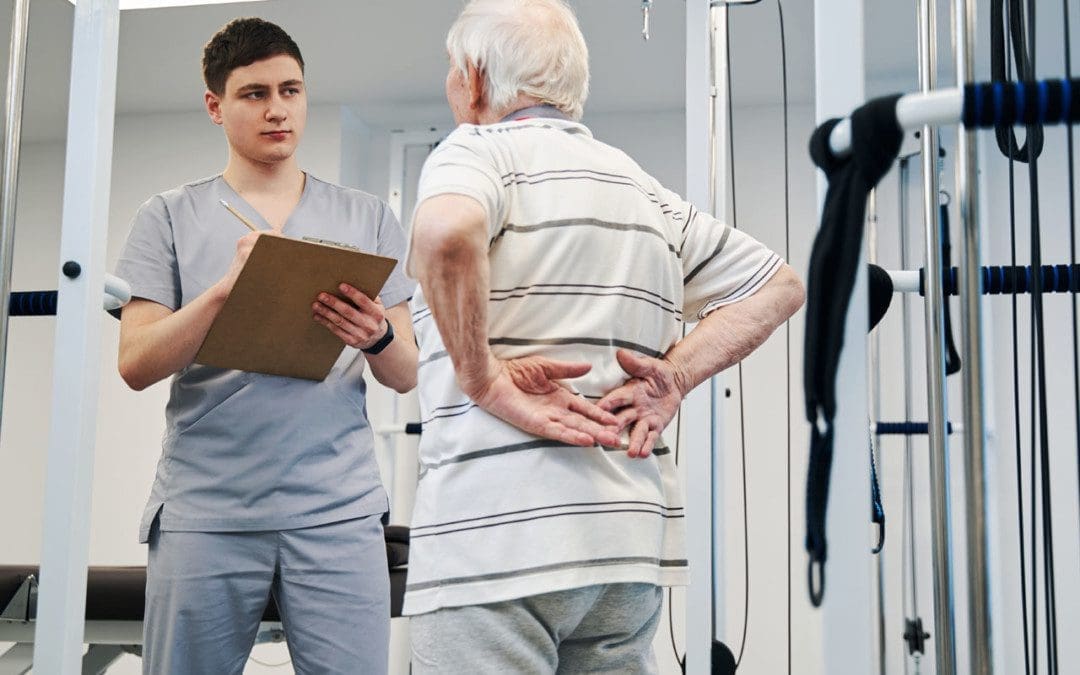
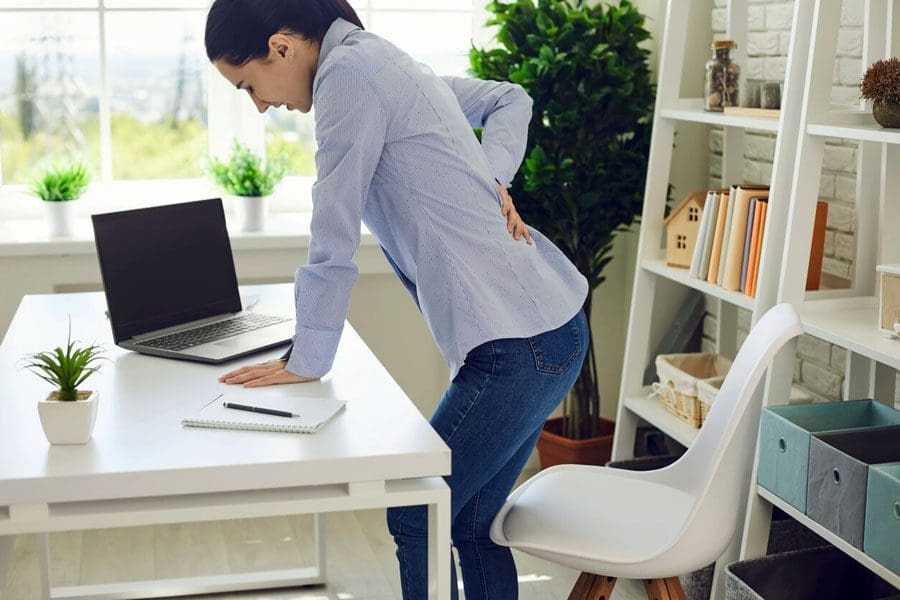
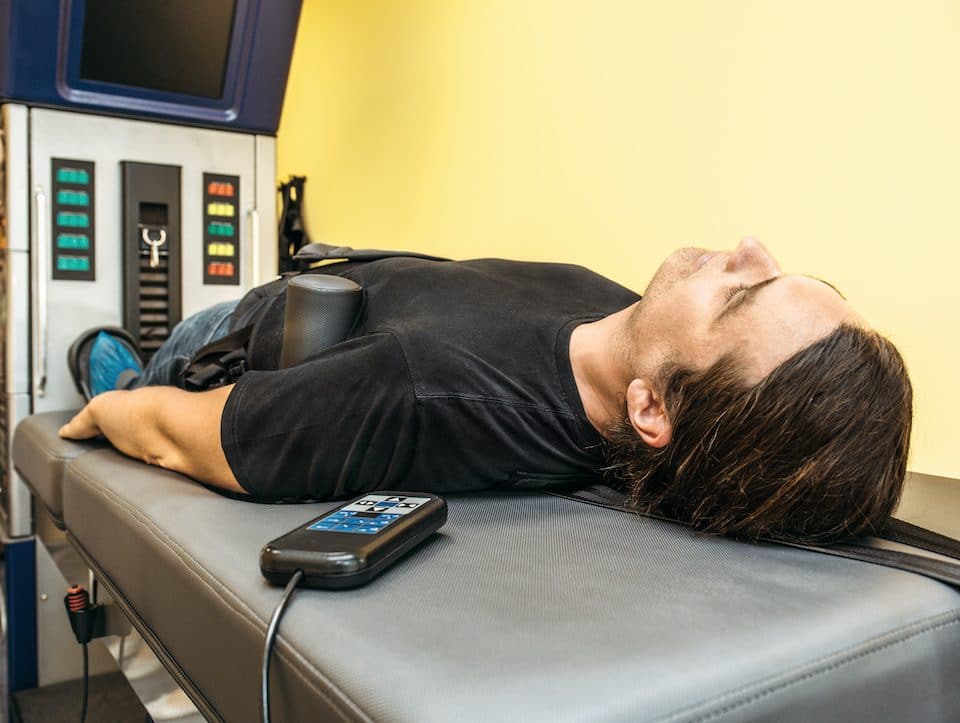
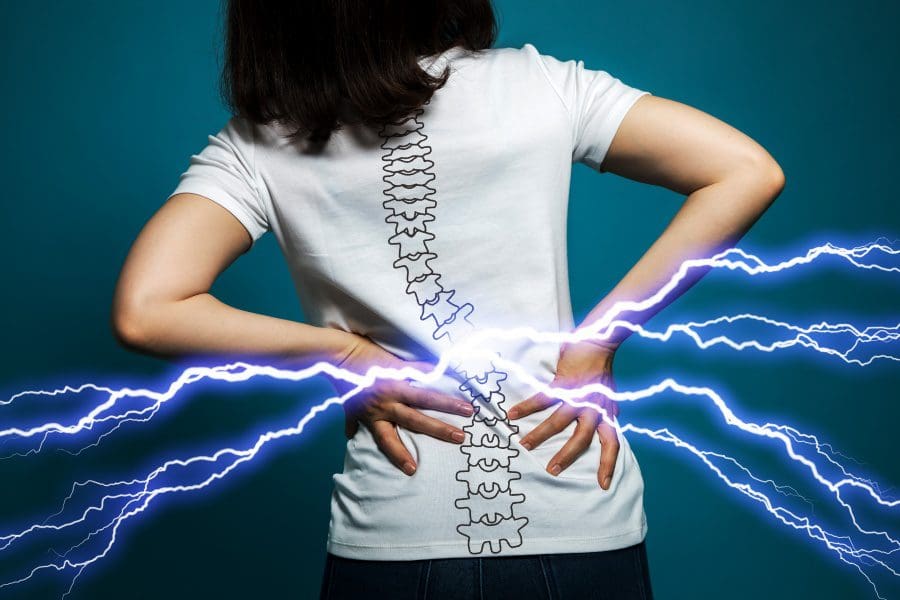
Claudication is muscle pain that presents when the body is active and stops when the body is at rest, also known as intermittent claudication. Individuals typically report dull aching, cramping, tingling, and/or numbness. Vascular claudication is caused by circulatory problems like poor blood circulation and peripheral artery disease. Still, spinal conditions can also cause neurogenic claudication caused by problems with the spine and nervous system.
Neurogenic Claudication
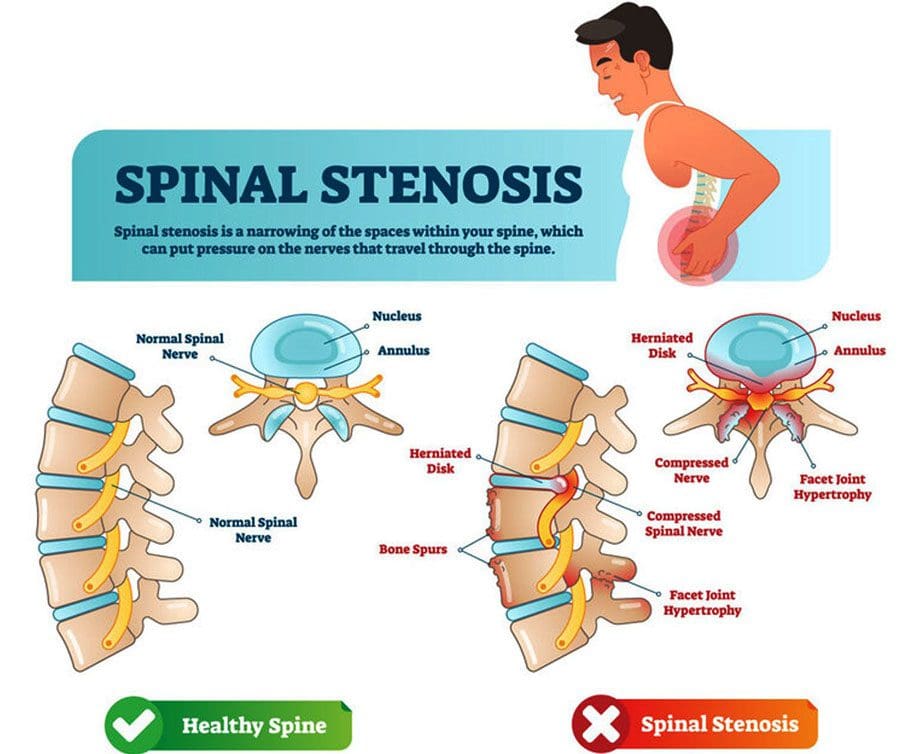
Sciatica is the usual suspect when thigh, hip, buttock, calf, or total leg pain or other sensations are present; however, it could be spinal stenosis with neurogenic claudication. Spinal stenosis is sometimes called pseudo claudication, a narrowing of the space around the low back, which can put pressure on the spinal cord directly and compress the blood vessels around the spine, cutting off oxygen-carrying blood. Pain can start in the lower back and circulate down the legs and cause weakness, tingling, or numbness in the legs and feet. The most common areas of spinal compression include:
The foramen are the openings on the sides of the spine where nerves exit and connect to the peripheral nervous system.
The narrowing can occur in any of these areas, with the most common cause being lumbar spinal stenosis brought on by lumbar degenerative disease.
Symptoms
The most common symptoms of neurogenic claudication include:
Pain in the lower extremities, including the buttocks, thighs, and calf, only manifests with activities like walking or standing around.
Pain that shows up equally on both sides.
There is no pain when sitting or not walking around.
Radiculopathy or nerve pain that radiates down an affected limb. Sciatica is a typical example.
However, the symptoms of claudication and radiculopathy are different.
Claudication will be felt all along the length of the nerve.
Radiculopathy pain is more localized to the buttock, thighs, and calves and can get worse with activity and is generally present even when at rest.
Treatment
Non-surgical treatment of neurogenic claudication includes medication to help control pain, chiropractic manual therapy, non-surgical spinal decompression, physical rehabilitation therapy, and steroid shots to reduce inflammation. A doctor will recommend stretching, strengthening exercises, and types of activities to help improve the body’s ability to support itself. This could include swimming, walking, and stationary cycling. However, conservative treatment might not be an option for individuals with more severe cases. If conservative treatment options don’t work, surgery could be recommended. A healthcare provider can help explain treatment options. Successful outcomes have been seen in cases that are diagnosed and treated early.
Non-Surgical Spinal Decompression Chiropractor
References
Colak, Ahmet, et al. “A less invasive surgical approach in the lumbar lateral recess stenosis: a direct approach to the medial wall of the pedicle.” The European spine journal: official publication of the European Spine Society, the European Spinal Deformity Society, and the European Section of the Cervical Spine Research Society vol. 17,12 (2008): 1745-51. doi:10.1007/s00586-008-0801-z
Munakomi S, Foris LA, Varacallo M. Spinal Stenosis And Neurogenic Claudication. [Updated 2022 Feb 12]. In: StatPearls [Internet]. Treasure Island (FL): StatPearls Publishing; 2022 Jan-. Available from: https://www.ncbi.nlm.nih.gov/books/NBK430872/
Maintaining a healthy weight is challenging, especially Fridays, Saturdays, Sundays, and extended weekends, increasing the risk of binge eating and weight gain. This is where healthy cheat meals and snacks come into play to help individuals stick to their diet while enjoying healthy junk food. Plus, finding the proper high-calorie carb-packed meal can help optimize the body’s hormones to prevent adverse effects on metabolism and hunger.
Cheat Meals
One way to look at a diet and still have the flexibility for sweet or savory foods is to set up the flexibility. To maintain health, practice portion control and eat healthy foods 80% of the time, allowing a 20% margin for the junk foods. To improve health, eat healthy foods 90% of the time, and allow a 10% margin until a health goal is reached.
Cheeseburger without the Buns and Sweet Potato Fries
They can be made healthy with lean ground beef, beans, peppers, cheese, avocado, tomatoes, and jalapeños for a meal that incorporates quality protein and healthy fats.
It can be made vegetarian by removing the meat and adding more beans and vegetables.
Dark chocolate contains monounsaturated fats that can help improve cholesterol, blood sugar, and insulin levels.
Dark chocolate also supplies vitamins, minerals, and antioxidants for heart and brain health.
Dietician Nutritionist
These are a few examples; the objective is to get individuals to learn to create their healthy cheat meals A diet or adjusting for a more nutritional food plan should always start with a nutritionist, dietician, or health care provider. They can help develop a customized plan that fits an individual’s specific needs. It is about finding the balance and creating a positive relationship with food.
Fibromyalgia Food Choices Nutraceutical Options
References
Coelho de Vale R, et al. (2016). The benefits of behaving badly on occasion: Successful regulation by planned hedonic deviations.
doi.org/10.1016/j.jcps.2015.05.001
Kuijer RG, et al. (2014). Chocolate cake. Guilt or celebration? Associations with healthy eating attitudes, perceived behavioral control, intentions, and weight loss. DOI:
10.1016/j.appet.2013.11.013
Murray SB, et al. (2018). Cheat meals: A benign or ominous variant of binge eating behavior? DOI:
10.1016/j.appet.2018.08.026
Warren JM, et al. (2017). A structured literature review on the role of mindfulness, mindful eating, and intuitive eating in changing eating behaviors: Effectiveness and associated potential mechanisms. DOI:
10.1017/S0954422417000154
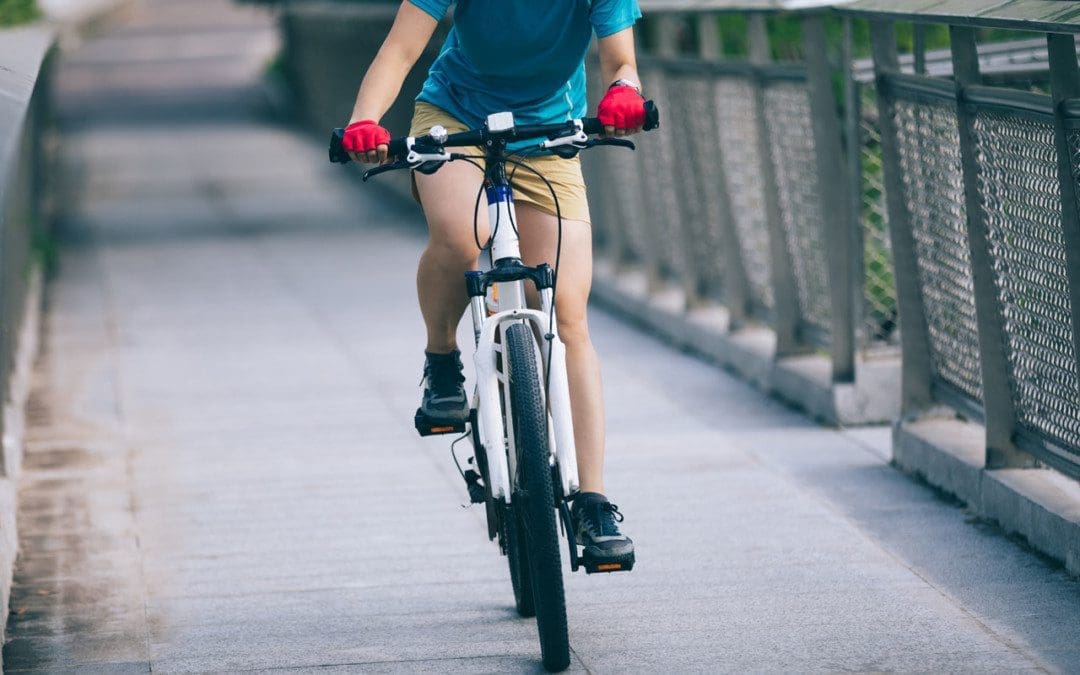
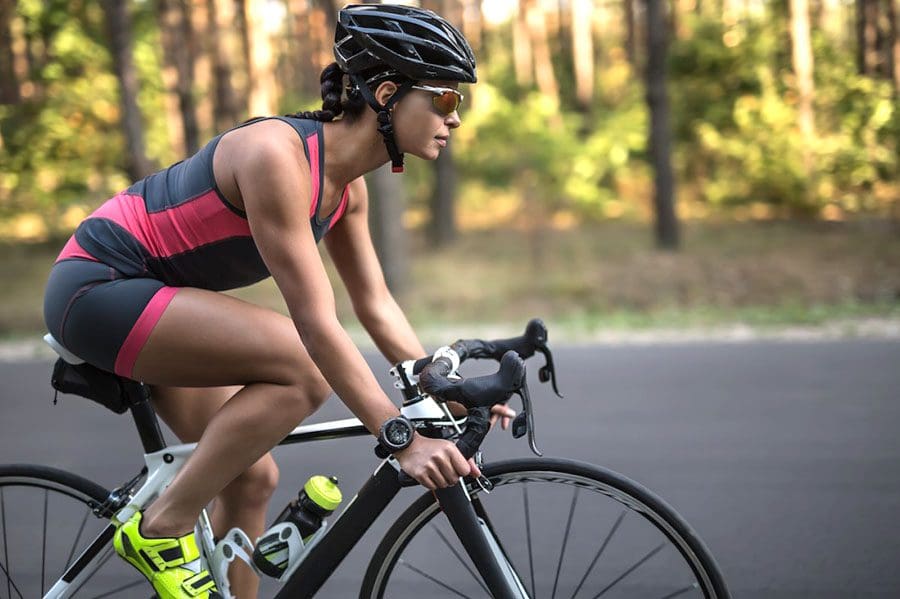
Bicycling at any level is excellent healthwise, but the specific physical repetitive motions and postures can wear on a cyclist’s body, causing strains and injury to the:
Muscles
Ligaments
Tendons
Nerves
Spine
Injuries can be caused by falls, overused muscles, joints, posture, and/or balance problems, whether riding a bicycle for fun, health, or sport. Chiropractic decompression can treat cycling-related injuries and help prevent common injuries by helping cyclists with conditioning and exercises. Chiropractic adjustments, combined with health coaching and nutrition planning, can maximize the body’s overall athletic ability and increase/improve:
Many cyclists suffer from back pain overuse injuries that are caused by:
Incorrect saddle/seat height or an uneven seat/saddle
Not bending the knee at the end of a pedal stroke forces the cyclist to rock the pelvis side to side to generate enough power, placing added stress on the low back muscles.
Handlebars that are too far forward can cause over-stretching of the spine.
Constantly tilting the head can cause neck and shoulder pain.
Staying in the same position for an extended period strains the spine.
Repetitive hip flexion causes the muscles to become tight and perform less efficiently, straining the rest of the body to make up for the lost support.
Hamstrings that become tight can shorten in length, causing the body to pull on the pelvis and the spine.
Lack of core strength allows more stress to penetrate the glutes, back, and hips.
Riding on bumpy or rough terrain increases body jarring and spinal compression.
Chiropractic Decompression
Chiropractic decompression for cyclists can rehabilitate the body from injuries, alleviate pain, improve blood and nerve circulation and maintain the body’s flexibility. Advanced decompression techniques personalized to the individual realign and release the body from obstructions and toxins in the neural pathways. Nutritional and supplementation recommendations are incorporated to enhance the body’s natural healing abilities, and exercise/stretches to sustain the adjustments.
Spinal Decompress
References
Schultz, Samantha J, and Susan J Gordon. “Recreational cyclists: The relationship between low back pain and training characteristics.” International journal of exercise science vol. 3,3 79-85. 15 Jul. 2010
Silberman, Marc R. “Bicycling injuries.” Current sports medicine reports vol. 12,5 (2013): 337-45. doi:10.1249/JSR.0b013e3182a4bab7
Streisfeld, Gabriel M et al. “Relationship Between Body Positioning, Muscle Activity, and Spinal Kinematics in Cyclists With and Without Low Back Pain: A Systematic Review.” Sports health vol. 9,1 (2017): 75-79. doi:10.1177/1941738116676260
Thompson, M J, and F P Rivara. “Bicycle-related injuries.” American family physician vol. 63,10 (2001): 2007-14.
Older and elderly individuals have an increased risk of developing a herniated disc/s. The age of the intervertebral discs/cushions causes deflation, drying out, and shifting, making it easier for discs to herniate. Muscle mass also reduces/lessens with age; specifically, the muscles parallel to the spinal column are responsible for stability. When the spine loses strength, the risk of injuries like slips and falls can damage the spine and the rest of the body. Herniated disc decompression will keep the vertebral cushions healthy, functioning, and properly aligned.
Symptoms of Disc Herniation
A herniated disc bulge or tear/s will press on the spinal nerves causing discomfort that can range from mild to severe pain and can last for weeks to months. The symptoms of disc herniation vary and depend on the injury angle, how much of the disc ruptured and if it is touching or has leaked out on the nerve roots. The most common symptoms include:
Pulls the herniated disc back into its correct position.
Fills the injured/damaged areas and the rest of the spine with blood, oxygen, nutrients, and lubricating fluids.
Helping to rebuild joint and muscle strength.
Increasing flexibility in the muscles that support the affected area of the spine.
The therapy duration depends on the herniation, injury, and damage severity. The objective is to bring significant improvement that will last.
Chiropractic, Physical/Massage Therapy, and Health Coaching
A chiropractor and physical massage therapy team will develop a personalized herniated disc decompression treatment plan with specific goals. The therapy will include:
Mechanical decompression.
Manual chiropractic adjustments.
Massage sessions.
Health coaching.
Exercises and stretches will be given that will help maintain pressure relief and flexibility.
Core stabilization exercises will strengthen and stabilize the spine and muscles.
Aerobic conditioning will help increase endurance.
Non-Surgical Spinal Decompression El Paso, Texas
References
Carla Vanti, PT, MSc, OMPT, Alice Panizzolo, PT, OMPT, Luca Turone, PT, OMPT, Andrew A Guccione, PT, Ph.D., DPT, FAPTA, Francesco Saverio Violante, MD, Paolo Pillastrini, PT, MSc, Lucia Bertozzi, PT, MSc, Effectiveness of Mechanical Traction for Lumbar Radiculopathy: A Systematic Review and Meta-Analysis, Physical Therapy, Volume 101, Issue 3, March 2021, pzaa231, https://doi.org/10.1093/ptj/pzaa231
Dydyk AM, Ngnitewe Massa R, Mesfin FB. Disc Herniation. [Updated 2022 Jan 18]. In: StatPearls [Internet]. Treasure Island (FL): StatPearls Publishing; 2022 Jan-. Available from: https://www.ncbi.nlm.nih.gov/books/NBK441822/
Maistrelli, G L et al. “Lumbar disc herniation in the elderly.” Spine vol. 12,1 (1987): 63-6. doi:10.1097/00007632-198701000-00012
Suri, Pradeep, et al. “Nonsurgical treatment of lumbar disk herniation: are outcomes different in older adults?.” Journal of the American Geriatrics Society vol. 59,3 (2011): 423-9. doi:10.1111/j.1532-5415.2011.03316.x
Food is more than just energy. Diets have a profound effect on everything in an individual’s life. Some foods can help the body heal or interfere with the recovery/healing process from injury/s and/or conditions that include sciatica. Making changes to a diet plays a significant factor in the recovery/rehabilitation phase, and adding certain foods will improve and expedite the healing process. A fully functional sciatic nerve nutrition diet plan must be personalized to each individual’s needs.
Sciatic Nerve Nutrition
Sciatica can cause numbness, tingling, electrical shock-type pain, or a combination in the back, hip, outer side of the leg, and the foot. Clinical nutrition is a powerful tool when combating sciatica. Enzymes in certain foods can help reduce the inflammation associated with sciatica. A high percentage of individuals dealing with sciatica can enhance pain relief by adjusting their diets. Quick recommendations include:
Oily fish like salmon and halibut are rich in omega-three fatty acids that decrease inflammation in the body and the sciatic nerve.
Fresh pineapples and berries are anti-inflammatories that aid in healing and increase immune system function.
2-3 cups of green tea contain antioxidants that help control peripheral sensations and help manage pain.
Turmeric, ginger, and garlic contain anti-inflammatory agents that relieve swelling by reducing levels of inflammation-stimulating enzymes.
B-Vitamins are essential to maintain normal nerve function and can be found in green peas, spinach, navy beans, nuts, and bananas.
Magnesium-rich foods can ensure the body is not deficient and help control muscle spasms.
Sciatica can also be triggered by a poor diet that causes constipation that can place pressure on the nerve. Therefore it is recommended to incorporate fiber-rich foods that include plenty of fruits and vegetables to prevent constipation.
Foods That Make Sciatica Worse
Inflammatory foods to avoid:
Sugar and high-fructose corn syrup.
Trans fats include margarine and any hydrogenated/solidified or partially hydrogenated oils.
Refined vegetable oils – These are vegetable, nut, or seed oils that have been highly processed. Cut down on french fries, chips, or other foods fried in these oils.
Refined carbohydrates – Carbohydrates that have fiber removed increase the growth of inflammatory gut bacteria. These include white flour, refined corn products, white rice, and various commercial cereals and sugars.
Excessive alcohol – Moderate amounts of alcohol can provide health benefits, but higher amounts increase inflammation.
Processed meats – are often processed at high temperatures, creating chemicals/substances associated with inflammation.
Avoid Surgery
References
Davis D, Maini K, Vasudevan A. Sciatica. [Updated 2022 Feb 4]. In: StatPearls [Internet]. Treasure Island (FL): StatPearls Publishing; 2022 Jan-. Available from: https://www.ncbi.nlm.nih.gov/books/NBK507908/
Garfin, SR et al. “Spinal nerve root compression.” Spine vol. 20,16 (1995): 1810-20. doi:10.1097/00007632-199508150-00012
Kumar, M. Epidemiology, pathophysiology and symptomatic treatment of sciatica: A review. nt. J. Pharm. Bio. Arch. 2011, 2.
Safari, Mir Bahram, et al. “Efficacy of a Short-Term Low-Calorie Diet in Overweight and Obese Patients with Chronic Sciatica: A Randomized Controlled Trial.” Journal of alternative and complementary medicine (New York, N.Y.) vol. 26,6 (2020): 508-514. doi:10.1089/acm.2019.0360
Anyone that has dealt with low back pain can describe it in various ways. Some may describe it as a mild, dull ache that can be a gradual nuisance throughout the day, while others describe it as sudden throbbing, burning pain that can radiate pain that travels down to the feet. Either way, having low back pain is horrible, and it could be developed more if people don’t change their habits to relieve back pain. Some of the risk factors can be poor lifestyle choices, common factors like looking down at your phone or lifting heavy objects, while others can be due to stress and anxiety. These risk factors can cause more pressure on the lower back; however, there are a variety of treatments that can help alleviate low back pain. Today’s article focuses on the differences between two non-surgical treatments, traction therapy and decompression therapy, and how they can relieve low back pain in their unique way. By referring patients to qualified and skilled providers specializing in spinal decompression therapy. To that end, and when appropriate, we advise our patients to refer to our associated medical providers based on their examination. We find that education is essential for asking valuable questions to our providers. Dr. Alex Jimenez DC provides this information as an educational service only. Disclaimer
Can my insurance cover it? Yes, it may. If you are uncertain, here is the link to all the insurance providers we cover. If you have any questions or concerns, please call Dr. Jimenez at 915-850-0900.
The Difference Between Traction & Decompression Therapy
Are you feeling a wide variety of pain in your lower back? Has the pain been a dull gradual ache that causes you to place your hand on your lower back? Or is it a sudden throbbing pain that hinders your ability to do any errands? This type of pain is called low back pain, and trying out either traction therapy or decompression therapy could be the answer you are looking for low back relief. Say you want to try traction therapy. Well, research studies have mentioned that traction therapy can be both manually and mechanically used to gently pulls on the spine to increase the spinal disc height while reducing the internal pressure. This allows the pain-sensitive fibers surrounding the outer layer of the spinal disc to relax. Traction therapy also allows the physical function of the spine to recover and return to normal posture; plus decreases the pain and improves the biomechanic function of the spine’s mobility. Other research studies have found that when individuals try traction therapy, the positive results show that traction therapy can help alleviate leg pain conditions like sciatica and relieve nerve root tension.
If traction therapy is not suitable for you, decompression therapy can help. As research has stated, Decompression therapy is a treatment that helps reduce the pressure off the irritated spinal nerve roots that are sending out pain signals throughout the entire lower half of the body. Decompression helps compressed, bulging discs that are touching pinched nerve roots retract back to the spine and cause the relief to the individual. That allows the reduction of muscular back spasms and loosens tense soft tissues. Additional information has been provided that decompression works well with physical therapy by restoring lumbar functionality on the spine and enhancing muscle endurance on the back. Decompression even provides relief for individuals suffering from other back pain conditions such as herniation, slipped disc, poor posture, and pinched nerves.
An Overview Of Lumbar Traction-Video
Feeling aches and pains all over your back? How about stiff muscles on your lower back when you stretch side to side? Does the pain come in a gradual or sudden throbbing way? These can be issues of low back pain and decompression, along with traction therapy can help you. The above explains what traction does while using the Chatanooga Trition machine. The machine helps many people suffering from low back pain issues and helps alleviate other chronic problems like sciatica, bulging disc, lumbar scoliosis, and pinched nerves in the lumbar region. People will feel instant relief after going in for a treatment to relieve low back pain. Suppose you want to learn more about decompression or traction therapy and how it can benefit you in relieving low back pain and other low back conditions? This link will explain what these two therapies do for the lower back.
How Both Traction & Decompression Therapy Alleviate Low Back Pain
Both traction and decompression therapy have unique ways of alleviating low back pain as both are non-surgical treatments. Research studies have demonstrated that the effects of both these treatments have increased back muscle activities through muscle endurance from the torso. Traction and decompression therapy can also provide valuable information in relieving low back pain due to degenerative changes in the spinal discs, as studies have concluded. Both treatments are excellent for many people suffering from lumbar, cervical, and leg pain, restricting their quality of life. Non-surgical treatments help people worldwide recuperate from suffering so long with back pain and help them utilize non-surgical therapy as part of their path to recovery.
Conclusion
Overall, even though traction and decompression therapy has unique functions to help alleviate pain, they both have one thing in common: they are used in non-surgical treatments to ease low back pain for many individuals. Integrating non-surgical treatments for a person’s health and wellness journey can help them live longer, develop new habits, and even help supply relief to their back. While traction therapy increases spinal disc height and decompression relieves pressure off irritated, pinched nerves, having low back pain is no laughing matter when it stops a person’s quality of life. Knowing that there are treatments for low back pain can help many individuals in the long run with their health and wellness.
References
Alrwaily, Muhammad, et al. “Assessment of Variability in Traction Interventions for Patients with Low Back Pain: A Systematic Review.” Chiropractic & Manual Therapies, BioMed Central, 17 Sept. 2018, https://www.ncbi.nlm.nih.gov/pmc/articles/PMC6139896/.
Amjad, Fareeha, et al. “Effects of Non-Surgical Decompression Therapy in Addition to Routine Physical Therapy on Pain, Range of Motion, Endurance, Functional Disability and Quality of Life versus Routine Physical Therapy Alone in Patients with Lumbar Radiculopathy; a Randomized Controlled Trial.” BMC Musculoskeletal Disorders, BioMed Central, 16 Mar. 2022, https://www.ncbi.nlm.nih.gov/pmc/articles/PMC8924735/.
Apfel, Christian C, et al. “Restoration of Disk Height through Non-Surgical Spinal Decompression Is Associated with Decreased Discogenic Low Back Pain: A Retrospective Cohort Study.” BMC Musculoskeletal Disorders, BioMed Central, 8 July 2010, https://www.ncbi.nlm.nih.gov/pmc/articles/PMC2912793/.
Horseman, Ian, and Mark W Morningstar. “Radiographic Disk Height Increase after a Trial of Multimodal Spine Rehabilitation and Vibration Traction: A Retrospective Case Series.” Journal of Chiropractic Medicine, Elsevier, Dec. 2008, https://www.ncbi.nlm.nih.gov/pmc/articles/PMC2697595/.
Kang, Jeong-Il, et al. “Effect of Spinal Decompression on the Lumbar Muscle Activity and Disk Height in Patients with Herniated Intervertebral Disk.” Journal of Physical Therapy Science, The Society of Physical Therapy Science, Nov. 2016, https://www.ncbi.nlm.nih.gov/pmc/articles/PMC5140813/.
Oh, Hyunju, et al. “The Impact of Manual Spinal Traction Therapy on the Pain and Oswestry Disability Index of Patients with Chronic Back Pain.” Journal of Physical Therapy Science, The Society of Physical Therapy Science, Dec. 2018, https://www.ncbi.nlm.nih.gov/pmc/articles/PMC6279706/.
Healthy hips are necessary for standing, sitting, walking, running, bending, twisting, lifting, etc. Hip problems can seriously interfere with everyday activities. Out of alignment hips don’t just cause pain and soreness in the hip area but can radiate to other body areas. When the hip joint is out of alignment, the rest of the body has to start compensating for the misalignment, which can cause chronic pain in the back and/or legs.
Out of Alignment Hips
Discomfort and soreness begin as occasional but can quickly become regular. Individuals may also begin to limp when they walk, have a reduced range of motion in the hips, and pain that escalates with physical activity and improves with immobility/rest. Out of alignment hips can be caused by:
Lifting incorrectly
Repetitively carrying heavy loads on one side of the body places uneven pressure on the pelvis, causing an imbalance.
Performing repetitive motions that begin to stress the joint
If the legs are different lengths, this can cause the hips to go out of alignment. Using a foot wedge/foot orthotic in the shoe can remedy the situation.
Functional Leg Length Discrepancy
Functional leg length discrepancy is a common cause of hip misalignment, meaning that leg length is equal, but the individual is doing something to cause the hips to go out of alignment. It usually involves posture, standing, walking, sitting, lifting, and carrying improperly or awkwardly and repetitively could create functional leg length discrepancy.
Scoliosis
Scoliosis is only one cause of hip misalignment. It is not likely that an individual has scoliosis if they are an adult and have not previously been diagnosed with the condition. If a child has what looks like a misaligned hip, it is recommended to take them to get tested for scoliosis. Most children with the disorder will outgrow it, but they need to be monitored by a medical professional.
One of the most prominent signs that it is a hip problem is the presence of groin pain. Groin pain can radiate downward toward the buttocks, front of the thighs, and knees. The hip joint is located behind the groin; pain usually means the hip is the root cause.
Chiropractic Decompression
A chiropractic examination can identify uneven hips. Chiropractic and motorized spinal decompression can reset the hips to their proper position. A chiropractor will be able to rebalance the hips and help avoid invasive surgical treatments and long-term rehabilitation.
DRX9000 90 Seconds Spinal Decompression
References
Battaglia, Patrick J et al. “Posterior, Lateral, and Anterior Hip Pain Due to Musculoskeletal Origin: A Narrative Literature Review of History, Physical Examination, and Diagnostic Imaging.” Journal of chiropractic medicine vol. 15,4 (2016): 281-293. doi:10.1016/j.jcm.2016.08.004
Jones HR, Burns TM, Aminoff MJ, Pomeroy SL. Pain. Chapter: Diagnosis of Low Back, Buttock, and Hip Pain. Netter Collection of Medical Illustrations: Spinal Cord and Peripheral Motor and Sensory Systems, Section 8, 201-224.
Khamis, Sam, and Eli Carmeli. “A new concept for measuring leg length discrepancy.” Journal of orthopedics vol. 14,2 276-280. 27 Mar. 2017, doi:10.1016/j.jor.2017.03.008
Miyagi, Masayuki, et al. “Hip-spine syndrome: cross-sectional-study of spinal alignment in patients with coxalgia.” Hip international: the journal of clinical and experimental research on hip pathology and therapy vol. 29,1 (2019): 21-25. doi:10.1177/1120700018803236
Nunes, Guilherme S et al. “Acute Effects of Hip Mobilization With Movement Technique on Pain and Biomechanics in Females With Patellofemoral Pain: A Randomized, Placebo-Controlled Trial.” Journal of sport rehabilitation vol. 29,6 707-715. 18 Oct. 2019, doi:10.1123/jsr.2018-0497
IFM's Find A Practitioner tool is the largest referral network in Functional Medicine, created to help patients locate Functional Medicine practitioners anywhere in the world. IFM Certified Practitioners are listed first in the search results, given their extensive education in Functional Medicine