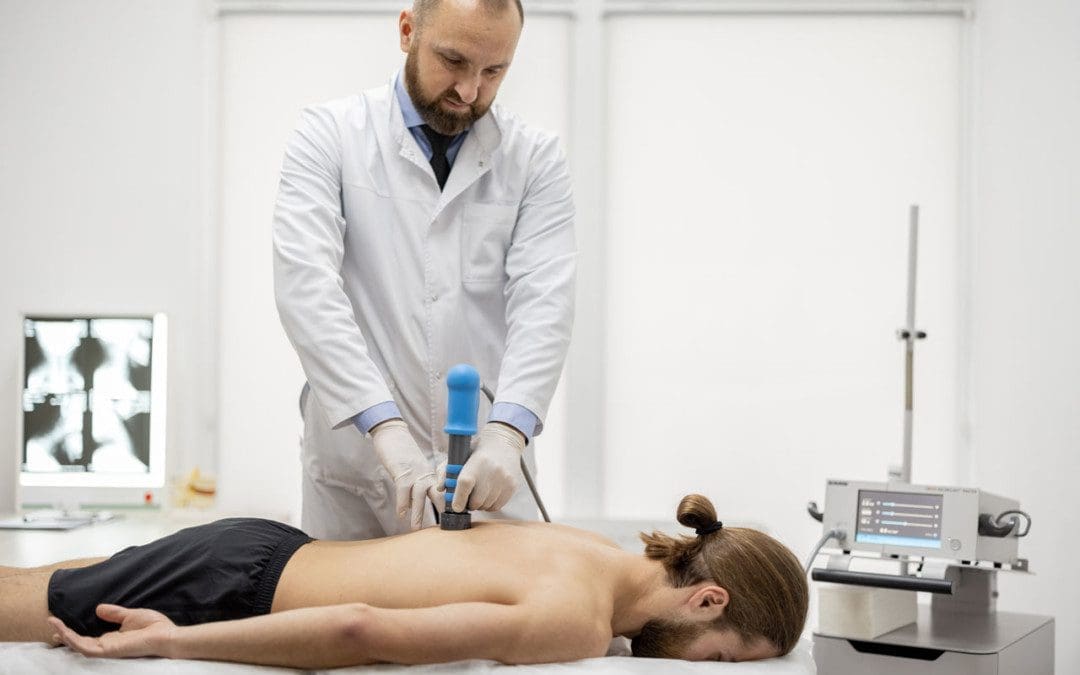
Injury Medical Spinal Decompression: Spinal decompression therapy/treatment can be surgical or non-surgical, with differences in the procedure, recovery time, and results. Individuals who experience compression-related problems can have severe and prolonged spinal conditions that can lead to various health issues. Individuals experiencing persistent or chronic neck, back, or leg pain should know the differences between surgical and non-surgical spinal decompression. Spinal decompression aims to relieve pressure on the discs and reduce stress on the nervesto eliminate the pain associated with compression on the spine,restoring optimal circulation and improving spinal function.
Surgical Procedure
It is invasive, must be performed by a surgeon, and can have a recovery time of up to 6 weeks.
Surgery is usually suggested as a last resort after alternative therapies have not succeeded or when the compression is so severe that surgery is the only option.
Surgical spinal decompression is directed towards removal to reduce pressure instead of adjusting or stretching the discs.
In cases of severe nerve compression, surgery can be an effective option.
Risks include infection, damage to the spinal cord, and blood clots.
Types of Spinal Decompression Surgery
Types of surgeries; spinal fusion could be necessary to stabilize the spine. Common types of back surgery:
Discectomy
This procedure removes a portion of the disc to relieve pressure on nerves.
Laminotomy
The procedureremoves a small portion of the bone or a section of the bony arch to increase the size of the spinal canal and relieve pressure.
Laminectomy
The procedureremoves theentire bony arch or lamina to increase the size of the spinal canal and relieve pressure.
Foraminotomy
This procedure removes bone and other tissue to widen the openings for the nerve roots to pass through.
The procedure removes a vertebral body along with discs.
Injury Medical Spinal Decompression
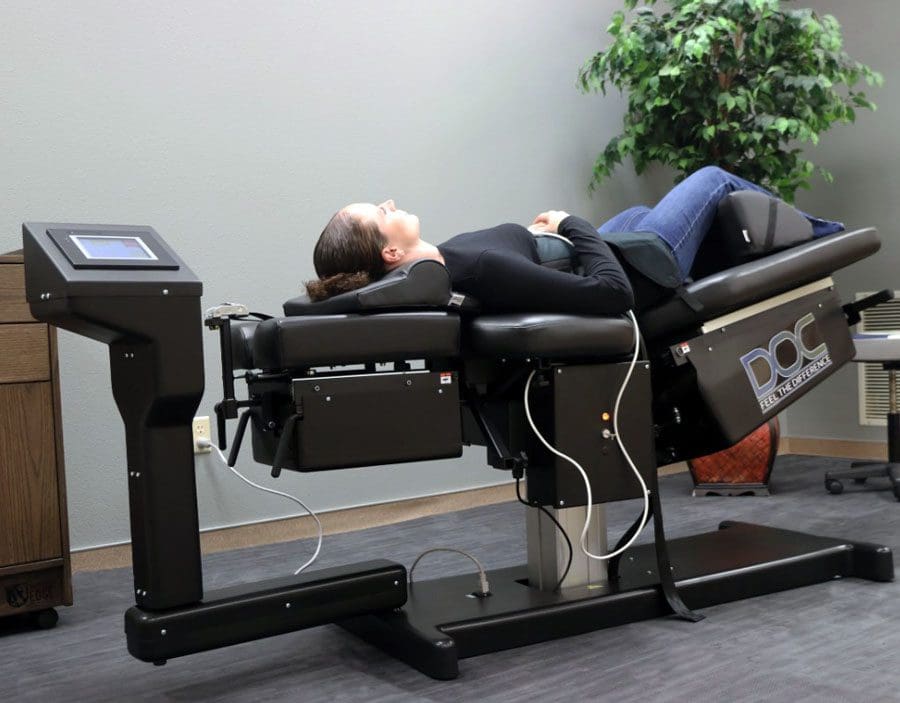
Surgery for a damaged/injured spine is not always necessary. Treatment regimes vary depending on each individual’s medical condition. Non-surgical motorized spinal decompression is a non-invasive back treatment that uses a mechanized decompression table to slowly and gently stretch the spine. The therapy gradually relieves the pressure on the compressed nerve root/s resulting in reduced or complete alleviation of pain.
Oxygen, water, and nutrients circulate abundantly, promoting healing as the discs re-hydrate, and are re-nourished, improving and enhancing spine function. Individuals can enjoy increased levels of mobility, strength in the spine and muscles, and more flexibility.
Descompresión Espinal Con La DRX9000
References
American Spinal Decompression Association: “Spinal Decompression Therapy.”
Daniel, D.M. Chiropractic and Osteopathy, 2007.
Macario, Alex, and Joseph V Pergolizzi. “Systematic literature review of spinal decompression via motorized traction for chronic discogenic low back pain.” Pain practice: the official journal of World Institute of Pain vol. 6,3 (2006): 171-8. doi:10.1111/j.1533-2500.2006.00082.x
O’Hara K, editor. Decompression: a treatment for back pain. Vol. 11. National Association of Healthcare Professionals; 2004. pp. 1-2.http://www.naohp.com/menu/publications/mccu/bibliography.htm#10 [Google Scholar]
Nerve impingement, sciatica, disc herniation/degeneration, or spinal stenosis can cause sharp, debilitating nerve pain causing electric shocks, pins, needles, or burning sensations along the back or into the arms and legs. In combination with additional chiropractic treatment modalities, spinal decompression therapy effectively relieves the pain and disability resulting from disc injury and degeneration, repairs the damaged discs, and reverses nerve dystrophy. Part of the treatment involves a proper diet to deliver healing nutrients to the spine.
Healing Nutrients
The spine supports the entire body to perform motions and movements and needs the proper healing nutrients, especially after chiropractic and decompression therapy. There are vitamins and minerals that are critical for a healthy spine. These ensure that the bones, muscles, discs, and other tissues function correctly. There are nutrients that are essential to the immune system; if they are not present, the ability to heal and recover properly is reduced and takes longer. Nutrients commonly used in immunonutrition include:
Nucleotides
Antioxidants
Arginine
Glutamine
Omega-3
All are found naturally in certain foods and nutritional supplements and are essential in healing from injuries, like a herniated disc, sciatica, degenerative disc disease, and back or neck surgery.
Nucleotides
Every cell in the body contains nucleotides, which help make up and maintain DNA and RNA.
DNA and RNA production is necessary for cell repair and regrowth.
When the body is experiencing a stressful health issue like back or neck pain, it needs more nucleotides.
The body produces and recycles nucleotides and absorbs them through food.
All-natural plant- and animal-based food sources contain nucleotides.
Antioxidants
Antioxidants maintain and restore healthy tissues by reducing oxidative stress.
Oxidative stress is associated with chronic inflammation.
Inflammation is necessary during healing, but chronic inflammation can be destructive.
Omega-3 supplementation can help decrease chronic inflammation.
Omega-3 foods include:
Salmon
Eggs
Walnuts
Flaxseed
Spinach
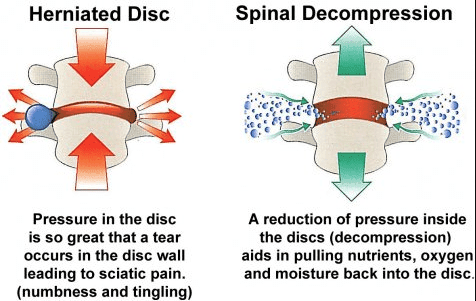
Spinal decompression gently stretches the spine, creating a vacuum inside the discs and joints. The negative pressure helps heal disc bulges and herniated discs. The lengthened spine allows healing nutrients and water to flow correctly, reducing swelling and inflammation and improving joint motion.
DRX9000 Explicada En Español
References
Chen, Linlin, et al. “Inflammatory responses and inflammation-associated diseases in organs.” Oncotarget vol. 9,6 7204-7218. 14 Dec. 2017, doi:10.18632/oncotarget.23208
Daniel, Dwain M. “Non-surgical spinal decompression therapy: does the scientific literature support efficacy claims made in the advertising media?.” Chiropractic & osteopathy vol. 15 7. 18 May. 2007, doi:10.1186/1746-1340-15-7
Dionne, Clermont E et al. “Serum vitamin C and spinal pain: a nationwide study.” Pain vol. 157,11 (2016): 2527-2535. doi:10.1097/j.pain.0000000000000671
Napier, Zachary, et al. “Omega-3 Fatty Acid Supplementation Reduce Intervertebral Disc Degeneration.” Medical science monitor: international medical journal of experimental and clinical research vol. 25 9531-9537. 14 Dec. 2019, doi:10.12659/MSM.918649
Zolfaghari, Farid, et al. “A Survey of Vitamin D Status in Patients with Degenerative Diseases of the Spine.” Asian spine journal vol. 10,5 (2016): 834-842. doi:10.4184/asj.2016.10.5.834
Motorized non-surgical decompression helps relieve pain, removes pressure on the nerves, promotes healing, and increases blood flow to the spine. Spinal discs cannot attain nutrients from the blood without circulation. Decompression opens the spine, flooding the discs with nutrients that result in quicker and optimal healing. This, combined with manual chiropractic adjustments and therapeutic massage, can help get an individual to a pain-free lifestyle.
Spinal Discs
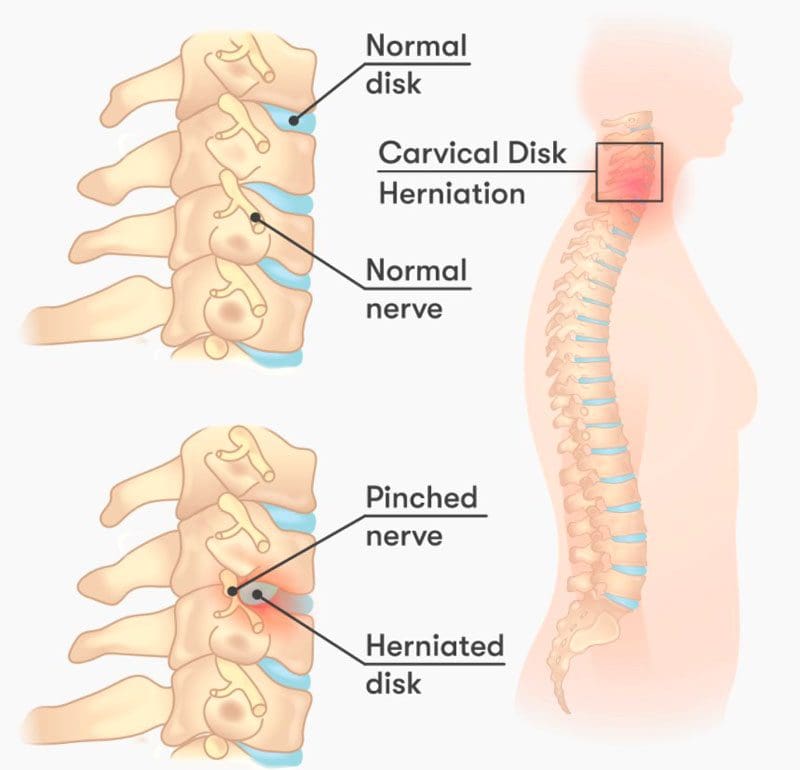
The soft disc material that separates each spinal bone can lose hydration, causing the material to dry out and compress. The discs can also compress from pressure from added weight, trauma from an automobile accident, work, school, and sports injury. Often the soft gel center of the discs spills out, causing a disc herniation. This is usually accompanied by:
Numbness
Tingling
Soreness
Stiffness
Sharp pain
Dull pain
Achiness
Muscle Weakness
Stinging/Burning sensation
Leg pain
Poor balance
These are often indicators of a nerve or nerve bundle, including the sciatic nerve becoming compressed by a herniated disc, bulging disc or slipped disc, stenosis, facet syndrome, or degenerative disc disease. When this happens, the symptoms may be felt in the back or neck area, and/or they may spread out into the arms, hands, legs, or feet.
We focus on providing expert chiropractic treatment that incorporates the most current research and technology into personalized treatment plans. Our goal is to help the individual heal as quickly as possible while educating and training them to use tools to maintain health and wellness.
What Is Spinal Decompression?
References
Andersson, G B, and R A Deyo. “History and physical examination in patients with herniated lumbar discs.” Spine vol. 21,24 Suppl (1996): 10S-18S. doi:10.1097/00007632-199612151-00003
Apfel, Christian C et al. “Restoration of disk height through non-surgical spinal decompression is associated with decreased discogenic low back pain: a retrospective cohort study.” BMC musculoskeletal disorders vol. 11 155. 8 Jul. 2010, doi:10.1186/1471-2474-11-155
Cherkin, DC, and F A MacCornack. “Patient evaluations of low back pain care from family physicians and chiropractors.” The Western journal of medicine vol. 150,3 (1989): 351-5.
Koçak, Fatmanur Aybala et al. “Comparison of the short-term effects of the conventional motorized traction with non-surgical spinal decompression performed with a DRX9000 device on pain, functionality, depression, and quality of life in patients with low back pain associated with lumbar disc herniation: A single-blind randomized controlled trial.” Turkish Journal of physical medicine and rehabilitation vol. 64,1 17-27. 16 Feb. 2017, doi:10.5606/tftrd.2017.154
Urban, Jill PG, and Sally Roberts. “Degeneration of the intervertebral disc.” Arthritis research & therapy vol. 5,3 (2003): 120-30. doi:10.1186/ar629
The body is a well-tuned machine that makes sure that it moves constantly and functions appropriately. The body is also home to the organ systems, muscle tissues, skeletal joints, and cellular structures, where it’s their job to make sure that the body is working and getting the nutrients that it needs to keep everything working together. When different scenarios start to affect the body, it can cause different types of issues that can not only damage the body but also cause it to be dysfunctional. These scenarios can be done internally or externally to the body and can damage the organs, joints, or even the spine. In this article, we will be looking at what the spine does and what spinal decompression therapy is. By referring patients to qualified and skilled providers specializing in spinal decompression therapy. To that end, and when appropriate, we advise our patients to refer to our associated medical providers based on their examination. We find that education is the key to asking valuable questions to our providers. Dr. Alex Jimenez DC provides this information as an educational service only. Disclaimer
Can my insurance cover it? Yes, it may. If you are uncertain, here is the link to all the insurance providers we cover. If you have any questions, please call Dr. Jimenez at 915-850-0900.
What Does The Spine Do?
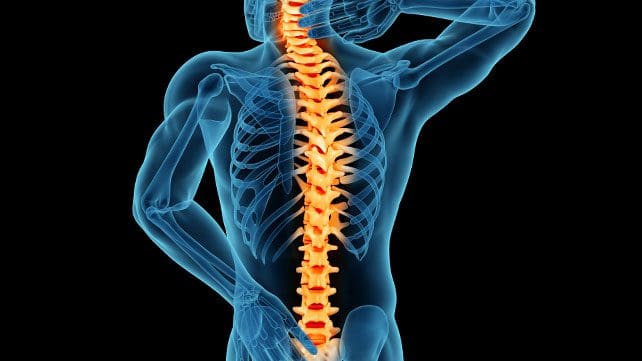
The spine is located in the back and makes sure that the body is not falling apart as it is the body’s central support structure. Research studies have shown that as part of the musculoskeletal system since the spine is connected to different parts of the muscle tissues that make sure that the body is moving. The spine’s primary function is to help the body sit, stand, walk, twist, and bend as it is in motion. A healthy spine will have these natural curves that will absorb shocks that the body encounters and protect the spine itself from injury in an S-shaped curve. Other research studies have shown that the spine comprises bone, cartilage, ligaments, nerves, and muscles that play an integral role in how the spine is formed and how it functions. The many different parts that make up the spine include:
When back pain or spinal injury starts to affect the back and the spine, many back issues will begin to affect the spinal health over time. This is due to the spine’s vertebrae and disks wearing down due to age, and that can cause the individual pain. There are ways to lessen the pain from the spine, and that is through spinal decompression therapy.
Walking With Spinal Cord Injury-Video
The spinal cord is made of soft tissues. It encompasses the spine as the spinal cord is a part of the central nervous system. Research studies have shown that spinal cord injury is when there is damage to any part of the spinal cord or damaged nerves that can often cause permanent changes in a person. Some of the symptoms caused by spinal cord injury can be complete, where all the sensory and motor functions are lost below the neck, or incomplete, where a person will have some of the motor and sensory functions below the waist. All is not lost as there is therapy rehabilitation to strengthen the spine and spinal cord from incomplete spinal cord injury, and one of those rehabilitations is spinal decompression therapy.
What Is Spinal Decompression Therapy?
Since the spine provides support to the body, spinal injury or spinal degeneration to the spine can cause excruciating pain to anybody. Around 80% of individuals usually suffer from a back injury. Research studies have shown that when a person is feeling severe pain in the spine, it is due to the compression that puts loads of pressure on the spinal cord or the nerves themselves. The best way to relieve the spinal cord’s stress is through spinal decompression therapy.
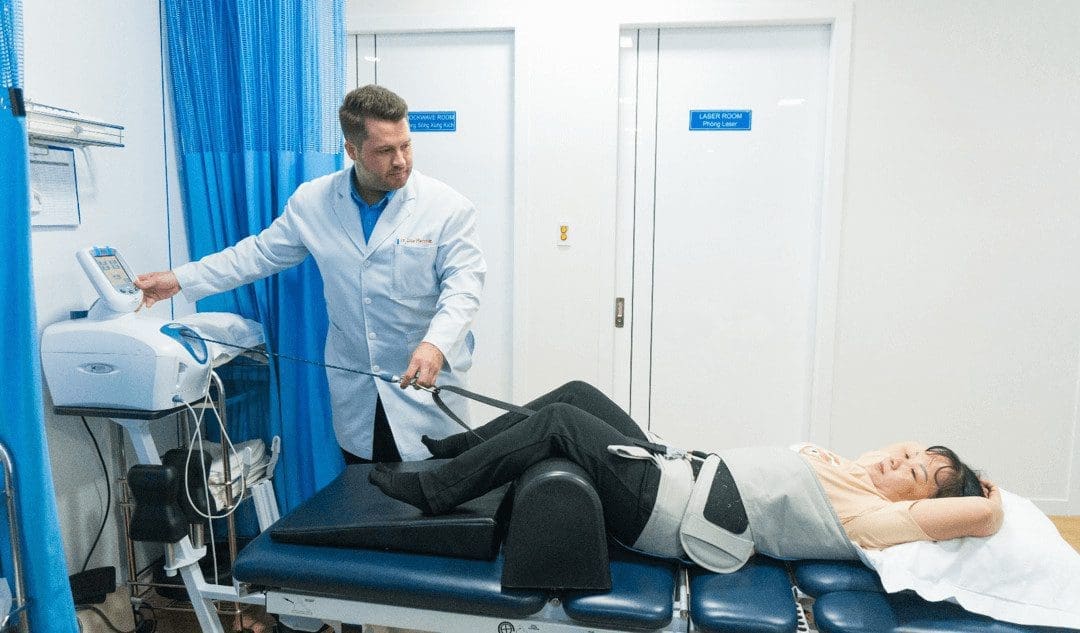
Research studies have found that spinal decompression therapy is a non-surgical decompression therapy that involves stretching the spine by using a traction table to relieve back pain or even leg pain that a person is suffering from. Other research studies have stated that spinal decompression therapy can also reduce the pressure on the intervertebral disc by supplying nutrients and oxygen back to the disc. This will cause relief to those pressurized discs as it causes negative pressure on the spine. Once a person receives spinal decompression therapy, they will notice a significant pain reduction in their spine and a higher increase in their range of motion as they become pain-free.
Conclusion
All in all, it is essential to make sure that the spine is healthy. Since the body is a well-tuned machine, it is necessary that the spine is being taken care of. Even though there are many scenarios that the body can get into when a person gets a back injury, it is crucial to recover and go to therapy sessions to relieve the pain, or else it will get worse over time. Spinal decompression therapy is a non-surgical option that many individuals can utilize. It provides a gentle stretch on the spine, causing instant relief to the compressed spinal disc that is causing a person pain. Using spinal decompression as a therapy option can make a person pain-free and get them back on their wellness journey.
References
Choi, Jioun, et al. “Influences of Spinal Decompression Therapy and General Traction Therapy on the Pain, Disability, and Straight Leg Raising of Patients with Intervertebral Disc Herniation.” Journal of Physical Therapy Science, The Society of Physical Therapy Science, Feb. 2015, https://www.ncbi.nlm.nih.gov/pmc/articles/PMC4339166/.
Sassack, Brett, and Jonathan D Carrier. “Anatomy, Back, Lumbar Spine – StatPearls – NCBI Bookshelf.” In: StatPearls [Internet]. Treasure Island (FL), StatPearls Publishing, 8 Aug. 2021, https://www.ncbi.nlm.nih.gov/books/NBK557616/.
Staff, Mayo Clinic. “Spinal Cord Injury.” Mayo Clinic, Mayo Foundation for Medical Education and Research, 2 Oct. 2021, https://www.mayoclinic.org/diseases-conditions/spinal-cord-injury/symptoms-causes/syc-20377890.
Non-surgical spinal decompression relieves pain related to spinal conditions, injuries, and disorders that provides a comfortable, affordable alternative treatment option to costly and invasive surgical procedures. Non-surgical spinal decompression can also relieve pain associated with post-surgical rehabilitation. A key to successful outcomes is including added components of the treatment that includes spinal decompression nutrition.
Spinal Decompression Nutrition
Proper nutrition and a balanced diet are essential elements of overall health. Individuals suffering from herniated discs, bulging discs, degenerated discs, sciatica, and chronic low back and neck pain are often deficient in vitamins and minerals, leading to inflammation and pain. These deficiencies can cause or exacerbate the pain and prevent or slow down healing. The bones, muscles, and other structures in the spine need proper nutrition to be strong enough to support the body and perform functions optimally. A health coach and nutritionist can recommend the proper diet and supplements to expedite healing, depending on the patient, the circumstances, and the individual situation. A non-inflammatory diet can make a big difference in patients’ symptoms and the effectiveness of decompression therapy.
The Right Foods
Eating a balanced diet with the right amount and variety of vitamins and nutrients can reduce back problems by nourishing the spine’s bones, muscles, discs, and other structures. While a healthy diet calls for various vitamins and nutrients, several healthy choices can directly benefit the spine. First and foremost is:
Sugar and Nitrate Reduction
High sugar diets lack the nutrients needed to prevent the release of inflammatory mediators.
The average individual consumes around 100 lbs of sugar per year.
Dessert foods are high infatty acids, which increase inflammation.
Any foods containing high fructose corn syrup like salad dressings and sodas.
Processed foods high in nitrates like hot dogs, sausage, and lunch meats.
Super Foods
Increase healing of the spine at the cellular level with superfoods that include:
Water – maintaining hydration is important for re-hydrating degenerated, dried-out discs.
Pre Spinal Decompression Nutrition
The human body was created to heal itself; however, getting the proper nutrition can be difficult as circulation is impeded/blocked when going through a back injury or spinal condition. Eating and/or supplementing with essential nutrients and minerals could be recommended to encourage and engage the healing process. Using nutrients to improve recovery and healing is known as immunonutrition. Pre-decompression allows the tissues to begin healing. Then the chiropractic health team can prepare the tissues for decompression through therapeutic massage, heat, low-level laser therapy, and ultrasound.
DRX9000 Explained by a Neurosurgeon
References
Calder, Philip C. “Fatty acids and inflammation: the cutting edge between food and pharma.” European journal of pharmacology vol. 668 Suppl 1 (2011): S50-8. doi:10.1016/j.ejphar.2011.05.085
Gay R. “All About Spinal Decompression Therapy.” Spine-health. http://www.spine-health.com/treatment/chiropractic/all-about-spinal-decompression-therapy. Published September 2013. Accessed April 2015.
InformedHealth.org [Internet]. Cologne, Germany: Institute for Quality and Efficiency in Health Care (IQWiG); 2006-. What is inflammation? 2010 Nov 23 [Updated 2018 Feb 22]. Available from: https://www.ncbi.nlm.nih.gov/books/NBK279298/
Innes, Jacqueline K, and Philip C Calder. “Omega-6 fatty acids and inflammation.” Prostaglandins, leukotrienes, and essential fatty acids vol. 132 (2018): 41-48. doi:10.1016/j.plefa.2018.03.004
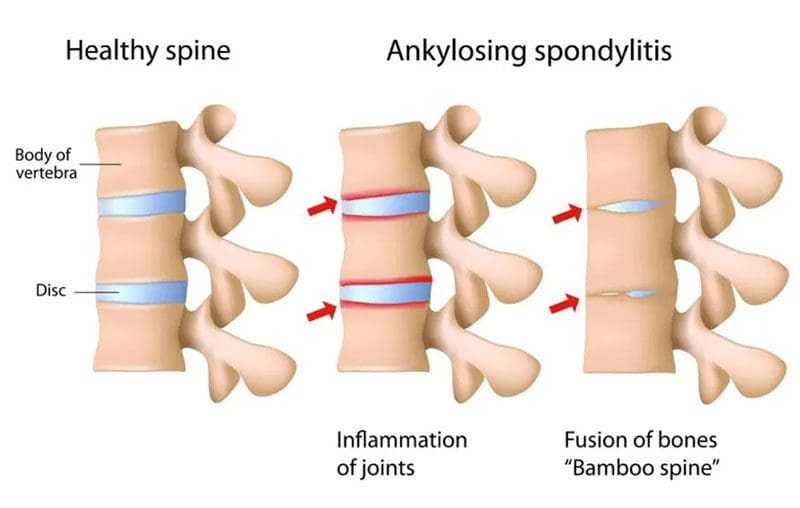
Spondylitis Anti-Inflammation Diet: Individuals who have a chronic back pain condition can be recommended to have two or more vertebrae fused to correct the problem/s and alleviate the pain. However, a form of inflammatory spinal arthritis can cause the vertebrae to fuse by themselves, known as ankylosing spondylitis. One recommended way to bring pain relief is by eating an anti-inflammatory diet. Studies have shown that a low-inflammatory diet can help improve spondylitis symptoms.
Spondylitis Anti-Inflammation Diet
Ankylosing spondylitis is a progressive inflammatory disease that primarily affects the spine; however, individual symptoms vary. Symptoms include stiffness and pain in the neck, hips, low back, and fatigue. There is no definite pattern meaning:
Symptoms can improve.
Symptoms can worsen or flare up.
Symptoms can stop for a period of time.
Women are affected more often than men with no known cause. There is no cure for ankylosing spondylitis, but treatments and self-care can slow down the disease’s progression and help manage symptoms.
Diet and Inflammation
Diet is not the root cause of inflammatory disease, but eating inflammation-causing foods can worsen symptoms. Reducing inflammation can help alleviate pain.
Eliminating foods that cause or increase inflammation is recommended to help the body become stronger and manage symptoms.
Functional medicine practitioners can help guide individuals on maximizing healthy nutrition and using it to reduce pain and symptoms.
If an individual has a genetic predisposition, their diet can be crucial to calm down the symptoms and help turn the autoimmune disease around.
A spondylitis anti-inflammation diet should be rich in vegetables, fruit, whole grains, and omega-3 fatty acids. Evidence shows that a diet low in starches can lead to less ankylosing spondylitis activity. Low-starch can also help limit the presence of Klebsiella pneumoniae, a bacteria that feeds on starch and is a known trigger for the onset and development of ankylosing spondylitis.
Foods To Eat
Leafy greens
These include spinach, kale, Swiss chard, and collard greens containing magnesiumand polyphenols that reduce inflammation.
These can be raw or cooked with garlic and olive oil added to maximize benefits.
Cruciferous vegetables
These contain sulforaphane, anantioxidantthat includes broccoli cauliflower and can be eaten raw or cooked, roasted with olive oil, sauteed, and stir-fried.
Allium Vegetables
These contain sulfuric compounds and quercetin,a flavonoidthat helps reduce inflammation.
These include red and yellow onions, leeks, garlic, and shallots.
They can be eaten raw or cooked in salads, stir-frys, and sandwiches.
Berries
These contain anthocyanin,an antioxidant flavonoid, and other antioxidants and polyphenols that help with inflammation.
These include strawberries, raspberries, blueberries, blackberries and can be eaten raw, in smoothies, in salads, with oatmeal, or mixed in unsweetened yogurt.
Fruits
Certain fruits contain quercetin and polyphenols to help with inflammation.
These include apples, cherries, oranges.
Healthy oils
Contain oleocanthalwhich acts similar to nonsteroidal anti-inflammatory medications and contains various antioxidants.
These include olive oil for low heat cooking and avocado oil for high heat cooking to replace butter and margarine.
It can be served in dressings and drizzled on foods.
Examples include walnuts, almonds, peanuts, pistachios, chia seeds, and ground flaxseeds.
These can be served as snacks, salads, mixed in side dishes, topping, or added to unsweetened yogurt or oatmeal.
Fatty fish
Omega-3 fatty acids help reduce inflammation.
Examples include salmon, cod, rainbow trout, mackerel, and sardines.
These can be baked, sauteed, grilled, mixed into salads, and stir fry.
Avoid These Foods
When making lifestyle adjustments for a spondylitis anti-inflammation diet, focus on reducing or removing processed foods and saturated fats. These include:
Sugars from all sources like soda, sugary drinks, shakes, candy, and desserts.
Trans fats, like those in fried foods like chips and fries.
Individuals may not be symptomatic with certain foods, but that doesn’t mean the foods should be consumed. Gluten, dairy, and eggs can cause potential problems as they compromise the gut and the immune system. These can set back the individual’s healing or remission.
Body Composition
What Happens To The Body When Eating Fruit
Fruit is made up of simple sugar called fructose, providing the body with a carbohydrate energy source. The natural sugar the body gets from a piece of fruit is not the same as processed fructose added to processed products like fructose corn syrup. Processed products are typically filled with empty calories and very little nutrition. When the body has fruit, the liver processes fructose before getting absorbed through the small intestine. Research shows that exposing the gut to more fiber-rich foods like fruit helps the gut achieve an anti-obese condition by increasing the good bacteria and reducing the obese bacteria. Essential nutrients from fruit include:
Folate
Vitamin C
Vitamin B1
The USDA recommends making half of each meal/plate be fruit and vegetables.
References
Harvard Health Publishing. (November 16, 2021) “Foods that Fight Inflammation.” https://www.health.harvard.edu/staying-healthy/foods-that-fight-inflammation
Macfarlane, Tatiana V et al. “Relationship between diet and ankylosing spondylitis: A systematic review.” European journal of rheumatology vol. 5,1 (2018): 45-52. doi:10.5152/eurjrheum.2017.16103
Nielsen, Forrest H. “Magnesium deficiency and increased inflammation: current perspectives.” Journal of inflammation research vol. 11 25-34. January 18 2018, doi:10.2147/JIR.S136742
Rashid T, Wilson C, Ebringer A. The Link between Ankylosing Spondylitis, Crohn’s Disease, Klebsiella, and Starch Consumption. Clin Dev Immunol. 2013;2013:872632. doi: 10.1155/2013/872632.
Sharma, Satya P et al. “Paradoxical Effects of Fruit on Obesity.” Nutrients vol. 8,10 633. 14 Oct. 2016, doi:10.3390/nu8100633
van Buul, Vincent J et al. “Misconceptions about fructose-containing sugars and their role in the obesity epidemic.” Nutrition research reviews vol. 27,1 (2014): 119-30. doi:10.1017/S0954422414000067
A pinched nerve may not feel like it is healing. This is because of the soreness, aches, discomfort, and tingling feelings/sensations around the affected area. This could be the neck, shoulder, arm, hands, back, legs, and feet. However, when the achiness and tingling move around and shift, it is a sign of the pinched nerve healing.
Amount of Time For Pinched Nerve Healing
Waiting for the nerve to heal is not a recommended treatment option, as most pinched nerves do not fully recover on their own. A pinched nerve usually takes around six weeks to heal with proper treatment. The longer the nerve stays pinched, the more likely there will be permanent damage. To keep the pinched nerve from returning and getting worse, individuals are recommended to incorporate a pre-habilitation plan that involves continuing rehabilitation exercises to strengthen and keep the muscles, ligaments, and nerves loose, and adjusting posture, work, exercise, and diet habits to prevent re-injuring the nerve or cause new injury/s.
Common Nerve Sites
Nerves run throughout the body, so it’s possible to experience a pinched nerve anywhere. The most common pinched nerve sites occur at joints where there is constant movement. These areas include:
Neck
Shoulders
Lower Back
Arms
Hands
Feet
Healing Signs
Individuals often believe that their pinched nerve is getting worse because of soreness, aches and pains, and weird sensations. When the pain stays in one area, that could be a sign that the nerve has not been fully stretched/released and/or that there is still compression taking place. Treatment and healing include feeling the symptoms but in a different way. The symptoms will move up, down, or around depending on where the pinched nerve is. Treatment takes the nerve/s and stretches/elongates them, but the pinch created a nerve crimp, crease, fold that wants to return to the pinched position. This is why continued treatment and stretching are recommended, as a spasm, trauma, or some awkward movement can cause the nerve to re-fold to the pinched position or cause a whole new pinch.
Chiropractic Release
Chiropractic treats pinched/compressed nerves with several therapeutic modalities. These include:
Body Adjustments
Flexion-distraction
Therapeutic massage
Traction
Inversion
Laser therapy
Ultrasound
Combined, these methods can help heal pinched nerves and keep them from recurring.
Body Composition
Skeletal Muscle
Skeletal muscle is a major muscle group. These muscles are attached to the bone by the tendons. Skeletal muscles incorporate nerves, blood vessels, and connective tissue to operate as a unit. Each skeletal muscle consists of cells that come together that form bundles of skeletal muscle fibers.
Strength training stimulates the muscle fibers. When combined with proper nutrition causes hypertrophy/muscle growth.
Muscles contract and shorten to pull bones and joints, allowing body movement.
The nervous system signals the nerves in the muscle/s and triggers these contractions.
Skeletal muscle helps the body:
Maintain posture
Generate body heat
Stability to the bones and joints
References
Bowley, Michael P, and Christopher T Doughty. “Entrapment Neuropathies of the Lower Extremity.” The Medical clinics of North America vol. 103,2 (2019): 371-382. doi:10.1016/j.mcna.2018.10.013
Campbell, W. “Diagnosis and management of common compression and entrapment neuropathies.” Neurologic clinics vol. 15,3 (1997): 549-67. doi:10.1016/s0733-8619(05)70333-9
England, J D. “Entrapment neuropathies.” Current opinion in neurology vol. 12,5 (1999): 597-602. doi:10.1097/00019052-199910000-00014
Kane, Patrick M et al. “Double Crush Syndrome.” The Journal of the American Academy of Orthopaedic Surgeons vol. 23,9 (2015): 558-62. doi:10.5435/JAAOS-D-14-00176
IFM's Find A Practitioner tool is the largest referral network in Functional Medicine, created to help patients locate Functional Medicine practitioners anywhere in the world. IFM Certified Practitioners are listed first in the search results, given their extensive education in Functional Medicine