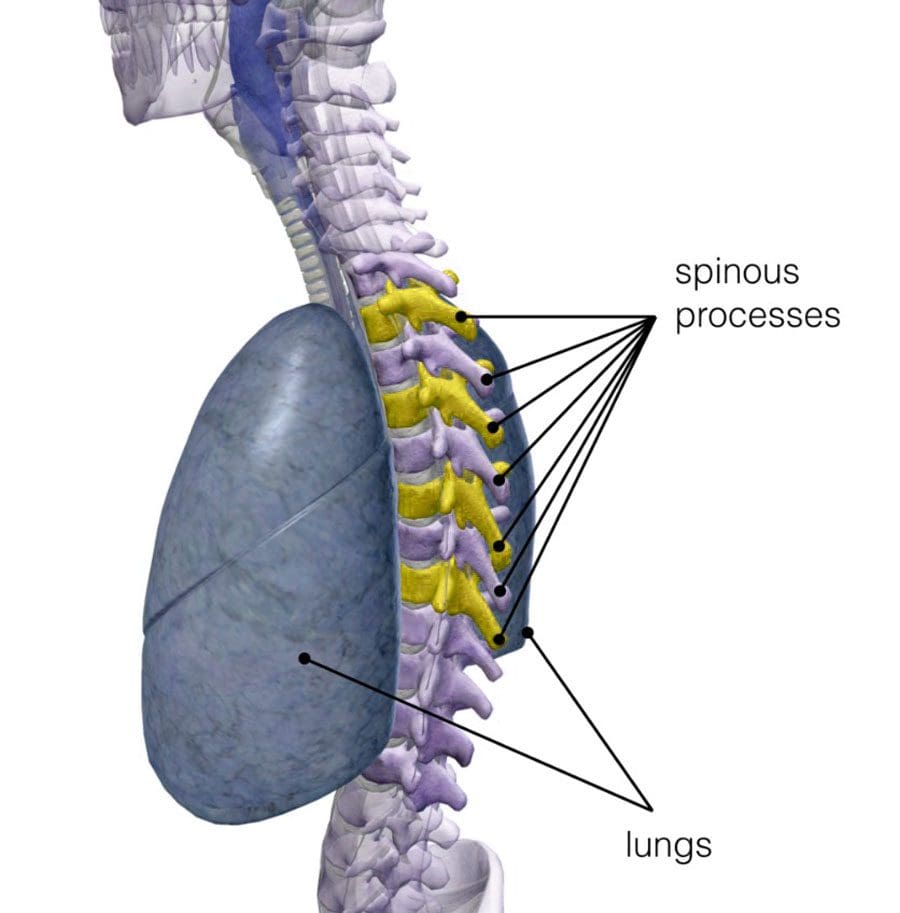
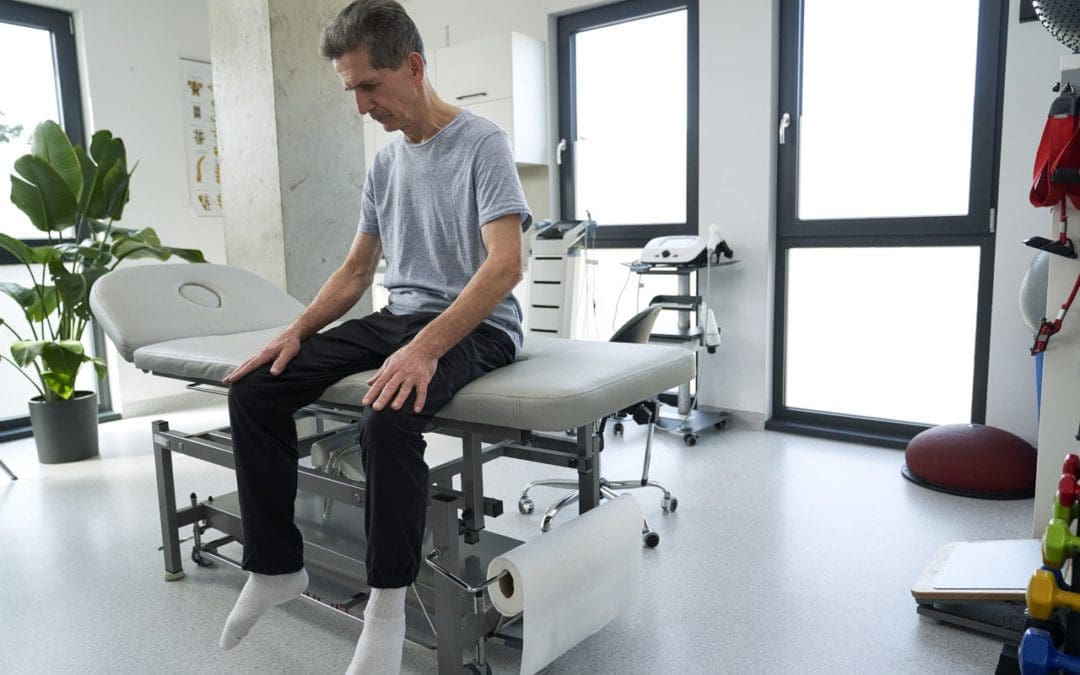
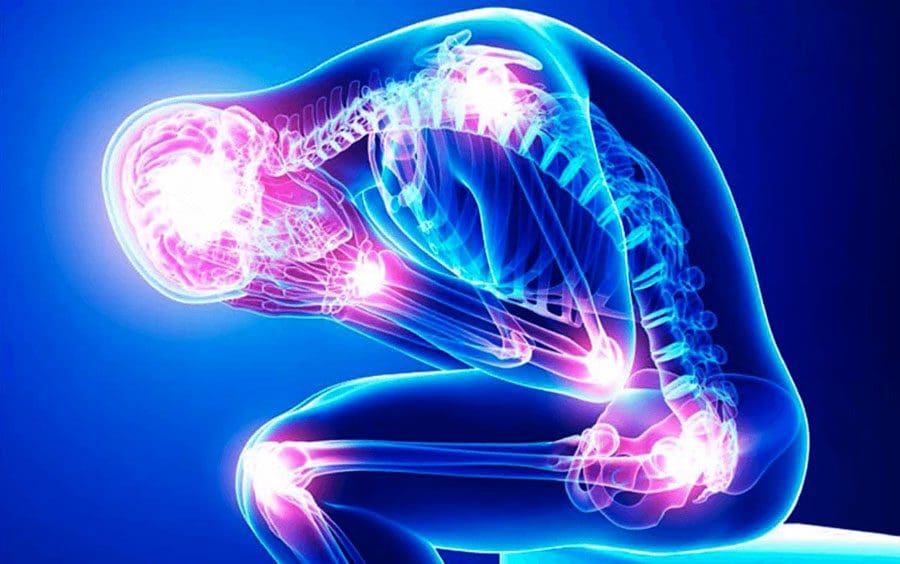
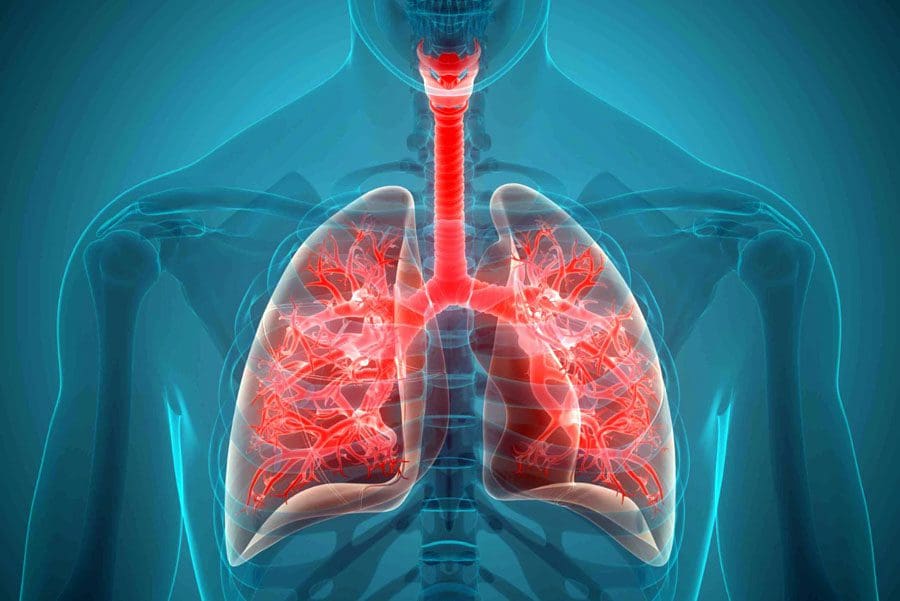
The body is a set of complex systems, including bones, organs, nerves, muscles, and tissue. Breathing disorders are increasing, including chronic bronchitis, asthma, emphysema, and other conditions. Viscerosomatic reflexes include poor breathing quality brought on by allergies, breathing disorders like COPD that can cause intense coughing, sneezing, hunching, arching of the back, and heaving that causes back pain and referred pain.
The brain sends electronic impulses to the different areas of the body through the spine/nervous system. If the nerves get shifted, stretched, compressed, or knocked out of position, the brain could start sending messages of pain and discomfort, which can also cause other body systems to malfunction. If the body is constantly transmitting pain signals, it can disrupt sleep, dietary habits, and overall well-being. Misalignment can disrupt the information delivered by the nervous system, leading to inflammation, irritation, and imbalances in the body.
Regular chiropractic maintains the nervous system to operate the way it was designed. Proper alignment of the spine and body will improve the nervous system’s health and function, encouraging the brain to release endorphins achieving pain relief, and leading to optimal health. When the nervous system performs optimally, the other systems will follow, including better breathing quality.
Poor Breathing
Breathing difficulties are widespread with various causes that include:
Allergies
Environmental pollutants
Viral and bacterial infections that cause inflammation
An overactive immune response can all contribute to poor breathing quality.
Individuals might not notice that their breathing quality is poor but instead notice they are:
Frequent exhaustion
Having to stop constantly in the middle of activities.
Experience brain fog.
Memory issues/forgetfulness.
Physical performance – endurance, flexibility, and muscle is deteriorating.
The breathing quality impacts how well the body’s systems can carry out their essential functions and be prepared for unexpected events. The body adjusts oxygen intake capacity in line with the energy required to perform physical activity. All bodily systems, including the cardiovascular, immune, and muscular systems, depend on the respiratory system to generate energy.
Immune protection against viruses, bacteria, fungi, and other diseases.
Chiropractic
A crucial part of the respiratory system’s function is transporting nutrients and oxygen throughout the body. Chiropractic treatment releases tension by moving muscle fascia and the spine that may have become stuck, compressed, or shifted out of position, causing poor posture and injury. Chiropractic eliminates toxins and cellular waste from tight, knotted areas by breaking up stagnant tissues.
Circulation Improvement
Chiropractic increases circulation, allowing fresh blood, lymphatic fluid, nutrients, and oxygen to enter the deprived tissues. These regions include:
Muscles in the shoulder, neck, back
Bones and joints across the spine
Body tissues
Ligaments
Tendons
Chiropractic treatment can be manual/mechanical traction/decompression, combined with therapeutic tissue massage, exercise, and diet recommendations.
Decompression De La Espalda
References
McCarty, Justin C, and Berrylin J Ferguson. “Identifying asthma triggers.” Otolaryngologic clinics of North America vol. 47,1 (2014): 109-18. doi:10.1016/j.otc.2013.08.012
Purnomo, Ariana Tulus, et al. “Non-Contact Monitoring and Classification of Breathing Pattern for the Supervision of People Infected by COVID-19.” Sensors (Basel, Switzerland) vol. 21,9 3172. 3 May. 2021, doi:10.3390/s21093172
Schend, Jason, et al. “An Osteopathic Modular Approach to Asthma: A Narrative Review.” The Journal of the American Osteopathic Association vol. 120,11 (2020): 774-782. doi:10.7556/jaoa.2020.121
Children, teens, and adults participate in organized and recreational sports activities for fun, exercise, and social benefits. Individuals and parents are used to scrapes, bumps, bruises, sprains, and strains. However, internal abdominal injuries from the body colliding with another player or object are less common but dangerous. Abdominal injuries make up less than 4 percent of sports injuries but can be severe when they occur. These injuries are common in sports like wrestling, gymnastics, soccer, basketball, football, skiing, snowboarding, BMX freestyle, motocross, skateboarding, ice/field hockey, and lacrosse. Early symptoms are not always obvious or apparent and can be mild or seem to go in a different direction away from the abdominal region, which is why it is essential to know what to look for.
Internal Abdominal Injuries Athletes
There are about 3oo 000 abdominal sports-related injuries. Kids and young athletes risk injuring their abdominal organs because their abdominal wall is thinner and still in development. However, internal abdominal injuries to the stomach, small and large intestine, spleen, liver, and kidneys can and do happen in adults.
Injury Types
Sports-related internal abdominal injuries are considered rare, but studies suggest they are increasing. The most common sites include:
Liver
This causes pain in the upper right side of the abdomen.
The right lobe is the one that gets injured more often because it is bigger and presses against the ribcage.
A torn liver can cause severe bleeding.
Shock can develop from the bleeding, causing heart palpitations, rapid breathing, shortness of breath, and a pale, grey, and/or sweaty appearance.
The liver and spleen are the most commonly injured organs in sports. They are filled with blood and can get bruised, or ruptured, and can cause severe bleeding when torn or cut. Bleeding in the abdomen can irritate the diaphragm, which can cause pain in the shoulder. Sometimes shoulder pain is the only symptom making it difficult to diagnose and because bleeding can take time to develop, the symptoms might not present for several hours.
Spleen
This causes pain in the upper left side of the abdomen.
The spleen filters around 10% of the body’s blood supply every minute.
A torn spleen can cause rapid and life-threatening internal bleeding.
Kidneys
The kidneys can be injured by a blow/hit to the back or flank that causes bruising or laceration.
This injury can cause flank/side pain, blood in the urine, nausea, and/or vomiting.
Abdominals
A single organ or multiple organs can be injured.
This can be the pancreas, diaphragm, stomach, gallbladder, bladder, or intestines.
Bruising discoloration or bruising, particularly around the belly and flanks.
This can cause abdominal pain with movement that does not get better that could be accompanied by fever, nausea, or vomiting.
Running into an object, another player, or falling hard can cause bruising, laceration, or create a tear/opening of a bowel wall. Symptoms can be delayed days to weeks after the injury when inflammation or infection develops.
Recognizing Internal Injuries
Signs and symptoms to look for include:
Abdominal pain
Bruising around the abdominal area.
Tenderness over the injured area.
Rigid abdomen.
Left-arm and shoulder pain.
Right-sided abdominal pain and right shoulder pain.
Blood in the urine.
Cold, sweaty skin.
Nausea and vomiting.
Rapid heartbeat.
Low blood pressure.
Loss of consciousness.
Treatment
Chiropractic focuses on whole-body health and can help with abdominal injuries. The nervous and digestive systems are interconnected, meaning that damage could lead to viscerosomatic reflexeseven if not directly injured. If internal damage or bleeding has occurred, individuals will be referred to a specialist, surgeon, or another emergency medical professional. If internal damage is ruled out, a chiropractic treatment plan that includes adjustments, massage therapy, manual and mechanical decompression, exercises, stretches, and health coaching will help with tissue injuries and problems that are causing gastrointestinal distress.
Spinal Non-Surgical Decompression
References
Arumugam, Suresh, et al. “Frequency, causes and pattern of abdominal trauma: A 4-year descriptive analysis.” Journal of emergencies, trauma, and shock vol. 8,4 (2015): 193-8. doi:10.4103/0974-2700.166590
Barrett, Cassie, and Danny Smith. “Recognition and management of abdominal injuries at athletic events.” International journal of sports physical therapy vol. 7,4 (2012): 448-51.
Kucera, K. L., Currie, D. W., Wasserman, E. B., Kerr, Z. Y., Thomas, L. C., Paul, S., & Comstock, R. D. (2019). Incidence of Sport-Related Internal Organ Injuries Due to Direct-Contact Mechanisms Among High School and Collegiate Athletes Across 3 National Surveillance Systems. Journal of athletic training, 54(2), 152–164. https://doi.org/10.4085/1062-6050-271-17
Slentz, Cris A et al. “Effects of aerobic vs. resistance training on visceral and liver fat stores, liver enzymes, and insulin resistance by HOMA in overweight adults from STRRIDE AT/RT.” American journal of physiology. Endocrinology and metabolism vol. 301,5 (2011): E1033-9. doi:10.1152/ajpendo.00291.2011
Referred pain is the interpretation of feeling pain in a different location than the actual cause. For example, a pinched nerve in the spine/back causes pain not to show up not where it is pinching but further down in the buttock, leg, calf, or foot. Similarly, a pinched nerve in the neck could translate to shoulder or elbow pain. Referred pain is often caused by the muscles overcompensating weaker ones, like feeling pain outside the knee, with the actual injury stemming from hip joint dysfunction caused by weakened lateral hip muscles. The athletic referred pain could have been brought on by an acute sports injury, an overuse injury from the repetitive motion/s.
Athletic Referred Pain
Somatic referred pain originates from the muscles, skin, and other soft tissues and is not to be confused with visceral pain, which refers to the internal organs/viscera. However, the pain presents in regions supplied by the same nerve roots. Damaged or injured body structures can cause referred pain. This includes the muscles, nerves, ligaments, and bones.
Common Sites
Individuals can experience referred pain almost anywhere. Athletic referred pain commonly occurs in these areas:
The neck and shoulder where pain can be felt in the elbow, arm, and hand or cause headaches.
The back where pain can be felt in the hips, buttocks, and thighs.
The hip/s area, where pain can be felt in and around the low back and abdominal regions.
The groin, where pain can be felt in and around the abdominal region.
Problems with the vertebral discs, nerve root compression, muscle spasms, osteoarthritic changes, spinal fracture, or tumor/s can affect the body’s ability to transport sensory information, which can cause strange sensations and weakness of muscle tissues, and sometimes problems with coordination and movement. Part of an accurate diagnosis is knowing the patterns of referred pain in all the muscles and internal organs.
Pain Activation
Many nerve endings come together and share the same nerve cell group in the spinal cord. When signals travel through the spinal cord to the brain, some signals follow the same path as the pain signals from a different body part. Pain awareness is felt in a deeper center of the brain known as the thalamus, but the sensory cortex determines the perception of where the pain is coming from and the location of the pain. The intensity and sensation of the athletic referred somatic pain vary for different structures and depend on the inflammation level. For example:
Nerve pain tends to be sharp or shooting.
Muscle pain tends to be a deep dull aching or a burning sensation.
However, muscles can give a sensation of tingling where referred pain is presenting, but tingling is more commonly associated with a nerve injury.
Diagnosing referred pain injuries can be complex as there are various areas where the pain can show up. The source of damage needs to be identified; otherwise, achieving lasting pain relief will not last. A biomechanical analysis can help to find movement/motion patterns that may be causing pain and help identify the source.
Treatment
Athletic performance and spinal health are interconnected. Chiropractic treatment involves whole-body wellness that involves the spine and nervous system. Routine chiropractic care relieves neck, shoulder, arm, back, leg, and foot conditions/injuries and helps prevent disorders of joints and muscles. It calms the mind, provides pain relief, and educates individuals on being more aware of the body. Chiropractic adjustments improve blood flow and nerve function to increase agility, reaction times, balance, strength, and expedited healing of the body.
DRX9000 Decompression
References
Kapitza, Camilla, et al. “Application and utility of a clinical framework for spinally referred neck-arm pain: A cross-sectional and longitudinal study protocol.” PloS one vol. 15,12 e0244137. 28 Dec. 2020, doi:10.1371/journal.pone.0244137
Murray, Greg M. “Guest Editorial: referred pain.” Journal of applied oral science: Revista FOB vol. 17,6 (2009): i. doi:10.1590/s1678-77572009000600001
Weller, Jason L et al. “Myofascial Pain.” Seminars in neurology vol. 38,6 (2018): 640-643. doi:10.1055/s-0038-1673674
Wilke, Jan, et al. “What Is Evidence-Based About Myofascial Chains: A Systematic Review.” Archives of physical medicine and rehabilitation vol. 97,3 (2016): 454-61. doi:10.1016/j.apmr.2015.07.023
A viscerosomatic response or VSR is when the internal organs are going through some distress, illness, or injury, causing pain symptoms. An example is the right shoulder presenting with pain when the gall bladder is inflamed. The pain signals are transmitted through the spinal cord, and the muscles in the area could spasm, creating sensitivity or pain when touched. However, viscerosomatic pain is often not worsened or changed by bending, reaching, or twisting in different directions causing musculoskeletal/MSK pain. Without a thorough exam, it’s easy to confuse a VSR with an MSK or basic back ache. Individuals may sometimes feel visceral pain more through emotional symptoms like anger, anguish, or sadness than physical discomfort. Causation varies for everybody and can overlap with underlying conditions.
Causation
The visceral organs’ pain receptors are not as tightly packed or evenly spread out, which makes finding the pain’s source challenging to pinpoint. The most common causes include:
Inflammation
A process of the body’s white blood cells protecting the body from infections, bacteria, and viruses. In autoimmune diseases, the immune system reacts as if normal tissues are infected or have changed and attacks them causing damage. But in some conditions, like arthritis, the body’s immune system triggers inflammation despite no infections, bacteria, or viruses. When inflammation activates, chemicals from the body’s white blood cells enter the blood or tissues to protect the body raising the blood flow to the injured or infected area. Symptoms include:
Redness
Heat
Irritation
Chemicals can cause fluid to leak into the tissues.
Swelling
Pain
The symptoms depend on which organs are affected. Examples include:
Inflammation of the heart/myocarditis can cause shortness of breath and/or fluid buildup.
Inflammation of the tiny tubes in the respiratory system can cause shortness of breath.
Inflammation of the kidneys/nephritis can cause high blood pressure and/or kidney failure.
Circulatory Issues
Decreased blood circulation can strain areas of the body. The body pulls oxygen into the lungs that enter the blood. It travels throughout the body through blood vessels, veins, and arteries. If circulation becomes obstructed or gets stopped, a severe problem called ischemia can develop. This means areas of the body are not getting enough blood and enough oxygen. Ischemia usually originates from a buildup, blockage in the arteries, or a blood clot. Atherosclerosisis plaque, a hard, sticky substance made mostly of fat that collects in the arteries. It builds up slowly over time and can harden and narrow the arteries slowing down blood flow because the blood has less space to circulate.
Swelling/Stretching Organs
Swelling occurs when excess fluids are trapped in the body’s tissues, which can cause the affected organs to enlarge and stretch. Swelling can be internal or external. Internal swelling is usually caused by:
Menstrual cramps are throbbing, aching cramps experienced in the lower stomach just before and during a woman’s monthly period. They can range from mild to severe but are common and can strike right before and/or during the menstrual cycle. Some women can experience dysmenorrhea. Symptoms include:
Aching in the stomach
Pressure in the stomach
Constipation
Pain in the hips, low back, and inner thighs.
Severe cramp symptoms can include:
Upset stomach
Loose stools
Vomiting
Cysts and Tumors
Cysts and/or tumors in the pelvic or abdomen region can cause distress, irritation, inflammation, swelling, and pain viscerosomatic and musculoskeletal.
Chiropractic Causation Diagnosis
There is a connection between the spinal nerves and internal organ function. Internal organs connect to the brain through the spinal cord and nerve ganglia plexuses. The organs cannot function properly if the transmitted signals are interrupted or blocked. A chiropractor uses manual and mechanized manipulation to realign the spine. Chiropractic treatment diagnoses causation, restores joint function, eliminates pain, and prevents further injury, preventing degeneration and slowing disease processes in bone, muscle, and organs.
Spinal Decompression
References
Bath M, Owens J. Physiology, Viscerosomatic Reflexes. [Updated 2022 May 8]. In: StatPearls [Internet]. Treasure Island (FL): StatPearls Publishing; 2022 Jan-. Available from: https://www.ncbi.nlm.nih.gov/books/NBK559218/
Berrueta, Lisbeth, et al. “Stretching Impacts Inflammation Resolution in Connective Tissue.” Journal of cellular physiology vol. 231,7 (2016): 1621-7. doi:10.1002/jcp.25263
Carver AC, Foley KM. Types of Pain. In: Kufe DW, Pollock RE, Weichselbaum RR, et al., editors. Holland-Frei Cancer Medicine. 6th edition. Hamilton (ON): BC Decker; 2003. Available from: https://www.ncbi.nlm.nih.gov/books/NBK12991/
Sikandar, Shafaq, and Anthony H Dickenson. “Visceral pain: the ins and outs, the ups and downs.” Current opinion in supportive and palliative care vol. 6,1 (2012): 17-26. doi:10.1097/SPC.0b013e32834f6ec9
Even though it is not officially summer, the heat says otherwise. Individuals with neuropathy can experience flare-ups when out in the heat for extended periods. Avoiding discomfort and having fun with family and friends can be stressful. This could be graduations, park festivals, family gatherings, weddings, etc. Here are some neuropathy summer tips/recommendations to maintain a healthy, fun, and pain-free season.
Neuropathy
Neuropathy results from damaged or destroyed nerve cells and is often a side effect associated with diabetes, autoimmune diseases, infections, tumors, and/or hereditary conditions. Also known as peripheral neuropathy, symptoms range from tingling sensations, burning pain, muscle spasms, difficulty moving the arms or legs, feelings of light headiness, and sometimes atrophy. The symptoms depend on the damaged nerves, ranging from autonomic, motor, and sensory nerves. As neuropathy progresses, individuals may begin to feel a loss of balance.
Neuropathy Summer Tips
Research and Prepare
Preparation and planning are highly recommended to prevent a flare-up. For long outdoor ceremonies:
Wear sunscreen
Stay fully hydrated
Dress in cool clothes
Make sure footwear has proper arch/sole support and breathing room.
Wear a hat and sunglasses
Stand periodically to ensure proper circulation if sitting for a while.
Shift weight back and forth during the event to pump circulation throughout the body.
Bring snacks like fruits, veggies, or gluten-free bars.
Know where cool resting areas are located.
If cooling down accommodations are not available, get there early to find a place in the shade, or in the case of bleachers, bring a more comfortable chair, umbrella, and misting fan.
Listen to the body
Listen to the body when engaged in activities, don’t try to push through where you don’t feel comfortable.
Take breaks
The goal is to ensure comfort during the activity, as being uncomfortable can exacerbate symptoms.
Self-care
The body needs thorough rest after a long day in the sun. It is recommended to ice any areas where pain presents to decrease inflammation and neuroplasticity and help with any symptoms of itching, pressure, numbness, or pins and needles.
Start with icing for three minutes, take the ice off and see how it feels.
If the area feels better, continue icing for a full ten minutes.
Remove the ice if irritation occurs or do not feel a difference.
Foods
Watching what you eat can be difficult at summer events. Specific foods like bread, gluten, and high-sugar products can cause symptoms.
If it causes an upset stomach or swelling, it is recommended to avoid it.
Go with fresh seasonal fruits and vegetables.
A little planning can ensure you eat the food that’s best for you.
Call ahead to let friends/family know of any food sensitivities.
Gluten apps allow the ability to scan an item to see if it contains gluten.
Consult a nutritionist to set up an enjoyable diet.
Chiropractic Care and Prevention
Chiropractic care for neuropathy focuses on the underlying conditions causing nerve pain and inflammation.
Treating the inflammation alleviates the pain in the joints and extremities.
Each treatment plan is personalized to meet the needs of every patient.
Treatment will focus on massage, adjustments, decompression, exercises, therapies, and nutrition that expedite healing throughout the body.
Spinal Decompression Non-Surgical
References
Campbell, James N, and Richard A Meyer. “Mechanisms of neuropathic pain.” Neuron vol. 52,1 (2006): 77-92. doi:10.1016/j.neuron.2006.09.021
Asthma, coughing, and heavy breathing can contribute to back muscle strain, soreness, and pain. An asthma attack can cause the body to heave during intense gasping, leaving the back muscles physically exhausted. Chiropractic adjustments and decompression can bring back pain relief, strengthen and stretch the spine and spinal muscles, and prevent it from returning, along with asthma management.
Asthma
The bronchial tubesdivide into smaller passages called bronchi and then into bronchioles. The bronchioles have tiny air sacs called alveoli, where inhaled oxygen is delivered to the blood. After absorbing the oxygen, the blood leaves the lungs and travels to the heart. Asthma is a lung condition that can affect anyone at any age. Asthma narrows the lungs’ airways causing inflammation in response to respiratory triggers, making it harder for air to travel out of the airways when exhaling. Symptoms include:
Wheezing
Difficulty breathing
Gasping to get air
Coughing
Tightness in the chest
Triggers can include:
Hot and/or humid weather
Exercise
Cold air
Pollen
Pets
Viral infections
Respiratory infections
Asthma Coughing and Back Strain
Asthma symptoms can take a toll on the back muscles and spine. Asthma attacks that cause gasping and heavy breathing cause the primary muscle (diaphragm) that supports breathing to weaken and strain. The diaphragm helps the spine but cannot do so effectively when under constant strain.
Constant Coughing and Spinal Health
Coughing is the body’s way of expelling unwanted foreign bodies. Chronic coughing stresses, strains, and overexerts the spinal support muscles and impacts posture. Individuals unconsciously take on a tense, forward-leaning posture/position that can cause:
Neck and shoulder stiffness, upper/lower back tightness, disc herniation, and pain.
Vertebrae subluxations/spinal misalignments can interfere with circulation and nerve function.
For short-term back pain following an asthma attack or coughing episode, it is recommended to rest, apply heat or ice, and take over-the-counter pain medication.
Massage therapy and myofascial release can stretch and relax the muscles.
Chiropractic manipulation relieves the stress on the nerves and muscles and stimulates the spinal cordand nerves to regain proper functioning.
Breathing Exercises and Yoga
Strengthened and conditioned core muscles can help to breathe more efficiently. When breathing normally it is usually a shallow inhale/exhale that does not fill the lungs to the total capacity. Diaphragmatic breathing is a technique to fully engage the diaphragm and abdominal muscles to fill the lungs with air more efficiently. Using the diaphragm correctly will:
Strengthen the diaphragm.
Use less energy to breathe.
Slow down the breathing rate.
Decrease the work of breathing hard.
Decrease the demand for continuous oxygen.
Yoga is another core-strengthening technique that encourages focused breathing that can help improve asthma control.
Decompression Neurosurgeon
References
American Lung Association. Breathing Exercises. (https://www.lung.org/lung-health-diseases/wellness/breathing-exercises) Accessed 3/29/2022.
Lunardi, Adriana Claudia, et al. “Musculoskeletal dysfunction and pain in adults with asthma.” The Journal of asthma: Official Journal of the Association for the Care of Asthma vol. 48,1 (2011): 105-10. doi:10.3109/02770903.2010.520229
Rasmussen-Barr, E. et al. “Are respiratory disorders risk factors for troublesome low-back pain? A study of a general population cohort in Sweden.” The European spine journal: official publication of the European Spine Society, the European Spinal Deformity Society, and the European Section of the Cervical Spine Research Society vol. 28,11 (2019): 2502-2509. doi:10.1007/s00586-019-06071-5
Solakoğlu, Özge, et al. “The effects of forward head posture on expiratory muscle strength in chronic neck pain patients: A cross-sectional study.” Turkish Journal of physical medicine and rehabilitation vol. 66,2 161-168. 18 May. 2020, doi:10.5606/tftrd.2020.3153
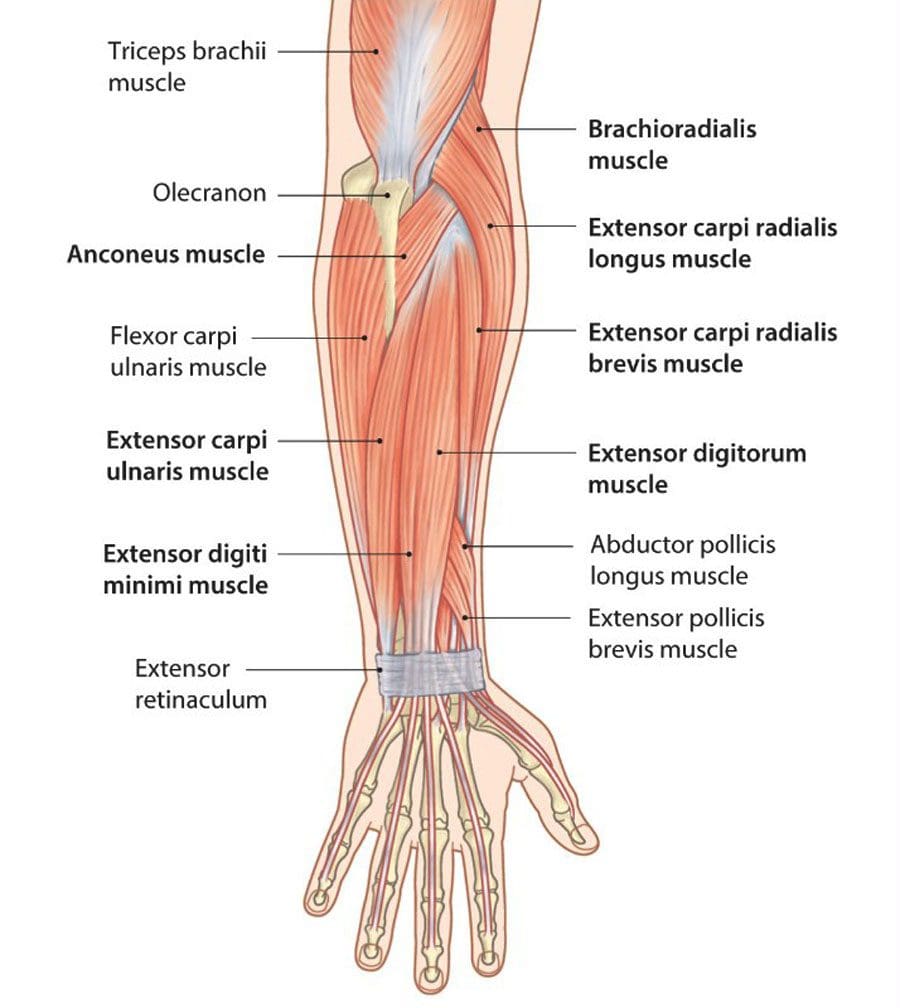
Forearm pain refers to soreness, aches, or discomfort between the wrist and the elbow. An injury or inflammation can affect any tissues, including muscles, bones, blood vessels, tendons, and the skin. The causes usually include overuse injuries, pinched nerves, accidents causing trauma, lifting or heaving heavy objects, sports injuries, and fractures. If left untreated, issues like chronic muscle pain and decreased and disrupted blood/nerve circulation can develop, leading to numbness and weakness. Chiropractic treatment can release tension, massage, reset, and stretch the muscles to expedite healing.
Anatomy
The forearm comprises the radius and ulna, which extend the forearm’s length and cross at the wrist.
The Radius
This bone starts at the elbow and connects to the wrist on the thumb side.
Ulna
This bone begins at the elbow and connects to the wrist on the side of the little finger.
Muscles
Several muscles operate to rotate the forearm up/supination and down/pronation and flex and extend the fingers.
Causes
Forearm pain can happen to anyone and is usually related to traumatic or repetitive use injury. In other cases, pain may be associated with a benign growth, like a cyst or possibly a malignant tumor. Common causes include:
Pulled and/or strained muscles
Muscle ruptures or small tears
A direct blow, fall, or any extreme twisting, bending or jamming action.
Tendonitis from tennis or golfers elbow.
Tennis elbow is caused by inflammation or tiny tears in the forearm muscles and tendons outside the elbow.
Golfers’ elbow is on the inside of the elbow.
Carpal Tunnel Syndrome is a repetitive stress disorder that affects the nerves and tendons of the wrist and forearm.
Musculoskeletal Causes
The musculoskeletal causes involve issues in how the forearm components operate together.
Repetitive actions like lifting, gripping, and typing can compress nerves and blood vessels throughout the forearm.
Forearm problems like dislocations or sprains can also lead to chronic inflammation and pain.
Traumatic Causes
Traumatic causes include those that result in injury to components of the forearm.
Anything that causes a direct injury to the forearm, including an automobile crash or accident, fall, or a direct hit, can fracture bones in the forearm.
A sprain can twist or stretch a ligament or tendon.
Activities that cause bending, twisting, quick sudden movement or direct impact can result in sprained multiple ligaments in the forearm.
Chiropractic Treatment
Healing forearm pain depends on the type of injury, location, and cause of the pain. Chiropractic addresses arm pain, tingling, and numbness in ways often overlooked by general physicians.
A chiropractor will perform a physical examination to determine if there are any underlying causes.
They may apply an ice pack to help control inflammation before the massage.
The chiropractor will perform gentle adjustments to the wrist, arm, and shoulder.
They may recommend a forearm brace to help retrain positioning and movement.
They will recommend exercises and stretches to strengthen and maintain the adjustments.
Carpal Tunnel Pain Treatment
References
Ellenbecker, Todd S et al. “Current concepts in examination and treatment of elbow tendon injury.” Sports health vol. 5,2 (2013): 186-94. doi:10.1177/1941738112464761
Shamsoddini, Alireza, and Mohammad Taghi Hollisaz. “Effects of taping on pain, grip strength and wrist extension force in patients with tennis elbow.” Trauma monthly vol. 18,2 (2013): 71-4. doi:10.5812/traumamon.12450
Suito, Motomu, et al. “Intertendinous epidermoid cyst of the forearm.” Case reports in plastic surgery & hand surgery vol. 6,1 25-28. 28 Jan. 2019, doi:10.1080/23320885.2018.1564314
IFM's Find A Practitioner tool is the largest referral network in Functional Medicine, created to help patients locate Functional Medicine practitioners anywhere in the world. IFM Certified Practitioners are listed first in the search results, given their extensive education in Functional Medicine