Back discomfort sensations and symptoms could indicate pulled-back muscles. Unless you’ve experienced the condition before, determining the cause can be difficult. A pulled-back muscle can start as a sudden, sharp sting when bending, reaching, or twisting. Or it can present gradually, worsening over a few days. It is a common injury, but if left untreated could take several weeks, and in severe cases, a few months, to heal correctly. Injury Medical Chiropractic and Functional Medicine Clinic can help diagnose the problem and develop a customized treatment plan to restore optimal function and health.
Pulled Back Muscles
A pulled muscle describes a strained muscle.
A strain is a muscle or tendon injury that happens when the tissue overstretches or tears.
When a ligament stretches or tears, it’s called a sprain.
Most cases can be managed and treated at home.
But if the symptoms are not improving or make it difficult to move, see a doctor or chiropractor.
Symptoms
Common signs and symptoms of a pulled-back muscle include:
Swelling
Tenderness
Soreness – Sore muscles that feel tight and achy usually indicate a condition that is likely to improve in a few days. More severe soreness could indicate a more significant injury.
Spasms – A sudden convulsive spasm in the muscle can also indicate a pull. This can feel like a sudden tightening that does not release. The muscle can continue to spasm and lead to other symptoms.
Cramping – A muscle can cramp can lead to increased tightness whenever trying to use the muscle.
Pain – Can be characterized as a constant dullness and/or soreness in most situations or, in severe cases, sharp and shooting.
Discomfort when moving around. If pain flares up when trying to move or use the back muscles is usually an indication that something is wrong.
Relief during inactivity and rest. When lying down to rest or taking a temporary break, and the symptoms disappear could also be an indication of a pulled-back muscle or another injury.
Causes
The most common causes are:
A Strained Muscle
This causes some damage to a region of muscle tissue, usually the result of being over-used or torn from another injury.
Sprained Ligaments
Involves damage to the ligaments in a joint, usually those in the spinal vertebrae.
A Herniated Disc
This involves damage to the discs that can leak out, irritating the surrounding tissues and nerves and can cause shifting and misalignment of the spine.
These conditions are distinct, but the symptoms can be similar.
Therapies
It is important to consult a medical professional before treating an injury because symptoms of other injuries, such as disc problems or a broken bone, can resemble strains and sprains. Most treatments will utilize:
Ice and Heat
Ice helps reduce inflammation.
The faster ice can be applied to a pulled-back muscle, the quicker pain and swelling are reduced, and the healing process can begin.
Apply a cold pack for 15-20 minutes as soon as the injury occurs.
Take a 20-minute break between each cold application.
After the first days, alternate cold therapy with heat to increase circulation.
Try a 20-20-20 rule: 20 minutes of an ice pack followed by a 20-minute break, then 20 minutes of heat.
Repeat as necessary, allowing 20 minutes between heat or ice therapy.
Limited Rest
Right after a muscle strain, limiting physical activity levels and avoiding movements are recommended for a short period.
After the initial pain subsides, partial activity levels are recommended to help prevent the muscles from weakening.
Compression
Applying compression bandages or using an active compression system can help reduce swelling and edema and repair damaged tissues faster.
Stretching
Returning to activities, gentle stretching exercises can improve tissue healing by increasing blood circulation to the injured area.
Applying heat to the area before stretching can also help.
Strength Training
Ask a doctor or chiropractor about the right strength exercises for your condition.
Strength training will develop the muscles to prevent future injuries.
Pain Medication
Pain levels are an important indicator during the recovery process.
Pain medications relieve symptoms but do not assist with healing and should only be used short-term to provide relief.
If you need pain medication, consult your physician to determine the appropriate type and dosage for your situation.
Massage
Blood circulation to the injured tissues is increased with massage therapy.
Chiropractic
A chiropractor can diagnose back pain from a muscle or disc injury and develop an individualized treatment plan.
Allen, Laura. “Case Study: The Use of Massage Therapy to Relieve Chronic Low-Back Pain.” International journal of therapeutic massage & bodywork vol. 9,3 27-30. 9 Sep. 2016, doi:10.3822/ijtmb.v9i3.267
Kumar, Saravana et al. “The effectiveness of massage therapy for the treatment of nonspecific low back pain: a systematic review of systematic reviews.” International journal of general medicine vol. 6 733-41. 4 Sep. 2013, doi:10.2147/IJGM.S50243
Immune system health and keeping the system strong and healthy can be accomplished by maintaining healthy eating habits. Eating foods rich in specific vitamins and supplements can help the immune system fight off illness, maintain energy levels, and help during injury recovery. Here we look at choosing foods with the right vitamins to build and strengthen the immune system throughout the year.
Immune System Health
The immune system consists of complex cells, processes, and chemicals that constantly defend the body against invading pathogens, including viruses, toxins, and bacteria. Keeping the immune system healthy year-round is key to infection and disease prevention. Healthy lifestyle choices consist of the following:
Nutritious food, healthy sleep, physical activity, and exercise are the most important ways to strengthen the immune system.
Supplementing certain vitamins, minerals, and herbs can help improve immune response.
However, some supplements can interact with prescription or over-the-counter medications.
Certain supplements may not be recommended for individuals with certain health conditions.
Research has found that selenium activates the immune system when there is a threat and signals when to slow or shut down immune responses.
Selenium keeps the immune system from overworking.
Selenium protects from chronic inflammation and autoimmune diseases like rheumatoid arthritis, Crohn’s disease, and psoriasis.
Selenium Foods
Foods from highest to lowest levels of selenium.
Brazil nuts
Tuna
Halibut
Canned sardines
Lean meats
Cottage cheese
Brown rice
Eggs
Oatmeal
Milk
Yogurt
Lentils
Nuts
Seeds
Peas
Increase Water Intake
Maintaining healthy hydration can increase immune health.
Water helps the body produce lymph, which carries white blood cells and other immune system cells.
Try to balance out dehydrating beverages, like coffee and soda.
Try eating more hydrating foods like cucumbers, celery, lettuce, and strawberries.
Immune System Health
References
Chaplin, David D. “Overview of the immune response.” The Journal of allergy and clinical immunology vol. 125,2 Suppl 2 (2010): S3-23. doi:10.1016/j.jaci.2009.12.980
Halliwell, B. “Antioxidants in human health and disease.” Annual review of nutrition vol. 16 (1996): 33-50. doi:10.1146/annurev.nu.16.070196.000341
Lewis, Erin Diane, et al. “Regulatory role of vitamin E in the immune system and inflammation.” IUBMB life vol. 71,4 (2019): 487-494. doi:10.1002/iub.1976
Mora, J Rodrigo, et al. “Vitamin effects on the immune system: vitamins A and D take center stage.” Nature reviews. Immunology vol. 8,9 (2008): 685-98. doi:10.1038/nri2378
Nicholson, Lindsay B. “The immune system.” Essays in biochemistry vol. 60,3 (2016): 275-301. doi:10.1042/EBC20160017
Shakoor, Hira, et al. “Immune-boosting role of vitamins D, C, E, zinc, selenium and omega-3 fatty acids: Could they help against COVID-19?.” Maturitas vol. 143 (2021): 1-9. doi:10.1016/j.maturitas.2020.08.003
Ankylosing spondylitis, or AS, is a type of inflammatory arthritis that usually impacts the spine, causing back stiffness and pain, pain in the hips, and decreased range of motion. Brain fog can also be a symptom of AS and other chronic inflammatory conditions. Brain fog can affect memory, concentration, decision-making, learning, and problem-solving. Injury Medical Chiropractic and Functional Medicine Clinic can educate on the causes of ankylosing spondylitis brain fog and how to reduce its effects.
Brain Fog
Experts do not fully understand how conditions like AS cause brain fog and how it affects the brain and central nervous system. However, they believe brain fog is linked to chronic inflammation and pain associated with the condition, along with certain factors.
Chronic Inflammation
Inflammation occurs when the body’s immune system attacks healthy cells.
This triggers the release of inflammation-causing cytokines.
Cytokines can interfere with normal brain function.
Ankylosing Spondylitis Chronic Pain
Chronic pain can cause fatigue and unhealthy sleep quality.
Fatigue and poor sleep can worsen chronic pain, leading to intense fatigue and extreme sleep issues, becoming a vicious cycle.
Corticosteroids
Doctors typically treat ankylosing spondylitis with corticosteroids.
Individuals with cardiovascular risk factors have an increased risk of brain fog from the medications.
Depression
Individuals with AS can present symptoms of depression, which has been linked to cognitive impairment.
Depression can contribute to the development of brain fog.
Cornelson, Stacey M et al. “Chiropractic Care in the Management of Inactive Ankylosing Spondylitis: A Case Series.” Journal of chiropractic medicine vol. 16,4 (2017): 300-307. doi:10.1016/j.jcm.2017.10.002
Creaky Joints. (September 17, 2018) “You can ease inflammatory arthritis brain fog with these 12 tips for a sharper mind.” https://creakyjoints.org/living-with-arthritis/arthritis-brain-fog/
Vitturi, Bruno Kusznir et al. “Cognitive Impairment in Patients with Ankylosing Spondylitis.” The Canadian journal of neurological sciences. Le journal canadien des sciences neurologiques vol. 47,2 (2020): 219-225. doi:10.1017/cjn.2020.14
Zhang, Jun-Ming, and Jianxiong An. “Cytokines, inflammation, and pain.” International anesthesiology clinics vol. 45,2 (2007): 27-37. doi:10.1097/AIA.0b013e318034194e
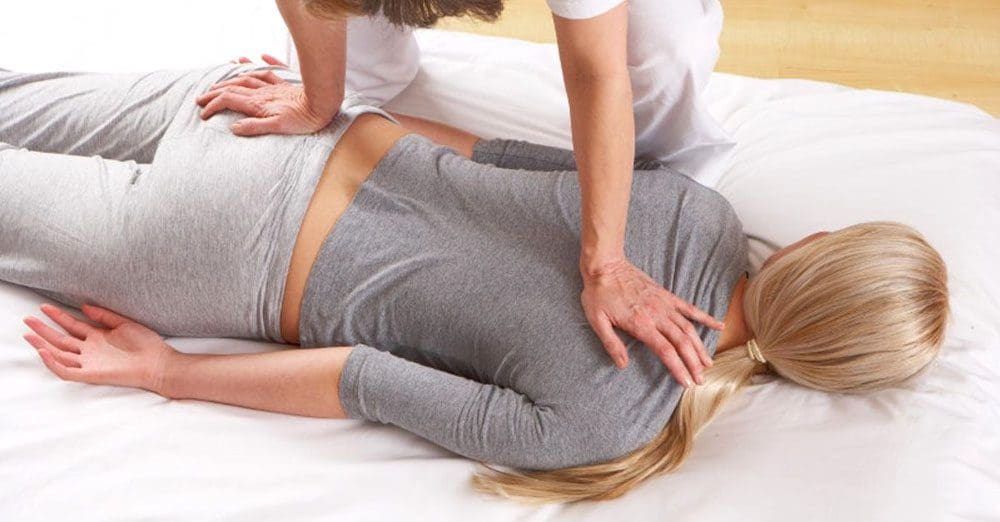
A certified/licensed massage therapist performs chiropractic therapeutic massage under the direction of a chiropractor to soothe tense muscles, release pressure on the nerve/s, break up scar tissue, and stimulate the release of endorphins. Studies have shown that a therapeutic chiropractic massage is as effective as nonsteroidal anti-inflammatory medications for pain relief caused by various musculoskeletal conditions, including sciatica. Although medications can work for a time, they do not deal with the underlying cause of sciatica.
Sciatica Massage
A sciatica massage offers several benefits that include the following:
Improved and increased blood circulation.
Lowered blood pressure.
Release of hormones that help reduce anxiety, depression, and pain.
Relieves body discomfort and soreness by decreasing the activation of pain receptors in the spine and muscles.
Inflammation alleviation.
Muscle stress relief.
Muscle relaxation.
Flare-up relief and prevention.
Improves sleep.
Massage Types
Each type of massage is designed for a different purpose.
Manual Manipulation
Improves mobility and reduces pain.
Stretches tendons, ligaments, and muscles.
Mobilization
Focuses on the musculoskeletal system to improve mobility.
Connective Tissue
A deeper massage that targets connective tissues like ligaments and tendons.
Deep Tissue Massage
Designed to reach the deep layers to realign the muscles and fascia.
Myofascial Massage
Releases trigger points, adhesions, and nerve endings.
Healing Phases
Most cases of sciatica resolve in less than 4 to 6 weeks with conservative treatment. More severe cases with neurologic symptoms can have a longer recovery period.
Phase One
Alleviates discomfort, numbness, tingling, pain, and other symptoms.
The pain is reduced so the chiropractor and therapists can begin to address the cause, although the other symptoms and sensations could still be experienced.
If muscle spasms are present, they will be less frequent and with less intensity.
Phase Two
The individual can focus on functioning within their normal environment.
The chiropractor and therapists examine if they can get up and stand from a chair without problems, get in and out of a car, sit for longer periods, and walk with less discomfort.
A reflex test will be performed to analyze how the healing process is coming along.
If there is significant nerve damage, reflexes could be lessened.
For example, if sciatic inflammation is present, and the Achilles tendon is tapped with a reflex hammer, there could be little or no movement of the calf muscles.
If there is an improvement, there will be a healthy reflex.
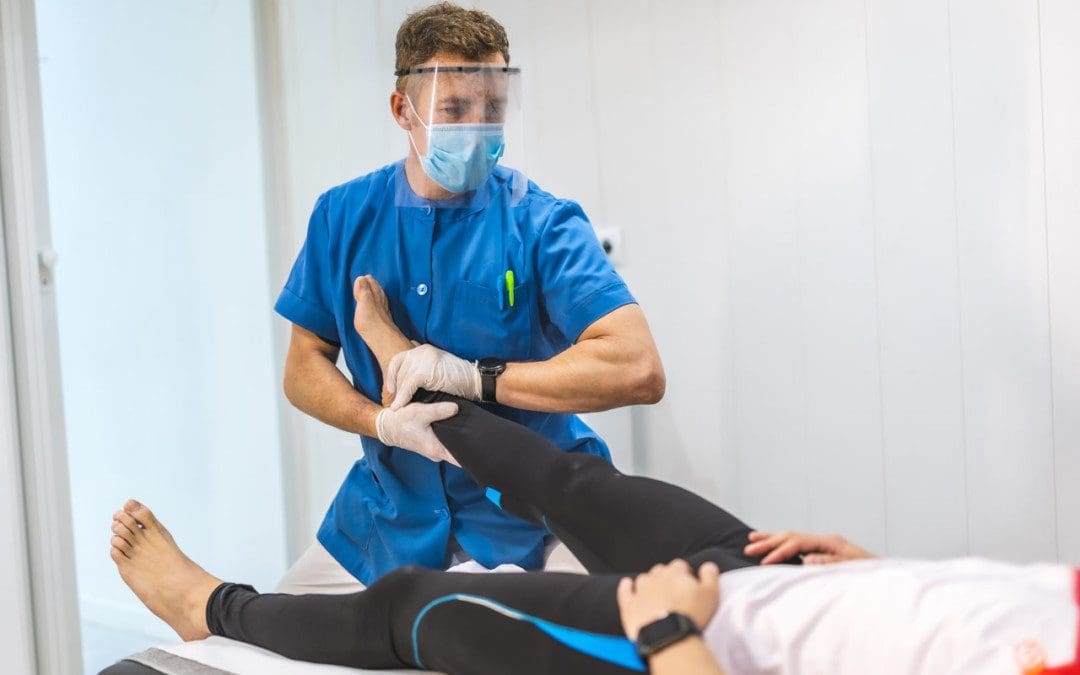
The straight leg test will show if the individual can lift their leg with little or no pain.
Phase Three
The final healing phase provides the ability of normal movements and full strength.
This is when the individual can resume normal activities, specifically, those stopped because of the pain.
This can include walking, driving, house chores, sports, or working out.
Contact our office for treatment options customized to the individual and their injury.
Sciatica?
References
Camino Willhuber GO, Piuzzi NS. Straight Leg Raise Test. [Updated 2022 June 22]. In: StatPearls [Internet]. Treasure Island (FL): StatPearls Publishing; 2022 Jan-. Available from: https://www.ncbi.nlm.nih.gov/books/NBK539717/
Chang C, Jeno SH, Varacallo M. Anatomy, Bony Pelvis, and Lower Limb, Piriformis Muscle. [Updated 2022 October 3]. In: StatPearls [Internet]. Treasure Island (FL): StatPearls Publishing; 2022 Jan-. Available from: https://www.ncbi.nlm.nih.gov/books/NBK519497/
Davis D, Maini K, Vasudevan A. Sciatica. [Updated 2022 May 6]. In: StatPearls [Internet]. Treasure Island (FL): StatPearls Publishing; 2022 Jan-. Available from: https://www.ncbi.nlm.nih.gov/books/NBK507908/
Marian Majchrzycki, Piotr Kocur, Tomasz Kotwicki, “Deep Tissue Massage and Nonsteroidal Anti-Inflammatory Drugs for Low Back Pain: A Prospective Randomized Trial,” The Scientific World Journal, vol. 2014, Article ID 287597, 7 pages, 2014. https://doi.org/10.1155/2014/287597
Miller, Kenneth Jeffrey. “Physical assessment of lower extremity radiculopathy and sciatica.” Journal of chiropractic medicine vol. 6,2 (2007): 75-82. doi:10.1016/j.jcme.2007.04.001
The Centralization Phenomenon in Chiropractic Spinal Manipulation of Discogenic Low Back Pain and Sciatica. https://chiro.org/Low_Back_Pain/The_Centralization_Phenomenon.shtml. Accessed October 22, 2022.
The 0blique muscles support and aid in side-to-side movement, helping maintain back strength and healthy posture. There are two oblique muscle sets, the internal and external obliques. Maintaining a strong core is one recommended way to protect the body and spine. However, many forget to train and strengthen all of the oblique muscles. Individuals tend to focus on the superficial core muscle, or rectus abdominis, and not enough or any attention goes to the lateral stabilizers or the internal and external obliques. Chiropractic and functional medicine can restore musculoskeletal flexibility, mobility, and function.
Oblique Muscles
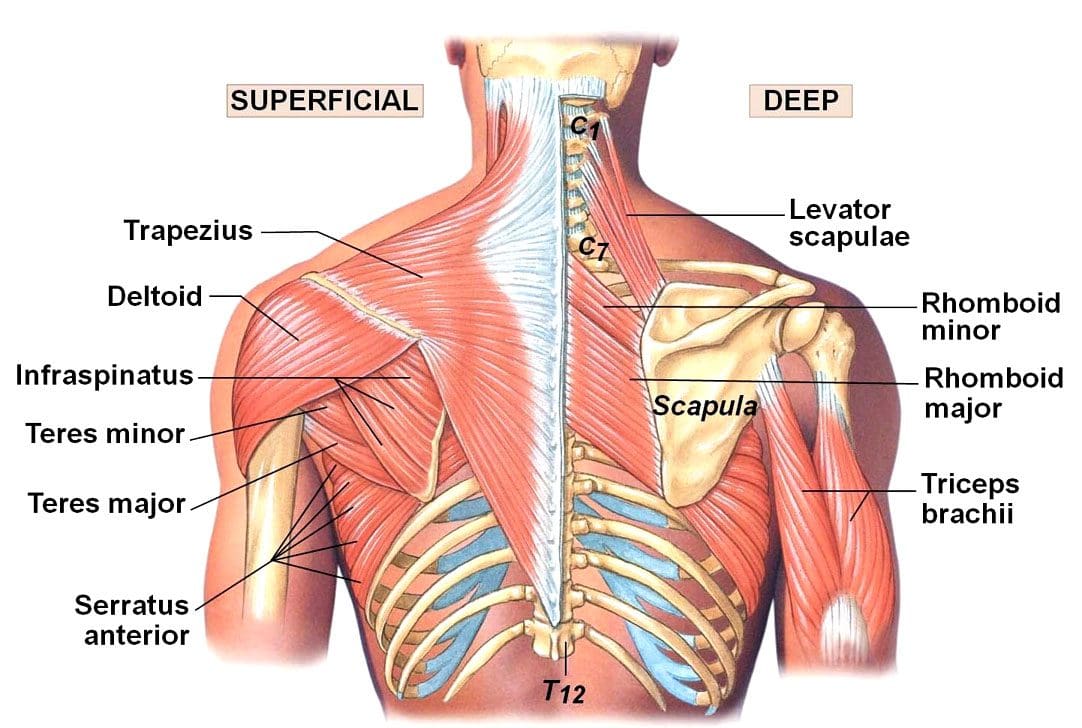
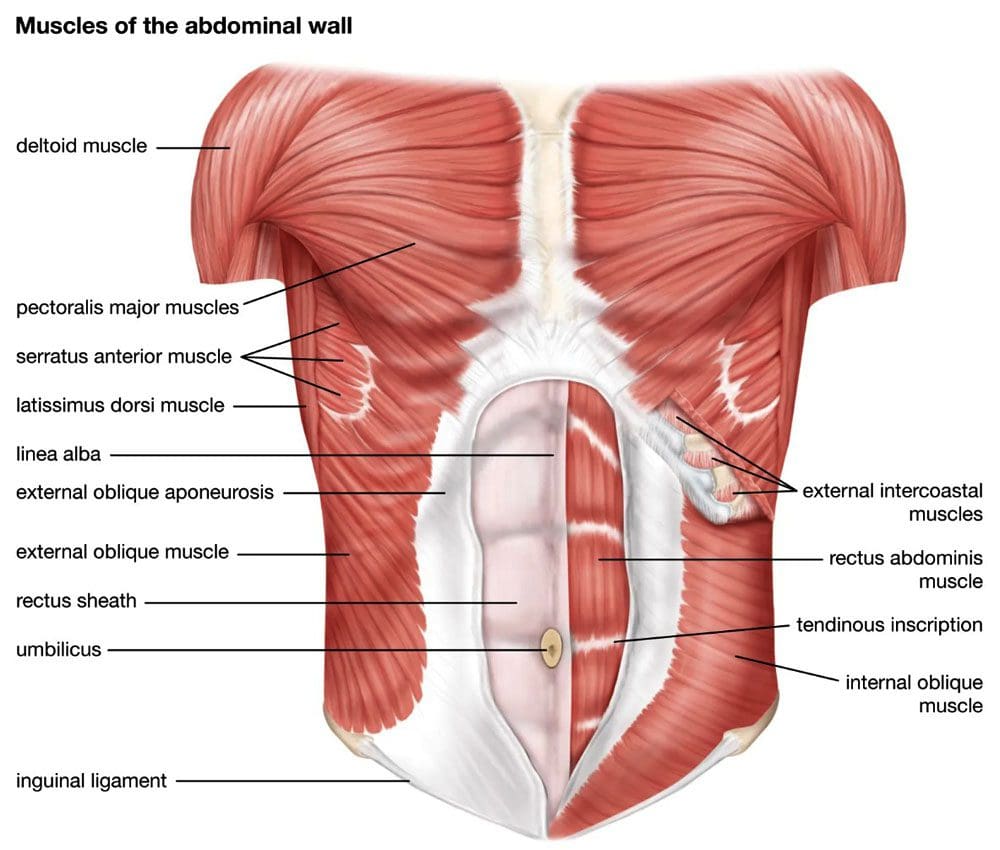
The external obliques make up a large part of the trunk area. There are two external obliques on either side of the body, located on the lateral sides of the abdominal region. These muscles have an essential role in daily movements.
External
External obliques help with trunk rotation and support spine rotation.
They assist with pulling the chest down to compress the abdominal cavity.
They help with bending from side to side.
Any strain or injury to these muscles can lead to abdominal, hip, and back issues.
Maximizing external oblique strength is important to maintain a strong core.
Internal
The internal oblique is a muscle deep within the lateral side of the abdomen.
The internal oblique muscle is one of the main stabilizers and functions to flex the trunk and compress the chest.
Its positioning makes it invisible, but it still has an essential role in body movement.
This muscle can function bilaterally, meaning both sides can operate at the same time.
These muscles provide spinal and posture support.
Strain or injury in this area can cause posture problems and abdominal, hip, and back issues.
Rotation and Mobility
The internal and external obliques are the primary rotators of the spine and provide thoracic spine mobility.
The internal obliques work with the external obliques and the rectus abdominis for lateral spine flexion of the quadratus lumborum and lumbar paraspinals.
They attach to the diaphragm, transverse abdominis, and thoracolumbar fascia, contributing to core stabilization.
A quadratus lumborum muscle spasm can result from muscle inhibition in the obliques.
Inhibition
If the internal obliques are inhibited, compensation can cause an alteration in the sequence patterns of the posterior oblique subsystem.
When this system is not functioning correctly, individuals usually complain of discomfort in the hips and shoulders.
A common sign of oblique inhibition is individuals holding their breath during basic movement patterns to gain stability, indicating dysfunction in the intrinsic stabilization subsystem.
Simple movements include walking gait, single-leg stance, flexion, extension, etc.
If you are experiencing waistline, hip, and low back stiffness or tightness and pain, consult our professional chiropractic team. We’re ready to help!
Oblique Anatomy and Movement
References
Calais-Germain, Blandine, and Stephen Anderson. Anatomy of Movement. Seattle: Eastland, 1993.
Cook G. Movement: Functional Movement Systems: Screening, Assessment, and Corrective Strategies. Aptos, CA: On Target Publications, 2010.
Elphinston J. Stability, Sport and Performance Movement: Practical Biomechanics and Systematic Training for Movement Efficacy and Injury Prevention. Lotus Publishing, 2013.
Huxel Bliven, Kellie C, and Barton E Anderson. “Core stability training for injury prevention.” Sports health vol. 5,6 (2013): 514-22. doi:10.1177/1941738113481200
Myers TW. Anatomy Trains: Myofascial Meridians for Manual and Movement Therapists. Edinburgh: Churchill Livingstone, 2001.
Neumann DA. Kinesiology of the Musculoskeletal System: Foundations for Physical Rehabilitation. St. Louis: Mosby, 2002.
Starrett K, Cordoza G. Becoming a Supple Leopard: The Ultimate Guide to Resolving Pain, Preventing Injury, and Optimizing Athletic Performance. Las Vegas: Victory Belt Pub., 2013.
Weinstock D. NeuroKinetic Therapy: An Innovative Approach to Manual Muscle Testing. Berkeley, CA: North Atlantic, 2010.
After a car accident, you may notice neck pain. It could be a slight soreness you think is nothing but take care of. More than likely, you have whiplash. And that little soreness can turn into a lifetime of chronic neck pain if only treated with pain meds and not treated at the source.
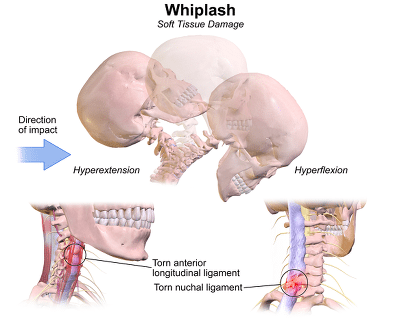
Whiplash trauma, aka neck sprain or neck strain, is an injury to the soft tissues around the neck.
Whiplash can be described as a sudden extension or backward movement of the neck and flexion or forward movement of the neck.
Severe whiplash can also include injury to the following:
Intervertebral joints
Discs
Ligaments
Cervical muscles
Nerve roots
Symptoms of Whiplash
Most people experience neck pain either immediately after the injury or several days later.
Other symptoms of whiplash trauma can include:
Neck stiffness
Injuries to the muscles and ligaments around the neck
Headache and dizziness
Symptoms & possible concussion
Difficulty swallowing and chewing
Hoarseness (possible injury to the esophagus and larynx)
The sensation of burning or prickling
Shoulder pain
Back pain
Diagnosis of Whiplash Trauma
Whiplash trauma usually causes damage to the soft tissues; a doctor will take x-rays of the cervical spine in case of delayed symptoms and rule out other problems or injuries.
Treatment
Fortunately, whiplash is treatable, and most symptoms resolve completely.
Most often, whiplash is treated with a soft cervical collar.
This collar may need to be worn for 2 to 3 weeks.
Other treatments for individuals with whiplash may include the following:
Heat treatment for relaxing muscle tension and pain
Pain meds such as analgesics and non-steroidal anti-inflammatory
Some people will tell you that whiplash is a made-up injury that people use to get more money in a settlement stemming from an accident. They do not believe it is possible in a low-speed rear-end accident and see it as a legitimate injury claim, mainly because there are no visible marks.
Some insurance experts claim that about a third of whiplash cases are fraudulent, leaving two-thirds of the cases legitimate. Much research also supports the claim that low-speed accidents can indeed cause whiplash, which is very real. Some patients suffer from pain and immobility for the rest of their lives.
NCBI Resources
Chiropractors will use different techniques to relieve the pain of whiplash and help with healing.
Chiropractic Adjustment The chiropractor performs spinal manipulation to move the joints into alignment gently. This will help to align the body to relieve pain and encourage healing.
Muscle Stimulation and Relaxation This involves stretching the affected muscles, relieving tension, and helping them relax. Finger pressure techniques may also be combined with trying to alleviate pain.
McKenzie Exercises These exercises help with disc derangement that whiplash causes. They are first performed in the chiropractor’s office, but the patient can be taught how to do them at home. This helps the patient have some degree of control over their healing.
Each whiplash case is different. A chiropractor will evaluate the patient and determine the appropriate treatment case-by-case basis. The chiropractor will determine the best course of treatment that will relieve your pain and restore your mobility and flexibility.
The spine is the body’s central highway, with the spinal canal as the main lane that handles all the traffic. There are entrances and exits, or spinal cavities, that allow the nerves to branch off the spinal cord and run throughout the body. A traffic jam develops during lane closures, accidents, or construction at an entrance or exit. Lateral recess stenosis causes the narrowing of the spine’s lateral recess/Lee’s entrance, which can compress nerves, impede nerve circulation, and cause painful symptoms.
Lateral Recess Stenosis
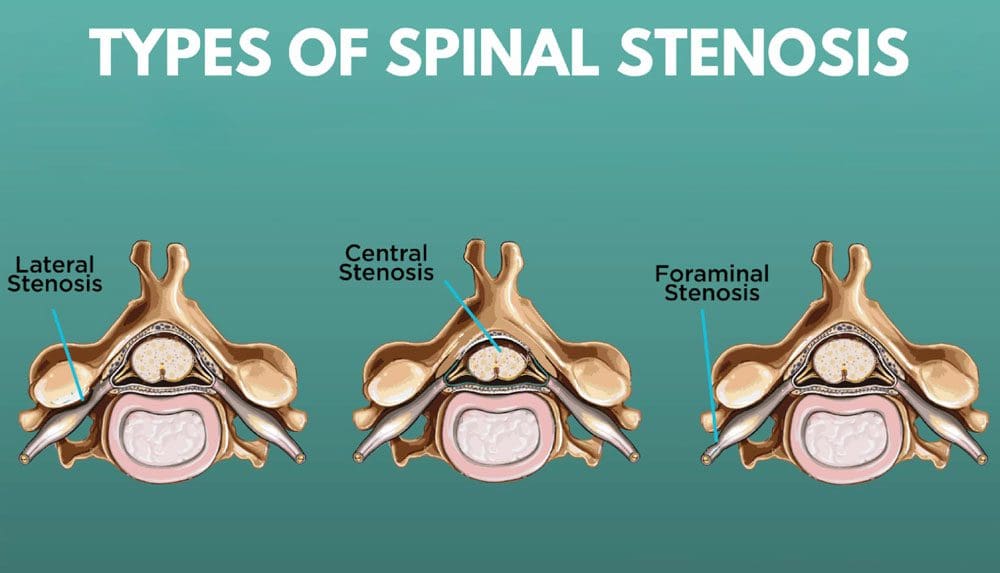
The spinal column provides a strong and flexible structure for the spinal cord. The nerves travel from the spinal cord through various openings and passageways to the rest of the body. One of the openings is known as the lateral recess. Stenosis means narrowing. When a lateral recess in a vertebra develops stenosis, the nerve in that area can get jammed/pinched with no room to move, causing varying symptoms and sensations.
Symptoms
Depending on where the stenosis is taking place (neck, middle or low back), common symptoms of lateral recess stenosis can include:
Back pain that can spread out to other areas.
Cramping that can spread out to other sites.
Radiating pain that worsens with movement and eases with rest.
Numbness or weakness of the legs or arms.
Electrical tingling sensations down the leg or arm.
Muscle groups around the stenosis area are built up to take the pressure off of the area, alleviating symptoms.
Medications
A doctor or spine specialist may recommend or prescribe medication to ease symptoms. These include:
Tylenol – acetaminophen.
NSAIDS – Advil/ibuprofen or Aleve/naproxen.
Muscle relaxers
Steroid Injections
According to a study, neurogenic claudication is the main reason for disability and loss of independence in the elderly.
Neurogenic claudication describes pain and weakness in the buttocks and legs during physical activity that originates from the nerves, not the vessels.
This can happen from inflammation and swelling around a compressed nerve.
A steroid injection can decrease inflammation for several months.
Surgery
If activity modification, NSAIDs, bracing, and physical therapy don’t work or provide adequate relief, a doctor or specialist could recommend surgery.
Fusion is reserved when there is instability combined with the condition.
Back Problems Chiropractor
References
American College of Rheumatology (n.d.) “Spinal Stenosis” https://www.rheumatology.org/I-Am-A/Patient-Caregiver/Diseases-Conditions/Spinal-Stenosis
Arthritis Foundation (n.d.) “Corticosteroids” https://www.arthritis.org/drug-guide/corticosteroids/corticosteroids
Drug Design, Development and Therapy (2014) “Steroid for epidural injection in spinal stenosis: a systematic review and meta-analysis” https://doi.org/10.2147/DDDT.S78070
Lee, Seung Yeop, et al. “Lumbar Stenosis: A Recent Update by Review of Literature.” Asian spine journal vol. 9,5 (2015): 818-28. doi:10.4184/asj.2015.9.5.818
Liu, Kuan, et al. “Steroid for epidural injection in spinal stenosis: a systematic review and meta-analysis.” Drug design, development, and therapy vol. 9 707-16. Jan 30, 2015, doi:10.2147/DDDT.S78070
Medline Plus (n.d.) “Achondroplasia” https://medlineplus.gov/genetics/condition/achondroplasia/
IFM's Find A Practitioner tool is the largest referral network in Functional Medicine, created to help patients locate Functional Medicine practitioners anywhere in the world. IFM Certified Practitioners are listed first in the search results, given their extensive education in Functional Medicine





 Brain Fog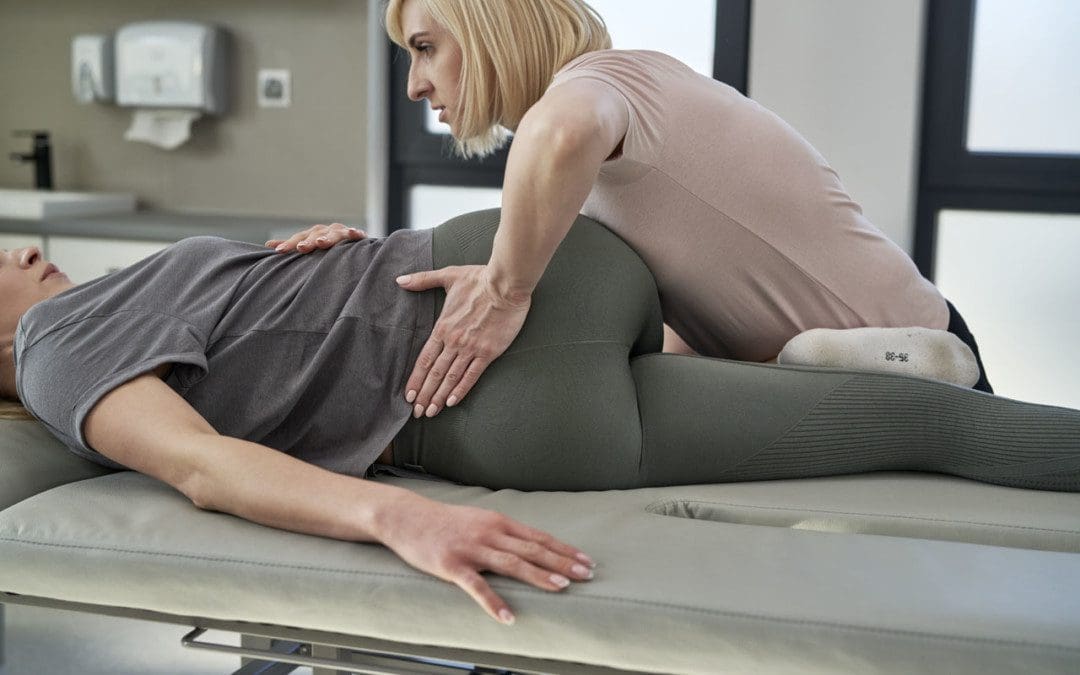
 Oblique Muscles