While a healthy, sustainable lifestyle for one individual may not be the best option for another, can experts point out signs of a healthy life?
Healthy Life
Being or living a healthy life is a phrase that can be confusing. Researchers examine some major areas of concern with constant imagery like social media’s role in shaping what behaviors people consider important to reach a physical fitness/health goal. These behaviors prioritize physical appearance and are often linked with negative psychological effects and worsening physical health outcomes. (Binder A, et al., 2021) Studies routinely show that someone’s body shape is not a good indicator of how healthy they really are. (Uhlmann LR, et al., 2018)
Living a healthy life is a multi-faceted endeavor that requires maintaining a balance. New research has shown that “adhering to both quality diet and sufficient physical activity is important for optimally reducing the risk of mortality from all causes, CVD and PDAR cancers.” (Ding D, et al., 2022) Individuals do not need to make extreme changes to these areas of their lifestyle. Studies show that making small adjustments, little by little, prepares the individual to develop long-term sustainable habits. (Adhikari P, Gollub E. 2021)
Nutritional Health
Too much salt, sugar, and saturated fat increases the risk of diseases like diabetes, heart disease, and stroke. (National Institutes of Health, 2017) It can be easy to overlook balanced nutrition and it is not all about what should be restricted and avoided. It is about making sure the body gets the proper amount of nutrient-rich foods essential to overall health. Examples include:
Deficiency of nutrients like magnesium, calcium, and vitamins A, C, D, E, and K are with sleep problems. (Ikonte CJ, et al., 2019)
Not acquiring enough protein can lead to slowed metabolism and weight gain. (Pezeshki A, et al., 2016)
Healthy fats are essential to protect against heart disease and can help maintain high energy levels. (Gammone MA, et al., 2018)
Research has found that depression and nutrition are linked.
Incorporating a diet like the Mediterranean has been associated with a reduced risk of depression symptoms. (Oddo VM, et al., 2022)
Physical Activity
Regular physical activity helps with weight management, reduces the risk of chronic diseases, maintains healthy bones and joints, and contributes to positive mental health and mood.
The Centers for Disease Control and Prevention estimates around 60 percent of the population does not get enough daily physical activity. (Surgeon General Report, CDC. 1999)
According to the research, individuals don’t exercise for consistent reasons that include: not having enough time, no access to resources, and being too tired to work out. (Yen Sin Koh, et al., 2022)
Increasing the heart rate for only 12 minutes a day can protect the cardiovascular system. (Matthew Nayor, et al., 2020)
Signs
A few signs that an individual is healthy.
Stable Energy Levels
Having energy throughout the day is a sign you’re getting high-quality sleep.
Energy levels can also offer clues on nutritional intake, particularly of fats, carbohydrates, and proteins. (Yohannes Adama Melaku, et al., 2019)
The right combination of macronutrients can be different for everyone, especially depending on factors like age, job, medical history, and physical activity.
Paying attention to energy levels at different times of the day can help guide fitness and health goals.
One sign that the mind and body are dealing with stress well is the ability to set boundaries.
Setting boundaries shows recognition and priority for their needs.
This could be boundaries for respect of thoughts and ideas, physical space, emotional needs, the time spent on certain things, sex life, and material possessions.
Fresh Breath
The mouth can show what is going on as far as the health of the body.
Poor oral hygiene can lead to a buildup of bacteria that can spread throughout the respiratory and digestive tracts.
Chronic bad breath is a common sign of poor oral health.
Studies suggest that increased bacteria entering the body can lower immune system response and increase the development of general health problems. (NIH. 2018)
Time to Change
Signs that the mind and body are not healthy include:
Always sick or feel as if you’re coming down with something.
The stomach is constantly feeling like it is bloated, backed up, or dealing with acid reflux or indigestion.
The human body, organs, and tissues are complex structures, and the signals they transmit about underlying issues can be subtle which individuals tend to not notice until the little problems become major ones. It’s important to look at life habits and be honest about changes that may need to be implemented to improve health, lessen the risk of chronic health conditions, and improve quality of life.
Multidisciplinary Evaluations and Treatment
References
Binder, A., Noetzel, S., Spielvogel, I., & Matthes, J. (2021). “Context, Please?” The Effects of Appearance- and Health-Frames and Media Context on Body-Related Outcomes. Frontiers in public health, 9, 637354. https://doi.org/10.3389/fpubh.2021.637354
Uhlmann, L. R., Donovan, C. L., Zimmer-Gembeck, M. J., Bell, H. S., & Ramme, R. A. (2018). The fit beauty ideal: A healthy alternative to thinness or a wolf in sheep’s clothing? Body image, 25, 23–30. https://doi.org/10.1016/j.bodyim.2018.01.005
Ding, D., Van Buskirk, J., Nguyen, B., Stamatakis, E., Elbarbary, M., Veronese, N., Clare, P. J., Lee, I. M., Ekelund, U., & Fontana, L. (2022). Physical activity, diet quality and all-cause cardiovascular disease and cancer mortality: a prospective study of 346 627 UK Biobank participants. British Journal of sports medicine, bj sports-2021-105195. Advanced online publication. https://doi.org/10.1136/bjsports-2021-105195
Adhikari, P., & Gollub, E. (2021). Evaluation of the Small Changes, Healthy Habits Pilot Program: Its Influence on Healthy Eating and Physical Activity Behaviors of Adults in Louisiana. European journal of investigation in health, psychology, and education, 11(1), 251–262. https://doi.org/10.3390/ejihpe11010019
How dietary factors influence disease risk. National Institutes of Health (NIH)
Ikonte, C. J., Mun, J. G., Reider, C. A., Grant, R. W., & Mitmesser, S. H. (2019). Micronutrient Inadequacy in Short Sleep: Analysis of the NHANES 2005-2016. Nutrients, 11(10), 2335. https://doi.org/10.3390/nu11102335
Pezeshki, A., Zapata, R. C., Singh, A., Yee, N. J., & Chelikani, P. K. (2016). Low protein diets produce divergent effects on energy balance. Scientific reports, 6, 25145. https://doi.org/10.1038/srep25145
Gammone, M. A., Riccioni, G., Parrinello, G., & D’Orazio, N. (2018). Omega-3 Polyunsaturated Fatty Acids: Benefits and Endpoints in Sport. Nutrients, 11(1), 46. https://doi.org/10.3390/nu11010046
Oddo, V. M., Welke, L., McLeod, A., Pezley, L., Xia, Y., Maki, P., Koenig, M. D., Kominiarek, M. A., Langenecker, S., & Tussing-Humphreys, L. (2022). Adherence to a Mediterranean Diet Is Associated with Lower Depressive Symptoms among U.S. Adults. Nutrients, 14(2), 278. https://doi.org/10.3390/nu14020278
Adults, Surgeon General Report, CDC.
Koh, Y. S., Asharani, P. V., Devi, F., Roystonn, K., Wang, P., Vaingankar, J. A., Abdin, E., Sum, C. F., Lee, E. S., Müller-Riemenschneider, F., Chong, S. A., & Subramaniam, M. (2022). A cross-sectional study on the perceived barriers to physical activity and their associations with domain-specific physical activity and sedentary behavior. BMC public health, 22(1), 1051. https://doi.org/10.1186/s12889-022-13431-2
Saint-Maurice, P. F., Graubard, B. I., Troiano, R. P., Berrigan, D., Galuska, D. A., Fulton, J. E., & Matthews, C. E. (2022). Estimated Number of Deaths Prevented Through Increased Physical Activity Among US Adults. JAMA internal medicine, 182(3), 349–352. https://doi.org/10.1001/jamainternmed.2021.7755
Nayor, M., Shah, R. V., Miller, P. E., Blodgett, J. B., Tanguay, M., Pico, A. R., Murthy, V. L., Malhotra, R., Houstis, N. E., Deik, A., Pierce, K. A., Bullock, K., Dailey, L., Velagaleti, R. S., Moore, S. A., Ho, J. E., Baggish, A. L., Clish, C. B., Larson, M. G., Vasan, R. S., … Lewis, G. D. (2020). Metabolic Architecture of Acute Exercise Response in Middle-Aged Adults in the Community. Circulation, 142(20), 1905–1924. https://doi.org/10.1161/CIRCULATIONAHA.120.050281
Melaku, Y. A., Reynolds, A. C., Gill, T. K., Appleton, S., & Adams, R. (2019). Association between Macronutrient Intake and Excessive Daytime Sleepiness: An Iso-Caloric Substitution Analysis from the North West Adelaide Health Study. Nutrients, 11(10), 2374. https://doi.org/10.3390/nu11102374
Jamieson, J. P., Black, A. E., Pelaia, L. E., Gravelding, H., Gordils, J., & Reis, H. T. (2022). Reappraising stress arousal improves affective, neuroendocrine, and academic performance outcomes in community college classrooms. Journal of experimental psychology. General, 151(1), 197–212. https://doi.org/10.1037/xge0000893
Smelling Sickness, Body Odor May Be A Sign of Disease. NIH, News in Health.https://newsinhealth.nih.gov/2018/09/smelling-sickness
Vernia, F., Di Ruscio, M., Ciccone, A., Viscido, A., Frieri, G., Stefanelli, G., & Latella, G. (2021). Sleep disorders related to nutrition and digestive diseases: a neglected clinical condition. International journal of medical sciences, 18(3), 593–603. https://doi.org/10.7150/ijms.45512
Can musculoskeletal therapies treat individuals with upper crossed syndrome to relieve pain, improve posture, and strengthen the muscles in the neck, shoulders and chest?
Upper Crossed Syndrome
Upper crossed syndrome is a condition in which the muscles of the shoulders, neck, and chest become weak and tight, and is usually brought on from practicing unhealthy posture. Symptoms typically include:
Neck stiffness and pulling sensations.
Jaw tension and/or tightness
Upper back tension, lack of flexibility, stiffness, and aching soreness.
Neck, shoulder, and upper back pain.
Tension headaches
Rounded shoulders
Hunched spine
Upper Crossed Syndrome and Posture
The condition affects healthy posture by creating imbalanced muscles between the upper back and chest.
The tight short muscles in the upper chest get overly stretched and remain in a semi-contracted state pulling on the back muscles.
This causes the muscles in the upper back, shoulders, and neck to get pulled and weaken.
The result is a hunched back, forward shoulders, and protruded neck.
The specific muscles affected include the trapezius and the levator scapula/side of the neck muscles. (Hospital for Special Surgery. 2023)
Prescription anti-inflammatory medication for pain symptoms – short-term.
Individuals may be advised by the chiropractic therapy team to avoid too much bed rest and to limit or avoid activities that can cause pain or worsen symptoms. (Cedars-Sinai. 2022)
Studies have shown chiropractic spinal manipulation effectively reduces neck, spine, and low back pain symptoms. (Gevers-Montoro C, et al., 2021)
Increasing or decreasing physical activity as recommended by the therapy team.
Using ice or heat packs to relieve pain and increase circulation to promote muscle rehabilitation and healing.
Using topical pain creams or gels.
Over-the-counter nonsteroidal – NSAIDs, like Advil or Motrin and Aleve.
Muscle relaxants to relieve tension short-term.
Enhance Your Lifestyle
References
Hospital for Special Surgery. Move with the purpose to combat upper and lower crossed syndromes.
National Institute of Arthritis and Musculoskeletal and Skin Diseases. Back pain.
Seidi, F., Bayattork, M., Minoonejad, H., Andersen, L. L., & Page, P. (2020). Comprehensive corrective exercise program improves alignment, muscle activation, and movement pattern of men with upper crossed syndrome: a randomized controlled trial. Scientific reports, 10(1), 20688. https://doi.org/10.1038/s41598-020-77571-4
Bae, W. S., Lee, H. O., Shin, J. W., & Lee, K. C. (2016). The effect of middle and lower trapezius strength exercises and levator scapulae and upper trapezius stretching exercises in upper crossed syndrome. Journal of physical therapy science, 28(5), 1636–1639. https://doi.org/10.1589/jpts.28.1636
National Institute of Neurological Disorders and Stroke. Back pain.
Cedars-Sinai. Back and neck pain.
Gevers-Montoro, C., Provencher, B., Descarreaux, M., Ortega de Mues, A., & Piché, M. (2021). Clinical Effectiveness and Efficacy of Chiropractic Spinal Manipulation for Spine Pain. Frontiers in pain research (Lausanne, Switzerland), 2, 765921. https://doi.org/10.3389/fpain.2021.765921
Gender identity is a wide spectrum. Can learning the language used to describe various gender identities and non-binary pronouns help explain the difference between gender expression and help in inclusivity?
Non-Binary
Non-binary is a term used that describes individuals who do not identify exclusively as male or female. The term addresses various gender identities and expressions that are outside of the traditional gender binary system, which categorizes individuals as either male or female.
Definition
Non-binary individuals are those whose gender identity and/or expression fall outside of the traditional binary categories of a man or woman. (Human Rights Campaign. (n.d.))
Some non-binary individuals identify as a blend of male and female; others identify as a gender different from male or female; some do not identify with any gender.
The term “non-binary” can also be “enby”/phonetic pronunciation of the letters NB for non-binary, although not every non-binary individual uses this term.
Transgender individuals and non-binary individuals are two distinct groups that are related.
There are some transgender/trans individuals who are non-binary, however, most transgender individuals identify as either male or female. (National Center for Transgender Equality. 2023)
To understand the difference, it can help to know the meanings of transgender, cisgender, and nonbinary: (GLAAD. 2023)
Transgender
An individual who identifies with a gender different from the one assigned at birth.
For example, someone assigned male at birth/AMAB, but identifies as a female is a transgender woman.
Cisgender
An individual whose gender identity follows the one they were assigned at birth.
For example, someone assigned female at birth/AFAB and identifies as a woman.
Non-binary
An individual who identifies with a gender outside the traditional binary of male and female.
This can include individuals who identify as genderqueer, agender, or genderfluid and others.
Using Pronouns
Using non-binary pronouns is a way to show respect and validation for an individual’s gender identity. Here are some recommendations on how to use pronouns: (National Center for Transgender Equality. 2023)
Ask for the individual’s pronouns
It’s recommended to avoid assuming an individual’s pronouns based on appearance or stereotype.
If unsure of someone’s pronouns, ask respectfully.
“What pronouns do you use?”
“Can you share your pronouns with me?”
Practice using the pronouns
Once you know an individual’s pronouns, practice using them.
This can be accomplished by using their pronouns when referring to them in conversation, emails, written forms, and/or other types of communication.
If you make a mistake, apologize and make the correction.
Gender-neutral language
If unsure of an individual’s pronouns, or if someone uses gender-neutral pronouns like they/them, use gender-neutral language instead of gendered language.
For example, instead of saying he or she, you can say they or their name.
Continue Learning
Learn as much as possible about identities and pronouns to better understand and support the LGBTQ+ community.
Injury Medical Chiropractic and Functional Medicine Clinic wants to help create a more inclusive and affirming environment for everyone.
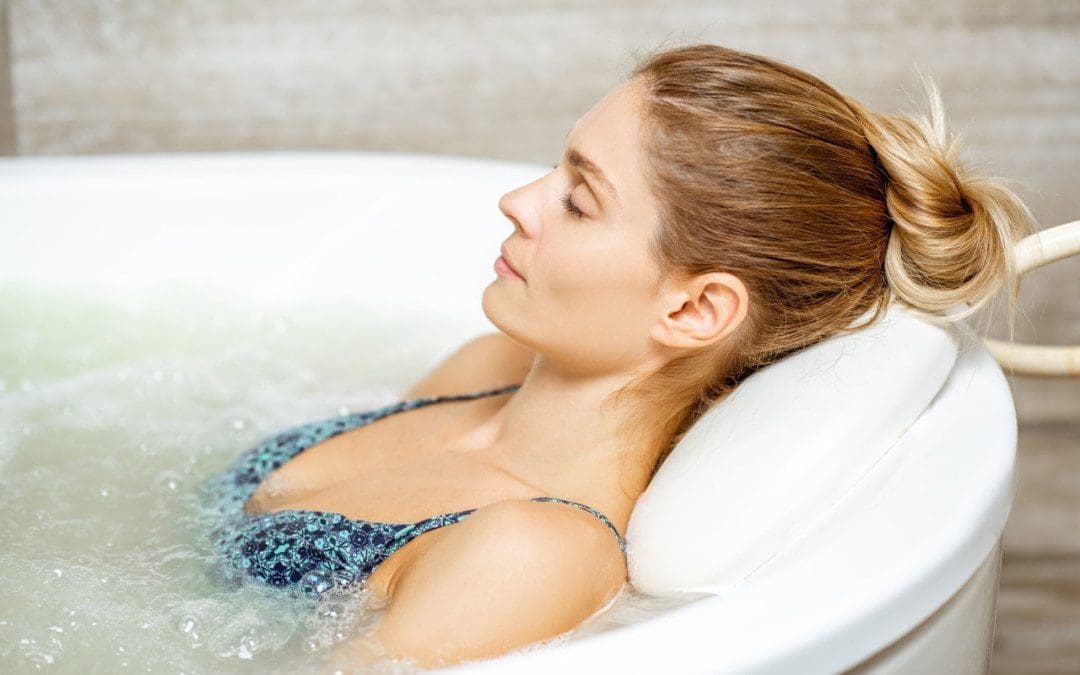
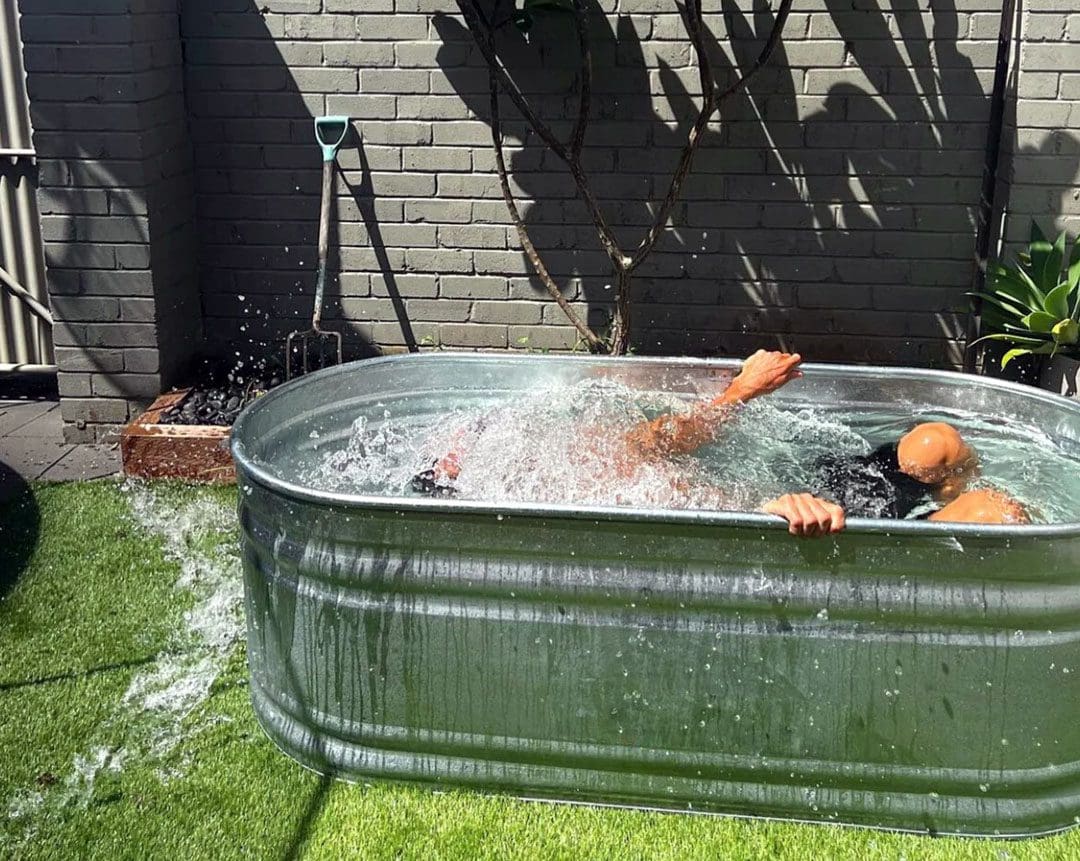
Athletes regularly take an ice-water bath after training or playing. It is known as cold water immersion/cryotherapy. It is used to relieve and reduce muscle soreness and pain after intense training or competition. From runners to professional tennis and football players, taking an ice bath is a common recovery practice. Many athletes utilize ice baths to help with faster recovery, prevent injury, and cool down the body. Here we provide some research on cold-water immersion therapy.
Ice Water Bath
Cold Immersion After Exercise or Physical Activity
Exercise causes microtrauma/tiny tears in the muscle fibers. The microscopic damage stimulates muscle cell activity to repair the damage and strengthen the muscles/hypertrophy. However, hypertrophy is linked with delayed onset muscle soreness and pain/DOMS, between 24 and 72 hours after physical activity. An ice water bath works by:
Constricting the blood vessels.
Flushes out waste products (lactic acid), out of the muscle tissues.
Reduces inflammation, swelling, and tissue breakdown.
Then, applying heat or warming up the water increases and speeds up blood circulation, improving the healing process.
There is no current ideal time and temperature for cold immersion, but most athletes and trainers who use the therapy recommend a water temperature between 54 to 59 degrees Fahrenheit and immersion of five to 10 minutes, and depending on the soreness, sometimes up to 20 minutes.
Pros and Cons
The effects of ice baths and cold water immersion on exercise recovery and muscle soreness.
Relieves Inflammation but Can Slow Down Muscle Growth
A study determined that cold water immersion can disrupt training adaptations.
Research suggests that icing muscles right after maximum exercise decreases inflammation, but can slow down muscle fiber growth, and delay muscle regeneration.
Athletes trying to increase muscle size and strength may need to adjust the therapy sessions.
Reduce Muscle Soreness
A review concluded there was some evidence that ice water immersion reduced delayed onset muscle soreness when compared to resting and rehabilitation or no medical treatment.
The most effects were seen in running athletes.
There was no substantial evidence to conclude whether it improved fatigue or recovery.
The studies did not have a standard for adverse effects or follow-up with the participants regularly.
There was no difference in muscle soreness between cold water immersion, active recovery, compression, or stretching.
Pain Relief
Cold water immersion after a physical activity offers temporary pain relief but can help with a faster recovery.
A study of jiu-jitsu athletes found that following a workout with cold water immersion could lead to decreased muscle aches and help reduce lactate levels.
Alternating cold water and warm water baths (contrast water therapy), may help athletes feel better and offer temporary pain relief.
Active Recovery Alternative
More research is needed before a firm conclusion can be reached on ice-water bath therapy. However, active recovery is a recommended alternative for athletes looking to recover faster.
A study suggested that ice baths were equally effective, but not more effective, as active recovery for reducing inflammation.
Cold water immersion is no greater than active recovery upon local and systemic inflammatory cellular stress.
Research determined that active recovery is still the most widely used, and currently the best way to recover after intense exercise or physical activity.
Low-impact workouts and stretches are still considered the most beneficial cool-down methods.
Cold Water Therapy
Ice Bath
Individuals can use their tub at home to perform cold water therapy.
Individuals may want to purchase a large bag of ice, but the cold water from the faucet will work.
Fill the tub with cold water, and if desired, pour in some ice.
Let the water and ice sit to get the cold temperature.
Measure the temperature if necessary before getting in.
Submerge the lower half of the body and adjust the temperature based on feel by adding more water, ice, or warm water if freezing.
It’s like icing with an ice pack, but the whole body swelling reduces and relaxes the muscles.
Don’t overdo it – one review found the best routine was 11 to 15 minutes of immersion at a temperature between 52 and 60 degrees Fahrenheit.
Cold Shower
A few minutes in a cold shower is another way to perform the therapy.
Individuals can get in a cold shower or start with warm water and slowly transition to cold.
This is the easiest and most time-efficient method of cold water therapy.
Safety
Consult with your doctor or a health care practitioner before practicing cold water therapy.
Exposure to cold water can affect blood pressure, circulation, and heart rate.
Cold water immersion can cause cardiac stress and can result in a heart attack.
Be mindful that exposure to cold temperatures can result in hypothermia.
Get out of the cold water if you experience numbness, tingling, discomfort, and/or pain.
Optimizing Wellness
References
Allan, R, and C Mawhinney. “Is the ice bath finally melting? Cold water immersion is no greater than active recovery upon local and systemic inflammatory cellular stress in humans.” The Journal of Physiology vol. 595,6 (2017): 1857-1858. doi:10.1113/JP273796
Altarriba-Bartes, Albert, et al. “The use of recovery strategies by Spanish first division soccer teams: a cross-sectional survey.” The Physician and sports medicine vol. 49,3 (2021): 297-307. doi:10.1080/00913847.2020.1819150
Bieuzen, François, et al. “Contrast water therapy and exercise-induced muscle damage: a systematic review and meta-analysis.” PloS one vol. 8,4 e62356. 23 Apr. 2013, doi:10.1371/journal.pone.0062356
Fonseca, Líllian Beatriz et al. “Use of Cold-Water Immersion to Reduce Muscle Damage and Delayed-Onset Muscle Soreness and Preserve Muscle Power in Jiu-Jitsu Athletes.” Journal of athletic training vol. 51,7 (2016): 540-9. doi:10.4085/1062-6050-51.9.01
Forcina, Laura, et al. “Mechanisms Regulating Muscle Regeneration: Insights into the Interrelated and Time-Dependent Phases of Tissue Healing.” Cells vol. 9,5 1297. 22 May. 2020, doi:10.3390/cells9051297
Shadgan, Babak, et al. “Contrast Baths, Intramuscular Hemodynamics, and Oxygenation as Monitored by Near-Infrared Spectroscopy.” Journal of athletic training vol. 53,8 (2018): 782-787. doi:10.4085/1062-6050-127-17
Sutkowy, Paweł, et al. “Postexercise impact of ice-cold water bath on the oxidant-antioxidant balance in healthy men.” BioMed research international vol. 2015 (2015): 706141. doi:10.1155/2015/706141
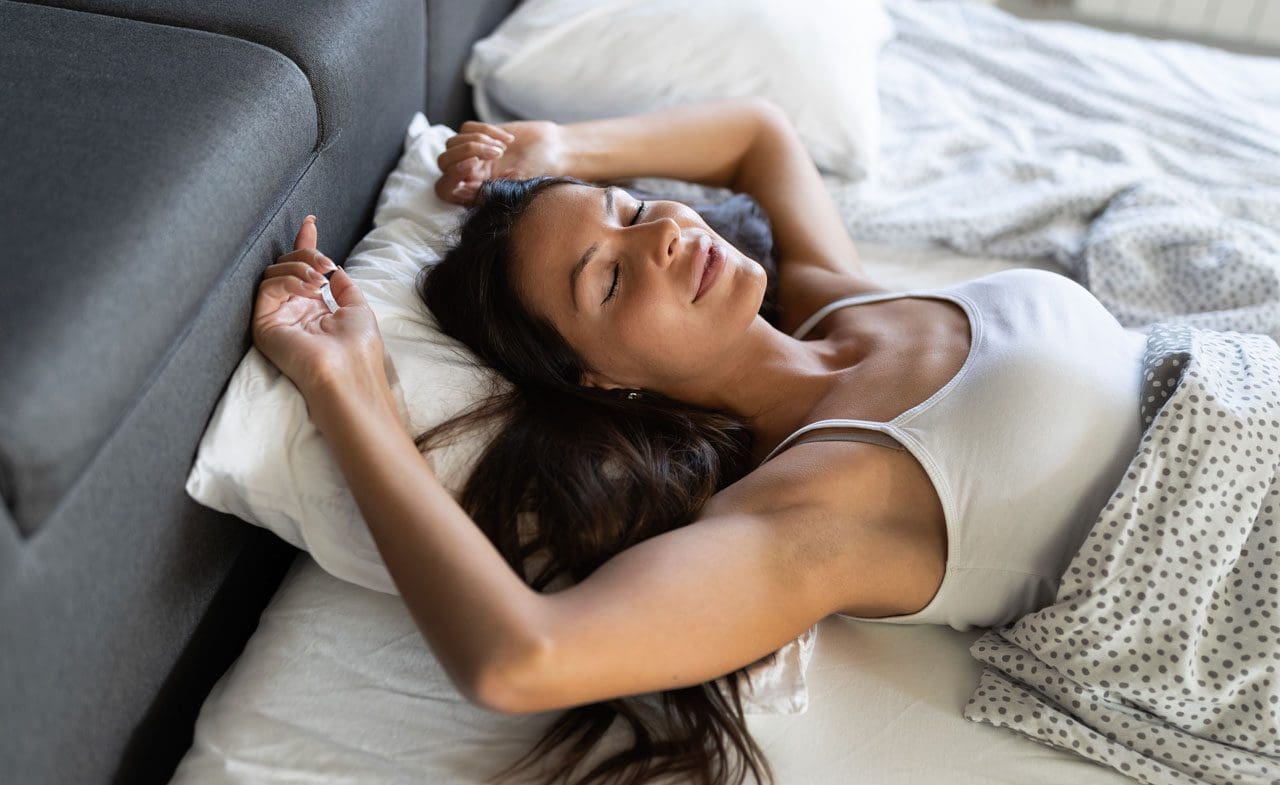
Individuals spend around one-third of their life sleeping or resting. Every person has their own preferred sleeping position. However, not all sleep positions are comfortable and supportive to the body, especially the spine. Individuals that sleep on their side or stomach that experience back pain might want to consider switching to sleeping on their back. Changing preferred sleeping positions can seem impossible, however, learning to sleep on your back is possible with a little training and adjustment period.
Learning To Sleep On Your Back
After side sleeping, back sleeping is the second most common position. Individuals that are stomach or side sleepers that suffer from:
Learning to sleep on your back is recommended because its health benefits can potentially solve all these problems and more.
Adapting this sleeping position can help maintain proper spinal alignment.
Relieves waking up with tension headaches.
Relieve sinus problems.
Individuals that are not natural back sleepers understand how difficult it is to force oneself to adapt to a new sleeping position. There are ways to condition the mind and body to fall and stay asleep on your back, resulting in healthy rest. These include:
A Pillow Under The Knees
It may help to place a supportive pillow under the knees.
The knees should be slightly bent and feel comfortable.
Check to make sure that the neck and spine feel comfortable and are in alignment.
Make adjustments as needed.
A Pillow Under The Low Back
In the beginning, switching to back sleeping can increase discomfort in the low back.
Placing a pillow under the lower back can help.
Using too large or thick a pillow could create added discomfort.
Try a few different pillows to find what works best and feels right.
Pillow Surround
Individuals that are active sleepers and tend to roll onto their side or stomach soon after falling asleep, can place pillows around the midsection and hips.
A small barrier of pillows around the body can assist in learning to sleep on your back.
The pillows help prevent the body from rolling.
It’s recommended to place pillows closely against either side of the body.
Using the pillows as an enclosure will force the body to remain in a neutral position throughout the night.
Sleeping On The Right Pillow
Individuals will want to make sure they are using the right sleeping pillow.
In addition to supporting the spine’s alignment, a quality pillow will also support the neck.
The recommended pillow for back sleeping should cradle the head and ensure it stays elevated.
A pillow that is too flat or too thick can cause the head to become unlevel with the body leading to:
Neck and upper body pain
Restricted airflow, which may cause you to snore or suffer from sleep apnea.
Digestive issues like acid reflux and heartburn.
Consider a pillow that’s made out of some type of memory foam to assist with learning to sleep on your back.
The thickness and hugging sensation can help to stay on the back and prevent inadvertently flipping over.
Sleeping On The Right Mattress
A positive back sleeping experience begins with the right mattress. There are so many mattress types to choose from. It is recommended to consider the materials, the firmness level, and the size. For comfortably sleeping on your back, the firmness level is essential.
Consider the positioning of your spine.
The objective is to keep the spine as straight as possible, which is achieved with the proper firmness.
A mattress that is too firm will create unwanted pressure and tension on the shoulders and the pelvic region.
A mattress that is too soft will cause the hips to sink, throwing spinal alignment off and causing back pain symptoms.
A medium-firm mattress is recommended.
Memory foam is a great option for learning to sleep on your back.
Memory foam cradles the natural curve of the body, and hugs the body during sleep, which helps avoid accidentally rolling onto your side or stomach.
Memory foam mattresses with integrated gel can provide cooling and ventilation to keep the body refreshed throughout the night.
A medium-firm memory foam mattress will make sure the body stays straight, with the proper cushioning around the pelvis and hips.
Training To Sleep On Your Back
References
Anderson, Ngaire H et al. “Association of Supine Going-to-Sleep Position in Late Pregnancy With Reduced Birth Weight: A Secondary Analysis of an Individual Participant Data Meta-analysis.” JAMA network open vol. 2,10 e1912614. 2 Oct. 2019, doi:10.1001/jamanetworkopen.2019.12614
Desouzart, Gustavo, et al. “Effects of sleeping position on back pain in physically active seniors: A controlled pilot study.” Work (Reading, Mass.) vol. 53,2 (2015): 235-40. doi:10.3233/WOR-152243
Khan, Bashir Ahmad, et al. “Effect of bed head elevation during sleep in symptomatic patients of nocturnal gastroesophageal reflux.” Journal of Gastroenterology and Hepatology vol. 27,6 (2012): 1078-82. doi:10.1111/j.1440-1746.2011.06968.x
Portale, G et al. “When are reflux episodes symptomatic?.” Diseases of the esophagus: official journal of the International Society for Diseases of the Esophagus vol. 20,1 (2007): 47-52. doi:10.1111/j.1442-2050.2007.00650.x
Skarpsno, Eivind Schjelderup, et al. “Sleep positions and nocturnal body movements based on free-living accelerometer recordings: association with demographics, lifestyle, and insomnia symptoms.” Nature and Science of Sleep vol. 9 267-275. 1 Nov. 2017, doi:10.2147/NSS.S145777
Surdea-Blaga, Teodora, et al. “Food and Gastroesophageal Reflux Disease.” Current medicinal chemistry vol. 26,19 (2019): 3497-3511. doi:10.2174/0929867324666170515123807
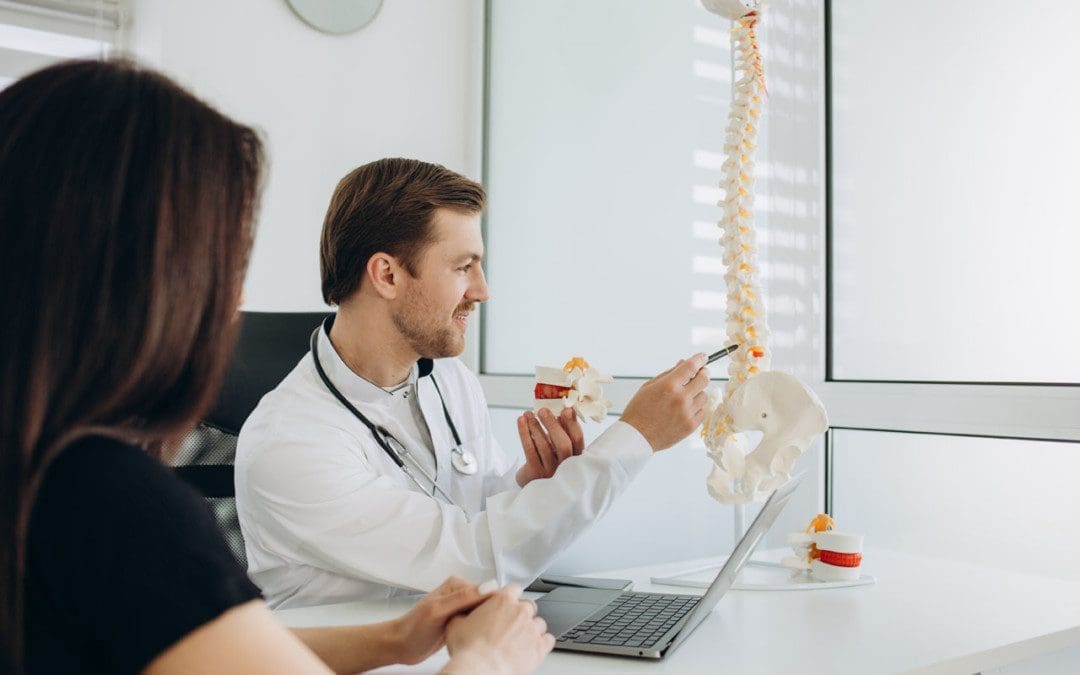
General health, diet, exercise, and lifestyle are important, but the importance of the spinal structure is often forgotten. The spine, or backbone, is the body’s central support structure that holds the body together, supports its weight, and protects the nervous system. It connects different parts of the musculoskeletal system to help sit, stand, walk, twist, and bend. When the spine is misaligned, injured, and/or damaged, it can lead to various health issues, from chronic conditions to organ dysfunction. Chiropractic spinal structure restoration benefits overall health and can help relieve symptoms and restore mobility, flexibility, and function.
Spinal Structure Restoration
Chiropractic care goes beyond relieving muscle or joint pain and discomfort. Although injury rehabilitation is a primary reason for going to a chiropractor, it is in its ability to reset and rebalance the body. Just like a vehicle or piece of equipment that needs regular maintenance, tune-ups, rotation, and realignment, chiropractic provides these benefits.
Improved Range of Motion
As the body ages or suffers from injuries or illnesses, the body’s mobility and flexibility decrease, which causes stiffness and a limited range of motion.
When the spine is not aligned correctly, it can cause restrictions in the range of motion.
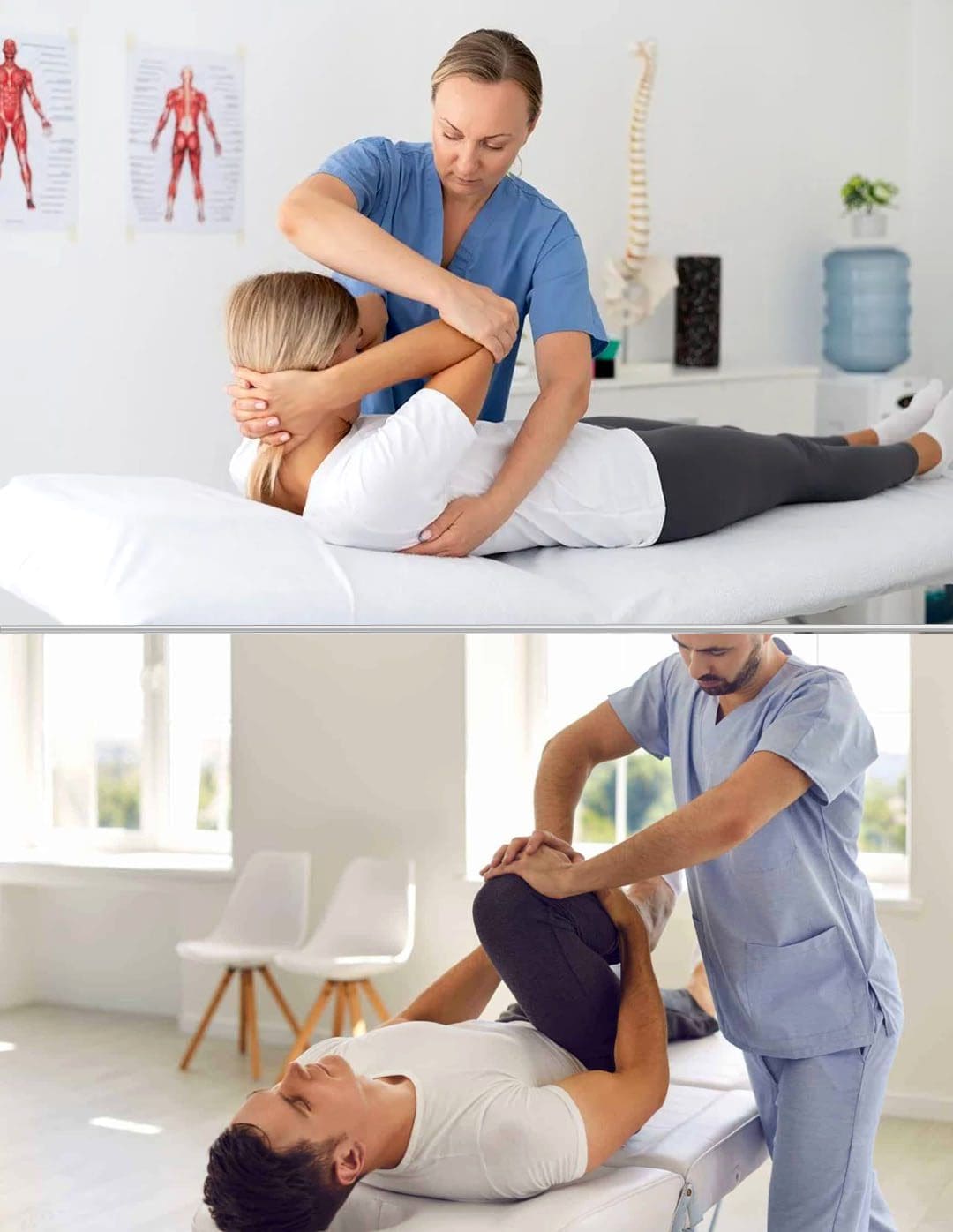
Chiropractic techniques improve joint function, correct misalignments, and strengthen and stabilize the spine, improving mobility and flexibility.
Spinal structure restoration improves joint mobility and flexibility.
The improved range of motion helps relieve muscle tension, stiffness, and pain.
Improved Posture
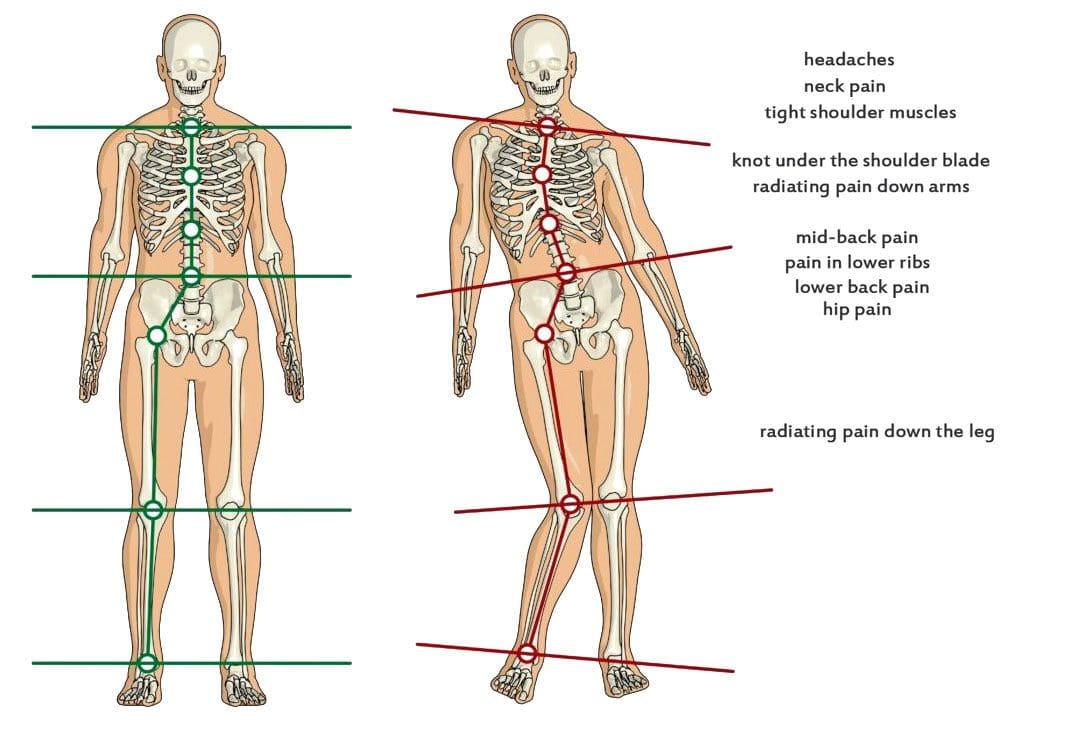
Spinal misalignment typically leads to posture problems, neck and back pain, headaches, and other health issues.
Correcting the spinal structure will:
Correct posture.
Reduce the risk of health issues.
Provide more energy.
Enhance mental clarity.
Improve sleep.
Restore mobility.
Increase athletic and physical performance.
Pain and Discomfort Relief
Misalignments can cause nerve irritation, inflammation, and muscle tension, leading to chronic pain in various areas, like the neck, back, shoulders, and hips.
Chiropractic is a natural and non-invasive treatment that can help manage pain and discomfort without medication.
Specifically addresses the underlying cause of the pain rather than just the symptoms, resulting in long-lasting relief.
Chiropractic combines traditional techniques, such as adjustments, decompression, and traction, with advanced elements and a personalized approach.
Adjustments and customized spinal traction setups alleviate pain and restore proper function to the spine.
When the spine is properly aligned, the central nervous system’s electrical signals can travel more effectively.
Increased Nerve Function
Spinal misalignment can interfere with nerve function, leading to other musculoskeletal issues.
Chiropractic releases compressed, tangled, or trapped nerves and restores nerve circulation, improving nerve function.
Enhanced Musculoskeletal Performance
Individuals can benefit from chiropractic care, especially those involved in physically demanding occupations that place repeated stress on the body.
Chiropractic can help prevent injuries, improve alignment and balance, reduce inflammation, and speed recovery.
Spinal correction includes traction that targets and releases specific muscle groups and ligaments and stimulates detoxification that can enhance musculoskeletal performance.
Immune System Function
Spinal misalignments can disrupt immune system function.
The system relies on proper communication between the brain and immune organs.
Chiropractic improves nerve function and reduces spine and back stress, allowing the system to function optimally.
By taking a holistic and personalized approach to spinal structure restoration, individuals can prevent the development of chronic health conditions and improve their quality of life.
Quick Patient Initiation Process
References
American Academy of Orthopaedic Surgeons. Spine Basics. (https://orthoinfo.aaos.org/en/diseases–conditions/spine-basics/) Accessed 12/08/2020.
American Chiropractic Association. Back Pain Facts and Statistics. (https://www.acatoday.org/Patients/What-is-Chiropractic/Back-Pain-Facts-and-Statistics/Back-Pain-Facts-and-Statistics) Accessed 12/08/2020.
Fernández-de-Las-Peñas, César, and María L Cuadrado. “Physical therapy for headaches.” Cephalalgia: an international journal of Headache vol. 36,12 (2016): 1134-1142. doi:10.1177/0333102415596445
InformedHealth.org [Internet]. Cologne, Germany: Institute for Quality and Efficiency in Health Care (IQWiG); 2006-. What are the organs of the immune system? [Updated 2020 Jul 30]. Available from: https://www.ncbi.nlm.nih.gov/books/NBK279395/
Izzo, Roberto, et al. “Biomechanics of the spine. Part I: spinal stability.” European Journal of Radiology vol. 82,1 (2013): 118-26. doi:10.1016/j.ejrad.2012.07.024
Jenkins, Hazel J et al. “Current evidence for spinal X-ray use in the chiropractic profession: a narrative review.” Chiropractic & manual therapies vol. 26 48. Nov 21 2018, doi:10.1186/s12998-018-0217-8
McHardy, Andrew, et al. “Chiropractic treatment of upper extremity conditions: a systematic review.” Journal of Manipulative and physiological therapeutics vol. 31,2 (2008): 146-59. doi:10.1016/j.jmpt.2007.12.004
Sharrak, Samir. and Yasir Al Khalili. “Cervical Disc Herniation.” StatPearls, StatPearls Publishing, Aug 29, 2022.
Body stiffness is common, especially as the body ages. Stiffness can result from intense work, lack of physical exercise, or specific conditions. The reasons vary from individual to individual. Some feel stiff when they wake up, while others become stiff after stopping physical activity. For others, stiffness can result from practicing unhealthy postures, intense workouts, or something new that the body is beginning to get used to. There are several ways to prevent and treat stiffness, no matter the cause, including targeted physical movements, posture corrections, body decompression, chiropractic realignment, stretches, and therapeutic massage.
Body Stiffness
Knowing the cause of body stiffness and how to relieve it can help prevent and treat the condition so the body can function better. It’s vital to see a health care professional immediately if stiffness results from an injury, accompanied by pain, it does not go away with home treatments, or if an insect bite or infection could be the cause.
Individuals should speak to a healthcare professional for frequent stiffness that interferes with their quality of life.
Most of the time, stiffness can be treated at home and reduced through preventative measures.
Stay active but not too hard until the body gets used to the activity.
Various relief methods include a warm bath, massage shower, or self-massage.
Intense Work or Exercise
The muscles incur tiny tears when exercising or performing heavy labor, especially when the body is not used to the intensity or duration.
These tears are normal and help build larger and stronger muscles.
Individuals may feel stiff and sore for 24-72 hours as the body repairs itself.
Inflammation surrounding the joints/synovial fluid after heavy activity or repetitive movements is another cause.
Inactivity
Moving around generates the synovial fluid that lubricates the joints.
When body movement stops, like going to sleep or long periods spent sitting, working, or watching tv, fluid production slows down, resulting in body stiffness.
The lack of fluid after movement can make the body feel stiff when returning to activity.
Unhealthy Posture
The body can become stiff and sore when routinely holding the body in a way that strains the muscles, tendons, and ligaments.
Sitting or standing incorrectly from an unhealthy workstation setup or postural habits contributes to stiffness and musculoskeletal problems.
Medical Conditions
Medical conditions can cause stiffness like rheumatoid arthritis, Lyme disease, thyroid disease, strains and sprains, and low vitamin D levels.
See medical attention if you suspect any medical causes are behind the body stiffness.
Prevention
Depending on the reason behind body stiffness, there are ways to prevent it.
Warm-Up
Warming up before any physical activity loosens up the muscles before fully engaging.
Soreness will present and is part of the muscle repair process.
Properly warming up can help the repair go faster.
Mobility and Flexibility Breaks
Taking breaks from inactivity by getting up and moving around, walking, or performing mobility movements could increase the secretions of joint fluid, prevent stiffness, and relieve the effects of poor postural habits you may have been making.
Set a timer to break up periods of inactivity and move around.
Get up for 5 minutes every hour to move the muscles and get the blood flowing.
Stay Aware of Posture and Form
Postural awareness can help prevent muscle strain that leads to stiffness.
Adjusting the workspace and posture can help prevent stiffness.
The posterior chain: head, neck, torso, and legs are aligned with the feet flat on the floor and back supported.
Stay Active
Maintaining muscle movement maintains blood circulation, which can help reduce stiffness.
Exercise helps reduce inflammation, increases synovial fluid production, and helps strengthen the muscles.
Active Recovery
Participating in active recovery can help bring blood flow to the muscles and prevent inflammation.
Light cardiovascular activities include swimming, cycling, walking, or bodyweight movements.
Anti-Inflammatory Nutrition
Anti-inflammation nutrition like the Mediterranean diet, which includes healthy fats, plenty of fruits and vegetables, lean proteins, seafood, and whole grains, can help reduce aches and stiffness.
Getting enough vitamin D can reduce stiffness.
Chiropractic Flexibility Restoration
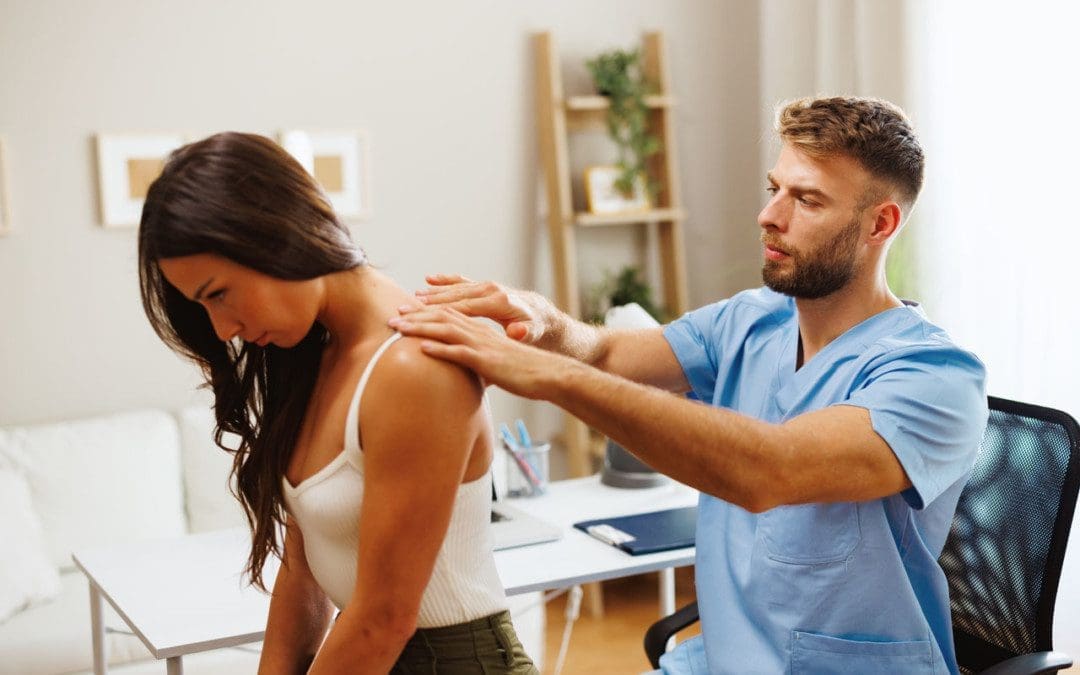
Chiropractic adjustments, decompression, MET, and therapeutic massage techniques can relieve muscle soreness and stiffness and restore body function. The chiropractic team will evaluate the individual, diagnose the cause/s, and develop a personalized treatment plan. The team will provide posture training, stretching the body, using a percussive massager or foam roller to break tight, stiff muscles and release adhesions of tissues.
Enhance Your Lifestyle
References
Mailey, Emily L et al. “Comparing the effects of two different break strategies on occupational sedentary behavior in a real-world setting: A randomized trial.” Preventive medicine reports vol. 4 423-8. 9 Aug. 2016, doi:10.1016/j.pmedr.2016.08.010
Schleip, Robert, and Werner Klingler. “Active contractile properties of fascia.” Clinical Anatomy (New York, N.Y.) vol. 32,7 (2019): 891-895. doi:10.1002/ca.23391
Shimoyama, Daisuke, et al. “Reliability of shoulder muscle stiffness measurement using strain ultrasound elastography and an acoustic coupler.” Journal of medical ultrasonics (2001) vol. 48,1 (2021): 91-96. doi:10.1007/s10396-020-01056-0
Trube, Niclas, et al. “How muscle stiffness affects human body model behavior.” Biomedical engineering online vol. 20,1 53. 2 Jun. 2021, doi:10.1186/s12938-021-00876-6
Weerapong, Pornratshanee, et al. “The mechanisms of massage and effects on performance, muscle recovery, and injury prevention.” Sports medicine (Auckland, N.Z.) vol. 35,3 (2005): 235-56. doi:10.2165/00007256-200535030-00004
IFM's Find A Practitioner tool is the largest referral network in Functional Medicine, created to help patients locate Functional Medicine practitioners anywhere in the world. IFM Certified Practitioners are listed first in the search results, given their extensive education in Functional Medicine