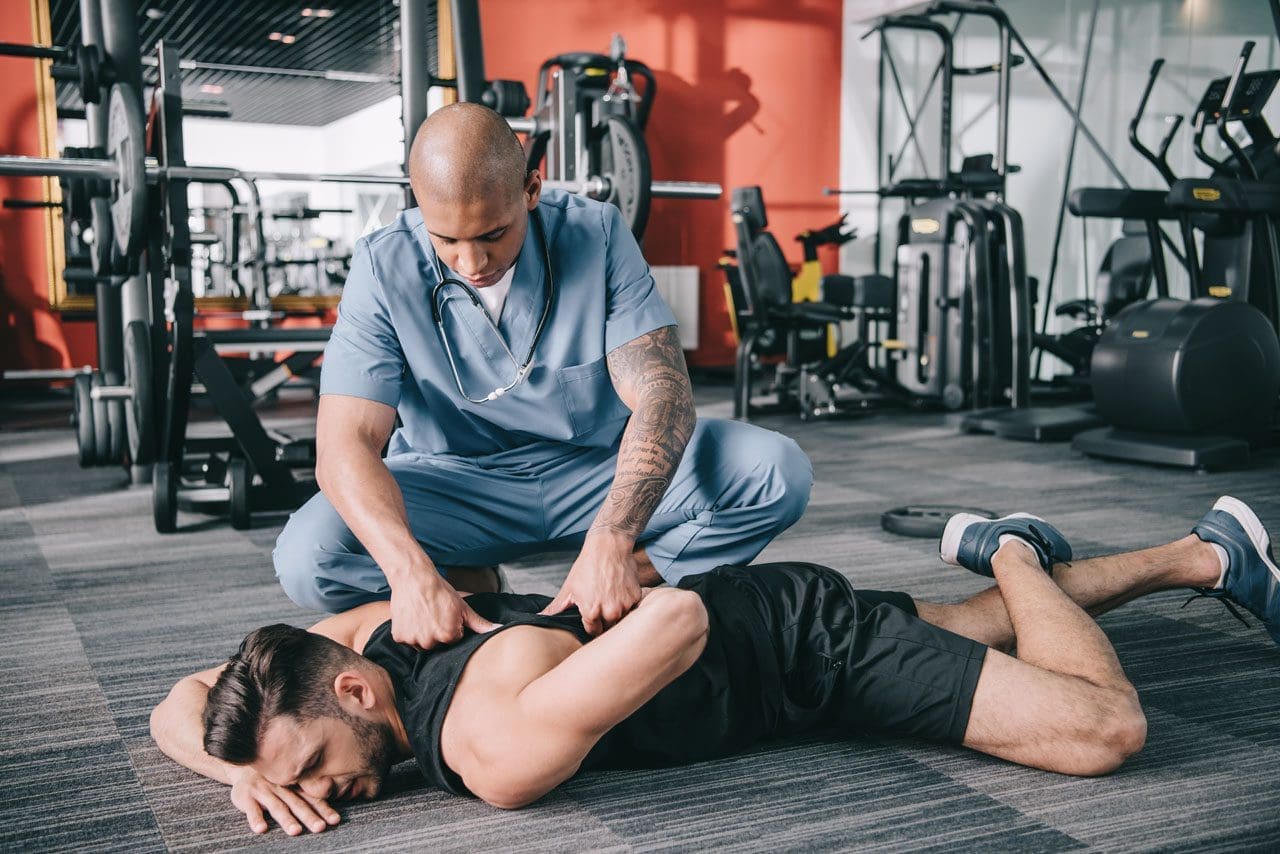
Sports activities will result in aches, pains, and injuries that need to be examined by a doctor or specialist for proper diagnosis and treatment. Finding the right sports injury specialist can be one of the most difficult parts of dealing with an injury. The following may help when deciding if a sports chiropractic specialist can help.
Sports Injury Specialist
Sports medicine is the study and practice of medical principles related to the science of sports:
Injury prevention
Injury diagnosis and treatment
Nutrition
Psychology
Sports medicine focuses on the medical and therapeutic aspects of sports physical activity. These individuals can be physicians, surgeons, chiropractors, physical therapists, or providers who regularly work with athletes. Athletes often prefer providers with athletic treatment experience.
Doctor To See First for a Sports Injury
Individuals that belong to an HMO or PPO may find that their primary care physician is the first doctor to see for injury.
A family doctor may not be a sports medicine specialist but may have the expertise to deal with the injury.
Minor musculoskeletal injuries like acute sprains and strains respond well to immediate standard treatments like rest, ice, compression, and elevation.
Individuals with complicated overuse or training injuries, chronic conditions such as tendonitis, or who require surgery will be referred to a specialist.
Family Doctor Treatment
Nearly all family practice physicians can diagnose and treat various sports-related injuries.
Other non-traditional methods to treat conditions and illnesses.
Some may have specific experience in treating sports-related injuries.
Finding the Right Specialist
It is important to find a doctor who can design a treatment plan to heal and rehabilitate the injury properly and get the athlete back to their sport quickly and safely. Medicine is science and art, and injury treatment should be personalized to specific goals of healing and performance. When selecting a healthcare provider to treat injuries or provide advice, personal recommendations from trusted sources are recommended to screen providers. As well as asking other athletes, local teams, gyms, athletic clubs, and healthcare organizations can direct individuals in the right direction. If you can’t find a confident recommendation, look for a certified sports medicine physician online or call the clinic. When calling the office, questions to think about include:
What is your treatment specialty?
What experience do you have treating athletes?
What special training do you have in sports injury care?
What degrees and certifications do you have?
How I Tore My ACL
References
Bowyer, B L et al. “Sports medicine. 2. Upper extremity injuries.” Archives of physical medicine and Rehabilitation vol. 74,5-S (1993): S433-7.
Chang, Thomas J. “Sports Medicine.” Clinics in podiatric medicine and surgery vol. 40,1 (2023): xiii-xiv. doi:10.1016/j.cpm.2022.10.001
Ellen, M I, and J Smith. “Musculoskeletal rehabilitation and sports medicine. 2. Shoulder and upper extremity injuries.” Archives of physical medicine and Rehabilitation vol. 80,5 Suppl 1 (1999): S50-8. doi:10.1016/s0003-9993(99)90103-x
Haskell, William L et al. “Physical activity and public health: updated recommendation for adults from the American College of Sports Medicine and the American Heart Association.” Medicine and science in sports and exercise vol. 39,8 (2007): 1423-34. doi:10.1249/mss.0b013e3180616b27
Sherman, A L, and J L Young. “Musculoskeletal rehabilitation and sports medicine. 1. Head and spine injuries.” Archives of physical medicine and Rehabilitation vol. 80,5 Suppl 1 (1999): S40-9. doi:10.1016/s0003-9993(99)90102-8
Zwolski, Christin, et al. “Resistance Training in Youth: Laying the Foundation for Injury Prevention and Physical Literacy.” Sports Health vol. 9,5 (2017): 436-443. doi:10.1177/1941738117704153
Range of motion – ROM measures the movement around a joint or body part. When stretching or moving certain body parts, like a muscle or joint, the range of motion is how far it can move. Individuals with a limited range of motion cannot move a specific body part or joint through its normal range. Measurements are different for everybody, but there are ranges that individuals should be able to achieve for proper function. The Injury Medical Chiropractic and Functional Medicine Team can address issues/problems with ROM through a personalized treatment plan to alleviate symptoms and restore mobility and flexibility.
Improve Range of Motion
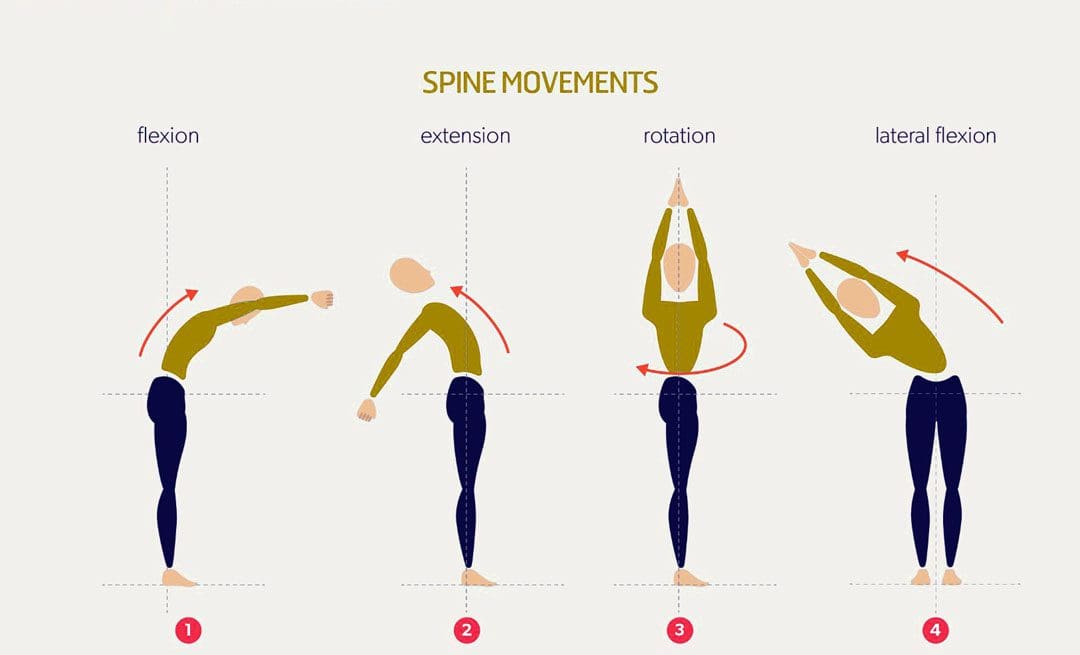
Over 250 joints in the body move from extension to flexion and are responsible for all of the body’s movements. These include the ankles, hips, elbows, knees, and shoulders. Tightness in the hips and ankles can decrease ROM when lifting an object, limiting the muscles’ ability. Form and strength potential becomes limited and suffers from an inadequate ROM. When form and posture are compromised, pain and injuries can result. There are many reasons why this can occur, including:
Tight and stiff muscles.
Trying to use these muscles can worsen the condition, limiting ROM further.
A limited ROM in the back, neck, or shoulders may be due to the body being out of natural alignment.
Repetitive motions, injuries, and everyday wear and tear can shift proper alignment and limit movement.
Conditions like arthritis, brain, nerve, and/or muscle disorders.
A mild to moderate range reduction may be caused by a sedentary lifestyle or insufficient physical activity.
Daily Living
Decreased range of motion and poor mobility can hinder the body from lifting objects, job occupation performance, and household tasks. A healthy physical ability is what determines independent aging and optimal function.
Restoring a healthy range of motion can improve physical performance during work, home, and sports activities.
An improved range of motion allows the affected muscles to work at longer lengths, build strength and relieve tension.
A stronger muscle capable of contracting efficiently through larger ranges prevents and decreases the risk of injury.
Chiropractic Restoration
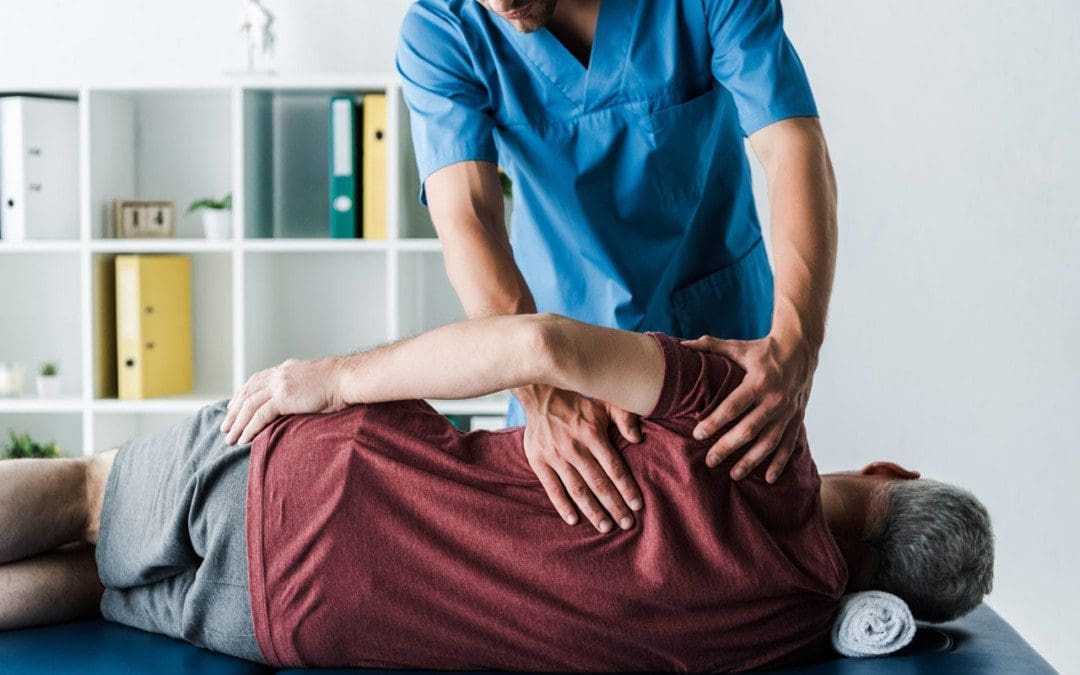
Chiropractic care can realign the body and improve range of motion to optimal levels.
Therapeutic and Percussive Massage
Massage therapy will release the tightness, keep the muscles loose, and increase circulation.
This prepares the body for chiropractic adjustments and spinal decompression.
Decompression and Adjustments
Non-surgical mechanical decompression realigns the body to a pliable state.
Chiropractic adjustments will reset any misalignments, restoring flexibility and mobility.
Exercises
A chiropractor will provide physical therapy-type exercises and stretches to mobilize the joints.
Targeted exercises and stretches will help to maintain the adjustments and strengthen the body to prevent ROM worsening and future injuries.
Secrets of Optimal Wellness
References
Behm, David G et al. “Acute effects of muscle stretching on physical performance, range of motion, and injury incidence in healthy active individuals: a systematic review.” Applied physiology, nutrition, and metabolism = Physiologie appliquee, nutrition et metabolisme vol. 41,1 (2016): 1-11. doi:10.1139/apnm-2015-0235
Calixtre, L B et al. “Manual therapy for the management of pain and limited range of motion in subjects with signs and symptoms of temporomandibular disorder: a systematic review of randomized controlled trials.” Journal of oral rehabilitation vol. 42,11 (2015): 847-61. doi:10.1111/joor.12321
Fishman, Loren M. “Yoga and Bone Health.” Orthopedic nursing vol. 40,3 (2021): 169-179. doi:10.1097/NOR.0000000000000757
Lea, R D, and J J Gerhardt. “Range-of-motion measurements.” The Journal of Bone and joint surgery. American Volume vol. 77,5 (1995): 784-98. doi:10.2106/00004623-199505000-00017
Thomas, Ewan, et al. “The Relation Between Stretching Typology and Stretching Duration: The Effects on Range of Motion.” International Journal of sports medicine vol. 39,4 (2018): 243-254. doi:10.1055/s-0044-101146
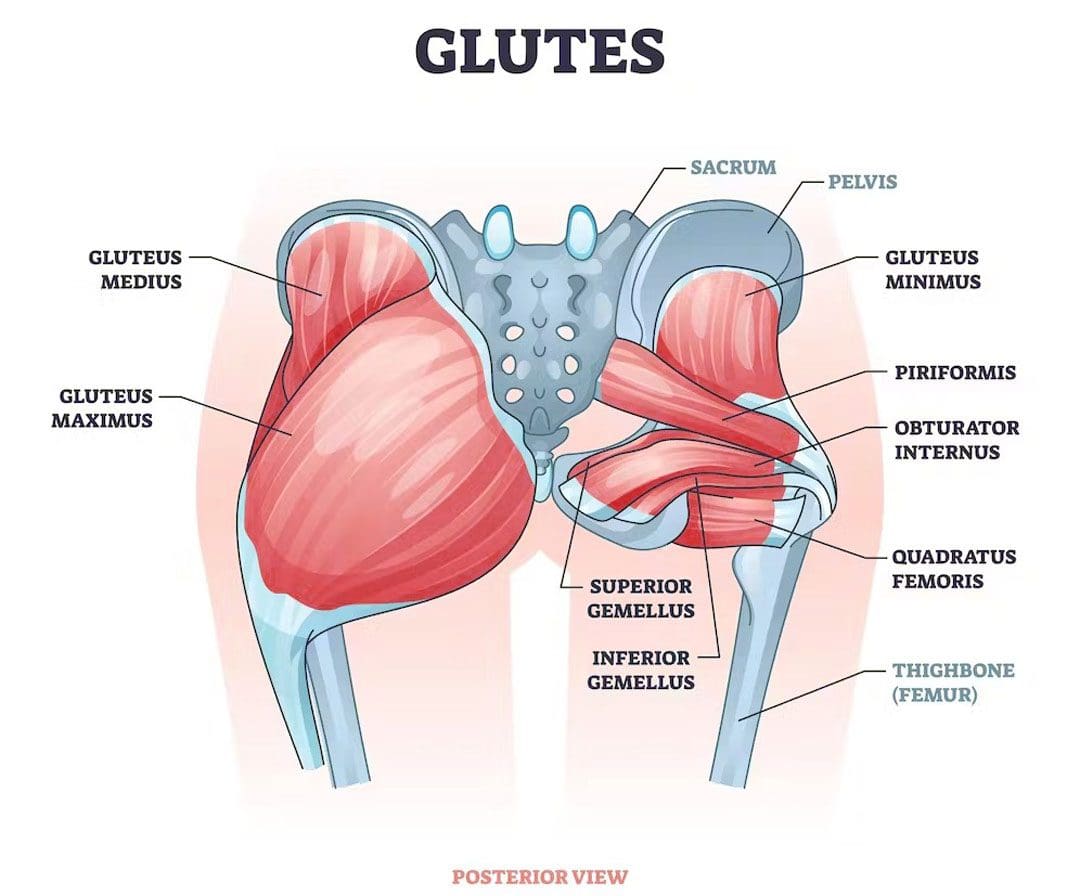
The gluteal muscles/glutes comprise the buttocks. They are a powerful muscle group that consists of three muscles. The gluteus maximus, gluteus medius, and gluteus minimus. The glute muscles help power physical performance and daily movements like walking, standing, and sitting and help to prevent injuries to the core, back, abdominal muscles, and other supporting muscles and tissues. Individuals can develop a glute imbalance where one side becomes more dominant and activates more or is higher than the other. An imbalance that is not addressed can lead to further muscle imbalance, posture problems, and pain issues. Injury Medical Chiropractic and Functional Medicine Clinic can develop a personalized treatment plan to relieve symptoms and restore alignment, balance, and health.
Glute Muscle Imbalance
Strong, healthy glutes promote lumbopelvic stability and rhythm, meaning they keep the low back and pelvis in correct alignment to prevent strains and injuries. Glute imbalance occurs when one side of the glutes is larger, stronger, or more dominant. Glute imbalances are common and part of normal human anatomy, as the body is not perfectly symmetrical. Shifting and utilizing the more dominant side when taking on weight or picking up objects is normal, so the one side gets bigger. Just as an individual prefers one hand, arm, and leg over another, one glute side can work harder and become stronger.
Causes
There are several causes of glute muscle imbalance, including:
Anatomical variations- Everyone has uniquely shaped muscles, attachment points, and nerve pathways. These variations can make one side of the glutes more dominant or stronger.
Unhealthy posture.
Back pain symptoms can cause individuals to take on unhealthy postures and positioning, like leaning on one side.
Pre-existing injuries.
Inadequate rehabilitation from a previous injury.
Nerve injuries.
Ankle sprains can lead to reduced glute activation.
Improper training
Leg length discrepancies
Atrophy
Spine condition
Job occupation
Sports factors may prioritize one side of the body over the other.
Shifting the Body
When pain presents in one body area, signals are sent to caution the other muscles to contract/tighten as a protective mechanism to prevent further injury. These changes alter movement patterns, leading to muscular imbalances in the glutes and other areas. Individuals who do not rehabilitate from an injury properly can be left with an imbalance.
Chiropractic Relief and Restoration
This condition needs to be addressed to prevent further injuries and issues with posture. Treatment varies depending on the individual and the extent of the problem. A treatment plan to prevent and improve some forms of glute imbalance may include the following.
Spinal decompression will stretch out the body and muscles to a workable position.
Therapeutic massage will relax the muscles and increase blood flow.
Chiropractic adjustments to realign the spine and body.
Targeted stretches and exercises will be provided to maintain alignment.
Unilateral training or training one side of the body at a time can help build and strengthen the weaker side.
Core strengthening can work out the differences on both sides of the body.
Chiropractic Approach for Pain Relief
References
Bini, Rodrigo Rico, and Alice Flores Bini. “Comparison of linea alba length and core-muscles engagement during core and lower back orientated exercises.” Journal of Bodywork and movement therapies vol. 28 (2021): 131-137. doi:10.1016/j.jbmt.2021.07.006
Buckthorpe, Matthew, et al. “ASSESSING AND TREATING GLUTEUS MAXIMUS WEAKNESS – A CLINICAL COMMENTARY.” International Journal of sports physical therapy vol. 14,4 (2019): 655-669.
Elzanie A, Borger J. Anatomy, Bony Pelvis and Lower Limb, Gluteus Maximus Muscle. [Updated 2023 Apr 1]. In: StatPearls [Internet]. Treasure Island (FL): StatPearls Publishing; 2023 Jan-. Available from: https://www.ncbi.nlm.nih.gov/books/NBK538193/
Liu R, Wen X, Tong Z, Wang K, Wang C. Changes of gluteus medius muscle in the adult patients with unilateral developmental hip dysplasia. BMC Musculoskelet Disord. 2012;13(1):101. doi:10.1186/1471-2474-13-101
Lin CI, Khajooei M, Engel T, et al. The effect of chronic ankle instability on muscle activations in lower extremities. Li Y, ed. PLoS ONE. 2021;16(2):e0247581. doi:10.1371/journal.pone.0247581
Pool-Goudzwaard, A. L. et al. “Insufficient lumbopelvic stability: a clinical, anatomical and biomechanical approach to ‘a-specific’ low back pain.” Manual therapy vol. 3,1 (1998): 12-20. doi:10.1054/math.1998.0311
Vazirian, Milad, et al. “Lumbopelvic rhythm during trunk motion in the sagittal plane: A review of the kinematic measurement methods and characterization approaches.” Physical Therapy and Rehabilitation vol. 3 (2016): 5. doi:10.7243/2055-2386-3-5
A satisfying salad is a great way to get more fruits and vegetables high in vitamins, minerals, and fiber. A salad using the right ingredients can be a filling meal. With the summer heat kicking in, making a quick, satisfying salad using your favorite ingredients can help cool off, rehydrate, and refuel the body.
Making A Satisfying Salad
Leafy Greens
Start with leafy greens.
They’re low in calories and a healthy source of fiber.
Different varieties include iceberg lettuce, leaf lettuce, spinach, escarole, romaine, kale, and butter lettuce.
Starchy vegetables like roasted sweet potatoes or cooked butternut squash.
These provide fiber, complex carbohydrates, vitamins, and minerals.
Fruit
Fruits or berries, blueberries, raspberries, blackberries, pomegranate seeds, apple slices, oranges, dates, and raisins can add vitamins, fiber, and antioxidants.
One-half cup of apple slices has 30 calories.
One-half cup of berries has about 40 calories.
Protein
A hard-boiled egg is an excellent source of protein.
A serving of lean beef, cooked shrimp, tuna, chicken breast, cheese strips, beans or legumes, hummus, tofu, or cottage cheese.
Be mindful of portion size.
A quarter cup of chopped chicken meat or one egg will add 75 calories.
Half a can of tuna adds about 80 calories.
Depending if it is low fat, two ounces of cubed or shredded mozzarella or cheddar cheese can add 200 calories.
Nuts or Seeds
Almonds, cashews, walnuts, pecans, sunflower, pumpkin, or chia seeds are great for added crunch.
All nuts add protein and heart-healthy polyunsaturated and monounsaturated fatty acids.
One-eighth cup of nuts adds around 90 calories.
Walnuts contain omega-3 fatty acids.
Salad Dressing
Add salad dressing.
One tablespoon of regular commercial salad dressing adds 50 to 80 calories.
Low-fat and reduced-calorie dressings are available.
Adding beans will increase fiber, protein, and total carbohydrates.
Body Signals Decoded
References
Chambers L, McCrickerd K, Yeomans MR. Optimizing foods for satiety. Trends in Food Science & Technology. 2015;41(2):149-160. doi:10.1016/j.tifs.2014.10.007
Cox, B D et al. “Seasonal consumption of salad vegetables and fresh fruit in relation to the development of cardiovascular disease and cancer.” Public health nutrition vol. 3,1 (2000): 19-29. doi:10.1017/s1368980000000045
Dreher ML, Davenport AJ. Hass avocado composition and potential health effects. Crit Rev Food Sci Nutr. 2013;53(7):738-750. doi:10.1080/10408398.2011.556759
Roe, Liane S et al. “Salad and satiety. The effect of timing of salad consumption on meal energy intake.” Appetite vol. 58,1 (2012): 242-8. doi:10.1016/j.appet.2011.10.003
Sebastian, Rhonda S., et al. “Salad Consumption in the U.S. What We Eat in America, NHANES 2011-2014.” FSRG Dietary Data Briefs, United States Department of Agriculture (USDA), February 2018.
Yen, P K. “Nutrition: salad sense.” Geriatric nursing (New York, N.Y.) vol. 6,4 (1985): 227-8. doi:10.1016/s0197-4572(85)80093-8
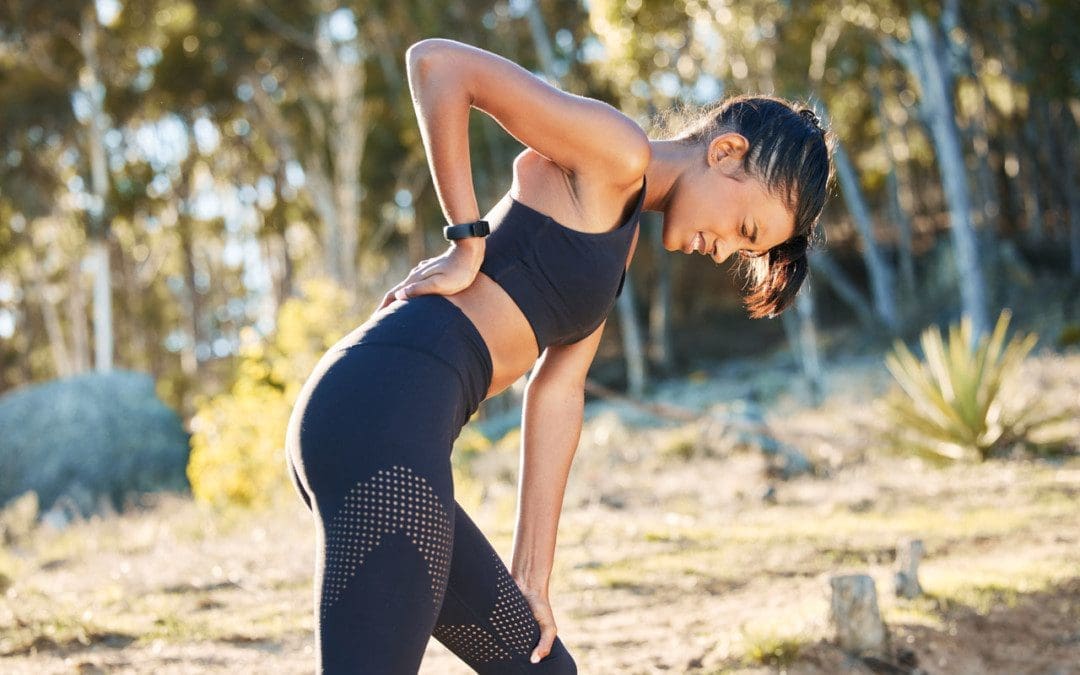
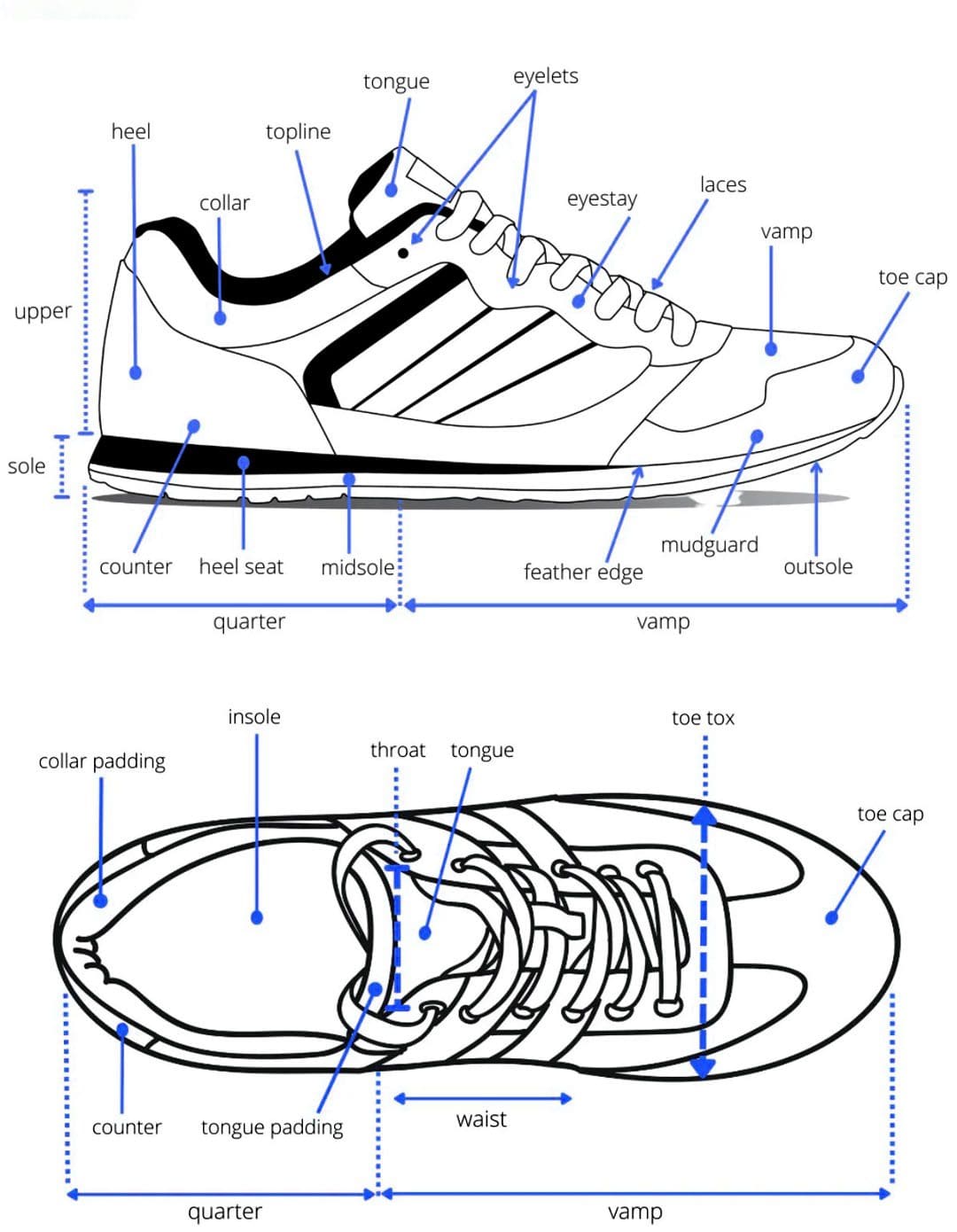
Individuals on their feet all day regularly experience back problems and discomfort symptoms. Wearing unstable shoes that are flat with no arch support with little or no shock absorption or the wrong type of shoe for gait can cause biomechanical issues that can cause back discomfort and lead to chronic back pain. Athletic running shoes are recommended for lower back pain because they are well-cushioned and designed to help absorb the impact of walking or running. They also have proper arch and ankle support to maintain foot position for correct posture. What to look for in running shoes to help relieve back pain and keep the back injury free?
Athletic Running Shoes
Shoes that don’t have enough cushioning can cause inflammation in the back muscles from the lack of impact absorption. The best athletic running shoes for back pain relief are stiff, supportive, and well-cushioned. When selecting shoes for back pain, the most important factors to consider are:
Stiffness of the sole.
Quality support and cushioning.
Proper and comfortable fit.
Shoe Type
Athletic running shoes are available in various types of support for all foot types.
Consider foot structure and gait when selecting shoes.
Flat and high-arched feet can cause muscle imbalances, which increase pressure on the back, hips, legs, knees, ankles, and feet.
The grooves and patterns increase friction and provide grip to the person while walking or running.
Durability
Wearing worn-out shoes with inadequate cushioning and shock absorption can increase the risk of back problems.
Depending on the uses, shoes can wear out in three months or less.
It is important to replace shoes when the cushioning wears out.
Look for high-quality material that doesn’t wear down quickly.
Improve Whole-Body Wellness
References
Anderson, Jennifer, et al. “A narrative review of musculoskeletal problems of the lower extremity and back associated with the interface between occupational tasks, feet, footwear, and flooring.” Musculoskeletal care vol. 15,4 (2017): 304-315. doi:10.1002/msc.1174
American Podiatric Medical Association. Which Running Shoe is Right for You?
Hong, Wei-Hsien, et al. “Effect of shoe heel height and total-contact insert on muscle loading and foot stability while walking.” Foot & ankle international vol. 34,2 (2013): 273-81. doi:10.1177/1071100712465817
National Institute of Arthritis and Musculoskeletal and Skin Diseases. Back Pain: Diagnosis, Treatment, and Steps to Take.
National Institute of Neurological Disorders and Stroke. Low Back Pain Fact Sheet.
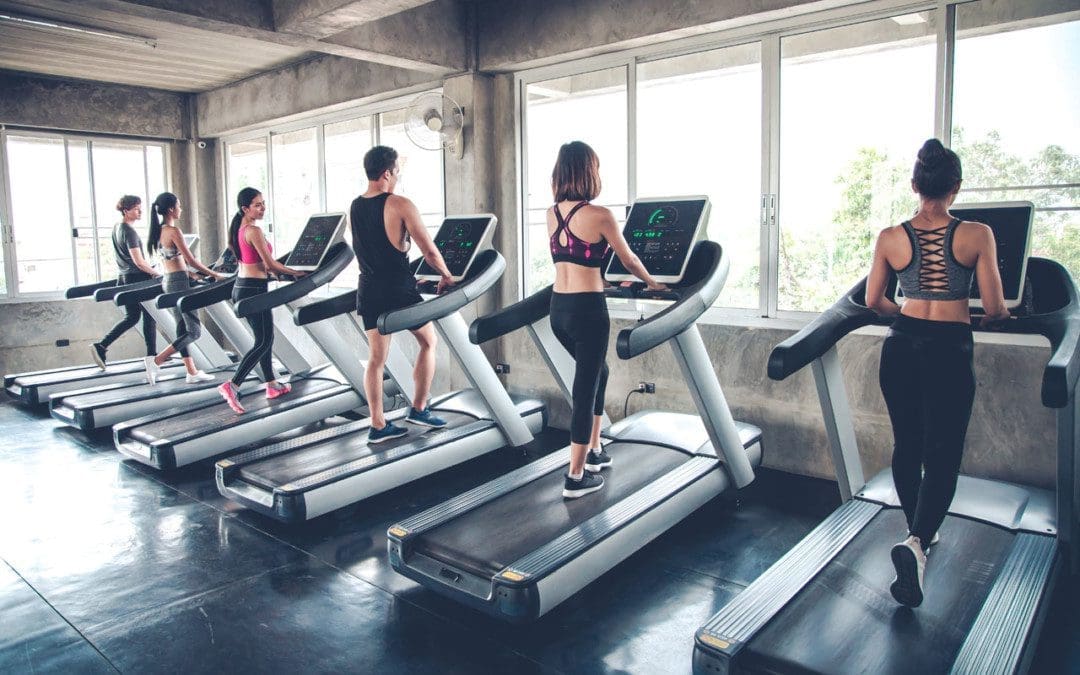
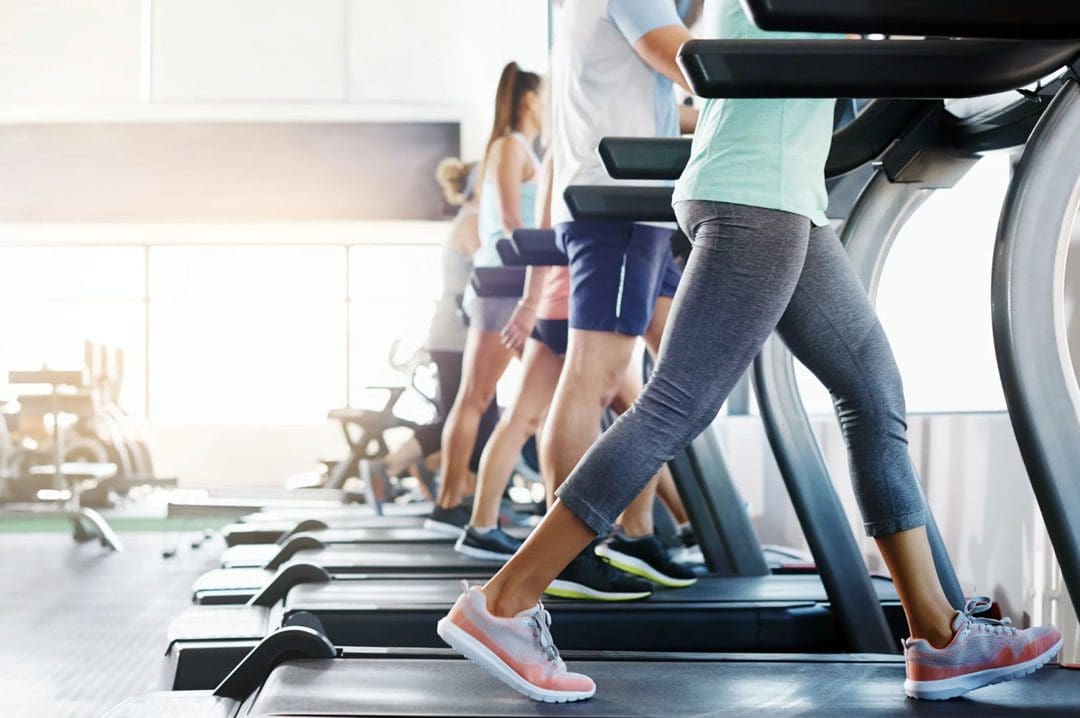
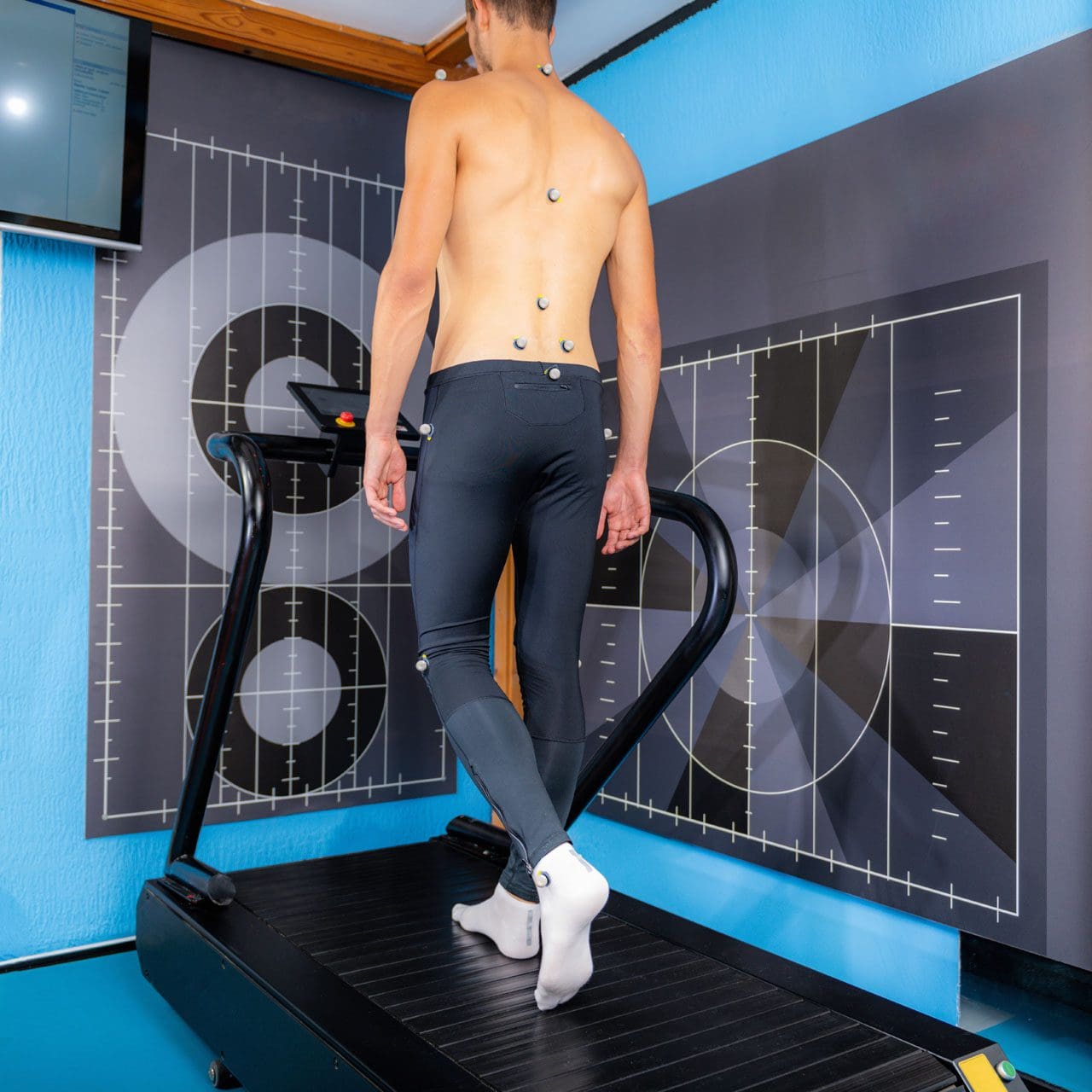
Working out on a treadmill is a great way to get cardiovascular exercise when unable to go outside or to change things up. However, it’s not just about getting on the machine and walking or running. Like anything, proper form and posture are important in preventing injuries. This allows the individual to walk smoother and faster, burn more calories, and get the full benefits. Individuals with a medical condition that impacts posture or makes it difficult to walk on a treadmill should speak to a healthcare provider for recommendations to ensure they can work out without aggravating the condition or putting themselves at risk. There is an option of working with a physical or occupational therapist to address any concerns individuals may have about using a treadmill.
Treadmill Walking Exercise Errors
Safety
A common error is getting on a treadmill with the belt already running. This may seem unnecessary, but many accidents happen when individuals just jump on. To avoid injuries, it is recommended to follow these safety tips.
Make sure the machine is off.
Know where the emergency stop switch is.
Stand next to the base/running deck.
Clip the safety key to your body to stop the treadmill if you slip or stumble.
Start the treadmill and set it to slow speed.
Look at the speed and carefully get onto the moving tread.
Gradually increase the speed once comfortably on board.
Wrong Shoes
A healthy step is to strike with the heel in front with the forward foot slightly off the surface. The foot then rolls from heel to toe; by the time the toe is on the ground, the individual is halfway into the next step, and the forward foot is now the rear foot and ready for the toes to push off to take the next step.
This sequence is only possible with flexible shoes.
Wearing stiff shoes may not allow for the roll-through.
Stiff shoes force the foot to slap down.
The body and walking stride become a flat-footed stomp.
Take a few minutes during a walking session to think about what the feet are doing.
Ensure they strike with the heel, roll through the step, and the rear foot provides an adequate push-off.
If you cannot do this in your present shoes, then it’s time to look at other flexible walking/running shoes.
Holding The Handrails
The handrails provide stability, but natural walking posture or natural movement involves a healthy stride and arm motion.
Constantly holding onto the handrails doesn’t allow for this motion.
Walking or running at a slower pace is recommended without using the handrails.
Individuals will get a better workout at a slower pace than they would at a faster rate holding on to the rails.
Individuals with a disability or balance issues may need the handrails and should consult a trainer or physical therapist for healthy workout recommendations.
Leaning Forward
Proper walking posture means the body is upright, not leaning forward or backward.
Before stepping onto the treadmill, check and readjust your posture.
Proper arm motion allows the body to go faster and burn more calories.
The swinging motion can help shoulder and neck problems developed from unhealthy postures.
The legs only move as fast as the arms do.
To speed up the legs, speed up the arms.
Going Too Fast
Go only as fast as the body can go while maintaining proper walking posture and form.
If overstriding, leaning forward, or hunching shoulders begin to present, slow down until a comfortable/maintainable speed that allows the body to walk correctly is found.
If the workout doesn’t feel like it’s helping
Individuals with a bad walking form at high speeds may consider adding running intervals.
Running will create quick bursts of higher heart rate and change form.
Running Intervals
Warm up at a slow speed for 3 to 5 minutes.
Increase walking speed to a fast pace that can maintain proper walking form.
Start a jog and increase the speed to match the jogging pace.
Jog for 1 to 3 minutes.
Return to the fast walking pace for 3 to 5 minutes.
Jog for 1 to 3 minutes.
Repeat until the end of the workout.
Finish with 3 to 5 minutes at an easy walking pace to cool down.
Challenge Yourself
When the body has fully adapted to a workout, it’s time to challenge the body to achieve greater fitness and stay motivated. This is where workout variation intensity, duration, frequency, and/or mode come into play.
Intensity
Add intensity by increasing the incline or the speed.
Duration
Increase the time spent on the treadmill.
If spending 30 minutes for several weeks, increase to 45 minutes for at least one weekly session.
After a couple of weeks, increase to 60 minutes.
Frequency
Once the body is used to treadmill walking, try to incorporate a session every day or every other day.
Walk at a brisk pace for 30 to 60 minutes, going for a total of 150 to 300 minutes per week.
Type of Exercise
Try jogging or running.
Alternate using the exercise bike, rowing machine, or stair climber.
Add weight training, circuit training, or anything enjoyable that gets the body moving in different ways.
Set goals and get into the habit of using the treadmill regularly to reap all the benefits. Avoid common treadmill errors, stay safe, and make the most out of walking and running workouts.
Move Better, Live Better
References
Centers for Disease Control and Prevention. Benefits of Physical Activity.
Donlin, Margo C et al. “Adaptive treadmill walking encourages persistent propulsion.” Gait & Posture vol. 93 (2022): 246-251. doi:10.1016/j.gaitpost.2022.02.017
Donlin, Margo C et al. “User-driven treadmill walking promotes healthy step width after stroke.” Gait & Posture vol. 86 (2021): 256-259. doi:10.1016/j.gaitpost.2021.03.031
Hashiba, M. “Transient change in standing posture after linear treadmill locomotion.” The Japanese Journal of Physiology vol. 48,6 (1998): 499-504. doi:10.2170/jjphysiol.48.499
Liang, Junjie et al. “The effect of anti-gravity treadmill training for knee osteoarthritis rehabilitation on joint pain, gait, and EMG: Case report.” Medicine vol. 98,18 (2019): e15386. doi:10.1097/MD.0000000000015386
MacEwen, Brittany T et al. “A systematic review of standing and treadmill desks in the workplace.” Preventive medicine vol. 70 (2015): 50-8. doi:10.1016/j.ypmed.2014.11.011
For individuals with aches and pains after walking, the first thing to check is posture. How an individual holds their body is important in walking effortlessly and comfortably. Improving walking posture will make it easier to breathe and walk farther and faster. Injury Medical Chiropractic and Functional Medicine Clinic can treat back problems, restore mobility, and retrain individuals on achieving and maintaining healthy posture.
Walking Posture
Sitting for extended periods weakens neck and back muscles and decreases spinal mobility, making it more difficult to maintain a healthy walking posture. Improving and maintaining healthy walking posture can go a long way regarding the body’s health.
Benefits
The benefits include:
Strengthened core, back, leg, and buttock muscles.
Improved balance and stability.
Easier breathing.
Increased energy levels.
Improved walking speed, distance, and gait.
Back and hip discomfort symptoms prevention.
Decreased risk of injury and falling.
Set Up Posture
Stand up straight.
Engage the core.
Relax shoulders.
Keep the chin parallel to the ground.
Eyes forward.
Minimize leaning forward or backward.
Spend the first 15 seconds of walking focusing on posture.
Once a rhythm is achieved, periodically check yourself to ensure you stay consistent with proper posture until it becomes normal.
Stand up Straight
Visualize standing tall and straight.
Resist the temptation to slouch or arch the back.
Control Leaning Forward or Back
Leaning strains the back muscles when sitting, standing, and walking.
Leaning slightly forward from the ankles when walking up a hill.
Going downhill, leaning slightly forward, or maintaining a straight back is okay.
Keep Eyes Forward
Avoid looking down.
The focus should be about 20 feet ahead.
Maintaining a forward visual path allows individuals to see anything from the side.
Keep Chin Parallel to the Ground
This reduces strain on the neck and back.
A proper chin position maintains forward focus rather than down.
Shoulders Back and Relaxed
Shrug and allow the shoulders to fall and relax slightly back.
Loosening up the shoulders helps relieve tension and…
Shrug and re-loosen at intervals during the walk to ensure the shoulders stay relaxed.
Engage Core Muscles
The core muscles help resist slouching and leaning.
Keep the stomach pulled in slightly.
Take deep, full breaths to maintain a healthy walking posture.
Maintain Neutral Pelvis
Ensure the hips are not tilting forward or back while walking.
Practice sticking out the buttocks, tucking them in, and finding a natural middle.
The middle is the healthy balance that will keep you from arching the back muscles and spine.
Devices
Resist the urge to engage with the phone or activity monitor while walking and looking down.
Only look when necessary and then mindfully regain posture.
Some activity monitors have vibration alerts to reduce the need to look down.
Utilize earbuds or headphones for making and taking calls and other tasks.
Certain earbuds or headphones allow for voice commands, so you don’t have to look at the phone.
Chiropractic Realignment and Retraining
Maintaining proper posture is a gradual process. A chiropractor can correct years of practicing unhealthy postures like forward head issues or chronic slouching and realign the spine to restore optimal function.
A chiropractic therapy team will work on bones and muscles in specific body regions.
Massage will relax the muscle tissues to restore correct balance.
Chiropractic techniques will realign the neck, spine, hips, and pelvis.
Strengthening and stretching exercises will maintain adjustments.
Posture retraining will teach individuals to stay aware of their spinal position and help create healthy habits.
Regular posture checks, whether at work, school, just walking around doing errands, or exercising, will help the body learn proper positioning until it becomes second nature.
Revitalize and Rebuild
References
Buldt, Andrew K et al. “The relationship between foot posture and plantar pressure during walking in adults: A systematic review.” Gait & Posture vol. 62 (2018): 56-67. doi:10.1016/j.gaitpost.2018.02.026
Hackford, Jessie, et al. “The effects of walking posture on affective and physiological states during stress.” Journal of behavior therapy and experimental psychiatry vol. 62 (2019): 80-87. doi:10.1016/j.jbtep.2018.09.004
Lin, Guohao, et al. “The relationship between forward head posture, postural control, and gait: A systematic review.” Gait & Posture vol. 98 (2022): 316-329. doi:10.1016/j.gaitpost.2022.10.008
Suh, Jee Hyun, et al. “The effect of lumbar stabilization and walking exercises on chronic low back pain: A randomized controlled trial.” Medicine vol. 98,26 (2019): e16173. doi:10.1097/MD.0000000000016173
Woollacott, Marjorie, and Anne Shumway-Cook. “Attention and the control of posture and gait: a review of an emerging area of research.” Gait & Posture vol. 16,1 (2002): 1-14. doi:10.1016/s0966-6362(01)00156-4
IFM's Find A Practitioner tool is the largest referral network in Functional Medicine, created to help patients locate Functional Medicine practitioners anywhere in the world. IFM Certified Practitioners are listed first in the search results, given their extensive education in Functional Medicine





 Athletic Running Shoes