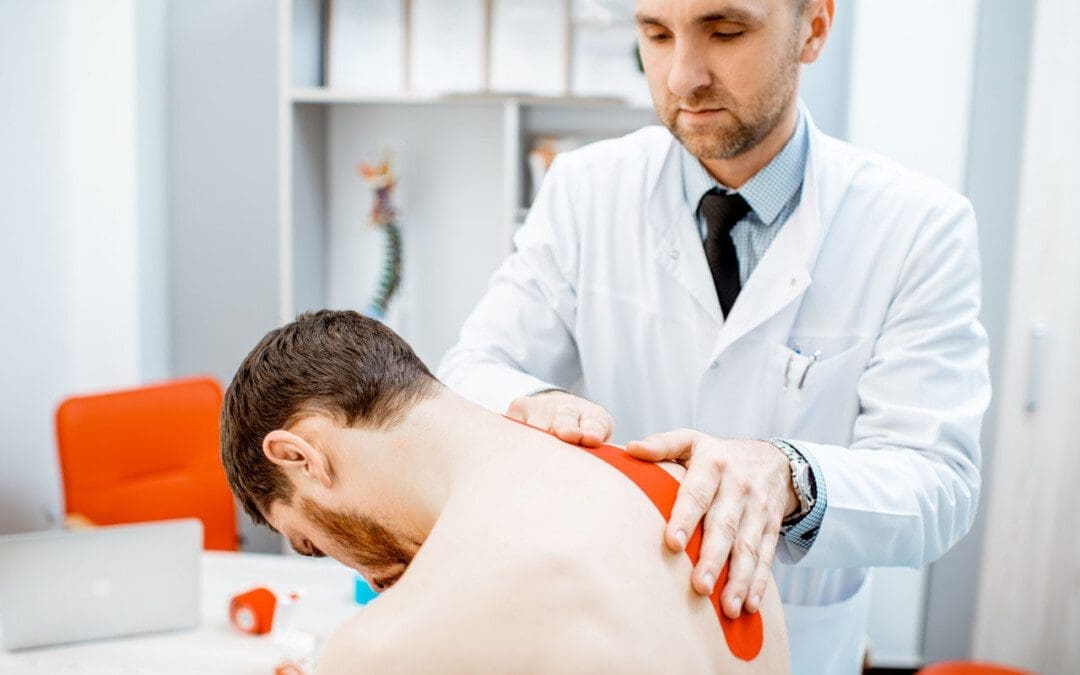
Individuals with neck and shoulder pain may experience what feels like tightened lumps or knots in and around the muscles where the neck and shoulder meet. Can using kinesiology tape for neck and shoulder trigger points help to loosen and release them, restore function, and bring pain relief?
Kinesiology Tape For Neck and Shoulder Trigger Points
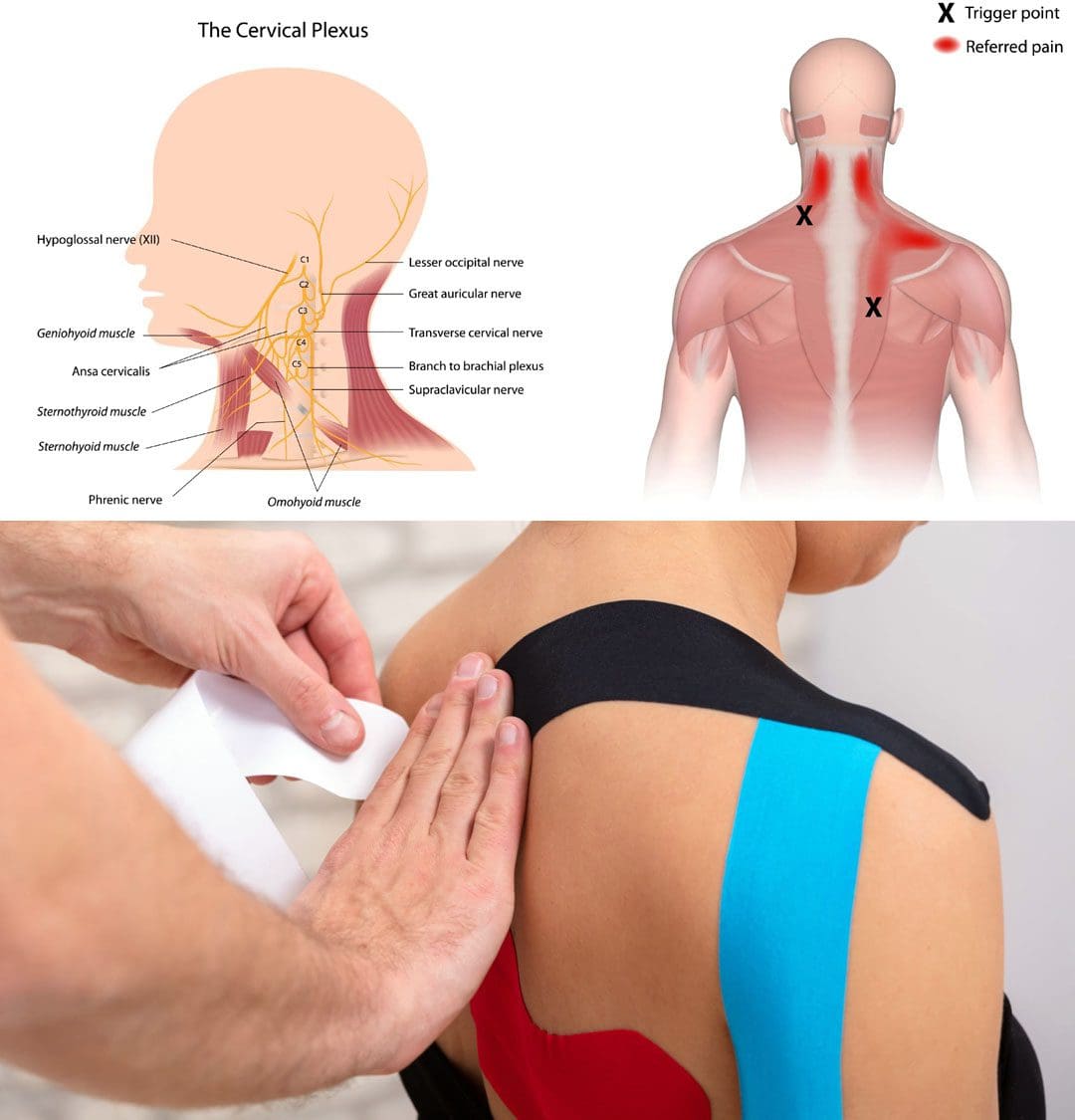
The upper trapezius and levator scapula muscles are where the shoulder and neck come together and are often the location of trigger point formations. These trigger points can cause tension, pain, and muscular spasms in the neck and shoulders. Various treatments for releasing trigger points and alleviating the pain symptoms include therapeutic massage, trigger point release, and chiropractic adjustments in a multidisciplinary treatment approach.
Electrical stimulation and ultrasound have often been used to break up the knots, but scientific evidence has shown that these treatments alone are not the most effective. (David O. Draper et al., 2010)
Stretching the neck muscles can bring tension relief and help release the knots.
Kinesiology tape can decrease the pain and spasms and help to release the trigger points.
Therapy
Using kinesiology tape is a form of physical therapy that can be used in various ways.
The tape helps lift the upper tissues from underlying tissues to increase circulation and release muscular spasms.
It can help improve muscular contractions, decrease swelling, and inhibit pain in injured tissues.
Helps stop the trigger points and knots from worsening.
The tape can also be used for managing lymphedema.
Usage
To decrease trigger points, individuals can use a specific kinesiology tape strip called a lift strip. Individuals can consult their healthcare provider or physical therapist to show them the various types of strips to learn how to cut them properly.
Before using kinesiology tape, consult a healthcare provider or physical therapist to assess the injury and situation.
Kinesiology tape is not for everyone, and some people have conditions where the use of kinesiology tape should be avoided altogether.
A therapist can evaluate the neck pain and trigger points to determine if the individual should use kinesiology tape.
To use kinesiology tape for neck and shoulder trigger points:
Get comfortable with the neck and shoulders exposed.
Cut one lift strip for each side of the neck, if necessary.
The lift strip should be around 3 to 4 inches long.
Remove the paper backing in the center with the exposed tape in the center, which should look like a band-aid.
Both ends of the lift strip should still have the paper backing on.
Stretch out the kinesiology tape.
Place the stretched tape directly over the trigger points in the upper shoulder area.
Remove the backing on either side of the lift strip and place the ends on without stretching.
Gently rub the tape to help the adhesive adhere.
Once the tape has been applied, it can be left there for 2 to 5 days.
It’s ok if it gets wet with a bath or shower.
Monitor the skin around the tape to watch for redness or other signs of a negative reaction to the tape.
Kinesiology taping can be a useful tool to decrease pain and spasms but does not replace professional treatment, prescribed exercises and stretches, and posture retraining.
The physical therapy team will teach proper self-care strategies for the individual’s condition.
For individuals with neck and shoulder pain and muscle spasms, a trial of kinesiology taping may help alleviate symptoms and improve the overall injury.
The Non-Surgical Approach to Wellness with Chiropractic Care
References
Draper, D. O., Mahaffey, C., Kaiser, D., Eggett, D., & Jarmin, J. (2010). Thermal ultrasound decreases tissue stiffness of trigger points in upper trapezius muscles. Physiotherapy theory and practice, 26(3), 167–172. https://doi.org/10.3109/09593980903423079
For individuals dealing with chronic sciatica, when pain and other symptoms significantly impact daily activities and the ability to walk, can a musculoskeletal healthcare provider help relieve and manage symptoms through a multidisciplinary treatment plan?
Chronic Sciatica
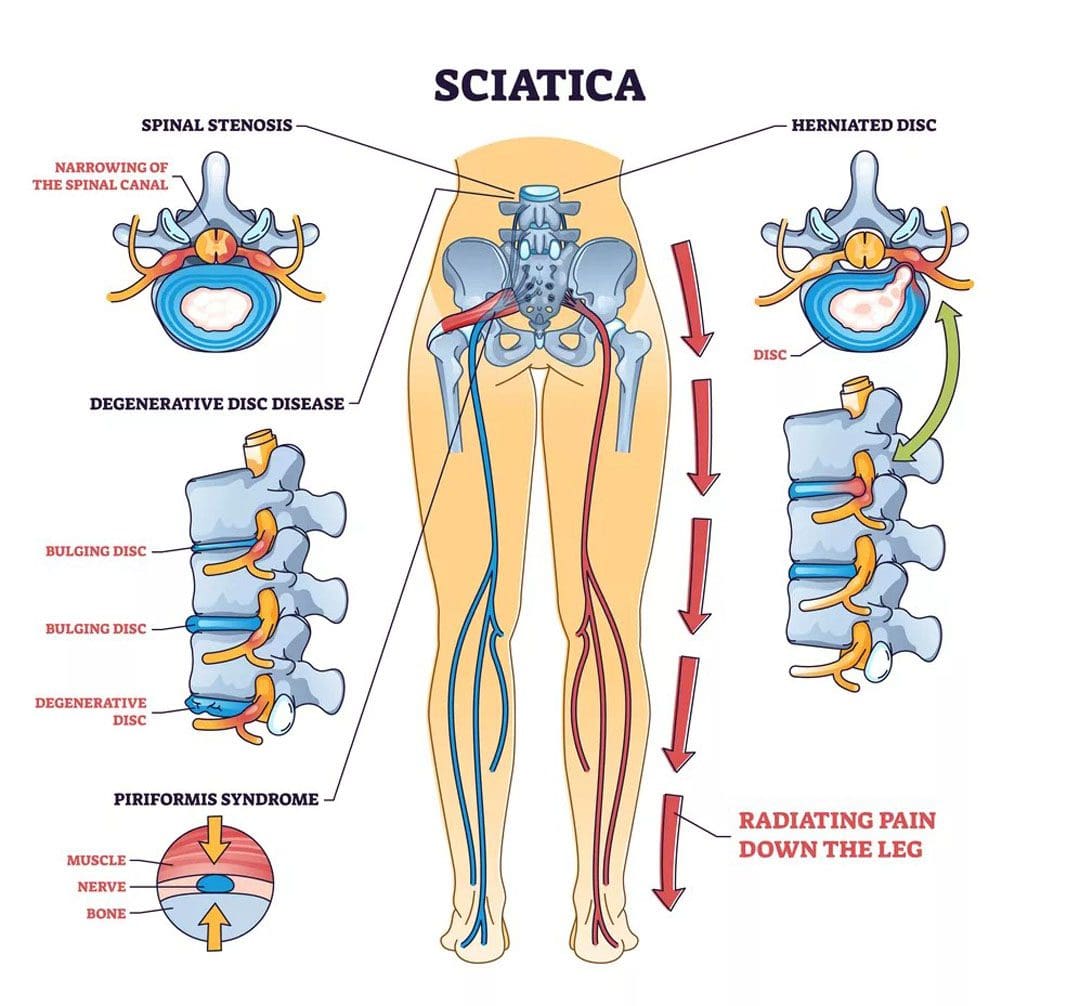
Sciatica is a common condition that results from compression of the sciatic nerve in the lower back or leg. Chronic sciatica occurs when symptoms last for 12 months or longer.
Advanced Sciatica Symptoms
Advanced or chronic sciatica usually produces pain that radiates or travels down the back of the leg. Long-term sciatic nerve compression can result in:
Leg pain
Numbness
Tingling
Electrical or burning sensations
Weakness
Weakness
Instability of the legs, which can impact the ability to walk.
Severe nerve compression can progress to leg paralysis if the nerve is significantly damaged from chronic compression. (Antonio L Aguilar-Shea, et al., 2022)
Sciatica can progress to nerve damage of the smaller nerves and travel into the legs and feet. Nerve damage/neuropathy can result in pain, tingling, and loss of sensation. (Jacob Wycher Bosma, et al., 2014)
Disabling Sciatica Treatment Options
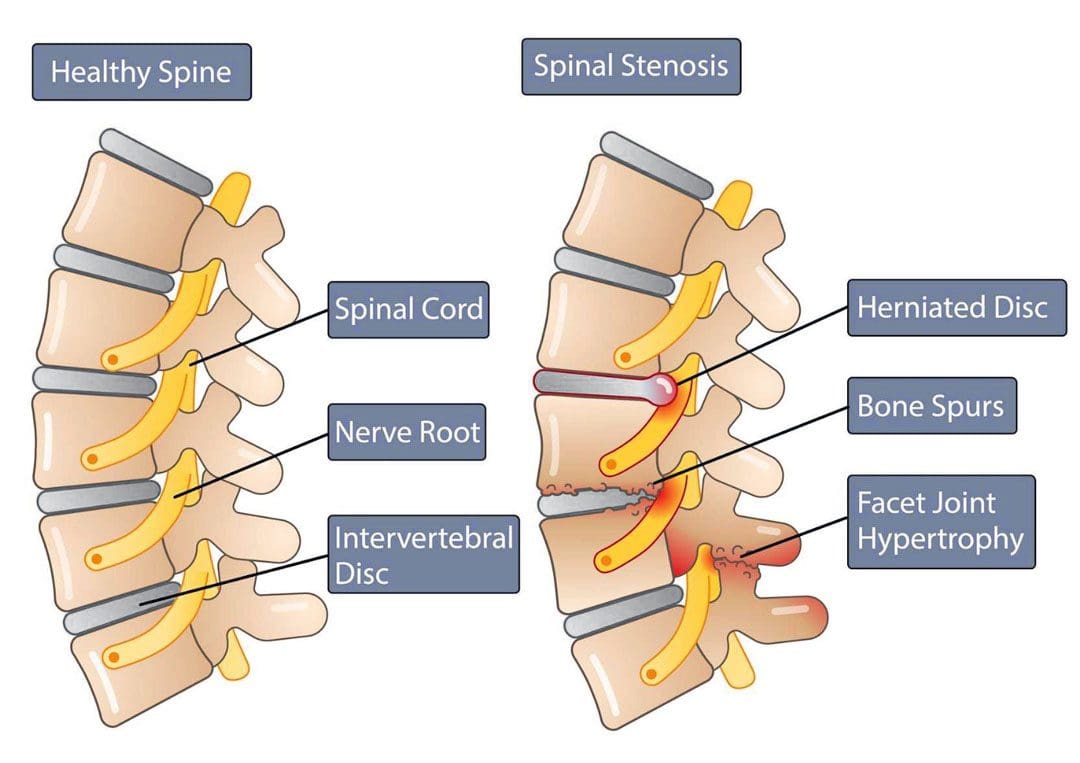
When sciatica becomes disabling, affecting an individual’s ability to walk, more involved treatment is needed to bring relief. Many cases of chronic and disabling sciatica are caused by problems with the lumbar spine. Compression of the nerve roots that form the sciatic nerve can occur from bulging or herniated discs or spinal stenosis. If symptoms of sciatica persist beyond 12 months with little or no relief from physical therapy, non-surgical mechanical decompression, stretches and exercises, or pain management techniques, surgical procedures may be needed. (Lucy Dove, et al., 2023)
Lumbar decompression surgery encompasses several procedures to create more space in the lumbar spine and relieve nerve compression. Lumbar decompression surgery can include: (Mayfield Clinic. 2021)
Discectomy
This procedure removes a portion of a damaged disc between vertebrae to alleviate root compression from a bulging or herniated disc.
Laminectomy
This procedure removes the lamina, a portion of the vertebrae causing nerve compression, especially if there is a bone spur due to arthritic and degenerative changes in the spine.
Foraminotomy
This procedure widens the foramina, the openings in the vertebrae where the nerve roots exit to relieve compression.
Spinal Fusion
This procedure takes two or more vertebrae fusing them together with metal rods and screws for stabilization.
The procedure can be performed if:
An entire disc is removed.
Multiple laminectomies were performed.
One vertebra has slipped forward over another.
Daily Relief Management for Advanced Sciatica
Achieving relief from advanced sciatica symptoms at home can include regularly practicing methods like taking a hot bath or shower massage, and applying a heating pad to the lower back or glutes to relax tight muscles to help release the tightness surrounding the sciatic nerve.
Corrective or therapeutic exercises like sciatic nerve glides can help reduce tension along the nerve while low-back exercises that move the spine into forward or backward bending can reduce compression. (Witold Golonka, et al., 2021)
Medications like nonsteroidal anti-inflammatory drugs/NSAIDs, muscle relaxants, or nerve-pain medications may be recommended. (Antonio L Aguilar-Shea, et al., 2022)
Advanced sciatica may not be as responsive to conservative treatment methods, as the injury has set in and the nerve and surrounding tissues have become significantly restricted.
Sciatica symptoms lasting longer than 12 months require more involved treatment like injections or surgery to address symptoms effectively. (Antonio L Aguilar-Shea, et al., 2022)
Healing Chronic Sciatica
If the underlying cause can be effectively treated then chronic sciatica can be healed. Chronic sciatica often results from spinal conditions like herniated discs or lumbar spinal stenosis. These conditions narrow the space around the nerve roots that exit from the spinal cord and merge to form the sciatica nerve. Surgery is performed to open the space in the spine. (Mayfield Clinic. 2021) Sometimes sciatica is brought on by less common causes like a tumor or a spinal infection. In these cases, symptoms will not resolve until the underlying cause is addressed. Tumors may need to be surgically removed while infections require aggressive antibiotics to prevent spreading to other regions of the body. (Hospital for Special Surgery. 2023)
Pain Specialist Treatment Plan Development
Ongoing pain, numbness, tingling, and weakness are all symptoms that should be addressed with a healthcare provider. A pain specialist can help create a treatment plan that involves: (Hospital for Special Surgery. 2023)
Aguilar-Shea, A. L., Gallardo-Mayo, C., Sanz-González, R., & Paredes, I. (2022). Sciatica. Management for family physicians. Journal of family medicine and primary care, 11(8), 4174–4179. https://doi.org/10.4103/jfmpc.jfmpc_1061_21
Bosma, J. W., Wijntjes, J., Hilgevoord, T. A., & Veenstra, J. (2014). Severe isolated sciatic neuropathy due to a modified lotus position. World journal of clinical cases, 2(2), 39–41. https://doi.org/10.12998/wjcc.v2.i2.39
Dove, L., Jones, G., Kelsey, L. A., Cairns, M. C., & Schmid, A. B. (2023). How effective are physiotherapy interventions in treating people with sciatica? A systematic review and meta-analysis. European spine journal : official publication of the European Spine Society, the European Spinal Deformity Society, and the European Section of the Cervical Spine Research Society, 32(2), 517–533. https://doi.org/10.1007/s00586-022-07356-y
Golonka, W., Raschka, C., Harandi, V. M., Domokos, B., Alfredson, H., Alfen, F. M., & Spang, C. (2021). Isolated Lumbar Extension Resistance Exercise in Limited Range of Motion for Patients with Lumbar Radiculopathy and Disk Herniation-Clinical Outcome and Influencing Factors. Journal of clinical medicine, 10(11), 2430. https://doi.org/10.3390/jcm10112430
Facet hypertrophy is an incurable, chronic disease that affects the facet joints in the spine. Can recognizing symptoms, help in diagnosis, and treatment?
Facet Hypertrophy
Facet hypertrophy causes the facet joints in the spine to enlarge. They are found where the vertebrae come into contact on the back of the vertebrae that form the backbone. These joints stabilize the spine when twisting and bending. Hypertrophy results when damage wears down the cartilage that cushions the bones that meet in the joint. This can include:
Aging
Wear and tear
Arthritis
Other joint diseases can damage facet joints.
Swelling, new bone growth, and bone spurs can occur as the joint tries to repair the damaged cartilage. The swelling and new bone growth can narrow the spinal canal and compress surrounding nerves, causing pain and other sensation symptoms. This ailment does not have a cure and worsens over time. The objective of treatment is to manage the pain symptoms and slow down the disease’s progress.
Types
Facet hypertrophy can be described as unilateral or bilateral.
Symptoms can have a wide range of intensity, from a dull ache to chronic, disabling pain. The location of symptoms depends on the affected joint and the nerves involved, Pain manifests when the enlarged joints and new bone growth compresses the nearby nerves. The result leads to nerve damage and the following symptoms: (Weill Cornell Medicine Brain & Spine Center. 2023) (Cedars Sinai. 2022)
Stiffness, especially when standing up or getting out of a chair.
Inability to stand straight when walking.
Inability to look up to the left or right without turning the whole body.
Reduced range of motion and mobility.
Numbness or a tingling sensation of pins and needles.
Radiating pain from the affected joint into the buttocks, hips, and upper thigh when the affected joint/s are in the lower back.
Radiating pain from the affected joint into the shoulder, neck, and back of the head when the affected joint/s are in the upper back.
Headaches when the affected joint is in the neck.
Causes
A common cause is the age-related degeneration of the joints, called spondylosis. Research indicates that more than 80% of individuals who are 40 or older have radiologic evidence of spondylosis, even though they may not have symptoms. (The University of Toledo Medical Center. N.D.) The following conditions can also increase the risk of facet hypertrophy (Weill Cornell Medicine Brain & Spine Center. 2023)
Unhealthy posture
Being overweight or obese
Sedentary lifestyle
Injury or trauma to the spine
Inflammatory conditions like rheumatoid arthritis or ankylosing spondylitis
Osteoarthritis
Genetic predisposition to the condition
Diagnosis
Diagnosis can be challenging when neck or back pain is the main complaint, as symptoms can mimic conditions such as sciatica from a herniated disc or hip arthritis. (Weill Cornell Medicine Brain & Spine Center. 2023)
A healthcare provider will conduct a complete physical examination, medical history, and discussion of symptoms.
CT scans with or without myelogram – the use of contrast dye in the space around the spinal cord.
MRI
X-rays with or without a myelogram
A diagnosis is confirmed by injecting a diagnostic block that involves administering an anesthetic injection, sometimes with an anti-inflammatory like cortisone, into the joint or nerves near the affected joint. Two injections are given at different times to confirm the effect. (Romain Perolat et al., 2018)
If immediate relief improves after each injection, the facet joint is confirmed as the source of the pain symptoms.
If the block does not decrease the pain, the facet joint is probably not the source of the pain symptoms. (Brigham and Women’s Hospital. 2023)
Treatment
There is no cure for facet hypertrophy.
The goal of treatment is to make the pain more manageable.
Conservative treatment is usually successful in making a difference.
Nonsteroidal anti-inflammatory – aspirin, ibuprofen, and naproxen.
Muscle relaxers – cyclobenzaprine or metaxalone.
Steroid injection into the facet joints.
Injection of platelet-rich plasma/PRP into the joints.
Medial Branch or Facet Block
A medial branch block injects local anesthetic near the medial nerves that connect to an inflamed joint.
Medial nerves are small nerves outside the joint space near the nerve that transmit signals and other impulses to the brain.
A facet block injects the medication outside the joint space near the nerve that supplies the joint called the medial branch.
Neurolysis
Neurolysis, also known as rhizotomy or neurotomy, is a procedure that destroys affected nerve fibers to relieve pain, reduce disability, and reduce the need for analgesics. This treatment can relieve pain for six to 12 months until the nerve regenerates, where further treatments may be necessary. (Matthew Smuck et al., 2012) Neurolysis can be performed using one of the following techniques (Romain Perolat et al., 2018)
Radiofrequency ablation RFA – the application of heat through radiofrequency.
Cryoneurolysis – the application of cold temperatures to the targeted nerve.
Chemical neurolysis – applying chemical agents, like a combination of phenol and alcohol.
Severing the nerves with surgical instrumentation.
Surgery
When one or more facet joints are severely damaged, they can become nonfunctional and painful. Surgery may be recommended when symptoms are not relieved by other therapies. (Ali Fahir Ozer, et al., 2015)
Prognosis
Facet hypertrophy is a chronic condition that progresses with age and does not affect life expectancy. (Weill Cornell Medicine Brain & Spine Center. 2023) The disorder is incurable, but symptoms can be managed with conservative therapies
A healthcare provider can help develop a treatment plan based on the extent and location of the joint affected.
Early diagnosis and treatment can help individuals achieve the best results.
Maintaining an active lifestyle and healthy weight can help prevent further joint stress. Individuals may be recommended to do regular stretching and strengthening exercises to lower inflammation, reduce stress, and improve overall health.
Facet Syndrome Treatment
References
Perolat, R., Kastler, A., Nicot, B., Pellat, J. M., Tahon, F., Attye, A., Heck, O., Boubagra, K., Grand, S., & Krainik, A. (2018). Facet joint syndrome: from diagnosis to interventional management. Insights into imaging, 9(5), 773–789. https://doi.org/10.1007/s13244-018-0638-x
Smuck, M., Crisostomo, R. A., Trivedi, K., & Agrawal, D. (2012). Success of initial and repeated medial branch neurotomy for zygapophysial joint pain: a systematic review. PM & R : the journal of injury, function, and rehabilitation, 4(9), 686–692. https://doi.org/10.1016/j.pmrj.2012.06.007
Ozer, A. F., Suzer, T., Sasani, M., Oktenoglu, T., Cezayirli, P., Marandi, H. J., & Erbulut, D. U. (2015). Simple facet joint repair with dynamic pedicular system: Technical note and case series. Journal of craniovertebral junction & spine, 6(2), 65–68. https://doi.org/10.4103/0974-8237.156049
For individuals suffering from allergies, could using acupuncture help relieve and manage symptoms?
Acupuncture Can Help With Allergies
Acupuncture is becoming a more respected alternative treatment for various medical issues, from anxiety to fibromyalgia to weight loss. There is evidence that acupuncture can help with allergies by alleviating symptoms and improving the quality of life. (Shaoyan Feng, et al., 2015) The American Academy of Otolaryngology-Head and Neck Surgery Foundation recommends doctors offer acupuncture to patients looking for nonpharmacological treatments for their allergies or refer them to an acupuncturist. (Michael D. Seidman, et al., 2015)
Acupuncture
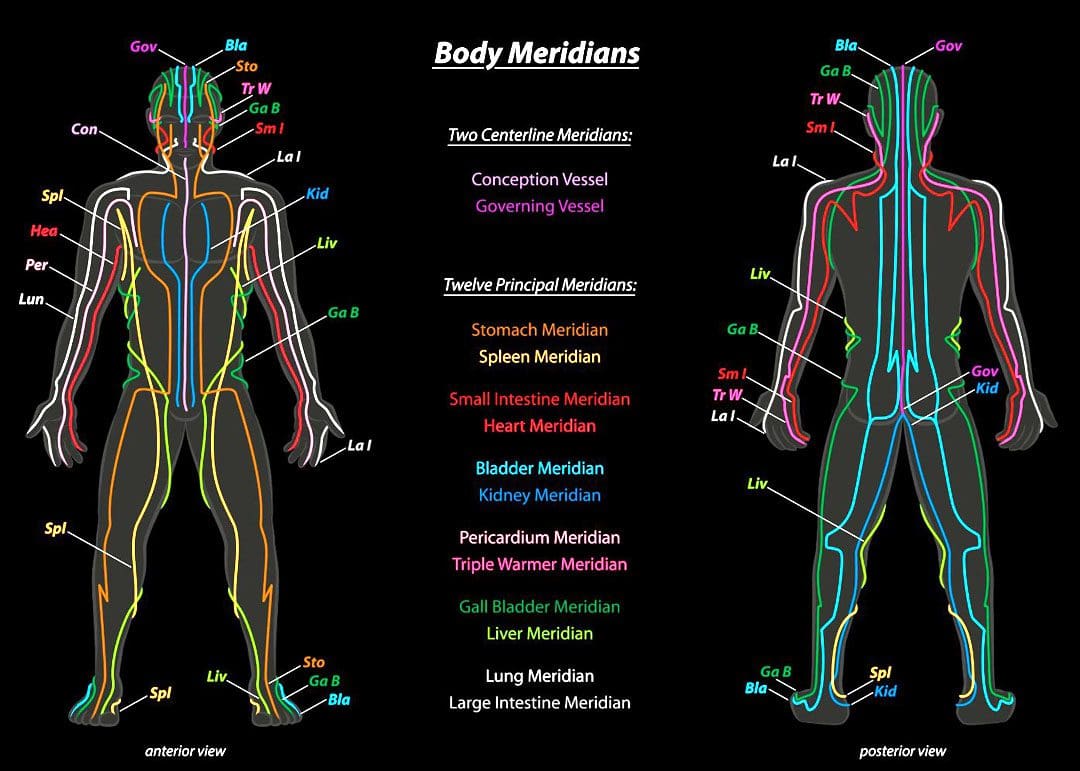
Acupuncture is a traditional Chinese medicine/TCM practice in which extremely thin needles are inserted into the body at specific points, creating a network of energy pathways known as meridians.
These pathways circulate vital life energy/chi or qi.
Each meridian is associated with a different body system.
Needles are placed to target the organs associated with the condition being treated.
Acupuncture can help with allergies by targeting several meridians, including the lungs, colon, stomach, and spleen. These meridians are believed to circulate defensive life energy or a type of immunity energy.
A backup of defensive energy or a deficiency can cause allergy symptoms like swelling, watery eyes, runny nose, sneezing, allergic eczema, and conjunctivitis. (Bettina Hauswald, Yury M. Yarin. 2014)
The objective is to stimulate the points to restore balance in the energies and relieve symptoms.
Scientific Theories
One theory is the needles work directly on nerve fibers, influencing messages to the brain or the autonomic nervous system and transmission of signals within the body, including the immune system. (Tony Y. Chon, Mark C. Lee. 2013)
Another is the needles influence certain activities of cells, particularly the transport, breakdown, and clearance of bioactive mediators.
The combination of these actions is thought to decrease inflammatory conditions like allergic rhinitis – hay fever, in which the inside of the nose becomes inflamed and swollen after breathing in an allergen. (Bettina Hauswald, Yury M. Yarin. 2014)
A 2015 review concluded there have been high-quality randomized controlled trials demonstrating acupuncture’s efficacy in treating seasonal and perennial allergic rhinitis. Smaller studies have shown some preliminary benefits of acupuncture when compared with antihistamines, but more research is needed. (Malcolm B. Taw, et al., 2015)
Treating Allergies
Some individuals who choose acupuncture are seeking alternatives to standard treatment like medications, nasal sprays, and immunotherapy.
Others are looking for ways to enhance the effectiveness of medications already being taken, such as antihistamines or nasal sprays, or shorten how long or how frequently they are needed.
Initial treatment usually involves weekly or twice-weekly appointments over several weeks or months, depending on symptom severity.
Improperly administered acupuncture needles can cause serious side effects that range from infections, punctured organs, collapsed lungs, and injury to the central nervous system. (National Center for Complementary and Integrative Health. 2022) Before trying acupuncture, consult your primary healthcare provider, allergist, or integrative medicine specialist to make sure it’s a safe and viable option and the best way to integrate it into overall allergy care.
Fighting Inflammation Naturally
References
Feng, S., Han, M., Fan, Y., Yang, G., Liao, Z., Liao, W., & Li, H. (2015). Acupuncture for the treatment of allergic rhinitis: a systematic review and meta-analysis. American journal of rhinology & allergy, 29(1), 57–62. https://doi.org/10.2500/ajra.2015.29.4116
Seidman, M. D., Gurgel, R. K., Lin, S. Y., Schwartz, S. R., Baroody, F. M., Bonner, J. R., Dawson, D. E., Dykewicz, M. S., Hackell, J. M., Han, J. K., Ishman, S. L., Krouse, H. J., Malekzadeh, S., Mims, J. W., Omole, F. S., Reddy, W. D., Wallace, D. V., Walsh, S. A., Warren, B. E., Wilson, M. N., … Guideline Otolaryngology Development Group. AAO-HNSF (2015). Clinical practice guideline: Allergic rhinitis. Otolaryngology–head and neck surgery : official journal of American Academy of Otolaryngology-Head and Neck Surgery, 152(1 Suppl), S1–S43. https://doi.org/10.1177/0194599814561600
Hauswald, B., & Yarin, Y. M. (2014). Acupuncture in allergic rhinitis: A Mini-Review. Allergo journal international, 23(4), 115–119. https://doi.org/10.1007/s40629-014-0015-3
Chon, T. Y., & Lee, M. C. (2013). Acupuncture. Mayo Clinic proceedings, 88(10), 1141–1146. https://doi.org/10.1016/j.mayocp.2013.06.009
Taw, M. B., Reddy, W. D., Omole, F. S., & Seidman, M. D. (2015). Acupuncture and allergic rhinitis. Current opinion in otolaryngology & head and neck surgery, 23(3), 216–220. https://doi.org/10.1097/MOO.0000000000000161
Individuals with digestive problems that cannot be diagnosed could be experiencing functional gastrointestinal disorders. Could understanding the types help in developing effective treatment plans?
Functional Gastrointestinal Disorders
Functional gastrointestinal disorders, or FGDs, are disorders of the digestive system in which the presence of structural or tissue abnormality cannot explain symptoms. Functional gastrointestinal disorders lack identifiable biomarkers and are diagnosed based on symptoms. (Christopher J. Black, et al., 2020)
Rome Criteria
FGDs used diagnoses of exclusion, meaning that they could only be diagnosed after organic/identifiable disease was ruled out. However, in 1988, a group of researchers and healthcare providers met to devise strict criteria for the diagnosis of the various types of FGDs. The criteria is known as the Rome Criteria. (Max J. Schmulson, Douglas A. Drossman. 2017)
Vomiting and Aerophagia – cyclic vomiting syndrome, adolescent rumination syndrome, and aerophagia
Abdominal Pain-Related Functional GI Disorders include:
functional dyspepsia
IBS
Abdominal migraine
Childhood functional abdominal pain
Childhood functional abdominal pain syndrome
Constipation – functional constipation
Incontinence – nonretentive fecal incontinence
Diagnosis
Although the Rome criteria allow the diagnosis of FGDs to be symptom-based, a healthcare provider may still run standard diagnostic tests to rule out other diseases or look for structural problems resulting in symptoms.
Treatment
Although no visible signs of disease or structural problems may be identified as causing the symptoms, it does not mean that they are not treatable and manageable. For individuals who suspect they may have or have been diagnosed with a functional gastrointestinal disorder, it will be essential to work with a healthcare provider on a working treatment plan. Treatment options can include: (Asma Fikree, Peter Byrne. 2021)
Physical therapy
Nutritional and dietary adjustments
Stress management
Psychotherapy
Medication
Biofeedback
Eating Right To Feel Better
References
Black, C. J., Drossman, D. A., Talley, N. J., Ruddy, J., & Ford, A. C. (2020). Functional gastrointestinal disorders: advances in understanding and management. Lancet (London, England), 396(10263), 1664–1674. https://doi.org/10.1016/S0140-6736(20)32115-2
Schmulson, M. J., & Drossman, D. A. (2017). What Is New in Rome IV. Journal of neurogastroenterology and motility, 23(2), 151–163. https://doi.org/10.5056/jnm16214
Sperber, A. D., Bangdiwala, S. I., Drossman, D. A., Ghoshal, U. C., Simren, M., Tack, J., Whitehead, W. E., Dumitrascu, D. L., Fang, X., Fukudo, S., Kellow, J., Okeke, E., Quigley, E. M. M., Schmulson, M., Whorwell, P., Archampong, T., Adibi, P., Andresen, V., Benninga, M. A., Bonaz, B., … Palsson, O. S. (2021). Worldwide Prevalence and Burden of Functional Gastrointestinal Disorders, Results of Rome Foundation Global Study. Gastroenterology, 160(1), 99–114.e3. https://doi.org/10.1053/j.gastro.2020.04.014
Hyams, J. S., Di Lorenzo, C., Saps, M., Shulman, R. J., Staiano, A., & van Tilburg, M. (2016). Functional Disorders: Children and Adolescents. Gastroenterology, S0016-5085(16)00181-5. Advance online publication. https://doi.org/10.1053/j.gastro.2016.02.015
Fikree, A., & Byrne, P. (2021). Management of functional gastrointestinal disorders. Clinical medicine (London, England), 21(1), 44–52. https://doi.org/10.7861/clinmed.2020-0980
For women experiencing lower back and pelvic pain, could understanding symptoms help in the diagnostic process, treatment options, and prevention?
Low Back and Pelvic Pain In Women
In women, lower back and hip pain that radiates to the front pelvis area can have a variety of causes. The pain can feel dull, sharp, or burning. The main causes of lower back and pelvic pain in women fall into two categories. (William S. Richardson, et al., 2009)
Musculoskeletal and nervous system
Related causes of pain affect how your muscles, nerves, ligaments, joints, and bones move.
Examples include sciatica, arthritis, and injury.
Other organ system-based
Causes may stem from the following:
Acute/chronic conditions or infections
Kidneys – stones, infection, and other ailments or conditions.
Reproductive system – such as the ovaries.
Gastrointestinal system – inguinal hernias or appendix.
Musculoskeletal and Nervous System Causes
Musculoskeletal and nervous system-related causes can be from injuries like a fall or practicing unhealthy posture.
Overuse Injuries and Trauma
Frequent use and repetitive movements can lead to overuse injuries to the muscles, ligaments, and joints. :
Exercises, sports, and physical activities that require repetitive twisting and bending.
Lifting, carrying, and placing objects that require movements that are repeated regularly.
Trauma from vehicle collisions, accidents, falls, or sports accidents can inflict acute and chronic bodily injuries, like strained muscles or broken bones.
Depending on the type of trauma, healing and recovery time and treatment vary.
Both types of injuries can lead to numbness, tingling, pain, stiffness, popping sensations, and/or weakness in the legs.
Mobility Problems
Over time, a decreased range of motion and mobility in muscles and joints can cause discomfort and pain. Causes include:
Long periods of time spent in the same position.
Sitting for extended periods.
The pain often feels dull, achy, and stiff.
It can also lead to muscle spasms characterized by quick episodes of sharp and intense pain.
Posture
Posture while sitting, standing, and walking affects the body’s range of motion.
It can affect the nerves and blood circulation to the back and pelvic region.
Prolonged unhealthy postures can contribute to lower back pain and muscle strain.
Posture-related symptoms can feel achy and stiff and lead to quick episodes of severe or intense pain, depending on the position.
Sciatica and Nerve Compression
A bulging or herniating vertebral disc most commonly causes sciatica and pinched or compressed nerves.
The sensations can be sharp, burning, electrical, and/or radiating pain along the nerve pathway.
Arthritis
Arthritis inflammation causes swelling, stiffness, pain, and the breakdown of cartilage that cushions the joints.
Hip arthritis causes groin pain that can radiate to the back and becomes more intense when standing or walking.
Thoracic and lumbar spine arthritis, or degenerative disc disease, are other common causes of back pain.
Sacroiliac Joint Dysfunction
The sacroiliac joints connect the lower spine and pelvis.
When these joints move too much or too little, it can cause sacroiliac joint pain, leading to a burning sensation in the lower back and pelvic area. (Daisuke Kurosawa, Eiichi Murakami, Toshimi Aizawa. 2017)
Renal and Urinary Causes
Kidney Stones
Kidney stones are the build-up of minerals and salts, which form into hard stones in the kidneys.
When the kidney stone begins to move to the bladder, pain symptoms will present.
It can trigger severe back and side pain that radiates to the pelvic region.
Other symptoms include – a change in urine color, pain when urinating, nausea, and vomiting.
Kidney Infection and Urinary Tract Infections
Urinary tract and kidney infections are also causes of lower back and pelvic pain in women.
They cause fever, continued urge to urinate, and painful urination.
Gynecological Causes
Pelvic Inflammatory Disease
Infections, known as pelvic inflammatory disease, occur when sexually transmitted bacteria spread through the vagina, womb, fallopian tubes, or ovaries. Symptoms include:
Pain during intercourse.
Bleeding between periods.
Vaginal discharge.
Pain in the lower abdomen or groin.
Fever.
Ovarian Cysts
The cyst can be a solid or fluid-filled sac on the surface or within an ovary.
Small ovarian cysts are unlikely to cause pain.
Large cysts or those that rupture can cause mild to severe pain.
The pain can occur during menstruation or intercourse and present acutely in the back, pelvis, or lower abdomen.
During Pregnancy
Back pain and discomfort in the pelvis area are common.
As the body adjusts, the bones and round ligaments in the pelvis move and stretch, which can cause discomfort.
Symptoms are usually normal but should be discussed with a healthcare provider during check-ups.
Pain in the lower back and groin can be a sign of miscarriage or labor – including preterm labor.
Sexually Transmitted Infection
Sexually transmitted infections, like chlamydia or gonorrhea, can cause lower back and groin pain.
Other symptoms can include – painful urination, vaginal discharge, intercourse pain, and bleeding between periods.
Yeast Infection
A yeast infection – overgrowth of the fungus candidiasis.
A common vaginal infection with symptoms including – itching, swelling, irritation, and pelvic pain.
Other Causes
Appendicitis
When the appendix becomes blocked, infected, and inflamed.
In most cases, a major symptom is pain that starts near or around the belly button.
In other cases, it can start in the lower back and radiate to the right side of the pelvic area. (Johns Hopkins Medicine. 2023)
Associated pain can worsen over time or when coughing, moving, or taking deep breaths.
It involves soft tissue and part of the intestine, pushing through weak groin muscles.
Pain presents in the abdomen, lower back, or pelvis, especially when bending or lifting objects.
Pancreatitis
Inflammation in the pancreas.
Infection, bile stones, or alcohol can cause it.
One symptom is abdominal pain that radiates to the back.
The pain becomes worse during and after eating.
Other symptoms include nausea, vomiting, and fever.
Enlarged Lymph Nodes
Lymph nodes lie in the internal and external regions of the iliac artery in the pelvis.
These can become enlarged by infection, injury, and, in rare cases, cancer.
Symptoms include pain, swelling, redness, skin irritation, and fever.
Enlarged Spleen
The spleen is located behind the left side of the rib cage.
It filters the blood and supports new blood cell creation.
Infections and diseases can cause the spleen to become enlarged.
An enlarged spleen – a condition known as splenomegaly – causes pain in the upper left part of the belly and sometimes the left shoulder and upper back.
However, some individuals with an enlarged spleen experience abdominal symptoms – not being able to eat without discomfort. (Mount Sinai. 2023)
Diagnosis
Depending on the cause of your pain, a healthcare provider may be able to diagnose it with a physical exam and by asking questions about your condition.
Other tests may be needed to find the cause, particularly blood work and imaging (X-ray or magnetic resonance imaging).
Treatment
Treatment of symptoms depends on the cause.
Once a diagnosis is made, an effective treatment plan will be developed and contain a combination of therapies:
Lifestyle Adjustments
For injuries caused by muscle strains, joint sprains, overuse, and smaller traumas, pain can be resolved with:
Rest
Ice therapy
Over-the-counter pain relievers – acetaminophen or ibuprofen.
Braces or compression wraps can help support the body and alleviate symptoms during healing and recovery.
Exercises to improve posture
Paying attention to form when lifting objects
Stretching can help ease the pain.
Medication
Medications can be used in a variety of ways to help in the treatment of lower back and pelvic pain. If an infection is the cause, medications will be prescribed to remove the infection and resolve the symptoms, which can include:
Antibiotics
Antifungals
Antivirals
Medications may also be prescribed to help manage pain symptoms and may include:
Medication to relieve nerve pain
Muscle relaxants
Steroids
Physical Therapy
A physical therapist can help to correct problems with:
Posture
Decreased mobility
Walking gait
Strengthening
A physical therapist will provide exercises to help increase and maintain strength, range of motion, and flexibility.
Pelvic Floor Therapy
This is physical therapy that focuses on the muscles, ligaments, and connective tissues in the pelvis.
It helps with pain, weakness, and dysfunction in the pelvic area.
A treatment plan will be developed to help with strength and range of motion in the pelvic muscles.
Chiropractic Care
Chiropractors offer spinal and hip adjustments to realign the joints of the spine.
Some more severe conditions could require surgery.
Ovarian cysts, hernias, and other infections sometimes require surgery to remove infected or unhealthy tissue – ruptured ovarian cysts or appendicitis.
Recommended surgeries can include:
A hernia repair.
Hip replacement.
Gallbladder removal to prevent recurring pancreatitis.
Prevention
Not all conditions and diseases cause lower back and pelvic pain. Symptoms can be prevented and reduced by adopting lifestyle changes. Prevention recommendations can include:
Staying hydrated.
Using proper bending and lifting techniques.
Eating healthy foods.
Regularly engaging in some form of physical activity – walking, swimming, yoga, cycling, or strength training.
Maintaining a healthy weight.
Pregnancy and Sciatica
References
Richardson, W. S., Jones, D. G., Winters, J. C., & McQueen, M. A. (2009). The treatment of inguinal pain. Ochsner journal, 9(1), 11–13.
Kurosawa, D., Murakami, E., & Aizawa, T. (2017). Groin pain associated with sacroiliac joint dysfunction and lumbar disorders. Clinical neurology and neurosurgery, 161, 104–109. https://doi.org/10.1016/j.clineuro.2017.08.018
Santilli, V., Beghi, E., & Finucci, S. (2006). Chiropractic manipulation in the treatment of acute back pain and sciatica with disc protrusion: a randomized double-blind clinical trial of active and simulated spinal manipulations. The spine journal : official journal of the North American Spine Society, 6(2), 131–137. https://doi.org/10.1016/j.spinee.2005.08.001
For individuals managing osteoarthritis, could massage therapy provide added treatment benefits?
Osteoarthritis Massage Therapy
Osteoarthritis happens when the cartilage between the joints wears away, causing stiffness and pain. Massage therapy is a treatment used to relieve various types of pain symptoms.
There are many types of massage therapy, that healthcare providers utilize to manipulate the muscles and other soft tissues to relieve symptoms, relax muscles, increase circulation, reduce inflammation, release trigger points, and restore mobility, flexibility, and function. (Ergonomic Trends. 2023)
Professional therapists can help relieve osteoarthritis joint pain by relaxing the surrounding muscles and other soft tissues to release stiffness. (Adam Perlman, et al., 2019)
Massage Objectives and Types
Massage therapists use their hands and fingers, forearms, elbows, and/or instruments to manipulate the body’s soft tissues. Soft tissues support and surround body structures and include muscle, fat, tendons, and ligaments.
The goal of osteoarthritis massage therapy is to relax muscles and soft tissues, increase blood and oxygen circulation, warm the affected area/s, relieve pain, and restore mobility and function.
Depending on the location of the muscles being massaged, individuals may be seated or lie down on a specialized table.
The amount of pressure and direction of movement depend on the body area.
Therapeutic oils and/or massage creams may be used to increase the therapy.
Types include:
Swedish
The therapist uses long strokes, kneading, and friction on the muscles.
Joints are moved to increase flexibility.
Deep Tissue
The therapist uses deep finger or instrument pressure, focusing on muscles that are tight or knotted.
Trigger Point
Trigger points represent a source of radiating pain symptoms.
The therapist focuses pressure on these myofascial tissue points using various strokes to release them.
Shiatsu
The therapist applies rhythmic pressure with their thumbs, fingers, and palms to redirect and increase energy or chi/qi.
A massage session lasts around 30–60 minutes depending on the severity of the condition and the number of sessions the patient has undergone. Chronic pain patients usually go through a series of specialized sessions that focus on specific areas and gradually build.
Risk Factors
Certain precautions must be taken before getting osteoarthritis massage therapy. Although there are a few serious risks, certain individuals are not suitable candidates and should not receive massage therapy. The conditions include: (Medical Massage Therapy Resource & Reference. 2023)
Damaged nerves.
Damaged blood vessels.
Infection and inflammation in the area to be massaged.
Open wounds.
Fever.
Taking a blood thinner.
Deep vein thrombosis – blood clots.
Bleeding disorders.
Osteoporosis – weak and brittle bones.
Recent fractures – broken bones.
Tumors.
Cancer.
Individuals who have recently undergone surgery.
Individuals with a skin condition that is contagious, like warts or herpes, or noncontagious, like psoriasis, could be aggravated by touch or pressure.
Individuals who have cancer, fragile skin, heart problems, or dermatomyositis are recommended to discuss osteoarthritis massage therapy with their healthcare provider.
Research on the effects of massage therapy on various health conditions is ongoing. Massage therapy promotes relaxation while reducing stress, which can help with chronic joint issues like osteoarthritis.
Perlman, A., Fogerite, S. G., Glass, O., Bechard, E., Ali, A., Njike, V. Y., Pieper, C., Dmitrieva, N. O., Luciano, A., Rosenberger, L., Keever, T., Milak, C., Finkelstein, E. A., Mahon, G., Campanile, G., Cotter, A., & Katz, D. L. (2019). Efficacy and Safety of Massage for Osteoarthritis of the Knee: a Randomized Clinical Trial. Journal of general internal medicine, 34(3), 379–386. https://doi.org/10.1007/s11606-018-4763-5
IFM's Find A Practitioner tool is the largest referral network in Functional Medicine, created to help patients locate Functional Medicine practitioners anywhere in the world. IFM Certified Practitioners are listed first in the search results, given their extensive education in Functional Medicine