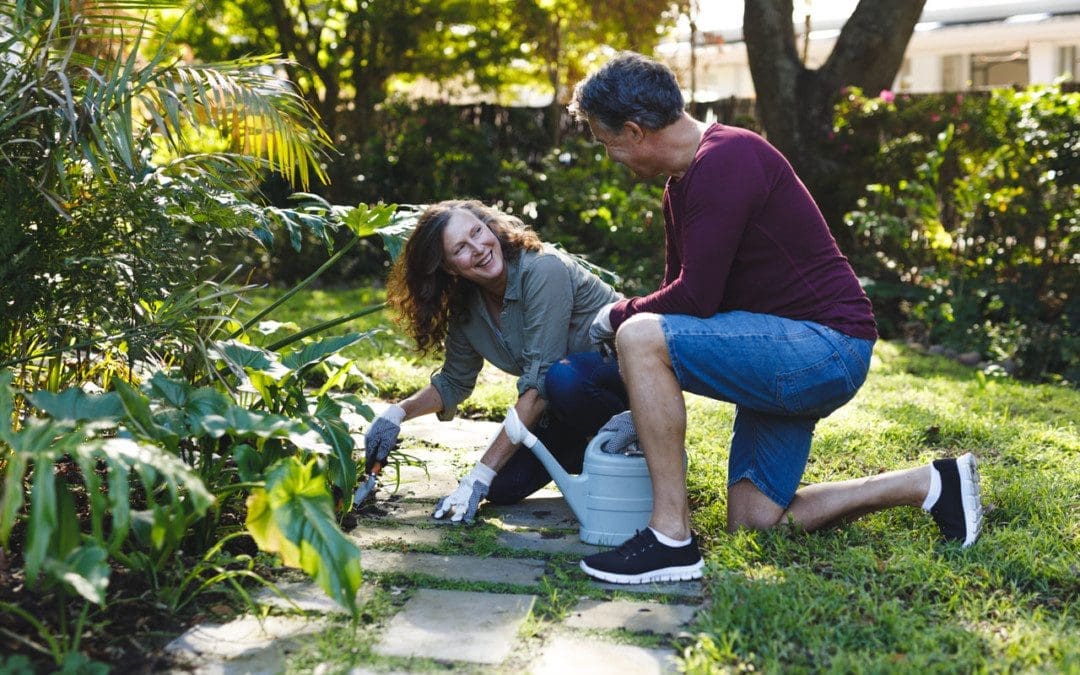
Gardening is healthy for the body and does count as exercise, which works the major muscle groups that include the neck, shoulders, arms, abdomen, back, glutes, and legs. However, gardening can cause stress to the body with unhealthy posture/positioning, not using proper lifting techniques, using the wrong tools, and not taking breaks to stretch out the body, move around, and rehydrate. This can lead to body soreness, pain, and injuries. Here are some recommended gardening tips and stretches for pain prevention.
Gardening Tips and Stretches
A sore back and body can stem from staying in a single posture for too long and repetitive motions/movements. Here are a few tips to help maintain musculoskeletal health while gardening:
Tools
Choosing the right garden tools can spare a lot of pain and money.
Focus on the fundamental tools and purchase the best quality tools that the budget will allow.
Size weight, task level, material, grips, handle length, and attachments are things to consider
This includes using proper arm positioning with a slight bend at the elbow and the mower handle at a comfortable level.
Take Breaks
Do not push through; take a break even if the body feels great.
Every half hour, the body needs to rest.
Try to work in 30-minute increments then break to move around, stretch, relax, and rehydrate.
Squatting, bending, digging, lifting bags, and pushing wheelbarrows is a form of strength training that helps achieve stronger muscles, healthier bones, and joints.
But if there are no breaks, the chances for pain and injuries increase.
Stretches
Simple stretches can reduce the strain and pain of gardening. Stretching before, during, and after the gardening session is recommended.
Cat Stretch
This is a simple yoga pose that helps with back soreness.
On your hands and knees, keep the hands at shoulder distance and the knees at hip distance.
Pull the navel up to the spine and arch/round the back.
Lay down with the legs at a 45-degree angle and the arms out to the sides.
Twist the legs to one side and look in the opposite direction.
Hold the pose until the stretch is felt, and then move back to the starting point.
Repeat on the opposite side.
Chiropractic
Chiropractic medicine can help alleviate aches and pains and rehabilitate, realign, and strengthen the body to optimal health. Individuals are educated on the musculoskeletal system, injury prevention, nutrition, and exercise to maintain wellness and a pain-free lifestyle.
Pain-Free Gardening Tips and Stretches
References
Howarth, Michelle et al. “What is the evidence for the impact of gardens and gardening on health and well-being: a scoping review and evidence-based logic model to guide healthcare strategy decision making on the use of gardening approaches as a social prescription.” BMJ open vol. 10,7 e036923. 19 Jul. 2020, doi:10.1136/bmjopen-2020-036923
Masashi Soga A et al. “Gardening is beneficial for health: A meta-analysis” https://www.ncbi.nlm.nih.gov/pmc/articles/PMC5153451/pdf/main.pdf.
Scott, Theresa L et al.”Positive aging benefits of home and community gardening activities: Older adults report enhanced self-esteem, productive endeavors, social engagement, and exercise” SAGE open medicine vol. 8 2050312120901732. 22 Jan. 2020, doi:10.1177/2050312120901732
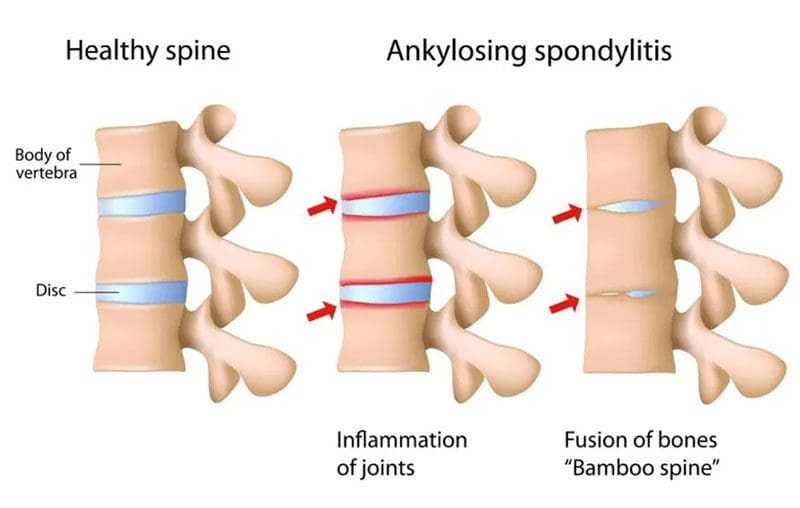
Spondylitis Anti-Inflammation Diet: Individuals who have a chronic back pain condition can be recommended to have two or more vertebrae fused to correct the problem/s and alleviate the pain. However, a form of inflammatory spinal arthritis can cause the vertebrae to fuse by themselves, known as ankylosing spondylitis. One recommended way to bring pain relief is by eating an anti-inflammatory diet. Studies have shown that a low-inflammatory diet can help improve spondylitis symptoms.
Spondylitis Anti-Inflammation Diet
Ankylosing spondylitis is a progressive inflammatory disease that primarily affects the spine; however, individual symptoms vary. Symptoms include stiffness and pain in the neck, hips, low back, and fatigue. There is no definite pattern meaning:
Symptoms can improve.
Symptoms can worsen or flare up.
Symptoms can stop for a period of time.
Women are affected more often than men with no known cause. There is no cure for ankylosing spondylitis, but treatments and self-care can slow down the disease’s progression and help manage symptoms.
Diet and Inflammation
Diet is not the root cause of inflammatory disease, but eating inflammation-causing foods can worsen symptoms. Reducing inflammation can help alleviate pain.
Eliminating foods that cause or increase inflammation is recommended to help the body become stronger and manage symptoms.
Functional medicine practitioners can help guide individuals on maximizing healthy nutrition and using it to reduce pain and symptoms.
If an individual has a genetic predisposition, their diet can be crucial to calm down the symptoms and help turn the autoimmune disease around.
A spondylitis anti-inflammation diet should be rich in vegetables, fruit, whole grains, and omega-3 fatty acids. Evidence shows that a diet low in starches can lead to less ankylosing spondylitis activity. Low-starch can also help limit the presence of Klebsiella pneumoniae, a bacteria that feeds on starch and is a known trigger for the onset and development of ankylosing spondylitis.
Foods To Eat
Leafy greens
These include spinach, kale, Swiss chard, and collard greens containing magnesiumand polyphenols that reduce inflammation.
These can be raw or cooked with garlic and olive oil added to maximize benefits.
Cruciferous vegetables
These contain sulforaphane, anantioxidantthat includes broccoli cauliflower and can be eaten raw or cooked, roasted with olive oil, sauteed, and stir-fried.
Allium Vegetables
These contain sulfuric compounds and quercetin,a flavonoidthat helps reduce inflammation.
These include red and yellow onions, leeks, garlic, and shallots.
They can be eaten raw or cooked in salads, stir-frys, and sandwiches.
Berries
These contain anthocyanin,an antioxidant flavonoid, and other antioxidants and polyphenols that help with inflammation.
These include strawberries, raspberries, blueberries, blackberries and can be eaten raw, in smoothies, in salads, with oatmeal, or mixed in unsweetened yogurt.
Fruits
Certain fruits contain quercetin and polyphenols to help with inflammation.
These include apples, cherries, oranges.
Healthy oils
Contain oleocanthalwhich acts similar to nonsteroidal anti-inflammatory medications and contains various antioxidants.
These include olive oil for low heat cooking and avocado oil for high heat cooking to replace butter and margarine.
It can be served in dressings and drizzled on foods.
Examples include walnuts, almonds, peanuts, pistachios, chia seeds, and ground flaxseeds.
These can be served as snacks, salads, mixed in side dishes, topping, or added to unsweetened yogurt or oatmeal.
Fatty fish
Omega-3 fatty acids help reduce inflammation.
Examples include salmon, cod, rainbow trout, mackerel, and sardines.
These can be baked, sauteed, grilled, mixed into salads, and stir fry.
Avoid These Foods
When making lifestyle adjustments for a spondylitis anti-inflammation diet, focus on reducing or removing processed foods and saturated fats. These include:
Sugars from all sources like soda, sugary drinks, shakes, candy, and desserts.
Trans fats, like those in fried foods like chips and fries.
Individuals may not be symptomatic with certain foods, but that doesn’t mean the foods should be consumed. Gluten, dairy, and eggs can cause potential problems as they compromise the gut and the immune system. These can set back the individual’s healing or remission.
Body Composition
What Happens To The Body When Eating Fruit
Fruit is made up of simple sugar called fructose, providing the body with a carbohydrate energy source. The natural sugar the body gets from a piece of fruit is not the same as processed fructose added to processed products like fructose corn syrup. Processed products are typically filled with empty calories and very little nutrition. When the body has fruit, the liver processes fructose before getting absorbed through the small intestine. Research shows that exposing the gut to more fiber-rich foods like fruit helps the gut achieve an anti-obese condition by increasing the good bacteria and reducing the obese bacteria. Essential nutrients from fruit include:
Folate
Vitamin C
Vitamin B1
The USDA recommends making half of each meal/plate be fruit and vegetables.
References
Harvard Health Publishing. (November 16, 2021) “Foods that Fight Inflammation.” https://www.health.harvard.edu/staying-healthy/foods-that-fight-inflammation
Macfarlane, Tatiana V et al. “Relationship between diet and ankylosing spondylitis: A systematic review.” European journal of rheumatology vol. 5,1 (2018): 45-52. doi:10.5152/eurjrheum.2017.16103
Nielsen, Forrest H. “Magnesium deficiency and increased inflammation: current perspectives.” Journal of inflammation research vol. 11 25-34. January 18 2018, doi:10.2147/JIR.S136742
Rashid T, Wilson C, Ebringer A. The Link between Ankylosing Spondylitis, Crohn’s Disease, Klebsiella, and Starch Consumption. Clin Dev Immunol. 2013;2013:872632. doi: 10.1155/2013/872632.
Sharma, Satya P et al. “Paradoxical Effects of Fruit on Obesity.” Nutrients vol. 8,10 633. 14 Oct. 2016, doi:10.3390/nu8100633
van Buul, Vincent J et al. “Misconceptions about fructose-containing sugars and their role in the obesity epidemic.” Nutrition research reviews vol. 27,1 (2014): 119-30. doi:10.1017/S0954422414000067
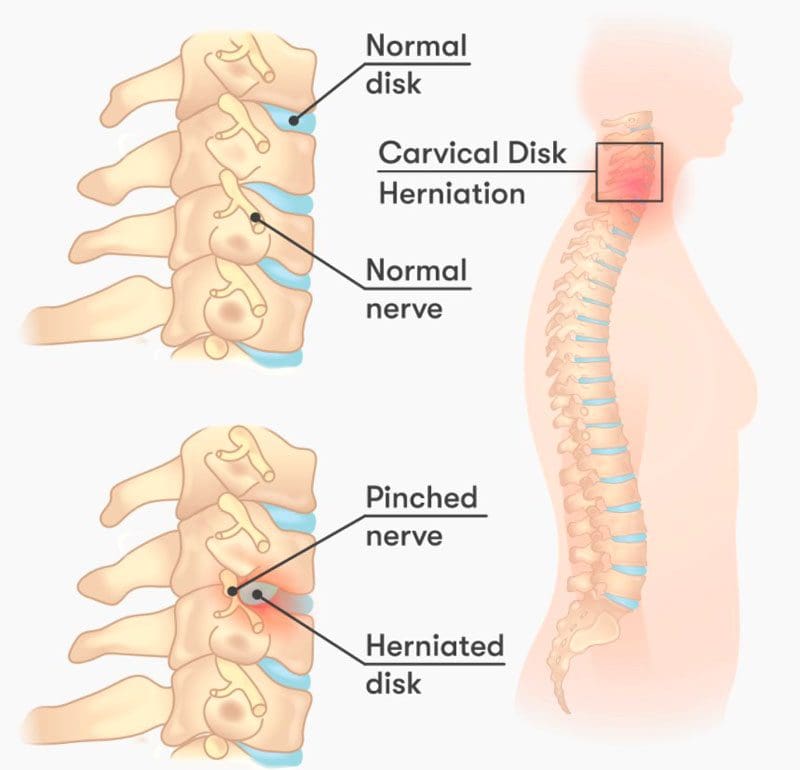
A pinched nerve may not feel like it is healing. This is because of the soreness, aches, discomfort, and tingling feelings/sensations around the affected area. This could be the neck, shoulder, arm, hands, back, legs, and feet. However, when the achiness and tingling move around and shift, it is a sign of the pinched nerve healing.
Amount of Time For Pinched Nerve Healing
Waiting for the nerve to heal is not a recommended treatment option, as most pinched nerves do not fully recover on their own. A pinched nerve usually takes around six weeks to heal with proper treatment. The longer the nerve stays pinched, the more likely there will be permanent damage. To keep the pinched nerve from returning and getting worse, individuals are recommended to incorporate a pre-habilitation plan that involves continuing rehabilitation exercises to strengthen and keep the muscles, ligaments, and nerves loose, and adjusting posture, work, exercise, and diet habits to prevent re-injuring the nerve or cause new injury/s.
Common Nerve Sites
Nerves run throughout the body, so it’s possible to experience a pinched nerve anywhere. The most common pinched nerve sites occur at joints where there is constant movement. These areas include:
Neck
Shoulders
Lower Back
Arms
Hands
Feet
Healing Signs
Individuals often believe that their pinched nerve is getting worse because of soreness, aches and pains, and weird sensations. When the pain stays in one area, that could be a sign that the nerve has not been fully stretched/released and/or that there is still compression taking place. Treatment and healing include feeling the symptoms but in a different way. The symptoms will move up, down, or around depending on where the pinched nerve is. Treatment takes the nerve/s and stretches/elongates them, but the pinch created a nerve crimp, crease, fold that wants to return to the pinched position. This is why continued treatment and stretching are recommended, as a spasm, trauma, or some awkward movement can cause the nerve to re-fold to the pinched position or cause a whole new pinch.
Chiropractic Release
Chiropractic treats pinched/compressed nerves with several therapeutic modalities. These include:
Body Adjustments
Flexion-distraction
Therapeutic massage
Traction
Inversion
Laser therapy
Ultrasound
Combined, these methods can help heal pinched nerves and keep them from recurring.
Body Composition
Skeletal Muscle
Skeletal muscle is a major muscle group. These muscles are attached to the bone by the tendons. Skeletal muscles incorporate nerves, blood vessels, and connective tissue to operate as a unit. Each skeletal muscle consists of cells that come together that form bundles of skeletal muscle fibers.
Strength training stimulates the muscle fibers. When combined with proper nutrition causes hypertrophy/muscle growth.
Muscles contract and shorten to pull bones and joints, allowing body movement.
The nervous system signals the nerves in the muscle/s and triggers these contractions.
Skeletal muscle helps the body:
Maintain posture
Generate body heat
Stability to the bones and joints
References
Bowley, Michael P, and Christopher T Doughty. “Entrapment Neuropathies of the Lower Extremity.” The Medical clinics of North America vol. 103,2 (2019): 371-382. doi:10.1016/j.mcna.2018.10.013
Campbell, W. “Diagnosis and management of common compression and entrapment neuropathies.” Neurologic clinics vol. 15,3 (1997): 549-67. doi:10.1016/s0733-8619(05)70333-9
England, J D. “Entrapment neuropathies.” Current opinion in neurology vol. 12,5 (1999): 597-602. doi:10.1097/00019052-199910000-00014
Kane, Patrick M et al. “Double Crush Syndrome.” The Journal of the American Academy of Orthopaedic Surgeons vol. 23,9 (2015): 558-62. doi:10.5435/JAAOS-D-14-00176
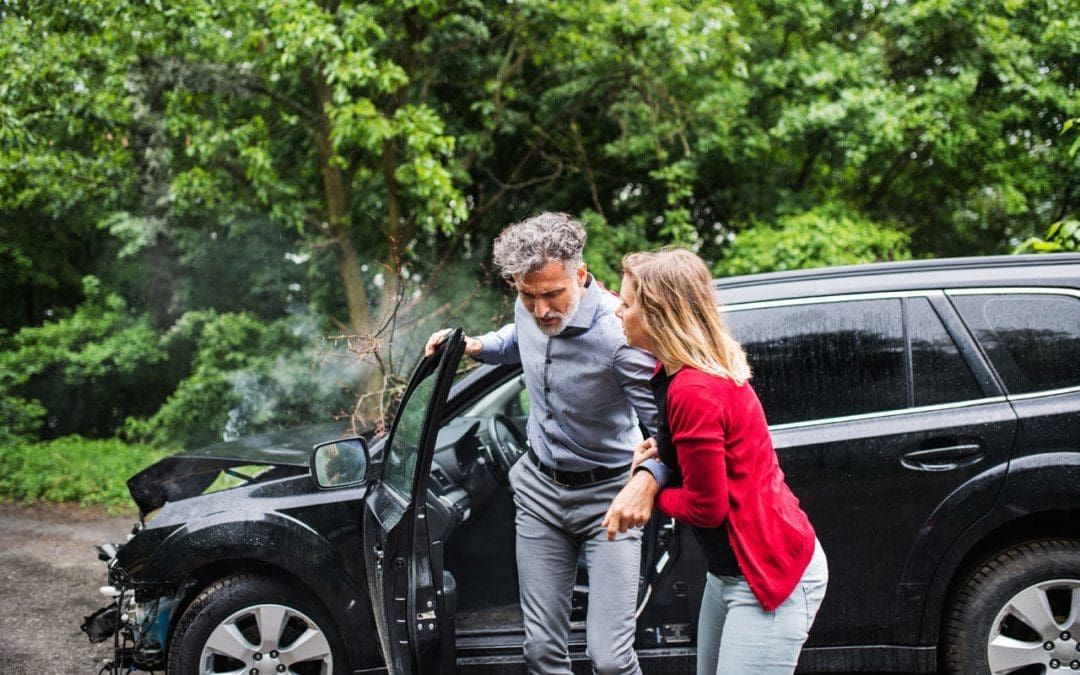
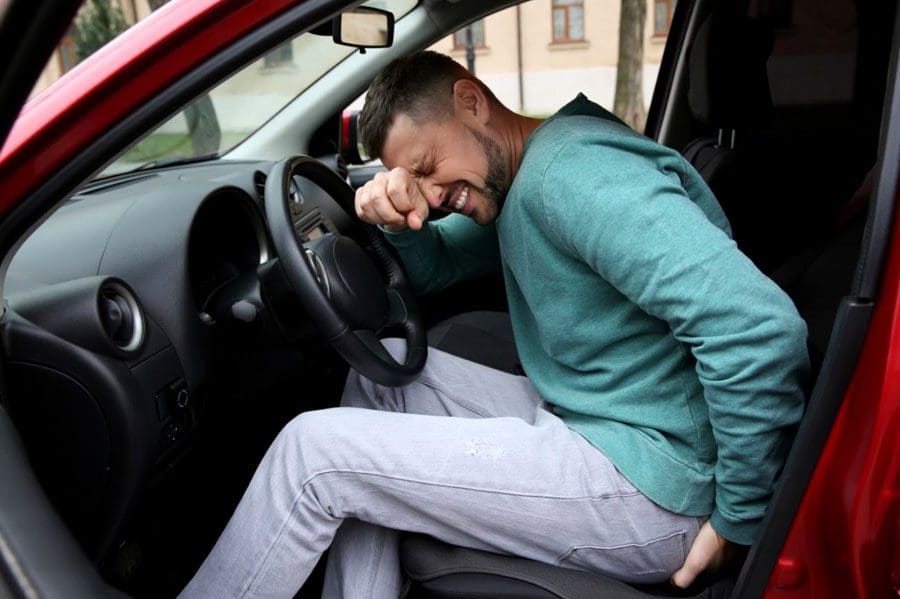
Automobile accidents and crashes can cause all kinds of damage to the body even when the accident/crash is not severe. Physical symptoms might not present at all for several days, even weeks. This is known as having delayed injury symptoms. These can include:
Swelling.
Stiffness.
Aching.
Pain that radiates all over the body.
Sleep problems.
Headaches.
Brain fog.
Disorientation.
Memory problems.
Chiropractic and physical therapy rehabilitation can restore the body’s alignment, stop inflammation, loosen, stretch and strengthen the musculoskeletal system restoring optimal health.
Adrenaline
When the body is involved in a dangerous physical situation, it protects itself by releasing a surge of adrenaline. This hormone protects the body, causing the fight or flight response when in danger. Adrenaline causes several preservation responses that include:
Intense increase in energy.
Little or no pain.
Enlarged blood vessels and airways increase oxygen flow.
Increased strength from increased blood flow to the muscles.
Changes in vision and hearing that focus on sights and sounds all around.
Endorphins are released that make the body feel calm and in control.
Endorphins affect the way the body responds to pain and stress.
Individuals don’t start feeling aches and pains until the adrenaline and endorphins wear off. However, because everybody is different and the emergency response has turned off, the body still might not feel the injury symptoms. These are delayed injury symptoms.
Rate of Speed
When riding in a vehicle, the body moves at the same speed as the vehicle. During an impact, the vehicle stops, but the body continues moving until it stops, typically with a lot of force from the seatbelt, airbag, or other barriers. The intense momentum change can cause soft tissue damage and ligament or muscle strains from the stretching, pulling, contracting, and tearing. Also, the intervertebral discs can tear, bulge, or herniate over time, creating pressure on nerves and the surrounding tissues.
Delayed Injury Symptoms
Headaches
Headaches that develop days after an accident/crash are common.
They can signal a possible injury to the neck or head, a blood clot on the brain, or a concussion.
Back pain can be caused by injury to the muscles, ligaments, nerves, or damage to the vertebrae.
Low back pain occurs in more than half of rear-impact collisions and almost three-quarters of side-impact crashes.
Chiropractic Rehabilitation
After an accident, soft tissues can sustain minimal damage; however, the minimal damage left untreated can start to worsen and turn into a painful condition. Emergency room visits are to rule out major injuries like brain/nerve injuries, bleeding, punctures, lacerated organs, fractures that require emergency stabilization. Chiropractors look for other symptoms and mechanisms that indicate damage to the body’s soft tissues and nerves to see if they have been stretched or torn and dysfunction in the nervous system.
Body Composition
Calorie Counting
Counting calories can be a stepping stone to change behavior towards food. Tracking what foods are being taken into the body promotes mindfulness of dietary habits. Studies on the subject reveal a significant association between self-monitoring and weight loss. Takeaways include:
Take small steps by saying no to second portions during dinner or take a healthy sweet snack or piece of fruit instead of a pastry, cookie, etc.
Try to start making a habit of eating less processed foods.
Meals high in protein and fiber are generally more filling, making the body feel fuller from fewer calories.
The more attention there is to the food choices, the more likely reexamination occurs.
References
Burke, Lora E et al. “Self-monitoring in weight loss: a systematic review of the literature.” Journal of the American Dietetic Association vol. 111,1 (2011): 92-102. doi:10.1016/j.jada.2010.10.008
D’Elia, Michael A et al. “Motor vehicle collision with seatbelt sign and traumatic abdominal wall hernia should raise suspicion for hollow viscus injury.” Trauma case reports vol. 22 100206. 25 May. 2019, doi:10.1016/j.tcr.2019.100206
Kacprzynski, Gregory, and Joshua Bucher. “Delayed vertebral artery dissection after mild trauma in a motor vehicle collision.” The American Journal of emergency medicine vol. 45 (2021): 678.e1-678.e2. doi:10.1016/j.ajem.2020.11.028
Olinger, Catherine, and Richard Bransford. “Upper Cervical Trauma.” The Orthopedic clinics of North America vol. 52,4 (2021): 451-479. doi:10.1016/j.ocl.2021.05.013
Sterling, Michele. “Whiplash-associated disorder: musculoskeletal pain and related clinical findings.” The Journal of manual & manipulative therapy vol. 19,4 (2011): 194-200. doi:10.1179/106698111X13129729551949
Sciatica motor vehicle crash. After an automobile crash/accident, symptoms of pain and discomfort can immediately follow the force of impact, indicating an injury. Many injuries and symptoms appear right away, like:
Pain from high-impact trauma and cuts.
Bone fractures.
Dislocations.
Neck whiplash.
Back pain.
The sciatic nerve is the largest in the body, and any damage can cause pain in one or both sides of the body. Pressure and compression on the nerves, ligaments, and muscles accompanied by weakness or numbness in the lower back, legs, or feet could cause delayed sciatica symptoms hours, days, even weeks later. It is critical to meet with a doctor and auto accident chiropractor after any type of accident, large or small, to develop a thorough personalized treatment plan.
Sciatica Motor Vehicle Crash
Sciatica can be brought on by a pinched nerve, which is often the result of the spine shifting out of place, causing herniation and compression on the sciatic nerve. The trauma from a motor vehicle accident can cause the spinal discs to be knocked out of place, rupture, and leak out, irritating the surrounding tissue and nerve endings. Back injuries are among the most common forms of damage/injury resulting from a motor vehicle accident/crash that can lead to sciatica. Broken and/or fractured vertebral, hip, or pelvis bone fragments can compress the sciatic nerve. Even when the initial result of the impact does not result in sciatica, over time, an untreated back injury could lead to sciatica symptoms.
Symptoms
Motor vehicle crashes often activate or aggravate pre-existing conditions like asymptomatic degenerative disc disease, affecting the sciatic nerve causing discomfort and pain. Common symptoms include:
Mild discomfort or achiness.
Tingling sensations from the lower back and down the back of the leg.
Weakness, numbness, or difficulty moving the leg and foot.
Inability to bend the foot upward at the ankle- known as foot drop.
Constant pain in one side of the buttocks or leg.
Sharp pain that makes it difficult to stand up and walk
Difficulty sitting.
Burning or tingling in one leg can worsen when sitting.
Intense pain.
Sharp burning and/or what feels like shooting electricity pain.
Diagnosis
A spine doctor and chiropractor will use diagnostic imaging tools like X-rays, and CT scans to see the scope of the injured area.
An X-ray will show a detailed image of the spine and affected bones in the area.
A CT scan will include a 3D image that shows the surrounding musculature, tissues, and nerves that could be damaged/injured.
Treatment
The doctor and chiropractor will then develop an appropriate and personalized treatment plan that could utilize various methods and techniques.
Chiropractic is commonly the first treatment to realign the spine and relieve pressure on the nerve.
A pain management specialist or physical therapist will be brought in for rehabilitation/recovery as adjustments progress.
Orthopedists and neurologists may be brought in for less conservative treatment in more severe cases, including surgical options.
Other treatments can include steroid injections or anti-inflammatory medicines to relieve nerve pressure.
Body Composition
Injury Rehabilitation Phase
Current in-clinic methods of measuring the composition of an injured body are indirect, while medically advanced techniques limit the frequency of testing. InBody provides cost-effective, comprehensive, and timely measurements that identify areas of weakness from damage, injury, or recent surgery and develop a customized rehabilitation program to improve functional status.
During the rehabilitation phase, increased sedentary behavior and/or immobilization causes muscle loss in the injured or operated region. By independently evaluating lean mass in each segment of the arms, legs, and torso, a chiropractor or physical therapist gathers baseline information on the body segments with restricted mobility.
InBody can help provide further insight into an individual’s body composition to analyze long-term health risks and develop a personalized exercise intervention to improve overall health and reduce health risks. This provides beneficial information for identifying potential imbalances related to muscle loss post-injury/surgery that can be targeted and improved. Identifying these imbalances allows the therapists to increase functional fitness and mobility, helping the individual reduce the risk of re-injury or new injuries.
References
Defouilloux, B et al. “A propos de trois observations chez des polytraumatisées de la route présentag une fracture du bassin associée à des signes neurologiques” [Apropos of 3 cases of multiple traffic injuries presenting pelvic fractures associated with neurologic signs]. Journal de radiologie, d’electrologie, et de medecine nucleaire vol. 48,8 (1967): 505-6.
Noble, J et al. “Analysis of upper and lower extremity peripheral nerve injuries in a population of patients with multiple injuries.” The Journal of trauma vol. 45,1 (1998): 116-22. doi:10.1097/00005373-199807000-00025
Walsh, K et al. “Risk of low back pain in people admitted to hospital for traffic accidents and falls.” Journal of epidemiology and community health vol. 46,3 (1992): 231-3. doi:10.1136/jech.46.3.231
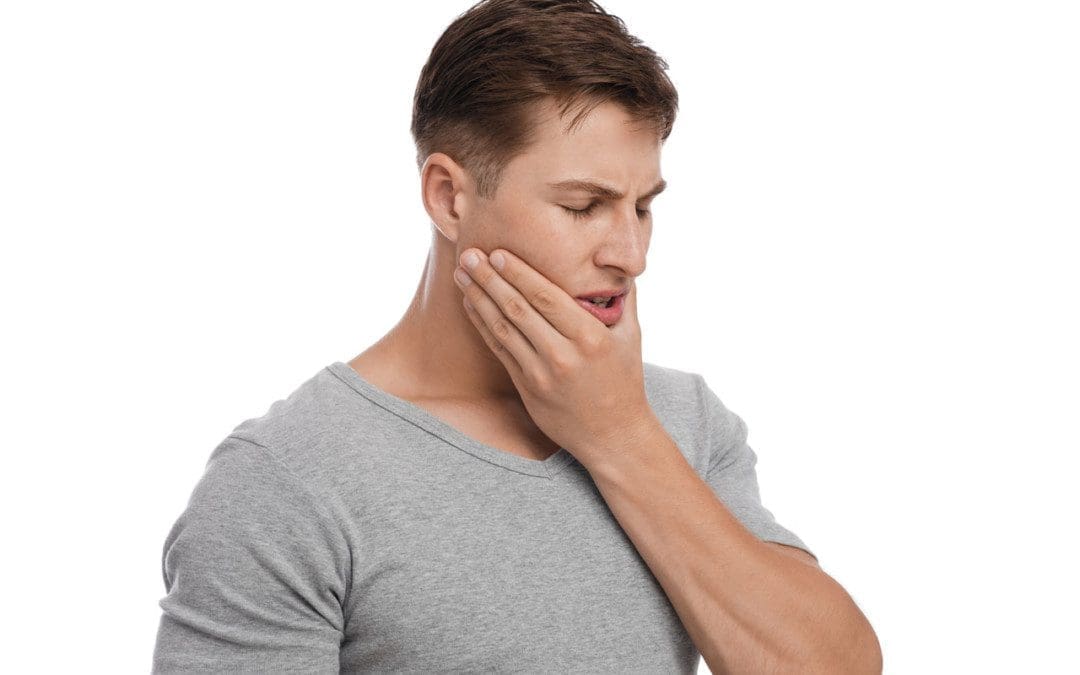
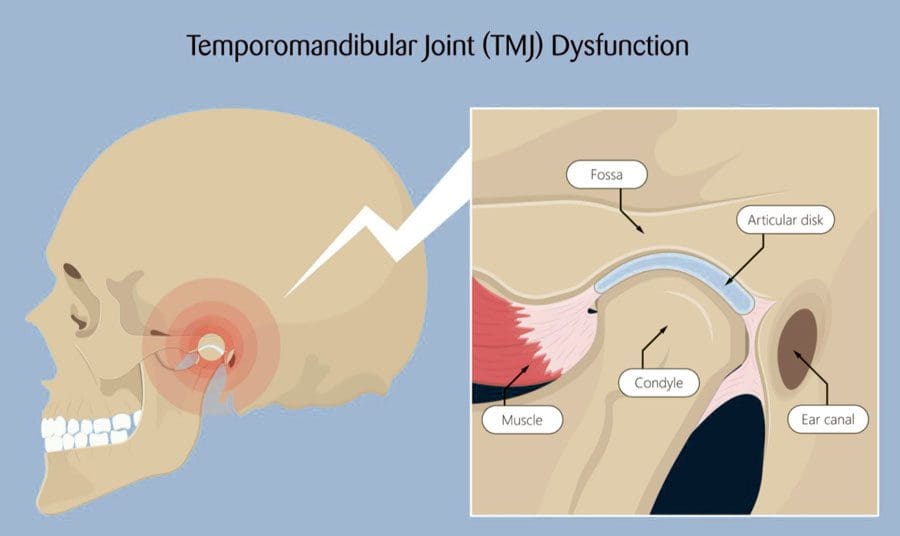
The temporomandibular (tem-puh-roe-man-dib-u-lur) joint TMJ acts as a sliding hinge that connects the jawbone to the skull. There is one joint on each side of the jaw. TMJ jaw disorders are also known as temporomandibular disorders – TMD. These disorders affect the connecting point between the jaw and the skull that causes swelling and pain in the joint and the muscles that control movement. The disorder can be caused by a combination of factors, like stress, genetics, arthritis, or injury. The symptoms, pain, and discomfort are often temporary and can be relieved with self-care and nonsurgical treatment like chiropractic.
Jaw Disorders
If the jaw is not moving correctly or becomes imbalanced, it can stress the temporomandibular joint. If this happens, the jaw muscles and the neck and shoulder muscles can tense up and over time become fatigued as they overwork to compensate and keep the jaw balanced. The bones that interact in the joint are covered with cartilage and are separated by a small shock-absorbing disc to maintain smooth movement. Jaw disorders can happen if:
The disc erodes or moves out of alignment.
The joint’s cartilage is damaged by arthritis.
The joint is damaged by impact trauma like hitting the head from a fall or sports accident.
Individuals that have been in an automobile accident.
Other factors include:
Tension or stress can cause individuals to grind or clench their teeth, known as bruxism.
Symptoms of TMJ vary from case to case. These symptoms might include:
Problems with opening or closing the mouth
Difficulty or pain while chewing
Pain or tenderness of the jaw
Pain in one or both of the temporomandibular joints
Aching facial pain
Neck and shoulder pain
Headaches
Aching pain in and around the ear
Dizziness
Locking of the joint
Clicking sound
Grating sensation
Chiropractic Relief
Chiropractors can help with TMJ by alleviating tension and dysfunction in the shoulder, neck, and jaw. Once the dysfunction is relieved, it reduces the pressure on various nerves. Treatment includes:
Manipulation of the jaw joint so it can move easily
Not all carbs are equal, with some having a more significant effect on insulin levels than others. For individuals with diabetes or insulin resistance, this is important. A food’s Glycemic Index – ranging from 0 to 100 – indicates how a particular carbohydrate will affect blood sugar and insulin levels.
Foods that digest quickly are high on the index.
Foods that digest slowly are lower on the index.
Foods high on the GI scale, include potatoes and white bread, are quickly broken down. This is what happens when going through a sugar rush that comes crashing down minutes later. Foods low on the GI scale, include sweet potatoes and whole oats, are digested gradually. This results in a steady rise in blood sugar levels. The following factors may influence the GI scale:
Food processing
The more processed the food, the higher the GI.
Fat and acid content
Foods high in fat, acid, or carbs eaten with fat or acid tend to have a lower GI.
Fiber content
Fiber slows down the rate of digestion, leading to a gradual, healthy rise in blood sugar levels.
Ripeness
Ripened fruits tend to have a higher GI than unripened fruit.
References
Alcantara, Joel et al. “Chiropractic care of a patient with temporomandibular disorder and atlas subluxation.” Journal of manipulative and physiological therapeutics vol. 25,1 (2002): 63-70. doi:10.1067/mmt.2002.120415
DeVocht, James W et al. “A pilot study of a chiropractic intervention for management of chronic myofascial temporomandibular disorder.” Journal of the American Dental Association (1939) vol. 144,10 (2013): 1154-63. doi:10.14219/jada.archive.2013.0034
Pavia, Steven et al. “Chiropractic Treatment of Temporomandibular Dysfunction: A Retrospective Case Series.” Journal of chiropractic medicine vol. 14,4 (2015): 279-84. doi:10.1016/j.jcm.2015.08.005
Rubis, Lisa M et al. “A collaborative approach between chiropractic and dentistry to address temporomandibular dysfunction: a case report.” Journal of chiropractic medicine vol. 13,1 (2014): 55-61. doi:10.1016/j.jcm.2013.10.003
As the weather gets colder, individuals may feel like their muscles and joints are frequently stiff and experience more aches and pains. This is even more evident for individuals that work outside in the winter or with specific ailments/conditions. Colder weather can increase the risk of suffering musculoskeletal injuries and intensify the condition.
How Colder Weather Impacts The Muscles
Individuals with arthritic conditions might find that symptoms become exacerbated. This can keep individuals away from regular activities. Conditions like rheumatoid arthritis and osteoarthritis tend not to react well to weather sudden atmospheric changes, worsening symptoms. However, individuals are well aware of how their body feels and moves when colder weather is present with or without existing conditions. Movement slows down, and when trying to move, the muscles can contract involuntarily, causing tension and stiffness. This usually results in soreness and pain. Feeling warm, safe, and comfortable is essential for the body’s overall health. Overuse and overexertion can increase the risk of injury in colder temperatures.
Barometric Pressure
When the weather gets colder, barometric pressure drops. The Body’s tissues like the muscles, tendons, and ligaments expand. This places pressure on nerves near the joints, causing discomfort and pain.
In cold weather, the fluid density in the joints lessens, causing the bones to rub against each other harder because the fluid is not thick enough to allow for proper lubrication.
The cold makes the muscles shiver, contract, and tighten. This can compress the nerves in the joints and increase pain symptoms.
Prevent Stiffness and Musculoskeletal-Related Injuries
Maintain an active lifestyle
It is recommended to engage in physical activity to exercise the muscles and joints.
A chiropractor can also help manage musculoskeletal condition-related pain during the winter months and help prevent musculoskeletal conditions for individuals that work outdoors.
This can be split into 30 minutes a day on at least five days a week or in shorter sessions of 10 minutes several times a day throughout the week.
Aerobic exercise can include:
Running
Cycling
Hiking
Dancing
Walking
Resistance Training
Research has shown that resistance training with bands or weights can supplement aerobic exercise to reduce blood pressure.
It is recommended to complete 2 to 4 sets of 8 to 12 repetitions for each major muscle group during workout sessions.
Resistance training sessions should be spaced out throughout the week to limit muscle soreness and injury.
Resistance training can include:
Resistance bands with freehand movements, squats, push-ups, bicep curls
Free weights dumbbells, barbells
Gym weight machines like the chest press and shoulder press
References
https://www.cdc.gov/niosh/topics/coldstress/
Heil, Kieran et al. “Freezing and non-freezing cold-weather injuries: a systematic review.” British medical bulletin vol. 117,1 (2016): 79-93. doi:10.1093/bmb/ldw001
Kowtoniuk, Robert A et al. “Cutaneous Cold Weather Injuries in the US Military.” Cutis vol. 108,4 (2021): 181-184. doi:10.12788/cutis.0363
Long, William B 3rd et al. “Cold injuries.” Journal of long-term effects of medical implants vol. 15,1 (2005): 67-78. doi:10.1615/jlongtermeffmedimplants.v15.i1.80
IFM's Find A Practitioner tool is the largest referral network in Functional Medicine, created to help patients locate Functional Medicine practitioners anywhere in the world. IFM Certified Practitioners are listed first in the search results, given their extensive education in Functional Medicine