The legs are important for standing and motion. Various problems can affect any part, including the bones, tendons, joints, blood vessels, and connective tissues of the entire leg, foot, ankle, knee, or hip. Common problems include unbalanced/unevenness, muscle sprains and strains, joint dislocations, nerve compression, and fractures. These issues can benefit from chiropractic leg adjustments to relieve the symptoms, realign the body, restore mobility, strengthen the muscles, and prevent further complications.
Leg Adjustments
The legs are composed of two major sections: upper and lower. The ball-and-socket hip joint connects the upper portion, with only one bone comprising the upper leg, the femur, the largest bone in the body. The lower leg goes from the knee to the ankle and is composed of two bones, the fibula, and the tibia.
The tibia makes up the knee together with the base of the femur.
The fibula starts from the knee joint and is connected to the tibia.
Muscles
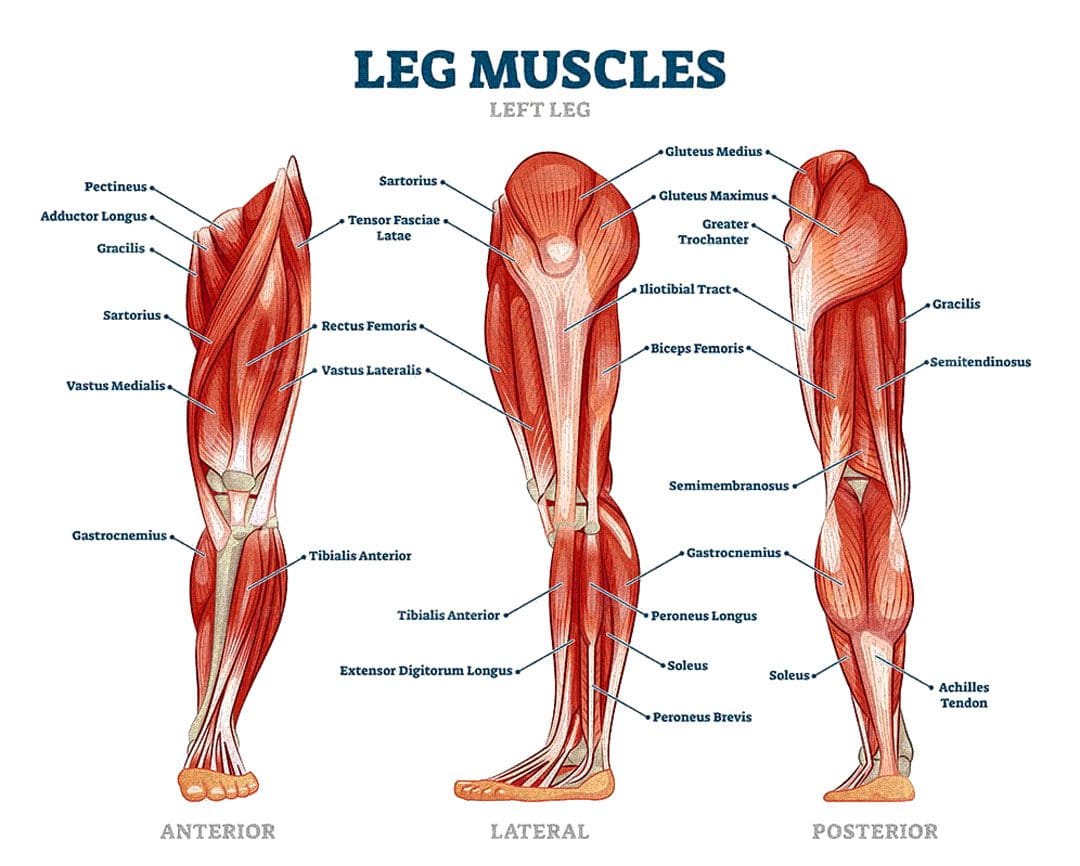
The leg muscles support standing and sitting, carry the body’s weight, and provide movement. Several muscles in the upper and lower legs work together to enable walking, running, jumping, flexing, and pointing the toes.
Upper Leg
The upper leg muscles support the body’s weight and movement. Their jobs include:
Anterior muscles: These muscles stabilize the body and help with balance. They also allow:
Bending and extension of the knees.
Flexion of the thigh at the hip joints.
Rotation of the legs at the hips.
Medial muscles assist in hip adduction – moving the leg toward the body’s center. They also allow flexion, extension, and rotation of the thigh.
Posterior muscles help move the leg from front to back and rotate at the hip socket.
Lower Leg
Anterior muscles are in the front/anterior part of the lower leg and help lift and lower the foot and toe extension.
Lateral muscles run outside the lower leg and stabilize the foot when walking or running. They also allow side-to-side movement.
Posterior muscles: These muscles are in the back of the lower leg. Some are superficial (close to the skin surface), and some sit deeper inside the leg. They help:
Flex and point the toes.
Jump, run and push off.
Lock and unlock the knee.
Maintain a healthy posture by stabilizing the legs.
Stand up straight by supporting the arch of the feet.
Causes
There are different causes of leg discomfort symptoms. Age, work, physical activity, sports, and misalignments can all cause leg issues to develop.
Musculoskeletal
Musculoskeletal system injuries, conditions, and disorders are related to the bones, muscles, tendons, and ligaments. This includes bruising, tendonitis, muscle strain, overuse, and fractures can all lead to musculoskeletal issues.
Neurological
Neurological symptoms are related to a problem with the nerves and the nervous system. Damaged and pinched nerves can contribute to leg issues.
Vascular
If there are blood vessel issues, it can also lead to leg symptoms. Depending on the cause, leg symptoms can vary from moderate to severe and may be non-stop or come and go.
Chiropractic care is a proven way of reducing swelling and discomfort throughout the body. Chiropractic leg adjustments help release restrictions and misalignments. This results in increased mobility of the joints, decreased inflammation, and improved function. A chiropractic adjustment on the leg is known as a long-axis distraction adjustment. This adjustment is designed to open the affected joint in the direction the chiropractor pulls. They can adjust their contact to open the femur from the acetabulum of the pelvis, the knee joint, the ankle joints, and the low back. This encourages proper joint space and motion in the affected areas, promoting healthy movement and space and allowing more nutrient flow and pressure removal from the surrounding nerves to help with symptom relief.
Hip Long Axis Distraction
References
Binstead JT, Munjal A, Varacallo M. Anatomy, Bony Pelvis, and Lower Limb, Calf. (https://www.ncbi.nlm.nih.gov/books/NBK459362/) [Updated 2020 Aug 22]. In: StatPearls [Internet]. Treasure Island (FL): StatPearls Publishing; 2021 Jan-. Accessed 12/29/2021.
Eid K, Tafas E, Mylonas K, Angelopoulos P, Tsepis E, Fousekis K. Treatment of the trunk and lower extremities with Ergon® IASTM technique can increase hamstrings flexibility in amateur athletes: A randomized control study. Phys Ther Sport. 2017;28:e12. doi:10.1016/J.PTSP.2017.08.038
Jeno SH, Schindler GS. Anatomy, Bony Pelvis, and Lower Limb, Thigh Adductor Magnus Muscles. (https://www.ncbi.nlm.nih.gov/books/NBK534842/) [Updated 2020 Aug 10]. In: StatPearls [Internet]. Treasure Island (FL): StatPearls Publishing; 2021 Jan-. Accessed 12/29/2021.
McGee S. Stance and gait. In: McGee S. Evidence-Based Physical Diagnosis. 3rd ed. Philadelphia, PA: Elsevier Saunders; 2012:chap 6.
Ransom AL, Sinkler MA, Nallamothu SV. Anatomy, Bony Pelvis, and Lower Limb, Femoral Muscles. (https://www.ncbi.nlm.nih.gov/books/NBK500008/) [Updated 2020 Oct 30]. In: StatPearls [Internet]. Treasure Island (FL): StatPearls Publishing; 2021 Jan-. Accessed 12/29/2021.
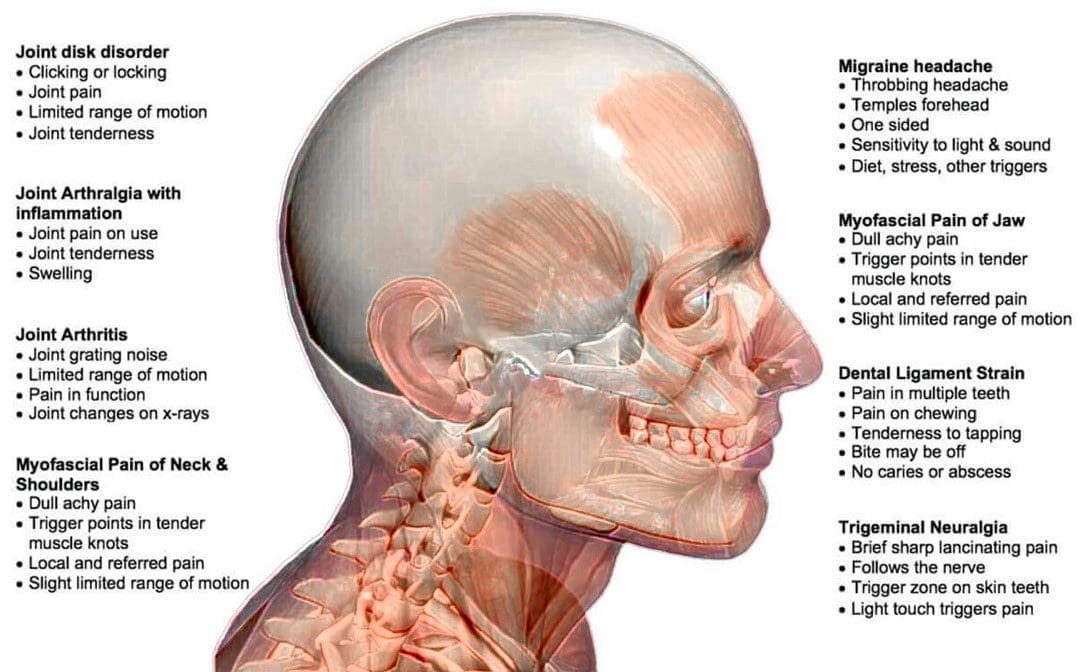
Bruxism is an abnormal jaw clenching or grinding of the teeth, either while awake or during sleep. This can cause neck and shoulder tension caused by excess pressure on the neck and jaw muscles. Individuals may not realize they have bruxism until a dentist notices excess wear and tear or a chiropractor examines their symptoms. Bruxism can play a role in temporomandibular disorders. Doctors and dentists agree that factors like stress increase the likelihood of jaw clenching. Dentists usually recommend a mouth guard to prevent grinding. Chiropractic care, massage, and decompression therapy can relieve symptoms, release and relax the muscles, realign the spine, and restore function.
Bruxism
There is awake bruxism and sleep bruxism. A tight jaw generates tension extending to the neck, shoulder, and upper back muscles. Over time, that excess strain irritates the joints, causing inflammation. Jaw clenching and teeth grinding can lead to health issues like damaged teeth, neck, shoulder, and upper back pain symptoms, and tension headaches.
Symptoms
Signs and symptoms can include:
Face, jaw, neck, and upper back aches, tightness, and soreness.
Tired or tight jaw muscles.
Headaches that start in the temples.
What feels like earache pain symptoms.
Damage from clenching on the inside of the cheek.
Increased tooth sensitivity.
Teeth that are loose, flattened, chipped, or fractured.
Sleep problems.
Risk Factors
Emotional tension – Stress, anxiety, frustration, and anger.
An unhealthy lifestyle – smoking, excess drinking, caffeine, etc., disrupts brain and cardiovascular functions.
Medications
Chiropractic Care for Jaw Clenching
If there is a jaw clenching or grinding issue, it is recommended to see a dentist for a professional diagnosis. Then a chiropractor can develop a personalized treatment plan that utilizes massage and decompression therapy to re-position the jaw, stretch, release and relax the muscles. They will recommend exercises to strengthen and maintain the relaxed jaw muscles and awareness exercises to help identify triggers and prevent clenching.
Jaw Exercises
References
Capellini, Verena Kise, et al. “Massage therapy in managing myogenic TMD: a pilot study.” Journal of applied oral science: Revista FOB vol. 14,1 (2006): 21-6. doi:10.1590/s1678-77572006000100005
Kuhn, Monika, and Jens Christoph Türp. “Risk factors for bruxism.” Swiss dental journal vol. 128,2 (2018): 118-124.
Nishida, Norihiro et al. “Stress analysis of the cervical spinal cord: Impact of the morphology of spinal cord segments on stress.” The journal of spinal cord medicine vol. 39,3 (2016): 327-34. doi:10.1179/2045772315Y.0000000012
Ohayon, M M et al. “Risk factors for sleep bruxism in the general population.” Chest vol. 119,1 (2001): 53-61. doi:10.1378/chest.119.1.53
Santos Miotto Amorim, Cinthia, et al. “Effectiveness of two physical therapy interventions, relative to dental treatment in individuals with bruxism: study protocol of a randomized clinical trial.” Trials vol. 15 8. 7 Jan. 2014, doi:10.1186/1745-6215-15-8
Neck injuries and whiplash symptoms can be minor and go away within a few days. However, whiplash symptoms can manifest days later and become varied and chronic, ranging from severe pain to cognitive problems. These are collectively called whiplash-associated disorders because of the varied complexity of the symptoms. A common condition is a whiplash nerve injury. These injuries can be severe and require chiropractic treatment.
Whiplash Nerve Injury
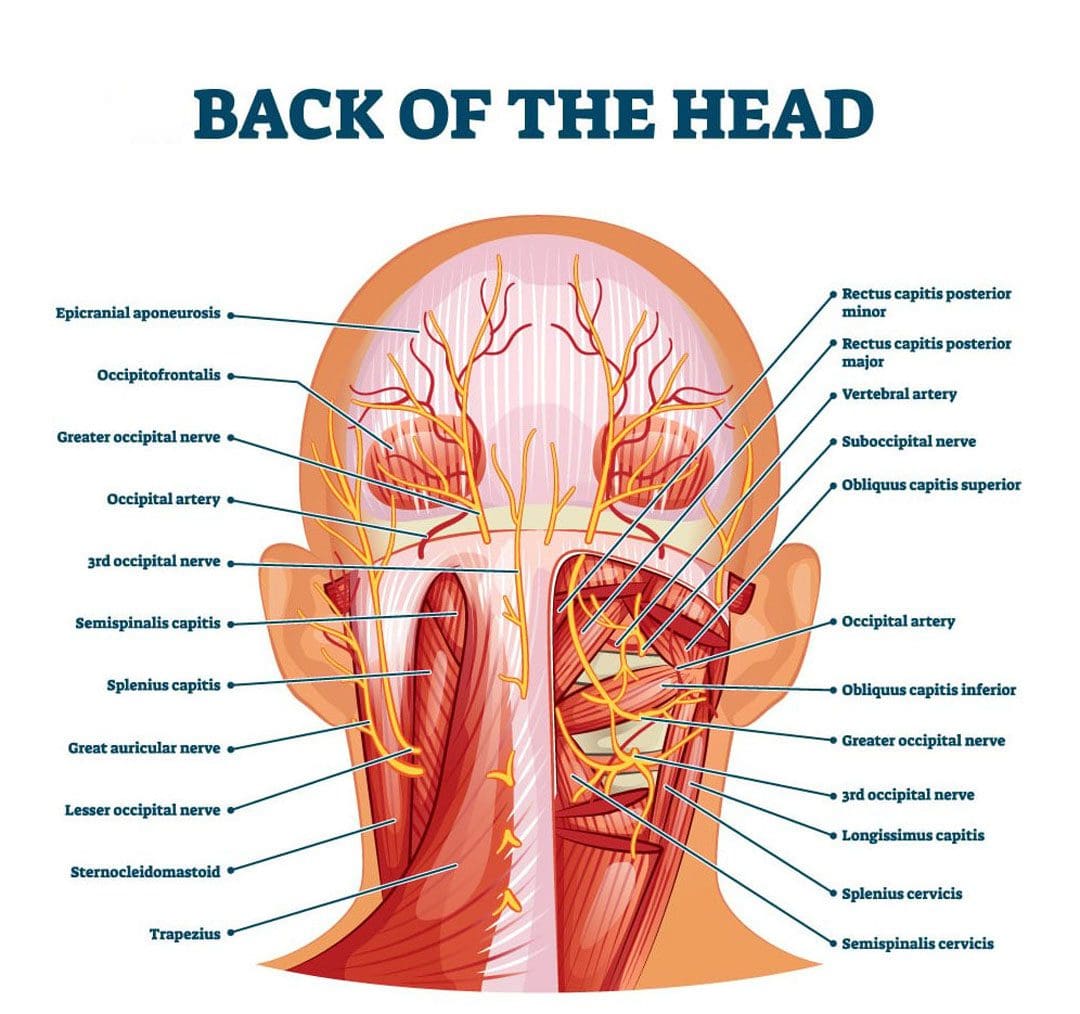
Surrounding muscles, tissues, bones, or tendons can cause a whiplash nerve injury. The neck’s spinal nerve roots become compressed or inflamed, leading to cervical radiculopathy symptoms of tingling, weakness, and numbness that can radiate down the shoulder, arm, hand, and fingers. Typically, cervical radiculopathy is only felt on one side of the body, but in rare cases, it can be felt on both sides if more than one nerve root is affected.
Neurological Cervical Radiculopathy
Neurological problems can become severe and can reduce the ability to perform many routine tasks, such as gripping or lifting objects, writing, typing, or getting dressed.
Cervical radiculopathy involves one or more of the following neurological deficiencies.
Sensory – Feelings of numbness or reduced sensation. There can also be tingling and electrical sensations.
Motor – Weakness or reduced coordination in one or more muscles.
Reflex – Changes in the body’s automatic reflex responses. An example is a diminished ability or reduced hammer reflex exam.
Symptoms
Because every case is different, symptoms vary depending on the location and severity. Symptoms can flare up with certain activities, like looking down at a phone. The symptoms then go away when the neck is upright. For others, symptoms can become chronic and do not resolve when the neck is resting and supported. Common symptoms include:
Fatigue
Decreased energy levels could be related to sleep problems, depression, stress, pain, concussion, or nerve damage.
Memory and/or concentration problems
Cognitive symptoms could involve difficulty with memory or thinking.
Symptoms can start shortly after the injury or not appear until hours or days later.
Cognitive problems could be from a brain injury or related to various types of stress.
Headaches
This could be neck muscles tightening or a nerve or joint becoming compressed or irritated.
Dizziness
Dizziness could be from neck instability, a concussion/mild traumatic brain injury, and nerve damage.
Vision problems
Blurry vision or other visual deficits could result from any number of causes, including concussion or nerve damage.
Vision problems could also contribute to dizziness.
Ringing in the ears
Also called tinnitus, this can be ringing or buzzing in one or both ears and can range from intermittent and minor to constant and severe.
Whiplash complications such as injury to the brain region that controls hearing, nerve or vascular damage, jaw injury, or stress can lead to tinnitus.
Chiropractic Care
The appropriate chiropractic treatment is unique to each whiplash nerve injury and is directed at the primary dysfunctions detected during the initial examination. A personalized treatment plan addresses factors in an individual’s work, home, and recreational activities. Treatment includes:
Massage manual and percussive for nerve and muscle relaxation
Goldsmith R, Wright C, Bell S, Rushton A. Cold hyperalgesia as a prognostic factor in whiplash-associated disorders: A systematic review. Man Ther. 2012; 17: 402-10.
McAnany SJ, Rhee JM, Baird EO, et al. Observed patterns of cervical radiculopathy: how often do they differ from a standard “Netter diagram” distribution? Spine J. 2018. pii: S1529-9430(18)31090-8.
Murphy DR. History and physical examination. In: Murphy DR, ed. Conservative Management of Cervical Spine Syndromes. New York: McGraw-Hill, 2000:387-419.
Shaw, Lynn, et al. “A systematic review of chiropractic management of adults with Whiplash-Associated Disorders: recommendations for advancing evidence-based practice and research.” Work (Reading, Mass.) vol. 35,3 (2010): 369-94. doi:10.3233/WOR-2010-0996
Travell JG, Simons DG. Myofascial Pain and Dysfunction: The Trigger Point Manual. Vol. 1, 2nd ed. Baltimore, MD: Williams and Wilkens, 1999.
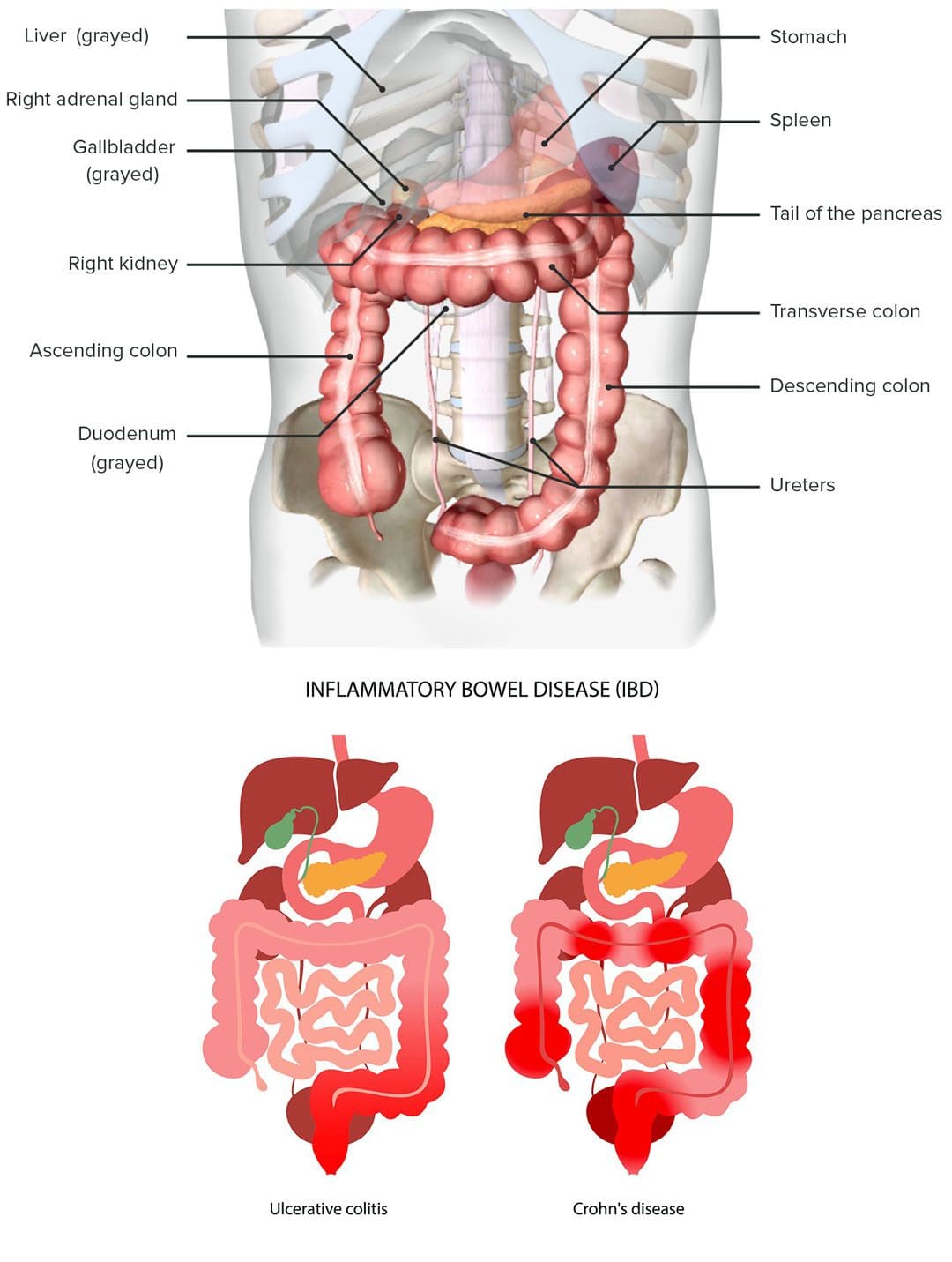
Inflammatory bowel disease, or IBD, causes inflammation of the digestive tract lining, which often involves the deeper layers. Gastrointestinal or GI problems of the stomach and intestines often include diarrhea, weight loss, rectal bleeding, fatigue, and back pain. The inflammation can reach the spine’s joints, causing stiffness, discomfort, and pain symptoms. Injury Medical Chiropractic and Functional Medicine Clinic can help manage symptoms and guide individuals on treatment options.
IBD Back Pain
IBD is a set of conditions associated with chronic or intermittent inflammation of the gastrointestinal tract. It includes Crohn’s disease – CD and ulcerative colitis – UC. Although there are genetic components that predispose individuals to IBD, environmental factors appear to contribute the most. Research shows that IBD is likely related to disturbances in the gut’s flora, which include:
Other environmental factors associated with IBD include the long-term use of birth control pills and nonsteroidal anti-inflammatory drugs/NSAIDs. Research theorizes that as the gut becomes inflamed, its normal integrity and structure become compromised and begin to leak out, causing an immune system overreaction response. This can cause non-gastrointestinal symptoms that include:
IBD can cause low back pain as the IBD can inflame the spine’s joints, especially the sacrum, as well as cause abdominal cramps and rectal sensations that radiate to the low back area. However, irritation, inflammation, or infection of any central, abdominal, or pelvic organs can cause low back pain.
Diagnosis
Diagnosis requires a physical examination of the colon – a sigmoidoscopy or a colonoscopy is used.
Both procedures take a biopsy of the intestinal tissues, which is studied to determine the extent and degree of inflammation.
Depending on the circumstances, an X-ray could be used to show the depth or extent of the condition.
Chiropractic Management
A chiropractor can help individuals decrease or completely alleviate musculoskeletal symptoms by realigning the spine and pelvis and massaging, releasing, and relaxing the muscles, which increases circulation and soothes inflammation. The reason why chiropractic care can effectively treat IBD is its ability to stabilize the internal systems. When the central nervous system and immune system communicate and function properly, this prevents the immune system from attacking the body’s tissue cells, preventing inflammation. The chiropractic whole-body approach can also help with recommendations regarding lifestyle changes and nutritional anti-inflammatory modifications.
Ulcerative Colitis
References
Centers for Disease Control and Prevention. “What Is Inflammatory Bowel Disease (IBD)?” 2022, https://www.cdc.gov/ibd/what-is-IBD.htm
Danese S, Fiocchi C. Etiopathogenesis of inflammatory bowel diseases. World J Gastroenterol. 2006;12(30):4807-4812. doi:10.3748/wjg.v12.i30.4807
Limsrivilai, Julajak et al. “Systemic Inflammatory Responses in Ulcerative Colitis Patients and Clostridium difficile Infection.” Digestive diseases and sciences vol. 63,7 (2018): 1801-1810. doi:10.1007/s10620-018-5044-1
van Erp, S J et al. “classifying Back Pain and Peripheral Joint Complaints in Inflammatory Bowel Disease Patients: A Prospective Longitudinal Follow-up Study.” Journal of Crohn’s & colitis vol. 10,2 (2016): 166-75. doi:10.1093/ecco-jcc/jjv195
Zeitz, Jonas, et al. “Pain in IBD Patients: Very Frequent and Frequently Insufficiently Taken into Account.” PloS one vol. 11,6 e0156666. 22 Jun. 2016, doi:10.1371/journal.pone.0156666
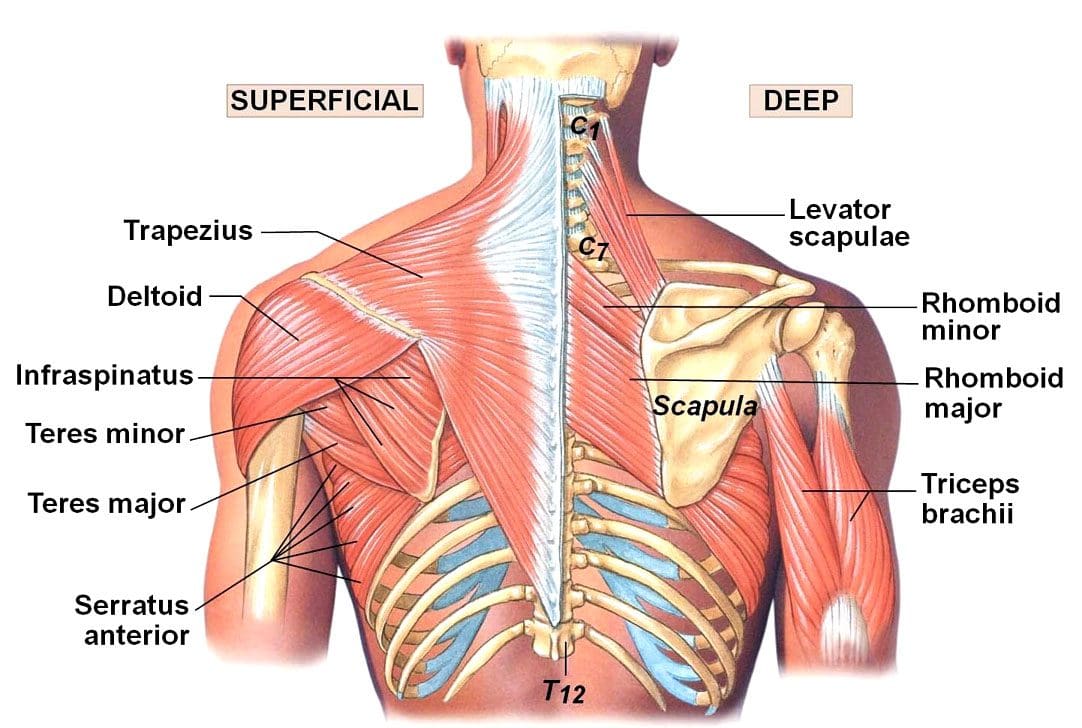
Back discomfort sensations and symptoms could indicate pulled-back muscles. Unless you’ve experienced the condition before, determining the cause can be difficult. A pulled-back muscle can start as a sudden, sharp sting when bending, reaching, or twisting. Or it can present gradually, worsening over a few days. It is a common injury, but if left untreated could take several weeks, and in severe cases, a few months, to heal correctly. Injury Medical Chiropractic and Functional Medicine Clinic can help diagnose the problem and develop a customized treatment plan to restore optimal function and health.
Pulled Back Muscles
A pulled muscle describes a strained muscle.
A strain is a muscle or tendon injury that happens when the tissue overstretches or tears.
When a ligament stretches or tears, it’s called a sprain.
Most cases can be managed and treated at home.
But if the symptoms are not improving or make it difficult to move, see a doctor or chiropractor.
Symptoms
Common signs and symptoms of a pulled-back muscle include:
Swelling
Tenderness
Soreness – Sore muscles that feel tight and achy usually indicate a condition that is likely to improve in a few days. More severe soreness could indicate a more significant injury.
Spasms – A sudden convulsive spasm in the muscle can also indicate a pull. This can feel like a sudden tightening that does not release. The muscle can continue to spasm and lead to other symptoms.
Cramping – A muscle can cramp can lead to increased tightness whenever trying to use the muscle.
Pain – Can be characterized as a constant dullness and/or soreness in most situations or, in severe cases, sharp and shooting.
Discomfort when moving around. If pain flares up when trying to move or use the back muscles is usually an indication that something is wrong.
Relief during inactivity and rest. When lying down to rest or taking a temporary break, and the symptoms disappear could also be an indication of a pulled-back muscle or another injury.
Causes
The most common causes are:
A Strained Muscle
This causes some damage to a region of muscle tissue, usually the result of being over-used or torn from another injury.
Sprained Ligaments
Involves damage to the ligaments in a joint, usually those in the spinal vertebrae.
A Herniated Disc
This involves damage to the discs that can leak out, irritating the surrounding tissues and nerves and can cause shifting and misalignment of the spine.
These conditions are distinct, but the symptoms can be similar.
Therapies
It is important to consult a medical professional before treating an injury because symptoms of other injuries, such as disc problems or a broken bone, can resemble strains and sprains. Most treatments will utilize:
Ice and Heat
Ice helps reduce inflammation.
The faster ice can be applied to a pulled-back muscle, the quicker pain and swelling are reduced, and the healing process can begin.
Apply a cold pack for 15-20 minutes as soon as the injury occurs.
Take a 20-minute break between each cold application.
After the first days, alternate cold therapy with heat to increase circulation.
Try a 20-20-20 rule: 20 minutes of an ice pack followed by a 20-minute break, then 20 minutes of heat.
Repeat as necessary, allowing 20 minutes between heat or ice therapy.
Limited Rest
Right after a muscle strain, limiting physical activity levels and avoiding movements are recommended for a short period.
After the initial pain subsides, partial activity levels are recommended to help prevent the muscles from weakening.
Compression
Applying compression bandages or using an active compression system can help reduce swelling and edema and repair damaged tissues faster.
Stretching
Returning to activities, gentle stretching exercises can improve tissue healing by increasing blood circulation to the injured area.
Applying heat to the area before stretching can also help.
Strength Training
Ask a doctor or chiropractor about the right strength exercises for your condition.
Strength training will develop the muscles to prevent future injuries.
Pain Medication
Pain levels are an important indicator during the recovery process.
Pain medications relieve symptoms but do not assist with healing and should only be used short-term to provide relief.
If you need pain medication, consult your physician to determine the appropriate type and dosage for your situation.
Massage
Blood circulation to the injured tissues is increased with massage therapy.
Chiropractic
A chiropractor can diagnose back pain from a muscle or disc injury and develop an individualized treatment plan.
Allen, Laura. “Case Study: The Use of Massage Therapy to Relieve Chronic Low-Back Pain.” International journal of therapeutic massage & bodywork vol. 9,3 27-30. 9 Sep. 2016, doi:10.3822/ijtmb.v9i3.267
Kumar, Saravana et al. “The effectiveness of massage therapy for the treatment of nonspecific low back pain: a systematic review of systematic reviews.” International journal of general medicine vol. 6 733-41. 4 Sep. 2013, doi:10.2147/IJGM.S50243
Dr. Alex Jimenez, D.C., presents how adrenal insufficiencies can affect the hormone levels in the body. Hormones play a vital part in regulating body temperature and help function the vital organs and muscles. This 2-part series will examine how adrenal insufficiencies affect the body and its symptoms. In part 2, we will look at the treatment for adrenal insufficiencies and how many people can incorporate these treatments into their health and wellness. We refer patients to certified providers that include hormone treatments that relieve various issues affecting the body while ensuring optimal health and wellness for the patient. We appreciate each patient by referring them to associated medical providers based on their diagnosis when it’s appropriate to understand better what they are feeling. We understand that education is an excellent and inquisitive way to ask our providers various intricated questions at the patient’s request and knowledge. Dr. Alex Jimenez, D.C., utilizes this information as an educational service. Disclaimer
What Are Adrenal Insufficiencies?
Dr. Alex Jimenez, D.C., presents: Many factors can affect the body, whether eating habits, mental health, or lifestyle habits all play a role in maintaining hormone function in the body. Today, we will apply these common dysfunctional cortisol patterns that patients present when they go in for a daily examination. Most patients often come in and explain to their doctors that they are suffering from adrenal dysfunction because different symptoms are associated with various stages of adrenal dysfunction or HPA dysfunction. Now adrenal dysfunction or hypothalamic pituitary adrenal (HPA) dysfunction is when the adrenal glands are not producing enough hormone to regulate the body. This causes the body to go through different stages of adrenal dysfunction if it is not treated right this way, causing the body to deal with muscle and joint pain that a person hasn’t dealt with throughout their life.
Many doctors and healthcare providers use a systematic approach that can help many people address whether or not they have adrenal dysfunction in their bodies. Today, we will discuss the relationship between female hormones and mood disorders associated with adrenal dysfunction. When it comes to adrenal dysfunction associated with hormones, many people will often get medicated for mental illnesses like bipolar disease or depression when their hormones are imbalanced. When hormonal imbalances begin to affect women in their early fifties due to premenopause, the mental disorder would often worsens and cause many other overlapping issues that can affect their hormones and their bodies.
Adrenal Dysfunction Affect The Body
Dr. Alex Jimenez, D.C., presents: Many women would have healthy diets, take yoga, be involved in spiritual practices, and hang out with their friends; however, when their hormone levels are imbalanced, they are dealing with other issues associated with HPA imbalances or adrenal dysfunction. By looking at the 24-hour corticotropic activity and determining how the circadian rhythm controls it, many doctors can look at the data presented to the patient. The way the data is being presented to the patient on how their hormone levels fluctuate in the body in the morning and how they rise or decrease throughout the entire day until they go to sleep.
With this information, many doctors can diagnose why this individual is having trouble going to sleep, constantly waking up early in the night, or not getting enough rest, making them exhausted throughout the day. So how is adrenal dysfunction associated with 24-hour corticotropic activity? Many factors can cause adrenal dysfunction in the body and affect hormone levels. When the body begins to over or underproduces hormones from the adrenal glands or the thyroids, it can cause cortisol and insulin levels to lose control in the body and cause various issues that result in muscle and joint pain. Sometimes hormonal dysfunction can cause somato-visceral or visceral-somatic pain by affecting the vital organs like the gut and the brain and start to cause issues to the surrounding muscles and joints. When the surrounding muscles and joints are causing pain in the body, they could be causing overlapping issues that can affect a person’s mobility and make them miserable.
How To Diagnose Adrenal Insufficiencies?
Dr. Alex Jimenez, D.C., presents: When doctors diagnose a patient suffering from adrenal dysfunction will begin to look at the patient’s medical history. Many patients will start filling out a long, extensive questionnaire, and doctors will begin to look at the anthropometrics, biomarkers, and clinical indicators found in physical exams. Doctors must obtain the patient’s history to look for the signs and symptoms of HPA dysfunction and adrenal dysfunction to determine the issue affecting the individual. After the examination, doctors would use functional medicine to look at where the dysfunction lies in the body and how the symptoms are connected. The numerous factors causing adrenal dysfunction in the body could be how a person’s eating habits are causing these issues, how much exercise they are incorporating in their daily lives, or how stress impacts them.
Functional medicine provides a holistic approach that considers lifestyle components causing issues in the person’s body. By connecting the dots on what the patient is saying and how these factors are causing adrenal insufficiencies, it is important to get the whole story from the patient to devise a treatment plan catered to the individual. They would appreciate that someone finally understands what they are going through and will begin to restore their health and wellness. By looking for the root causes, triggers, and mediators causing adrenal dysfunction, we can look at the expanded history that the patient is telling us, whether it be their family history, their hobbies, or what they like to do for fun. All these things are important to consider to try and connect the dots of the underlying cause of adrenal insufficiencies in the body affecting a person’s hormone levels.
Adrenal Insufficiencies Affect Cortisol
Dr. Alex Jimenez, D.C., presents: Now, do adrenal insufficiencies correlate with increased DHEA and cortisol hormone levels? Well, DHEA is a hormone that is produced by the adrenal glands naturally. DHEA’s main function is to make other hormones like estrogen and testosterone to regulate the male and female body. Cortisol is a stress hormone that increases the glucose levels in the bloodstream. Cortisol’s main function is to allow the brain to use glucose in the body while repairing the affected muscle tissues. When the body begins to over or underproduces hormones from the adrenal glands, it can raise the cortisol levels to cause resilience to the body, and the HPA axis begins to decrease. When this happens, the body starts to feel sluggish, which can cause you to feel exhausted throughout the entire day, even though you may have gotten a good night’s sleep.
Adrenal Insufficiency Symptoms
Dr. Alex Jimenez, D.C., presents: This is known as adrenal fatigue and can be associated with various symptoms that affect the hormone balance in the body. This can include non-specific symptoms like sleep disturbances, digestive issues, fatigue, and body aches can affect the hormone levels inside the body. This causes many individuals to feel miserable due to feeling low energy. Adrenal fatigue can also be associated with the different stages of HPA axis dysfunction. These can include:
Trauma
Food allergies and sensitivities
Dysbiosis
Changes in the gut microbiota
Toxins
Stress
Insulin resistance
Metabolic syndrome
All these issues can affect a person’s hormone levels and cause elevated cortisol to overlap many factors that cause somato-visceral problems. An example would be someone having gut issues associated with chronic stress who can start to feel pain in their joints from the knees, back, and hips which cause their hormone levels can fluctuate.
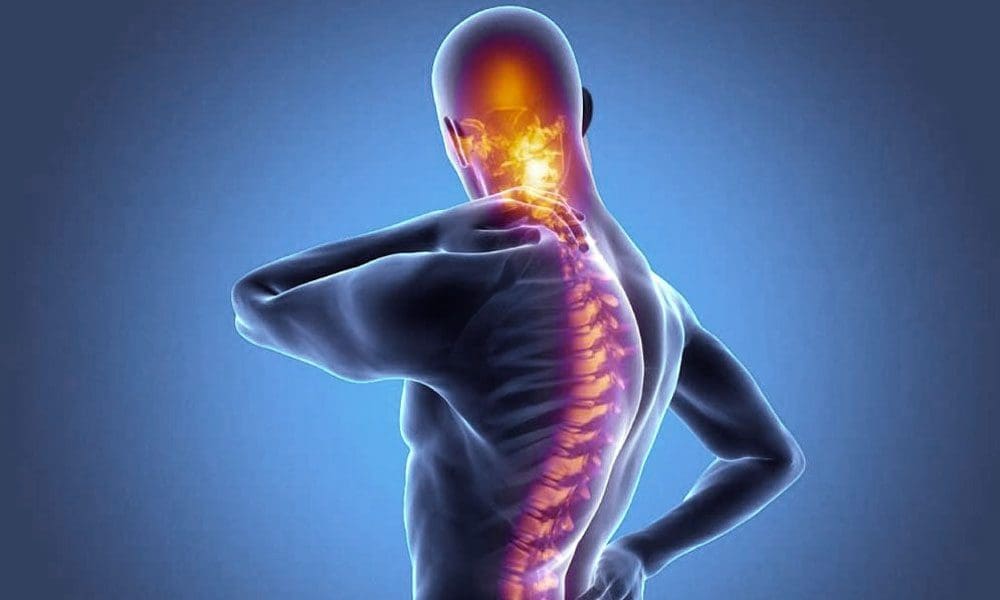
Ankylosing spondylitis, or AS, is a type of inflammatory arthritis that usually impacts the spine, causing back stiffness and pain, pain in the hips, and decreased range of motion. Brain fog can also be a symptom of AS and other chronic inflammatory conditions. Brain fog can affect memory, concentration, decision-making, learning, and problem-solving. Injury Medical Chiropractic and Functional Medicine Clinic can educate on the causes of ankylosing spondylitis brain fog and how to reduce its effects.
Brain Fog
Experts do not fully understand how conditions like AS cause brain fog and how it affects the brain and central nervous system. However, they believe brain fog is linked to chronic inflammation and pain associated with the condition, along with certain factors.
Chronic Inflammation
Inflammation occurs when the body’s immune system attacks healthy cells.
This triggers the release of inflammation-causing cytokines.
Cytokines can interfere with normal brain function.
Ankylosing Spondylitis Chronic Pain
Chronic pain can cause fatigue and unhealthy sleep quality.
Fatigue and poor sleep can worsen chronic pain, leading to intense fatigue and extreme sleep issues, becoming a vicious cycle.
Corticosteroids
Doctors typically treat ankylosing spondylitis with corticosteroids.
Individuals with cardiovascular risk factors have an increased risk of brain fog from the medications.
Depression
Individuals with AS can present symptoms of depression, which has been linked to cognitive impairment.
Depression can contribute to the development of brain fog.
Cornelson, Stacey M et al. “Chiropractic Care in the Management of Inactive Ankylosing Spondylitis: A Case Series.” Journal of chiropractic medicine vol. 16,4 (2017): 300-307. doi:10.1016/j.jcm.2017.10.002
Creaky Joints. (September 17, 2018) “You can ease inflammatory arthritis brain fog with these 12 tips for a sharper mind.” https://creakyjoints.org/living-with-arthritis/arthritis-brain-fog/
Vitturi, Bruno Kusznir et al. “Cognitive Impairment in Patients with Ankylosing Spondylitis.” The Canadian journal of neurological sciences. Le journal canadien des sciences neurologiques vol. 47,2 (2020): 219-225. doi:10.1017/cjn.2020.14
Zhang, Jun-Ming, and Jianxiong An. “Cytokines, inflammation, and pain.” International anesthesiology clinics vol. 45,2 (2007): 27-37. doi:10.1097/AIA.0b013e318034194e
IFM's Find A Practitioner tool is the largest referral network in Functional Medicine, created to help patients locate Functional Medicine practitioners anywhere in the world. IFM Certified Practitioners are listed first in the search results, given their extensive education in Functional Medicine


 Leg Adjustments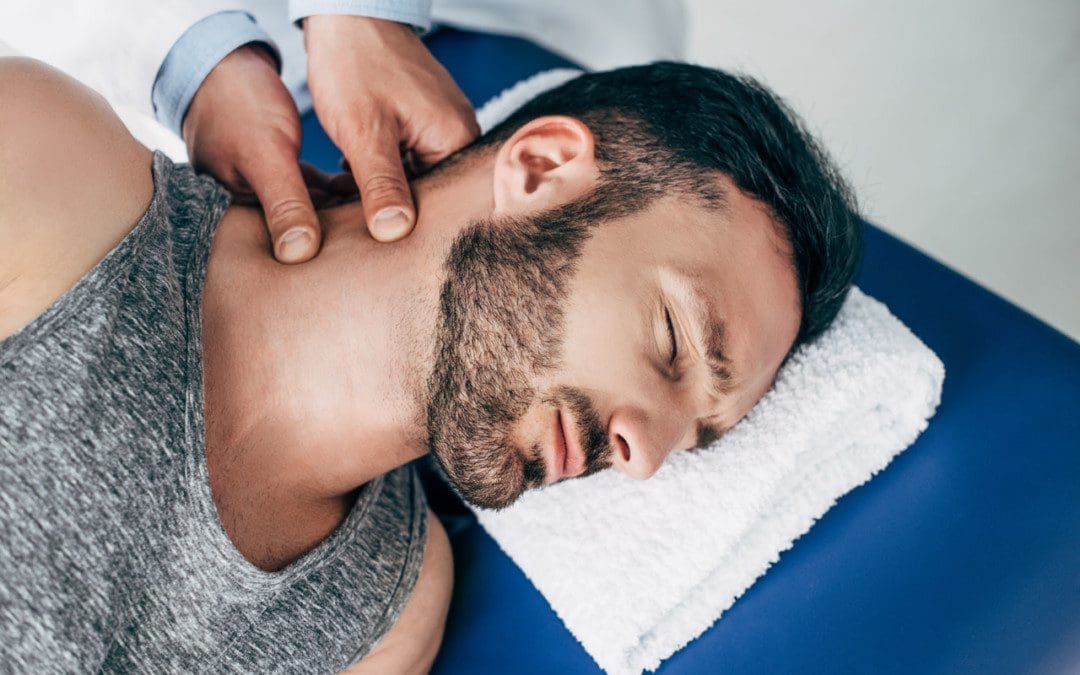

 Whiplash Nerve Injury
 IBD Back Pain

 Brain Fog






