Enhancing Body Detox Through Exercise and Chiropractic Care at El Paso Back Clinic
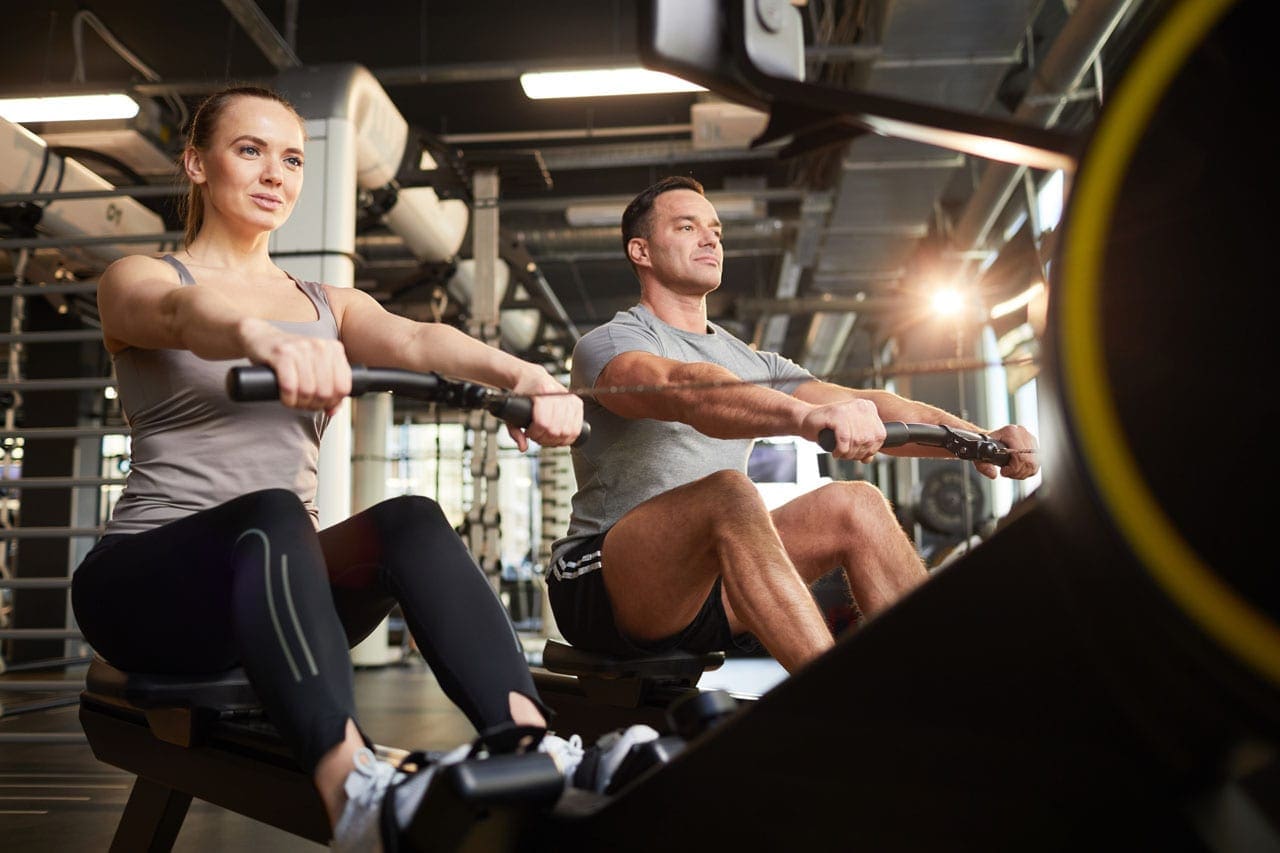
Maintaining a healthy body in today’s busy world goes beyond just eating well. Your body naturally removes toxins through various organs, including the liver, kidneys, lungs, skin, and lymphatic system. Stress, poor posture, or injuries from accidents can slow these processes, leading to fatigue or discomfort. At El Paso Back Clinic®, led by Dr. Alexander Jimenez, DC, APRN, FNP-BC, we combine targeted exercise, chiropractic care, and integrative therapies to support your body’s natural detox systems. This 5,000-word guide explores sports and activities that boost circulation, stimulate lymph flow, and promote healthy sweating, paired with our clinic’s expertise in injury recovery and wellness to enhance overall health.
Your Body’s Natural Detox Systems
Your body is designed to eliminate waste daily. The liver filters blood, kidneys flush out liquids, lungs exhale waste gases, skin releases toxins through sweat, and the lymphatic system drains excess fluid and fights infection (Fontana Candle Company, n.d.). When these systems are sluggish—due to inactivity, poor alignment, or injury—toxins can accumulate, leading to fatigue, joint pain, or skin issues.
At El Paso Back Clinic®, we understand how spinal misalignments or injuries from motor vehicle accidents (MVAs), work, or sports can disrupt these pathways. Exercise gets blood and lymph moving, sweating clears the skin, and chiropractic adjustments align the spine to optimize nerve signals to detox organs. Integrative therapies, such as massage and acupuncture, further enhance flow by working together to support your body without replacing its natural processes.
Sports and Activities to Boost Circulation
Good blood flow is vital for detox, delivering oxygen and nutrients while removing waste. At El Paso Back Clinic®, we recommend cardio-based activities tailored to your needs, especially for patients recovering from injuries like whiplash or joint strains.
Brisk Walking or Jogging: These low-impact exercises increase heart rate and improve blood vessel health, reducing inflammation (Avicenna Cardiology, n.d.). For MVA patients, walking is a safe start to rebuild mobility.
Swimming: Ideal for those with joint pain, swimming works the whole body while supporting circulation. Dr. Jimenez often prescribes it for sports injury recovery due to its gentle nature (Jimenez, n.d.a).
Cycling: Stationary or outdoor biking strengthens legs and boosts lower-body circulation. It’s great for work-related injury patients, as it avoids high impact (One Leisure, n.d.).
Team Sports: Activities like soccer or basketball involve bursts of running and jumping, enhancing overall flow. These are excellent for younger patients or those in sports wellness programs at our clinic.
Start with 30 minutes, five days a week, adjusting based on your recovery plan. Our team assesses your condition—using advanced neuromusculoskeletal imaging—to ensure activities match your health goals (Jimenez, n.d.b).
Activating the Lymphatic System Through Movement
The lymphatic system, your body’s drainage network, relies on muscle movement to function. Without a pump like the heart, it needs activities to keep fluid flowing. At El Paso Back Clinic®, we integrate lymph-stimulating exercises into treatment plans for patients with swelling or pain from injuries.
Rebounding: Bouncing on a mini-trampoline creates a pumping action, moving lymph up to 15 times more effectively than walking (Cancer Schmancer, n.d.). It’s ideal for post-MVA recovery to reduce swelling.
Yoga: Poses like downward dog or cat-cow use gravity and muscle engagement to drain lymph nodes. Yoga also reduces stress, which can clog lymph flow. We offer guided sessions for patients with back pain or sciatica.
Pilates: Controlled movements strengthen the core, massage organs, and boost lymph circulation. It’s part of our rehabilitation for degenerative arthritis.
Hiking: El Paso’s trails provide uneven terrain that engages muscles, promoting lymph flow. It’s recommended for patients transitioning back to active lifestyles post-injury.
Dr. Jimenez’s dual-scope diagnosis—combining chiropractic and nurse practitioner expertise—identifies lymph blockages from injuries like sprains or MVAs. Using imaging, we create personalized plans to restore flow and prevent chronic issues (Jimenez, n.d.a).
Sweating for Effective Detox
Sweating is a powerful way to eliminate toxins through the skin, your largest organ. Research shows sweat can remove heavy metals and chemicals like BPA more effectively than urine (Samahita Retreat, n.d.). At El Paso Back Clinic®, we encourage healthy sweating as part of recovery and wellness.
Hot Yoga: Combining heat and movement, hot yoga opens pores and boosts circulation. It’s ideal for patients with musculoskeletal inflammation, as it reduces stiffness (HCMedSpa, n.d.).
Running: Moderate runs in El Paso’s climate induce clean sweat, flushing impurities. We recommend it for patients recovering from sports injuries to maintain their fitness.
Infrared Saunas: These use light to heat the body, promoting deep detox without excessive heat. They’re part of our integrative approach for patients with chronic pain (Pause Studio, n.d.).
Hydration is key—drink water before and after sweating. Dr. Jimenez often pairs sauna sessions with adjustments for MVA patients, as inflammation from injuries can trap toxins (Jimenez, n.d.b). Dry brushing before sweating further enhances lymph and skin detox.
Chiropractic Care at El Paso Back Clinic
Chiropractic adjustments realign the spine, relieving nerve pressure to optimize organ function, including the detoxification system. Misalignments from MVAs, work injuries, or poor posture can disrupt nerve signals to the liver or kidneys (Recovery Chiropractic, n.d.). At El Paso Back Clinic®, we use techniques like the Thompson Drop-Table to gently correct these issues, improving immune and detox function.
Dr. Jimenez’s clinic specializes in treating severe pain, sciatica, neck/back issues, whiplash, and sports injuries. Using advanced imaging, we diagnose misalignments or nerve impingements, then tailor adjustments to each patient. For example, a worker with a back strain from lifting might receive adjustments and therapeutic exercises to restore alignment and mobility (Jimenez, n.d.a). We also provide legal documentation for injury cases, ensuring proper care coordination with insurance or legal teams.
Integrative Therapies for Holistic Healing
At El Paso Back Clinic®, we combine chiropractic with integrative therapies to enhance detox and recovery:
Massage Therapy: Deep tissue massage releases toxins from muscles and improves lymph drainage. It’s used for MVA patients with whiplash or joint pain to speed healing (Bend Total Body Chiropractic, n.d.).
Acupuncture: Thin needles are inserted into specific energy points to reduce pain and enhance circulation. It’s effective for personal injuries or chronic conditions, such as arthritis, by balancing the body’s qi (Jimenez, n.d.b).
Nutritional Guidance: Our nutritionists design anti-inflammatory diets to support detox during recovery, especially for MVA or sports injury patients (El Paso Back Clinic, n.d.).
These therapies work synergistically with adjustments. For instance, a patient with a bicycle accident injury might receive spinal adjustments, massage to reduce muscle tension, and acupuncture to ease inflammation, preventing long-term complications.
How These Practices Work Together
Imagine visiting El Paso Back Clinic for an adjustment to align your spine, which improves nerve signals and helps detoxify organs. You follow with a yoga class to stimulate lymph and sweat, then a massage to release muscle toxins. Weekly walks keep circulation steady. This combination maximizes each method’s benefits: adjustments clear nerve pathways, exercise pumps blood and lymph, and integrative care reduces inflammation.
For athletes, this synergy prevents injuries and speeds recovery. A soccer player with a knee sprain may undergo imaging to assess the damage, receive adjustments to align the pelvis, and participate in targeted exercises to rebuild strength (Phoenix Rising Wellness Center, n.d.). For everyday El Pasoans, it’s about wellness—chiropractic keeps the spine healthy, exercise maintains fitness, and therapies like acupuncture promote balance.
Real-Life Benefits and Safety Tips
Patients at El Paso Back Clinic report increased energy, reduced pain, and improved mobility after combining these approaches. Studies show exercise and chiropractic care lower inflammation, aiding detox (HCMedSpa, n.d.). Our clinic’s MVA patients often see faster recovery from whiplash or spinal injuries when pairing adjustments with movement and nutrition plans.
Safety is a priority. Dr. Jimenez uses dual-scope diagnostics to assess injuries from work, sports, or MVAs, ensuring exercises suit your condition (Jimenez, n.d.b). Consult our team before starting, especially with heart issues or severe injuries. Hydrate during sweat sessions, and stop if you feel pain.
For accident cases, we provide detailed legal documentation, ensuring treatments align with insurance or court needs, as seen in our MVA recovery programs (El Paso Back Clinic, n.d.).
Your Detox and Wellness Plan at El Paso Back Clinic
Start with a chiropractic assessment at El Paso Back Clinic®, followed by three cardio sessions (like walking or cycling), two yoga classes, and a monthly massage. Add acupuncture for pain relief. Track your energy and mobility—feeling better is a sign it’s working.
Dr. Jimenez and our team in El Paso tailor plans to your needs, whether you are recovering from an 18-wheeler crash or maintaining wellness. Our advanced diagnostics and integrative approach address injury causes, promoting natural healing and long-term health (Jimenez, n.d.a).
Conclusion
At El Paso Back Clinic®, we believe in supporting your body’s natural detox through exercise, chiropractic care, and integrative therapies. From boosting circulation with swimming to stimulating lymphatic flow with yoga and clearing toxins through sweat, these practices work together to enhance overall health. Paired with Dr. Jimenez’s expertise in injury recovery and wellness, you can thrive in El Paso’s active community. Visit us to start your journey to optimal health.
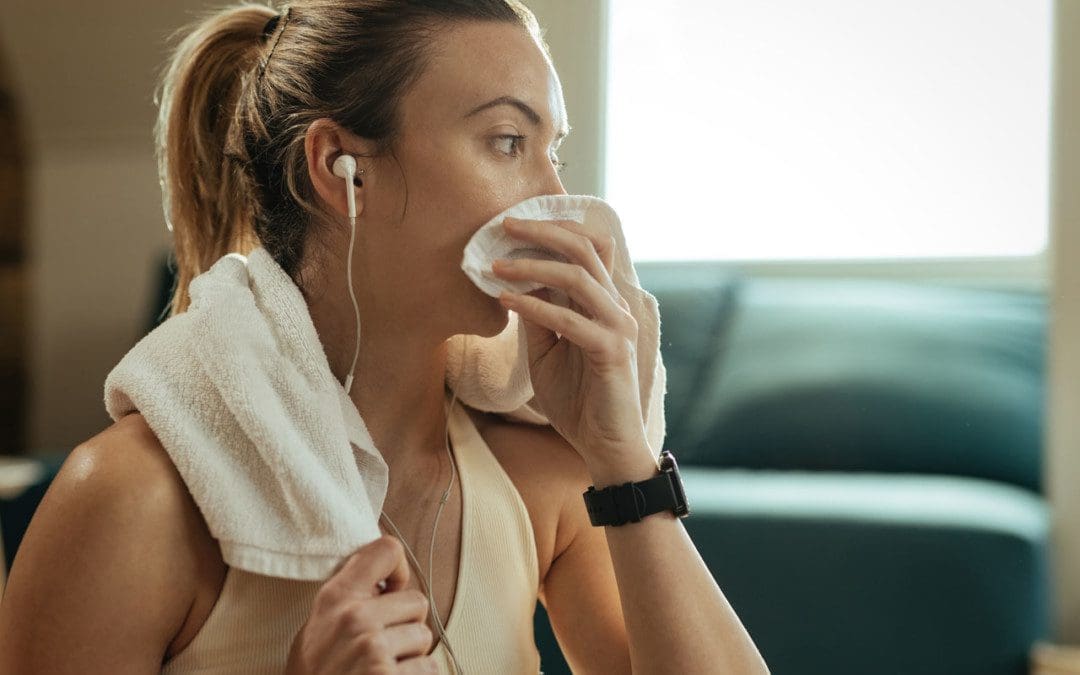
When the body shifts out of homeostasis or when something in the body is out of balance, the body sweats. Sweating is a process known as perspiration that releases salt-based fluids from the body’s sweat glands to help the body stay cool and regulate body temperature. Sweat is commonly found under the arms, on the feet, and on the palms of the hands. Body temperature, outdoor temperature, or emotional state changes can cause sweating.
Sweating
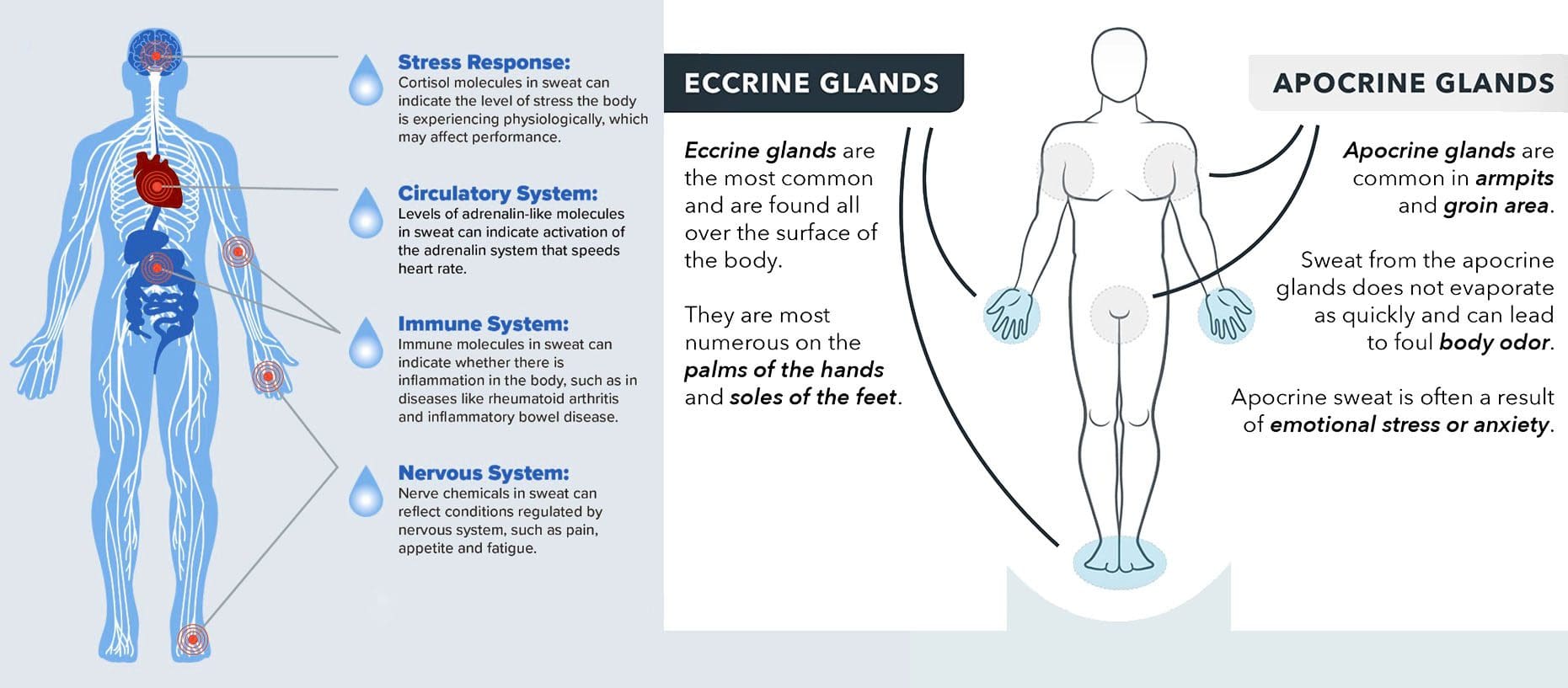
An individual has around 2-4 million sweat glands, which begin to become fully active during puberty. There are two types of sweat glands: eccrine and apocrine. The most common areas of sweating include:
Face.
Armpits.
Palms of the hands.
Soles of the feet.
Sweating in normal amounts is an essential bodily process.
Not sweating enough or sweating too much can cause problems.
Sweat is mostly water but contains small amounts of salt.
Sweat also contains electrolytes and minerals – including potassium, chloride, magnesium, zinc, copper, proteins, urea, and ammonia.
Electrolyte levels need to be replenished after heavy sweating.
Causes
Sweating is normal. However, a variety of causes can stimulate increased sweating.
High Temperature
Elevated body temperature.
Elevated outdoor temperature.
Are the primary cause of increased sweating.
Emotions and stress
Emotions and conditions can also make the body break out in a heavy sweat.
Emotional stress
Anxiety
Anger
Fear
Embarrassment
Foods
Sweating may be a response to certain foods. This type of sweat is known as gustatory sweating, which can be caused by:
Spicy foods
Caffeinated drinks – like soda, coffee, and tea.
Alcoholic beverages.
Medications
Illness and Medications
Sweating may be caused by medication use and certain illnesses:
Individuals can become dehydrated and have an increased risk of heatstroke.
Chiropractic Adjustments
The nervous system coordinates and oversees all functions of the body. Some can be consciously controlled, and others are automatic. The autonomic nervous system– ANS regulates involuntary processes, including blood pressure, heart rate, digestion, respiration, gland function, sweating, etc. The ANS is divided into the sympathetic and parasympathetic systems.
The sympathetic nervous system – when activated, creates a state of elevated activity and attention or the fight or flight response.
This process increases blood pressure and heart rate, preparing the body to respond to various stressors.
The parasympathetic nervous system promotes resting and digesting processes that lower heart rate and blood pressure.
The parasympathetic calms the body.
Chiropractic adjustments have been known to affect the autonomic nervous system. This is achieved by increasing parasympathetic activity/relaxation and down-shifting the sympathetic/fight or flight response and inflammation. A chiropractic adjustment can remove subluxations, which cause interferences in the nervous system. Chiropractic restores and improves the brain and body system communication.
Thoracic Spine Pain
References
Baker, Lindsay B. “Physiology of sweat gland function: The roles of sweating and sweat composition in human health.” Temperature (Austin, Tex.) vol. 6,3 211-259. 17 Jul. 2019, doi:10.1080/23328940.2019.1632145
Cabanac, M. “Temperature regulation.” Annual Review of Physiology vol. 37 (1975): 415-39. doi:10.1146/annurev.ph.37.030175.002215
Cui, Chang-Yi, and David Schlessinger. “Eccrine sweat gland development and sweat secretion.” Experimental dermatology vol. 24,9 (2015): 644-50. doi:10.1111/exd.12773
Kiani, Aysha Karim, et al. “Neurobiological basis of chiropractic manipulative treatment of the spine in the care of major depression.” Acta bio-medica : Atenei Parmensis vol. 91,13-S e2020006. 9 Nov. 2020, doi:10.23750/abm.v91i13-S.10536
McCutcheon, L J, and R J Geor. “Sweating. Fluid and ion losses and replacement.” The Veterinary clinics of North America. Equine practice vol. 14,1 (1998): 75-95. doi:10.1016/s0749-0739(17)30213-4
Chiropractic care focuses on whole-body health, restoring optimal body function, helping injuries heal/rehabilitate, and maintaining musculoskeletal health. Yoga is one of the most popular forms of fitness because it is not overly physically demanding but still increases flexibility and muscle tone, helps with weight loss, improves cardiovascular and circulatory health, and enhances breathing and energy levels. Yoga provides benefits that directly relate to chiropractic, making the treatment more effective.
Yoga and Chiropractic
Yoga is an exercise focusing on mindfulness combined with deep stretches and focused breathing. Yoga focuses on balance, flexibility, and strength.
It helps to lower blood pressure and stress levels by releasing built-up tension.
Helps to activate the body’s natural healing process.
It stretches the muscles, ligaments, and tendons, keeping them loose and flexible, enhancing chiropractic adjustments.
Chiropractic
Chiropractic is multi-faceted,restoring the wellness of the neuromusculoskeletal system that involves the nerves, muscles, and bones. It works holistically with the body’s natural processes to restore balance and overall health.
Realigns the spine.
Returns the natural shape of the body’s structure.
Clears interference from the nervous system.
Rejuvenates the body.
Customized chiropractic adjustments, spinal decompression, and traction treatment plans help shift spinal deformities back toward proper balance.
Strengthen Soft Tissues
Yoga and chiropractic work and strengthen all the:
Connective tissues
Muscles
Ligaments
Tendons
Increasing the strength of the joints throughout the body reduces stress and the risk of injury.
Promote Healing
Yoga and chiropractic:
Prepare the body for healing.
Stretch and elongate the body.
Release built-up tension and stress.
Activate the body for healing.
Prevent Injury
Yoga and chiropractic:
Maintain body alignment.
Increase balance.
Stretch and relieve tense muscles.
Ensure proper joint operation.
Make the body less susceptible to injury.
Educate Individuals About The Body
Chiropractors and yoga teachers can educate individuals on how the body works, maintaining muscle strength, teaching posture awareness, and nervous system function for a healthier life.
Yoga Body Flow
References
Biman, Saranga, et al. “Effects of yoga on stress, fatigue, musculoskeletal pain, and the quality of life among employees of the diamond industry: A new approach in employee wellness.” Work (Reading, Mass.) vol. 70,2 (2021): 521-529. doi:10.3233/WOR-213589
da Costa, Fernanda Mazzoni, et al.”“Effects of an intervention program with health education and hatha yoga on the health of professionals with musculoskeletal symptoms”” Revista brasileira de medicina do trabalho : publicacao oficial da Associacao Nacional de Medicina do Trabalho-ANAMT vol. 18,2 114-124. 11 Dec. 2020, doi:10.47626/1679-4435-2020-492
Hawk, Cheryl, et al.” Best Practices for Chiropractic Management of Patients with Chronic Musculoskeletal Pain: A Clinical Practice Guideline” Journal of alternative and complementary medicine (New York, N.Y.) vol. 26,10 (2020): 884-901. doi:10.1089/acm.2020.0181
Kolasinski, Sharon L et al.” 2019 American College of Rheumatology/Arthritis Foundation Guideline for the Management of Osteoarthritis of the Hand, Hip, and Knee” Arthritis care & research vol. 72,2 (2020): 149-162. doi:10.1002/acr.24131
Urits, Ivan et al.” A Comprehensive Review of Alternative Therapies for the Management of Chronic Pain Patients: Acupuncture, Tai Chi, Osteopathic Manipulative Medicine, and Chiropractic Care” Advances in therapy vol. 38,1 (2021): 76-89. doi:10.1007/s12325-020-01554-0
Anybody can become dehydrated if they don’t take care of themselves and drink plenty of water. Being dehydrated happens when there is insufficient water in the body or increased water loss through sweating, vomiting, and/or diarrhea, along with certain medications, can increase urination and dehydration. Older adults have an increased risk of dehydrating because their body’s fluid reserves decrease, and their body’s ability to signal that they are thirsty does not work as effectively, especially those with memory problems.
Dehydrated Symptoms
Signs of dehydration include:
Muscle cramps.
Dry mouth
Dry cough.
Tiredness/fatigue.
Flushed red skin.
Swollen feet.
High heart rate but low blood pressure.
Dizziness, weakness, light-headedness.
Headache, delirium, confusion.
Loss of appetite with a sugar craving.
Heat intolerance or chills.
Constipation.
Dark-colored urine. Urine should be a pale clear color.
Dehydration Levels
Dehydration is categorized as:
Mild
The body needs more fluids to be taken in.
Drink water
Drinks containing electrolytes are recommended if experiencing significant sweating or fluid losses from vomiting and diarrhea.
The body should feel better after five or ten minutes.
Bhave, Gautam, and Eric G Neilson. “Volume depletion versus dehydration: how understanding the difference can guide therapy.” American journal of kidney diseases: the official journal of the National Kidney Foundation vol. 58,2 (2011): 302-9. doi:10.1053/j.ajkd.2011.02.395
Centers for Disease Control and Prevention. Drinking-Water. (https://www.cdc.gov/healthywater/drinking/nutrition/index.html)
HealthFirst. What Happens to Your Body When You’re Dehydrated? (https://healthyliving.healthfirst.org/happens-body-youre-dehydrated/)
Kenefick, Robert W, and Michael N Sawka. “Hydration at the worksite.” Journal of the American College of Nutrition vol. 26,5 Suppl (2007): 597S-603S. doi:10.1080/07315724.2007.10719665
Thomas, David R et al. “Understanding clinical dehydration and its treatment.” Journal of the American Medical Directors Association vol. 9,5 (2008): 292-301. doi:10.1016/j.jamda.2008.03.006
IFM's Find A Practitioner tool is the largest referral network in Functional Medicine, created to help patients locate Functional Medicine practitioners anywhere in the world. IFM Certified Practitioners are listed first in the search results, given their extensive education in Functional Medicine