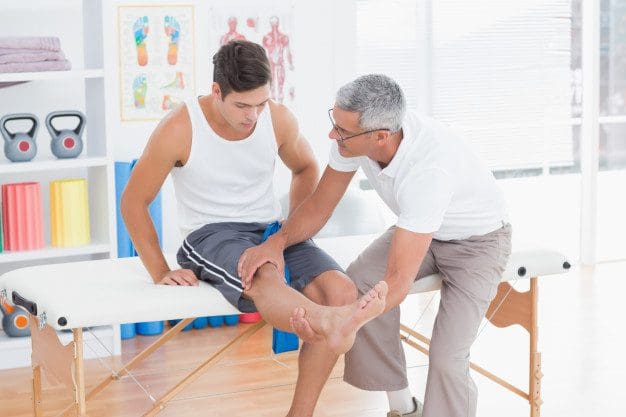
Lumbar stenosis surgery for sciatica, like any type of surgical procedure does not always yield the most successful results. This is why it�s important to carefully and methodically assess all of the personal risk factors.
Sciatica causes severe pain and surgery could be an option and hopefully of last resort. However, it� is important to first attempt non-surgical/non-pharmacological treatment/s for six to twelve weeks before surgery to relieve symptoms and root cause. A full course of conservative treatment could include:
Physical therapy
Chiropractic
Aerobic exercise
Pain meds
Epidural steroid injection
�
�
Sciatica and Stenosis
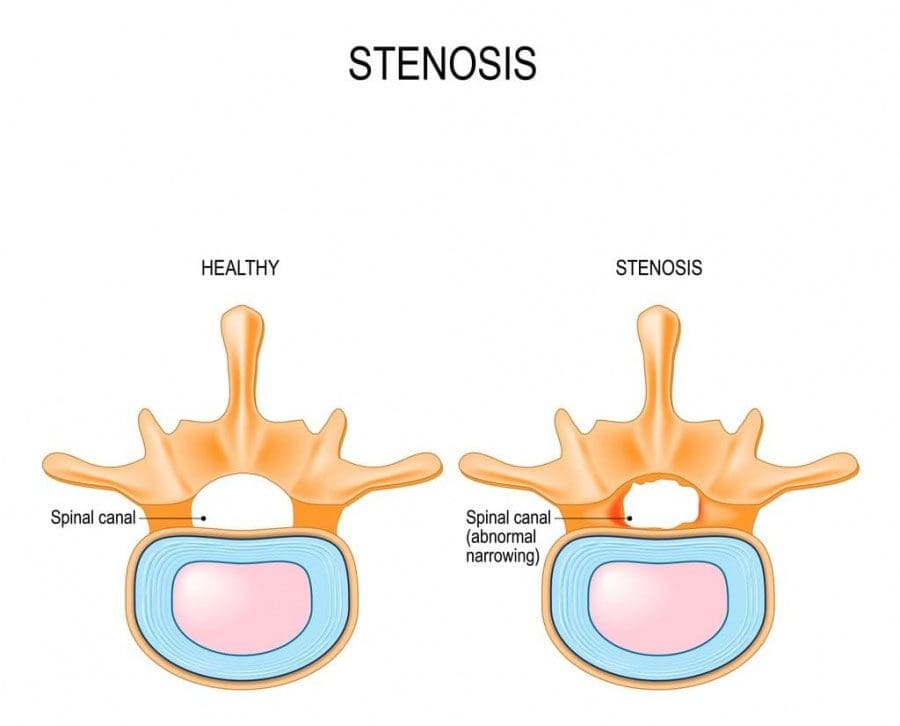
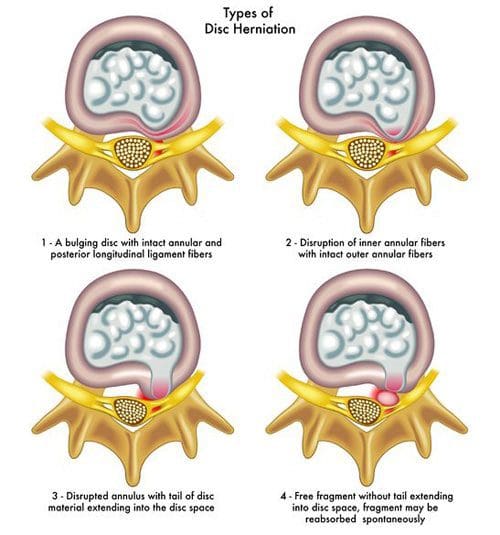
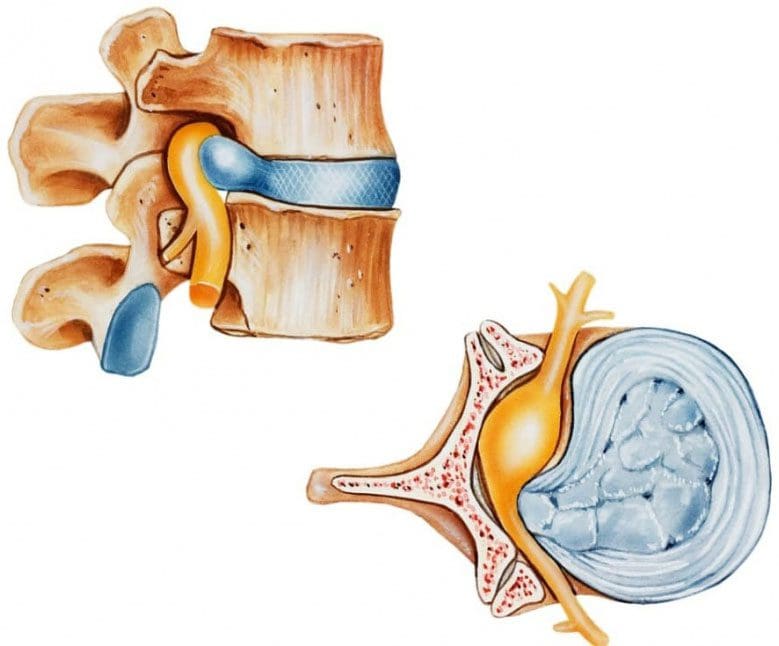
Sciatica can be caused by stenosis. This is when the spinal canal narrows, constricting, and pinching the nerves specifically the sciatic. Around ninety percent of cases stem from a herniated disccompressing the nerve roots. The damaged disc extends out and pinches the roots of the sciatic nerve. This pinching causes: �
�
Pain
Numbness
Tingling
Muscle weakness
If it stays like this for a long time an individual can experience incontinence, along with permanent nerve and muscle damage.
�
Lumbar Stenosis Surgery Options
Lumbar stenosis surgery depends on the cause of sciatica: A single herniated disc could be pressing the nerve, which would only require the removal of just that portion of the disc that�s causing the compression. This procedure is known as a discectomy or microdiscectomy.
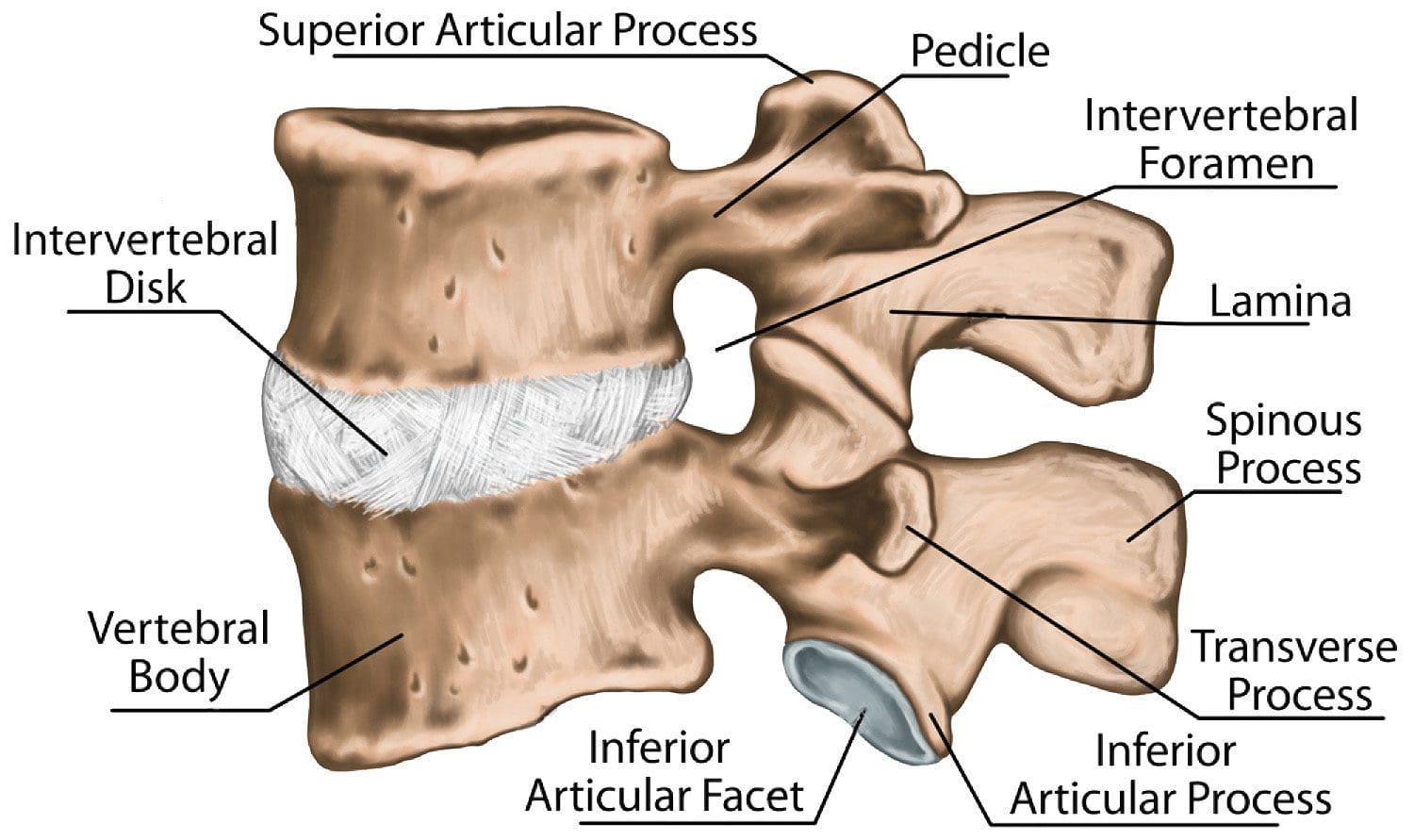
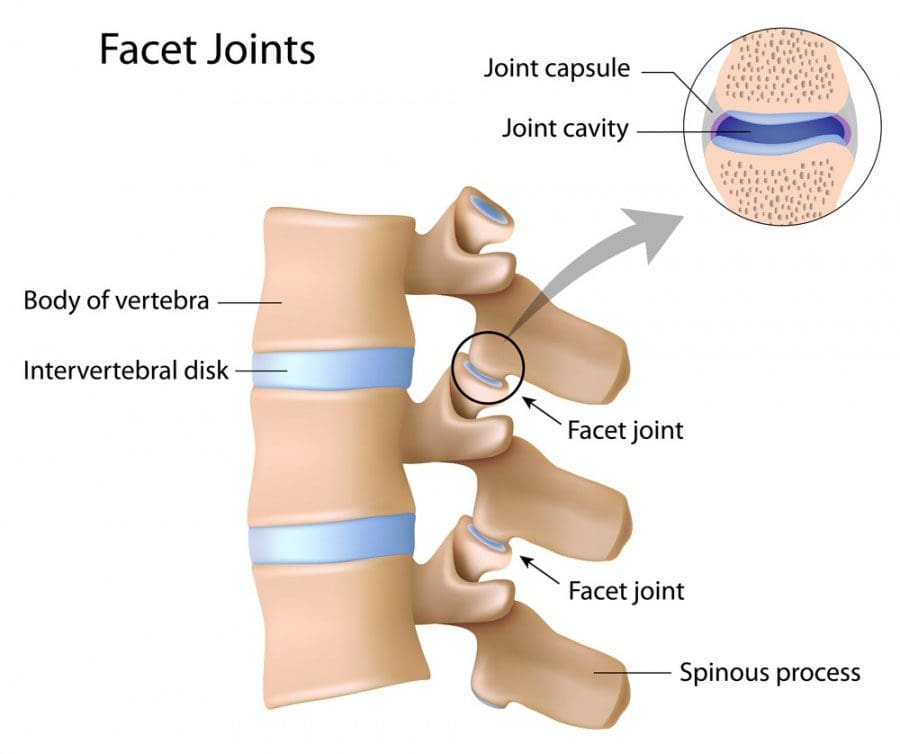
If the stenosis is caused by a bone problem like an arthritic bone spur, then space has to be made in the canal. This means a portion of the lamina or the back of the spinal column. This is called a hemilaminectomy. Sometimes the whole lamina has to be removed. This is known as a laminectomy.
�
If there is the instability of the spinal column, some of the lumbar vertebrae will be fused together to prevent further instability and added nerve compression.
A non-operative treatment course lasting a few weeks to months could reduce swelling in the nerve and improve sciatica symptoms. What happens is sometimes the disc gets reabsorbed over time and does not irritate the sciatic nerve.
�
Surgical Success
If the non-surgical options yielded minimal positive results or completely failed and surgery is the last resort talk with your surgeon to discuss the risks and benefits. The discussion will focus on factors like:
Individuals sixty-five and older, multiple health problems, being overweight or a smoker will place an individual at a higher risk of post complications from surgery. Studies found individuals who underwent surgery for sciatica from lumbar stenosis, identified added risk factors that could affect the outcome including:
Depression: this was because there were patients that continued to have sciatica symptoms after surgery. This means they are more likely to take antidepressants or anticonvulsants.
Quality of life from health perspective was low.
Previous spine surgery
�
Knowing about these factors and the possible success of sciatica surgery is something to keep in mind. The best way to understand what and how the surgery will be beneficial is to understand the risks and to remember that the risks are not the same for everybody.
�
Optimization
Surgical success depends on making sure patients are optimized before surgery. Increasing the chances of successful surgery after conservative treatment/s a surgeon will ask the patient to take these steps:
Weight loss is difficult, but it has been shown to improve surgical outcomes.
Light aerobic exercise, such as stationary or recumbent cycling can help keep the body’s blood flowing properly.
Exercising with pain is difficult but it will increase the cardiovascular system along with keeping the heart and lungs healthy enough to undergo surgical stress.
If the exercising causes too much pain ask the doctor about anti-inflammatory, muscle relaxants, or steroid medication along with the non-surgical treatment that can provide relief allowing exercise to resume.
�
Quit smoking
Smoking increases the rate of spinal degeneration and impairs the body�s ability to heal properly and optimally after surgery. If the surgery is elective, meaning it is not a medical emergency, then it is strongly encouraged to quit smoking before surgery. This will increase the chances of eliminating the habit. Don’t be afraid to get support. cancer.org/smokeout.
�
Pro-activeness
If taking antidepressant/s for depression, do not quit taking the medication thinking it will improve sciatica surgery success. Mental health is extremely important. The same goes for anticonvulsant meds as well. Stopping anticonvulsant medication for spinal surgery will more than likely cause extended damage or pre/post-surgical complications. Pre-existing conditions like depression means bringing the mental health provider and other specialists into the pre-surgical discussion.
Chiropractor Sciatica Symptoms
Dr. Alex Jimenez�s Blog Post Disclaimer
The scope of our information is limited to chiropractic, musculoskeletal, physical medicines, wellness, and sensitive health issues and/or functional medicine articles, topics, and discussions. We use functional health & wellness protocols to treat and support care for injuries or disorders of the musculoskeletal system. Our posts, topics, subjects, and insights cover clinical matters, issues, and topics that relate and support directly or indirectly our clinical scope of practice.*
Our office has made a reasonable attempt to provide supportive citations and has identified the relevant research study or studies supporting our posts. We also make copies of supporting research studies available to the board and or the public upon request. We understand that we cover matters that require an additional explanation as to how it may assist in a particular care plan or treatment protocol; therefore, to further discuss the subject matter above, please feel free to ask Dr. Alex Jimenez or contact us at 915-850-0900. The provider(s) Licensed in Texas& New Mexico*
Surgery for sciatica is sometimes necessary if medications, chiropractic, and physical therapy are not working to relieve sciatica symptoms, but don�t worry. Individuals sometimes have sciatica that just does not respond to conservative treatment can find relief through surgical procedures.
�
Questions begin to pop up, as to which procedure makes the most sense, what will the experience be like, and how long will it be until you can get back to a normal, pain-free life?
�
Sciatica
Sciatica is pain that runs down the longest nerve in the body, known as the sciatic nerve. Pain starts in the lower back and spreads down one leg, into the calf and possibly the foot. It is rare but sciatica can occur in both legs. The pain is mild to severe and feels worse when sneezing, coughing, bending, and standing/sitting in certain positions. The pain is often accompanied by numbness, tingling, or weakness in affected legs. �
�
Sciatica a set of symptoms caused by other medical problems like an injury, tumor, or the most common cause around 90% of the time is a herniated disc in the lower back. The soft-gel center of the disc pushes through the tough exterior, where it can pinch or press on the sciatic nerve causing pain.
Research shows that sciatica affects 1% to 5% of the population, and around 40% will experience sciatica at some point in their life. Men between the ages of 30 and 50 have a higher risk along with smokers, individuals that sit for a long time, and those that perform physically strenuous work. Doctors and chiropractors can diagnose cases of sciatica with a medical history and physical exam. Diagnostic imaging can also be used in some cases.
�
When it’s Time to Consider Surgery for Sciatica
�
Most individuals with sciatica respond positively with non-surgical treatments like chiropractic, physical therapy, acupuncture, medication, spinal injection/s, etc. This makes spine surgery a rarely needed treatment for low back and leg pain caused by sciatic nerve compression. But there are situations when surgery for sciatica could be beneficial.
Symptoms become severe and non-surgical treatment is no longer effective
There are different types of surgical procedures for spine surgery. A spine surgeon will recommend the best approach for each patient’s sciatica. Which procedure they recommend will be based on the disorder causing sciatica with the entire procedure clearly explained so that you understand completely. Ask any questions to better understand the surgeon’s recommendation. Remember, the final decision is always up to you. A second opinion is recommended before deciding.
Sciatica usually goes away on its own with the majority of cases managed with conservative treatment. Depending on the cause, this could be heat or ice packs, chiropractic, therapeutic massage, pain medication, stretching exercises, physical therapy, or injections. �
Sciatica for Surgery Options
Surgery for sciatica is performed to relieve the added compression/pressure on the nerves and relieve the pain. Options include a microdiscectomy and laminectomy. Each has its similarities and differences when it comes to the preparation, process, and recovery for the operation. �
�
Microdiscectomy
During a microdiscectomy, part or all of the herniated disc is removed. Research has shown the effectiveness of relieving pain to be around 80 to 95 percent of patients. The operation is done in a hospital or surgery center and requires about one hour to complete. General anesthesia is administered during this procedure.
A surgeon will make an incision over the affected disc.
Skin and tissue covering the disc will be opened and moved for better access. Some of the bone could be taken out as part of the procedure called a laminotomy.
The surgeon will use various tools to remove all or part of the herniated disc.
Once the removal is done, the surgeon will close the incision and send you to a recovery room.
To quicken the healing process patients are encouraged to start walking within hours of the procedure.
Most go home the same day. Some patients will have to stay at the hospital for observation. This could be from other conditions present.
You will not be allowed to operate a vehicle the same day. Therefore a designated driver will be necessary.
�
Laminectomy
�
Preparation for a laminectomy is similar to a microdiscectomy. The lamina is the back part of the vertebrae, which protects the spinal canal. This procedure relieves pain by creating space for the nerves to move around.
The procedure takes about one to three hours from start to finish.
Both sides of the laminae are removed, along with the spinous process in the middle.
The patient lies face-down as the surgeon makes an incision near the affected vertebrae.
Skin and muscles are moved around and various tools/instruments are used to remove all or part of the lamina. Overgrowth of bone or spinal disc could also be removed.
The incision is stitched or stapled, bandaged, and sent to a recovery room.
Just like a microdiscectomy the individual will be encouraged to begin walking the same day.
Most individuals leave the hospital after surgery, however, a one to possible three-night could be required for others.
A driver does need to be designated for the ride home.
A microdiscectomy is recommended for stenosis caused by a herniated disc. However, if the stenosis is caused by another health issue/condition like bone spurs developed from arthritis, then a laminectomy could be the best approach. Laminectomies are usually performed on individuals in their 50s or 60s. While micro discectomies vary when it comes to age but are usually performed on younger individuals.
�
Recovery
�
At home, post-op rules need to be followed no matter what surgery for sciatica was performed. The incision area needs to stay clean and no lifting of heavy objects, bending and sitting for extended times. Surgery for sciatica is considered safe with complications being uncommon. All operations come with risks. These include nerve damage, blood clots, and infection.
The provider needs to know about unusual symptoms after the procedure. This could be fever, excess drainage, or pain around the incision area. Pain meds could be prescribed to ease the post-surgery pain, and chiropractic along with physical therapy could be implemented to speed recovery. Individuals are typically cleared to return to work two to four weeks after the procedure. It could be six to eight weeks if their job/occupation is physically demanding and strenuous.
Depending on how complex the spine surgery is an individual could be sitting upright the same day and walking within 24 hours. A course of pain meds could be prescribed to help manage postoperative pain. Instructions will be given on how to sit, rise, get out of bed, and stand in a careful manner. The body needs time to heal, so a doctor could recommend activity restriction. This could be anything that moves the spine too much. For sure contact sports, twisting, or heavy lifting during recovery are to be avoided. Report any problem/s like fever, increased pain, infection right away.
�
Spine Surgery Relief
Many individuals benefit from sciatica surgery, but it doesn�t work for everyone. A small percentage of individuals continue to feel discomfort in the weeks/months after. And sciatica can return in the future and in a different location. Your healthcare provider can help you decide if surgery for sciatica is the right choice for you.
�
Treating Severe & Complex Sciatica Syndromes
�
�
Dr. Alex Jimenez�s Blog Post Disclaimer
The scope of our information is limited to chiropractic, musculoskeletal, physical medicines, wellness, and sensitive health issues and/or functional medicine articles, topics, and discussions. We use functional health & wellness protocols to treat and support care for injuries or disorders of the musculoskeletal system. Our posts, topics, subjects, and insights cover clinical matters, issues, and topics that relate and support directly or indirectly our clinical scope of practice.*
Our office has made a reasonable attempt to provide supportive citations and has identified the relevant research study or studies supporting our posts. We also make copies of supporting research studies available to the board and or the public upon request. We understand that we cover matters that require an additional explanation as to how it may assist in a particular care plan or treatment protocol; therefore, to further discuss the subject matter above, please feel free to ask Dr. Alex Jimenez or contact us at 915-850-0900. The provider(s) Licensed in Texas& New Mexico*
A bone graft is defined as using bone-in spine fusion surgery. Spinal fusion’s purpose is to link or weld bones together, in this case, the spinal bones. There are a variety of spinal conditions cause instability and pain:
Degenerative disc disease
Scoliosis
Trauma from an auto accident, sports injury, slip, and fall accident
Spine surgeons use a bone graft to:
Stop motion between two or more vertebrae
Stabilize a spinal deformity
Repair fractures of the spine
�
�
Spinal Fusion Stimulates New Bone Growth
A bone graft does not heal or fuse the spine instantly. Rather a bone graft sets up a foundational frame for the individual’s body to generate and grow new bone. A bone graft stimulates new bone production. It is when this new bone begins to grow and solidify, that fusion takes place.
With these types of surgeries, instrumentation like screws, and rods are typically used for the beginning stabilization. But it is the actual healing of the bone that welds the vertebrae together creating long-term stability.
A bone graft can be used for structural purposes for supporting the spine, usually this is done in place of a disc or bone that was removed. Or it can be an onlay, this means that a mass of bone fragments will grow together to stabilize the spine bridging the joint.
There are two generalized bone graft types:
Real bone
Substituted bone graft
Real bone can come from the patient, which is called an auto-graft or from a donor’s bone, called an allograft.
�
The Individual’s Bone or Auto-graft
An auto-graft is bone taken or harvested from the individual’s body and transplanted to a specific area, in this case, the spine. An auto-graft is considered the gold standard because it is the individual’s own bone, which contains:
These all help to stimulate the healing of the fusion. There are advantages for an auto-graft, which include a higher probability for fusion success and a lower risk for disease transmission. The only real setback for individuals of an auto-graft is the post-operative pain that usually comes with the procedure when harvesting an individuals’ bone. Bone can be harvested from one of the individual’s:
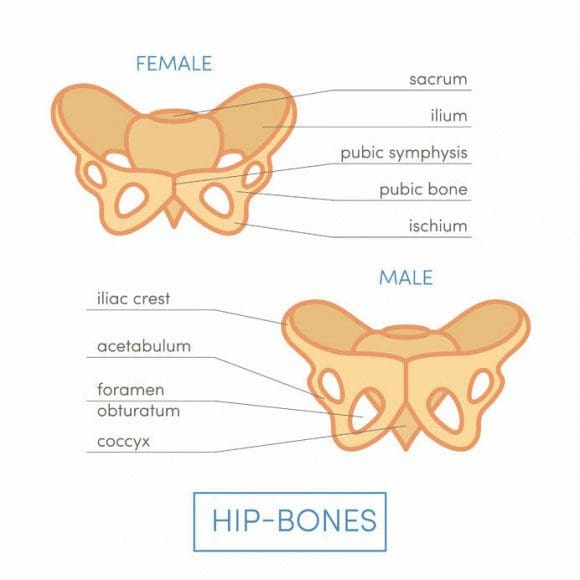
Iliac crests
Pelvic bones
Ribs
Spine
� Bone graft harvesting creates a new set of risks. These include:
Because of these risks and the possibility that the bone could be poor quality, a surgeon could decide to use another type of bone graft. When this happens a surgeon could go with what is known as a local auto-graft. This is bone harvested from the decompression itself.
These are the parts that are removed to decompress the nerves. They usually consist of bone spurs, lamina, and portions of the spinous process. These same bone pieces can be reused to assist with the fusion of the decompressed areas.
�
Donor Bone or Allograft
An allograft is a bone harvested from another person, usually from a tissue bank. Tissue banks harvest bone and other tissues from cadavers for medical purposes. An allograft is prepared by freezing or freeze-drying the bone or tissues. This helps limit the risk of graft rejection. Bone from an allograft does not have living bone cells and is not as effective at fusion stimulation when compared to an autograft. However, it still does work. Tissue banks:
Screen all their donors
Supervise bone recovery
Test donations
Sterilize donations
Store for use
Look for tissue banks that are accredited by the American Association of Tissue Banks. US Food and Drug Administration has strict regulations when it comes to human cell and tissue processing. These include rules about the eligibility of donors. These guidelines/protocols help reduce the risk of tissue contamination and the spread of disease.
�
Bone Graft Substitute
These substitutes are man-made or are made from a manipulated version of a natural product. These alternatives are safe and can provide a solid foundation for the individual’s body to grow bone. Substitutes have similar properties of human bone, which include a porous structure and proteins that stimulate healing.
�
Demineralized Bone Matrix – DBM
A demineralized bone matrix is an allograft that has gone through a process where the mineral content has been removed. This demineralization helps reveal bone-forming proteins like collagen, and growth factors hidden within the bone that can stimulate healing.
This procedure is often considered a bone graft extender. It is not considered a replacement. This is because its ability to fuse the human spine on its own has not been proven. DBM can be combined with the regular bone for more volume and is available in these forms:
Chip
Granule
Gel
Powder
Putty
�
Ceramic-based Extenders
Ceramic-based extenders are mixed in combination with other sources of bone. This is because they consist of calcium matrix for fusion, but there are no cells or proteins to stimulate the healing process. These include:
Ceramic-based extenders do not present a risk for disease transfer but can cause inflammation. They are available in porous and mesh forms.
�
Morphogenetic Protein – BMP
Different types of bone morphogenetic proteins or BMP’s are used to stimulate new bone growth. These proteins are found in human bone, however, they are trace amounts. They are then produced in larger amounts through genetic engineering.
This all depends on the type of spine surgery an individual undergoes. Bone morphogenetic protein could be considered an option in promoting new bone growth along with healing fusion.
Getting back to the house and eating a regular meal post a spinal operation is one of those moments when more is better. This means more:
Calories
Protein
Healthy foods to help the body recover quicker
The time after neck or back surgery is not only a time for the spine to heal, but for the entire body to go through a recovery process. It is a generally slow progression, but once you are able to eat normally, a high-quality diet/meal plan will help ensure a smooth and speedy recovery. �
The first few days after arriving home there could be nausea, which is common coming out of anesthesia and beginning pain medication. Appetite could be diminished, which is just fine because the gastrointestinal tract needs time to get back functioning properly after spine surgery.
A positive sign that the digestive system is beginning to work properly is the ability to pass gas. Recovery in a hospital, the surgical team slowly transitions from a clear liquid diet to a soft diet and finally to solid food.
Once out of the hospital, the body should be ready to eat normally. Your surgical team will discuss and provide the individual with a specific meal plan, but a general approach to a post-spine surgery diet typically follow these parameters:
�
More Calories
Post spine surgery, the body’s metabolism increases in order to heal. So the body needs extra calories, around twice as much for proper recovery. It is very important that these extra calories are from healthy foods like:
Grains
Legumes
Fruits
Vegetables
� These will provide the body with extra vitamin C and other nutrients that the body needs for healing a wound and the recovery process that goes with it.
�
High-Protein
Protein is the key nutrient required for post-surgery healing and recovery. Extra calories should come from:
� Low-fat dairy is a good source of protein that provides calcium and vitamin D for bone restoration. High-protein foods are often high in zinc, which is essential in fighting infections.
Eat More Small Meals
Rather than eating three regular-sized meals, try to eat four to six small, well-balanced meals. These should be spaced throughout the day into the evening. These will be easier on the digestive system, especially when increasing the calorie intake.
Supplement Shakes or Smoothies
Smoothies and shakes are a great way to boost calories and protein post-op. Make them with milk, soymilk, yogurt, or other high-protein food or beverage as the base. There are also prepared shakes or smoothies at the supermarket or drug store that are specifically prepared to boost calories and protein. �
�
Vitamins and Minerals
The surgeon will more than likely recommend vitamin and mineral supplements, along with other dietary supplements to promote healing. Be sure to get a doctor�s approval before taking any other supplements during recovery. �
�
Water and Fiber
Pain medication can cause constipation. The most important thing to do is to drink plenty of water throughout the day. This is vital to the healing process. Eat plenty of high-fiber foods like whole grains, fruits, and vegetables. There is also a natural laxative effect from drinking prune juice or eating prunes, which are dried plums. �
�
If there is any trouble following the post-op diet plan or any questions about food or supplements, contact the surgeon, dietitian, or a health coach/nutritionist. At a follow-up appointment, ask how long the special diet will have to last so you can plan accordingly.
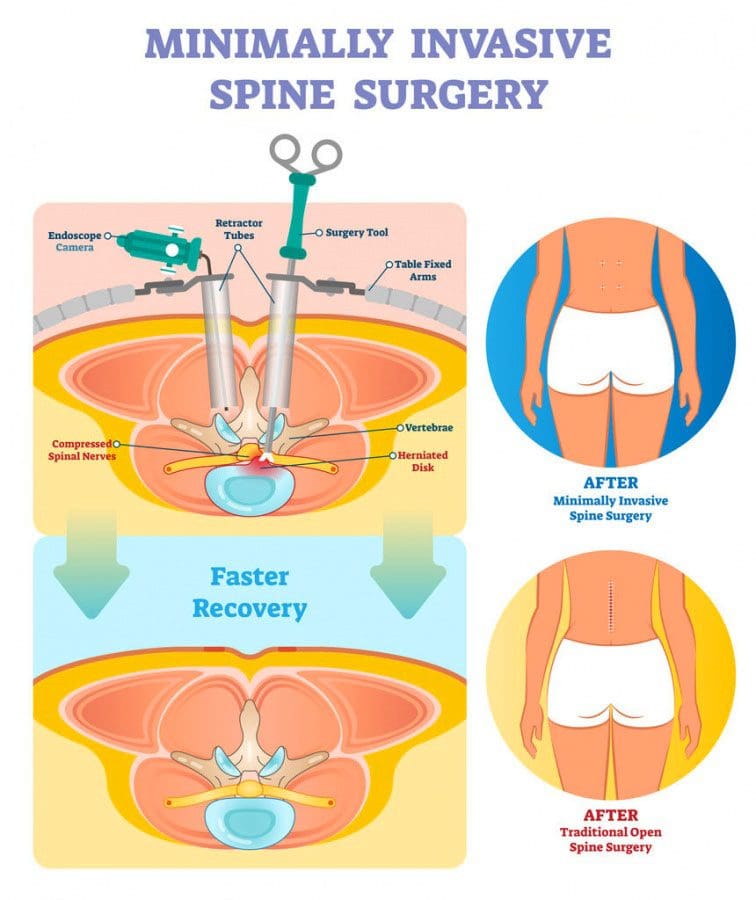
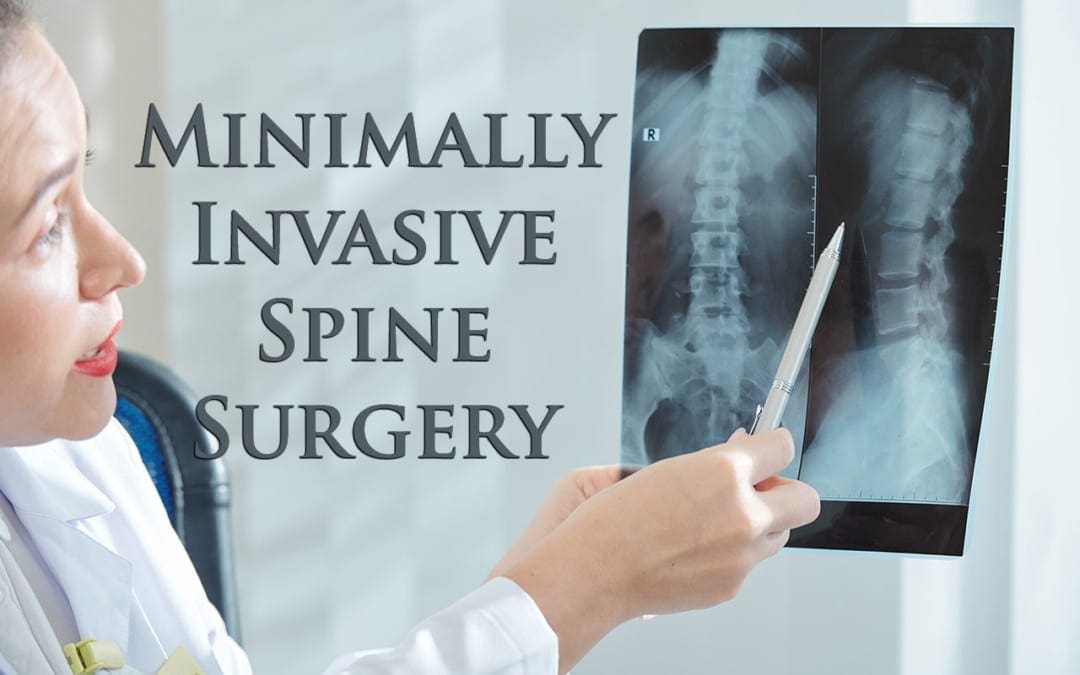
Minimally invasive spine surgery known as M.I.S.S is an option to traditional open surgical procedures, as well as an alternative when non-surgical approaches are working but the pain or condition is becoming worse, regardless. These are performed to treat a variety of spinal disorders like:
Bone spurs
Degenerative disc disease
Herniated disc
Scoliosis
Spinal instability
Spinal stenosis
Spinal tumors
Minimally invasive surgery can offer potential benefits. These include
A small/tiny incision/s
Minimal cutting through soft tissues like ligaments, and muscles
Outpatient option/s
Reduced post-operative pain
Quicker recovery
�
The Focus of Spine Surgery
There are two main goals when it comes to spine surgery or rather the goal/focus of the surgery. These are decompressing and stabilizing the spine.
�
Decompression of the spine
Spinal decompression involves removing any tissue/s that are compressing/pinching the nerve structures like a spinal nerve root or the spinal cord itself. Bone spurs and fragments from a herniated disc are the types of tissue/s that can cause neural compression.
�
Stabilization of the spine
An abnormal movement of one or more levels/segments of the spinal cord can cause back pain, neck pain, or both. Surgeries that are meant to stabilize and stop these abnormal movements utilize spine instrumentation combined with fusion.
�
Spine Surgery Techniques
Minimally invasive spine surgery techniques include:
Rather than cutting through soft tissues, a tubular retraction instrument generates a tunnel that expands and passes between the muscle/s to access the spine’s column. Then an endoscope or a tiny video camera goes in and around the area, projecting a visualization of what’s happening on a monitor during the procedure.
�
This is the surgeon’s/team’s eyes as they work to repair the damage. The surgery is run through the tubular retraction system along with any specially designed instruments that are needed. Types of surgical procedures performed with minimally invasive surgery include:
Discectomy
Microdiscectomy
Foraminotomy
Microforaminotomy
Microlaminectomy
Microlaminotomy
The micro means that the surgery is done using a special microscopic camera to view the disc/s and nerve/s. Imaging scans, systems, and image-guidance technologies, like fluoroscopy, which is a real-time x-ray are utilized during the surgery pinpointing the key aspects of the patient�s spinal anatomy. The surgical imaging shows 2D and 3D views, which guides the placement of any instrumentation, like pedicle screws.
�
Disorders Treated with Minimally Invasive Surgery
�
Degenerative disc disease
Degenerative disc disease is known as DDD often develops progressively in older adults and affects the intervertebral discs. The normal wear and tear of cellular age-related changes in the body can cause the spine’s discs to:
Stiffen
Lose Flexibility
Loss of Strength
Loss of Height
Lose shape, along with the ability to absorb/distribute the forces associated with moving
These structural changes increase the risk of disc herniation and subluxations.
�
Herniated discs
A herniated disc also called a slipped, bulging, and ruptured disc. This happens when the soft gel cushion of a disc breaks through the protective outer layer. Other than the damaged disc, the loose interior gel can also irritate and inflame the nerves causing back pain. �
�
Scoliosis
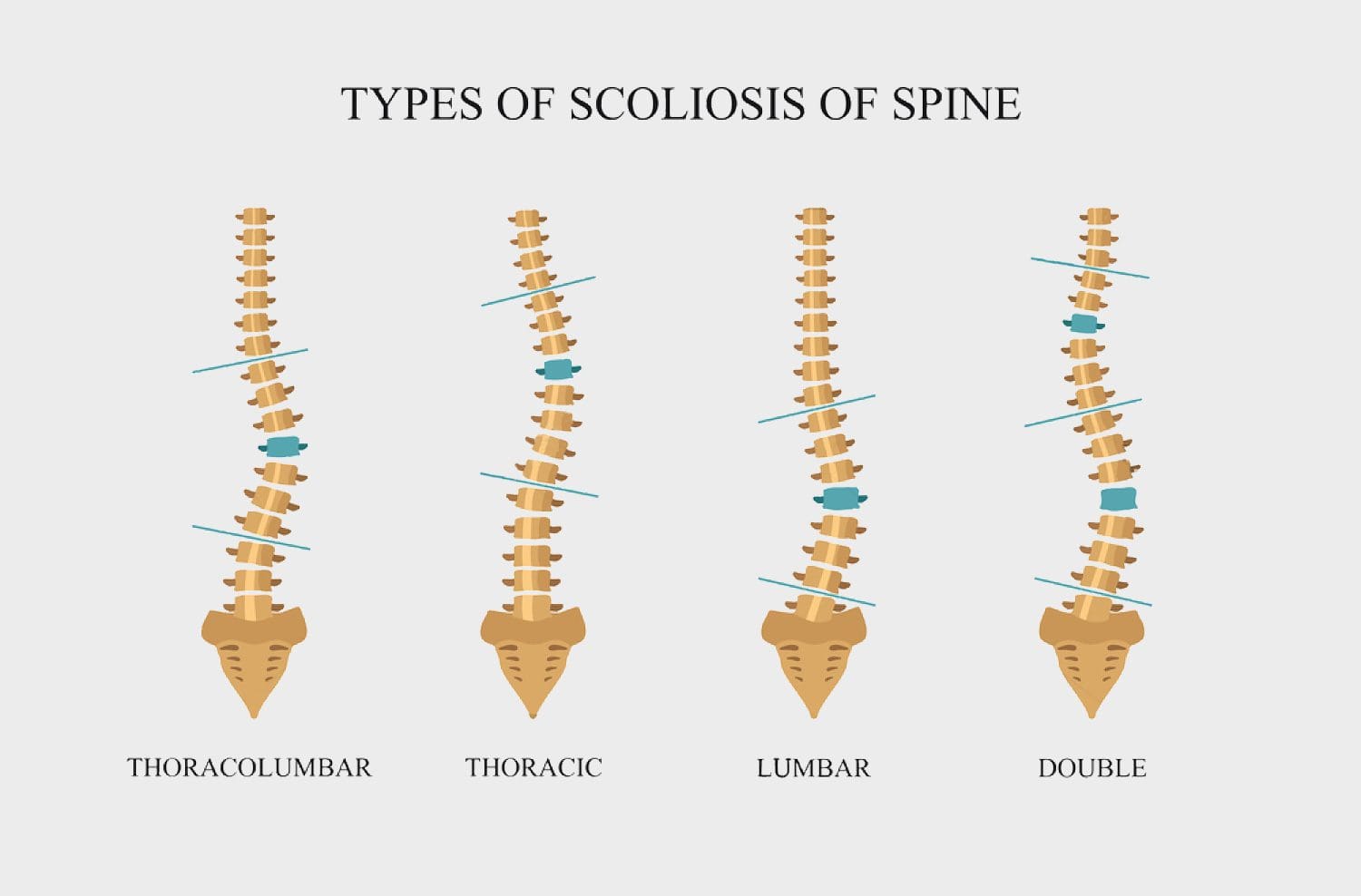
Scoliosis is an abnormal sideways curve of the spine that can cause progressive spinal deformity. A scoliotic curve can look like an �S� or �C.� Most cases have no known cause, and while the condition is more commonly associated with children, adults can develop scoliosis, as well.
�
Spinal stenosis
Spinal stenosis happens when the spinal nerve roots and the spinal cord become compressed/pinched. These nerves branch off the spinal cord and exit the spinal canal through passageways called neuroforamen. Nerve and spinal cord compression can cause symptoms like:
Pain
Weakness
Tingling sensations
Numbness
Sometimes, pain can travel into the arms or legs
�
Spine Surgery Risks
With any spine surgery there are potential risks and complications that can occur. Here are some possible complications that can happen during and after surgery, with both open and minimally invasive procedures.
Minimally invasive spine surgery does offer many benefits:
Tiny incision
Less pain
Reduced risk
Faster recovery
Let’s not forget that M.I.S.S is still surgery. Less than 5% of people with back or neck pain need spine surgery and, surgery is the last resort for treating pain and symptoms caused by a spinal condition/disorder.
It is only when non-surgical treatments like chiropractic, acupuncture, physical therapy, medication, or spinal injections do not reduce symptoms in 3 to 6 months. This is when you qualify to be a candidate for spine surgery. There are certain types of spinal disorders that require urgent or immediate surgical intervention.
Talk with your doctor, chiropractor, or spine specialist about the pain, the symptoms, and compare the results of the different therapies/treatments and go from there. With any type of surgery there are many considerations to discuss before making a decision to treat back or neck pain and if minimally invasive surgery could be an option.
Music therapy, combined with standard medical treatment�has been found to reduce the perception of pain in individuals recovering from spinal surgeries, according to a study published in the American Journal of Orthopedics. Spine surgery recovery can take a long time and take a tremendous toll on the individual and family. Research has found that music therapy can help reduce pain post-surgery.
The study has shown solid findings that this therapy, when combined with standard treatment, positively impacts pain. Individuals report an increase in comfort during the recovery time. Utilizing music in a therapeutic setting can benefit a patient’s treatment plan, as it addresses the whole individual, including mind, body, and spirit. This is the same approach that chiropractic uses.
Combining Standard Treatment with Music Therapy
The study took place at the Spine Institute of New York with the music therapy set-up through the hospital�s Louis Armstrong Center for Music and Medicine. There were 60 patients thirty-five females and twenty-five males ranging in age from 40 to 55. They underwent anterior, posterior, or anterior-posterior spinal fusion surgery. The groups were equally split up. The experimental group had music therapy included with their standard medical care, and the control group only received standard medical treatment.
The experimental group would undergo a 30-minute music therapy session over an 8-hour period within 72 hours after the procedure. The music options included:
Patient-preferred music
Singing
Rhythmic drumming that encourages relaxation
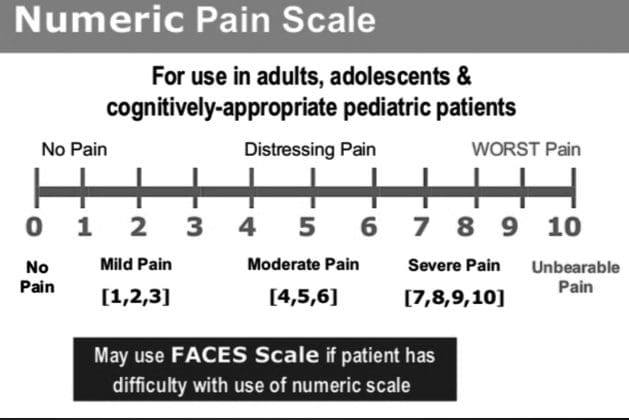
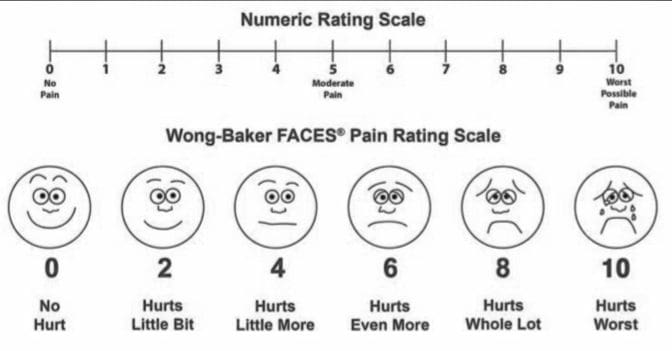
The sessions focused on personal treatment, where the individuals were encouraged to express emotions. A pain scale was used before and after the interventions to measure the results. What was found, was that pain levels would go up slightly in the control group, and in the experimental group, the pain dropped.
Spine Surgery Recovery
With standard care medications are typically the first-line treatment post-spine surgery pain. With all of the negative side effects that come with pain meds/opioids, music therapy is worth considering when looking for non-drug therapies. If anything music is an excellent distraction tool. So long as the music is enjoyable to the individual.
For the most part, many individuals that underwent spine surgery already listen to their music pre and post-operation. It helped them to relax before the surgery and allowed them to focus on something else after. Much like athletes that have their headphones/earbuds when they get to the venue to focus and block out everything going on around them. This therapy works the same way. But now we want to encourage anyone undergoing some spinal procedure to go ahead and jam out.
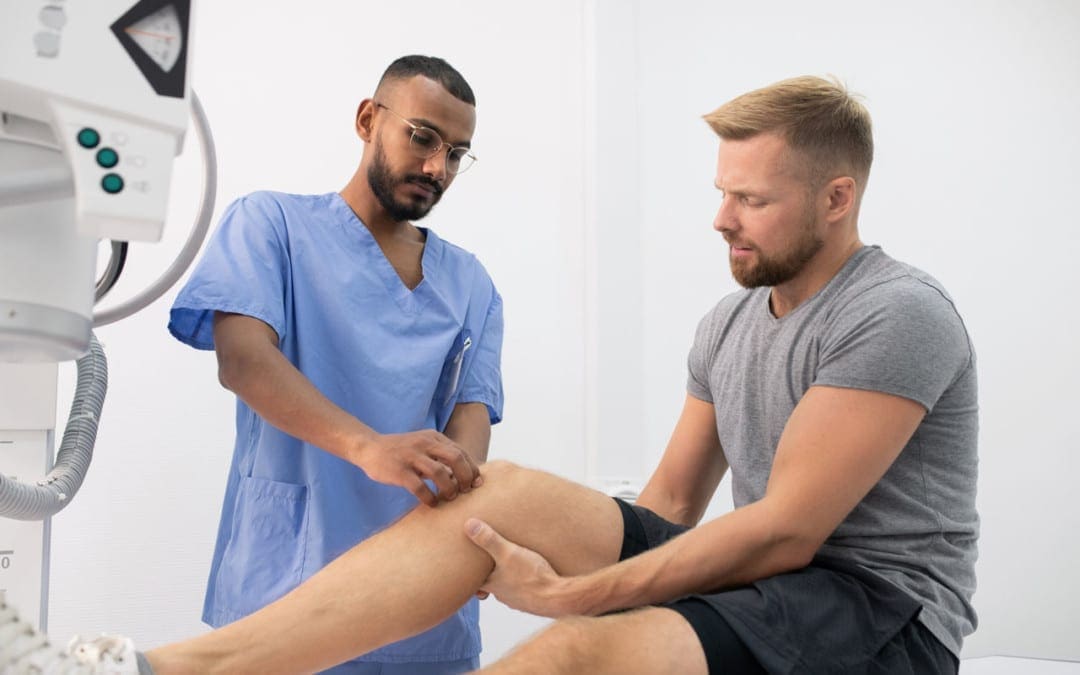
Knee pain chiropractic: Around 40 percent of running injuries are knee injuries. They fall under a general term of runner�s knee. This includes chondromalacia patellae also referred to as patellofemoral pain syndrome (PFMS). Other knee injuries include iliotibial band syndrome and plica syndrome.
Rest and ice are common therapies, but when that doesn�t work or when pain and mobility issues comeback, chiropractic is a tried and true treatment option. Structural issues that affect the knees are often very responsive to chiropractic treatment.
In the case of chondromalacia patellae and other knee problems, it has proven to reduce pain and help improve the condition significantly, providing increased mobility and flexibility.
Anatomy
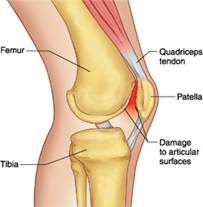
The knee is constructed to take the impact of the body�s weight when bending and moving. Under the knee is a layer of cartilage that is a natural shock absorber. Injury/s, overuse, aging, and other conditions can cause damage to the cartilage. The condition causes pain and impaired mobility, especially when walking up or downstairs. The pain can be reduced with rest and ice, but sometimes it’s not enough.
Common treatments include:
Chiropractic
Physical therapy
Medications
Surgery
Symptoms
Common symptoms include pain at the front of the knee. It can be described as a dull ache deep in the knee.
This pain can be made worse when:
Sitting with the knee bent for a long time
Squatting
Kneeling
Walking up and downstairs
The more the knee is in use the worse it is. Rest and ice work fairly quickly to help relieve the pain. But if the pain persists even with rest and ice, more aggressive treatment is the next step. Traditional doctors prescribe medication and surgery. But now more individuals are gravitating to a drug-free, less invasive treatment, like chiropractic.
Causes
The exact cause of chondromalacia patellae is still unknown. The condition has been linked to several factors.
Overuse and repetitive stress placed on the joint. This is seen in sports and physical activities that involve jumping and running.
Poor muscle control when the muscles that surround the knee and hip don�t operate properly making the tracking of the kneecap off balance.
Trauma such as a fracture or dislocation.
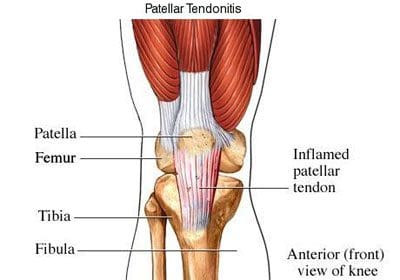
Figure 106. Patellar tendonitis (jumper�s knee).
Risks
A person�s risk of developing chondromalacia patellae can increase based on certain criteria.
Young adults and adolescents can acquire the injury as they’re still growing.
Older individuals with knee pain and possible arthritis are more susceptible to injury.
Gender is a risk factor, as women are twice as likely to develop the condition compared to men. Doctors theorize this is due to the skeletal structure of a woman as the pelvis is wider increasing the angle where the bones of the knee joint meet.
Those that participate in sports that involve a lot of jumping and running have a higher risk. Particularly if the individual increases their level of training.
Chiropractic
Chiropractic treatment for chondromalacia patellae includes nutritional intervention as well as adjustments, stretches and exercises. The treatment is focused on stretching shortened hamstrings and adjusting the sacroiliac joint.
The aim is to improve the tracking of the kneecap and increase motor control. Soft tissue work can help individuals with knee pain. The whole-body approach that chiropractic provides goes beyond relief from knee pain but curing or reducing the condition completely.
The Cost-effectiveness
Why see a chiropractor?
There are plenty of reasons why. From:
General health
Aches
Pains
Injury
Increased movement
Strength
Optimal health
Millions are now turning to chiropractic for natural healing, relief, and whole-body wellness. Some may think the price could hinder their decision to seek chiropractic. Lack of insurance and the number of treatments are two of the common reasons patients think it’s too expensive.
However, individuals need to understand the cost of other treatment options like medications and surgery that end up costing more than dollars with all the negative side-effects. Here are three reasons to visit a chiropractor, and the savings that come with it.
Prevention
Chiropractic promotes optimal health through prevention that is increasingly attracting those striving to remain younger, longer. It promotes whole-body healing through spinal adjustments/joint manipulations to increase mobility and optimize the body’s performance. It decreases blood pressure and reduces the chance of headaches.
Avoiding these health issues saves tens of thousands of dollars in medical bills. Seeing a professional chiropractor enables a person to stay healthy and enjoy a more active lifestyle because their back, bones, and joints are in optimal condition.
Re-Injured
Millions of bodies are injured from a variety of mishaps and accidents.
Sports injuries
Car accidents
Work injuries
Slips
Falls
Our backs, knees, ankles, hips, and feet take a beating. Chiropractic for injury/s is a wise choice as it promotes healing, decreases dependence on medications, and minimizes the chance of a recurrence. It also strengthens the other parts of the surrounding area of the body and not just the injured area. Treating injuries through chiropractic decreases money spent on expensive medicine and reduces time off work.
Chronic
Many types of medical conditions are ongoing, with no cure in sight. Daily pain, loss of strength and mobility are conditions that individuals power through and learn to live with when they don’t want to continually take medication and feel horrible. This is where chiropractic medicine can shine, as it’s all-natural. The aim is to get the body to react the way it is supposed to and heal itself.
An experienced chiropractor can treat these medical conditions by building a customized treatment plan to manage the symptoms with drug-free pain management. Adjustments to the afflicted area, proper anti-inflammation diet, and at-home exercises reduce pain symptoms and increases mobility. Chiropractic is a productive treatment for various injuries and medical conditions, combined with preventative therapy to maintain and prolong wellness.
IFM's Find A Practitioner tool is the largest referral network in Functional Medicine, created to help patients locate Functional Medicine practitioners anywhere in the world. IFM Certified Practitioners are listed first in the search results, given their extensive education in Functional Medicine