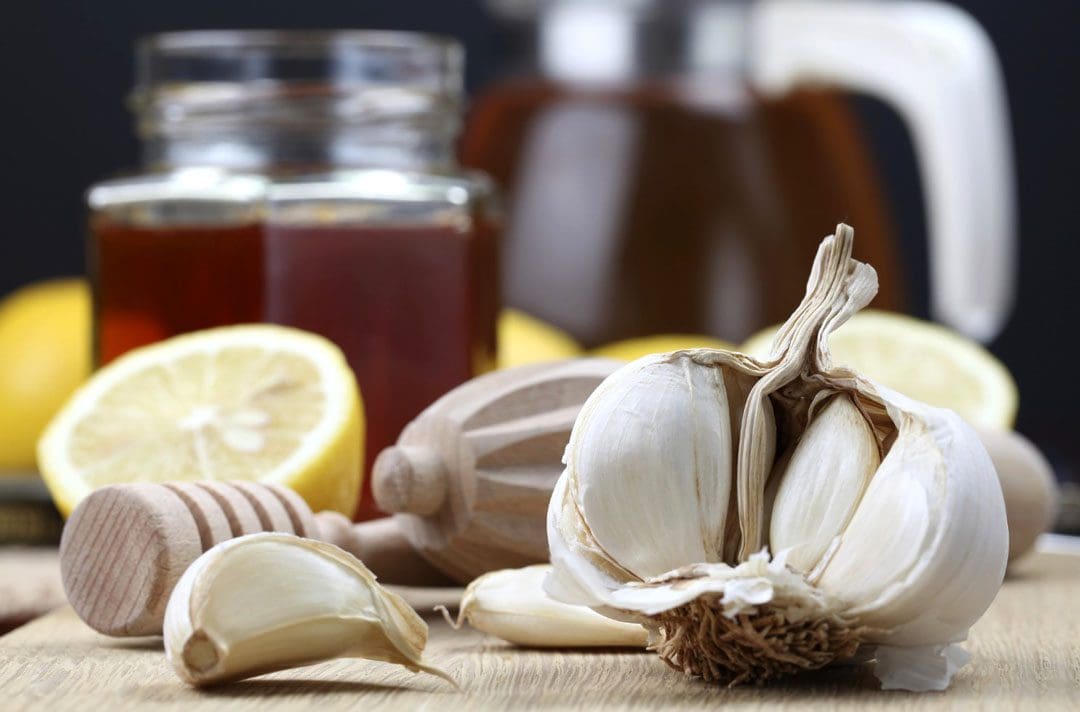
Garlic tea is an herbal tonic made from garlic, lemon, and honey. What medicinal uses and benefits can garlic provide that is supported by scientific research?
Garlic Tea
Garlic tea:
Garlic – Allium sativum – is a perennial plant from Central Asia.
The plant produces a bulb that is used in cooking and in health remedies all over the world.
Garlic powder, oil, and supplements are available.
Supplements can be made from garlic oil or from fresh, dried, or aged garlic.
The tea is commonly made with garlic, lemon, and honey, but can be made with a variety of different ingredients.
It is used for cold symptoms like congestion and cough.
Health Benefits
Some, but not all benefits are supported by scientific evidence. It is important to keep in mind that these studies are analyzing garlic, and not necessarily garlic tea. The dose of garlic in tea may not be the same as a more concentrated dose that is used in the studies. Also, cooking or boiling garlic can change its therapeutic effects.
The scientific evidence about garlic’s benefits. Garlic is a healthy source of organosulfur compounds, including alliinase, which is released when it is crushed or chopped. (Leyla Bayan, Peir Hossain Koulivand, Ali Gorji. 2014)
Organosulfur compounds are believed to provide health benefits.
An overview of garlic studies found that there are promising health benefits, however, the researchers caution that larger studies are needed to confirm the results and verify the right dosage to get the results. (Johura Ansary, et al., 2020)
The current studies show the following possible benefits:
Some studies have also shown that garlic could be able to stimulate the immune system and decrease tumor growth in certain cancers, like colorectal cancer.
However, research investigating the cancer-preventing benefits has shown mixed results. (Xi Zhou, et al., 2020)
Common side effects of garlic consumption include bad breath, upset stomach, and body odor.
Garlic can also cause bloating, gas, and heartburn for some.
There are allergies to garlic and individuals with an allergy can experience more severe symptoms.
The NIH also advises that taking garlic may increase your risk of bleeding.
Individuals taking a blood thinner like warfarin or about to undergo surgery should discuss taking supplements or drinking garlic tea with their healthcare provider.
Garlic has been found to interfere with the effectiveness of some drugs that are used to treat HIV infection.
Lemon can cause tooth erosion so it is recommended to rinse teeth after drinking.
Honey has sugar content so it is recommended to use it in small quantities.
Healthy Diet and Chiropractic
References
National Center for Complementary and Integrative Health. Garlic.
Bayan, L., Koulivand, P. H., & Gorji, A. (2014). Garlic: A review of potential therapeutic effects. Avicenna journal of phytomedicine, 4(1), 1–14.
Ansary, J., Forbes-Hernández, T. Y., Gil, E., Cianciosi, D., Zhang, J., Elexpuru-Zabaleta, M., Simal-Gandara, J., Giampieri, F., & Battino, M. (2020). Potential Health Benefit of Garlic Based on Human Intervention Studies: A Brief Overview. Antioxidants (Basel, Switzerland), 9(7), 619. https://doi.org/10.3390/antiox9070619
Zhang, S., Liu, M., Wang, Y., Zhang, Q., Liu, L., Meng, G., Yao, Z., Wu, H., Xia, Y., Bao, X., Gu, Y., Wang, H., Shi, H., Sun, S., Wang, X., Zhou, M., Jia, Q., Song, K., & Niu, K. (2020). Raw garlic consumption is inversely associated with prehypertension in a large-scale adult population. Journal of human hypertension, 34(1), 59–67. https://doi.org/10.1038/s41371-019-0257-0
Zhou, X., Qian, H., Zhang, D., & Zeng, L. (2020). Garlic intake and the risk of colorectal cancer: A meta-analysis. Medicine, 99(1), e18575. https://doi.org/10.1097/MD.0000000000018575
Avci, A., Atli, T., Ergüder, I. B., Varli, M., Devrim, E., Aras, S., & Durak, I. (2008). Effects of garlic consumption on plasma and erythrocyte antioxidant parameters in elderly subjects. Gerontology, 54(3), 173–176. https://doi.org/10.1159/000130426
Burian, J. P., Sacramento, L. V. S., & Carlos, I. Z. (2017). Fungal infection control by garlic extracts (Allium sativum L.) and modulation of peritoneal macrophage activity in a murine model of sporotrichosis. Brazilian journal of biology = Revista brasleira de biologia, 77(4), 848–855. https://doi.org/10.1590/1519-6984.03716
Kato, Y., Domoto, T., Hiramitsu, M., Katagiri, T., Sato, K., Miyake, Y., Aoi, S., Ishihara, K., Ikeda, H., Umei, N., Takigawa, A., & Harada, T. (2014). Effect on blood pressure of daily lemon ingestion and walking. Journal of nutrition and metabolism, 2014, 912684. https://doi.org/10.1155/2014/912684
Samarghandian, S., Farkhondeh, T., & Samini, F. (2017). Honey and Health: A Review of Recent Clinical Research. Pharmacognosy Research, 9(2), 121–127. https://doi.org/10.4103/0974-8490.204647
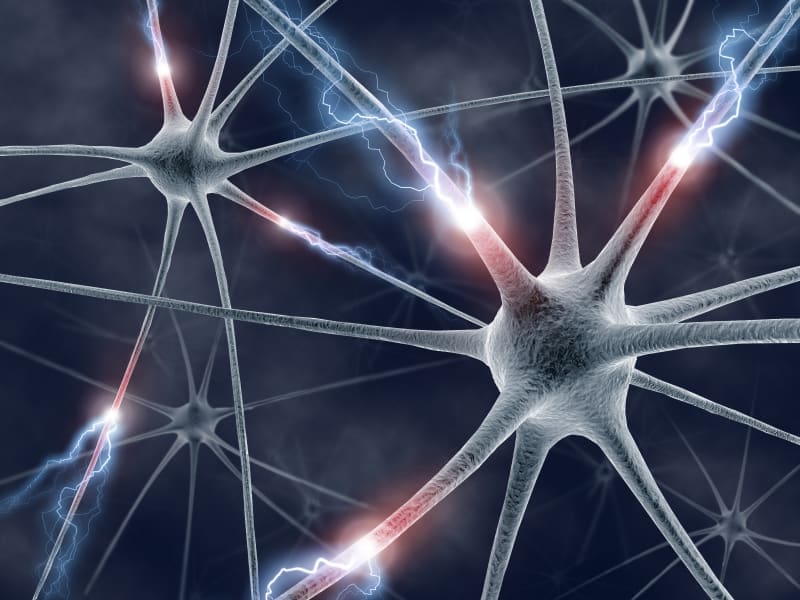
The central nervous system transmits information between the brain, muscles, and organs through 31 nerve roots from the spinal cord. These nerve roots are interconnected with the body’s muscles and organs, ensuring each body section is connected to the upper and lower extremities. The neuron signals transmitted through these nerve roots provide sympathetic and parasympathetic signaling, allowing the body and its systems to function correctly. However, injuries and pathogens affecting the nerve roots can cause the neuron signals to become unstable, involving the muscles, tissues, and vital organs and leading to chronic conditions and pain-like symptoms. Fortunately, small changes in diet and supplements can help reduce nerve pain and improve a person’s quality of life. This article will discuss nerve pain and its symptoms, how nutrients and supplements can help reduce it, and non-surgical treatments that can help restore the body from nerve pain. We work with certified medical providers who use our patients’ valuable information to provide non-surgical treatments for nerve pain combined with nutrients and supplements from reoccurring. We encourage patients to ask essential questions and seek education from our associated medical providers about their condition. Dr. Jimenez, D.C., provides this information as an educational service. Disclaimer
How Does Nerve Pain Occur In The Body?
Have you been experiencing pins and needles in your hands or feet or constant muscle twitches? Maybe you’re feeling pain in your upper or lower extremities. If you’ve had these sensations all over your body, it could be due to nerve pain affecting your musculoskeletal system. Research studies have shown nerve pain is often caused by a lesion or disease that is affecting the brain’s somatosensory system. This can cause an imbalance in neuron signaling and disrupt information traveling to the brain. The somatosensory system is responsible for our ability to feel, touch, and experience pressure and pain. When it’s affected by injuries or pathogens, information can be disrupted in the spinal cord and brain. Additional research studies revealed that nerve pain could be caused by compressed nerve roots, leading to ongoing or intermittent pain that may spread to different areas and cause structural changes involving peripheral and central sensitization. This can lead to associated symptoms that can disrupt normal body functions.
Nerve Pain Symptoms
It might be nerve pain if you are feeling pain in your upper or lower extremities. Research studies revealed that this type of pain can cause symptoms that feel like pain in your muscles or organs, but neurological disorders may cause it. The severity and specific symptoms can vary from person to person. Some common symptoms of nerve pain include:
Referred pain
Numbness
Tingling
Cognitive deficits
Loss of sensory and motor function
Inflammation
Pain to light touches
Nerve pain is a common issue for those with chronic conditions, and research shows that nociceptive and neuropathic pain mechanisms are interconnected. For instance, back pain and radiculopathy are often linked, causing referred pain. This means that the pain receptors are in a different location from where the pain originated. However, there are ways to alleviate nerve pain symptoms and address underlying factors contributing to this discomfort.
The Functional Medicine Approach- Video
Suppose you suffer from nerve pain and seek to alleviate the symptoms and restore your body’s natural state. While making small changes can help, they may not provide quick results. However, functional medicine and non-surgical treatments can help with nerve pain and associated symptoms. The video above explains how functional medicine is safe and personalized and can be combined with other therapies to strengthen surrounding muscles and ligaments. By being more mindful of your body’s needs, you can find relief from nerve pain and improve your overall health.
Nutrients For Nerve Pain
Dr. Eric Kaplan, D.C., FIAMA, and Dr. Perry Bard, D.C., wrote “The Ultimate Spinal Decompression” and explained that our body’s nerves require constant nutrients for maintenance and repair. It’s crucial to incorporate various nutrients and supplements to reduce nerve pain and its symptoms. Here are some essential body nutrients that can help alleviate nerve pain.
Nitric Oxide
The body produces a vital nitric oxide nutrient, which can help alleviate nerve pain. Insufficient nitric oxide production can result in health issues such as high blood pressure, erectile dysfunction, and respiratory and cardiovascular problems. Nitric oxide works as a vasodilator, relaxing the blood vessels in the inner muscles, promoting increased blood flow, and reducing elevated blood pressure levels. Nitric oxide is crucial in supporting the nervous and cardiovascular systems, ensuring that neuron signals in nerve roots remain stable. Research studies indicate that taking nitric oxide supplements can enhance exercise performance.
ATP
ATP is a crucial nutrient that the human body naturally produces. Its primary role is to store and generate energy within the cells. ATP plays a significant role in the proper functioning of various organs and muscles in the body. The body’s metabolic pathway, cellular respiration, creates ATP, one of the most efficient processes. We use ATP in our daily lives by consuming food and drinks, and the air we breathe helps break down ATP, thus producing water in the body. Additionally, when the body is in motion, ATP works with nitric oxide to produce energy output in the nerves, muscles, and organs.
Supplements For Nerve Pain
The body requires supplements in addition to nutrients to alleviate symptoms of fatigue, inflammation, and pain caused by nerve pain. Nerve pain can affect the parasympathetic and sympathetic nerves, leading to disrupted neuron signals, resulting in the brain sending the immune system to attack healthy cellular structures as if they were foreign invaders. However, research has shown that incorporating supplements can help reduce the inflammatory effects of nerve pain, improve neural regeneration, reduce oxidative stress, and enhance motor and functional recovery from injured nerves.
Treatments For Nerve Pain
To effectively reduce the impact of nerve pain, individuals often consult with their primary doctor to develop a personalized treatment plan. Nutrients and supplements are only half of the recovery process. Non-surgical treatments such as chiropractic care, physical therapy, and spinal decompression can significantly lower chronic conditions associated with nerve pain. Studies have shown that compressed nerve roots caused by pathological factors can lead to overlapping risk profiles that affect the body. Spinal decompression is a treatment that relieves compressed nerves through gentle traction on the spinal disc. Spinal decompression, combined with a healthy diet, exercise, and other therapies, can educate people on preventing nerve pain from returning.
Conclusion
Nerve pain can severely impact a person’s life, causing disability and reduced quality of life due to its potential risks to muscles, organs, and tissues. However, incorporating a variety of nutrients and supplements into the body can help reduce the effects of nerve pain. By combining these methods with non-surgical treatments, individuals can better understand what’s happening to their bodies and work to restore them to normal. A personalized plan for health and wellness that includes these techniques can alleviate nerve pain and its symptoms and promote natural healing.
Supplements To Ease Headaches: Individuals dealing with headaches or migraines should consider incorporating supplements to ease headaches’ severity and frequency. Nutrition and food habits affect all systems in the body. Although slower to take effect than medications, if a diet is used correctly to heal the body and maintain health, other treatments may not be necessary or require less. Many health providers understand that food is a medicine that can assist healing therapies like massage and chiropractic care, which makes the treatment more effective when used with dietary adjustments.
Supplements To Ease Headaches
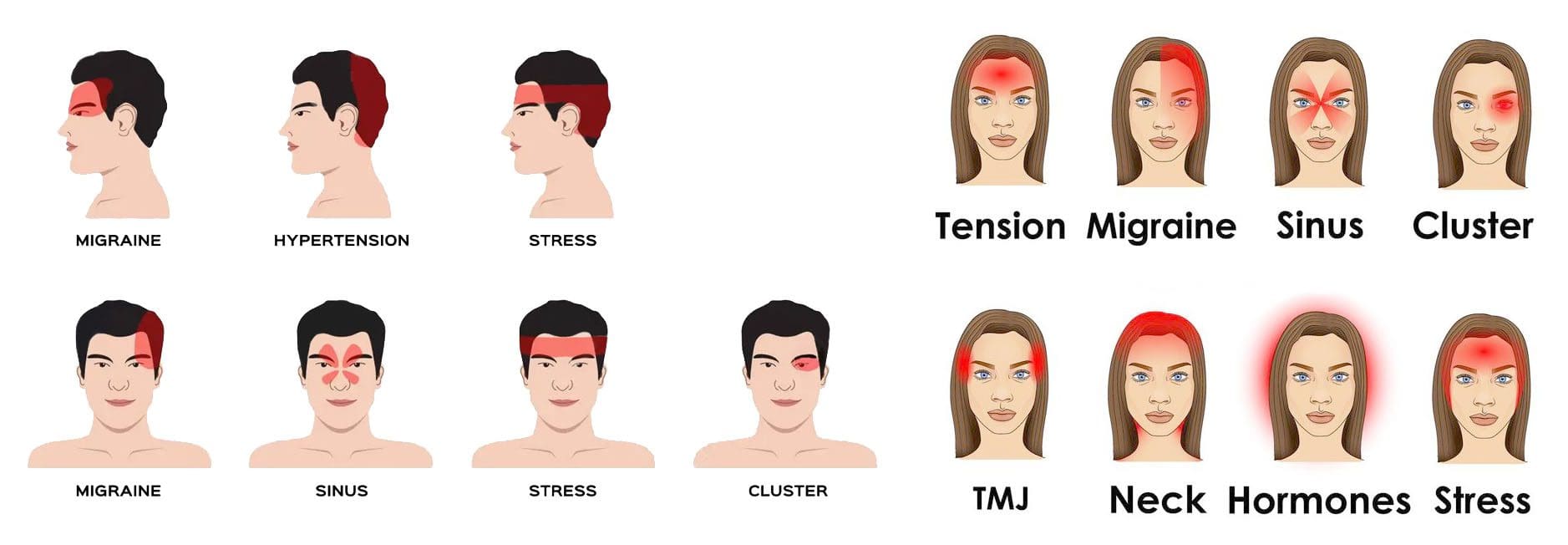
An unhealthy lifestyle and diet are not the only contributing factor to headaches. Others include:
The goal of functional medicine is to help individuals reach their health and wellness goals that, include:
Regularly active lifestyle.
Optimal breathing patterns.
Quality sleep patterns.
Thorough hydration.
Healthy nutrition.
Improved digestive health.
Improved mental health.
Improved musculoskeletal health.
Pain Receptors – Headache
Pain and discomfort symptoms present when various head structures become inflamed or irritated. These structures include:
Nerves of the head and neck.
Muscles of the neck and head.
The skin of the head.
Arteries that lead to the brain.
Membranes of the ear, nose, and throat.
Sinuses that form part of the respiratory system.
The pain can also be referred, meaning that pain in one area can spread to nearby areas. An example is headache pain developed from neck stiffness and tightness.
Causes
Foods
Determining whether food sensitivities cause or contribute to headaches or migraines can be challenging. Nutritionists and dieticians recommend keeping a food journal to keep track of foods, snacks, drinks, alcohol intake, how the body reacts, and how the individual feels.
This process can help recognize foods or eating patterns that may contribute to headaches.
An integrative health practitioner can support this process and help identify sensitivities.
By eliminating and avoiding processed foods, headaches may be alleviated. This includes limited exposure to artificial colors, sweeteners, flavors, and other unnatural additives.
Foods naturally high in magnesium include legumes, almonds, broccoli, spinach, avocados, dried figs, and bananas.
Ginger Root
Ginger root is a natural remedy for nausea, diarrhea, upset stomach, and indigestion.
Ginger root extract can be taken in supplement form or fresh ginger added to meals and teas.
Coriander Seeds
Coriander syrup is effective against migraine pain.
A method to relieve a headache is to pour hot water over fresh seeds and inhale the steam.
To increase the effectiveness, place a towel over your head.
Celery or Celery Seed Oil
Celery can reduce inflammation and lower blood pressure.
However, pregnant women or individuals with kidney conditions, low blood pressure, taking thyroid medication, blood thinners, lithium, or diuretics should not use celery seed.
Peppermint and Lavender Essential Oils
Both have a natural numbing and cooling effect that helps relieve headache pain.
Peppermint oil has also been found to be a natural antibacterial, antiviral, antifungal, antiparasitic, and pain reliever.
Lavender oil can eliminate nervous tension, enhance blood circulation, and relieve pain.
Both are effective pain relief tools for headache and migraine sufferers.
Butterbur
This shrub grows in Europe, some parts of Asia, and North America.
A study found that individuals who consumed 75 mg of the extract twice daily reduced migraine attacks’ frequency.
Feverfew
A herb plant whose dried leaves have been found to relieve symptoms associated with headaches, migraines, menstrual cramps, asthma, dizziness, and arthritis.
Feverfew can be found in supplements.
It can alter the effects of certain prescription and non-prescription medications.
There is plenty of evidence to support the benefits of healthy nutrition. Combined with a healthy diet and lifestyle, these supplements can help relieve headaches. As with any supplement, talk to a doctor before starting a supplement regimen.
Chiropractic Care For Migraines
References
Ariyanfar, Shadi, et al. “Review on Headache Related to Dietary Supplements.” Current Pain and headache report vol. 26,3 (2022): 193-218. doi:10.1007/s11916-022-01019-9
Bryans, Roland, et al. “Evidence-based guidelines for the chiropractic treatment of adults with headache.” Journal of Manipulative and physiological therapeutics vol. 34,5 (2011): 274-89. doi:10.1016/j.jmpt.2011.04.008
Diener, H C et al. “The first placebo-controlled trial of a special butterbur root extract for the prevention of migraine: reanalysis of efficacy criteria.” European Neurology vol. 51,2 (2004): 89-97. doi:10.1159/000076535
Kajjari, Shweta, et al. “The Effects of Lavender Essential Oil and its Clinical Implications in Dentistry: A Review.” International Journal of clinical pediatric dentistry vol. 15,3 (2022): 385-388. doi:10.5005/jp-journals-10005-2378
Maier, Jeanette A et al. “Headaches and Magnesium: Mechanisms, Bioavailability, Therapeutic Efficacy and Potential Advantage of Magnesium Pidolate.” Nutrients vol. 12,9 2660. 31 Aug. 2020, doi:10.3390/nu12092660
Mansouri, Samaneh, et al. “Evaluating the effect of Coriandrum sativum syrup on being migraine-free using mixture models.” Medical Journal of the Islamic Republic of Iran vol. 34 44. 6 May. 2020, doi:10.34171/mjiri.34.44
Pareek, Anil, et al. “Feverfew (Tanacetum parthenium L.): A systematic review.” Pharmacognosy Reviews vol. 5,9 (2011): 103-10. doi:10.4103/0973-7847.79105
Skypala, Isabel J et al. “Sensitivity to food additives, vaso-active amines and salicylates: a review of the evidence.” Clinical and translational allergy vol. 5 34. 13 Oct. 2015, doi:10.1186/s13601-015-0078-3
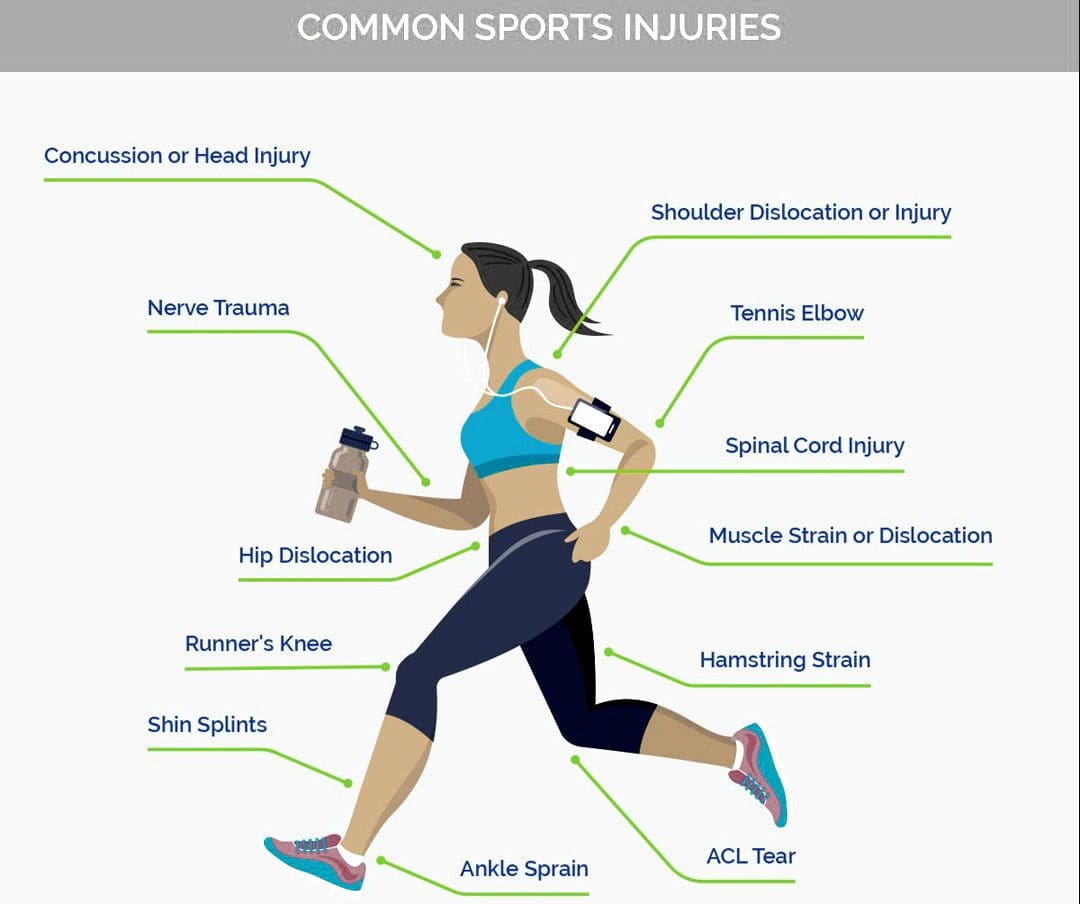
Too much running can lead to burnout and injuries for even the most hard-core runners and running enthusiasts. Cross-training can be a great way to work through unmotivated phases. Beginners and experienced runners will hit periods when they become bored or uninspired to run. Individuals dealing with injuries need to take time off from running during recovery. Once they are healed enough to engage in physical activity, doctors, trainers, physical therapists, and sports chiropractors recommend low-impact cross-training activities, like swimming or water running/aqua jogging, to lessen the stress on the muscles and joints and help injured athletes maintain their fitness and cope with the frustration of not being able to participate.
Cross Training
Cross-training is any sport or physical activity/exercise that supplements an athlete’s main sport. Whether a beginner or veteran, it balances the muscle groups because it strengthens muscles that don’t get worked out and/or are used less during running. This decreases the chances of worsening the injury and prevents future injuries. Added benefits:
Improves other areas of the body.
Improves cardiovascular fitness.
Cross-training can help avoid getting bored with running.
Gives runners a mental break.
Individuals can continue to train while letting injuries heal.
Individuals dealing with an injury may need to train more frequently as part of a rehabilitation and strength training treatment plan. A doctor, chiropractor, or physical therapist will recommend how much cross-training and type of activities will be the most beneficial for the specific injury.
Activities
Swimming
Swimming is an excellent cross-training activity because it’s not weight-bearing, giving the leg muscles and joints a break.
It builds strength and endurance and improves flexibility.
It balances working the upper body while giving the legs a break.
Swimming is a good way to recover after a long run.
Helps individuals prone to running injuries or are healing from an injury.
Relaxing and meditative.
Water Running
Water running can help with injuries and/or be used in strength training.
It’s also a great way to run during hot and humid weather.
Cycling or Spinning
Cycling and spin classes are low-impact.
Provide increased cardiovascular fitness and strength.
Exercises other muscle groups, especially the quads, and glutes.
Elliptical Training
An elliptical machine provides a whole-body cardiovascular workout with the feel of cross-country skiing, stair climbing, and walking.
The machine can be programmed to move forward or backward to work all the major muscles in the legs.
The muscles used are similar to those used when running.
It is a low-impact alternative when injured.
Pilates
Pilates is a form of exercise that emphasizes core strength and flexibility.
Pilates can help increase flexibility, reduce tight muscles, and be recommended for active recovery.
Rowing
Rowing is an excellent cardiovascular, low-impact activity.
Yoga provides some of the same benefits as strength training.
Uses body weight as resistance to strengthen and stretch muscles.
Improves flexibility and mobility.
Way to relax after an intense run or workout.
Taking Time Off
Taking days off from running each week to participate in cross-training activities can help maintain motivation.
Recreational runners can supplement three to four days of running with two to three days of cross-training.
Competitive runners who run four to six days a week can substitute low-intensity cross-training for a light run or a rest day one to two days a week.
It helps runners add more exercise without risking overuse injuries.
Increases muscle strength and flexibility, and core stability.
Fitness Health
References
Alves de Araújo, Maria Erivânia, et al. “The effectiveness of the Pilates method: reducing the degree of non-structural scoliosis, and improving flexibility and pain in female college students.” Journal of bodywork and movement therapies vol. 16,2 (2012): 191-8. doi:10.1016/j.jbmt.2011.04.002
Baltich, Jennifer, et al. “The effects of isolated ankle strengthening and functional balance training on strength, running mechanics, postural control and injury prevention in novice runners: design of a randomized controlled trial.” BMC musculoskeletal disorders vol. 15 407. 4 Dec. 2014, doi:10.1186/1471-2474-15-407
Casado, Arturo, et al. “Training Periodization, Methods, Intensity Distribution, and Volume in Highly Trained and Elite Distance Runners: A Systematic Review.” International journal of sports physiology and performance vol. 17,6 (2022): 820-833. doi:10.1123/ijspp.2021-0435
Claudino, João Gustavo, et al. “CrossFit Overview: Systematic Review and Meta-analysis.” Sports medicine – open vol. 4,1 11. 26 Feb. 2018, doi:10.1186/s40798-018-0124-5
Schlegel, Petr. “CrossFit® Training Strategies from the Perspective of Concurrent Training: A Systematic Review.” Journal of sports science & medicine vol. 19,4 670-680. 19 Nov. 2020
Tanaka, H, and T Swensen. “Impact of resistance training on endurance performance. A new form of cross-training?.” Sports medicine (Auckland, N.Z.) vol. 25,3 (1998): 191-200. doi:10.2165/00007256-199825030-00005
The body makes digestive enzymes to help break down food carbohydrates, fats, and proteins. Healthy digestion and nutrient absorption depend on these enzymes, a protein that speeds up chemical reactions in the mouth, pancreas, and intestines. Certain health conditions like pancreatic insufficiency and lactose intolerance can cause low enzyme levels and insufficiency and may need replacement digestive enzymes to help prevent malabsorption. That’s where digestive enzyme supplements come in.
Digestive Enzymes
Digestive enzymes are a vital part of digestion; without them, the body can’t break foods down, and nutrients can’t be fully absorbed. A lack of digestive enzymes can lead to gastrointestinal/GI symptoms and cause malnourishment, even with a nutritious diet. The result is unpleasant digestive symptoms that can include:
Poor absorption of nutrients
Bloating
Stomach pain
Nausea
Vomiting
Digestive enzyme supplements have been used for treating common forms of gut irritation, heartburn, and other ailments.
Enzyme Types
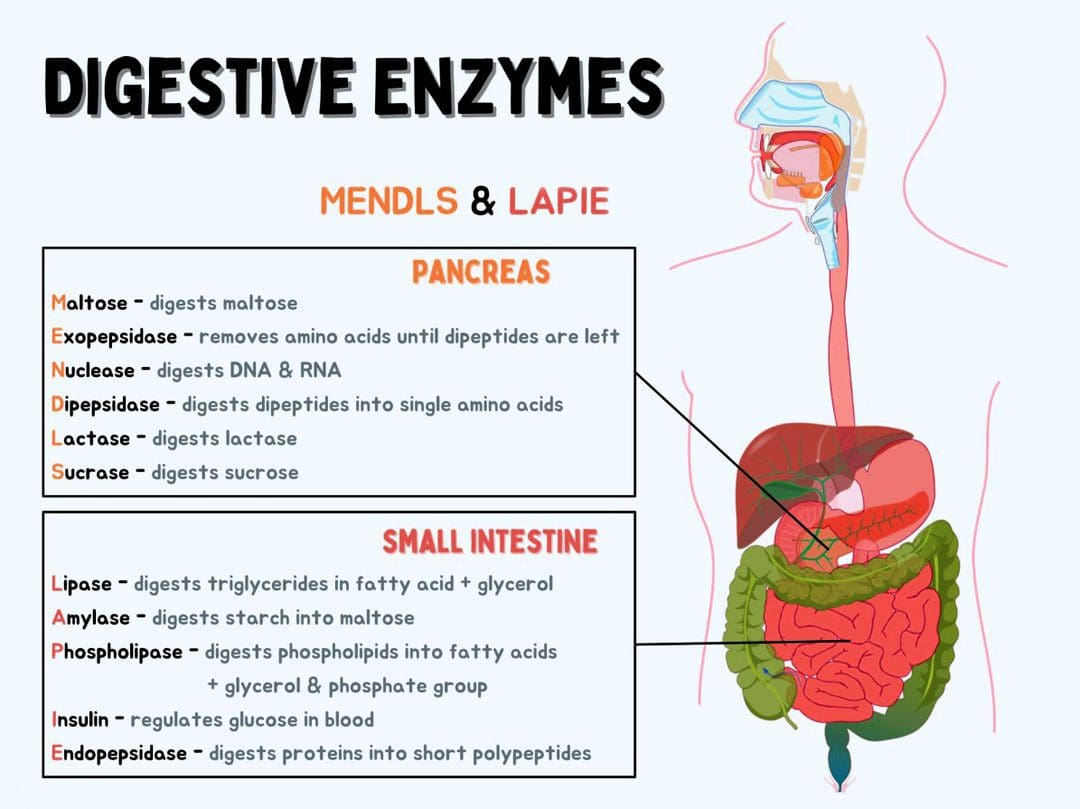
The main digestive enzymes made in the pancreas include:
Amylase
It is also made in the mouth.
Breaks down carbohydrates, or starches, into sugar molecules.
Low amylase can lead to diarrhea.
Lipase
This works with liver bile to break down fats.
Lipase insufficiency causes decreased levels of fat-soluble vitamins A, D, E, and K.
Protease
This enzyme breaks down proteins into amino acids.
It also helps keep bacteria, yeast, and protozoa out of the intestines.
A shortage of protease can lead to allergies or toxicity in the intestines.
Enzymes made in the small intestine include:
Lactase
Breaks down lactose, a sugar found in dairy products.
Sucrase
Breaks down sucrose, a sugar found in fruits and vegetables.
Insufficiency
When the body does not produce enough digestive enzymes or doesn’t release them correctly. A few types include:
Lactose Intolerance
The body does not produce enough lactase, making digesting the natural sugar in milk and dairy products difficult.
Exocrine Pancreatic Insufficiency
EPI is when the pancreas does not produce enough of the enzymes necessary to digest carbohydrates, proteins, and fats.
Congenital Sucrase-Isomaltase Deficiency
The body does not have enough sucrase to digest certain sugars.
Talking to a doctor if symptoms persist is recommended, as these could be signs of gut irritation or indicate a more serious condition.
Supplements
Prescription Enzymes
Depending on the severity, individuals diagnosed with enzyme insufficiency may need to take prescription digestive enzymes. These supplements assist in food breakdown and nutrient absorption. The most common enzyme replacement therapy is pancreatic enzyme replacement therapy or PERT. PERT is a prescribed medication that includes amylase, lipase, and protease. Individuals with cystic fibrosis often have pancreatic enzyme insufficiency, as the body can’t release the enzymes properly. And individuals with pancreatitis require PERT because their pancreas develops mucus and scar tissue over time.
Over-The-Counter Enzymes
Over-the-counter digestive enzyme supplements can contain amylase, lipase, and protease and can help with acid reflux, gas, bloating, and diarrhea. Some contain lactase and alpha-galactosidase. Alpha-galactosidase can help break down a non-absorbable fiber called galactooligosaccharides/GOS, mostly found in beans, root vegetables, and certain dairy products.
Certain foods contain digestive enzymes, including:
Supplementing the diet with some of these foods can help with digestion.
Functional Nutrition
References
Beliveau, Peter J H, et al. “An Investigation of Chiropractor-Directed Weight-Loss Interventions: Secondary Analysis of O-COAST.” Journal of manipulative and physiological therapeutics vol. 42,5 (2019): 353-365. doi:10.1016/j.jmpt.2018.11.015
Brennan, Gregory T, and Muhammad Wasif Saif. “Pancreatic Enzyme Replacement Therapy: A Concise Review.” JOP: Journal of the pancreas vol. 20,5 (2019): 121-125.
Corring, T. “The adaptation of digestive enzymes to the diet: its physiological significance.” Reproduction, nutrition, developpement vol. 20,4B (1980): 1217-35. doi:10.1051/rnd:19800713
Goodman, Barbara E. “Insights into digestion and absorption of major nutrients in humans.” Advances in physiology education vol. 34,2 (2010): 44-53. doi:10.1152/advan.00094.2009
Vogt, Günter. “Synthesis of digestive enzymes, food processing, and nutrient absorption in decapod crustaceans: a comparison to the mammalian model of digestion.” Zoology (Jena, Germany) vol. 147 (2021): 125945. doi:10.1016/j.zool.2021.125945
Whitcomb, David C, and Mark E Lowe. “Human pancreatic digestive enzymes.” Digestive diseases and sciences vol. 52,1 (2007): 1-17. doi:10.1007/s10620-006-9589-z
Nowadays, many individuals are incorporating various fruits, vegetables, lean portions of meat, and healthy fats and oils into their diet to get all the vitamins and minerals that their bodies need. The body needs these nutrients biotransformed into energy for the muscles, joints, and vital organs. When normal factors like eating unhealthy foods, not getting enough exercise, and underlying conditions affect the body, it can cause somato-visceral issues that correlate with disorders that push many individuals to feel unwell and miserable. Luckily, some supplements and vitamins like magnesium help with overall health and can reduce the effects of these environmental factors that are causing pain-like symptoms in the body. In this 3-part series, we will look at the impact of magnesium helping the body and what foods contain magnesium. Part 1 looks at how magnesium correlates with heart health. Part 2 looks at how magnesium helps with blood pressure. We refer our patients to certified medical providers that provide many available therapy treatments for individuals suffering from underlying conditions associated with low magnesium levels affecting the body and correlated to many underlying conditions affecting a person’s health and wellness. We encourage each patient when it is appropriate by referring them to associated medical providers based on their diagnosis. We accept that education is a marvelous way when asking our providers’ hard-hitting questions at the patient’s request and acknowledgment. Dr. Jimenez, D.C., only utilizes this information as an educational service. Disclaimer
An Overview Of Magnesium
Have you been experiencing muscle numbness in different locations in your body? What about muscle cramps or fatigue? Or have you been experiencing issues with your heart? Suppose you have been dealing with these overlapping issues that are affecting not only your body but your overall health. In that case, it could correlate with your body’s low magnesium levels. Studies reveal that this essential supplement is the body’s fourth most abundant cation when it comes to magnesium since it is a co-factor for multiple enzymic reactions. Magnesium helps with cellular energy metabolism, so the muscles and vital organs can function properly and helps replenish intracellular and extracellular water intake. Magnesium helps with the body’s metabolism, but it can also help reduce the effects of chronic conditions affecting the body.
How Magnesium Helps The Body
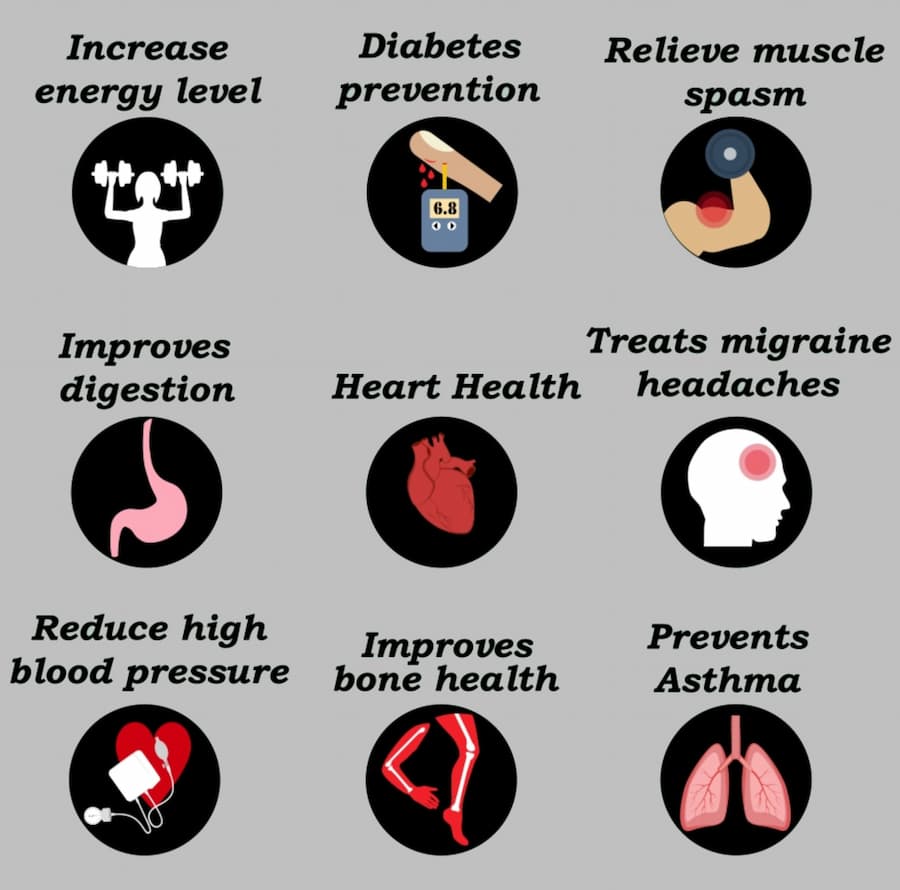
Additional studies reveal that magnesium is important in lowering chronic conditions’ effects on the body. Magnesium could help many individuals dealing with cardiovascular issues or chronic diseases associated with the heart or the muscles surrounding the upper and lower extremities of the body. How can magnesium help with overlapping health disorders that can affect the body? Studies show that taking magnesium can help prevent and treat many common health conditions:
Metabolic syndrome
Diabetes
Headaches
Cardiac arrhythmias
Many of these conditions are associated with everyday factors that can affect the body and lead to chronic disorders that can cause pain to the muscles, joints, and vital organs. So, taking magnesium can reduce pre-existing conditions from elevating the body and causing more harm.
Magnesium In Food
Biomedical physiologist Alex Jimenez mentions that magnesium supplementation usually causes diarrhea and explains what foods are high in magnesium. Surprisingly, avocados and nuts have a chaulk full of magnesium. One medium avocado has about 60 milligrams of magnesium, while nuts, especially cashews, have approximately 83 milligrams of magnesium. One cup of almonds has about 383 milligrams of magnesium. It also has 1000 milligrams of potassium, which we covered in an earlier video, and around 30 grams of protein. So this is a good snack to break up the cup into about half-cup serving throughout the day and snack on as you’re going. The second one is beans or legumes; for example, one cup of black beans cooked has around 120 milligrams of magnesium. And then wild rice is also a good source of magnesium. So what are the signs of low magnesium? The symptoms of low magnesium are muscle spasms, lethargy, irregular heartbeat, pins and needles in the hands or legs, high blood pressure, and depression. This video was informative for you regarding magnesium, where to find it, and the best supplemental forms to take it in. Thank you again, and tune in next time.
Foods Containing Magnesium
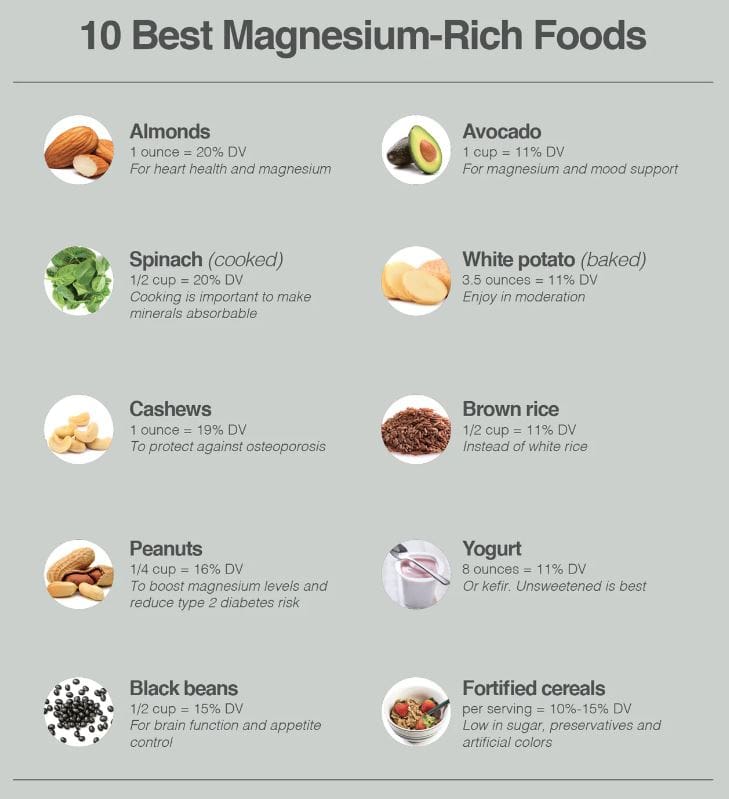
When it comes to taking magnesium, there are many ways to incorporate magnesium into the body’s system. Some people take it in supplemental form, while others eat healthy, nutritious foods with a chaulk full of magnesium to get the recommended amount. Some of the foods that are riched in magnesium include:
Dark Chocolate=65 mg of magnesium
Avocados=58 mg of magnesium
Legumes=120 mg of magnesium
Tofu= 35 mg of magnesium
What is great about getting these magnesium riched foods is that they can be in any dishes we consume for breakfast, lunch, and dinner. Incorporating magnesium in a healthy diet can help boost the body’s energy levels and help support the major organs, joints, and muscles from various disorders.
Conclusion
Magnesium is an essential supplement that the body needs to boost energy levels and help reduce the effects of pain-like symptoms that can cause dysfunction in the body. Whether it is in supplemental form or eating it in healthy dishes, magnesium is an important supplement that the body needs to function properly.
References
Fiorentini, Diana, et al. “Magnesium: Biochemistry, Nutrition, Detection, and Social Impact of Diseases Linked to Its Deficiency.” Nutrients, U.S. National Library of Medicine, 30 Mar. 2021, https://www.ncbi.nlm.nih.gov/pmc/articles/PMC8065437/.
Schwalfenberg, Gerry K, and Stephen J Genuis. “The Importance of Magnesium in Clinical Healthcare.” Scientifica, U.S. National Library of Medicine, 2017, https://www.ncbi.nlm.nih.gov/pmc/articles/PMC5637834/.
Vormann, Jürgen. “Magnesium: Nutrition and Homoeostasis.” AIMS Public Health, U.S. National Library of Medicine, 23 May 2016, https://www.ncbi.nlm.nih.gov/pmc/articles/PMC5690358/.
Having and maintaining flexibility in the joints depends on the connective tissues surrounding the muscles. Proper lubrication in the connective tissues enables the fibers to slide over one another easily. Naturally occurring proteins collagen and elastin are key components of connective tissue that provide strength and elasticity. The more elastic the connective tissue, the more flexibility around the joint. If it is becoming difficult to stretch out or there is chronic stiffness and tightness, there are foods that help maintain flexibility and enhance overall health.
Foods That Help Maintain Flexibility
Joint flexibility means functioning connective tissues that join the skeleton and muscles and the ability of different body parts to extend and complete motions. Connecting tissues assists with movement and stabilization. These issues include:
Ligaments
Ligamentscan be band-shaped or string-shaped collagen fibers that connect bones.
Tendons
Tendonsare similar to ligaments and are band or string shaped but connect muscles to the bones.
Fascia
Fascia is a densely woven mesh that wraps around the blood vessels, bones, muscles, organs, and nerves.
Flexibility keeps the muscles active and mobile as they are necessary for daily physical activities. When these tissues become stiff from inactivity or an unhealthy diet, it limits the body’s range of movement and increases the risk of injury. Stretching improves flexibility, and adding foods to a nutrition plan will help maintain limberness.
Nutrition
A nutrition plan full of vitamins, minerals, and antioxidants will nourish connecting tissues and cells and increase collagen production. Foods rich in essential fatty acids/EFAs, vitamin C, sulfur, and water will promote healthy connective tissue for enhanced flexibility.
Fatty Acids
Essential fatty acids include omega-3 and omega-6, primarily found in fish, flax seeds, and liquid oils.
These fatty acids are essential because they cannot be made in the body.
Foods likefatty fish, flax seeds, walnuts, or supplements, can help achieve the proper ratio.
For individuals not too keen on fish, consider omega-3 supplements.
Collagen
Collagen is the main protein from connective tissue, and vitamin C is essential for collagen production.
Vitamin C-rich foods – oranges, bell peppers, broccoli, strawberries, tomatoes, leafy green vegetables, raspberries, pineapple, cruciferous vegetables, parsley, and watermelon.
Make various smoothie recipes for breakfast or an afternoon snack.
Sulfur helps maintain the flexible bonds in connective tissues.
Animal proteins that provide sulfur include fish, poultry, beef, and eggs.
Vegetable sources include Brussels sprouts, cabbage, broccoli, cauliflower, onions, and garlic.
Hydration
Water is not considered food as it contains no calories, but it is vital as it makes up 76 percent of the muscles. A high percentage of water content is the key to muscle elasticity. When the body is dehydrated, it holds onto water, causing fluid retention and stiffness. The more the muscles stay dehydrated, the more they have trouble recovering from physical activities, fatigue levels increase, the range of motion decreases, and the risk of injury increases. Don’t wait until you are thirsty. Stay hydrated throughout the day to keep the joints lubricated and energy levels high.
Fruits high in water include:
Strawberries
Watermelon
Cantaloupe
Peaches
Grapefruit
Pineapple
Apples
Pears
Vegetables high in water include:
Cucumber
Lettuce
Zucchini
Celery
Eggplant
Limit Salt and Sugar Intake
Processed foods tend to have a high salt content.
Too much salt causes the joints to swell as the body retains fluid.
Keeping sugar intake low is important in enhancing flexibility.
This is because sugar breaks down the collagen in the skin and connective tissues.
This means avoiding processed foods, ready meals, and junk food.
Flexibility can be improved by eliminating foods that destroy collagen, focusing on foods that reduce insulin spikes, and maintaining hydration in the connective tissues. A nutritionist can develop a personalized nutrition plan for optimal neuromusculoskeletal health.
Foods That Help Maintain Flexibility
References
Beba, Mohammad et al. “The effect of curcumin supplementation on delayed-onset muscle soreness, inflammation, muscle strength, and joint flexibility: A systematic review and dose-response meta-analysis of randomized controlled trials.” Phytotherapy research: PTR vol. 36,7 (2022): 2767-2778. doi:10.1002/ptr.7477
Kviatkovsky, Shiloah A et al. “Collagen peptide supplementation for pain and function: is it effective?.” Current opinion in clinical nutrition and metabolic care vol. 25,6 (2022): 401-406. doi:10.1097/MCO.0000000000000870
MacKay, Douglas, and Alan L Miller. “Nutritional support for wound healing.” Alternative medicine review: a journal of clinical therapeutic vol. 8,4 (2003): 359-77.
Shaw, Gregory, et al. “Vitamin C-enriched gelatin supplementation before intermittent activity augments collagen synthesis.” The American journal of clinical nutrition vol. 105,1 (2017): 136-143. doi:10.3945/ajcn.116.138594
Zdzieblik, Denise, et al. “Improvement of activity-related knee joint discomfort following supplementation of specific collagen peptides.” Applied physiology, nutrition, and metabolism = Physiologie applique, nutrition et metabolism vol. 42,6 (2017): 588-595. doi:10.1139/apnm-2016-0390
IFM's Find A Practitioner tool is the largest referral network in Functional Medicine, created to help patients locate Functional Medicine practitioners anywhere in the world. IFM Certified Practitioners are listed first in the search results, given their extensive education in Functional Medicine






 Cross Training
 Digestive Enzymes