Nutrition and Integrative Care for Mobility and Injury Recovery at El Paso Back Clinic®
In El Paso, TX, maintaining mobility and flexibility is essential for an active lifestyle, whether you’re recovering from an injury or managing chronic pain. At El Paso Back Clinic®, led by Dr. Alexander Jimenez, DC, APRN, FNP-BC, a well-balanced diet and targeted supplementation are combined with chiropractic care to support joint health, reduce inflammation, and enhance muscle and bone function. Nutrients like omega-3 fatty acids, collagen, and vitamins D and K, alongside supplements such as glucosamine, chondroitin, and turmeric, are key to improving movement and promoting healing. Dr. Jimenez’s integrative approach, incorporating massage therapy, acupuncture, and functional medicine, helps patients recover from motor vehicle accidents, work injuries, sports injuries, and chronic conditions, ensuring natural healing and long-term wellness.
Nutrition for Joint Health and Recovery
A nutrient-dense diet is critical for supporting joint health and aiding recovery, especially for El Pasoans dealing with injuries from accidents or physical strain. Omega-3 fatty acids, found in foods like salmon, chia seeds, and walnuts, reduce inflammation, helping to alleviate joint pain and improve flexibility (StretchIt App, 2023). This is particularly important for those recovering from motor vehicle accidents or sports injuries, where inflammation can prolong discomfort.
Collagen, a primary component of cartilage and tendons, strengthens joints and supports repair. Consuming collagen-rich foods like bone broth or taking supplements can aid recovery from injuries common in El Paso’s active community (Nature’s Best, 2023). Vitamins D and K are vital for bone health, providing stability to joints. Vitamin D, sourced from fortified dairy or El Paso’s sunny environment, enhances calcium absorption, while vitamin K, found in leafy greens like spinach, supports bone mineralization (BetterYou, 2023).
Protein is essential for muscle repair, acting as a protective layer for joints during movement. Foods like eggs, lean meats, and lentils provide amino acids to rebuild muscle tissue, crucial for those healing from work or sports injuries (Nature’s Best, 2023). Hydration is also key, as water lubricates joint cartilage, reducing wear and supporting smooth motion (Spinal Rehab and Chiro Center, 2023).
Supplements can amplify the benefits of a healthy diet, particularly for those recovering from injuries or managing chronic pain. Glucosamine and chondroitin support cartilage health, with glucosamine aiding cartilage production and chondroitin helping joints retain water, improving mobility (VoltaGel, 2023). At El Paso Back Clinic®, Dr. Jimenez often recommends these for patients with joint wear from auto accidents or repetitive work tasks.
Turmeric, with its active compound curcumin, is a potent anti-inflammatory supplement that reduces joint pain, aiding recovery for El Paso’s active residents (ZoharyogaFlex, 2023). Magnesium supports muscle relaxation and flexibility, helping prevent stiffness after injuries (BetterYou, 2023). Collagen supplements strengthen connective tissues, speeding up recovery from sprains or strains, common in sports or workplace injuries (NutritionX, 2023).
Patients are advised to consult Dr. Jimenez or a healthcare professional before starting supplements, especially if they have existing conditions or take medications (MVSU, 2023).
At El Paso Back Clinic®, Dr. Alexander Jimenez, a chiropractor and nurse practitioner, specializes in treating injuries from motor vehicle accidents, work incidents, sports mishaps, and chronic conditions like arthritis or back pain. His dual-scope approach combines chiropractic adjustments with medical evaluations, using advanced diagnostics like X-rays and MRIs to identify issues such as herniated discs or nerve compression (Jimenez, 2023a). This ensures precise, personalized treatment plans for conditions causing pain, numbness, or reduced mobility.
Dr. Jimenez’s ability to provide detailed medical and legal documentation is a key asset for personal injury cases, supporting insurance claims or legal proceedings in El Paso’s vibrant community (Jimenez, 2023b). His focus on addressing the root causes of pain, such as spinal misalignments or soft tissue damage, promotes lasting recovery and improved quality of life.
Integrative Therapies for Comprehensive Rehabilitation
El Paso Back Clinic® offers a holistic approach to recovery, combining chiropractic care, massage therapy, acupuncture, and nutritional guidance. Chiropractic adjustments correct spinal and joint misalignments, relieving pressure and restoring mobility for conditions like whiplash or lower back pain (Jimenez, 2023a). Massage therapy reduces muscle tension and improves blood flow, aiding recovery from soft tissue injuries common in auto accidents or sports (Jimenez, 2023c).
Acupuncture targets pain and inflammation with precise needle placements, making it effective for chronic pain or post-injury recovery (Jimenez, 2023d). Nutritional guidance, including anti-inflammatory diets and supplements like omega-3s or collagen, supports joint and muscle repair, addressing underlying causes and preventing complications like chronic pain or joint degeneration (El Paso Back Clinic, 2023).
This integrative approach promotes natural healing, helping El Paso patients recover from a wide range of injuries while minimizing long-term issues.
At El Paso Back Clinic®, Dr. Jimenez and his team provide personalized care plans that integrate nutrition, chiropractic care, and integrative therapies to address pain and promote wellness. Whether recovering from a car accident, work injury, or sports trauma, the clinic’s holistic approach ensures optimal outcomes. Nutritional strategies, such as incorporating omega-3-rich foods or collagen supplements, support joint health and recovery (El Paso Back Clinic, 2023).
The clinic’s commitment to El Paso’s community is evident in its mission to help patients live pain-free, active lives. Always consult a healthcare professional before making dietary changes or starting supplements to ensure they align with your specific health needs (MVSU, 2023).
At El Paso Back Clinic®, Dr. Alexander Jimenez combines nutrition, supplementation, and integrative therapies to support mobility, flexibility, and injury recovery. A diet rich in omega-3s, collagen, and vitamins D and K, paired with supplements like glucosamine and turmeric, enhances joint health and reduces inflammation. Dr. Jimenez’s expertise in chiropractic care, massage therapy, acupuncture, and functional nutrition provides a comprehensive approach to healing injuries from auto accidents, work, or sports, while preventing long-term complications. The clinic helps El Pasoans live vibrant, pain-free lives. Consult a healthcare professional before starting new dietary or supplement regimens to ensure they suit your needs.
Turmeric may help reduce inflammation from an auto accident. Understand its potential benefits for your health.
Introduction
Motor vehicle accidents (MVAs) are a leading cause of injury worldwide, affecting millions of people each year. These accidents often result in musculoskeletal injuries, such as whiplash, back strains, and fractures, which can lead to significant inflammation and pain. Understanding the clinical reasons behind these injuries is essential for effective treatment and recovery. This guide examines the science of inflammation and pain associated with MVAs, the role of natural supplements like turmeric in managing these symptoms, and the expertise of Dr. Alexander Jimenez, a distinguished practitioner in El Paso, Texas, who specializes in treating personal injury cases. Written for a high school reading level, this post includes a touch of dark humor to make it engaging, but concludes with a serious note to emphasize the importance of proper care.
Section 1: The Clinical Rationale for Inflammation and Pain in MVAs
When you’re in a car accident, the sudden jolt can wreak havoc on your body. Imagine your neck snapping back like a rubber band—ouch! This is what happens in whiplash, one of the most common injuries from MVAs. Whiplash occurs when your head is forcefully jerked forward and backward, straining the muscles and ligaments in your neck. This rapid movement can cause tiny tears in these tissues, leading to inflammation and pain.
A study published in the International Journal of Environmental Research and Public Health (2020) explains that whiplash from MVAs causes a traumatic whipping motion of the head and neck, resulting in higher peak acceleration at the head than in the neck or lower spine (McConnell et al., 1993). This motion often leads to musculoligamentous sprain or strain, with injuries to cervical spine ligaments causing joint laxity and instability (Ivancic et al., 2008; Tominaga et al., 2006). The excessive strain on ligaments, particularly the facet capsule, can contribute to chronic neck pain (Siegmund et al., 2009). Ligamentous laxity, identified through videofluoroscopy (VF), is common in patients with chronic post-whiplash pain but rare in uninjured people (Barnsley et al., 1994).
Injury Type
Description
Common Symptoms
Whiplash
Rapid head movement causes neck strain
Pain, stiffness, headaches
Ligamentous Injury
Damage to cervical spine ligaments
Joint instability, chronic pain
These findings indicate that biomechanical forces in MVAs can cause significant damage, leading to inflammation that, if left unmanaged, can become a long-term issue. It’s like your body’s alarm system getting stuck on “high alert,” causing ongoing discomfort.
Ivancic, P. C., Ito, S., Tominaga, Y., Rubin, W., Coe, M. P., Ndu, A., … & Panjabi, M. M. (2008). Whiplash causes increased laxity of cervical capsular ligament. Clinical Biomechanics, 23(2), 159-165. https://doi.org/10.1016/j.clinbiomech.2007.09.003
McConnell, W. E., Howard, R. P., Guzman, H. M., Bomar, J. B., Raddin, J. H., Benedict, J. V., … & Hatsell, C. P. (1993). Analysis of human test subject kinematic responses to low velocity rear end impacts. SAE Technical Paper Series, 930889. https://doi.org/10.4271/930889
Siegmund, G. P., Winkelstein, B. A., Ivancic, P. C., Svensson, M. Y., & Vasavada, A. (2009). The anatomy and biomechanics of acute and chronic whiplash injury. Traffic Injury Prevention, 10(2), 101-112. https://doi.org/10.1080/15389580802593259
Tominaga, Y., Ndu, A. B., Coe, M. P., Valenson, A. J., Ivancic, P. C., Ito, S., … & Panjabi, M. M. (2006). Neck ligament strength is decreased following whiplash trauma. BMC Musculoskeletal Disorders, 7(1), 1-8. https://doi.org/10.1186/1471-2474-7-103
Section 2: Common Musculoskeletal Injuries from MVAs
MVAs can cause a variety of musculoskeletal injuries, which affect the muscles, ligaments, tendons, and bones that help you move. These injuries can range from minor annoyances to serious conditions that require extensive treatment. Here’s a rundown of the most common ones:
Whiplash: As mentioned, this neck injury is like your head playing a high-speed game of ping-pong, leaving you with pain, stiffness, and sometimes headaches that make you feel like your brain’s throwing a tantrum.
Back Injuries: The force of a crash can damage your spine, causing herniated discs, fractures, or soft tissue injuries. It’s like your back saying, “I didn’t sign up for this rollercoaster!”
Fractures: Bones in your arms, legs, ribs, or pelvis can break, causing severe pain and making you feel like a human jigsaw puzzle.
Sprains and Strains: Ligaments (sprains) and muscles (strains) can stretch or tear, leading to swelling and pain. Think of it as your body’s rubber bands snapping under pressure.
Dislocations: Joints can pop out of place, causing deformity and pain that makes you wonder if your shoulder is auditioning for a horror movie.
These injuries often lead to inflammation, which is your body’s way of saying, “We’ve got a problem here!” However, if inflammation persists, it can develop into a chronic issue, making recovery a prolonged and challenging process.
Injury
Affected Area
Potential Complications
Whiplash
Neck
Chronic pain, headaches
Back Injuries
Spine
Herniated discs, mobility issues
Fractures
Bones
Immobility, surgical needs
Sprains/Strains
Ligaments/Muscles
Swelling, limited movement
Dislocations
Joints
Deformity, chronic instability
References
Allen, B., Jr., Ferguson, R., Lehmann, T. R., & O’Brien, R. P. (1982). A mechanistic classification of closed, indirect fractures and dislocations of the lower cervical spine. Spine, 7(1), 1-27. https://doi.org/10.1097/00007632-198200710-00001
Bowley, D. M., & Boffard, K. D. (2002). Patterns of injury in motor vehicle accidents. World Journal of Surgery, 26(7), 801-805. https://doi.org/10.1007/s00268-002-4058-2
Section 3: The Role of Inflammation in Musculoskeletal Injuries
Inflammation is like your body’s fire alarm—it goes off when something’s wrong, like an injury from an MVA. It’s a natural response to protect and heal damaged tissues, but sometimes it overstays its welcome, causing chronic pain and other issues.
When you get injured, your body releases chemicals called cytokines and prostaglandins. These cause blood vessels to dilate, allowing more blood and immune cells to reach the injury site. This leads to the classic signs of inflammation: redness, heat, swelling, pain, and loss of function. It’s like your body’s throwing a party to fix the damage, but sometimes the party gets out of hand.
In MVAs, inflammation varies by injury:
Whiplash: Inflammation in the neck’s ligaments and joints causes pain and stiffness, making it hard to turn your head without feeling like a rusty robot.
Fractures: Inflammation helps heal broken bones but can cause significant swelling and pain, like your body’s overzealous repair crew working overtime.
Soft Tissue Injuries: Sprains and strains lead to localized swelling, making movement feel like wading through molasses.
If inflammation doesn’t calm down, it can lead to chronic conditions like fibromyalgia or chronic fatigue syndrome, which are like unwanted houseguests that refuse to leave. Managing inflammation is crucial to recovery, utilizing methods such as rest, physical therapy, medications, and natural supplements like turmeric.
Section 4: Turmeric and Its Beneficial Properties for Injury Treatment
Turmeric, that bright yellow spice in your curry, is more than just a flavor booster—it’s a powerhouse in traditional medicine. Used for centuries in India and China, turmeric contains curcumin, a compound with anti-inflammatory and antioxidant properties. Think of curcumin as a superhero that fights inflammation and protects your cells from damage.
Curcumin works by blocking enzymes like cyclooxygenase-2 (COX-2), which fuel inflammation. It also neutralizes free radicals, those pesky molecules that can worsen tissue damage. For MVA injuries, curcumin may help reduce swelling and pain, making recovery a bit less miserable. A study in BMJ Open Sport & Exercise Medicine found that curcumin can reduce muscle damage and inflammation after exercise-induced injuries, which are similar to those related to MVA (Davis et al., 2017).
Dr. Alexander Jimenez, a leading chiropractor in El Paso, has praised the benefits of turmeric. In an X post, he highlighted how curcumin supports joint health and reduces inflammation, making it a valuable addition to treatment plans for musculoskeletal injuries (Jimenez, 2023). He also recommends Meriva Curcumin Phytosome, a more bioavailable form of curcumin, to maximize its effects (Jimenez, 2018).
But here’s the catch: turmeric in your food might not pack enough curcumin to make a big difference. Supplements often have higher concentrations, but they can interact with medications, such as blood thinners, or cause side effects like stomach upset. Plus, applying hot turmeric paste, as some do in traditional remedies, can lead to burns—talk about adding insult to injury! Always consult a doctor before incorporating turmeric into your diet.
Turmeric Benefit
Mechanism
Potential Side Effects
Anti-inflammatory
Inhibits COX-2, LOX
Stomach upset, interactions
Antioxidant
Neutralizes free radicals
Possible liver issues
Joint Support
Reduces swelling
Allergic reactions
References
Davis, J. M., Murphy, E. A., Carmichael, M. D., & Davis, B. (2007). Quercetin increases brain and muscle mitochondrial biogenesis and exercise tolerance. American Journal of Physiology-Regulatory, Integrative and Comparative Physiology, 296(4), R1071-R1077. https://doi.org/10.1152/ajpregu.00376.2008
Hewlings, S. J., & Kalman, D. S. (2017). Curcumin: A review of its effects on human health. Foods, 6(10), 92. https://doi.org/10.3390/foods6100092
Section 5: Personal Injury Cases and Dr. Alexander Jimenez’s Expertise
In El Paso, Texas, MVAs are a common cause of personal injury cases, leaving victims with physical pain, emotional stress, and financial burdens. Whether it’s a fender-bender or a major crash, the aftermath can feel like a bad plot twist in your life’s story. Fortunately, experts like Dr. Alexander Jimenez are here to help.
Dr. Jimenez, with over 25 years of experience, is a board-certified chiropractor and functional medicine practitioner in El Paso. He specializes in treating motor vehicle accident (MVA) injuries, utilizing advanced tools such as videofluoroscopy and digital motion X-ray to pinpoint damage. These diagnostics are like giving your injuries a high-definition close-up, revealing issues such as ligament laxity or joint instability that might not be visible on standard X-rays.
His treatment plans incorporate chiropractic adjustments, physical therapy, nutritional counseling, and lifestyle modifications to facilitate patient recovery. Dr. Jimenez also acts as a bridge between medical care and legal documentation, ensuring that injury details are accurately recorded for personal injury claims. This is crucial in El Paso, where personal injury cases often involve complex legal processes.
Patients praise Dr. Jimenez for his holistic approach. One patient noted, “Alex treats you like a friend, providing exceptional care” (Jimenez, 2025). His clinic, Injury Medical Clinic PA, focuses on restoring mobility, health, and quality of life, making him a trusted ally for MVA victims.
Motor vehicle accidents can turn your life upside down, leaving you with injuries that cause inflammation and pain. Understanding the science behind injuries such as whiplash or back strains is crucial for finding effective treatments. Turmeric, with its anti-inflammatory curcumin, offers a natural way to manage symptoms, but it’s not a magic bullet—consult a doctor before trying it. In El Paso, Dr. Alexander Jimenez stands out as a beacon of hope, utilizing advanced diagnostics and holistic care to aid MVA victims in their recovery.
While we’ve sprinkled some humor throughout (because who doesn’t need a chuckle when life feels like a crash course?), this topic is serious. If you’ve been involved in a motor vehicle accident (MVA), seek medical attention immediately and consider consulting a specialist, such as Dr. Jimenez, for personalized care.
Disclaimer
This guide is provided for informational purposes only and should not be considered medical advice. Always consult a qualified healthcare professional before starting any new treatment or supplement regimen.
Can many individuals with sleep issues incorporate natural botanicals to get a good night’s sleep and reduce stress?
Why Sleep Is Important?
Often, many people are constantly on the move and trying to find ways to rest and relax; however, in today’s world, many individuals are still experiencing various sleep issues that are not fulfilling them to achieve the full 8 hours of restful sleep. How often have you experienced fatigue throughout the day due to staying up late working on a project? Do you doom scroll on your phone while lying in bed at night that you accidentally stayed up late? Or do chronic health issues keep you up at night, which makes sleep difficult? When it comes to understanding why sleep is important, many people do not realize that sleep plays a huge role in cognitive functioning, mental health, and creativity. (Charest & Grandner, 2020) When environmental factors start to impact the body over time, it can lead to the development of sleep disorders. Environmental factors like stress can affect the circadian rhythm, causing dysregulation and sleep disorders. (Agorastos & Olff, 2021) However, there is some good news: there are various natural ways to help relax the body, get the full recommended amount of sleep without medications, and even help many people stay asleep longer. We associate with certified medical providers who inform our patients of the benefits of getting the full recommended amounts of sleep to reduce the stress affecting the body. While asking important questions to our associated medical providers, we advise patients to integrate natural ways to reduce stress and sleep disorders to ensure proper sleeping habits. Dr. Alex Jimenez, D.C., envisions this information as an academic service. Disclaimer.
Balancing Body & Metabolism- Video
Natural Botanicals & Remedies To Promote Sleep
When it comes to incorporating healthy sleeping habits, many individuals have found natural remedies to not only stay asleep but also reduce any stressors associated with environmental factors. Many people trying to make small changes in their sleeping habits can do some of the following:
Have the room be in a comfortable, cool temperature
Additionally, herbal botanicals can help relax the body and ensure proper sleep. Almost all natural botanicals are found in teas and supplements at the local grocery store. Below are some botanicals that can help many individuals get quality sleep.
Valerian
As a native to Europe and Asia, valerian is a perennial flowering plant with a unique and long history in traditional medicine, as it is used as a sedative and an anxiolytic. However, it has many sleep-promoting effects. (Yeom & Cho, 2024) The unique characteristic of valerian is that it interacts with the neurotransmitter GABA, as it is used to reduce sleep onset latency and increase sleep quality. (Bruni et al., 2021) The valerian plant can be utilized in a tea or a supplement as it is given to individuals for about 2 weeks at a time for its beneficial effects to start to work.
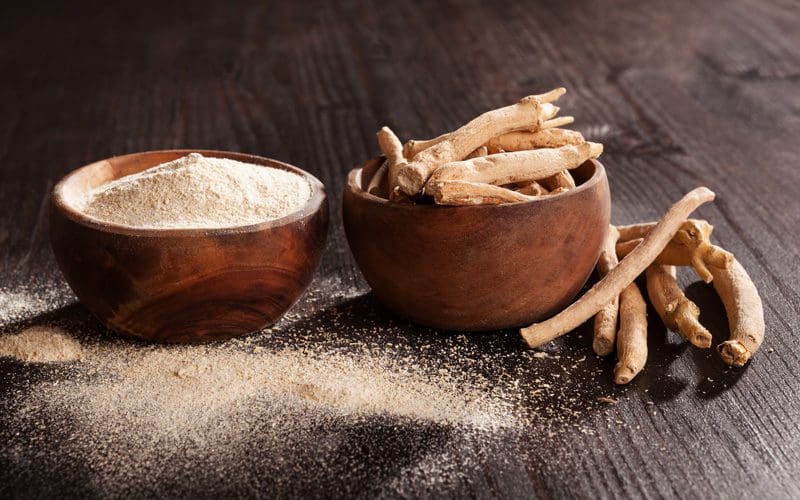
Ashwagandha
Known as winter cherry and located in India, ashwagandha has numerous health properties that can help many people with multiple ailments. The entire plant has been marketed in many forms and is common in pills and capsules as it possesses anti-inflammatory and antioxidant properties. (Cheah et al., 2021) Additionally, ashwagandha in small dosages can help improve cognitive function and immunity and reduce cortisol levels to help relax the body. (Park et al., 2023) Sleep can come easily to the individual when the body is relaxed after taking ashwagandha.
Chamomile
A common herb that can be used in teas, oils, or extracts, chamomile has been used as a sedative, mild analgesic, and sleep medication as it induces relaxation. (“Chamomile,” 2012) In tea form, this herb can become the most relaxing drink to sip at night and make a person sleepy. At the same time, when people drink chamomile, its soothing, beneficial properties can relieve and target the receptors in their central nervous system, causing them to be stressed and anxious, thus calming them down.
Lavender
As one of the most popular herbs everyone uses, from teas to aromatherapy, lavender is a multipurpose plant with many beneficial properties that can help anyone. Lavender has two main components, linalool, and linalyl, with sedative, antinociceptive, and anti-spasmolytic effects to stimulate the parasympathetic system. (Hamzeh et al., 2020) This, in turn, can help relax the body with its calming aroma and provide beneficial results for individuals dealing with insomnia. In its essential oil form, lavender can help increase the total amount of NREM (non-rapid eye movement) and reinforce a person’s sleep ability. (Ren et al., 2025) By making small changes and incorporating these natural botanicals to provide better sleep quality, many people will notice their bodies becoming more relaxed, their minds less anxious, and finally get that full 8 hours of sleep they deserve because sleep is for everyone, not the weak.
Bruni, O., Ferini-Strambi, L., Giacomoni, E., & Pellegrino, P. (2021). Herbal Remedies and Their Possible Effect on the GABAergic System and Sleep. Nutrients, 13(2). https://doi.org/10.3390/nu13020530
Charest, J., & Grandner, M. A. (2020). Sleep and Athletic Performance: Impacts on Physical Performance, Mental Performance, Injury Risk and Recovery, and Mental Health. Sleep Med Clin, 15(1), 41-57. https://doi.org/10.1016/j.jsmc.2019.11.005
Cheah, K. L., Norhayati, M. N., Husniati Yaacob, L., & Abdul Rahman, R. (2021). Effect of Ashwagandha (Withania somnifera) extract on sleep: A systematic review and meta-analysis. PLOS ONE, 16(9), e0257843. https://doi.org/10.1371/journal.pone.0257843
Hamzeh, S., Safari-Faramani, R., & Khatony, A. (2020). Effects of Aromatherapy with Lavender and Peppermint Essential Oils on the Sleep Quality of Cancer Patients: A Randomized Controlled Trial. Evid Based Complement Alternat Med, 2020, 7480204. https://doi.org/10.1155/2020/7480204
Park, C. W., Hong, K. B., Suh, H. J., & Ahn, Y. (2023). Sleep-promoting activity of amylase-treated Ashwagandha (Withania somnifera L. Dunal) root extract via GABA receptors. J Food Drug Anal, 31(2), 278-288. https://doi.org/10.38212/2224-6614.3456
Ren, Y. L., Chu, W. W., Yang, X. W., Xin, L., Gao, J. X., Yan, G. Z., Wang, C., Chen, Y. N., Xie, J. F., Spruyt, K., Lin, J. S., Hou, Y. P., & Shao, Y. F. (2025). Lavender improves sleep through olfactory perception and GABAergic neurons of the central amygdala. J Ethnopharmacol, 337(Pt 3), 118942. https://doi.org/10.1016/j.jep.2024.118942
Yeom, J. W., & Cho, C. H. (2024). Herbal and Natural Supplements for Improving Sleep: A Literature Review. Psychiatry Investig, 21(8), 810-821. https://doi.org/10.30773/pi.2024.0121
Can melatonin help many individuals dealing with sleep issues and help them stay asleep longer and feel refreshed in the morning?
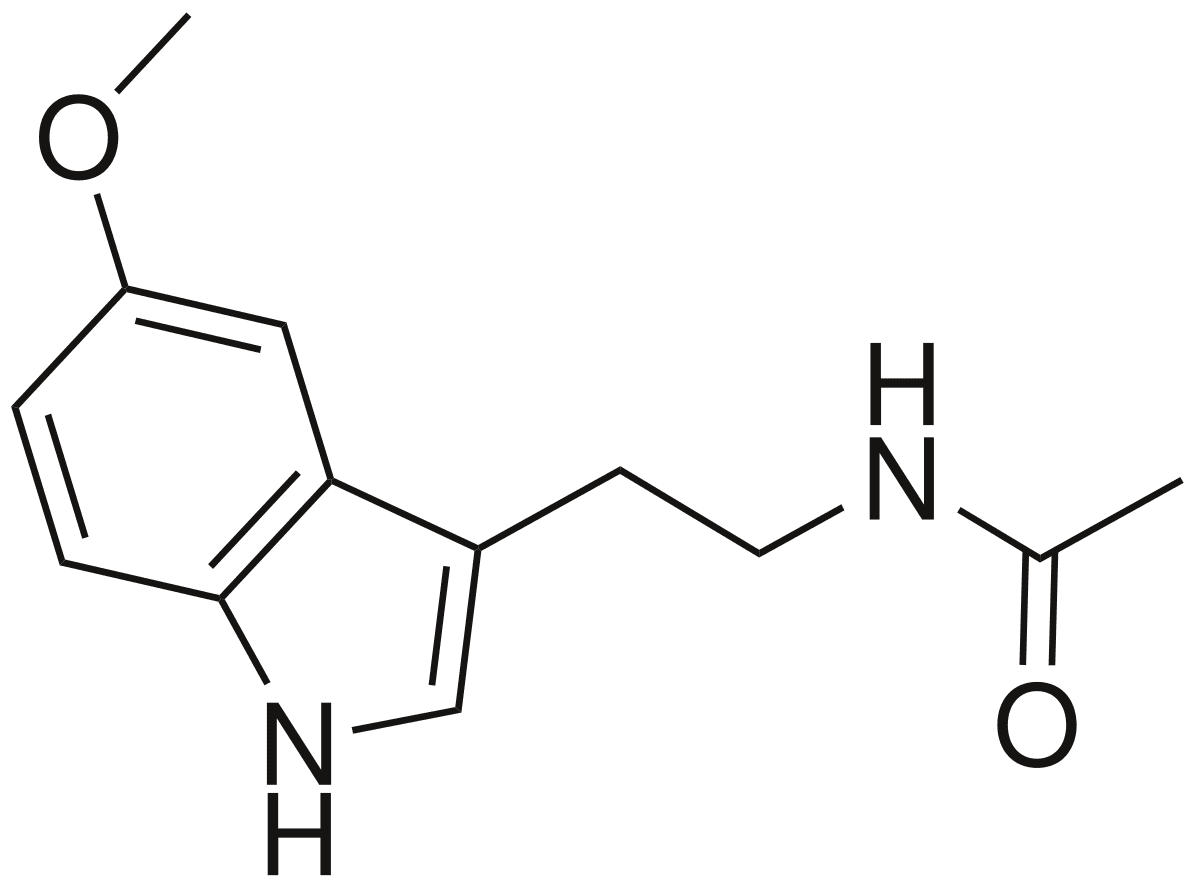
What Is Melatonin?
How often do you have trouble sleeping at night? Do you constantly toss and turn at night, which makes you stay awake even longer? Or do you feel continually stressed, and you feel more tired than before, and that is affecting your routine? Many people can fall asleep instantly when it comes to getting a good night’s sleep. However, when environmental factors like stress and insomnia start to affect the body,while causing many people to deal with restless sleep and symptoms of fatigue that affect their routine. Hence, why are many people taking a supplement known as melatonin to get a full night’s sleep? But what is melatonin, and how can it help improve sleep quality? Located and secreted in the pineal gland, melatonin is a hormone primarily synthesized to regulate the body’s sleep and wake cycle. (Savage et al., 2024) This hormone helps many people fall asleep, stay asleep, and wake up refreshed. At the same time, it is an antioxidant that dampens chronic inflammation and helps with the immune system. We associate with certified medical providers who inform our patients of the effects of melatonin as a supplement to reduce overlapping risk profiles affecting sleep quality. While asking important questions to our associated medical providers, we advise patients to incorporate various techniques to stay asleep longer and utilize melatonin when needed. Dr. Alex Jimenez, D.C., envisions this information as an academic service. Disclaimer.
Its Benefits
Melatonin is a hormone that is producedfrom the body’s pineal gland, and it can naturally command the circannual rhythm as its synthesis and exert its effect on the body’s biological rhythm and sleep initiation. (Boutin et al., 2023) There are many benefits that melatonin provides as it can:
Lengthen total sleep time
Reduce seasonal depression
Increase human growth hormone levels
Help with eye health
Treat GERD
However, many people have noticed that melatonin has hypnotic “effects” that are exerted through thermoregulatory mechanisms. Melatonin helps the body lower its core temperature, reduce arousal, and increase sleep propensity (Dawson & Encel, 1993). This allows many people dealing with sleep disorders to have a good night’s rest and feel better when waking up.
Eating Right To Feel Better- Video
How Melatonin Improves Sleep
When it comes to melatonin and improving sleep quality, many people with sleep disorders like insomnia, CRSD (Circadian Rhythm Sleep Disorder, and DSPD (Delayed Sleep Phase Disorder) use melatonin in pill and gummy form to administer the beneficial properties of improving sleep initiation and maintenance. (Cruz-Sanabria et al., 2023) At the same time, melatonin, especially exogenous melatonin, can be prescribed by a doctor or taken as a supplement in pill, tablet, or gummy form and has been the most frequently requested as a non-prescription sleep pain to promote total sleep time. (Costello et al., 2014) However, even though melatonin is used as a dietary supplement, it has to be regulated to what dosage the individual takes to reduce adverse effects. (Tuft et al., 2023) This is because taking too much melatonin can lead to the development of chronic conditions. If a person is taking medication, it can cause overlapping risk profiles for the individuals. Luckily, when it comes to reducing sleep disorders, taking melatonin for at least 30 minutes to an hour before bed can allow the body to relax and help kickstart the sleep-wake cycle for individuals to get that full night’s rest they deserve.
References
Boutin, J. A., Kennaway, D. J., & Jockers, R. (2023). Melatonin: Facts, Extrapolations and Clinical Trials. Biomolecules, 13(6). https://doi.org/10.3390/biom13060943
Costello, R. B., Lentino, C. V., Boyd, C. C., O’Connell, M. L., Crawford, C. C., Sprengel, M. L., & Deuster, P. A. (2014). The effectiveness of melatonin for promoting healthy sleep: a rapid evidence assessment of the literature. Nutr J, 13, 106. https://doi.org/10.1186/1475-2891-13-106
Cruz-Sanabria, F., Carmassi, C., Bruno, S., Bazzani, A., Carli, M., Scarselli, M., & Faraguna, U. (2023). Melatonin as a Chronobiotic with Sleep-promoting Properties. Curr Neuropharmacol, 21(4), 951-987. https://doi.org/10.2174/1570159X20666220217152617
Tuft, C., Matar, E., Menczel Schrire, Z., Grunstein, R. R., Yee, B. J., & Hoyos, C. M. (2023). Current Insights into the Risks of Using Melatonin as a Treatment for Sleep Disorders in Older Adults. Clin Interv Aging, 18, 49-59. https://doi.org/10.2147/CIA.S361519
Can individuals incorporate the beneficial properties of l-theanine into their routines to reduce stress and improve brain function?
Introduction
More often than not, many people worldwide are constantly in stressful situations. People worry about the smaller things, from deadlines to piles and errands that must be done as soon as possible. Now, when environmental factors start to cause overlapping risk profiles associated with stress, it can lead to neurocognitive dysfunction and other comorbidities affecting the body, which is why there are numerous ways for people to reduce their stress and function in a healthier lifestyle. One of the ways to reduce stress can be found in a local grocery store, incorporating L-theanine. Today’s article focuses on how stress can affect the brain and how L-theanine can combat stress and help improve brain function. We discuss with certified medical providers who inform our patients how L-theanine can help reduce chronic stress that is affecting the body and how it can affect their brain function. While asking informed questions to our associated medical providers, we advise patients to incorporate mindful techniques and L-theanine as part of their routine to improve their brain function and prevent chronic stress from reoccurring. Dr. Alex Jimenez, D.C., encompasses this information as an academic service. Disclaimer.
How Stress Affects The Brain
Have you experienced the 2 p.m. slumps that you constantly run on low energy after a hectic work or school day? How often do you experience brain fog that makes you unable to function properly? Or are you constantly stressed and feeling muscle aches and pains? Everyone knows stress is a major influence on their daily lives and can impact their mood, well-being, and health. (Schneiderman et al., 2005) Hence, stress comes in two forms: acute and chronic. Depending on the situation that the person is experiencing, stress can affect not only the body but also the brain. Short-term or acute stress can help enhance the immune response to the body, giving it a little boost of energy; however, in its long-term or chronic form, it can dysregulate the immune system and affect the brain function of the body. (Dhabhar, 2014)
Now, many people are thinking, how does stress affect brain function? The brain is the main organ for stress reactivity and helps distribute neural circuitry that determines what threats are coming that cause stress to the individual. (McEwen & Gianaros, 2010) When a person is dealing with a highly stressful situation, the brain determines that this situation is threatening and causes the individual to deal with stress cortisol levels. Hence why, many individuals are dealing with headaches, general aches, and pain around the neck and shoulders; stress causes issues with brain function; it can disrupt the neuron signals in the body, which leads to the development of inflammation, chronic illnesses, and neurological conditions to arise. Fortunately, there are numerous ways to reduce stress to prevent brain dysfunction and enhance the body while relaxing it.
Secrets Of Optimal Wellness- Video
How Does L-Theanine Combat Stress?
When finding natural ways to reduce stress, many people will search for different ways to relax and ease the stress. One of the ways many people can reduce stress is by sipping some green tea. Green tea contains polyphenolic compounds and about 1 to 3% L-theanine that can positively affect stress and mental health consequences in individuals. (Almudhi & Gabr, 2022) Additionally, drinking green tea or taking L-theanine supplements as part of a daily routine can be combined with relaxing hobbies to lower stress and boost energy levels. L-theanine is also an amino acid with stress-relieving effects that can improve glutamine and dampen inflammatory effects. (Unno et al., 2024)
How Does L-Theanine Improve Brain Function?
L-theanine can help improve brain function when consumed in tea form and decrease the risk for neurodegenerative disorders as a potential therapeutic agent. (Valverde-Salazar et al., 2023) Additionally, when individuals start to consume L-theanine, it can provide positive neuroprotective effects and cognitive function, which helps increase alertness and reduces brain fog. (Sokary et al., 2023) When individuals start thinking about their health and wellness by consuming L-theanine in tea form, it can provide beneficial properties combined with therapeutic options to help reduce chronic stress levels and improve brain function so they can have a healthier and stress-free life.
References
Almudhi, A., & Gabr, S. A. (2022). Green tea consumption and the management of adrenal stress hormones in adolescents who stutter. Biomed Rep, 16(4), 32. https://doi.org/10.3892/br.2022.1515
Dhabhar, F. S. (2014). Effects of stress on immune function: the good, the bad, and the beautiful. Immunol Res, 58(2-3), 193-210. https://doi.org/10.1007/s12026-014-8517-0
McEwen, B. S., & Gianaros, P. J. (2010). Central role of the brain in stress and adaptation: links to socioeconomic status, health, and disease. Ann N Y Acad Sci, 1186, 190-222. https://doi.org/10.1111/j.1749-6632.2009.05331.x
Schneiderman, N., Ironson, G., & Siegel, S. D. (2005). Stress and health: psychological, behavioral, and biological determinants. Annu Rev Clin Psychol, 1, 607-628. https://doi.org/10.1146/annurev.clinpsy.1.102803.144141
Sokary, S., Al-Asmakh, M., Zakaria, Z., & Bawadi, H. (2023). The therapeutic potential of matcha tea: A critical review on human and animal studies. Curr Res Food Sci, 6, 100396. https://doi.org/10.1016/j.crfs.2022.11.015
Unno, K., Taguchi, K., Matsuda, T., & Nakamura, Y. (2024). Stress-Relieving Effects of Green Tea Depend on the Ratio of Its Special Ingredients and the Infusion Conditions. Molecules, 29(19). https://doi.org/10.3390/molecules29194553
Valverde-Salazar, V., Ruiz-Gabarre, D., & Garcia-Escudero, V. (2023). Alzheimer’s Disease and Green Tea: Epigallocatechin-3-Gallate as a Modulator of Inflammation and Oxidative Stress. Antioxidants (Basel), 12(7). https://doi.org/10.3390/antiox12071460
For individuals dealing with digestive issues or bowel disorders, can adding peppermint to a nutrition plan help manage symptoms and digestion?
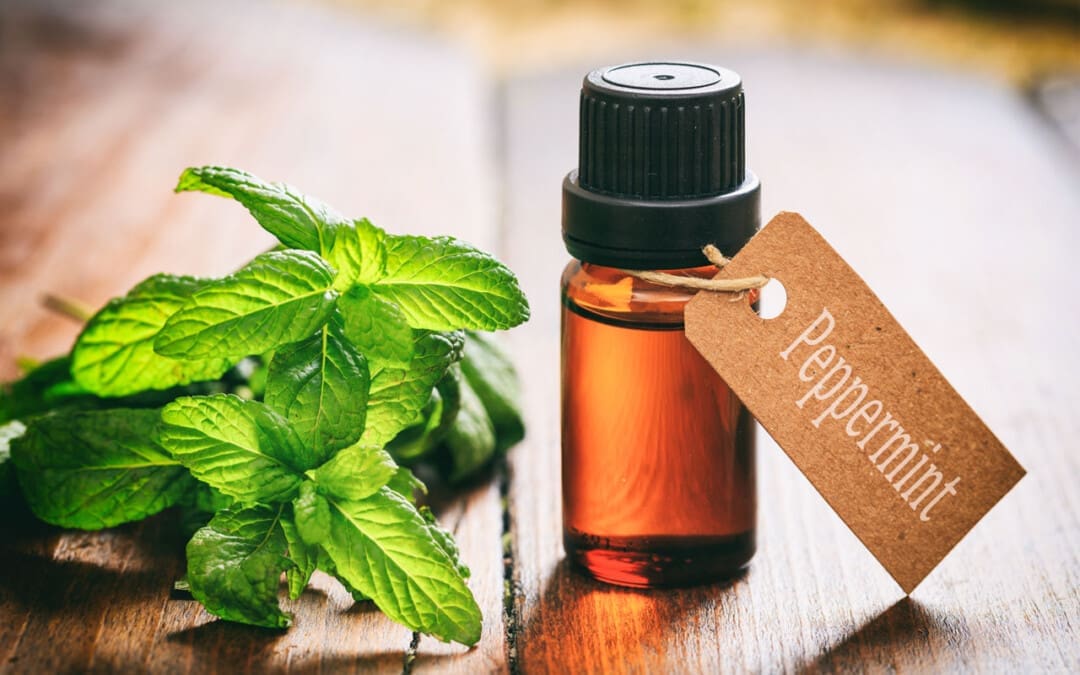
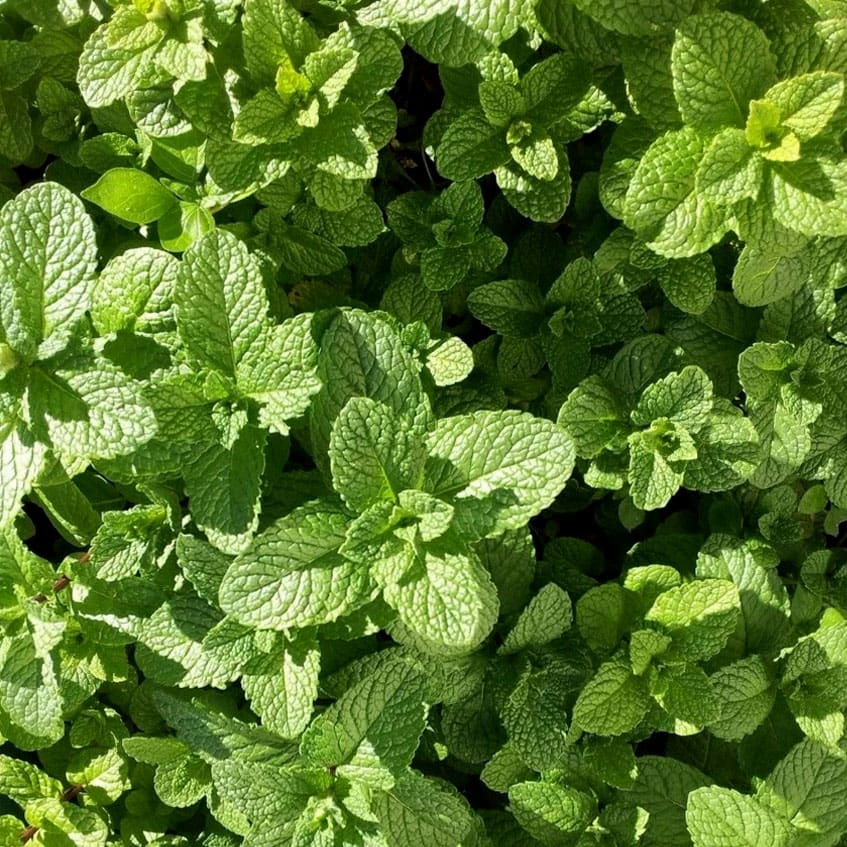
Peppermint
First grown in England, peppermint’s medicinal properties were soon recognized and are cultivated today in Europe and Northern Africa.
How It Is Used
Peppermint oil can be taken as a tea or in capsule form.
Consult a physician or licensed healthcare professional to determine the proper dosage for the capsule form.
For Irritable Bowel Syndrome
Peppermint is taken as a tea to treat general digestive problems. It is known to reduce the production of gas in the intestine. Today, researchers recognize peppermint as effective for irritable bowel syndrome when used in oil form. (N. Alammar et al., 2019) Peppermint oil has been approved for use by IBS patients in Germany. However, the FDA has not approved peppermint and oil to treat any condition, but it has listed peppermint and the oil as generally safe. (ScienceDirect, 2024)
Peppermint extract may increase serum levels of these medications.
It is recommended to discuss medication interactions with a healthcare provider before starting supplements if taking any of these medications.
Pregnancy
Peppermint is not recommended for use during pregnancy or by nursing individuals.
It is unknown if it could affect a developing fetus.
It is unknown if it can affect a nursing baby.
How To Use The Herb
It is not that common, but some individuals are allergic to peppermint. Peppermint oil should never be applied to the face or around mucous membranes (National Center for Complementary and Integrative Health. 2020). Using more than one form, such as tea and oil, is not recommended because it could lead to side effects.
Because the FDA does not regulate supplements like peppermint and others, their contents may be varied.
Supplements may contain harmful ingredients or not contain the active ingredient at all.
This is why seeking reputable brands and informing an individual’s healthcare team of what is being taken is highly recommended.
It has the potential to worsen certain conditions and should not be used by:
Peppermint was used to treat colic in infants but is not recommended today.
The menthol in the tea may cause infants and small children to choke.
Chamomile could be a possible alternative. Consult a healthcare provider to see if it is safe.
Beyond Adjustments: Chiropractic and Integrative Healthcare
References
Alammar, N., Wang, L., Saberi, B., Nanavati, J., Holtmann, G., Shinohara, R. T., & Mullin, G. E. (2019). The impact of peppermint oil on the irritable bowel syndrome: a meta-analysis of the pooled clinical data. BMC complementary and alternative medicine, 19(1), 21. https://doi.org/10.1186/s12906-018-2409-0
Agbabiaka, T. B., Spencer, N. H., Khanom, S., & Goodman, C. (2018). Prevalence of drug-herb and drug-supplement interactions in older adults: a cross-sectional survey. The British journal of general practice : the journal of the Royal College of General Practitioners, 68(675), e711–e717. https://doi.org/10.3399/bjgp18X699101
Kligler, B., & Chaudhary, S. (2007). Peppermint oil. American family physician, 75(7), 1027–1030.
National Center for Complementary and Integrative Health. (2020). Peppermint oil. Retrieved from https://www.nccih.nih.gov/health/peppermint-oil#safety
Cash, B. D., Epstein, M. S., & Shah, S. M. (2016). A Novel Delivery System of Peppermint Oil Is an Effective Therapy for Irritable Bowel Syndrome Symptoms. Digestive diseases and sciences, 61(2), 560–571. https://doi.org/10.1007/s10620-015-3858-7
Khanna, R., MacDonald, J. K., & Levesque, B. G. (2014). Peppermint oil for the treatment of irritable bowel syndrome: a systematic review and meta-analysis. Journal of clinical gastroenterology, 48(6), 505–512. https://doi.org/10.1097/MCG.0b013e3182a88357
“For individuals that have difficulty getting plenty of fruits and vegetables, can incorporating green powder supplements increase nutritional levels for a balanced diet?”
Green Powder Supplements
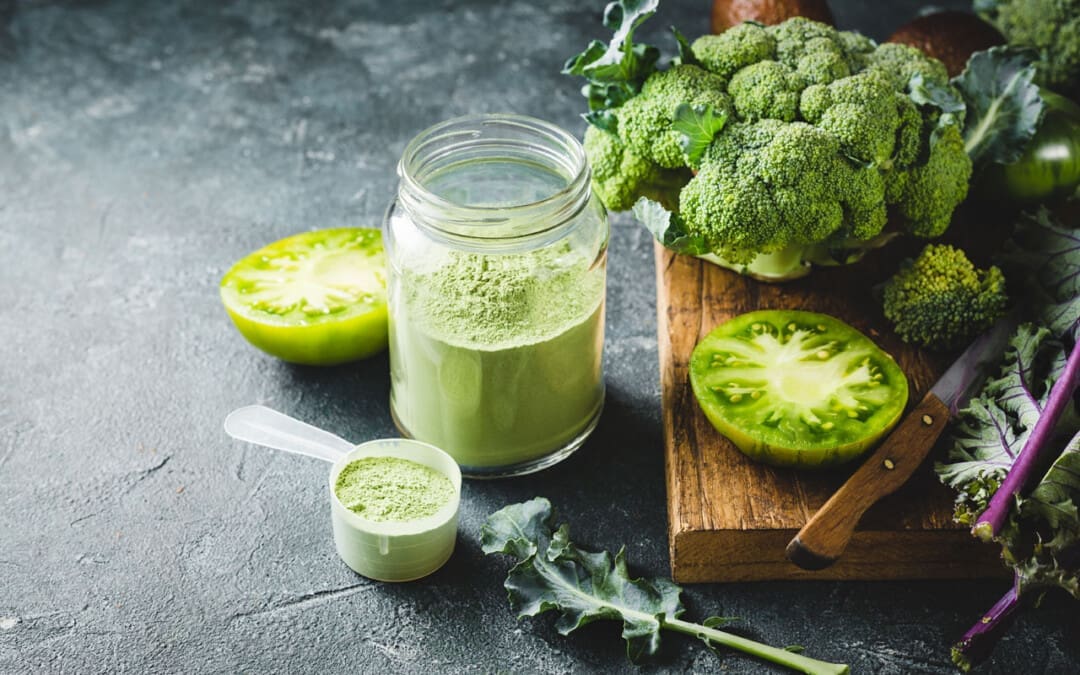
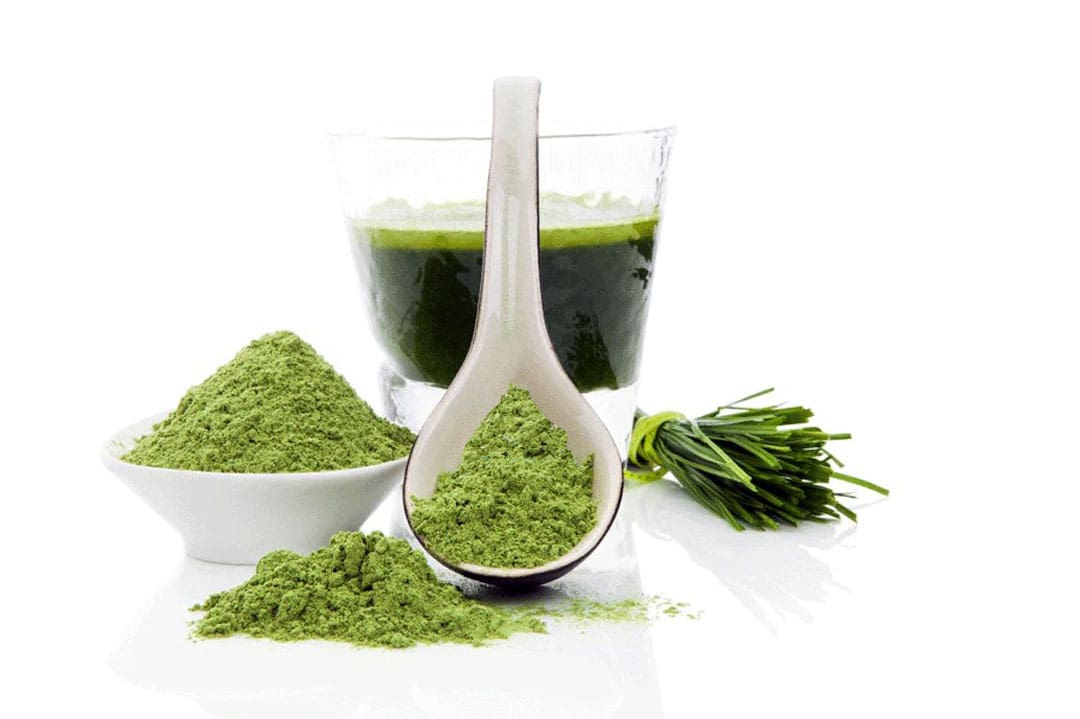
Meeting daily nutrient needs through whole, unprocessed foods can’t always be met when access is limited or for other reasons. A green powder supplement is a great way to fill in the gaps. Green powder supplements are a daily supplement that helps increase vitamin, mineral, and fiber intake and enhances overall health. Green powders are easy to mix in water with a favorite beverage or smoothie or bake into a recipe. They can help:
Increase energy
Nourish the immune system
Improve digestion
Promote mental clarity
Contribute to healthy blood sugar levels
Reduce the risk of chronic disease
Promote optimal liver and kidney function
What Are They?
Green powder supplements are forms of vitamins, minerals, fiber, antioxidants, phytochemicals, and other bioactive compounds.
They are derived from fruits, vegetables, herbs, and algae to combine ingredients into a convenient supplement. (Giulia Lorenzoni et al., 2019)
Nutrients
Because most green powders comprise a combination of ingredients, the nutrient density is high. Green powder supplements can be considered a vitamin and mineral product. They typically contain:
Vitamins A, C, and K
Iron
Magnesium
Calcium
Antioxidants
The recommended daily intake of vitamins and minerals can be helpful for individuals with limited access to produce or who want to supplement their diet with additional nutrients.
Energy
The phytochemicals found in fruits and vegetables have been shown to improve energy levels. Studies on their effects on physical performance and endurance have resulted in positive outcomes. Researchers found that phytonutrients like those in green powders helped to increase energy, improve agility, reduce fatigue perception, improve memory, and decrease recovery time. (Nicolas Monjotin et al., 2022)
Digestive Health
Green powders are rich in soluble and insoluble fiber, which contribute to feeling full and satisfied after a meal and are important for healthy digestion and regular bowel movements. Eating fiber-rich foods is associated with optimal blood sugar control and improved gut microbiota diversity. These factors are important for maintaining a healthy body weight and decreasing the risk of chronic disease, for example, type 2 diabetes. (Thomas M. Barber et al., 2020) Phytochemicals, including flavonoids, have been shown to have therapeutic effects on gas, bloating, constipation, and diarrhea associated with IBS. Other phytonutrients have been shown to reduce certain symptoms of ulcerative colitis. (Nicolas Monjotin et al., 2022)
Immune System Function
Supplemental green powder supplements have shown the ability to maintain a healthy immune system and reduce inflammation by their antioxidant content. Green powders containing seaweed or algae are rich in phytochemical and poly-unsaturated fatty acids that have antioxidant properties to reduce inflammation and prevent oxidative damage to cells. (Agnieszka Jaworowska, Aliza Murtaza 2022) A randomized trial found that a fruit, berry, and vegetable powder concentrate blend decreased oxidation and reduced inflammation, attributed to the phytochemicals found in fruits and vegetables.(Manfred Lamprecht et al., 2013)
Detoxification
The liver and kidneys are the main organs of natural detoxification. The liver helps the body absorb nutrients from consumed foods and removes waste and toxins through the kidneys. (National Library of Medicine. 2016) Plants are packed with antioxidants and phytochemicals that protect the liver and kidneys from free radical damage and oxidative stress. (Yong-Song Guan et al., 2015) The green powder supplements are made from these plants. When drinking green powders, fluid intake naturally increases as a standard serving of green powder is mixed with 8 to 12 ounces of water.
Whether mixed, blended, or made into a shake, powdered greens are a convenient and efficient way to get the daily dose of antioxidants, vitamins, minerals, and other nutrients.
The Healing Diet: Combat Inflammation, Embrace Wellness
References
Lorenzoni, G., Minto, C., Vecchio, M. G., Zec, S., Paolin, I., Lamprecht, M., Mestroni, L., & Gregori, D. (2019). Fruit and Vegetable Concentrate Supplementation and Cardiovascular Health: A Systematic Review from a Public Health Perspective. Journal of clinical medicine, 8(11), 1914. https://doi.org/10.3390/jcm8111914
Monjotin, N., Amiot, M. J., Fleurentin, J., Morel, J. M., & Raynal, S. (2022). Clinical Evidence of the Benefits of Phytonutrients in Human Healthcare. Nutrients, 14(9), 1712. https://doi.org/10.3390/nu14091712
Barber, T. M., Kabisch, S., Pfeiffer, A. F. H., & Weickert, M. O. (2020). The Health Benefits of Dietary Fibre. Nutrients, 12(10), 3209. https://doi.org/10.3390/nu12103209
Jaworowska, A., & Murtaza, A. (2022). Seaweed Derived Lipids Are a Potential Anti-Inflammatory Agent: A Review. International journal of environmental research and public health, 20(1), 730. https://doi.org/10.3390/ijerph20010730
Lamprecht, M., Obermayer, G., Steinbauer, K., Cvirn, G., Hofmann, L., Ledinski, G., Greilberger, J. F., & Hallstroem, S. (2013). Supplementation with a juice powder concentrate and exercise decrease oxidation and inflammation, and improve the microcirculation in obese women: randomised controlled trial data. The British journal of nutrition, 110(9), 1685–1695. https://doi.org/10.1017/S0007114513001001
InformedHealth.org [Internet]. Cologne, Germany: Institute for Quality and Efficiency in Health Care (IQWiG); 2006-. How does the liver work? 2009 Sep 17 [Updated 2016 Aug 22]. Available from: https://www.ncbi.nlm.nih.gov/books/NBK279393/
Guan, Y. S., He, Q., & Ahmad Al-Shatouri, M. (2015). Complementary and Alternative Therapies for Liver Diseases 2014. Evidence-based complementary and alternative medicine : eCAM, 2015, 476431. https://doi.org/10.1155/2015/476431
IFM's Find A Practitioner tool is the largest referral network in Functional Medicine, created to help patients locate Functional Medicine practitioners anywhere in the world. IFM Certified Practitioners are listed first in the search results, given their extensive education in Functional Medicine