Can a push-pull workout routine be an option for individuals who want focused training on specific muscle groups and balanced muscle development throughout the body?
Push-Pull Strength Training
A “push-pull” workout is a training style in which you split your exercise routine into separate days dedicated to “push” exercises (targeting muscles like the chest, shoulders, and triceps) and “pull” exercises (targeting muscles like the back and biceps). This allows focused training on each muscle group by isolating their primary movement patterns—pushing away from the body or pulling towards it. The workout often accompanies a separate leg day to complete the full-body workout. This routine comes from bodybuilding. Bodybuilders use this method to maximize their workouts and rest periods. By splitting their workouts into push exercises one day and pull exercises another, they can work out more often without overtraining. (Castanheira R. P. M. et al., 2017)
Upper Body Push Exercises
These exercises involve all the movements that push the weights away from your body. These exercises typically focus on the quads, outer thighs, chest, shoulders, and triceps. (Collins P. 2009)
Pushups
Push-ups are a versatile bodyweight exercise that engages multiple muscle groups, including the chest, shoulders, triceps, and core.
Chest Presses
Chest presses are exercises that target the pectoral muscles (chest muscles).
They can be performed with various equipment and techniques, providing a comprehensive workout for the chest.
Chest Flies
Chest flies are a weightlifting exercise that targets the pectoral muscles (chest muscles).
They are performed by lying on a bench and extending the arms outward with weights in each hand.
The weights are then lowered in an arc motion until they are slightly below chest level before being raised back to the starting position.
Overhead Presses
An overhead press is a weight-training exercise that involves pushing a weight above your head.
Also known as a shoulder, military, or strict press.
Lateral Raises
Lateral raises are an isolation exercise that targets the lateral deltoid muscle on the shoulder’s side.
They raise the arms laterally (out to the sides) while slightly bending at the elbows.
Bent Arm Lateral Raises
A bent-over lateral raise is a weightlifting exercise that strengthens the rear deltoids, the muscles on the back of the shoulders.
It also works other upper and lower body muscles, including the trapezius, rhomboids, triceps, hamstrings, and lower back.
Front Raises
Front raises are a weight training exercise that targets the shoulder muscles.
They can also help build strength and stability in the upper body.
Dips
Dips are an upper-body exercise that uses your body weight to strengthen your triceps and chest.
Triceps Extensions
Triceps extensions are resistance exercises that target the triceps muscles in the back of the upper arm.
They involve extending the arms at the elbows while keeping the shoulders stationary.
Skull Crushers
Skull crushers are a weightlifting exercise that targets the triceps muscles in the upper arms.
They are performed by lying on a bench or floor, holding a weight (such as a dumbbell or barbell) overhead, and then lowering it towards the forehead while keeping the elbows slightly bent.
This exercise helps to strengthen and build muscle mass in the triceps.
Upper Body Pull Exercises
Pull exercises are movements where you are pulling the weight toward your body. These exercises primarily use the biceps, hamstrings, glutes, and back muscles. A routine set up in which you do a push routine one day and a pull routine the next without working the same muscles two days in a row.
Barbell Rows
Often referred to as a “bent-over row” due to the hinged position of your body during the movement.
A barbell row is a weightlifting exercise in which you bend over at the hips, grasp a barbell with an overhand grip, and pull the weight toward your stomach.
This exercise primarily targets the upper back muscles, including the latissimus dorsi, while also engaging the core and posterior chain muscles.
One Arm Rows
A variation of the bent-over row, a one-arm row, also known as a single-arm dumbbell row, is an upper-body exercise that targets the back muscles using a dumbbell and a bench.
Double arm rows
A “double arm row” is a rowing exercise in which you simultaneously pull a weight toward your body using both arms, typically with a barbell or dumbbell.
This exercise engages your upper back muscles, including the latissimus dorsi, trapezius, and rhomboids.
To effectively target the back muscles, you maintain a bent-over position. Essentially, it’s the opposite movement of a chest press, but you use both arms simultaneously.
Barbell High Rows
A barbell high row, also known as a wide row, is an exercise that uses a barbell to work the upper and mid back muscles.
Dumbell Pullovers
Dumbbell pullovers are a weightlifting exercise that targets the chest, back, and shoulder muscles.
Seated Rows with Resistance Bands
A “seated row with bands” is an exercise where you sit on the ground, loop a resistance band around your feet, and then pull the handles towards your chest, mimicking a rowing motion.
By squeezing the shoulder blades together, this motion primarily targets the upper back muscles, including the latissimus dorsi and rhomboids.
You are essentially performing a seated row movement using the tension of a resistance band instead of weights.
Lat Pulls with Resistance Band
Lat pulls with a resistance band are a back exercise that strengthens the latissimus dorsi muscles and can improve posture.
Back extensions
Back extensions are an exercise that strengthens and isolates the lower back muscles, also known as the erector spinae.
Seated Alternating Rows
A seated alternating row is an exercise that targets the upper back, biceps, and lats.
It can be performed using a resistance machine or with a band.
Renegade Rows
A renegade row is a full-body exercise that combines a plank with a dumbbell row.
It’s an advanced exercise that targets the upper body, back, shoulders, and core.
Biceps Curls
A bicep curl involves bending the arm at the elbow towards the body, strengthening the biceps, the large muscles in the front of the upper arm.
Home Equipment
Resistance bands and a quality pair of adjustable dumbbells are recommended for home training. These don’t take up much space and can be used for most upper-body exercises. To set up a more dedicated space for workouts, add a weight bench or a full home gym to increase your push-pull training options.
Benefits
Push-pull workouts are great for anybody, whether you’re a bodybuilder or just someone lifting weights to be strong and fit. This routine is usually spread out over three days of training, allowing for shorter workouts. These can help you stay committed despite a busy schedule and are easier than longer, total-body workouts. These exercises can also be done with a cable pulley system or resistance bands.
Day 1 might be a push upper body workout.
Day 2 might be a lower-body workout.
Day 3 might be the pull upper body workout.
First, push-pull workouts allow you to work your muscles without overstressing them. (Castanheira R. P. M. et al., 2017) Second, although they are more frequent, push-pull workouts are shorter, so you can do more because your other muscles are resting. Third, push-pull routines are more interesting and contain more variety, as they can be done in various ways.
Alternating Workouts
Trainers recommend changing workouts every 6-12 weeks to avoid hitting a plateau, which can delay weight loss (American Council on Exercise, 2001). For example, you could do a push-pull routine for a few weeks and then switch to a different training method, pyramid training. Then, return to total body workouts, which you can do up to 3 non-consecutive days a week. Circuit training may be an option because the quick workouts allow you to get your cardio in simultaneously. (Haltom R. W. et al., 1999) With so many different training methods, there’s no need to do the same workouts repeatedly.
Injury Medical Chiropractic and Functional Medicine Clinic
For those who are easily bored with weight training and prefer a variety of exercises, this can be a refreshing way to stay focused and avoid burnout. Injury Medical Chiropractic and Functional Medicine Clinic works with primary healthcare providers and specialists to build optimal health and wellness solutions. We focus on what works for you to relieve pain, restore function, prevent injury, and help mitigate issues through adjustments that help the body realign itself. They can also work with other medical professionals to integrate a treatment plan to resolve musculoskeletal problems.
Transform Your Body
References
Castanheira, R. P. M., Ferreira-Junior, J. B., Celes, R. S., Rocha-Junior, V. A., Cadore, E. L., Izquierdo, M., & Bottaro, M. (2017). Effects of Synergist vs. NonSynergist Split Resistance Training Routines on Acute Neuromuscular Performance in Resistance-Trained Men. Journal of strength and conditioning research, 31(12), 3482–3488. https://doi.org/10.1519/JSC.0000000000001762
American Council on Exercise. (2001). Weight Loss Plateaus and Pitfalls. ACE. https://contentcdn.eacefitness.com/assets/education-resources/lifestyle/fitfacts/pdfs/fitfacts/itemid_69.pdf
Haltom, R. W., Kraemer, R. R., Sloan, R. A., Hebert, E. P., Frank, K., & Tryniecki, J. L. (1999). Circuit weight training and its effects on excess postexercise oxygen consumption. Medicine and science in sports and exercise, 31(11), 1613–1618. https://doi.org/10.1097/00005768-199911000-00018
For older individuals looking for a workout that can help improve overall fitness, can kettlebell training help achieve health goals?
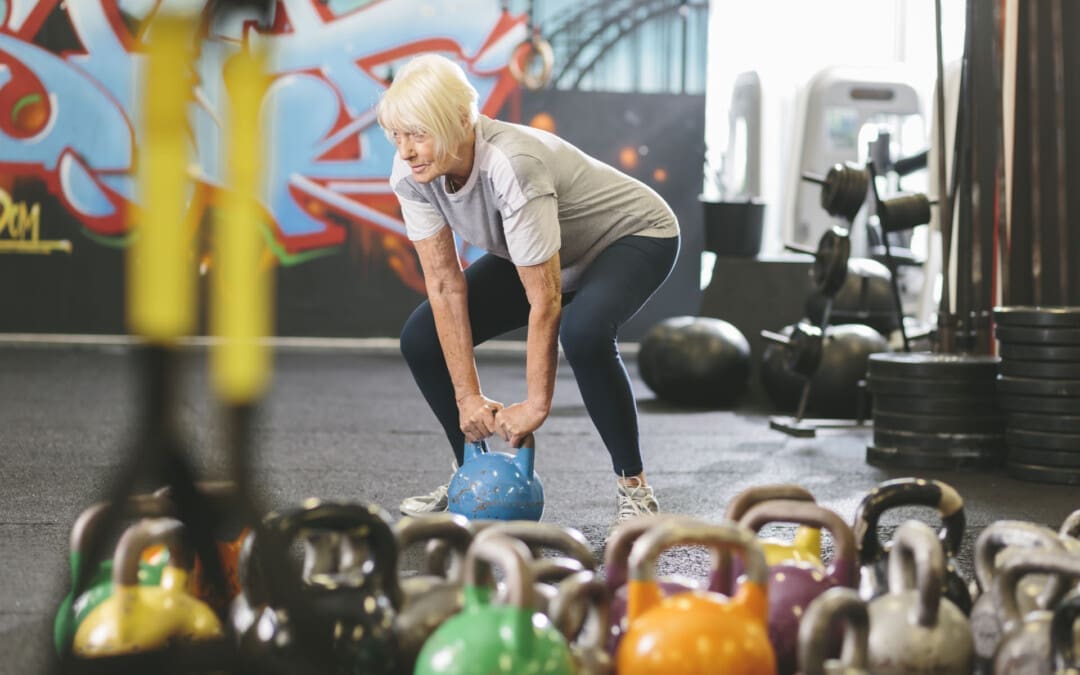
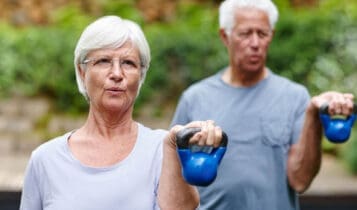
Kettlebell Training At Any Age
Previous research found that training with a kettlebell can improve aerobic capacity, balance, and core strength. New research suggests that kettlebell training is beneficial at any age (American Physiological Society, 2024). Compared to dumbbells or barbells, the kettlebell’s specific shape—a sphere on the bottom and a handle that can be grabbed by one or both hands—better emulates how the body moves through daily tasks and activities. When isolating a muscle, like a bicep, only that muscle is getting worked out. But in everyday life, a lot of what the body does is lifting and moving things. A kettlebell allows those muscle groups to connect in a stronger and more efficient movement.
Benefits At Any Age
A research study examined how using kettlebells impacted the health of individuals from different backgrounds without prior exposure to resistance training between the ages of 60 and 80. The participants enrolled in a twice-a-week exercise program using kettlebells to improve fitness. At the end of six months, the researchers found the participants had increased muscle mass and grip strength. At the end of the year, the participants had lower inflammation markers in their blood and had met other fitness goals, including climbing stairs faster and making multiple chair stands/standing from a seated position. The researchers say the findings show how effective kettlebells can be for all ages and demonstrate that the kettlebell training program leads to benefits even in older individuals just starting. (American Physiological Society, 2024) The kettlebell’s unique shape allows for an offset center of gravity from the handle, encouraging increased engagement of stabilizing muscles. This combination of strength and functional movement patterns helps to improve the following:
Balance
Coordination
Core stability
This makes it a versatile tool for older adults.
Getting Started
For individuals just starting kettlebell training, it is recommended that they work with a certified instructor or find a beginner’s class. Guided training ensures proper technique and form and reduces the risk of injury. To avoid common kettlebell mistakes when lifting weights for the first time, start with lighter kettlebells to master form and focus on slow, controlled movements. When lifting weight from the ground to the chest, don’t pull with the shoulder muscles. Instead, start in the legs and let the energy move up through the body, known as the kinetic chain. When exercising, spend only 20 to 30 seconds on a rep before resting for 30 seconds, and don’t spend more than five minutes on a single exercise. (American Council on Exercise, 2015)
Injury Medical Chiropractic and Functional Medicine Clinic
Individuals who want to start an exercise routine should consider kettlebell training. Following basic tips and training slowly, kettlebells can be an option for anyone looking to improve their fitness and overall health. Consider working with a personal trainer to ensure safety and get the most out of workouts. Injury Medical Chiropractic and Functional Medicine Clinic works with primary healthcare providers and specialists to build optimal health and wellness solutions. We focus on what works for you to relieve pain, restore function, prevent injury, and help mitigate issues through adjustments that help the body realign itself. They can also work with other medical professionals to integrate a treatment plan to resolve musculoskeletal problems.
Transform Your Body
References
American Physiological Society. (2024). Kettlebell training may help maintain muscle strength in older adults. https://www.physiology.org/detail/news/2024/11/21/kettlebell-training-may-help-maintain-muscle-strength-in-older-adults?SSO=Y
American Council on Exercise. Wall, A. J. (2015). How to get started with kettlebells. https://www.acefitness.org/resources/pros/expert-articles/5269/how-to-get-started-with-kettlebells/?srsltid=AfmBOor4x0yZwrHzGRccSA2uYMQtS3PX-vRC03eVwQoGX6_6B5wryAAi
Is the clean and press recommended for intermediate-level weightlifters looking to increase strength and power?
Clean and Press
The clean and press is a power exercise that builds cardiovascular and muscular endurance, stamina, and strength. It focuses on strength and speed. (Soriano M. A., Suchomel T. J., & Comfort P. 2019) Individuals new to the clean and press should start light to learn the proper form. Once they master the technique, they should add weight until they reach the point where six to eight repetitions cause breathlessness. It is a great exercise to include in a circuit as part of a regular strength training program.
The Benefits
The clean and press work out several muscle groups.
The lower half of the movement strengthens the hips, glutes, and hamstrings.
The upper half targets the shoulders, chest, back, and arms.
Power training is important for athletes who need quick bursts in their sport, like sprinters or jumpers. (Sarabia J. M. et al., 2017) However, anyone at an intermediate lifting level can use power exercises to increase their heart rate to anaerobic levels, generating an increased calorie burn in their overall workout. Individuals must regularly pick up objects off the floor and place them in cabinets or shelves. The clean press can train the body to use the correct form.
Step-by-Step
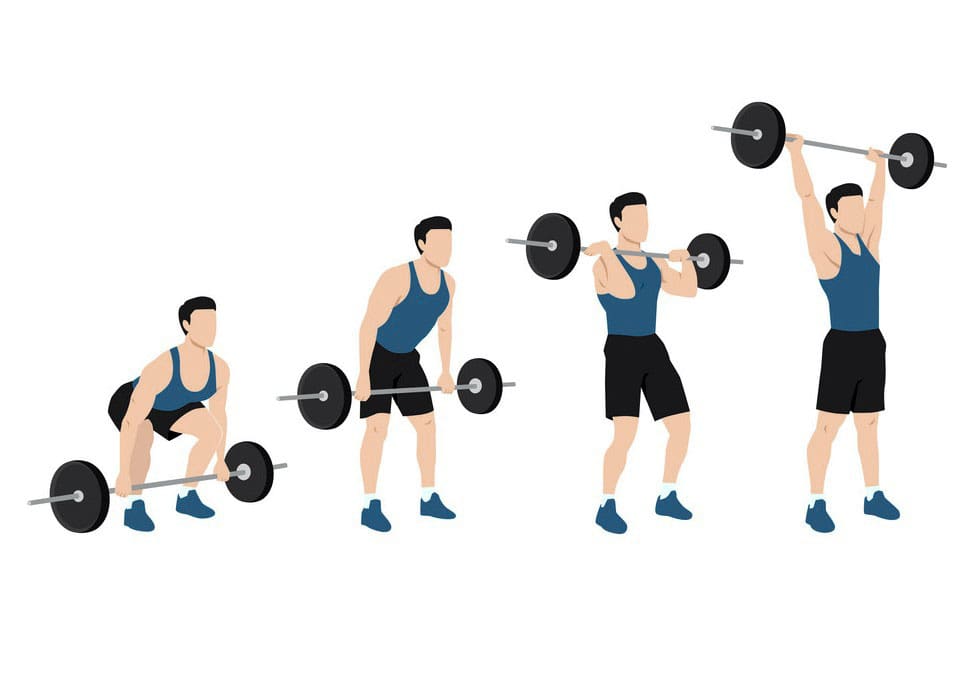
Start with feet shoulder-width apart and hold the barbell around 2 inches from the shins.
Push the hips back and grab the barbell so the palms face the body and hands are shoulder-width apart.
Keep the hips down, chest lifted, eyes forward, and arms long.
Maintain core engagement and drive through the heels to pull the bar quickly up to the chest, just in front of the collarbone.
Keep the spine tall.
Be explosive and fast in the movement when pulling the bar, keeping it as close to the body as possible.
To pull the bar underneath the shoulders, shrug the shoulders up and point the elbows forward.
As soon as the bar reaches the chest, drive through the heels, press overhead, and straighten the arms and legs.
Keep the core tight.
Return to the starting position in a controlled manner.
Common Errors
Avoid the following errors to get the most from the exercise and prevent strain and injury.
Shifting Weight Forward
The weight should always remain on the heels during the cleaning and press.
Rounding the Back
The upper back should be straight and not rounded when lifting.
Grip Position
The grip should be no more than 2 inches wider than the shoulders.
If it is too wide, there is an increased risk of wrist pain, and if it is too narrow, shoulder joint strain.
Modifications and Variations
The clean and press can be practiced differently to meet an individual’s fitness level, which will also determine how much weight to lift.
Modification
Beginners can practice with an empty bar.
If possible, exercise in a room with a mirror to ensure the body is in the correct form.
Variation
The exercise can be performed with dumbbells or a barbell.
The barbell allows going a little heavier and provides stability.
The dumbbells encourage each side to work individually rather than the stronger side taking over for the weaker side.
A single-arm clean and press can be done with a dumbbell, adding a stability and balance challenge.
A clean press can be combined with leg exercises, such as squats or lunges, to superset the lower body.
A clean and press can also be used in upper body workouts to increase the heart rate.
For example, it can be used in a circuit-style workout:
Four minutes on the treadmill or elliptical.
Eight repetitions of clean and presses.
Four minutes on the treadmill or elliptical.
Eight repetitions of clean and press.
Perform for 15 to 20 minutes for a solid, complete workout.
Safety
It is recommended that individuals consult a doctor or physical therapist if they have issues with their ankles, knees, hips, wrists, shoulders, neck, or back, as the exercise involves multiple joints. It is not recommended during pregnancy.
Injury Medical Chiropractic and Functional Medicine Clinic
Injury Medical Chiropractic and Functional Medicine Clinic works with primary healthcare providers and specialists to develop an optimal health and wellness solution. We focus on what works for you to relieve pain, restore function, and prevent injury. Regarding musculoskeletal pain, specialists like chiropractors, acupuncturists, and massage therapists can help mitigate the pain through spinal adjustments that help the body realign itself. They can also work with other medical professionals to integrate a treatment plan to resolve musculoskeletal issues.
Exercise Prescription
References
Soriano, M. A., Suchomel, T. J., & Comfort, P. (2019). Weightlifting Overhead Pressing Derivatives: A Review of the Literature. Sports medicine (Auckland, N.Z.), 49(6), 867–885. https://doi.org/10.1007/s40279-019-01096-8
Calatayud, J., Colado, J. C., Martin, F., Casaña, J., Jakobsen, M. D., & Andersen, L. L. (2015). CORE MUSCLE ACTIVITY DURING THE CLEAN AND JERK LIFT WITH BARBELL VERSUS SANDBAGS AND WATER BAGS. International journal of sports physical therapy, 10(6), 803–810.
Sarabia, J. M., Moya-Ramón, M., Hernández-Davó, J. L., Fernandez-Fernandez, J., & Sabido, R. (2017). The effects of training with loads that maximise power output and individualised repetitions vs. traditional power training. PloS one, 12(10), e0186601. https://doi.org/10.1371/journal.pone.0186601
Can incorporating an ab roller help individuals achieve their fitness goal of building stronger core muscles?
Ab Roller
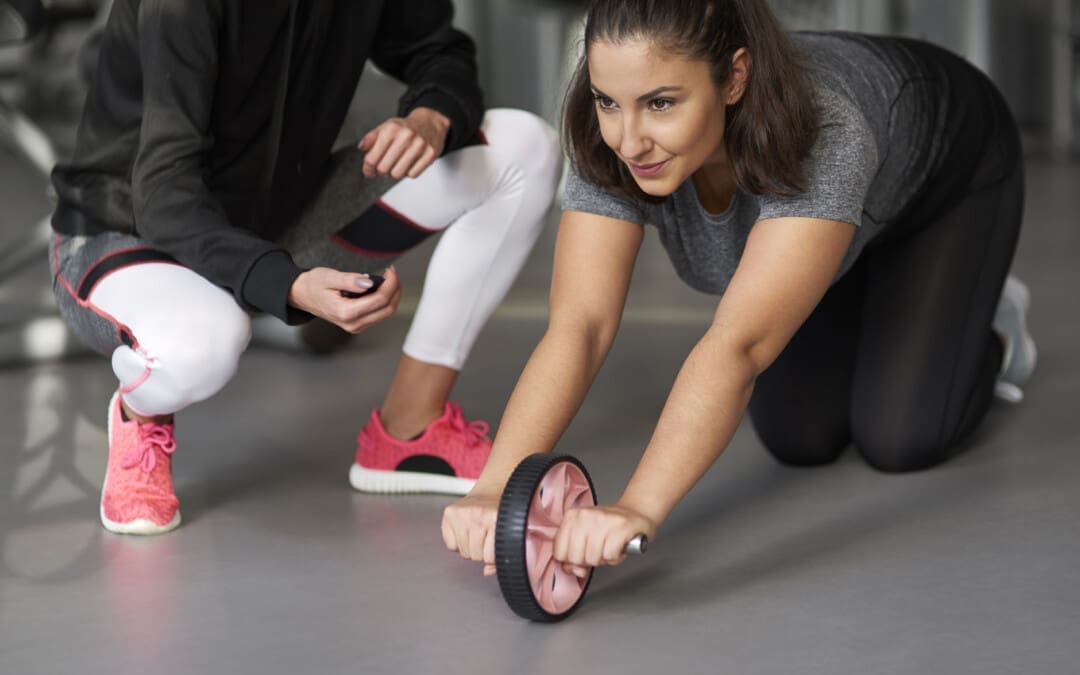
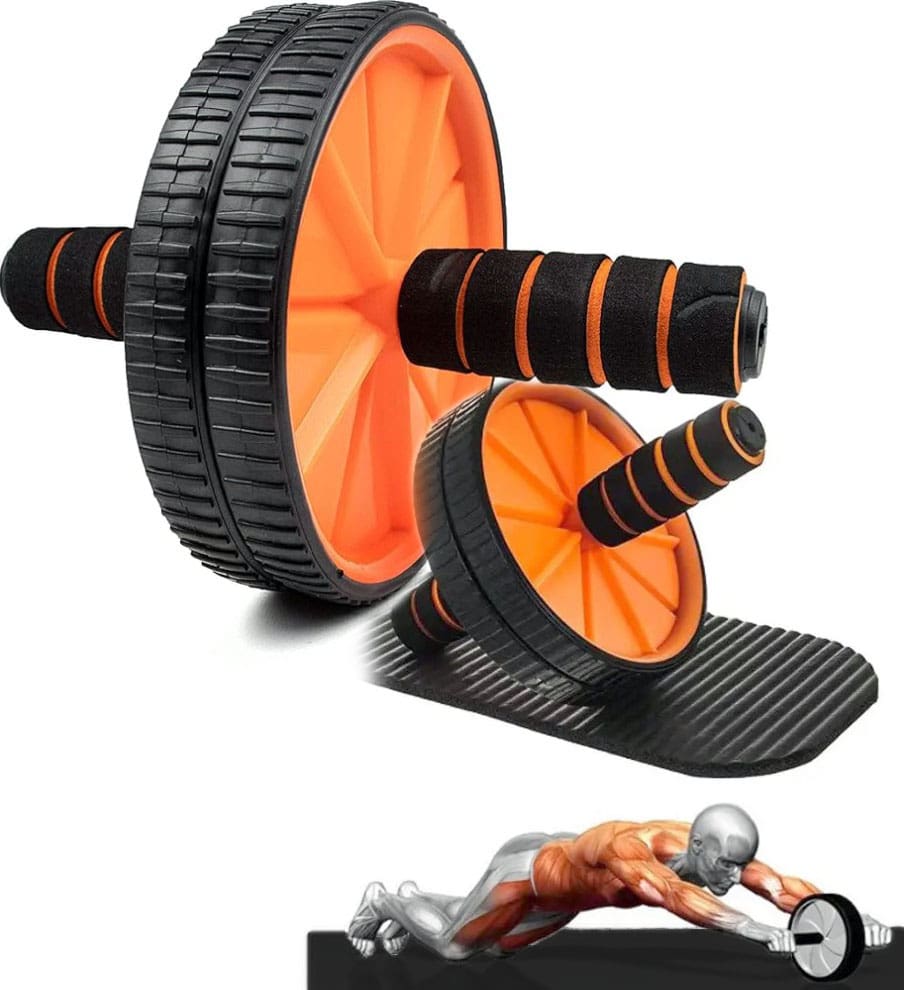
An ab roller is exercise equipment that helps build core strength and stability by engaging the core, including the abs, obliques, and lower back. It’s a small, robust wheel with handles on each side that glides along surfaces. An ab roller makes an excellent addition to any workout routine and benefits those who do not have an established workout routine. Strengthening the core muscles will help in other areas, whether achieving further exercise goals or reducing injuries. It works by holding on to the handles and rolling the entire body forward over the wheel, improving abdominal strength and endurance while activating the shoulders, arms, and upper back muscles. These movements target different areas, including the obliques, rectus abdominis, and serrated anterior muscles.
Benefits
Enhanced Core Muscle Strength
The primary benefit of using an ab roller is improved core strength, which can help build a solid foundation for various other exercises and physical activities that might be done daily. The body uses its core when moving other muscle groups. Strengthening core muscles increases sports performance, speed, and consistency.
Decrease Injury Risks
Building a strong abdominal core will help stabilize other body areas, such as hip flexors and hamstrings, ultimately reducing the likelihood of injuries. (Huxel Bliven, K. C. and Anderson B. E. 2013) This improved strength and stability is especially beneficial as a strong core can help reduce the chance of an exercise, sports, or work-related injury.
Posture Improvement
Most of us know posture is important but may not realize it (Wilkes C. et al., 2017). A healthy posture can help reduce back pain and even boost energy levels. Performing regular abdominal workouts using an ab roller helps to reinforce proper posture. Healthy posture is more than just standing up straight—it involves incorporating core abdominal activity to help strengthen the muscle endurance of the hips and trunk regions, enabling individuals to stand up straight without much effort.
Tips and Advice
It is important to introduce an ab roller gradually into a workout regimen. Here are a few tips for incorporating one.
Duration
As a beginner, start by trying to do one to two sets with six to 10 repetitions. Individuals may notice that their muscles are sore after doing this for the first time. If the soreness is too much, cut back for the next workout and ease into it more gradually. After a few weeks, the body will start getting used to the movement and may be ready to level up to two to four sets. Speed and performing the exercise as fast as possible is not the goal. Individuals should focus on slow but steady motions, core stability, and proper form. Rushing through a workout could increase the chance of an injury.
Frequency
When starting an ab roller workout, the recommendation is to do it once or twice a week, ideally combined with other workouts like walking, running, swimming, or cycling. This will allow the body to get used to the motion. Because this exercise is difficult and requires balance, some may need to adjust to the training, which is perfectly normal.
Intensity
How intense individuals go with the ab roller depends on current activity and fitness level. It takes time to adapt to this particular exercise. For a beginner, start at a mild intensity by kneeling on the ground. As the core gets used to the motion, individuals can progress to putting their legs straight and omit kneeling. This advanced motion will incorporate posture, strength, endurance, and proprioception.
Injury Medical Chiropractic and Functional Medicine Clinic
Ask a qualified fitness coach or personal trainer if you are unsure where to begin. As with any exercise or fitness program, always talk with your healthcare provider. At Injury Medical Chiropractic and Functional Medicine Clinic, we focus on what works for you to relieve pain, restore function, and prevent injury. Regarding musculoskeletal pain, specialists like chiropractors, acupuncturists, and massage therapists can help mitigate the pain through spinal adjustments that help the body realign itself. They can also work with other associated medical professionals to integrate into a treatment plan to improve the body’s flexibility and mobility and resolve musculoskeletal issues.
Core Exercises and Back Pain
References
Huxel Bliven, K. C., & Anderson, B. E. (2013). Core stability training for injury prevention. Sports health, 5(6), 514–522. https://doi.org/10.1177/1941738113481200
Wilkes, C., Kydd, R., Sagar, M., & Broadbent, E. (2017). Upright posture improves affect and fatigue in people with depressive symptoms. Journal of behavior therapy and experimental psychiatry, 54, 143–149. https://doi.org/10.1016/j.jbtep.2016.07.015
For athletes and individuals who want to engage in physical and sports activities, can focusing on health-related fitness components improve overall fitness and conditioning so that they can participate in various sports and other forms of exercise?
Fitness Components For Improved Physical and Sports Performance
Improving cardiovascular fitness, muscular strength and endurance, and flexibility will enhance athletes’ abilities and the daily lives of individuals who exercise and play sports. When enhancing performance in a specific activity, skill-related fitness training that focuses on that activity will be most beneficial. For instance, cardiovascular endurance and flexibility are necessary to play sports that require a lot of running, jumping, and changing positions quickly and to be able to play for the entire time, along with various skills that need to be practiced for agility, power, speed, and hand-eye coordination. Activity-related skills can differentiate two areas of fitness.
Getting In Shape and Improving Performance
Health-related fitness components are important for everyone in all walks of life, regardless of competition in or performing physical activities at an optimum level. These are:
Cardiovascular endurance
Flexibility
Muscle endurance
Muscle strength
Body composition
When improving cardiovascular endurance, the risk of heart disease is reduced. When improving flexibility, a healthy range of motion is maintained, enhancing the ability to perform activities of daily living, like household chores and tasks. These fitness components are crucial for physical health and contribute to positive lifestyle outcomes. (Garber C. E. et al., and American College of Sports Medicine 2011) The American College of Sports Medicine recommends:
Moderate-intensity Cardio
30 minutes a day, five days a week for a total of 150 minutes/week or
Vigorous-intensity Cardio
For 20 minutes a day, three days a week, or
A Combination
Moderate- and vigorous-intensity exercise, plus
Resistance Training
Two to three days a week, along with
Flexibility Training
Two days a week
Skill Related Components
Skill-related fitness components are:
Agility
Balance
Coordination – hand-eye and/or foot-eye
Power
Reaction time
Speed
The skill-related fitness components can help those who want more training for a specific fitness-related goal.(Zemková E. and Hamar D. 2018) For example, while everyone can benefit from daily walks, weightlifters can focus most of their effort on power, balance, and strength.
Power
Power combines speed and strength, which is how fast maximal force can be generated. Athletes exert maximum strength in short, all-out efforts. Jumping requires leg power, while jumping and striking involve a combination of upper- and lower-body power. Power can be improved by combining resistance and speed with fast-paced strength-training exercises that include:
Kettlebell swings
Clean lifts
Jerk lifts
Plyometric box jumps
Pushing a weighted sled
Sprinting
Speed
Athletes train differently but with a similar goal: to become faster in their sport. Speed training will differ based on the sport being trained for. High-intensity interval training, or HIIT, is one of the best ways to improve speed. Training involves working at an all-out or near all-out effort for set periods, followed by set rest periods. (Alansare A. et al., 2018) It repeatedly challenges the aerobic and anaerobic systems, teaching the muscles, heart, and lungs to grow accustomed to working at higher intensity levels. Depending on the sport, the length and intensity of the intervals will be longer or shorter, less challenging, or more difficult. Runners can try these example HIIT speed drills:
Marathon Training
Mile repeats – a style of interval training where the runner goes all-out for a full mile before resting and doing it again.
Sprint Training
Focuses on shorter, more intense intervals.
Ranging from 40 to 400 meters, running all out and resting before repeating.
These same concepts apply to other sports as well.
Agility
Agility is the ability to move and change direction quickly and easily. For example, soccer, basketball, football, and tennis players are incredibly agile and have to move in every direction, jumping, sliding, twisting, and backpedaling in quick response to the ball’s movement and other players. Their bodies must be trained to respond and change course. Agility drills commonly involve exercises that develop foot speed and direction change, that include:
Ladder Drills
Using an agility ladder can help develop quick and specific foot placement.
Cone Drills
Set up cones in a T shape, then sprint, slide, backpedal, or change direction depending on the cone.
Coordination
Sports and physical activities require well-honed hand-eye and foot coordination. They require seeing an external object and responding precisely with the hands and/or feet. Think of hitting a ball, running and catching a ball, throwing a frisbee, or blocking a shot. To improve coordination, try skill-related fitness exercises like:
Playing catch
Jumping rope
Dribbling a ball
Throwing or hitting balls or specific sports objects at targets
Balance
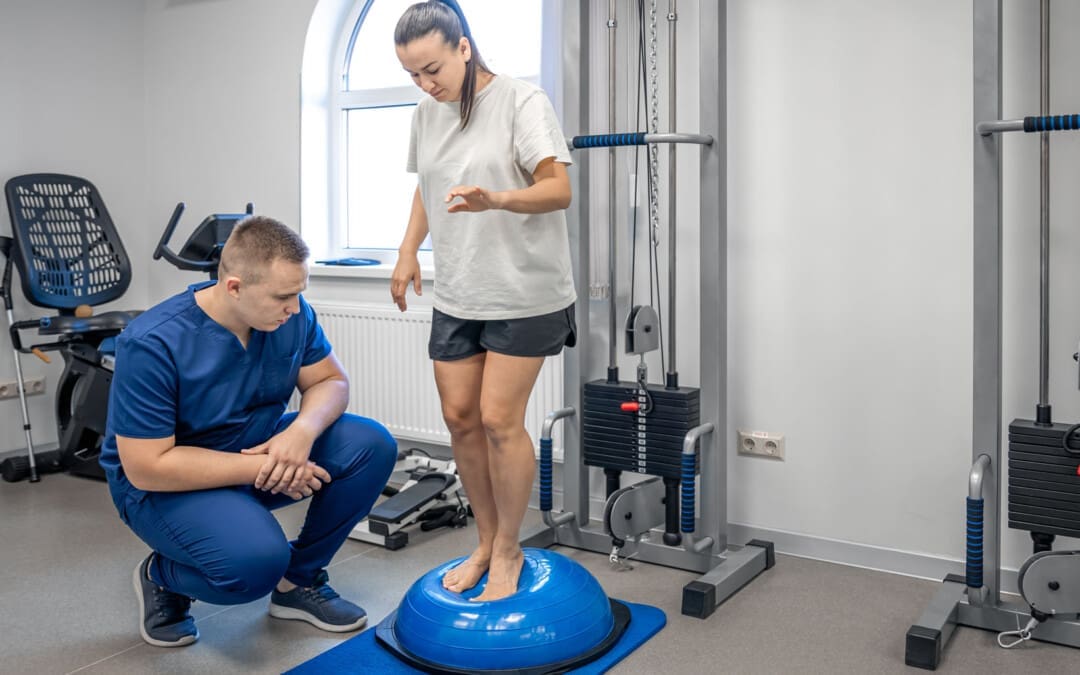
Balance refers to the ability to adjust the body position to remain upright. It involves proprioception, or knowing where the body is in space and being able to adjust position as the center of gravity changes during movement. (Aman J. E. et al., 2015) Sports and daily physical activities require balance for performance and safety. Jumping on a trampoline or rebounder, for example, can help individuals better sense where their bodies are as they move. To improve balance, try these exercises:
Practice standing on one foot.
Practice standing yoga poses.
BOSU balance ball workouts.
Use balance discs to perform squats, lunges, and push-ups.
Reaction Time
Reaction time refers to how quickly one responds to an external stimulus and focuses on the mind-body connection. The eyes see a stimulus, the mind interprets the stimulus, and the body reacts to that interpretation. This mind-body reaction relates to knowledge of the sport or activity and enables individuals to respond more quickly and accurately to the stimulus. Reaction-time training tends to be sport-specific, but skill-related fitness activities can help and include:
Using tools like reaction balls
Fielding a ball
Protecting a goal as other players try to score
Playing table tennis
Playing hacky sack
Injury Medical Chiropractic and Functional Medicine Clinic
Ask a qualified fitness coach or personal trainer if you are unsure where to begin. Other athletes, local teams, gyms, athletic clubs, and healthcare organizations can direct individuals in the right direction. At Injury Medical Chiropractic and Functional Medicine Clinic, we focus on what works for you to relieve pain, restore function, and prevent injury. If other treatment is needed, individuals will be referred to a clinic or physician best suited to their injury, condition, and/or ailment.
Improving Athletic Performance Through Chiropractic
References
Garber, C. E., Blissmer, B., Deschenes, M. R., Franklin, B. A., Lamonte, M. J., Lee, I. M., Nieman, D. C., Swain, D. P., & American College of Sports Medicine (2011). American College of Sports Medicine position stand. Quantity and quality of exercise for developing and maintaining cardiorespiratory, musculoskeletal, and neuromotor fitness in apparently healthy adults: guidance for prescribing exercise. Medicine and science in sports and exercise, 43(7), 1334–1359. https://doi.org/10.1249/MSS.0b013e318213fefb
Zemková, E., & Hamar, D. (2018). Sport-Specific Assessment of the Effectiveness of Neuromuscular Training in Young Athletes. Frontiers in physiology, 9, 264. https://doi.org/10.3389/fphys.2018.00264
Alansare, A., Alford, K., Lee, S., Church, T., & Jung, H. C. (2018). The Effects of High-Intensity Interval Training vs. Moderate-Intensity Continuous Training on Heart Rate Variability in Physically Inactive Adults. International journal of environmental research and public health, 15(7), 1508. https://doi.org/10.3390/ijerph15071508
Aman, J. E., Elangovan, N., Yeh, I. L., & Konczak, J. (2015). The effectiveness of proprioceptive training for improving motor function: a systematic review. Frontiers in human neuroscience, 8, 1075. https://doi.org/10.3389/fnhum.2014.01075
Can neurological physical therapy help individuals diagnosed with a recently acquired or chronic neurological condition gain strength and functioning?
Neurological Physical Therapy
Neurological physical therapy can be extremely beneficial. It aims to restore functional mobility, strength, balance, and coordination in those with neurological conditions that affect their quality of life and ability to move around. It also helps recover from neurological injuries or prevent the progression and worsening of chronic neurological conditions. Depending on the severity of the condition, individuals may receive this therapy as an inpatient or outpatient. Exercise can help improve mobility, increase independence, and decrease the need for assistance, all of which can improve one’s quality of life.
Process
Neurological physical therapy is geared toward treating individuals with conditions affecting the brain and spinal cord, such as stroke, spinal cord injury, and Parkinson’s disease, to help restore mobility and function. The therapy is performed in hospitals, private practice physical therapy clinics, doctors’ offices, rehabilitation facilities, or at a patient’s home. Whether an individual needs inpatient or outpatient physical therapy will depend on the severity of the neurological condition.
Newly acquired neurological conditions such as strokes or traumas like spinal cord injuries and traumatic brain injuries or TBIs often require inpatient rehabilitation.
Once the patient gains enough strength, coordination, and independence with movements like standing and walking, they can progress to outpatient physical therapy.
The patient will undergo a physical exam after a physical therapist has gathered enough information about medical history during the initial evaluation.
The therapist will check muscle strength, coordination, range of motion, reflexes, and the muscle tone of the arms and legs. They may also perform neurological tests to examine coordination, such as following moving objects with the eyes, touching the finger to the nose, and rapidly alternating movements.
The individual general level of attention, cognition, and sensation will also be assessed to determine if these areas have been affected by the neurological condition. (Cleveland Clinic, 2022)
The therapist will then assess the patient’s ability to perform movements called transfers, which are transitions to and from positions such as lying down to sitting up or standing up to sitting.
They will note if the patient can perform these movements independently or if they need assistance.
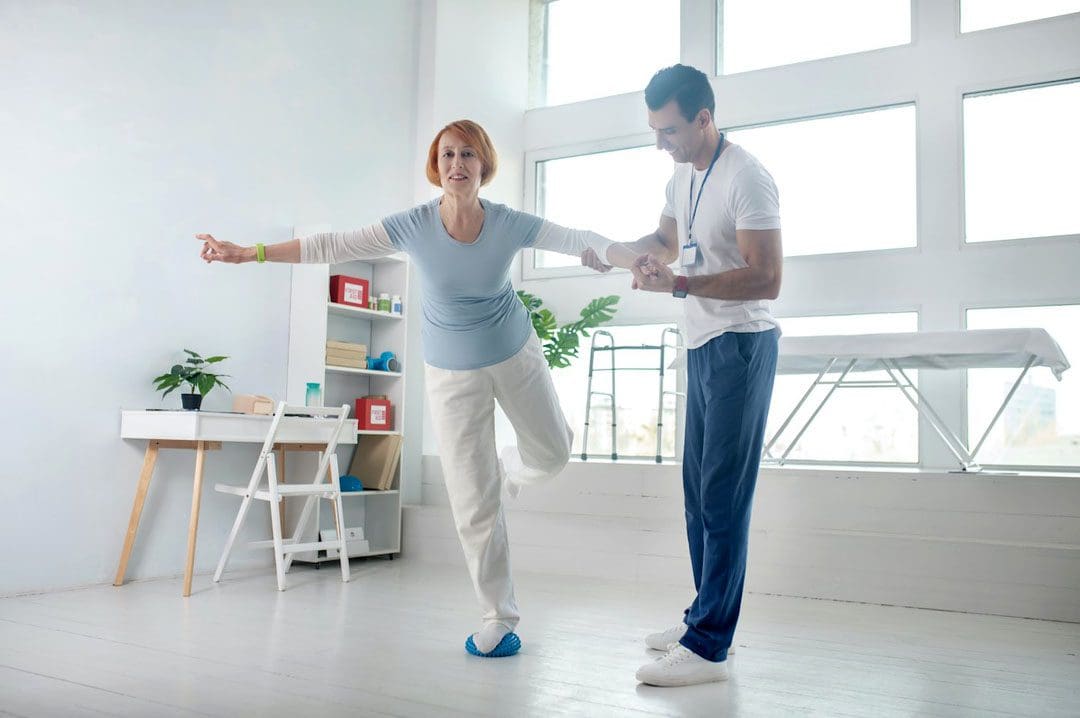
The initial evaluation will also include an assessment of balance, quality of gait, and whether the therapist needs to assist.
Depending on the severity of the neurological condition, the therapist may provide the patient with or recommend purchasing an assistive device to help walk.
Treatment Sessions
During therapy sessions, patients may receive the following interventions:
Gait Training
To improve walking ability, proper instruction on using assistive devices such as canes, walkers, and crutches.
Balance Training
To improve static/stationary and dynamic/while moving balance, both sitting unsupported to improve core control and standing upright with or without handheld support.
Therapeutic Activities
To improve independence with bed mobility skills like rolling and sitting up from lying down and transfers on and off beds, chairs, and toilets.
Therapeutic exercises for stretching and strengthening muscles and improving coordination and motor control.
Endurance Training
This can be done with cardiovascular equipment like treadmills, stationary bicycles, and ellipticals.
Vestibular Therapy Interventions
Balance exercises with head movements and exercises to treat a common cause of dizziness are used to improve eye movement control.
Examples are the Dix-Hallpike and Epley maneuvers.
Conditions
Neurological physical therapy can treat various conditions. Some neurological conditions are progressive, worsening over time, and require regular physical therapy and at-home exercises to maintain optimal health and wellness. Neurological conditions that can be treated with physical therapy include: (Cleveland Clinic, 2022)
Strokes – loss of blood supply to the brain.
Spinal cord injuries – damage to part of the central nervous system resulting in loss of movement and control.
Polyneuropathies – damage to the peripheral nerves.
Traumatic brain injuries – for example, concussions.
Cerebral palsy – a group of disorders affecting movement, balance, and posture.
Multiple sclerosis – a disabling disease of the brain and spinal cord.
Parkinson’s disease – a progressive nervous system disorder.
Guillain-Barre syndrome – an autoimmune disease attacking the nerves.
Amyotrophic lateral sclerosis/ALS, also known as Lou Gehrig’s disease.
Vertigo, including benign paroxysmal positional vertigo or BPPV.
Neurological conditions, like an automobile collision, can occur suddenly or be progressive, such as Parkinson’s. Physical therapy helps those individuals by increasing their use of weakened muscles, improving their motor control, coordination, and balance, and facilitating their independence with daily tasks and movements. Always seek immediate medical attention for any sudden, unexplained muscle weakness. Individuals who experience skeletal muscle weakness should discuss the type and duration of symptoms with their doctor, specialist, physical therapist, or chiropractor, as this might be a sign of a medical condition such as a neuromuscular disorder. Injury Medical Chiropractic and Functional Medicine Clinic works with primary healthcare providers and specialists to develop a personalized treatment program through an integrated approach to treat injuries and chronic pain syndromes, improving flexibility, mobility, and agility, relieving pain, and helping individuals return to normal activities. If other treatments are needed, Dr. Jimenez has teamed up with top surgeons, clinical specialists, medical researchers, and rehabilitation providers to provide the most effective treatments.
For individuals who are getting older, can increasing bone strength help prevent fractures and optimize bone health?
Bone Strength
Bone strength is important, as a fractured hip can be serious for older individuals. A study found that for individuals in their 60s who had a hip fracture, 6.5% of women and 9.4% of men died within a year. Among individuals in their 80s, 13.1% of women and 19.6% of men died within a year. (Dimet-Wiley, et al., 2022)
Increasing bone strength can help prevent various issues. A small increase in bone mineral density has been shown to help reduce the risk of fractures, especially hip fractures. A decades-long study found that just a 3% increase in bone strength helps lower the chance of breaking a hip. Researchers enrolled two groups of individuals aged 60 and older, one in 1989 and the second in 1999.
The bone mineral density of each subject’s femoral neck joint at the top of the thigh bone near the hip was measured.
They then followed the subjects for years to see who experienced hip fractures.
While the bone mineral density of the second group was only 3% higher than the first group, these subjects experienced a 46% reduction in hip fractures. (Tran, T. et al., 2023)
Bone Loss
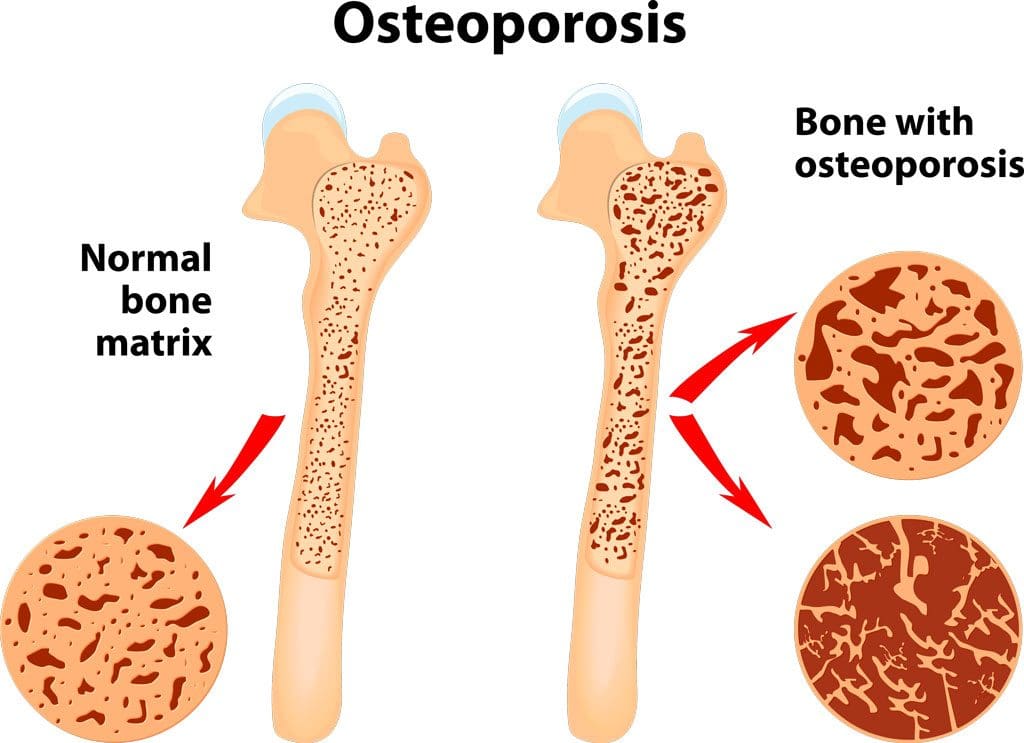
Bone loss is progressive in men and women and increases as the body ages. Osteoporosis is a condition in which bone tissue deteriorates. (Department of Health and Human Services Office of Disease Prevention and Health Promotion. 2020) Bones constantly break down and reform as a normal remodeling process. If the balance of this process is impaired, osteoporosis develops, resulting in more bone breakdown than formation. While men and women experience bone loss, it’s more common in females. (National Institute of Arthritis and Musculoskeletal Diseases. 2022) Menopause is a risk factor because of the decline of estrogen (National Library of Medicine, Medline Plus, 2022). Estrogen reinforces bone strength by protecting against bone breakdown; with estrogen loss, bone breakdown increases. However, anyone of any age or background can experience bone loss due to the following:
While some loss of bone strength is common, several strategies exist to maintain bone health. Exercise, specifically weight-bearing activities, can increase bone strength. When bones and muscles are used to hold a position against gravity, this mechanically stresses the bone, causing it to reform stronger. Movement and physical exercise as medicine and the forces transmitted through the bones generate mechanical signals that tell the cells to increase bone formation relative to breakdown. Exercises focusing on posture, balance, gait, and coordination are recommended for individuals with osteoporosis to strengthen the core, quadriceps, and hip flexors. Different types of exercises can include:
Walking to strengthen the spine and hips.
Walking outside or on a treadmill provides more loading force to the bone.
Planks and push-ups can strengthen the forearm and wrist bones.
Holding a water bottle in each hand and lifting up and down 10 times together or alternating a few times a day.
Side leg lifts can strengthen the hip and forearm bones simultaneously.
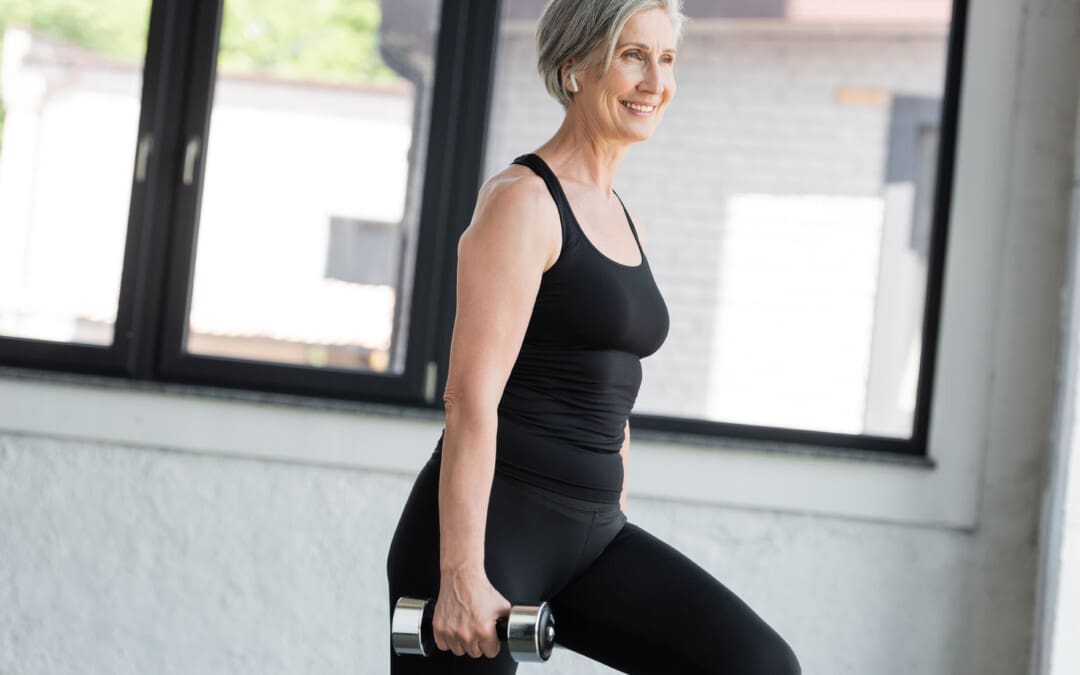
Weight training provides the bones with a workout by having them support a weight load.
Any exercise therapy program should be designed by a healthcare provider, physical therapist, and trainer according to the individual’s condition and appropriate for them.
Diet
What goes into the body definitely affects bone health. Calcium and vitamin D are key to bone building, but both are needed as vitamin D is needed to absorb the calcium ingested. Calcium can be found in:
Dairy
Dairy products and non-dairy alternatives are fortified with calcium.
Leafy greens.
Beans.
Almonds.
The recommended daily calcium intake for adults over 50 is 1,200 milligrams.
Vitamin D can come from:
Sunlight
Fish.
Mushrooms.
Fortified milk.
Supplements.
The recommended daily vitamin D intake for adults aged 70 is 15 micrograms and 20 micrograms for individuals over 70.
Studies have found that increasing calcium and vitamin D intake with supplements can help maintain bone health. Talk to a healthcare provider about whether supplements could be beneficial.
Hormone Therapy
Females also naturally produce testosterone, which promotes bone formation. As levels drop with age and negatively impact bone strength, hormone therapy could be recommended. Declining testosterone levels start with women in their 20s and men in their 30s. The typical drop in women is 1% to 3% yearly before menopause and stabilizes somewhat afterward. Female patients at risk of bone loss may be prescribed testosterone in various forms that continuously emit the hormone. The dosage is low, so patients do not experience unwanted hair growth or skin changes. Combined with estrogen, testosterone effectively increases bone growth in female patients. Not everyone is a candidate for hormone therapy, like individuals with a history of breast cancer, heart disease, blood clots, or liver disease. (National Library of Medicine. Medline Plus, 2019)
Making small adjustments can optimize bone health and overall well-being
At Injury Medical Chiropractic and Functional Medicine Clinic, we passionately focus on treating patients’ injuries and chronic pain syndromes to create personalized care plans that improve ability through flexibility, mobility, and agility programs tailored to the individual. Using an integrated approach, our goal is to relieve pain naturally by restoring health and function to the body through Functional Medicine, Acupuncture, Electro-Acupuncture, and Sports Medicine protocols. If the individual needs other treatment, they will be referred to a clinic or physician best suited for them, as Dr. Jimenez has teamed up with the top surgeons, clinical specialists, medical researchers, and premier rehabilitation providers to provide the most effective clinical treatments. We focus on what works for you and strive to better the body through researched methods and total wellness programs.
Chiropractic Care: Movement Medicine
References
Dimet-Wiley, A., Golovko, G., & Watowich, S. J. (2022). One-Year Postfracture Mortality Rate in Older Adults With Hip Fractures Relative to Other Lower Extremity Fractures: Retrospective Cohort Study. JMIR aging, 5(1), e32683. https://doi.org/10.2196/32683
Tran, T. S., Ho-Le, T. P., Bliuc, D., Center, J. R., Blank, R. D., & Nguyen, T. V. (2023). Prevention of Hip Fractures: Trade-off between Minor Benefits to Individuals and Large Benefits to the Community. Journal of bone and mineral research : the official journal of the American Society for Bone and Mineral Research, 38(11), 1594–1602. https://doi.org/10.1002/jbmr.4907
Department of Health and Human Services Office of Disease Prevention and Health Promotion. (2020). Osteoporosis Workgroup. Retrieved from https://health.gov/healthypeople/about/workgroups/osteoporosis-workgroup
National Institute of Arthritis and Musculoskeletal Diseases. (2022). Osteoporosis. Retrieved from https://www.niams.nih.gov/health-topics/osteoporosis
National Library of Medicine. MedlinePlus. (2022). What causes bone loss? Retrieved from https://medlineplus.gov/ency/patientinstructions/000506.htm
National Library of Medicine. MedlinePlus. (2019). Hormone replacement therapy. Retrieved from https://medlineplus.gov/hormonereplacementtherapy.html
IFM's Find A Practitioner tool is the largest referral network in Functional Medicine, created to help patients locate Functional Medicine practitioners anywhere in the world. IFM Certified Practitioners are listed first in the search results, given their extensive education in Functional Medicine