The neck can make sure that the head doesn’t flop around by letting the muscles, ligaments, and the spine hold the head upright. The neck is responsible for twisting and turning the head in all directions without the feeling of discomfort. However, the neck also has soft tissues, and nerve roots spread out from the cervical area of the spine that helps control the shoulders, arms, and hands. When a person suffers from a neck injury, it can cause unwanted pain and discomfort to the neck muscles and disrupt the motor functions in the upper body. Luckily, some treatments help alleviate the pain and restore motor function to the neck. Today’s article post will examine how cervical stenosis affects the neck and the cervical spine and how traction therapy can help alleviate cervical stenosis for many suffering individuals. Patients are referred to qualified, skilled providers who specialize in spinal decompression therapy. We go hand in hand with our patients by referring them to our associated medical providers based on their examination when it’s appropriate. We find that education is valuable for asking crucial questions to our providers. Dr. Jimenez DC provides this information as an educational service only. Disclaimer
Can my insurance cover it? Yes, it may. If you are uncertain, here is the link to all the insurance providers we cover. If you have any questions or concerns, please call Dr. Jimenez at 915-850-0900.
How Does Cervical Stenosis Affect The Neck?
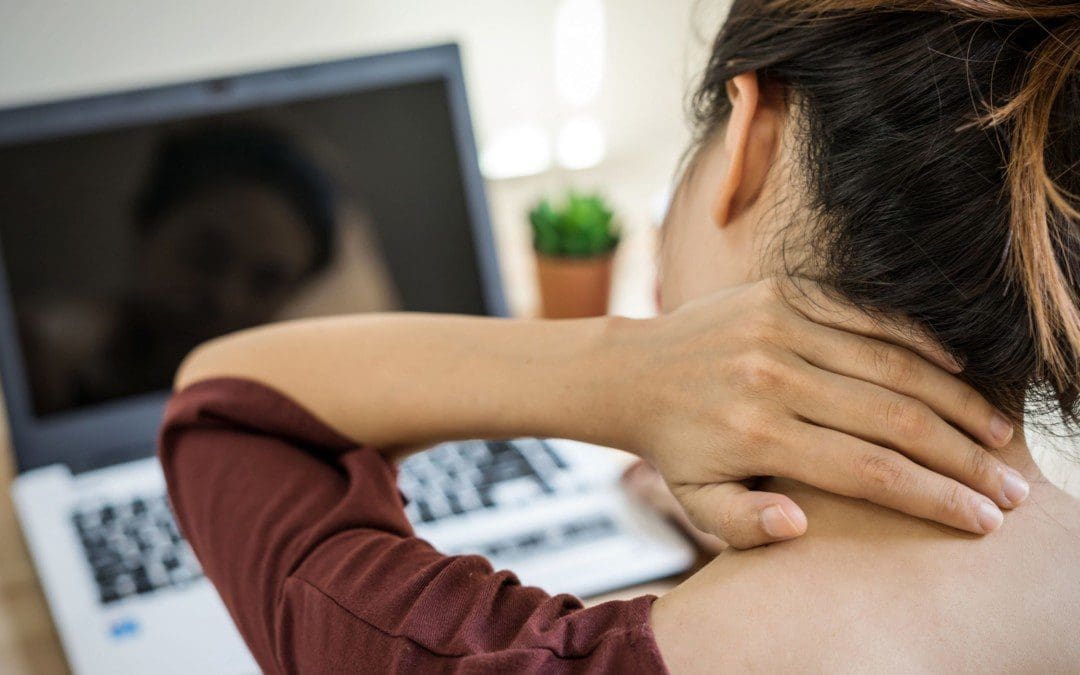
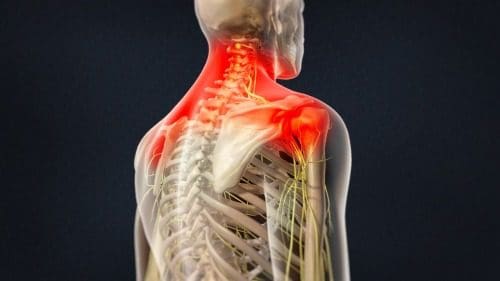
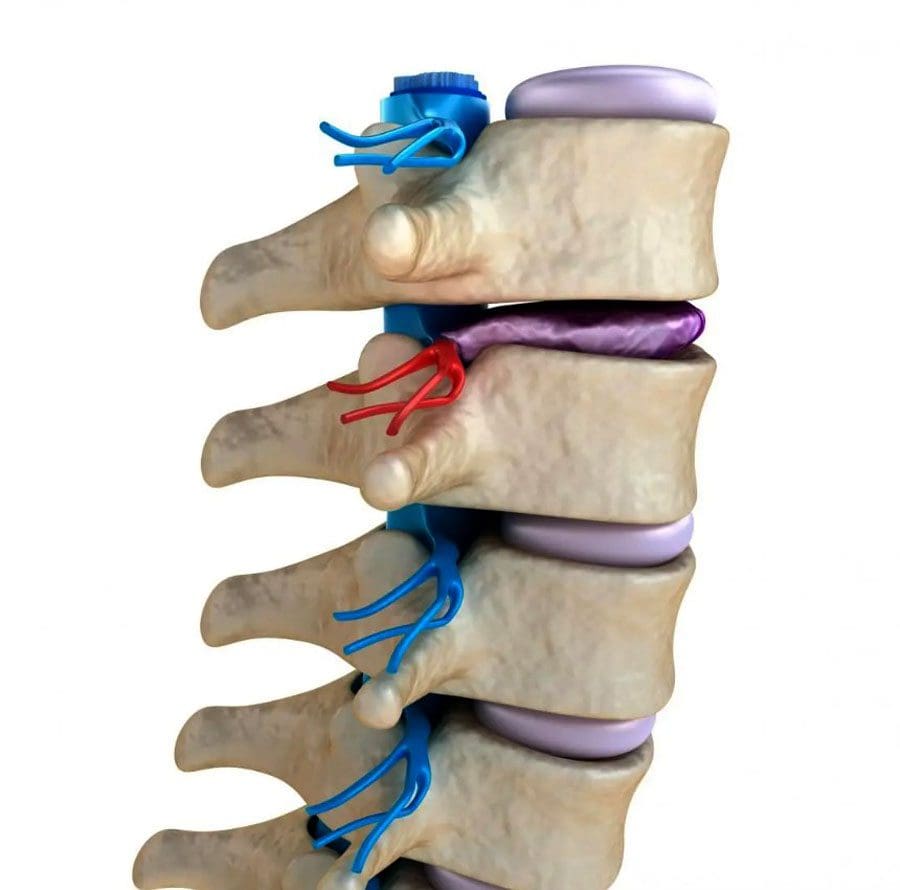
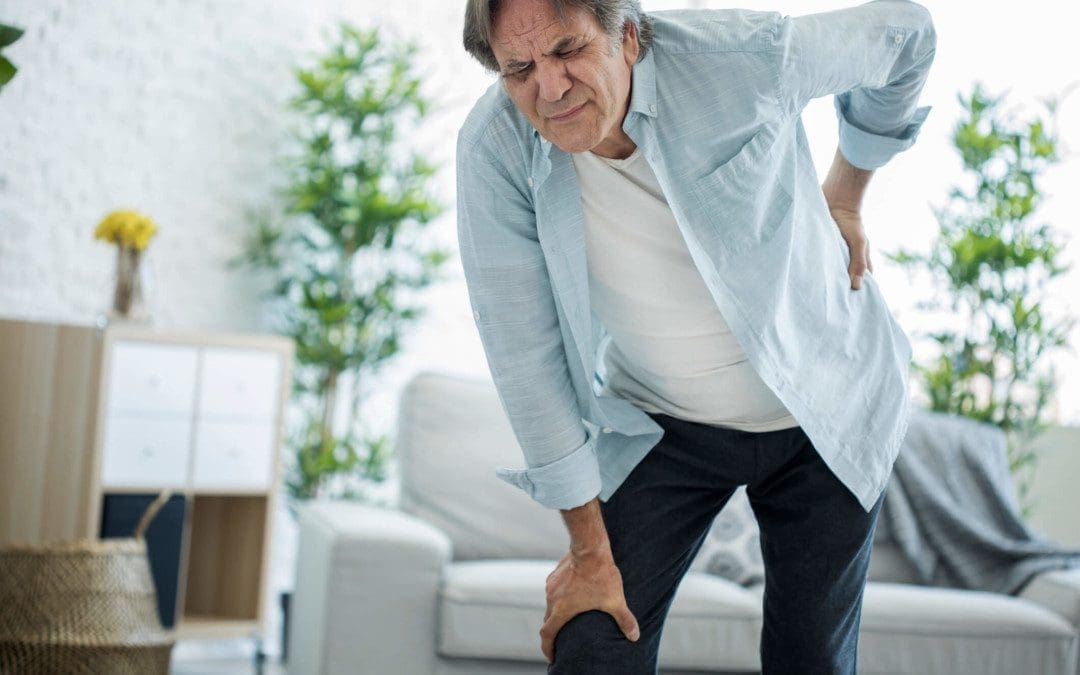
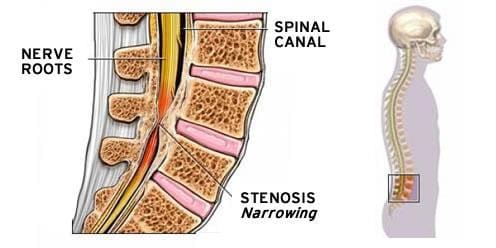
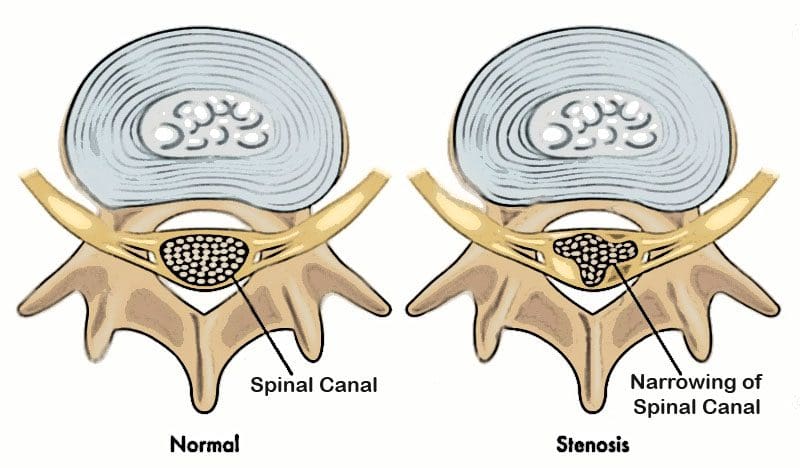
Has your neck been feeling stiff lately? Do you suffer from any pain in your neck after stretching from side to side? How about feeling discomfort after being hunched over for an extended period? All these issues are due to neck pain, and if a traumatic event or injury affects the neck even more, it can lead to the development of cervical stenosis. Like the lower back, the neck can also be injured as the soft tissues, and nerve roots spread out from the cervical area are compressed and aggravated. Research studies have found that cervical stenosis develops when the spinal column in the cervical spine becomes narrow due to either degenerative spinal changes or traumatic incidents. When the spinal canal becomes more limited, it can cause unwanted neck issues like cervical herniation and neck pain. If the nerve roots are aggravated due to being compressed, it can disrupt the sensory-motor function of the shoulders and arms, and hands. Additional information has shown that the symptoms of cervical stenosis symptoms develop gradually over time as there is no pain in the early stages. However, as cervical stenosis begins to progress in compressing the spinal canal and provoking the nerve roots, motor functions in the hands will start to lose their function in writing or grasping items. This can become a problem for many individuals if cervical stenosis is not treated immediately.
What Other Causes Does It Do To The Cervical Spine?
Since cervical stenosis progresses gradually without any pain symptoms in the early stages and becomes worse in the advanced settings, other causes can start affecting the neck and cervical spine. One of them is cervical myelopathy. Research studies have shown that it is a condition where the spinal cord becomes compressed and causes a disturbance in the upper extremity portions. When the upper part of the body begins to feel sharp electric sensations radiating from the neck down to the hands, it can cause muscle weakness and numbness in each section of the upper body. Other causes like natural degenerative issues can also result from cervical stenosis occurring in the cervical spine. Other research studies have shown that degenerative causes associated with cervical stenosis can activate pro-inflammatory factors in the spinal joints and cause excruciating swelling and pain-like symptoms along the spine. However, there are treatments to help reduce the pro-inflammatory markers and alleviate spinal cord compression along the cervical spine.
Traction Therapy For Cervical Stenosis-Video
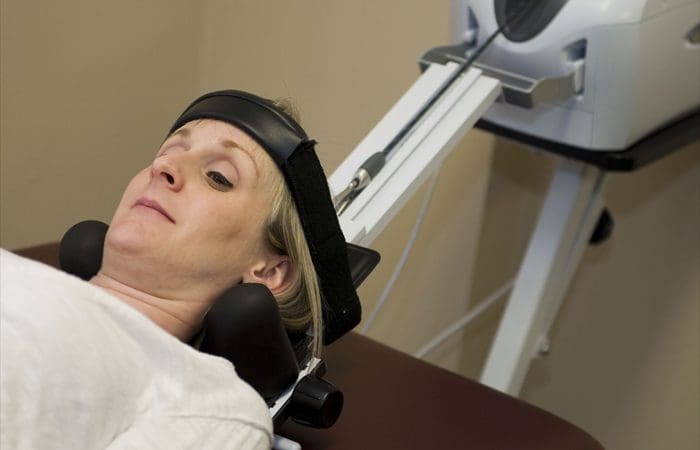
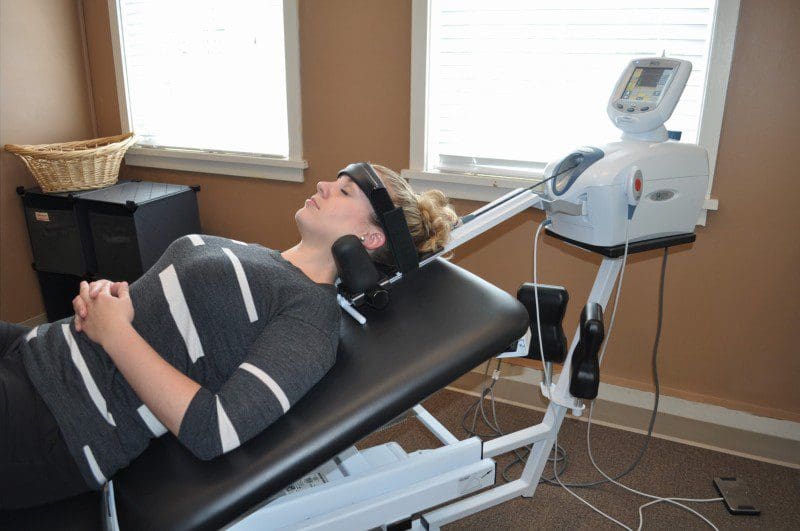
Do you have neck pain? Do your shoulders feel tight and tense? Have you lost the sensation in your hands? Traction therapy alleviates spinal stenosis in the cervical area and has given many beneficial factors for people who need neck pain relief. Experiencing cervical stenosis can dampen a person’s day and progressively worsen if it is not treated right away; traction therapy can help alleviate cervical stenosis. The video above shows how traction therapy works using the cervical mechanics from the Chatanooga decompression table. Cervical traction helps loosen up the tight muscle tissues and resets the cervical spine by setting it back in its proper alignment. This allows the spinal cord and nerve roots to feel relief from the pressure they’ve been under. Cervical traction also helps rehydrate the dry spinal discs with the nutrients beneficial to the body. This link will explain what traction has to offer and the impressive results for many individuals who suffer from cervical spinal stenosis or other issues that occur in the neck.
Traction Therapy To Alleviate Cervical Stenosis
Many treatments associated with neck pain do have beneficial results when people are trying to relieve the pain. Some people use ice/hot packs to ease tense neck muscles, while others take over-the-counter medicine to stop the pain for the remainder of the day. Traction therapy is one treatment that seems to alleviate the pain and help restore the cervical spine. Research studies have mentioned that cervical traction is a non-surgical procedure that uses a tension pull on the cervical spine to increase the height of the spinal disc and take the pressure off the spinal cord and surrounding nerve roots. Traction on the cervical spine helps relax the neck muscles while also providing much-needed relief to the cervical spine. Additional research mentioned the beneficial properties that cervical traction offers to help separate the vertebral bodies while providing movement on the facet joints and gently stretching the soft tissues.
Conclusion
The neck makes sure that the head stays upright and can make everyday motions without feeling pain or discomfort. When traumatic events or injuries affect the sensory-motor functions of the neck, it can narrow the spinal canal in the cervical spine and cause many unwanted symptoms like cervical stenosis. Cervical stenosis can develop over time and can progressively become worse if it is not treated right away. Some of the symptoms can induce muscle weakness, numbness, and pain along the neck, shoulders, arms, and hands in the body’s upper portion. Traction therapy for the cervical spine can help ease the painful symptoms by taking the pressure off the spinal canal and help reset the spine back in alignment. Incorporating cervical traction for neck pain can help many suffering individuals become pain-free on their health and wellness journey.
References
Abi-Aad, Karl R, and Armen Derian. “Cervical Traction – Statpearls – NCBI Bookshelf.” In: StatPearls [Internet]. Treasure Island (FL), StatPearls Publishing, 1 May 2022, https://www.ncbi.nlm.nih.gov/books/NBK470412/.
Bjerke, Benjamin. “Cervical Stenosis with Myelopathy.” Spine, Spine-Health, 10 July 2017, https://www.spine-health.com/conditions/spinal-stenosis/cervical-stenosis-myelopathy.
Burns, Stephen P, et al. “Cervical Stenosis in Spinal Cord Injury and Disorders.” The Journal of Spinal Cord Medicine, Taylor & Francis, July 2016, https://www.ncbi.nlm.nih.gov/pmc/articles/PMC5102300/.
Donnally III, Chester J, et al. “Cervical Myelopathy.” In: StatPearls [Internet]. Treasure Island (FL), StatPearls Publishing, 6 Mar. 2022, https://www.ncbi.nlm.nih.gov/books/NBK482312/.
Meyer, Frerk, et al. “Degenerative Cervical Spinal Stenosis: Current Strategies in Diagnosis and Treatment.” Deutsches Arzteblatt International, Deutscher Arzte Verlag, May 2008, https://www.ncbi.nlm.nih.gov/pmc/articles/PMC2696878/.
Rulleau, Thomas, et al. “Effect of an Intensive Cervical Traction Protocol on Mid-Term Disability and Pain in Patients with Cervical Radiculopathy: An Exploratory, Prospective, Observational Pilot Study.” PloS One, Public Library of Science, 11 Aug. 2021, https://www.ncbi.nlm.nih.gov/pmc/articles/PMC8357129/.
Dehydration affects the body physically and mentally but also affects the health of the spine’s discs. Spinal discs that lack proper hydration begin to compress, collapse between vertebrae, or cannot refill correctly, causing further compression and increasing the risk of spinal injury. Dehydrated discs can cause injuries like herniated disc/s, degenerative disc disease, and spinal stenosis. Chiropractic treatment offers spinal decompression that will restretch and realign the spine allowing the injury/s to heal and proper disc rehydration.
Spine Support
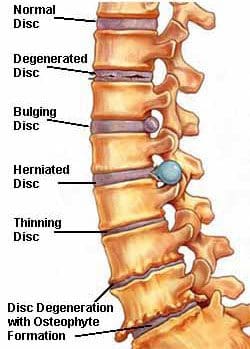
As crucial as the spine is within daily activities, it is vital to understand its mechanics. The spinal vertebrae discs work to absorb shock when bending, twisting, or flexing to ensure the bones do not rub together. Within each disc is the nucleus pulposus, made up of 85 percent water that provides movement when the spine rotates and moves in various directions. This high water content in the discs helps the spine function. The discs naturally lose some water as the body ages, but dehydration can also occur when individuals do not intake enough water from drinking or in food. If the dehydration is severe, the risk of injury increases or can aggravate existing spine conditions. The loss of hydration in an adult spine can cause a loss of disc height daily. Without proper rehydration, other medical issues can begin to present.
Symptoms
Depending on which discs are affected, the pain or numbness can travel from the neck into the shoulders, arms, and hands or from the lower back down through the legs. Symptoms can include:
Back stiffness
Burning or tingling sensations
Reduced or painful movement
Back pain
Weakness
Numbness in the low back, legs, or feet
Changes in knee and foot reflexes
Sciatica
When the body is dehydrated, it can be difficult to replenish the water in the discs thoroughly, as well as nutrient levels through a consistent loss of fluid. Dehydration disrupts the balance which can lead to an increased risk of injury and increased degeneration. Causes of disc dehydration include:
Trauma from an auto accident, fall, work, or sports injury.
Repeated strain on the back from consistent lifting, reaching, bending, twisting, etc.
Sudden weight loss can cause the body, including the discs, to lose fluid.
The entire body relies on proper hydration with direct water consumption to rehydrate the body but also incorporating fruits and vegetables to aid in hydration. These foods include:
Watermelon
Cantaloupe
Lettuce
Tomatoes
These foods are made of more than 90% water and contain essential nutrients and help the spine function more efficiently. Proper water consumption is based on age, body size, and activity level. However, to fully heal desiccated discs, spinal injuries, or back pain, chiropractic decompression, and manipulation adjustments are recommended. Non-surgical motorized spinal decompression treatment is gentle. The therapy lengthens and decompresses the spine reversing the pressure within the damaged disc/s creating an intradiscal vacuum that relieves the pressure off the nerve and helps reshape and rehydrate the damaged disc/s.
DOC
References
Djurasovic, Mladen, et al. “The influence of preoperative MRI findings on lumbar fusion clinical outcomes.” The European spine journal: official publication of the European Spine Society, the European Spinal Deformity Society, and the European Section of the Cervical Spine Research Society vol. 21,8 (2012): 1616-23. doi:10.1007/s00586-012-2244-9
Karki, D B et al. “Magnetic Resonance Imaging Findings in Lumbar Disc Degeneration in Symptomatic Patients.” Journal of Nepal Health Research Council vol. 13,30 (2015): 154-9.
Twomey, L T, and J R Taylor. “Age changes in lumbar vertebrae and intervertebral discs.” Clinical Orthopedics and related research,224 (1987): 97-104.
Videman, Tapio et al. “Age- and pathology-specific measures of disc degeneration.” Spine vol. 33,25 (2008): 2781-8. doi:10.1097/BRS.0b013e31817e1d11
The spine is located in the back of the body, ensuring that it’s standing, on the move constantly, and resting when needed. This S-shaped curve helps protect the spinal cord from various injuries and helps transmit the signals from the brain and throughout the rest of the body. When injuries start to affect the spinal cord, it can lead to many chronic issues affecting the spine, neck, and lower back. Fortunately, there are available treatments that help alleviate spinal problems in the body, therefore providing relief for the individual. Today’s article emphasizes spinal stenosis, how it affects the spine, and how decompression can help restore the spine for many suffering individuals. Patients are referred to qualified, skilled providers who specialize in spinal decompression therapy. We go hand in hand with our patients by referring them to our associated medical providers based on their examination when it’s appropriate. We find that education is valuable for asking crucial questions to our providers. Dr. Jimenez DC provides this information as an educational service only. Disclaimer
Can my insurance cover it? Yes, it may. If you are uncertain, here is the link to all the insurance providers we cover. If you have any questions or concerns, please call Dr. Jimenez at 915-850-0900.
What Is Spinal Stenosis?
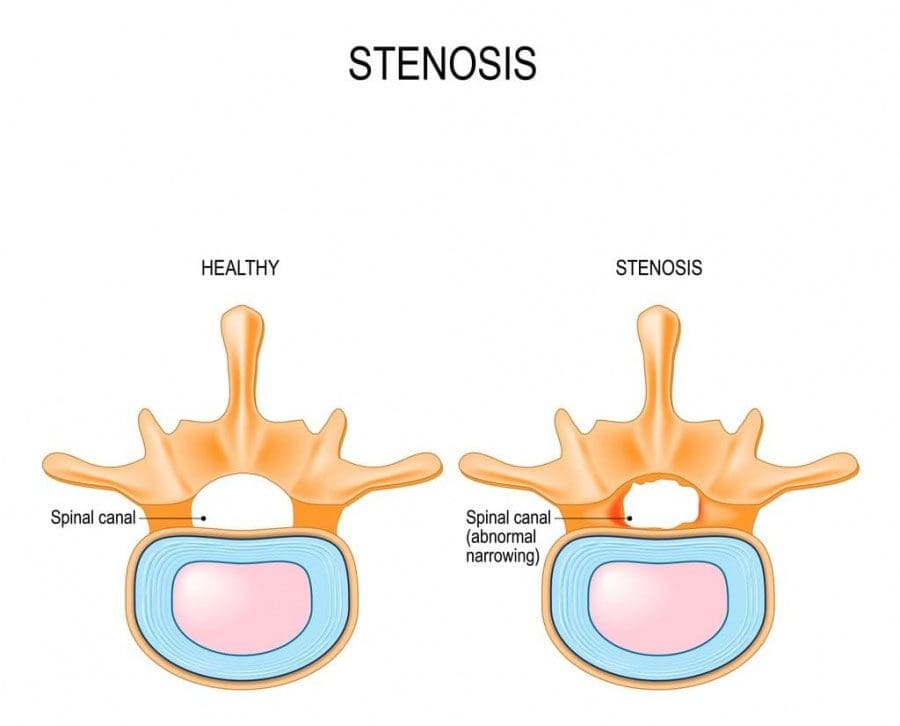
Have you felt radiating pain traveling along your back? How about muscle weakness in certain parts of your body? Do you feel weird sensations on your legs, neck, or lower back? These are signs that you could be encountering spinal stenosis along your spine, causing these symptoms. Research studies have defined spinal stenosis as a frequent condition in the cervical and lumbar portions of the spine that compressed the nerve roots connected to the spinal column. Spinal stenosis usually occurs when a person has experienced traumatic injuries and degenerative changes that affect the spinal canal either with mechanical force or spinal issues like disc herniation. Additional information has found that when many people are suffering from spinal stenosis, it can become progressively worse if it is not treated beforehand and can cause symptoms affecting the spine. Some of the signs that spinal stenosis can cause to a person depending on how severe it has affected their spine; which can include:
Radiating pain goes from dull to electric-shooting pain depending on the area in which spinal stenosis occurs.
Pins and needles sensations run from the legs, arms, or neck that occasionally flare-up.
Numbness that affects the arms and legs
Muscle weakness reduces the motor functions of the legs and arms while causing coordination problems to the person.
How Does It Affect The Spine?
Since spinal stenosis causes nerve root compression and narrowing of the spinal canal, it can affect many people dealing with excruciating pain along their spine. Research studies have shown that when spinal stenosis affects the spine, it causes degeneration of the spinal discs between the spinal joints to become unstable, hypermobile, and even hypertrophy. What this does is that it reduces the spinal canal, causing intermittent neurogenic claudication, which makes a person lose their balance and fall. Additional research has shown that when intermittent neurogenic claudication is associated with spinal stenosis, it affects the nerve roots through mechanical compression. This results in factors like venous congestion, diminished arterial blood flow to the spine, and even decreased nerve root impulse conduction to the spinal column. All is not lost as there are available treatments for many people who suffer from spinal stenosis.
An Overview On Spinal Stenosis-Video
Have you been feeling various pains that range from dull to excruciating along your back? Do you feel muscle weakness located in the arms or legs? Or have you been experiencing weird tingling sensations that cause numbness to your arms or legs? These are symptoms of spinal stenosis and can affect your overall health while causing you pain. Fortunately, spinal decompression might be the answer that you are seeking. The video above explains the causes of spinal stenosis and how to treat them non-surgical. Spinal decompression helps the spinal column gently move and stretch the spinal discs back to their position and restore their original functionality. This will cause the spinal canal to be relieved and alleviate the symptoms affecting the spine’s motor functions. Not only that, but many suffering individuals will notice that other issues like back, neck, and leg pain are reduced in their bodies. Spinal decompression for alleviating spinal stenosis has given many beneficial factors for people that need relief. This link will explainhow spinal decompression offers impressive results for many individuals who suffer from spinal stenosis or other spinal issues.
How Decompression Help Restore The Spine
With many treatments available for relieving spinal stenosis, research shows that non-surgical treatments like physiotherapy and spinal decompression can help reduce the pain symptoms caused by spinal stenosis and help improve the functionality back to the legs and lower back. Decompression does to the spine because it uses mechanical and manual traction to help loosen the stiff muscles and cause tension to reset the spinal discs back in place. Additional research has also shown that laminectomy, a form of surgical decompression, has been used to alleviate spinal stenosis by releasing the neural structures affected along the spine. With these treatments, many suffering individuals will feel much better and slowly regain their sense of purpose in the world without being in pain.
Conclusion
The spine helps the body protect the spinal cord while keeping it standing straight. When some injuries or issues affect the spine, it can lead to spinal problems like spinal stenosis. Spinal stenosis occurs when the nerve roots are compressed and narrow the spinal canal. The symptoms that spinal stenosis causes to the body can affect the sensory and motor functions to cause numbness and various pain ranging from dull to sudden sharp pain. Therefore, with decompression therapy, many individuals will feel relief from spinal stenosis as the spinal column becomes wider and allows the spinal discs to return to their proper position. Many people who use decompression treatments will feel much better and notice that their functionality is coming back, so they can keep on moving.
Estefan, Martin, and Gaston O Camino Willhuber. “Laminectomy.” In: StatPearls [Internet]. Treasure Island (FL), StatPearls Publishing, 1 May 2022, https://www.ncbi.nlm.nih.gov/books/NBK542274/.
Lee, Seung Yeop, et al. “Lumbar Stenosis: A Recent Update by Review of Literature.” Asian Spine Journal, Korean Society of Spine Surgery, Oct. 2015, https://www.ncbi.nlm.nih.gov/pmc/articles/PMC4591458/.
Lurie, Jon, and Christy Tomkins-Lane. “Management of Lumbar Spinal Stenosis.” BMJ (Clinical Research Ed.), British Medical Journal Publishing Group, 4 Jan. 2016, https://www.ncbi.nlm.nih.gov/pmc/articles/PMC6887476/.
Munakomi, Sunil, et al. “Spinal Stenosis And Neurogenic Claudication.” In: StatPearls [Internet]. Treasure Island (FL), StatPearls Publishing, 12 Feb. 2022, https://www.ncbi.nlm.nih.gov/books/NBK430872/.
Understanding the cause of spinal stenosis is important for accurate diagnosis and in creating a customized optimal treatment plan. The cause of spinal stenosis is categorized as either primary or acquired.
Primary means the stenosis could be congenital or since birth. Some individuals are born with a spinal canal that is narrower than normal. This is a rare occurrence. Signs or symptoms of primary spinal stenosis do not present until adulthood usually around mid-life.
Acquired spinal stenosis can develop as a result of:
Bone overgrowth brought on from wear and tear from osteoarthritis on the spinal bones can form bone spurs, that can grow into the spinal canal.
Paget’s disease is a bone disease that affects adults, and can also cause bone overgrowth in the spine.
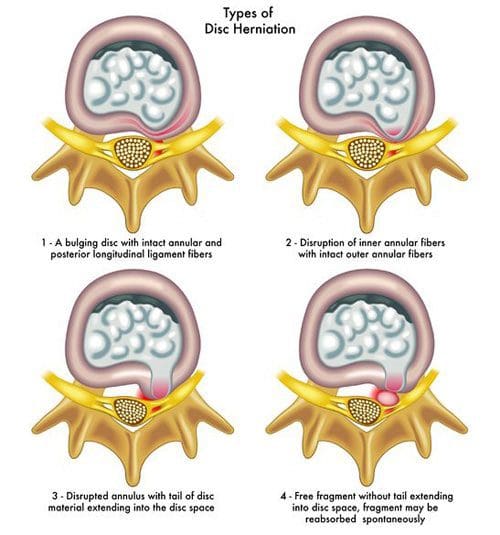
Herniated discs – The discs can begin to dry out with age and form cracks or tears letting out the soft inner material creating pressure on the spinal cord or nerves.
The ligaments are tough cords that hold the bones of the spine together. They can become stiff and thickened with age and time. The thick ligaments can then bulge into the spinal canal.
Tumors or abnormal growths can develop inside the spinal cord, in the membranes that cover the spinal cord or inside the space between the cord and vertebrae.
Spinal trauma/injury like automobile accidents, sports, and other trauma can cause dislocations or fractures of the vertebrae. Pieces of bone from a spinal fracture can fall into and damage the spinal canal.
Back surgeryswelling of tissue immediately after can put pressure on the spinal cord or nerves.
Acquired Spinal Stenosis
The leading cause is wear and tear on the spine due to aging. The most common direct cause is osteoarthritis, where the cartilage that cushions the joints begins to degenerate with age. The cartilage is smooth when brand new. As the body ages, the cartilage can become rough and can wear through completely. This allows the bones to rub against each other. The rubbing produces small bone growths called bone spurs.
Individuals with these symptoms try to limit movement and limit pain from the bones rubbing together. However, individuals can’t stop moving entirely, and less movement reduces the quality of life. The bone spurs can create other types of pain. Inside the spine, the spurs can narrow the spinal canal, which can compress the spinal cord or nerve roots.
Risk factors for osteoarthritis and disc problems include:
Lifting heavy objects without using proper lifting techniques.
This can damage a disc or move the vertebrae out of proper alignment.
Prevention
Spinal stenosis prevention is about practicing lifestyle habits to improve and maintain spinal health. For those with stenosis, regular exercise combined with proper body mechanics will help reduce the risk of the spinal stenosis becoming worse.
Exercise
Exercise, done properly, strengthens and protects the spine from the everyday wear and tear and helps maintain body weight. Being at the proper weight puts less pressure on the spine. Gradually build up the workout sessions until comfortable. General exercise guidelines are to go for 30 minutes a day. This in combination with aerobic activities like walking or swimming and resistance training like yoga or weight lifting. Stretching out regularly is highly recommended as an effective way to lengthen, loosen, and warm up the spinal muscles. Here are some basic back stretches and exercises for spinal stenosis.
Body Mechanics
Proper posture along with proper body mechanics are some of the best ways to prevent stenosis from developing/progressing and ensures the health of the spine. They should be practiced all the time:
Sitting
Standing
Lifting heavy objects
Sleeping
Proper mechanics and posture keep the spine operating at the top level even when doing regular/normal activities. Even though aging is the primary cause of spinal stenosis, does not mean to not be proactive about spinal and general health. Exercise and proper mechanics give the back and neck a strong defense system against cervical or lumbar stenosis that will serve for years.
Chiropractic Care For Auto Accident Injuries
Dr. Alex Jimenez�s Blog Post Disclaimer
The scope of our information is limited to chiropractic, musculoskeletal, physical medicines, wellness, and sensitive health issues and/or functional medicine articles, topics, and discussions. We use functional health & wellness protocols to treat and support care for injuries or disorders of the musculoskeletal system. Our posts, topics, subjects, and insights cover clinical matters, issues, and topics that relate and support directly or indirectly our clinical scope of practice.*
Our office has made a reasonable attempt to provide supportive citations and has identified the relevant research study or studies supporting our posts. We also make copies of supporting research studies available to the board and or the public upon request. We understand that we cover matters that require an additional explanation as to how it may assist in a particular care plan or treatment protocol; therefore, to further discuss the subject matter above, please feel free to ask Dr. Alex Jimenez or contact us at 915-850-0900. The provider(s) Licensed in Texas& New Mexico*
Lumbar stenosis surgery for sciatica, like any type of surgical procedure does not always yield the most successful results. This is why it�s important to carefully and methodically assess all of the personal risk factors.
Sciatica causes severe pain and surgery could be an option and hopefully of last resort. However, it� is important to first attempt non-surgical/non-pharmacological treatment/s for six to twelve weeks before surgery to relieve symptoms and root cause. A full course of conservative treatment could include:
Physical therapy
Chiropractic
Aerobic exercise
Pain meds
Epidural steroid injection
�
�
Sciatica and Stenosis
Sciatica can be caused by stenosis. This is when the spinal canal narrows, constricting, and pinching the nerves specifically the sciatic. Around ninety percent of cases stem from a herniated disccompressing the nerve roots. The damaged disc extends out and pinches the roots of the sciatic nerve. This pinching causes: �
�
Pain
Numbness
Tingling
Muscle weakness
If it stays like this for a long time an individual can experience incontinence, along with permanent nerve and muscle damage.
�
Lumbar Stenosis Surgery Options
Lumbar stenosis surgery depends on the cause of sciatica: A single herniated disc could be pressing the nerve, which would only require the removal of just that portion of the disc that�s causing the compression. This procedure is known as a discectomy or microdiscectomy.
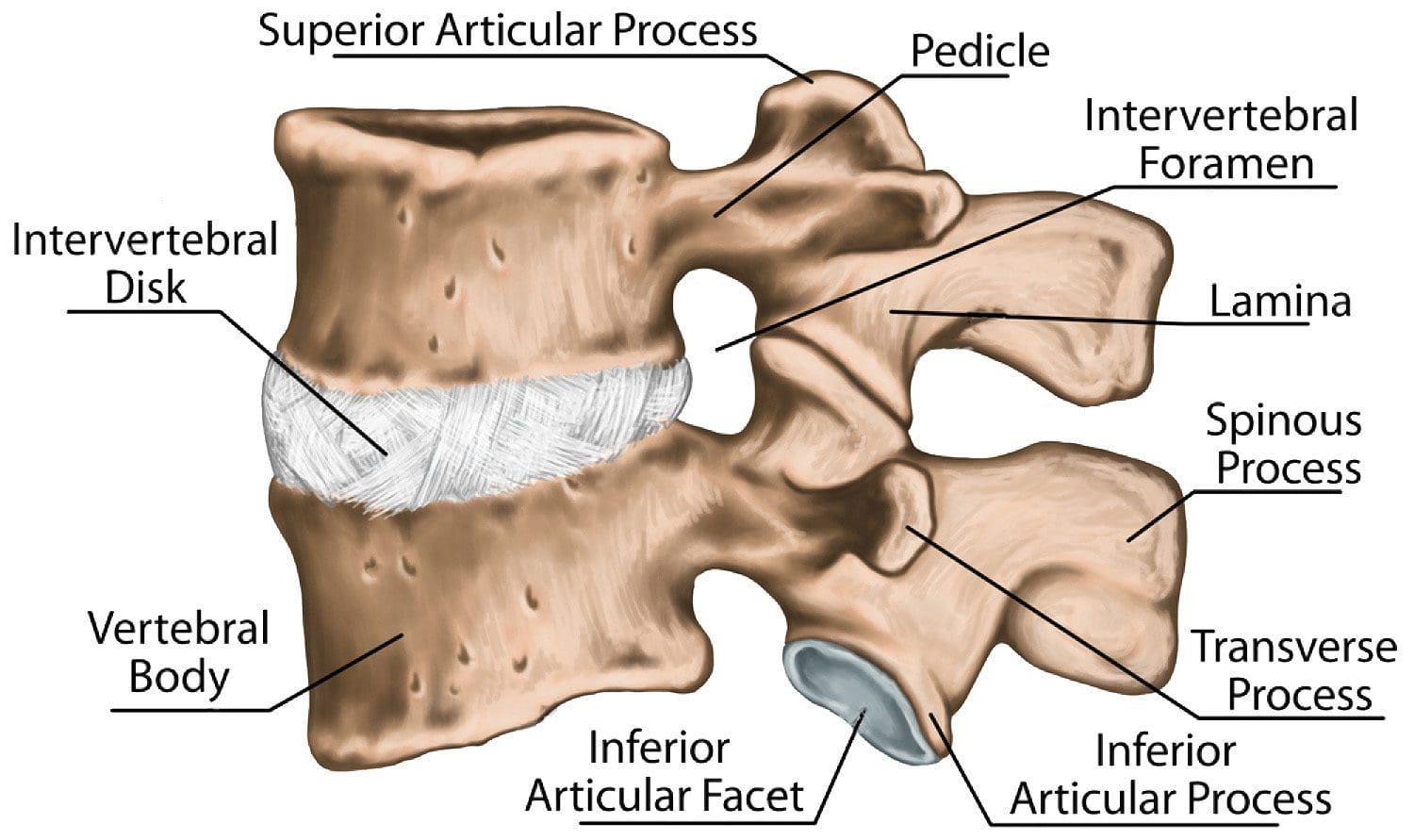
If the stenosis is caused by a bone problem like an arthritic bone spur, then space has to be made in the canal. This means a portion of the lamina or the back of the spinal column. This is called a hemilaminectomy. Sometimes the whole lamina has to be removed. This is known as a laminectomy.
�
If there is the instability of the spinal column, some of the lumbar vertebrae will be fused together to prevent further instability and added nerve compression.
A non-operative treatment course lasting a few weeks to months could reduce swelling in the nerve and improve sciatica symptoms. What happens is sometimes the disc gets reabsorbed over time and does not irritate the sciatic nerve.
�
Surgical Success
If the non-surgical options yielded minimal positive results or completely failed and surgery is the last resort talk with your surgeon to discuss the risks and benefits. The discussion will focus on factors like:
Individuals sixty-five and older, multiple health problems, being overweight or a smoker will place an individual at a higher risk of post complications from surgery. Studies found individuals who underwent surgery for sciatica from lumbar stenosis, identified added risk factors that could affect the outcome including:
Depression: this was because there were patients that continued to have sciatica symptoms after surgery. This means they are more likely to take antidepressants or anticonvulsants.
Quality of life from health perspective was low.
Previous spine surgery
�
Knowing about these factors and the possible success of sciatica surgery is something to keep in mind. The best way to understand what and how the surgery will be beneficial is to understand the risks and to remember that the risks are not the same for everybody.
�
Optimization
Surgical success depends on making sure patients are optimized before surgery. Increasing the chances of successful surgery after conservative treatment/s a surgeon will ask the patient to take these steps:
Weight loss is difficult, but it has been shown to improve surgical outcomes.
Light aerobic exercise, such as stationary or recumbent cycling can help keep the body’s blood flowing properly.
Exercising with pain is difficult but it will increase the cardiovascular system along with keeping the heart and lungs healthy enough to undergo surgical stress.
If the exercising causes too much pain ask the doctor about anti-inflammatory, muscle relaxants, or steroid medication along with the non-surgical treatment that can provide relief allowing exercise to resume.
�
Quit smoking
Smoking increases the rate of spinal degeneration and impairs the body�s ability to heal properly and optimally after surgery. If the surgery is elective, meaning it is not a medical emergency, then it is strongly encouraged to quit smoking before surgery. This will increase the chances of eliminating the habit. Don’t be afraid to get support. cancer.org/smokeout.
�
Pro-activeness
If taking antidepressant/s for depression, do not quit taking the medication thinking it will improve sciatica surgery success. Mental health is extremely important. The same goes for anticonvulsant meds as well. Stopping anticonvulsant medication for spinal surgery will more than likely cause extended damage or pre/post-surgical complications. Pre-existing conditions like depression means bringing the mental health provider and other specialists into the pre-surgical discussion.
Chiropractor Sciatica Symptoms
Dr. Alex Jimenez�s Blog Post Disclaimer
The scope of our information is limited to chiropractic, musculoskeletal, physical medicines, wellness, and sensitive health issues and/or functional medicine articles, topics, and discussions. We use functional health & wellness protocols to treat and support care for injuries or disorders of the musculoskeletal system. Our posts, topics, subjects, and insights cover clinical matters, issues, and topics that relate and support directly or indirectly our clinical scope of practice.*
Our office has made a reasonable attempt to provide supportive citations and has identified the relevant research study or studies supporting our posts. We also make copies of supporting research studies available to the board and or the public upon request. We understand that we cover matters that require an additional explanation as to how it may assist in a particular care plan or treatment protocol; therefore, to further discuss the subject matter above, please feel free to ask Dr. Alex Jimenez or contact us at 915-850-0900. The provider(s) Licensed in Texas& New Mexico*
Recognizing and understanding common and not so common neck and lower back spinal Stenosis symptoms can help in getting an early diagnosis and beginning a preventative treatment plan. Symptoms develop when the spinal canal begins to narrow. The nerve roots become compressed/pinched causing:
Neural irritation
Inflammation
Pain
The low back and neck are commonly affected by this age-related and progressivedisorder. Symptoms can inhibit the ability to move without discomfort, pain, and neurological issues like tingling sensations and numbness that spreads out or radiates into other parts of the body.
Low Back Spinal Stenosis Symptoms
The most common symptom of spinal Stenosis is pain in the:
Low back
Buttock area
Back of the thigh that gets worse when standing and walking
These symptoms are called neurogenic claudication. Some individuals with low back spinal stenosis experience symptoms only when standing or moving/walking around. Discomfort usually eases up when bent forward and goes away when the individual sits down. Example: Grocery shopping feels a lot better when leaning forward on the handle of the cart, with pain reduced. This is common for people with spinal stenosis in the low back. Pain that goes away and reduces when bending forward, sitting down, or lying down is common of low back spinal Stenosis.
Understanding that claudication is not neurogenic or pseudo claudication is important. The symptoms of claudication are similar to pseudo claudication, however, the cause is different. Claudication is caused by the blood not circulating properly in the leg muscles. Other symptoms are low back pain and low back spreading pain or radiculopathy.
Better known as sciatica, lumbar radiculopathy involves:
Pain
Numbness
Weakness
Tingling/numbing sensations that travel down from the low back into the buttock/s and leg/s.
Some individuals experience pain in both legs, with one leg having worse pain than the other.
Bowel/Bladder emergency:
There can be severe cases of lumbar spinal Stenosis where the nerves that control the bladder or bowel can get compressed, leading to partial or complete incontinence. If there are problems controlling the bladder or bowel seek immediate medical attention.
Neck Spinal Stenosis Symptoms
Spinal Stenosis symptomsin the neck can cause cervical radiculopathy. This can include pain along with:
Tingling sensations
Numbness
Weakness
These symptoms may radiate downward from your neck into one or both shoulders, arms, and/or hands. The pain caused by cervical spinal Stenosis has been described as:
Acute
Episodic
Occasional
Chronic
The intensity can go from mild to severe along with other symptoms that include:
Headache/s
Balance issues with a higher risk of falling
Fine Motor skills like writing, buttoning up a shirt/blouse, computer keyboarding skills can become affected
With severe cervical spinal stenosis, symptoms can be associated with cervical myelopathy. Cervical myelopathy happens when the spinal canal narrows so much that it compresses the spinal cord in the neck. Pinched nerves in the neck can affect the shoulders, arms, and hands. Myelopathy can affect both the arms and legs.
Symptoms of cervical myelopathy can include:
Neck pain
Stiffness
Tingling sensations
Numbness
Weakness
Clumsiness
Balance issues
Difficulty walking
Bowel and Bladder problems
Sexual dysfunction
Symptoms Don’t Always Present
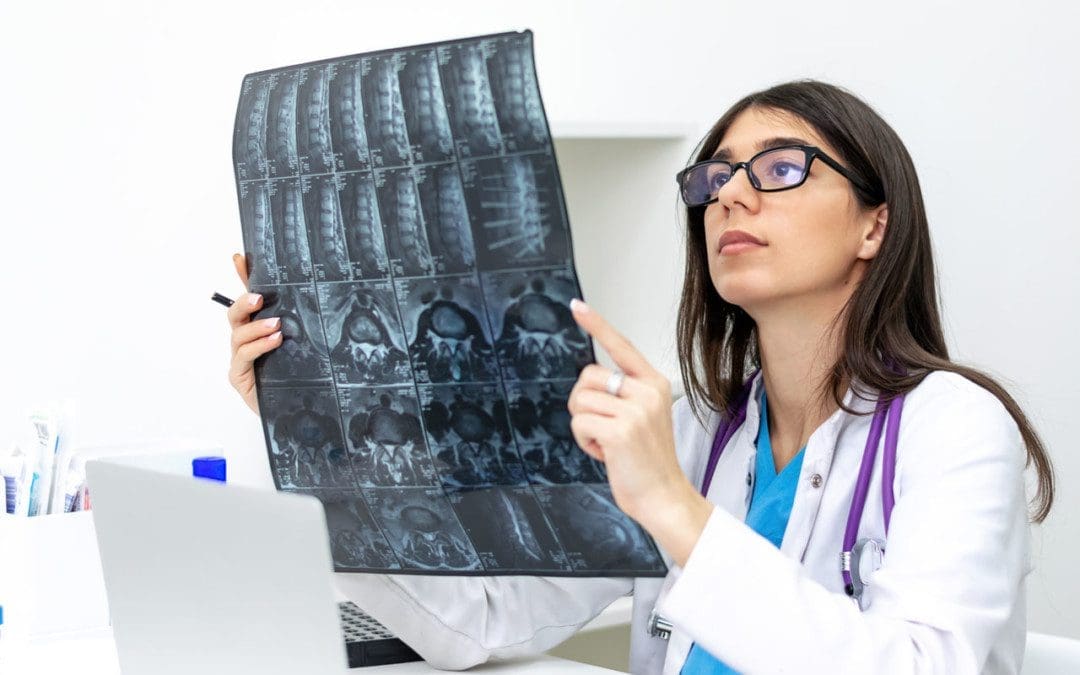
Imaging studies like MRI and CT scans can detect a spinal disorder from an individual that has no symptoms. This is why imaging tests are performed to confirm a diagnosis. This is supported by results from the physical/ neurological exams, medical history, and symptoms.
Those who have undergone an x-ray or other imaging test for a non-spinal related issue could have discovered they have spondylosis, osteophytes, and a herniated disc. However, they never knew it because they showed no symptoms. Spinal Stenosis of the spine is usually an age-related and gradual process of physical change. It can take time for symptoms to show themselves. If you have neck or low back pain symptoms that are becoming worse, speak with your doctor.
IFM's Find A Practitioner tool is the largest referral network in Functional Medicine, created to help patients locate Functional Medicine practitioners anywhere in the world. IFM Certified Practitioners are listed first in the search results, given their extensive education in Functional Medicine