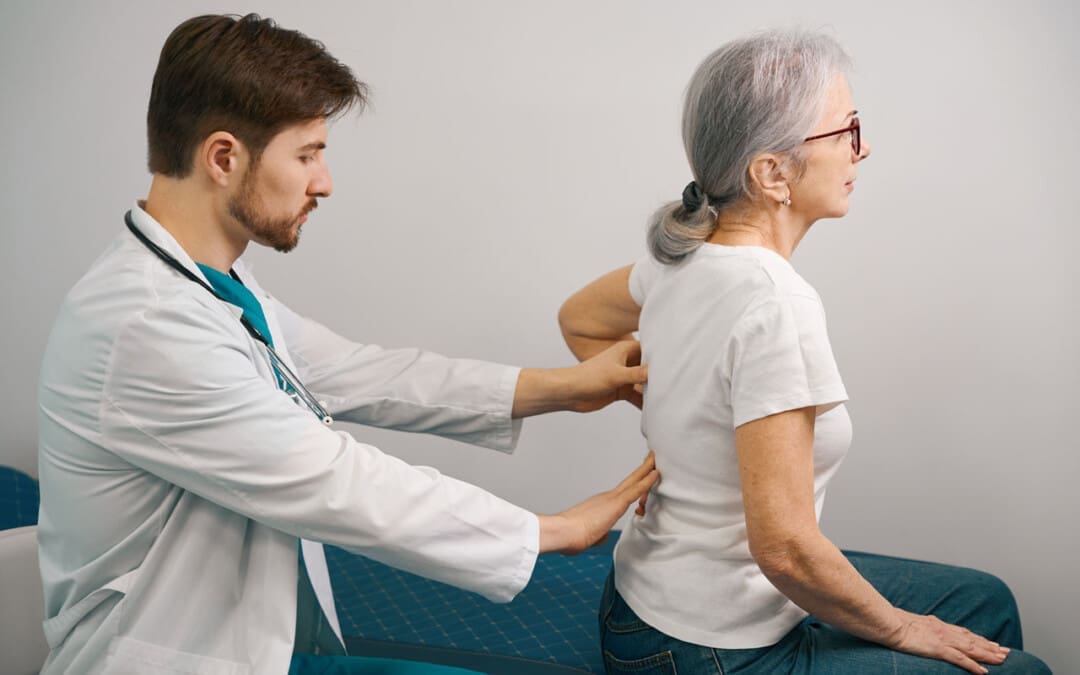
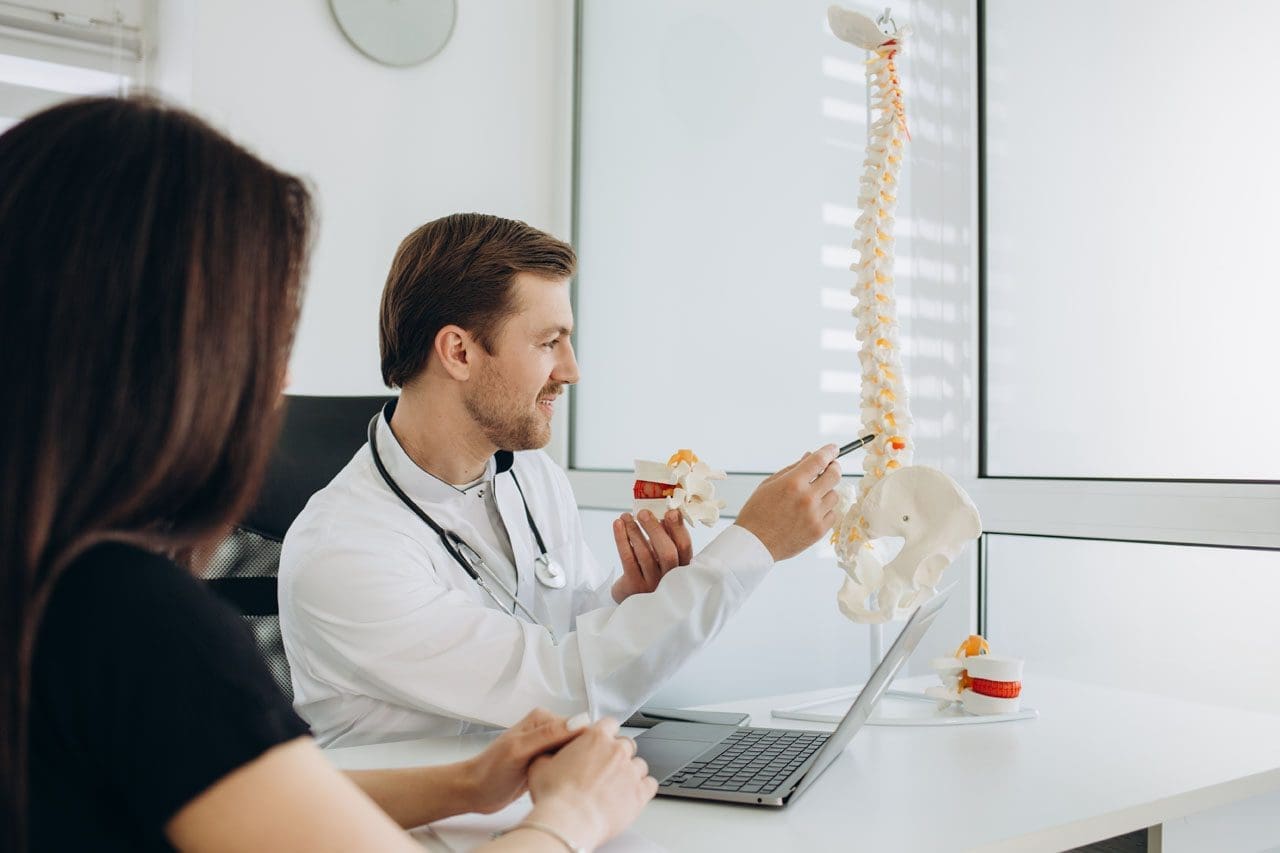
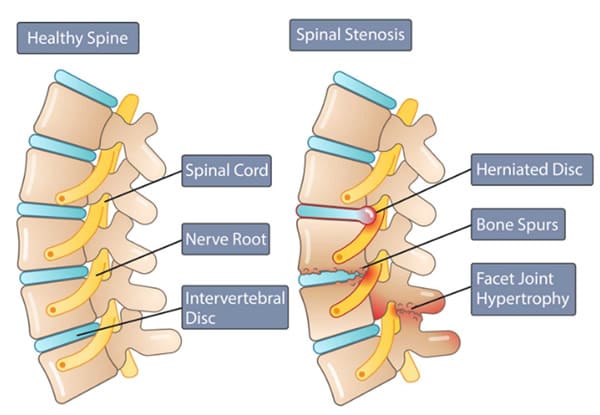
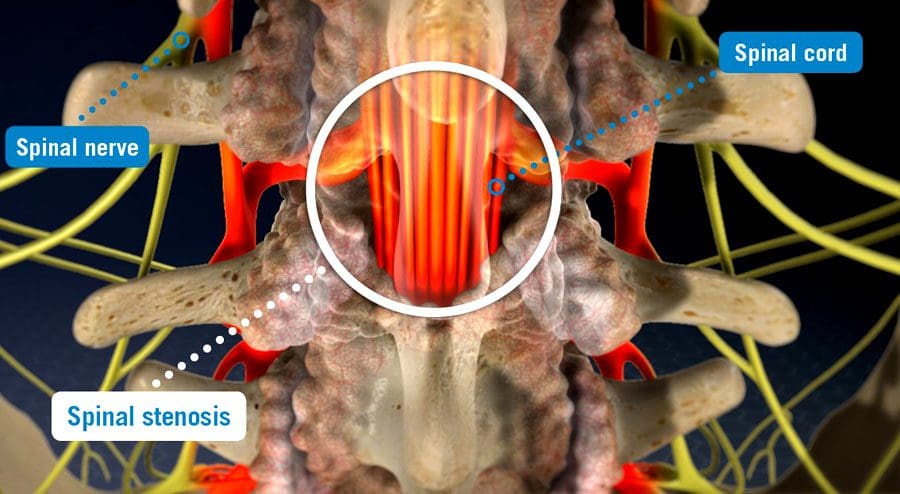
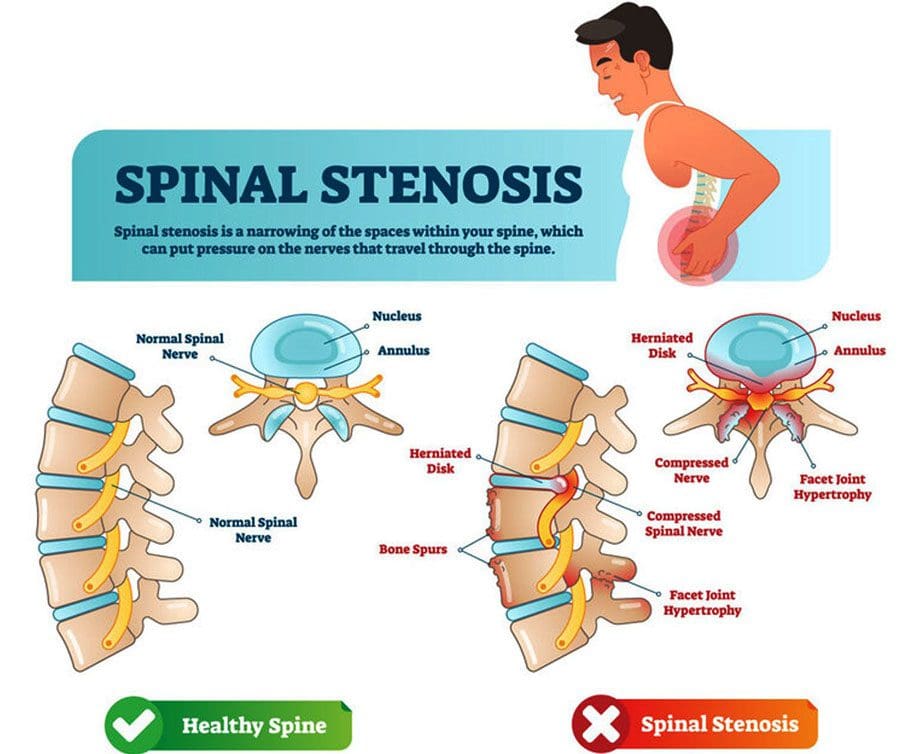
Spinal stenosis is the term used to describe a narrowing spine. Treatments vary because everybody’s case is different. Some individuals experience mild symptoms, while others experience severe symptoms. Can knowing treatment options help the patient and healthcare team customize and personalize a treatment plan to the individual’s condition?
Spinal Stenosis Treatments
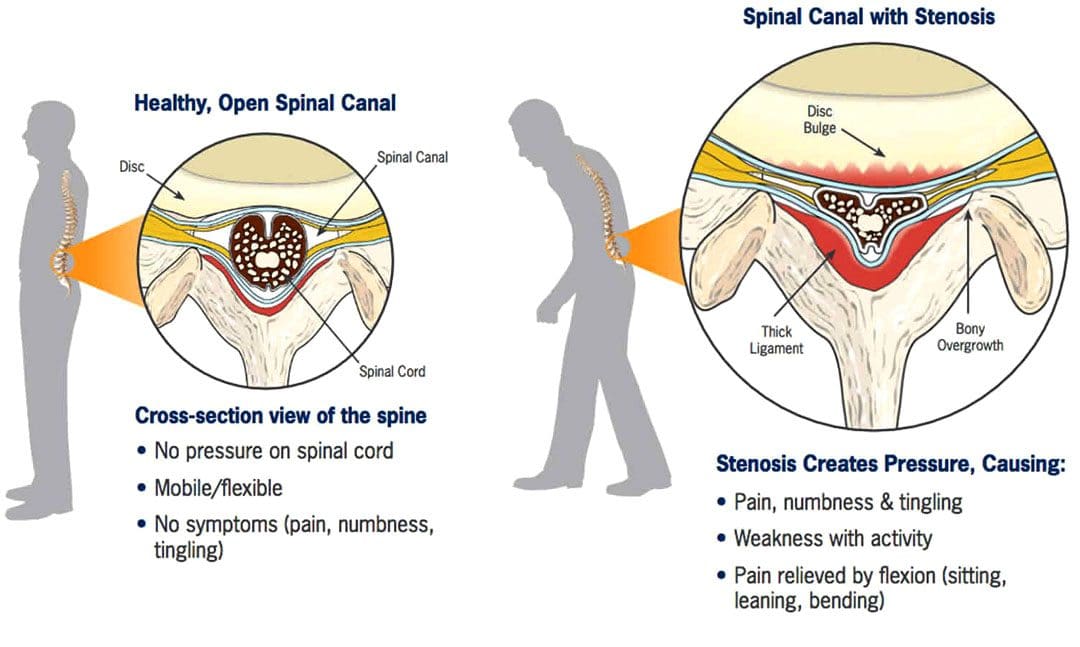
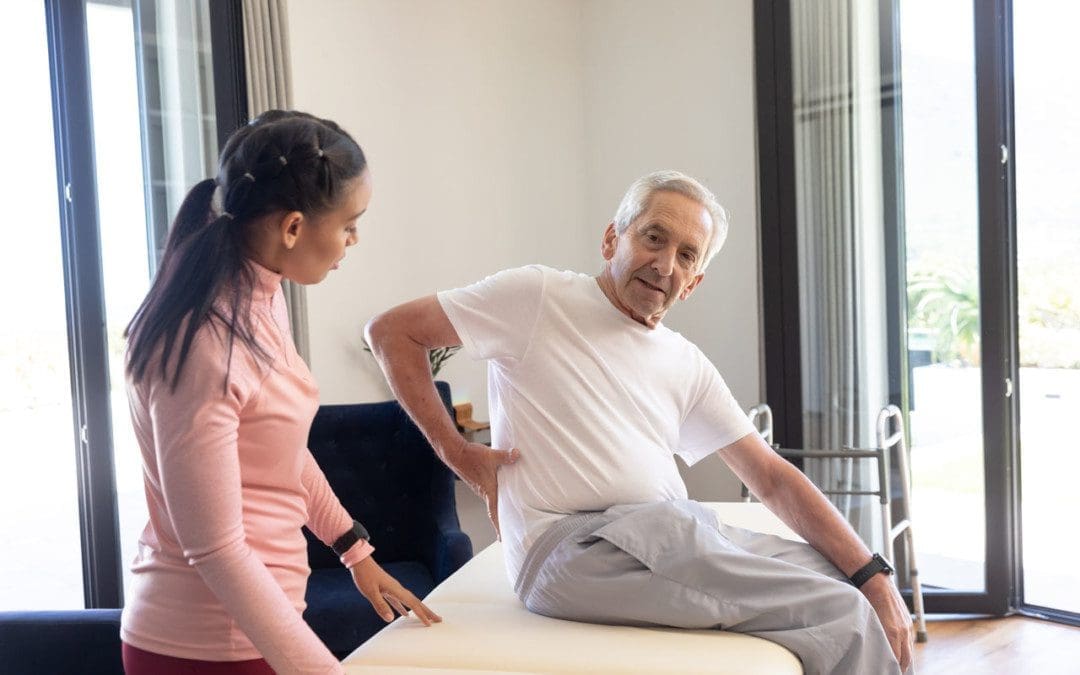
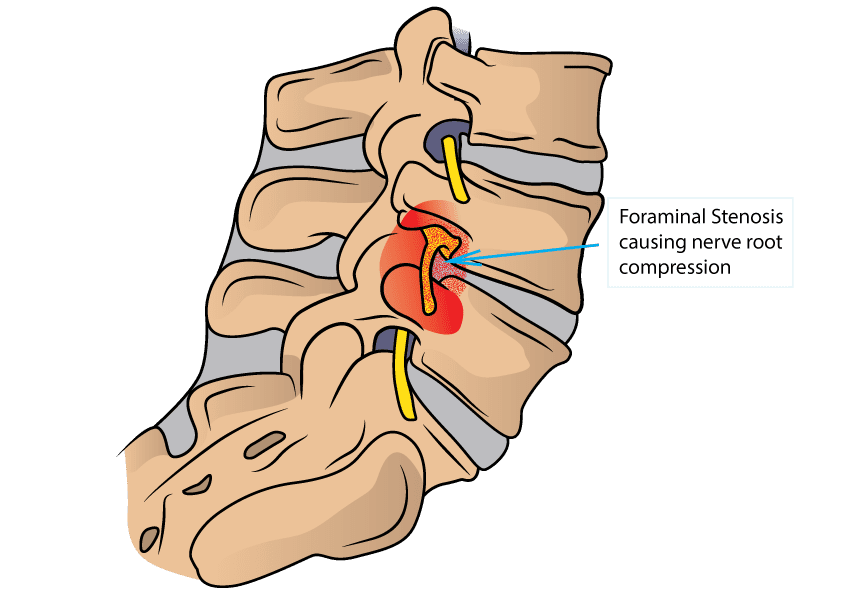
Spaces within the spine can become narrower than they’re supposed to be, which can cause pressure on nerve roots and the spinal cord. Anywhere along the spine can be affected. The narrowing can cause pain, burning, and/or aching in the back and weakness in the legs and feet. Spinal stenosis has several primary treatments. When working through spinal stenosis treatments, a healthcare provider will assess symptoms and start treatment with first-line therapy, such as pain medication and/or physical therapy. These are often the first among individuals with the disease.
Medication
Chronic pain is one of the main symptoms. The first-line treatment often involves using pain-relieving medication/s. Commonly prescribed medications are nonsteroidal anti-inflammatories or NSAIDs. These medications reduce pain and inflammation. However, NSAIDs are not recommended for long-term use, and other medications may need to be used to relieve pain that includes: (Sudhir Diwan et al., 2019)
Tylenol – acetaminophen
Gabapentin
Pregabalin
Opioids for severe cases
Exercise
Exercise can reduce spinal stenosis symptoms by taking pressure off the nerves, which can reduce pain and improve mobility. (Andrée-Anne Marchand et al., 2021) Healthcare providers will recommend the most effective exercises for the individual. Examples include:
Another primary spinal stenosis treatment is physical therapy, which is often used alongside pain medications. Typically, individuals undergo six to eight weeks of physical therapy, with sessions two to three times a week. Utilizing physical therapy has been shown to (Sudhir Diwan et al., 2019)
Reduce pain
Increase mobility
Reduce pain medications.
Reduce mental health symptoms like anger, depression, and mood changes.
For severe cases, physical therapy following surgery can reduce recovery times.
Back Braces
Back braces can help reduce movement and pressure on the spine. This is helpful because even small spinal movements can lead to nerve irritation, pain, and worsening symptoms. Over time, the bracing can lead to a positive increase in mobility. (Carlo Ammendolia et al., 2019)
Injections
Epidural steroid injections may be recommended to relieve severe symptoms. Steroids act as anti-inflammatories to reduce pain and swelling caused by inflammation and irritation of the spinal nerves. They are considered nonsurgical medical procedures. According to research, injections can effectively manage pain for two weeks and up to six months, and some research has found that after a spinal injection, relief can last 24 months. (Sudhir Diwan et al., 2019)
Thickened Ligaments Decompression Procedure
Some individuals may be recommended to undergo a decompression procedure. This procedure involves using a thin needle tool inserted into the back. The thickened ligament tissue is removed to reduce the pressure on the spine and nerves. Research has found that the procedure can reduce symptoms and the need for more invasive surgery. (Nagy Mekhail et al., 2021)
Alternative Treatments
In addition to first-line treatments, individuals may be referred to alternative therapies for symptom management, including:
Acupuncture
This involves the insertion of thin-tipped needles into various acupoints to relieve symptoms.
Some research has found that acupuncture may be more effective at reducing symptoms than physical therapy alone. Both options are viable and can improve mobility and pain. (Hiroyuki Oka et al., 2018)
Chiropractic
This therapy reduces pressure on nerves, maintains spinal alignment, and helps to improve mobility.
Massage
Massage helps to increase circulation, relax the muscles, and reduce pain and stiffness.
New Treatment Options
As spinal stenosis research continues, new therapies are emerging to help relieve and manage symptoms in individuals who don’t respond to traditional medicine or cannot partake in conventional therapies for various reasons. However, some evidence presented is promising; medical insurers may consider them experimental and not offer coverage until their safety has been proven. Some new treatments include:
Acupotomy
Acupotomy is a form of acupuncture that uses thin needles with a small, flat, scalpel-type tip to relieve tension in painful areas. Research on its effects is still limited, but preliminary data shows it could be an effective complementary treatment. (Ji Hoon Han et al., 2021)
Stem Cell Therapy
Stem cells are the cells from which all other cells originate. They act as the raw material for the body to create specialized cells with specific functions. (National Institutes of Health. 2016)
Individuals with spinal stenosis can develop soft tissue damage.
Stem cell therapy uses stem cells to help repair injured or diseased tissues.
Stem cell therapy can help repair or improve the damaged areas and provide symptom relief.
Clinical studies for spinal stenosis report that it could be a viable treatment option for some.
However, more research is needed to confirm whether the therapy is effective enough to be widely used. (Hideki Sudo et al., 2023)
Dynamic Stabilization Devices
LimiFlex is a medical device undergoing research and analysis for its ability to restore mobility and stability in the spine. It is implanted into the back through a surgical procedure. According to research, individuals with spinal stenosis who receive the LimiFlex often experience a higher reduction in pain and symptoms than with other forms of treatment. (T Jansen et al., 2015)
Lumbar Interspinous Distraction Decompression
Lumbar interspinous distraction decompression is another surgical procedure for spinal stenosis. The surgery is performed with an incision above the spine and places a device between two vertebrae to create space. This reduces movement and pressure on the nerves. Preliminary results show positive short-term relief from symptoms; long-term data is not yet available as it is a relatively new spinal stenosis treatment option. (UK National Health Service, 2022)
Surgical Procedures
There are several surgical procedures are available for spinal stenosis. Some include: (NYU Langone Health. 2024) Surgery for spinal stenosis is often reserved for individuals with severe symptoms, like numbness in the arms or legs. When these symptoms develop, it indicates a more notable compression of the spinal nerves and the need for a more invasive treatment. (NYU Langone Health. 2024)
Laminectomy
A laminectomy removes part or all of the lamina, the vertebral bone covering the spinal canal.
The procedure is designed to reduce pressure on nerves and the spinal cord.
Laminotomy and Foraminotomy
Both surgeries are used if an individual’s spinal stenosis negatively affects an opening in the vertebral foramen.
Ligaments, cartilage, or other tissues that constrict the nerves are removed.
Both reduce pressure on the nerves traveling through the foramen.
Laminoplasty
A laminoplasty relieves pressure on the spinal cord by removing parts of the spinal canal’s lamina.
This surgical procedure involves removing herniated or bulging discs that are placing pressure on the spinal cord and nerves.
Spinal fusion
Spinal fusion involves joining two vertebrae using metal pieces like rods and screws.
The vertebrae are more stable because the rods and screws act as a brace.
Which Treatment Is The Right One?
Because all treatment plans differ, determining the most effective is best suited for a healthcare provider. Each approach will be personalized to the individual. To decide what therapy is best, healthcare providers will assess: (National Institute of Arthritis and Musculoskeletal and Skin Diseases. 2023)
The severity of symptoms.
The current level of overall health.
The level of damage that’s occurring in the spine.
The level of disability and how mobility and quality of life are affected.
Injury Medical Chiropractic and Functional Medicine Clinic will work with an individual’s primary healthcare provider and/or specialists to help determine the best treatment options and concerns regarding medications or other forms of treatment.
Unlocking Wellness
References
Diwan, S., Sayed, D., Deer, T. R., Salomons, A., & Liang, K. (2019). An Algorithmic Approach to Treating Lumbar Spinal Stenosis: An Evidenced-Based Approach. Pain medicine (Malden, Mass.), 20(Suppl 2), S23–S31. https://doi.org/10.1093/pm/pnz133
Marchand, A. A., Houle, M., O’Shaughnessy, J., Châtillon, C. É., Cantin, V., & Descarreaux, M. (2021). Effectiveness of an exercise-based prehabilitation program for patients awaiting surgery for lumbar spinal stenosis: a randomized clinical trial. Scientific reports, 11(1), 11080. https://doi.org/10.1038/s41598-021-90537-4
Ammendolia, C., Rampersaud, Y. R., Southerst, D., Ahmed, A., Schneider, M., Hawker, G., Bombardier, C., & Côté, P. (2019). Effect of a prototype lumbar spinal stenosis belt versus a lumbar support on walking capacity in lumbar spinal stenosis: a randomized controlled trial. The spine journal : official journal of the North American Spine Society, 19(3), 386–394. https://doi.org/10.1016/j.spinee.2018.07.012
Mekhail, N., Costandi, S., Nageeb, G., Ekladios, C., & Saied, O. (2021). The durability of minimally invasive lumbar decompression procedure in patients with symptomatic lumbar spinal stenosis: Long-term follow-up. Pain practice : the official journal of World Institute of Pain, 21(8), 826–835. https://doi.org/10.1111/papr.13020
Oka, H., Matsudaira, K., Takano, Y., Kasuya, D., Niiya, M., Tonosu, J., Fukushima, M., Oshima, Y., Fujii, T., Tanaka, S., & Inanami, H. (2018). A comparative study of three conservative treatments in patients with lumbar spinal stenosis: lumbar spinal stenosis with acupuncture and physical therapy study (LAP study). BMC complementary and alternative medicine, 18(1), 19. https://doi.org/10.1186/s12906-018-2087-y
Han, J. H., Lee, H. J., Woo, S. H., Park, Y. K., Choi, G. Y., Heo, E. S., Kim, J. S., Lee, J. H., Park, C. A., Lee, W. D., Yang, C. S., Kim, A. R., & Han, C. H. (2021). Effectiveness and safety of acupotomy on lumbar spinal stenosis: A pragmatic randomized, controlled, pilot clinical trial: A study protocol. Medicine, 100(51), e28175. https://doi.org/10.1097/MD.0000000000028175
Sudo, H., Miyakoshi, T., Watanabe, Y., Ito, Y. M., Kahata, K., Tha, K. K., Yokota, N., Kato, H., Terada, T., Iwasaki, N., Arato, T., Sato, N., & Isoe, T. (2023). Protocol for treating lumbar spinal canal stenosis with a combination of ultrapurified, allogenic bone marrow-derived mesenchymal stem cells and in situ-forming gel: a multicentre, prospective, double-blind randomised controlled trial. BMJ open, 13(2), e065476. https://doi.org/10.1136/bmjopen-2022-065476
National Institutes of Health. (2016). Stem cell basics. U.S. Department of Health and Human Services. Retrieved from https://stemcells.nih.gov/info/basics/stc-basics
Jansen, T., Bornemann, R., Otten, L., Sander, K., Wirtz, D., & Pflugmacher, R. (2015). Vergleich dorsaler Dekompression nicht stabilisiert und dynamisch stabilisiert mit LimiFlex™ [A Comparison of Dorsal Decompression and Dorsal Decompression Combined with the Dynamic Stabilisation Device LimiFlex™]. Zeitschrift fur Orthopadie und Unfallchirurgie, 153(4), 415–422. https://doi.org/10.1055/s-0035-1545990
UK National Health Service. (2022). Lumbar decompression surgery: How It’s performed. https://www.nhs.uk/conditions/lumbar-decompression-surgery/what-happens/
NYU Langone Health. (2024). Surgery for spinal stenosis. https://nyulangone.org/conditions/spinal-stenosis/treatments/surgery-for-spinal-stenosis
Columbia Neurosurgery. (2024). Cervical laminoplasty procedure. https://www.neurosurgery.columbia.edu/patient-care/treatments/cervical-laminoplasty
National Institute of Arthritis and Musculoskeletal and Skin Diseases. (2023). Spinal stenosis: Diagnosis, treatment and steps to take. Retrieved from https://www.niams.nih.gov/health-topics/spinal-stenosis/diagnosis-treatment-and-steps-to-take
Can individuals with lumbar spinal stenosis utilize spinal decompression to reduce low back pain and restore mobility?
Introduction
Many individuals worldwide have dealt with low back pain at some point in their lives that has affected their mobility and impacted their routine. Numerous environmental factors can lead to low back pain development, like improper heavy lifting, poor posture, traumatic injuries, and accidents that can affect the surrounding muscles, spinal cord, and nerve roots. When this happens, it can lead to lumbar spinal stenosis and cause overlapping risk profiles that are correlated with low back pain. When people are dealing with lumbar spinal stenosis, they could be thinking that their pain is in the lower extremities. To that point, many individuals seek treatment to not only reduce low back pain but also reduce the effects of lumbar spinal stenosis. Some treatments, like spinal decompression, which is a non-surgical treatment, can help restore mobility to the body. Today’s article looks at how lumbar spinal stenosis affects the lower back and its diagnosis while looking at how spinal decompression can provide relief to the individual and have positive benefits in restoring mobility. We talk with certified medical providers who consolidate our patients’ information to assess how lumbar spinal stenosis correlates with lower back pain, causing mobility issues. We also inform and guide patients on how spinal decompression is an excellent form of treatment that can be combined with other therapies. We encourage our patients to ask their associated medical providers intricate and important questions about incorporating decompression therapy to relieve the pain effects caused by lumbar stenosis while reducing the overlapping pain effects like lower back pain to regain a person’s mobility. Dr. Jimenez, D.C., includes this information as an academic service. Disclaimer.
How Lumbar Spinal Stenosis Affects the Lower Back
Do you feel tingling sensations in the back of your legs affecting your ability to move around? Or does your lower back feel less mobile than it is used to? When many individuals are experiencing low back pain during their lifetime, it can often correlate with lumbar spinal stenosis. Lumbar spinal stenosis usually occurs when the spinal canal in the lower back becomes constricted, leading to degenerative changes. When the spinal canal starts to narrow in the spine, it can cause significant discomfort, interfere with daily activities, and may result in progressive disability for many individuals. (Munakomi et al., 2024) The symptoms caused by lumbar spinal stenosis range from mild to severe, and on which environmental factors correspond to the issue. At the same time, lumbar spinal stenosis is characterized by symptoms like low back pain that can cause spondylotic changes that induce low back pain that can negatively impact a person’s quality of life. (Ogon et al., 2022) This causes many people to go to their primary doctors to get a diagnosis and learn how to manage the pain associated with lumbar spinal stenosis.
The Diagnosis Of Lumbar Spinal Stenosis
When it comes to diagnosing lumbar spinal stenosis, many healthcare providers will incorporate a comprehensive evaluation, which includes a physical examination to see how mobile a person’s back is and imaging testing like MRIs and CT scans to visualize the spinal canal and assess the extent of the narrowing that is causing pain in the lower extremities. This is because when individuals deal with lumbar spinal stenosis, it can manifest with neurogenic claudication in the lower extremities, especially when a person is standing or sitting. The pain is decreased when their position is changed. (Sobanski et al., 2023) Additionally, lumbar spinal stenosis is one of the most commonly diagnosed spinal disorders that many healthcare professionals assess and evaluate. When there is a narrowing in the spinal canal, leading to the development of lumbar spinal, simple motions like walking can exacerbate the symptoms to the lower extremities and increase the oxygen in the spinal nerves, which may exceed the available blood flow to the extremities. (Deer et al., 2019) To that point, treatments like spinal decompression can help reduce lower back pain associated with lumbar spinal stenosis.
The Non-Surgical Approach To Wellness- Video
A Path To Relief Using Spinal Decompression
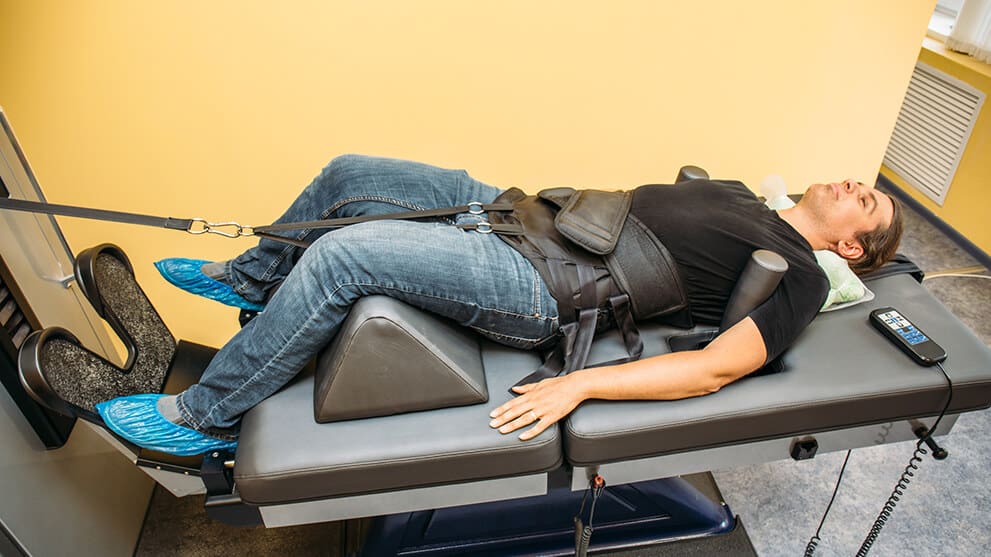
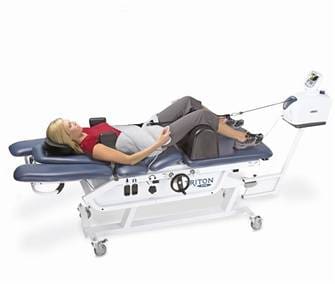
When it comes to individuals experiencing the pain caused by lumbar spinal stenosis, many individuals can seek out non-surgical treatments like spinal decompression to relieve lower back pain. Spinal decompression has emerged as a non-invasive, effective treatment option for lumbar spinal stenosis. It utilizes gentle mechanical traction on the spine to be stretched, relieving the spinal nerves by creating more space within the spinal canal. Spinal decompression decreases the degenerative process while the surrounding muscles are gently stretched, and the spinal disc height increases due to negative pressure. (Kang et al., 2016)
The Benefits Of Spinal Decompression & Restoring Mobility
Additionally, the gentle traction from spinal decompression helps enhance the production flow of nutrients and oxygen back to the affected spinal discs and spine to foster a better healing environment for the body. Since spinal decompression can be combined with other non-surgical treatments, like physical therapy and spinal manipulation, it can provide long-lasting positive effects for individuals with lumbar spinal stenosis. (Ammendolia et al., 2022) Some of the beneficial results of spinal decompression include:
Pain relief by alleviating pressure off the spinal nerves to reduce pain and discomfort in the lower extremities significantly.
Improved mobility allows the individual to return to their daily activities with ease.
Many people can benefit from spinal decompression to reduce the effects of lumbar spinal stenosis and have their lower extremity mobility restored after consecutive sessions to reduce the chances of the pain from coming back. By thinking more about their health and wellness, many people can make small routine changes in their activities to mitigate the pain and remain mobile throughout their lives. This allows them to have a sense of hope to relieve them from the pain they have been under.
References
Ammendolia, C., Hofkirchner, C., Plener, J., Bussieres, A., Schneider, M. J., Young, J. J., Furlan, A. D., Stuber, K., Ahmed, A., Cancelliere, C., Adeboyejo, A., & Ornelas, J. (2022). Non-operative treatment for lumbar spinal stenosis with neurogenic claudication: an updated systematic review. BMJ Open, 12(1), e057724. https://doi.org/10.1136/bmjopen-2021-057724
Deer, T., Sayed, D., Michels, J., Josephson, Y., Li, S., & Calodney, A. K. (2019). A Review of Lumbar Spinal Stenosis with Intermittent Neurogenic Claudication: Disease and Diagnosis. Pain Med, 20(Suppl 2), S32-S44. https://doi.org/10.1093/pm/pnz161
Kang, J. I., Jeong, D. K., & Choi, H. (2016). Effect of spinal decompression on the lumbar muscle activity and disk height in patients with herniated intervertebral disk. Journal of Physical Therapy Science, 28(11), 3125-3130. https://doi.org/10.1589/jpts.28.3125
Ogon, I., Teramoto, A., Takashima, H., Terashima, Y., Yoshimoto, M., Emori, M., Iba, K., Takebayashi, T., & Yamashita, T. (2022). Factors associated with low back pain in patients with lumbar spinal stenosis: a cross-sectional study. BMC Musculoskelet Disord, 23(1), 552. https://doi.org/10.1186/s12891-022-05483-7
Sobanski, D., Staszkiewicz, R., Stachura, M., Gadzielinski, M., & Grabarek, B. O. (2023). Presentation, Diagnosis, and Management of Lower Back Pain Associated with Spinal Stenosis: A Narrative Review. Med Sci Monit, 29, e939237. https://doi.org/10.12659/MSM.939237
Spinal Stenosis Walking Issues:Stenosis means a narrowing. Spinal stenosis can happen in any spine region, but the neck and lower back are the most common locations. The spinal canal becomes narrower and can cause the nerves to become compressed, pinched, and irritated and can extend from the lumbar spine through the hips, buttocks, legs, and feet. Individuals with lumbar spinal stenosis may have difficulty walking caused by sensations of discomfort like numbness, electrical shocks, and pain, requiring the need to lean forward to relieve pressure and symptoms. Additionally, symptoms are likely to worsen the longer the walk. Chiropractic treatment can treat spinal stenosis because it corrects and re-aligns the spine, thus reducing pressure on the spinal cord, joints, and nerve roots.
Spinal Stenosis Walking Issues
The spine is made up of interlocking vertebrae. The regions are cervical, thoracic, lumbar, and sacral bones with a foramen opening. These openings form the protective tunnel/spinal canal surrounding the spinal cord. The spinal cord is a group of nerves that run through the tunnel. The narrowing suffocates the nerves supplying the lower extremities that can influence walking activity.
Symptoms
There may be no symptoms with early lumbar spinal stenosis. Most individuals develop symptoms gradually and may begin to notice them while walking or standing. These can include:
Lower back pressure sensations when standing upright or walking.
Leg numbness, tingling, weakness, burning, and/or cramping.
Muscle weakness.
Persistent pain in the back, hips, buttocks, or legs while walking.
Difficulty lifting the top part of the foot – known as drop foot.
Loss of sensation in the feet.
A weak foot that drops/slaps down when walking.
Loss of sexual ability.
In more serious cases, severe numbness, bladder problems, and inability to stand.
Individuals begin to lean forward when symptoms start, bringing relief by reducing the pressure on the nerves. However, constantly leaning forward leads to other posture and health problems.
Diagnosis
A doctor or chiropractor will ask questions about symptoms and medical history and perform a complete physical examination to diagnose lumbar spinal stenosis. During the physical examination, a healthcare provider will look for signs, such as loss of sensation, weakness, and abnormal reflexes.
Tests:
X-rays of the lumbar spine may show bone growths called spurs that push on spinal nerves and/or narrowing of the spinal canal.
Imaging tests – A CT or MRI scan can provide a detailed look at the spinal canal and nerve structures.
Other studies include – bone scans, myelogram, which is a CT scan that uses a color dye, and EMG, which is an electrical test of muscle activity.
Chiropractic Treatment
Chiropractic care combined with physical therapy is a tried-and-true treatment for spinal stenosis. A chiropractic treatment plan can include targeted and passive exercise programs. Targeted exercises involve strengthening the core and back muscles. Passive treatments include hot and cold therapy, massage, decompression, and electrical stimulation. The objective of chiropractic therapy is to:
Strengthen muscles in the core and legs
Correct posture and body mechanics.
Improve mobility.
Maintain ability to perform day-to-day activities.
Recommend stretches.
Educate on how to keep the spine and back muscles safe.
Train on using devices like a back brace, cane, or walker properly.
Advise about shoe inserts and splints.
Suggest work and home environment modifications, such as ergonomics and cushions.
Chiropractic Relief
References
Conway, Justin, et al. “Walking assessment in people with lumbar spinal stenosis: capacity, performance, and self-report measures.” The spine journal: official North American Spine Society journal vol. 11,9 (2011): 816-23. doi:10.1016/j.spinee.2010.10.019
Lurie, Jon, and Christy Tomkins-Lane. “Management of lumbar spinal stenosis.” BMJ (Clinical research ed.) vol. 352 h6234. 4 Jan. 2016, doi:10.1136/bmj.h6234
Macedo, Luciana Gazzi, et al. “Physical therapy interventions for degenerative lumbar spinal stenosis: a systematic review.” Physical therapy vol. 93,12 (2013): 1646-60. doi:10.2522/ptj.20120379
Tomkins-Lane, Christy C et al. “Predictors of walking performance and walking capacity in people with lumbar spinal stenosis, low back pain, and asymptomatic controls.” Archives of physical medicine and rehabilitation vol. 93,4 (2012): 647-53. doi:10.1016/j.apmr.2011.09.023
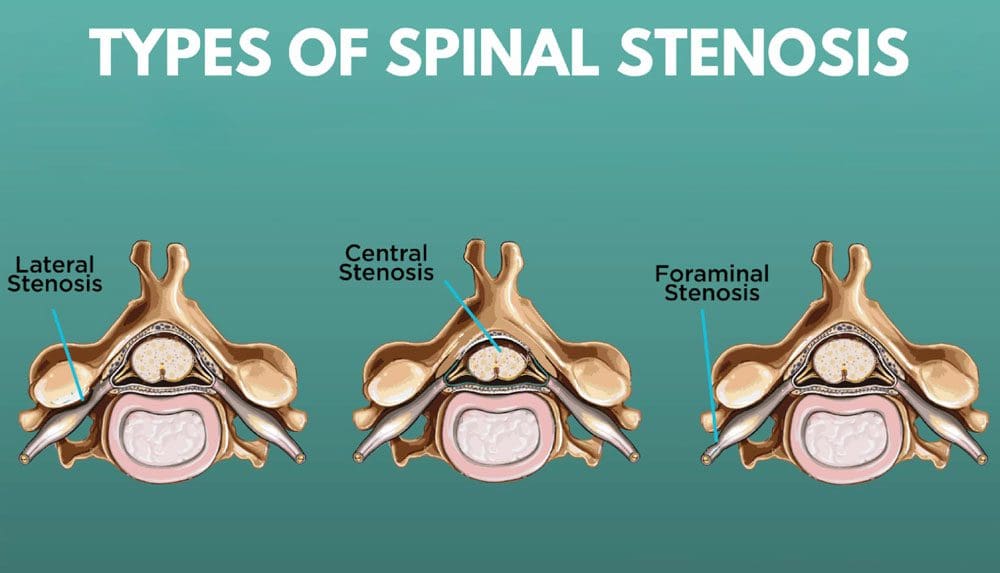
The spine is the body’s central highway, with the spinal canal as the main lane that handles all the traffic. There are entrances and exits, or spinal cavities, that allow the nerves to branch off the spinal cord and run throughout the body. A traffic jam develops during lane closures, accidents, or construction at an entrance or exit. Lateral recess stenosis causes the narrowing of the spine’s lateral recess/Lee’s entrance, which can compress nerves, impede nerve circulation, and cause painful symptoms.
Lateral Recess Stenosis
The spinal column provides a strong and flexible structure for the spinal cord. The nerves travel from the spinal cord through various openings and passageways to the rest of the body. One of the openings is known as the lateral recess. Stenosis means narrowing. When a lateral recess in a vertebra develops stenosis, the nerve in that area can get jammed/pinched with no room to move, causing varying symptoms and sensations.
Symptoms
Depending on where the stenosis is taking place (neck, middle or low back), common symptoms of lateral recess stenosis can include:
Back pain that can spread out to other areas.
Cramping that can spread out to other sites.
Radiating pain that worsens with movement and eases with rest.
Numbness or weakness of the legs or arms.
Electrical tingling sensations down the leg or arm.
Muscle groups around the stenosis area are built up to take the pressure off of the area, alleviating symptoms.
Medications
A doctor or spine specialist may recommend or prescribe medication to ease symptoms. These include:
Tylenol – acetaminophen.
NSAIDS – Advil/ibuprofen or Aleve/naproxen.
Muscle relaxers
Steroid Injections
According to a study, neurogenic claudication is the main reason for disability and loss of independence in the elderly.
Neurogenic claudication describes pain and weakness in the buttocks and legs during physical activity that originates from the nerves, not the vessels.
This can happen from inflammation and swelling around a compressed nerve.
A steroid injection can decrease inflammation for several months.
Surgery
If activity modification, NSAIDs, bracing, and physical therapy don’t work or provide adequate relief, a doctor or specialist could recommend surgery.
Fusion is reserved when there is instability combined with the condition.
Back Problems Chiropractor
References
American College of Rheumatology (n.d.) “Spinal Stenosis” https://www.rheumatology.org/I-Am-A/Patient-Caregiver/Diseases-Conditions/Spinal-Stenosis
Arthritis Foundation (n.d.) “Corticosteroids” https://www.arthritis.org/drug-guide/corticosteroids/corticosteroids
Drug Design, Development and Therapy (2014) “Steroid for epidural injection in spinal stenosis: a systematic review and meta-analysis” https://doi.org/10.2147/DDDT.S78070
Lee, Seung Yeop, et al. “Lumbar Stenosis: A Recent Update by Review of Literature.” Asian spine journal vol. 9,5 (2015): 818-28. doi:10.4184/asj.2015.9.5.818
Liu, Kuan, et al. “Steroid for epidural injection in spinal stenosis: a systematic review and meta-analysis.” Drug design, development, and therapy vol. 9 707-16. Jan 30, 2015, doi:10.2147/DDDT.S78070
Medline Plus (n.d.) “Achondroplasia” https://medlineplus.gov/genetics/condition/achondroplasia/
Spinal stenosis is when space somewhere along or within the spine begins to narrow, closing off the ability of normal/comfortable movement and nerve circulation. It can affect different areas, including the cervical/neck, lumbar/low back, and, less commonly, the thoracic/upper or mid-back regions causing tingling, numbness, cramping, pain, muscle weakness, or a combination in the back, leg/s, thighs, and buttocks. There can be various factors causing the stenosis; correct diagnosing is the first step, and where a spinal stenosis MRI comes in.
Spinal Stenosis MRI
Stenosis can be challenging to diagnose as it is more of a symptom/complication than a condition, often caused by herniated discs, bone spurs, a congenital condition, post-surgery, or after an infection. Magnetic resonance imaging/MRI is a common test used in diagnosis.
Diagnosis
A healthcare professional, like a chiropractor, physical therapist, spine specialist, or physician, will begin with understanding symptoms and medical history.
A physical exam will be conducted to learn more about the location, duration, positions, or activities that decrease or worsen the symptoms.
Additional tests include muscle strength, gain analysis, and balance testing to help better understand where the pain is coming from.
To confirm a diagnosis, imaging will be required to see what is going on.
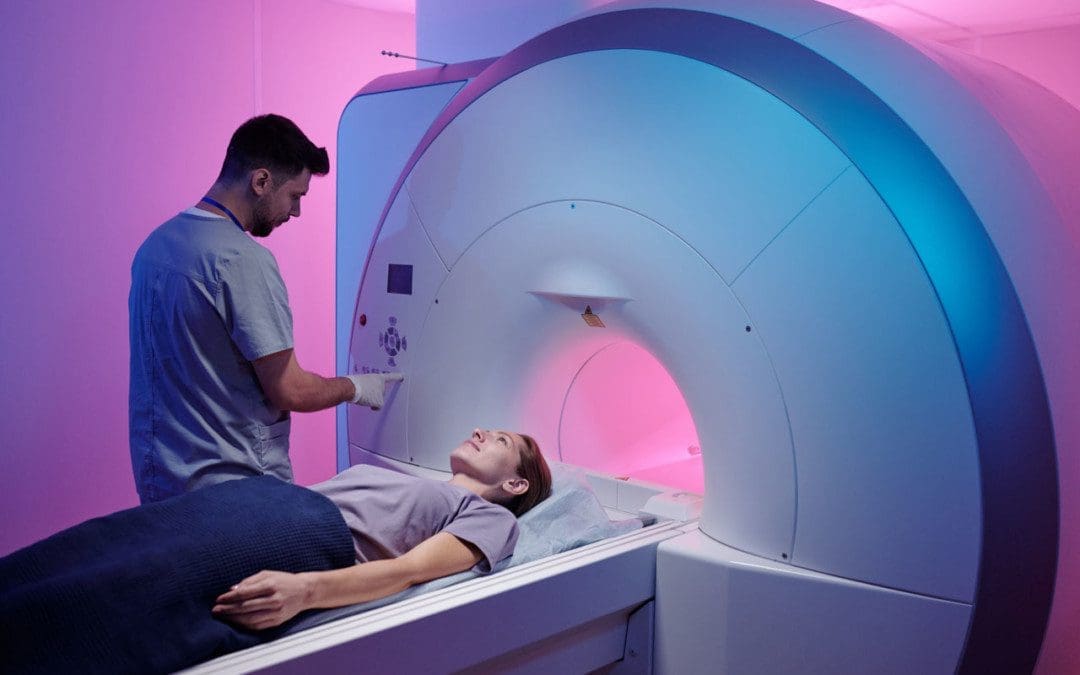
An MRI uses computer-generated imaging to produce images that show bone and soft tissues, like muscles, nerves, and tendons, and if they are compressed or irritated.
A healthcare professional and MRI technician will go over the safety requirements before the imaging.
Because the machine uses powerful magnets, there can be no metal on or in the body, like implanted prostheses or devices that include:
A different imaging test may be used if an individual cannot have an MRI like a CT scan.
An MRI can range from several minutes to an hour or longer, depending on how many positions are necessary to isolate the injured area and get a clear image. The test is painless, but sometimes individuals are asked to maintain a specific position that could be uncomfortable. The technician/s will ask if there is discomfort and offer any help to make the experience as easy as possible.
Treatment
Not all cases of stenosis cause symptoms, but there are treatment options that a healthcare professional can recommend.
Conservative care is the first recommendation that includes chiropractic, decompression, traction, and physical therapy.
Treatment increases muscle strength, improves range of motion, improves posture and balance, decreases discomfort symptoms, and incorporates strategies to prevent and manage symptoms.
Prescription medications could be part of a larger treatment plan.
Surgery could become an option in more severe cases where conservative care is not working.
Spinal Stenosis
References
Database of Abstracts of Reviews of Effects (DARE): Quality-assessed Reviews [Internet]. York (UK): Centre for Reviews and Dissemination (UK); 1995-. Diagnosis of lumbar spinal stenosis: an updated systematic review of the accuracy of diagnostic tests. 2013. Available from: https://www.ncbi.nlm.nih.gov/books/NBK142906/
Ghadimi M, Sapra A. Magnetic Resonance Imaging Contraindications. [Updated 2022 May 8]. In: StatPearls [Internet]. Treasure Island (FL): StatPearls Publishing; 2022 Jan-. Available from: https://www.ncbi.nlm.nih.gov/books/NBK551669/
Gofur EM, Singh P. Anatomy, Back, Vertebral Canal Blood Supply. [Updated 2021 Jul 26]. In: StatPearls [Internet]. Treasure Island (FL): StatPearls Publishing; 2022 Jan-. Available from: https://www.ncbi.nlm.nih.gov/books/NBK541083/
Lurie, Jon, and Christy Tomkins-Lane. “Management of lumbar spinal stenosis.” BMJ (Clinical research ed.) vol. 352 h6234. 4 Jan. 2016, doi:10.1136/bmj.h6234
Stuber, Kent, et al. “Chiropractic treatment of lumbar spinal stenosis: a review of the literature.” Journal of chiropractic medicine vol. 8,2 (2009): 77-85. doi:10.1016/j.jcm.2009.02.001
Claudication is muscle pain that presents when the body is active and stops when the body is at rest, also known as intermittent claudication. Individuals typically report dull aching, cramping, tingling, and/or numbness. Vascular claudication is caused by circulatory problems like poor blood circulation and peripheral artery disease. Still, spinal conditions can also cause neurogenic claudication caused by problems with the spine and nervous system.
Neurogenic Claudication
Sciatica is the usual suspect when thigh, hip, buttock, calf, or total leg pain or other sensations are present; however, it could be spinal stenosis with neurogenic claudication. Spinal stenosis is sometimes called pseudo claudication, a narrowing of the space around the low back, which can put pressure on the spinal cord directly and compress the blood vessels around the spine, cutting off oxygen-carrying blood. Pain can start in the lower back and circulate down the legs and cause weakness, tingling, or numbness in the legs and feet. The most common areas of spinal compression include:
The foramen are the openings on the sides of the spine where nerves exit and connect to the peripheral nervous system.
The narrowing can occur in any of these areas, with the most common cause being lumbar spinal stenosis brought on by lumbar degenerative disease.
Symptoms
The most common symptoms of neurogenic claudication include:
Pain in the lower extremities, including the buttocks, thighs, and calf, only manifests with activities like walking or standing around.
Pain that shows up equally on both sides.
There is no pain when sitting or not walking around.
Radiculopathy or nerve pain that radiates down an affected limb. Sciatica is a typical example.
However, the symptoms of claudication and radiculopathy are different.
Claudication will be felt all along the length of the nerve.
Radiculopathy pain is more localized to the buttock, thighs, and calves and can get worse with activity and is generally present even when at rest.
Treatment
Non-surgical treatment of neurogenic claudication includes medication to help control pain, chiropractic manual therapy, non-surgical spinal decompression, physical rehabilitation therapy, and steroid shots to reduce inflammation. A doctor will recommend stretching, strengthening exercises, and types of activities to help improve the body’s ability to support itself. This could include swimming, walking, and stationary cycling. However, conservative treatment might not be an option for individuals with more severe cases. If conservative treatment options don’t work, surgery could be recommended. A healthcare provider can help explain treatment options. Successful outcomes have been seen in cases that are diagnosed and treated early.
Non-Surgical Spinal Decompression Chiropractor
References
Colak, Ahmet, et al. “A less invasive surgical approach in the lumbar lateral recess stenosis: a direct approach to the medial wall of the pedicle.” The European spine journal: official publication of the European Spine Society, the European Spinal Deformity Society, and the European Section of the Cervical Spine Research Society vol. 17,12 (2008): 1745-51. doi:10.1007/s00586-008-0801-z
Munakomi S, Foris LA, Varacallo M. Spinal Stenosis And Neurogenic Claudication. [Updated 2022 Feb 12]. In: StatPearls [Internet]. Treasure Island (FL): StatPearls Publishing; 2022 Jan-. Available from: https://www.ncbi.nlm.nih.gov/books/NBK430872/
The lower half of the body consists of the low back, hips, legs, and feet to stabilize the upper body. The motor-sensory function helps the lower portion of the body move the leg muscles and sense when the lower back muscles are in pain. The lower back muscles help twist and turn the upper body without feeling discomfort or pain when it is in motion. Many ordinary factors put the lower back muscles to the test, which can become a nuisance later on if not treated right away. Factors like lifting and carrying heavy objects, being hunched over, and injuries can affect the lower back while causing immense pain to the lumbar spine. When injuries occur in the lower back, unwanted symptoms start to take effect, causing the individual to suffer and find some relief to alleviate the pain. Today’s article will focus on what causes lumbar stenosis, how it is associated with low back pain, and how traction therapy can help alleviate lumbar stenosis for many people. Patients are referred to qualified, skilled providers who specialize in spinal decompression and traction therapy. We go hand in hand with our patients by referring them to our associated medical providers based on their examination when it’s appropriate. We find that education is valuable for asking critical questions to our providers. Dr. Jimenez DC provides this information as an educational service only. Disclaimer
Can my insurance cover it? Yes, it may. If you are uncertain, here is the link to all the insurance providers we cover. If you have any questions or concerns, please call Dr. Jimenez at 915-850-0900.
What Causes Lumbar Stenosis?
Experiencing mild to chronic pain in your lower back? Do you feel unstable when walking or running to your destination? Or have you experienced symptoms of muscle weakness or tenderness around your lower back? Many of these symptoms are caused by lumbar spinal stenosis. Research studies have defined lumbar stenosis as intervertebral spinal discs in the lumbar regions starting to degenerate naturally, causing the lower extremities to become hypermobile around the facet joints. When this happens to the spinal joint over time, it causes a reduction in the spinal canal, making the nerve roots that surround the spine irritated. Lumbar stenosis will gradually worsen as the pain symptoms range from mild to severe. Other research studies have shown that lumbar stenosis is caused due to natural aging in the spine that causes the degeneration process, thus leading to pain symptoms associated with stenosis.
How Low Back Pain Is Associated With Stenosis?
Research studies have found that lumbar stenosis is associated with leg and back pain when a person has lumbar stenosis, a common source in the lower back. Other back issues and symptoms are also playing an effect on the development of lumbar stenosis. Degenerative spondylosis causes an increased load on the posterior portions of the spine where the hips are located at. Additional research studies have shown that many suffering individuals will exhibit various symptoms associated with lumbar stenosis. Some of the signs that lumbar spinal stenosis does include:
Neurogenic claudication
Radiating pain in the lower limbs (buttock, legs, and feet)
Decrease sensory functions
Severe pain in posture stance
Increase chances of falling down
An Overview On Lumbar Traction-Video
Feeling radiating pain in your lower limbs? Do you feel muscle stiffness or tenderness in certain parts of your lower back? Have you experienced severe pain from standing or sitting for too long? Having lumbar spinal stenosis is no laughing matter for your lower back. The pain can become excruciating if it isn’t being taken care of, and that is where lumbar traction can help. The video above explains why lumbar traction is terrific when dealing with low back pain and lumbar stenosis. Lumbar traction helps loosen the tense muscles and resets the spinal discs that aggravate the nerve roots. Lumbar traction also provides relief to individuals suffering from sciatic nerve pain and can help rehydrate the dry intervertebral discs in the body. This link will explain what lumbar traction therapy offers and the impressive results for many individuals who suffer from lumbar spinal stenosis or other low back pain issues
How Traction Therapy Helps Alleviate Lumbar Stenosis
Many individuals looking for treatments that can help alleviate lumbar stenosis and low back can try lumbar traction therapy. Research studies have shown that traction therapy can help many suffering patients dealing with low back pain or lumbar stenosis will have a decrease in radicular pain in their lower back and legs. Lumbar traction helps relieve the surrounding nerves’ aggravated pressure, and radiculopathy symptoms are decreased in the lower back. Other research studies have mentioned that lumbar traction can help widen the spinal disc space in the spine while reducing low back pain and causing the sensory-motor functions to return to the legs. Lumbar traction therapy has many beneficial results for lower back pain relief for individuals.
Conclusion
Living with low back pain or lumbar stenosis is not a laughing matter for a person’s health. Overall, experiencing low back pain is no joke when associated with other symptoms like lumbar spinal stenosis. Lumbar stenosis causes the spinal canal to become narrow, and it can press on the surrounding nerve roots in the lumbar region. Many individuals who suffer from lumbar stenosis will have a wide range of pain in their lower extremities while feeling unstable when they are moving. When this happens, therapies like lumbar traction can help decompress the affected nerve roots and help widen the spinal canal and discs back to their original state. Incorporating traction and decompression therapy to alleviate low back pain can do many wonders for the individual.
Harte, Annette A, et al. “The Effectiveness of Motorised Lumbar Traction in the Management of LBP with Lumbo Sacral Nerve Root Involvement: A Feasibility Study.” BMC Musculoskeletal Disorders, BioMed Central, 29 Nov. 2007, https://www.ncbi.nlm.nih.gov/pmc/articles/PMC2217540/.
Lee, Byung Ho, et al. “Lumbar Spinal Stenosis: Pathophysiology and Treatment Principle: A Narrative Review.” Asian Spine Journal, Korean Society of Spine Surgery, Oct. 2020, https://www.ncbi.nlm.nih.gov/pmc/articles/PMC7595829/.
Lee, Seung Yeop, et al. “Lumbar Stenosis: A Recent Update by Review of Literature.” Asian Spine Journal, Korean Society of Spine Surgery, Oct. 2015, https://www.ncbi.nlm.nih.gov/pmc/articles/PMC4591458/.
Vanti, Carla, et al. “Vertical Traction for Lumbar Radiculopathy: A Systematic Review.” Archives of Physiotherapy, BioMed Central, 15 Mar. 2021, https://www.ncbi.nlm.nih.gov/pmc/articles/PMC7958699/.
Wu, Lite, and Ricardo Cruz. “Lumbar Spinal Stenosis – Statpearls – NCBI Bookshelf.” In: StatPearls [Internet]. Treasure Island (FL), StatPearls Publishing, 25 Aug. 2021, https://www.ncbi.nlm.nih.gov/books/NBK531493/.
IFM's Find A Practitioner tool is the largest referral network in Functional Medicine, created to help patients locate Functional Medicine practitioners anywhere in the world. IFM Certified Practitioners are listed first in the search results, given their extensive education in Functional Medicine