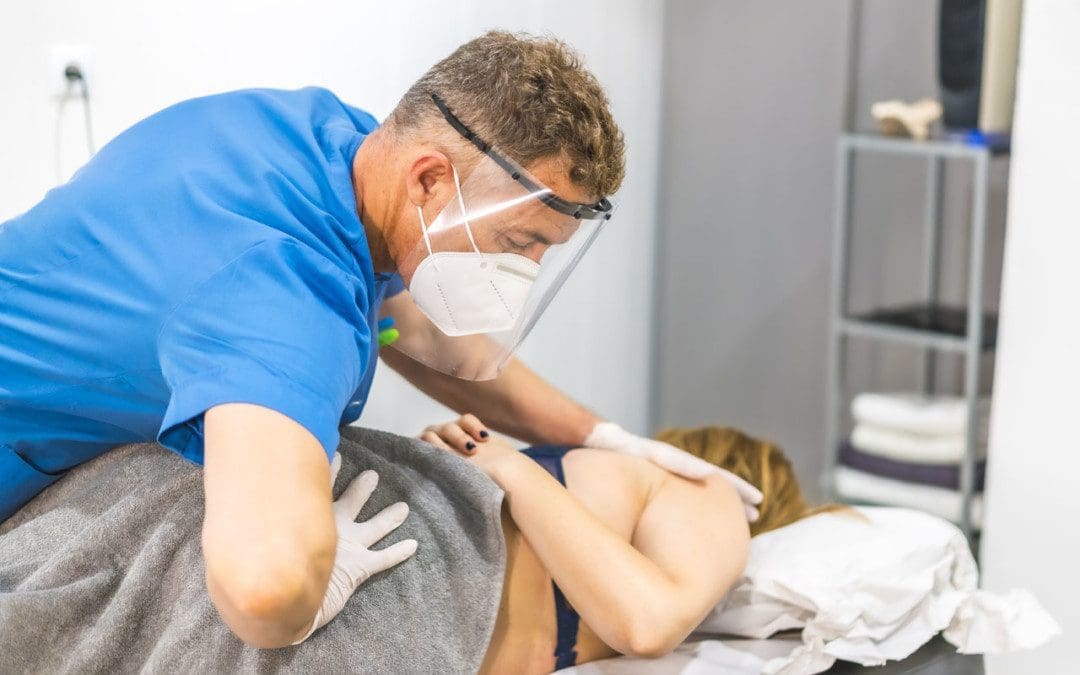
Golfing Back Injuries: Golf is an enjoyable game that can be played at all ages. It involves the foundation of the body’s range of motion, the spine. Because of the repetitive nature of a golfer’s unique swing, the repetitive rotating/twisting of the spine slowly degrades the integrity of the spinal discs causing them to bulge, herniate, or rupture. The slightest shift causing misalignment can leave the spine vulnerable to further injury. Non-surgical motorized decompression combined with chiropractic musculoskeletal adjustments can restore and maintain optimal health.
Golfing Back Injuries
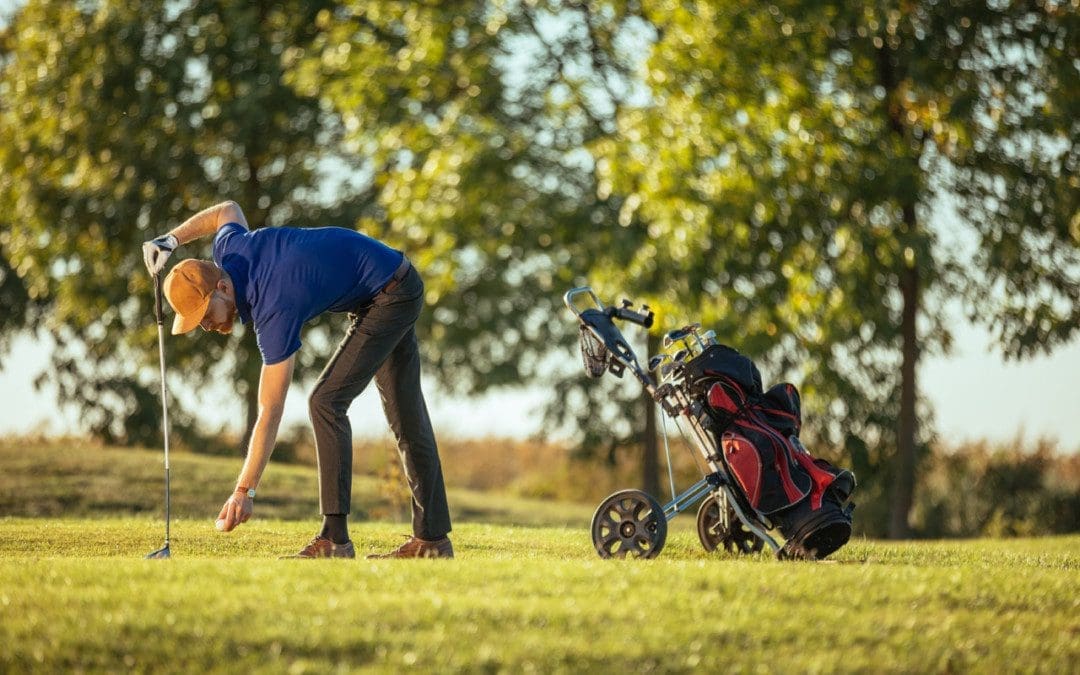
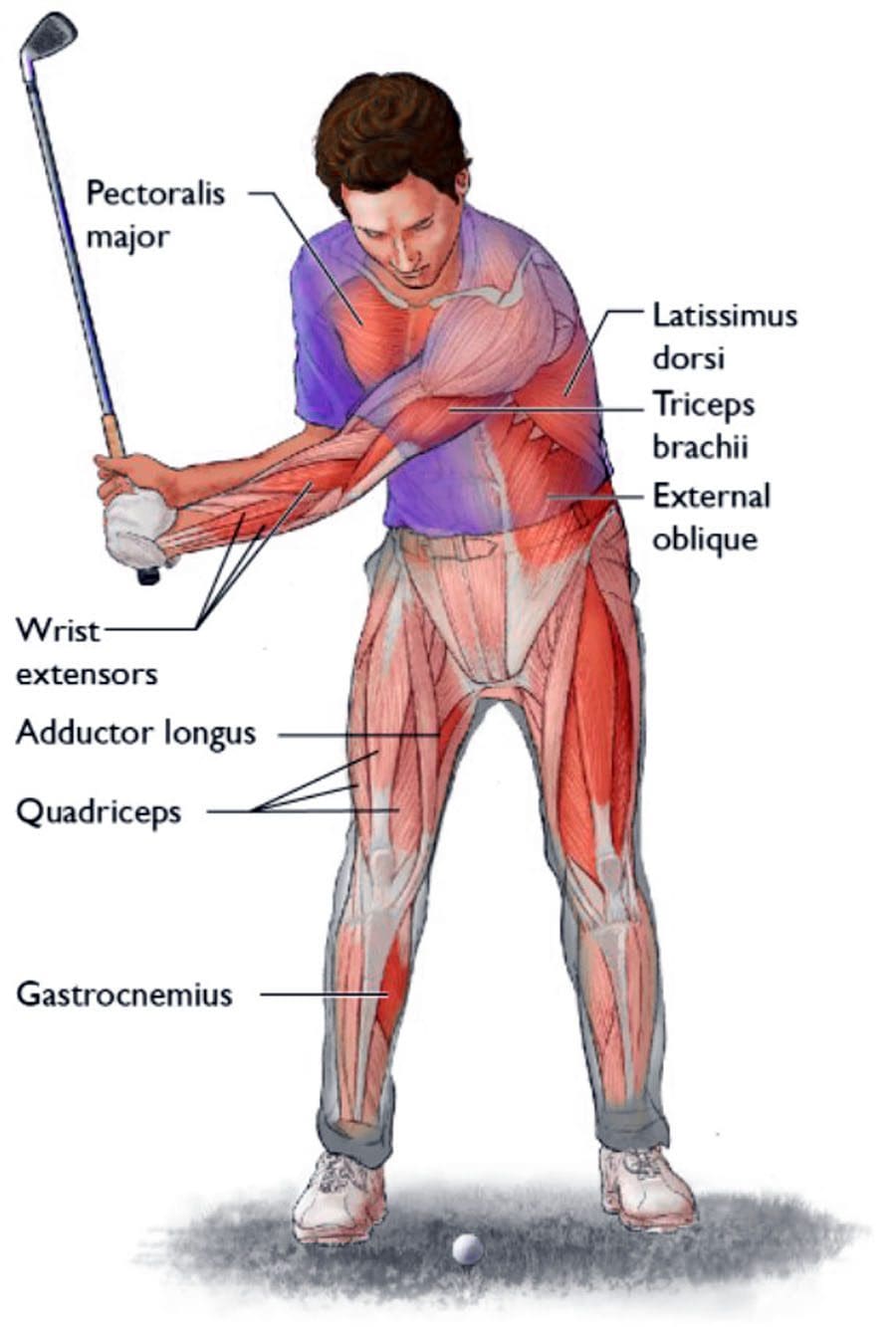
Golfing involves muscle memory. Going through the walk, bending to tee the ball, recoiling for the swing, swinging and following through, walking to the hole, and bending down to retrieve the ball are all repetitive motions that can lead to:
Soreness
Inflammation
Back, hip, leg, and foot pain.
Strains
Other injuries to the muscles and discs.
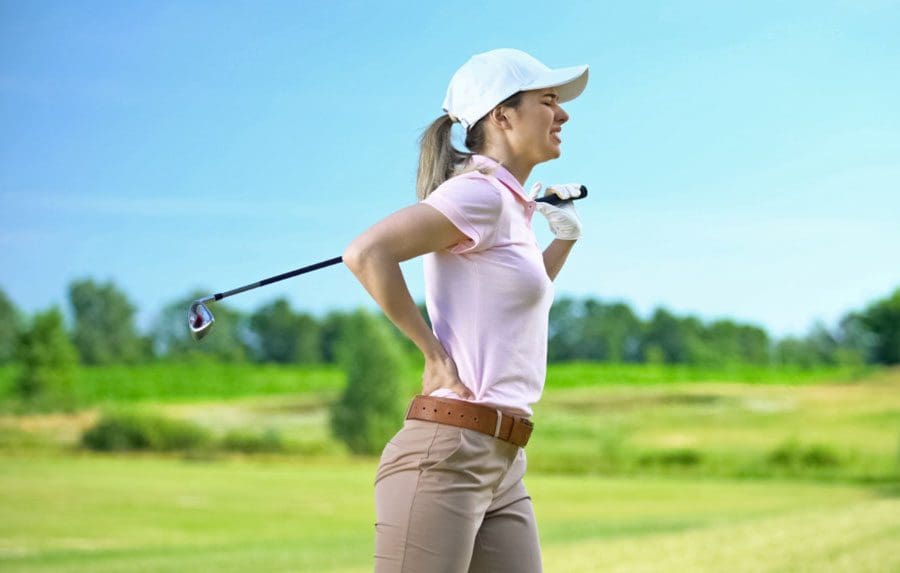
The bending and twisting are the least tolerated motions by the spine. More than half of injuries sustained involve the back and/or neck. Having the spine correctly aligned is vital to retaining accuracy, power, and injury prevention. Common injuries include:
Sacroiliac Joint/SI Joint Dysfunction
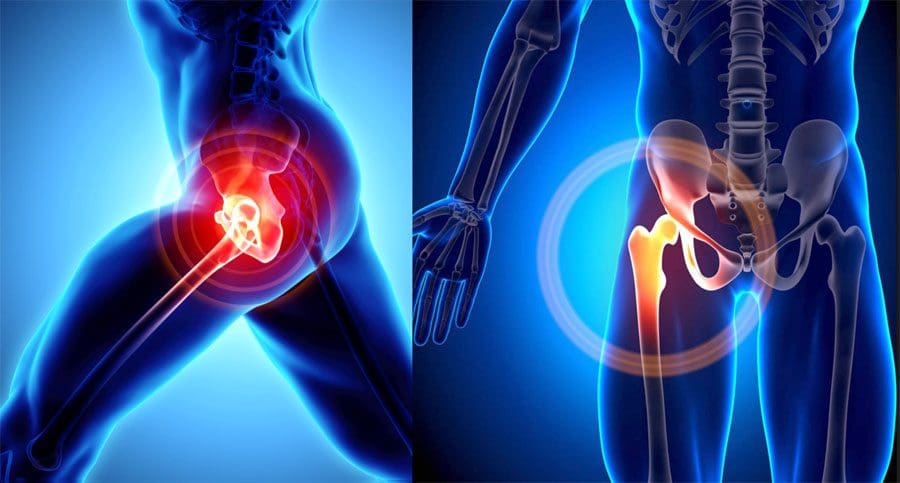
The sacroiliac joint is located between the spine and the hip. Symptoms of sacroiliac joint pain include:
Low back pain.
Hip pain
Pain in the buttocks.
Pain radiating down the legs.
Groin pain
Pelvis pain
Burning sensation in the pelvis.
Numbness and weakness in the pelvis and legs.
SI Joint Pain Causes
The sacroiliac joint requires supported stability when transferring a load from the torso to the legs, specifically during the swing.
If there is compression, misalignment, or weakness, the motion will begin to wear away this stability and leave the sacroiliac joint open to further injury.
Sacroiliac joint injuries often occur from minor multi-incidents and not one major trauma.
With time the SI joint becomes misaligned, exposing the cartilage between joints, causing inflammation known as Sacroiliitis.
Facet Joint Syndrome
The facet joints are located between two vertebrae, allowing the ability to bend and twist.
Healthy facet joints have cartilage all around them, allowing the vertebrae to move smoothly in all directions.
Facet joint syndrome causes pain between the vertebrae.
Facet Joint Syndrome Causes
The leading cause of facet joint syndrome is excessive and repetitive swing movement.
Misalignment can expose and irritate the joints, causing pain, swelling, and inflammation.
Multi-micro-traumas and not one major trauma are often the cause of injury/s.
Muscle spasms are common.
Symptoms
Highly reduced range of motion
Muscle pain
Numbness
Weakness
Cervical Facet Syndrome affects the neck, shoulders, arms, and hands.
Lumbar Facet Syndrome affects the buttocks, legs, and feet.
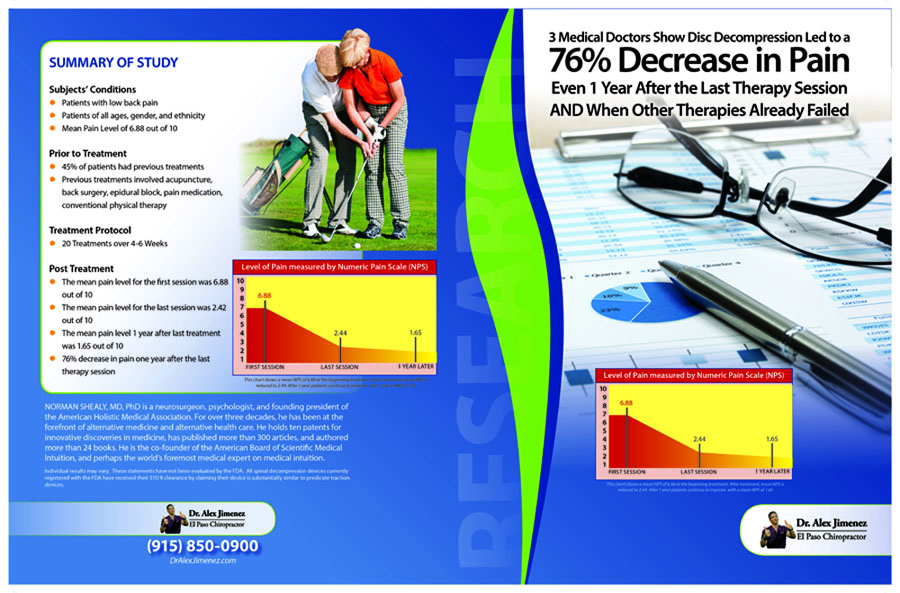
The treatment is computer-controlled to provide gentle and painless decompression.
The therapist enters the program cycle.
The decompression table goes through brief moments of pulling and relaxing.
The spine’s bones are stretched slowly and methodically.
As the vertebrae are separated, a vacuum is formed, pulling the gel-cushion center of the disc back inside, removing the pressure on the spinal nerves and alleviating pain and disability.
The vacuum also draws oxygen and nutrients into the injured and degenerated discs to optimize healing.
DRX 9000
Long Term Success
References
Cole, Michael H, and Paul N Grimshaw. “The Biomechanics of the Modern Golf Swing: Implications for Lower Back Injuries.” Sports medicine (Auckland, N.Z.) vol. 46,3 (2016): 339-51. doi:10.1007/s40279-015-0429-1
Dydyk, Alexander M., et al. “Sacroiliac Joint Injury.” StatPearls, StatPearls Publishing, 4 August 2021.
Hosea, T M, and C J Gatt Jr. “Back pain in golf.” Clinics in sports medicine vol. 15,1 (1996): 37-53.
Lindsay, David M, and Anthony A Vandervoort. “Golf-related low back pain: a review of causative factors and prevention strategies.” Asian journal of sports medicine vol. 5,4 (2014): e24289. doi:10.5812/asjsm.24289
Smith, Jo Armour, et al. “Risk Factors Associated With Low Back Pain in Golfers: A Systematic Review and Meta-analysis.” Sports health vol. 10,6 (2018): 538-546. doi:10.1177/1941738118795425
Whenever stepping out onto a playing field or gym, there is a risk of suffering sports back injuries. Back pulls, strain and sprain injuries are the most common. Low back pain is one of the most prevalent complaints at all levels of competition. 90% of these acute back injuries will heal on their own, usually in about three months. However, sometimes these injuries can be more severe and require professional medical care. Treatment options for different groups of athletes include nonsurgical motorized spinal decompression.
Sports Back Injuries
Injury mechanisms vary from sport to sport, but there are recommendations regarding spinal decompression treatment for these injuries and return to play. Chiropractic healthcare specialists understand the sport-specific injury patterns and treatment guidelines for athletes following a back injury. Spinal decompression treatments are beneficial and result in higher rates of return to play depending on the specific sport of the injured athlete. A chiropractor will create a personalized spinal decompression treatment plan for the sport-specific context to meet the athlete’s short and long-term needs.
An estimated 10–15% of athletes will experience low back pain.
All types of sports place increased stress on the lumbar spine through physically demanding and repetitive movements/motions.
The repetitive shifting, bending, twisting, jumping, flexion, extension, and spinal axial loadingmotions contribute to low back pain even though the athletes are in top shape with increased strength and flexibility.
Injury patterns demonstrate the increased stresses that athletes place on the lumbar spine.
Common Spine Sports Injuries
Cervical Neck Injuries
Stingers are a type of neck injury.
A stinger is also known as a burner is an injury that happens when the head or neck gets hit to one side, causing the shoulder to be pulled in the opposite direction.
These injuries manifest as numbness or tingling in the shoulder from stretching or compressing the cervical nerve roots.
Lumbar Lower Back Sprains and Strains
When trying to lift too much weight or using an improper lifting technique when working out with weights.
Fast running, quick stopping, and shifting can cause the low back and hip muscles to get overly pulled/stretched.
Staying low to the ground and springing/jumping up can cause abnormal stretching or tearing of the muscle fibers.
Fractures and Injuries to the Supporting Spinal Structures
In sports that involve repetitive extension movements, spinal stress fractures are relatively common.
Excessive and repeated strain to the spinal column area leads to low back pain and injury.
Nonsurgical Spinal Decompression
Nonsurgical spinal decompression is motorized traction that is used to relieve compression pressure, restore spinal disc height, and relieve back pain.
Spinal decompression works to gently stretch the spine changing the force and position of the spine.
The gel-like cushions between the vertebrae are pulled to open up the spacing taking pressure off nerves and other structures.
This allows bulging or herniated discs to return to their normal position and promotes optimal circulation of blood, water, oxygen, and nutrient-rich fluids into the discs to heal, as well as, injured or diseased spinal nerve roots.
DRX 9000 Decompression
References
Ball, Jacob R et al. “Lumbar Spine Injuries in Sports: Review of the Literature and Current Treatment Recommendations.” Sports medicine – open vol. 5,1 26. 24 Jun. 2019, doi:10.1186/s40798-019-0199-7
Jonasson, Pall et al. “Prevalence of joint-related pain in the extremities and spine in five groups of top athletes.” Knee surgery, sports traumatology, arthroscopy: official journal of the ESSKA vol. 19,9 (2011): 1540-6. doi:10.1007/s00167-011-1539-4
Lawrence, James P et al. “Back pain in athletes.” The Journal of the American Academy of Orthopaedic Surgeons vol. 14,13 (2006): 726-35. doi:10.5435/00124635-200612000-00004
Petering, Ryan C, and Charles Webb. “Treatment options for low back pain in athletes.” Sports health vol. 3,6 (2011): 550-5. doi:10.1177/1941738111416446
Sanchez, Anthony R 2nd et al. “Field-side and prehospital management of the spine-injured athlete.” Current sports medicine reports vol. 4,1 (2005): 50-5. doi:10.1097/01.csmr.0000306072.44520.22
The hips are highly active joints. Hip sprains are rare but do occur. A hip sprain is caused by tearing or stretching the ligaments that surround the hip and join the bones to each other. This is different from a hip strain, which is an injury to the muscles and is generally caused by over-use of the hip flexor muscles and tendons, causing them to tear. Hip sprains usually happen after a fall or a sudden twisting motion, which can occur during sports or an accident.
Individuals involved in sports that require quick stops, body shifting, and sudden direction changes, like soccer, football, basketball, tennis, volleyball, etc., have an increased risk. Most hip sprains can be effectively treated with conservative treatments like self-massage, rest, ice, and nonsteroid anti-inflammatory medications. For more severe cases, physical therapy and chiropractic can treat the condition.
Hip Sprain Symptoms
Tenderness in the hip increases when lifting the thigh.
Cramping sensation/s in the muscles of the upper leg.
Swelling in the hip or thigh
Bruising in the hip or thigh.
Sudden pain in the hip or pelvis.
Sharp pain in the hip or pelvis.
Pain that worsens when walking, running, or stretching the hip muscles.
Loss of strength in the front of the groin.
Tugging or pulling sensation.
Limping.
Diagnosis
The doctor or chiropractor will:
Look into medical history.
Inquire about symptoms.
Inquire about activities that could cause symptoms.
Perform a physical examination.
Ask the individual to perform a variety of movements to determine what type of injury has been sustained.
Pain in one or both hips might not have anything to do with the hips but a pinched nerve root in the lower back.
Sciatica can develop when certain nerve roots in the lower back are irritated or compressed, causing symptoms to travel down the sciatic nerve and radiate around the pelvis and leg.
X-rays can help rule out hip stress fractures, which can have similar symptoms.
MRI or CT scans are used to see if any soft tissue damage has occurred.
Hip Sprain Treatment
Treatment usually begins with over-the-counter pain medications and anti-inflammatories to reduce swelling and relieve pain.
Resting the hip will help prevent further damage.
Applying ice will help prevent tissue damage and reduce swelling.
It is recommended to use an ice pack several times a day for the first 48 hours after an injury.
Once the swelling goes down, a chiropractor and physical therapy team will create a personalized treatment plan that includes:
Adjustments.
Exercise therapy.
Posture training.
Stretching.
Massage.
Treatment/Rehabilitation Objectives
Reduce inflammation.
Relax muscle spasms.
Strengthen weakened muscles.
Improve joint mobility.
Individuals will be shown how to prevent the risk of sprains in the future. This includes:
Avoiding exercising when the body is tired
Wearing proper footwear and protective equipment
Warming up properly before exercise/physical activities.
Depending on the severity of the sprain, surgery could be the last resort to repair the ruptured or torn ligaments.
Body Composition
Realistic Goals
Not seeing results after putting in the work through exercise and diet can be frustrating. Setting realistic goals can help when results are not showing.
Realistic Fat Loss
Do not expect actual fat loss without being in a caloric deficit.
The body needs to use more energy than the amount of food/energy taken in; otherwise, excess energy/food gets stored, primarily as adipose tissue.
There are caloric deficit variations, but most doctors, dieticians, trainers, and fitness experts agree that a caloric deficit of around 500 calories a day that equals to about 3,500 calories a week will result in a pound of fat loss per week.
One pound of fat a week lost might seem slow, but the one pound of fat is a real pound removed.
The long-term goal is not to fall back into unhealthy habits and develop and maintain new healthy ones.
References
Brantingham JW, Globe GA, Cassa TK, et al. A single-group pretest posttest design using full kinetic chain manipulative therapy with rehabilitation in the treatment of 18 patients with hip osteoarthritis. Journal of Manipulative and Physiological Therapy 2012; 33(6): 445-57.
Kamali, Fahimeh and Esmaeil Shokri. The effect of two manipulative therapy techniques and their outcome in patients with the sacroiliac joint syndrome. Journal of Bodywork and Movement Therapies. 2012; 16: 29-35.
McMorland G, Suter E, Casha S, du Plessis SJ, Hurlbert RJ. Manipulation or microdiscectomy for sciatica? A prospective randomized clinical study. Journal of Manipulative and Physiological Therapeutics. 2010; 33(8): 576-584.
Tibor, Lisa M, and Jon K Sekiya. “Differential diagnosis of pain around the hip joint.” Arthroscopy: the journal of arthroscopic & related surgery: official publication of the Arthroscopy Association of North America and the International Arthroscopy Association vol. 24,12 (2008): 1407-21. doi:10.1016/j.arthro.2008.06.019
Wedro, Benjamin. “Hip Pain: Causes, Symptoms, Treatment Information and Diagnosis-eMedicineHealth.” http://www.emedicinehealth.com/hip_pain/article_em.htm.
Sports-specific performance training is an approach to develop an athlete’s full potential in their sport. This involves three different factors: physical, technical, and experience. Physical ability is the exercise physiology that consists of strengthening and conditioning the body to handle the conditions of the sport. This includes:
Strength
Power
Speed
Endurance
Mobility
Stability
Flexibility
Balance
Technical ability involves the skill sets needed for the sport. This includes:
Running
Jumping
Kicking
Throwing
Catching
Hitting
Sliding
And finally is the athlete’s experience. This takes the knowledge, combined with the physical and technical abilities brought together to perform at optimum levels. However, it all begins with physical ability that needs to be developed. Even naturally gifted individuals need to develop their physical ability.
Sports Specific Performance Training
Strength & conditioning objectives are to develop the whole athlete. This involves:
An athlete’s health takes into consideration their body composition and current or past injuries. Along with injuries, the athlete’s mobility, flexibility, and stability are examined to determine if these were among the contributors or conditions that caused or could lead to an injury. Strength & conditioning is used so an athlete can return to play and allow them to be more resilient to injuries. Maintaining the body’s health means:
Keeping track of nutrition by making healthy food choices.
Maintaining proper hydration levels.
Allowing the body to recover from training thoroughly.
Keeping the body loose and flexible through chiropractic sports massage or a personal training therapist.
Stability is the coordination of muscle action that allows a joint to remain in the proper position during movement.
If an athlete is mobile and flexible but not stable, it increases the risk of sustaining an injury. The same can be said of an athlete with stability but limited mobility.
Athletic Mindset
An athlete’s mindset can win or lose games.
Athletes are encouraged to push themselves to see what they are capable of, which relies on mental strength.
Athletes that doubt their ability become their own worst critics and hold themselves in low self-esteem tend to underperform or become overly cautious when competing.
This is where a sports psychologistcan help an athlete overcome any confidence issues.
Athleticism
Developing athleticism involves strength, power, speed. These physical attributes allow athletes to perform within their technical and strategical abilities.
It is recommended to spend 10-15 minutes warming up with each sports-specific performance training session. The warm-up:
Speed training addresses linear, lateral, and multi-directional speed. The objective is to keep athletes learning and developing better reaction skills while maintaining high-quality movement. Speed training can last 10 to 15-minutes with the number of repetitions.
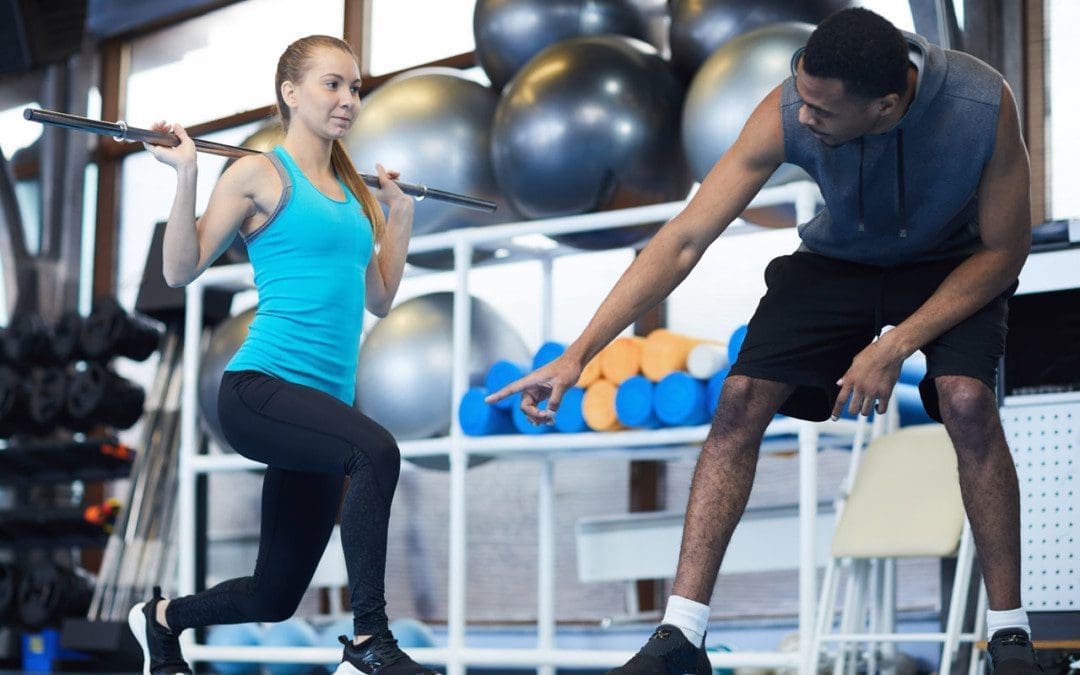
Strength training follows an individualized system for each athlete based on an initial evaluation. The objective is to eliminate any weaknesses that an individual may have and develop functional strength, giving the athlete the ability to take that strength onto the field, court, mat, etc.
It is essential to understand how the body moves. Kinesiologyand programming parameters involve – sets, repetitions, overall training volume, and the body’s response to the stimulus.
Body Composition
Exercise and Blood Pressure
Blood pressure typically rises naturally as the body ages. The American Heart Association recommends individuals get at least 150 minutes of moderate-intense aerobic exercise or 75 minutes of vigorous aerobic activity each week. This can be split up into 30 minutes per day on at least five days a week or in 10 minute short sessions throughout the day. Aerobic exercise can include:
Walking
Dancing
Running
Cycling
Hiking
Swimming
Resistance Training
Research suggests that resistance training with bands or weights can supplement aerobic exercise to reduce blood pressure. It is recommended to complete 2 to 4 sets of 8 to 12 repetitions for each major muscle group during workouts. It is recommended that resistance training be spaced out throughout the week to limit the potential muscle soreness that can lead to injury. Resistance training can include:
Weight machines like chest press, shoulder press, etc.
Bahr, R, and T Krosshaug. “Understanding injury mechanisms: a key component of preventing injuries in sport.” British journal of sports medicine vol. 39,6 (2005): 324-9. doi:10.1136/bjsm.2005.018341
Iaia, F Marcello et al. “High-intensity training in football.” International journal of sports physiology and performance vol. 4,3 (2009): 291-306. doi:10.1123/ijspp.4.3.291
Jeukendrup, Asker E. “Periodized Nutrition for Athletes.” Sports medicine (Auckland, N.Z.) vol. 47,Suppl 1 (2017): 51-63. doi:10.1007/s40279-017-0694-2
Kraemer, William J, and Nicholas A Ratamess. “Fundamentals of resistance training: progression and exercise prescription.” Medicine and science in sports and exercise vol. 36,4 (2004): 674-88. doi:10.1249/01.mss.0000121945.36635.61
Nagorsky, Eugen, and Josef Wiemeyer. “The structure of performance and training in esports.” PloS one vol. 15,8 e0237584. 25 Aug. 2020, doi:10.1371/journal.pone.0237584
Sports chiropractic athletes: A sports chiropractor is a specialist that works with athletes to improve their performance. These doctors specialize in assessing and treating sports injuries. Treatment also prevents future damage/injury by providing a customized rehabilitation, strengthening, flexibility, and mobility program, that includes:
Exercise prescription
Ergonomic recommendations
Health coaching/counseling
Therapeutic sports massage
Sports chiropractic deals with preventing, diagnosing, and treating sports-athletic-based injuries to muscles, tendons, ligaments, and joints. Sports chiropractors have extensive training in evaluating muscular-skeletal problems related to sports participation overuse. Diagnosis is acquired through:
Chiropractors are masters of the human body and trained to use advanced diagnostics tools. A sports chiropractor evaluates individuals from all levels of sports and fitness, including:
Athletes – professional or recreational
Weekend warriors
Military personnel
The objective is to identify musculoskeletal problems related to sporting activity or overuse, alleviate pain, rehabilitate, and strengthen to prevent future injury. They can diagnose and treat sports-related injuries from common overuse injuries like:
Hip pain from frequently running on pavement.
Shoulder pain from damage caused by continued overhead throwing or hitting.
Low back and leg issues from twisting, bending, jumping, and reaching.
Balance
Athletes need a healthy balance of endurance, strength, and structure. Through biomechanics training, sports chiropractic restores the body’s natural balance and proper function. The goal is to get the athlete re-engaged and protected against further injury and play without any problems or limitations. Sports chiropractic athletes can return in a short amount of time from injuries that include:
Torn ACLs
MCL Sprain
Ankle Sprain
Achilles Tendonitis
Rotator cuff tears
Quadriceps Strains
Hamstrings Strains
Shin Splints
Sports Hernia
Neck Pain
Back Pain
Spondylolisthesis
Prevention Regimen
They can recommend prevention programs to prevent potential problems before an athlete gets hurt. A chiropractor will detect developing muscle imbalances before they turn into a chronic condition that can lead to damage to the rest of the body. Additional therapies include:
Massage
Hot/cold treatments
Ultrasound therapy
Low-level laser therapy
Adjustments, stretching, core training, therapeutic sports massage, health coaching, and nutritional counseling will strengthen the body, allowing for performing physical activities and sports at optimum levels.
Body Composition
Sports Performance
Working with sports chiropractic athletes means achieving a balance of lean mass to maintain sports performance and reduce the risk of injury. Athletes, doctors, and trainers monitor gains over time to maximize performance and watch for signs of potential injury. A method of monitoring for potential injury is the ECW/TBW Analysis. When training and engaging in sports, the body is under physical stress. The proper amount of rest and recovery are needed to allow muscles to recover and regrow. Inflammation is reflected in the ECW/TBW by monitoring changes over time. A steady increase can indicate a sign of overtraining or improper recovery. Monitoring this progression can alert doctors and trainers that an athlete needs a less intense workout or longer recovery to reduce the potential for overtraining injury.
References
Corcoran, Kelsey L et al. “Association Between Chiropractic Use and Opioid Receipt Among Patients with Spinal Pain: A Systematic Review and Meta-analysis.” Pain medicine (Malden, Mass.) vol. 21,2 (2020): e139-e145. doi:10.1093/pm/pnz219
Naqvi U, Sherman Al. Muscle Strength Grading. [Updated 2021 Sep 2]. In: StatPearls [Internet]. Treasure Island (F.L.): StatPearls Publishing; 2022 Jan-. Available from: https://www.ncbi.nlm.nih.gov/books/NBK436008/
Nelson, Luke et al. “A descriptive study of sports chiropractors with an International Chiropractic Sports Science Practitioner qualification: a cross-sectional survey.” Chiropractic & manual therapies vol. 29,1 51. 13 Dec. 2021, doi:10.1186/s12998-021-00405-1
Williams, Sean et al. “Kinesio taping in treatment and prevention of sports injuries: a meta-analysis of the evidence for its effectiveness.” Sports medicine (Auckland, N.Z.) vol. 42,2 (2012): 153-64. doi:10.2165/11594960-000000000-00000
Athletes or weekend warriors hate to be sidelined from an injury or physical limitation. This is where chiropractic medicine and physical therapy for athletes can strengthen the body for improved performance and injury prevention. Sports chiropractors and physical therapists are trained and certified professionals that have extensive knowledge of the musculoskeletal system, maintaining and rehabilitating the body. This includes:
Exercise science
Physiological factors
Nutrition
Sports psychology
Treatment techniques include:
Massage
Electrotherapy
Muscle strengthening
Water therapy
Core stability training
Sports medicine professionals include medical doctors, sports chiropractors, physical therapists, athletic trainers, and massage therapists. They are trained in:
Assessment and diagnosis
Treatment
Rehabilitation
Management
Referral
Health coaching
Injury prevention
Chiropractic physical therapists restore function and mobility, manage or alleviate pain, and return individuals to their lifestyle and athletes to their sport. They understand training demands and advise on injury prevention, relieving pain, and optimizing performance.
Performance Treatment
Chiropractors and physical therapists provide:
Pre and post-surgery consultation
Pre and post-surgery treatment
Pre and post-surgery exercise programs and rehabilitation therapy
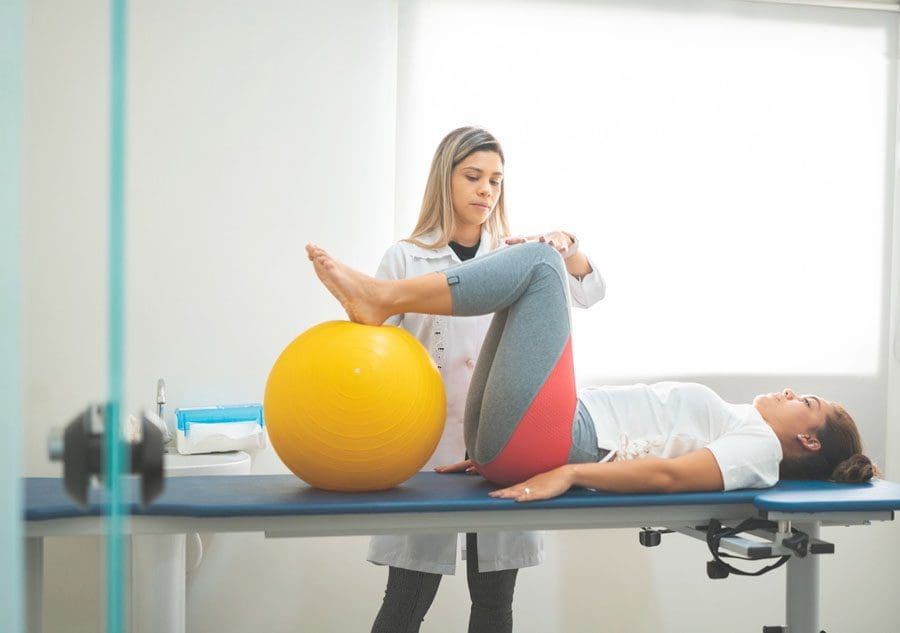
A chiropractic physical therapist will go through a series of examination routines to test and assess the body’s functionality and mobility, looking for areas of pain and weakness.
Personalized Treatment Plan
The analysis data helps to develop a customized treatment plan that looks at:
Weaknesses
Painful areas
Physical and positional demands of their specific sport.
Alleviate Pain
This is done through:
Therapeutic exercises
Manual techniques
Instrument-assisted manipulations with:
Percussive massagers
Ultrasound
Taping
Electrical stimulation
To relieve pain, restore muscle, and joint function.
Improve mobility
Stretching and strengthening exercises restore mobility.
Avoid Surgery and/or Expedite Recovery After Surgery
Effective physical therapy can eliminate the need for surgery, hasten recovery, and reduce healthcare costs.
Expedite rehabilitation and recovery post-surgery.
Prevention Techniques
Chiropractic physical therapy provides tools and exercises to maintain:
Strength
Balance
Fitness
To prevent new injuries or injury recurrence.
A customized chiropractic physical therapy program can help individuals return to a high level of performance from a team of professional chiropractors physical therapists. Individuals learn activities and lifestyle changes that will help prevent further injury and improve health and wellbeing.
Body Composition
Skipping Rest Days
Not listening to the body and taking time to recover can have serious consequences. When the body is not allowed to rest, recovery inflammation is not given the time to heal. This can lead to injuries, a weakened immune system, and the potential for muscle mass loss. During periods of intense stress, like an intense workout, the body’s immune system does not fully function. This means the body is compromised when fighting germs and viruses and constantly taking medications. This is why prioritizing rest is necessary. Another side effect of skipping rest days is burnout. Burnout is the feeling that anything is better than working out. It typically happens when individuals forget or choose not to take time off and rest for life outside of fitness.
References
Cullen, Michael-Flynn L et al. “Passive Recovery Strategies after Exercise: A Narrative Literature Review of the Current Evidence.” Current sports medicine reports vol. 20,7 (2021): 351-358. doi:10.1249/JSR.0000000000000859
Levy, Emily, and Thomas Chu. “Intermittent Fasting and Its Effects on Athletic Performance: A Review.” Current sports medicine reports vol. 18,7 (2019): 266-269. doi:10.1249/JSR.0000000000000614
Reinke, Simon et al. “The influence of recovery and training phases on body composition, peripheral vascular function and immune system of professional soccer players.” PloS one vol. 4,3 (2009): e4910. doi:10.1371/journal.pone.0004910
Resnik, Linda, and Janet K Freburger. “Health Services Research: Physical Therapy Has Arrived!.” Physical therapy vol. 95,12 (2015): 1605-7. doi:10.2522/ptj.2015.95.12.1605
Suchomel, Timothy J et al. “The Importance of Muscular Strength: Training Considerations.” Sports medicine (Auckland, N.Z.) vol. 48,4 (2018): 765-785. doi:10.1007/s40279-018-0862-z
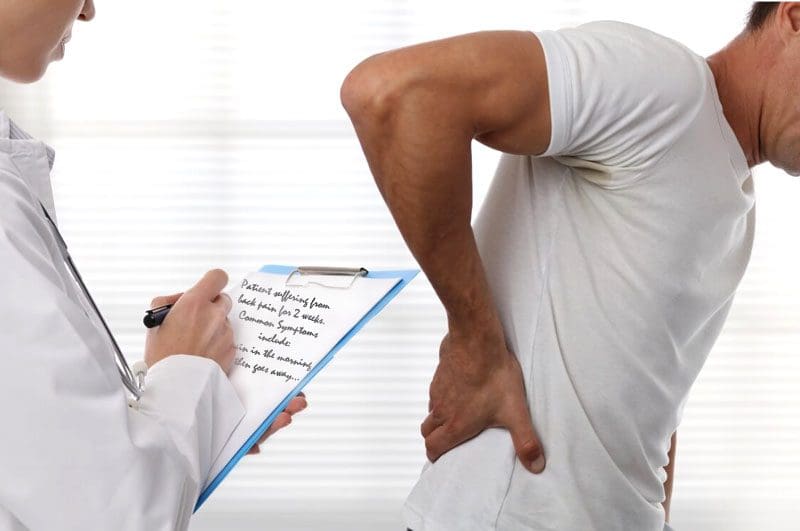
Back pain and soreness are widespread conditions that affect all genders, races, and lifestyles. The causes for back pain are varied from injury, poor posture, arthritis, age, overuse, etc. If back pain is frequent, perhaps the last assumption is that the pain could be caused by cancer. While it’s far from the most common causes, cancer back pain is possible, which makes consulting a doctor that will figure out the root cause, especially if there are other non-related symptoms, and treat the back pain very important.
Cancer Back Pain
Back pain that could be caused by cancer usually occurs with other symptoms and include:
Back pain that is not related to movement.
Pain does not get worse with activity.
Back pain usually presents at night or early in the morning and fades away or improves as the day progresses.
Back pain persists even after physical therapy or other treatments.
Changes in bowel movements or blood in urine or stool.
Like lung cancers, some breast cancer tumors can press on nerves connected to the spine, causing discomfort and pain.
Gastrointestinal
Cancers of the stomach, colon, and rectum can cause back pain.
The pain radiates from where the cancer is to the back.
Tissue and Blood Cancers
Blood and tissue cancers like:
Multiple myeloma
Lymphoma
Melanoma
Can cause back pain.
Diagnosing Cancer and Back Pain
Medical treatments for back pain-related cancer depend on its type and how advanced it is. A doctor will consider symptoms and medical history when diagnosing possible back pain causes. Because cancer is a rare cause of back pain, a doctor may recommend various treatments before a full cancer work-up. The doctor may order imaging studies and blood testing if the pain persists after chiropractic, physical therapy, or anti-inflammatory medications. These tests will help identify potential cancer markers causing back pain.
Treatments usually include chemotherapy and radiation to shrink a tumor.
A doctor will recommend surgery to remove a tumor.
Chiropractic
Cancer patients have found chiropractic treatment to be effective for:
Pain management.
Flexibility improvement.
Mobility improvement.
Strengthening muscles.
Helping to reduce stress.
Helping the body function more efficiently.
Chiropractic physiotherapy benefits patients undergoing chemotherapy, as it helps the body withstand the debilitating effects of the treatment based on the whole-body approach.
Body Composition
Don’t Hate Dieting
Individuals hate dieting, usually because they go about it the wrong way. Individuals do not need to starve themselves and live at the gym. Reaching quick weight loss goals might sound appealing; however, going through it for an extended time can make individuals feel:
Tired
Depressed
Unmotivated
Individuals can find a nutrition plan/exercise balance that works for them and their lifestyle. For some individuals, dieting alone is effective, but more than likely, they have increased metabolisms. Trying to lose fat by only cutting calories can be difficult for individuals with smaller metabolisms. The goal is to find a balance between diet and exercise. This does not mean having to go on an extreme diet, skip meals, or cut out entire macronutrient groups like fat or carbs, as the body needs both of these nutrients. Finding a sustainable long-term nutrition plan takes planning and support. A dietician, nutritionist, or health coach can offer a variety of nutrition and exercise plans customized to the individual.
References
Downie, Aron et al. “Red flags to screen for malignancy and fracture in patients with low back pain: a systematic review.” BMJ (Clinical research ed.) vol. 347 f7095. 11 Dec. 2013, doi:10.1136/bmj.f7095
Mabry, Lance M et al. “Metastatic cancer mimicking mechanical low back pain: a case report.” The Journal of manual & manipulative therapy vol. 22,3 (2014): 162-9. doi:10.1179/2042618613Y.0000000056
Vasser, Melinda, and Matthew Koroscil. “When Back Pain Turns Deadly: An Unusual Presentation of Lung Cancer.” Respiratory medicine case reports vol. 29 101009. 28 Jan. 2020, doi:10.1016/j.rmcr.2020.101009
Verhagen, Arianne P et al. “Red flags presented in current low back pain guidelines: a review.” The European spine journal: official publication of the European Spine Society, the European Spinal Deformity Society, and the European Section of the Cervical Spine Research Society vol. 25,9 (2016): 2788-802. doi:10.1007/s00586-016-4684-0
IFM's Find A Practitioner tool is the largest referral network in Functional Medicine, created to help patients locate Functional Medicine practitioners anywhere in the world. IFM Certified Practitioners are listed first in the search results, given their extensive education in Functional Medicine