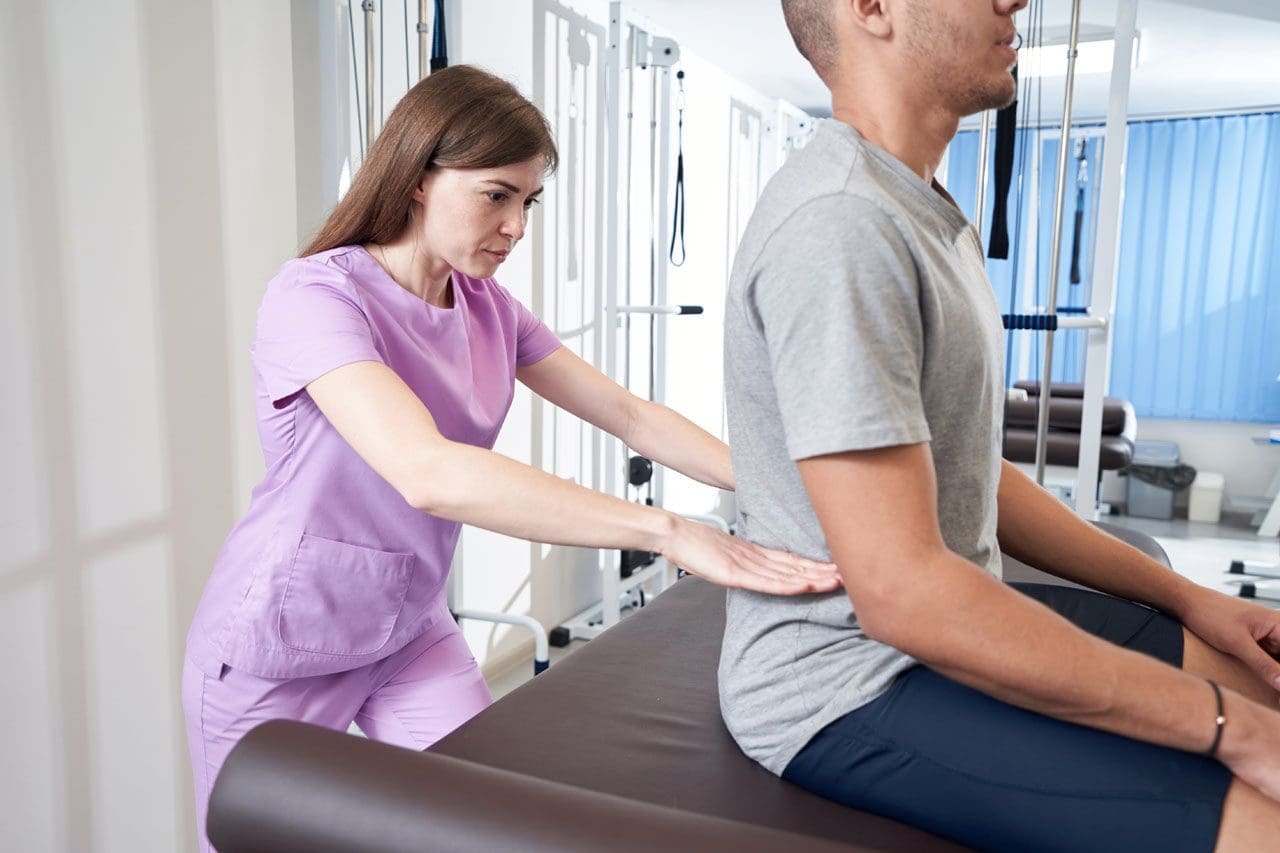
Explore the impact of cervical spine injuries associated with auto injuries and understand how to recognize and address them effectively.
Introduction: The Impact of MVAs on Your Neck
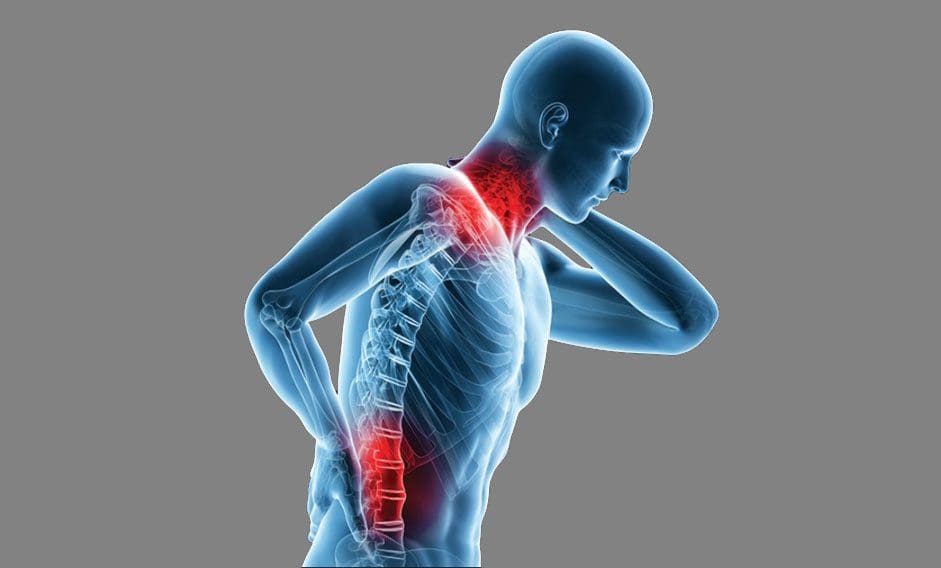
Picture this: you are cruising down the road, maybe humming along to your favorite tune, when—BAM!—a car rear-ends you, and suddenly your neck feels like it is auditioning for a role in a horror movie. Motor vehicle accidents (MVAs) are a leading cause of cervical spinal pain, affecting thousands of people each year. According to a study, approximately 869,000 traffic crash-related cervical spine injuries are seen in U.S. hospitals annually (Estimating Cervical Spine Injuries). These auto injuries can range from minor sprains to severe fractures, turning your daily routine into a painful plot twist.
In this guide, we will explore the clinical reasons behind cervical spinal pain resulting from motor vehicle accidents (MVAs), delve into the expertise of Dr. Alexander Jimenez, a distinguished chiropractor in El Paso, and highlight why personal injury cases are significant in this Texas city. With a touch of humor to keep things light, because who does not need a chuckle when dealing with neck pain?—We will cover everything from injury mechanisms to advanced treatments. So, let us straighten out the kinks in your knowledge, much like a chiropractor aligns your spine!
Clinical Rationale for Cervical Spinal Pain from MVAs
When your car gets hit, your neck often takes the brunt of the impact, like a delicate stack of china plates teetering on the edge of a table. The seven vertebrae in the cervical spine (C1-C7) are particularly vulnerable due to their flexibility and role in supporting your head. A medical policy document outlines specific conditions and procedures for treating cervical spine injuries from trauma like MVAs (Blue Cross Blue Shield of North Carolina, n.d.). We will examine the main key factors that contribute to post-crash neck pain.
Spinal Cord Compression
Spinal cord compression is like your spine’s worst nightmare—a traffic jam where the spinal cord gets squeezed, potentially causing pain, numbness, or even paralysis. In MVAs, this can happen due to displaced bone fragments, herniated discs, or hematomas. Symptoms might include weakness, tingling, or loss of sensation. A review of traumatic cervical spinal cord injuries suggests that early surgical intervention can improve outcomes by relieving pressure and stabilizing the spine (Epstein & Hollingsworth, 2015).
Hyperextension Injury
Ever seen a movie where someone’s head snaps back dramatically? That is hyperextension in action, common in rear-end collisions. This injury stretches or tears the anterior longitudinal ligament, potentially damaging discs or causing fractures. You might feel stiffness or pain that makes turning your head feel like solving a Rubik’s Cube. Treatment ranges from physical therapy to surgery for severe cases, depending on how extensive the damage is to the cervical spine.
Facet Subluxation and Dislocation
The facet joints are like the hinges on the door of your spine, allowing smooth movement. In MVAs, especially those with twisting forces, these joints can slip out of place (subluxation) or fully dislocate, resulting in pain and potential nerve damage. Treatment may involve manually realigning the joints or surgical stabilization if the damage is severe.
Other Severe Injuries
MVAs can also cause facet fractures, epidural hematomas, or foreign bodies lodging in the spine. These conditions often require urgent procedures like cervical discectomy, laminotomy, or fusion to prevent long-term complications. The policy document emphasizes that methods such as anterior or posterior cervical fusion are indicated when imaging reveals cord or root compression corresponding to symptoms (Blue Cross Blue Shield of North Carolina, n.d.).
Epstein, N. E., & Hollingsworth, R. (2015). Diagnosis and management of traumatic cervical central spinal cord injury: A review. Surgical Neurology International, 6(Suppl 4), S140-S153. https://doi.org/10.4103/2152-7806.156552
Personal Injury Rehabilitation- Video
Biomechanics of Cervical Spine Injuries
To understand why your neck feels like it has been through a blender after a motor vehicle accident (MVA), we need to discuss biomechanics—think of it as the physics of your spine’s movement. The cervical spine’s flexibility makes it prone to injury when sudden forces are applied, and different types of crashes produce unique injury patterns.
Rear-End Collisions
Rear-end collisions are the classic culprits behind whiplash, where your head snaps back and forth like a bobblehead on a bumpy road. This rapid motion strains muscles, ligaments, and discs, leading to whiplash-associated disorders (WAD). A study notes that soft tissue injuries, like sprains, are common in these crashes (Soft Tissue Cervical Injuries).
Frontal and Side-Impact Collisions
Frontal crashes can cause flexion injuries, where the head jerks forward, potentially compressing discs or fracturing vertebrae. Side-impact collisions add a twist—literally—causing lateral or rotational injuries. Research shows that compression-flexion is a common mechanism for severe injuries like quadriplegia in survivors (Cervical Spine Injuries IEEE).
Factors Influencing Injury
Injury severity depends on factors such as crash speed, seatbelt use, and the position of your body. For example, tensing up before impact can increase the risk of muscle strain (Common Neck Injuries). A clinical commentary highlights that occupant characteristics, like age or pre-existing conditions, also play a role (McMurry et al., 2016).
McMurry, T. L., et al. (2016). Mechanisms and mitigation of head and spinal injuries due to motor vehicle crashes. Journal of Orthopaedic & Sports Physical Therapy, 46(10), 845-856. https://doi.org/10.2519/jospt.2016.6716
Dr. Alexander Jimenez, DC, APRN, FNP-BC, is El Paso’s leading expert in pain management, with over 30 years of experience in addressing the complexities of motor vehicle accident (MVA)- related injuries. His clinic, El Paso Back Clinic (El Paso Back Clinic), is a hub for chiropractic care, functional medicine, and holistic recovery. Let us take a look at his approach, which is like a well-choreographed dance to get your spine back in rhythm.
The Chronic Pain Challenge
Dr. Jimenez cites a University of Alberta study that tracked 268 people with grade 1 or 2 neck injuries from MVAs. At three months, 38% reported pain, dropping to 22% at six months and 18% at one year (Auto Injuries and Neck Pain). This shows that while many recover, some face lingering pain without prompt care. A 2009 British study he references adds that up to 5% may be permanently disabled, with over 5% experiencing pain for a decade or more.
Chiropractic Care as a Game-Changer
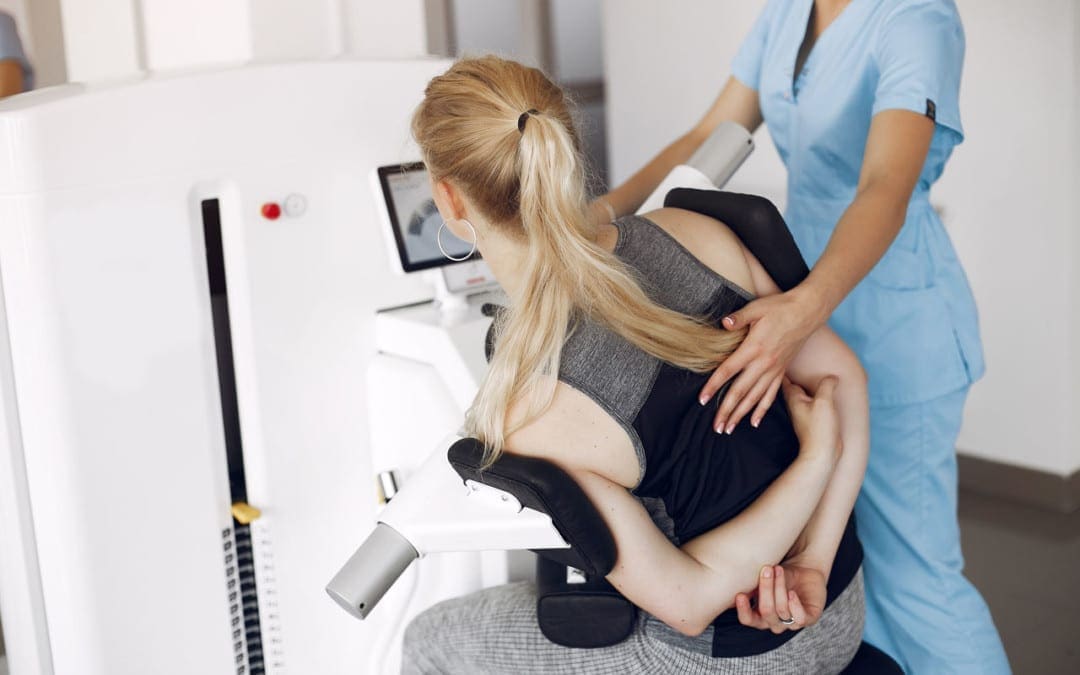
Dr. Jimenez emphasizes chiropractic adjustments to realign the spine, much like straightening a crooked picture frame. These adjustments, combined with manual manipulations, reduce pain and restore mobility. His clinic also offers physical therapy, nutritional counseling, and wellness programs to support overall healing (Benefits of Chiropractic).
Early Intervention Matters
The sooner you see a chiropractor like Dr. Jimenez, the better your chances of avoiding chronic pain. His team employs a multidisciplinary approach, incorporating nurse practitioners and nutritionists, to develop personalized treatment plans that address both symptoms and underlying causes.
El Paso’s streets witness their fair share of motor vehicle accidents, resulting in a high number of personal injury cases. These cases often involve victims seeking compensation for various cases like medical bills, lost wages, and pain and suffering. Law firms, such as Chavez Law Firm, note that accidents caused by negligence can turn lives upside down, making legal and medical support critical (El Paso Personal Injury).
Dr. Jimenez’s team in Legal Support
Dr. Jimenez stands out in El Paso by combining medical care with legal needs. His detailed medical evaluations, backed by advanced imaging, provide clear evidence linking injuries to MVAs. This documentation is crucial for personal injury claims, as it enables attorneys to establish the extent of damages. His LinkedIn profile highlights his commitment to patient education and community outreach, making him a trusted ally for accident victims (Dr. Jimenez’s profile).
Why Medical Documentation Matters
In personal injury cases, precise medical records can significantly impact the outcome of a claim. Dr. Jimenez’s ability to correlate symptoms with imaging findings ensures that victims have the evidence needed to secure fair compensation while also focusing on their recovery.
Diagnosing neck injuries is like solving a puzzle—each piece (or scan) reveals part of the picture. Dr. Jimenez uses cutting-edge tools like MRI, CT scans, and X-rays to pinpoint the exact nature of cervical spine injuries. His clinic may collaborate with facilities like Diagnostic Outpatient Imaging in El Paso, which offers state-of-the-art radiology services (Diagnostic Outpatient Imaging).
MRI and CT Scans
MRI is excellent for detecting soft tissue damage, such as ligament tears or disc herniations, while CT scans excel at showing bone fractures. These tools enable Dr. Jimenez to create precise treatment plans, ensuring that no injury goes unnoticed.
Dual-Scope Procedures
Dr. Jimenez’s expertise extends to coordinating dual-scope procedures, where multiple diagnostic methods are used to confirm findings. This thorough approach strengthens both medical treatment and legal documentation, giving patients a solid foundation for recovery and claims.
Dr. Jimenez’s treatment plans are like a tailored suit—customized to fit each patient’s needs. His clinic offers a range of therapies to address MVA-related neck pain, with a focus on non-invasive methods whenever possible.
Chiropractic Adjustments
Chiropractic care is the cornerstone of his approach, using spinal adjustments to correct misalignments and reduce pain. It is like hitting the reset button on your spine, helping it function smoothly again (Musculoskeletal Ligaments Treatment).
Physical Therapy and Rehabilitation
Physical therapy strengthens neck muscles and improves range of motion, preventing future issues. Dr. Jimenez’s team designs rehabilitation programs to help patients bounce back like a well-tuned spring.
Functional Medicine
By incorporating nutrition and lifestyle changes, Dr. Jimenez addresses the underlying factors that may be correlated to prolonged pain. This holistic approach ensures long-term wellness, not just a quick fix (Ligamentous Injuries Recovery).
When Surgery Is Needed
For severe cases, Dr. Jimenez may refer patients to specialists for surgical options, such as cervical fusion, ensuring a seamless care continuum.
Table 2: Treatment Options for MVA-Related Neck Pain
While you cannot always avoid accidents, you can take steps to protect your neck and spine. It is always important to wear a seatbelt and adjust your headrest to support the natural curve of your neck. After a motor vehicle accident (MVA), watch for symptoms such as pain, stiffness, or numbness and seek medical care immediately. Dr. Jimenez’s blog offers tips on recognizing delayed symptoms, which can sneak up like an uninvited guest (Delayed Symptoms Auto Accident).
Cervical spinal pain from motor vehicle accidents is a serious issue that demands prompt attention. From understanding the biomechanics of injuries to seeking expert care from professionals like Dr. Alexander Jimenez, taking action early can prevent chronic pain and support El Paso’s personal injury law. If you have been in an accident, do not wait—your neck deserves better than a starring role in a pain-filled sequel.
Disclaimer This guide is provided for academic purposes only and should not be considered for professional medical advice as a substitute. Please consult with qualified healthcare providers for diagnosis and treatment of any medical condition.
Here, you can find expert advice on coping with spine and back pain, the aftermath of a car accident, and improving your quality of life.
Introduction
People who have been in an automobile accident, even a little one, may have physical injuries to their back, spine, and upper and lower limbs. Acute or persistent pain may be the consequence of injuries brought on by the abrupt forces involved in a collision. Does stiffness affect your shoulders, back, and neck? Do you have back discomfort that radiates down? Or have you been unable to do your everyday chores due to persistent headaches? Today, we’ll examine and comprehend the reasons behind back and spine discomfort, identify its symptoms, and investigate how people may heal and reclaim their quality of life with the aid of efficient therapies like chiropractic adjustments.
Spine & Back Pain Causes After a Car Accident
The spine and back are vulnerable during a car accident due to the rapid acceleration, deceleration, and twisting motions that occur. Common causes of pain include:
Whiplash and Soft Tissue Injuries: A person in a rear-end collision will experience a common injury known as whiplash. This musculoskeletal injury occurs when the head and neck are forcefully jerked forward and backward. (Stroke, 2023) This can strain or tear muscle tissue structures in the neck and upper back, leading to the development of pain and stiffness throughout the body.
Herniated Discs: The impact of a car collision can cause the spinal segments to compress or displace the intervertebral discs, causing them to bulge or rupture. This may irritate nearby nerves, compressing them, resulting in back pain-associated numbness or weakness within the upper and lower extremities. (Ge et al., 2019)
Spinal Misalignment: The sudden jolts and movements the body experiences after a car collision can misalign the spinal vertebrae, disrupting the spine’s natural curvature. This can lead to numerous pain-like symptoms, such as muscle spasms, restricted movement, and pain.
Fractures or Dislocations: In severe accidents, the spinal vertebrae may fracture or dislocate, causing intense pain and potential nerve damage. These injuries can negatively influence an individual’s social and financial situation when being treated. (Fakharian et al., 2017)
Facet Joint Injuries: The facet joints, which connect the vertebrae, can become sprained or damaged during a collision, leading to pain.
Symptoms of Spine & Back Pain
Depending on the collision’s severity, the spine and back can develop symptoms depending on the type of injury the person is experiencing. Common signs include:
Localized or Radiating Pain
Stiffness
Muscle Spasms
Numbness or Tingling
Headaches
Fatigue or Weakness
Delayed onset of symptoms is common, with pain or discomfort appearing hours or days after the accident. Seeking prompt medical evaluation is critical to prevent complications.
From Injury to Recovery with Chiropractic Care- Video
The Role Of Chiropractic Care in Treatment
Chiropractic care is a non-surgical treatment option focusing on restoring spinal alignment, improving mobility, and reducing pain within the musculoskeletal system. It is particularly effective for managing spine and back pain caused by car accidents. Key benefits of chiropractic care include:
Spinal Adjustments: Chiropractors use controlled, manual techniques to realign the spine, relieve pressure on the compressed nerves, and restore joint function. This can reduce pain, improve mobility, and restore the normal range of spinal movement. (Choi et al., 2015)
Soft Tissue Therapy: Chiropractors can incorporate massage or myofascial release techniques to help relax the tight muscles, reduce spasms, and promote healing in strained ligaments and tendons.
Pain Management: Since chiropractic care can alleviate pain without reliance on medications, which may have side effects. Chiropractic adjustments and therapies target the root cause of discomfort.
Rehabilitation Support: Chiropractors often provide exercises and stretches as part of the individual’s customized treatment plan to strengthen muscles and prevent future injuries.
Holistic Approach: Chiropractic care emphasizes overall wellness, addressing physical symptoms and lifestyle factors that impact the person’s recovery process.
Chiropractic care is effective for conditions like whiplash, which is associated with neck and lower back pain. Compared to standard medical care, it reduces pain and improves function. (Bryans et al., 2014)
Other Treatment Options
While chiropractic care is highly effective, a comprehensive treatment plan may include:
Physical Therapy: To restore strength and flexibility back to the body while reducing low back and neck pain. (Alrwaily et al., 2019)
Pain Management: Over-the-counter or prescription medications for short-term relief.
Medical Imaging: X-rays, MRIs, or CT scans to diagnose fractures or herniated discs.
Surgery: In rare cases, for severe injuries like spinal fractures or significant disc herniations.
When to Seek Care
Individuals involved in a car accident must have a prompt evaluation by a healthcare provider, such as a chiropractor or physician. Even if symptoms are mild, this is essential because if the injuries are untreated, they can cause overlapping risk profiles or long-term complications to the body. A chiropractor can assess spinal alignment, recommend a personalized treatment plan, and coordinate with other providers.
Conclusion
Following a vehicle accident, those who have back and spine pain may find that their everyday lives are significantly impacted, but recovery may be aided by prompt action and the right treatment. A safe and efficient method for controlling pain, regaining function, and averting chronic problems is chiropractic therapy. A chiropractor may help people recover from accidents by determining the root causes of pain-like symptoms and promoting general wellbeing.
Injury Medical Chiropractic & Personal Injury Clinic
We associate certified medical providers who understand the importance of assessing individuals with pain-like symptoms affecting their spines and backs. When asking important questions to our associated medical providers, we advise patients to incorporate customized treatment plans for their pain correlated with musculoskeletal issues. Dr. Alex Jimenez, D.C., uses this information as an academic service. Disclaimer
References
Alrwaily, M., Schneider, M., Sowa, G., Timko, M., Whitney, S. L., & Delitto, A. (2019). Stabilization exercises combined with neuromuscular electrical stimulation for patients with chronic low back pain: a randomized controlled trial. Braz J Phys Ther, 23(6), 506-515. https://doi.org/10.1016/j.bjpt.2018.10.003
Bryans, R., Decina, P., Descarreaux, M., Duranleau, M., Marcoux, H., Potter, B., Ruegg, R. P., Shaw, L., Watkin, R., & White, E. (2014). Evidence-based guidelines for the chiropractic treatment of adults with neck pain. J Manipulative Physiol Ther, 37(1), 42-63. https://doi.org/10.1016/j.jmpt.2013.08.010
Choi, J., Lee, S., & Jeon, C. (2015). Effects of flexion-distraction manipulation therapy on pain and disability in patients with lumbar spinal stenosis. J Phys Ther Sci, 27(6), 1937-1939. https://doi.org/10.1589/jpts.27.1937
Fakharian, E., Mohammadzadeh, M., Saberi, H. R., Fazel, M. R., Rejali, M., Akbari, H., Mirzadeh, A. S., & Mohammadzadeh, J. (2017). Spinal injury resulting from car accident: Focus to prevention. Asian J Neurosurg, 12(2), 180-184. https://doi.org/10.4103/1793-5482.152110
Ge, C. Y., Hao, D. J., Yan, L., Shan, L. Q., Zhao, Q. P., He, B. R., & Hui, H. (2019). Intradural Lumbar Disc Herniation: A Case Report and Literature Review. Clin Interv Aging, 14, 2295-2299. https://doi.org/10.2147/CIA.S228717
Optimizing Recovery from Work-Related Back Injuries: The Interdisciplinary Approach of Dr. Alexander Jimenez, DC, APRN, FNP-BC
Introduction
Back injuries sustained at work are a leading cause of disability and lost productivity, affecting diverse professions such as truck drivers, construction workers, healthcare providers, and office employees. These injuries often result from improper lifting, repetitive motions, or prolonged sitting, leading to conditions like herniated discs, muscle strains, or chronic pain. For those injured, securing workers’ compensation benefits and accessing effective treatment are critical steps toward recovery. Dr. Alexander Jimenez, a dual-licensed chiropractor and nurse practitioner with over three decades of experience, specializes in treating work-related back injuries, particularly those from personal injury cases and auto accidents. His integrative approach, detailed on www.dralexjimenez.com and www.chiromed.com, combines chiropractic care, advanced medical interventions, and collaboration with trusted medical and legal professionals to deliver comprehensive care.
This article outlines the benefits of chiropractic care in managing work-related back injuries, the expanded treatment options enabled by Dr. Jimenez’s nurse practitioner licensure, and the interdisciplinary strategies that optimize recovery. It also highlights how Dr. Jimenez collaborates with legal providers to ensure patients receive the support needed to navigate workers’ compensation claims effectively.
The Burden of Work-Related Back Injuries
Work-related back injuries are prevalent across industries, with the Bureau of Labor Statistics reporting over 900,000 cases of nonfatal occupational injuries involving the back in 2020. High-risk occupations include:
Truck Drivers: Prolonged sitting and unloading heavy cargo increase spinal stress.
Construction Workers: Lifting, twisting, and repetitive motions contribute to injury.
Healthcare Workers: Patient handling and prolonged standing elevate risk.
Manual Laborers: Heavy lifting and improper techniques lead to strains.
Office Workers: Poor posture and sedentary behavior cause chronic pain.
These injuries often result from improper lifting, repetitive turning, twisting while lifting, or holding heavy objects overhead. Symptoms may include acute pain, limited mobility, or chronic conditions requiring long-term management. Workers’ compensation programs exist to cover medical expenses and lost wages, but the process can be complex, necessitating expert medical and legal guidance.
Benefits of Chiropractic Care for Work-Related Back Injuries
Chiropractic care is a cornerstone of non-invasive treatment for back injuries, focusing on restoring spinal alignment, reducing pain, and improving function. Dr. Jimenez leverages evidence-based chiropractic techniques to address work-related injuries, supported by randomized controlled trials (RCTs) and cohort studies.
Pain Reduction and Functional Improvement
Chiropractic adjustments, or spinal manipulations, realign the spine to alleviate pressure on nerves and muscles. A 2018 RCT published in The Spine Journal (Goertz et al.) found that chiropractic care combined with usual medical care significantly reduced pain and disability in patients with low back pain compared to medical care alone. Dr. Jimenez employs manual adjustments, flexion-distraction techniques, and soft tissue therapies to target specific injury sites, promoting natural healing.
Non-Invasive and Drug-Free Approach
Chiropractic care offers a drug-free alternative to pain management, reducing reliance on opioids, which is critical given the opioid crisis. A 2020 cohort study in Pain Medicine (Whedon et al.) demonstrated that patients receiving chiropractic care for low back pain had a lower likelihood of opioid prescriptions compared to those receiving only medical care. Dr. Jimenez integrates therapies like myofascial release and therapeutic exercises to manage pain without pharmacological interventions.
Prevention of Chronic Conditions
Early chiropractic intervention can prevent acute injuries from becoming chronic. A 2019 study in Journal of Manipulative and Physiological Therapeutics (Eklund et al.) showed that maintenance chiropractic care reduced the recurrence of low back pain episodes. Dr. Jimenez designs personalized treatment plans that include corrective exercises and ergonomic counseling to minimize re-injury risk.
Support for Workers’ Compensation Claims
Chiropractors play a vital role in documenting injuries for workers’ compensation claims. Dr. Jimenez provides detailed clinical notes and treatment plans, ensuring compliance with workers’ compensation requirements. His expertise in occupational health allows him to assess whether injuries are work-related, facilitating accurate reporting to employers and insurance carriers.
Expanded Scope of Practice: Nurse Practitioner Expertise
As a board-certified Family Nurse Practitioner (FNP-BC), Dr. Jimenez’s dual licensure enhances his ability to provide comprehensive care, particularly in personal injury and auto accident cases. Nurse practitioners (NPs) have an expanded scope of practice, allowing them to diagnose, treat, and prescribe medications, which complements chiropractic interventions.
Advanced Diagnostics and Treatment
NPs can order and interpret diagnostic imaging, such as X-rays, MRIs, and CT scans, to assess the extent of spinal injuries. A 2021 study in Journal of General Internal Medicine (Mafi et al.) highlighted the accuracy of NPs in managing musculoskeletal conditions through diagnostics and treatment planning. Dr. Jimenez uses these tools to develop precise treatment strategies, ensuring timely interventions for conditions like herniated discs or vertebral fractures.
Medication Management
In cases where pain or inflammation requires pharmacological support, Dr. Jimenez can prescribe medications like non-steroidal anti-inflammatory drugs (NSAIDs) or muscle relaxants. His NP training ensures judicious use of medications, aligning with evidence-based guidelines to avoid over-reliance. This is particularly beneficial in auto accident cases, where soft tissue injuries often require short-term pharmacological support alongside chiropractic care.
Coordination of Multidisciplinary Care
NPs are trained to coordinate care across specialties, making Dr. Jimenez uniquely positioned to oversee interdisciplinary treatment plans. For complex injuries, he collaborates with orthopedic surgeons, neurologists, and physical therapists to ensure holistic care. A 2020 RCT in BMJ Open (Côté et al.) demonstrated improved outcomes when NPs coordinated multidisciplinary care for back pain, reducing recovery time and costs.
Enhanced Patient Education
NPs emphasize patient education, empowering individuals to manage their recovery. Dr. Jimenez provides guidance on posture, lifting techniques, and lifestyle modifications, drawing on his NP training to address comorbidities like obesity or diabetes that may complicate recovery. This integrative approach aligns with the philosophies outlined on www.chiromed.com, emphasizing patient-centered care.
Interdisciplinary Treatment Strategies
Dr. Jimenez’s practices integrate chiropractic and NP services with interdisciplinary treatments tailored to work injury trauma and auto accident cases. These strategies address the physical, emotional, and legal challenges of recovery.
Comprehensive Treatment Modalities
Chiropractic Adjustments: Correct spinal misalignments to reduce pain and restore mobility.
Physical Therapy: Strengthen core muscles and improve flexibility through targeted exercises.
Hydrotherapy: Use water-based therapies to reduce inflammation and enhance circulation.
Spinal Injections: Administer corticosteroid injections for severe inflammation, guided by diagnostic imaging.
Rehabilitation Programs: Design long-term plans to restore function and prevent re-injury.
A 2017 cohort study in Spine (Blanchette et al.) found that multidisciplinary care combining chiropractic, physical therapy, and medical interventions resulted in faster return-to-work rates for back injury patients. Dr. Jimenez’s integrative approach mirrors these findings, ensuring patients receive tailored care.
Focus on Personal Injury and Auto Accidents
Personal injury cases, including auto accidents, often involve whiplash, soft tissue injuries, and spinal trauma. Dr. Jimenez’s dual expertise allows him to address these conditions comprehensively. For example, whiplash may require chiropractic adjustments to restore cervical alignment, physical therapy to strengthen neck muscles, and short-term NSAIDs to manage pain. His ability to order MRIs ensures accurate diagnosis of soft tissue damage, which is critical for workers’ compensation and insurance claims.
Collaboration with Medical Specialists
Dr. Jimenez collaborates with a network of trusted medical providers, including:
Orthopedic Surgeons: For surgical interventions like discectomy or spinal fusion.
Neurologists: To address nerve-related symptoms like radiculopathy.
Pain Management Specialists: For advanced pain relief techniques, such as epidural injections.
This collaborative model ensures seamless care, with Dr. Jimenez overseeing the treatment plan to maintain continuity. His practice websites emphasize this integrative philosophy, highlighting partnerships with specialists who share a commitment to patient outcomes.
Collaboration with Trusted Legal Providers
Navigating workers’ compensation and personal injury claims requires legal expertise, particularly when employers or insurance carriers dispute claims. Dr. Jimenez partners with trusted legal providers specializing in workers’ compensation and personal injury law to support his patients.
Role of Legal Providers
Legal providers assist with:
Claim Filing: Ensuring timely and accurate submission of workers’ compensation claims, adhering to state-specific statutes of limitations (e.g., one year in many states).
Dispute Resolution: Representing patients in disputes over injury causation or benefit denials.
Maximizing Benefits: Advocating for coverage of all necessary treatments, including chiropractic care, diagnostics, and rehabilitation.
Auto Accident Claims: Handling insurance negotiations and litigation for injuries sustained in work-related auto accidents.
Dr. Jimenez refers patients to attorneys who understand the medical complexities of back injuries, ensuring alignment between clinical documentation and legal arguments. This collaboration is critical in gray-area cases, such as injuries sustained at work-related events or while working from home.
Streamlined Communication
Dr. Jimenez maintains active communication with legal providers, sharing clinical notes and treatment plans to substantiate claims. Workers’ compensation is exempt from HIPAA privacy regulations for injury-related records, allowing seamless information exchange. This ensures legal providers have the evidence needed to advocate effectively, reducing delays in treatment or compensation.
Patient Advocacy
By connecting patients with reputable attorneys, Dr. Jimenez empowers them to focus on recovery without the stress of legal battles. His websites, www.dralexjimenez.com and www.chiromed.com, emphasize this patient-centered approach, highlighting resources for legal support alongside medical care.
Workers’ Compensation: Coverage and Process
Workers’ compensation is an employer-funded insurance program that covers medical expenses and lost wages for work-related injuries. Coverage typically includes:
Emergency department visits
Diagnostic testing (e.g., X-rays, MRIs)
Follow-up care with specialists
Surgical interventions
Rehabilitation and physical therapy
Dr. Jimenez ensures patients understand their rights under workers’ compensation, advising them to report injuries immediately to their employer’s human resources department. Prompt reporting strengthens claims and prevents disputes over injury causation.
Challenges and Solutions
Challenges in securing workers’ compensation include:
Gray-Area Injuries: Injuries at work-related events or while working remotely may be contested. Dr. Jimenez provides detailed documentation to clarify work-related causation.
Employer Pressure: Some employers may pressure workers to return before medical clearance. Dr. Jimenez collaborates with legal providers to protect patients’ rights.
Wage Replacement Issues: Workers reliant on overtime may face reduced compensation. Dr. Jimenez advises patients to consult attorneys to maximize benefits.
A 2019 study in Journal of Occupational and Environmental Medicine (Mueller et al.) found that early legal intervention improved outcomes in contested workers’ compensation cases, underscoring the value of Dr. Jimenez’s legal partnerships.
Maximizing Recovery: Patient-Centered Strategies
Dr. Jimenez’s integrative approach prioritizes patient compliance and transparency to optimize recovery. Key strategies include:
Adherence to Treatment Plans: Keeping appointments and following recommendations ensures consistent progress.
Open Communication: Patients are encouraged to report symptoms accurately, enabling adjustments to treatment plans.
Ergonomic Training: Guidance on posture, lifting, and workplace modifications reduces re-injury risk.
Holistic Care: Addressing comorbidities and mental health to support overall well-being.
His websites provide resources like exercise guides and ergonomic tips, reinforcing these strategies and empowering patients to take an active role in their recovery.
Conclusion
Work-related back injuries and auto accident trauma require a comprehensive, interdisciplinary approach to achieve optimal recovery. Dr. Alexander Jimenez, DC, APRN, FNP-BC, combines his expertise as a chiropractor and nurse practitioner to deliver evidence-based treatments, from spinal adjustments to advanced diagnostics and medication management. His collaboration with trusted medical and legal providers ensures patients receive holistic care and robust support through the workers’ compensation process. By integrating chiropractic care, medical interventions, and legal advocacy, Dr. Jimenez empowers patients to recover fully and return to work with confidence. Visit www.dralexjimenez.com and www.chiromed.com to learn more about his integrative approach and commitment to patient-centered care.
References
Goertz, C. M., et al. (2018). Effect of usual medical care plus chiropractic care vs usual medical care alone on pain and disability among US service members with low back pain: A comparative effectiveness clinical trial. The Spine Journal, 18(8), 1391–1399.
Whedon, J. M., et al. (2020). Association between chiropractic care and use of prescription opioids among patients with low back pain. Pain Medicine, 21(6), 1087–1095.
Eklund, A., et al. (2019). The Nordic maintenance care program: Effectiveness of chiropractic maintenance care versus symptom-guided treatment for recurrent and persistent low back pain. Journal of Manipulative and Physiological Therapeutics, 42(7), 477–487.
Mafi, J. N., et al. (2021). Nurse practitioners and physician assistants in primary care: A systematic review of scope of practice and patient outcomes. Journal of General Internal Medicine, 36(5), 1423–1432.
Côté, P., et al. (2020). Management of neck pain and associated disorders: A clinical practice guideline from the Ontario Protocol for Traffic Injury Management (OPTIMa) Collaboration. BMJ Open, 10(3), e035366.
Blanchette, M. A., et al. (2017). Effectiveness of multidisciplinary rehabilitation programs for work-related low back pain: A systematic review. Spine, 42(13), 1007–1016.
Mueller, K. L., et al. (2019). Impact of early legal representation on workers’ compensation claim outcomes. Journal of Occupational and Environmental Medicine, 61(4), 312–318.
What is the body’s center of gravity to understand and maintain a healthy posture and balance?
Center of Gravity
The human center of gravity, or COG, also known as the center of mass, with the two terms being interchangeable, is where the body’s weight appears to be concentrated. It’s a point in space where the entire body’s mass can be concentrated. When standing upright, the COG is generally located behind the navel and in front of the sacrum, around the level of the second vertebra. (Le Huec, J. 2011) The center of gravity is related to posture, including issues such as swayback, the design of posture exercise programs, and much more.
Gravity is a downward pull or force the Earth exerts on the body, creating weight. (NASA, 2013)
The center of gravity (COG) is where a body’s weight is equally balanced in all directions. (Physiopedia, 2025)
When the COG is defined, it is done from the reference of a static, standing position.
Because the body is in motion when we change positions, the COG is located in a new position with each new position.
The center of gravity is the point around which all the parts balance, which may be inside or outside the body.
Even slight changes in position can change where the COG is. (Physiopedia, 2025)
Key aspects of the COG
Location
When standing upright, the COG is typically found at the second vertebral level, behind the navel and in front of the sacrum. (Le Huec, J. 2011)
Shifting COG
The COG can shift depending on body position, posture, and movements like bending forward or backward. (Physiopedia, 2025)
Balance Impact
The relationship between the COG and the base of support (the area of the body in contact with the ground) is fundamental to maintaining balance.
Variations
There can be variations in the COG location based on factors like gender (men tend to have a slightly higher COG), body shape, and even conditions like obesity or chronic low back pain. (Physiopedia, 2025)
Biomechanics
Understanding the COG is crucial in biomechanics and movement analysis, as it’s an index of total body motion and how the body responds to external forces.
The Human Center
The center of gravity is the point at which the body’s mass is equally balanced. This point changes depending on one’s position:
Arms up/down
Leaning
Turning
With strength and flexibility training, the human body can change its center of gravity, as gymnasts and dancers do.
When standing, the center of gravity is normally located behind the navel and in front of the sacrum bone (made up of five vertebrae fused vertically) at about the second vertebra level. (Hasegawa K. et al., 2022)
Because the body has moving parts, its overall shape changes every time it moves. Carrying something like a suitcase or grocery bag or wearing a backpack adds weight to some areas but not others, changing the center of gravity as it does.
The center of gravity is a continually changing point inside or outside the body that represents where the weight or mass of the rest of the body is equally balanced in every direction.
This point can and does change based on what is being carried and how it is carried, as well as body position and movements.
Chronic Lower Back Pain
A study in the Journal of Back and Musculoskeletal Rehabilitation found that individuals with chronic lower back pain tend to have their center of gravity located excessively towards the back. (Kim D. H., Park J. K., & Jeong M. K. 2014)
In the study, the individuals had decreased low back strength upon extension and a reduced normal low back curve.
The researchers found that those with chronic lower back pain whose center of gravity was too far back may need physical therapy to retrain the body to overcome strength and balance challenges to re-establish and maintain a healthy posture.
Injury Medical Chiropractic and Functional Medicine Clinic
As a Family Practice Nurse Practitioner, Dr. Jimenez combines advanced medical expertise with chiropractic care to address various conditions. Our clinic integrates Functional Medicine, Acupuncture, Electro-Acupuncture, and Sports Medicine to create customized care plans that promote natural healing, mobility, and long-term wellness. By focusing on flexibility, agility, and strength, we empower patients to thrive, regardless of age or health challenges. At El Paso’s Chiropractic Rehabilitation Clinic & Integrated Medicine Center, we passionately focus on treating patients after injuries and chronic pain syndromes. We focus on improving your ability through flexibility, mobility, and agility programs tailored for all age groups and disabilities. We use in-person and virtual health coaching and comprehensive care plans to ensure every patient’s personalized care and wellness outcomes.
Enhance Your Lifestyle Today with Chiropractic Care
References
Le Huec, J. C., Saddiki, R., Franke, J., Rigal, J., & Aunoble, S. (2011). Equilibrium of the human body and the gravity line: the basics. European spine journal: official publication of the European Spine Society, the European Spinal Deformity Society, and the European Section of the Cervical Spine Research Society, 20 Suppl 5(Suppl 5), 558–563. https://doi.org/10.1007/s00586-011-1939-7
NASA. Jet Propulsion Laboratory, California Institute of Technology. (2013). What is gravity? Retrieved from https://gracefo.jpl.nasa.gov/news/5/what-is-gravity/
Physiopedia. (2025). Centre of gravity. https://www.physio-pedia.com/Centre_of_Gravity
Hasegawa, K., Amabile, C., Nesme, M., & Dubousset, J. (2022). Gravity center estimation for evaluation of standing whole body compensation using virtual barycentremetry based on biplanar slot-scanning stereoradiography – validation by simultaneous force plate measurement. BMC musculoskeletal disorders, 23(1), 22. https://doi.org/10.1186/s12891-021-04948-5
Kim, D. H., Park, J. K., & Jeong, M. K. (2014). Influences of posterior-located center of gravity on lumbar extension strength, balance, and lumbar lordosis in chronic low back pain. Journal of Back and Musculoskeletal Rehabilitation, 27(2), 231–237. https://doi.org/10.3233/BMR-130442
What is pseudoarthrosis of the cervical and lumbar spine?
Pseudoarthrosis of the cervical and lumbar spine
Individuals may need a spinal fusion to treat a fractured vertebra, scoliosis, or conditions like spinal stenosis, degenerative disc disease, and spondylolisthesis/slipped vertebrae. A spinal fusion reduces pain and stabilizes the spine by limiting movement between vertebrae. Pseudoarthrosis happens when the bones don’t heal after a fracture or bone surgery. When pseudoarthrosis affects the cervical or lumbar spine, it means that two vertebrae did not heal and grow together after spinal surgery to fuse them (spinal fusion). Reasons for a failed spinal fusion include:
Issues with the instruments used to stabilize the bone
Lack of bone growth
The number of vertebrae being fused.
The patient’s health and lifestyle play a role in failed fusions, which can include
Diabetes
Inflammatory health conditions increase the risk
Smoking
Long-term steroid use
In many cases, revision surgery is needed.
Surgery-Related
During a spinal fusion, surgeons insert a bone graft between two vertebrae and then apply spinal fixation hardware (instrumented spinal fusion) that includes:
Plates
Rods
Screws
The bone graft promotes growth between the two bones.
The hardware stabilizes the vertebrae and prevents movement while they fuse and grow together.
The hardware goes inside, or internal fixation.
Although rare, a severe spinal fracture or deformity may need external fixation.
A rigid frame secured outside the body helps to stabilize the bones.
If the fusion fails, it could be caused by one or more of the following surgical issues:
The surgeon must carefully plan and use the right hardware.
The type of hardware used during a spinal fusion may influence bone healing.
The instruments can come loose or break, interfering with the fusion process.
Spinal osteoporosis, having thin, weak bones, can affect fixation.
Even with the optimal surgical preparedness, weak bones significantly increase the chance of the instruments loosening and pseudoarthrosis developing.
Bone Graft
The type of bone graft used may affect the fusion.
For example, in cervical/neck spinal fusions, an autograft, which uses a small piece of bone from the patient’s body, has a higher success rate. (Verla T. et al., 2021)
Other graft options include specialized steel cages that fit between vertebrae and contain bone growth factors.
The surgeon recommends the optimal bone graft for the type of surgery, the number of vertebrae involved, and risk factors.
Risk Factors
The patient’s overall health and lifestyle impact the results of spinal fusion. Smoking increases the risk. (Berman D. et al., 2017)
Nicotine restricts blood circulation, decreases bone density, reduces new bone formation, and delays bone healing. (Hernigou J., & Schuind F., 2019)
The primary sign of pseudoarthrosis is pain in the same area as before the fusion surgery.
If the bones pinch a spinal nerve, one arm may experience pain, tingling, burning, or numbness.
Rarely does a pinched nerve affect both arms.
The pain may return shortly after the procedure.
The pain may develop gradually or not appear for many months.
However, it’s more likely to appear after several months when the individual returns to their usual activities.
Diagnosis
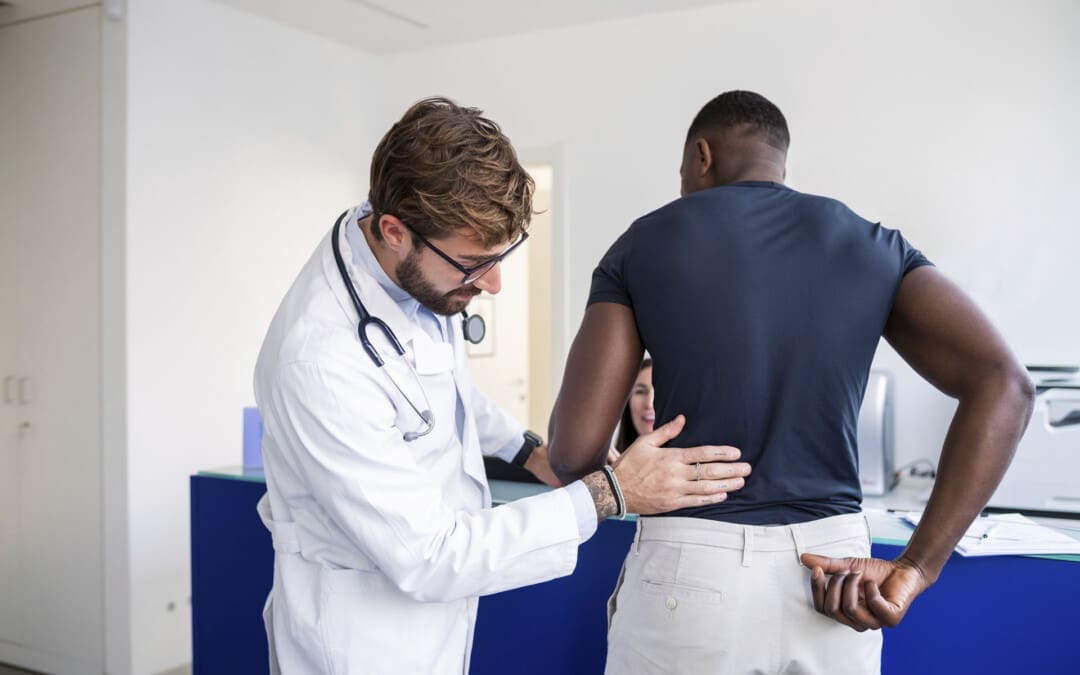
The healthcare provider will learn about symptoms and perform a physical exam to evaluate the back.
They’ll assess mobility and the type of movement that causes pain.
Then, they order diagnostic imaging to see the spine and identify the cause of pain.
Individuals may need a CT scan, MRI, and/or X-rays to evaluate the spinal structures and instrumentation fully.
Treatment
Treatment for pseudoarthrosis will likely start with:
Physical therapy
Pain management – especially in cases where it is important to rule out other sources of back or neck pain.
Medication
Injections
If symptoms don’t improve with conservative care or if there is severe pain, the healthcare provider may recommend revision surgery.
Revision surgery is another procedure to treat complications or correct issues that arise after the initial pseudoarthrosis surgery.
Injury Medical Chiropractic and Functional Medicine Clinic
As a Family Practice Nurse Practitioner, Dr. Jimenez combines advanced medical expertise with chiropractic care to address various conditions. Our clinic integrates Functional Medicine, Acupuncture, Electro-Acupuncture, and Sports Medicine to create customized care plans that promote natural healing, mobility, and long-term wellness. By focusing on flexibility, agility, and strength, we empower patients to thrive, regardless of age or health challenges. At El Paso’s Chiropractic Rehabilitation Clinic & Integrated Medicine Center, we passionately focus on treating patients after injuries and chronic pain syndromes. We focus on improving your ability through flexibility, mobility, and agility programs tailored for all age groups and disabilities. We use in-person and virtual health coaching and comprehensive care plans to ensure every patient’s personalized care and wellness outcomes.
Enhancing Health Together
References
Boonsirikamchai, W., Wilartratsami, S., Ruangchainikom, M., Korwutthikulrangsri, E., Tongsai, S., & Luksanapruksa, P. (2024). Pseudarthrosis risk factors in lumbar fusion: a systematic review and meta-analysis. BMC musculoskeletal disorders, 25(1), 433. https://doi.org/10.1186/s12891-024-07531-w
Verla, T., Xu, D. S., Davis, M. J., Reece, E. M., Kelly, M., Nunez, M., Winocour, S. J., & Ropper, A. E. (2021). Failure in Cervical Spinal Fusion and Current Management Modalities. Seminars in plastic surgery, 35(1), 10–13. https://doi.org/10.1055/s-0041-1722853
Berman, D., Oren, J. H., Bendo, J., & Spivak, J. (2017). The Effect of Smoking on Spinal Fusion. International journal of spine surgery, 11(4), 29. https://doi.org/10.14444/4029
Hernigou, J., & Schuind, F. (2019). Tobacco and bone fractures: A review of the facts and issues that every orthopaedic surgeon should know. Bone & joint research, 8(6), 255–265. https://doi.org/10.1302/2046-3758.86.BJR-2018-0344.R1
Scoliosis Research Society. (2023). Pseudoarthrosis. https://www.srs.org/Patients/Conditions/Pseudoarthrosis
Torres, H. M., Arnold, K. M., Oviedo, M., Westendorf, J. J., & Weaver, S. R. (2023). Inflammatory Processes Affecting Bone Health and Repair. Current osteoporosis reports, 21(6), 842–853. https://doi.org/10.1007/s11914-023-00824-4
Jiao, H., Xiao, E., & Graves, D. T. (2015). Diabetes and Its Effect on Bone and Fracture Healing. Current osteoporosis reports, 13(5), 327–335. https://doi.org/10.1007/s11914-015-0286-8
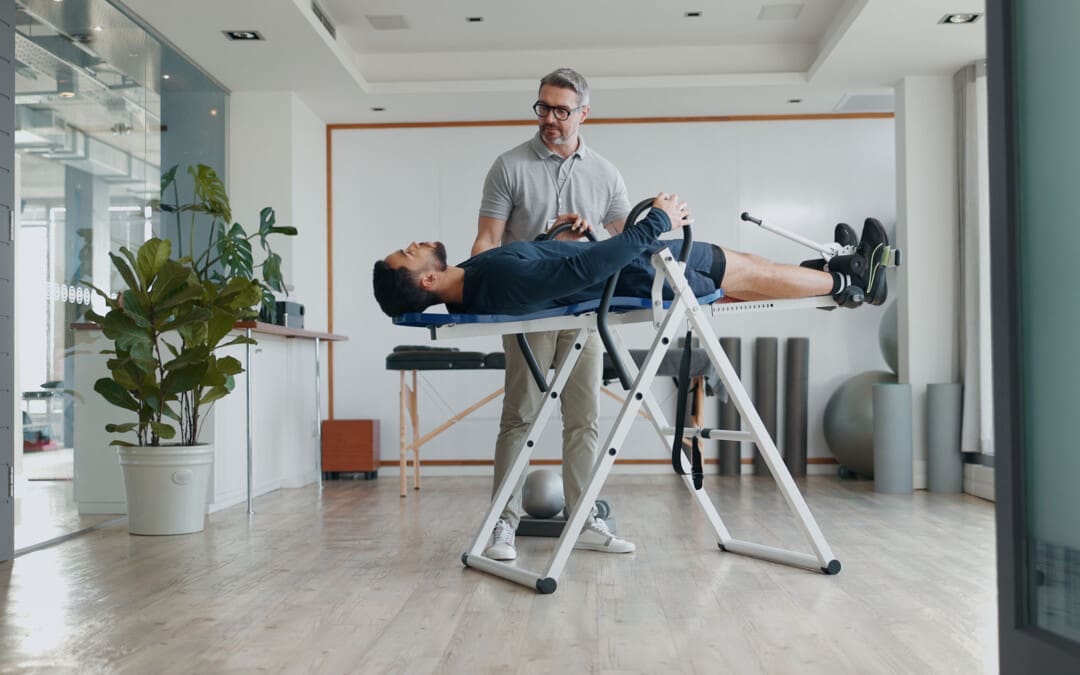
For individuals experiencing back pain, can lying in the supine position help bring relief?
Supine Position
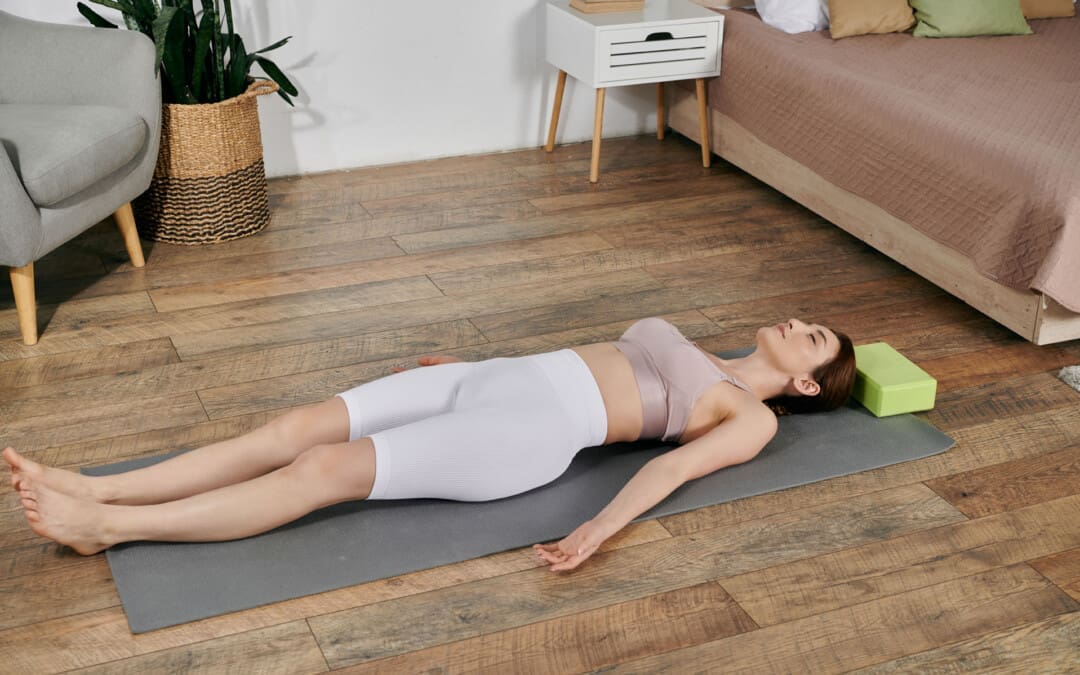
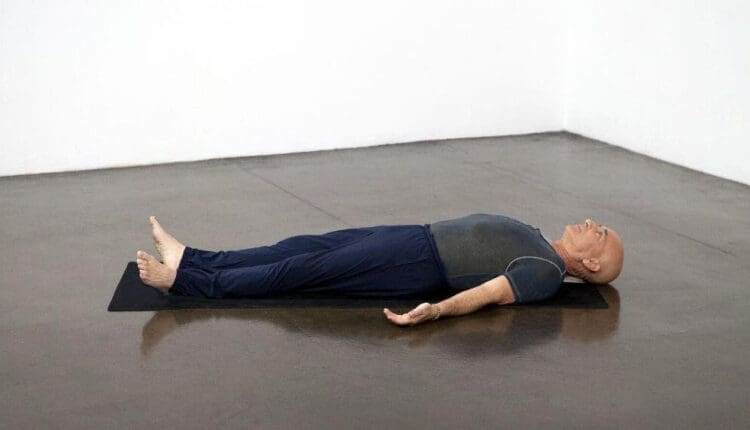
The supine position describes the body’s position when lying on your back with your face up. The individual is flat on their back with no incline, arms at their sides or bent at a 90-degree angle. It’s commonly used in medical settings for examinations, surgeries, and procedures, particularly when access to the anterior/front of the body is needed. It can benefit certain conditions, like helping relieve pain, but exacerbate others, like acid reflux. The term is also used as a modifier for exercises and stretches that begin with the individual on their back. (ScienceDirect Topics, 2009)
Medical Uses
Examinations
Healthcare providers often use the supine position for physical examinations, including vital signs, palpation of the abdomen, and chest inspection. (Nurse.com, 2024)
Procedures
It’s also used for various procedures, such as lumbar punctures and injections. (Steris Healthcare, 2025)
Surgery
Due to its accessibility to the front of the body, the supine position is frequently used for surgeries such as cardiac, abdominal, thoracic, and cranial procedures.
It allows for easy access to the airway, facilitates anesthesia choices, and can be readily converted to an open procedure if necessary. ScienceDirect Topics, 2009)
Overall Health
Natural Position
Many individuals naturally fall asleep in the supine position, finding it comfortable and conducive to spinal alignment.
Back Pain Relief
Sometimes, lying supine with proper support can relieve back pain, particularly in individuals with lumbar spinal issues. (MedicalNewsToday, 2022)
Acid Reflux
However, the supine position can exacerbate acid reflux, as gravity allows stomach acid to travel up the esophagus. (MedicalNewsToday, 2022)
Sleep Apnea
The supine position can worsen sleep apnea in some individuals.
Clinical Uses
A physical therapist, trainer, or clinician may use supine to describe positions used for manual therapy or when having the patient do stretching and back exercises as part of a home exercise program.
If the therapist or personal trainer is training the individual on core stabilization exercises for the first time, the individual will most likely start in the supine position.
This is because when the body is supine, the muscles have the least work to do to maintain correct posture and position against the force of gravity.
Many bed exercises begin in this position for rehabilitation.
Back Care
Here are a few recommendations to relieve low back pain using the supine position.
First, individuals can release the tension in the back by assuming the hook-lying position, a modification of the supine position in which the knees are bent and the feet are resting flat on the floor (Aurora BayCare Medical Center, N.D.).
Start breathing and relaxing, allowing the tension to drain out of the muscles.
In a hook-lying position with the fingertips on the lower belly, inhale deeply, then exhale naturally and puff out the remaining air.
At that point, the fingertips should feel the transverse abdominal muscle engage.
Release and repeat 10 times.
After the body is warmed up, move on to actual exercise. For example, beginners may be given hip stretches to help relieve back pain. These might be done to maintain or prevent back pain. Individuals can do yoga for their back while in the supine position. As with any exercise program, not all yoga poses involve lying on the back, but many beginners and restorative ones do.
For example, the supine spinal twist involves lying on the back, bending the knees, and gently placing them to one side. The idea is to stay in that position for a few moments—and breathe—to allow the oblique abdominal and back muscles to release.
Variations
Lawn Chair Position
This variation involves slightly bending the hips and knees and elevating them above the heart, which can help relieve lower back pain.
Frog-Leg Position
The frog-leg position involves lying on the back with bent knees pushed out to the sides, providing access to the groin and perineum. (Steris Healthcare, 2025)
Injury Medical Chiropractic & Functional Medicine Clinic
Injury Medical Chiropractic and Functional Medicine Clinic works with primary healthcare providers and specialists to develop an optimal health and wellness solution. We focus on what works for you to relieve pain, restore function, and prevent injury. Regarding musculoskeletal pain, specialists like chiropractors, acupuncturists, and massage therapists can help mitigate the pain through spinal adjustments that help the body realign itself. They can also work with other medical professionals to integrate a treatment plan to resolve musculoskeletal issues.
Thoracic Spine Pain
References
ScienceDirect. (2009). Supine Position. Morrey’s The Elbow and Its Disorders (Fourth Edition), 567-577. https://doi.org/https://doi.org/10.1016/B978-1-4160-2902-1.50042-5
Nurse.com. (2024). What Is Supine Position? https://www.nurse.com/nursing-resources/definitions/what-is-supine-position/#:~:text=During%20routine%20physical%20examinations%2C%20the,easier%20to%20perform%20comprehensive%20assessments.
STERIS. (2025). The Complete Guide to Patient Positioning. https://www.steris.com/healthcare/knowledge-center/surgical-equipment/complete-guide-to-patient-positioning#:~:text=The%20most%20common%20position%20used,and%20elevating%20the%20sternal%20notch.
MedicalNewsToday. (2022). What is the supine position? https://www.medicalnewstoday.com/articles/supine-position
Aurora BayCare Medical Center. (N.D.). Lumbar stabilization hooklying position. https://ahc.aurorahealthcare.org/fywb/baycare/x06913bc.pdf
Can postural assessments help identify problems with how a person stands or sits, which can lead to various musculoskeletal issues?
Postural Assessment
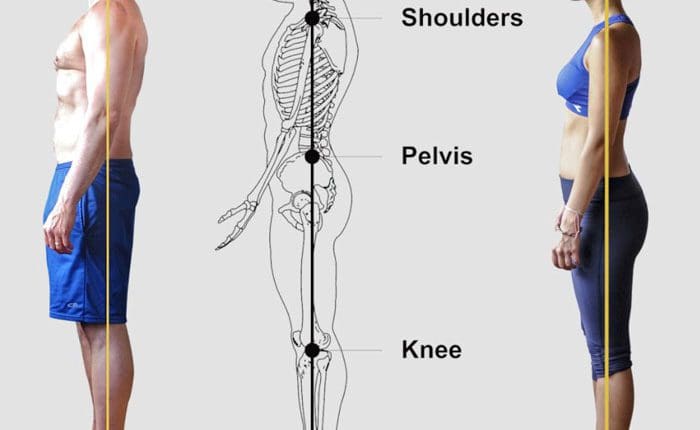
Proper posture is an exercise in which the muscles support the skeleton in a comfortable, stable, and efficient alignment. Healthy posture is present when the body is still and when moving. However, numerous factors can affect and hinder posture. These include daily wear and tear, injury, illness, or a condition. A posture assessment is a process that identifies posture issues and their root causes, often using visual and palpation techniques, and can help determine appropriate treatment or exercises. (Science Direct, 2007)
Visual Assessment
Observing the body’s alignment and symmetry from different angles (anterior, posterior, and lateral views).
Consider their daily activities, work environment, and any previous injuries. (Du, S. H. et al., 2023)
Wall Test
The patient stands against a wall with their feet shoulder-width apart and heels about 6 inches from the baseboard.
If they have good posture, their ears will be vertically aligned with their shoulders, and their head will be no more than three finger widths from the wall. (Physiopedia, 2025)
Professionals Who Can Perform a Posture Assessment
Physiotherapists
Professionals trained in assessing and treating musculoskeletal problems.
Chiropractors
Professionals who focus on the spine and nervous system.
Fitness Professionals
Personal trainers or other fitness professionals can use posture assessments to help clients improve their posture and movement.
Ergonomists
Professionals who specialize in designing workspaces and environments to promote good posture and reduce strain.
Injury Medical Chiropractic & Functional Medicine Clinic
Talk to a healthcare provider to learn what interventions would help the most. Injury Medical Chiropractic and Functional Medicine Clinic works with primary healthcare providers and specialists to develop an optimal health and wellness solution. We focus on what works for you to relieve pain, restore function, and prevent injury. Regarding musculoskeletal pain, specialists like chiropractors, acupuncturists, and massage therapists can help mitigate the pain through spinal adjustments that help the body realign itself. They can also work with other medical professionals to integrate a treatment plan to resolve musculoskeletal issues.
Singla, D., & Veqar, Z. (2014). Methods of postural assessment used for sports persons. Journal of clinical and diagnostic research: JCDR, 8(4), LE01–LE4. https://doi.org/10.7860/JCDR/2014/6836.4266
Du, S. H., Zhang, Y. H., Yang, Q. H., Wang, Y. C., Fang, Y., & Wang, X. Q. (2023). Spinal posture assessment and low back pain. EFORT open reviews, 8(9), 708–718. https://doi.org/10.1530/EOR-23-0025
IFM's Find A Practitioner tool is the largest referral network in Functional Medicine, created to help patients locate Functional Medicine practitioners anywhere in the world. IFM Certified Practitioners are listed first in the search results, given their extensive education in Functional Medicine