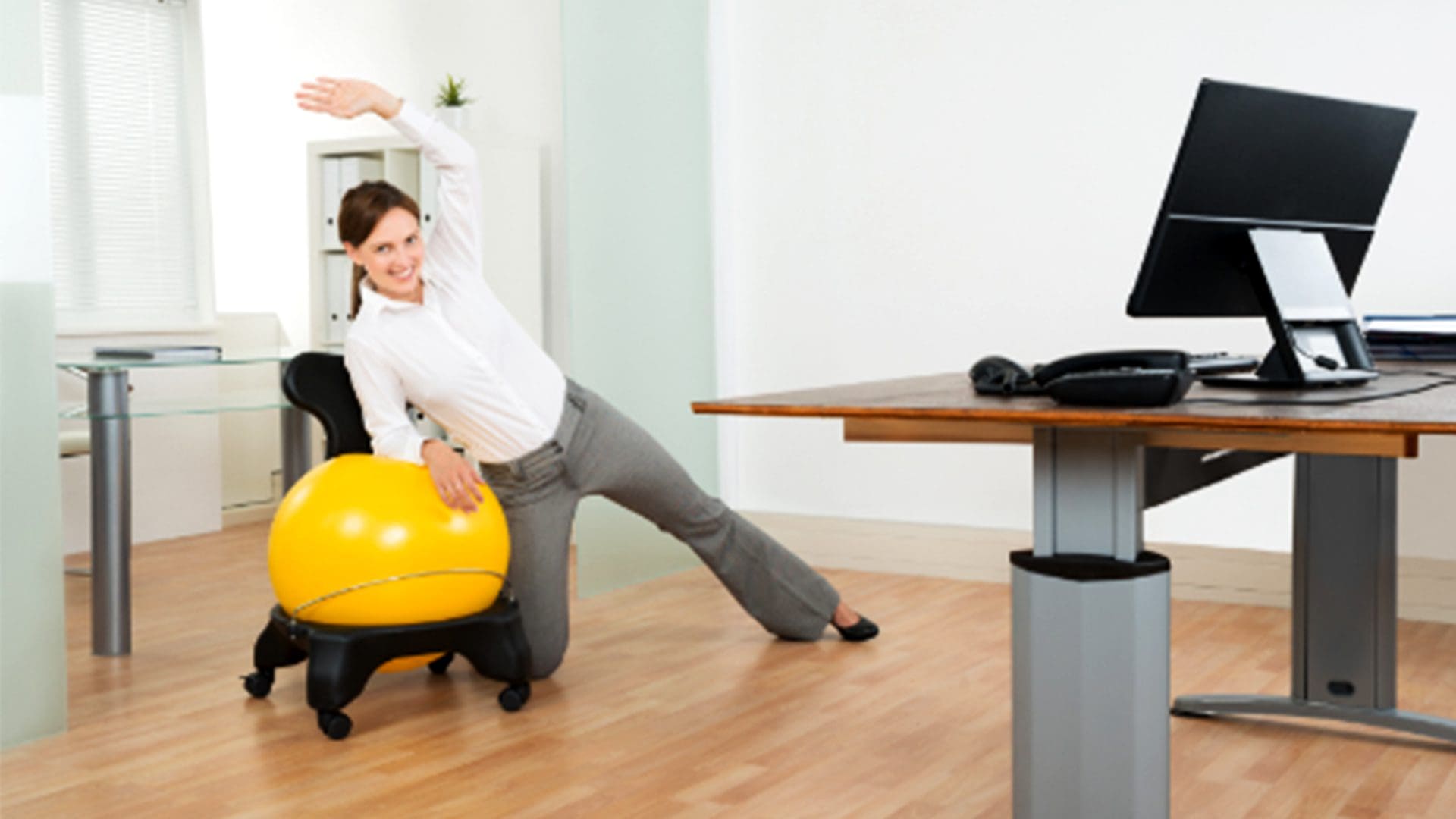
Yoga has gained popularity because of its ability to reduce back pain, relax tight muscles, relieve stress and exercise in a safe calm environment. Developed thousands of years ago, the practice of breathing, posing and stretching offers a variety of important health benefits. As a chiropractor, I�m often asked about the practice of yoga. Those with back pain or have undergone spine surgery want to know if yoga can help them improve their physical and psychological health.
Reduced stress
Improved blood pressure
Increased flexibility
Increased stamina
Greater balance
Improved breathing techniques
In addition to the normal exercise benefits yoga offers, the practice serves as therapy for a variety of injuries and health conditions. Yoga embodies the physical, emotional, and spiritual wellness, and touches upon other forms of traditional exercise. The concept that yoga heals the body in its entirety mirrors chiropractic care. These foundations offer enormous benefits to those dealing with a variety of injuries and conditions. By incorporating yoga, individuals are able to reap amazing rewards.
A regular exercise plan needs to include a little cardio as there are huge benefits from pumping the heart rate up. Minimal loading exercises, like biking, and swimming are great. Pain can be managed by participating in cardiovascular exercises, however, yoga�s gentleness can complement the healing process.
Here are a few reasons:
Prepares the body for healing
Practicing yoga stretches and elongates the body’s muscles, releasing tension and stress. It can serve to warm up the body and clear the mind, so a chiropractor can get to the root problem. Yoga complements chiropractic treatment by preparing the body to heal itself.
Strengthens joints and ligaments
Dealing with a health condition or injury is frustrating and can seem like it takes forever to heal. Implementing yoga into a recovery plan helps strengthen joints and ligaments, which aids in promoting healing and cutting down the time it takes to get better. Yoga works on the body as a whole and promotes greater well-being from head to toe. A stronger body offers more productivity than one that is stiff, sore, and unhealthy.
Increases range of motion
Depending on the individual’s specific condition, individuals may need a few visits to prepare their bodies before the main issue can be addressed. Yoga sessions increase a body’s flexibility and help with the range of motion in the neck, back, hips, and other joints.
Prevents injury/s
Yoga provides a continual way for individuals dealing with chronic conditions to manage and reduce pain, inflammation, and other symptoms. Yoga combined with chiropractic keeps the body aligned, balanced, muscles stretched, de-stressed, and the joints working properly.
Both also serve to keep posture correct, and ligaments strong. All of this creates a body that is less susceptible to future injury, illness, and stress. Individuals enjoy increased mobility for a lot longer without changing lifestyle.
The Best Way to Start
There are many different types of yoga. Most sessions usually last an hour and include breathing exercises, meditation and holding poses/postures that stretch and tone muscle groups.
To help visualize how yoga can help the spine, here’s an analogy:
Think of the spine like a cookie ice cream sandwich with the ice cream in-between and a gummy band wrapped around. The cookies represent the vertebrae, the ice cream is the disc cushion in between and the gummy band represents the ligament and muscles surrounding the area.
The tighter the gummy band is, the more it compresses the cookies and applies pressure to the ice cream.When stretching the gummy band, it loosens the pressure on the cookies and reduces the load/compression of the ice cream.
Exercise is crucial for recovery and rehabilitation. Yoga is a gentle way to get you back on your feet. It promotes circulation, relaxation, strength, and flexibility. Pure plane movements meaning moving forward then backward in basic movements are essential until the body becomes more flexible. Move carefully forward, sideways and cautiously backward.
At the beginning no movements combining bending and twisting.
The muscles need to adapt and become comfortable with these movements at first. Therefore, hold poses for at least 30 seconds without bouncing minimizing potential injury.
Certified instructor
Ask your doctor or chiropractor if they can recommend a certified yoga instructor; preferably with 500 hours of instruction. Search for small class sizes and a teacher that closely monitors movements and poses closely. It is important that the instructor be aware and make gentle adjustments or offer modifications to participants as needed.
Restorative Flow
Start off with a type known as Restorative Flow. It restores the flow from one part of the body to another with slow controlled movements/poses that emphasize stretching and correct breathing.
Listen to Your Body
When healing from injury/s, take it slow. Listen to your body and let it guide your movements so that it feels safe and comfortable. Do not push beyond. For most, a beginner or restorative Yoga class is best. Ask about modifying the poses so that the bending and twisting combinations/advanced postures are taken out so as not to overload the joints.
If you are on a budget consider purchasing an instructional DVD. DVD’s offer program variations of 20 to 60 minutes and are highly educational and easy to follow. Stretching pain/soreness is okay, but sharp pain is not.
Yoga could be an answer to many of the body’s issues, whether dealing with current conditions or just want to stay healthy in a new way check out the basics of yoga. Chiropractic coupled with yoga offers great benefits to those dealing with medical conditions or injury. Ask your chiropractor for an evaluation, and if adding yoga to your health program will help.
A healthy lifestyle combined with�exercise�creates toned muscles that protect the body/spine and improve blood circulation. Chiropractic is designed to bring pain relief, realign the spine, and restore the body to its natural balance through treatment and a strengthening program.
Spinal Blood Supply
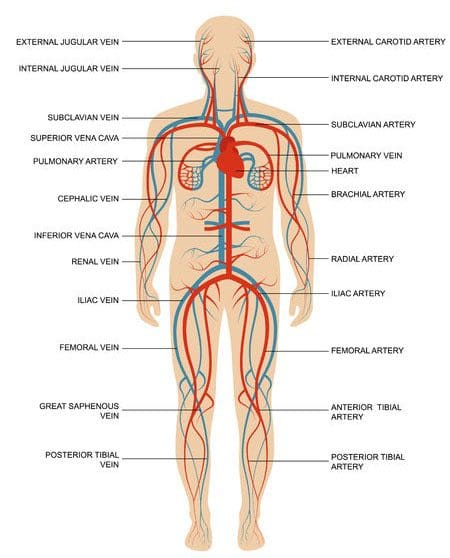
The vascular system’s function is to nourish every cell in the body. This includes the:
Vertebral column
Spinal cord
Neural structures
Muscles
Blood
Blood contains:
Plasma – fluid
Red blood cells – erythrocytes
White blood cells
Platelets
Plasma and Cell Nourishment
Plasma, or the liquid part of blood, total’s to about 90% of blood combined with water, salts, hormones, and proteins. It delivers the proteins, fats, minerals, and lipids to each cell in the body. Cells can’t reproduce or repair any damage or injury to the body without nutrient replenishment.
Red Blood Cells/Oxygen
The primary benefit cells derive from blood is oxygen. Oxygen is needed to burn glucose for energy. This oxygen comes from red blood cells. Oxygenated blood pumps from the heart through the arteries while deoxygenated blood returns to the heart through the veins. The pulmonary artery is an exception, as it carries deoxygenated blood from the heart to the lungs and is reoxygenated there. The pulmonary vein then takes the oxygenated blood back to the heart from the lungs.Then the oxygenated blood gets circulated throughout the body.
White Blood Cells/Immunity
White blood cells are the components of the immune system and fight infection/s and bacterial toxins.
There are different types of white blood cells, these include:
Neutrophils
Eosinophils
Lymphocytes
Basophils
Monocytes
Each has a different job. These antibodies are transported through the circulatory system.
Platelets/Clotting
Platelets control bleeding from injury/s by creating a clot, through a series of chemical reactions. The spine is served by the body�s system of arteries and veins.
Strengthening
Exercise instructions for specific conditions are given by a physical therapist or chiropractor. The following exercise tips apply to everyone. Remember injury prevention is key for a healthy body.
Warm-Up
Before starting any exercise, it’s important to warm up. A series of dynamic moves can boost your heart rate and warm up the muscles during your work out. Select whole-body movements like leg lunges combined with arm motion or walk in place while raising and lowering your arms. Once you’ve warmed up, you can stretch without risk of injury.
Appropriate Footwear
When buying tennis shoes, check for stability, flexibility, and comfort. During your test walk, make sure that the shoes feel firm and move through your entire range of motion for a stable gait. Footwear should be flexible enough to give easily at the base of the toe for a smooth gait, and there should be cushioning at all the right places with plenty of room for the toes to move. Shoes that properly fit your feet means that your walk will be more natural and healthy during exercise and in motion.
Keep Posture In Mind
Perhaps the biggest reason that these exercise tips are so important is that strong and flexible muscles will help you have proper posture. Be mindful of the following as you move:
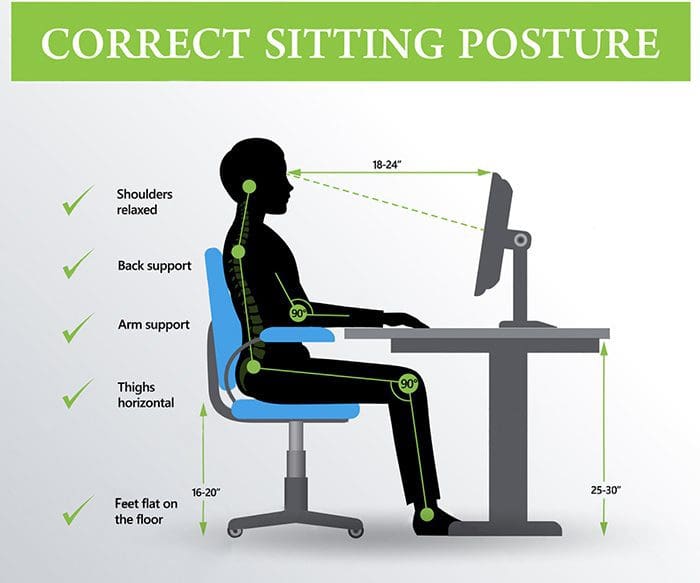
When sitting, the feet should be on the floor, shoulders should be relaxed, and forearms should remain parallel with the ground.
If standing for an extended time, make sure to maintain posture by tucking the stomach muscles in.
When standing for a very long time, shift the weight from one foot to the other and from the heels to the toes and back again.
These simple tips for maintaining proper posture will passively work muscles and result in a healthier spine.
Stretch Muscles
Finally, it is important to target large muscle groups with passive exercises. Use your weight to slowly stretch your hamstrings, piriformis, and entire back. Passive stretching is gentle and relieves stress points that cause back pain. These gentle exercises provide a great deal of relief and are easily adjusted to fit your fitness level.
A chiropractor will work with you to create an exercise program that is optimal for you. Be sure to follow through with the plan and include these tips in your regular work out.
Sit-Ups/Crunches/Planks and the like
We have ligaments that connect bone to bone, and tendons that connect muscles to bones. All of these structures work together to help move and to stay balanced. Strengthening one area of your body, like the spine, should include strengthening the surrounding areas where the spine really takes the weight. And that is the core.
For the back, abdominal strengthening is important because the abs act as a front/forward anchor for the spine. They work as a counterbalance for the back muscles which means that both muscle groups need to be strong to keep the spine properly supported. If the abdominal muscles are weak then the back muscles have to work harder to support the spine.
This can lead to sprains or strains, and back pain. Strengthen, stretch, and stabilize the muscles. These are the keys to keeping the spine healthy. Building up muscle strength, keeping muscles flexible, and working on the core will help stabilize the spine. A physical therapy exercise program includes strengthening, stretching, and stabilization specific to each individual’s condition. Don’t skip the abdominal exercises when dealing with back pain, they will help in the long run!
Degenerative disc/s is a condition where the wearing down of the spinal discs causes pain and discomfort. All of our spines go through this, but not everybody�feels pain. Chiropractic care is a treatment option for degenerative disc disease (DDD). The first step is to determine the disc-related problem.
Chiropractic Diagnosis
During an initial evaluation, your chiropractor will review your medical history, along with a discussion about current symptoms and the possible causes.
With degenerative disc/s��the main symptom is back pain. A chiropractor will examine potential causes:
How the mechanics of the spine are operating.
Thinning discs could bulge and place added pressure on the nerves of the spine.
Spinal stenosis can also cause back and leg pain.
A physical and neurological exam can pinpoint problem areas, like:
Where joint motion is restricted
Range of motion
Abnormal spinal curvature
Muscle spasms
Trigger points
An injury like a sprain or strain
There are different reasons why your neck or back may hurt, and your examination may include some basic tests. Observance of how you walk, and overall posture. This will help to observe body mechanics and how your spine moves. Imaging tests like x-rays or MRI are common to find the problem area and cause. The chiropractor will diagnose your condition and create a treatment plan for pain alleviation.�
Degenerative Disc/s
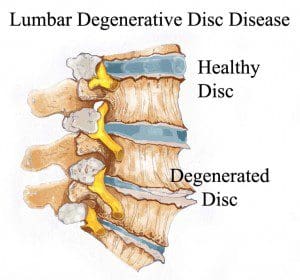
The disc/s can lose their integrity, and begin to thin and possibly tear. This increases unwanted pressure on nerves and creates friction between the vertebrae. Degenerative disc disease can go through various stages. With the progression, the negative symptoms become more pronounced.
Stages
1
The first stage of degenerative disc disease may go unnoticed by the individual but can be identified by a chiropractor or other medical professional. The loss of the natural curvature of the spine can indicate the beginning of degenerative disc disease. Pain may not be apparent, but extra pressure is being placed on the spine which can lead to more rapid aging of the spine, nerves, joints, etc.
2
The degradation of discs becomes more apparent in the second stage. They may look thinner, and it is common to see deformations in the bone, such as bone spurs. The curvature of the spine will become more unnatural and the spinal canal may become more narrow. Stage 2 is often where you will begin to notice some pain and discomfort.
3
Stage 3 is marked by a more extreme change in the posture and curvature of the spine, along with more pain and loss of mobility. Nerve damage is common and scar tissue typically begins to form. Discs are even thinner than before, which can sometimes cause even more deformation of the bones.
4
The final stage of degenerative disc disease is the most severe and is typically considered irreversible. Discs are at their thinnest or gone altogether. The flexibility of the spine is extremely limited and pain is often considerable. Nerve damage can be severe and the bones of the spine may even begin to fuse together.
Care
Chiropractic care is a preferred treatment for degenerative disc/s disease. Because it is gentle and non-invasive, chiropractic does not create undesirable side effects like prescription meds and surgery are more prone to do. The earlier the stage of the disease, the more successful the treatment. But chiropractic can help even in the most extreme cases. The goal of chiropractic is to improve joint mechanics with improved spinal motion and reduced inflammation. The chiropractor may also work on improving the function of the intervertebral discs.
Treatments can include:
Adjustment/s
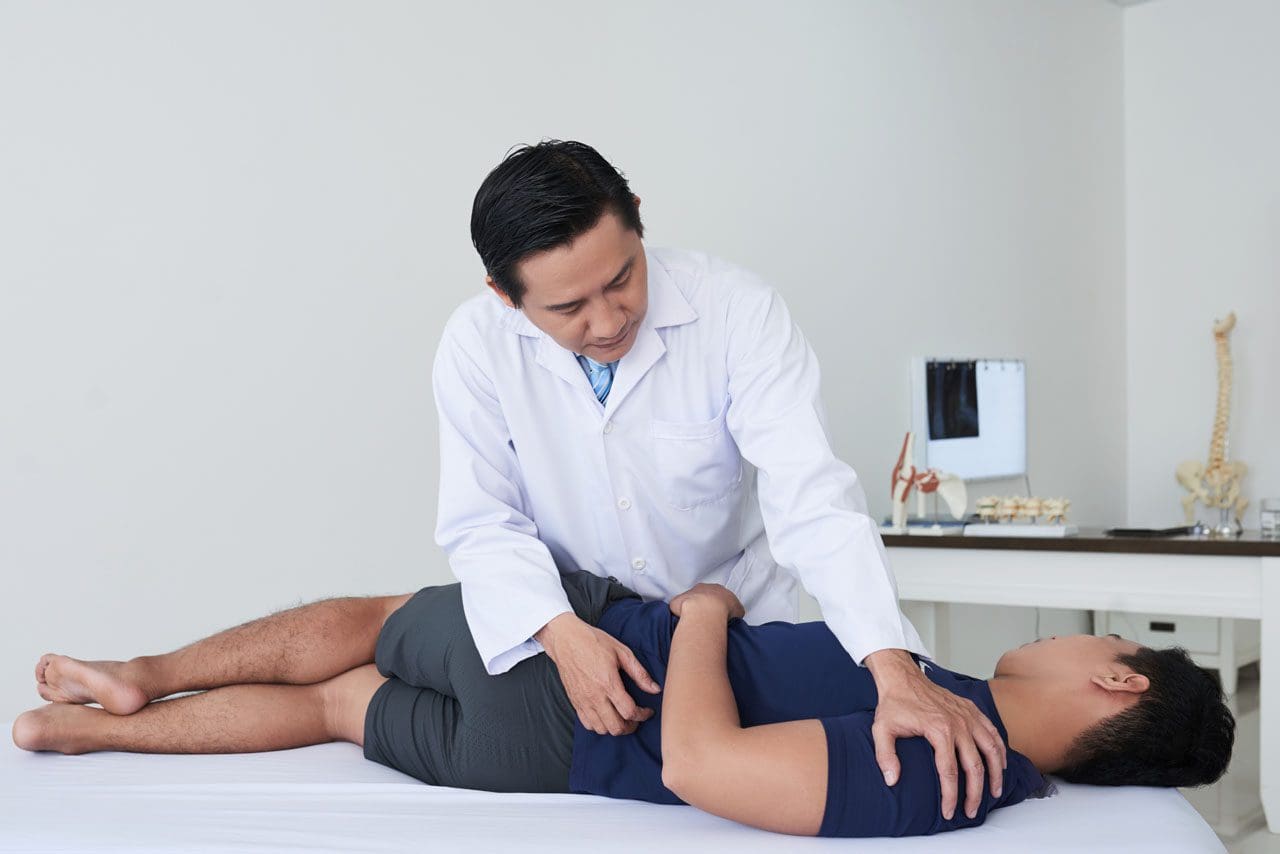
One of the most effective treatments is to ensure the spine is in proper alignment. Loss of alignment, which can happen due to injury or just regular wear and tear, puts extra stress on the spine which can accelerate disc/s degradation. Adjustments bring the body back into proper alignment.
Spinal manipulation will identify the joints that are restricted or those that have abnormal motion. They will use a gentle thrusting technique.
Flexion-distraction technique uses a gentle, non-thrusting technique that is typically used to treat herniated discs and spinal stenosis.
Instrument-assisted manipulation uses a hand-held instrument. The chiropractor or therapist applies gentle force without thrusting directly into the spine.
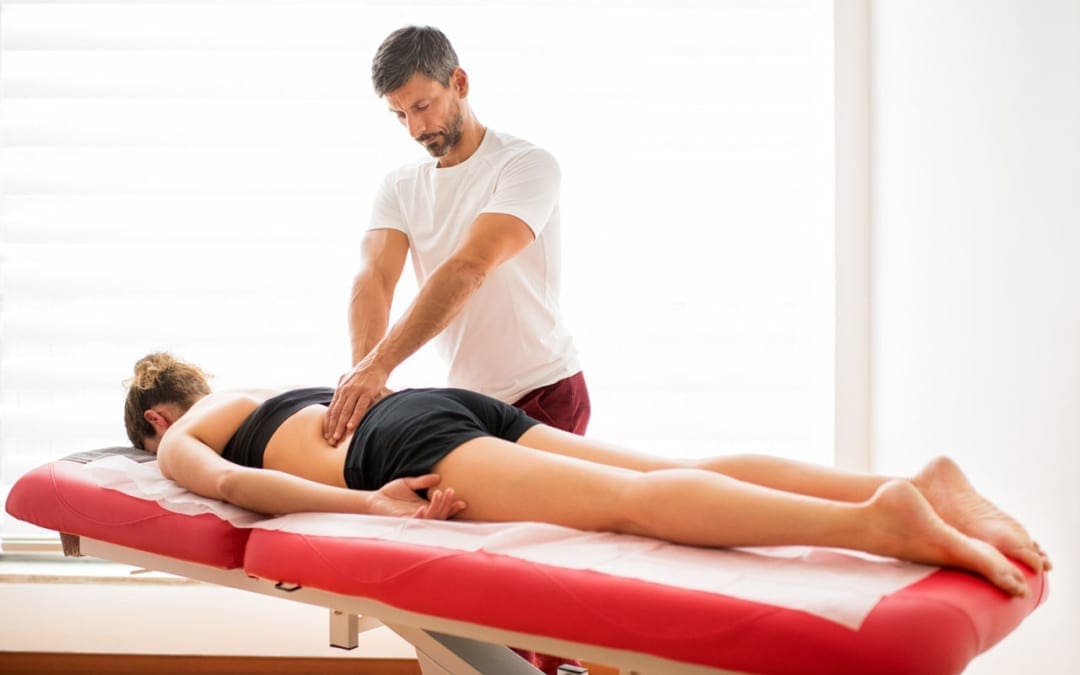
Therapeutic massage
A physical therapist can perform different types of massage to reduce muscle tension. Manual joint stretching and resistance techniques can also relieve pain and other symptoms.
Trigger point therapy
Here tight painful points on a muscle/s are identified and places direct pressure on these points to relieve tension.
Decompression
Spinal decompression uses gentle but firm pressure to bring space back between the vertebrae. Space allows blood flow to return and healing to happen. Decompression is an important treatment to complement adjustments.
Electrical stimulation
A low-frequency electrical current stimulates your muscles and reduces inflammation.
Ultrasound
This type can help reduce muscle spasms, stiffness, and pain with sound waves that penetrate deep into your muscle tissues. This creates a gentle heat and enhances blood circulation.
With chiropractic, prevention is the key, and therapeutic exercises can prevent symptoms from getting worse. Seek treatment for your back and neck pain now. Our team can help you feel better and educate you on living a healthier life. Your chiropractor will work hard to treat you and address all your symptoms. Chiropractors treat the whole body and not just symptoms.�
Herniated Disc El Paso, TX
NCBI Resources
A disc can also�herniate and place pressure on the nerves that flow into the feet, and cause pain, tingling, and numbness. The wear and tear of the spine combined with a herniated disc�can pinch the nerves that go to the feet.
Everyday exercises that increase the strength of the abdomen/core along with the back muscles will optimize your body to resist spinal injuries.
Your spine goes through a lot each day. It provides structural support and houses the central nervous system that carries impulses from the brain throughout the body. When it doesn’t work as it is supposed to, the entire body can be affected. Chiropractic has long been praised as a way to keep the back healthy.
The spine is the primary support for the body. When it breaks down, the body suffers. Regular chiropractic care keeps the spine properly aligned, which keeps the body in proper alignment.
Chiropractic helps with joint health as well as the health of the related muscles and ligaments. Your chiropractor can also recommend stretching and strength-building exercises to help keep your spine strong and in optimal form.
Try the following everyday exercises as the day progresses.
Rotate the shoulders, forward and back.
Turn the head slowly from side to side.
Imagine an airplane taking off, just over your right shoulder. Feel the neck stretch, and follow the plane as it goes up, around and down, until it disappears behind the other shoulder. Reverse and do the same from the left side.
When there is a break or pause in your day waiting at the elevator or for a traffic light to change pull in the abdominal muscles, tighten and hold for 8 seconds without breathing. Relax and increase the count gradually when you feel ready. After a week or so, practice breathing the way you normally do with your abdomen flat and contracted. Try this when you sit, stand, and walk.
Before rising out of bed in the morning, push your head against the pillow and hold for 6 seconds. This strengthens the neck muscles and helps you wake up.
Chiropractic helps keep the spine flexible and loose to prevent injury/s. A strong flexible spine reduces the chances of a misaligned back and could experience pain.Your quality of life will greatly improve being more flexible and mobile.
Continued Everyday Exercises
As you get ready for your day, brushing teeth or shaving, pull in the abdominal muscles and hold them as hard as you can.
Make a habit of starting your day holding stomach muscles in.
In the car, waiting in traffic make the most of it, grab the steering wheel on either side of the wheel at three o’clock and nine o’clock. Try to pull the wheel apart and hold it for a few seconds. Then do the same but push inward. You can also push with your palms against the roof. Also push against your knees using the muscles in your forearms, chest, and abdomen.
Waiting for an elevator, push your toe against the bottom of a wall and hold. You should feel it in your rear, abdomen and low back.
You can strengthen your grip and arms by squeezing a solid object like an office landline phone receiver and then let go and repeat.
While talking on the phone, stand over your desk waste-basket with legs straight, squeeze in using the muscles in your legs and hips.
You can also choose to do some exercises that can be done anywhere and in public.
Chiropractic Improves Posture
Proper posture is beneficial for the entire body. Proper alignment keeps the muscles working correctly and in strong fashion. This prevents over wear and tear on the joints surface and keeps the muscles working effectively and efficiently. Good posture prevents injury and helps with organ function.
Chiropractic optimizes overall health by keeping the body balanced and in tip-top form. Many think that its only purpose is to treat back pain, but it actually focuses on total body wellness.
Reduce Excessive Foot Pronation with Custom Foot Orthotics
NCBI Resources
Having healthy body composition means�there needs to be more lean body mass i.e.�muscle mass�and less body fat.�Strength training/CrossFit�helps by raising the�metabolic rate�while lowering body fat. The increased muscle strength helps maintain correct posture and body mechanics in whatever you do.
Physical activity reduces the chance of injury while increasing physical performance like being able to climb stairs or carry groceries with added confidence.
Q: I’m experiencing back pain more so now.�My question is, is this back pain from my baby is it normal or is it something else? I’m a 30-year-old woman in the second trimester with our first child. I would have back pain before I was pregnant but nothing serious, just normal work and a little soreness at the end of the day. There was never back soreness or pain that I thought warranted a visit to the doctor. My doctor says that it is normal from the weight of the baby and there is nothing amiss, but to discuss this with a chiropractor, as there could be some treatment/therapies/exercises to help.
El Paso, TX.
A: Having low back pain before you were pregnant concerns me, as what you are saying sounds like a possible herniated disc bulging or slipped disc. However, I cannot give you an official diagnosis unless I see you as a patient and can’t say if it is something else.
But low back pain can be caused by a combination of things. This includes your pregnancy along with:
Herniated disc
Disc degeneration
Age
Muscle spasm/s
Daily wear and tear
Injuries
Unknown injuries
Added Weight
These are just a few of the things that could be causing your low back pain. Add pregnancy to this list and low back pain can become unbearable. Your pain can be made worse by a variety of factors.
For example, let’s say you were lifting a few pieces of light furniture before you became pregnant, and that slight soreness you felt and thought was nothing could actually be a strain, muscle spasm, or over-stretch that did not cause an injury but is the beginning of an injury waiting to happen.
During pregnancy, a growing belly can put place more pressure on the:
Intervertebral discs
Joints
Muscles
Ligaments
Hormones that are released during pregnancy can also exacerbate your back pain. The hormone relaxin causes the pelvis and the ligaments of the lower back to gain flexibility. This is in preparation for the delivery and can cause low back pain because of the added flexibility you are more prone to injury, which is why doctors say to take it easy. It could all be a combination of these factors but I would have to examine you, go over your medical history to get a proper diagnosis to create a personalized treatment plan during pregnancy and after if the need is there.
Treatment During Pregnancy
There are several treatment options for back pain. During pregnancy is not the time to experiment with medications or back pain treatments that could cause a negative response or something else to your health. The goal�during pregnancy is safety.
Here are four safe therapies for managing back pain while pregnant:
Gentle exercise/s like walking and yoga helps alleviate back pain and can also generate an overall feeling of wellness.
Physical therapy can decrease your back pain by strengthening the muscles. A physical therapist that has experience working with pregnant women is the best option.
Prenatal massage relaxes tense back muscles and reduces stress. Look for a massage therapist that specializes in prenatal massage.
Prenatal yoga classes are great for decompressing/destressing during pregnancy.
Discuss all of this with your doctor and all treatment options. It’s not a good idea to start a new exercise program when you’re pregnant. If there was a regular exercise routine before you were pregnant, you can continue, but you may have to make some adjustments as your body prepares for the delivery. Once the baby is born, you and your doctor can re-evaluate your treatment plan. But regardless of your treatment plan, you should still continue to maintain a proper healthy weight by eating right and exercising regularly to prevent back pain from worsening.
Low Back Pain Treatment While Pregnant
NCBI Resources
Chiropractic a preferred treatment for pregnancy low back pain. The chiropractor may perform a spinal subluxation to bring the spine back into alignment and the body back into proper balance. Regular chiropractic care and following the doctor�s instructions can help greatly decrease back pain so that she can better enjoy the excitement and joy of her pregnancy.
Here are some tips to avoid stressing your back. Ergonomics breaks down how our work environment affects our work and body. Ergonomics looks for ways to improve our environment to decrease the risks of injury, ailments, enhance productivity, and improve the quality of our work.
The profession of ergonomics focuses on two areas:
Industrial ergonomics also called occupational biomechanics focuses on the physical aspects of work like
Force
Posture
Repetitive movement/s
Human factor ergonomics looks at the psychological aspects of work like mental well-being and efficient decision-making.
Minimize Stress at the Desk
Try not to lean over the desk for extended amounts of time.
Do not sit too far from the desk/workstation.
Do not sit with your back unsupported.
Adjust the chair to a proper height so the knees are bent at a 90-degree angle.
Keep the elbows bent at a 90-degree angle but also rest the elbows on the work surface or chair armrests.
Try not to bend or twist the neck while on the phone.
Maintaining a Neutral Spine While Standing
The feet should be slightly apart with the knees straight and chin tucked in. Try not to stand in one or the same position for extended amounts of time. Change and shift the weight from one foot to the other regularly. Use a footstool to elevate the foot/feet off and on, shifting the weight and continually moving can be helpful.
Proper Posture
Proper posture means maintaining the natural curve of the spine known as a neutral spine. Proper posture should be incorporated into all activities of daily living, which minimizes the amount of added stress to the spine. Proper posture is so important it’s what a chiropractor or physical therapist will first teach a patient.
Proper posture looks like
Imagine a plumb bob hanging from the ear lobe. With proper posture, the plumb bob will drop straight down the middle of the arm to the ankle.
Why is this so important?
Improper posture and incorrect body mechanics are two of the primary causes of neck and back pain.
Lifting/Carrying Objects
Observe the object to be moved, if the object looks too heavy or too big then please get help!
Before moving the object move any obstacles out of the path.
Get as close to the object as possible and bend at the knees.
Before lifting make sure the feet are slightly apart and flat. When turning, instead of twisting, pivot with the feet. This helps provide a stable base.
Take a long breathe and tighten the stomach muscles.
Smoothly lift the object using the arms and legs, not the back!
Try to hold the object at the side and bottom and keep it close to the body.
Keep your back straight.
Carry the object with the elbows slightly bent.
When carrying try to keep a balanced amount of weight in each hand. For example, shopping bags or luggage should have the loads divided in two.
Keep the shoulders held slightly back and level.
The ears should line up with the shoulders.
Keep the chin tucked in slightly.
Keep the pelvis shifted forward so that the hips are lined up with the ankles.
Reaching
Consider the size, weight, and location of the object.
Use a heavy-duty step ladder.
Directly face the object and get as close to it as possible.
One hand should be used for additional support.
Try not to look overhead for extended periods as this causes unnecessary stress to the neck.
Store items that are used all the time easy to reach. This could mean rearranging shelves etc.
There are almost as many causes of back pain as there are words to describe the pain and symptoms. Muscle spasms are the most common cause, the spine is susceptible to the same problems as other parts of your body. Poor posture and incorrect body mechanics are two of the leading causes of neck and back pain.
Through Dr.Alex Jimenez�s unique approach to healing, he continues being voted the best�Chiropractor in El Paso by the El Paso reviewing sites, clinical specialists, researchers and readers.��This is in part because he passionately accepts patients he feels are candidates for care. If he feels you need other treatment, then you will be referred to a clinic or Physician that is best suited for you.��Dr. Jimenez has teamed with the top surgeons, clinical specialists, medical researchers and premiere rehabilitation�providers to bring El Paso the top clinical treatments to our community.��Providing high non-invasive protocols is our priority.
Chiropractic Care For Migraine El Paso, TX
NCBI Resources
Sitting places added�stress and pressure on your back because it transfers the body�s full weight onto the buttocks and thighs. Sitting for long periods can cause�pressure�to�increase on the discs, which can lead to severe/chronic back pain.�Sitting also takes a toll on the lower extremities. As the�blood stays�in the legs and feet this creates a sluggish return of blood to the heart.
Foods we eat can help�prevent spinal fractures, osteoporosis, along with other bone issues.�Most of us struggle to get the proper amount�of calcium and vitamin D into our diets even though magnesium is found in a variety of foods like green vegetables, oatmeal, nuts and seeds, meat, poultry, seafood, and legumes.�
The spine is constantly in a state of change as your metabolism breaks down, replaces and rebuilds bone. The nutrition your bones need is always changing, as well as the body as it acquires stored bone minerals for other purposes and replaces them with a fresh supply from what you eat.
The best way to keep your bones strong and pain-free is by eating a healthy diet rich in calcium, vitamin D, and magnesium. That means going beyond the dairy aisle when looking for bone-boosting foods. There are plenty of healthy options scattered all throughout the grocery store.�Here are some tips on what you might want to consider buying the next time you’re at the market.
Here is a list of foods rich in calcium and vitamin D to start adding to your grocery list. Note: Always check nutrition labels. Fortified products, like plant-based:
Kinds of milk
Cereals
Juices with added calcium or vitamin D, are not included.
But they can be a great addition to your diet as an added assurance that you�re hitting the proper nutritional goals.
Produce/Plant-Based Protein
Fruits, veggies, and plant-based proteins are always a good choice but here are a few that pack more bone nutrients.
One cup of shredded�Bok Choy equals 74mg of calcium.
Two cups of raw� Broccoli equals 86mg of calcium.
One cup of cooked Collard greens equals 268mg of calcium.
A half-cup of raw Cress equals 188mg of calcium.
One cup of Edamame equals 98mg of calcium.
One cup of raw Kale equals 101mg of calcium.
One cup of Okra equals 82mg of calcium.
One good size Orange equals 74mg of calcium.
A half-cup of raw Rhubarb equals 103mg of calcium.
A half-cup of�Tofu equals 434mg of calcium.
Seafood
Fresh seafood offers some great options to get vitamin D.
Three ounces of cooked�Mackerel�equals 300-500�IU� of vitamin D.
Three ounces of cooked�Salmon equals 400-500 IU of vitamin D.
Packaged Foods
Foods like nuts, seeds, and canned goods, can help stretch your food dollar and be a nutritious option.
One ounce of�Almonds equals 75mg of calcium.
A half-cup or three ounces of�Canned salmon can equal 290mg of calcium or 400-475 IU’s of vitamin D.
Three ounces of�Canned sardines equals anywhere from�325-400mg of calcium or�150-250 IU’s of vitamin D.
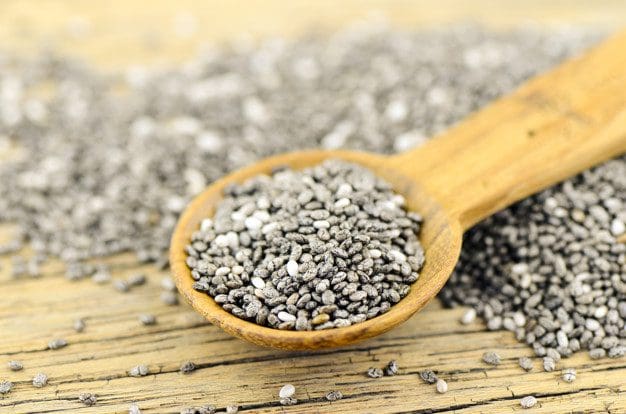
One ounce of�Chia seeds equals 179mg of calcium.
A half-cup of dried Figs equals 121mg of calcium.
One tablespoon of�Poppy seeds equals 127mg of calcium.
One tablespoon of�Sesame seeds equals 88mg of calcium.
A half-cup of�White beans equals 63mg of calcium.
Dairy
Dairy sources have more calcium with each serving than any other food. Here are a few to help you reach your daily nutrient amount to keep your bones strong for years.
One slice or a half-ounce of�Cheese equals150-270mg of calcium.
One large�Egg equals 44 IU of vitamin D.
A half-cup of�Frozen yogurt equals 80-110mg of calcium.
A half-cup of�Ice cream equals�80-110mg of calcium.
One cup of�Low-fat yogurt equals 350-400mg of calcium.
One cup of�Milk equals 250-300mg of calcium.
A half-cup of�Pudding equals 55-140mg of calcium.
Vitamins/Supplements
Eating a well-balanced diet gives you all the nutrients your bones need. Sometimes you need a calcium supplement to fill in the gaps. Learn more about whether a supplement may be right for you by talking to your doctor, chiropractor, health coach, dietician.
Keep Your Spine Healthy
A healthy diet that’s rich in multiple nutrients will maintain your spinal bone health and overall health.
As part of our Acute Injury Treatment & Rehabilitation Practice, we are presently offering detailed�Institute For Functional Medicine��Collaborative Assessment Programs focused on Integrative Treatment Protocols. We completely evaluate personal history, current nutrition, activity behaviors, environmental exposures to toxic elements, psychological and emotional factors, in tandem with your genetics.
Our purpose with these high-level assessments is to understand the root cause of chronic disorders and to treat the person holistically.� Integrative Personalized Medicine is the future of healthcare and we are very proud to bring it to all our patients.� Our online�Functional Medicine Health Assessment Questionnaire has given insights into our patients’ present Functional Health.
Our team has taken great pride in bringing our families and injured patients only clinically proved treatment protocols. �By teaching complete holistic wellness as a lifestyle, we also change not only our patient�s lives but their families as well.� We do this so that we may reach as many El Pasoans who need us, no matter the affordability issues.
Detox Your Body Detox Doctor El Paso, TX.
NCBI Resources
Having healthy body composition means there needs to be more lean body mass i.e.�muscle mass�and less body fat.�Strength training/CrossFit�helps by raising the�metabolic rate�while lowering body fat. The increased muscle strength helps maintain correct posture and body mechanics in whatever you do.
Physical activity reduces the chance of injury while increasing physical performance like being able to climb stairs or carry groceries with much-added ease and confidence.
IFM's Find A Practitioner tool is the largest referral network in Functional Medicine, created to help patients locate Functional Medicine practitioners anywhere in the world. IFM Certified Practitioners are listed first in the search results, given their extensive education in Functional Medicine