With so much at stake, our bodies have developed a complex self-defense system to protect the spinal cord and its critical two-way�sensory information flow. As the body�s nerve center the spinal cord controls almost all voluntary and involuntary movements throughout the torso, arms, and legs.�It also receives sensory input from the torso and limbs. The�spinal cord plays a critical role and needs to be defended. The most prominent protection for the brain is the skull, for the spinal cord, it is more complicated.
Self Defense
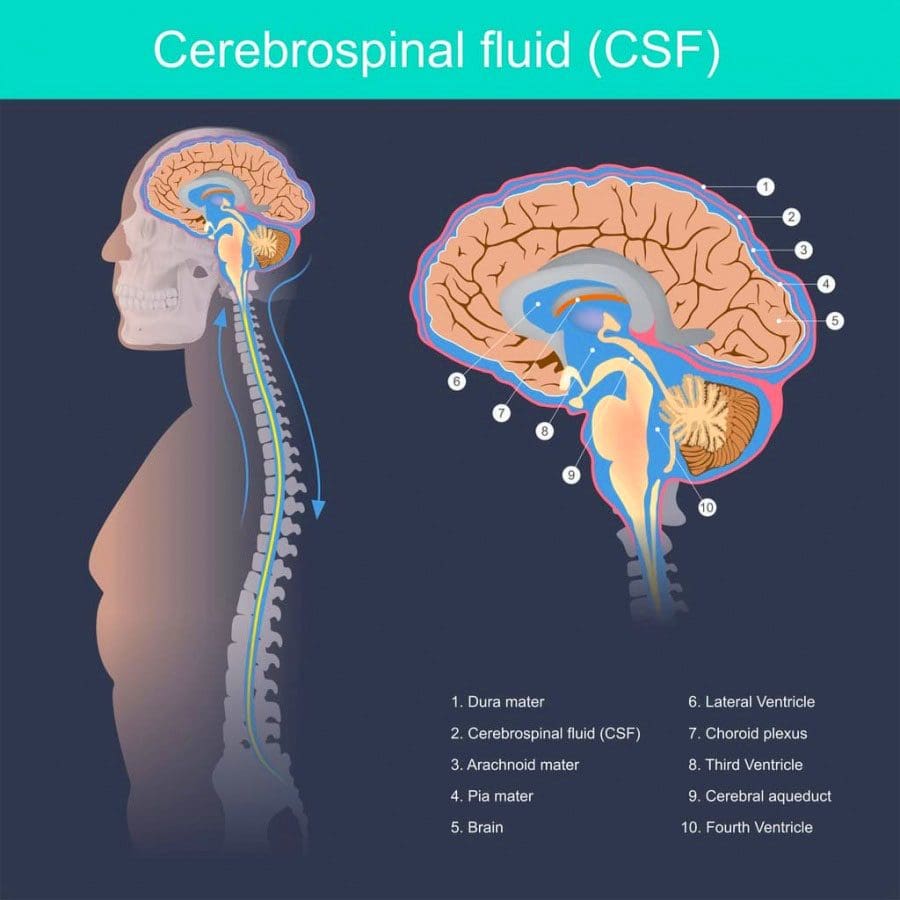
The spinal cord consists of a bunch of nerves. One of the self-defenses is the cerebrospinal fluid (CSF) that cushions and nourishes them. On the outside, the spinal cord is protected by the tube structure known as the meninges. Three-layered membranes make up the meninges, each with its own protective role:
Pia mater
Arachnoid mater
Dura mater
Self-defenses do not stop there. Another self-defense includes the vertebrae or the backbones themselves, intervertebral discs, and various muscles and ligaments.
Meninges
The meninges are three layers of membranes that encapsulate the spinal cord at the brainstem from the top to the bottom of the spine. The innermost layer is the pia mater and is attached directly to the spinal cord. It is made up of mostly collagen that has an elasticity that allows the cord to maintain its shape. Next comes the arachnoid mater and is the middle layer.
Its primary role is to maintain the cerebrospinal fluid that fills the subarachnoid space between the pia and the arachnoid. A common condition known as arachnoiditis involves the arachnoid mater. It is a painful inflammation of the membrane that requires medical treatment. It can lead to disability if it is progressive.
Dura Mater
The outer layer is the dura mater and is the toughest. The dura rests on the arachnoid with a small amount of fluid in-between. The epidural space separates this membrane from the wall of the vertebral canal. Although it is tough, tears can occur. Tears can result from:
Injury
Epidural injections
Lumbar punctures
Complications from spine surgery
Some individuals can even develop tears spontaneously, sometimes as a result of a connective tissue disorder. When the dura tears cerebrospinal fluid leaks out of the space, leaving the brain and spine with less cushion and support.
Postural headaches are worse standing than sitting or laying down and can be severe are the most common symptom of spinal fluid leaks. But these tears typically heal quickly with bed rest.
Cerebrospinal Fluid
Cerebrospinal fluid is the clear liquid that fills the space between the pia and the arachnoid. It is made in the brain�s ventricles with its primary function to protect and nourish the spinal cord and brain. The fluid also removes waste products from the brain. The fluid also plays a role in helping doctors diagnose disease/s.
If a doctor suspects a severe infection or disorder of the central nervous system, they perform a lumbar puncture or spinal tap. The fluid can also contain evidence of inflammation or infection from waste products that the central nervous system discarded into the fluid. A doctor inserts a needle between two vertebrae in the lower back to remove a small amount of cerebrospinal fluid. The fluid is sent to the lab and analyzed. Lumbar punctures can be used to diagnose conditions like:
Infectious brain and spinal diseases like meningitis and encephalitis
To see how the fluid is moving diagnostic images are done by injecting dye know as myelography or radioactive substances known as cisternography into the subarachnoid space before imaging. Lumbar punctures can also be used to measure the pressure of the cerebrospinal fluid.
Vertebrae
There are 33 bones that make up the spine that forms a framework shaping the body and protecting the spine.�In a healthy spine, the neck vertebrae curve slightly inward called lordosis, while the middle vertebrae curves outward called kyphosis before meeting the low vertebrae curved inward. This makes the spinal cord flexible and balanced.
Each vertebra has a complex shape with a precise configuration determined by the location in the spine. Many conditions of the vertebrae involve nerves that get pinched/compressed as they exit the spine. Pinched nerves usually result from bone spurs on the vertebrae that crowd the canal and from herniated discs.
Intervertebral Discs
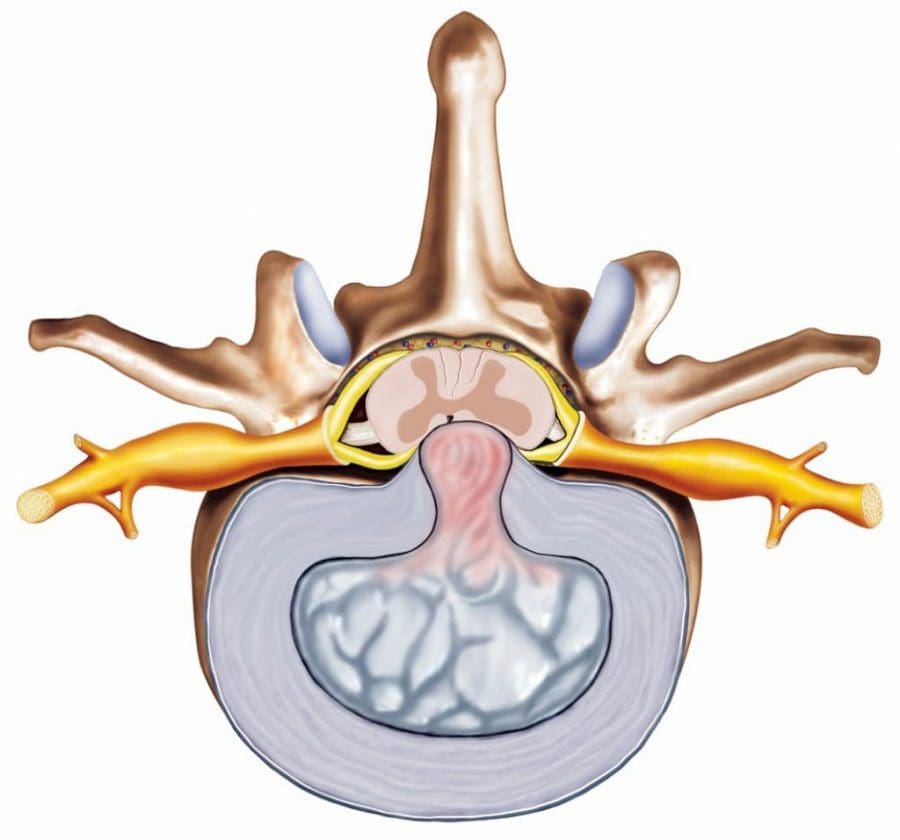
The intervertebral discs are the spine�s shock absorbers. They fill the space between two vertebrae with no direct contact. The endplates of each are coated with protective cartilage which anchors the discs in place. The gel substance part of each disc is called the nucleus pulposus. The tough cover known as the annulus fibrosus wraps around each disc to protect and shape it. There are no blood vessels in the discs and are nourished by the endplates of the vertebrae.
Herniated discs are the most common disc-related condition. When a disc herniates, the annulus fibrosus tears. The tear leaks out the protective gel to bulge out into the spinal canal. With no room in the canal for anything but the spinal cord and spinal fluid, the gel puts pressure on the surrounding nerve/s and the spinal cord itself. This is called myelopathy when the spinal cord gets compressed. Non-surgical treatments are quite successful in healing herniated disc/s.
The spine�s self-defense is elaborate, effective, and complicated. Consult an experienced spine specialist/chiropractor who can produce the best results and benefits.
Can irritable bowel syndrome cause back pain? Is there some relation, what are the treatment options, and can those therapies help with the aches, soreness, and overall discomfort? Irritable bowel syndrome (IBS) is not life-threatening but is definitely life-changing with the gas, bloating, abdominal pain and changes in bathroom habits. Many with IBS develop symptoms outside of the stomach. The most common is back pain. Here�s what to know.
Irritable Bowel Syndrome
Irritable bowel syndrome is a chronic disorder that affects the lower part of the digestive tract. The common symptoms are abdominal pain, diarrhea, and constipation. There could be some combination of the two. Individuals also experience cramping, gas and bloating. Symptoms can be mild or severe and come and go. Sometimes there are no symptoms at all. Around 10-20% of adults have IBS, and women are twice as likely to develop the syndrome. It’s usually diagnosed in people under 50, and if a family has a history of IBS, this increases the chances of also having it.
The exact cause of IBS is still unknown, but it is believed to involve the way the brain interacts with the gastrointestinal tract.
Anxiety
Hormone fluctuations
Certain foods
These can trigger or worsen symptoms. There is no single test to diagnose IBS. Doctors rely on medical history, physical exams and ruling out other illnesses. No cure exists for IBS but there is a variety of treatments that can help relieve symptoms. Many experience anxiety along with job, school and relationship disruptions, all that can begin to lower quality of life.
IBS and Back Pain
Individuals can develop extraintestinal symptoms or symptoms involving other areas of the body.
This includes:
Sleep problems
Headaches
Urination problems
Fatigue
Muscle pain
Pelvic pain
Jaw pain
Back pain
Backaches and pain are common with irritable bowel syndrome. Studies have shown it affects 28-81 percent of individuals with the syndrome. Some believe that it is what is known as referred pain that originates elsewhere in the body and is felt in the back. Gastrointestinal symptoms like gas and bloating have been linked to back pain.
Other health conditions associated with back pain can also present at the same time. Interstitial cystitis is a chronic illness that causes bladder pressure and pain, and also cause fibromyalgia. 3 in 10 individuals with irritable bowel syndrome check-off the criteria for fibromyalgia. Rheumatoid arthritis is another condition.
Treatment
Treatment is different for everyone. There are treatment options available. The best approach is usually a mix of these strategies. Treating the irritable bowel syndrome could also help ease back pain. Surgery is not needed for IBS-related back pain, as well as long-term painkillers. Speak with a healthcare provider to find the right combination for you.
Treatments include:
Dietary changes: There is no specific diet for IBS but your doctor could recommend changing fiber intake or keeping a food diary to pinpoint foods that trigger symptoms. Limiting citrus, carbonated drinks, and foods that contain carbohydrates linked to gastrointestinal troubles. These include:
Wheat
Dairy
Legumes/beans
Stress reduction: People who experience high levels of stress can feel pain more intensely, whether gastrointestinal or back pain. Deep breathing, meditation, progressive muscle relaxation, and guided imagery can help ease tensions. Exercise can also help like yoga, tai chi, walking, swimming, jogging, and biking are often recommended.
Therapy: Some individuals can benefit by speaking with a mental health professional. Studies have found that cognitive-behavioral therapy that shows you how to recognize and change stress response can be especially valuable for dealing with IBS and back pain.
Medication: Depending on the symptoms and underlying cause of the irritable bowel syndrome medication can help. Antidepressants are used to ease the pain for some patients, while anti-diarrheal loperamide is for reducing diarrhea in others. Discuss any medication you take with a doctor.
Functional medicine/Complementary health: Many find relief with alternative therapies. Hypnosis, for example, has been linked to improved gastrointestinal symptoms, lower levels of anxiety and other benefits.
Probiotics/supplements: Supplements are believed to help balance out beneficial gut bacteria. There is also evidence that probiotics can help relieve certain IBS symptoms. Ask your doctor if probiotics could help.
If you have irritable bowel syndrome along with back pain, get in touch with a healthcare provider. They can help you learn what is causing the uncomfortableness, test for other conditions and set up a treatment plan. The faster you reach out, the faster you can start to feel better.
There are a variety of products and gadgets that claim to provide quick fast acting back pain relief. Here is a little information about which deliver and hold up to their claims. Back pain stops us in our tracks and we want relief fast. Other than taking pain meds, most of us want a way to achieve natural relief. That’s where back pain products and gadgets come into the picture.
For the most part, a lot of the gadgets online, even expensive ones don�t necessarily provide the back pain relief that most of us are expecting. This means they don’t remove the pain completely and life goes back to normal. These are made for temporarily relieving pain when symptoms present and through consistent use to strengthen, lengthen,� and stretch out the sore muscles, ligaments, tendons, etc, in a preventative fashion.
We are not knocking these products/gadgets, as we use these ourselves. But remember these are tools that are made to help out with back pain conditions, just like the tools chiropractors, physical therapists, massage therapists utilize in their practices. That being said this article is to help you make wise decisions about which back pain gadgets can help.
Posture Training/Trainers
These are wearable sensors that vibrate when you begin to slouch, sway forward, hunch over, etc. The pain-relief claims that slouching puts a strain on your spine and that improving posture will help prevent strain and pain.
While this is true what the experts thought about this product was that, while it does help maintain proper posture it is not meant to relieve immediate pain, but rather to re-train your body in maintaining good posture. Therefore pass on this product if your goal is back pain relief.
Slouching places added stress on�the lower back that leads to strains and back pain. These devices can be helpful, just be aware to not hold yourself in an abnormal position causing more problems.
If poor posture contributes to your back pain, try these:
Exercise, specifically movements that strengthen the core
Wear comfortable shoes with low heels
Foot orthotics
Balance make sure your head is not too forward
Dr. Jimenez adds that if you exhibit constant poor posture, consult a spine doctor or chiropractor to see if it is a structural issue.
Transcutaneous Electrical Stimulation
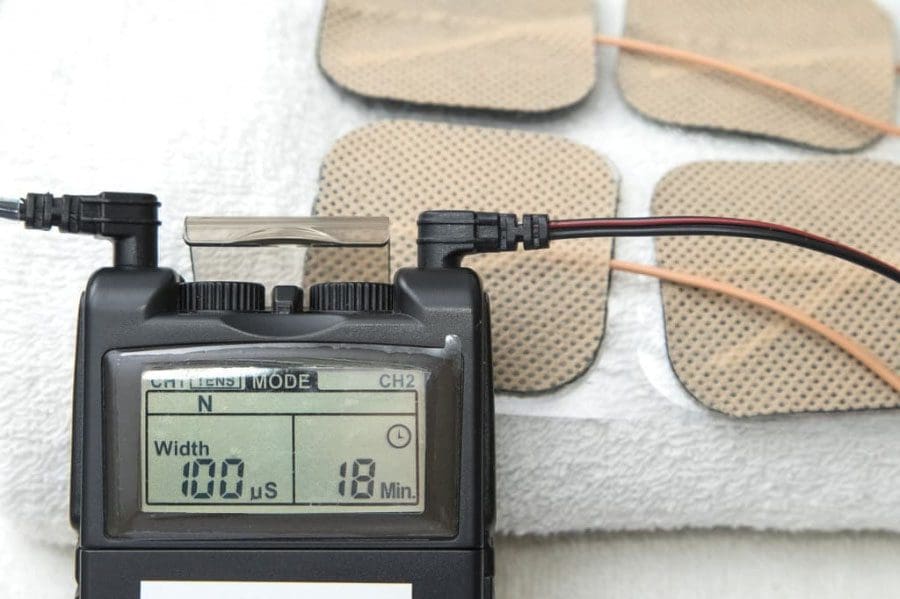
The QUELL�TENS transcutaneous electrical stimulation is a new brand unit that is worn on the calf. The pain-relief claims that it sends out safe electrical pulses that trigger the body’s natural pain relief response. The QUELL can help and is just like most other TENS units.
These units activate opioid nerve receptors, which is one of the reasons they provide pain relief. You can get them for under $50 at drug stores and online. Instead of being applied directly to the sore areas,�it’s worn on the calf and operates on the same TENS principle.� The cost currently is around $300. However, with any TENS unit, be aware that there can be a�relief tolerance that builds up and eventually might not work anymore. TENS units work well, but they�re best used in a physical therapist�s/chiropractic clinic because individuals can become habitually used to them.
Percussive Massager/s
This is a handheld massager that generates pulses of deep pressure along with strong vibrations to loosen and release tight areas. The pain-relief claims that it is similar to a deep tissue massage. These work and do help ease pain symptoms, but are not like a real therapeutic massage. There is limited research on these products but most state that percussive/vibrating massage tools, that can cost hundreds of dollars, could be a little better than a traditional massage for relieving muscle soreness. This has yet to be determined.
High-force massagers could exacerbate or cause further/new injury/s other than muscle soreness when used by untrained individuals. However, in a professional clinic setting research suggests that high vibration applied to the back is an effective physical therapy for low-back pain.
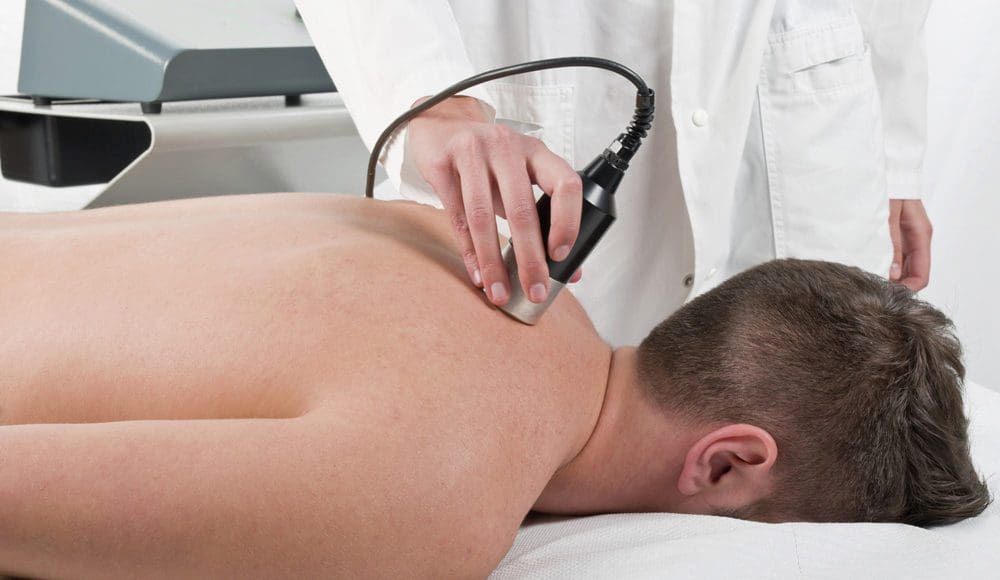
Low-Level Laser Therapy
Low-intensity light therapy is used in treating neuropathy pain. The principal is that it triggers biochemical changes in the cells. The pain-relief claims that it reduces inflammation alleviates pain and promotes healing. There is not a great deal of evidence that it helps back pain, but that is only because there is not enough research yet. It doesn�t mean you won�t benefit from it. Laser therapy, which is sometimes utilized in physical therapy and chiropractic clinics, can provide relief for a range of conditions, and this includes back pain.
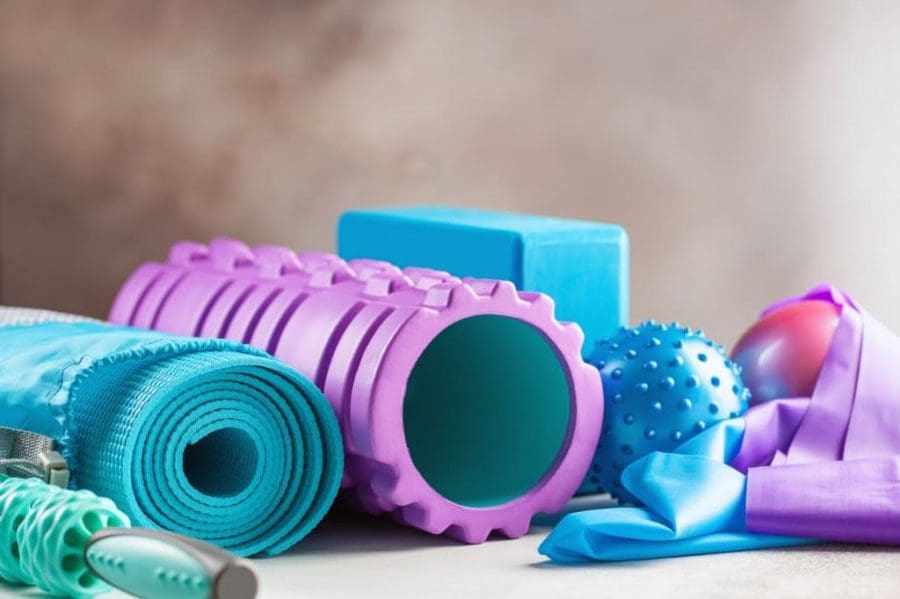
Simple Massage Tools
These consist of foam rollers, lacrosse balls, wraps, massage pads, and handheld muscle rollers. The pain-relief claims that they provide mini-massages for sore muscles. These work and can help when used correctly.
These products do not have a great deal of published material on the benefits of these tools. But physical therapists have recommended using these tools along with professional chiropractic/physical therapy. These low-tech massage tools can make your back feel better. They are effective for muscle spasms, are gentle to the soft tissues and improve blood flow circulation with very little risk of tissue damage.
Exercise balls can be included in exercise programs that function in extension and flexion postures. Sitting on them to safely engage and strengthen the core muscles is an added benefit and they are great for maintaining proper posture.
As we have transitioned to the spring season, especially with everything going on, most of us are taking on a DIY project or two along with spring cleaning around the house. You definitely want to avoid back pain and for sure back injury at any cost. The aim is to balance spring cleaning and spine safety while performing out-of-the-ordinary chores. Here is a little what to do’s and don’ts.
Spring Cleaning
What to do
Stand up straight and learn to practice proper posture. Stand in a way where your back is less prone to injury.
No matter what task you are performing, keep your spine in line and constantly check on how you’re standing, reaching and lifting.
Lift with your legs, not with your back. Avoid bending at the waist and straightening out, this is a bad habit and could be a set up for injury. You could slip a disc, tear a muscle, or sustain other injuries to the spine. No matter what you’re lifting, bend your knees and keep your back straight to avoid injury.
Maintain healthy body weight. While cleaning up the house, consider cleaning out the pantry and refrigerator. Carrying too much weight puts added and possibly dangerous pressure on the spine. This could mean that the added weight pulls your spine in all directions because of weak back/core muscles trying to keep the structure in line. Losing excess weight can help ease tension on the back and improve overall health.�
Strengthen the core muscles. Incorporatecore-strengthening exercises into your day. With strong abdominal and back muscles, the core supports your spine, keeping it aligned and healthy.
Get plenty of calcium-rich foods, like low-fat milk and cheese, almonds, black beans, and broccoli. Give your refrigerator a makeover with better foods for spine health. The spine needs healthy muscles to support it. Strong bones mean less risk of a spinal fracture if you suffer a slip and fall accident.
What not to do
Clear the air and stop smoking. Not only is smoking bad for the heart and lungs, but it is also bad for the spine. Nicotine decreases the discs ability to absorb nutrients to maintain the spine’s proper function. Weakening the vertebrae increases the risk of a herniated disc or other spine injury/s. Nicotine interferes with the healing process, meaning that recovery time is slower.
Over exert yourself. Taking on too much or trying to power through without proper breaks can lead to injury, as well as other health problems.
Over-reaching. Trying to clean that out of reach spot overstrains your back, and can definitely lead to injury/strain/sprain.
Use improper equipment. Using the wrong equipment/tool can be dangerous and raises the chance of injury.
Don’t take on large projects without warming up and stretching. When the body’s spine muscles are not used to certain physical activities they can spasm and lead to sprain/strain and back pain.
Don’t put your body in awkward positions when cleaning, etc. Change your posture frequently to keep all the spinal muscles moving and active. If an awkward position presents, stop and find a comfortable position to work from, ensuring spine safety.
Back Pain
All of these words can be used to describe back pain.
Achy
Dull
Excruciating
Sharp
Throbbing
Back pain is a common occurrence and when spring cleaning, if not using proper form and making wise decisions it can exacerbate the pain or create new injuries. The American Chiropractic Association says that back pain is the single leading cause of disability worldwide.
Treatment�
Back pain usually heals on its own. A few days of over-the-counter pain meds, ice, and rest bring the back/spine to normal.�For those that have to deal with the pain after a few weeks’ might want to opt for other solutions. This is true for individuals who experience repeated flare-ups, or chronic lower back pain.�One of the best options is chiropractic.
Chiropractic doesn’t focus only on the symptoms but helps kick in the body’s natural healing abilities. Chiropractors understand the:
Bones
Muscles
Discs
Nerves
They are able to determine the reason for the pain. Once diagnosed they can create a customized treatment plan that can range from compresses, spinal manipulation and exercises that helps heal the area and reduce the pain.
Medication-free solution
The natural healing, restorative approach that chiropractic treatment offers instead of pain meds, which just dull the pain is one of the primary reasons individuals flock to chiropractic. Each individual’s treatment varies according to Spine-Universe. As treatment progresses spinal alignment begins to balance the rest of the body and helps correct the issue causing the pain. Spinal manipulation improves mobility and function.
Chiropractic for back pain
Patients who experience lower back pain obviously never want to deal with it again, but�it can flare up periodically. According to the National Institute of Neurological Disorders and Stroke, roughly 20% of those who suffer from low back pain will eventually deal with it chronically. This can cause frustration, especially when it affects mobility.
Those who choose chiropractic are privy to treatment that:
Reduces pain
Increases healing
Shortens downtime
Lessens chances of recurrence
If over the counter medication and ice packs haven’t worked, it could be time to make an appointment with a licensed chiropractor. Spring is a great time to introduce yourself to new activities to keep you and your family busy and healthy. With some preparation and attention to detail spring cleaning can be productive and safe.
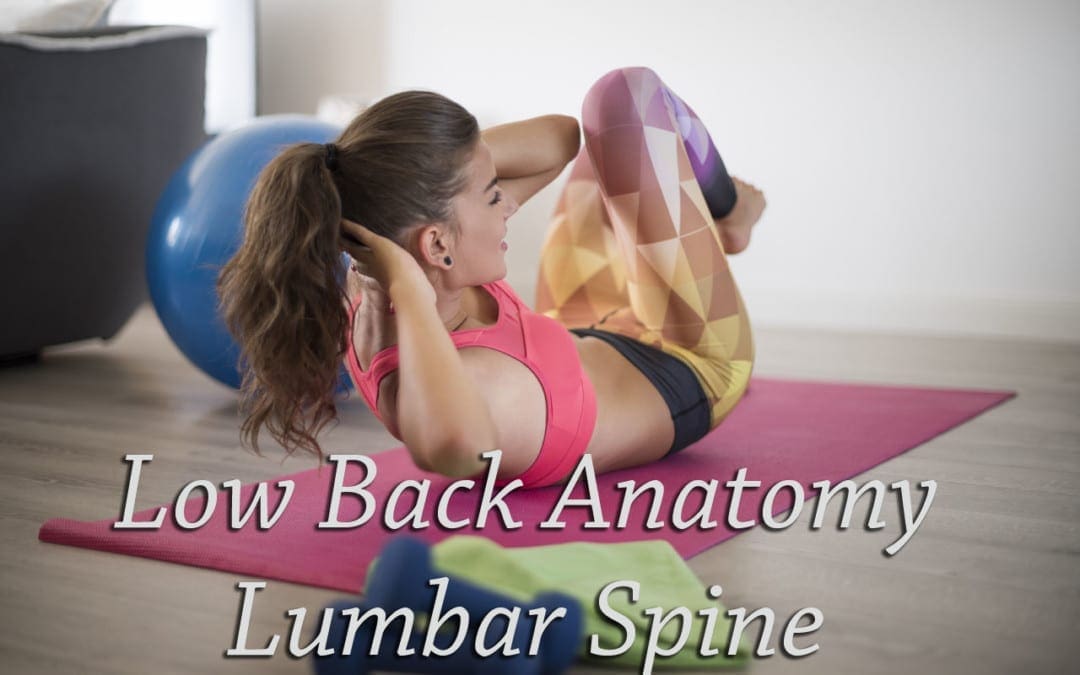
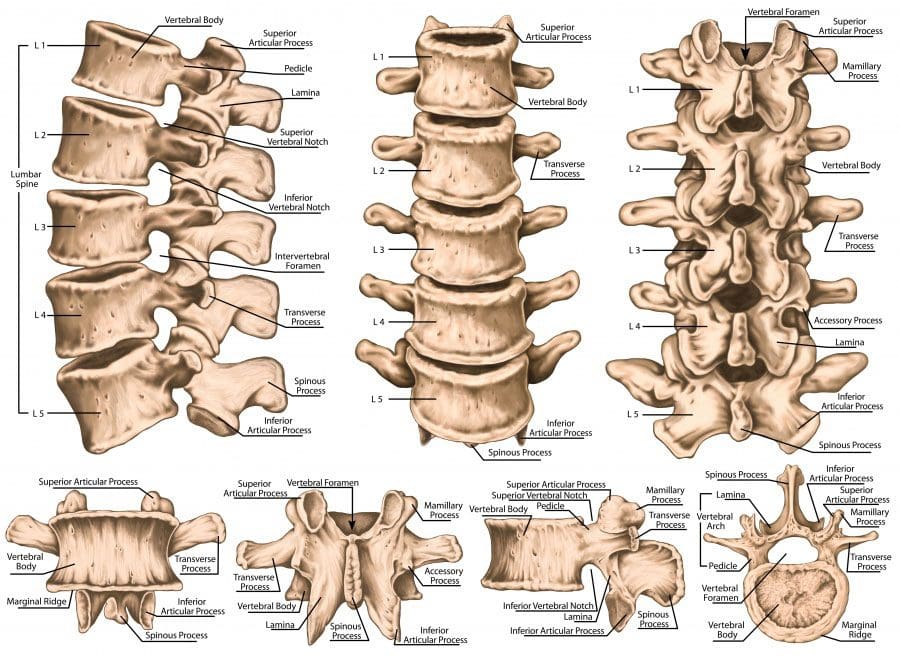
The lumbar spine is the lower back that starts below the last thoracic vertebra T12 and ends at the top of the sacral spine or sacrum S1. Each lumbar spinal level is numbered from top to bottom, L1 to L5, or L6. The low back bodies are larger, and thicker structures of dense bone. From the front or anterior, the vertebral body has a rounded shape.
The posterior bony structure is a different lamina, which is a thin bony plate that shields and protects access to the spinal canal. There are vertebral arches that create the hollow spinal canal for lumbar nerve structures and the cauda equina.
Lumbar Structure Strong Joint Complex
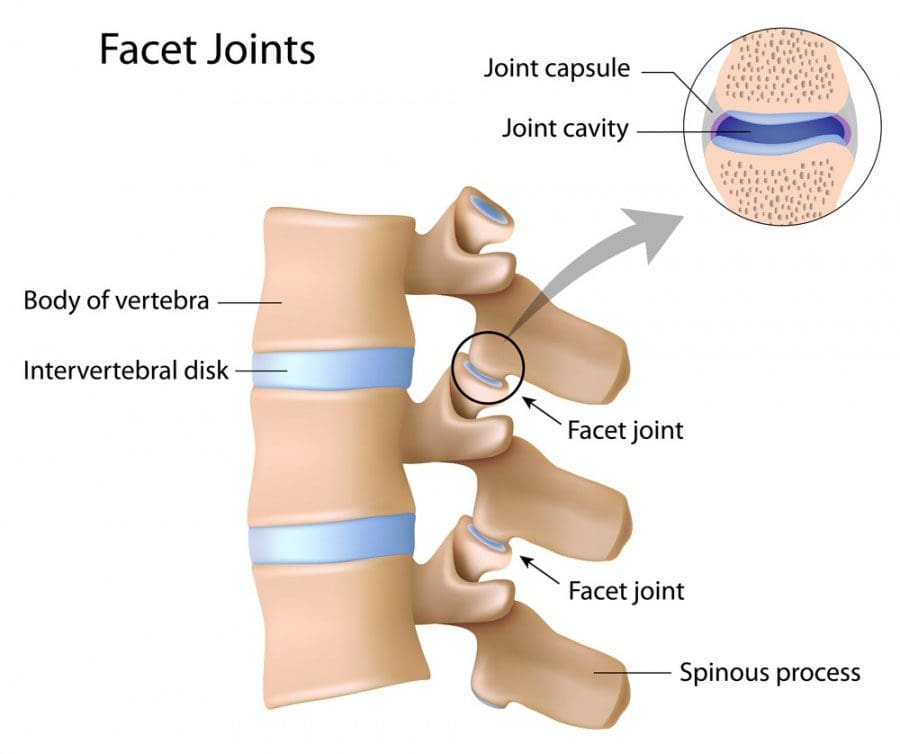
One intervertebral disc together with the facet joints forms a strong joint complex that allows the spine to bend and twist. One pair of facet joints from the top or superior vertebral body connects the lower or inferior set of facet joints. The facet joints are synovial joints, which means they are lined with cartilage and the capsule holds synovial fluid that enables joints to glide during movement. Think of it as hydraulics with smooth fluid motion.
Facet joint syndrome can develop from aging and degenerative spinal changes causing low back pain. The lumbar discs are secured in place by the fibrous endplates of the superior and inferior vertebral bodies.
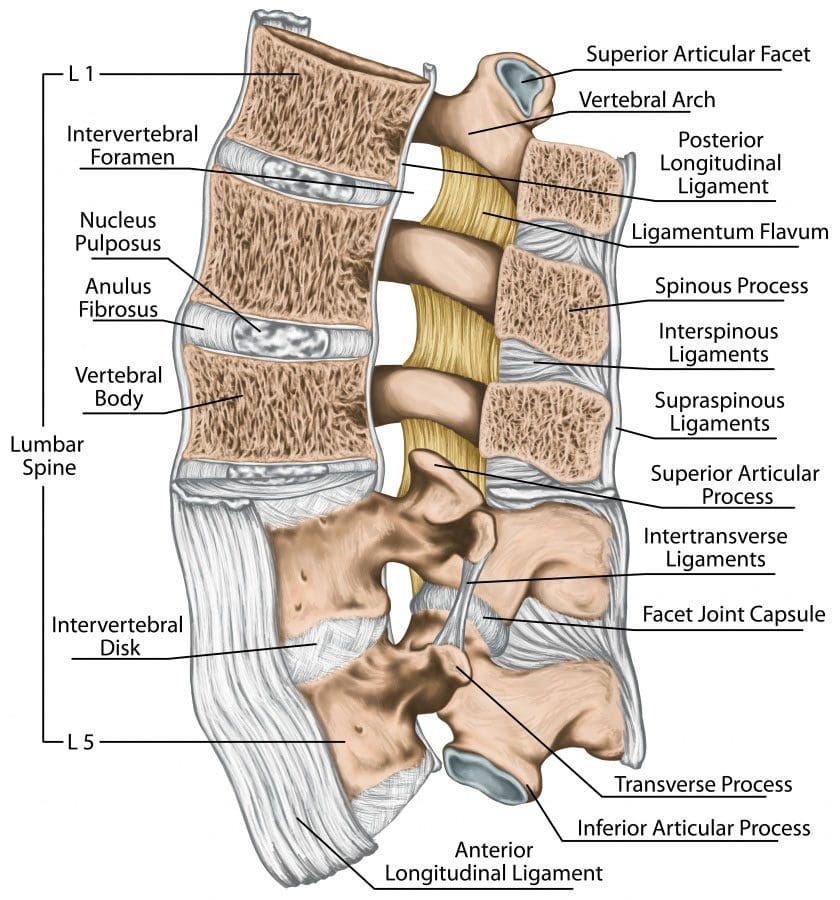
The jelly/gel center of each disc called the nucleus pulposus is surrounded by the annulus fibrosis, which is a tough layer of fibrocartilage that you can think of as a radial tire.
Discs are integral to the joint complex and function to:
Hold the superior and inferior vertebrae together
Take the weight
Absorb and distribute shock and forces when moving about
Create an open nerve passageway called foramen or neuroforamen
The neuroforaminal spaces on either side of the disc allow nerve roots to exit the spinal canal and leave the column.
Lumbar disc herniation is a common cause of low back pain that can spread out into one or both legs. This is called lumbar radiculopathy. This condition can develop when the nerves are compressed.
Low Back Support
Lumbar Ligaments
Tendons
Muscles
Systems of strong fibrous bands of ligaments hold the vertebrae and discs together and stabilize the spine by helping to prevent over/excessive movements.
The 3 major spinal ligaments are the:
Anterior longitudinal ligament
Posterior longitudinal ligament
Ligamentum flavum.
Spinal tendons attach muscles to the vertebrae and together work to limit excessive movement.
Lumbar Spine Nerves
The spinal cord comes to an end between the first and second lumbar vertebrae(L1-L2). Below this is the remaining nerves that form the cauda equina which is a bundle of nerves that looks like a horse�s tail. These nerves send messages between the brain and the lower body structures, including the:
Large intestine
Bladder
Abdominal muscles
Perineum
Legs
Feet
Protect Your Back
Around 80% of adults will see a doctor for low back pain at some point. Therefore take care of your lumbar spine to help avoid painful, unnecessary wear-and-tear. You can minimize the risk of a low back injury/pain by:
Losing weight. Even a loss of 5 pounds can help reduce back pain.
Strengthening the core/abdominal muscles. The abdominal and low back muscles work together to form a supportive band around the waist and low back. Stronger muscles help stabilize the low back and reduce the risk of injury.
Stopping smoking. Nicotine reduces blood flow to the spine’s structures. This includes the lumbar discs and accelerates age-related degeneration.
Proper posture and proper body mechanics. When lifting objects keep your spine erect and use your legs. Ask for help with heavy objects. The lumbar spine is can bend and twist simultaneously, try to avoid doing this, as it is a perfect setup for a strain or sprain.
Get Rid of Low Back Pain with Custom Foot Orthotics
When dealing with back pain, it’s not just the pain that has to be dealt with. It is stress, anxiety, and depression that can make coping even harder. Learn how to manage pain and mental health. Dealing with chronic back pain is difficult for anyone.
All-around mental distress can exacerbate pain and worsen the stress you are already experiencing creating a vicious cycle. There are treatments available for mental health and chronic back pain that can help get a handle on both at the same time. What you should know about the connection, along with the therapies that can help.
Dealing with Chronic Back Pain and Mental Health
Back pain is very common and it is estimated that about 90% of Americans will experience back pain. A small portion will develop chronic back pain or pain that continues more than 12 weeks. Chronic back pain can be caused by a variety of medical problems. Injuries to illness are all are pathways to chronic pain. Pain is different for everyone, depending on the cause, the area affected and the individual. For some, the pain might feel like a mild, persistent ache. While others, the pain could be a continual throbbing.
One factor of chronic back pain is the emotional response that happens when it presents. If you stress or fixate on the pain, you are perceiving it to be much worse. This can lead to more stress, and:
Anxiety
Appetite changes
Depression
Fatigue
Mood swings
Sleep issues
These problems then feedback into the pain and together significantly affect relationships, work, ability to function and your quality of life. The single step to take is to reach out to a doctor. They can check for mental health issues, begin treatment for your psychological/physical issues and refer you to specialists.
Therapy
There are many approaches to treating chronic back pain and the psychological issues that come with it. Not every treatment regimen works for everybody. The best approach is usually a combination of techniques. Psychotherapy, specifically the talking therapy can help treat both physical and emotional pain. One of the most-researched forms is cognitive-behavioral therapy (CBT).
During a session, you learn how to identify negative reactions and work to change them into positive thoughts and actions. The idea is to alter the initial response to better manage how the pain affects you. This therapy is directed by a therapist and can be done individually or in a group.
Medication
For many medications are an effective way to manage mental health issues and some can help relieve the pain itself.
While these drugs can be helpful, many can come with side effects. Antidepressants can cause:
Blurry vision
Drowsiness
Dizziness
Bathroom issues
Pain Rehabilitation
Chronic pain rehabilitation programs are another option. With rehab, a team of doctors/physical therapists from different areas of medicine, work together addressing the medical, physical and mental issues that come with the pain. Every treatment program is customized to the patient, and while treatments are usually conducted at a medical clinic, they can also be done online.
Pain rehab includes:
Addressing any underlying conditions
Improving physical function
Reducing reliance on pain medication
Helping you cope with stress, anxiety, and more
Integrative Health
Alternative health approaches can help control back pain and ease the mind. Research has shown that certain alternative practices do work to relieve pain. There is evidence that the following therapies can help reduce chronic back pain, according to the National Center for Complementary and Integrative Health:
Acupuncture
Chiropractic
Low-level laser therapy
Mindfulness-based stress breathing exercises and imagery
Muscle relaxation
Tai chi
Yoga
Other treatments
Electromyography biofeedback is a therapy where low-level electric signals are used to help gain control over muscle movement. Some patients find journaling, massage, prayer and other relaxation techniques to be helpful in coping. Speak with your doctor if you have questions or health issues before beginning complementary treatments.
Lifestyle
A most effective and widely recommended method for relieving stress, anxiety, depression and chronic pain improving physical function is regular exercise and a healthy diet.
Low-impact workouts like:
Stretching
Walking
Swimming
Yoga
These all are helpful for people with chronic back issues. Talk with a doctor about physical exercises that are safe. Proper sleep can help, like poor sleep and sleep deprivation increase stress, which leads to more pain. Adults should go for 7 to 9 hours regularly, according to the National Sleep Foundation. Wake up and go to bed at the same time every night and turn off electronic devices.
Eating healthy can boost mood and help relieve back pain by promoting weight loss. Enjoy complete meals full of lean proteins, whole grains, and vegetables while limiting the intake of processed foods, added sugars, and saturated fats. Avoid excess alcohol and smoking, as both are linked to chronic back pain. Learning and dealing with chronic back pain along with re-searching successful treatment options can be a long and frustrating process. Understanding the condition and cutting yourself plenty of slack can go a long way to helping you feel better.
Smart supplementation along with proper nutrition is one of the biggest factors and plays a large role in an individual’s health. You are what you eat is true. Feeding the body with vital vitamins and minerals promotes growth and healing. Filling up on processed, fatty foods does the opposite. The bones in the spine and throughout the body need nutrients to continue to rebuild and maintain strength throughout life.
A balanced diet rich in:
�Calcium
Vitamin D
Magnesium
This is the best way to nourish the body’s bones and ward off spinal problems, like spinal fractures, and osteoporosis. Inadequate diets or medical issues can create nutritional gaps. This is where vitamins or mineral supplements come in. Supplements are not a cure-all, but they can create a safetyhealth net when taken properly.
Supplement Smart
These supplements for bone health, fill in nutritional gaps. They are not necessary if the key nutrients the body needs from a proper diet are already there. However, individuals use supplements as a replacement for certain foods, this is not how they should be used. Actual food supplies multiple nutrients, along with minerals, and vitamins that are beneficial for health and are not found in supplements.
Taking a Supplement to Strengthen the Spine
The body’s dietary needs change throughout life, so adding supplements as you age or during pregnancy can help maintain health. Calcium and vitamin D requirements vary based on age and sex.When it comes to protecting spine bone health, certain individuals may need supplements to ensure their bodies are processing calcium and vitamin D properly.
This includes:
Individuals who had intestinal bypass procedure
Those with food absorption conditions, like Celiac or Crohn�s disease
People who eat few or no dairy products, like vegans or those that are lactose intolerant
Is a calcium supplement right for you?
The only way to definitively know is by having a conversation with your doctor. Then you can supplement smart.
Supplement Safety
Because nutritional supplements can be purchased over the counter, individuals assume�incorrectly�that they are completely safe. Dietary supplements can interfere with absorption, other supplements, medications, and can be toxic if taken in high doses.
For example:
Calcium and iron supplements can prevent each other from being fully absorbed when taken together. This is true of many minerals, including magnesium, because they get into�absorption�competition with each other and so are best taken separately.
Supplements taken together can cause too much of either one to be absorbed. This is the case with high-dose vitamin D supplements, which can cause too much calcium absorption.
Too much calcium can increase raise the risk of having a heart attack or stroke. Taking more than 1,000-1,200 mg of calcium per day is pointless because the body cannot process that much calcium at once.
Are your supplements helping or hurting you? The best way to know is to talk to your doctor whenever you change medication or a supplement program, even when just adding a new vitamin to the mix. An underused resource for supplement advice is a pharmacist. They will know whether the mix of supplements and medicines being taken pose any risk of negative interaction. And a pharmacist can help recommend a trustworthy product.
Supplement Success
Here are a few tips to get the most benefits if you and your doctor think a calcium supplement can help support spinal bone health.
Buy supplements with the USP symbol. This indicates that the supplement has been independently evaluated and certified.
Take your supplement as directed, ideally with a meal.
Take doses no higher than 500-600 mg, no more than 2-3 times a day, for a maximum of 1,000-1,200 mg.
Drink plenty of water as some supplements can cause constipation.
Do not take calcium supplements with a high-fiber meal or laxative. This can interfere with calcium absorption.
Supplements Support Spine Health
Remember that supplements are exactly that supplements. Eating foods rich in calcium, vitamin D, and magnesium is the best way to build/maintain strong healthy spinal bones and prevent debilitating health problems. If you are concerned about your diet, talk with your doctor or a health coach about a smart supplementation regimen to meet your nutritional needs.
IFM's Find A Practitioner tool is the largest referral network in Functional Medicine, created to help patients locate Functional Medicine practitioners anywhere in the world. IFM Certified Practitioners are listed first in the search results, given their extensive education in Functional Medicine