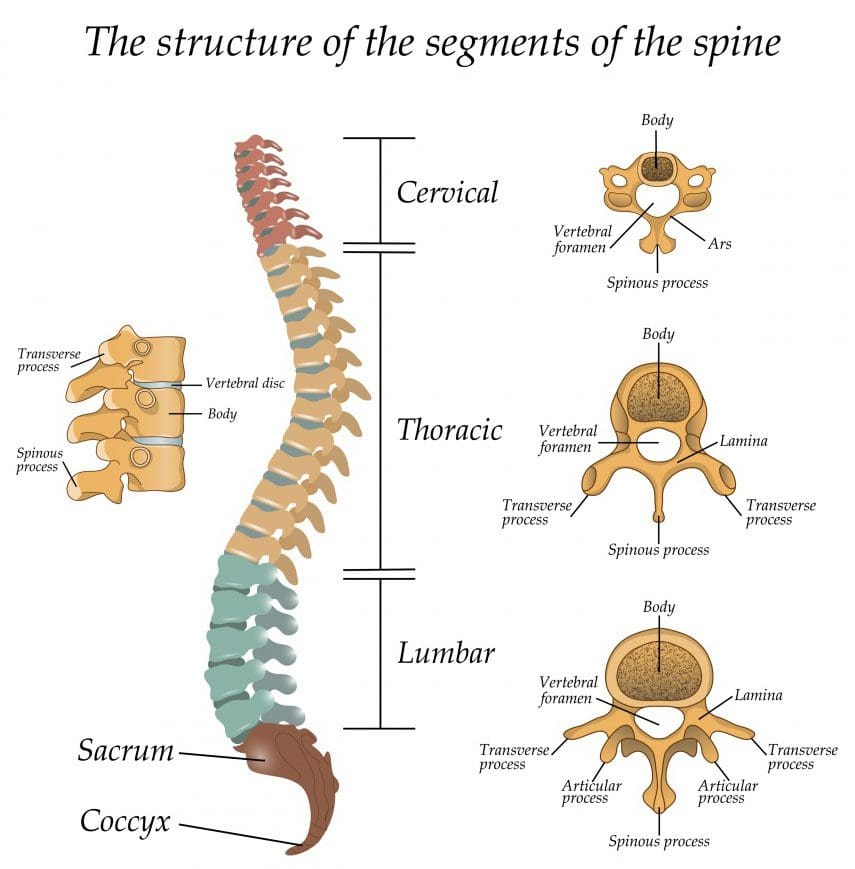
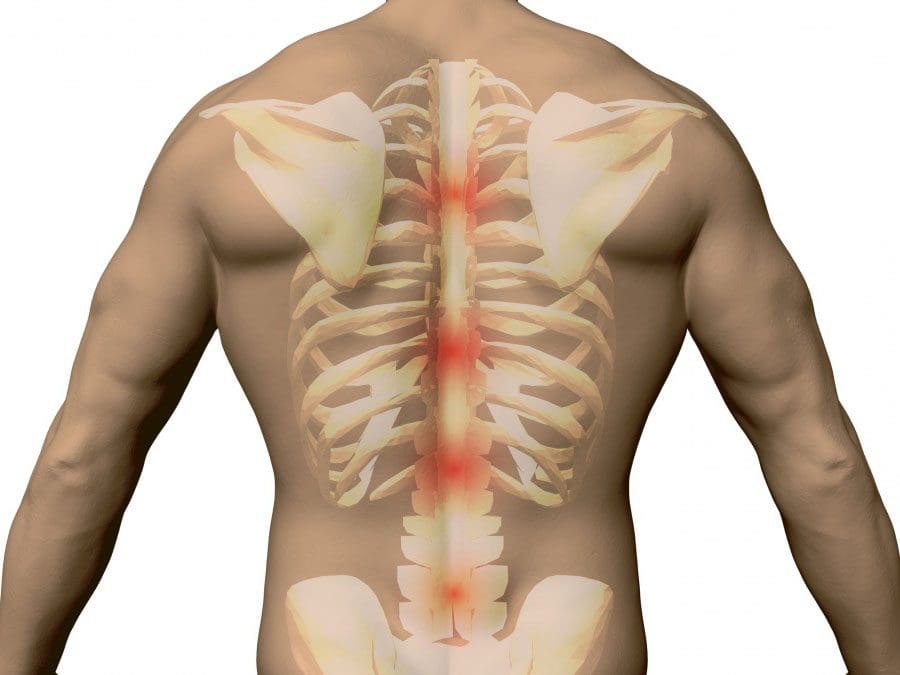
The thoracic spine known as the middle back starts below the cervical or neck spine at around the level of the shoulders. It continues down to the first level of the low back or lumbar spine. There are twelve vertebrae, numbered T1-T12 top to bottom, and it is these vertebrae that make up the thoracic spine. When seen from the side, a normal forward curve can be seen.
The ribs are attached to the thoracic spine�s vertebrae making this region of the spine strong and stable. However, this area has less range-of-motion than the neck region. Because of its location, the thoracic spine deals less with injury/s than other areas of the spine. But it is the most common area for fractures from osteoporosis. Scoliosis and abnormal kyphosis are also thoracic spine disorders.
Getting to know the body’s spine and how it functions can help individuals have a better and thorough understanding of possible causes to upper and middle back pain, a doctor�s diagnosis, and the reasons for how simple lifestyle changes/choices can keep the middle back, as well as, the rest of the spine healthy.
Thoracic Support
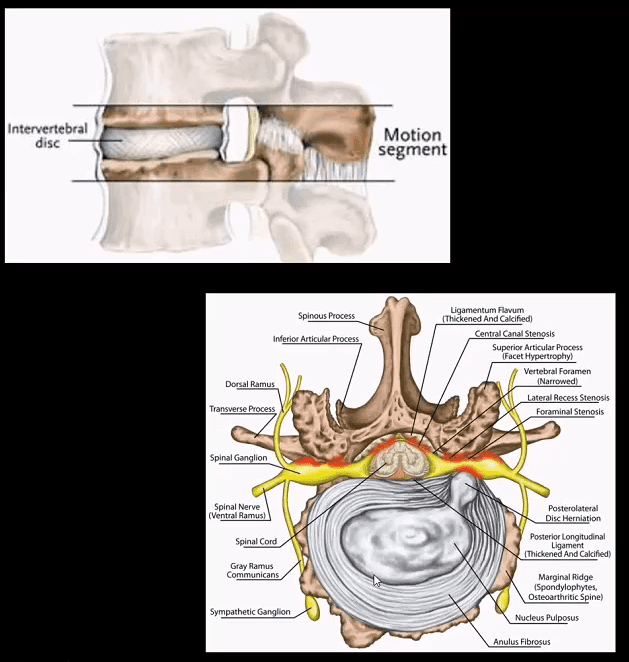
The thoracic spine gives support to the torso, chest and provides an attachment point for each of the rib bones, minus the two at the bottom. The vertebral bodies are rounded with bony arches that project from the back of each and form a hollow protective space for the spinal cord. Facet joints are paired at the back of each and allow for limited movement.
Intervertebral Discs
There is a fibrous pad called an intervertebral disc that is held in place by the endplates between each level�s upper and lower vertebral bodies. Each disc acts like a spacer creating disc height/space between the upper and lower vertebrae. This space opens nerve passageways called a foramen or neural foramina at both sides. Nerve roots branch off the spinal cord and exit the canal through the neural foramina.
Soft Support Structures Limited Movement/s
The entire spinal column consists of:
Ligaments
Tendons
Muscles
These soft tissues attach to the bones, the discs, and work together to stabilize the midback when resting and when in motion. Ligaments are the strong bands of tissue that connect/protect the vertebrae, discs, provide stability, and help with excessive movement. Muscles hold the body upright and allow spinal flexion which is bending forward, extension bending backward, and rotation twisting from side to side. And the tendons are fibrous tissues that attach the muscle/s to the bone.
Nerves Role
The twelve pairs of nerve rootlets that branch off the cord through the neural foramen are to supply and generate sensation/feeling along with function/movement to the body. These nerves provide nutrients to the midback and chest area and relay signals between the brain and major organs, including:
Lungs
Heart
Liver
Small intestine
Spinal Disorders
Osteoporosis raises the chances of a thoracic fracture. A vertebral compression fracture can cause one or more bodies of bone to flatten or become wedge-shaped creating spinal cord/nerve compression. Sudden and severe back pain can be associated with vertebral compression fractures.
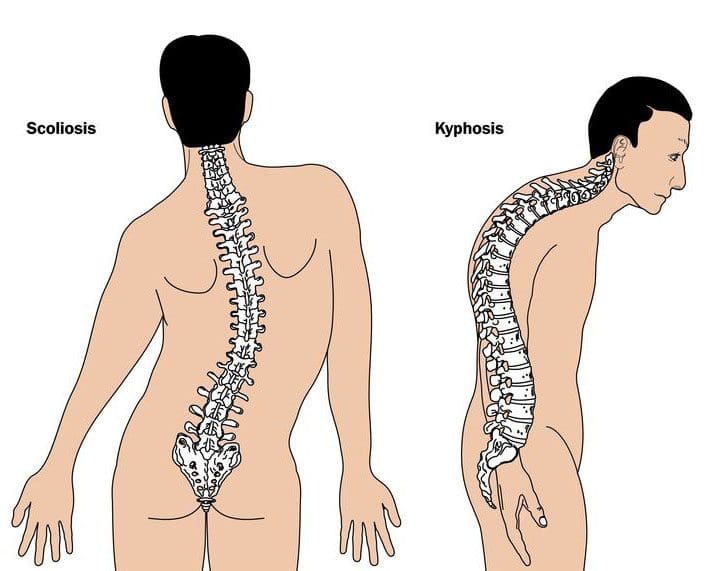
Scoliosis is an abnormal side to side curvature of the spine and is well known to develop in the thoracic spine causing deformity.
Abnormal kyphosis means the forward curvature has become extreme. The appearance of a kyphotic deformity can be seen as a hump.
Metastatic cancer where it travels from the chest, or lung causing spinal tumor/s that can develop and potentially lead to structural deterioration
Thoracic disc herniations are not common because of the middle back’s strength and stability created by the ribcage.
Spine Maintenance
Talk with your doctor, chiropractor, spine specialist about stretches and exercises that will work for your specific situation to strengthen the core, and middle back musculature. This will help significantly with injury prevention during flexion, extension, and rotation.
The scope of our information is limited to chiropractic, musculoskeletal, physical medicines, wellness, and sensitive health issues and/or functional medicine articles, topics, and discussions. We use functional health & wellness protocols to treat and support care for injuries or disorders of the musculoskeletal system. Our posts, topics, subjects, and insights cover clinical matters, issues, and topics that relate and support directly or indirectly our clinical scope of practice.*
Our office has made a reasonable attempt to provide supportive citations and has identified the relevant research study or studies supporting our posts. We also make copies of supporting research studies available to the board and or the public upon request. We understand that we cover matters that require an additional explanation as to how it may assist in a particular care plan or treatment protocol; therefore, to further discuss the subject matter above, please feel free to ask Dr. Alex Jimenez or contact us at 915-850-0900. The provider(s) Licensed in Texas& New Mexico*
Different spinal surgical procedures use various types of spinal hardware to stabilize the spine. When this hardware breaks or gets infected sometimes it could have to be removed. The reason for this spinal hardware, whether from injury, disease, or a condition, that area of the spine needs added support other than the bone, collagen, ligaments, and other tissues. Surgeons utilize this hardware to:
Stabilize the spine
Correct deformities
Regain motion
Height restoration
Pain relief
Help heal another area of the spine
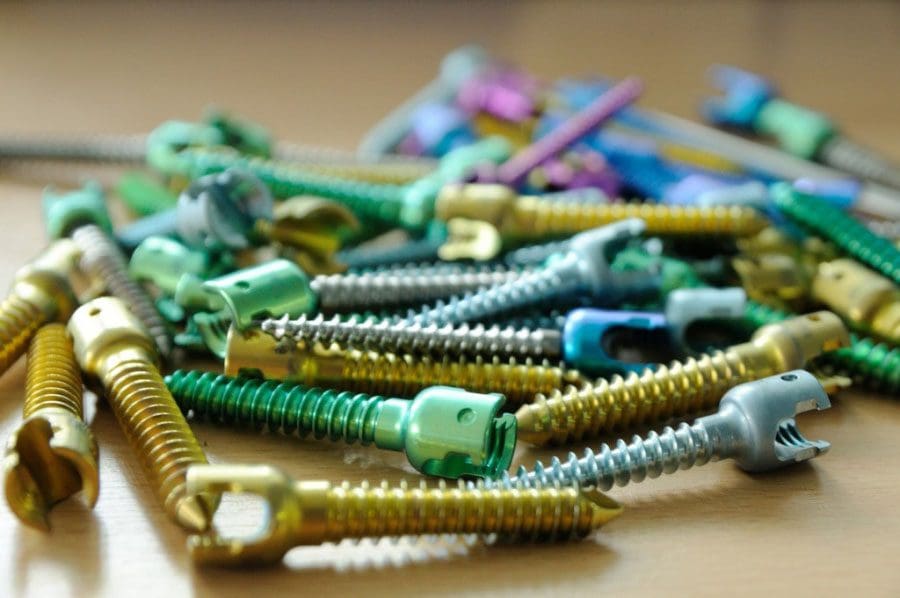
The hardware ranges from rods, plates, cages, wires, spacers, etc. There are many types and are employed in various operations. Many spine procedures involve some type of hardware. A surgeon relies on this spinal hardware to complete procedures involving realignment of the spine or spinal fusion.
Many patients undergo spine surgery without complications, however, some have problems with the hardware. The most common issues are the hardware loosening, breaking, or the development of an infection. Unfortunately, when this happens it can mean that another surgical procedure may be necessary to remove the hardware/device. �
�
Spinal Instrumentation
All of these pieces of equipment are designed to remain in the body permanently. The hardware can be made from stainless steel, titanium, and titanium alloy. Spinal fusion is common, involves hardware, and could be necessary to help/correct:
Spinal deformity/s
Degenerative condition/s
Heal fractures
Other issues causing back pain
The procedure involves the surgeon grafting bone between two vertebrae. Then the hardware is used to hold those vertebrae together. This eliminates motion between them. This is how the vertebrae fuse into a single bone, which reduces or eliminates the pain. Like with any surgical procedure complications can include hardware failure. �
�
Spinal Hardware Removal Reasons
If the hardware loosens, gets infected, or the patient can feel some of the hardware under the skin a surgeon will likely recommend removal. Intense, excessive pain is often a symptom of a loose screw and other hardware complications. If the hardware is protruding under the skin the patient could feel a bump that could cause pain when touched.
Loose hardware could irritate the surrounding tissues and nerves, resulting in the patient feeling pain or hearing a grating, crackling, or popping sound. Loosened instrumentation can be caused by the bones of the spine not healing or fusing correctly. The hardware can also shift and break from the bones not healing properly. Other reasons for hardware failure shortly after surgery.
Lifting heavy objects
Participation in high-impact activities
Trauma from accident, slip, fall, etc.
Health conditions especially osteoporosis and osteopenia can increase the risk of the instrumentation loosening, breaking, and shifting.
Quite uncommon but some patients develop infections right after or weeks following the surgery. When the hardware gets infected the patient could feel pain along with the site of the incision draining, and fever. Key indicators around the incision site are:
Chills
Redness
Swelling
Tenderness
Sometimes there are allergic reactions to the hardware itself. However, this has decreased significantly in recent years. This was common with stainless steel before the use of titanium. �
�
How The Removal Is Done
This type of removal surgery is typically not considered an emergency unless the nerves or spinal cord are at risk of being injured/damaged. The exact procedure depends on the individual’s specific situation and case. However, it will be easier than the first surgery. Removal is typically nowhere near the extensiveness of the initial instrumentation placement.
Before the procedure, the surgeon will advise preparation tips, just as with the original surgery. To optimize recovery, patients should ensure they are in the best possible health that they can be. This means no smoking, light exercise, and even breathing exercises for optimal lung function.
Patients should not begin any new medication regimen prior to the surgery and should ensure all medications are known to the surgical team. The procedure will go in through the original incision and remove any scar tissue around the hardware. Depending on the situation the hardware could be reinserted or left out entirely.
�
Post Removal
Hospital stay depends on the individual situation. Some patients go home the same day and some have to wait. If there was an infection it more than likely means an extended hospital stay to make sure the infection is gone and has not spread elsewhere. The healthcare team will give directions just as with the original surgery which can include detailed instructions on:
Sitting
Sleeping
Showering
Taking meds
Sex
Recovery from hardware removal depends on the extent of the surgery. Contact the surgical team if experience new or unusual symptoms after the procedure, including fever, pain beyond the surgical soreness, numbness, weakness, tingling, and for problems/issues around the incision area, like bleeding, redness, swelling, and draining.
�
Bottom Line
Spinal hardware helps the spine heal, and ultimately reduces or eliminates the back pain improving quality of life. Instrumentation and devices can be defective, causing them to break, loosen, etc and need to be replaced. It’s just in this case the replacement has to take place in and around the spine. A doctor will assess the damage and decide if removal surgery is necessary, which will prevent further problems.
18 Wheeler Accident Chiropractic Rehab
Dr. Alex Jimenez�s Blog Post Disclaimer
The scope of our information is limited to chiropractic, musculoskeletal, physical medicines, wellness, and sensitive health issues and/or functional medicine articles, topics, and discussions. We use functional health & wellness protocols to treat and support care for injuries or disorders of the musculoskeletal system. Our posts, topics, subjects, and insights cover clinical matters, issues, and topics that relate and support directly or indirectly our clinical scope of practice.*
Our office has made a reasonable attempt to provide supportive citations and has identified the relevant research study or studies supporting our posts. We also make copies of supporting research studies available to the board and or the public upon request. We understand that we cover matters that require an additional explanation as to how it may assist in a particular care plan or treatment protocol; therefore, to further discuss the subject matter above, please feel free to ask Dr. Alex Jimenez or contact us at 915-850-0900. The provider(s) Licensed in Texas& New Mexico*
Getting back to the house and eating a regular meal post a spinal operation is one of those moments when more is better. This means more:
Calories
Protein
Healthy foods to help the body recover quicker
The time after neck or back surgery is not only a time for the spine to heal, but for the entire body to go through a recovery process. It is a generally slow progression, but once you are able to eat normally, a high-quality diet/meal plan will help ensure a smooth and speedy recovery. �
The first few days after arriving home there could be nausea, which is common coming out of anesthesia and beginning pain medication. Appetite could be diminished, which is just fine because the gastrointestinal tract needs time to get back functioning properly after spine surgery.
A positive sign that the digestive system is beginning to work properly is the ability to pass gas. Recovery in a hospital, the surgical team slowly transitions from a clear liquid diet to a soft diet and finally to solid food.
Once out of the hospital, the body should be ready to eat normally. Your surgical team will discuss and provide the individual with a specific meal plan, but a general approach to a post-spine surgery diet typically follow these parameters:
�
More Calories
Post spine surgery, the body’s metabolism increases in order to heal. So the body needs extra calories, around twice as much for proper recovery. It is very important that these extra calories are from healthy foods like:
Grains
Legumes
Fruits
Vegetables
� These will provide the body with extra vitamin C and other nutrients that the body needs for healing a wound and the recovery process that goes with it.
�
High-Protein
Protein is the key nutrient required for post-surgery healing and recovery. Extra calories should come from:
� Low-fat dairy is a good source of protein that provides calcium and vitamin D for bone restoration. High-protein foods are often high in zinc, which is essential in fighting infections.
Eat More Small Meals
Rather than eating three regular-sized meals, try to eat four to six small, well-balanced meals. These should be spaced throughout the day into the evening. These will be easier on the digestive system, especially when increasing the calorie intake.
Supplement Shakes or Smoothies
Smoothies and shakes are a great way to boost calories and protein post-op. Make them with milk, soymilk, yogurt, or other high-protein food or beverage as the base. There are also prepared shakes or smoothies at the supermarket or drug store that are specifically prepared to boost calories and protein. �
�
Vitamins and Minerals
The surgeon will more than likely recommend vitamin and mineral supplements, along with other dietary supplements to promote healing. Be sure to get a doctor�s approval before taking any other supplements during recovery. �
�
Water and Fiber
Pain medication can cause constipation. The most important thing to do is to drink plenty of water throughout the day. This is vital to the healing process. Eat plenty of high-fiber foods like whole grains, fruits, and vegetables. There is also a natural laxative effect from drinking prune juice or eating prunes, which are dried plums. �
�
If there is any trouble following the post-op diet plan or any questions about food or supplements, contact the surgeon, dietitian, or a health coach/nutritionist. At a follow-up appointment, ask how long the special diet will have to last so you can plan accordingly.
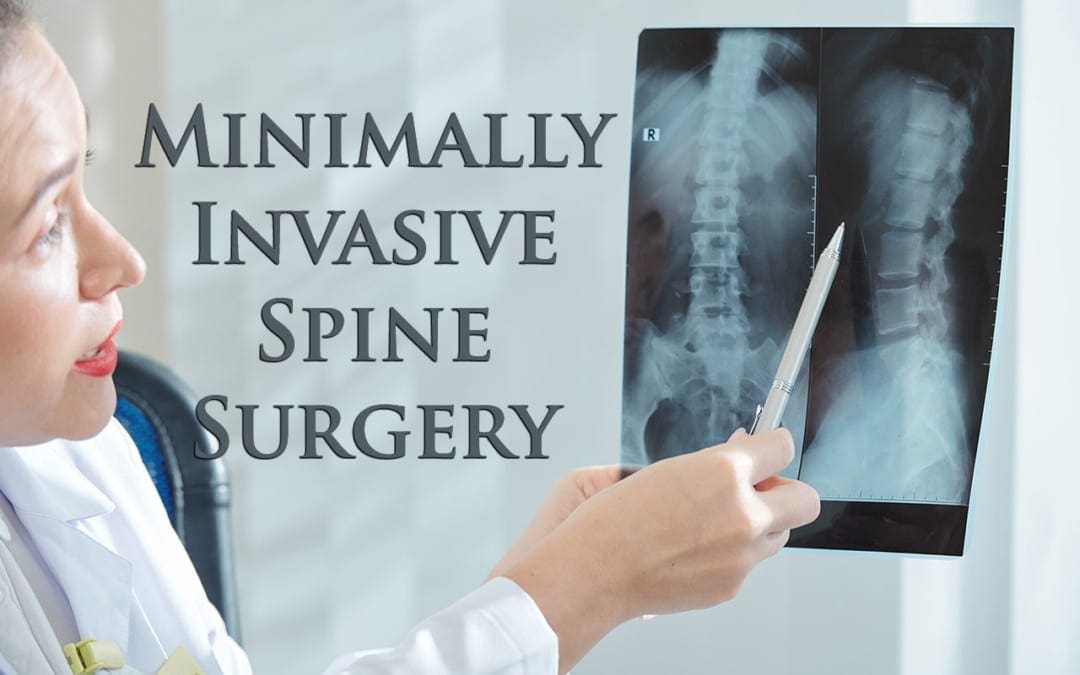
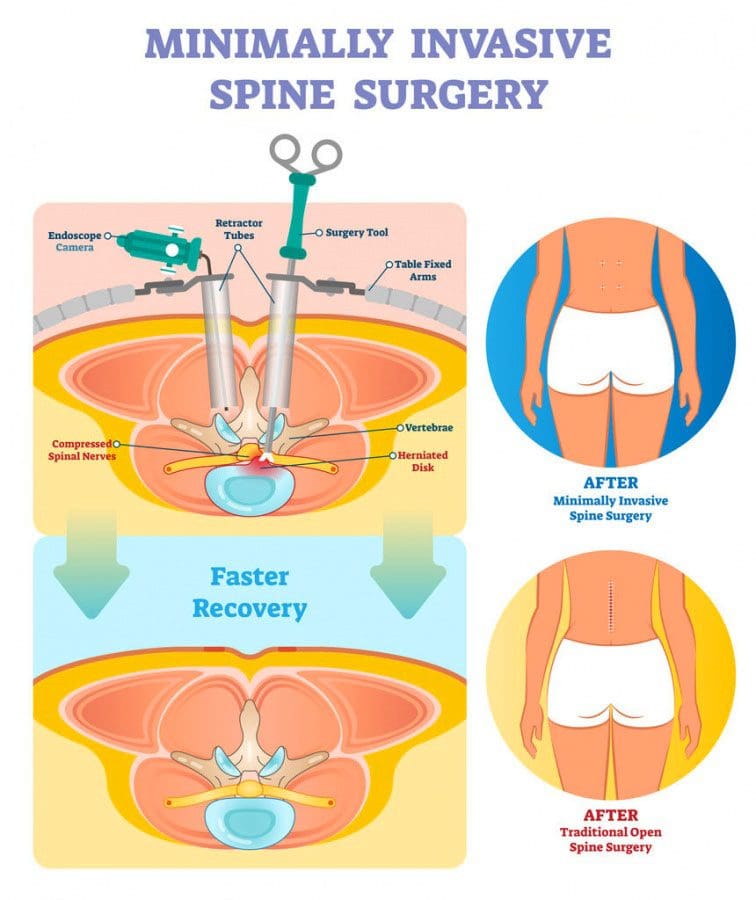
Minimally invasive spine surgery known as M.I.S.S is an option to traditional open surgical procedures, as well as an alternative when non-surgical approaches are working but the pain or condition is becoming worse, regardless. These are performed to treat a variety of spinal disorders like:
Bone spurs
Degenerative disc disease
Herniated disc
Scoliosis
Spinal instability
Spinal stenosis
Spinal tumors
Minimally invasive surgery can offer potential benefits. These include
A small/tiny incision/s
Minimal cutting through soft tissues like ligaments, and muscles
Outpatient option/s
Reduced post-operative pain
Quicker recovery
�
The Focus of Spine Surgery
There are two main goals when it comes to spine surgery or rather the goal/focus of the surgery. These are decompressing and stabilizing the spine.
�
Decompression of the spine
Spinal decompression involves removing any tissue/s that are compressing/pinching the nerve structures like a spinal nerve root or the spinal cord itself. Bone spurs and fragments from a herniated disc are the types of tissue/s that can cause neural compression.
�
Stabilization of the spine
An abnormal movement of one or more levels/segments of the spinal cord can cause back pain, neck pain, or both. Surgeries that are meant to stabilize and stop these abnormal movements utilize spine instrumentation combined with fusion.
�
Spine Surgery Techniques
Minimally invasive spine surgery techniques include:
Rather than cutting through soft tissues, a tubular retraction instrument generates a tunnel that expands and passes between the muscle/s to access the spine’s column. Then an endoscope or a tiny video camera goes in and around the area, projecting a visualization of what’s happening on a monitor during the procedure.
�
This is the surgeon’s/team’s eyes as they work to repair the damage. The surgery is run through the tubular retraction system along with any specially designed instruments that are needed. Types of surgical procedures performed with minimally invasive surgery include:
Discectomy
Microdiscectomy
Foraminotomy
Microforaminotomy
Microlaminectomy
Microlaminotomy
The micro means that the surgery is done using a special microscopic camera to view the disc/s and nerve/s. Imaging scans, systems, and image-guidance technologies, like fluoroscopy, which is a real-time x-ray are utilized during the surgery pinpointing the key aspects of the patient�s spinal anatomy. The surgical imaging shows 2D and 3D views, which guides the placement of any instrumentation, like pedicle screws.
�
Disorders Treated with Minimally Invasive Surgery
�
Degenerative disc disease
Degenerative disc disease is known as DDD often develops progressively in older adults and affects the intervertebral discs. The normal wear and tear of cellular age-related changes in the body can cause the spine’s discs to:
Stiffen
Lose Flexibility
Loss of Strength
Loss of Height
Lose shape, along with the ability to absorb/distribute the forces associated with moving
These structural changes increase the risk of disc herniation and subluxations.
�
Herniated discs
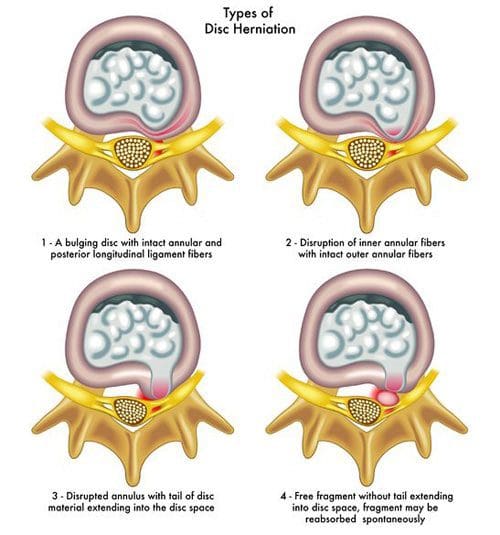
A herniated disc also called a slipped, bulging, and ruptured disc. This happens when the soft gel cushion of a disc breaks through the protective outer layer. Other than the damaged disc, the loose interior gel can also irritate and inflame the nerves causing back pain. �
�
Scoliosis
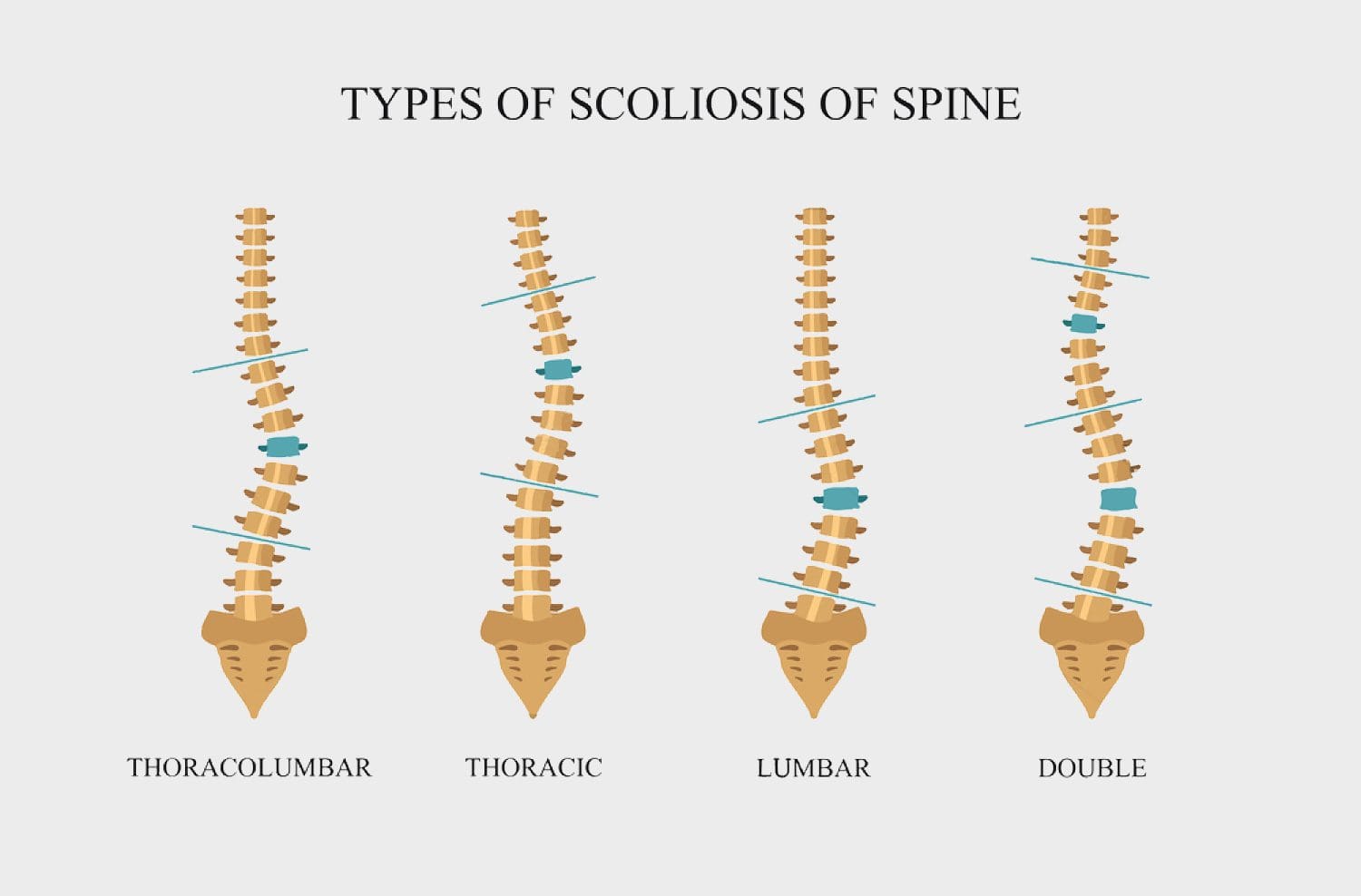
Scoliosis is an abnormal sideways curve of the spine that can cause progressive spinal deformity. A scoliotic curve can look like an �S� or �C.� Most cases have no known cause, and while the condition is more commonly associated with children, adults can develop scoliosis, as well.
�
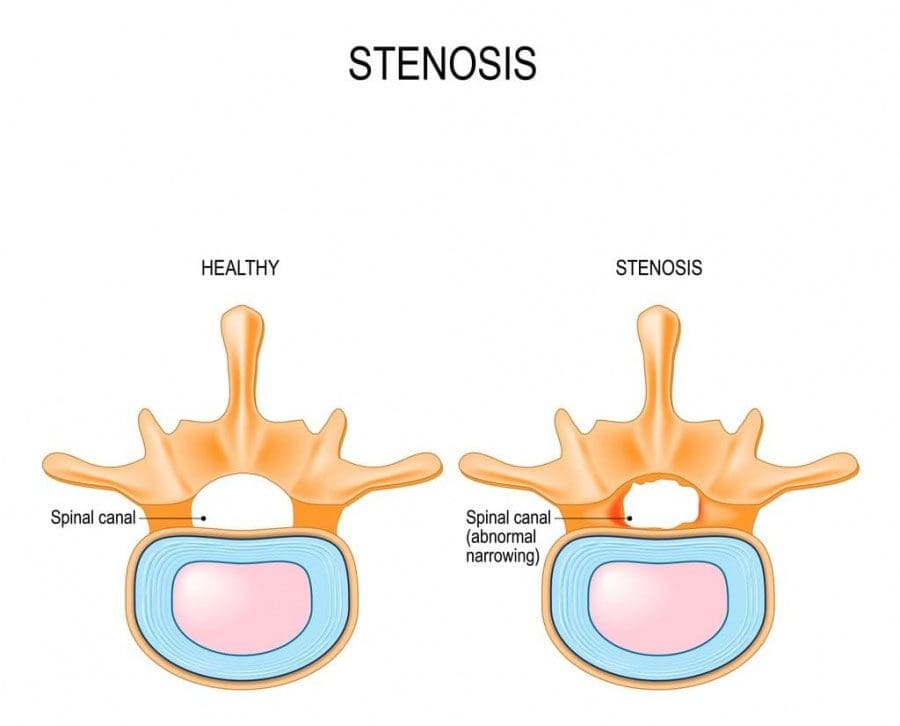
Spinal stenosis
Spinal stenosis happens when the spinal nerve roots and the spinal cord become compressed/pinched. These nerves branch off the spinal cord and exit the spinal canal through passageways called neuroforamen. Nerve and spinal cord compression can cause symptoms like:
Pain
Weakness
Tingling sensations
Numbness
Sometimes, pain can travel into the arms or legs
�
Spine Surgery Risks
With any spine surgery there are potential risks and complications that can occur. Here are some possible complications that can happen during and after surgery, with both open and minimally invasive procedures.
Minimally invasive spine surgery does offer many benefits:
Tiny incision
Less pain
Reduced risk
Faster recovery
Let’s not forget that M.I.S.S is still surgery. Less than 5% of people with back or neck pain need spine surgery and, surgery is the last resort for treating pain and symptoms caused by a spinal condition/disorder.
It is only when non-surgical treatments like chiropractic, acupuncture, physical therapy, medication, or spinal injections do not reduce symptoms in 3 to 6 months. This is when you qualify to be a candidate for spine surgery. There are certain types of spinal disorders that require urgent or immediate surgical intervention.
Talk with your doctor, chiropractor, or spine specialist about the pain, the symptoms, and compare the results of the different therapies/treatments and go from there. With any type of surgery there are many considerations to discuss before making a decision to treat back or neck pain and if minimally invasive surgery could be an option.
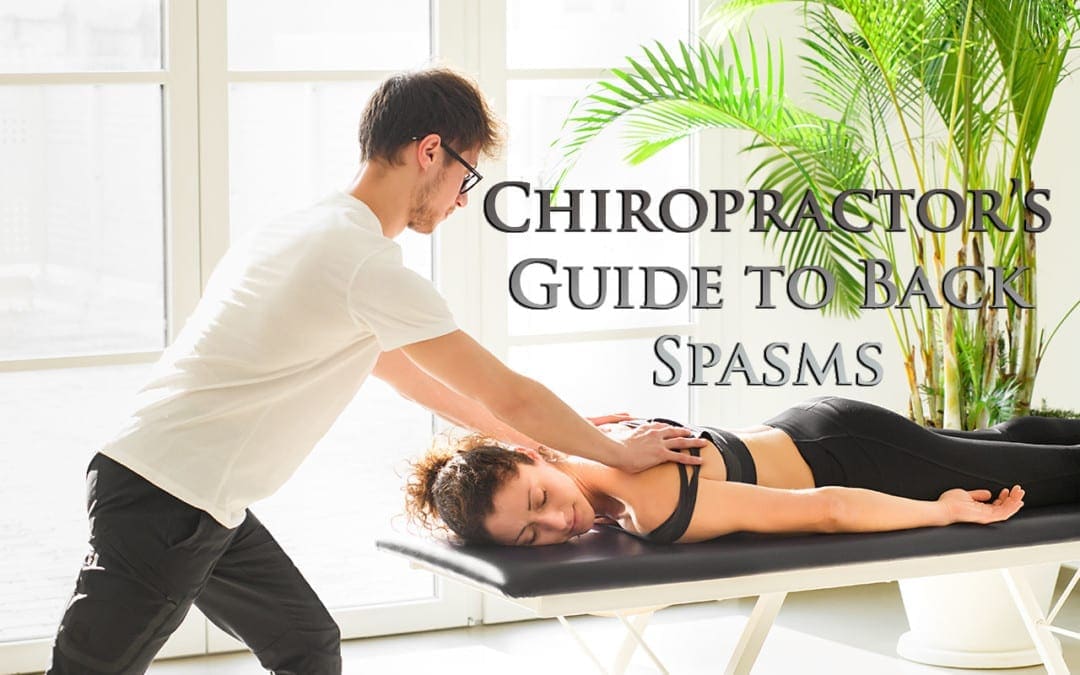
Back spasms can be compared to a Charley horse in the back. These are a common complaint in doctors’ clinics throughout the country. Spasms can accompany back pain and neck pain, they can be the result of a traumatic event, like a slip and fall accident or an automobile accident. Here is why they occur and what to do about them. �
Back Spasms
A back spasm is an involuntary and sustained contraction of one or more muscles of the spine. Spasms can occur without pain when the muscle/s shift, and pulse. But it’s when pain accompanies the spasm that it can become an issue that can lead to a chronic condition.
Example: Runners get the feeling of having a Charley horse in the calf muscle. Having a back spasm is the same. Spinal muscle spasms could be an indication of something serious, like a micro tear around a spinal disc that can generate inflammation to cause the muscles to tense up.
However, with most cases, a back muscle spasm is a symptom of a mild muscle injury, like a sprain. It can be hard to diagnose the pathology of a muscle spasm. One theory is that if there is a noxious stimulus coursing through the body, specifically the back, it can disrupt/disturb the muscles. When this happens the muscles brace/bunch up together to protect the spine. Here’s are five muscle spasm types that can cause back and neck pain.
�
Cervical Spine
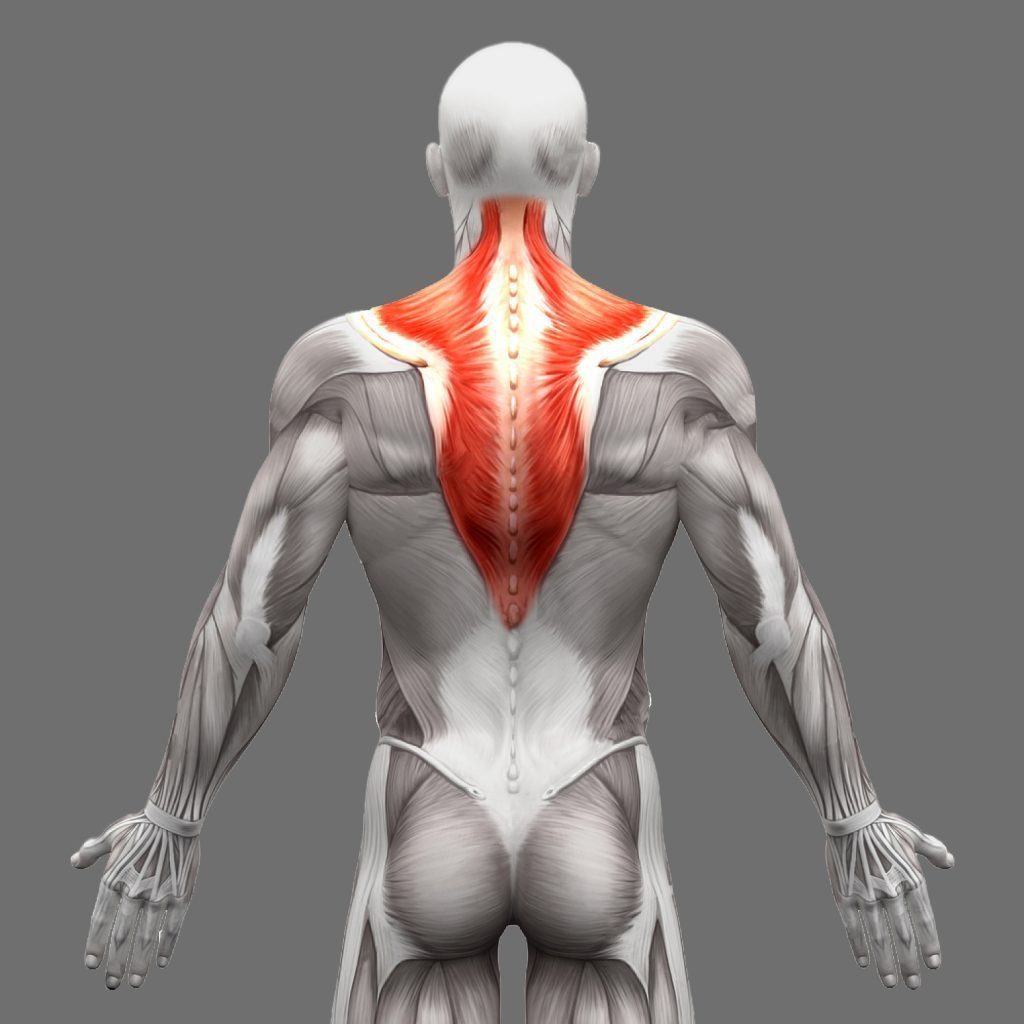
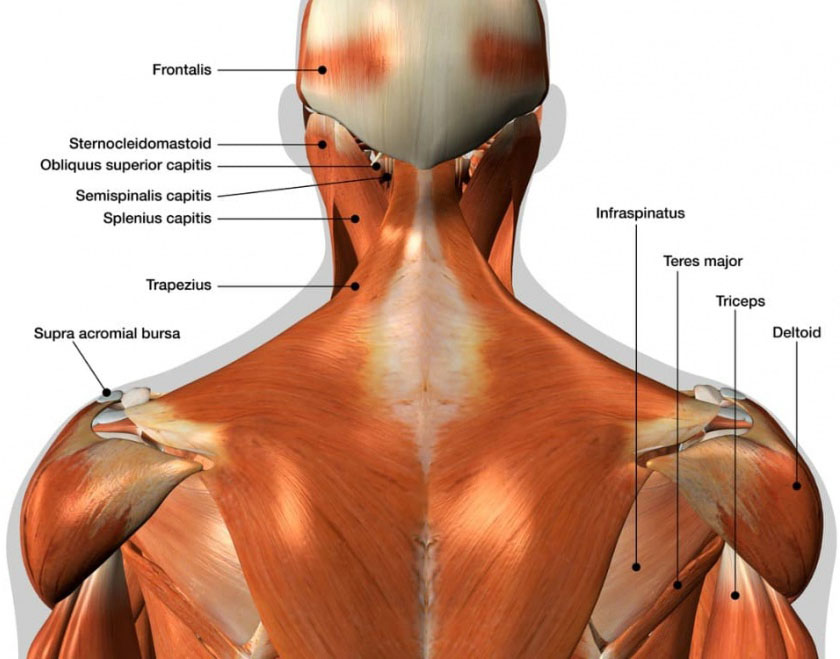
If there is a spasm in the neck, it’s more than likely a contraction of the trapezius muscle. This is the muscle group that runs down the neck into the middle or thoracic spine/back.
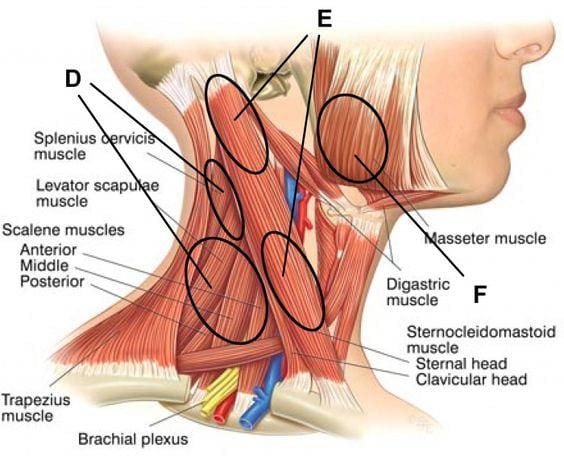
Back spasms in the cervical spine could indicate a contraction of the sternocleidomastoid. This is located at the base of the skull on both sides of the head. When these muscles spasm, the pain is usually localized or in one area that leads to muscle irritation. However, if the spasm is a symptom of underlying inflammation or nerve irritation, then the pain could radiate and spread down.
�
Thoracic Spine
The trapezius starts at the neck to the last vertebra of the thoracic spine or the middle-back. Therefore, a back spasm can affect the neck as well as the middle of the back as well. Spasms in the midback can also result from a contraction of the rhomboid muscle. These connect the shoulder blades to the rib cage and spine.
Because there is less movement in the middle-back, the muscles in this area are less likely to spasm, compared to the cervical/neck area and the lumbar/low area.
�
Lumbar Spine
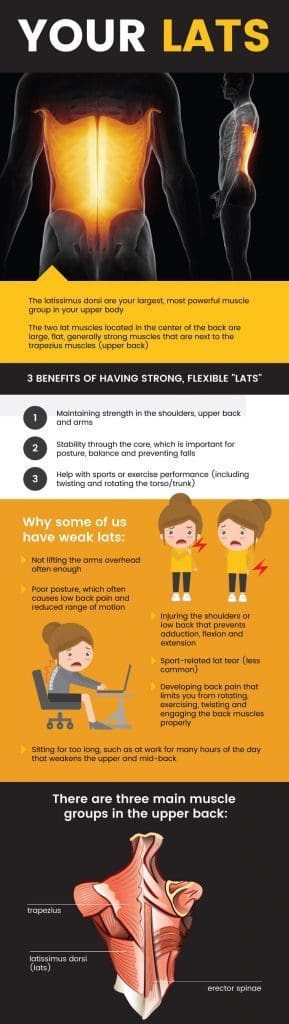
Spasms in the lower back occur from a contraction of the erector spinae muscles. These are the large group of stabilizing muscles that are on either side of the spine or the latissimus dorsi. These muscles are commonly referred to as lats. They are one of the largest muscle groups in the body and cover the middle and lower back.
Relieving Spasms
Treatment for muscle spasms depends on how the injury originated. A full medical history is crucial for a doctor, spine specialist, or chiropractor to be able to look at all the angles in determining and diagnosing the root cause.
It could be from just leaning over and picking up a box to sleeping in an improper/uncomfortable position. This type of pain is less concerning as it is more than likely a sprain or strain, and can be treated rather quickly.
However, if the spasms started after being involved in an automobile accident or falling pretty hard, then there could be serious damage to the area. Back spasms that occur after these types of situations require an immediate full neurologic and muscular examination. This along with advanced imaging, like an MRI.
�
Specialists
A spine specialist or chiropractor wants to make sure they’re not missing any underlying injuries or instabilities of the spine that would require extensive and possible invasive treatment. Red flag situations include osteoporosis, which is the loss of bone mass or ankylosing spondylitis, which is a form of arthritis that mainly affects the spine.
Osteoporosis can cause an underlying compression fracture.
Ankylosing spondylitis can cause parts of the spine to fuse together.
Both underlying conditions can cause muscle spasms. However, conservative treatment for most cases is all that is usually needed to relieve muscle spasms of the spine. These include:
Anti-inflammation medications and creams
Chiropractic manipulation to improve spinal muscles range of motion
Heat and ice application
Light activities/exercises like walking that don’t include any bending, twisting, and lifting
If results do not improve within four to six weeks of conservative treatment, then an MRI or other type of scan of the area will be needed.
All that said preventing back spasms is the way to go. We’ve all heard the phrase to be heart-healthy, which concerns cardiovascular health. Now it’s about being spine healthy. Keeping the abdominal muscles, lumbar extensors, and the erector spinae muscles fit is the key. This can be accomplished with regular stretching and core exercises. Also doing yoga and Pilates will go a long way in minimizing muscle spasms and preventing injuries.
Sit-stand desks are coming around, especially with so many of us working from home. Sitting is not a bad thing, it is just that we do it too much. Whether at home or work, too much-sitting causes health problems, and musculoskeletal problems, which can lead to a chronic back pain condition.
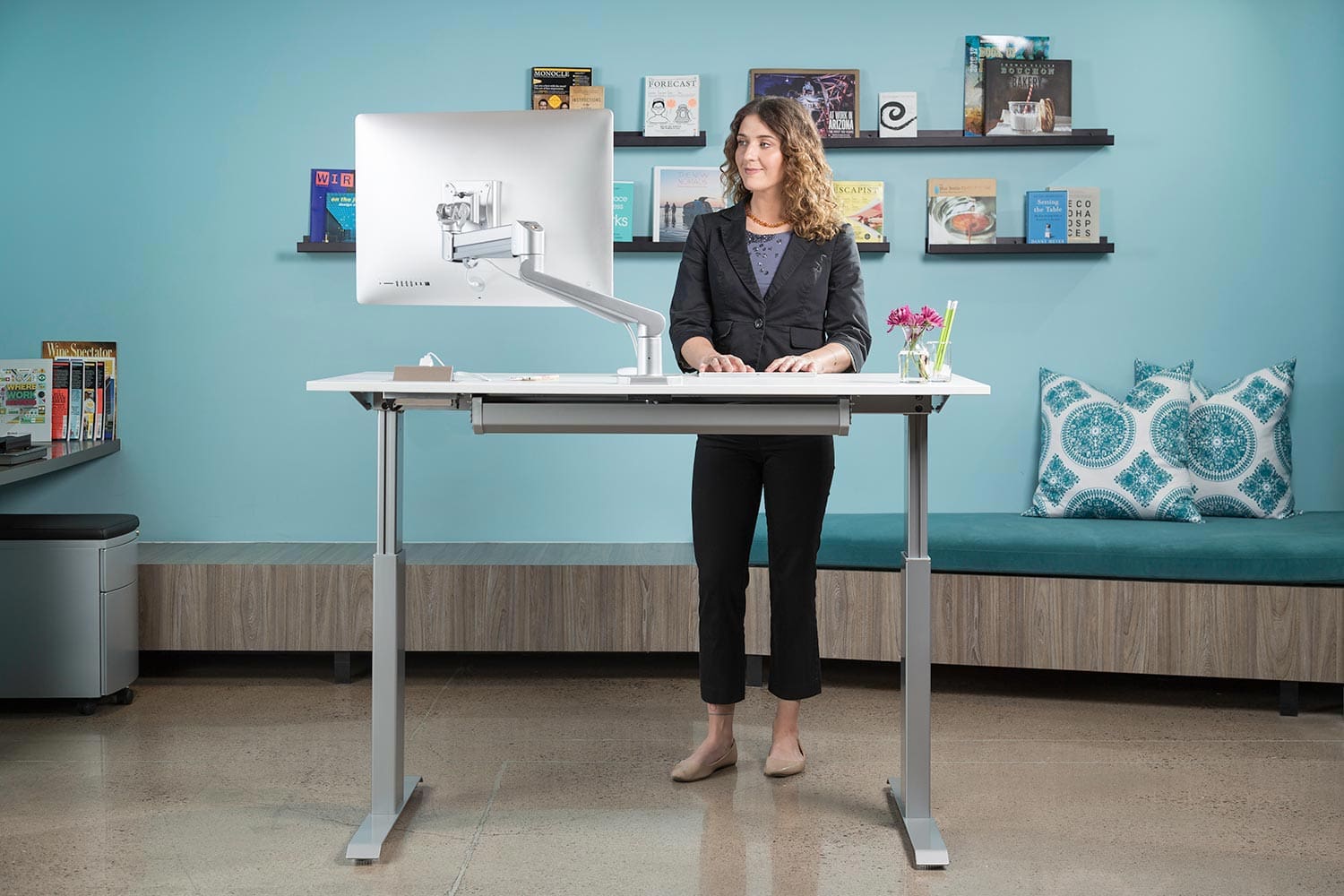
Too much sitting has been compared to smoking, and sitting in front of a computer for hours and hours has led to 85% of workers reporting discomfort/pain/ health issues at work. Fortunately, there is hope for the modern-day office known as the sit-stand desk or a standing office desk. Individuals are rapidly discovering the benefits of this ergonomic tool. �
�
�
� Sit-stand desks encourage workers not to sit as much and stand for a while. This generates a spectrum of spine health benefits that range from reducing pressure on the back to burning a few extra calories just from changing positions. Thinking of investing in an adjustable desk, here are some key things to consider.
�
Get a new sit-stand desk or a unit that sits on top of my desk
This depends on the amount of space that is available. If there is plenty of space, specifically, to spread things out over a large desk area, then it can make sense to invest in a stand-alone sit-stand desk. If the current desk is right for you, then a sit-stand desk put on top of the current desk may be the better option.
�
Height Adjustment
It�s important that the height of the desk can be adjusted. This has to do with different heights for different work tasks. For example, an individual could prefer one height for writing and another height when working/keyboarding on the computer.
If the desk is going to be used by others, then it�s essential that the height can be adjusted to meet the needs of those with different heights and work preferences. The Business and Institutional Furniture Manufacturers Association recommends that the height range be 22.6? to 48.7?. Ultimately the range depends on those using the desk. �
Depth of the desk
Depth is the front-to-back tabletop distance when facing the desk. A good choice is a desk that has a minimum depth of 30?. This allows those who prefer more desk space the ability to spread out the work. However, smaller depths are available.
�
Weight capacity
Sit-stand desks are built to handle the weight of the usual desktop items:
Computer
Monitor/s
Keyboard
Mouse
Speakers
Phone
With heavy items, it’s best to review the weight restrictions of the desk you will be using. Weight restrictions vary, but there are all kinds of desk models to fit your needs. �
�
Desk budget
This depends on your budget, work purposes, and quality. Sit-stand desks can be found in a wide range of prices. Opting for the cheapest desk is not the wisest thing to do. Remember these desks are an investment in the spine and overall health. Consider the quality of the desk and how long it will last along with a warranty to protect you if the desk malfunctions.
�
What to look for
Sit-stand desks come with all kinds of options, in terms of quality and convenience.
�
Noise level:
If a quiet work environment is important, then look into desks that offer a quiet action/transition when switching from sitting to standing and vice versa.
�
Speed:
Some desks can take a long time to switch. Be careful with these because the use of the full functionality can diminish because of the length of time it takes. Look for the quick adjustment type.
�
Manual vs. electrical:
There are some desk models that operate using hand cranks, locking switches, etc. while others use electric/pneumatic lifts to raise and lower the desk with a power button. The method of movement chosen will have a distinct impact on the ease of use, speed, and noise level.
�
Programmable:
Some desks can be programmed with height preferences so they can be set to the desired position and saved.
�
Customization:
If the desk needs to be able to function around privacy screens or specialized office equipment, a one-size-fits-all desk may not be the best option. This is something to consider if the desk needs to fit perfectly in an established environment. �
Keeping the desk in the standing position
Some individuals may feel better standing all day. However, standing for long periods does as much damage to the spine as sitting all day. The best approach is to vary postures over a workday.
After sitting for an hour, get up and move around.
If you�ve been standing for a while, take a break and sit.
That is what sit-stand desks are made for. They are made to promote changing positions throughout the day, which is the best thing for the spine. Be prepared for a transition period. Standing at work can bring some unexpected fatigue if you’re used to sitting all day.
Getting into the flow of working while sitting then standing, then going back can be a bit daunting. The goal is to slowly build up the amount of time standing, switching to a sitting position, and getting comfortable doing it. Things that can help with the transition are to wear supportive shoes or get custom foot orthotics and use an ergonomic foot mat to make the transition more comfortable.
It will be a short-term adjustment period, but the long-term benefits are well worth it. Employers and employees along with their spines will be very thankful.
Music therapy, combined with standard medical treatment�has been found to reduce the perception of pain in individuals recovering from spinal surgeries, according to a study published in the American Journal of Orthopedics. Spine surgery recovery can take a long time and take a tremendous toll on the individual and family. Research has found that music therapy can help reduce pain post-surgery.
The study has shown solid findings that this therapy, when combined with standard treatment, positively impacts pain. Individuals report an increase in comfort during the recovery time. Utilizing music in a therapeutic setting can benefit a patient’s treatment plan, as it addresses the whole individual, including mind, body, and spirit. This is the same approach that chiropractic uses.
Combining Standard Treatment with Music Therapy
The study took place at the Spine Institute of New York with the music therapy set-up through the hospital�s Louis Armstrong Center for Music and Medicine. There were 60 patients thirty-five females and twenty-five males ranging in age from 40 to 55. They underwent anterior, posterior, or anterior-posterior spinal fusion surgery. The groups were equally split up. The experimental group had music therapy included with their standard medical care, and the control group only received standard medical treatment.
The experimental group would undergo a 30-minute music therapy session over an 8-hour period within 72 hours after the procedure. The music options included:
Patient-preferred music
Singing
Rhythmic drumming that encourages relaxation
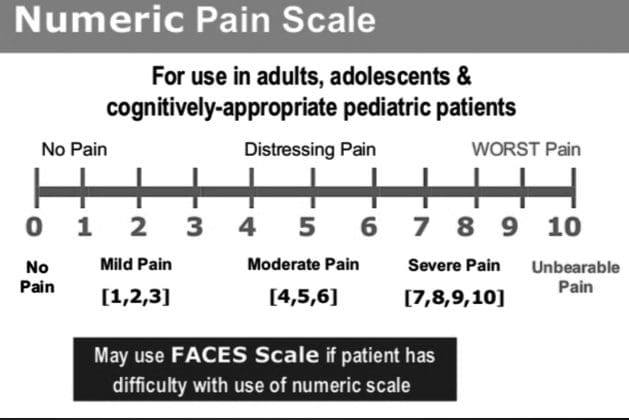
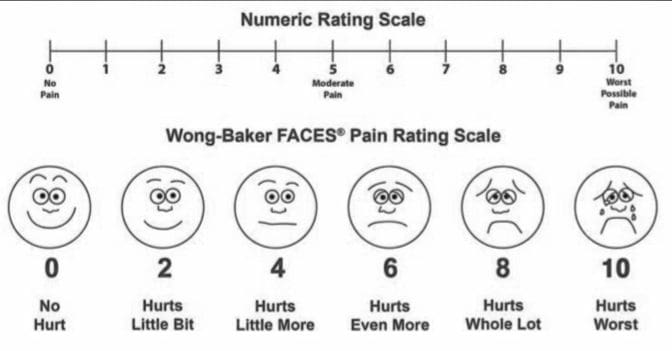
The sessions focused on personal treatment, where the individuals were encouraged to express emotions. A pain scale was used before and after the interventions to measure the results. What was found, was that pain levels would go up slightly in the control group, and in the experimental group, the pain dropped.
Spine Surgery Recovery
With standard care medications are typically the first-line treatment post-spine surgery pain. With all of the negative side effects that come with pain meds/opioids, music therapy is worth considering when looking for non-drug therapies. If anything music is an excellent distraction tool. So long as the music is enjoyable to the individual.
For the most part, many individuals that underwent spine surgery already listen to their music pre and post-operation. It helped them to relax before the surgery and allowed them to focus on something else after. Much like athletes that have their headphones/earbuds when they get to the venue to focus and block out everything going on around them. This therapy works the same way. But now we want to encourage anyone undergoing some spinal procedure to go ahead and jam out.
IFM's Find A Practitioner tool is the largest referral network in Functional Medicine, created to help patients locate Functional Medicine practitioners anywhere in the world. IFM Certified Practitioners are listed first in the search results, given their extensive education in Functional Medicine


 �
�