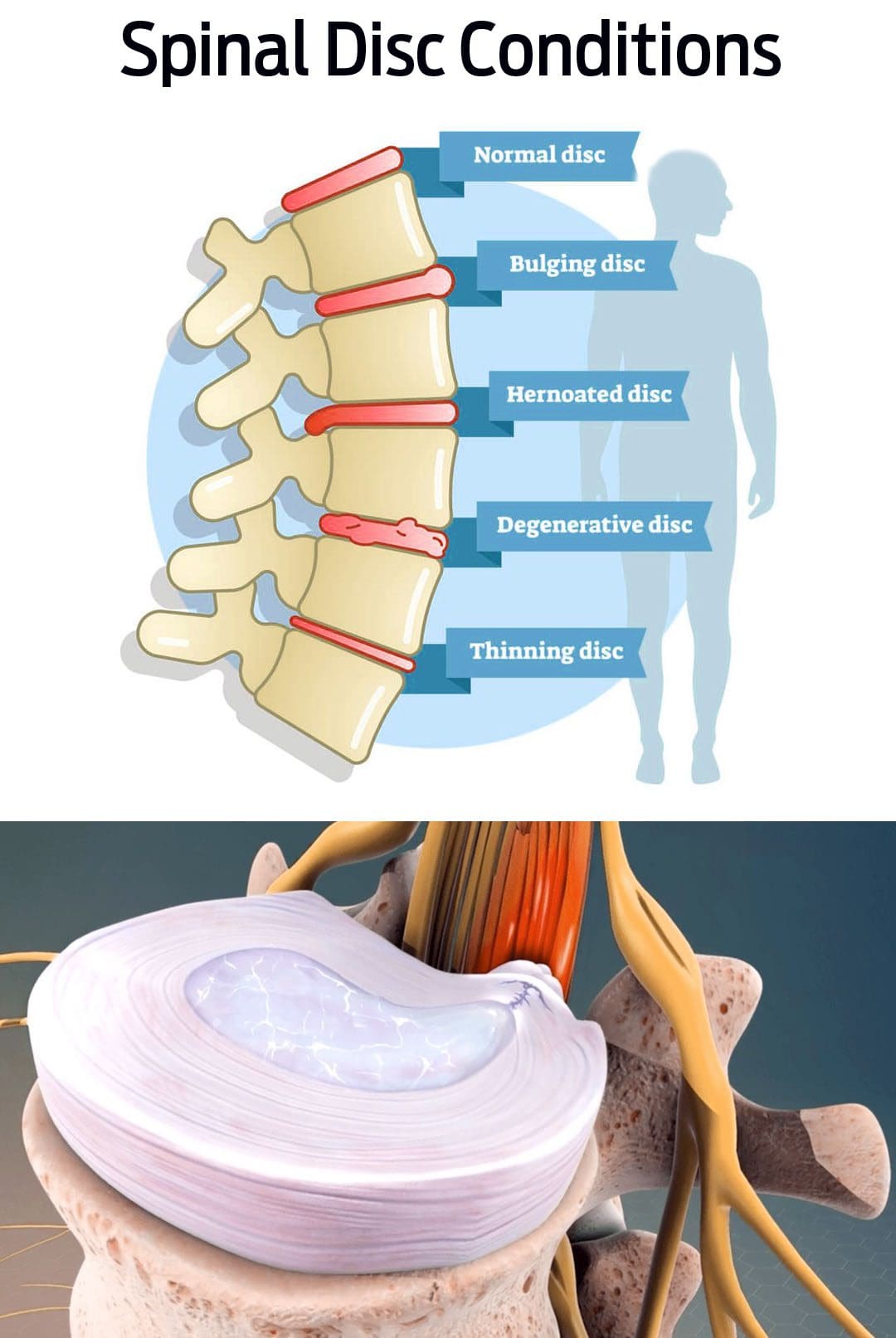
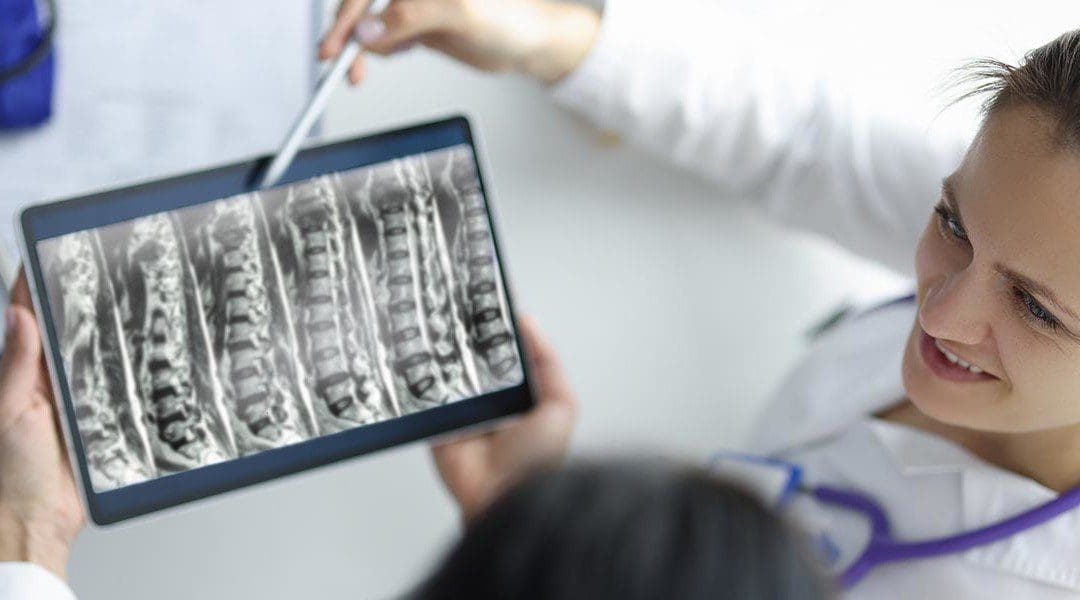
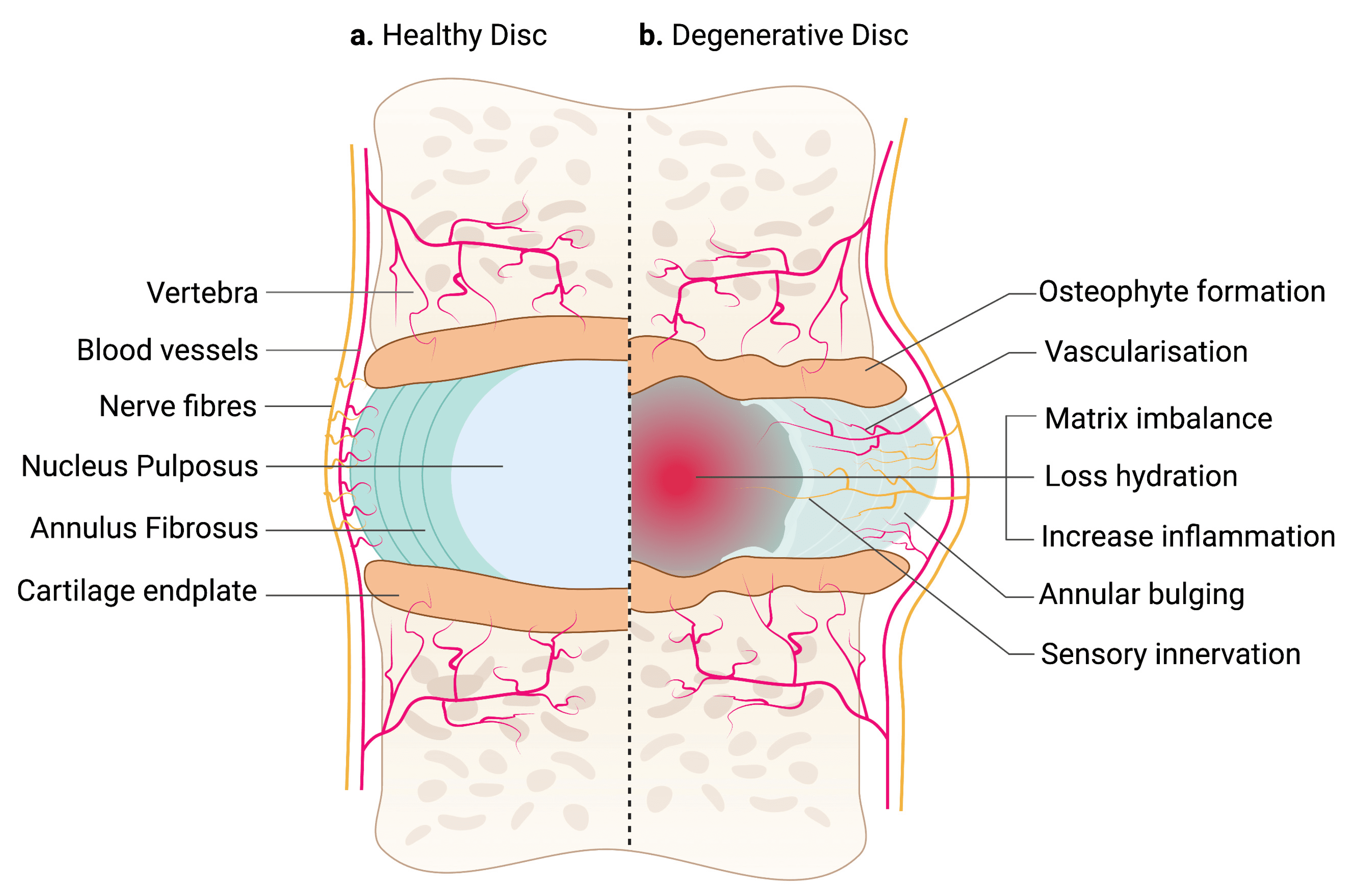
Individuals that have gone through a back injury may develop a synovial spinal cyst as a way to protect the spine that could cause pain symptoms and sensations. Can knowing the signs help healthcare providers develop a thorough treatment plan to relieve pain, prevent worsening of the condition and other spinal conditions?
Spinal Synovial Cysts
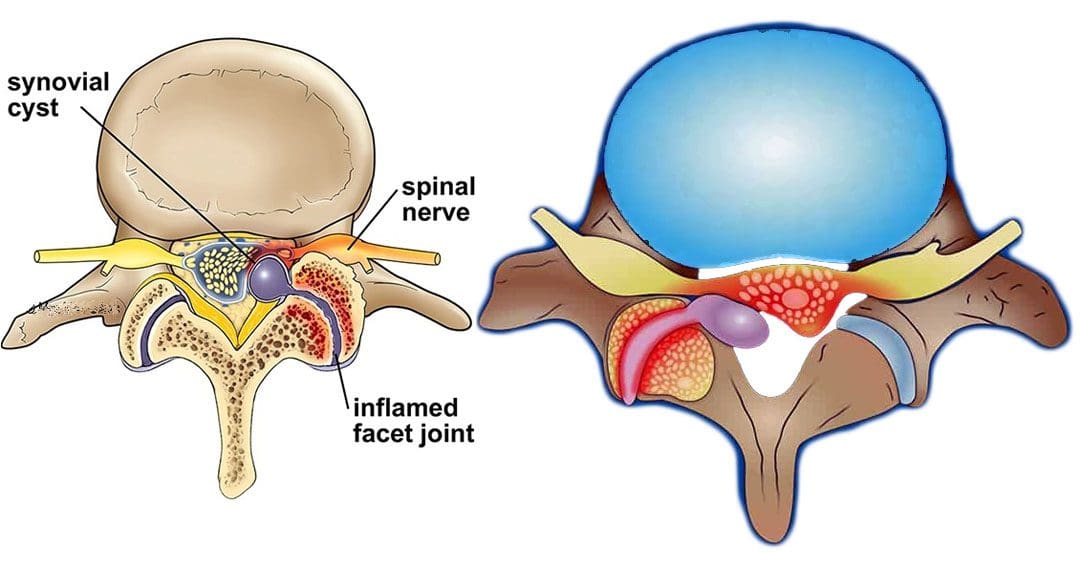
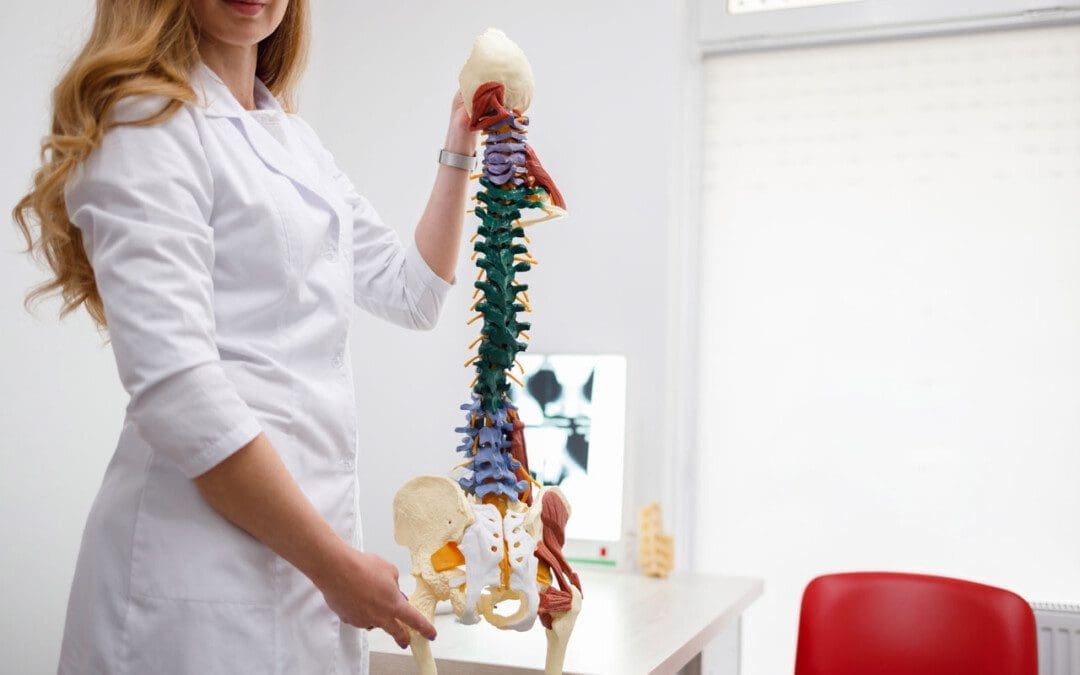
Spinal synovial cysts are benign fluid-filled sacs that develop in the spine’s joints. They form because of spinal degeneration or injury. The cysts can form anywhere in the spine, but most occur in the lumbar region/lower back. They typically develop in the facet joints or junctions that keep the vertebrae/spinal bones interlocked.
Symptoms
In most cases, synovial cysts don’t cause symptoms. However, the doctor or specialist will want to monitor for signs of degenerative disc disease, spinal stenosis, or cauda equina syndrome. When symptoms do present, they typically cause radiculopathy or nerve compression, which can cause back pain, weakness, numbness, and radiating pain caused by the irritation. The severity of symptoms depends on the size and location of the cyst. Synovial cysts can affect one side of the spine or both and can form at one spinal segment or at multiple levels.
Effects Can Include
Radiculopathy symptoms can develop if the cyst or inflammation caused by the cyst comes into contact with a spinal nerve root. This can cause sciatica, weakness, numbness, or difficulty controlling certain muscles.
Neurogenic claudication/impingement and inflammation of spinal nerves can cause cramping, pain, and/or tingling in the lower back, legs, hips, and buttocks. (Martin J. Wilby et al., 2009)
If the spinal cord is involved, it may cause myelopathy/severe spinal cord compression that can cause numbness, weakness, and balance problems. (Dong Shin Kim et al., 2014)
Symptoms related to cauda equina, including bowel and/or bladder problems, leg weakness, and saddle anesthesia/loss of sensation in the thighs, buttocks, and perineum, can present but are rare, as are synovial cysts in the middle back and neck. If thoracic and cervical synovial cysts develop, they can cause symptoms like numbness, tingling, pain, or weakness in the affected area.
Causes
Spinal synovial cysts are generally caused by degenerative changes like osteoarthritis that develop in a joint over time. With regular wear and tear, facet joint cartilage/the material in a joint that provides protection, a smooth surface, friction reduction, and shock absorption begins to waste away. As the process continues, the synovium can form a cyst.
Traumas, large and small, have inflammatory and degenerative effects on joints that can result in the formation of a cyst.
Around a third of individuals who have a spinal synovial cyst also have spondylolisthesis.
This condition is when a vertebrae slips out of place or out of alignment onto the vertebra underneath.
It is a sign of spinal instability.
Instability can occur in any spine area, but L4-5 are the most common levels.
This segment of the spine takes most of the upper body weight.
Epidural corticosteroid injections can reduce inflammation and could be an option to relieve pain.
Patients are recommended to receive no more than three injections per year.
Surgical Options
For severe or persistent cases, a doctor may recommend decompression surgery to remove the cyst and surrounding bone to relieve pressure on the nerve root. Surgical options range from minimally invasive endoscopic procedures to larger, open surgeries. The best surgical option varies based on the severity of the situation and whether associated disorders are present. Surgical options include:
Laminectomy – Removal of the bony structure that protects and covers the spinal canal/lamina.
Hemilaminectomy – A modified laminectomy where a smaller portion of the lamina is removed.
Facetectomy – The removal of part of the affected facet joint where the synovial cyst is located, usually following a laminectomy or hemilaminectomy.
Fusionof the facet joints and vertebra – Decreases vertebral mobility in the injured area.
Most individuals experience immediate pain relief following a laminectomy or hemilaminectomy.
Fusion can take six to nine months to heal completely.
If surgery is performed without fusion where the cyst originated, the pain could return, and another cyst could form within two years.
Surgery Complications include infection, bleeding, and injury to the spinal cord or nerve root.
How I Gained My Mobility Back With Chiropractic
References
Wilby, M. J., Fraser, R. D., Vernon-Roberts, B., & Moore, R. J. (2009). The prevalence and pathogenesis of synovial cysts within the ligamentum flavum in patients with lumbar spinal stenosis and radiculopathy. Spine, 34(23), 2518–2524. https://doi.org/10.1097/BRS.0b013e3181b22bd0
Kim, D. S., Yang, J. S., Cho, Y. J., & Kang, S. H. (2014). Acute myelopathy caused by a cervical synovial cyst. Journal of Korean Neurosurgical Society, 56(1), 55–57. https://doi.org/10.3340/jkns.2014.56.1.55
Epstein, N. E., & Baisden, J. (2012). The diagnosis and management of synovial cysts: Efficacy of surgery versus cyst aspiration. Surgical neurology international, 3(Suppl 3), S157–S166. https://doi.org/10.4103/2152-7806.98576
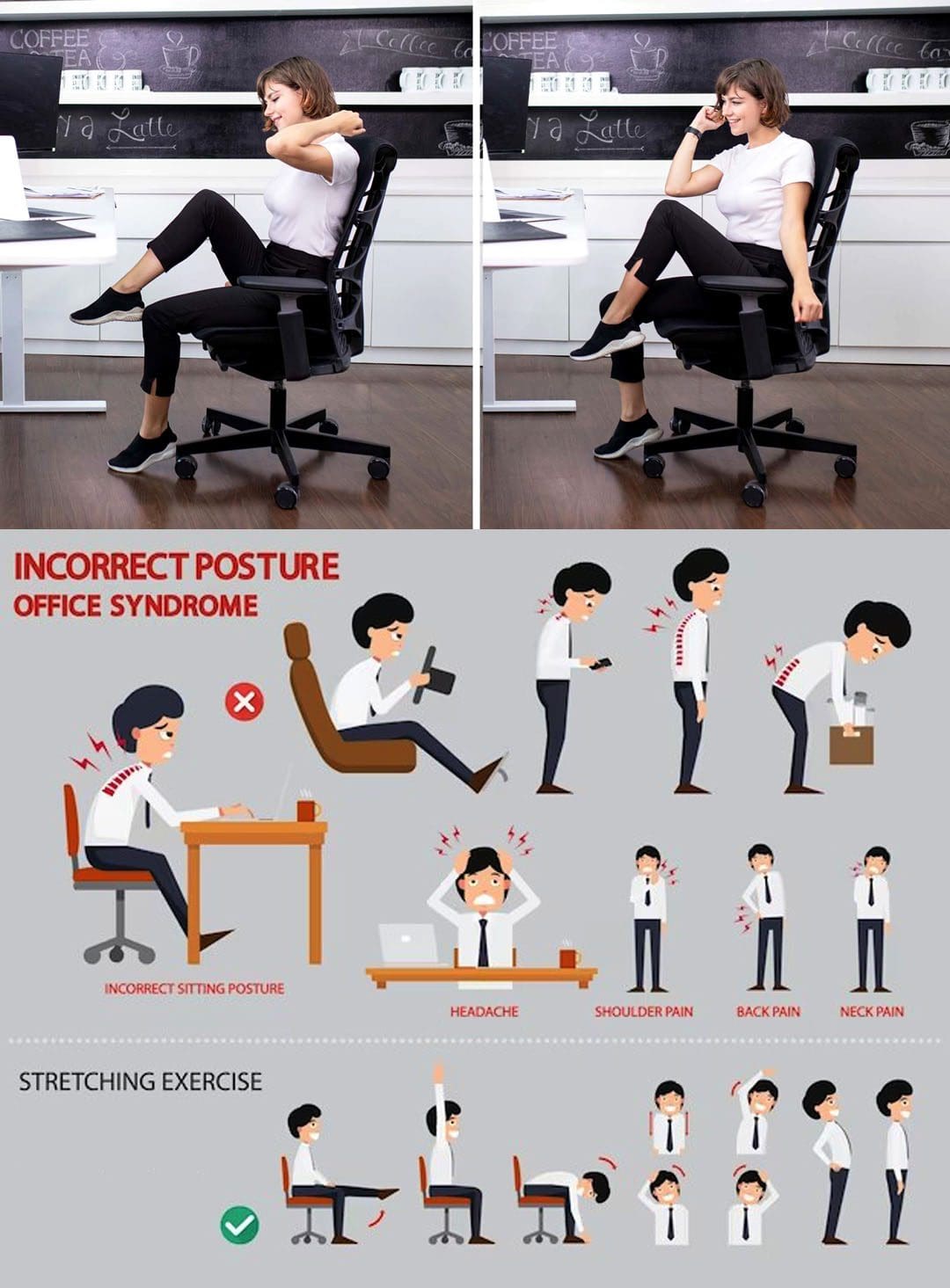
Many individuals attribute to some degree, their neck or back pain to unhealthy posture. Can knowing the causes and underlying factors help guide lifestyle adjustments and seeking medical rehabilitative treatment?
Unhealthy Posture Causes
Numerous factors can cause individuals to practice unhealthy postures regularly.
Unhealthy posture can also be brought on by an injury, illness, or genetics.
A combination of these factors is also common.
Practicing healthy posture is a form of exercise where the muscles support the skeleton in stable and efficient alignment that is present in stillness and movement.
Injury and Muscle Guarding
After an injury, muscles can spasm to protect the body and help stabilize injuries and protect against further injury.
However, movements become limited and can lead to pain symptoms.
Prolonged muscle spasms lead to weakened muscles over time.
The imbalance between muscles guarding the injury and those still operating normally can lead to posture problems.
Musculoskeletal treatment with massage, chiropractic, and physical therapy can help restore optimal functioning.
Muscle Tension and Weakness
If certain muscle groups become weak or tense, posture can be affected, and pain symptoms can develop.
Muscle weakness or tension can develop when individuals hold a prolonged position day after day or when performing routine tasks and chores in a way that places tension on the muscles or uses them in an unbalanced way.
Postural retraining and physical therapy adjustments can help strengthen the muscles and relieve pain symptoms.
Daily Habits
As individuals find ways to accommodate muscle spasms, weakness, tension, and/or imbalances, the mind and body can forget and abandon healthy posture.
The body then begins compensating using alternate, awkward, and counterproductive muscle contractions and stretching that compromise body and spinal alignment.
Use of Technology
Technology – whether sitting at a desk/workstation, using a tablet or cell phone, or working with several devices can gradually shift the body out of alignment. (Parisa Nejati, et al., 2015)
Individuals constantly looking down at their phone may develop a text neck, a condition in which the neck is held in flexion or forward tilting too long, which can lead to pain.
Mental Attitude and Stress
Individuals under stress or are experiencing stressful situations can begin to have posture problems. (Shwetha Nair et al., 2015)
Stress can contribute to over-contracting muscles, which can cause muscle tension, shallow breathing, posture problems, and pain symptoms.
Being aware of body position and correcting and adjusting posture can help to counteract stress. (Shwetha Nair et al., 2015)
Wearing down the outside or inside of the shoes faster from things like weight-bearing habits will imbalance kinetic forces that translate up the ankle, knee, hip, and lower back leading to pain symptoms in any or all of these joints.
Heredity and Genetics
Sometimes the cause is hereditary.
For example, Scheuermann’s disease is a condition in which adolescent males develop a pronounced kyphosis curve in the thoracic spine. (Nemours. KidsHealth. 2022)
Consult Injury Medical Chiropractic and Functional Medicine Clinic for an evaluation, and let us help you by developing a personalized treatment and rehabilitation program.
The Path To Healing
References
Czaprowski, D., Stoliński, Ł., Tyrakowski, M., Kozinoga, M., & Kotwicki, T. (2018). Non-structural misalignments of body posture in the sagittal plane. Scoliosis and spinal disorders, 13, 6. https://doi.org/10.1186/s13013-018-0151-5
Nejati, P., Lotfian, S., Moezy, A., & Nejati, M. (2015). The study of correlation between forward head posture and neck pain in Iranian office workers. International journal of occupational medicine and environmental health, 28(2), 295–303. https://doi.org/10.13075/ijomeh.1896.00352
Nair, S., Sagar, M., Sollers, J., 3rd, Consedine, N., & Broadbent, E. (2015). Do slumped and upright postures affect stress responses? A randomized trial. Health psychology : official journal of the Division of Health Psychology, American Psychological Association, 34(6), 632–641. https://doi.org/10.1037/hea0000146
Silva, A. M., de Siqueira, G. R., & da Silva, G. A. (2013). Implications of high-heeled shoes on body posture of adolescents. Revista paulista de pediatria : orgao oficial da Sociedade de Pediatria de Sao Paulo, 31(2), 265–271. https://doi.org/10.1590/s0103-05822013000200020
For individuals with back pain, how can health practitioners incorporate non-surgical solutions to reduce spinal pain?
Introduction
The spine is one of the most important structures in the human body, providing host mobility and stability when vertical pressure is pressing on the spinal structure. The spine is surrounded by various muscles, ligaments, and tissues that help support the upper and lower body portions and extremities. When normal factors like heaving lifting, improper stances, obesity, or pre-existing conditions start to affect the body, it can cause the spinal structure to potentially cause unwanted issues that lead to back, neck, and shoulder pain. When experiencing these three common body pains often correlate with other associated symptoms that can affect the other extremities. When this happens, many individuals begin to miss out on work or daily activities that can cause them to be miserable, and they even try to look for various solutions to reduce the pain they are experiencing. Today’s article looks at one of the common body pains like back pain and how it can cause numerous issues that affect a person’s ability to function, and how non-surgical solutions can not only reduce the pain-like effects but also provide the necessary relief that many people deserve in their health and wellness journey. We speak with certified medical providers who incorporate our patients’ information to provide numerous treatment plans to ease the pain-like symptoms associated with spinal issues causing back pain. We also inform our patients that there are non-surgical options to reduce these pain-like issues and restore spinal mobility to the body. We encourage our patients to ask intricated and educational questions to our associated medical providers about the pain-like symptoms they are experiencing correlating with the lower back. Dr. Alex Jimenez, D.C., utilizes this information as an academic service. Disclaimer.
Back Pain Affecting The Spine
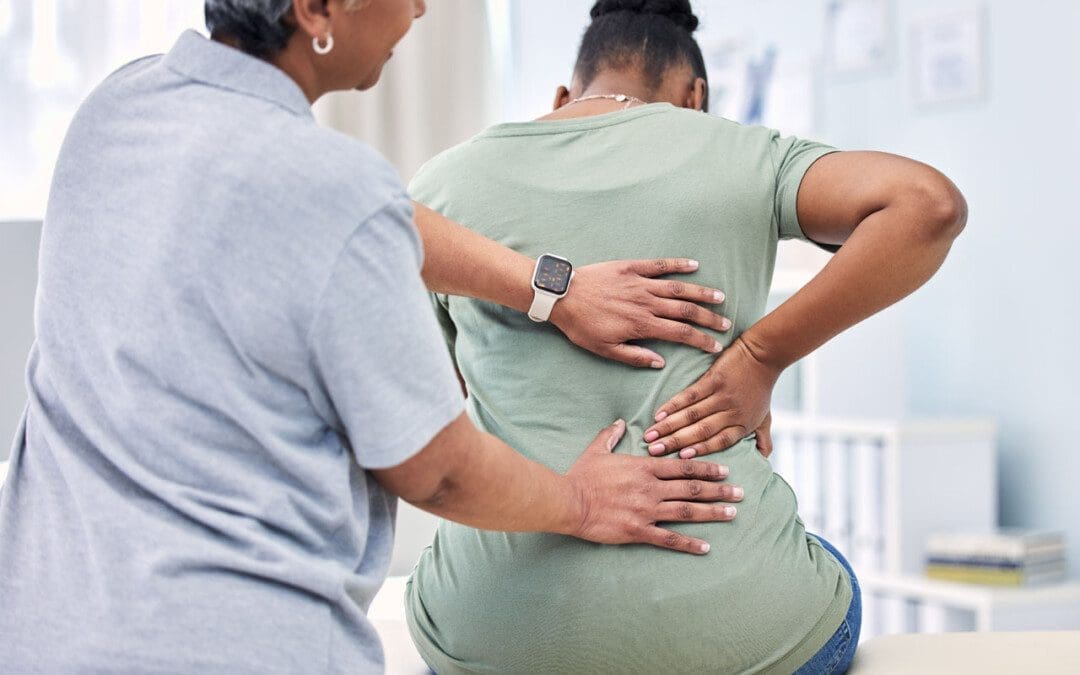
Do you often experience radiating pain in your lower back that causes symptoms of numbness or tingling sensations down to your legs and feet? Do you feel muscle stiffness in the morning while getting up, only to slowly disappear throughout the day? Or do you feel symptoms of muscle aches and pain when carrying a heavy object from one location to another? Many individuals, more often than not, have dealt with back pain associated with various factors. With back pain being in the top three common problems in the workforce, many individuals have dealt with the common problem in multiple ways. From improper heavy lifting to excessive sitting at a desk, back pain can cause musculoskeletal issues that many are trying to find relief. Low back pain can either be acute or chronic, depending on the severity. It can lead to mobility impairment within the thoracic, lumbar, and sacroiliac spinal regions, causing referred pain to the lower extremities. It can lead to a life of impairment without any symptoms or signs of serious medical or psychological conditions associated with environmental factors. (Delitto et al., 2012) Back pain is also associated with spinal conditions like inflammation, asymmetric loading, and muscle strain, which can cause the spinal structures to be compressed, thus causing disc herniations. (Zemková & Zapletalová, 2021)
Additionally, back pain is a multifactorial musculoskeletal condition that causes many individuals to be in a socio-economic situation that can decrease their quality of life. Many examples of back pain are correlated with altered motor control within the spinal erector muscles that causes impaired proprioception in the spine. (Fagundes Loss et al., 2020) When this happens to many individuals, they often experience a hindrance of lumbar stability, body balance, posture, and postural control. At the same time, when many working individuals are having severe back pain associated with everyday factors, the amount of pain they are in can change the threshold of the mechanoreceptors that are transmitting the pain signals through the spinal cord. To this point, back pain can affect the neuromuscular response and affect normal musculoskeletal functionality. Fortunately, numerous treatments can help reduce back pain and provide relief to spinal pain that is affecting many individuals.
The Role Of Chiropractic Care- Video
How many times a day do you experience back pain associated with stiffness, general aches, or pains that are affecting your ability to work? Do you notice you hunching more when moving from one location to another? Or do you feel aches and pain in your back after stretching in the morning? Many individuals dealing with these common environmental factors are closely associated with back pain. Back pain is in the top three most common problems many individuals have experienced at some point in their lives. More often than not, many people have dealt with back pain by using home remedies to reduce the pain-like effects. However, research studies reveal that when many individuals start to ignore the pain, it can lead them to a life of disability and cause numerous amounts of distress if not treated right away. (Parker et al., 2015) Hence, non-surgical treatments can not only reduce the pain associated with back pain but also help restore spinal mobility. Non-surgical treatments like chiropractic care incorporate spinal manipulation, which can positively affect the spine. (Koes et al., 1996) What chiropractic care does is that it includes mechanical and manual manipulation techniques to stretch out tight muscles and reduce trigger points from reforming. The video above shows how chiropractic care can positively affect the individual while being part of a health and wellness journey to reducing back pain.
Non-Surgical Spinal Decompression For Back Pain
Just like chiropractic care, spinal decompression is another non-surgical treatment that uses traction to gently pull and stretch the spine to alleviate compressed spinal discs associated with back pain and help stretch out tight muscles. When many people start to incorporate spinal decompression as part of their routine, they will notice that spinal decompression can reduce intradiscal pressure within the negative range. (Ramos, 2004) What this does is that when the spinal discs are being pulled by gentle traction, all the fluids and nutrients that were not hydrating the disc flow back and help kickstart the body’s natural healing process. When many people begin to utilize spinal decompression for their back pain, they will notice a huge reduction in their pain after a few consecutive sessions. (Crisp et al., 1955) When many people start to combine other various non-surgical therapies with spinal decompression, they will be able to regain their spinal mobility while being more mindful of what environmental factors are affecting their spine and not repeat the issue to allow back pain to return.
References
Crisp, E. J., Cyriax, J. H., & Christie, B. G. (1955). Discussion on the treatment of backache by traction. Proc R Soc Med, 48(10), 805-814. https://www.ncbi.nlm.nih.gov/pubmed/13266831
Delitto, A., George, S. Z., Van Dillen, L., Whitman, J. M., Sowa, G., Shekelle, P., Denninger, T. R., & Godges, J. J. (2012). Low Back Pain. Journal of Orthopaedic & Sports Physical Therapy, 42(4), A1-A57. https://doi.org/10.2519/jospt.2012.42.4.a1
Fagundes Loss, J., de Souza da Silva, L., Ferreira Miranda, I., Groisman, S., Santiago Wagner Neto, E., Souza, C., & Tarrago Candotti, C. (2020). Immediate effects of a lumbar spine manipulation on pain sensitivity and postural control in individuals with nonspecific low back pain: a randomized controlled trial. Chiropr Man Therap, 28(1), 25. https://doi.org/10.1186/s12998-020-00316-7
Koes, B. W., Assendelft, W. J., van der Heijden, G. J., & Bouter, L. M. (1996). Spinal manipulation for low back pain. An updated systematic review of randomized clinical trials. Spine (Phila Pa 1976), 21(24), 2860-2871; discussion 2872-2863. https://doi.org/10.1097/00007632-199612150-00013
Parker, S. L., Mendenhall, S. K., Godil, S. S., Sivasubramanian, P., Cahill, K., Ziewacz, J., & McGirt, M. J. (2015). Incidence of Low Back Pain After Lumbar Discectomy for Herniated Disc and Its Effect on Patient-reported Outcomes. Clin Orthop Relat Res, 473(6), 1988-1999. https://doi.org/10.1007/s11999-015-4193-1
Ramos, G. (2004). Efficacy of vertebral axial decompression on chronic low back pain: study of dosage regimen. Neurol Res, 26(3), 320-324. https://doi.org/10.1179/016164104225014030
Zemková, E., & Zapletalová, L. (2021). Back Problems: Pros and Cons of Core Strengthening Exercises as a Part of Athlete Training. International Journal of Environmental Research and Public Health, 18(10), 5400. https://doi.org/10.3390/ijerph18105400
For individuals trying to achieve healthy posture, could using posture awareness training be effective in treatment and prevention?
Posture Awareness
Spinal curves help support the body’s weight, movement, and balance. Five areas include the neck, upper back, lower back, sacrum, and coccyx. The bottom of the spine or sacrum rests between the two hip bones that comprise the pelvis. Because of this location, the movements made with the pelvis significantly affect the spine. (Ibrahim Alkatout, et al., 2021) When the pelvis moves, the spine moves.
Posture-related back pain and associated symptoms are often caused by a weakened strength and flexibility ratio between the opposing muscle groups that hold the body upright.
Achieving healthy posture requires technique and consistent practice for maintaining a healthy pelvis and low back curve. (DeokJu Kim, et al., 2015)
Finding the low back curve and exploring how it responds when moving the pelvis is important to effective posture awareness training.
Kim, D., Cho, M., Park, Y., & Yang, Y. (2015). Effect of an exercise program for posture correction on musculoskeletal pain. Journal of physical therapy science, 27(6), 1791–1794. https://doi.org/10.1589/jpts.27.1791
Alkatout, I., Wedel, T., Pape, J., Possover, M., & Dhanawat, J. (2021). Review: Pelvic nerves - from anatomy and physiology to clinical applications. Translational neuroscience, 12(1), 362–378. https://doi.org/10.1515/tnsci-2020-0184
Żurawski, A. Ł., Kiebzak, W. P., Kowalski, I. M., Śliwiński, G., & Śliwiński, Z. (2020). Evaluation of the association between postural control and sagittal curvature of the spine. PloS one, 15(10), e0241228. https://doi.org/10.1371/journal.pone.0241228
Zemková, E., & Zapletalová, L. (2021). Back Problems: Pros and Cons of Core Strengthening Exercises as a Part of Athlete Training. International journal of environmental research and public health, 18(10), 5400. https://doi.org/10.3390/ijerph18105400
“Various problems with the sacrum make up or contribute to a significant portion of lower back problems. Can understanding the anatomy and function help prevent and treat back injuries?”
The Sacrum
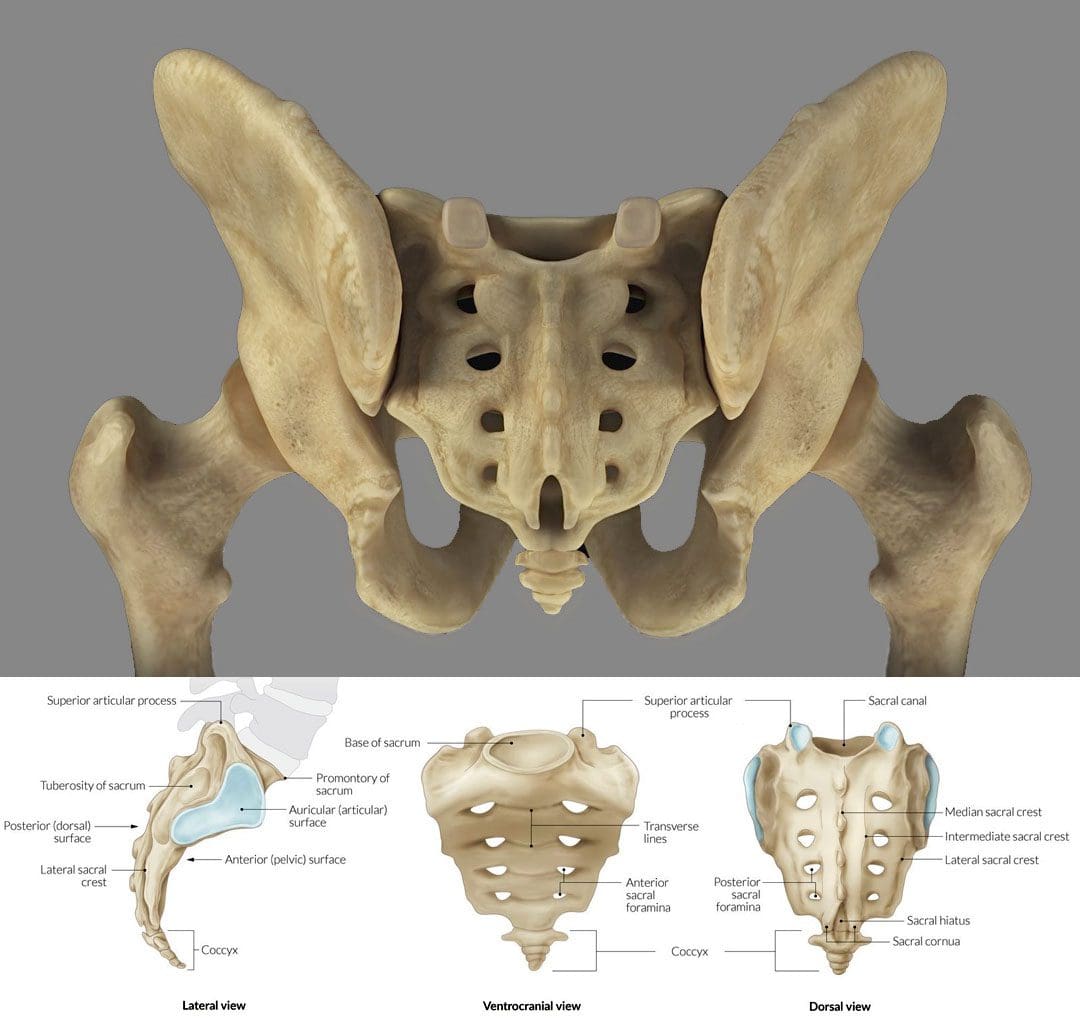
The sacrum is a bone shaped like an upside-down triangle located at the base of the spine that helps support the upper body when sitting or standing and provides pelvic girdle flexibility during childbirth. It comprises five vertebrae that fuse during adulthood and connect to the pelvis. This bone takes and endures all of the body’s pressure and stress from everyday activities and movements.
Formation
Humans are born with four to six sacral vertebrae. However, fusion does not take place in all sacral vertebrae simultaneously:
Fusion starts with the S1 and S2.
As the individual gets older, the overall shape of the sacrum begins to solidify, and the vertebrae fuse into a single structure.
The process usually starts in the mid-teens and finishes in the early to mid-twenties.
It is believed to start earlier in females than males.
The sacrum in a female is wider and shorter and has a more curved top or the pelvic inlet.
The male sacrum is longer, narrower, and flatter.
Structure
The sacrum is an irregular bone that makes up the back/posterior third of the pelvic girdle. There is a ridge across the front/anterior portion of the S1 vertebra known as the sacral promontory. Small holes/foramen on both sides of the sacrum are left over after the vertebrae fuse together. Depending on the number of vertebrae, there can be three to five foramen on each side, though there are usually four. (E. Nastoulis, et al., 2019)
Each anterior foramen is typically wider than the posterior or dorsal/backside foramen.
Each sacral foramina/plural of foramen provides a channel for the sacral nerves and blood vessels.
Small ridges develop between each of the fused vertebrae, known as transverse ridges or lines.
The top of the sacrum is called the base and is connected to the largest and lowest of the lumbar vertebrae – L5.
The bottom is connected to the tailbone/coccyx, known as the apex.
The sacral canal is hollow, runs from the base to the apex, and serves as a channel at the end of the spinal cord.
The sides of the sacrum connect to the right and left hip/iliac bones. The attachment point is the auricular surface.
Right behind the auricular surface is the sacral tuberosity, which serves as an attachment area for the ligaments that hold the pelvic girdle together.
Location
The sacrum is at the level of the lower back, just above the intergluteal cleft or where the buttocks split. The cleft starts at around the level of the tailbone or coccyx. The sacrum is curved forward and ends at the coccyx, with the curvature being more pronounced in females than males. It connects to the L5 lumbar vertebra by way of the lumbosacral joint. The disc between these two vertebrae is a common source of low back pain.
On either side of the lumbosacral joint are wing-like structures known as the sacral ala, which connect to the iliac bones and form the top of the sacroiliac joint.
These wings provide stability and strength for walking and standing.
Anatomical Variations
The most common anatomical variation applies to the number of vertebrae. The most common is five, but anomalies have been documented, including individuals with four or six sacral vertebrae. (E. Nastoulis, et al., 2019)
Other variations involve the sacrum’s surface and curvature, where the curvature differs widely between individuals.
In some cases, the first and second vertebrae do not fuse and remain separately articulated.
Failure of the canal to completely close during formation is a condition known as spina bifida.
Function
Studies on the sacrum are ongoing, but some proven functions include:
It serves as an anchor point for the spinal column to attach to the pelvis.
It provides stability for the body’s core.
It acts as a platform for the spinal column to rest on when sitting.
It facilitates childbirth, providing pelvic girdle flexibility.
It supports upper body weight when sitting or standing.
It provides extra stability for walking, balance, and mobility.
Conditions
The sacrum can be a main source or focal point for lower back pain. It is estimated that 28% of men and 31.6% of women aged 18 years or older have experienced low back pain in the past three months. (Centers for Disease Control and Prevention. 2020) Conditions that can cause sacrum pain symptoms include.
Sacroiliitis
This is a common condition of sacroiliac/SI joint inflammation.
A doctor only makes the diagnosis when all other possible causes of pain have been ruled out, known as a diagnosis of exclusion.
About half of all chordomas form in the sacrum, but the tumors can also develop elsewhere in the vertebral column or at the base of the skull. (National Library of Medicine. 2015)
Spina Bifida
Individuals can be born with conditions that affect the sacrum.
Spina bifida is a congenital condition that can arise from the malformation of the sacral canal.
Unlocking the Secrets of Inflammation
References
Gruss, L. T., & Schmitt, D. (2015). The evolution of the human pelvis: changing adaptations to bipedalism, obstetrics and thermoregulation. Philosophical transactions of the Royal Society of London. Series B, Biological sciences, 370(1663), 20140063. https://doi.org/10.1098/rstb.2014.0063
Nastoulis, E., Karakasi, M. V., Pavlidis, P., Thomaidis, V., & Fiska, A. (2019). Anatomy and clinical significance of sacral variations: a systematic review. Folia morphologica, 78(4), 651–667. https://doi.org/10.5603/FM.a2019.0040
Barros, G., McGrath, L., & Gelfenbeyn, M. (2019). Sacroiliac Joint Dysfunction in Patients With Low Back Pain. Federal practitioner : for the health care professionals of the VA, DoD, and PHS, 36(8), 370–375.
Individuals dealing with back pain problems could be suffering from a bulging disc. Could knowing the difference between slipped and herniated disc symptoms help with treatments and finding relief?
Bulging Disc Pain
Back pain can become debilitating if not treated properly. A bulging disc is a common cause of cervical, thoracic, and lower back pain symptoms. It happens when one of the fluid-filled cushions between the vertebrae begins to shift out of place. Instead of being aligned with the edges, the disc bulges over. This begins to generate pressure on the nerves causing pain and inflammation.
Bulging discs are often caused by age, but repetitive movements and/or lifting heavy objects can contribute to the condition.
Symptoms can resolve on their own, but individuals are recommended to consult with a physical therapist and/or chiropractor to make sure the disc healed properly, otherwise, it can lead to worsening and/or further injuries.
Bulging Disc vs. Herniated Disc
Bulging and herniated discs cause pain symptoms.
They both can be linked to injuries and degenerative disc disease but are not the same condition. (Penn Medicine. 2018)
This is because the lower back is subject to all kinds of pressure and movement with daily activities, increasing the chances of pain and injuries.
The next most common place is the neck/cervical spine where there are constant movements making it prone to injury and pain symptoms.
Causes
Bulging discs are most often caused by body aging and normal wear and tear. As time goes on the intervertebral discs naturally degenerate, known as degenerative disc disease. This can cause the discs to pull downward, causing them to bulge from their placement. (Penn Medicine. 2018) Factors that can cause or worsen the condition include:
Practicing unhealthy postures.
Repetitive motions.
Lifting heavy objects
Spinal injuries.
Medical history of spinal or disc disease in the family.
Individuals with back pain that interferes with daily functions or has lasted longer than six weeks, should see a healthcare provider for a diagnosis. They will order a magnetic resonance imaging scan/MRI, which can show where a disc is protruding. (American Academy of Neurological Surgeons. 2023)
Rest
For bulging disc pain, resting the back is necessary. However,
In individuals with discogenic low back pain, how does incorporating decompression reduce muscle strain in the back?
Introduction
When it comes to low back pain, many people often complain that the surrounding muscles will ache constantly, and there is no relief from their primary doctors. Muscle strain associated with low back pain is one of the pain-like symptoms that many individuals experience when normal or traumatic factors start to cause issues in the lower back region of the body. When people begin to make constant repetitive motions correlating with normal daily activities like heavy lifting objects, poor posture, or stepping wrong, it can cause micro-tears to the surrounding muscles and the spinal discs in the lumbar region. When the spinal discs degenerate over time and have been under constant pressure, it can aggravate the surrounding nerve roots causing pain-like problems to the surrounding muscles, ligaments, and tissues, leading to musculoskeletal disorders corresponding with discogenic low back pain. Pain affecting the lower back can lead to a life of disability and make a person feel miserable. To that point, many individuals will seek non-surgical treatment to reduce discogenic pain associated with the low back and can find the relief they have sought. Today’s article examines how discogenic low back pain causes low back pain and how non-surgical treatments like decompression reduce discogenic low back pain and restore muscle strength. Additionally, we communicate with certified medical providers who incorporate our patient’s information to reduce muscle strain correlating with discogenic low back pain. We also inform them that decompression can help mitigate the pain-like symptoms associated with degenerated discs affecting the lower back region. We encourage our patients to ask amazing questions while looking for education from our associated medical providers about their low back issues. Dr. Jimenez, D.C., incorporates this information as an educational service. Disclaimer
Discogenic Low Back Pain Causing Muscle Strain
Do you often experience a pinched nerve or muscle strain in your lower back that hurts when standing? Do you feel symptoms of muscle spasms in your lower back or behind your legs? Or do you and your loved ones feel numbness or tingling sensations in your back, legs, and feet after sitting down excessively? These pain-like issues are associated with discogenic low back pain, which can lead to the development of disability in many people. Discogenic low back pain is developed when the intervertebral (spinal) disc degenerates over time and can contribute to disability. (Mohd Isa et al., 2022) When there are structural changes to the spinal disc that causes the degeneration to progress, it can lead to dysfunction and instability in the lumbar spine. The spinal discs in the spine have the primary job of absorbing the unwanted pressure load that the body is experiencing. Over time though, the spinal disc can degenerate and crack under pressure, leading to discogenic low back pain. Discogenic low back pain can lead to increased pain in the lower back region’s paraspinal muscles and muscle atrophy, inflammation, and muscle strain in the lower back muscles and lumbar spinal discs. (Huang et al., 2022) When the spinal disc is under constant pressure, the inflammatory cytokines can induce nerve ingrowth, structural and biomechanical changes, and a release of pain factors to contribute to the effects of discogenic low back pain. (Lyu et al., 2021) When people are dealing with discogenic low back pain associated with muscle strain, it can make them miss out on their daily activities.
From Injury To Recovery With Chiropractic-Video
When many individuals are experiencing discogenic low back pain, it can be difficult for pain specialists and doctors to identify the underlying source of pain since it is a multifactorial musculoskeletal disorder. (Fujii et al., 2019) However, numerous ways exist to reduce the pain and allow the individual to return to their daily routines. Non-surgical treatments are an excellent way to minimize the pain-like symptoms associated with discogenic low back pain. Treatments like decompression therapy and chiropractic care can create a happy experience for many individuals dealing with discogenic low back pain as it is safe, cost-effective, and gentle on the spine. Decompression can help reduce the pain in the posterior segment of the lumbar spine while relaxing the surrounding muscles and ligaments and pulling the affected disc back to its original position. (Choi et al., 2022) This creates negative pressure on the spinal column and increases disc height on the spine, which allows the fluids and nutrients to flood back into the spine and rehydrate the disc. Decompression therapy can also be combined with chiropractic care, as the spine can be manipulated mechanically or manually to allow the body to realign itself. This, in turn, promotes the body’s natural healing properties to work its magic and provide relief. The video explains how these treatments can positively impact many suffering individuals and help them regain their health.
Decompression Reducing Discogenic Low Back Pain
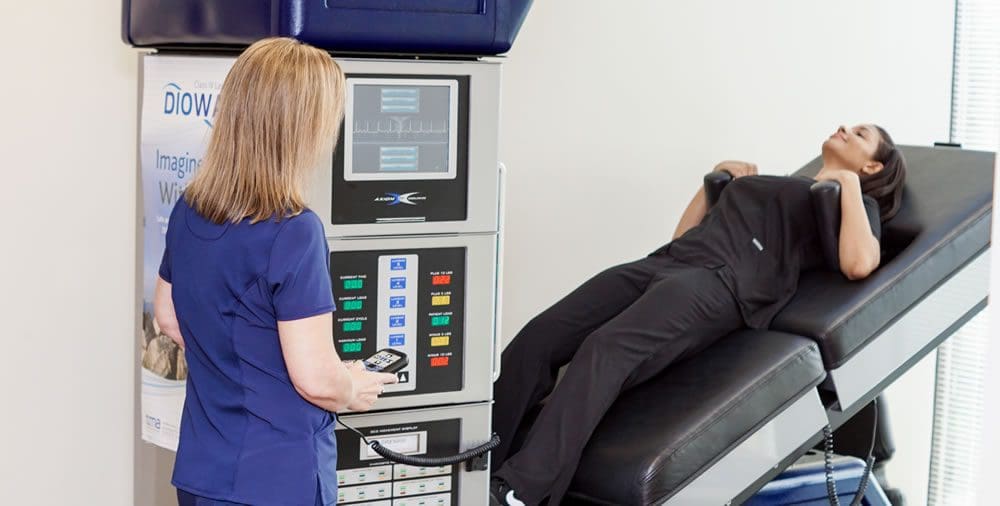
Decompression therapy allows the individuals to be strapped into a traction machine in a supine position and gently pulls the spine to enable the affected disc to return to the spine and lay off the pressure on the aggravating nerve root that is causing muscle strain. This causes the intervertebral disc space to change through negative pressure, which allows the height to increase in the intervertebral height without stimulating the surrounding fibers around the disc. (Oh et al., 2019) This allows the facet joints in the spine to be realigned, allowing them to be in their moveable location back to the spine to alleviate pain, thus restoring normal posture and activating body functions. When individuals incorporate decompression therapy consecutively, it can minimize the pain caused by discogenic low back pain and allows the individual to have a personalized plan to ensure the pain doesn’t return. (Macario et al., 2008)
Restoring Muscle Strength In The Low Back
Decompression therapy allows the affected muscle to be stretched gently, which can be strengthened through other treatments like physical therapy. This can effectively reduce discogenic low back pain associated with the affected discs and positively influence spinal mobility and muscle strength. (Wang et al., 2022) Even though degeneration in the spinal disc is a natural process, it is important to be mindful of the body to prevent pain-like symptoms from occurring and causing issues to the back. Decompression therapy can positively influence many individuals looking to regain their health and reduce the pain they are experiencing from discogenic low back pain so they can return to their daily activities.
References
Choi, E., Gil, H. Y., Ju, J., Han, W. K., Nahm, F. S., & Lee, P. B. (2022). Effect of Nonsurgical Spinal Decompression on Intensity of Pain and Herniated Disc Volume in Subacute Lumbar Herniated Disc. International Journal of Clinical Practice, 2022, 6343837. https://doi.org/10.1155/2022/6343837
Fujii, K., Yamazaki, M., Kang, J. D., Risbud, M. V., Cho, S. K., Qureshi, S. A., Hecht, A. C., & Iatridis, J. C. (2019). Discogenic Back Pain: Literature Review of Definition, Diagnosis, and Treatment. JBMR Plus, 3(5), e10180. https://doi.org/10.1002/jbm4.10180
Huang, Y., Wang, L., Luo, B., Yang, K., Zeng, X., Chen, J., Zhang, Z., Li, Y., Cheng, X., & He, B. (2022). Associations of Lumber Disc Degeneration With Paraspinal Muscles Myosteatosis in Discogenic Low Back Pain. Front Endocrinol (Lausanne), 13, 891088. https://doi.org/10.3389/fendo.2022.891088
Lyu, F. J., Cui, H., Pan, H., Mc Cheung, K., Cao, X., Iatridis, J. C., & Zheng, Z. (2021). Painful intervertebral disc degeneration and inflammation: from laboratory evidence to clinical interventions. Bone Res, 9(1), 7. https://doi.org/10.1038/s41413-020-00125-x
Macario, A., Richmond, C., Auster, M., & Pergolizzi, J. V. (2008). Treatment of 94 outpatients with chronic discogenic low back pain with the DRX9000: a retrospective chart review. Pain Pract, 8(1), 11-17. https://doi.org/10.1111/j.1533-2500.2007.00167.x
Mohd Isa, I. L., Teoh, S. L., Mohd Nor, N. H., & Mokhtar, S. A. (2022). Discogenic Low Back Pain: Anatomy, Pathophysiology and Treatments of Intervertebral Disc Degeneration. Int J Mol Sci, 24(1). https://doi.org/10.3390/ijms24010208
Oh, H., Choi, S., Lee, S., Choi, J., & Lee, K. (2019). Effects of the flexion-distraction technique and drop technique on straight leg raising angle and intervertebral disc height of patients with an intervertebral disc herniation. Journal of Physical Therapy Science, 31(8), 666-669. https://doi.org/10.1589/jpts.31.666
Wang, W., Long, F., Wu, X., Li, S., & Lin, J. (2022). Clinical Efficacy of Mechanical Traction as Physical Therapy for Lumbar Disc Herniation: A Meta-Analysis. Comput Math Methods Med, 2022, 5670303. https://doi.org/10.1155/2022/5670303
IFM's Find A Practitioner tool is the largest referral network in Functional Medicine, created to help patients locate Functional Medicine practitioners anywhere in the world. IFM Certified Practitioners are listed first in the search results, given their extensive education in Functional Medicine