Re-energize from a lack of energy and fatigue with Bio-chiropractic. Millions of individuals struggle to get through the day or night depending on work/school schedules because of deficient energy levels that result in fatigue. Unfortunately, many begin taking over the counter or prescription medication, drinking coffee or highly caffeinated/energy beverages, or taking days off to catch up on rest. There is a wide range of high-sugar and caffeine energy products to help with fatigue. But, research has shown how overconsumption of these products can contribute and/or cause:
High blood pressure
Cardiovascular disease
Diabetes
When a tired body takes in caffeinated energy, it is only for a temporary energy boost.
Energy products can mask the fatigue causation. This could be a disease, a type of condition, or an overlapping of causes.
Nervous System
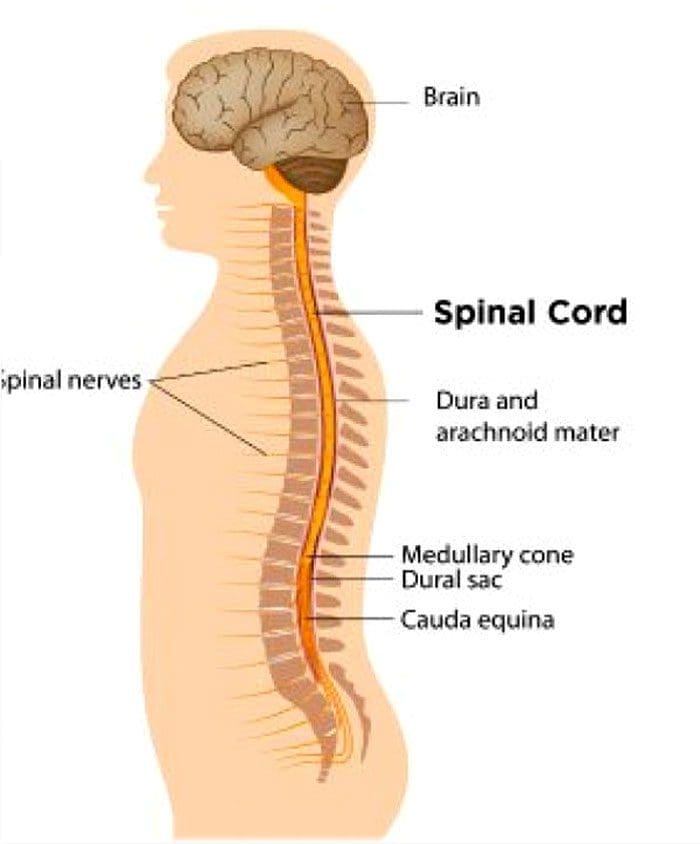
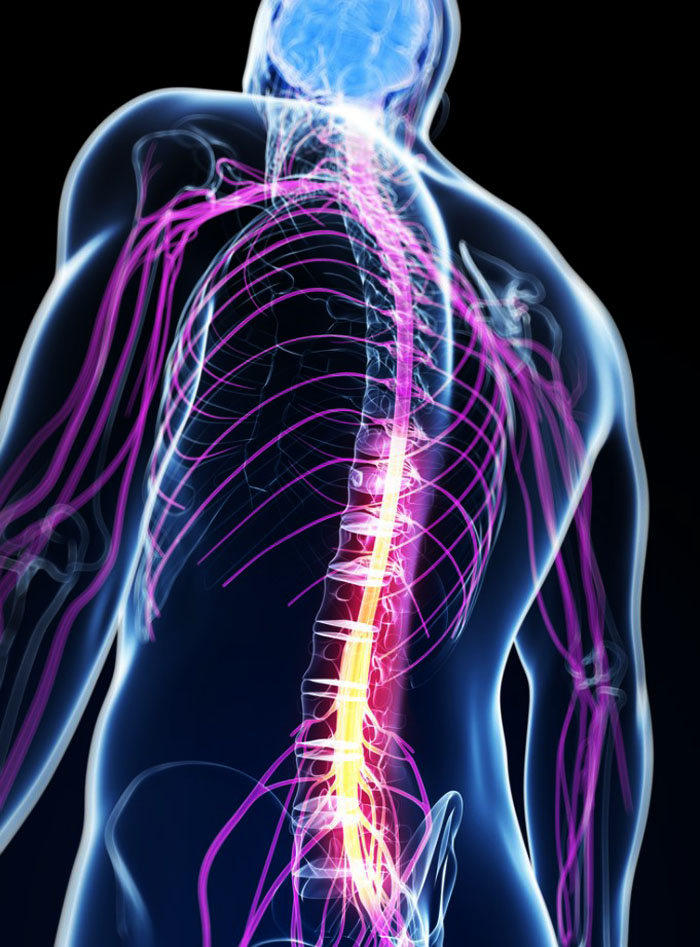
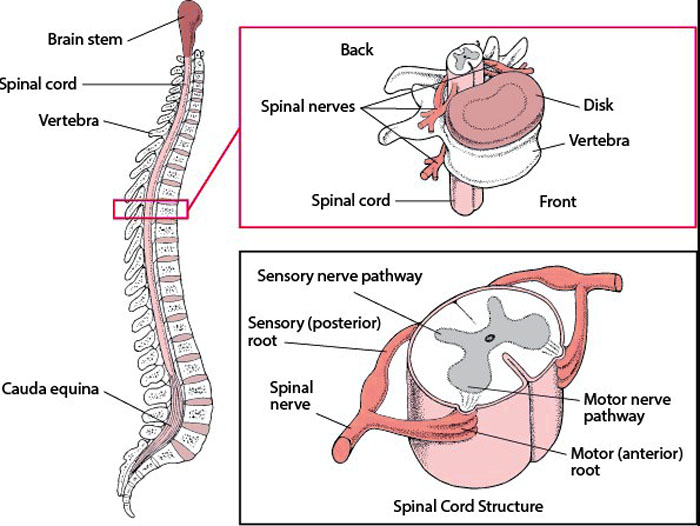
The nervous system is the body’s life energy source. It is responsible for facilitating millions of functions that occur throughout the body every day. These include:
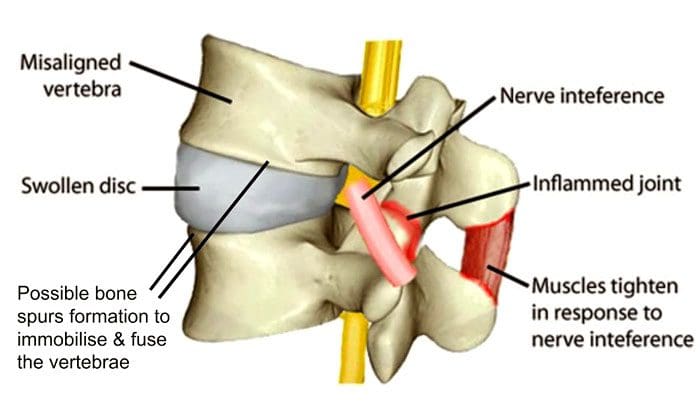
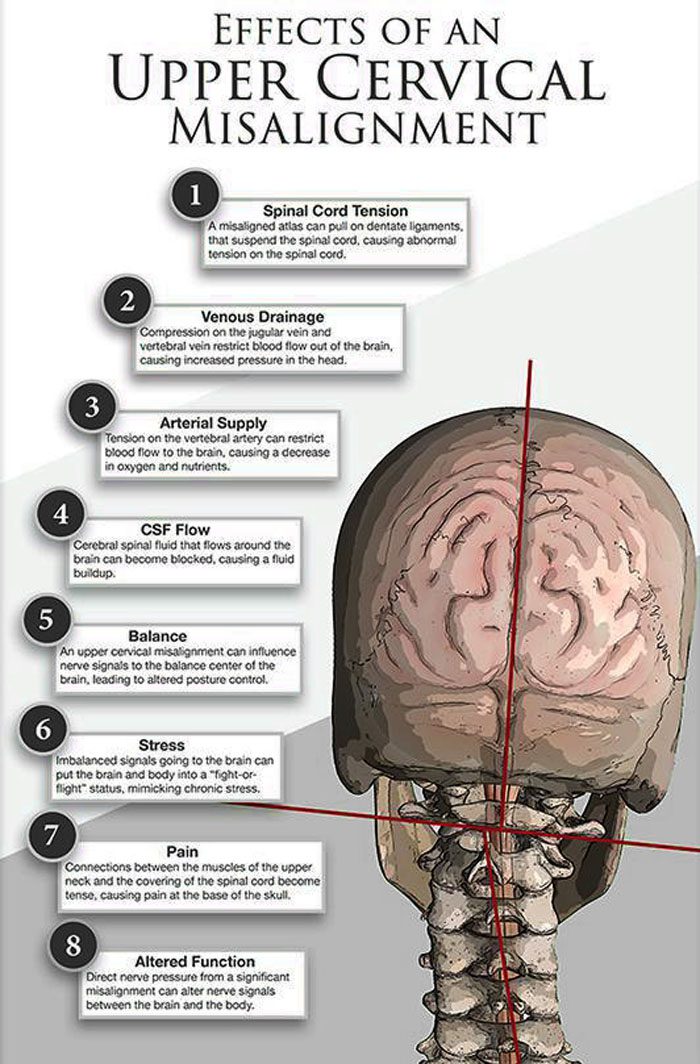
Shifts the spine out of alignment, placing added pressure on the delicate nerves in the neck and back.
The compression causes nerve interference that disrupts optimal nerve energy flow from reaching the organs. This leads to:
Fatigue
Pain
Organ dysfunction
Eventually disease
Bio-Chiropractic
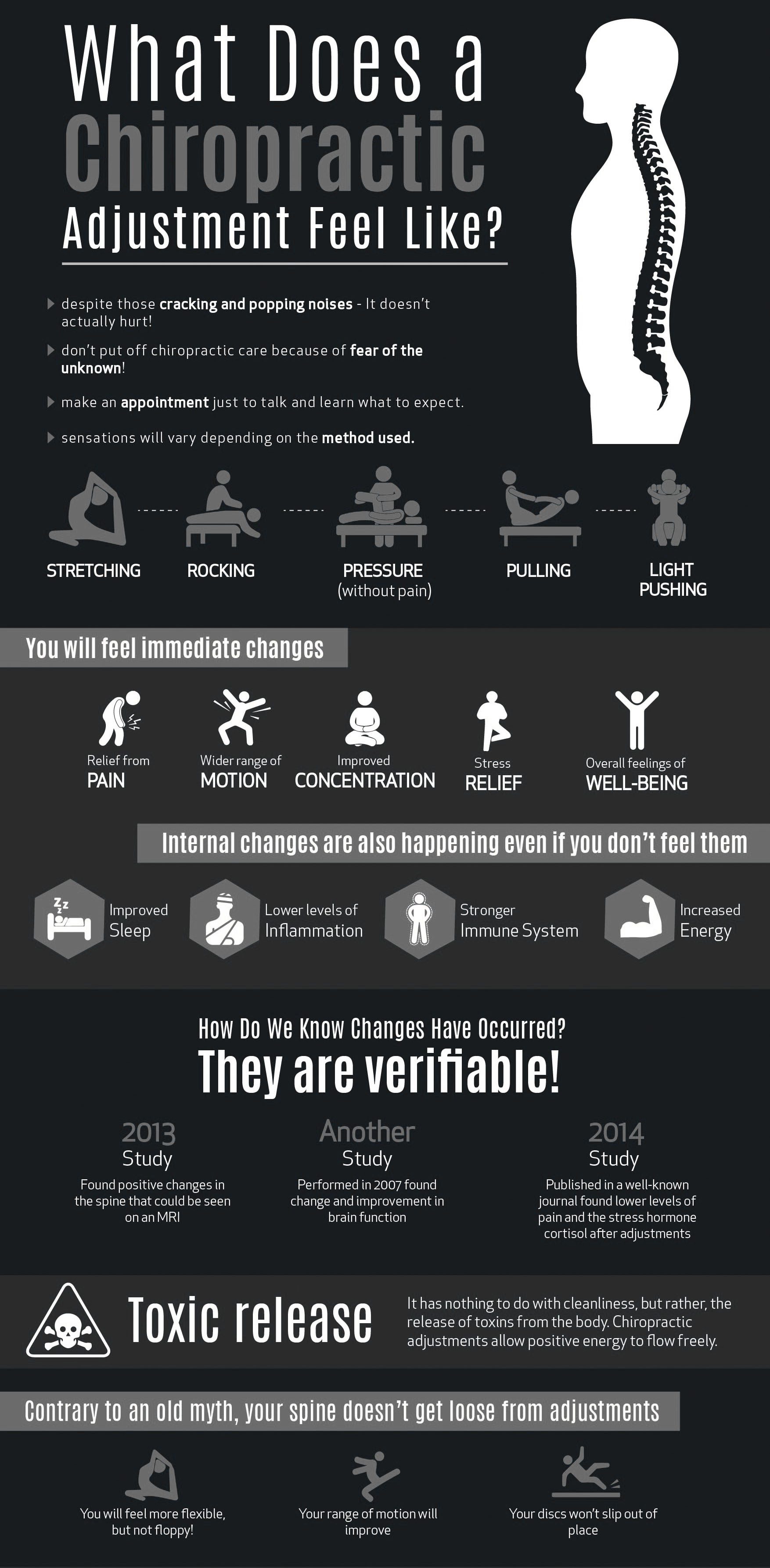
Bio-Chiropractic is a scientific and researched based form of musculoskeletal corrective care. It aims to unblock nerve interference through the proper realignment of the spine, returning it to its proper curvature. As a result, many individuals under chiropractic care report immediate relief from neck or back pain, along with a vibrant, energized feeling, and with time their overall health improves.
Body Composition Feedback
Malnutrition
Malnutrition can be defined as a deficiency, excess, or imbalance in an individual’s intake of energy and nutrients. Protein-energy deficiency is a common form of malnutrition. It is a health condition that can have immediate/negative effects on body composition. This deficiency causes damage to skeletal muscle mass as the body progresses into starvation mode, breaking down its own protein stored in the muscles for fuel.
Micronutrient deficiency is a lack of nutrients like minerals and vitamins. These support important functions like cell regeneration, the immune system, and eyesight. Common examples are iron and/or calcium deficiencies. Micronutrient deficiency has the greatest impact on the body’s physiological functions/processes. They can occur at the same time that protein-energy deficiency is happening overlapping each other. Nutritional deficiencies can impact processes like:
Building and repairing muscle
Protein-energy deficiency has a more pronounced effect on body composition, as lowered protein intake can lead to increased losses in muscle mass.
Berkson, D L. “Osteoarthritis, chiropractic, and nutrition: osteoarthritis considered as a natural part of a three-stage subluxation complex: its reversibility: its relevance and treatability by chiropractic and nutritional correlates.” Medical hypotheses vol. 36,4 (1991): 356-67. doi:10.1016/0306-9877(91)90010-v
Jensen, Gordon L et al. “Recognizing malnutrition in adults: definitions and characteristics, screening, assessment, and team approach.” JPEN. Journal of parenteral and enteral nutrition vol. 37,6 (2013): 802-7. doi:10.1177/0148607113492338
Oakley, Paul A et al. “Restoring lumbar lordosis: a systematic review of controlled trials utilizing Chiropractic Bio Physics® (CBP®) non-surgical approach to increasing lumbar lordosis in the treatment of low back disorders.” Journal of physical therapy science vol. 32,9 (2020): 601-610. doi:10.1589/jpts.32.601
Individuals that go through severe low back pain caused by degeneration, herniated discs, vehicle, personal, work, and sports injuries, surgery, or spinal fusion is usually a last resort if non-invasive treatments fail to provide relief or not enough relief. Patients try to avoid spinal fusion because it can be an intense experience and requires a year-long recovery period. Unfortunately, individuals still experience discomfort and pain after surgery. Do individuals want to know what other treatment options are available, including chiropractic care?
Doctors will inform post-op patients of the risks involved with chiropractic therapy. However, chiropractic medicine can bring natural pain relief after surgery. Chiropractic treatment requires that an individual be adequately or fully healed before beginning a personalized treatment plan. At Injury Medical Chiropractic and Functional Medicine Clinic, we consult patients post-surgery about the effectiveness of rehabilitation spinal adjustments and physical therapy massage.
Wait Time After Surgery
Spinal fusion surgery involves removing the discs between two or more vertebrae and fusing the bones with metal screws and plates. The objective is to correct conditions like herniated discs and degenerative diseases by immobilizing the spine in that area. It can take at least three months for the vertebrae to fuse for a fully immobilized graft. Once the graft is complete, a few months of physical therapy are recommended to loosen/stretch and strengthen the muscles around the graft. Initial recovery combined with physical therapy typically takes a full year for a complete recovery.
It is during recovery where it can be difficult and for discomfort and pain to present. The reason is patients are recommended to avoid any twisting, bending, over-reaching motions, or the graft could break. This can make an individual take on awkward poses/postures, flexing and contracting muscles incorrectly, causing strain. The result is added discomfort and/or pain.
How Chiropractic Helps
Spinal fusion is not guaranteed to alleviate an individual’s back pain completely. But many do experience discomfort or pain post-surgery. This could be for a little while or longer, depending on their condition or injuries. Fortunately, chiropractic treatment can help bring pain relief through mobilization, manipulation, and massage techniques. Manipulations’ objective is to adjust and/or realign the bones of the spine and other areas of the body. Because of the intricacy of spinal manipulations, many who have undergone back or spinal fusion surgery are hesitant to seek chiropractic treatment. Discuss possible chiropractic care with your physician to determine if the surgical graft is strong enough to withstand spinal manipulations. If the graft is adequately/fully healed and your physician believes it can endure mild adjustments, reach out to a chiropractor to discuss a customized treatment plan.
Body Composition Testing
Poor Leg Skeletal Muscle Mass
The gluteal muscles or buttock muscles are the largest muscle group in the body. Individuals can start losing bone density by their 30s. This increases the risk of injury and further bone density loss. Bone density loss is a natural process, but the process can be accelerated for individuals with under-developed skeletal muscle mass. The health of muscles and bones are closely linked. Researchers found that individuals with less muscle mass than average for their height tended to have narrower and thinner bones. This resulted in limited lower bending strength.
Decreased muscle mass was shown to be linked to balance problems and increased risk of falls. There is a higher prevalence of sarcopenia or muscle wasting for patients with hip fractures and a reduction of leg muscle mass. The combination of:
Low muscle mass
Low bone density
Hip fractures
It can have lifelong consequences
References
Fernandez, Matthew et al. “Surgery or physical activity in the management of sciatica: a systematic review and meta-analysis.” The European spine journal: official publication of the European Spine Society, the European Spinal Deformity Society, and the European Section of the Cervical Spine Research Society vol. 25,11 (2016): 3495-3512. doi:10.1007/s00586-015-4148-y
Keller, Glenda. “The effects of massage therapy after decompression and fusion surgery of the lumbar spine: a case study.” International journal of therapeutic massage & bodywork vol. 5,4 (2012): 3-8. doi:10.3822/ijtmb.v5i4.189
O’Shaughnessy, Julie et al. “Chiropractic management of patients post-disc arthroplasty: eight case reports.” Chiropractic & osteopathy vol. 18 7. 21 Apr. 2010, doi:10.1186/1746-1340-18-7
Perrucci, Rachel M, and Christopher M Coulis. “Chiropractic management of post-spinal cord stimulator spine pain: a case report.” Chiropractic & manual therapies vol. 25 5. 6 Feb. 2017, doi:10.1186/s12998-017-0136-0
Szulc, Pawel et al. “Low skeletal muscle mass is associated with poor structural parameters of bone and impaired balance in elderly men–the MINOS study.” Journal of bone and mineral research: The American Society for Bone and Mineral Research vol. 20,5 (2005): 721-9. doi:10.1359/JBMR.041230
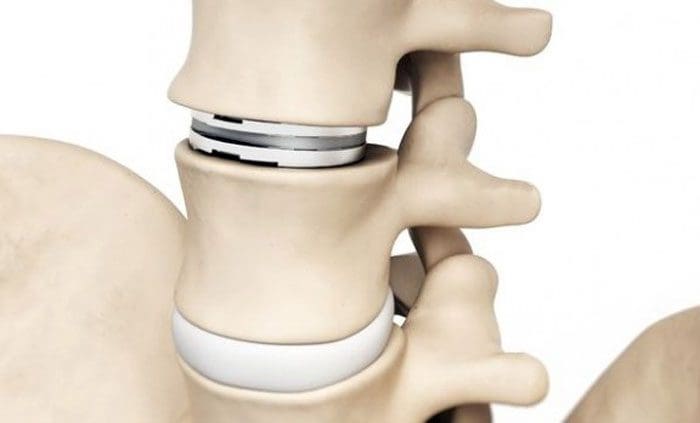
Many doctors/surgeons rely on the widely adopted lumbar spinal fusion. However, experts have asserted that lumbar total disc replacement or TDR should be made available and increased for treating degenerative disc disease and other spinal conditions. Individuals interested in total disc replacement, the ability to have it done, and if insurance will pay? What to know about TDR and fusion before deciding and moving forward.
Total Disc Replacement
Spinal fusion has been the traditional approach for relieving lower back pain. In this procedure, a bone graft is inserted between two or more vertebrae. This eliminates movement that causes pain or could be dangerous to the individual. Total disc replacement demands more on a technical level than spinal fusion. However, the worn-out, injured, or damaged disc is fully replaced, even a completely degenerated disc, with a metal and/or plastic one. Benefits from lumbar TDR surgery include:
Shown to be a safe procedure with minimal complications
Significant improvement in health and quality of life
High rates of successful outcomes
Mobility is preserved
Who Needs Disc Replacement?
Low back problems affect more than a third of the population. This can come from:
Personal
Work
Sports
Automobile injuries
Aging
All are risk factors
Fusion or Total disc replacement
Fusion reduces and eliminates motion around the affected area which also changes with the spine’s mechanics. It can also place increased stress on the surrounding segments. However, the lack of motion is to eliminate the pain. Total disc replacement does increase mobility, but it can’t fully relieve the pain. It can relieve pain generated from the disc but not from other causes. TDR has been shown to:
Provides motion preservation
Reduces staying at the hospital
Provides long-term durability
Lower reoperation rates compared to fusion
Total disc replacement issues:
The procedure is more time-consuming
A lot of time making decisions
A lot of time preparing
An example could be the patient has a narrow disc space. Looking at the X-rays of the discs above and below, the surgeon has to make sure they choose the right size. Next, the narrow space needs to be mobilized back to a normal height that cannot be too high or too short. Finally, the surgeon has to make sure that the disc is anchored and fits properly.
Why Surgeons Still Choose Fusion?
Despite the benefits, there are reasons why surgeons still choose fusion.
There are strict rules as to when TDR can be used. This means insurers are prone only to approve fusion procedures.
The surgical technique is challenging. TDR surgery is a highly demanding procedure. As a result, many doctors specializing in fusion for 20 years or more can be reluctant to perform the procedure.
Complications and revision surgeries. Reoperations are sometimes necessary, but this happens in both fusion and TDR.
Individual Needs
Fortunately, most individuals with lower back problems never need total disc replacement. And those that do have severe pain/conditions are recommended to try non-invasive/surgical treatment. This ranges from:
Chiropractic
Physical therapy
Massage
Imaging and lab tests will be required. However, if an operation is necessary, ask questions about both procedures. For example, if a surgeon insists that fusion is the only option, ask why total disc replacement is not an option?
Body Composition Testing
Protein and Weight Loss
Protein is one of three basic macronutrients found in food. Proteins are made up of smaller units called amino acids. There are 22 amino acids, with 9 of these being essential. This means the body needs them, as the body cannot produce them. These essential amino acids can be obtained by eating protein-rich foods like:
Eggs
Meat
Fish
Vegetarian/vegan options include:
Nuts
Seeds
Beans
Tofu
Generally, all the essential amino acids cannot be obtained from just one food. Therefore it is recommended to eat a variety of animal and plant-based proteins. Protein is in almost every structure and function of the body.
Antibodies
These proteins fight off any infections, bacteria, etc.
Repair, maintenance, and structural
Proteins are the building blocks of the body’s muscles, bones, skin, and hair.
Hormones
Chemical messenger proteins are how cells and organs communicate. For example, Growth Hormone affects muscle gain and fat loss.
Enzymes
Not all proteins are enzymes; however, all enzymes are proteins. These proteins are catalysts or starters for chemical reactions in the body.
Transportation and storage
Some proteins carry molecules where they are needed. For example, hemoglobin or the red blood cells carry oxygen to cells, then transport carbon dioxide away.
Not getting enough protein in one’s diet can have serious consequences on the body’s health. Without enough protein, the muscles can begin to atrophy or waste away, taking Lean Body Mass, strength, and energy away as well.
The information herein is not intended to replace a one-on-one relationship with a qualified healthcare professional or licensed physician and is not medical advice. We encourage you to make your own health care decisions based on your research and partnership with a qualified health care professional. Our information scope is limited to chiropractic, musculoskeletal, physical medicines, wellness, sensitive health issues, functional medicine articles, topics, and discussions. We provide and present clinical collaboration with specialists from a wide array of disciplines. Each specialist is governed by their professional scope of practice and their jurisdiction of licensure. We use functional health & wellness protocols to treat and support care for the injuries or disorders of the musculoskeletal system. Our videos, posts, topics, subjects, and insights cover clinical matters, issues, and topics that relate to and support, directly or indirectly, our clinical scope of practice.* Our office has made a reasonable attempt to provide supportive citations and has identified the relevant research study or studies supporting our posts. In addition, we provide copies of supporting research studies available to regulatory boards and the public upon request.
We understand that we cover matters that require an additional explanation of how it may assist in a particular care plan or treatment protocol; therefore, to further discuss the subject matter above, please feel free to ask Dr. Alex Jimenez or contact us at 915-850-0900.
Salzmann, Stephan N et al. “Lumbar disc replacement surgery-successes and obstacles to widespread adoption.” Current reviews in musculoskeletal medicine vol. 10,2 (2017): 153-159. doi:10.1007/s12178-017-9397-4
Hopkins overview of Lumbar TDR (for consumers) https://www.hopkinsmedicine.org/health/treatment-tests-and-therapies/lumbar-disk-replacement
“Comparison of Lumbar Total Disc Replacement With Surgical Spinal Fusion for the Treatment of Single-Level Degenerative Disc Disease: A Meta-Analysis of 5-Year Outcomes From Randomized Controlled Trials”, Zigler J, et al., Global Spine Journal, June 2018, PMC602295 https://www.ncbi.nlm.nih.gov/pmc/articles/PMC6022955/
“Overview of Lumbar TDR” (for consumers); Johns Hopkins Medical Center https://www.hopkinsmedicine.org/health/treatment-tests-and-therapies/lumbar-disk-replacement
A proper diagnosis goes a long way. Treatment and recovery can happen relatively quickly or broken up into parts, phases, and sessions, as part of a treatment and rehabilitation plan. This depends on the individual, their age, underlying conditions, and the severity of their injury/s. It is not uncommon to have a treatment schedule that could be weeks/months long. This can be tough on individuals with limited abilities and/or a slow progressive rehab to get back to normal. It is arduous, but to achieve optimal healing and health, it is expected.
Chiropractic medicine is no different. It’s non-invasive compared to surgery but not as immediate as medication/s. This places it in between. Recovery timelines can vary significantly based on the nature of the condition, the patient, their injury/s, and everything attached. Most chiropractic treatment and adjustment plans are scheduled according to the individual’s injury and/or condition. Every case is different, meaning that treatment could be a couple of sessions for an individual with mild sciatica to a few weeks or months for more severe injuries/conditions. Most want to know why chiropractors execute these plans over weeks and months.
The Body Needs To Get Used To The Adjustments
One reason for an extended adjustment schedule is to prevent adjustment shock. Adjustment shock often presents through soreness and tenderness, and there could be a feeling of soreness when sitting or standing or difficulty when trying to move with a normal range of motion. This happens when trying to heal the body too much and too fast. Trying to perform massive chiropractic adjustments without preparing the body could worsen and/or create further injury/s.
For example, correcting severe lordosis requires repositioning the spine’s curvature through properly planned out adjustment sessions. If a chiropractor tries to adjust/align the spine into place over a few days, this would be extremely uncomfortable and more than likely painful for the individual. Plus, there is a lack of musculoskeletal support from the rest of the body that is needed to make sure that the adjustments/changes take hold and are maintained. A chiropractor wants to avoid these issues to focus on getting the individual back to proper health.
Preparing The Body With A Solid Foundation
Chiropractic manipulations and adjustments need time to settle in, ensuring that they take hold and not shift back to the incorrect position. Spinal problems are not solved overnight. This means that the causes of misalignment will remain for a period as the treatment/adjustment process begins. A spaced-out schedule ensures that the adjustments are made accordingly to strengthen the spine through the process. This enables adjustments and the body to develop the necessary support system and prevent any negative re-shifting. As time goes on, the adjustments achieve total realignment, restoring the positive curvature that can be maintained.
Schedule Benefits
Finally, the step-by-step nature of a chiropractic adjustment schedule enables the treatment team to check the status of an adjustment plan. If radiological imaging shows changes, setbacks, or new issues arise, the treatment plan and schedule can be changed and adapted accordingly.
Body Composition Testing
Too Much Alcohol Can Slow Recovery From Tissue Injuries
Alcohol is often associated with celebrations, anniversaries, etc. But drinking too much can damage the immune system. Too much alcohol contributes to organ damage, specifically the liver. However, it is known to slow down recovery from tissue injuries, as well. Moderate drinking is defined as drinking up to 1 drink a day for women and up to 2 a day. Exceeding the recommended intake disrupts the immune pathways and impairs the body’s ability to fight off infections. Alcohol-related immune system damage has been associated with the development of certain types of cancer, including head and neck cancers among alcohol users. Before thinking that this is a problem that only affects chronic alcohol users, acute binge drinking can also severely impair the body’s immune system.
The information herein is not intended to replace a one-on-one relationship with a qualified healthcare professional or licensed physician and is not medical advice. We encourage you to make your own health care decisions based on your research and partnership with a qualified health care professional. Our information scope is limited to chiropractic, musculoskeletal, physical medicines, wellness, sensitive health issues, functional medicine articles, topics, and discussions. We provide and present clinical collaboration with specialists from a wide array of disciplines. Each specialist is governed by their professional scope of practice and their jurisdiction of licensure. We use functional health & wellness protocols to treat and support care for the injuries or disorders of the musculoskeletal system. Our videos, posts, topics, subjects, and insights cover clinical matters, issues, and topics that relate to and support, directly or indirectly, our clinical scope of practice.* Our office has made a reasonable attempt to provide supportive citations and has identified the relevant research study or studies supporting our posts. We provide copies of supporting research studies available to regulatory boards and the public upon request.
We understand that we cover matters that require an additional explanation of how it may assist in a particular care plan or treatment protocol; therefore, to further discuss the subject matter above, please feel free to ask Dr. Alex Jimenez or contact us at 915-850-0900.
Holt, Kelly, et al. “The effects of a single session of chiropractic care on strength, cortical drive, and spinal excitability in stroke patients.” Scientific Reports vol. 9,1 2673. 25 Feb. 2019, doi:10.1038/s41598-019-39577-5
Iben, Axén, et al. “Chiropractic maintenance care – what’s new? A systematic review of the literature.” Chiropractic & manual therapies vol. 27 63. 21 Nov. 2019, doi:10.1186/s12998-019-0283-6
Mior, Silvano et al. “Chiropractic services in the active-duty military setting: a scoping review.” Chiropractic & manual therapies vol. 27 45. 15 Jul. 2019, doi:10.1186/s12998-019-0259-6
Pasala, Sumana et al. “Impact of Alcohol Abuse on the Adaptive Immune System.” Alcohol research: current reviews vol. 37,2 (2015): 185-97.
Individuals typically don’t think about their spine as they go through their everyday lives, bending, reaching, twisting, lifting, etc. However, it is through all of these movements/motions that spinal misalignments can occur causing discomfort, pain, and health problems. This happens gradually, with individuals learning how to live with the misalignment, accepting it as a normal part of life. Spinal misalignments, known as subluxations, are common but can be resolved through chiropractic treatment.
Spinal Misalignment
The spine needs to stay strong, stable, and able to support the musculoskeletal system to keep the body upright and protect the central nervous system. When the spine is properly aligned the body stays strong and mobile. When the spine is misaligned, it can cause dysfunction of the central nervous system. Chiropractic is highly effective and a non-invasive way to improve the body’s health. An individual will want to know if their spine is out of alignment to know what to do and what to avoid when back pain presents. Symptoms that the spine is out of alignment includes:
Headaches, Back, and/or Joint Pain
Headaches, joint pain, and backaches can be misalignment symptoms and are the most common. Many individuals learn to live with chronic headaches and migraines but do not realize that chiropractic treatment can help to reduce, or in a case like this, can eliminate them. Back pain, especially low back pain is another symptom of misalignment. However, there can be a variety of causes, like a herniated disc, degenerative disc disease, a chiropractor will alleviate the pain without medication or surgery. A chiropractor will find the root cause and correct any misalignments.
The Heels of Shoes Wear Out Unevenly
This is a symptom that can come from cheap shoes, but often it is from a misaligned pelvis/pelvic tilt. What happens is the hips are shifted out of their proper position, which causes the feet to land on the ground unevenly.
Stiffness and/or Inability To Turn The Head or Hips
If the neck is stiff or there is difficultness, pain when turning, or you can hear the neck crack when turning, this is a sure symptom of cervical misalignment. The same is true with the hips. A subluxation can also cause muscles to tighten or damage the connective tissues, like the ligaments or tendons. Individuals can get used to feeling this way, but it can lead to losing the full range of motion along with pain, stiffness, and inability to perform certain tasks.
Joint Stiffness, Aches, and Pains
Trying to push through back stiffness, along with aches and pains is not healthy. Improper ergonomics and postures could be caused by spinal misalignment or could worsen a subluxation causing further injury. A chiropractor will:
Educate on proper ergonomics
Show how to improve posture
Perform adjustments
Recommend anti-inflammatory supplements
Perform physical therapeutic massage to eliminate stiffness, alleviate pain, and relieve stress.
Numbness or Tingling in Hands or Feet
This is a sure symptom that of a misaligned spine. Numbness and/or tingling sensations often indicate pinched/compressed nerves. The compression or irritation can result in pain or the aforementioned sensations. A chiropractor will ease the pressure on the nerves, allowing for proper circulation, bringing back the full sensation to the affected area/s.
Body Composition
Fiber Health Benefits
Fiber health benefits include lowering the risk of developing diseases like diabetes, obesity, hypertension, and more. It is also beneficial for those who have diabetes to improve insulin sensitivity. Adding more fiber to your diet can enhance weight loss goals. Fruits and vegetables are the highest-fiber foods available.
Fiber and Gut Health
The beneficial bacteria that live in the gut thrive from fruit and vegetable fiber. Because the body does not absorb fiber, the bacteria ferment the fiber. Anti-inflammatory fatty acids are released as a by-product of this process and help to protect the health of the gut. They can also help with appetite regulation.
The information herein is not intended to replace a one-on-one relationship with a qualified health care professional, licensed physician, and is not medical advice. We encourage you to make your own health care decisions based on your research and partnership with a qualified health care professional. Our information scope is limited to chiropractic, musculoskeletal, physical medicines, wellness, sensitive health issues, functional medicine articles, topics, and discussions. We provide and present clinical collaboration with specialists from a wide array of disciplines. Each specialist is governed by their professional scope of practice and their jurisdiction of licensure. We use functional health & wellness protocols to treat and support care for the musculoskeletal system’s injuries or disorders. Our videos, posts, topics, subjects, and insights cover clinical matters, issues, and topics that relate to and support, directly or indirectly, our clinical scope of practice.* Our office has made a reasonable attempt to provide supportive citations and has identified the relevant research study or studies supporting our posts. We provide copies of supporting research studies available to regulatory boards and the public upon request. We understand that we cover matters that require an additional explanation of how it may assist in a particular care plan or treatment protocol; therefore, to further discuss the subject matter above, please feel free to ask Dr. Alex Jimenez or contact us at 915-850-0900.
Dr. Alex Jimenez DC, MSACP, CCST, IFMCP*, CIFM*, CTG*
email: [email protected]
phone: 915-850-0900
Licensed in Texas & New Mexico
References
Czaprowski, Dariusz et al. “Non-structural misalignments of body posture in the sagittal plane.” Scoliosis and spinal disorders vol. 13 6. 5 Mar. 2018, doi:10.1186/s13013-018-0151-5
Formica, M et al. “ALIF in the correction of spinal sagittal misalignment. A systematic review of the literature.” The European spine journal: official publication of the European Spine Society, the European Spinal Deformity Society, and the European Section of the Cervical Spine Research Society vol. 30,1 (2021): 50-62. doi:10.1007/s00586-020-06598-y
Granacher, Urs et al. “Effects of core instability strength training on trunk muscle strength, spinal mobility, dynamic balance and functional mobility in older adults.” Gerontology vol. 59,2 (2013): 105-13. doi:10.1159/000343152
Brain fog, memory problems, concentration, and the inability to form clear thoughts is an issue that many will face at some point. The progression of losing the ability to focus or think clearly can lead to decreased productivity with normal daily tasks, work, or taking care of a household. It can be a short-term issue experience caused by sleep deprivation or stress. However, if these issues are allowed to continue it can negatively change an individual’s quality of life.
Affected Productivity Factors
Causes that can lead to poor productivity include:
The underlying issue/s associated with brain function and the ability to focus are connected to the spine being out of alignment. Individuals often have poor spinal alignment without even realizing it is happening. It affects the body’s blood and nerve transmitting abilities to complete normal daily tasks. Chiropractic treatment is an expert-based approach that focuses on restoring spinal alignment to increase an individual’s health and brain function. Proper spinal alignment allows the nerves to relay messages clearly and optimally through the spinal cord to the brain. This allows for:
Clear thinking
Improved memory
Better decision making
Staying focused on tasks
Chiropractic Optimal Nerve Flow
When the central nervous system/brain/spinal cord is not transmitting properly it can lead to significant issues with concentration and productivity. When nerve energy and brain function is optimized productivity is improved. Research has shown that chiropractic can help:
Reduce the risk of disease
Prevent injuries
Prevent pain conditions
Improved quality of life
Chiropractic medicine can increase the ability to focus, optimize brain health, and more.
Body Composition
Tracing the sources of fatigue
There is a difference between being tired periodically from a long day and being tired daily. Being tired daily is also known as Chronic Fatigue Syndrome. This is a fatigue condition that has lasted longer than 6 months. It is typical to experience many of the symptoms of fatigue that disrupt the ability to achieve health goals like:
Weight loss
Muscle gain
Maintaining body weight
Symptoms include:
Constantly tired
Reduced appetite
Moodiness
Reaction time slows down
Memory Loss
Dizziness
The nature of hectic daily schedules can allow sources of fatigue to pile up. The objective is to find a balance between home, work, physical activity, diet, etc. Chiropractic medicine and health coaching can help develop an optimal plan to get healthy.
Disclaimer
The information herein is not intended to replace a one-on-one relationship with a qualified health care professional, licensed physician, and is not medical advice. We encourage you to make your own health care decisions based on your research and partnership with a qualified health care professional. Our information scope is limited to chiropractic, musculoskeletal, physical medicines, wellness, sensitive health issues, functional medicine articles, topics, and discussions. We provide and present clinical collaboration with specialists from a wide array of disciplines. Each specialist is governed by their professional scope of practice and their jurisdiction of licensure. We use functional health & wellness protocols to treat and support care for the musculoskeletal system’s injuries or disorders. Our videos, posts, topics, subjects, and insights cover clinical matters, issues, and topics that relate to and support, directly or indirectly, our clinical scope of practice.* Our office has made a reasonable attempt to provide supportive citations and has identified the relevant research study or studies supporting our posts. We provide copies of supporting research studies available to regulatory boards and the public upon request. We understand that we cover matters that require an additional explanation of how it may assist in a particular care plan or treatment protocol; therefore, to further discuss the subject matter above, please feel free to ask Dr. Alex Jimenez or contact us at 915-850-0900.
Dr. Alex Jimenez DC, MSACP, CCST, IFMCP, CIFM, CTG*
email: [email protected]
phone: 915-850-0900
Licensed in Texas & New Mexico
References
Craniocervical Junction Disorder. USC Spine Center Web site. http://spine.keckmedicine.org/treatments-services/craniocervical-junction-disorder/. Accessed August 25, 2017.
Anderson, Brian, and Adam Pitsinger. “Improvement in chronic muscle fasciculations with dietary change: a suspected case of gluten neuropathy.” Journal of chiropractic medicine vol. 13,3 (2014): 188-91. doi:10.1016/j.jcm.2014.01.002
Ross, Amanda J, et al. “What is brain fog? An evaluation of the symptom in postural tachycardia syndrome.” Clinical autonomic research: official journal of the Clinical Autonomic Research Society vol. 23,6 (2013): 305-11. doi:10.1007/s10286-013-0212-z
Individuals tend to think of chiropractic treatment for pain relief, injury recovery, and help with poor posture. This is correct, but regular chiropractic spinal adjustments can provide numerous benefits to feel your absolute best and improve an individual’s quality of life. Doctors of chiropractic/DCs perform a thorough physical and neurological evaluation of the individual to diagnose the root cause of spine pain. The proper diagnosis is essential to the individual’s customized treatment plan.
Benefits of Regular Chiropractic Spinal Adjustments
Chiropractic spinal adjustments address a variety of health-related issues. A chiropractor will work with the individual to determine the most beneficial treatment possible. This includes posture training, exercise, stretching, massage therapy, and more. Below are a few of the benefits of chiropractic spinal adjustments:
Better joint health and mobility
Enhances physical and athletic abilities
Restores muscle balance which is secondary to alignment and loosens/releases tight muscles and resets loose/misaligned muscles
Risk of spine and other conditions is reduced
The body’s natural healing potential is increased along with blood and nerve circulation
Organ function is improved
Sense of well-being increases through:
Symptom management of depression, anxiety, and hyperactivity symptoms
Overall Energy is increased
Sleep improves from the realignment and tension release
Brain fog clears up along with improved concentration
Body’s immune response increases
From the reset blood and nerve circulation, the immune system’s response time improves
This helps prevents the onset of disease and illness
Symptoms of pain are alleviated
Chronic pain conditions are avoided
Highly beneficial for prenatal care
Reduces body discomfort
Helps maintain a healthy posture
Prepares the body for labor
Doctors of Chiropractic
Chiropractors are trained in musculoskeletal treatment and dedicated to providing the best possible. Spinal misalignment is often at the root of body dysfunction and poor health. Contact Injury Medical Chiropractic and Functional Medicine Clinic today with your health goals and see how we can help achieve them.
Body Composition
Complex Carbs Help Build Muscle
Carbs help regulate muscle glycogen repletion. Glycogen is a form of glucose that gets stored for later use. When the body needs energy, the glycogen activates and is ready as a fuel source. Carbohydrates are stored as glycogen. When the body’s carbohydrates are low, glycogen stores are low. When carbohydrates are taken in the glycogen stores are refilled. Because glycogen is used for energy the replenishment of those stores is important. This is why it is recommended to take in carbs immediately after exercising/physical activity. This replenishes glycogen stores for later.
Carbohydrates prevent muscle degradation
Low-carb diets and muscle loss. A study compared a low-carb diet to other diets and found the restriction of carbs resulted in protein loss. Restricting carbohydrates causes an increase in the amount of nitrogen that gets excreted. Nitrogen is a component of amino acids that forms muscle proteins. Loss of nitrogen indicates the muscles are breaking down.
Disclaimer
The information herein is not intended to replace a one-on-one relationship with a qualified health care professional, licensed physician, and is not medical advice. We encourage you to make your own health care decisions based on your research and partnership with a qualified health care professional. Our information scope is limited to chiropractic, musculoskeletal, physical medicines, wellness, sensitive health issues, functional medicine articles, topics, and discussions. We provide and present clinical collaboration with specialists from a wide array of disciplines. Each specialist is governed by their professional scope of practice and their jurisdiction of licensure. We use functional health & wellness protocols to treat and support care for the musculoskeletal system’s injuries or disorders. Our videos, posts, topics, subjects, and insights cover clinical matters, issues, and topics that relate to and support, directly or indirectly, our clinical scope of practice.* Our office has made a reasonable attempt to provide supportive citations and has identified the relevant research study or studies supporting our posts. We provide copies of supporting research studies available to regulatory boards and the public upon request. We understand that we cover matters that require an additional explanation of how it may assist in a particular care plan or treatment protocol; therefore, to further discuss the subject matter above, please feel free to ask Dr. Alex Jimenez or contact us at 915-850-0900.
Dr. Alex Jimenez DC, MSACP, CCST, IFMCP, CIFM, CTG* email: [email protected] phone: 915-850-0900 Licensed in Texas & New Mexico
References
Dubinsky RM, Miyasaki J.Assessment: Efficacy of transcutaneous electric nerve stimulation in the treatment of pain in neurologic disorders (an evidence-based review). Report of the Therapeutics and Technology Assessment Subcommittee of the American Academy of Neurology. Neurology. 2010;74:173-176.
Fritz JM, Lindsay W, Matheson JW, Brennan GP, Hunter SJ, Moffit SD, et al. Is there a subgroup of patients with low back pain likely to benefit from mechanical traction? Results of a randomized clinical trial and subgrouping analysis. Spine. 2007 Dec 15;32(26):E793-800.
IFM's Find A Practitioner tool is the largest referral network in Functional Medicine, created to help patients locate Functional Medicine practitioners anywhere in the world. IFM Certified Practitioners are listed first in the search results, given their extensive education in Functional Medicine