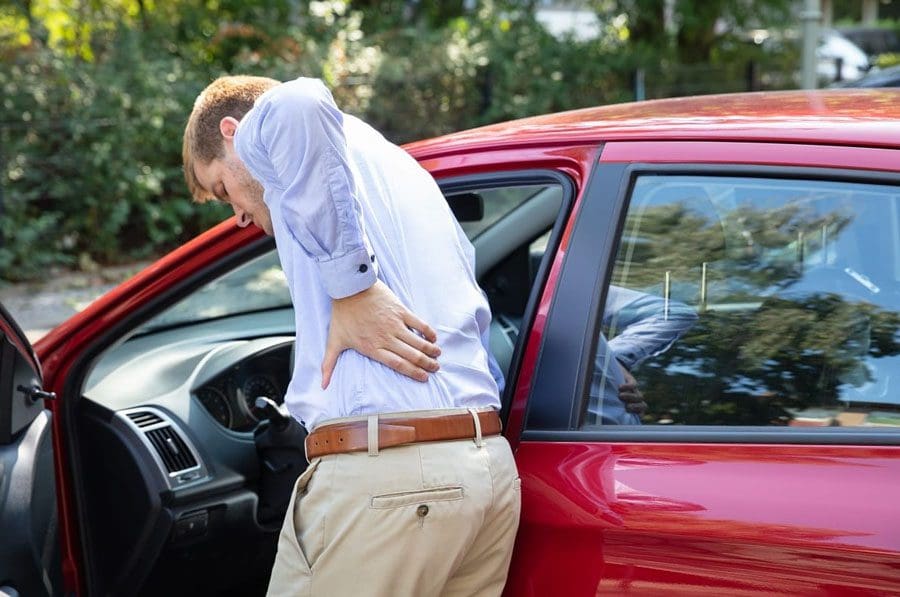
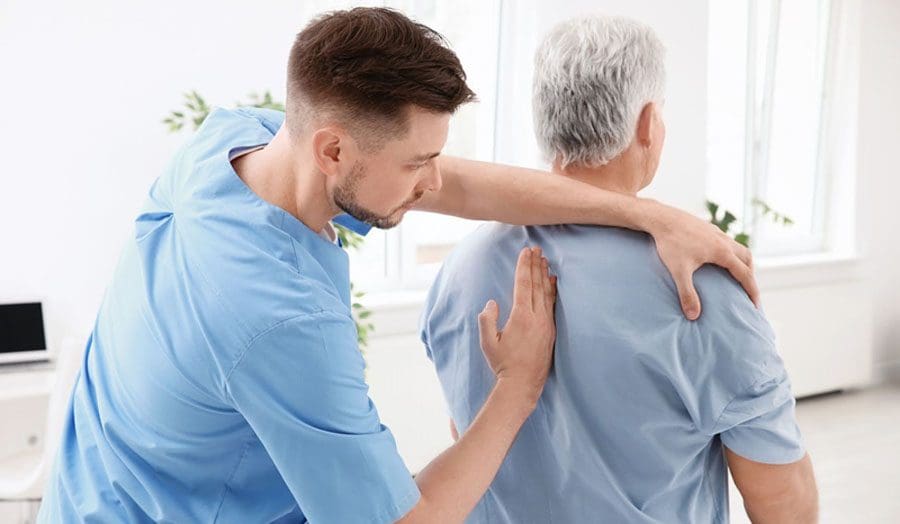
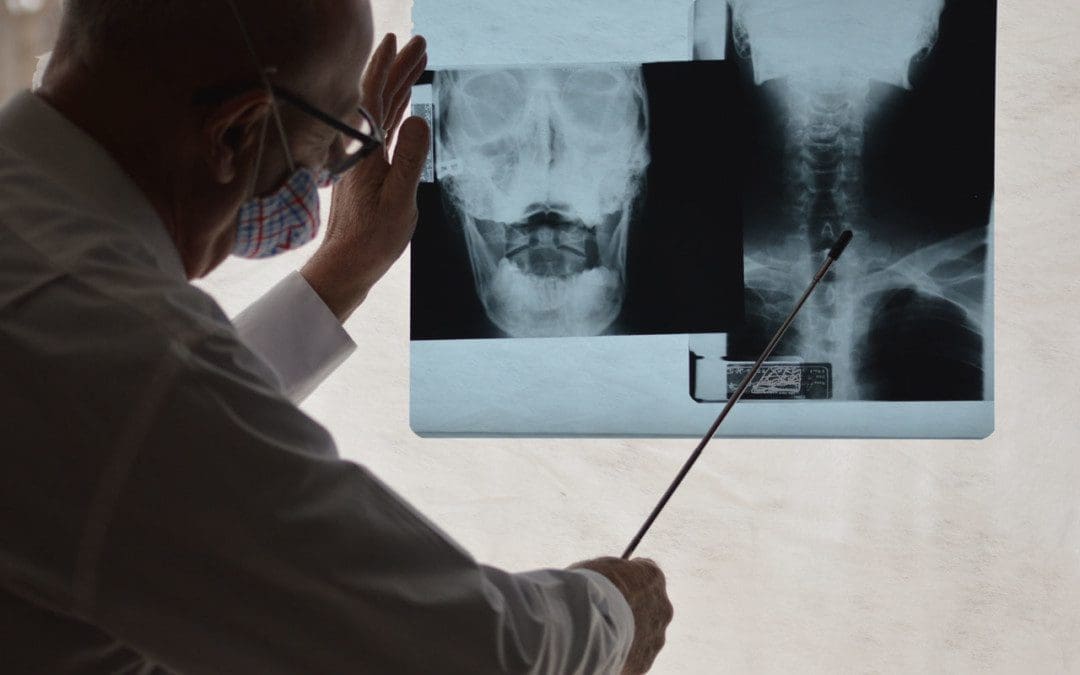
The spine’s primary function is to make sure that the body is moving, twisting, turning, and bending at any angle without any pain. When the spine gets injured in an accident or a back muscle is pulled, it can cause the spinal discs in the spine to become herniated or develop degenerative disorders like DDD (degenerative disc disease) that can cause a person to be in pain. Other back pain issues that can cause a person to be in pain include sciatica, chronic back pain, leg pain, and the inability to move or stand for long periods. When many individuals suffer from back pain, it can cause them to lose their quality of life and make them feel miserable. Luckily there are ways to treat back pain, and that is through non-surgical decompression therapy. In this article, we will be looking at facet syndrome and its symptoms and how decompression can alleviate pain associated facet syndrome. By referring patients to qualified and skilled providers specializing in spinal decompression therapy. To that end, and when appropriate, we advise our patients to refer to our associated medical providers based on their examination. We find that education is the key to asking valuable questions to our providers. Dr. Alex Jimenez DC provides this information as an educational service only. Disclaimer
Can my insurance cover it? Yes, it may. If you are uncertain, here is the link to all the insurance providers we cover. If you have any questions, please call Dr. Jimenez at 915-850-0900.
What Is Facet Syndrome?
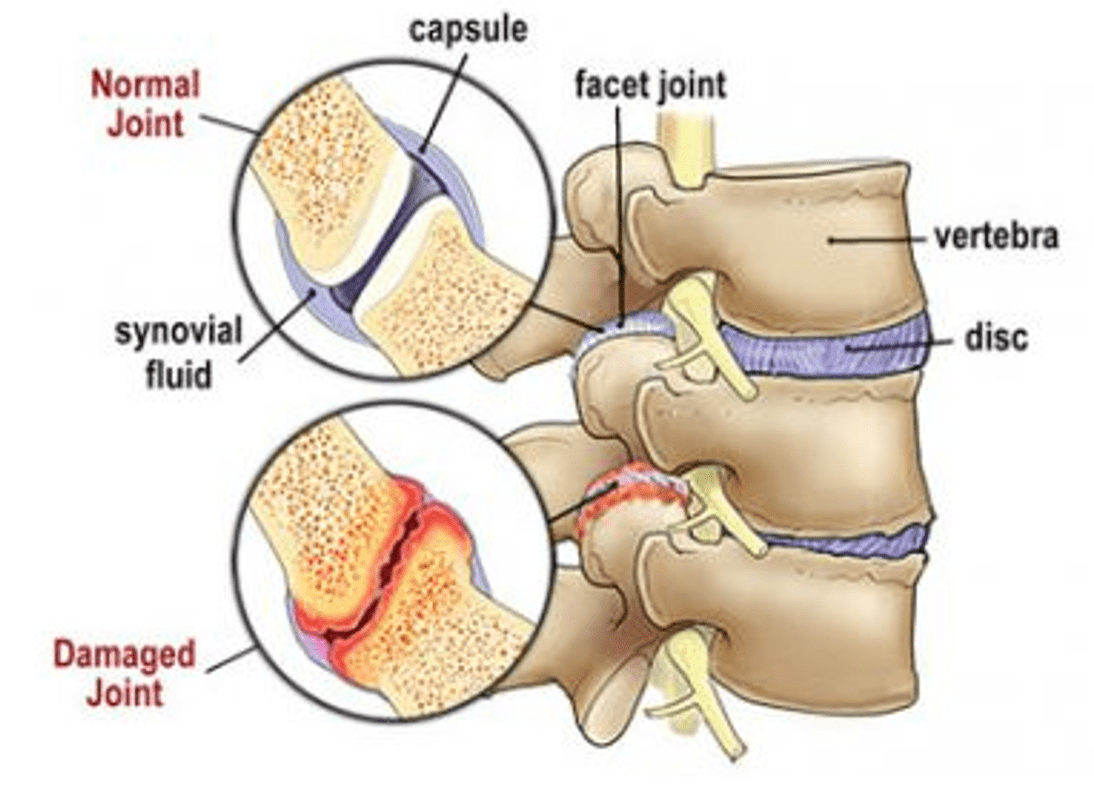
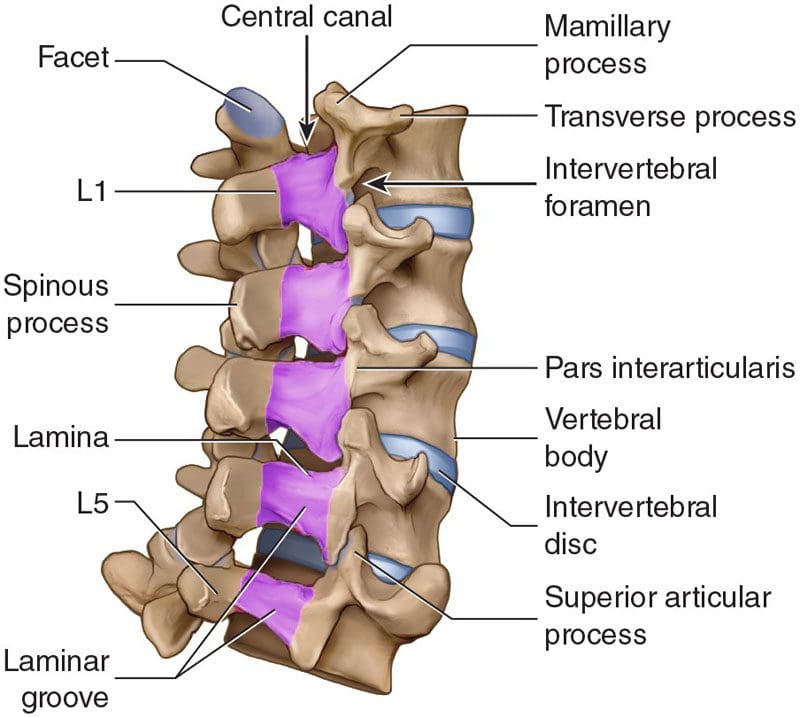
As previous articles mentioned, many individuals have back pain is common worldwide and is one of the most expensive conditions to be treated for. This is due to many individuals straining their back by lifting heavy objects, or their spinal disc is deteriorating due to aging naturally. When the spinal disc starts to lose its function naturally, the outer barrier of the spinal disc begins to become hard. It becomes compressed, losing its soft sponge-like texture, causing the inner walls of the spinal disc to push through the compressed outer layers and become herniated. Facet syndrome is another back pain issue that many individuals tend to suffer due to natural aging. Research studies have stated that facet syndrome is a condition where the spine’s joints start to degenerate and become a source of pain. Facet syndrome can be caused when the joints from the spine begin to get inflamed and degenerate, causing many other back pain disorders to rise like spondylosis, osteoarthritis, and rheumatoid arthritis all over the body.
Other research studies have shown that facet syndrome is the source of chronic spinal pain that can be unilateral or bilateral back pain radiating from one or both buttocks, the sides of the groin, and the thighs, and just stopping at the knees. Facet syndrome can also mimic any excruciating pain that is caused by herniated discs or compressed nerve roots on the spine.
Facet Syndrome Symptoms
Since facet syndrome is the most common cause of low back pain, research studies have shown that local aches often characterize facet syndrome to some degree of stiffness on the spinal joints. The pain from facet syndrome usually ranges from a dull ache to sharp shooting pain that causes the person to be unable to function. Some of the signs and symptoms caused by facet syndrome are similar to other back pains. They occur together and cause overlap, making the diagnosis challenging for health practitioners. The signs and symptoms of facet syndrome usually depend on the severity and involvement of a nearby nerve root which can cause:
Decompression Therapy Effectiveness For Facet Syndrome-Video
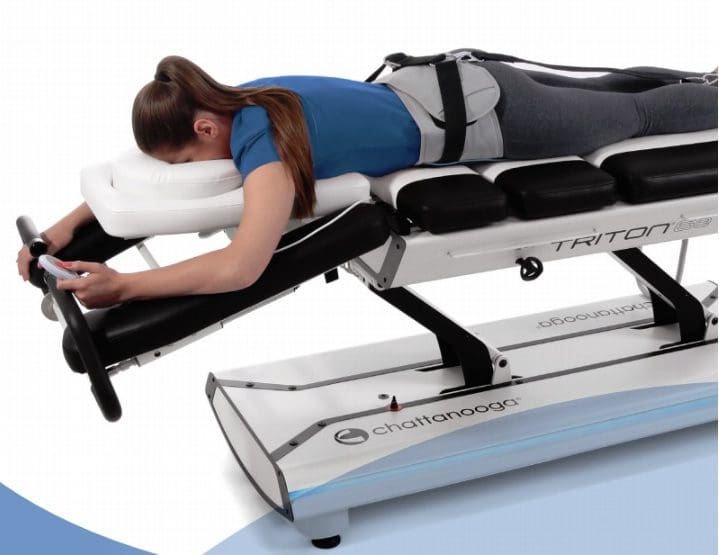
The video above shows how the DRX9000 decompression machine treats facet syndrome. Research studies have shown that facet syndrome is caused by degeneration of the spinal joints due to repetitive overuse and everyday activities that cause microinstability and compress the surrounding nerve roots. When this happens, it can cause excruciating back pain to the individual. With the DRX9000 decompression machine, many individuals will begin to feel relief from facet syndrome. As part of spinal decompression therapy, the DRX9000 decompression machine gently stretches the spine to release the compressed spinal discs and allow the beneficial nutrients and oxygen back into the spine. Many individuals with low back pain begin to feel relief by utilizing decompression therapy as part of their wellness journey. If you want to learn more about spinal decompression therapy, this link will explain the benefits of spinal decompression and how it can alleviate low back pain symptoms.
Decompression Therapy For Facet Syndrome
Decompression therapy is utilized for individuals suffering from low back pain and facet syndrome. As research studies have shown, the effectiveness of decompression therapy can help individuals with facet syndrome by improving their mobility and activities of daily living and reducing their pain after treatment. Decompression therapy can also help individuals reposition the herniated discs back into the spine and can cause the spinal joints to increase in height. Other research studies have shown that since facet syndrome is the cause of low back pain, radiculopathy, and neurological deficits due to being close to the adjacent nerve root, decompression therapy can gently stretch the compressed nerve root and cause instant relief to the individual. When individuals combine decompression therapy with physical therapy, it will reduce the chances of painful symptoms coming back.
Conclusion
Therefore, facet syndrome is one of the common causes of low back pain that causes degeneration of the spinal joints. Facet syndrome is also one of the sources of pain and can mimic other painful back symptoms that can overlap, affect the nearest nerve root, and be hard to diagnose. All is not lost as decompression therapy is used as a non-surgical option to relieve back pain issues by gently stretching the spinal disc, joints, and ligaments to relieve the pressure it was under. Decompression therapy has helped reduce many chronic back issues that many individuals have suffered by allowing the nutrients to go back to the spine. With the combination of physical therapy, many individuals who utilize decompression therapy as part of their wellness journey will become pain-free over time.
References
Alexander, Christopher E, et al. “Lumbosacral Facet Syndrome – Statpearls – NCBI Bookshelf.” StatPearls [Internet]. Treasure Island (FL), StatPearls Publishing, 12 Feb. 2022, https://www.ncbi.nlm.nih.gov/books/NBK441906/.
Gose, E E, et al. “Vertebral Axial Decompression Therapy for Pain Associated with Herniated or Degenerated Discs or Facet Syndrome: An Outcome Study.” Neurological Research, U.S. National Library of Medicine, Apr. 1998, https://pubmed.ncbi.nlm.nih.gov/9583577/.
Parker, Larry. “Symptoms and Diagnosis of Facet Joint Disorders.” Spine, Spine-Health, 24 June 2020, https://www.spine-health.com/conditions/arthritis/symptoms-and-diagnosis-facet-joint-disorders.
Perolat, Romain, et al. “Facet Joint Syndrome: From Diagnosis to Interventional Management.” Insights into Imaging, Springer Berlin Heidelberg, Oct. 2018, https://www.ncbi.nlm.nih.gov/pmc/articles/PMC6206372/.
Sagoo, Navraj S, et al. “Lumbar Facet Joint Cyst Treated with Decompression and Interlaminar Stabilization.” Cureus, Cureus, 25 July 2020, https://www.ncbi.nlm.nih.gov/pmc/articles/PMC7445097/.
Any vehicle crash, collision, or accident can cause various injuries, with back pain issues as a primary injury or a side effect from other injuries. Usually, injury symptoms begin right after the collision, but in other cases, individuals may not start experiencing symptoms until hours, days, or even weeks later. This is from the adrenaline that rushes throughout the body during the collision/fight or flight response delaying the injury symptoms. There are reports of individuals who walk away from an accident unscathed but require urgent medical treatment a short while later. Chiropractic care can provide manual and spinal motorized decompression benefits.
Decompression Benefits
Head Injuries
Head injuries occur when drivers and/or passengers hit their heads on the steering wheel, windows, dashboard, metal frame, and sometimes each other.
A head injury is considered a severe condition that can cause concussions, skull fractures, comas, hearing loss, cognitive and memory issues, and vision problems.
A significant head injury can cause extensive and costly medical treatment with the possibility of long-term medical care.
Neck Injuries
Neck injuries are common in vehicle collisions.
The most common is whiplash, with the head and neck-snapping from indirect blunt force, like being rear-ended.
Whiplash can cause significant damage to the ligaments and muscles, like swelling and neck pain, and temporary paralysis of the vocal cords.
Injury patterns of whiplash can differ depending on the speed, force, and overall health of the individual involved.
Back Injuries
Back injuries can range in severity from sprains to significant damage involving the nerves and/or the spinal cord.
If the damage is severe, it can lead to loss of sensation in the body, loss of limb control, or permanent paralysis.
Disc herniation/s can lead to disability, muscle weakness, tingling and numbness in the limbs, and radiating body pain.
Chest and Torso Injuries
Vehicle collision forces can result in severe chest injuries that include broken ribs.
Broken ribs might not sound dangerous by themselves; they can puncture the lungs leading to other injuries and internal bleeding.
The legs, feet, arms, and hands are frequently injured, broken, and sometimes dislocated.
Motorcyclists are also at a higher risk for significant injury that includes:
Multiple fractures, internal injury, head injuries, and severe ligament damage.
Pedestrians struck by a vehicle have an increased risk for a combination of all injuries at once.
Non-Surgical Decompression Benefits
Chiropractors are trained to identify and treat injuries from vehicle collisions.
Non-surgical spinal decompression gently stretches the spine using a motorized traction device to help reposition the spine and remove the pressure.
As the pressure is taken off, the spinal discs regain their natural height, relieving the pressure on the nerves and other spinal structures.
Optimal healing is promoted by an improved circulation of nutrients, water, and oxygen to the injury site.
Decompression helps to strengthen the muscles in the affected area.
It provides positive spinal structural changes.
Improves nervous system function.
Non-surgical decompression is a tool for correcting injuries and relieving pain, allowing optimal health for the individual.
DOC Decompression Table
References
Apfel, Christian C et al. “Restoration of disk height through non-surgical spinal decompression is associated with decreased discogenic low back pain: a retrospective cohort study.” BMC musculoskeletal disorders vol. 11 155. 8 Jul. 2010, doi:10.1186/1471-2474-11-155
Koçak, Fatmanur Aybala et al. “Comparison of the short-term effects of the conventional motorized traction with non-surgical spinal decompression performed with a DRX9000 device on pain, functionality, depression, and quality of life in patients with low back pain associated with lumbar disc herniation: A single-blind randomized controlled trial.” Turkish Journal of physical medicine and rehabilitation vol. 64,1 17-27. 16 Feb. 2017, doi:10.5606/tftrd.2017.154
Macario, Alex, and Joseph V Pergolizzi. “Systematic literature review of spinal decompression via motorized traction for chronic discogenic low back pain.” Pain practice: the Official Journal of World Institute of Pain vol. 6,3 (2006): 171-8. doi:10.1111/j.1533-2500.2006.00082.x
Tremors are extremely rare, but they can result from spinal compression and not necessarily a brain condition like Parkinson’s disease. Tremors are abnormal, involuntary body movements with various causes, most of which are connected to the brain and not the spine. A study reports that more than 75% of individuals with Parkinson’s experienced a resting tremor, and about 60% experience tremors while moving. Sometimes the spine is the contributor caused by compression of the spinal cord.
Spinal Compression Study
A 90-year-old man was hospitalized after having tremors, with Parkinson’s being the initial diagnosis. The tremors progressed to the point where the man could not feed himself or walk without support. The case became the focus of a medical report published by physicians in the Department of Orthopaedic Surgery, Division of the Spine, Singapore Tan Tock Seng Hospital. Along with the tremors, symptoms progressed to:
Difficulty with fine motor skills like buttoning a shirt.
However, it was ruled out because the patient was not presenting with other Parkinson’s symptoms.
For individuals with cervical spondylotic myelopathy tremors, surgery can be used to help the condition. However, with cervical myelopathy, there is often some permanent damage. Individuals have shown that post-surgery and decompression, symptoms still present, maybe not as much, but there will be a need for a symptom management plan.
Prevention
The best way to prevent tremors associated with cervical spondylotic myelopathy is to minimize the strain on the spine that can lead to herniated discs and/or other spinal injuries. The discs in the spine degenerate, dry out and start cracking with age, increasing the risk of rupture. If a tremor develops, contact a doctor, spine specialist, or chiropractor to help diagnose the condition. These doctors can perform physical and neurological tests to determine the cause and treatment options.
Body Composition
Aging Health
Steady weight gain throughout life can lead to adult-onset diabetes. This is partly caused by having more body fat and progressive muscle loss. Loss of skeletal muscle mass is linked to insulin resistance that involves:
The less muscle is available, the less insulin sensitive the body becomes.
As insulin sensitivity decreases, the body becomes more resistant, increasing risk factors for type II diabetes.
This can lead to osteoporosis, where the old bone is reabsorbed more and less new bone is created.
Both men and women can experience decreased muscle mass that can lead to:
Thinner bones
Weaker bones
Increased risk of osteoporosis and severe injury from falls.
To help prevent these issues, it is recommended to:
It is recommended to space out protein intake across meals rather than consuming it all at once. This helps to ensure the proper amount is acquired.
Monitoring body composition regularly can help minimize muscle mass loss and fat mass gain as the body ages.
A regular strength training routine will help strengthen bones muscles and maintain optimal circulation.
References
Heusinkveld, Lauren E et al. “Impact of Tremor on Patients With Early Stage Parkinson’s Disease.” Frontiers in neurology vol. 9 628. 3 Aug. 2018, doi:10.3389/fneur.2018.00628
Jancso, Z et al. “Differences in weight gain in hypertensive and diabetic elderly patients primary care study.” The Journal of nutrition, health & aging vol. 16,6 (2012): 592-6. doi:10.1007/s12603-011-0360-6
Srikanthan, Preethi, and Arun S Karlamangla. “Relative muscle mass is inversely associated with insulin resistance and prediabetes. Findings from the third National Health and Nutrition Examination Survey.” The Journal of clinical endocrinology and metabolism vol. 96,9 (2011): 2898-903. doi:10.1210/jc.2011-0435
Tapia Perez, Jorge Humberto et al. “Treatment of Spinal Myoclonus Due to Degenerative Compression Myelopathy with Cervical Spinal Cord Stimulation: A Report of 2 Cases.” World neurosurgery vol. 136 (2020): 44-48. doi:10.1016/j.wneu.2019.12.170
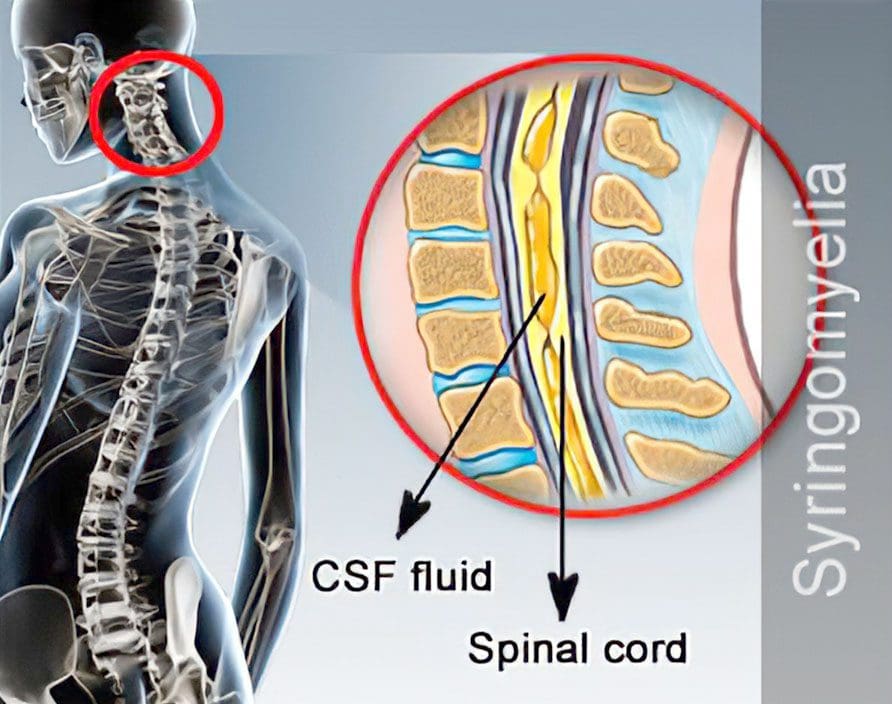
Syringomyelia is a disorder in which afluid-filled cyst/syrinx forms within the spinal cord. It is progressive, meaning that the cyst grows with time causing compression and damage to the spinal cord. The cyst usually begins in the neck/cervical spine but can develop in any area along the spinal cord. There are several possible causes; however, most are associated with a condition known as Chiari malformation. This is where the skull and neck come together, and either the skull is too small or shaped in a way that causes brain tissue to come out and settle in the spinal canal.
Syringomyelia Causes
Syringomyelia can be caused by or from complications of:
Chiari type I malformation develops during the fetal developmental stage and causes the lower part of the brain or cerebellum to stick out from its standard location.
Hemorrhage/bleeding
Inflammation of the spinal cord from virus or bacterial infection like meningitis
Spinal cord injury
Spinal cord tumor
Symptoms
A damaged spinal cord disrupts communication between the brain and the body. Symptoms differ for every individual, but common syringomyelia symptoms include:
Pain, stiffness, or weakness in the neck, arms, back, and/or legs
Symptoms usually develop slowly, but exercise, coughing, or some form of strain can cause sudden onset.
Diagnosis
Physical and neurological exams are performed to determine loss of feeling or inability to move around normally, like walking. Diagnostic tests of the spine will include a CT scan with contrast dye and/or an MRI. Early detection can help before it progresses, causing further damage, and delaying treatment can cause irreversible spinal cord injury. It is recommended at the first sign of symptoms to contact a doctor.
Treatment
Some individuals who have syringomyelia may have no symptoms. These individuals can go about their everyday lives but are recommended to be cautious with neck and back strain. For individuals experiencing symptoms, the primary treatment objectives are to:
Stop or control damage to the spinal cord
Preserve function
Prevent disability
Treatment options include:
Draining the cyst
Surgical removal of the cyst
Chiropractic and physical therapy could be included in the treatment plan to help the individual rebuild lost muscle strength and regain flexibility.
All too often, individuals with this disorder experience treatment delay/s because symptoms can be nonspecific or vague. Education is the key, and individuals can be diagnosed sooner by paying attention to the body’s warning signs.
Body Composition
Does too much protein hurt the kidneys?
While protein restriction can be appropriate for treating existing kidney disease, research shows that high protein intake in healthy individuals does not disrupt or cause damage to the kidneys or kidney function. The amino acids in protein are more likely to be excreted through urine when not being used. However, there are certain risks associated with consuming too much protein, and it is recommended to keep track of protein intake. Eating more protein:
Makes the body feel full longer
Can help curb overeating
Is essential for recovery and growth
When achieving daily caloric goals, maintaining a balance of nutrients like carbohydrates and healthy fats is essential for overall health.
References
Batzdorf, Ulrich. “Primary spinal syringomyelia. Invited submission from the joint section meeting on disorders of the spine and peripheral nerves, March 2005.” Journal of neurosurgery. Spine vol. 3,6 (2005): 429-35. doi:10.3171/spi.2005.3.6.0429
Di Lorenzo, N, and F Cacciola. “Adult syringomyelia. Classification, pathogenesis and therapeutic approaches.” Journal of neurosurgical sciences vol. 49,3 (2005): 65-72.
Fernández, Alfredo Avellaneda et al. “Malformations of the craniocervical junction (Chiari type I and syringomyelia: classification, diagnosis, and treatment).” BMC musculoskeletal disorders vol. 10 Suppl 1, Suppl 1 S1. 17 Dec. 2009, doi:10.1186/1471-2474-10-S1-S1
Naftel, Robert P et al. “Worsening or development of syringomyelia following Chiari I decompression: case report.” Journal of neurosurgery. Pediatrics vol. 12,4 (2013): 351-6. doi:10.3171/2013.7.PEDS12522
Roy, Anil K et al. “Idiopathic syringomyelia: retrospective case series, comprehensive review, and update on management.” Neurosurgical focus vol. 31,6 (2011): E15. doi:10.3171/2011.9.FOCUS11198
Individuals that go through severe low back pain caused by degeneration, herniated discs, vehicle, personal, work, and sports injuries, surgery, or spinal fusion is usually a last resort if non-invasive treatments fail to provide relief or not enough relief. Patients try to avoid spinal fusion because it can be an intense experience and requires a year-long recovery period. Unfortunately, individuals still experience discomfort and pain after surgery. Do individuals want to know what other treatment options are available, including chiropractic care?
Doctors will inform post-op patients of the risks involved with chiropractic therapy. However, chiropractic medicine can bring natural pain relief after surgery. Chiropractic treatment requires that an individual be adequately or fully healed before beginning a personalized treatment plan. At Injury Medical Chiropractic and Functional Medicine Clinic, we consult patients post-surgery about the effectiveness of rehabilitation spinal adjustments and physical therapy massage.
Wait Time After Surgery
Spinal fusion surgery involves removing the discs between two or more vertebrae and fusing the bones with metal screws and plates. The objective is to correct conditions like herniated discs and degenerative diseases by immobilizing the spine in that area. It can take at least three months for the vertebrae to fuse for a fully immobilized graft. Once the graft is complete, a few months of physical therapy are recommended to loosen/stretch and strengthen the muscles around the graft. Initial recovery combined with physical therapy typically takes a full year for a complete recovery.
It is during recovery where it can be difficult and for discomfort and pain to present. The reason is patients are recommended to avoid any twisting, bending, over-reaching motions, or the graft could break. This can make an individual take on awkward poses/postures, flexing and contracting muscles incorrectly, causing strain. The result is added discomfort and/or pain.
How Chiropractic Helps
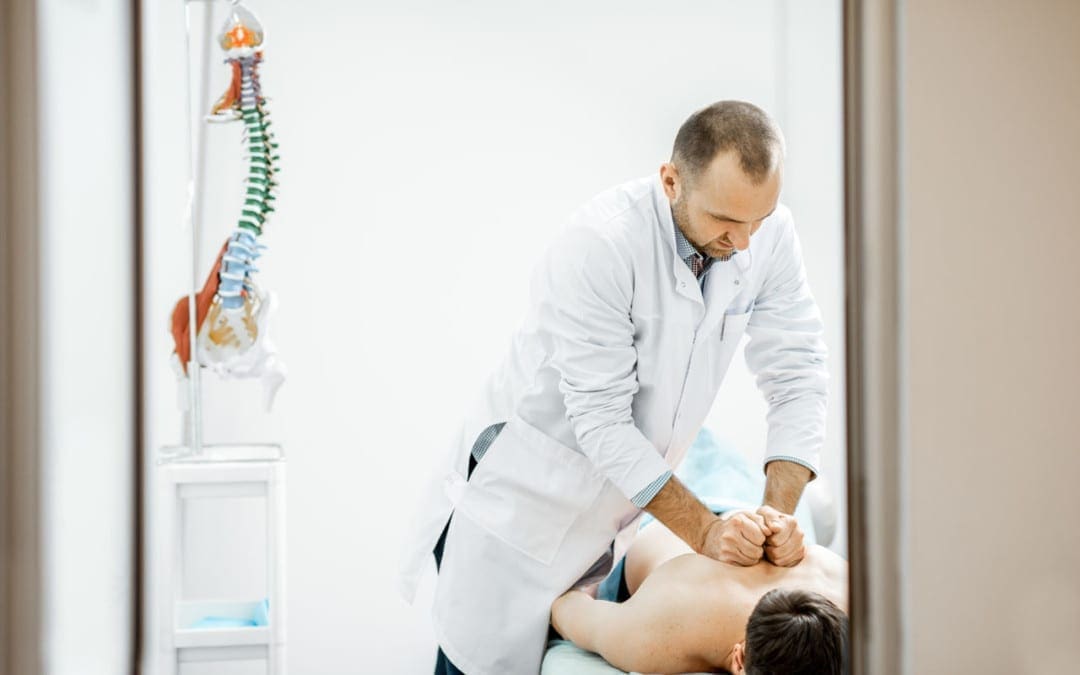
Spinal fusion is not guaranteed to alleviate an individual’s back pain completely. But many do experience discomfort or pain post-surgery. This could be for a little while or longer, depending on their condition or injuries. Fortunately, chiropractic treatment can help bring pain relief through mobilization, manipulation, and massage techniques. Manipulations’ objective is to adjust and/or realign the bones of the spine and other areas of the body. Because of the intricacy of spinal manipulations, many who have undergone back or spinal fusion surgery are hesitant to seek chiropractic treatment. Discuss possible chiropractic care with your physician to determine if the surgical graft is strong enough to withstand spinal manipulations. If the graft is adequately/fully healed and your physician believes it can endure mild adjustments, reach out to a chiropractor to discuss a customized treatment plan.
Body Composition Testing
Poor Leg Skeletal Muscle Mass
The gluteal muscles or buttock muscles are the largest muscle group in the body. Individuals can start losing bone density by their 30s. This increases the risk of injury and further bone density loss. Bone density loss is a natural process, but the process can be accelerated for individuals with under-developed skeletal muscle mass. The health of muscles and bones are closely linked. Researchers found that individuals with less muscle mass than average for their height tended to have narrower and thinner bones. This resulted in limited lower bending strength.
Decreased muscle mass was shown to be linked to balance problems and increased risk of falls. There is a higher prevalence of sarcopenia or muscle wasting for patients with hip fractures and a reduction of leg muscle mass. The combination of:
Low muscle mass
Low bone density
Hip fractures
It can have lifelong consequences
References
Fernandez, Matthew et al. “Surgery or physical activity in the management of sciatica: a systematic review and meta-analysis.” The European spine journal: official publication of the European Spine Society, the European Spinal Deformity Society, and the European Section of the Cervical Spine Research Society vol. 25,11 (2016): 3495-3512. doi:10.1007/s00586-015-4148-y
Keller, Glenda. “The effects of massage therapy after decompression and fusion surgery of the lumbar spine: a case study.” International journal of therapeutic massage & bodywork vol. 5,4 (2012): 3-8. doi:10.3822/ijtmb.v5i4.189
O’Shaughnessy, Julie et al. “Chiropractic management of patients post-disc arthroplasty: eight case reports.” Chiropractic & osteopathy vol. 18 7. 21 Apr. 2010, doi:10.1186/1746-1340-18-7
Perrucci, Rachel M, and Christopher M Coulis. “Chiropractic management of post-spinal cord stimulator spine pain: a case report.” Chiropractic & manual therapies vol. 25 5. 6 Feb. 2017, doi:10.1186/s12998-017-0136-0
Szulc, Pawel et al. “Low skeletal muscle mass is associated with poor structural parameters of bone and impaired balance in elderly men–the MINOS study.” Journal of bone and mineral research: The American Society for Bone and Mineral Research vol. 20,5 (2005): 721-9. doi:10.1359/JBMR.041230
Spinal decompression surgery could be a treatment option discussion with a doctor to relieve nerve pain brought on by a spinal condition or disorder. Everything to know about the procedures straight from the experts.
Spinal Decompression Surgery Types: Laminectomy or Laminotomy
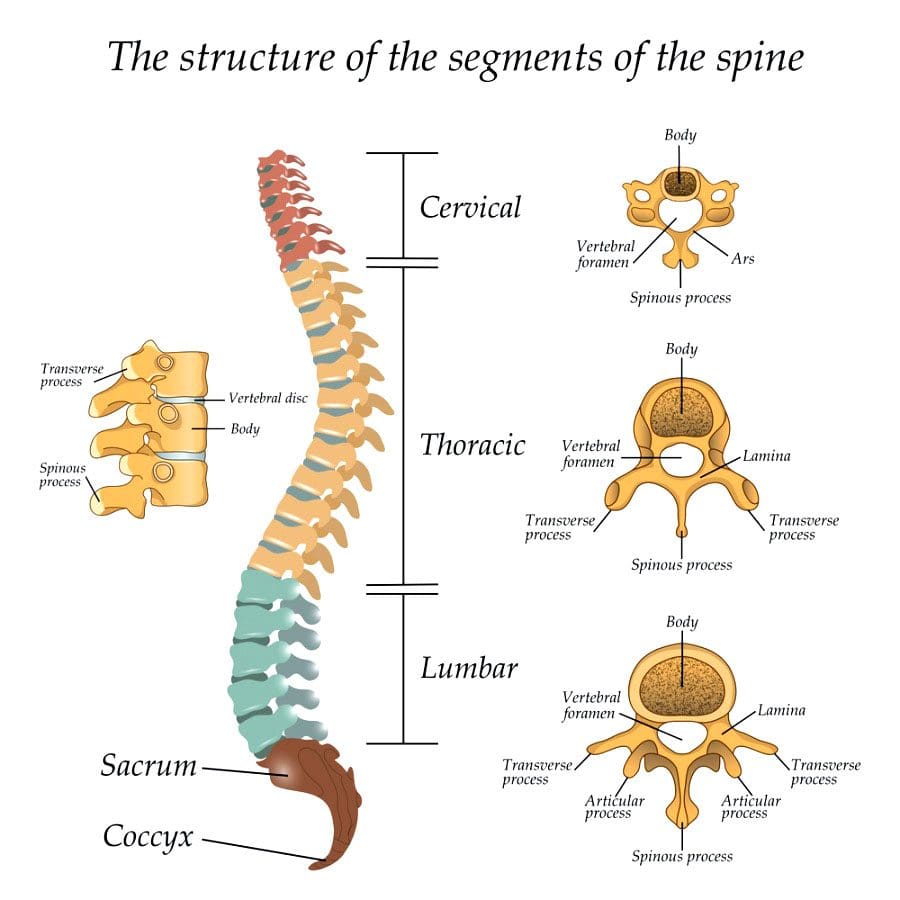
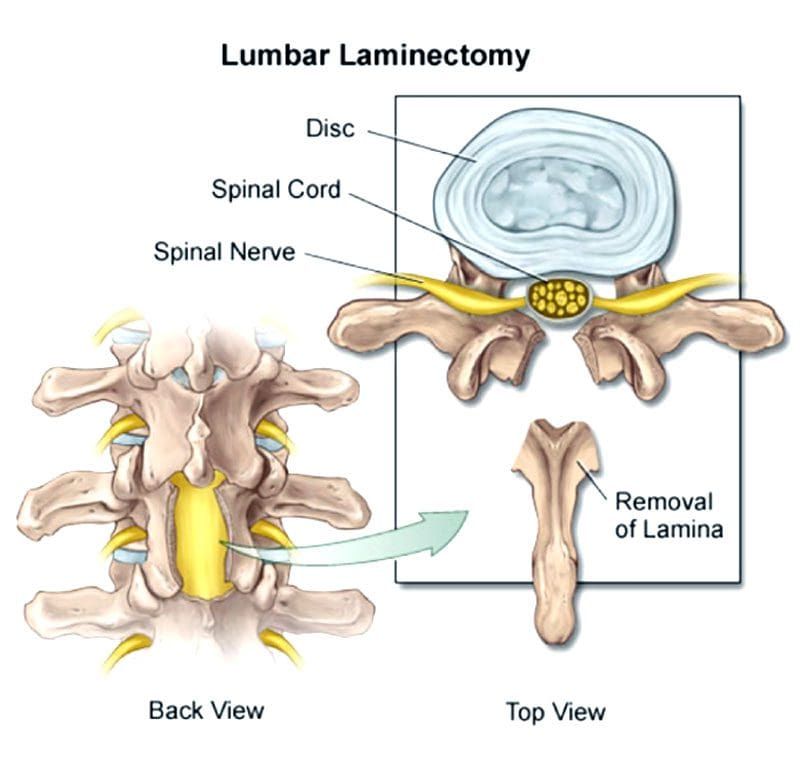
Both procedures involve the vertebrae�s lamina, which is an arch of bone that protects the spinal canal.
In a laminectomy, the lamina is removed almost entirely.
In a laminotomy, it is a partial removal.
Despite the removal, the large muscles of the back provide sustained protection for the nerves below. Therefore, the spinal nerves are still safe and secure following the procedures. Which one is right depends on the situation.
A laminectomy is usually performed to treat an arthritic condition of the spinal canal like spinal stenosis.
Laminotomy is used almost exclusively to remove a herniated disc.
A laminectomy removes more bone and sometimes the inner edge of the facet joint.
Ultimately, a surgeon will determine which of the two procedures is best for the individual’s needs and condition.
Decompression Surgery
Spinal stenosis or the narrowing of the spinal canal is usually caused by arthritis and overgrowth of the discs and joints. Similar compression issues respond well to non-surgical treatment. But sometimes surgery is necessary to treat uncommon but potentially severe cases. These include patients with:
Bowel or bladder problems caused by the pressure on the spinal nerves
Leg weakness that gets worse
Inability to walk or move for long periods and distance
The objective of spinal decompression surgery is to create space around the spinal cord and surrounding nerves by removing the compressing structure/s. When the cord and/or nerve/s are compressed, physical and neurological symptoms are experienced down the nerve�s pathway. This includes:
Tingling
Numbness
Electric shock sensations
Radiating/spreading pain
Weakness
Once the compressed nerves have space to relax and move around symptoms subside.
Laminectomy process
Lumbar laminectomy is the most common procedure to treat spinal stenosis in the low back.
It also helps treat herniated discs by allowing the surgeon to easily access the discs to repair any damage.
The surgeon removes the lamina and ligaments that have thickened and are causing problems to create more space in the canal.
The surgery enlarges the spinal canal so that pressure is relieved.
By removing the source of the pressure, the pain caused by the compressed nerves is alleviated.
An open laminectomy creates an incision of a couple of inches and exposes the spine.
The muscles of the spine and back are cut through to expose the bone.
Another technique that surgeons utilize is operating through a tube.
They’ve adapted these techniques to be able to decompress both the right and the left sides although they are only operating on one side.
Both procedures, minimal and traditional accomplish the same goals.
The difference is the minimally invasive approach involves one or more tiny incisions also known as skin punctures and small instruments designed to separate muscles and soft tissues instead of cutting through them.
The traditional approach requires a larger incision and instruments that retract, separate and cut tissues.
Laminectomy surgery
Laminectomies are performed under general anesthesia using a posterior approach/lying face down during the procedure.
It can be open or minimally invasive sometimes called a microlaminectomy.
In an open laminectomy, the surgeon makes an incision near the affected spinal area.
Once the incision is made, a retractor will move the skin, fat, and muscles to the side so the surgeon can access the spine.
Next, they remove or trim the lamina and thickened ligaments to enlarge the space surrounding the compressed nerves.
Once done, the retractor is removed and the incision is closed with sutures.
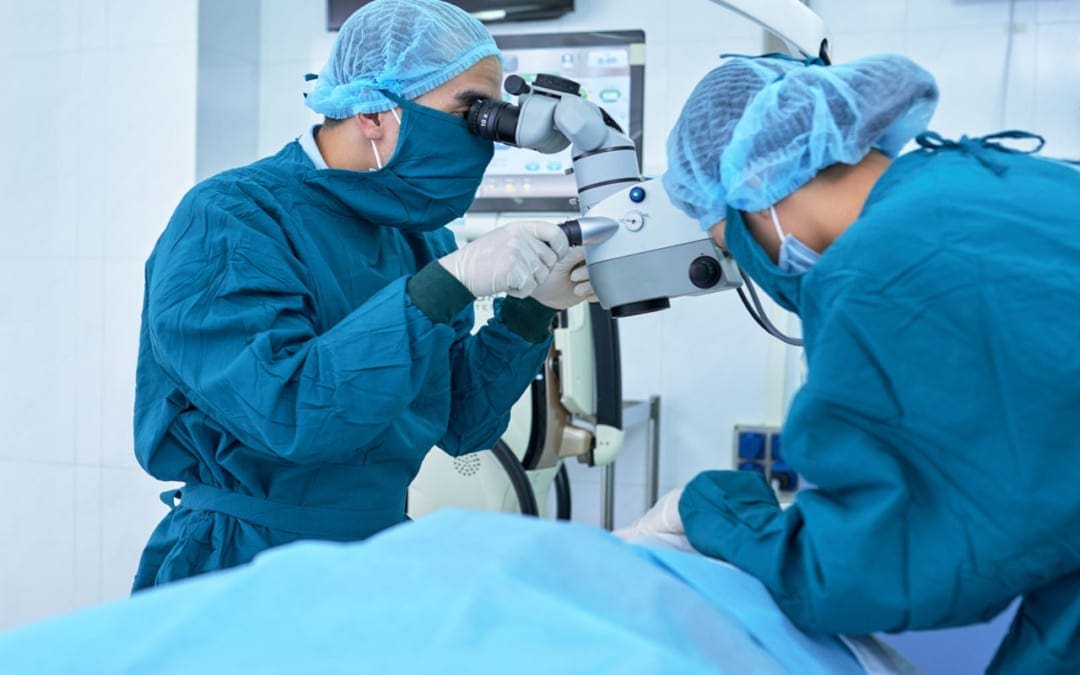
Minimally invasive surgery or MIS is performed using special instruments like endoscopes and tubular retractors.
These instruments allow for smaller incisions and less cutting.
They will also use special eyewear to have a detailed view of the surgical field.
Sometimes, the surgeon uses an endoscope or a microscope focused down the tube to perform the surgery.
The portion of the lamina is removed, along with any bone overgrowths/osteophytes and ligament tissue.
The tubular retractors are taken out so the soft tissue moves back into place, and the incision is closed with dissolving sutures.
Other spinal procedures performed alongside
Laminectomies and laminotomies are typically not performed together. However, a surgeon could perform both if the surgery affects multiple levels of the spine. They can also be combined with other spinal surgeries, that include:
Foraminotomy
A foraminotomy is also a decompression procedure. But instead of removing part or all the lamina, the surgeon accesses the nerves through the spine�s foramen or the passageway that nerves pass through on both sides.
Discectomy
This decompression surgery involves the removal of all or part of the damaged intervertebral disc and is utilized for herniated discs.
Spinal fusion
Fusion is often performed after spinal decompression surgery, as the space that was created by removing spinal structure/s can cause instability to the spine.
Candidates for spinal decompression surgery
Both are common procedures performed by neurosurgeons and orthopedic spine surgeons. Laminectomies are considered one of the most effective treatments for spinal stenosis and spinal canal issues like:
Tumors
Certain types of infections and abscesses
Spinal issues involving bowel/bladder dysfunction
The primary reason for laminectomy is spinal stenosis, most common in individuals over the age of 60.
Other considerations and conditions include:
Non-invasive treatments that don’t improve the condition that includes medication, massage, and physical therapy
Ask questions about the procedure to ensure you are comfortable with the operation. Here are some questions:
What are the risks associated?
Will the surgery relieve all symptoms?
Not having the surgery risks?
What is recovery like?
Recovery
Open or micro, recovery does take time. Following the doctor�s instructions carefully are essential to make a full, healthy recovery.
Individuals should be careful for about a month following the surgery. But does not mean laying down or being sedentary. Movement is crucial to recovery.
The patient should not stay in bed or lie on the sofa.
Wait a week or two before beginning physical therapy if necessary.
Most will have a weak core, poor posture, and poor body mechanics, the goal is to help develop and strengthen these areas.
Things to help with recovery include:
Ice/cold packs will help reduce swelling and pain.
Try not to sit for too long, as sitting is the least comfortable position after back surgery.
Body mechanic awareness means avoiding too much bending or lifting and using the right body mechanics when bending or lifting.
Especially before surgery. Quitting entirely or at least for at least six weeks before surgery will make recovery easier and healthier.
Losing weight
Speak with a doctor about weight. Just 5 pounds can make a significant difference during recovery.
Blood sugar
For individuals with diabetes, having an A1C under eight before surgery is ideal.
Every patient�s recovery is different. Recovery time depends on:
The complexity of the surgery
Personal medical history
Health issues
Recovery typically takes about two to four weeks after the surgery. However, it depends on the reason/s for the surgery.
Questions
Post-laminectomy syndrome
Post-laminectomy syndrome PLS also known as failed back surgery syndrome is a condition where an individual continues to have pain after surgery. Individuals still having symptoms after should speak with their doctor to determine the next phase of treatment.
How long before exercise?
Returning to the gym or getting into an exercise routine will take some time. It is important to follow the doctor�s recommendations and complete the full course of physical therapy before regular exercise activity can resume. Discuss workout plans with the doctor to determine the best timeline for the spine.
Full recovery?
Returning to some activity is possible around four weeks after surgery. Full recovery takes longer as each patient�s recovery is unique. Depending on the complexity of the surgery, most return to all activities within 6 to 9 months.
Body Composition Spotlight
Dr. Alex Jimenez�s Blog Post Disclaimer
The scope of our information is limited to chiropractic, musculoskeletal, physical medicines, wellness, and sensitive health issues and/or functional medicine articles, topics, and discussions. We use functional health & wellness protocols to treat and support care for injuries or disorders of the musculoskeletal system. Our posts, topics, subjects, and insights cover clinical matters, issues, and topics that relate and support directly or indirectly our clinical scope of practice.*
Our office has made a reasonable attempt to provide supportive citations and has identified the relevant research study or studies supporting our posts. We also make copies of supporting research studies available to the board and or the public upon request. We understand that we cover matters that require an additional explanation as to how it may assist in a particular care plan or treatment protocol; therefore, to further discuss the subject matter above, please feel free to ask Dr. Alex Jimenez or contact us at 915-850-0900. The provider(s) Licensed in Texas& New Mexico*
Back or disc pain is becoming increasingly common for individuals of all ages. The spinal discs are prone to injury because of the extreme amount of pressure/stress placed on the lower back and neck. Fortunately, most cases of back pain heal on their own, while others can cause long-term chronic pain that can be difficult to manage, without proper treatment.
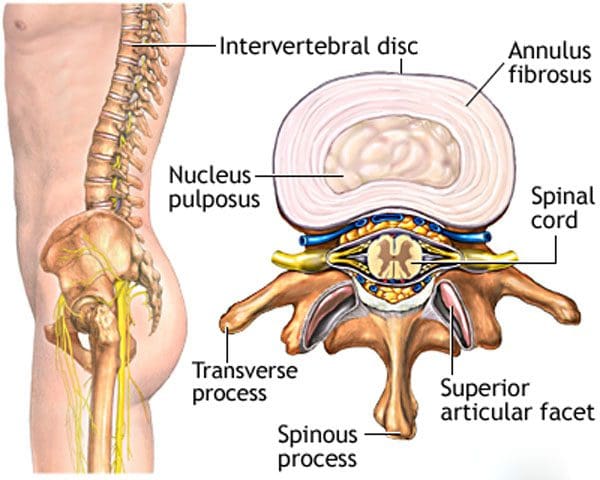
Different types of pain can be caused by problems with the spinal discs. The spinal discs are elastic sections of the spine that sit between the vertebrae. They are made up of materials called annulus fibrosus on the outside and a gel-like material called nucleus pulposus on the inside.
These discs are flexible, which allows for a range of motion to the spine and body shock absorption to increase comfort when in motion. When an individual visits a chiropractor, the practitioner will not know the exact cause of the pain, but only that it hurts around a certain area. Our spinal experts will help individuals understand the different types of ailments or conditions that could be affecting the spine. Then a customized treatment plan can be developed.
Disc problems
Spinal disc pain has two major sources of pain related to spinal discs: They are disc degeneration and nerve root pain. They are most common in the neck and the lower back. Individuals need to be informed of the difference to understand what is happening with the spine and potential treatment options to alleviate the pain and heal the problem.
Degenerative disc disease
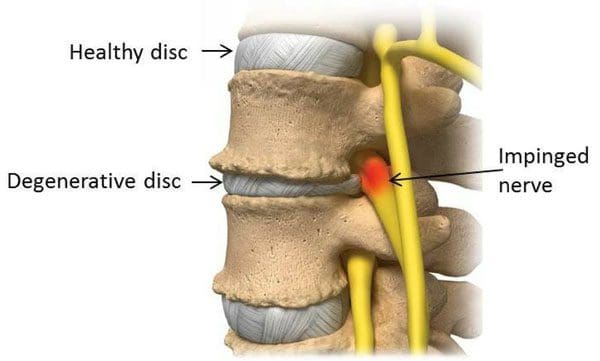
Degenerative disc disease is when the spinal discs begin to dry out and deteriorate. The discs start to shrink and can tear, which leaves that segment with little or no cushioning. This can cause pain, as well as inflammation of the surrounding muscles and joints. Disc degeneration usually presents with low levels of consistent pain and occasional severe flare-ups.
A chiropractor can utilize spinal manipulation to restore alignment, function, and mobility of the affected joint. Massages stretches and exercises will help alleviate the tension in the surrounding muscles along with strengthening them for better support.
Nerve root pain
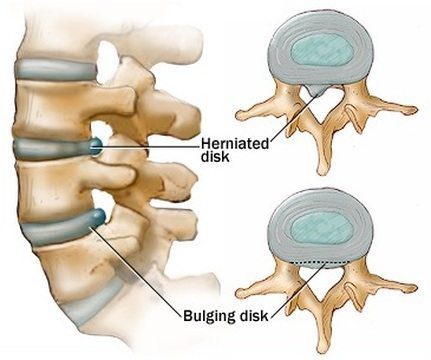
Nerve root pain does not take place within the disc but is usually caused by a bulging or herniated disc. This condition can be called a slipped disc or pinched nerve, affect the nerves that are in close proximity to the neck and lower vertebrae.
The pain can lead to numbness, tingling, and weakness along the path of the nerve, and radiate out to the arms and legs. A bulging disc is when the spinal disc progressively protrudes through a narrow opening.
This can irritate any nearby nerve roots causing inflammation and pain. If the disc herniates or breaks through then the outer protective material tears, letting the cushion/gel leak out and come in contact with the nerve root/s, which could also cause pinching and inflammation. Treatment for a bulging or herniated disc includes:
Spinal manipulation
Corrective exercises
Physical therapy
Massage
Diet adjustments
These treatments can help realign the disc/s, moving them away from any nerves, and minimizing inflammation.
Proper Identification and Diagnosis
Spinal disc problems can be similar in their pain and symptoms. For example, degenerative disc disease can weaken the spinal discs to such a degree that nerve root pain follows creating a dual combination of pain. The conditions require various approaches and treatment methods often done in combination. However, they require a proper diagnosis to create a proper and custom treatment program for every individual. This will ensure the root cause of the disc pain is properly identified and handled. Call us to learn more.
Skateboarding Injury Treatment
Dr. Alex Jimenez�s Blog Post Disclaimer
The scope of our information is limited to chiropractic, musculoskeletal, physical medicines, wellness, and sensitive health issues and/or functional medicine articles, topics, and discussions. We use functional health & wellness protocols to treat and support care for injuries or disorders of the musculoskeletal system. Our posts, topics, subjects, and insights cover clinical matters, issues, and topics that relate and support directly or indirectly our clinical scope of practice.*
Our office has made a reasonable attempt to provide supportive citations and has identified the relevant research study or studies supporting our posts. We also make copies of supporting research studies available to the board and or the public upon request. We understand that we cover matters that require an additional explanation as to how it may assist in a particular care plan or treatment protocol; therefore, to further discuss the subject matter above, please feel free to ask Dr. Alex Jimenez or contact us at 915-850-0900. The provider(s) Licensed in Texas& New Mexico*
References
Browning, J E. �Chiropractic distractive decompression in the treatment of pelvic pain and organic dysfunction in patients with evidence of lower sacral nerve root compression.��Journal of manipulative and physiological therapeutics�vol. 11,5 (1988): 426-32.
IFM's Find A Practitioner tool is the largest referral network in Functional Medicine, created to help patients locate Functional Medicine practitioners anywhere in the world. IFM Certified Practitioners are listed first in the search results, given their extensive education in Functional Medicine