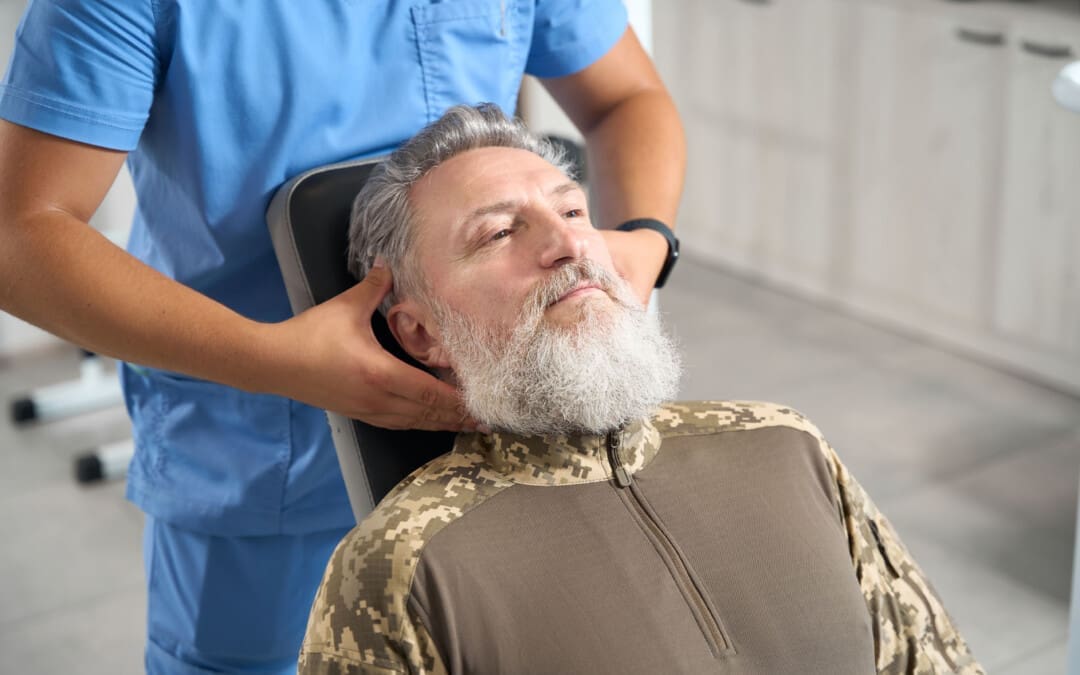
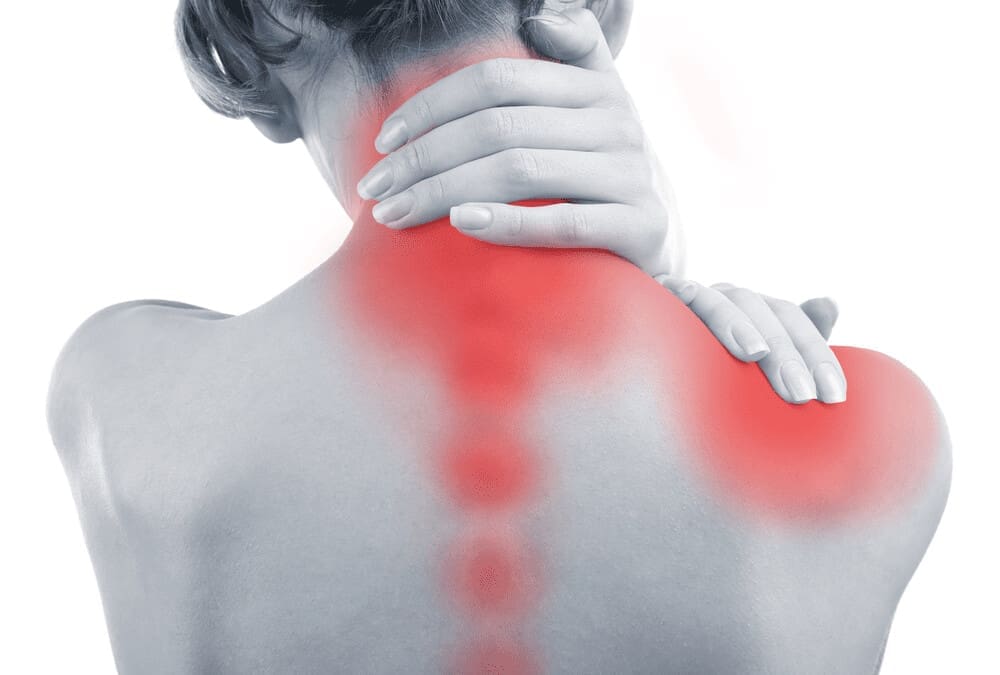
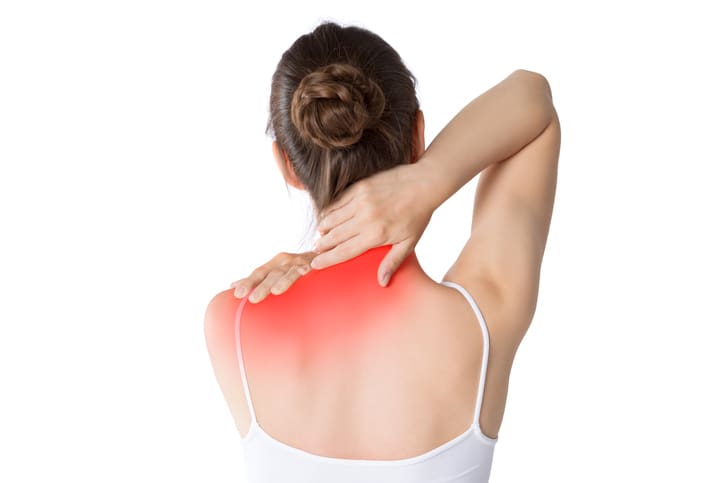
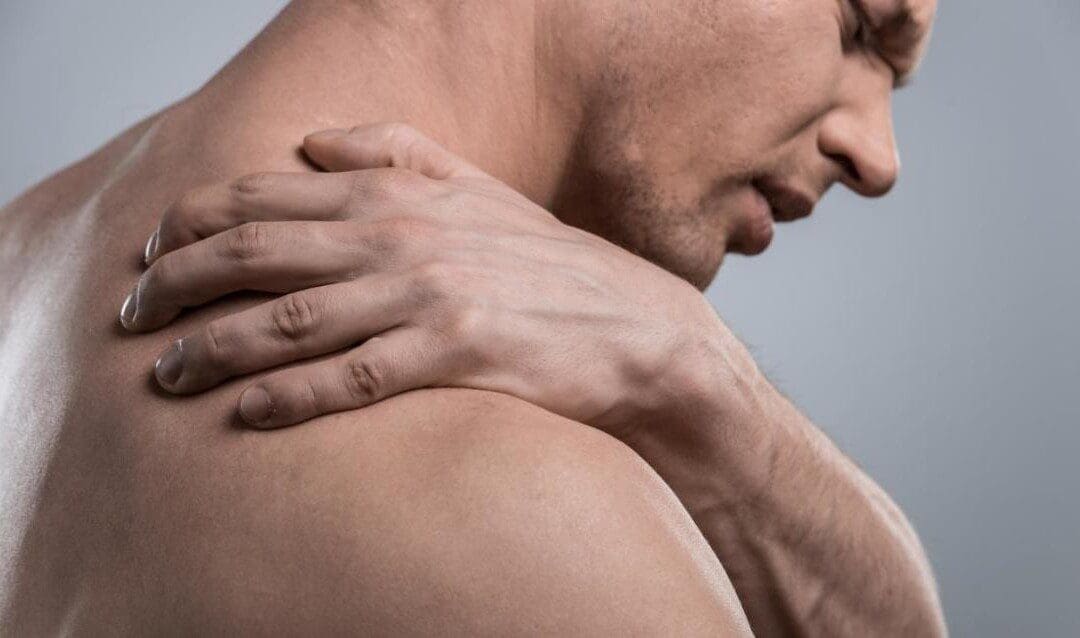
The levator scapulae muscles could be overstretched for individuals experiencing upper back, shoulder, and neck pain. Can physical therapies help relieve pain and retrain the muscles to function properly?
Levator Scapulae Muscles
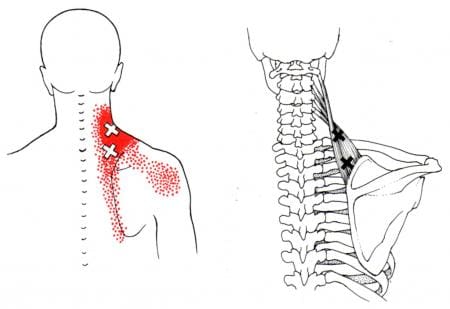
The levator scapulae muscles stretch along the spine across the upper back and neck. They originate from the cervical vertebrae C1 to C4 and attach to the inside top edge of the scapula. (Chotai P. N. et al., 2015) They elevate the shoulder blades, tilt the head, and work with other muscles to stabilize the spine and influence neck motion and upper back posture. The shoulder blade/scapula is the flat, triangular-shaped bone that sits on top of the upper part of the rib cage. Where the levator scapulae attaches, the muscles raise the shoulder blade, a movement called elevation, and indirectly rotates the scapula’s bottom tip downward towards the spine. These shoulder blade movements are part of the shoulder joint’s larger flexion and abduction movements.
Flexion occurs when moving the arm forward and up, and abduction occurs when moving the arm out to the side.
The levator scapulae muscles contract during flexion and/or abduction,
The muscles also contract when moving the neck in side bending, lateral flexion, rotation, or twisting.
Symptoms
Neck and shoulder pain are common problems for office workers, truck drivers, and others who sit most of the day for their jobs. It can worsen when there is no spinal support for maintaining correct alignment. Poorly designed work chairs may contribute to chronic muscle tension and spasms, plus they may contribute to muscle weakness. One of the primary functions of the levator scapulae muscles is to keep the shoulder blade in a position that supports a vertical alignment of the head and to prevent forward head posture. (Yoo W. G. 2018)
However, the shoulder blade is an extremely movable bone. Maintaining stability and correct neck posture is not easy. The levator scapulae muscles may not be strong enough to keep the shoulder blade where it’s supposed to be for healthy posture, and instead, they become overstretched. When muscles are overstretched, they often become taut to try to maintain some form of stability. It can feel like muscle tension because the muscles shorten, but there is a difference. The situation can worsen if one slouches, has no lumbar support, and/or the desk or steering wheel is too high or too low, which may force the shoulder blade upward or downward.
Pain Relief
The levator scapulae muscles are two of several shoulder muscles that may contribute when neck pain presents. This is why a qualified, licensed health professional should diagnose any pain or dysfunction in the area. Physical therapy can help get the body back on track. (Yoo W. G. 2018) Treatment may consist of restoring muscle strength and flexibility in the shoulder, neck, and upper back muscles and developing better posture habits. Physical therapy exercises, particularly those that address upper back posture, can help reduce the stress placed on the levator scapulae muscles and can help decrease kyphosis, often a precursor to forward head posture. Stretching, strengthening, and posture lessons will help relieve pain and increase the physical functioning of the upper body. Other tips for avoiding and relieving muscle pain include:
Stretching regularly by gently rotating the neck and shoulders.
Applying heat to promote relaxation.
Regular massage therapy.
Adjusting chairs and/or monitor height to align with a straight line of sight.
Not carrying heavy bags, especially on one shoulder.
Avoiding side sleeping without proper head support.
Injury Medical Chiropractic Clinic
Visiting a chiropractic and physical therapy team can help treat injuries and chronic pain syndromes, relieve pain, resolve musculoskeletal issues, and prevent future symptoms. Injury Medical Chiropractic and Functional Medicine Clinic works with primary healthcare providers and specialists to develop a personalized care program for each patient through an integrated approach to help return to normal and optimal function. If other treatments are needed, Dr. Jimenez has teamed up with top surgeons, clinical specialists, medical researchers, and rehabilitation providers to provide the most effective treatments.
The Natural Way to Heal: Non-Surgical Chiropractic Care for Pain Relief
References
Chotai, P. N., Loukas, M., & Tubbs, R. S. (2015). Unusual origin of the levator scapulae muscle from mastoid process. Surgical and radiologic anatomy : SRA, 37(10), 1277–1281. https://doi.org/10.1007/s00276-015-1508-6
Yoo W. G. (2018). Effects of thoracic posture correction exercises on scapular position. Journal of physical therapy science, 30(3), 411–412. https://doi.org/10.1589/jpts.30.411
Competitive swimmers, recreational, and swimming enthusiasts who experience pinching and sharp shoulder pain while swimming may suffer from shoulder impingement. Can understanding symptoms can help healthcare providers develop an effective treatment program?
Swimmer’s Shoulder
Swimmer’s shoulder, medically known as rotator cuff impingement syndrome, is a common injury among swimmers. It can limit swimming ability and normal arm use for functional tasks. It is caused by persistent and abnormal rubbing and pinching of the structures in the shoulder, causing pain and irritation of the shoulder’s rotator cuff tendons and the bursa. The injury affects 40% to 90% of swimmers at some point. (Wanivenhaus F. et al., 2012) Self-care treatment involves rest, anti-inflammatory medication, and exercise to restore normal shoulder mobility. Most cases resolve within a few months, but physical therapy may be needed along with continued exercises and stretches to maintain pain relief.
Anatomy
The shoulder is a complex joint with extreme mobility. It is comprised of three bones:
The scapula or shoulder blade.
The clavicle or collar bone.
The humerus or upper arm bone.
These three bones combine at various places to make up the joint. Several muscles attach to and move the joint. (Kadi R. et al., 2017) The rotator cuff is one group of four muscles deep in the shoulder surrounding the joint. When lifting the arm, these muscles contract to hold the ball in the joint’s socket, allowing the arm to be raised in a fluid and smooth motion. Several ligaments hold the shoulder joint together and connect the various bones of the shoulder, giving the joint stability when moving. (Kadi R. et al., 2017)
Shoulder pain when bearing weight through the arm.
Symptoms tend to be worse during or immediately after swimming.
This is due to the position of the arms and upper extremities while swimming. (Wanivenhaus F. et al., 2012) Reaching overhead and turning the hand inward can cause the rotator cuff tendons or shoulder bursa to become pinched underneath the acromion process of the shoulder blade, similar to the motion that occurs during the crawl or freestyle stroke. When pinching/impingement occurs, the tendons or bursa can become inflamed, leading to pain and difficulty with normal arm use. (Struyf F. et al., 2017) The condition may also occur due to the laxity of the shoulder ligaments. (Wanivenhaus F. et al., 2012) It is theorized that the ligaments in swimmers become stretched and lax, leading to shoulder joint instability. This can cause the shoulder joint to become loose and compress the shoulder structures.
Diagnosis
A clinical examination can diagnose cases of swimmer’s shoulder. (Wanivenhaus F. et al., 2012) The exam can include:
Palpation
Strength test
Specialized tests
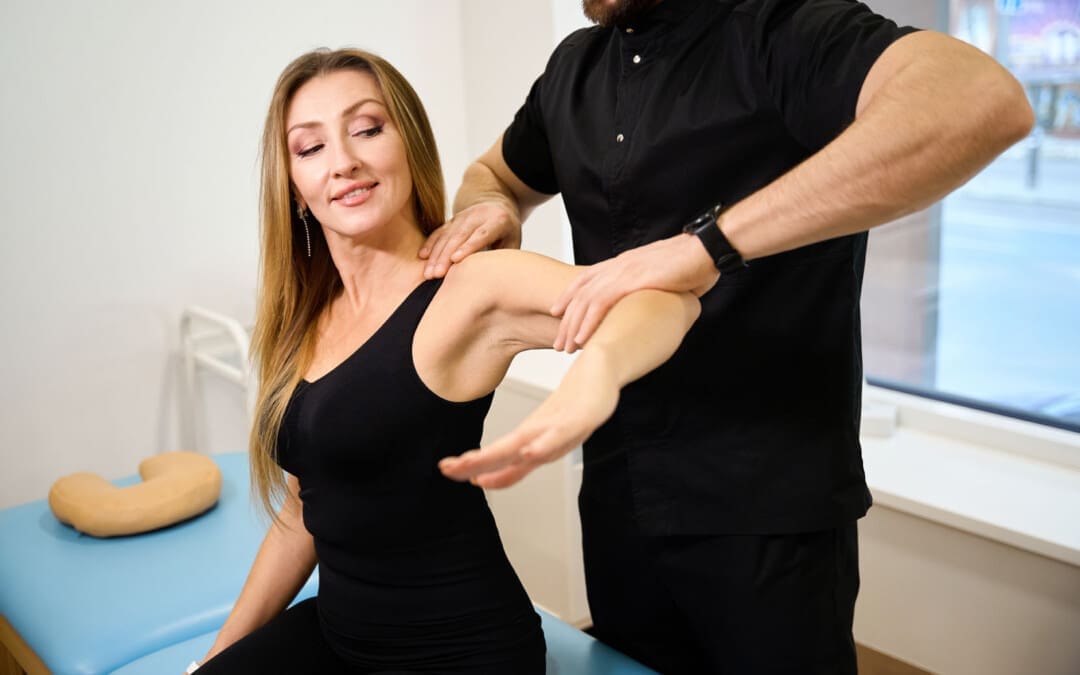
One shoulder test that is often used is called Neer’s test. A physician elevates the arm overhead to the maximum degree during this examination. If this results in pain, the rotator cuff tendons may be compressed, and the test is positive. Individuals may begin treatment after the examination, but a doctor may also refer them for diagnostic testing. An X-ray may be taken to examine the bone structures, and an MRI may be used to examine the soft tissue structures, such as the rotator cuff tendons and the bursa.
Treatment
Appropriate treatment of swimmer’s shoulder involves managing pain and inflammation in your shoulder and improving the way your shoulder moves so you avoid pinching structures inside the joint. (Wanivenhaus F. et al., 2012) There are various treatments available and can include:
Rest
Physical therapy
Acupuncture
Non-surgical decompression
Targeted exercises and stretches
Medications
Injections
Surgery for serious cases
Physical Therapy
A physical therapist can treat shoulder impingement. They can assess the condition and prescribe treatments and exercises to improve mobility and strength. (Cleveland Clinic, 2023) They may use various treatment modalities to decrease pain and improve circulation to facilitate and expedite healing. Physical therapy treatments can include:
Ice
Heat
Trigger point release
Joint mobilizations
Stabilization
Stretching
Exercise
Electrical stimulation
Ultrasound
Taping
Medication
Medication may include over-the-counter anti-inflammatory medicine to help decrease pain and inflammation. A physician may prescribe stronger medication to manage inflammation if the condition is severe. While taking medication, the shoulder will need rest, so avoiding swimming or other shoulder movements for a week or two may be necessary.
Injections
Cortisone is a powerful anti-inflammatory medicine. Individuals may benefit from cortisone injections into their shoulders. (Wanivenhaus F. et al., 2012) When injected, cortisone decreases pain, reduces swelling in the rotator cuff and bursa, and improves shoulder mobility.
Surgery
If symptoms are persistent and fail to be alleviated with conservative treatments, surgery may be recommended. An arthroscopic procedure called subacromial decompression may be performed. (Cleveland Clinic, 2023) This type of surgery is done with small incisions, inserting a camera, and tiny tools. During this procedure, inflamed tissue and bone spurs are removed from the underside of the acromion process of the shoulder blade, allowing more space to the shoulder joint. Post-surgery, individuals can gradually return to swimming and all other activities in about eight weeks.
Recovery
Most episodes last about eight to ten weeks, and severe cases last up to three months. (Struyf F. et al., 2017) Often, the symptoms slowly resolve with rest and gentle stretching. As symptoms improve, individuals can slowly return to normal activity and swimming. However, performing prescribed exercises two to three times a week may be necessary to maintain shoulder strength and mobility and help prevent future episodes of shoulder impingement. Individuals experiencing any of these symptoms should visit their physician for an accurate diagnosis of their condition to begin proper treatment. Discuss goals with a healthcare professional and physical therapist.
Sports Injuries Rehabilitation
References
Wanivenhaus, F., Fox, A. J., Chaudhury, S., & Rodeo, S. A. (2012). Epidemiology of injuries and prevention strategies in competitive swimmers. Sports health, 4(3), 246–251. https://doi.org/10.1177/1941738112442132
Kadi, R., Milants, A., & Shahabpour, M. (2017). Shoulder Anatomy and Normal Variants. Journal of the Belgian Society of Radiology, 101(Suppl 2), 3. https://doi.org/10.5334/jbr-btr.1467
Struyf, F., Tate, A., Kuppens, K., Feijen, S., & Michener, L. A. (2017). Musculoskeletal dysfunctions associated with swimmers’ shoulder. British journal of sports medicine, 51(10), 775–780. https://doi.org/10.1136/bjsports-2016-096847
For individuals who sit regularly for work and are slumping forward, can strengthening the rhomboid muscles help prevent posture problems and relieve pain?
Rhomboid Muscles
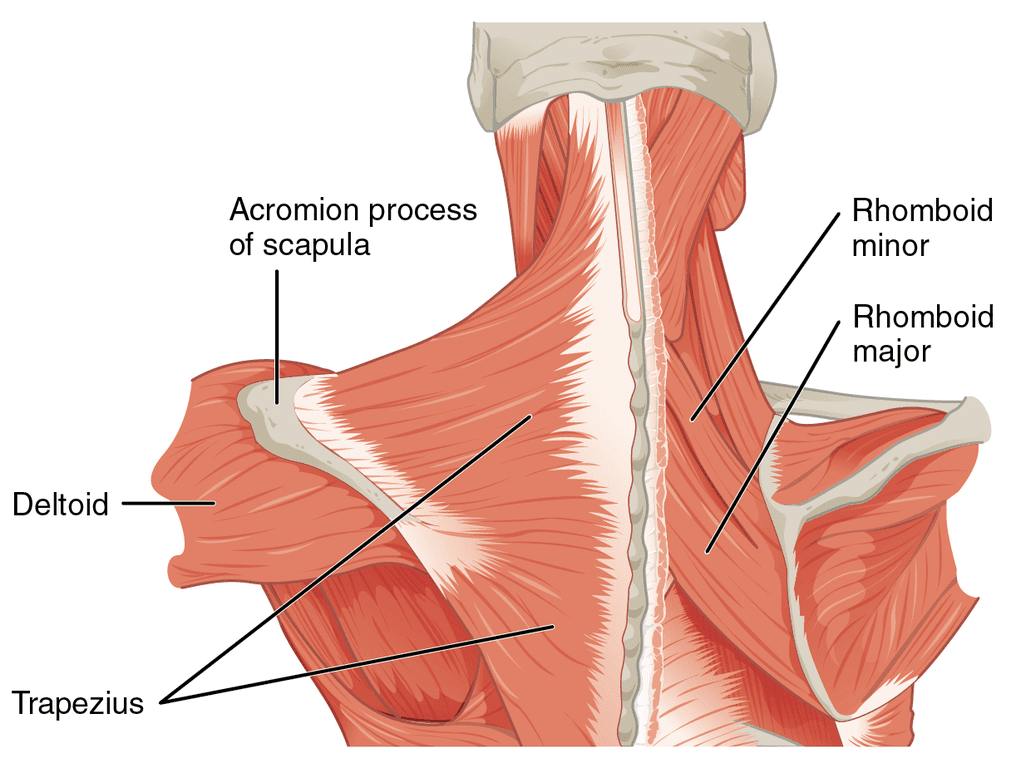
The rhomboids are a group of muscles in the upper back. A rhomboid major and minor muscle on each side of the upper back forms the shoulder girdle, which, along with other muscles, helps maintain the stability of the shoulder and shoulder blade. The rhomboid muscles control:
Pulling
Lifting
Rotating the shoulder blade.
These muscles also contribute to arm movement and enable lifting the arms above the head.
The rhomboid muscles support healthy posture and upper back. (Yoo W. G. 2017)
Sitting for an extended time, slumping forward, overstretching the arm above the body, sleeping on one side, repeated throwing motions, and sports like volleyball can affect the rhomboid muscles and cause pain symptoms.
Anatomy
There are two rhomboid muscles. The major originates on the thoracic spine from the second through the fifth vertebrae and inserts on the side of the shoulder blade facing the spine. The minor is superior to the major and inserts on the C7 and T1 vertebrae. The muscles connect between the spine and each of the shoulder blades. When they contract, they pull the shoulder blades together. The muscle fibers run diagonally. They affix the scapula against the torso, allowing a stable base from which the arms can move.
Symptoms
When rhomboid muscles are overused or strained, symptoms can include the following:
Tenderness around the shoulder blade.
Limited range of motion in the shoulder.
Pain around the shoulder blade.
Upper back pain.
Neck pain.
Arm fatigue when performing repetitive overhead movements.
A crunching sound when moving the shoulder.
Weakness in the arm.
Chest pain.
Muscle Building
The action of the rhomboid is to bring the shoulder blades together, lift them or elevate them, as when shrugging, and rotate them so they face downward, away from the head. Bringing the shoulder blades together or scapular retraction builds the rhomboids to support the upper back.
To improve or prevent posture problems or mild, muscle-related upper-back and/or neck pain, 10 to 15 repetitions of scapular retraction performed one to three times every day are targeted exercises that could be recommended to help strengthen the muscles. However, consult a primary care provider, physical therapist, or chiropractor for serious medical conditions that affect posture to develop a personalized exercise program specific to the individual’s condition or injury. Everybody is different, and there is no one-size-fits-all when incorporating exercise to manage back pain. The physical therapy team may recommend other exercises to help manage or reverse any postural issues. (Kim, D. et al., 2015)
Overstretched Muscles
The human body has a unique and challenging relationship with gravity, which creates a downward pull on its structures, including the spine, head, and shoulders. As gravity pulls, the shoulders roll forward, and the chest can sink in. (Harvard Health, 2022). The rhomboid muscles may become overstretched, or the pectoral muscles and soft tissues in front may tighten up and constrict. Strengthening the rhomboids can help release the pectoral muscles.
Forward Head Posture
Unhealthy posture can lead to chronic pain and back problems. (Kripa, S. et al., 2021) Over time, unhealthy posture can also cause a forward head posture. (U.S. National Library of Medicine Clinical Trials, 2020) Forward head posture can lead to soft tissue strain, a kink in the neck, and fatigue in the muscles holding the head up, which can cause chronic neck pain. Maintaining strong extensor muscles in the lumbar and thoracic spine can help prevent back and neck problems as the body ages.
Injury Medical Chiropractic and Functional Medicine Clinic
We passionately focus on treating patients’ injuries and chronic pain syndromes and develop personalized care plans that improve ability through flexibility, mobility, and agility programs tailored to the individual. Using an integrated approach, our areas of chiropractic practice include Wellness & Nutrition, Chronic Pain, Personal Injury, Auto Accident Care, Work Injuries, Back Injury, Low Back Pain, Neck Pain, Migraine Headaches, Sports Injuries, Severe Sciatica, Scoliosis, Complex Herniated Discs, Fibromyalgia, Chronic Pain, Complex Injuries, Stress Management, Functional Medicine Treatments, and in-scope care protocols to relieve pain naturally by restoring health and function to the body through Functional Medicine, Acupuncture, Electro-Acupuncture, and Sports Medicine protocols. If the individual needs other treatment, they will be referred to a clinic or physician best suited for them, as Dr. Jimenez has teamed up with the top surgeons, clinical specialists, medical researchers, and premier rehabilitation providers to provide the most effective clinical treatments. We focus on what works for you and strive to better the body through researched methods and total wellness programs.
Functional Healing
References
Yoo W. G. (2017). Effects of pulling direction on upper trapezius and rhomboid muscle activity. Journal of physical therapy science, 29(6), 1043–1044. https://doi.org/10.1589/jpts.29.1043
Kim, D., Cho, M., Park, Y., & Yang, Y. (2015). Effect of an exercise program for posture correction on musculoskeletal pain. Journal of physical therapy science, 27(6), 1791–1794. https://doi.org/10.1589/jpts.27.1791
Harvard Health. (2022). Is it too late to save your posture? Exercise and Fitness. https://www.health.harvard.edu/exercise-and-fitness/is-it-too-late-to-save-your-posture
Kripa, S., Kaur, H. (2021). Identifying relations between posture and pain in lower back pain patients: a narrative review. Bulletin of Faculty of Physical Therapy, 26. https://doi.org/https://doi.org/10.1186/s43161-021-00052-w
U.S. National Library of Medicine Clinical Trials. (2020). Strengthening and stretching exercise to improve forward head posture and rounded shoulders. Retrieved from https://clinicaltrials.gov/study/NCT04216862
Can individuals with shoulder pain, find pain relief from electroacupuncture therapy to reduce stiffness associated with the neck?
Introduction
When many individuals are dealing with pain-like symptoms that are caused by environmental factors, it can affect their daily performance or their routines. Some of the most common pain areas that people usually get are from the neck, shoulder, or back. Since the musculoskeletal system has various upper and lower quadrant muscles, they have an outstanding relationship with the nerve roots that spread out to the muscles to provide sensory-motor functions. When environmental factors or traumatic injuries start to affect the musculoskeletal system, it can lead to a life of disability, pain, and discomfort. So, when individuals are dealing with shoulder pain that is causing issues with their neck, it can lead to various pain-like symptoms in the upper quadrants and searching for treatments to reduce their pain. Treatments like electroacupuncture can provide a positive outlook on reducing shoulder pain associated with the neck. Today’s article focuses on how shoulder pain correlates with the neck, how electroacupuncture positively reduces shoulder pain, and how it can reduce neck and shoulder stiffness. We talk with certified medical providers who consolidate our patients’ information to assess how shoulder pain is correlated with neck issues. We also inform and guide patients on how non-surgical treatments like electroacupuncture can help reduce shoulder pain and relieve the neck. We encourage our patients to ask their associated medical providers intricate and important questions about how their neck and shoulder pain affects their daily routine. Dr. Jimenez, D.C., includes this information as an academic service. Disclaimer.
How Does Shoulder Pain Correlate With The Neck?
Have you been dealing with stiffness in your neck or shoulders that is causing your hands to feel numb? Do you feel muscle strain from the sides of your neck that rotating your shoulders causes temporary relief? Or do you feel muscle soreness in your shoulders after laying on one side for too long? Many of these pain-like issues are correlated with shoulder pain, which can become a frequent musculoskeletal condition that can evolve into chronic problems over time. (Suzuki et al., 2022) This can cause the upper body extremities that work with the shoulders to deal with muscular issues that cause the shoulder and neck muscles to become hypersensitive. Since shoulder pain can often correlate with neck issues or the cervical spine, various environmental and traumatic factors can cause musculoskeletal conditions like muscular tightness in the neck, disc degeneration, or even cervical spondylosis, which can cause referred pain to the shoulders.
Additionally, many working individuals at a desk job can experience shoulder pain associated with the neck as they are in a forward hunched position that causes significant stress on the soft tissues surrounding and supporting the cervical spine, which can risk the development of neck and shoulder pain. (Moon & Kim, 2023) This is due to the numerous nerve roots that run through the neck and shoulder region, causing the pain signals to invoke referred pain in the soft muscle tissues. At the same time, when people dealing with shoulder pain correlating with the neck are doing repetitive motions, compression, or staying in a fixed position for an extended period, it can become overlapping risk profiles, thus increasing the spread of neck and shoulder pain. (Elsiddig et al., 2022) To that point, when people are dealing with neck problems, it can influence the shoulders, leading to discomfort, reduced mobility, pain, stiffness, and decreased quality of life that can impact a person. (Onda et al., 2022) However, when the shoulder pain associated with the neck becomes too much, many people will seek treatment to reduce the pain.
The Science Of Motion- Video
The Positive Effects Of Electroacupuncture Reducing Shoulder Pain
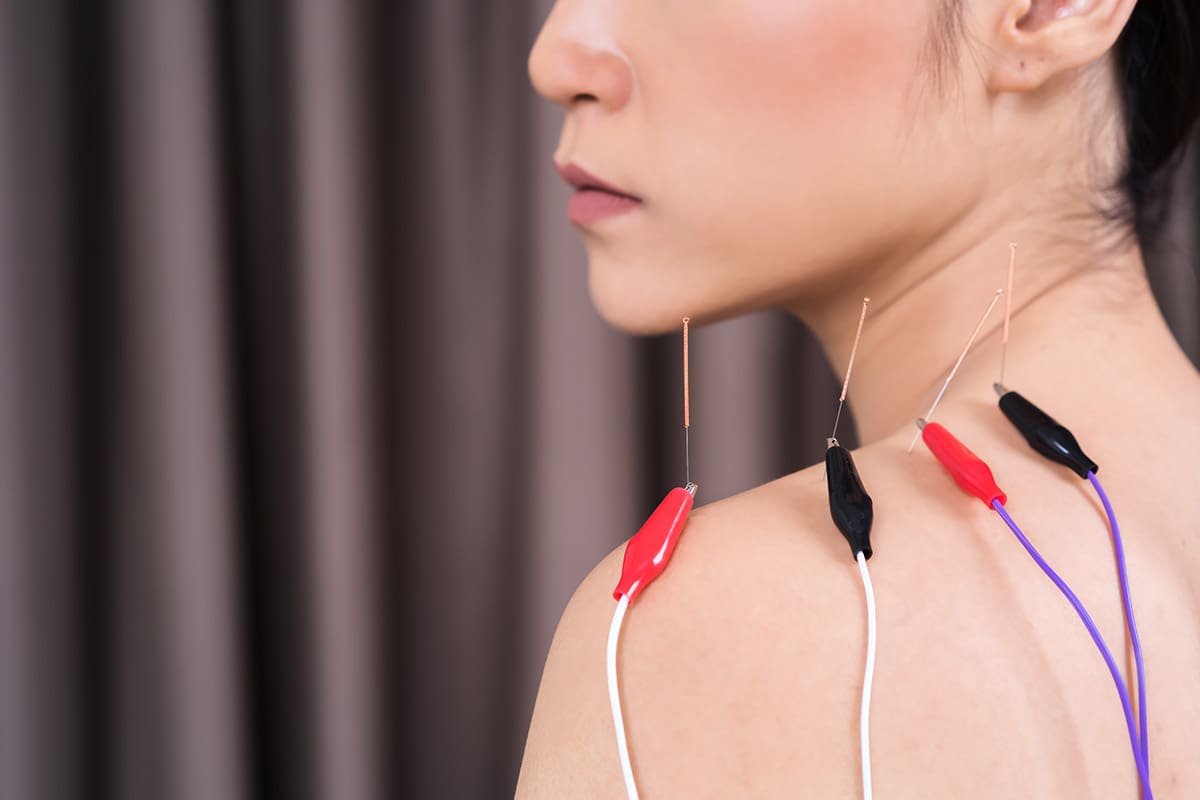
When many people are looking for alternative and complementary non-surgical therapies, electroacupuncture is the answer for individuals suffering from shoulder pain correlating with the neck. Like traditional acupuncture, electroacupuncture involves electric stimulation and needle insertion into specific points or acupoints on the body by highly trained professionals to enhance therapeutic effects on the affected muscle area. For shoulder pain, electroacupuncture controls pain by activating the central nervous system and inducing the body’s natural biochemicals to promote healing. (Heo et al., 2022) While shoulder pain associated with the neck can arise from a variety of causes, electroacupuncture can target these issues by:
Additionally, electroacupuncture can be combined with physical therapy to reduce neck and shoulder stiffness. When people incorporate exercises that target the neck and shoulders while combining electroacupuncture, they can see a long-term positive effect on pain reduction. (Duenas et al., 2021) The neck and shoulders will have improved flexibility and mobility from the exercises. At the same time, blood flow can help speed up the healing process, and the pain signals are blocked by electroacupuncture. For many individuals dealing with shoulder pain correlating with the neck, electroacupuncture can be an effective treatment to promote healing on the affected muscles and reduce pain.
References
Duenas, L., Aguilar-Rodriguez, M., Voogt, L., Lluch, E., Struyf, F., Mertens, M., Meulemeester, K., & Meeus, M. (2021). Specific versus Non-Specific Exercises for Chronic Neck or Shoulder Pain: A Systematic Review. J Clin Med, 10(24). https://doi.org/10.3390/jcm10245946
Elsiddig, A. I., Altalhi, I. A., Althobaiti, M. E., Alwethainani, M. T., & Alzahrani, A. M. (2022). Prevalence of neck and shoulder pain among Saudi universities’ students who are using smartphones and computers. J Family Med Prim Care, 11(1), 194-200. https://doi.org/10.4103/jfmpc.jfmpc_1138_21
Heo, J. W., Jo, J. H., Lee, J. J., Kang, H., Choi, T. Y., Lee, M. S., & Kim, J. I. (2022). Electroacupuncture for the treatment of frozen shoulder: A systematic review and meta-analysis. Front Med (Lausanne), 9, 928823. https://doi.org/10.3389/fmed.2022.928823
Moon, S. E., & Kim, Y. K. (2023). Neck and Shoulder Pain with Scapular Dyskinesis in Computer Office Workers. Medicina (Kaunas, Lithuania), 59(12). https://doi.org/10.3390/medicina59122159
Onda, A., Onozato, K., & Kimura, M. (2022). Clinical features of neck and shoulder pain (Katakori) in Japanese hospital workers. Fukushima J Med Sci, 68(2), 79-87. https://doi.org/10.5387/fms.2022-02
Suzuki, H., Tahara, S., Mitsuda, M., Izumi, H., Ikeda, S., Seki, K., Nishida, N., Funaba, M., Imajo, Y., Yukata, K., & Sakai, T. (2022). Current Concept of Quantitative Sensory Testing and Pressure Pain Threshold in Neck/Shoulder and Low Back Pain. Healthcare (Basel), 10(8). https://doi.org/10.3390/healthcare10081485
Individuals with neck and shoulder pain may experience what feels like tightened lumps or knots in and around the muscles where the neck and shoulder meet. Can using kinesiology tape for neck and shoulder trigger points help to loosen and release them, restore function, and bring pain relief?
Kinesiology Tape For Neck and Shoulder Trigger Points
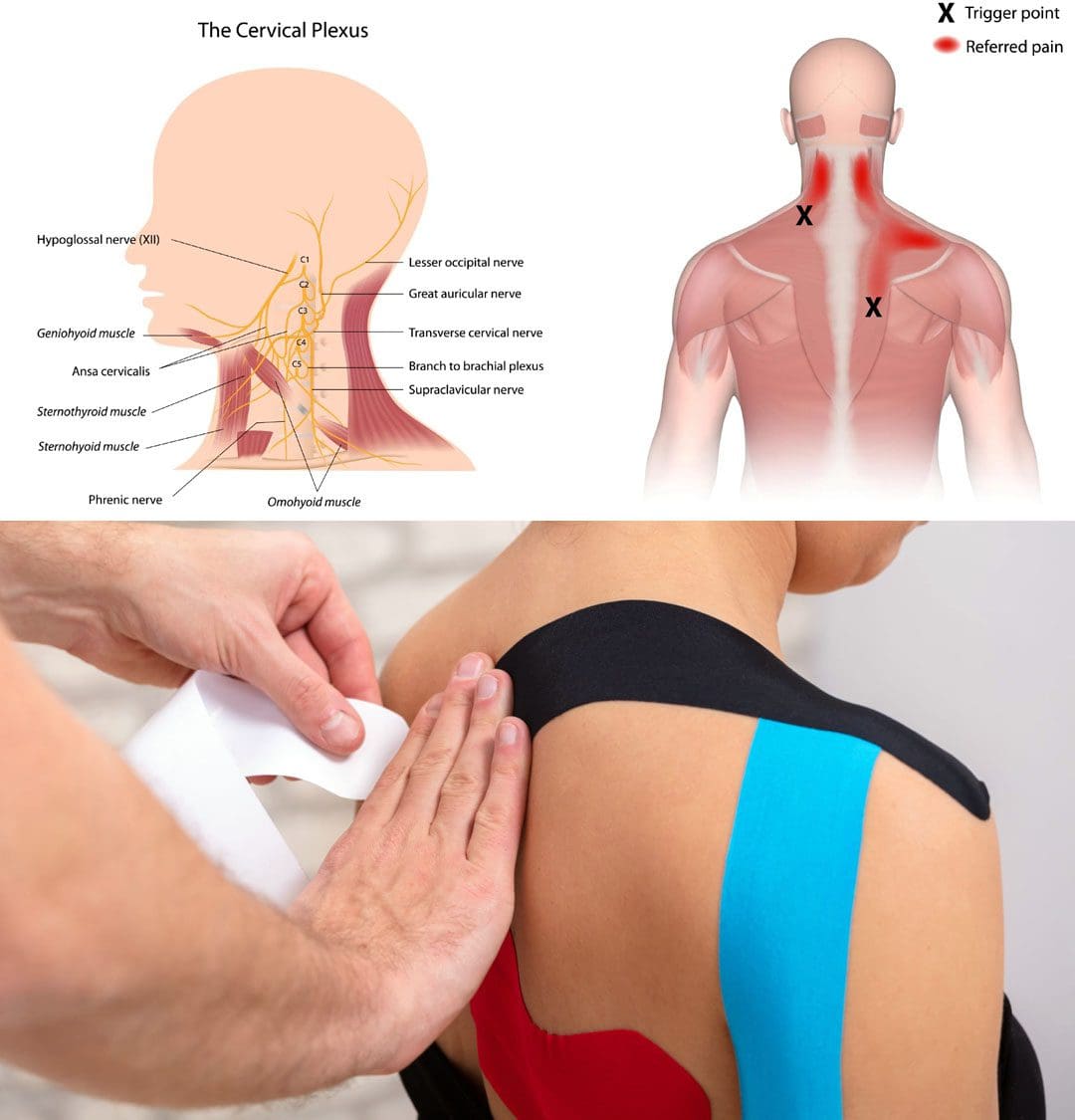
The upper trapezius and levator scapula muscles are where the shoulder and neck come together and are often the location of trigger point formations. These trigger points can cause tension, pain, and muscular spasms in the neck and shoulders. Various treatments for releasing trigger points and alleviating the pain symptoms include therapeutic massage, trigger point release, and chiropractic adjustments in a multidisciplinary treatment approach.
Electrical stimulation and ultrasound have often been used to break up the knots, but scientific evidence has shown that these treatments alone are not the most effective. (David O. Draper et al., 2010)
Stretching the neck muscles can bring tension relief and help release the knots.
Kinesiology tape can decrease the pain and spasms and help to release the trigger points.
Therapy
Using kinesiology tape is a form of physical therapy that can be used in various ways.
The tape helps lift the upper tissues from underlying tissues to increase circulation and release muscular spasms.
It can help improve muscular contractions, decrease swelling, and inhibit pain in injured tissues.
Helps stop the trigger points and knots from worsening.
The tape can also be used for managing lymphedema.
Usage
To decrease trigger points, individuals can use a specific kinesiology tape strip called a lift strip. Individuals can consult their healthcare provider or physical therapist to show them the various types of strips to learn how to cut them properly.
Before using kinesiology tape, consult a healthcare provider or physical therapist to assess the injury and situation.
Kinesiology tape is not for everyone, and some people have conditions where the use of kinesiology tape should be avoided altogether.
A therapist can evaluate the neck pain and trigger points to determine if the individual should use kinesiology tape.
To use kinesiology tape for neck and shoulder trigger points:
Get comfortable with the neck and shoulders exposed.
Cut one lift strip for each side of the neck, if necessary.
The lift strip should be around 3 to 4 inches long.
Remove the paper backing in the center with the exposed tape in the center, which should look like a band-aid.
Both ends of the lift strip should still have the paper backing on.
Stretch out the kinesiology tape.
Place the stretched tape directly over the trigger points in the upper shoulder area.
Remove the backing on either side of the lift strip and place the ends on without stretching.
Gently rub the tape to help the adhesive adhere.
Once the tape has been applied, it can be left there for 2 to 5 days.
It’s ok if it gets wet with a bath or shower.
Monitor the skin around the tape to watch for redness or other signs of a negative reaction to the tape.
Kinesiology taping can be a useful tool to decrease pain and spasms but does not replace professional treatment, prescribed exercises and stretches, and posture retraining.
The physical therapy team will teach proper self-care strategies for the individual’s condition.
For individuals with neck and shoulder pain and muscle spasms, a trial of kinesiology taping may help alleviate symptoms and improve the overall injury.
The Non-Surgical Approach to Wellness with Chiropractic Care
References
Draper, D. O., Mahaffey, C., Kaiser, D., Eggett, D., & Jarmin, J. (2010). Thermal ultrasound decreases tissue stiffness of trigger points in upper trapezius muscles. Physiotherapy theory and practice, 26(3), 167–172. https://doi.org/10.3109/09593980903423079
Can various therapeutic options provide relief for individuals with upper crossed syndrome to restore muscle strength?
Introduction
Many individuals often suffer neck and shoulder pain from poor posture, improper heavy lifting, musculoskeletal conditions, auto accidents, whiplash, etc. The surrounding muscles that connect the neck and shoulders help protect the cervical and thoracic region of the spine and can succumb to injuries that can cause pain-like symptoms causing discomfort to the individual. Neck, shoulder, and back pain are the three most common issues many individuals have experienced. These musculoskeletal disorders can also correlate with pre-existing conditions; many people will feel pain and discomfort while trying to find the relief they seek. One of the most common issues people often experience is upper crossed syndrome, which can be associated with neck and shoulder pain. Today’s article explains what upper cross syndrome is and how it affects the neck and shoulders while also diving into how different therapeutic options like spinal decompression and chiropractic care can reduce the effects of upper cross syndrome. We speak with certified medical providers who incorporate our patients’ information to provide numerous treatment plans to mitigate upper-crossed syndrome in the neck and shoulders. We also inform our patients that there are many therapeutic options, like chiropractic care and spinal decompression, to minimize muscle pain in the neck and shoulders. We encourage our patients to ask intricated and educational questions to our associated medical providers about the pain-like symptoms they are experiencing correlating with upper-crossed syndrome. Dr. Alex Jimenez, D.C., utilizes this information as an academic service. Disclaimer
What Is Upper Crossed Syndrome?
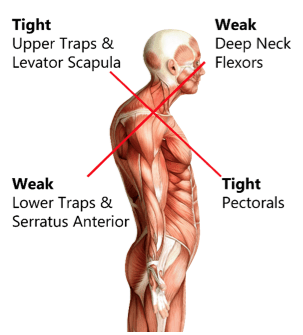
Have you been dealing with muscle pain in your shoulders or neck after being on the computer for a while? Do you feel stiffness in your shoulders that rotating them causes temporary relief? Or does it hurt when you turn your head from side to side? Many of these pain-like scenarios are often associated with upper-cross syndrome. Many people don’t often realize that upper crossed syndrome is a musculoskeletal condition that affects the neck, shoulder, and chest muscles and causes them to be weak and tight due to poor posture. The upper crossed syndrome can cause referred pain to the upper extremities, leading to cervicogenic headaches, limited range of motion, trigger points in the muscles, and muscle imbalance. (Moore, 2004) When many people are dealing with upper crossed syndrome due to poor posture, it can lead to many issues in the neck and shoulders.
How Does It Affect The Neck & Shoulders?
Now, why does upper crossed syndrome affect the neck and shoulders? Many people unintentionally hunched over when looking at their phones, being on the computer, or relaxing at home. This causes specific muscles in the neck and shoulder region, like the serratus and lower trapezius muscles, to become weak while the pectoral and neck muscles are tight. (Chu & Butler, 2021) This, in turn, causes the shoulders to be more rounded and hunched, causing the neck and head to crane forward. When people are dealing with upper crossed syndrome, many would often complain about pain-like symptoms like:
Headaches
Neck Strain
Muscle tightness
Upper back pain
Restricted range of motion
Numbness/Tingling sensations in the arms
The upper crossed syndrome can also occur gradually over time and cause nerve compression to the upper extremities. When the upper neck and shoulder muscles start to affect the surrounding nerve roots, which then leads to nerve dysfunction in the sensory and motor skills when a person picks up an object. (Lee & Lim, 2019) However, many individuals dealing with upper-crossed syndrome can seek treatment to relieve muscle pain in their neck and shoulders.
An Overview Of Upper Crossed Syndrome- Video
Since upper cross syndrome is a musculoskeletal condition that affects the neck and shoulders, it can result in muscle imbalance and pain in the individual. Many people, especially in the working field, develop this syndrome by being hunched over for an extended period. (Mujawar & Sagar, 2019) This causes the head to be more forward, the neck posture to be curved and hunched, and the shoulders to be rounded. The video above explains upper-crossing syndrome, its causes, and how it is treated.
Numerous treatments can help restore muscle strength and reduce muscle pain in the neck and shoulders. Treatments like spinal decompression can help reduce upper crossed syndrome by slowly using gentle traction to the cervical spine region and gently stretching the neck muscles to provide relief. Spinal decompression is one of the non-surgical treatments that many individuals with headaches associated with upper crossed syndrome can find the comfort they seek through pain reduction and improve their quality of life. (Eskilsson et al., 2021) At the same time, spinal decompression can be part of a personalized treatment plan that many individuals can add to their daily routine to prevent the pain from returning. (Saunders, 1983)
Chiropractic Care Restoring Muscle Strength
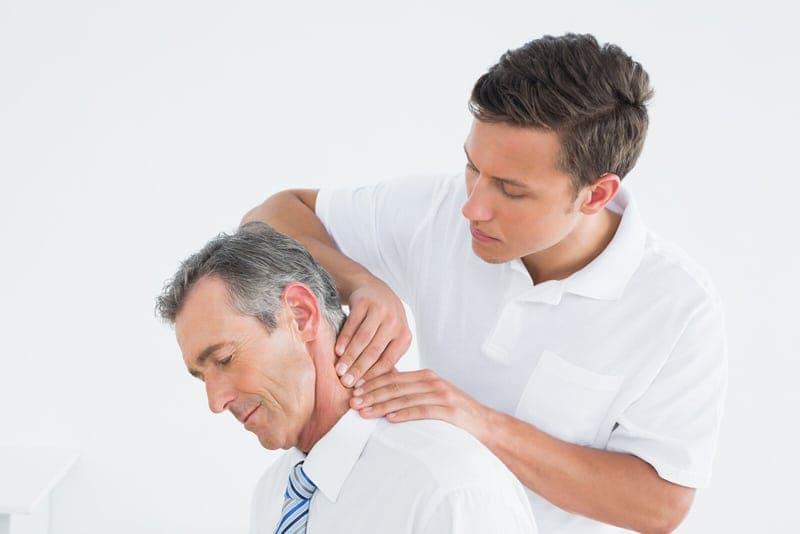
Just like spinal decompression, chiropractic care is a non-surgical treatment that can be combined with various stretching techniques to restore the neck’s range of motion and reduce pain associated with upper-crossed syndrome. (Mahmood et al., 2021) Chiropractic care incorporates manual and mechanical techniques like MET (muscle energy techniques) and spinal manipulation to realign the spine out of subluxation. When chiropractors integrate MET to manage upper crossed syndrome, many individuals find that their pain has decreased, their cervical range of motion is improved, and their neck disability is reduced. (Gillani et al., 2020) When many individuals start thinking about their health and wellness, they can make small changes to improve their posture and be more mindful of their bodies to reduce the chances of upper-cross syndrome returning.
References
Chu, E. C., & Butler, K. R. (2021). Resolution of Gastroesophageal Reflux Disease Following Correction for Upper Cross Syndrome-A Case Study and Brief Review. Clin Pract, 11(2), 322-326. https://doi.org/10.3390/clinpract11020045
Eskilsson, A., Ageberg, E., Ericson, H., Marklund, N., & Anderberg, L. (2021). Decompression of the greater occipital nerve improves outcome in patients with chronic headache and neck pain – a retrospective cohort study. Acta Neurochir (Wien), 163(9), 2425-2433. https://doi.org/10.1007/s00701-021-04913-0
Gillani, S. N., Ain, Q., Rehman, S. U., & Masood, T. (2020). Effects of eccentric muscle energy technique versus static stretching exercises in the management of cervical dysfunction in upper cross syndrome: a randomized control trial. J Pak Med Assoc, 70(3), 394-398. https://doi.org/10.5455/JPMA.300417
Mahmood, T., Afzal, W., Ahmad, U., Arif, M. A., & Ahmad, A. (2021). Comparative effectiveness of routine physical therapy with and without instrument assisted soft tissue mobilization in patients with neck pain due to upper crossed syndrome. J Pak Med Assoc, 71(10), 2304-2308. https://doi.org/10.47391/JPMA.03-415
Moore, M. K. (2004). Upper crossed syndrome and its relationship to cervicogenic headache. J Manipulative Physiol Ther, 27(6), 414-420. https://doi.org/10.1016/j.jmpt.2004.05.007
Mujawar, J. C., & Sagar, J. H. (2019). Prevalence of Upper Cross Syndrome in Laundry Workers. Indian J Occup Environ Med, 23(1), 54-56. https://doi.org/10.4103/ijoem.IJOEM_169_18
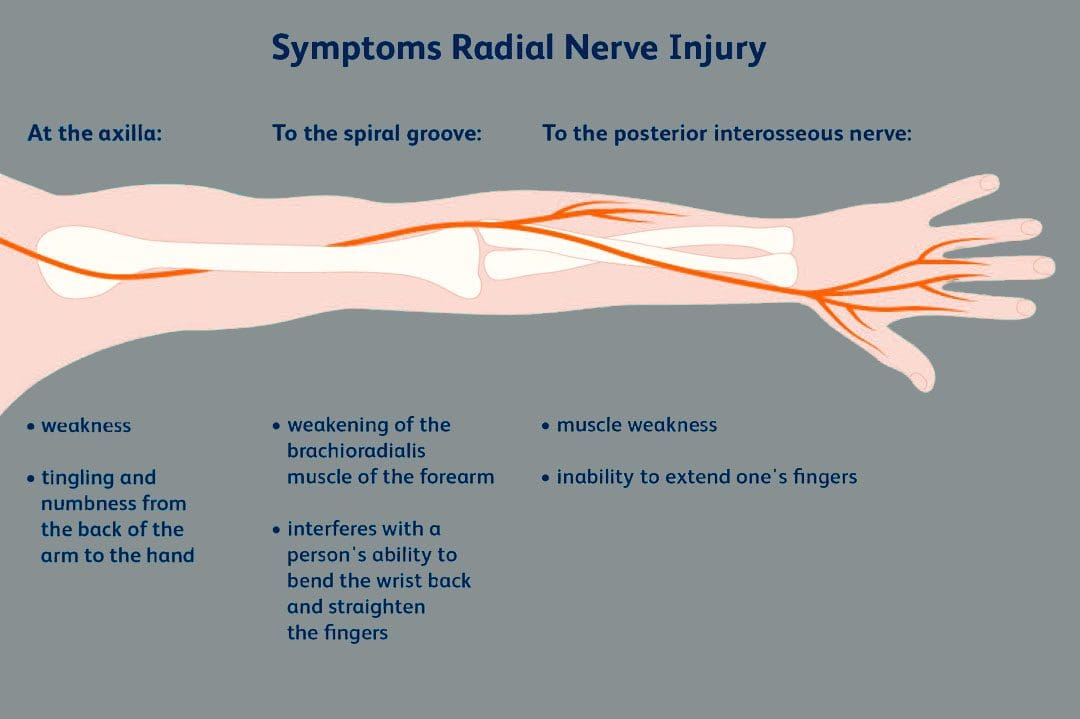
The brachial plexus is a network of nerves that begin in the cervical/neck spinal cord and travel down the cervicoaxillary canal into the armpit. Forming in the area of the shoulder joint at the branch junction of the brachial plexus, the radial nerve extends down the arm, through the elbow joint, into the forearm, across the wrist, and tips of the fingers. The nerves are susceptible to injury that can cause abnormal function leading to unusual sensations and impaired muscle function.
Radial Nerve
One of the major nerves of the upper extremity.
There is one brachial plexus on each side of the body that carries the nerves to each arm.
The radial nerve has two major functions.
One is to provide sensations in the hands, forearms, arms, and fingers.
The other is to deliver messages to muscles about when to contract.
Motor Function
The radial nerve transmits signals to the muscles of the back of the arm and forearm on when to contract.
Individuals who have abnormal radial nerve function can experience weakness of the muscles and symptoms like wrist drop.
A wrist drop occurs when the back forearm muscles cannot support the wrist, causing the individual to hold the wrist in a flexed posture.
Abnormal radial nerve function can cause symptoms of numbness or tingling in the back of the hand.
Conditions
Associated conditions to the radial nerve include lacerations, contusions, fractures, and palsies.
Nerve Contusion
A contusion typically occurs through blunt force trauma that can crush and smash the nerve area.
This causes abnormal or no function.
A nerve contusion can occur from a personal, work, or sports injury or other conditions that generate intense pressure on the nerve/s.
Nerve Lacerations
A laceration occurs when there is a penetrating injury that cuts and/or severs the nerve.
This injury can occur from stab wounds or sliced by broken glass, metal, etc.
Fractures
Broken bones of the upper extremity can lead to extended damage to the nerves near the damaged bone.
The most common type of fracture associated with radial nerve malfunction is fractures to the humerus bone.
The nerve wraps tightly around the humerus and can be injured with a fracture.
Most fracture-related radial nerve injuries heal on their own and do not require surgery.
However, the way the injury heals can be the difference between normal function and chronic pain.
Crutch Palsy
Crutch palsy is pressure on the radial nerve in the armpit resulting from using crutches incorrectly.
To use crutches properly, the individual needs to support their body weight through the hands.
However, many tend to place pressure around the armpit at the top of the crutch, causing irritation to the nerve in that area.
Padding the top of crutches and using the proper form can prevent the condition.
Saturday Night Palsy
Saturday night palsy is the abnormal function of the radial nerve after sleeping in a position that causes direct pressure against the nerve.
This often occurs when an individual falls asleep with their arm draped over an armrest on a chair.
The name comes from when individuals are intoxicated and fall asleep in a location other than the bed and in awkward positions.
Treatment
Nerve injuries often cause symptoms at different locations other than where the nerve damage is, complicating diagnosis. Determining the specific location of nerve damage is the first step in developing an appropriate treatment plan. Once the location has been identified, steps can be taken to prevent worsening damage to the nerve.
The objective is to relieve the pressure from the irritation or compression.
Massage to relax the area and increase blood circulation.
Decompression to physically restore alignment.
Adjustments to restore body balance.
Exercises and stretches to maintain treatment, strengthen the muscles, and prevent injuries.
In cases where there is structural damage, surgery may be necessary to remove pressure or repair damage.
Avoid Surgery
References
Ansari FH, Juergens AL. Saturday Night Palsy. [Updated 2023 Apr 24]. In: StatPearls [Internet]. Treasure Island (FL): StatPearls Publishing; 2023 Jan-. Available from: https://www.ncbi.nlm.nih.gov/books/NBK557520/
Barton, N J. “Radial nerve lesions.” The Hand vol. 5,3 (1973): 200-8. doi:10.1016/0072-968x(73)90029-6
Daly, Michael, and Chris Langhammer. “Radial Nerve Injury in Humeral Shaft Fracture.” The Orthopedic Clinics of North America vol. 53,2 (2022): 145-154. doi:10.1016/j.ocl.2022.01.001
DeCastro A, Keefe P. Wrist Drop. [Updated 2022 Jul 18]. In: StatPearls [Internet]. Treasure Island (FL): StatPearls Publishing; 2023 Jan-. Available from: https://www.ncbi.nlm.nih.gov/books/NBK532993/
Eaton, C J, and G D Lister. “Radial nerve compression.” Hand Clinics vol. 8,2 (1992): 345-57.
Glover NM, Murphy PB. Anatomy, Shoulder and Upper Limb, Radial Nerve. [Updated 2022 Aug 29]. In: StatPearls [Internet]. Treasure Island (FL): StatPearls Publishing; 2023 Jan-. Available from: https://www.ncbi.nlm.nih.gov/books/NBK534840/
Ljungquist, Karin L et al. “Radial nerve injuries.” The Journal of hand surgery vol. 40,1 (2015): 166-72. doi:10.1016/j.jhsa.2014.05.010
IFM's Find A Practitioner tool is the largest referral network in Functional Medicine, created to help patients locate Functional Medicine practitioners anywhere in the world. IFM Certified Practitioners are listed first in the search results, given their extensive education in Functional Medicine