For individuals experiencing back pain, can lying in the supine position help bring relief?
Supine Position
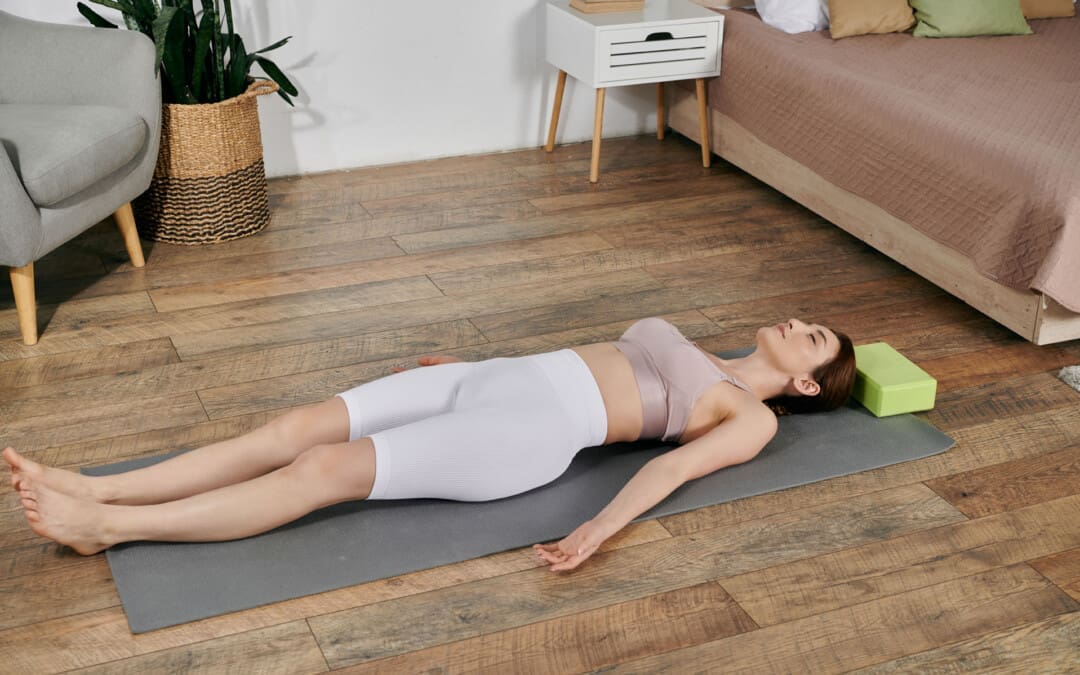
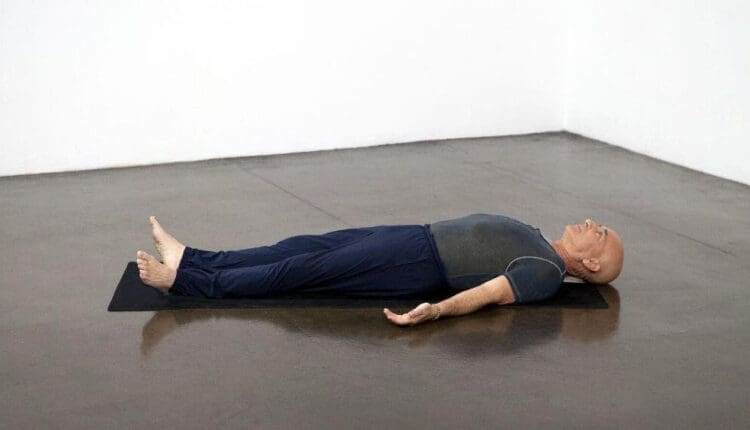
The supine position describes the body’s position when lying on your back with your face up. The individual is flat on their back with no incline, arms at their sides or bent at a 90-degree angle. It’s commonly used in medical settings for examinations, surgeries, and procedures, particularly when access to the anterior/front of the body is needed. It can benefit certain conditions, like helping relieve pain, but exacerbate others, like acid reflux. The term is also used as a modifier for exercises and stretches that begin with the individual on their back. (ScienceDirect Topics, 2009)
Medical Uses
Examinations
Healthcare providers often use the supine position for physical examinations, including vital signs, palpation of the abdomen, and chest inspection. (Nurse.com, 2024)
Procedures
It’s also used for various procedures, such as lumbar punctures and injections. (Steris Healthcare, 2025)
Surgery
Due to its accessibility to the front of the body, the supine position is frequently used for surgeries such as cardiac, abdominal, thoracic, and cranial procedures.
It allows for easy access to the airway, facilitates anesthesia choices, and can be readily converted to an open procedure if necessary. ScienceDirect Topics, 2009)
Overall Health
Natural Position
Many individuals naturally fall asleep in the supine position, finding it comfortable and conducive to spinal alignment.
Back Pain Relief
Sometimes, lying supine with proper support can relieve back pain, particularly in individuals with lumbar spinal issues. (MedicalNewsToday, 2022)
Acid Reflux
However, the supine position can exacerbate acid reflux, as gravity allows stomach acid to travel up the esophagus. (MedicalNewsToday, 2022)
Sleep Apnea
The supine position can worsen sleep apnea in some individuals.
Clinical Uses
A physical therapist, trainer, or clinician may use supine to describe positions used for manual therapy or when having the patient do stretching and back exercises as part of a home exercise program.
If the therapist or personal trainer is training the individual on core stabilization exercises for the first time, the individual will most likely start in the supine position.
This is because when the body is supine, the muscles have the least work to do to maintain correct posture and position against the force of gravity.
Many bed exercises begin in this position for rehabilitation.
Back Care
Here are a few recommendations to relieve low back pain using the supine position.
First, individuals can release the tension in the back by assuming the hook-lying position, a modification of the supine position in which the knees are bent and the feet are resting flat on the floor (Aurora BayCare Medical Center, N.D.).
Start breathing and relaxing, allowing the tension to drain out of the muscles.
In a hook-lying position with the fingertips on the lower belly, inhale deeply, then exhale naturally and puff out the remaining air.
At that point, the fingertips should feel the transverse abdominal muscle engage.
Release and repeat 10 times.
After the body is warmed up, move on to actual exercise. For example, beginners may be given hip stretches to help relieve back pain. These might be done to maintain or prevent back pain. Individuals can do yoga for their back while in the supine position. As with any exercise program, not all yoga poses involve lying on the back, but many beginners and restorative ones do.
For example, the supine spinal twist involves lying on the back, bending the knees, and gently placing them to one side. The idea is to stay in that position for a few moments—and breathe—to allow the oblique abdominal and back muscles to release.
Variations
Lawn Chair Position
This variation involves slightly bending the hips and knees and elevating them above the heart, which can help relieve lower back pain.
Frog-Leg Position
The frog-leg position involves lying on the back with bent knees pushed out to the sides, providing access to the groin and perineum. (Steris Healthcare, 2025)
Injury Medical Chiropractic & Functional Medicine Clinic
Injury Medical Chiropractic and Functional Medicine Clinic works with primary healthcare providers and specialists to develop an optimal health and wellness solution. We focus on what works for you to relieve pain, restore function, and prevent injury. Regarding musculoskeletal pain, specialists like chiropractors, acupuncturists, and massage therapists can help mitigate the pain through spinal adjustments that help the body realign itself. They can also work with other medical professionals to integrate a treatment plan to resolve musculoskeletal issues.
Thoracic Spine Pain
References
ScienceDirect. (2009). Supine Position. Morrey’s The Elbow and Its Disorders (Fourth Edition), 567-577. https://doi.org/https://doi.org/10.1016/B978-1-4160-2902-1.50042-5
Nurse.com. (2024). What Is Supine Position? https://www.nurse.com/nursing-resources/definitions/what-is-supine-position/#:~:text=During%20routine%20physical%20examinations%2C%20the,easier%20to%20perform%20comprehensive%20assessments.
STERIS. (2025). The Complete Guide to Patient Positioning. https://www.steris.com/healthcare/knowledge-center/surgical-equipment/complete-guide-to-patient-positioning#:~:text=The%20most%20common%20position%20used,and%20elevating%20the%20sternal%20notch.
MedicalNewsToday. (2022). What is the supine position? https://www.medicalnewstoday.com/articles/supine-position
Aurora BayCare Medical Center. (N.D.). Lumbar stabilization hooklying position. https://ahc.aurorahealthcare.org/fywb/baycare/x06913bc.pdf
For individuals experiencing lower back pain and sciatica symptoms, can using a lidocaine patch help?
Lidocaine Patch
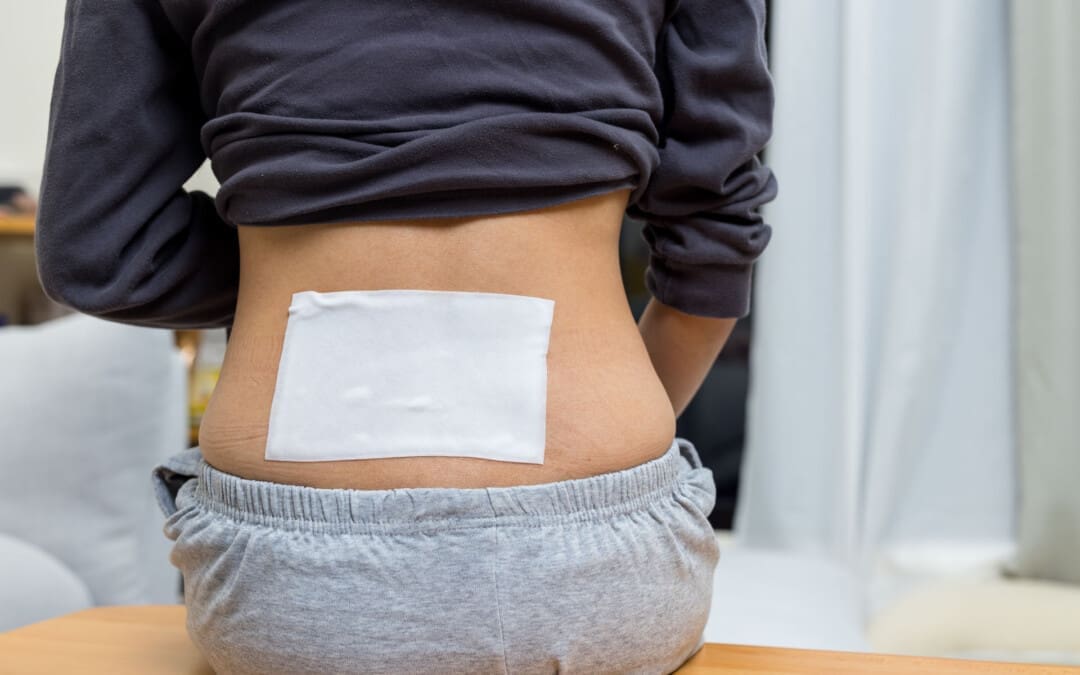
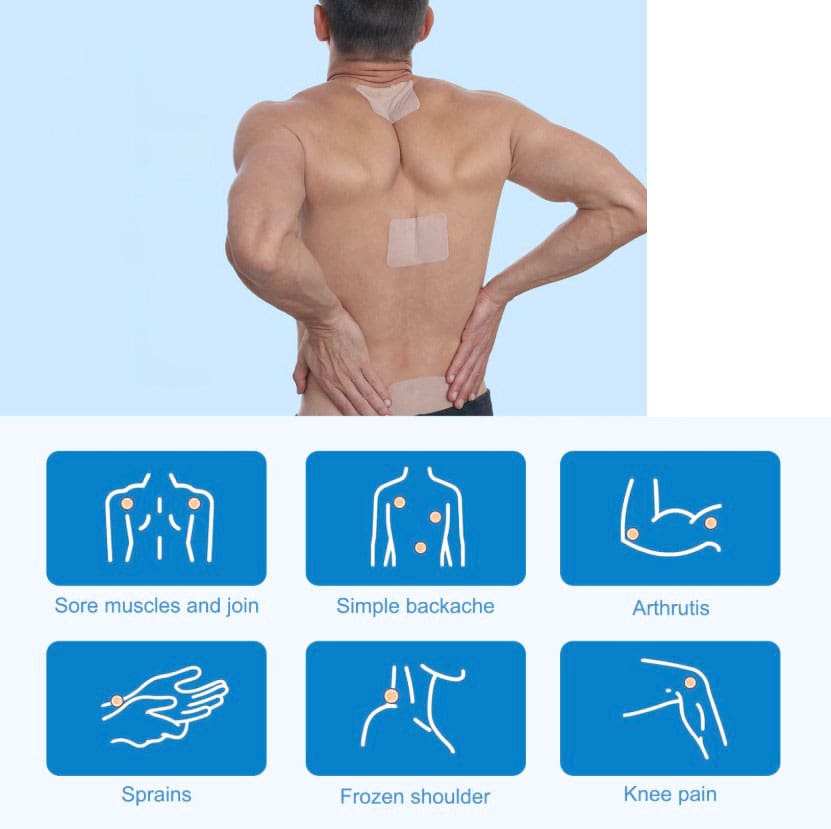
Lidocaine patches are in a drug class called local anesthetics (MedlinePlus, 2025) (Food and Drug Administration, 2022). They relieve pain in small body areas by blocking the nerves from sending pain signals. The Food and Drug Administration approved lidocaine 5% or 1.8% patches for relieving postherpetic neuralgia (PHN) pain. These lidocaine patches are prescription-only (Food and Drug Administration, 2022). They are available either by prescription or over the counter and are commonly used for back pain and other areas. Over-the-counter lidocaine, 4% patches, can be used to relieve minor aches and pains, including back pain. However, further research is needed to recommend the use of lidocaine patches as an effective method of pain relief. (Department of Veterans Affairs/Department of Defense, 2022) (North American Spine Society, 2020)
The Patch
They are available in prescription and over-the-counter forms. Over-the-counter forms come as a 4% patch in various brands, such as (MedlinePlus, 2025)
Aspercreme
Lidocare
Salonpas
Prescription-only patches come in 5% or 1.8% patches and are approved to relieve long-term nerve pain from shingles in adults. Zlido is a brand name for a 1.8% lidocaine patch. Five percent lidocaine patches are available generically. (DailyMed, 2018) (Food and Drug Administration, 2021) The safety and effectiveness in children are unknown. (Food and Drug Administration, 2022)
Other Lidocaine Forms
As a local anesthetic, it is available in several other forms, including:
Spray
Topical cream
Lotion
Liquid
Ear drops
Eye gel
Injection
It is also available as a short-term intravenous infusion for abnormal heart rhythm. (DailyMed, 2025)
Effectiveness
Clinical trials have shown that the patches effectively relieve chronic low back pain. However, these studies were nonrandomized and did not include a control group to compare against the treatment group. (Santana J. A., Klass S., & Felix E. R. 2020) The results may be subject to potential biases. For this reason, further evidence is needed to support lidocaine patches’ effectiveness in reducing low back pain. (North American Spine Society, 2020) High-quality randomized and controlled clinical trials are necessary to study the effectiveness. (North American Spine Society, 2020) (Santana J. A., Klass S., & Felix E. R. 2020)
Clean and dry the affected area before placing the patch.
Apply to the affected body area as directed.
Wash your hands after touching the patch.
Remove the patch after what is usually recommended after eight hours.
How Quickly Does It Work?
The amount of medication absorbed into the blood depends on how long the patch is placed on the body and how much is covered with the patch. In a study, healthy participants wore three lidocaine patches on their backs for 12 hours on and 12 hours off during 24 hours. Lidocaine levels were highest at 11 hours. At the end of the 24 hours, there was still some lidocaine left in the bloodstream. (Food and Drug Administration, 2022)
Individuals with PHN may notice a difference in pain intensity after four hours of using the patch. (Rowbotham, M. C. et al., 1996) (Food and Drug Administration, 2022) Experts may suggest using patches for four weeks for those who experience pain after their shingles rash disappears. However, if there is still pain after these four weeks, it is recommended to see a pain specialist. (Gross, G. E. et al., 2020)
Side Effects
Common side effects are typically mild skin reactions where the patch is. These reactions are usually temporary and will disappear within a few minutes or hours. Examples include: (Food and Drug Administration, 2022)
Severe allergic reactions are rare, but it is possible.
Symptoms include breathing problems, itchiness, and rash.
Methemoglobinemia
Methemoglobinemia is a condition that makes it hard for red blood cells to carry oxygen.
Individuals may experience symptoms of blue-looking skin, headache, lightheadedness, shortness of breath, abnormal heart rhythm, or seizures.
Using too many lidocaine patches to cover large parts of the body or using the patches longer than 12 hours within 24 hours may cause side effects that may include heart-related effects, such as a slow heart rate and low blood pressure. Individuals may also experience the following side effects (Food and Drug Administration, 2022)
Hot or cold sensation
Numbness
Dizziness
Ringing ears
Lightheadedness
Mood changes
Drowsiness to unconsciousness
Vision changes
Seizures
Tremors
Vomiting
Injury Medical Chiropractic & Functional Medicine Clinic
Injury Medical Chiropractic and Functional Medicine Clinic works with primary healthcare providers and specialists to develop an optimal health and wellness solution. We focus on what works for you to relieve pain, restore function, and prevent injury. Regarding musculoskeletal pain, specialists like chiropractors, acupuncturists, and massage therapists can help mitigate the pain through spinal adjustments that help the body realign itself. They can also work with other medical professionals to integrate a treatment plan to resolve musculoskeletal issues.
Sciatica Causes and Treatments
References
National Library of Medicine. MedlinePlus. (2025). Lidocaine transdermal patch. Retrieved from https://medlineplus.gov/druginfo/meds/a603026.html
Food and Drug Administration. (2022). Lidoderm label. Retrieved from https://www.accessdata.fda.gov/spl/data/eedfe43b-1019-19a0-e053-2995a90a7696/eedfe43b-1019-19a0-e053-2995a90a7696.xml
Department of Veterans Affairs/Department of Defense. (2022). VA/DoD clinical practice guideline for the diagnosis and treatment of low back pain. Retrieved from https://www.healthquality.va.gov/guidelines/Pain/lbp/VADoDLBPCPGFinal508.pdf
North American Spine Society. (2020). Evidence-based clinical guidelines for multidisciplinary spine care: diagnosis and treatment of low back pain. https://www.spine.org/Portals/0/assets/downloads/ResearchClinicalCare/Guidelines/LowBackPain.pdf
National Library of Medicine. DailyMed. (2018). Label: lidocaine patch. Retrieved from https://dailymed.nlm.nih.gov/dailymed/drugInfo.cfm?setid=5c66f3b9-6e04-47ab-8d94-21e89ceec154
Food and Drug Administration. (2021). Ztlido label. Retrieved from https://www.ztlido.com/wp-content/uploads/2022/12/ZTlido-LABEL.pdf
National Library of Medicine. DailyMed. (2025). Lidocaine-lidocaine hydrochloride injection, solution. Retrieved from https://dailymed.nlm.nih.gov/dailymed/lookup.cfm?setid=f1b26274-a55e-4321-b96c-ce0df830f205
Santana, J. A., Klass, S., & Felix, E. R. (2020). The Efficacy, Effectiveness and Safety of 5% Transdermal Lidocaine Patch for Chronic Low Back Pain: A Narrative Review. PM & R: the journal of injury, function, and rehabilitation, 12(12), 1260–1267. https://doi.org/10.1002/pmrj.12366
Rowbotham, M. C., Davies, P. S., Verkempinck, C., & Galer, B. S. (1996). Lidocaine patch: double-blind controlled study of a new treatment method for post-herpetic neuralgia. Pain, 65(1), 39–44. https://doi.org/10.1016/0304-3959(95)00146-8
Gross, G. E., Eisert, L., Doerr, H. W., Fickenscher, H., Knuf, M., Maier, P., Maschke, M., Müller, R., Pleyer, U., Schäfer, M., Sunderkötter, C., Werner, R. N., Wutzler, P., & Nast, A. (2020). S2k guidelines for the diagnosis and treatment of herpes zoster and postherpetic neuralgia. Journal der Deutschen Dermatologischen Gesellschaft = Journal of the German Society of Dermatology: JDDG, 18(1), 55–78. https://doi.org/10.1111/ddg.14013
For individuals with aches and pains throughout their body, can a foot detox help bring relief?
Foot Detox
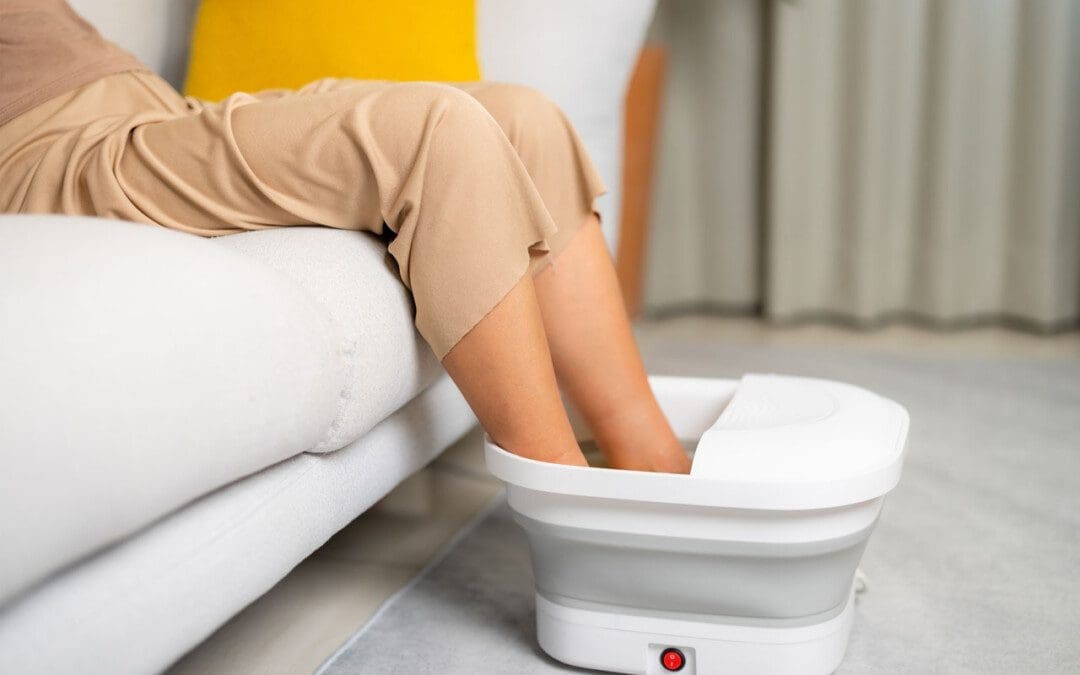
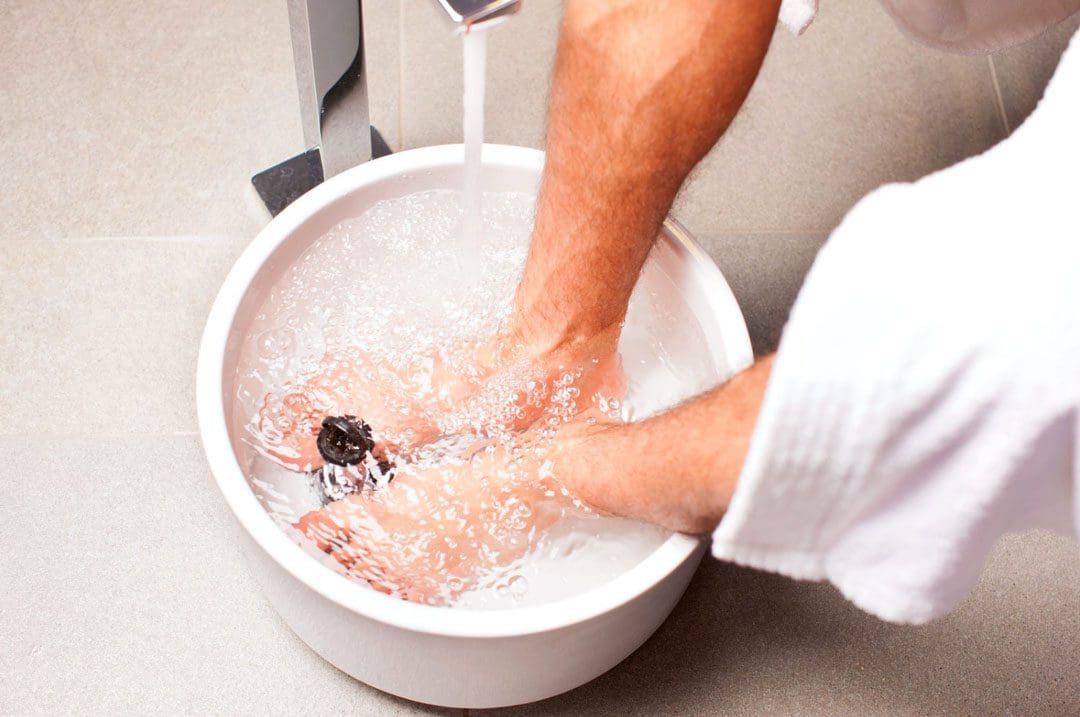
A foot detox involves soaking the feet in an ionic bath to help remove toxins from the body. They can also be performed using acupressure, scrubs, foot masks, and pads. Combined with eliminating toxins, detox is also believed to help enhance blood circulation and provide body pain and discomfort relief. However, current evidence is limited and there has been no evidence to support that toxins can be released from the feet using an ionic bath. However, they have been found to provide other benefits, which include:
Relaxation
Lower stress levels
Enhanced skin health and hydration.
Reduced inflammation in individuals with skin disorders.
Foot detoxes are considered generally safe, but individuals are recommended to speak to their healthcare provider.
Potential Benefits
The potential health benefits include:
Reduces inflammation and swelling.
Improves stress levels and mood.
Can help with weight management.
Can help with heart health and increased blood circulation.
However, most reports surrounding the benefits of foot detox are not proven by research investigating whether the health claims are scientifically accurate. One study in 2012 found that foot detoxes did not produce the intended results and could not help remove toxins from the body. (Deborah A. Kennedy, et al., 2012) Other research surrounding foot baths and massages showed that they could help reduce symptoms of mood disorders like schizophrenia because of the relaxing effect they produce. (Kazuko Kito, Keiko Suzuki. 2016)
Ways Toxins are Removed From the Body
Toxins are filtered out of the body in a variety of ways. Breathing out expels carbon dioxide from the body. Another way is through the body’s natural processes. The body has organs and other systems to filter out and release toxins.
Specific organs, such as the liver, kidneys, and lymph nodes, filter and remove harmful and unneeded substances. (UW Integrative Health. 2021)
The health claims surrounding toxin removal through the feet are currently insubstantial because no evidence supports the effectiveness and the anecdotal evidence is not based on science.
Foot detoxes can be an enjoyable experience that can help relieve sore feet, relax the body, and offer relief for certain foot ailments. They could be an excellent addition to a self-care routine. Some of the most commonly used natural foot detoxes include the following.
Epsom Salt Foot Bath
Combining Epsom salts with warm water and soaking the feet for 20–30 minutes can help promote relaxation.
Apple cider vinegar foot baths are made by diluting 1 cup of vinegar in warm water and soaking the feet for 20–30 minutes.
There is limited research available to confirm the health claims.
The studies that have been done have found the reverse effect, that bathing the feet in apple cider vinegar and water can irritate the skin. (Lydia A Luu, et al., 2021)
Baking Soda and Sea Salt
Sea salt combined with baking soda dissolved in a bath and soak the feet for up to 30 minutes. While research is limited, some evidence supports the health benefits associated with sea salt that include: (Ehrhardt Proksch, et al., 2005)
Reduces inflammation in skin conditions, like atopic dermatitis.
Foot baths should be avoided for the following:
There are open sores on the feet that could be irritated by salt and other foot bath ingredients.
Individuals with a pacemaker or any electrical body implant.
Pregnant women.
Consult a healthcare provider before trying any new health protocols.
Foot Orthotics Benefits
References
Kennedy, D. A., Cooley, K., Einarson, T. R., & Seely, D. (2012). Objective assessment of an ionic footbath (IonCleanse): testing its ability to remove potentially toxic elements from the body. Journal of environmental and public health, 2012, 258968. https://doi.org/10.1155/2012/258968
Kito, K., & Suzuki, K. (2016). Research on the Effect of the Foot Bath and Foot Massage on Residual Schizophrenia Patients. Archives of psychiatric nursing, 30(3), 375–381. https://doi.org/10.1016/j.apnu.2016.01.002
UW Integrative Health. Improving your health by removing toxins from your body.
Akyuz Ozdemir, F., & Can, G. (2021). The effect of warm salt water foot bath on the management of chemotherapy-induced fatigue. European journal of oncology nursing: the official journal of European Oncology Nursing Society, 52, 101954. https://doi.org/10.1016/j.ejon.2021.101954
Vakilinia, S. R., Vaghasloo, M. A., Aliasl, F., Mohammadbeigi, A., Bitarafan, B., Etripoor, G., & Asghari, M. (2020). Evaluation of the efficacy of warm salt water foot-bath on patients with painful diabetic peripheral neuropathy: A randomized clinical trial. Complementary therapies in medicine, 49, 102325. https://doi.org/10.1016/j.ctim.2020.102325
Luu, L. A., Flowers, R. H., Gao, Y., Wu, M., Gasperino, S., Kellams, A. L., Preston, D. C., Zlotoff, B. J., Wisniewski, J. A., & Zeichner, S. L. (2021). Apple cider vinegar soaks do not alter the skin bacterial microbiome in atopic dermatitis. PloS one, 16(6), e0252272. https://doi.org/10.1371/journal.pone.0252272
Proksch, E., Nissen, H. P., Bremgartner, M., & Urquhart, C. (2005). Bathing in a magnesium-rich Dead Sea salt solution improves skin barrier function, enhances skin hydration, and reduces inflammation in atopic dry skin. International journal of dermatology, 44(2), 151–157. https://doi.org/10.1111/j.1365-4632.2005.02079.x
Kanwar A. J. (2018). Skin barrier function. The Indian Journal of Medical Research, 147(1), 117–118. https://doi.org/10.4103/0971-5916.232013
The digestive system breaks down the foods eaten so the body can absorb the nutrients. During digestion, the unnecessary parts of these foods are turned into waste/stool, which is evacuated during a bowel movement. When the digestive system stops functioning properly due to factors such as diet change, eating unhealthy foods, lack of physical activity/exercise, medications, and certain health conditions, can cause constipation. Constipation occurs when the body cannot have a regular bowel movement. The distention, gas, bloating and not being able to have a bowel movement cause irritability and stress, which can worsen constipation. Incorporating recommended nutrition can help restore regular bowel movements and gut function.
Recommended Nutrition For Constipation
Symptoms like abdominal pain, bloating, and difficult bowel movements are common. Diet and proper hydration have a significant role in digestive health, especially in relieving and preventing constipation. High-fiber foods, prebiotics, and adequate hydration from foods and beverages are essential for healthy bowel movements.
Fiber is found in whole grains, starches, fruits, and vegetables.
Soluble and insoluble fiber are important for digestive health.
Focusing on incorporating high-fiber fruits, vegetables, and whole grains.
Foods rich in prebiotics like fermented foods are recommended when constipated.
The recommended nutrition for constipation, according to a dietitian includes.
Avocados
Avocados can be paired with just about anything and are full of nutrients and fiber.
One avocado contains around 13.5 grams of fiber.
One avocado will provide almost half daily fiber needs.
Other high-fiber fruits: pomegranates, guava, raspberries, blackberries, and passionfruit.
Figs
Figs can be eaten fresh and dried.
Figs are considered a laxative and have been shown to treat and reduce constipation.
They contain antioxidants, polyphenols, polyunsaturated fatty acids, and vitamins.
Other fruits similar to a fig: dried apricots, prunes, and plums.
Plums
Plums, prunes dried plums are packed with fiber and prebiotics that have a natural laxative effect.
The added H2O makes the stools softer and easier to pass.
Natural fruit juices, like pear, apple, or prune are often prescribed for constipation.
Other fruits that aid in bowel movements: peaches, pears, and apples.
Kefir
Fermented foods like kefir are rich in beneficial bacteria that work to maintain digestive system health.
It can be consumed on its own or used in smoothies, cooking, and baking recipes.
Other fermented foods: kombucha, yogurt, sauerkraut, kimchi, miso, and tempeh.
Oat Bran
Oat bran is oatmeal that has not had the bran removed.
The bran contains beneficial nutrients including fiber, antioxidants, vitamins, and minerals.
Oat bran contains soluble and insoluble fiber, as well as beta-glucan/non-starchy polysaccharides.
All improve the composition of gut bacteria and promote healthy bowel movements.
Other beneficial grains: oatmeal, wheat bran, rye, and barley.
Incorporating Gut-Beneficial Foods
How to incorporate recommended nutrition gut-beneficial foods into a regular menu:
Smoothie
Use kefir or yogurt as a base then balance it out with fiber-rich fruits like mango, blueberries, and kiwi.
Snacks
Diversify snacks with a plate of fiber and prebiotics.
Nuts, cheese, crackers, fruit, and a yogurt or avocado dip.
Oatmeal
Try oat bran to increase fiber.
Sprinkle a serving of flaxseeds, chia seeds, or hemp seeds for added fiber and healthy fats.
Parfait
Yogurt parfaits can maximize nutrients, flavor, and textures in a bowl.
Layer up on a favorite yogurt with granola, nuts, fruit, and seeds.
Grain Bowl
Fiber found in whole grains and seeds like barley, farro, and quinoa, helps promote healthy digestion.
Make a bowl with a grain base, then top with a protein, fresh or grilled veggies, avocado, and dressing.
Talk with a registered nutritionist or other healthcare provider to discuss recommended nutrition plan options.
Balancing Body and Metabolism
References
Arce, Daisy A et al. “Evaluation of constipation.” American family physician vol. 65,11 (2002): 2283-90.
Bharucha, Adil E. “Constipation.” Best practice & research. Clinical gastroenterology vol. 21,4 (2007): 709-31. doi:10.1016/j.bpg.2007.07.001
Gray, James R. “What is chronic constipation? Definition and diagnosis.” Canadian Journal of Gastroenterology = Journal Canadien de Gastroenterology vol. 25 Suppl B, Suppl B (2011): 7B-10B.
Jani, Bhairvi, and Elizabeth Marsicano. “Constipation: Evaluation and Management.” Missouri medicine vol. 115,3 (2018): 236-240.
Naseer, Maliha, et al. “Therapeutic Effects of Prebiotics on Constipation: A Schematic Review.” Current clinical pharmacology vol. 15,3 (2020): 207-215. doi:10.2174/1574884715666200212125035
National Institute of Diabetes and Digestive and Kidney Diseases. Symptoms and Causes of Constipation.
National Institute of Diabetes and Digestive and Kidney Disease. Your Digestive System and How It Works.
Sinclair, Marybetts. “The use of abdominal massage to treat chronic constipation.” Journal of bodywork and movement therapies vol. 15,4 (2011): 436-45. doi:10.1016/j.jbmt.2010.07.007
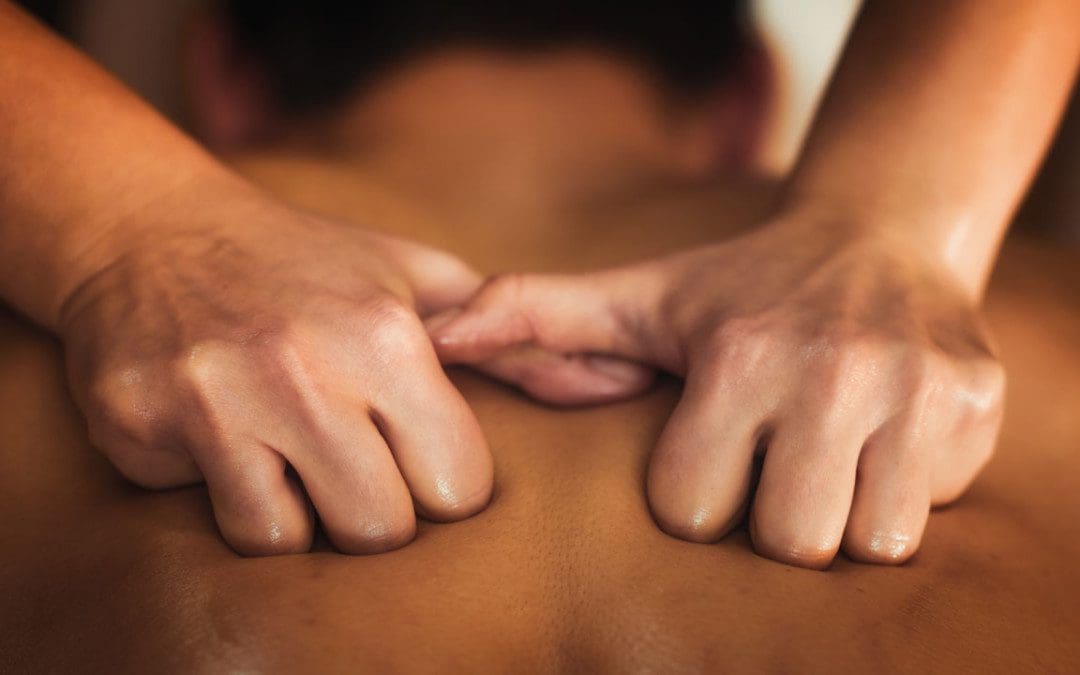
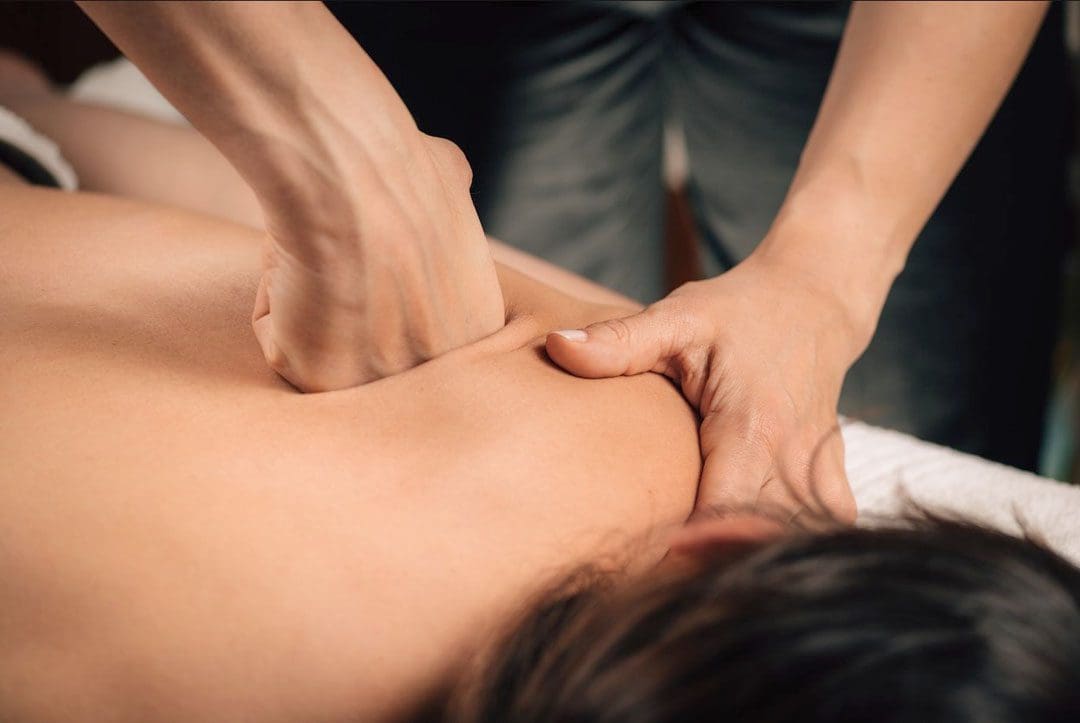
Massage is part of integrative medicine and can be used for various medical conditions. In massage therapy, a therapist rubs and kneads the body’s soft tissues, including muscle, connective tissue, tendons, ligaments, and skin. The therapist varies the amount of pressure and movement. Individuals often start feeling the effects right away. One of the benefits is increased temperature. Increased temperature amplifies blood flow and circulation, enabling muscular and connective tissues to release restriction, and muscle tightness, relieve tension, and improve movement. A massage therapist will use different techniques to increase the temperature to treat various conditions.
Increased Temperature
Some patients want to know why their muscles heat up or burn during a massage. Muscles burn because of the accumulation of waste in the cells. The waste products are released as a result of massage. The muscles release lactate, a byproduct of glucose. The effects of deep tissue massage are almost the same as the effects of exercise. During the massage:
The demand for oxygen in the tissues increases.
Because of this, blood flow circulation to these tissues increases.
This is necessary to supply oxygen and glucose.
It excretes waste substances and toxins.
Muscle heat or burn during massage differs for everybody. Some individuals don’t feel it at all. The session can be so intense that the muscles can’t clear the lactate/toxins fast enough, causing the burning sensation.
Fascia Circulation
The temperature of the fascia can also be increased. Fascia is the thick, fibrous layer of connective tissues beneath the skin that can often become restrictive. Increased temperature in the superficial and deep tissues releases, relaxes, and loosens tight, tense, shortened, and/or injured areas, allowing muscular tissues to increase in elasticity, flexibility, and relaxation. Heart rate is raised, improving circulation and increasing the delivery of oxygen and nutrients to the affected areas and the rest of the body.
Myofascial release involves slowly applying pressure to the area using flattened hands and fingers.
The slow, soft pressure increases the temperature of the fascia.
As the hands and fingers get deeper within, they slowly move around, spreading the fascia.
This releases the tightness and relieves the pain.
An individual’s posture can improve when the temperature is increased. Muscular tension and tightness can cause increased pain symptoms, not allowing healthy posture.
Muscle Burn Relief
Rehydrate
Drink plenty of water after the session is over.
Water maintains proper circulation for excreting waste products and nourishes the muscle cells with fresh nutrients and oxygen.
Avoid coffee and alcohol as they increase urination and blood osmolality and dehydrate the body.
Stretching
Stretching before and after a session can relieve muscle soreness.
Stretching exercises increase blood flow.
Stimulates the release of synovial fluid around the joints.
Sleep
Get plenty of rest after a session.
The body knows how to restore itself; during sleep, it reduces cortisol secretion.
It increases the stimulation of antioxidative hormones to go after free radicals.
Herbal Remedies
Herbal remedies like ginger, garlic, cloves, and cinnamon increase blood circulation, reducing pain and swelling.
They have anti-inflammatory properties that help with muscle burn and soreness.
After a session, a little peppermint or CBD oil can relieve the sore parts.
Chiropractic Success Story
References
Dion LJ, et al. Development of a hospital-based massage therapy course at an academic medical center. International Journal of Therapeutic Massage and Bodywork. 2015; doi:10.3822/ijtmb.v8i1.249.
Massage therapy: What you need to know. National Center for Complementary and Integrative Health. https://www.nccih.nih.gov/health/massage-therapy-what-you-need-to-know. Accessed Jan. 5, 2021.
Rodgers NJ, et al. A decade of building massage therapy services at an academic medical center as part of a healing enhancement program. Complementary Therapies in Clinical Practice. 2015; doi:10.1016/j.ctcp.2015.07.004.
Pregnancy can take a toll on a woman’s body. New aches and pains start to present as the pregnancy progresses. Hormonal changes can affect the state of mind, making trying to relax or relieve stress extremely difficult to impossible, causing more frustration and tensed muscles. It’s absolutely safe and beneficial to get a professional therapeutic massage while pregnant. Most pregnant women are cleared to get massages after their first trimester. However, if it is a high-risk pregnancy, talk to your doctor before scheduling a massage.
Benefits of Therapeutic Massage
A therapeutic massage while pregnant, known as prenatal massage, generates a peaceful and serene mindset. Studies show prenatal massage is beneficial for the mother and baby. Pregnant women that are unable to find discomfort/pain relief benefit from prenatal massage. Benefits include:
Swelling is reduced
Improved hormone regulation helps reduce instances of low birth weight
Joint, back, and nerve pain/sciatica is reduced, and function improved
Headaches lessen in severity and frequency
Blood and nerve circulation improves
Sleep cycles improve
Anxiety, depression, and stress improves
Types of Massage
Safe massages when pregnant. The most common prenatal massage is a Swedish Massage. This type of massage is gentle but forceful enough to provide the aforementioned benefits. Swedish Massage focuses on the topmost layer of muscle with long strokes that incorporate movement of the joints. Avoid deep-tissue massage when pregnant, as this is a more aggressive style of massage.
Back Massage
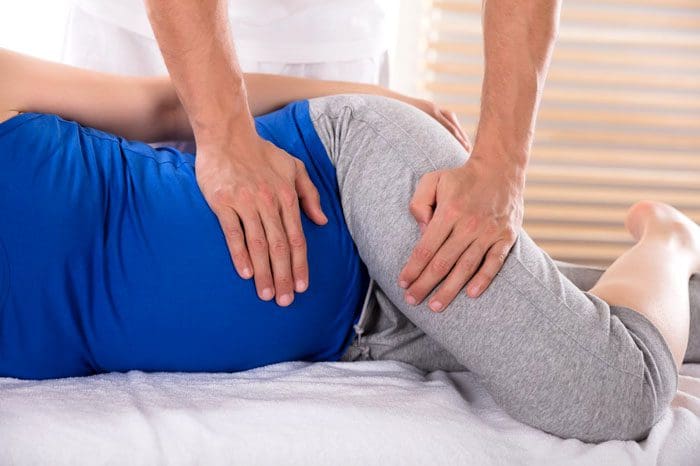
During pregnancy, posture changes from the added weight. The center of gravity shifts making the spine and back muscles work harder. This regularly makes the muscles achy, sore, and stiff. Prenatal back massage is done while sitting or lying on the side. Long strokes are performed on the muscles, along with gentle kneading. The focus is on the muscles along the spine and the low back. This type of massage is highly beneficial if sciatica is presenting.
Neck Massage
Massaging the neck loosens tight muscles, improves awkward neck posture, alleviates nerve pain preventing tension headaches, and promotes flexibility. Most therapists will start with the neck and arms while the individual sits up, then lie down to work on the rest of the body.
Chiropractic Massage
This type of massage is performed by a licensed chiropractor and/or a physical massage therapist at the direction of a chiropractor. Chiropractic massage therapists have undergone thorough training and always take care to avoid any pressure points or areas that could cause discomfort.
Areas that Are Avoided During Massage
Professional massage therapists know what areas to avoid during the therapeutic massage, but it’s also important for the patient. The areas that will be avoided include:
The pressure points in the wrist and around the ankles. These areas have points that could cause uterine contractions and cervical ripening.
Around the belly. However, it is recommended to perform gentle, low-pressure massaging at home.
Around open wounds, rashes, or skin conditions.
Safety Tips
Other precautions to take when receiving a massage during pregnancy. The massage therapist should look out for blood clot symptoms or varicose veins. Other precautions to follow:
Make sure the massage therapist knows you are pregnant before beginning.
If the massage triggers nausea, discomfort, or is not enjoyable, ask to stop.
Avoid massage tables that have a hole cut out for the belly.
The recommended method is on the side, supported with proper padding to ensure stability and comfort.
The massage should be no more than an hour.
A massage in the first trimester is not recommended.
A trained massage therapist should perform a prenatal therapeutic massage. However, a partner can perform an easy, safe massage at home following a few guidelines.
Avoid the ankles and the areas around the wrists.
Avoid the belly and the area around it.
Back, neck, scalp, and foot rubs are recommended.
Utilize long gentle strokes with all-natural and safe massage oils or lotions.
Talk to your physician if you have an increased risk for blood clots.
Get a Massage
A prenatal therapeutic massage can improve hormone regulation, help sleep, reduce stress and anxiety, and promote a healthy and optimal delivery.
Body Composition
Diastasis Recti Post-Baby Weight
Pregnancy can cause abdominal muscle separation or diastasis recti.
This happens when the outermost abdominal muscles/rectus abdominis, which are the muscles from the breastbone to the pubic bone pull apart from the fibrous attachment point/linea alba. Muscle separation is common after pregnancy, but the degree and location of the separation are what vary from one woman to another. As the pregnancy progresses, the uterus makes room for the growing baby. This can cause the abdominal – recti muscles to stretch and become flabby. This muscle separation is not linked with complications for the mother or the baby and it is not a sign of muscle loss.
References
Hall, Helen et al. “The effectiveness of complementary manual therapies for pregnancy-related back and pelvic pain: A systematic review with meta-analysis.” Medicine vol. 95,38 (2016): e4723. doi:10.1097/MD.0000000000004723
“Perineal Massage in Pregnancy.” Journal of midwifery & women’s health vol. 61,1 (2016): 143-4. doi:10.1111/jmwh.12427
Schreiner, Lucas et al. “Systematic review of pelvic floor interventions during pregnancy.” International journal of gynecology and obstetrics: the official organ of the International Federation of Gynaecology and Obstetrics vol. 143,1 (2018): 10-18. doi:10.1002/ijgo.12513
Dealing with chronic back pain along with the COVID-19 pandemic can make it difficult to find relief on a regular basis. When regular massage sessions are not available these self-massage techniques can relieve pain and loosen tense muscles. Massage therapy has been shown to reduce low back pain, specifically for short-term purposes.
There are massage therapist/s that are open with precautions in place. But there�s a good chance the massage therapist will not be able to see an individual right away when the pain presents. Back pain will not wait so here are a few tips on self-massage that individuals can do at the house.
Safety First
Consult your spine pain specialist, chiropractor, or doctor to determine the cause of the pain and if massage will be beneficial. Before starting a self-massage regimen, be sure pain levels are not severe and you are able to perform the massage techniques. Any muscle region, spine included, can benefit from massage both professionally and self. If at any time during the massaging different pain presents other than the massage soreness, stop and evaluate what could be happening.
These self-massage tips are aimed at reasonably healthy individuals. Be mindful of herniated discs, any type of impingement, or spinal compression. If an individual has this type of injury acquire medical instruction on how to perform self-massage techniques specifically for these conditions from a physician, chiropractor, or physical therapist.
Self-massage
Massage therapy helps in relieving back and neck pain in different ways.
Relaxes muscles
Improves range of motion
Reduces injury
Maximizes healing
Better sleep
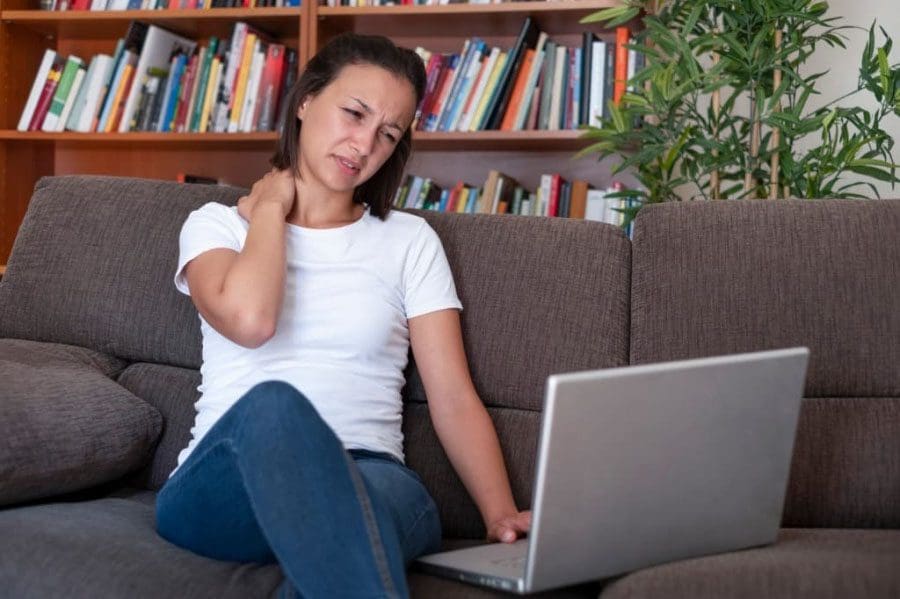
If working from home and too much sitting has your back tight, in knots, with muscle tension, and stress, self-massage is an answer that works. It is a great alternative until the massage therapy appointment.
Applied Pressure
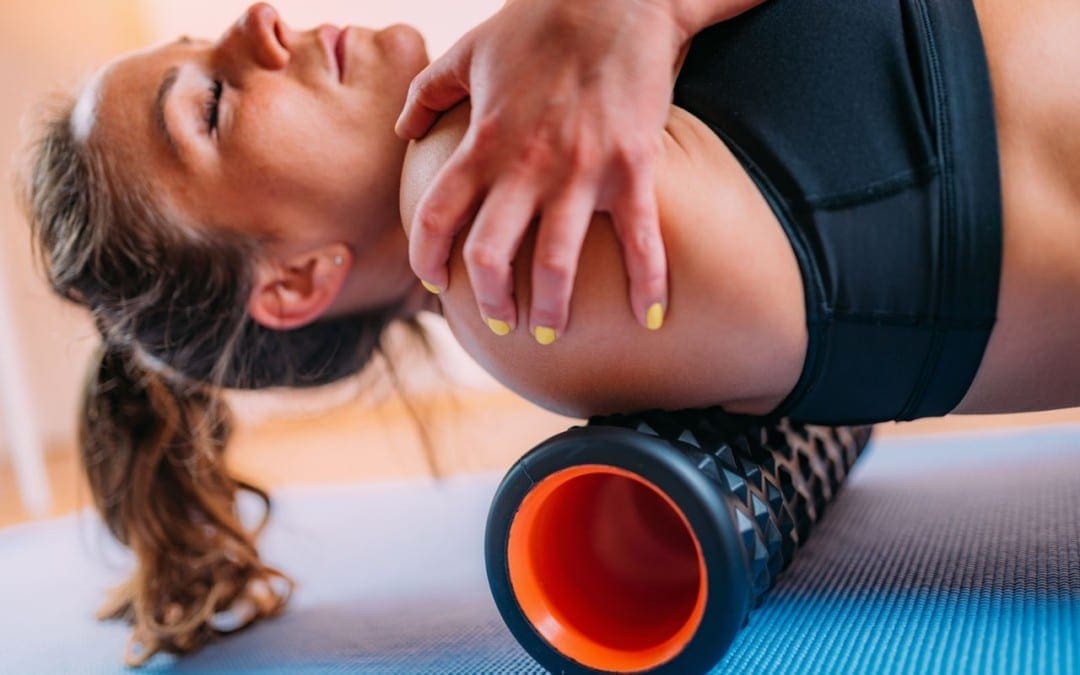
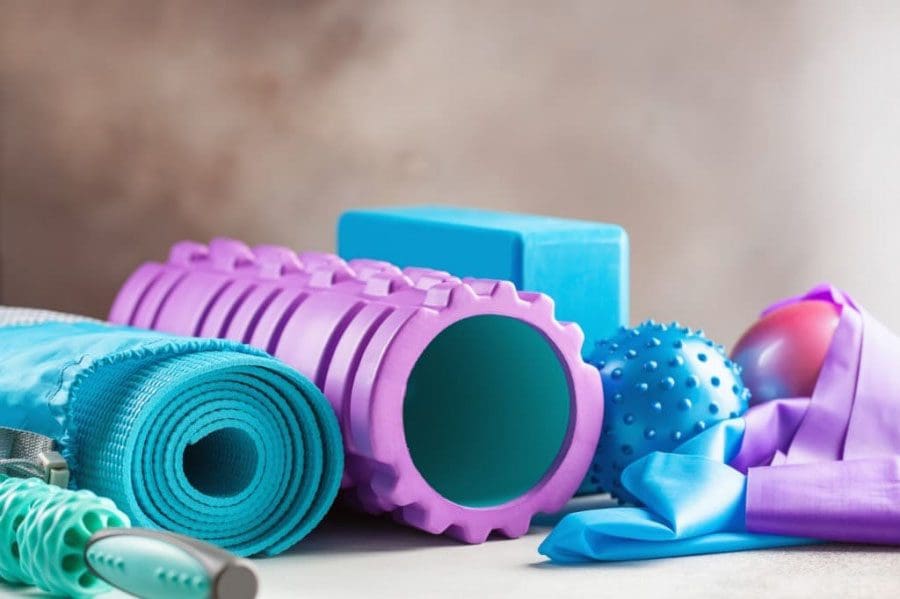
One way to give yourself a massage is to locate the painful area/s and gently apply pressure with the thumb/s, moving the muscle/s statically by just rotating the arm/hand together with the thumb pressing on the area. If possible get into a comfortable stretching position and massage the area while the muscle, joint, ligament is stretched out and find the painful area and work it if not with the thumb technique then use a foam roller, massage tool, tennis ball, massage ball, etc, also done in slow circular motions.
When applying pressure, don�t push it to the limit like working out. That is not the goal. The objective is to work out the pain/soreness and loosen up the area. Therefore it�s best to start gently and gradually build up to stronger pressure as long as it feels correct and the pain does reduce. Gradually increase the intensity of the pressure, heat, sessions, etc. But do not overdo it, as that could worsen or cause further injury.
Stretch
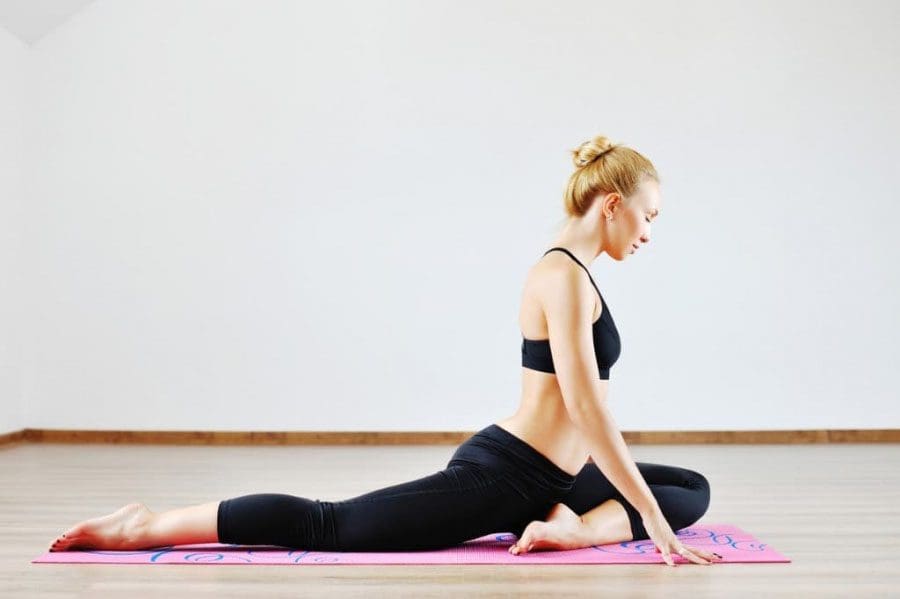
Although not directly massaging an area, stretching is a form of self-care that keeps the body loose and limber. Stretching out is recommended at the beginning of the day and before exercising. An example is runner�s lunge pose and a yoga pose called pigeon. These are excellent stretches for releasing the psoas muscle, located in the lower lumbar region.
Yoga can help by stretching and releasing the hips, glutes, and back muscles. As with massage don�t overdo the moves, overstretch, or hold the poses for too long. Consult with a doctor for any medical concerns where yoga could be dangerous and impair health.
Additionally, a family member, spouse, partner, or friend can be very helpful when stretching. Assisted stretches help and reduce the effort required to stretch oneself. Some assisted stretches include the supine twist and hamstring stretches. If you are the one assisting and want to guide the pain-relieving stretches, start gently, slowly, and pay attention to verbal and non-verbal cues, like a wincing face, and short breathing.
Utilize Massage Tools/Devices
Utilize self-massage tools and devices that can help deliver pain relief. Foam rollers and tennis balls can help with trigger points, areas of muscle pain and can help with the hard to reach areas.
Massage balls can also help to apply balanced pressure and even circular massage motion. These tools are typically sandwiched between the wall or floor and the individual who rolls drags or creates friction to effectively work the muscle/s tightness, and knot/s out. Motorized massagers can help with muscle tension in the lower side of the back, hips, and glutes.
Partner
Sometimes however there are areas difficult to reach and even if reachable massaging the area isn’t the same because of the awkward position. When this happens if possible use a spouse, family, friend, or partner to massage out those points. This could be the middle back and hamstrings to get a thorough massage.
Just like a professional massage therapist having someone else can be a great help in applying heat or ice to areas that can be troublesome. But if not then make do with what you’re able. Self-massage can be very helpful and beneficial until you are able to see your massage therapist, chiropractor, or physical therapist.
Whiplash Massage Therapy
Dr. Alex Jimenez�s Blog Post Disclaimer
The scope of our information is limited to chiropractic, musculoskeletal, physical medicines, wellness, and sensitive health issues and/or functional medicine articles, topics, and discussions. We use functional health & wellness protocols to treat and support care for injuries or disorders of the musculoskeletal system. Our posts, topics, subjects, and insights cover clinical matters, issues, and topics that relate and support directly or indirectly our clinical scope of practice.*
Our office has made a reasonable attempt to provide supportive citations and has identified the relevant research study or studies supporting our posts. We also make copies of supporting research studies available to the board and or the public upon request. We understand that we cover matters that require an additional explanation as to how it may assist in a particular care plan or treatment protocol; therefore, to further discuss the subject matter above, please feel free to ask Dr. Alex Jimenez or contact us at 915-850-0900. The provider(s) Licensed in Texas& New Mexico*
IFM's Find A Practitioner tool is the largest referral network in Functional Medicine, created to help patients locate Functional Medicine practitioners anywhere in the world. IFM Certified Practitioners are listed first in the search results, given their extensive education in Functional Medicine