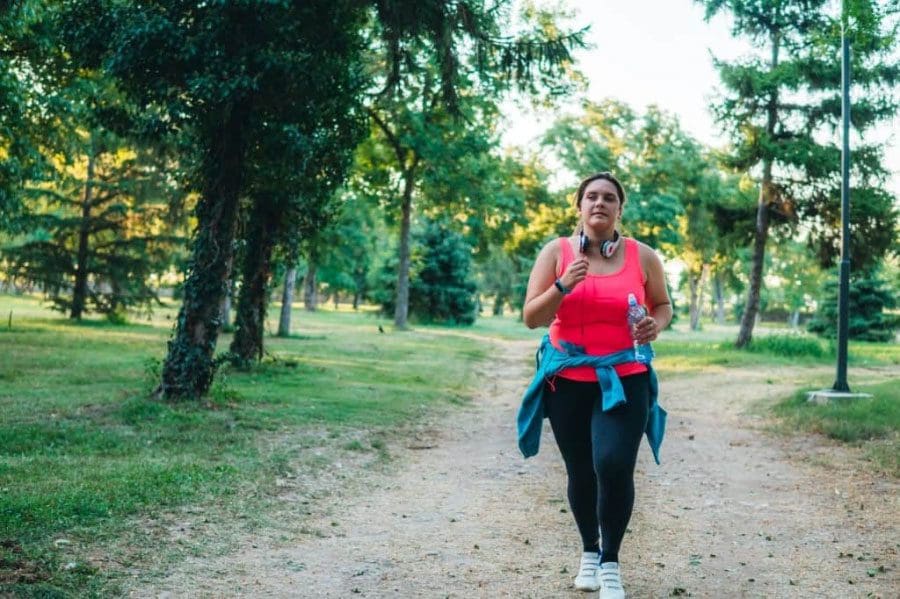
Indoors or out, bicycling can be great for an individual's back with proper preparation. With everything that is going on, many individuals are getting creative with their workouts. Many are turning to home or outdoor exercise. Bicycling is considered a safe activity. According to the NPD Group, bicycle sales have tripled in sales since March.
However, back pain could be affected by a biking routine. Whether a newfound hobby or regular activity, individuals need to prepare and plan ahead before getting out on the trails or on a stationary exercise bike and avoid developing or aggravating back pain. Here are a few essential tips to create a safe and back-healthy bicycling experience.
Understanding back pain
Bicycling is a type of aerobic exercise that can help with overall health. Done regularly it can improve the heart and lungs' performance. Other areas of the body like the spine along with the musculoskeletal system, also benefit. For some, it is an even better form of exercise than jogging or aerobics, as it can be less jolting on the body and spine.
Back pain during cycling is rare except when individuals try to push the intensity level beyond their normal workout. If there is back pain from an unknown cause it should be looked into by a doctor, physical therapist, or chiropractor before beginning a regular bicycling regimen.
There are certain spinal conditions where bicycling can benefit. Individuals that bike ride with conditions like degenerative disc disease and lumbar spinal stenosis can experience relief in the back and legs, as it�s an exercise in which flexes the back. But there are spinal instability conditions like spondylolisthesis, that create forward flexion and can worsen back and leg pain. Therefore it is essential to attain a diagnosis before committing to regular bicycling.
Talk to a Doctor
Before starting any exercise program, talk with your doctor to find out if you are healthy enough for this type of therapeutic workout. Those with present back pain issues also need to be cleared by their doctors. But more than likely if they are already following a treatment plan, their doctor would have them doing some form of stretching/exercise as part of their plan, and they just need to find out if riding a bicycle is OK. Once cleared, even with chronic mild back pain an individual can initiate bicycling into their regimen.
Reasonable workout
In addition to safety basics individuals need to:
Wear a helmet
Wear highly-visible clothing
Get their bike serviced for optimal performance
Add reflectors
Add lighting
Have a workout/training plan
As with any exercise, there should be a training plan that will be sustainable and help to avoid injury. Set small goals, especially when beginning. Go for an achievable distance or workout time. Then gradually build up and don't rush. Allow yourself to go through the experience, learning as much as you can.
Both indoor and outdoor biking require a thorough warm-up and stretching of the body. This definitely includes the spine, that needs some time to loosen up, properly. A healthy comfortable bike seat or saddle with the proper height for body type and inseam is vital. Being uncomfortable while trying to perform therapeutic exercises plus the added possibility of worsening the injury or creating a new one from a stock seat is not worth the risk. At the end of the ride, cooling down is strongly advised.
Pay attention to form/mechanics
When it comes to biking technique, there is no particular form that is ideal or the best.� Always try to be in a position where the spine is comfortable. This type of bicycling is low-impact and should be fluid in motion. Poor posture, jerking motions of the spine, neck, or not using the proper equipment can cause poor mechanics and increase the risk of injury.
Indoor bicycling
Cycling indoors could be safer for individuals that do not have access to safe bicycling areas or are older. Options include spin class or stationary bike. Both are set in a controlled environment with accidents being a rare occurrence. Outdoor biking happens on the road, bike path, sidewalk, or terrain where there is potential for an accident. With the machine or class, individuals can:
Choose the workout type
Fitness level
Intensity
Workout duration
Heart rate
Resistance
Spin classes also follow the pattern with a warmup, a specific workout, and a cool down. However, there are the mental health benefits of being outdoors. Whatever is best for the individual, it is up to them to ride the bike outdoors, indoors, or a combination of both. It is an excellent form of exercise, as it:
The scope of our information is limited to chiropractic, musculoskeletal, physical medicines, wellness, and sensitive health issues and/or functional medicine articles, topics, and discussions. We use functional health & wellness protocols to treat and support care for injuries or disorders of the musculoskeletal system. Our posts, topics, subjects, and insights cover clinical matters, issues, and topics that relate and support directly or indirectly our clinical scope of practice.*
Our office has made a reasonable attempt to provide supportive citations and has identified the relevant research study or studies supporting our posts. We also make copies of supporting research studies available to the board and or the public upon request. We understand that we cover matters that require an additional explanation as to how it may assist in a particular care plan or treatment protocol; therefore, to further discuss the subject matter above, please feel free to ask Dr. Alex Jimenez or contact us at 915-850-0900. The provider(s) Licensed in Texas& New Mexico*
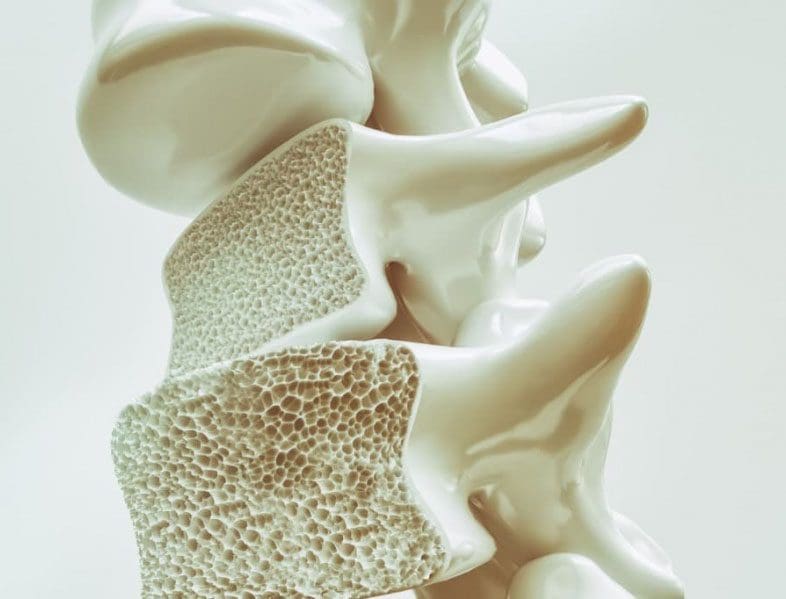
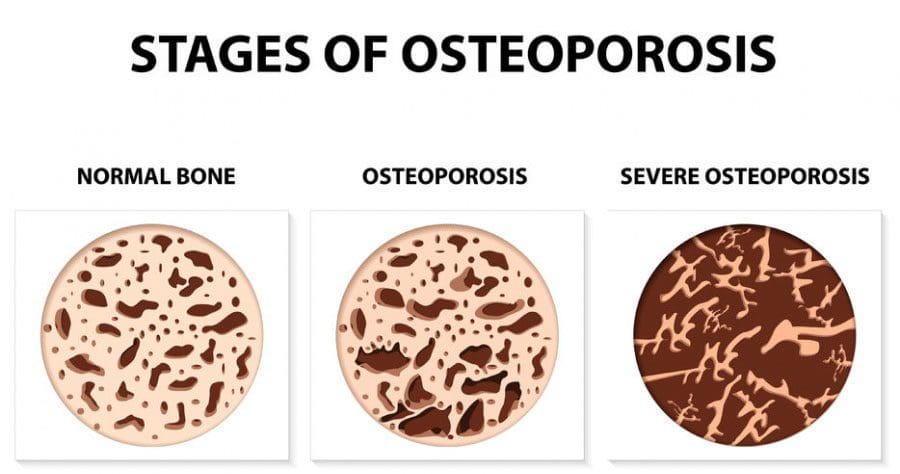
There are certain foods that although healthy, for individuals trying to prevent osteoporosis, they could stunt healthy bone growth. There are ways to prevent osteoporosis, and eating a diet rich in calcium and vitamin D is one of them. However, not all foods are beneficial for bone health.
Some nutrients can actually damage bones when consumed in high doses. These foods do not have to be completely removed from an individual's diet. These foods and nutrients are still important so it would not be healthy to just stop. Individuals with or trying to prevent osteoporosis just need to make adjustments and consume them in moderation.
Caffeine
Too much caffeine more than four cups of coffee a day decreases calcium absorption, that increases risk for fractures. Coffee and tea contain caffeine naturally, but sodas create even larger concerns. Experts believe that the caffeine content in sodas is not the only danger. It is the substitution of milk and other calcium-based drinks.
Protein
Protein is essential for a balanced diet. This is because it helps build healthy muscle mass. A diet too high in animal protein (beef/pork) as opposed to protein from nuts and grains could contribute to calcium loss. Animal protein/s contain sulfur, that forms acid in the body. Acidic balance is necessary and so the body will release calcium from the bones to neutralize the acid and achieve balance.
What is considered too much protein?
No general amount has been determined. Therefore just an individual's daily requirement, determined by body weight is what is recommended. Finding out how much protein is needed, take your weight in pounds, and multiply by .37. (Weight/lbs x .37 =) This will tell an individual how many grams they should be consuming every day. There are more specific techniques to get an exact number if need be.
Spinach
Green vegetables are considered some of the best foods to eat when the aim is to strengthen the bones. But spinach can prevent the body from absorbing calcium properly. This is because it contains oxalate. Oxalate interferes with the body's ability to absorb calcium. Fortunately, spinach can still be included but may need to be adjusted/altered as to how it is prepared. In this case, spinach is best eaten cooked, as the chemical is destroyed through the process.
Salt
Too much salt makes it difficult for the body to keep the calcium, which can cause bone loss. Many processed foods are extremely high in sodium. Therefore, try to eat fresh foods and try sea, Himalayan, or healthy form of salt when seasoning meals.
Pure Wheat Bran
Pure wheat bran is the only food that can lower the absorption of calcium in other foods when eaten together. If taking a calcium supplement the effects of this process can be lessened by taking the supplement a few hours before or after eating foods with pure wheat bran.
These foods don't have to be eliminated from your diet but should be consumed in moderation. The focus should be on a balanced diet. Building strong bones and maintaining them can be a delicious endeavor. Osteoporosis prevention is not the only benefit of healthy eating habits. A proper diet will promote and generate the optimal function of the body.
Learning About Food Substitutions
Dr. Alex Jimenez�s Blog Post Disclaimer
The scope of our information is limited to chiropractic, musculoskeletal, physical medicines, wellness, and sensitive health issues and/or functional medicine articles, topics, and discussions. We use functional health & wellness protocols to treat and support care for injuries or disorders of the musculoskeletal system. Our posts, topics, subjects, and insights cover clinical matters, issues, and topics that relate and support directly or indirectly our clinical scope of practice.*
Our office has made a reasonable attempt to provide supportive citations and has identified the relevant research study or studies supporting our posts. We also make copies of supporting research studies available to the board and or the public upon request. We understand that we cover matters that require an additional explanation as to how it may assist in a particular care plan or treatment protocol; therefore, to further discuss the subject matter above, please feel free to ask Dr. Alex Jimenez or contact us at 915-850-0900. The provider(s) Licensed in Texas& New Mexico*
Osteoporosis prevention can be accomplished, even with an osteoporosis diagnosis. There are steps along with your doctor's treatment plan and recommendations to help control the disease from progressing. An osteoporosis prevention plan can be generated to improve general health and reduce the chances of a fracture in the spine or other bones. �
�
Doctor Discussion
Make an appointment with a specialist to talk about osteoporosis risk factors. If you are 40 years of age or older, take some time to review the list of potential risk factors to discuss. An individual's response can help prepare for this healthcare discussion.
�
Risk Factors
The individual has had a bone fracture as an adult - wrist, hip, spine, etc.
History of osteoporosis in family - mother, sister, father.
Body Type - small, medium, large frame.
Body Shape - Thin, frail, overweight, obese.
No regular exercise.
Tobacco use - smoke, vaping, chewing, etc.
Alcohol consumption - Drinks 3 or more times a week, sometimes binge drinks.
Diet does not include calcium - milk, yogurt, or vitamin D - cheese, eggs.
Occasional crash diet.
Eating disorders - anorexia, purging, bulimia.
Corticosteroid/s use and/or anti-convulsant medication/s use.
Less stability on feet.
Experiences occasional falls.
Women - 45 or younger, beginning of menopause, 50 or older, post-menopause.
Men - Diagnosed with low testosterone levels.
�
Learn Your T-score
A bone mineral density test is the most dependable way to predict and detect osteoporosis. It is a painless test and can take around ten to thirty minutes to complete. The T-score is a number that lets an individual know where their bone density it and if it is good or not so good.
�
Build Bone Mass
Bone mass can be built up by including weight-bearing and resistance exercise into a regular workout. The difference between weight-bearing and resistance exercises is that weight-bearing uses the bone/s and muscle/s to work against gravity.
Walking, jogging, and dancing, are examples of weight-bearing exercises. Weight lifting or free weights are examples of resistance exercise. Here the body's muscular strength is being utilized. This helps build bone mass and strengthen muscles.
�
Calcium/Vitamin D Rich Diet
Taking the time to nourish the body properly will help with osteoporosis prevention and achieve optimal health. Calcium and vitamin D won't completely prevent or cure osteoporosis, but it is essential to include these minerals and vitamins in your diet daily. If an individual is lactose intolerant, there are fortified food products like orange juice and cereal/s to help meet daily mineral/vitamin requirements.
Check out the best and worst foods for bones. Supplements are another option to help boost calcium and vitamin D. Your doctor will know how much calcium and vitamin D you need. Taking too much is not being health-wise. Taking too much of a supplement can make an individual sick. Registered Dietitians and Health coaches can educate on making wise food and supplement choices. A doctor can aid in finding either in your area. �
�
Stop Smoking
Smoking increases the risk of osteoporosis. Smoking affects pretty much every organ in the body. Smoking interferes with the body's ability to absorb calcium and lowers the hormones the body needs to build and keep the bone mass. Quitting will decrease the risk of cancer, heart, lung disease, and osteoporosis.
�
Reduce Alcohol
Too much alcohol consumption causes poor nutrition. Poor nutrition causes bone density to decline, which leads to osteoporosis. And alcohol increases the risk of falling. Falls are one of the leading causes of spinal/other bone fractures. So contact your doctor or chiropractor and discuss an osteoporosis prevention plan.
The scope of our information is limited to chiropractic, musculoskeletal, physical medicines, wellness, and sensitive health issues and/or functional medicine articles, topics, and discussions. We use functional health & wellness protocols to treat and support care for injuries or disorders of the musculoskeletal system. Our posts, topics, subjects, and insights cover clinical matters, issues, and topics that relate and support directly or indirectly our clinical scope of practice.*
Our office has made a reasonable attempt to provide supportive citations and has identified the relevant research study or studies supporting our posts. We also make copies of supporting research studies available to the board and or the public upon request. We understand that we cover matters that require an additional explanation as to how it may assist in a particular care plan or treatment protocol; therefore, to further discuss the subject matter above, please feel free to ask Dr. Alex Jimenez or contact us at 915-850-0900. The provider(s) Licensed in Texas& New Mexico*
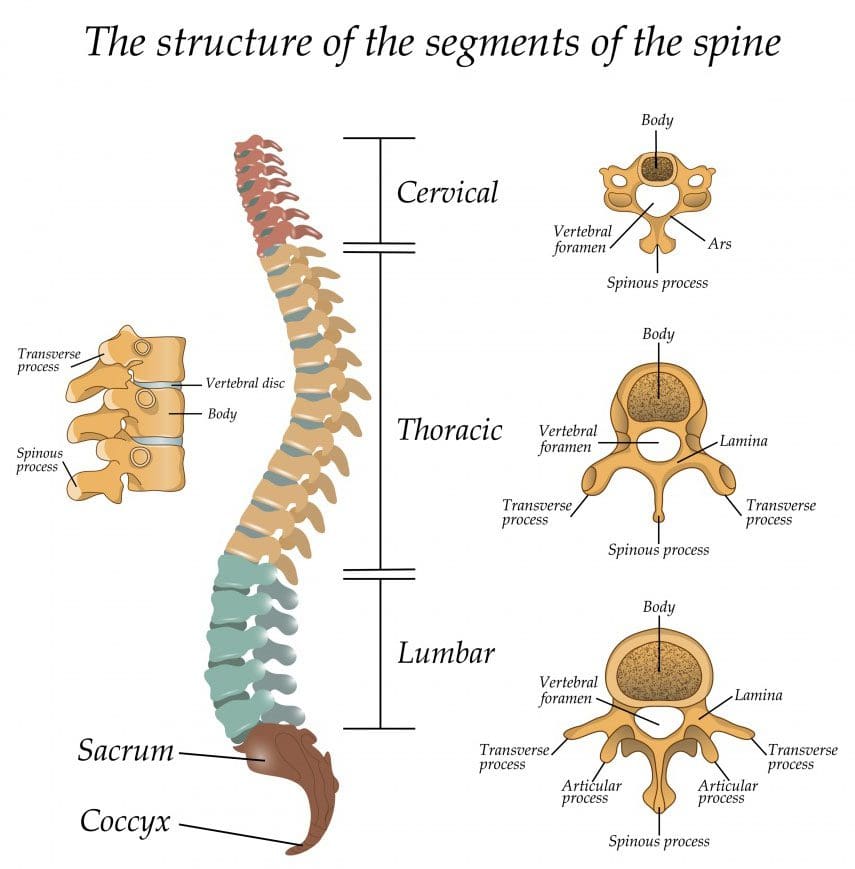
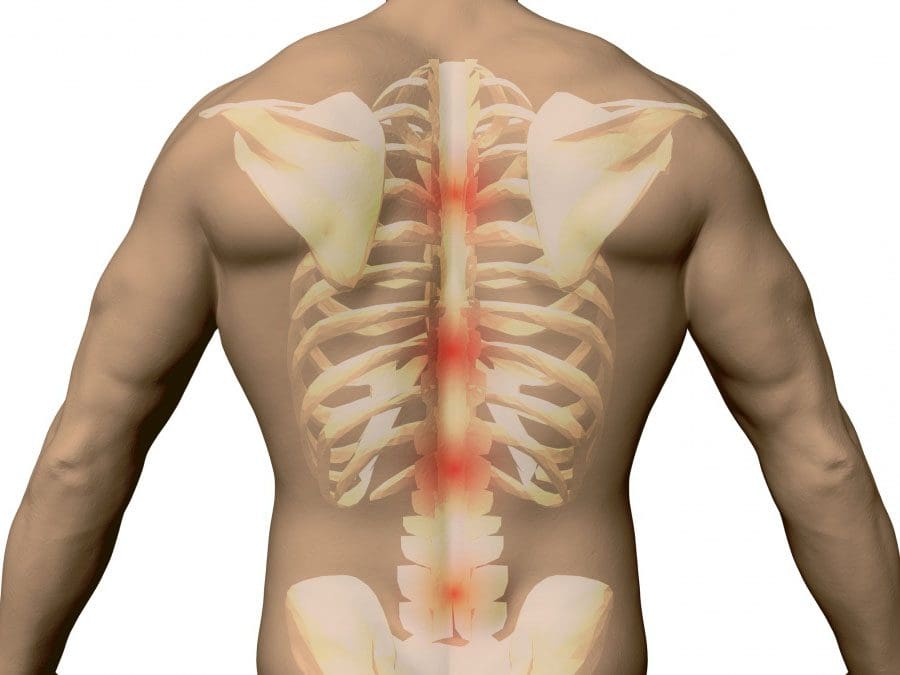
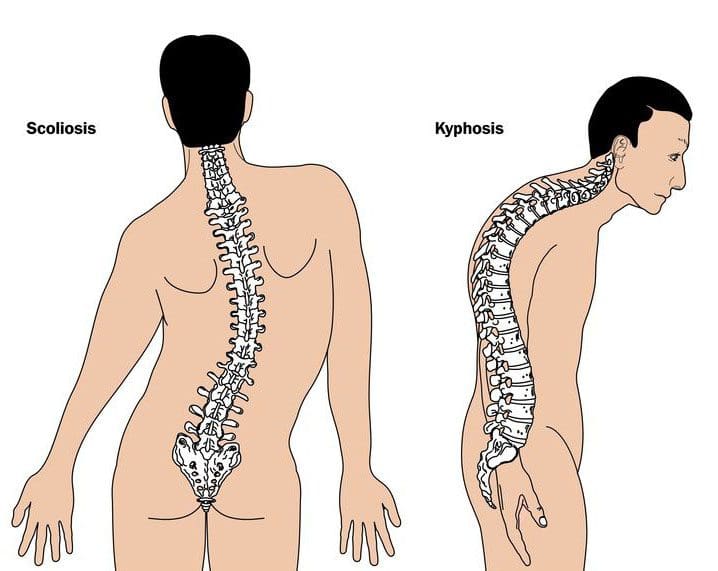
The thoracic spine known as the middle back starts below the cervical or neck spine at around the level of the shoulders. It continues down to the first level of the low back or lumbar spine. There are twelve vertebrae, numbered T1-T12 top to bottom, and it is these vertebrae that make up the thoracic spine. When seen from the side, a normal forward curve can be seen.
The ribs are attached to the thoracic spine�s vertebrae making this region of the spine strong and stable. However, this area has less range-of-motion than the neck region. Because of its location, the thoracic spine deals less with injury/s than other areas of the spine. But it is the most common area for fractures from osteoporosis. Scoliosis and abnormal kyphosis are also thoracic spine disorders.
Getting to know the body's spine and how it functions can help individuals have a better and thorough understanding of possible causes to upper and middle back pain, a doctor�s diagnosis, and the reasons for how simple lifestyle changes/choices can keep the middle back, as well as, the rest of the spine healthy.
Thoracic Support
The thoracic spine gives support to the torso, chest and provides an attachment point for each of the rib bones, minus the two at the bottom. The vertebral bodies are rounded with bony arches that project from the back of each and form a hollow protective space for the spinal cord. Facet joints are paired at the back of each and allow for limited movement.
Intervertebral Discs
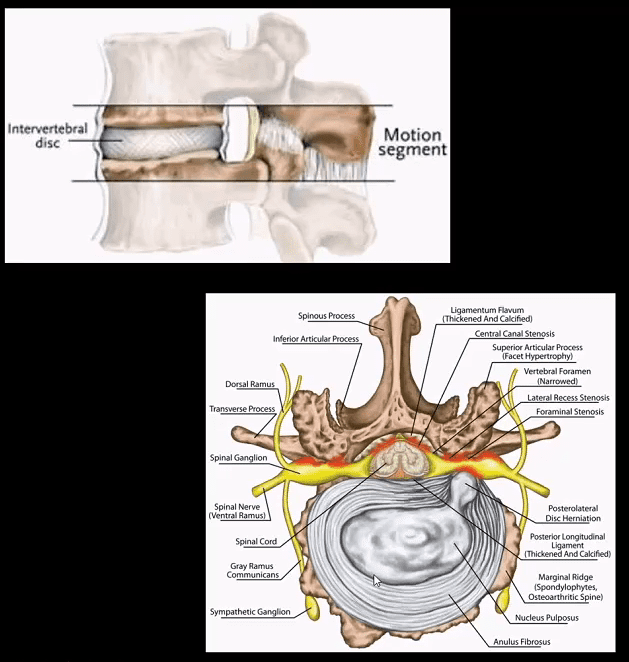
There is a fibrous pad called an intervertebral disc that is held in place by the endplates between each level�s upper and lower vertebral bodies. Each disc acts like a spacer creating disc height/space between the upper and lower vertebrae. This space opens nerve passageways called a foramen or neural foramina at both sides. Nerve roots branch off the spinal cord and exit the canal through the neural foramina.
Soft Support Structures Limited Movement/s
The entire spinal column consists of:
Ligaments
Tendons
Muscles
These soft tissues attach to the bones, the discs, and work together to stabilize the midback when resting and when in motion. Ligaments are the strong bands of tissue that connect/protect the vertebrae, discs, provide stability, and help with excessive movement. Muscles hold the body upright and allow spinal flexion which is bending forward, extension bending backward, and rotation twisting from side to side. And the tendons are fibrous tissues that attach the muscle/s to the bone.
Nerves Role
The twelve pairs of nerve rootlets that branch off the cord through the neural foramen are to supply and generate sensation/feeling along with function/movement to the body. These nerves provide nutrients to the midback and chest area and relay signals between the brain and major organs, including:
Lungs
Heart
Liver
Small intestine
Spinal Disorders
Osteoporosis raises the chances of a thoracic fracture. A vertebral compression fracture can cause one or more bodies of bone to flatten or become wedge-shaped creating spinal cord/nerve compression. Sudden and severe back pain can be associated with vertebral compression fractures.
Scoliosis is an abnormal side to side curvature of the spine and is well known to develop in the thoracic spine causing deformity.
Abnormal kyphosis means the forward curvature has become extreme. The appearance of a kyphotic deformity can be seen as a hump.
Metastatic cancer where it travels from the chest, or lung causing spinal tumor/s that can develop and potentially lead to structural deterioration
Thoracic disc herniations are not common because of the middle back's strength and stability created by the ribcage.
Spine Maintenance
Talk with your doctor, chiropractor, spine specialist about stretches and exercises that will work for your specific situation to strengthen the core, and middle back musculature. This will help significantly with injury prevention during flexion, extension, and rotation.
The scope of our information is limited to chiropractic, musculoskeletal, physical medicines, wellness, and sensitive health issues and/or functional medicine articles, topics, and discussions. We use functional health & wellness protocols to treat and support care for injuries or disorders of the musculoskeletal system. Our posts, topics, subjects, and insights cover clinical matters, issues, and topics that relate and support directly or indirectly our clinical scope of practice.*
Our office has made a reasonable attempt to provide supportive citations and has identified the relevant research study or studies supporting our posts. We also make copies of supporting research studies available to the board and or the public upon request. We understand that we cover matters that require an additional explanation as to how it may assist in a particular care plan or treatment protocol; therefore, to further discuss the subject matter above, please feel free to ask Dr. Alex Jimenez or contact us at 915-850-0900. The provider(s) Licensed in Texas& New Mexico*
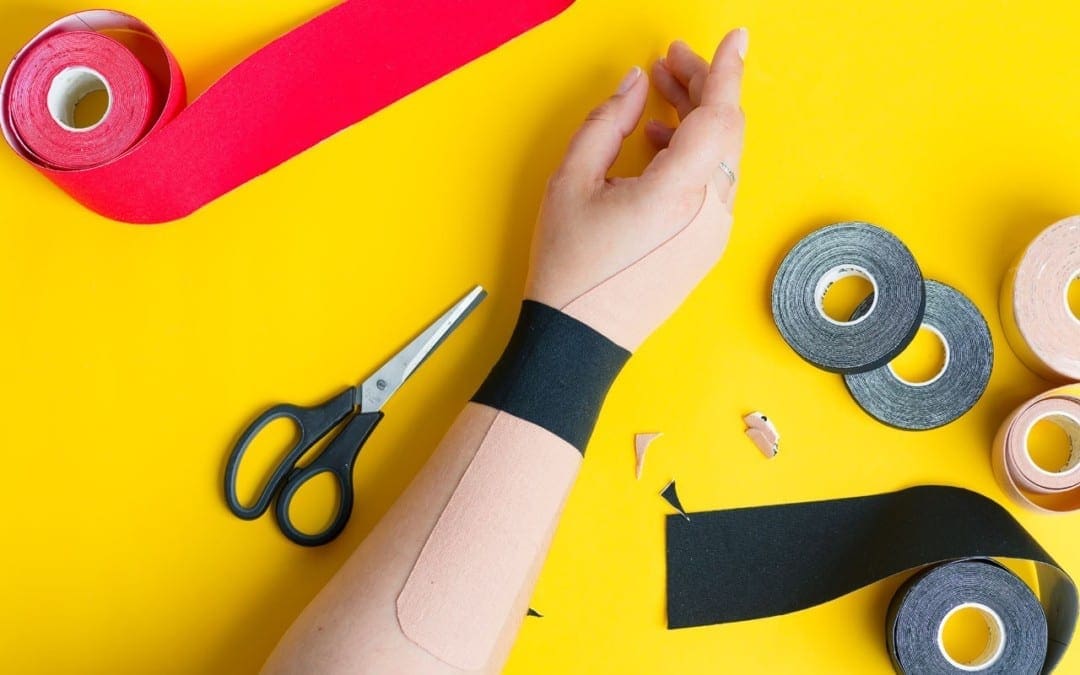
Kinesio taping is common for injuries, but can also be effective for non-sports related injuries/ailments. Kinesio taping is a rehabilitative therapeutic taping method that facilitates the body�s ability to heal naturally. The tape provides support, and stability for muscles, and joints without restricting motion. Plus there is added soft tissue support prolonging the tape's effectiveness. The technique can have added benefits when combined with chiropractic. This technique is the norm among athletes nowadays but can benefit everybody. As a chiropractic physician, I use the technique for:
Sports injuries
Sprains
Strains
Injury Prevention
Pregnancy
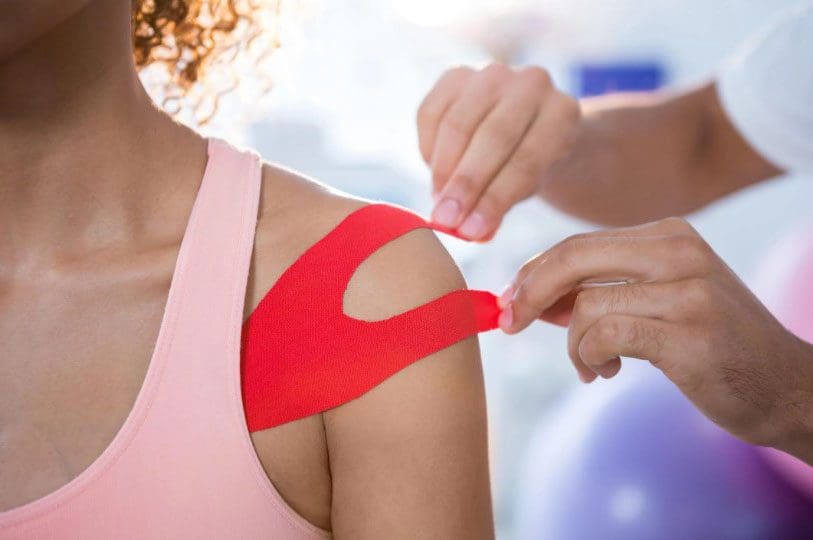
The taping involves applying the tape over and around muscles stimulating them to send neuromuscular signals that optimize performance and helps injuries heal naturally. This is a versatile treatment that can benefit everyone.
Pain Relief
We all get strained, overused muscles that can cause tension and soreness. Millions suffer from neck, upper, mid, and low back pain from poor posture or sitting all day. It reduces pain by relieving the pressure on the strained or injured area. According to a study, stroke patients with shoulder pain experienced relief and reduction in shoulder pain after three weeks of Kinesio Taping intervention. Another study published in the Journal of Back and Musculoskeletal Rehabilitation had similar results for reduced pain in patients with tennis elbow. Kinesio tape therapy can improve pain symptoms while continuing to heal the specific muscle/s.
Reduce Inflammation
It also reduces pressure on the lymphatic system, which removes fluid from the tissues. Reduced pressure allows the body to drain fluids like lactic acid that can build up in an injured area. This benefit goes beyond just healing injuries. It helps reduce inflammation and swelling after surgery and with inflammatory conditions like lymphedema. Kinesio could be beneficial for individuals with chronic inflammatory conditions.
Overused Muscle Recovery
Taping improves blood flow, the delivery of oxygen, and nutrients to the affected area, which helps overused muscles heal quickly. This added benefit is one of the reasons taping is now used in everyday practice to treat:
Taping helps improve overall function. This is a key factor for optimal healing. A study found elderly patients with degenerative knee arthritis tried the therapy and experienced reduced pain, stiffness, improved knee joint function, and increased overall motion. For improved function Kinesio is commonly used on the:
Ankles
Back
Feet
Knees
Shoulders
Overall Benefits
One of the most important benefits, it comes without side effects from prescription meds.
It provides support without restricting the muscle�s range of motion
Individuals can continue to be active and not worry about overstretching the injured muscle/s, as the tape will let them know.
The tape can be worn 24-hours a day for several days per application.
This Kinesio taping technique is currently used by thousands of:
Physical therapists
Occupational therapists
Chiropractors
Medical doctors
Certified athletic trainers
Massage therapists
Correct Bad Posture with Functional Foot Orthotics
Dr. Alex Jimenez�s Blog Post Disclaimer
The scope of our information is limited to chiropractic, musculoskeletal, physical medicines, wellness, and sensitive health issues and/or functional medicine articles, topics, and discussions. We use functional health & wellness protocols to treat and support care for injuries or disorders of the musculoskeletal system. Our posts, topics, subjects, and insights cover clinical matters, issues, and topics that relate and support directly or indirectly our clinical scope of practice.*
Our office has made a reasonable attempt to provide supportive citations and has identified the relevant research study or studies supporting our posts. We also make copies of supporting research studies available to the board and or the public upon request. We understand that we cover matters that require an additional explanation as to how it may assist in a particular care plan or treatment protocol; therefore, to further discuss the subject matter above, please feel free to ask Dr. Alex Jimenez or contact us at 915-850-0900. The provider(s) Licensed in Texas& New Mexico*
Being attached to a smartphone and looking down for a long can cause phone neck pain. We are all constantly connected to our family, friends, work, etc. When we keep our head down, shoulders hunched forward, neck straining from the uncomfortable angle for a long time a neck injury can develop. This has to do with knowing how to maintain proper posture while using a smartphone.
Most of us know this syndrome as tech neck, text neck, and is caused by straining the neck too far down and forward while talking/texting, etc. Holding this position for too long will cause neck muscle strain and pain. This also occurs with handheld devices with users hunching their shoulders forward. The awkward neck angel and rounded shoulders strain the entire upper body.
�
Phone Neck Pain Stretches/Tips
Here are a few tips along with some light stretches/exercises to keep the neck muscles flexible and loose.
Try to bring the phone to eye level.
Check around and look up from the screen every few minutes so as not to remain in a downward position.
Move the chin towards the chest, and hold for 5 seconds as there will be a comfortable stretch from the neck to the base of the skull to the mid-back. Try doing a few up to 10 times until you feel thoroughly stretched.
Side Bend
Tilt the head to the right, bringing the ear close to the shoulder. Use your hand to pull your head farther into the stretch if possible. Hold for 20 seconds. Bring the head back to the center, and tilt to the left, and hold for 20 seconds. Repeat this motion 3-5 times on each side.
Head Rotation
Rotate the chin towards the right shoulder and hold for 20 seconds. Use your hand to push your head farther into the stretch if possible. Bring the head back to the center, and rotate to the left, and hold for 20 seconds. Repeat this motion 3-5 times on each side.
Neck pain can turn into a full injury or condition if an individual continues with this form of very poor posture. Taking care of our bodies needs to be a priority. Make proper posture a habit and it will help prevent neck and back pain from developing. This along with related posture and biomechanical issues. Proper posture means the head is upright, the ears are in line with the shoulders, and the shoulder blades are down.
Neck Pain Chiropractic Care
Dr. Alex Jimenez�s Blog Post Disclaimer
The scope of our information is limited to chiropractic, musculoskeletal, physical medicines, wellness, and sensitive health issues and/or functional medicine articles, topics, and discussions. We use functional health & wellness protocols to treat and support care for injuries or disorders of the musculoskeletal system. Our posts, topics, subjects, and insights cover clinical matters, issues, and topics that relate and support directly or indirectly our clinical scope of practice.*
Our office has made a reasonable attempt to provide supportive citations and has identified the relevant research study or studies supporting our posts. We also make copies of supporting research studies available to the board and or the public upon request. We understand that we cover matters that require an additional explanation as to how it may assist in a particular care plan or treatment protocol; therefore, to further discuss the subject matter above, please feel free to ask Dr. Alex Jimenez or contact us at 915-850-0900. The provider(s) Licensed in Texas& New Mexico*
Lumbar stenosis surgery for sciatica, like any type of surgical procedure does not always yield the most successful results. This is why it�s important to carefully and methodically assess all of the personal risk factors.
Sciatica causes severe pain and surgery could be an option and hopefully of last resort. However, it� is important to first attempt non-surgical/non-pharmacological treatment/s for six to twelve weeks before surgery to relieve symptoms and root cause. A full course of conservative treatment could include:
Physical therapy
Chiropractic
Aerobic exercise
Pain meds
Epidural steroid injection
�
�
Sciatica and Stenosis
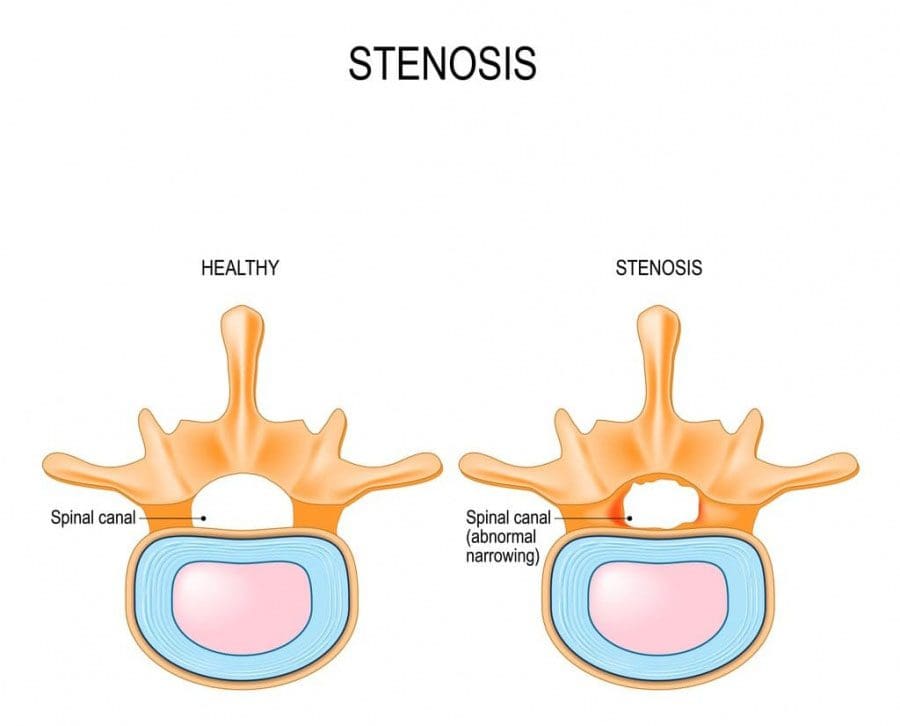
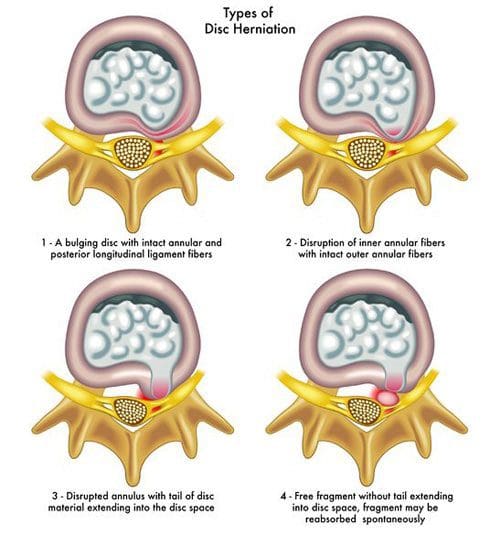
Sciatica can be caused by stenosis. This is when the spinal canal narrows, constricting, and pinching the nerves specifically the sciatic. Around ninety percent of cases stem from a herniated disccompressing the nerve roots. The damaged disc extends out and pinches the roots of the sciatic nerve. This pinching causes: �
�
Pain
Numbness
Tingling
Muscle weakness
If it stays like this for a long time an individual can experience incontinence, along with permanent nerve and muscle damage.
�
Lumbar Stenosis Surgery Options
Lumbar stenosis surgery depends on the cause of sciatica: A single herniated disc could be pressing the nerve, which would only require the removal of just that portion of the disc that�s causing the compression. This procedure is known as a discectomy or microdiscectomy.
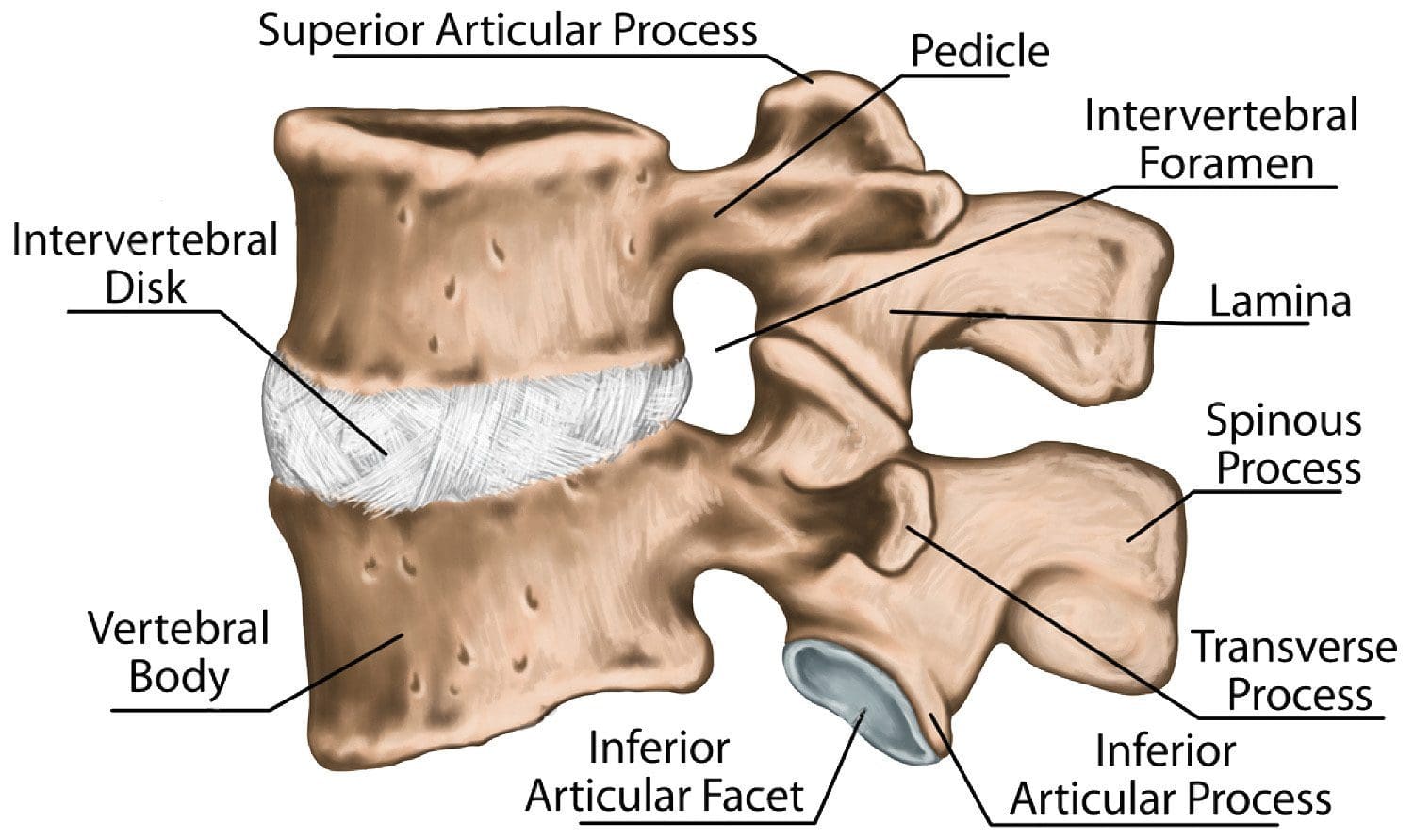
If the stenosis is caused by a bone problem like an arthritic bone spur, then space has to be made in the canal. This means a portion of the lamina or the back of the spinal column. This is called a hemilaminectomy. Sometimes the whole lamina has to be removed. This is known as a laminectomy.
�
If there is the instability of the spinal column, some of the lumbar vertebrae will be fused together to prevent further instability and added nerve compression.
A non-operative treatment course lasting a few weeks to months could reduce swelling in the nerve and improve sciatica symptoms. What happens is sometimes the disc gets reabsorbed over time and does not irritate the sciatic nerve.
�
Surgical Success
If the non-surgical options yielded minimal positive results or completely failed and surgery is the last resort talk with your surgeon to discuss the risks and benefits. The discussion will focus on factors like:
Individuals sixty-five and older, multiple health problems, being overweight or a smoker will place an individual at a higher risk of post complications from surgery. Studies found individuals who underwent surgery for sciatica from lumbar stenosis, identified added risk factors that could affect the outcome including:
Depression: this was because there were patients that continued to have sciatica symptoms after surgery. This means they are more likely to take antidepressants or anticonvulsants.
Quality of life from health perspective was low.
Previous spine surgery
�
Knowing about these factors and the possible success of sciatica surgery is something to keep in mind. The best way to understand what and how the surgery will be beneficial is to understand the risks and to remember that the risks are not the same for everybody.
�
Optimization
Surgical success depends on making sure patients are optimized before surgery. Increasing the chances of successful surgery after conservative treatment/s a surgeon will ask the patient to take these steps:
Weight loss is difficult, but it has been shown to improve surgical outcomes.
Light aerobic exercise, such as stationary or recumbent cycling can help keep the body's blood flowing properly.
Exercising with pain is difficult but it will increase the cardiovascular system along with keeping the heart and lungs healthy enough to undergo surgical stress.
If the exercising causes too much pain ask the doctor about anti-inflammatory, muscle relaxants, or steroid medication along with the non-surgical treatment that can provide relief allowing exercise to resume.
�
Quit smoking
Smoking increases the rate of spinal degeneration and impairs the body�s ability to heal properly and optimally after surgery. If the surgery is elective, meaning it is not a medical emergency, then it is strongly encouraged to quit smoking before surgery. This will increase the chances of eliminating the habit. Don't be afraid to get support. cancer.org/smokeout.
�
Pro-activeness
If taking antidepressant/s for depression, do not quit taking the medication thinking it will improve sciatica surgery success. Mental health is extremely important. The same goes for anticonvulsant meds as well. Stopping anticonvulsant medication for spinal surgery will more than likely cause extended damage or pre/post-surgical complications. Pre-existing conditions like depression means bringing the mental health provider and other specialists into the pre-surgical discussion.
Chiropractor Sciatica Symptoms
Dr. Alex Jimenez�s Blog Post Disclaimer
The scope of our information is limited to chiropractic, musculoskeletal, physical medicines, wellness, and sensitive health issues and/or functional medicine articles, topics, and discussions. We use functional health & wellness protocols to treat and support care for injuries or disorders of the musculoskeletal system. Our posts, topics, subjects, and insights cover clinical matters, issues, and topics that relate and support directly or indirectly our clinical scope of practice.*
Our office has made a reasonable attempt to provide supportive citations and has identified the relevant research study or studies supporting our posts. We also make copies of supporting research studies available to the board and or the public upon request. We understand that we cover matters that require an additional explanation as to how it may assist in a particular care plan or treatment protocol; therefore, to further discuss the subject matter above, please feel free to ask Dr. Alex Jimenez or contact us at 915-850-0900. The provider(s) Licensed in Texas& New Mexico*
IFM's Find A Practitioner tool is the largest referral network in Functional Medicine, created to help patients locate Functional Medicine practitioners anywhere in the world. IFM Certified Practitioners are listed first in the search results, given their extensive education in Functional Medicine