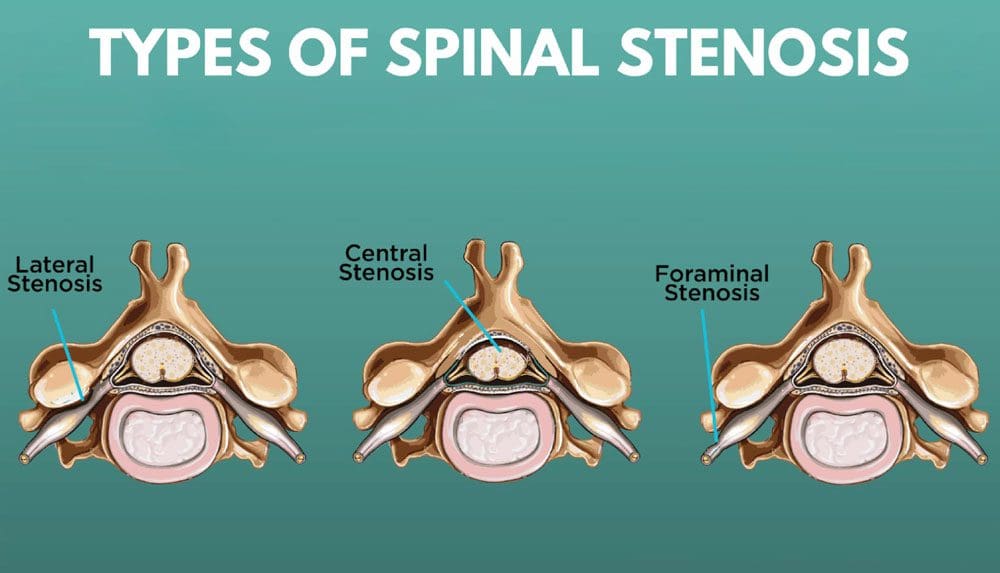
The spine is the body’s central highway, with the spinal canal as the main lane that handles all the traffic. There are entrances and exits, or spinal cavities, that allow the nerves to branch off the spinal cord and run throughout the body. A traffic jam develops during lane closures, accidents, or construction at an entrance or exit. Lateral recess stenosis causes the narrowing of the spine’s lateral recess/Lee’s entrance, which can compress nerves, impede nerve circulation, and cause painful symptoms.
Lateral Recess Stenosis
The spinal column provides a strong and flexible structure for the spinal cord. The nerves travel from the spinal cord through various openings and passageways to the rest of the body. One of the openings is known as the lateral recess. Stenosis means narrowing. When a lateral recess in a vertebra develops stenosis, the nerve in that area can get jammed/pinched with no room to move, causing varying symptoms and sensations.
Symptoms
Depending on where the stenosis is taking place (neck, middle or low back), common symptoms of lateral recess stenosis can include:
Back pain that can spread out to other areas.
Cramping that can spread out to other sites.
Radiating pain that worsens with movement and eases with rest.
Numbness or weakness of the legs or arms.
Electrical tingling sensations down the leg or arm.
Muscle groups around the stenosis area are built up to take the pressure off of the area, alleviating symptoms.
Medications
A doctor or spine specialist may recommend or prescribe medication to ease symptoms. These include:
Tylenol – acetaminophen.
NSAIDS – Advil/ibuprofen or Aleve/naproxen.
Muscle relaxers
Steroid Injections
According to a study, neurogenic claudication is the main reason for disability and loss of independence in the elderly.
Neurogenic claudication describes pain and weakness in the buttocks and legs during physical activity that originates from the nerves, not the vessels.
This can happen from inflammation and swelling around a compressed nerve.
A steroid injection can decrease inflammation for several months.
Surgery
If activity modification, NSAIDs, bracing, and physical therapy don’t work or provide adequate relief, a doctor or specialist could recommend surgery.
Fusion is reserved when there is instability combined with the condition.
Back Problems Chiropractor
References
American College of Rheumatology (n.d.) “Spinal Stenosis” https://www.rheumatology.org/I-Am-A/Patient-Caregiver/Diseases-Conditions/Spinal-Stenosis
Arthritis Foundation (n.d.) “Corticosteroids” https://www.arthritis.org/drug-guide/corticosteroids/corticosteroids
Drug Design, Development and Therapy (2014) “Steroid for epidural injection in spinal stenosis: a systematic review and meta-analysis” https://doi.org/10.2147/DDDT.S78070
Lee, Seung Yeop, et al. “Lumbar Stenosis: A Recent Update by Review of Literature.” Asian spine journal vol. 9,5 (2015): 818-28. doi:10.4184/asj.2015.9.5.818
Liu, Kuan, et al. “Steroid for epidural injection in spinal stenosis: a systematic review and meta-analysis.” Drug design, development, and therapy vol. 9 707-16. Jan 30, 2015, doi:10.2147/DDDT.S78070
Medline Plus (n.d.) “Achondroplasia” https://medlineplus.gov/genetics/condition/achondroplasia/
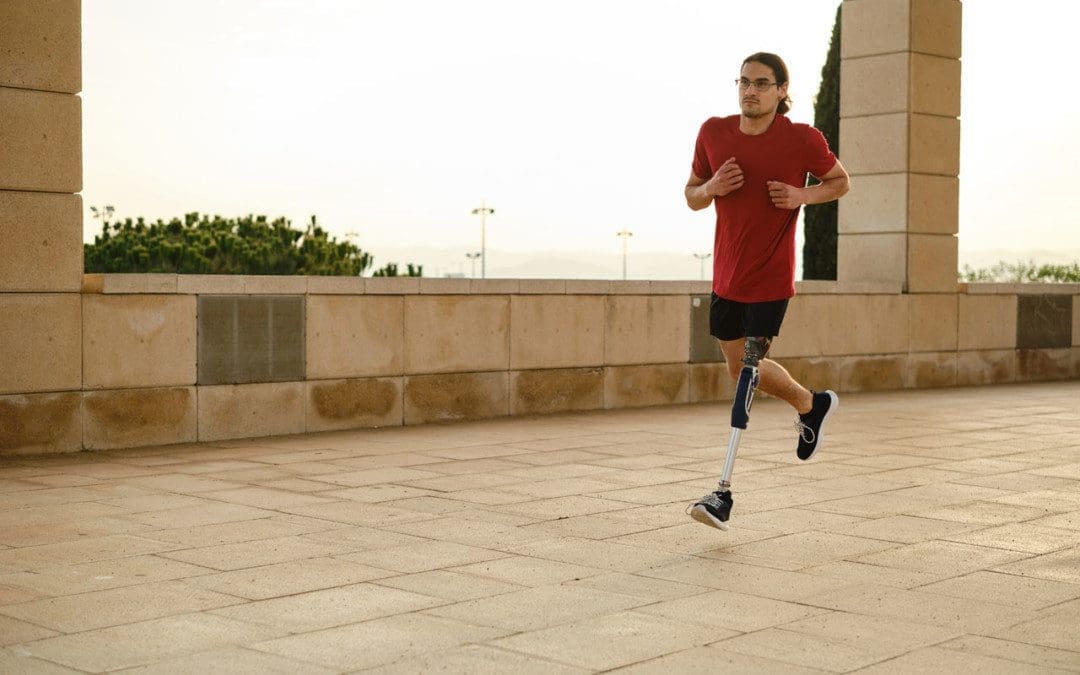
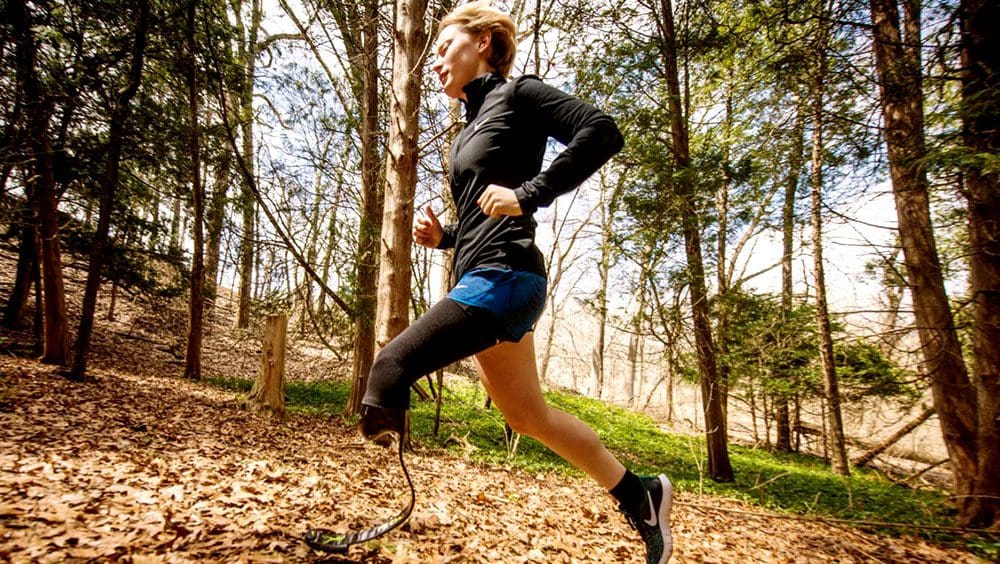
Before you begin running, talk with your physician, prosthetist, and other clinicians involved in your rehabilitation/health care treatment. Learning to use a prosthetic takes time and practice. Individuals that meet the minimum recommendations for running and have mastered walking on a prosthesis can begin running. The world of sports prosthetics has realized technological advancements to become highly refined and targeted for all levels of competition.
Before Running Recommendations
Every individual has specific healthcare needs, and guidelines should be considered to prevent injuries.
To become a runner and progress to a good runner, individuals need to focus on strengthening their legs to build endurance levels to meet the energy demands.
Working with a sports chiropractic and physical therapy team is recommended to build, strengthen, and condition the muscles and develop healthy posture and walking habits.
Skin Health
Talk with your healthcare team to ensure the skin can withstand the forces while running. If limb skin quality is insufficient, running can result in sores and blisters that prevent wearing a prosthesis until they heal. Other considerations include the following:
The incision should be healed.
All stitches and staples have been removed.
There should be no drainage.
Ensure there are no open wounds or blisters.
Bone Health
Research suggests in some cases that a decrease in bone density/osteopenia or osteoporosis of the residual limb can occur after amputation.
This can result in pain when applying weight through the residual limb.
Some amputations can result in heterotopic ossification – bone growth in the soft tissues outside the normal skeleton.
If heterotopic ossification is causing symptoms, it is not recommended to run and talk to your physician and prosthetist about options.
Proper Fitting of Prosthetic
Suboptimal socket fit can result in an altered gait.
If there is any compensation when walking, the gait deviations will be exacerbated when running.
Gait deviations can result in abnormal loading, resulting in injuries.
Talk to your prosthetist about the fit if it is less than optimal.
It is recommended to participate in gait training with a chiropractic physical therapy team to learn to walk with proper form.
Balance and Agility
Agility drills are recommended to transition from walking to running.
They help coordinate the limbs and can be done with a regular prosthesis.
Agility and balance exercises promote stability in the socket to become more stabilized during quick movements.
They can help to prevent balance-related falls.
When working on balance, do it in a safe environment with a friend, family, or something to hold on to.
Strength Training
The unaffected leg will now be the main powerhouse, so the focus needs to be on strengthening all the muscles in that leg.
If you have bilateral amputations or both legs, the hips will be the powerhouse for running. It needs to generate all the force to propel the body forward.
Individuals with a below-knee amputation will also have the hamstrings to help out.
Hip musculature needs to be strong to meet running demands.
Without proper strength, the body will compensate in various ways, which can lead to injuries.
Endurance
Endurance training is essential.
A high level of endurance is required before training to run to meet the energy demands.
Running on a prosthesis requires more energy. It could be recommended to use a running prosthesis instead of the everyday prosthesis. The energy needed to run is:
Greater for individuals with amputations above the knee than those below the knee.
Even greater for those with amputations on both sides.
Asymmetry
Asymmetrical loading is a common problem when running with a prosthesis. Runners want to use the unaffected limb more than maintain balance for reasons that include:
Not trusting the prosthetic.
Discomfort when loading the residual limb.
Not enough strength in the residual limb.
Unbalanced amounts of force from impact can result in injuries.
Practice Schedule
In the first week, asses how the socket fits and if there is any discomfort.
If something does not feel correct, check with your prosthetist.
Don’t run for more than 10 minutes in the beginning without stopping to check the skin to see if any red spots appear.
The pressure will be increased, so be aware of anything irritating or rubbing the skin.
Individuals who had their amputations some time ago may be able to tolerate the load more easily at the beginning than individuals who recently had an amputation.
Too much too soon can result in injuries.
Slowly ease into running and give the limbs and body time to adapt to the physical and mental stress.
Running With A Prosthetic Limb
References
Beck, Owen N et al. “Reduced prosthetic stiffness lowers the metabolic cost of running for athletes with bilateral transtibial amputations.” Journal of applied physiology (Bethesda, Md.: 1985) vol. 122,4 (2017): 976-984. doi:10.1152/japplphysiol.00587.2016
Bragaru, Mihai, et al. “Sport prostheses and prosthetic adaptations for the upper and lower limb amputees: an overview of peer-reviewed literature.” Prosthetics and orthotics international vol. 36,3 (2012): 290-6. doi:10.1177/0309364612447093
Kanas, Joanne L, and Mark Holowka. “Adaptive upper extremity prostheses for recreation and play.” Journal of pediatric rehabilitation medicine vol. 2,3 (2009): 181-7. doi:10.3233/PRM-2009-0082
Matthews, D et al. “Return to sport following amputation.” The Journal of sports medicine and physical fitness vol. 54,4 (2014): 481-6.
Meyers, Carolyn, et al. “Heterotopic Ossification: A Comprehensive Review.” JBMR plus vol. 3,4 e10172. 27 Feb. 2019, doi:10.1002/jbm4.10172
Morgan, Sara J et al. “Mobility with a lower limb prosthesis: experiences of users with high levels of functional ability.” Disability and rehabilitation vol. 44,13 (2022): 3236-3244. doi:10.1080/09638288.2020.1851400
It didn’t happen at work, school, or exercise, and there haven’t been any trips and/or falls, but you can’t pinpoint what is causing foot and ankle discomfort and sensations. However, the cause could be originating in the lumbar spinal region. Sciatica is a set of symptoms that refer to pain, numbness, and tingling radiating down the leg from the lower back, affecting the legs, hips, buttocks, and feet. Injury Medical Chiropractic and Functional Medicine Clinic can release the compressed nerve, massage circulation back into the nerve, and restore mobility and function.
Sciatica Foot and Ankle
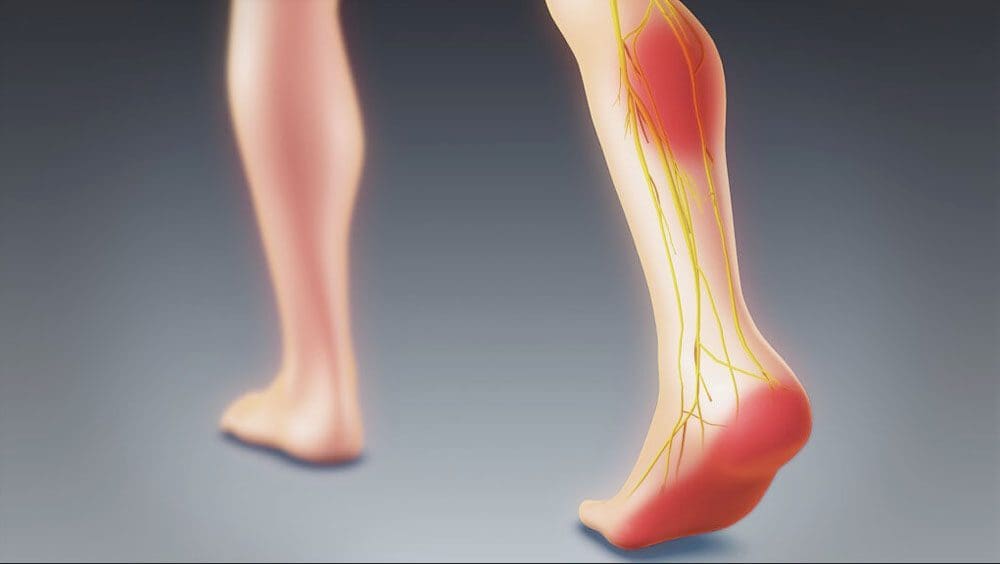
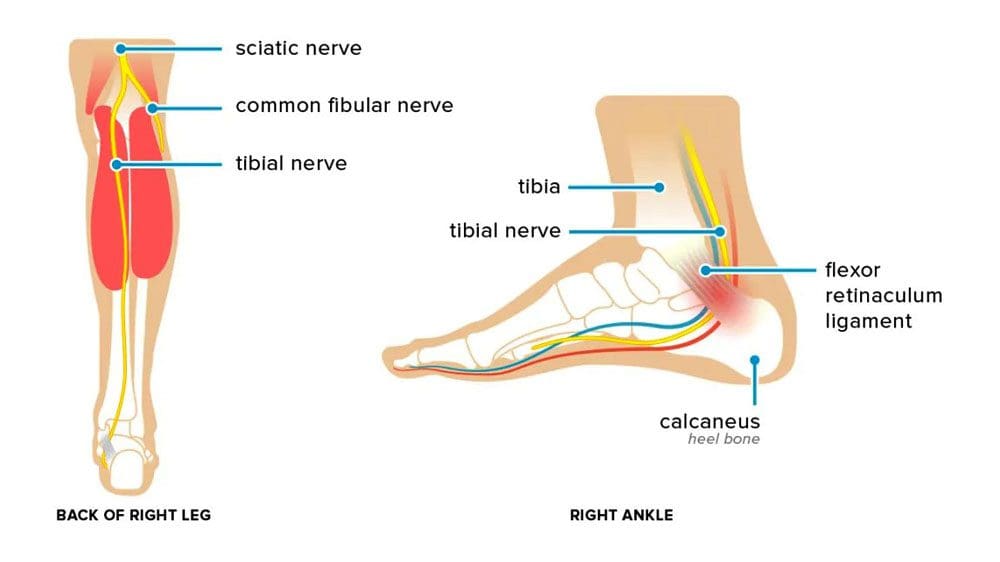
Sciatic nerve sensations can run down the back of the leg down into the foot.
Compression or irritation to any nerve roots can present with symptoms in the hip, thigh, calf, and foot.
Sciatica foot and ankle symptoms can accompany numbness and muscle weakness.
Sciatic nerve irritation mostly causes symptoms on the outside of the foot but can spread to other areas.
Nerve Roots
One or more of the lower spine’s sciatic nerve roots are being compressed or pinched. The foot symptoms location depends on which nerve root is affected.
If the S1 root is affected, symptoms will radiate to the sole and side of the foot.
If L5 is affected, symptoms will radiate to the top of the foot and the big toe.
If the L4 root is affected, symptoms can radiate to the medial or inside the ankle area.
Chiropractic Care and Relief
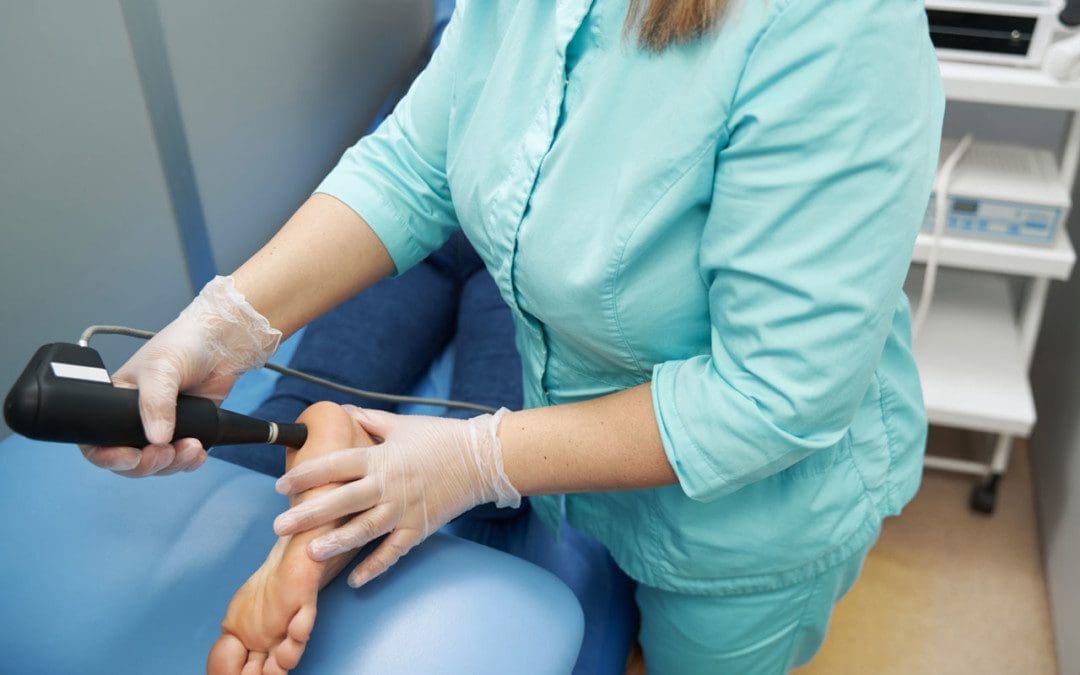
Foot Massage
A foot massage can be helpful.
A massage therapist finds points around the ankles that are tender.
Tenderness indicates a lymphatic blockage or muscle tension that needs to be worked out.
They will apply varying pressures to massage the muscles and get the circulation flowing.
The therapist will loosen the tarsal and metatarsal bones to loosen the muscles and nerves.
Moving the bones resupplies the joints, forces out inflammatory metabolic waste, opens the space for the nerves, and allows improved lymphatic drainage and blood flow to expedite healing.
A chiropractor will perform and train the individual on targeted stretches to the Achilles tendon and plantar fascia.
They will stretch, release, and open the ankle and sciatic nerve.
Injections
A cortisone injection where the nerve is affected can help in certain cases.
Injections of a corticosteroid, an anti-inflammatory medicine, can offer relief for up to three months and are given under local anesthesia.
The medicine reduces the inflammation and swelling around the nerve roots.
Foot Orthotics
Custom foot orthotics can help support a postural foot or ankle problem.
Overpronation is when the ankles collapse inward, which creates an imbalance of leg lengths that affects the hips, pelvis, and spine.
Orthotics can help provide symptom relief.
Nutrition
Part of a treatment plan will include an anti-inflammatory and antioxidant nutritional plan.
A professional nutritionist will make recommendations based on the individual’s case.
Magnesium-rich foods are generally recommended for sciatica as this nutrient aids the body in releasing muscle contractions.
99 percent of the body’s magnesium is stored in the bones, muscles, and soft tissues, with only 1 percent concentrated in the blood.
Foods rich in magnesium include:
Avocado
Bananas
Apricots
Dried pumpkin seeds
Dairy
Dark chocolate
Dried figs
Black beans
Brown rice
Fish
Spinach
Swiss chard
Yogurt
Benefits of Custom Foot Orthotics
References
Davis, David, et al. “Sciatica.” StatPearls, StatPearls Publishing, 6 May 2022.
Ge, Phillip S et al. “Iatrogenic pseudoaneurysm of the superior gluteal artery presenting as pelvic mass with foot drop and sciatica: case report and review of the literature.” Vascular and endovascular surgery vol. 44,1 (2010): 64-8. doi:10.1177/1538574409351990
Hughes, Michael S et al. “Post-traumatic catamenial sciatica.” Orthopedics vol. 31,4 (2008): 400. doi:10.3928/01477447-20080401-15
Mayo Clinic. “Sciatica.” https://www.mayoclinic.org/diseases-conditions/sciatica/symptoms-causes/syc-20377435?p=1
National Institutes of Health. “Sciatica.” https://medlineplus.gov/sciatica.html
Pan, Hung-Chuan, et al. “Magnesium supplement promotes sciatic nerve regeneration and down-regulates inflammatory response.” Magnesium research vol. 24,2 (2011): 54-70. doi:10.1684/mrh.2011.0280
The fascia is important for connecting the musculoskeletal system, stabilizing function, and keeping the body healthy and balanced. Sugar consumption and the abundance of sugar in the body that doesn’t get burned directly negatively affect the fascia, making it lose its elasticity and affecting other connective tissues. Excess sugar in the blood leads to a pathological process called glycation. One effect of glycation is binding sugar molecules to fascial proteins, causing them to thicken and stiffen. The body sees the tangled molecules as foreign bodies initiating an inflammatory response to get rid of them. This can lead to chronic inflammation causing various symptoms. The Injury Medical Chiropractic and Functional Medicine Clinic Team will address soreness, pain, and discomfort associated with fascia problems.
Myofascial Tissue
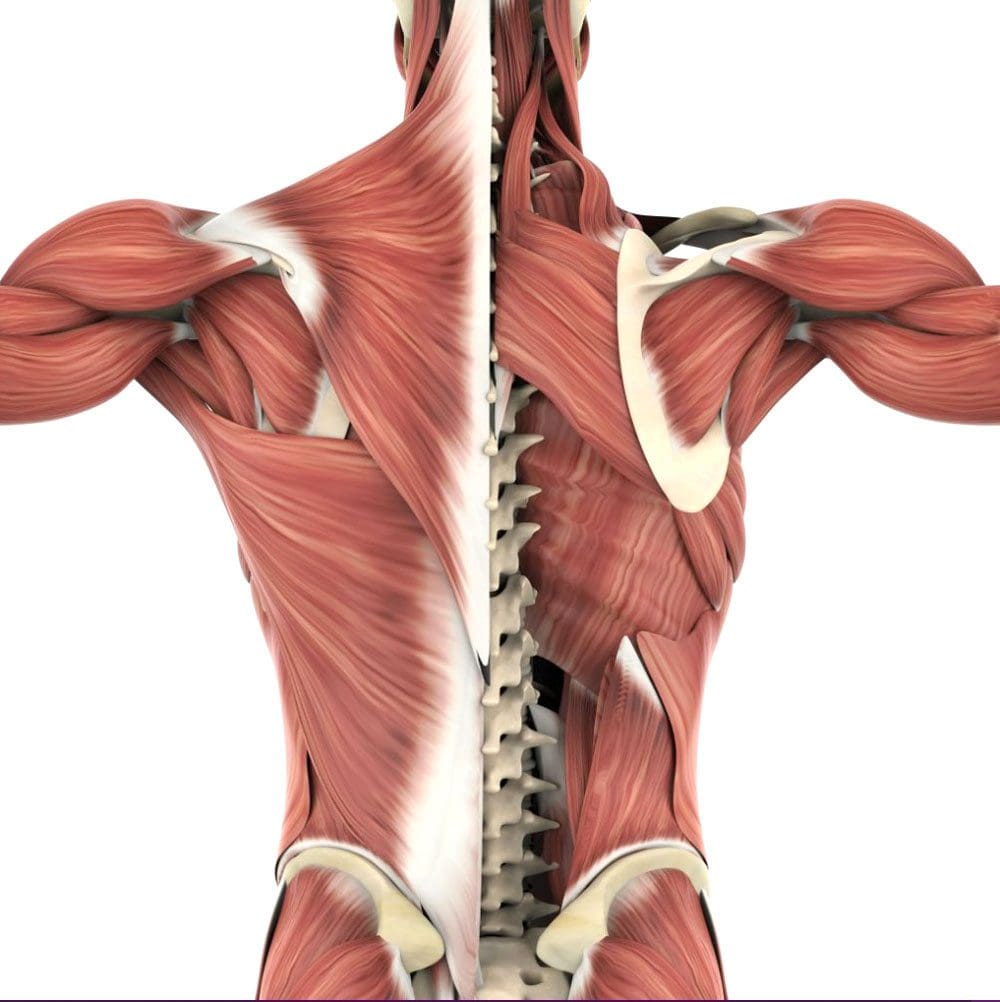
Myofascia or fascia is a layer of tissue that connects and supports the spine and muscles. It wraps and links internal body parts in bands, fusing them. This ensures the muscles can move freely without experiencing friction with other body parts.
Fascia is made of collagen, creating a tough and flexible texture that provides tension and elasticity.
Fascia is found around muscles, nerves, blood vessels, blood and cells, organs, and bones.
When the body stays or moves in repetitive patterns, the fascia can memorize certain positions/postures and hold the fascia in a contracted state. For example, sitting at a desk workstation causes the gluteal muscles, tendons, and ligaments to stretch and pull the muscles around them. The gluteal muscles can become restricted without releasing and training the fascia to return to a retracted position, causing tension and myofascial discomfort. When the body is in balance/homeostasis, and the fascia is healthy:
The viscoelastic gel flows without restriction in all directions.
The collagen fiber network moves freely.
Lymph and blood circulation flow correctly.
Communication between cells, the nervous system, and all tissues in the body work correctly.
In the event of an injury and activation of the healing process, specific components interact with cells to create the condition for healing and generate inflammation, allowing new cells to easily move and heal the tissue. An obstruction in the circulation increases pressure where the fluid sits stationary, preventing tissue communication. Sometimes the healing process doesn’t stop, and the inflammation response worsens and can become chronic.
Sugar Consumption
Many think of sugar as candy, sweets, chocolates, and desserts. However, all carbohydrates are sugar, and eating too much bread, pasta, grains, fruit, and cereals, contributes to a lot more sugar consumption.
Foods believed to be healthy such as wholemeal bread, low-fat alternatives, and granola cereal, have high amounts of sugar.
The connective tissues need collagen for the smooth functioning of joints.
High blood sugar exacerbates aches and pains and can lead to impaired joint movement and, eventually, arthritis.
Fascia Problems
Impaired flow and mobility
Fascia that has thickened and hardened impairs gliding ability.
In places where the body has become stiff and numb, the nervous system can’t transmit signals as quickly to control movements.
Muscles can constantly twitch or go into convulsions from misinterpreted signals.
A tight connective tissue chain can distort the skeleton causing the joints to wear faster.
Chiropractic Myofascial Massage Release
Chiropractic myofascial massage and release provides several benefits to the body’s health and well-being, including:
Relieves the overall effects of stress on the body.
Relieves soreness and pain.
Increases blood and lymph circulation.
Improves tissue recovery.
Improves joint range of motion.
Restores proper-length-tension relationships for dynamic movement.
Maintains normal functional muscular length.
Improves neuromuscular function.
Nutritional Guidelines Fascial Health
References
Barros-Neto, João Araújo et al. “Selenium and Zinc Status in Chronic Myofascial Pain: Serum and Erythrocyte Concentrations and Food Intake.” PloS one vol. 11,10 e0164302. 18 Oct. 2016, doi:10.1371/journal.pone.0164302
Dong, Shoubin, et al. “A three-dimensional collagen-fiber network model of the extracellular matrix for the simulation of the mechanical behaviors and microstructures.” Computer methods in biomechanics and biomedical engineering vol. 20,9 (2017): 991-1003. doi:10.1080/10255842.2017.1321113
Mattei, Giorgio et al. “Engineering Gels with Time-Evolving Viscoelasticity.” Materials (Basel, Switzerland) vol. 13,2 438. 16 Jan. 2020, doi:10.3390/ma13020438
Okumus, M et al. “The relationship between serum trace elements, vitamin B12, folic acid and clinical parameters in patients with myofascial pain syndrome.” Journal of back and musculoskeletal rehabilitation vol. 23,4 (2010): 187-91. doi:10.3233/BMR-2010-0264
Vlassara, Helen, and Jaime Uribarri. “Advanced glycation end products (AGE) and diabetes: cause, effect, or both?.” Current diabetes reports vol. 14,1 (2014): 453. doi:10.1007/s11892-013-0453-1
Aging Arthritis: How the body changes as the years go by is determined by an individual’s diet, physical activity/exercise, genetics, stress levels, sleep patterns, and self-care. As the body ages, natural degeneration from everyday wear and tear will present. The focus is on understanding how age-related degeneration can affect the body and what to do to prevent and treat it.
The condition can cause long-term joint damage that can lead to disability.
Aging Arthritis and Chiropractic Care
Chiropractic care is recommended for the treatment of any form of arthritis. Chiropractic care can work with other therapies to reduce swelling and inflammation, alleviate pain, and improve mobility and flexibility.
A chiropractor will utilize body imagery before beginning treatment.
Imaging gives insight into the condition of the joints, and the visual, combined with a self-report from the individual, allows the chiropractor to create a personalized treatment plan.
Once a chiropractor has identified which techniques the body can handle, treatment will commence that can include:
Therapeutic massage
Percussive massage
Ultrasound
Electrotherapy
Low-level cold laser therapy
Infrared heat
A chiropractor’s objective is to rebalance, realign and strengthen the body, relieve pressure or stress at the junction of the joints, and expedite healing and rehabilitation.
LLT Laser Therapy
References
Abyad, A, and J T Boyer. “Arthritis and aging.” Current opinion in rheumatology vol. 4,2 (1992): 153-9. doi:10.1097/00002281-199204000-00004
Chalan, Paulina, et al. “Rheumatoid Arthritis, Immunosenescence and the Hallmarks of Aging.” Current aging science vol. 8,2 (2015): 131-46. doi:10.2174/1874609808666150727110744
Goronzy, Jorg J et al. “Immune aging, and rheumatoid arthritis.” Rheumatic diseases clinics of North America vol. 36,2 (2010): 297-310. doi:10.1016/j.rdc.2010.03.001
Greene, M A, and R F Loeser. “Aging-related inflammation in osteoarthritis.” Osteoarthritis and cartilage vol. 23,11 (2015): 1966-71. doi:10.1016/j.joca.2015.01.008
Back discomfort symptoms include stiffness, spasms, tenderness, and headaches often caused by unhealthy posture and overuse muscle strain. Breathing back discomfort can be caused by injuries to the spinal musculoskeletal system, conditions and/or disease in the back, lungs, or heart, and other conditions unrelated to the back. When taking a breath, the intercostal muscles surrounding the rib cage contract, expanding the chest and allowing the lungs to fill with air. These muscles directly affect the spine, which is why back issues can present when breathing. Chiropractic care, decompression, and massage therapy, combined with a functional medicine approach, can realign the spine, release tight muscles, and restore function.
Breathing Back Discomfort
A problem in the back could be a root cause for discomfort and back problems while breathing.
Spinal Conditions
Scoliosis
Scoliosis causes the spine to curve sideways, either in one direction, creating a C shape, or generating an S shape in two directions.
The curvature can be so minimal that it cannot be seen or so severe that it can be life-threatening. Most scoliosis cases fall in between.
Taking deep breaths can cause discomfort and pain because the spine curvature puts extra strain on certain muscles meant to support the body’s weight in tandem with other muscles that have limited function or are no longer functioning.
The condition normally begins in adolescence but can start later in life.
Scoliosis treatment varies depending on the severity.
Monitor
A spinal physician will monitor the individual for mild curvature, as sometimes the process stops before it becomes serious. This is known as the wait-and-see, what-happens approach.
Kyphosis is another curve in the back that is supposed to be there.
Instead of curving like scoliosis, kyphosis causes a curve forward in the thoracic spine/upper back.
Problems arise when the curve is too pronounced.
This curve can come from unhealthy posture, Scheuermann’s disease, or being born with it.
Kyphosis causes breathing back discomfort by straining the muscles in the upper back, which are used for each breath.
Treatment often involves chiropractic and/or physical therapy to restore proper curvature and reduce inflammation.
A back brace could be prescribed if discomfort and pain continue.
Spinal fusion could be recommended for severe cases.
Lungs
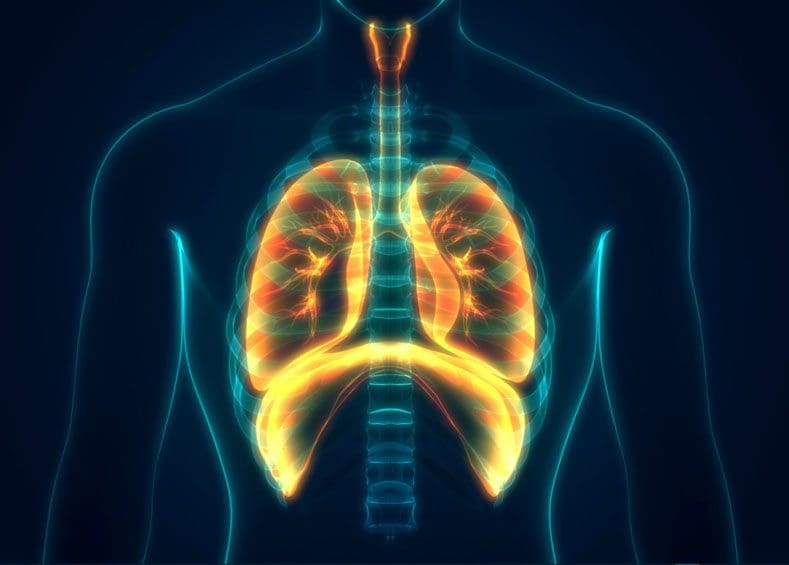
The lungs and the spine are close to each other, which is why back discomfort and problems with breathing are connected.
Pneumonia
Pneumonia is an infection in the lungs that causes the tiny sacks known as alveoli to fill with fluid.
This is where the body takes oxygen from the inhaled air to the bloodstream.
The infection causes inflammation and discomfort symptoms in and around the chest and back while taking deep breaths.
Lung Cancer
Lung cancer can cause back issues and pain.
Frequently coughing causes the muscles around the ribs and back to become overused and strained from the jerking and heaving.
The strained muscles cause discomfort and pain when taking a breath.
Tumors can push on sensitive nerves in the back, causing inflammation and pain.
Pleurisy
There is a thin layer of protective tissue surrounding the lungs called pleura.
Pleurisy describes the layer becoming infected and/or inflamed, which causes discomfort symptoms in the back when breathing.
Pleurisy can be caused by injury, infection, or cancer.
Individuals with autoimmune disorders are more at risk of developing the condition.
Pneumothorax
Pneumothorax describes a full or partial lung collapse, usually on one side.
The lung can collapse as a result of severe illness or injury.
The lung collapses because air gets between the pleura and the lung and not allowing the lung to expand.
Pain with breathing is a common indicator of pneumothorax.
Individuals with this condition also experience severe shortness of breath and chest pain on one side.
Pulmonary Embolism
A pulmonary embolism occurs when a blood clot gets stuck in an artery, blocking blood flow to part of the lung.
The lungs will display signs of distress through back pain when trying to take a deep breath.
This is a life-threatening condition that causes chest pain, coughing up blood, a heart rate over 100 beats per minute, dizziness or leg swelling, and painful breathing; get to an emergency room immediately.
Heart
Heart Attack
The nerves associated with pain in the muscles and bones differ from those surrounding the organs, including the heart.
However, a heart attack can cause back pain as the nerves of the heart travel along the same path as spinal nerves, specifically in the upper back.
The brain can misinterpret pain signals from the same roots that supply peripheral nerves in the chest, arm, jaw, and back.
Because they share nerve pathways, the upper back can present with pain during a heart attack.
Aortic Dissection
The largest artery in the body is called the aorta.
It comes off the top of the heart and then drops to supply blood to the rest of the body.
Sometimes, the vessel can get a small tear in the chest area, which grows from the blood circulation pressure.
Aortic dissection can cause intense back pain while breathing.
Chiropractic care, decompression, and massage therapy combined with functional medicine can help realign the spine, stretch and loosen the overused and strained muscles, and provide postural training and nutritional planning to help alleviate symptoms and restore function.
Deep Breathing Back Pain
References
Costumbrado J, Ghassemzadeh S. Spontaneous Pneumothorax. [Updated 2022 Jul 25]. In: StatPearls [Internet]. Treasure Island (FL): StatPearls Publishing; 2022 Jan-. Available from: https://www.ncbi.nlm.nih.gov/books/NBK459302/
Floman, Y., Burnei, G., Gavriliu, S. et al. Surgical management of moderate adolescent idiopathic scoliosis with ApiFix®: a short peri- apical fixation followed by post-operative curve reduction with exercises. Scoliosis 10, 4 (2015). https://doi.org/10.1186/s13013-015-0028-9
Hunter MP, Regunath H. Pleurisy. [Updated 2022 Jul 4]. In: StatPearls [Internet]. Treasure Island (FL): StatPearls Publishing; 2022 Jan-. Available from: https://www.ncbi.nlm.nih.gov/books/NBK558958/
Mansfield JT, Bennett M. Scheuermann Disease. [Updated 2022 Aug 21]. In: StatPearls [Internet]. Treasure Island (FL): StatPearls Publishing; 2022 Jan-. Available from: https://www.ncbi.nlm.nih.gov/books/NBK499966/
Raitio A, Syvänen J, Helenius I. Vertebral Body Tethering: Indications, Surgical Technique, and a Systematic Review of Published Results. Journal of Clinical Medicine. 2022; 11(9):2576. https://doi.org/10.3390/jcm11092576
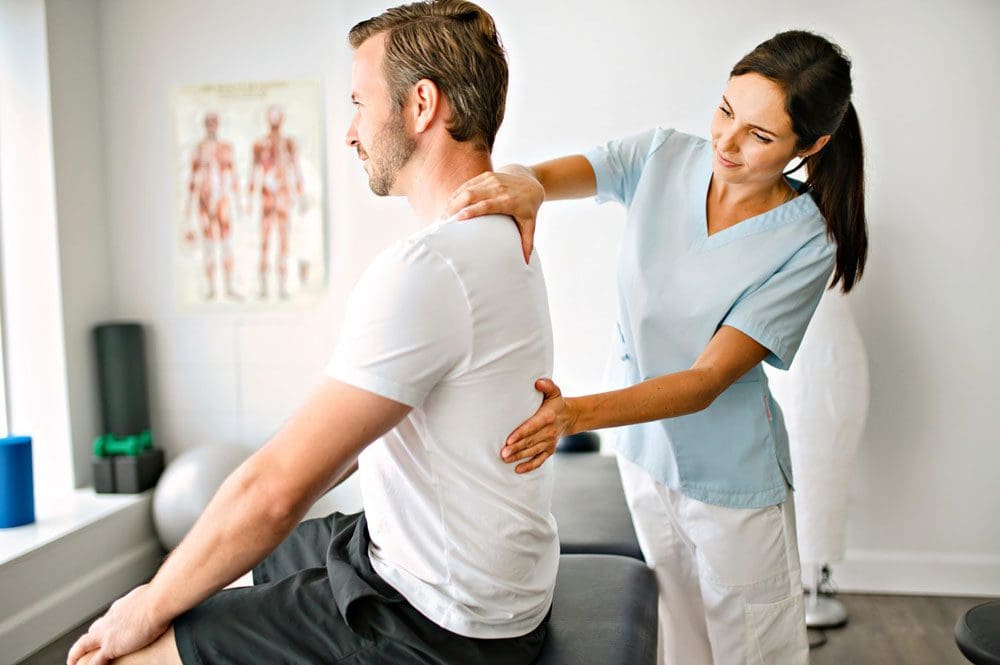
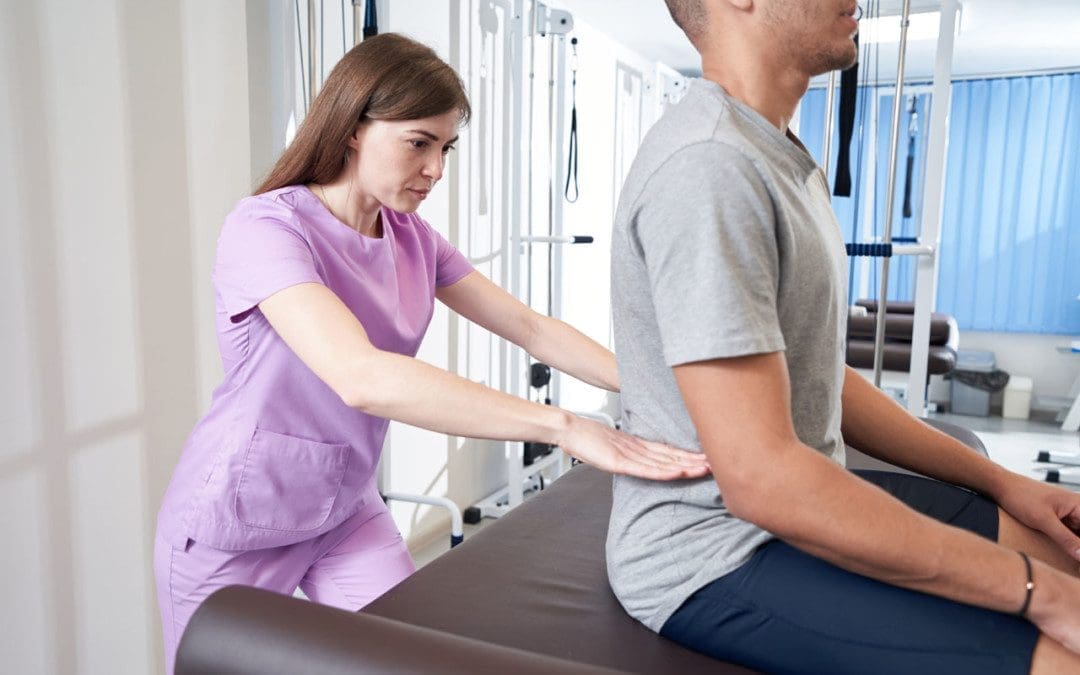
Back pain is one of the most common reasons individuals go to a doctor, massage therapist, physiotherapist, osteopath, and chiropractor. Various health conditions, some spine-related, others not, list back pain as a symptom. Many of these conditions begin in the stomach or abdominal cavity, which leads to stomach and back pain. Stomach and back pain happening simultaneously, independently, or in combination could be caused by gut problems, back issues, or something completely different. Understanding what causes these two types of pain simultaneously can help figure out a treatment plan.
Stomach Back Pain Causes
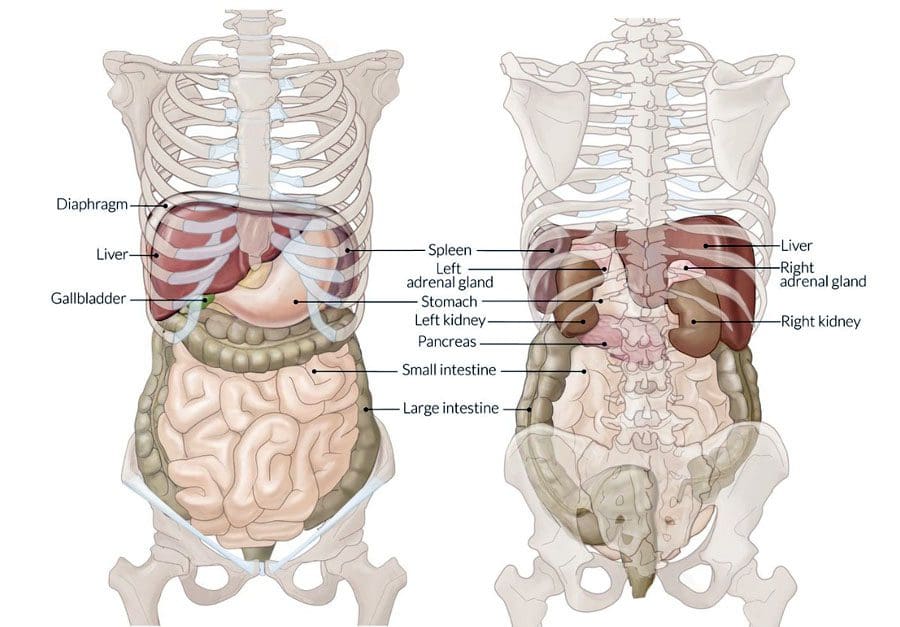
Problems in the abdominal cavity and stomach issues can cause back pain and vice versa. Symptoms can also include referred pain when the pain is felt in one part of the body but is caused by pain or injury in another area. Stomach back pain causes depend on the type of condition/s that can include:
Appendicitis
Inflammation in the appendix can cause sudden sharp pain in the abdomen.
It presents mostly in the lower right area of the abdomen but can appear in or spread to other sites, especially the back.
A chiropractic functional medicine team can work with an individual’s primary physician or specialist to develop a personalized treatment plan to alleviate back pain symptoms, re-balance the body, strengthen the musculoskeletal system and restore function.
Ford AC, Talley NJ. Chapter 122, Irritable Bowel Syndrome. Feldman M (ed.). Sleisenger and Fordtran’s Gastrointestinal and Liver Disease. 11th ed. Elsevier: 2021. 2008-2020. https://www.clinicalkey.com/#!/content/book/3-s2.0-B9780323609623001223?scrollTo=%23hl0001104
Inadomi JM, Bhattacharya R, Hwang JH, Ko C. Chapter 7, The Patient with Gas and Bloating. Yamada’s Handbook of Gastroenterology. 4th ed. John Wiley & Sons; 2019. https://doi.org/10.1002/9781119515777.ch7
Kliegman RM, St Geme JW, Blum NJ, et al. Chapter 378, Pancreatitis. Nelson Textbook of Pediatrics. 21st ed. Elsevier; 2020. 2074-2080. https://www.clinicalkey.com/#!/content/book/3-s2.0-B9780323529501003783
Krames E, Mousad DG. Spinal Cord Stimulation Reverses Pain and Diarrheal Episodes of Irritable Bowel Syndrome: A Case Report. Neuromodulation. 2004 Mar 22;7(2):82-88. https://doi.org/10.1111/j.1094-7159.2004.04011.x
Sifri CD, Madoff LC. Chapter 78, Appendicitis. Mandell, Douglas, and Bennett’s Principles and Practice of Infectious Diseases. 9th ed. Bennett JA (ed.). Elsevier; 2020. 1059-1063. https://www.clinicalkey.com/#!/content/book/3-s2.0-B9780323482554000783
Stephen Norman Sullivan, “Functional Abdominal Bloating with Distention,” International Scholarly Research Notices, vol. 2012, Article ID 721820, 5 pages, 2012. https://doi.org/10.5402/2012/721820
Wang DQH, Afdhal NH. Chapter 65, Gallstone Disease. Feldman M (ed.). Sleisenger and Fordtran’s Gastrointestinal and Liver Disease. 11th ed. Elsevier: 2021. 1016-1046. https://www.clinicalkey.com/#!/content/book/3-s2.0-B9780323609623000655?scrollTo=%23hl0001772
Weisman, Michael H et al. “Axial Pain and Arthritis in Diagnosed Inflammatory Bowel Disease: US National Health and Nutrition Examination Survey Data.” Mayo Clinic proceedings. Innovations, quality & outcomes vol. 6,5 443-449. 16 Sep. 2022, doi:10.1016/j.mayocpiqo.2022.04.007
Whorwell PJ. Chapter 13, Abdominal Bloating. Irritable Bowel Syndrome: Diagnosis and Clinical Management. Emmanuel A, Quigley EMM (eds.). John Wiley & Sons; 2013. https://doi.org/10.1002/9781118444689.ch13
Yarze JC, Friedman LS. Chapter 12, Chronic Abdominal Pain. Feldman M (ed.). Sleisenger and Fordtran’s Gastrointestinal and Liver Disease. 11th ed. Elsevier; 2021. 158-167. https://www.clinicalkey.com/#!/content/book/3-s2.0-B9780323609623000126?scrollTo=%23hl0000408
IFM's Find A Practitioner tool is the largest referral network in Functional Medicine, created to help patients locate Functional Medicine practitioners anywhere in the world. IFM Certified Practitioners are listed first in the search results, given their extensive education in Functional Medicine


 Myofascial Tissue


 Stomach Back Pain Causes









