Can knowing how to stretch your back help reduce pain and improve your range of motion?
Stretch Your Back
Over time, muscle tension can cause significant back pain and increase the risk of a back injury. Getting into a regular back stretching routine can help prevent back and spinal issues. These exercises can be performed when your back hurts to ease a backache or to avoid future problems. However, before beginning an exercise or stretch regimen, talk to your healthcare provider about any questions and what is safe for you. A few things to be mindful of are:
When stretching, don’t try to push past your pain limit.
Listen to your body, which leads to a calmer nervous system.
Take special care when stretching during pregnancy, as the hormones supporting your pregnancy could lead to overstretching or injury.
Warm Up
Stretching cold muscles can lead to injury. Always warm up first.
Do between five and 10 minutes of mild activity, such as walking.
Apply heat for 15 to 20 minutes before stretching.
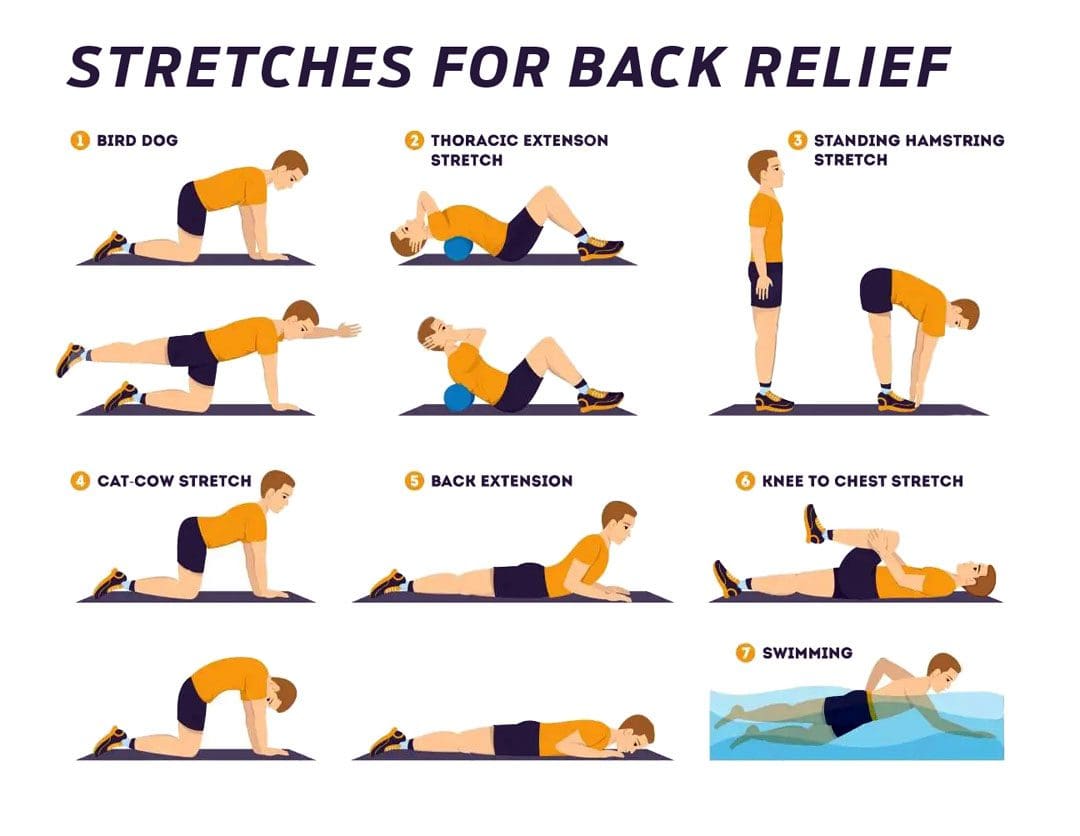
Knees-to-Chest Back Stretch
To perform:
Lie on your back with your feet flat on the floor.
Bring your legs toward your chest With your knees bent.
Place your hands behind your thighs or on the shins, and pull the legs down toward your chest.
Pull until there is a gentle stretch.
Hold for 15 seconds.
Return to the starting position.
Do a total of 10 reps.
Supine Twist Back Stretch
To perform:
Lie on your back with your knees bent and feet flat on the floor.
Keep your back flat on the floor, rotate your hips to the left, and lower your legs until you feel the stretch.
Hold for 15 seconds.
Return to the starting position.
Next, rotate the hips to the right and lower your legs to the floor until you feel a gentle stretch.
Hold for 15 seconds.
Return to the starting position.
Repeat for nine reps.
Prone Bridging Back Stretch
To perform:
Lie on your stomach.
Prop yourself up on your elbows.
Extend your back.
Start straightening your elbows, further extending the back.
Continue straightening the elbows until the stretch is felt.
Hold for 15 seconds.
Return to the starting position.
Repeat for nine reps.
Supine Butt Lift Back Stretch
To perform:
Lie on your back with your knees bent and feet flat on the floor.
Push down through the feet as you slowly raise yourself off the floor.
Hold for 10 seconds.
Return to starting position.
Repeat for nine reps.
Seated Forward Curl Back Stretch
To perform:
Sit in a chair with your feet flat on the ground.
Bend forward until your chest is on your thighs, and you can touch the ground with your hands.
Hold for 10 seconds.
Return to the starting position.
Repeat for nine reps.
Side Stretch
To perform:
Stand up straight with your arms at your sides and feet shoulder-width apart.
Bend sideways to the left while sliding your left hand down your thigh and reaching your right arm over your head.
Hold for 10 seconds.
Return to the starting position.
Now, bend to the right while sliding your right hand down your thigh and reaching your left arm over your head.
Hold for 10 seconds.
Repeat for nine reps.
Other Treatments to Loosen a Tight Back
Many healthcare providers recommend other treatments for back pain before using medication. Recommended treatments that can help loosen the back include: (Sudhakaran P. 2021)
Acupuncture
Acupuncture needles are inserted in release points to unblock stagnated blood and energy circulation.
Incorporating foods like those on the Mediterranean diet, which emphasizes fish, vegetables, and olive oil, can help reduce chronic inflammation and help with back pain.
Injury Medical Chiropractic and Functional Medicine Clinic
Injury Medical Chiropractic and Functional Medicine Clinic works for you to relieve pain, restore function, prevent injury, and help mitigate issues through adjustments that help the body realign itself. We build optimal health and wellness solutions with primary healthcare providers and specialists to integrate a treatment plan to resolve musculoskeletal problems.
Stretching Benefits
References
Sudhakaran P. (2021). Acupuncture for Low-Back Pain. Medical acupuncture, 33(3), 219–225. https://doi.org/10.1089/acu.2020.1499
Foley, C., & Litscher, G. (2024). The Biggest Obstacle to the Integration of Acupuncture: The Meaning of Qi from the Ancients to Einstein. Medical acupuncture, 36(1), 5–11. https://doi.org/10.1089/acu.2023.0054
U.S. Department of Defense. (2012). Complementary Alternative Medicine for Low Back Pain. Retrieved from https://media.defense.gov/2019/Oct/22/2002198454/-1/-1/0/CAM%20FOR%20LOW%20BACK%20PAIN.PDF
For individuals suffering from neck pain and headaches, can craniosacral head massage therapy help provide relief?
Craniosacral Therapy
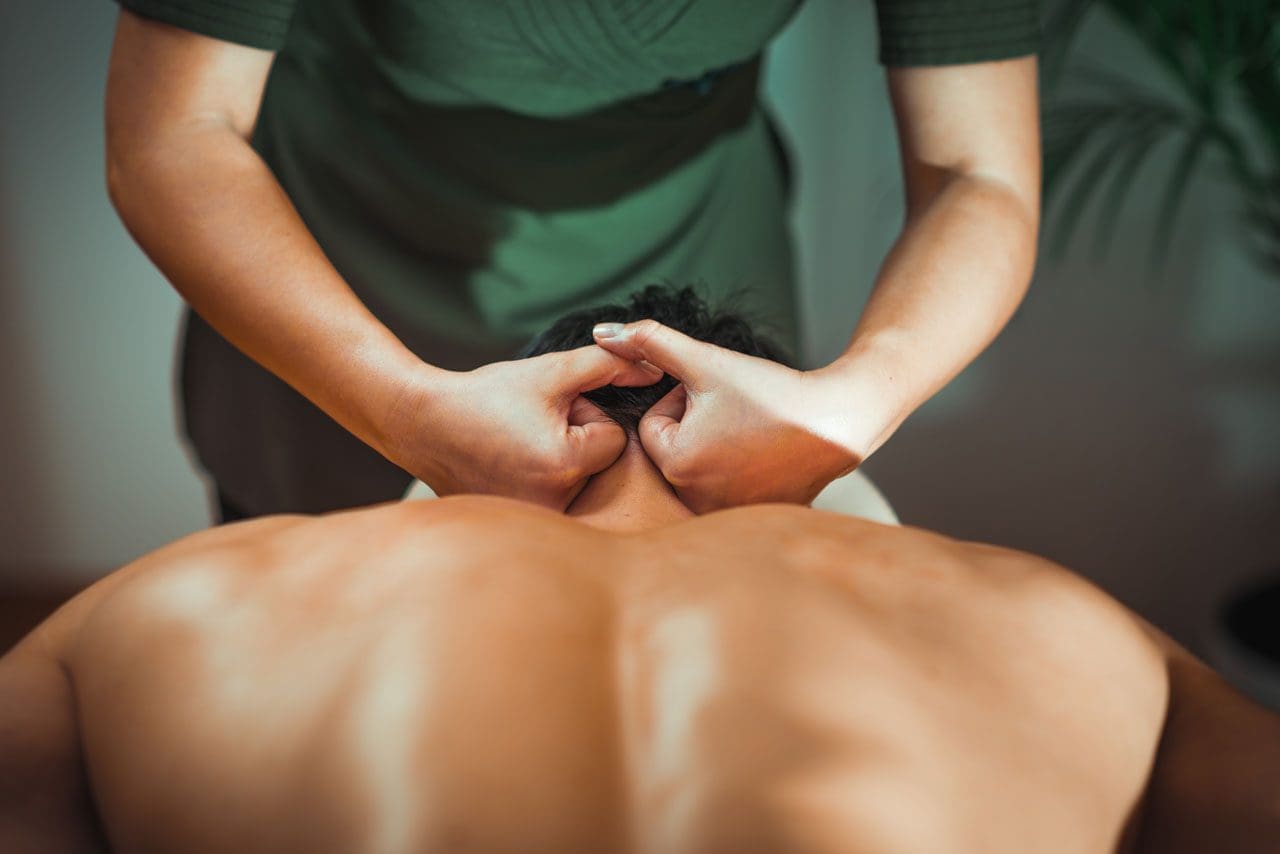
Craniosacral therapy is a gentle massage to release fascia or connective tissue network tension. The therapy is not new but has gained new attention because of the public interest in natural pain treatments and therapies. Studies are limited, but clinical research is ongoing to see if the therapy can become a mainstream treatment option. The therapy aims to alleviate the symptoms of various health ailments and conditions, including:
By relieving compression in the lower back, head, and spinal column, cerebrospinal fluid circulation is restored, and the body rhythms within the nervous system are reset. This provides pain relief, lowers stress, and improves overall well-being.
The focus areas are those along the fascia, the connective tissue that holds organs, blood vessels, bones, nerve fibers, and muscles in place. By working this tissue through gentle-pressure massage, practitioners help to calm the fight-or-flight response by relaxing the sympathetic nervous system. The symptoms will determine what areas of the body necessitate craniosacral therapy. Individuals with headaches will be given a head or neck massage. Other areas involved in craniosacral therapy include: (Heidemarie Haller, Gustav Dobos, and Holger Cramer, 2021)
Back
Around the spinal column.
Other areas like the joints or muscles.
The pressure applied during craniosacral therapy is light and not the same as a deep tissue massage.
The parasympathetic and sympathetic nervous systems control various body responses.
The parasympathetic nervous system supports proper rest and digestive functions, and the sympathetic nervous system regulates the body’s fight-or-flight response. (Cleveland Clinic. 2022)
Therapy Techniques
The massage techniques used in craniosacral therapy rely on low pressure intended to be as gentle as possible. The fingertips are often used to avoid applying too much pressure. Healthcare providers work the areas between the skull and the bottom of the spine to identify and reset imbalances within the body and the cerebrospinal fluid. If there is an imbalance in cerebrospinal fluid, the massage therapist will reposition the individual or press on the area to release and/or increase circulation. The techniques work to improve the body’s ability to regulate physiological responses. (Heidemarie Haller et al., 2019) During and after the session, individuals may experience different sensations, including: (Biodynamic Craniosacral Therapy Association of North America, 2024)
Relaxation.
Feeling like being in a meditative state.
Sleepiness.
Energized.
Feeling a sense of warmth.
Deeper breathing.
Feeling the body is straighter and taller.
Individuals Who Should Not Receive Craniosacral Therapy
Craniosacral therapy is considered safe; however, some individuals should avoid it or consult a healthcare provider before trying it. Those recommended not to receive the treatment include individuals with the following ailments or disorders:
Concussion or other traumatic brain injuries.
Blood clots.
Brain swelling.
Brain aneurysm – a blood-filled bulge in a blood vessel in or around the brain.
Conditions that cause cerebrospinal fluid buildup.
Treatment
Craniosacral therapy is offered by several healthcare providers, including:
Craniosacral therapy licensed massage therapists
Physical therapists
Occupational therapists
Osteopaths
Chiropractors
These professionals know how to perform the massage technique correctly.
Tension Headaches
References
Haller, H., Lauche, R., Sundberg, T., Dobos, G., & Cramer, H. (2019). Craniosacral therapy for chronic pain: a systematic review and meta-analysis of randomized controlled trials. BMC musculoskeletal disorders, 21(1), 1. https://doi.org/10.1186/s12891-019-3017-y
Haller, H., Dobos, G., & Cramer, H. (2021). The use and benefits of Craniosacral Therapy in primary health care: A prospective cohort study. Complementary therapies in medicine, 58, 102702. https://doi.org/10.1016/j.ctim.2021.102702
Biodynamic Craniosacral Therapy Association of North America. (2024). What is a session like? https://www.craniosacraltherapy.org/what-is-a-session-like-
Learning the cause of the problem and how to effectively manage it can help individuals experiencing back spasms to quickly and safely return to previous levels of function and activity.
Back Spasm
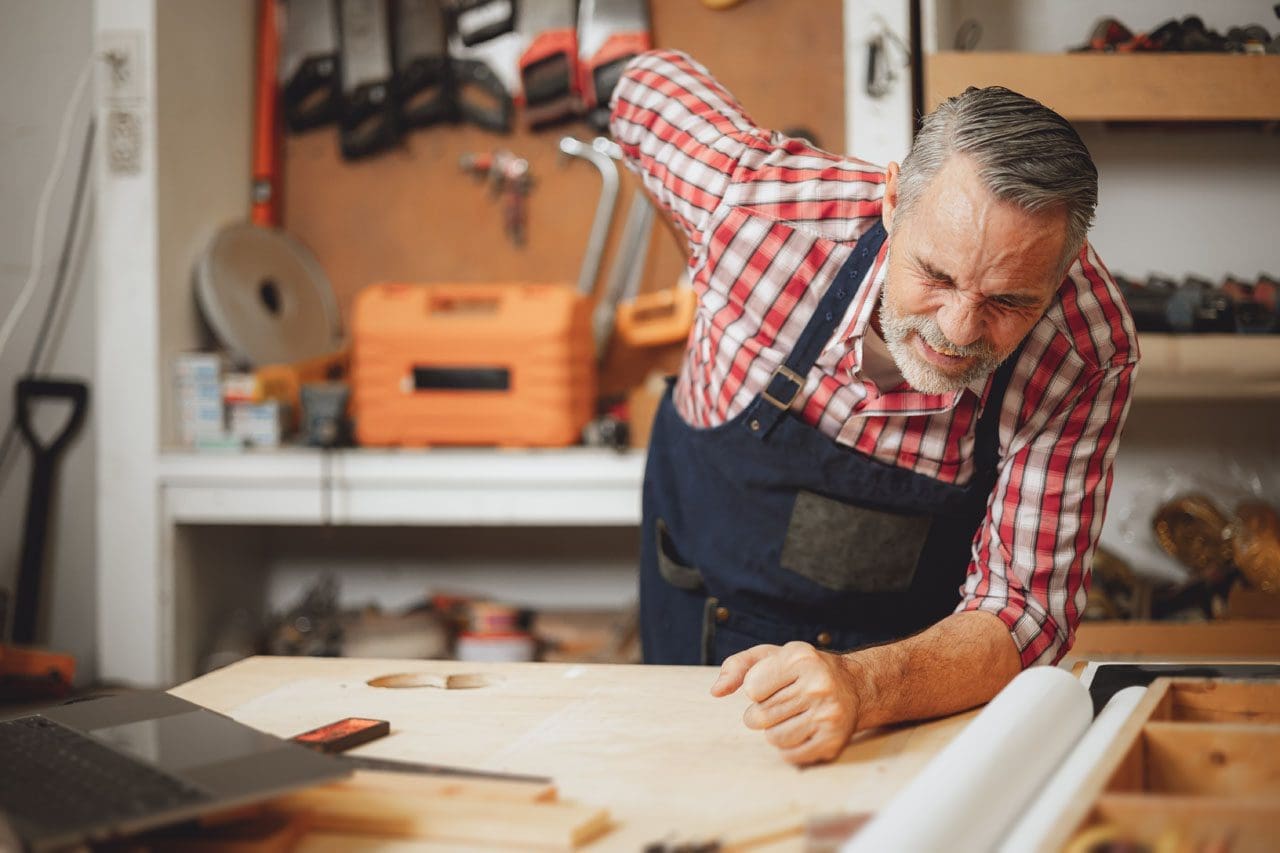
Individuals dealing with back pain or sciatica usually describe the symptoms as the back muscles tightening or spasming. A back spasm can feel mild, like a fist pressing into one side of the spine or an intense pain that prevents the individual from sitting, standing, or walking comfortably. Bask spasms can become severe, causing difficulty maintaining normal upright posture.
What Is A Spasm
A back spasm is a sudden onset of back muscle tightness. Sometimes, the tight sensation becomes so intense and severe that it prevents the individual from moving normally. Some individuals have difficulty bending forward because of the pain and tightness.
Symptoms
Most episodes last several hours to several days. Severe cases can last about six to eight weeks, but the spasms and pain subside gradually, allowing the individual to move normally and resume normal activity. Common sensations and symptoms can include:
Difficulty bending.
A tight sensation in the back.
Pulsing pains and sensations.
Pain on one or both sides of the back.
Sometimes, the spasm can cause radiating pain in the buttocks and hips. When severe, it can be accompanied by nerve pain, numbness, and tingling that radiates down one or both legs. (Medline Plus. 2022)
Causes
Back spasms are caused by tight muscle tissue, which often results from some mechanical stress. The stress causes the muscle tissue near the spine to be pulled abnormally. As a result of the pulling, the muscle fibers become taut and painful. Mechanical causes of back spasms may include: (Merck Manual, 2022)
Poor sitting and/or standing posture.
Repetitive overuse injury.
Lumbar strains.
Lumbar disc herniations.
Low back osteoarthritis.
Spondylolisthesis – vertebrae shift out of position, including anterolisthesis and retrolisthesis.
Spinal stenosis
All these can place increased stress on the anatomical structures in the spine. The lower back muscles near these structures may go into a protective spasm that can also cause a tight and painful sensation in the back. Other non-mechanical causes of low back spasms include: (Merck Manual, 2022)
Poor sitting posture or sitting for long periods without back support.
Lack of physical conditioning.
Being overweight or obese.
Psychological conditions – anxiety, depression, and emotional stress.
Family medical history of ankylosing spondylitis.
Smoking
Individuals can stop smoking, start exercising, or engage in positive activities to help manage stress. Individuals dealing with back spasms may need to see a healthcare provider for a proper diagnosis and treatment.
Treatment
Treatment for back spasms can include home remedies or therapies from medical providers. The treatments are designed to relieve the spasms and manage the mechanical stresses that may have caused them. Medical professionals can also show strategies to prevent spasms. Home remedies can include: (Merck Manual, 2022)
If self-care strategies are unable to provide relief, individuals may need to visit a medical professional for treatment. Medical treatments can include: (Merck Manual, 2022)
Most individuals are able to manage symptoms with physical therapy or chiropractic, which includes learning exercises and posture adjustments to relieve tightness.
National Institute of Neurological Disorders and Stroke. (2023). Back pain. Retrieved from https://www.ninds.nih.gov/health-information/disorders/back-pain?
Bhatia, A., Engle, A., & Cohen, S. P. (2020). Current and future pharmacological agents for the treatment of back pain. Expert opinion on pharmacotherapy, 21(8), 857–861. https://doi.org/10.1080/14656566.2020.1735353
Individuals with neck and shoulder pain may experience what feels like tightened lumps or knots in and around the muscles where the neck and shoulder meet. Can using kinesiology tape for neck and shoulder trigger points help to loosen and release them, restore function, and bring pain relief?
Kinesiology Tape For Neck and Shoulder Trigger Points
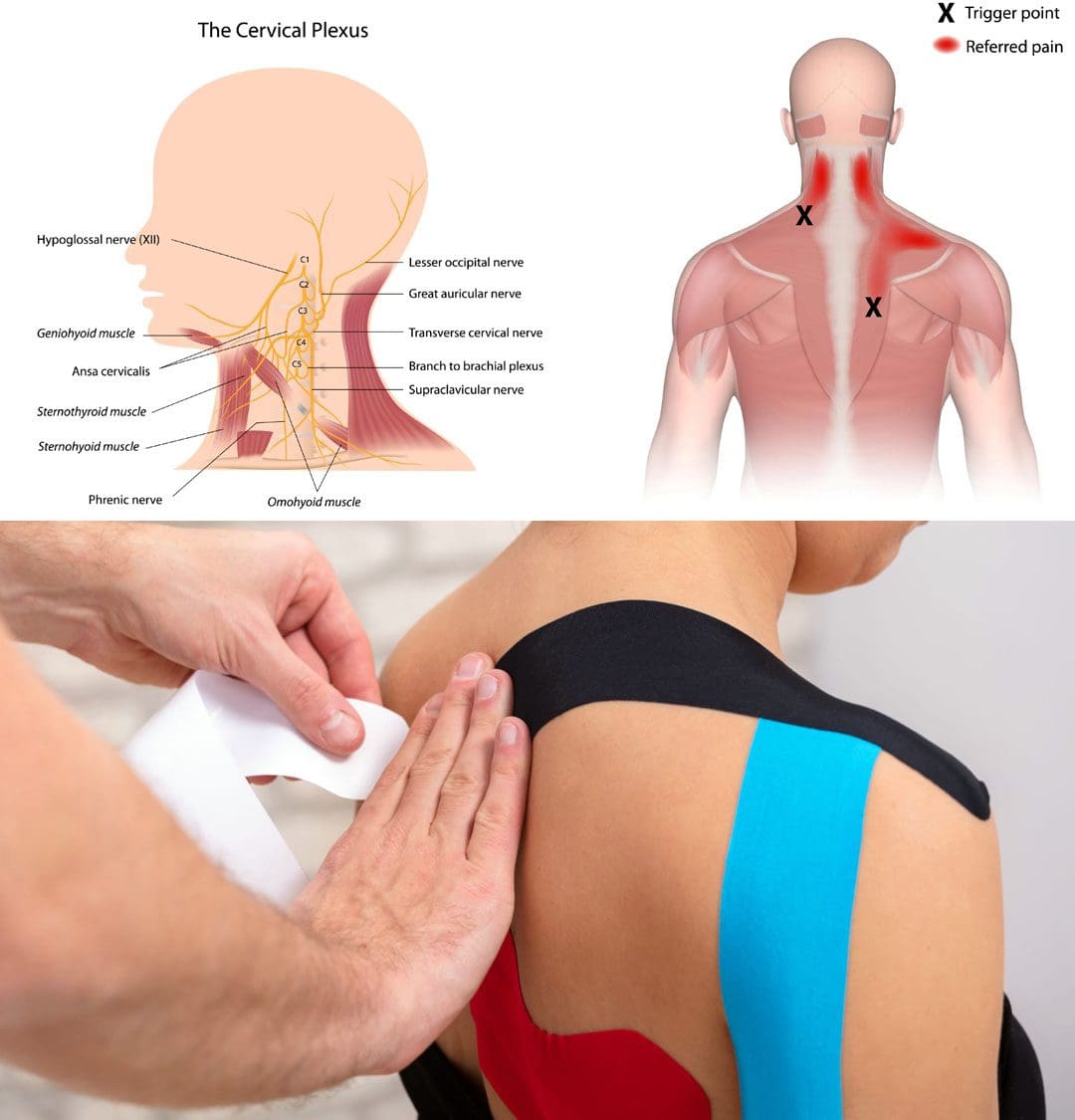
The upper trapezius and levator scapula muscles are where the shoulder and neck come together and are often the location of trigger point formations. These trigger points can cause tension, pain, and muscular spasms in the neck and shoulders. Various treatments for releasing trigger points and alleviating the pain symptoms include therapeutic massage, trigger point release, and chiropractic adjustments in a multidisciplinary treatment approach.
Electrical stimulation and ultrasound have often been used to break up the knots, but scientific evidence has shown that these treatments alone are not the most effective. (David O. Draper et al., 2010)
Stretching the neck muscles can bring tension relief and help release the knots.
Kinesiology tape can decrease the pain and spasms and help to release the trigger points.
Therapy
Using kinesiology tape is a form of physical therapy that can be used in various ways.
The tape helps lift the upper tissues from underlying tissues to increase circulation and release muscular spasms.
It can help improve muscular contractions, decrease swelling, and inhibit pain in injured tissues.
Helps stop the trigger points and knots from worsening.
The tape can also be used for managing lymphedema.
Usage
To decrease trigger points, individuals can use a specific kinesiology tape strip called a lift strip. Individuals can consult their healthcare provider or physical therapist to show them the various types of strips to learn how to cut them properly.
Before using kinesiology tape, consult a healthcare provider or physical therapist to assess the injury and situation.
Kinesiology tape is not for everyone, and some people have conditions where the use of kinesiology tape should be avoided altogether.
A therapist can evaluate the neck pain and trigger points to determine if the individual should use kinesiology tape.
To use kinesiology tape for neck and shoulder trigger points:
Get comfortable with the neck and shoulders exposed.
Cut one lift strip for each side of the neck, if necessary.
The lift strip should be around 3 to 4 inches long.
Remove the paper backing in the center with the exposed tape in the center, which should look like a band-aid.
Both ends of the lift strip should still have the paper backing on.
Stretch out the kinesiology tape.
Place the stretched tape directly over the trigger points in the upper shoulder area.
Remove the backing on either side of the lift strip and place the ends on without stretching.
Gently rub the tape to help the adhesive adhere.
Once the tape has been applied, it can be left there for 2 to 5 days.
It’s ok if it gets wet with a bath or shower.
Monitor the skin around the tape to watch for redness or other signs of a negative reaction to the tape.
Kinesiology taping can be a useful tool to decrease pain and spasms but does not replace professional treatment, prescribed exercises and stretches, and posture retraining.
The physical therapy team will teach proper self-care strategies for the individual’s condition.
For individuals with neck and shoulder pain and muscle spasms, a trial of kinesiology taping may help alleviate symptoms and improve the overall injury.
The Non-Surgical Approach to Wellness with Chiropractic Care
References
Draper, D. O., Mahaffey, C., Kaiser, D., Eggett, D., & Jarmin, J. (2010). Thermal ultrasound decreases tissue stiffness of trigger points in upper trapezius muscles. Physiotherapy theory and practice, 26(3), 167–172. https://doi.org/10.3109/09593980903423079
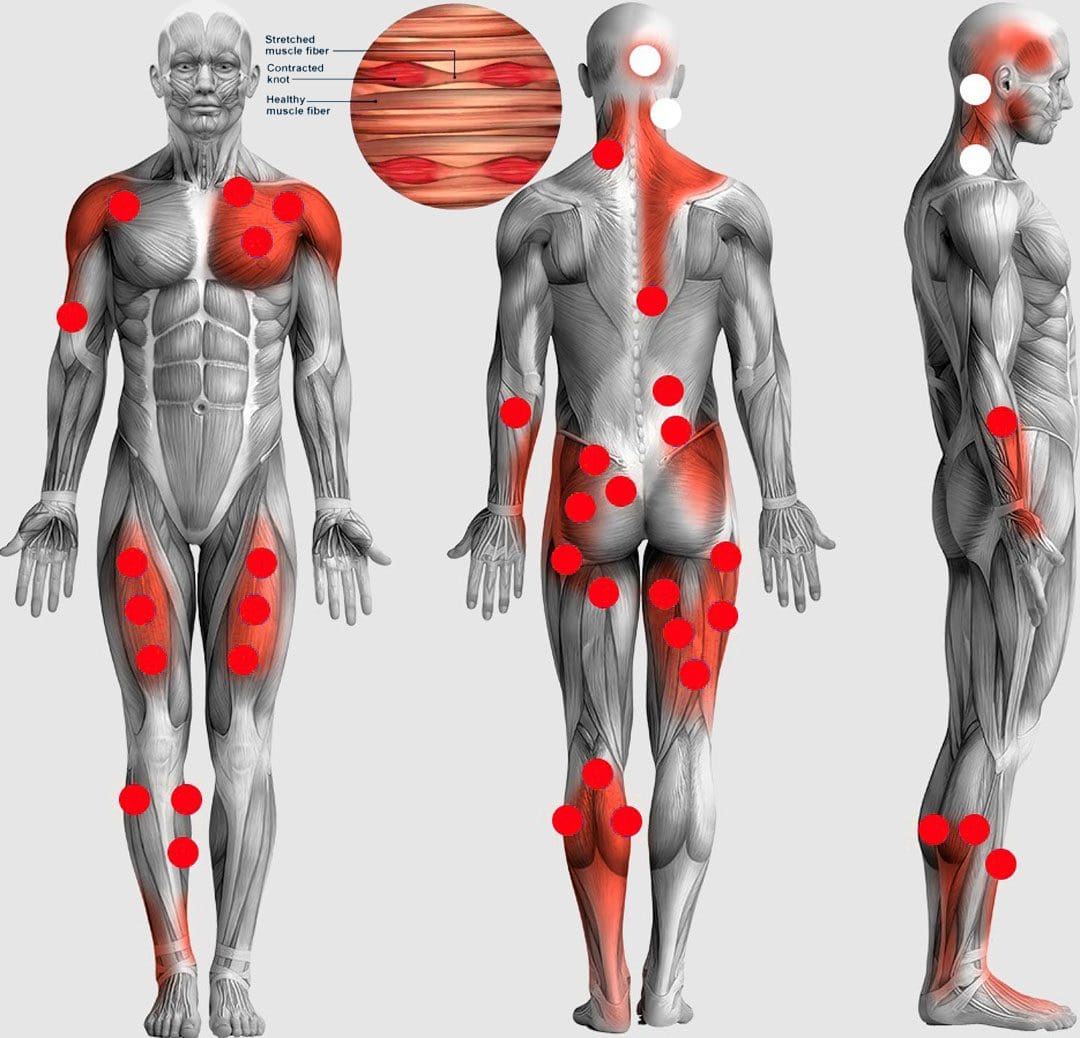
Muscle knots or trigger points are tissues/segments of muscle fibers stuck in a contracted state and balled up or become entangled. To the touch, they can feel like small bumps, nodules, or knots. They are primarily found in muscles, but they can also be found in tendons, fascia, periosteum, and ligaments. Tight muscles can limit flexibility, increase discomfort and pain symptoms, and cause further injury that can develop into chronic conditions. Trigger points can develop in all muscles and multiple muscles simultaneously. The Injury Medical Chiropractic and Functional Medicine Team can create a personalized treatment plan for trigger point alleviation.
Muscle Knots Trigger Points
When muscle fibers are stuck in contraction, blood circulation decreases in and around the affected area, and the necessary nutrients and oxygen cannot be delivered. The excessive accumulation of the chemicals – acetylcholine, and calcium leads to a lack of oxygen in the area, which causes muscle fiber contraction and spasms. As the muscle fibers overly contract, they form a knot. Waste materials build up in the fibers as the blocked circulation doesn’t allow removal. This irritates the trigger point, which reacts by sending out pain signals. The brain responds by telling the body not to use that muscle, causing the muscle to tighten, become weak, and lose range of motion. The other muscles have to work harder to compensate.
Trigger Point Types
Active and Latent
One type is an active trigger point.
The trigger point causes pain and discomfort even when the muscle or tissue rests.
The other type is latent, which means that the point does not cause pain or is sometimes even noticed until pressure is applied to the point or area.
Because key trigger point muscles are weakened, the muscles around that point need to work harder, causing multiple knots to form.
Referred pain happens when a satellite trigger point causes sensations in a different area from the point itself.
Causes
The main causes include the following:
Direct Trauma
Muscle trauma or injury can cause fibers not to heal properly, causing segments to stay deprived of oxygen and knotted.
Excessive and Extended Exercising
During exercise/physical activity, profound muscle strain and injury can occur from pushing too hard for too long without proper recovery and repair.
Maintaining Healthy Posture
Unhealthy postures can cause tension, stiffness, and aches and pains.
Stress and Fatigue
Emotional and physical stress takes a toll on the body, which can result in excessive muscle contraction.
Most of the time, it happens subconsciously without realizing that the body is tensing up.
This is why engaging in relaxation activities, including therapeutic massage, is important.
Inactivity
Lack of physical activity and a sedentary lifestyle can cause muscle spasms and over-contracting, leading to muscle knots.
Medical Conditions
Conditions that affect muscles, like arthritis and fibromyalgia or medications, can cause muscle spasms and the development of trigger points.
Chiropractic and Massage Therapy
Chiropractic and therapeutic massage is an effective treatment to relieve muscle knots and symptoms and restore the body to optimal function. Massage uses various techniques to increase blood circulation, break down inflexible scar tissue and stretch and loosen muscles. Pain and discomfort decrease by allowing the muscles to move and restoring blood flow.
Massage Therapy Chiropractic Care
References
Barbero, Marco, et al. “Myofascial pain syndrome and trigger points: evaluation and treatment in patients with musculoskeletal pain.” Current Opinion in Supportive and palliative care vol. 13,3 (2019): 270-276. doi:10.1097/SPC.0000000000000445
Cheung, Karoline, et al. “Delayed onset muscle soreness: treatment strategies and performance factors.” Sports medicine (Auckland, N.Z.) vol. 33,2 (2003): 145-64. doi:10.2165/00007256-200333020-00005
Money, Sarah. “Pathophysiology of Trigger Points in Myofascial Pain Syndrome.” Journal of Pain & palliative care pharmacotherapy vol. 31,2 (2017): 158-159. doi:10.1080/15360288.2017.1298688
Moraska, Albert F et al. “Responsiveness of Myofascial Trigger Points to Single and Multiple Trigger Point Release Massages: A Randomized, Placebo-Controlled Trial.” American Journal of physical medicine & Rehabilitation vol. 96,9 (2017): 639-645. doi:10.1097/PHM.0000000000000728
Weerapong, Pornratshanee, et al. “The mechanisms of massage and effects on performance, muscle recovery, and injury prevention.” Sports medicine (Auckland, N.Z.) vol. 35,3 (2005): 235-56. doi:10.2165/00007256-200535030-00004
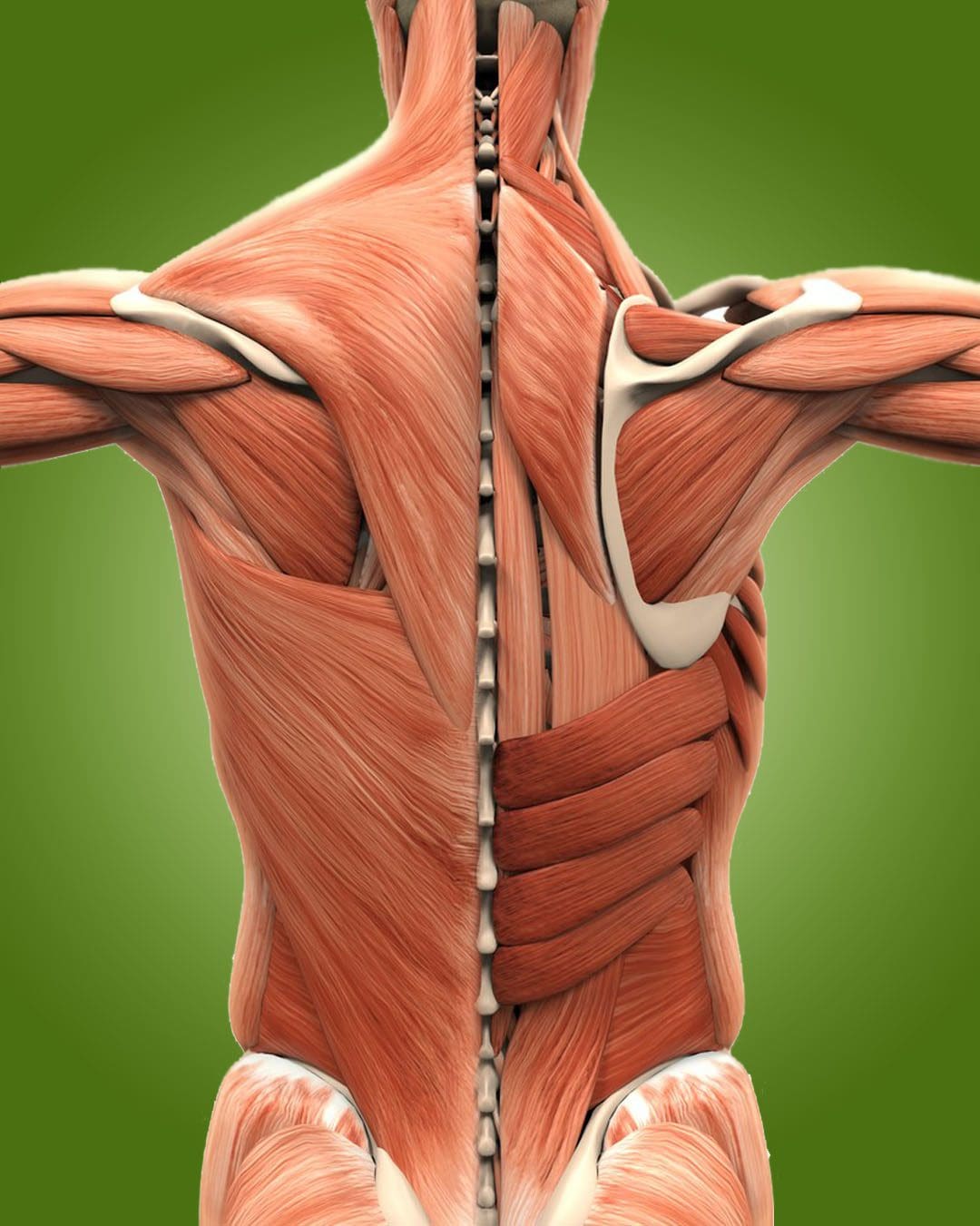
Individuals can experience back muscle rigidity for years and not realize it. This is because the muscles tighten incrementally, and slowly the body begins to acclimate to the feeling and positioning that it becomes normal. And it continues with gradually increased aches and pains. Not until an individual has experienced a therapeutic massage and chiropractic adjustment do they realize just how tight and stiff they were. This is when individuals realize how their musculoskeletal system works and need to maintain loose, flexible muscle tissue for mobility and function. Injury Medical Chiropractic and Functional Medicine Clinic can treat, rehabilitate, educate, and improve an individual’s overall health.
Muscle Rigidity
When the body needs to move, the brain sends a nerve signal to the muscles in that region, causing the muscles to tighten or contract. Muscles can contract a little or a lot, depending on the activity. After contracting, the muscles relax until the next time they are needed. Muscle rigidity happens when a muscle or a group of muscles stays fully or partly contracted for an extended period. The nerve signals keep telling the muscle to contract even when the muscle is no longer needed. This can last for several hours or days.
The longer the muscle remains contracted, the more symptoms present and persist. Muscle rigidity is often triggered by stress. Stress affects the body’s nervous system, including nerves and their function. The nervous system can respond to stress by generating additional pressure on the blood vessels, reducing blood circulation, and causing tension and pain.
Causes
Certain medications, such as statins, can cause muscle rigidity, and several conditions can also contribute to it. These include:
Dehydration is a condition as a result of not drinking enough water.
A repetitive strain injury is an injury to the muscles or nerves due to muscle overuse.
Pinched nerves.
Delayed-onset muscle soreness is stiffness and pain that develops hours or days after strenuous physical activity and exercise.
Chronic fatigue syndrome is a condition that causes extreme fatigue, sleep problems, and pain.
Myofascial pain syndrome is a chronic disorder where pressure on sensitive muscle points causes pain.
Rheumatoid arthritis is a chronic inflammatory disorder affecting the joints.
Fibromyalgia is a chronic disorder that can cause muscle soreness, pain, and rigidity.
Claudication is a condition in which cramping occurs due to a lack of blood flow to the muscles, usually in the legs.
Lyme disease and Rocky Mountain spotted fever wick-borne illnesses that can cause nerve damage.
Amyotrophic lateral sclerosis is a neurodegenerative disease that causes nerve problems and a loss of voluntary muscle control.
Chronic exertional compartment syndrome is a muscle and nerve condition that causes pain and swelling.
Dystonia is a condition that causes random/involuntary muscle contractions.
Lupus is a chronic inflammatory disease that can cause joint pain and stiffness.
Parkinson’s disease is a neurological disease that affects movement.
Polymyalgia rheumatica is a chronic inflammatory disease that can cause muscle pain and stiffness.
Bacterial and Viral infections.
Treatment
The objective of treatment is to train the muscles to relax completely. The specific treatment used can vary depending on the cause and severity.
Chiropractic
Chiropractic treatment will address the condition or injury and then the muscle rigidity. Treatment involves massaging (manually and percussively) the areas to relax and stretch the tight tissues. Chiropractic releases and realigns the misaligned joints and bones to their proper position. The central nervous system recognizes the new positioning as naturally energy efficient. However, there will still be aches and soreness as the body adjusts until it becomes more consistent and normal for the individual.
Home Therapy
Home therapy is recommended with physical therapy and/or chiropractic to maintain flexibility and make necessary changes/adjustments to a treatment plan as the patient progresses and the muscles start to adhere to the massaging, manipulation, and training. They can include the following:
Applying a warm compress or heating pad to the affected area increases circulation.
Targeted gentle stretches.
Avoiding certain activities that could trigger the muscle to become rigid again until the body is ready.
Chandwani D, Varacallo M. Exertional Compartment Syndrome. [Updated 2022 Sep 4]. In: StatPearls [Internet]. Treasure Island (FL): StatPearls Publishing; 2022 Jan-. Available from: https://www.ncbi.nlm.nih.gov/books/NBK544284/
Chu, Eric Chun-Pu et al. “Chiropractic care of Parkinson’s disease and deformity.” Journal of medicine and life vol. 15,5 (2022): 717-722. doi:10.25122/jml-2021-0418
Joshi, Aditi et al. “Effectiveness of Myofascial Release (MFR) vs. High-Frequency Transcutaneous Electrical Nerve Stimulation (TENS) for Pain Relief and Functional Improvement in College Students With Trapezius Myalgia.” Cureus vol. 14,10 e29898. 4 Oct. 2022, doi:10.7759/cureus.29898
Tan, Xueli, et al. “The efficacy of music therapy protocols for decreasing pain, anxiety, and muscle tension levels during burn dressing changes: a prospective randomized crossover trial.” Journal of burn care & research: official publication of the American Burn Association vol. 31,4 (2010): 590-7. doi:10.1097/BCR.0b013e3181e4d71b
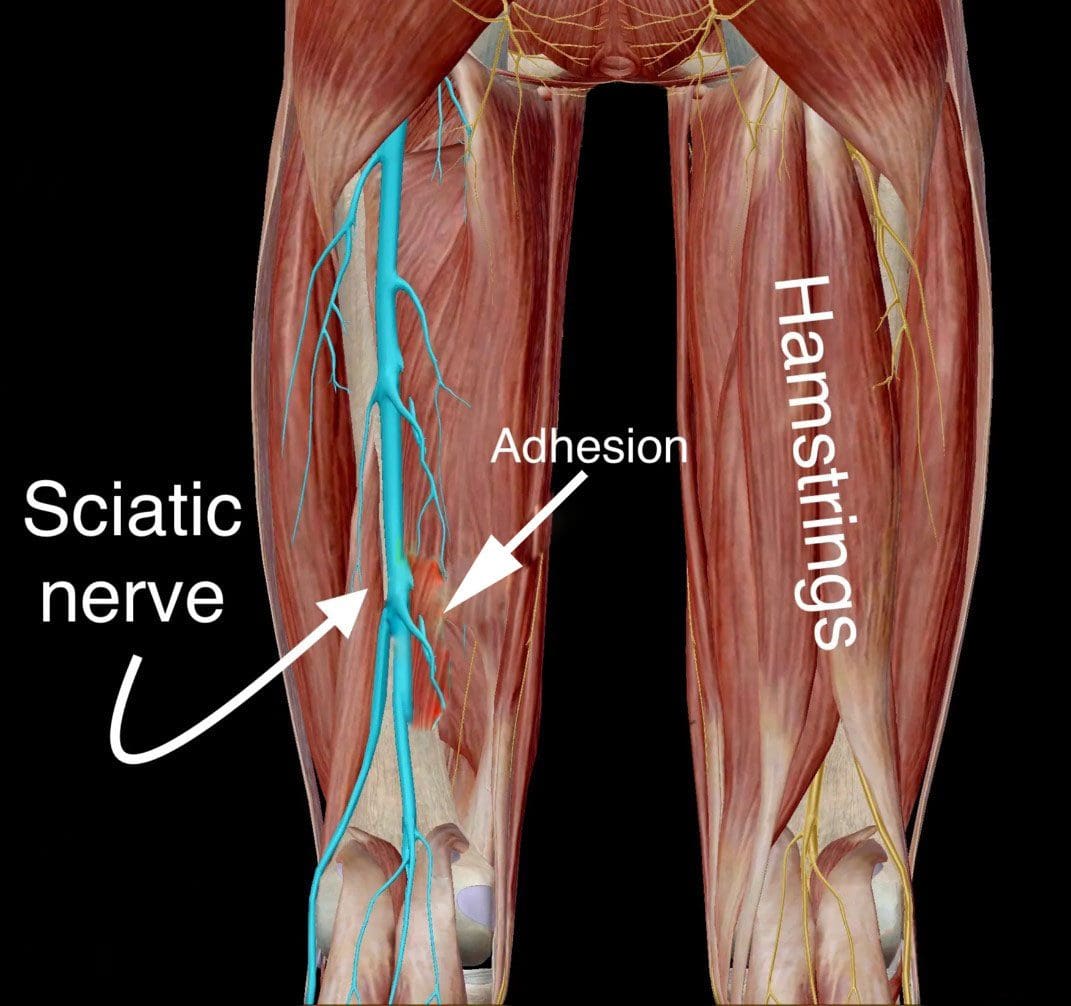
Hamstring syndrome is a condition where the sciatic nerve gets pinched between the hamstring muscles and the pelvic bone or by the tissue bands that connect the hamstring muscles causing compression on and around the nerve. It is seen in individuals that play sports that involve running, kicking, or jumping, in middle-aged individuals engaged in daily activities that have suffered falls, and in individuals that sit for many hours. Chiropractic care, massage, and decompression therapy can relieve the symptoms, release the trapped nerve, relax and stretch the muscles, and restore function.
Hamstring Muscles Trapped Sciatic Nerve
Three muscles make up the hamstrings in the back of the thigh. The sciatic nerve runs from the low back down the leg into the foot. A trapped sciatic nerve can cause various symptoms and sensations in the back of the leg, hip, buttock, and foot. It may hurt to sit down or stretch the legs out, and there is usually tightness in and/or around the buttock and back of the leg. The symptoms typically recede when lying on your back.
Cause
Regular wear and tear on the back muscles and hamstrings can contribute to the condition.
Often the sciatic nerve and/or the sheath surrounding the sciatic nerve gets trapped and irritated as it travels around the ischial tuberosity. The ischial tuberosities are known as the sit bones.
The area where the sciatic nerve runs down the back of the leg can become narrowed, leading to nerve irritation and stinging, numbing, and tingling sensations.
The injury often happens during sudden, quick, forceful movements that overstretch the tendons and/or muscles but can also happen during slow movements.
Movement agitates the pulling and rubbing of the nerve on the muscles.
A non-painful pull or pop of the hamstrings can cause the muscles to spasm and wrap around the nerve.
Symptoms
Symptoms usually include the following:
Leg pain that worsens when sitting.
Intense electrical shooting pain that makes it hard to stand or move.
Difficulties moving the leg or foot.
Numbness and weakness in and around the leg.
Tingling or burning sensations running down the leg.
Persistent pain on one side of the lower back.
Chiropractic Care
Chiropractic treatment can relieve the symptoms and release the trapped nerve. Treatment includes:
Accurate Diagnosis – A chiropractor will examine and review physical activity, work, and medical history.
Ice and Heat therapies will stop the swelling and increase blood flow.
Massage therapy relaxes the muscles and increases circulation.
Decompression therapy incrementally and gently stretches the body.
Chiropractic adjustments realign and reset the body.
Targeted stretches and exercises will keep the muscles loose and increase strength.
Nutritional recommendations will help reduce inflammation and prevent flare-ups.
Hamstrings and Sciatic Nerve Relationship
References
Lohrer, Heinz, et al. “Nerve entrapment after a hamstring injury.” Clinical journal of sports medicine: official journal of the Canadian Academy of Sports Medicine vol. 22,5 (2012): 443-5. doi:10.1097/JSM.0b013e318257d76c
Mattiussi, Gabriele, and Carlos Moreno. “Treatment of proximal hamstring tendinopathy-related sciatic nerve entrapment: presentation of an ultrasound-guided “Intratissue Percutaneous Electrolysis” application.” Muscles, ligaments and tendons journal vol. 6,2 248-252. 17 Sep. 2016, doi:10.11138/mltj/2016.6.2.248
McGregor, Catriona, et al. “Traumatic and overuse injuries of the ischial origin of the hamstrings.” Disability and rehabilitation vol. 30,20-22 (2008): 1597-601. doi:10.1080/09638280701786138
Saikku, Kari, et al. “Entrapment of the proximal sciatic nerve by the hamstring tendons.” Acta orthopaedica Belgica vol. 76,3 (2010): 321-4.
IFM's Find A Practitioner tool is the largest referral network in Functional Medicine, created to help patients locate Functional Medicine practitioners anywhere in the world. IFM Certified Practitioners are listed first in the search results, given their extensive education in Functional Medicine