
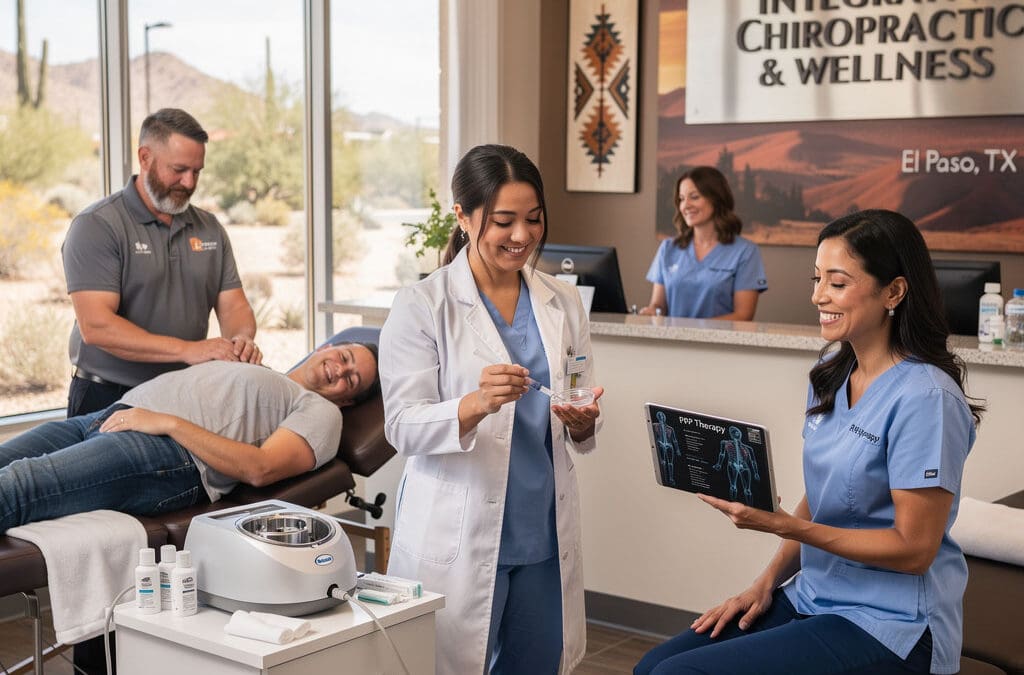
Regenerative Therapies for Personal Injury Healing
Regenerative Therapies for Personal Injury: How PRP, PFP, MFAT, and Epidural Injections Support Healing
A personal injury from a car accident, fall, or sports event can leave lasting damage. Muscles, ligaments, and tendons may tear. Spinal nerves can become irritated or compressed. Everyday activities like walking, sleeping, or working become increasingly difficult. Many people face long recovery times, strong pain medicines, or surgery. Regenerative therapies offer another choice. These treatments use materials from your body to speed tissue repair and calm inflamed nerves. They help patients regain function and create clear records of active healing that can support injury claims.
These options promote healing of both new and long-term tissue injuries. They reduce swelling and deliver natural repair signals. At Injury Medical Clinic PA in El Paso, Texas, these therapies are part of a full plan that includes chiropractic care, medical oversight, functional medicine, and rehabilitation.
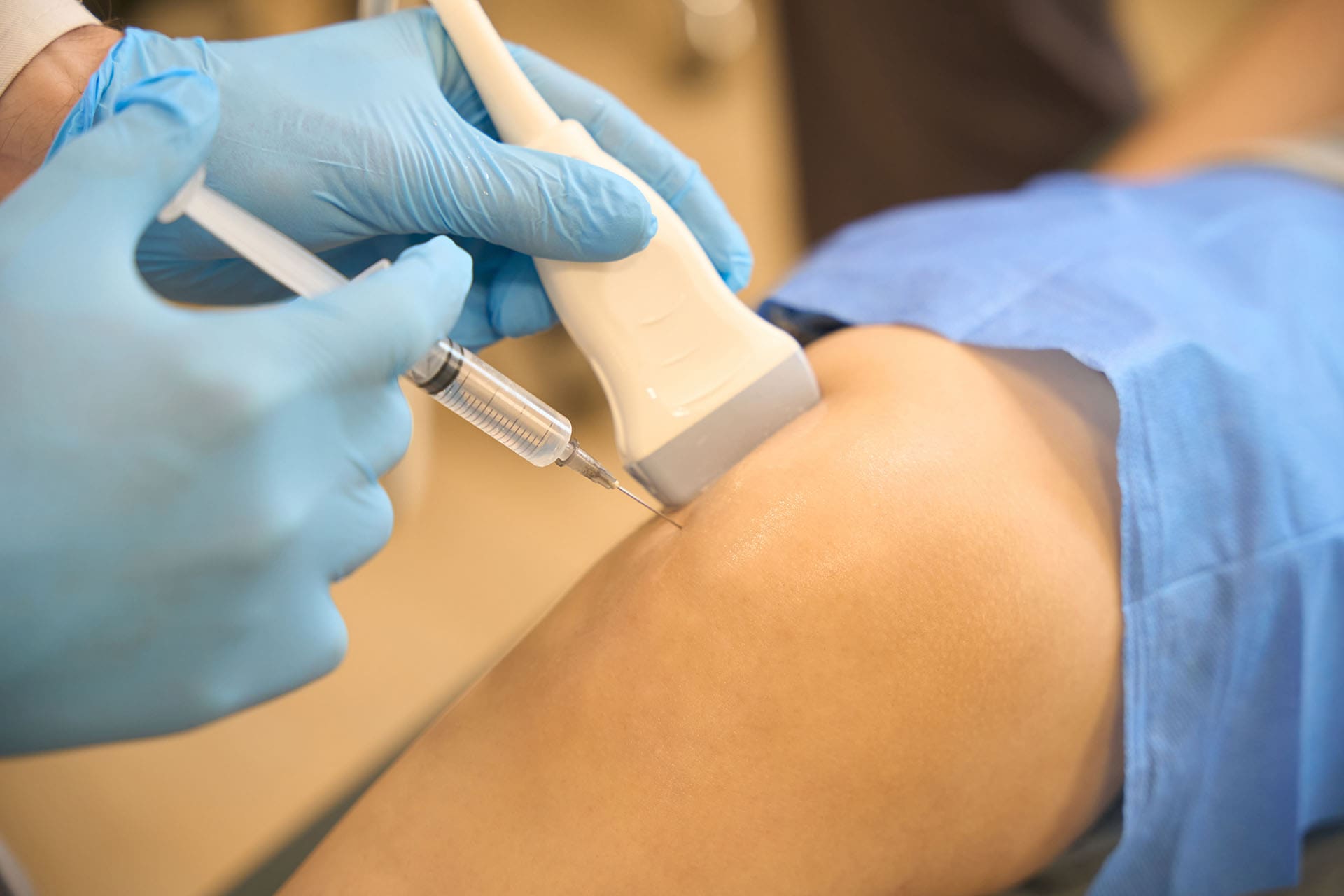
How These Therapies Help After Personal Injury
Regenerative treatments speed the repair of damaged muscles, ligaments, and tendons. They also calm irritated spinal nerves. This makes it easier to sleep, move, and join physical therapy. Patients often need fewer strong medicines and can avoid or delay surgery. Follow-up checks show real tissue-level progress. That documented recovery can strengthen personal injury claims.
The therapies work by concentrating the body’s own healing tools and placing them exactly where they are needed. Areas with poor blood flow, such as tendons and spinal discs, respond especially well.
PRP (Platelet-Rich Plasma): Concentrated Growth Factors from Your Blood
PRP starts with a small blood draw from your arm. The blood spins in a machine that concentrates the platelets. Platelets are the natural parts of blood that help clotting and repair. When injected into the injured area, the platelets release growth factors. These growth factors stimulate cell repair, lower inflammation, and speed healing of torn ligaments, muscles, and tendons.
PRP works well for many soft-tissue injuries common in accidents. It supports recovery after whiplash or a torn tendon. Results usually appear over several weeks as the body responds to the concentrated signals. Rehabilitation exercises help the improvements last longer.
Key points about PRP:
- Uses only your own blood
- Releases growth factors that call in repair cells
- Reduces inflammation in soft tissues
- Supports healing of ligaments, muscles, and tendons
PFP (Platelet-Fibrin Products): A Scaffold for Longer Healing Signals
PFP concentrates proteins from the blood that trap growth factors. This creates a supportive matrix or “scaffold” at the injury site. The scaffold holds the healing signals in place longer so they continue working over time.
PFP is often chosen for tissues that have not responded to simpler treatments. It provides prolonged support for stubborn ligament, tendon, or disc injuries. In chronic personal injury cases, the longer-lasting signals give the body more time to rebuild.
Key points about PFP:
- Forms a natural supportive scaffold
- Delivers growth factors over an extended period
- Helps tissues that heal slowly
- Uses your own blood proteins
MFAT (Micro-Fragmented Adipose Tissue): Signaling Cells from Your Fat
MFAT begins with a small sample of the patient’s fat tissue, usually taken gently from the abdomen or side. The fat is processed to keep its rich concentration of signaling cells. These cells are then injected into the damaged area.
MFAT is frequently used for more serious joint damage, cartilage defects, and larger partial tears. The signaling cells provide structural support and assist tissue repair. For bigger injuries from accidents, MFAT supplies both cells and a natural framework that aids rebuilding.
Key points about MFAT:
- Uses a small amount of your own fat
- Rich in regenerative signaling cells
- Supports structure in joints and larger tears
- Helps calm chronic inflammation
Epidural Spinal Injections: Direct Relief for Nerve Inflammation
Severe nerve inflammation can occur when a herniated disc compresses a nerve root. This causes sharp pain, numbness, or weakness that may travel into an arm or leg. An epidural spinal injection places an anti-inflammatory substance—such as cortisone or regenerative biologics—directly into the spinal area. Imaging guidance keeps the placement accurate.
The injection reduces nerve irritation. Many patients find it easier to sleep, walk, and take part in physical rehabilitation. Regenerative versions also deliver growth factors that support longer-term calming of the nerve and surrounding tissues.
Key points about epidural injections:
- Targets severe nerve inflammation from compressed roots
- Can use cortisone or regenerative materials
- Improves sleep, walking, and therapy participation
- Creates space for other healing steps
Matching the Right Plan to Your Specific Injury
The clinic reviews the exact injuries you are dealing with so the team can recommend the best integrative chiropractic treatment plan. A herniated disc that presses on a nerve may start with an epidural to calm the irritation, followed by targeted PRP or PFP near the disc. Whiplash often involves stretched or torn neck ligaments and muscles that respond well to PRP or PFP. A torn tendon in the shoulder, knee, or elsewhere may benefit from PRP for smaller tears or MFAT for larger or joint-related damage.
Your care team looks at imaging, examination findings, and overall health. They explain the options in clear language so you understand which combination fits your situation best. Functional medicine can also identify nutrition or inflammation factors that affect how quickly tissues heal.
The Multidisciplinary Team at Injury Medical Clinic PA
Dr. Alexander Jimenez, DC, APRN, FNP-BC, CCST, CFMP, IFMCP, ATN, has observed that regenerative therapies produce stronger results when paired with mechanical and internal support. The biological signals from PRP, PFP, or MFAT plant the seeds of repair. Chiropractic adjustments restore proper alignment and joint movement so healing tissues are not under constant stress. Rehabilitation builds strength and correct patterns. Functional medicine addresses root factors such as nutrition, inflammation, and lifestyle. Personal injury care includes thorough documentation of progress. His clinical observations show lasting gains in mobility and pain reduction when these elements work together.
Dr. Maria Guadalupe Cardenas, MD (Board Certified in Internal Medicine, NPI #1164426749, Texas MD License #J2933), has over 40 years of experience as an internist. She works with Dr. Alex Jimenez, DC, and serves as the medical director and collaborative physician at his practice, Injury Medical Clinic PA, in El Paso, Texas. This is a multidisciplinary setup common in integrative or injury care clinics, where an MD provides medical direction alongside a chiropractor. The team integrates chiropractic care (Dr. Jimenez) with medical oversight by Dr. Cardenas (internal medicine), as well as functional medicine, personal injury care, rehabilitation, and related services. Shared records keep care coordinated and complete.
Moving Toward Better Function and Documented Recovery
These regenerative therapies give patients real options after personal injury. They speed tissue repair, calm irritated nerves, restore function, and create objective records of active healing. When combined with chiropractic care under medical oversight and functional medicine support, the approach addresses both the local damage and the wider factors that help recovery last.
If you are dealing with a herniated disc, whiplash, torn tendon, or other personal injury, the team at Injury Medical Clinic PA can help you understand the best plan for your needs. A clear evaluation creates a personalized path focused on natural healing and return to daily life.
References
Close, M. (2026, February 26). Comparing PRP, BMAC, and MFAT: Choosing the right regenerative treatment. Sports Medicine of the Rockies. https://sportsmedrockies.com/comparing-prp-bmac-and-mfat-choosing-the-right-regenerative-treatment/
Health Coach Clinic. (n.d.). Regenerative medicine options for spinal health. https://healthcoach.clinic/regenerative-medicine-options-for-spinal-health/
Jimenez, A. (n.d.). Regenerative therapies for fitness and recovery insights. https://dralexjimenez.com/regenerative-therapies-for-fitness-and-recovery-insights/amp/
Personal Injury Doctor Group. (2026, July 16). Regenerative therapies for fitness and recovery. https://personalinjurydoctorgroup.com/2026/07/16/regenerative-therapies-for-fitness-and-recovery/amp/
Sciatica Clinic. (n.d.). Regenerative and integrative therapies for pain relief. https://sciatica.clinic/regenerative-and-integrative-therapies-for-pain-relief/









