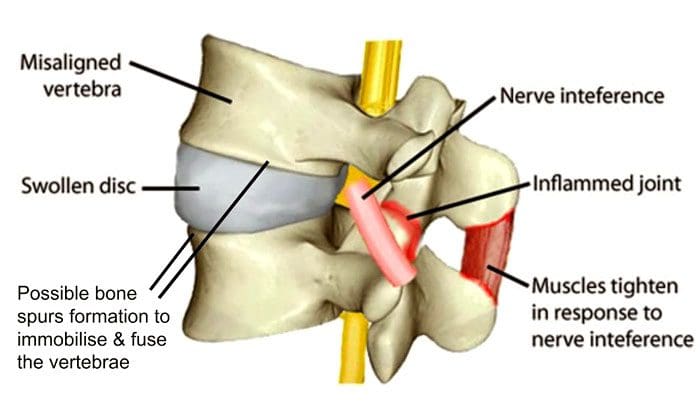
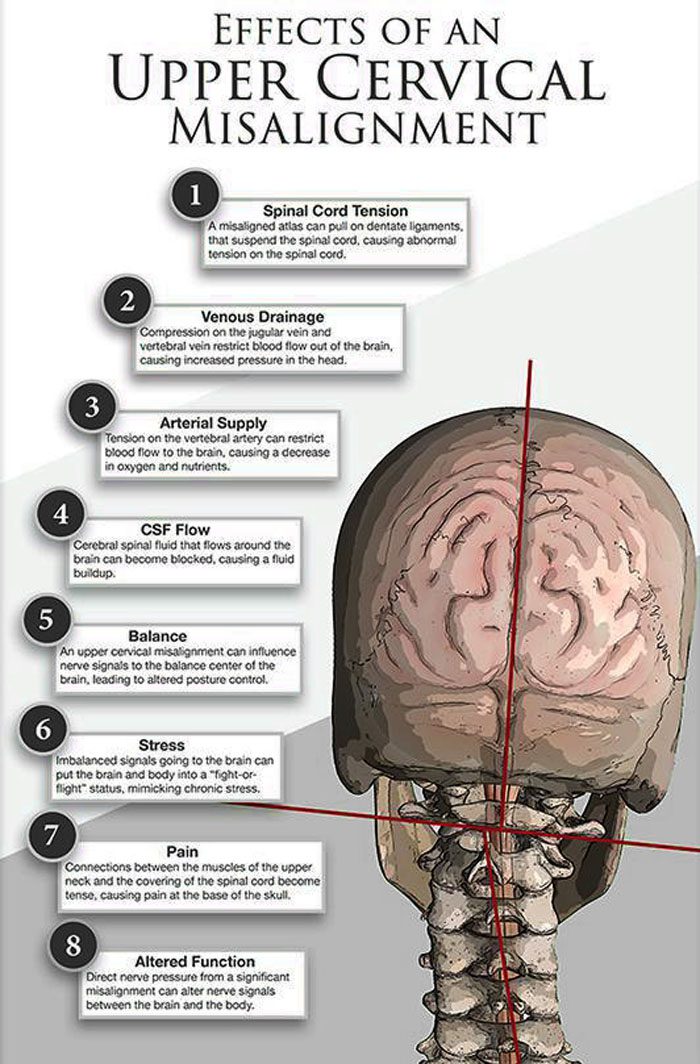
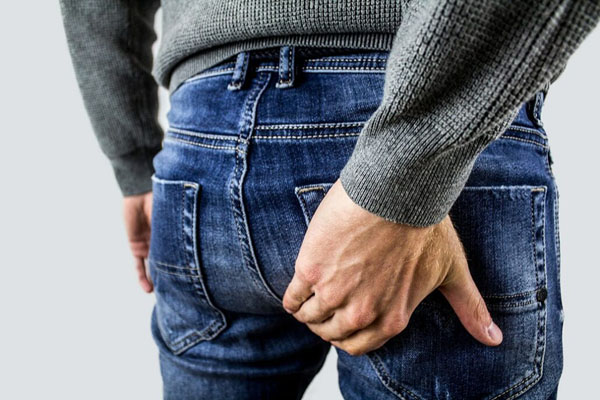
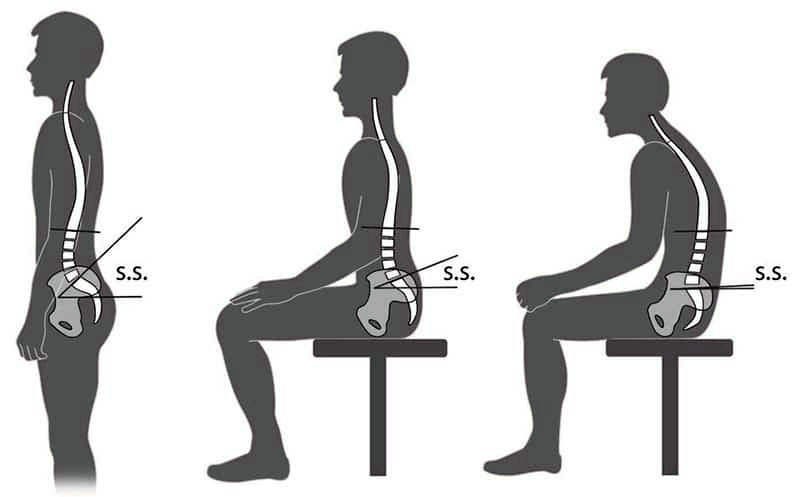
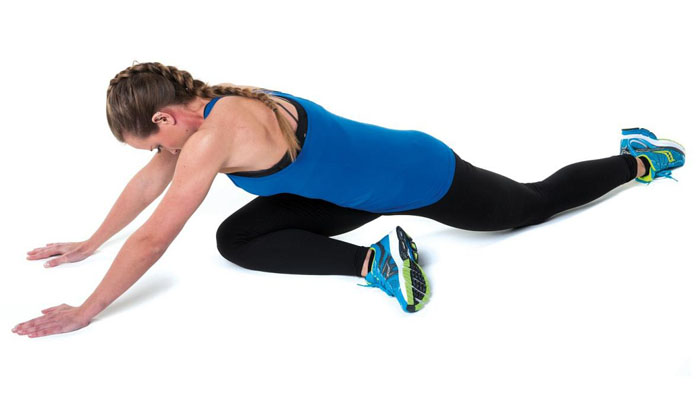
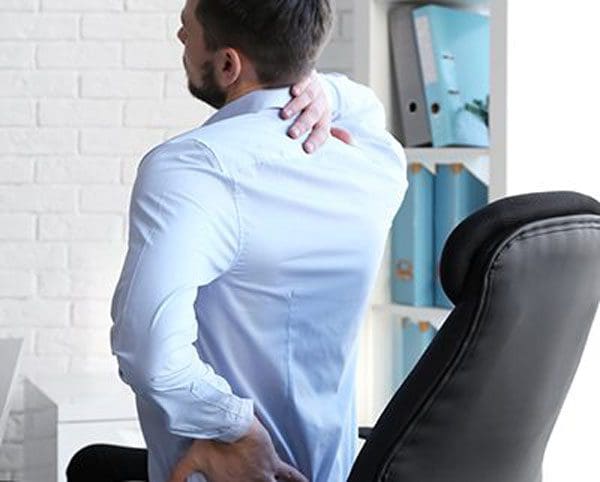
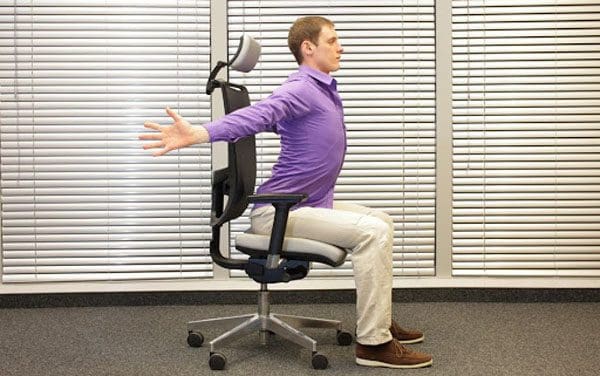
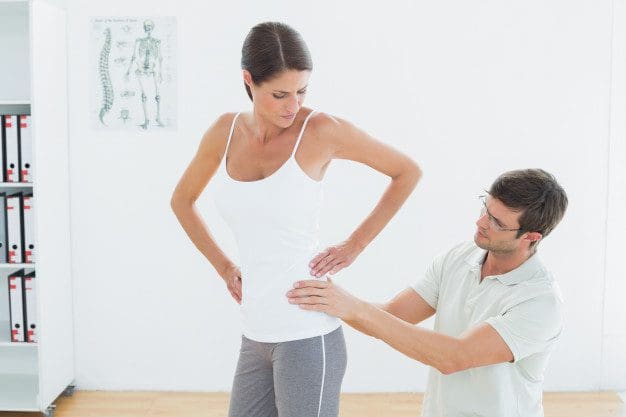
Individuals typically don’t think about their spine as they go through their everyday lives, bending, reaching, twisting, lifting, etc. However, it is through all of these movements/motions that spinal misalignments can occur causing discomfort, pain, and health problems. This happens gradually, with individuals learning how to live with the misalignment, accepting it as a normal part of life. Spinal misalignments, known as subluxations, are common but can be resolved through chiropractic treatment.
Spinal Misalignment
The spine needs to stay strong, stable, and able to support the musculoskeletal system to keep the body upright and protect the central nervous system. When the spine is properly aligned the body stays strong and mobile. When the spine is misaligned, it can cause dysfunction of the central nervous system. Chiropractic is highly effective and a non-invasive way to improve the body’s health. An individual will want to know if their spine is out of alignment to know what to do and what to avoid when back pain presents. Symptoms that the spine is out of alignment includes:
Headaches, Back, and/or Joint Pain
Headaches, joint pain, and backaches can be misalignment symptoms and are the most common. Many individuals learn to live with chronic headaches and migraines but do not realize that chiropractic treatment can help to reduce, or in a case like this, can eliminate them. Back pain, especially low back pain is another symptom of misalignment. However, there can be a variety of causes, like a herniated disc, degenerative disc disease, a chiropractor will alleviate the pain without medication or surgery. A chiropractor will find the root cause and correct any misalignments.
The Heels of Shoes Wear Out Unevenly
This is a symptom that can come from cheap shoes, but often it is from a misaligned pelvis/pelvic tilt. What happens is the hips are shifted out of their proper position, which causes the feet to land on the ground unevenly.
Stiffness and/or Inability To Turn The Head or Hips
If the neck is stiff or there is difficultness, pain when turning, or you can hear the neck crack when turning, this is a sure symptom of cervical misalignment. The same is true with the hips. A subluxation can also cause muscles to tighten or damage the connective tissues, like the ligaments or tendons. Individuals can get used to feeling this way, but it can lead to losing the full range of motion along with pain, stiffness, and inability to perform certain tasks.
Joint Stiffness, Aches, and Pains
Trying to push through back stiffness, along with aches and pains is not healthy. Improper ergonomics and postures could be caused by spinal misalignment or could worsen a subluxation causing further injury. A chiropractor will:
Educate on proper ergonomics
Show how to improve posture
Perform adjustments
Recommend anti-inflammatory supplements
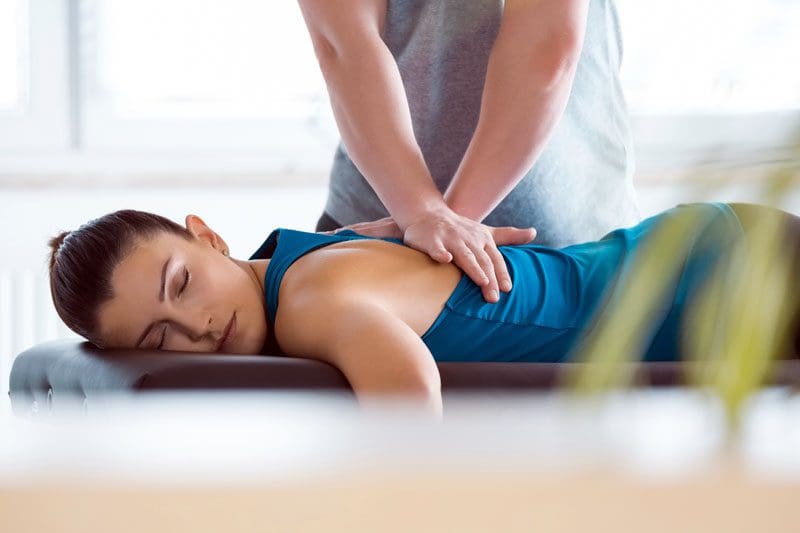
Perform physical therapeutic massage to eliminate stiffness, alleviate pain, and relieve stress.
Numbness or Tingling in Hands or Feet
This is a sure symptom that of a misaligned spine. Numbness and/or tingling sensations often indicate pinched/compressed nerves. The compression or irritation can result in pain or the aforementioned sensations. A chiropractor will ease the pressure on the nerves, allowing for proper circulation, bringing back the full sensation to the affected area/s.
Body Composition
Fiber Health Benefits
Fiber health benefits include lowering the risk of developing diseases like diabetes, obesity, hypertension, and more. It is also beneficial for those who have diabetes to improve insulin sensitivity. Adding more fiber to your diet can enhance weight loss goals. Fruits and vegetables are the highest-fiber foods available.
Fiber and Gut Health
The beneficial bacteria that live in the gut thrive from fruit and vegetable fiber. Because the body does not absorb fiber, the bacteria ferment the fiber. Anti-inflammatory fatty acids are released as a by-product of this process and help to protect the health of the gut. They can also help with appetite regulation.
The information herein is not intended to replace a one-on-one relationship with a qualified health care professional, licensed physician, and is not medical advice. We encourage you to make your own health care decisions based on your research and partnership with a qualified health care professional. Our information scope is limited to chiropractic, musculoskeletal, physical medicines, wellness, sensitive health issues, functional medicine articles, topics, and discussions. We provide and present clinical collaboration with specialists from a wide array of disciplines. Each specialist is governed by their professional scope of practice and their jurisdiction of licensure. We use functional health & wellness protocols to treat and support care for the musculoskeletal system’s injuries or disorders. Our videos, posts, topics, subjects, and insights cover clinical matters, issues, and topics that relate to and support, directly or indirectly, our clinical scope of practice.* Our office has made a reasonable attempt to provide supportive citations and has identified the relevant research study or studies supporting our posts. We provide copies of supporting research studies available to regulatory boards and the public upon request. We understand that we cover matters that require an additional explanation of how it may assist in a particular care plan or treatment protocol; therefore, to further discuss the subject matter above, please feel free to ask Dr. Alex Jimenez or contact us at 915-850-0900.
Dr. Alex Jimenez DC, MSACP, CCST, IFMCP*, CIFM*, CTG*
email: [email protected]
phone: 915-850-0900
Licensed in Texas & New Mexico
References
Czaprowski, Dariusz et al. “Non-structural misalignments of body posture in the sagittal plane.” Scoliosis and spinal disorders vol. 13 6. 5 Mar. 2018, doi:10.1186/s13013-018-0151-5
Formica, M et al. “ALIF in the correction of spinal sagittal misalignment. A systematic review of the literature.” The European spine journal: official publication of the European Spine Society, the European Spinal Deformity Society, and the European Section of the Cervical Spine Research Society vol. 30,1 (2021): 50-62. doi:10.1007/s00586-020-06598-y
Granacher, Urs et al. “Effects of core instability strength training on trunk muscle strength, spinal mobility, dynamic balance and functional mobility in older adults.” Gerontology vol. 59,2 (2013): 105-13. doi:10.1159/000343152
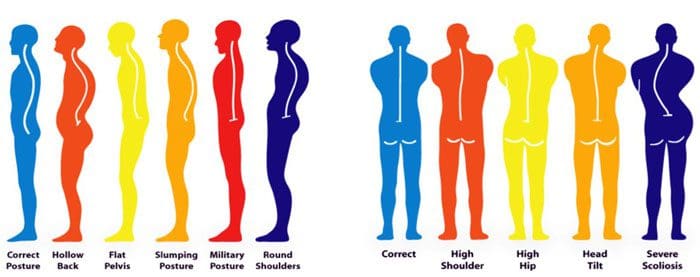
Improper posture affects the whole body and can lead to various pain issues throughout the body. Correcting posture is recommended before trying to correct it when pain begins to present. If pain is presenting, chiropractic treatment will bring relief, stabilize the spine, realign/balance the body, and educate the individual on maintaining proper posture through stretches, exercises, physical therapy, and lifestyle adjustments.
Improper posture symptoms
Neck Pain
Discomfort, stiffness, tightness, and pain are common when sitting at a workstation. This comes from a forward head/head jutting position. The head pushes forward and is not aligned with the shoulders. This means that the neck takes on a compromised position. The head forward position places significant strain on the neck muscles. Because of this neck discomfort and pain often occur later in the afternoon and evening. If not sure whether head jutting is taking place, try placing the chin to the chest. If not able or if there is discomfort/pain in the upper back, there is some forward head jutting.
Shoulder Discomfort and Pain
When we sit for extended periods, the body relaxes muscles that would normally be used if standing. One set of muscles is in the upper back. This causes slouching with a rounded upper back/shoulders. The more time the body stays in any one position, the more it begins to conform to the unhealthy position. This also causes pain in the upper, front part of the shoulders. The pain is noticeable when trying to bring the arm/s overhead or when trying to perform exercises like pushups or pullups.
Regular Headaches
Regular headaches are another symptom of improper posture. Forward head posture is usually a contributor combined with the long hours sitting or standing. However, headaches can be caused by a variety of causes that include:
Stress
Tension
Dehydration
Low Back, Tailbone Discomfort, and Pain
Lower back pain is a very common symptom of improper posture. For individuals under 40, pain and discomfort present because of improper posture while sitting or standing and a lack of stretching and exercise. Sitting for a long time causes the muscles that bring the thighs towards the chest, known as the hip flexors to be consistently flexed, with no relief. This causes the hip flexors to shorten and tighten. This pulls the pelvis out towards the front of the body, creating an exaggerated spinal curve.
Buttocks or Stomach Pushes Outward
Take a look at the body’s profile, does the butt and/or stomach stick out? If so this could be hyperlordosis also known as Donald duck posture. This can come from wearing high heels too much, the body having to carry extra weight in the stomach area, and sometimes this comes from pregnancy. Sometimes, this happens when individuals stand with their knees locked. This causes the rear end and/or belly to push out.
Correcting Improper Posture
The main problem with correcting posture is the ability to maintain proper posture. Many individuals go back to the unhealthy positioning without recognizing that they are doing it. There are devices to help correct poor posture habits. This could be a brace or harness that detects when the body is slouching and vibrates to let the individual return to a proper position.
Chiropractic Care and Physical Therapy
The most effective and thorough way to correct years of improper posture is to see a professional chiropractor. A complete diagnosis, inspection, and analysis of an individual’s posture when sitting, standing, walking, and running will be done. They will educate the individual on correct posture, how to achieve and maintain it. If pain is presenting, the chiropractor will take steps to correct any subluxations, misalignments, and develop a personalized treatment plan, to heal the body first. Treatment modalities can include:
Chiropractic adjustments
Physical therapy
Massage
Heat therapy
Infrared
Ultrasound
TENS device
Health coaching
Nutritional advice
Once the body has healed and is moving freely, the doctor will recommend exercises and stretching programs to do at home. This will improve and help maintain proper posture. An experienced musculoskeletal professional will keep the body balanced and prevent further injuries.
Body Composition
Hydrating the body with water or a sports drink
Many individuals prefer drinking sports drinks during and after physical activities, sports, and exercise. Many are opposed to water because of the lack of taste, while sports drinks have taste and added electrolytes. But many sports drinks have added ingredients and sugars. This makes them not the best choice for individuals trying to lose calories. Take a look at some of the additional ingredients:
Electrolytes
Minerals, like potassium, sodium, and magnesium, have an electric charge that helps maintain the body’s ionic balance. The body loses electrolytes when sweating. A sports drink can help replace the lost electrolytes.
Carbohydrates
Most of the carbohydrates come from sugars. Carbohydrates are one of the body’s energy sources and sports drinks are designed to refuel the body after hard physical activity.
Amino acids
These are protein building blocks. Drinking a sports drink after an intense workout can help the body recover quicker. Therefore, some of the additional ingredients in sports drinks offer hydration extras that water on its own cannot. However, water should always be the first drink of choice. But there are certain times when a sports drink is what the body needs.
When participating in high-intensity physical activities, workouts, sports that last longer than 45 minutes to an hour. Here a sports drinks can help replenish the body’s electrolytes better than water.
Individuals that sweat high levels of sodium (look for sweat stains/rings on skin or clothing) can benefit from re-hydrating with a sports drink.
Endurance athletes, triathletes, marathon runners, long-distance athletes, etc can also benefit from a sports drink, from the increased fluid loss.
In these activities, athletes should make sure the sports drink they are consuming contains carbohydrates and electrolytes.
Disclaimer
The information herein is not intended to replace a one-on-one relationship with a qualified health care professional, licensed physician, and is not medical advice. We encourage you to make your own health care decisions based on your research and partnership with a qualified health care professional. Our information scope is limited to chiropractic, musculoskeletal, physical medicines, wellness, sensitive health issues, functional medicine articles, topics, and discussions. We provide and present clinical collaboration with specialists from a wide array of disciplines. Each specialist is governed by their professional scope of practice and their jurisdiction of licensure. We use functional health & wellness protocols to treat and support care for the musculoskeletal system’s injuries or disorders. Our videos, posts, topics, subjects, and insights cover clinical matters, issues, and topics that relate to and support, directly or indirectly, our clinical scope of practice.* Our office has made a reasonable attempt to provide supportive citations and has identified the relevant research study or studies supporting our posts. We provide copies of supporting research studies available to regulatory boards and the public upon request. We understand that we cover matters that require an additional explanation of how it may assist in a particular care plan or treatment protocol; therefore, to further discuss the subject matter above, please feel free to ask Dr. Alex Jimenez or contact us at 915-850-0900.
Dr. Alex Jimenez DC, MSACP, CCST, IFMCP*, CIFM*, CTG*
email: [email protected]
phone: 915-850-0900
Licensed in Texas & New Mexico
References
Hao, Ning et al. “Enhancing creativity: Proper body posture meets proper emotion.” Acta Psychologica vol. 173 (2017): 32-40. doi:10.1016/j.actpsy.2016.12.005
Jaromi, Melinda et al. “Treatment and ergonomics training of work-related lower back pain and body posture problems for nurses.” Journal of clinical nursing vol. 21,11-12 (2012): 1776-84. doi:10.1111/j.1365-2702.2012.04089.x
O’Connor B. Sitting Disease: The New Health Epidemic. The Chopra Center Web site. http://www.chopra.com/articles/sitting-disease-the-new-health-epidemic. Accessed January 7, 2017.
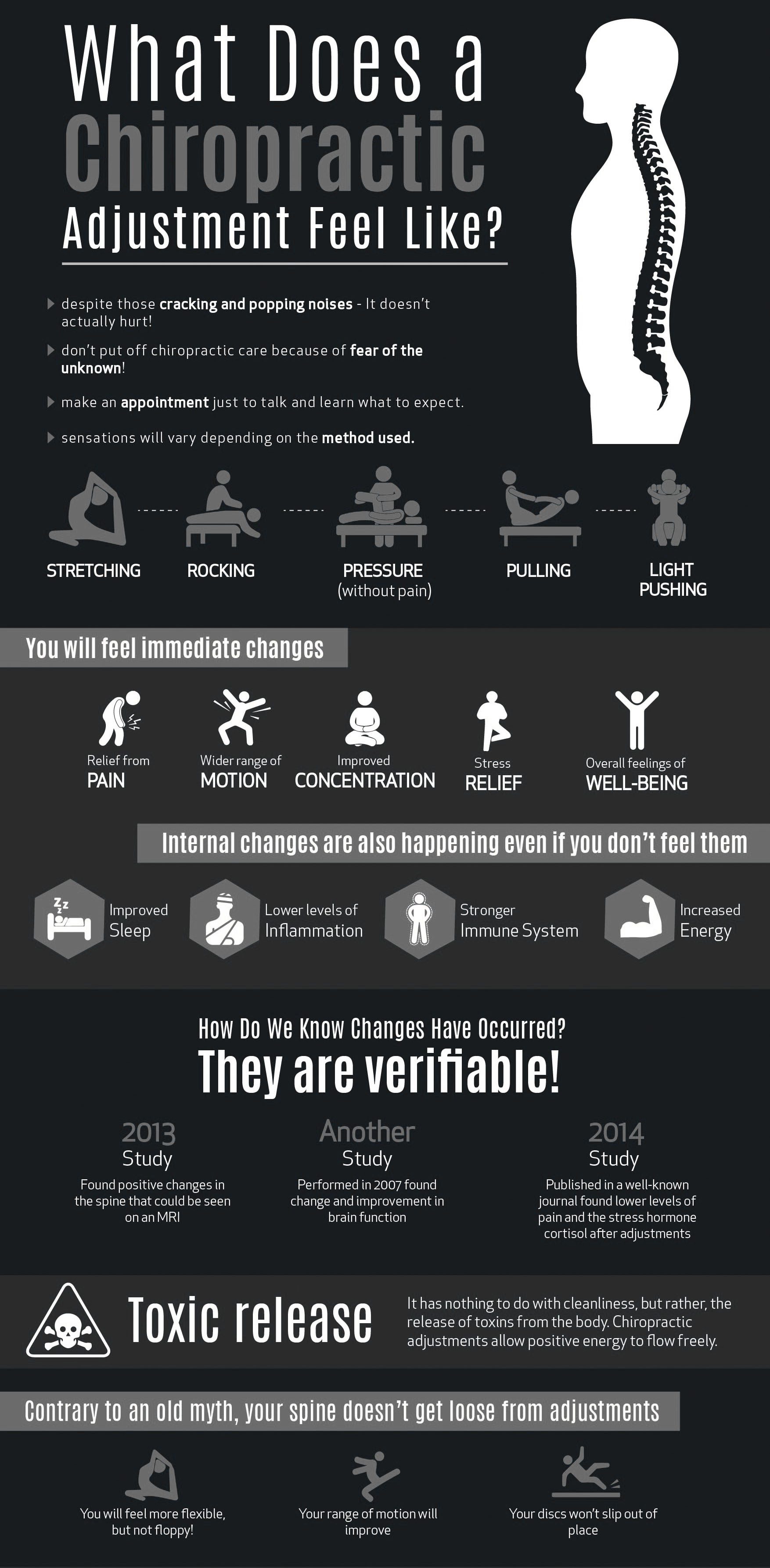
Individuals tend to think of chiropractic treatment for pain relief, injury recovery, and help with poor posture. This is correct, but regular chiropractic spinal adjustments can provide numerous benefits to feel your absolute best and improve an individual’s quality of life. Doctors of chiropractic/DCs perform a thorough physical and neurological evaluation of the individual to diagnose the root cause of spine pain. The proper diagnosis is essential to the individual’s customized treatment plan.
Benefits of Regular Chiropractic Spinal Adjustments
Chiropractic spinal adjustments address a variety of health-related issues. A chiropractor will work with the individual to determine the most beneficial treatment possible. This includes posture training, exercise, stretching, massage therapy, and more. Below are a few of the benefits of chiropractic spinal adjustments:
Better joint health and mobility
Enhances physical and athletic abilities
Restores muscle balance which is secondary to alignment and loosens/releases tight muscles and resets loose/misaligned muscles
Risk of spine and other conditions is reduced
The body’s natural healing potential is increased along with blood and nerve circulation
Organ function is improved
Sense of well-being increases through:
Symptom management of depression, anxiety, and hyperactivity symptoms
Overall Energy is increased
Sleep improves from the realignment and tension release
Brain fog clears up along with improved concentration
Body’s immune response increases
From the reset blood and nerve circulation, the immune system’s response time improves
This helps prevents the onset of disease and illness
Symptoms of pain are alleviated
Chronic pain conditions are avoided
Highly beneficial for prenatal care
Reduces body discomfort
Helps maintain a healthy posture
Prepares the body for labor
Doctors of Chiropractic
Chiropractors are trained in musculoskeletal treatment and dedicated to providing the best possible. Spinal misalignment is often at the root of body dysfunction and poor health. Contact Injury Medical Chiropractic and Functional Medicine Clinic today with your health goals and see how we can help achieve them.
Body Composition
Complex Carbs Help Build Muscle
Carbs help regulate muscle glycogen repletion. Glycogen is a form of glucose that gets stored for later use. When the body needs energy, the glycogen activates and is ready as a fuel source. Carbohydrates are stored as glycogen. When the body’s carbohydrates are low, glycogen stores are low. When carbohydrates are taken in the glycogen stores are refilled. Because glycogen is used for energy the replenishment of those stores is important. This is why it is recommended to take in carbs immediately after exercising/physical activity. This replenishes glycogen stores for later.
Carbohydrates prevent muscle degradation
Low-carb diets and muscle loss. A study compared a low-carb diet to other diets and found the restriction of carbs resulted in protein loss. Restricting carbohydrates causes an increase in the amount of nitrogen that gets excreted. Nitrogen is a component of amino acids that forms muscle proteins. Loss of nitrogen indicates the muscles are breaking down.
Disclaimer
The information herein is not intended to replace a one-on-one relationship with a qualified health care professional, licensed physician, and is not medical advice. We encourage you to make your own health care decisions based on your research and partnership with a qualified health care professional. Our information scope is limited to chiropractic, musculoskeletal, physical medicines, wellness, sensitive health issues, functional medicine articles, topics, and discussions. We provide and present clinical collaboration with specialists from a wide array of disciplines. Each specialist is governed by their professional scope of practice and their jurisdiction of licensure. We use functional health & wellness protocols to treat and support care for the musculoskeletal system’s injuries or disorders. Our videos, posts, topics, subjects, and insights cover clinical matters, issues, and topics that relate to and support, directly or indirectly, our clinical scope of practice.* Our office has made a reasonable attempt to provide supportive citations and has identified the relevant research study or studies supporting our posts. We provide copies of supporting research studies available to regulatory boards and the public upon request. We understand that we cover matters that require an additional explanation of how it may assist in a particular care plan or treatment protocol; therefore, to further discuss the subject matter above, please feel free to ask Dr. Alex Jimenez or contact us at 915-850-0900.
Dr. Alex Jimenez DC, MSACP, CCST, IFMCP, CIFM, CTG* email: [email protected] phone: 915-850-0900 Licensed in Texas & New Mexico
References
Dubinsky RM, Miyasaki J.Assessment: Efficacy of transcutaneous electric nerve stimulation in the treatment of pain in neurologic disorders (an evidence-based review). Report of the Therapeutics and Technology Assessment Subcommittee of the American Academy of Neurology. Neurology. 2010;74:173-176.
Fritz JM, Lindsay W, Matheson JW, Brennan GP, Hunter SJ, Moffit SD, et al. Is there a subgroup of patients with low back pain likely to benefit from mechanical traction? Results of a randomized clinical trial and subgrouping analysis. Spine. 2007 Dec 15;32(26):E793-800.
Sciatica is a very common and painful issue. Keeping it in check can be difficult especially with various causes that can generate flare-ups. Individuals managing sciatica need to pay attention and be vigilant of the negative activities/movements that could cause symptoms to reappear. A few common causes include:
Excessively tight-fitting pants
Improperly lifting heavy objects
Poor posture
Weight gain
Not stretching out
Wearing the wrong shoes
Knowing what not to do is just as effective for helping sciatica flare-ups as knowing what is best.
Sciatica Causes
The sciatic nerve is the longest nerve. It comes out the spine through the pelvis, down the leg to the foot. There is one sciatic nerve on each side of the body, and either can become irritated, injured, and inflamed. However, it�s rare that both are irritated at the same time. The underlying causes can vary. Most of the time the cause is a herniated disc that presses against the nerve, causing the pain. Even though this happens in the lower back, an individual might only feel pain in the buttocks and the back of the leg. Other causes of sciatic nerve pain include:
What makes sciatica worse depends on the underlying cause. For most, this is a herniated or bulging disc that presses against the nerve. With this type of case, any increase in pressure on the discs can worsen the symptoms. Sitting down in fact puts more pressure on the spinal discs, worsening the pain. Lying down can also worsen symptoms. When the pain is peaking, lying down for a little while can help, but for too long can worsen symptoms. Standing with a neutral spine, and walking around a bit, can help with nerve pain relief and the healing process.
Improper/Poor Posture
Poor posture, especially the rounding of the lower back. This usually happens when sitting. The rounded low back becomes a bad habit that individuals think will help with the pain. This can cause a flare-up. The spine has a natural S-curve and the more an individual can maintain that natural curve, the better off they will be.
Weight Gain
Too much weight can cause flare-ups with added stress/pressure on the spine, especially the low back. Maintaining a healthy weight will help relieve the added pressure, however, many who experience sciatica have trouble exercising. This is where a physical therapist and chiropractor can assist an individual with customized exercise and diet programs to overcome this obstacle. Eating is a way that individuals deal with pain, anxiety, and depression. But weight gain and poor health can worsen sciatica. Individuals that are overweight tend to experience more inflammation throughout the body, making sciatica even worse.
Stretching
Not stretching, especially as the body gets older tightens the muscles, ligaments, and tendons. And stretching improperly can injure these areas. There are recommended and non-recommended stretches for individuals dealing/managing sciatica. Stretches that require bending the low back can place added pressure on the lumbar spine, causing sciatica flare-ups.
Lifting Heavy Things
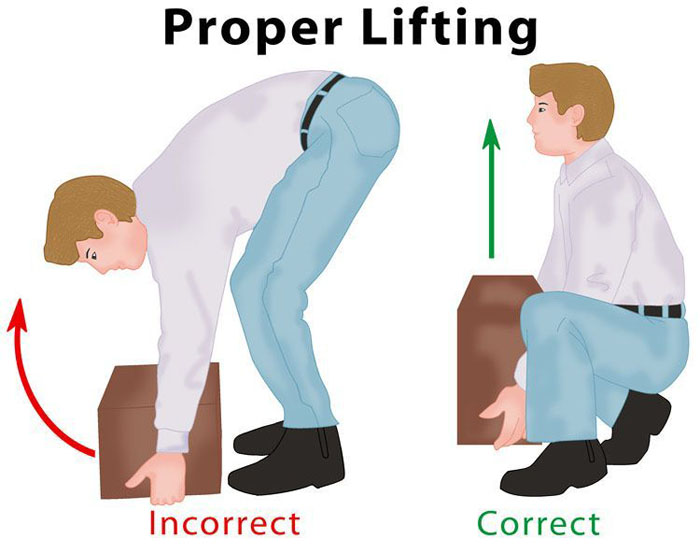
Lifting and improperly lifting heavy objects can worsen sciatica. This has to do with the rounding of the low back. Any time the spine is taken out of its natural S-curve, there is undue pressure on the joints and discs. When lifting heavy objects in this position the problem is worsened. When possible avoid lifting anything heavy while dealing with sciatica. It�s healthy to stay active, but there is no need to do intense workouts at home or the gym, especially heavy lifting.
Tight Pants
Tight pants can contribute to sciatica. Whether shorts, jeans, or skirts, wearing overly-tight, form-fitting pants should be avoided until the sciatica is gone. And even after it is not recommended to wear overly tight-fitting clothing, as this can cause blood and nerve circulation problems.
Shoes
Like tight pants, the wrong shoes without adequate support can cause flare-ups. For example, high heels force weight distribution to the front of the feet. For the body to compensate, it�s normal to push the pelvis and hips forward. When the body is in this position for a long time it starts to place stress on the hamstrings, which will exacerbate sciatica. Shoes without adequate support place added stress on the feet, which gets transferred up the leg to the hamstrings. Customized shoe inserts designed especially for individuals with sciatica can help in preventing symptoms.
Improvement
Sciatica takes time to heal. Avoiding making it worse and taking all the steps to help it heal, can bring the body back to normal within 2 weeks. For most, it takes around 4 weeks for the pain to go away. This depends on various factors. For example, if sciatica develops during pregnancy, it could take longer to get rid of the pain. One sign that shows improvement is called centralization meaning the pain is moving out of the leg and into the spine. This is a good sign that the individual is on the right track.
Body Composition
Meal Planning
The convenience of food delivery is wonderful, but remember that frequently eating food prepared away from home increases the risk of weight gain and obesity. Restaurants tend to serve oversized portions and prepare meals with excessive calories, sodium, and sugar. The benefit of eating from home is that individuals have more control over the ingredients and cooking methods used to prepare the food. It helps to plan meals and snacks in advance to make sure they are balanced. Here are the types of foods that should be included in a balanced meal plan:
A variety of whole fruits
Non-starchy vegetables – leafy greens, red and orange veggies
Starchy vegetables – potatoes, green peas, legumes, winter squash
Grains, with the goal to make at least � from whole-grain sources
Low-fat or fat-free dairy milk, yogurt, cheese
Protein from various sources – lean meats, seafood, eggs, nuts & seeds, and soy products
Healthy cooking oils – olive oil or canola oil
Nuts and nut butter
Fresh or frozen fruits
Dried herbs and spices
Dr. Alex Jimenez�s Blog Post Disclaimer
The scope of our information is limited to chiropractic, musculoskeletal, physical medicines, wellness, and sensitive health issues and/or functional medicine articles, topics, and discussions. We use functional health & wellness protocols to treat and support care for injuries or disorders of the musculoskeletal system. Our posts, topics, subjects, and insights cover clinical matters, issues, and topics that relate and support directly or indirectly our clinical scope of practice.*
Our office has made a reasonable attempt to provide supportive citations and has identified the relevant research study or studies supporting our posts. We also make copies of supporting research studies available to the board and or the public upon request. We understand that we cover matters that require an additional explanation as to how it may assist in a particular care plan or treatment protocol; therefore, to further discuss the subject matter above, please feel free to ask Dr. Alex Jimenez or contact us at 915-850-0900. The provider(s) Licensed in Texas& New Mexico*
References
Sciatica. MedlinePlus. https://medlineplus.gov/sciatica.html. Accessed November 29, 2018.
Sciatica Sciatic Nerve Pain During Pregnancy. babyMed. https://www.babymed.com/pregnancy/sciatica-pain-during-pregnancy. Updated on August 29, 2018. Accessed November 29, 2018.
Shiel WC. Degenerative Disc Disease and Sciatica. MedicineNet. https://www.medicinenet.com/degenerative_disc/article.htm#what_are_the_symptoms_of_radiculopathy_and_sciatica. Last reviewed August 10, 2018. Accessed November 29, 2018.
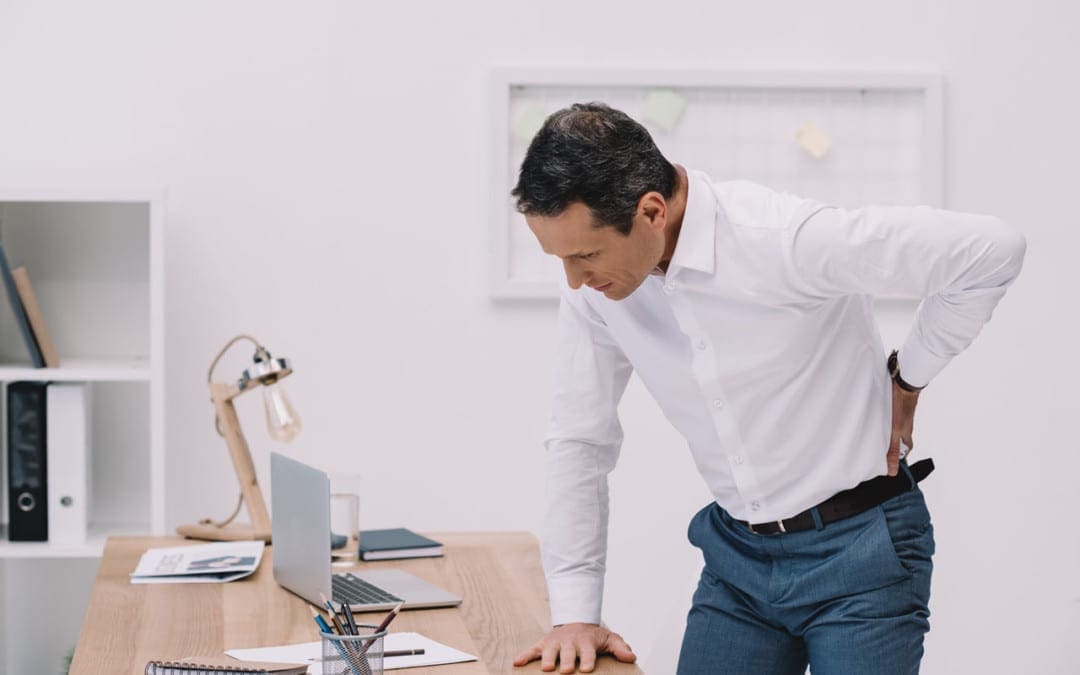
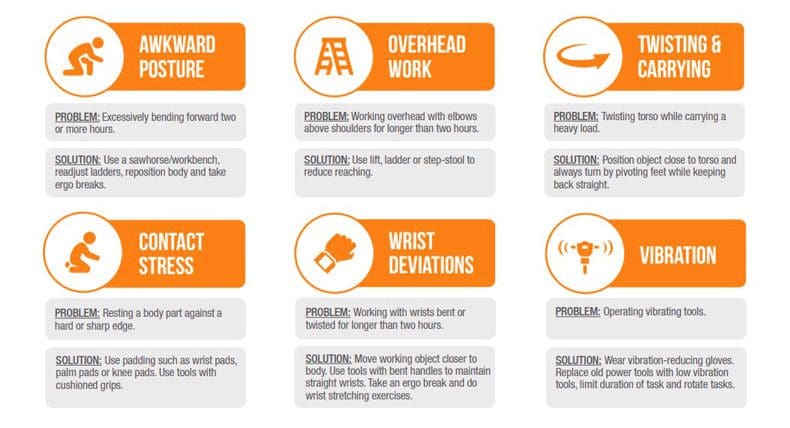
High-impact labor jobscan cause back pain, as well as jobs that require sitting all day. Nowadays, everyone is at risk of developing some form of back pain at their place of work. Here are a few tips for avoiding back injuries at work. It does not matter what an individual does for a living, or how it is done. Sitting, standing, lifting, bending, twisting, reaching, pulling, and pushing, all can have a negative impact on the spine’s health and the muscles in the back.
According to the Occupational Safety and Health Administration or OSHA,work-related musculoskeletal disorders are a common reason for missing work or restricting work time. Back pain and injury prevention/avoiding is the goal along with seeking the proper treatment as soon as possible.
The Risk for Back Pain
Work-related musculoskeletal disorders that affect the spine are a worldwide problem. The World Health Organization has stated in the United States that there is an estimated 149 million workdays lost every year because of back pain, with total costs estimated to be around 100-200 billion a year. And the World Health Organization identified low back pain as the leading cause of disability in the world. The National Institute for Occupations Safety and Health, which is a division of the CDC, listed five primary risk conditions for work-related musculoskeletal disorders:
Regularly lifting of objects
Regular exposure to whole-body vibration like using a jackhammer or driving a forklift
Regular reaching overhead work
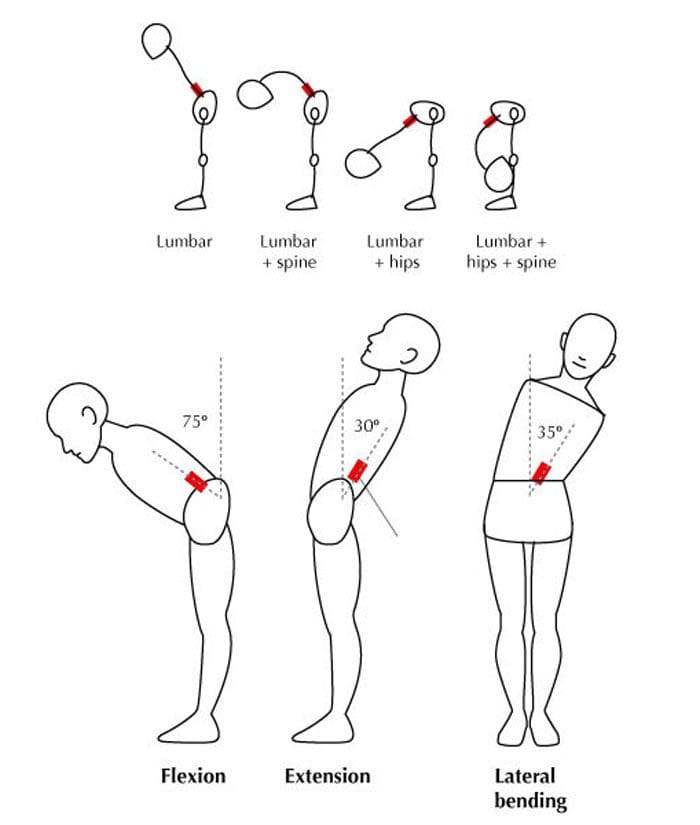
Working with the spine in a chronic flexion position
Repetitive work/tasks
Office Back Pain
Individuals that stare at screens most of the day means their spines are at risk for cervical spinal flexion. This can lead to neck, shoulder, and upper back pain.And sitting for long bouts of time with poor posture adds tremendous pressure and weight on the low back. When the body is seated for a long time, the body is not utilizing its core abdominal muscles and back muscles that keep the body and foundation strong and flexible. The more these muscles are under-utilized the more the body begins to fall into the vicious cycle of slouching, slumping, poor posture, and increased stress on the back muscles.
Avoiding Back Injury
With advancements in medicine, there are solutions for relieving pain and getting an individual back to regular work activity. Basic ways for avoiding injuries and keeping the spine healthy.
Lifting with the legs and not the back
Maintaining healthy weight
Healthy diet
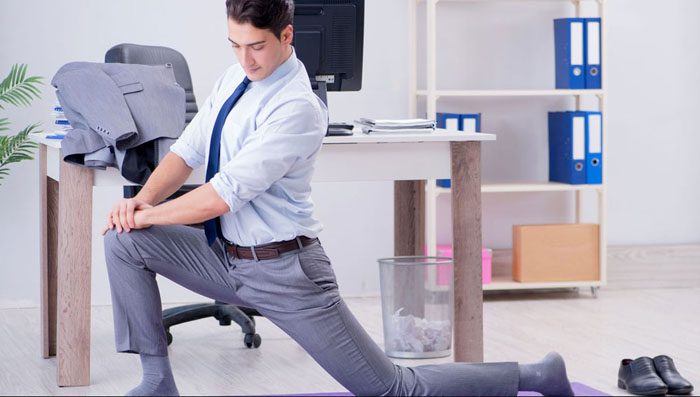
Stretching before physical activity and also during work will keep the muscles active and optimal circulation
Overall physical fitness like taking a walk
Knowing when to rest giving the body a break
Focus on recovery during off-hours
Working with Spine Specialists
If the pain is constant or there is a high possibility of an injury, see a medical professional. The correct diagnosis leads to the right treatment, which can include:
Rest
Physical therapy
Chiropractic
Pain management
Medication
Injections
Surgery
There is no one-size-fits-all approach. Every individual will have a personalized treatment plan. A multi-approach is recommended, and the most therapeutic for long-term benefits. One treatment option to be very cautious about is opioids. A review in BMJ suggests opioids do not help individuals get back to work faster, and pain control is only short-term. Back pain inflammation is better addressed through anti-inflammatory medication, physical therapy, and exercise. If pain or a back problem currently exists, see a doctor, chiropractor, or spine specialist and find out about treatment options and avoiding back problems.
Body Composition
How Aging Affects the Body
The body’s muscles are constantly being broken down and repaired. When the muscles are used, microscopic tears happen from the regular wear and tear. This means rebuilding those tears with protein. However, as the body gets older, it stops rebuilding the muscles as efficiently. With time, there is a reduction in overall muscle mass and strength. That loss can come from a combination of factors including:
Hormone changes – for example, testosterone gradually decreases
Physical inactivity
Comorbid conditions like cardiovascular disease, diabetes, and cancer
But this reduction in muscle mass doesn�t just happen to the elderly. Research has shown that strength and development in an individual’s 20s peaks and begins to plateau in their 30s. For many, decreased strength translates to being less active, and routine activities become more difficult to execute. Inactivity means fewer calories burned, muscle development decrease, and negative changes to body composition including muscle loss, and percent body fat increase.
Dr. Alex Jimenez�s Blog Post Disclaimer
The scope of our information is limited to chiropractic, musculoskeletal, physical medicines, wellness, and sensitive health issues and/or functional medicine articles, topics, and discussions. We use functional health & wellness protocols to treat and support care for injuries or disorders of the musculoskeletal system. Our posts, topics, subjects, and insights cover clinical matters, issues, and topics that relate and support directly or indirectly our clinical scope of practice.*
Our office has made a reasonable attempt to provide supportive citations and has identified the relevant research study or studies supporting our posts. We also make copies of supporting research studies available to the board and or the public upon request. We understand that we cover matters that require an additional explanation as to how it may assist in a particular care plan or treatment protocol; therefore, to further discuss the subject matter above, please feel free to ask Dr. Alex Jimenez or contact us at 915-850-0900. The provider(s) Licensed in Texas& New Mexico*
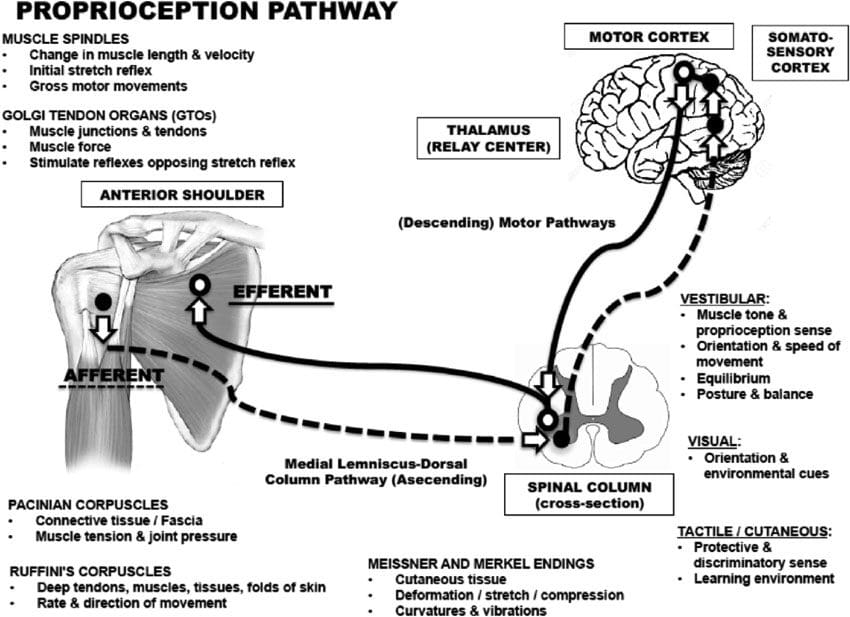
Individuals do not have a poor posture on purpose. It becomes a habit that just goes on until discomfort or pain present. Body awareness is known as proprioception. Proprioception is known as muscle sense or joint position sense. This is the subconscious nature of the body’s understanding of its position in space and the ability to position ourselves comfortably.
Achieving proper and healthy posture means there needs to be a constant mindset of staying aware of how the body is positioned. Then regular adjustments of body position are required to maintain healthy body awareness and from getting into bad habits. To illustrate this consider walking forward in complete darkness. The body knows its relative position even without seeing and understands its existence in space. This is a function of the brain.
It is part of the subconscious and so have little to no control over it. Because of this individuals begin to lapse into poor poster habits. An example tilting the head when looking forward or all the way down when checking the phone. Over time, these bad habits contribute to spinal misalignment. This is where chiropractic can help individuals realize their proprioception tendencies and actively relearn and strengthen positive body awareness and break away from negative postural habits.
Body Awareness Habits
Laying the groundwork for correction of body awareness involves understanding the body’s unconscious habits and the damage that is occurring. Chiropractic is highly effective for outlining what is happening with the help of radiological imaging and spinal curvature benchmarks. Once an individual begins to understand how their posture and spine health are being affected, they can make adjustments to combat this. This requires constant vigilance by the individual to actively realize and correct proprioception.
Optimal Body Exercises
For individuals that have engaged in dysfunctional habits for years, a chiropractor may recommend optimal loading exercises. This process involves teaching how to better balance the body for optimal posture development. For example, a chiropractor will have a patient strengthen a weak leg that is shifting the body’s weight to the other dominant leg that results in unbalanced weight distribution causing hip and back pain. Another example of optimal loading may include executing a series of motions/movements with the non-dominant side. The goal of optimal loading is to train the brain to balance the body in a healthier fashion, instead of reverting to a bad habit.
Ergonomics
Ergonomicscan also help correct dysfunctional proprioception. They can help to address specific defaults of the subconscious. For example, the positioning of a computer screen at the correct height and angle can improve the habit of turning or tilting the head. Another example is utilizing custom foot orthotics to balance the feet and prevent pronation. A chiropractor can determine exactly where the ergonomic intervention will have a significant effect in correcting dysfunctional proprioception.
Chiropractic Relief
Chiropractic postural adjustments, optimal loading exercises, and ergonomics are all recommended tools in rehabilitating and preventing bad posture habits. Injury Medical Chiropractic and Functional Medicine Clinicwill explore every possible approach to help patients understand and overcome the body�s bad habits, and help them achieve optimal spine health.
Body Composition
Muscles get weaker with too much sitting
When sitting the gluteal muscles, abdominal muscles, and legs become dormant. Sitting for extended periods day after day causes these muscles to begin to degenerate. Metabolism is linked with body composition. Having more muscle increases metabolism and helps the body burn more calories.
Any muscle loss, especially from the lower body which is the largest muscle group, can lead to progressive fat gain if the diet is not adjusted. With time gradual muscle loss from the lower body can hurt functional strength, and older age increases the risk of falls and affects the quality of life.
Dr. Alex Jimenez�s Blog Post Disclaimer
The scope of our information is limited to chiropractic, musculoskeletal, physical medicines, wellness, and sensitive health issues and/or functional medicine articles, topics, and discussions. We use functional health & wellness protocols to treat and support care for injuries or disorders of the musculoskeletal system. Our posts, topics, subjects, and insights cover clinical matters, issues, and topics that relate and support directly or indirectly our clinical scope of practice.*
Our office has made a reasonable attempt to provide supportive citations and has identified the relevant research study or studies supporting our posts. We also make copies of supporting research studies available to the board and or the public upon request. We understand that we cover matters that require an additional explanation as to how it may assist in a particular care plan or treatment protocol; therefore, to further discuss the subject matter above, please feel free to ask Dr. Alex Jimenez or contact us at 915-850-0900. The provider(s) Licensed in Texas& New Mexico*
References
Corliss J. Too much sitting linked to heart disease, diabetes, premature death. Harvard Health Blog. http://www.health.harvard.edu/blog/much-sitting-linked-heart-disease-diabetes-premature-death-201501227618. Published January 22, 2015. Accessed January 7, 2017.
Ergonomics for Prolonged Sitting. UCLA Spine Center Web site. http://spinecenter.ucla.edu/ergonomics-prolonged-sitting. Accessed January 7, 2017.
Florido R, Michos E. Sitting Disease: Moving Your Way to a Healthier Heart.�U.S. News & World Report. http://health.usnews.com/health-news/patient-advice/articles/2015/09/14/sitting-disease-moving-your-way-to-a-healthier-heart. Published September 14, 2015. Accessed January 7, 2017.
Belly dancing has been found to be an effective way to help individuals managing low back pain. It could be utilized as a part of a chiropractic treatment plan. The dancing is beneficial for improving posture and allows an individual to improve their fitness with a light form of aerobic exercise.
Regular physical activity/exercise and a healthy lifestyle go hand in hand. For individuals with spinal issues, the right stretches and exercises can make a difference in their quality of life. It increases:
Strength
Flexibility
Helps with pain management
Improves posture
Maintains spinal alignment
Belly dancing can help with injury recovery, as well as overall health. For most the trouble with exercising regularly is that it becomes routine and boring. Individuals want to live healthily, but it can be a challenge to maintain interest and motivation. An alternative form of physical activity that qualifies as exercise could be the answer.
Dancing has grown in popularity because of its fitness, flexibility, and spinal benefits. This form of belly dancing exercise does not require any special outfit or plenty of space. This utilizes the movements as a form of stretching and keeping the body moving in an aerobic fashion. They can be done at home with video instruction or an online class. Although the majority are women, men can and do belly dance.
Belly Dance
Information on the history of belly dancing. The dance has gone through various transformations since its inception. It was once considered burlesque entertainment, is now recognized as an important cultural expression, and today has been found to be a respected form of dance exercise.
Isometric exercises are contract specific muscles or groups of muscles. These types of exercise help with strength and stability enhancement. Both are vital for individuals recovering from back injuries or back pain management.
Posture
Dance posture is different than normal standing or sitting posture. Dance posture refers to the way an individual prepares/maintains their body to perform specific movements so that the motions are fluid, graceful, and with no presentation of pain. Belly dance posture maintains proper spinal alignment, which encourages reduced stress/pressure on the joints. This is beneficial for individuals managing back problems. The keys to spinal success are:
The knees should be slightly bent and not stiff so as not to pull/strain the lower back muscles
When the abdominal and back muscles maintain/support a straight spine, this alleviates stress on the low back. Lower back issues have shown a positive response to a belly dance exercise therapy program. A study looked at the effects of belly dancing on pain and function in women with chronic lower back pain. The study found that belly dancing made movements of the trunk and pelvis that are known to influence low back pain much easier.
A belly dance program in conjunction with a chiropractic or physical therapy treatment plan can help alleviate pain and improve function. A 45-minute belly dance routine/session promotes aerobic benefits, improves flexibility and core strength.
Core Strength
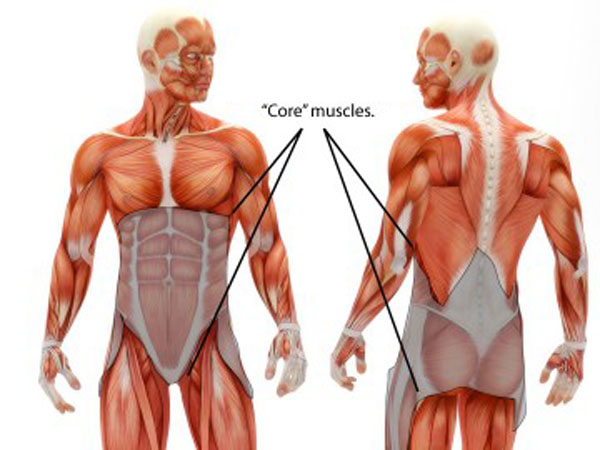
These are movements that train the muscles in the:
Pelvis
Abdomen
Hips
Low back
They help build strength, generate stability, protect against back pain, poor posture, and muscle injuries. Having core strength is crucial for individuals with back issues, as it increases the stabilization of the spine. Core strengthening is highly recommended and often prescribed for individuals recovering from lumbar issues.
Depression/Anxiety Improvement
Individuals with back pain also tend to experience psychological issues like depression and anxiety. Back pain can affect:
Mood
Tiredness
Sleep problems
Self-esteem problems
Belly dancing as part of a treatment/therapy program can help an individual experience benefits that improve mental health and well-being. These include:
Regaining mobility
Having a positive body image
Social interaction is enhanced
For All Ages
Belly dancing is a fantastic creative outlet and a great way to exercise. Anyone that is able can participate. Children, seniors, and everyone in between can get into belly dancing. It enhances health and strengthens the body and mind. When the body is in the proper position/posture there are no joint issues or pain. In-person classes, at home with online instruction, DVDs, or video meeting apps can benefit the body and especially the spine.
Life-Changing Orthotics
Dr. Alex Jimenez�s Blog Post Disclaimer
The scope of our information is limited to chiropractic, musculoskeletal, physical medicines, wellness, and sensitive health issues and/or functional medicine articles, topics, and discussions. We use functional health & wellness protocols to treat and support care for injuries or disorders of the musculoskeletal system. Our posts, topics, subjects, and insights cover clinical matters, issues, and topics that relate and support directly or indirectly our clinical scope of practice.*
Our office has made a reasonable attempt to provide supportive citations and has identified the relevant research study or studies supporting our posts. We also make copies of supporting research studies available to the board and or the public upon request. We understand that we cover matters that require an additional explanation as to how it may assist in a particular care plan or treatment protocol; therefore, to further discuss the subject matter above, please feel free to ask Dr. Alex Jimenez or contact us at 915-850-0900. The provider(s) Licensed in Texas& New Mexico*
IFM's Find A Practitioner tool is the largest referral network in Functional Medicine, created to help patients locate Functional Medicine practitioners anywhere in the world. IFM Certified Practitioners are listed first in the search results, given their extensive education in Functional Medicine