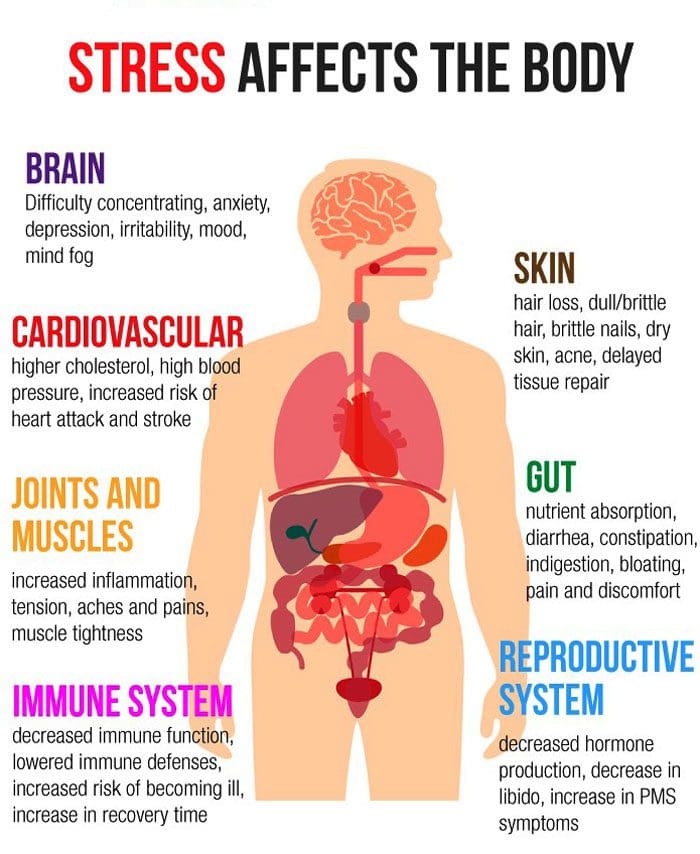
Stress health recognizes how stress affects the body, thoughts, feelings, and behavior. Stress that’s left untreated can contribute to various health problems. These include:
Chiropractic serves as a powerful intervention for anxiety-related symptoms.
Stress Health Blood Pressure and Heart Rate Balance
Chiropractic benefits cardiovascular health as it directly affects the nervous and other body systems that include the spinal system, the bones, joints, and muscular system, affecting the function of the cardiovascular system. Chiropractic regulates these system’s functions allowing for a moderate heart rate and blood pressure. Balanced blood pressure and heart rate can help minimize stress and anxiety, making it much easier to stay relaxed and focused. Individuals report experiencing decreased blood pressure and lower heart rate with long-term chiropractic treatment.
Mental Clarity
Cerebrospinal fluid/CSF is necessary for detoxifying the brain and helping to protect the brain. CSF transports oxygen and nutrients to the brain, helping to increase brain function efficiency. Chiropractic has been shown to increase the amount of cerebrospinal fluid delivered to the brain. This is because the spine is aligned correctly, allowing for a smooth flow of blood and nerve energy from the brain through the spine to the rest of the body. This provides:
Chiropractic can help increase energy levels in different ways for different individuals.
For some, this works by eliminating headaches, migraines, and other nerve dysfunction/s.
For others, this happens by decreasing or eliminating pain symptoms.
These conditions can contribute to lowered energy levels. Constant stress can change the body’s chemistry, leading to increased stress hormones like cortisol. Over time, these hormone releases can decrease energy, causing interference with the body/brain’s natural rejuvenating processes that reduce stress. With chiropractic, the therapeutic effects help correct body chemistry and improve energy levels.
Body Composition
Increase Immune Function
Lymphatic fluid has a vital role in stress health and the function of the immune system. Lymphatic fluid helps separate and release:
Toxins
Viruses
Fungus
Bacteria from the body.
When lymphatic fluid flows smoothly and is not impeded or trapped in tissues, joints, or muscles, the immune system operates at a high level. Chiropractic helps drive lymphatic fluid out of the tissues, joints, and muscles of the body, facilitating optimal immune function.
References
Dragoş, Dorin, and Maria Daniela Tănăsescu. “The effect of stress on the defense systems.” Journal of medicine and life vol. 3,1 (2010): 10-8.
Meier, Jacqueline Katharina et al. “Stress Alters the Neural Context for Building New Memories.” Journal of cognitive neuroscience vol. 32,12 (2020): 2226-2240. doi:10.1162/jocn_a_01613
Pickar, Joel G. “Neurophysiological effects of spinal manipulation.” The spine journal: official journal of the North American Spine Society vol. 2,5 (2002): 357-71. doi:10.1016/s1529-9430(02)00400-x
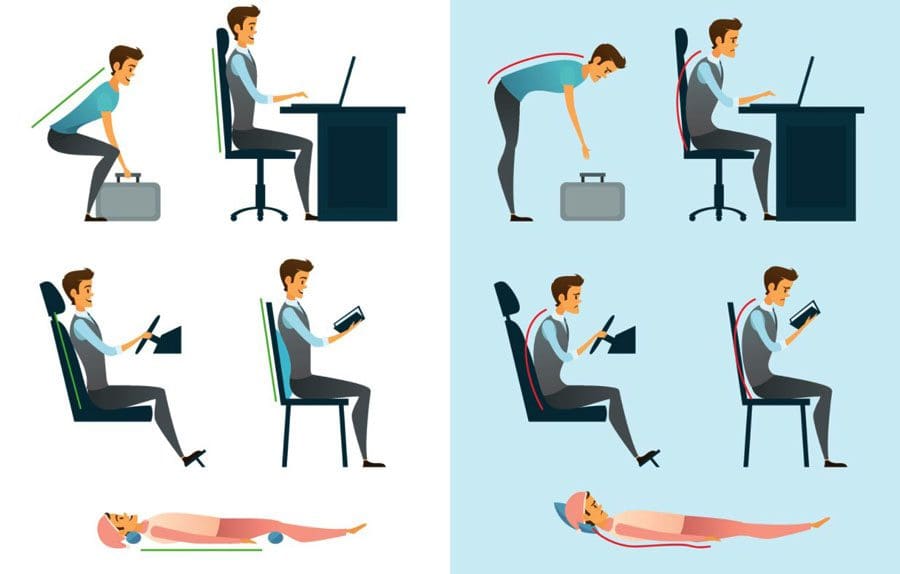
As the body gets older, slouching, little to no physical activity, and regular stretching cause muscle fatigue, weakness, tension, leading to poor posture complications. The complications include:
Posture can be improved along with overall spinal health and a better quality of life through chiropractic treatment. Chiropractic will improve posture through adjustments, postural exercise training and stretching, education on ergonomics, and nutrition to strengthen the body.
Complications Poor Posture
Symptoms
Symptoms vary as they depend on the severity of the case and condition.
Skeletal muscle comprises two types of muscle fiber. They are static or slow-twitch muscles and phasic or fast-twitch muscles. Static muscle fibers are found in the deeper muscle layers. Static fibers burn energy slowly and keep working without tiring. They help the body maintain posture without effort and contribute to balance by sensing the body’s position and transmitting the information to the brain. Phasic muscle fibers are used for movement and activity but can quickly run out of energy. Poor posture causes muscle fatigue because the phasic fibers are used rather than the static fibers to maintain the body’s proper position.
Muscle Strength and Length
Over time, the body constantly needs support from the phasic muscle fibers. This causes the deeper supporting muscles to waste away because they are not being used. Weak, unused muscles begin to tighten, causing a shortening of muscle length that can compact the spine’s bones and cause back complications.
Nervous System Feedback
The deeper layers of muscle sense the body’s position in space and relay this information to the brain. The brain does not receive complete transmission if the phasic muscle fibers take over this function. The brain assumes that the body needs to be propped up/corrected to counteract the poor posture effects, triggering further muscle contraction, adding to the fatigue and pain.
Listening To The Body
The objective is to form a habit of regularly listening to what the body is saying. Make minor adjustments while standing and sitting throughout the day/night. Often what happens is individuals become so immersed in their work, school tasks that they ignore any physical discomfort and push through and forget to change positions/move around to get the muscles moving and the blood pumping. If there is muscle tension or fatigue, don’t just work through the pain; move into another healthy position.
Posture Improvement
Suggestions include:
Try to avoid sitting in soft chairs.
Switch to ergonomic chairs for any activity that requires sitting for long periods.
Use a lumbar roll to support the lower back when sitting in regular chairs or driving.
Remember to reverse the curve; an example could be if leaning over a desk/workstation, stretch the back in the other direction.
As the body ages, it loses muscle mass, known as sarcopenia. Between the ages of 30 and 80, both men and women can lose 30-50 percent of their muscle strength. Decreasing strength can make it a challenge to lead an active lifestyle or have energy levels to complete the daily errands. Individuals can be reluctant to improve fitness levels through resistance workouts believing there is nothing left after years of inactivity. This is not true as anybody can strength train. With the right mindset, and health coaching team, goals can be set to:
Improve body composition
Improve energy levels
Maintain an active lifestyle
References
Creze, Maud et al. “Posture-related stiffness mapping of paraspinal muscles.” Journal of anatomy vol. 234,6 (2019): 787-799. doi:10.1111/joa.12978
Deliagina, Tatiana G et al. “Physiological and circuit mechanisms of postural control.” Current opinion in neurobiology vol. 22,4 (2012): 646-52. doi:10.1016/j.conb.2012.03.002
Korakakis, Vasileios et al. “Physiotherapist perceptions of optimal sitting and standing posture.” Musculoskeletal Science & practice vol. 39 (2019): 24-31. doi:10.1016/j.msksp.2018.11.004
Pollock, A S et al. “What is balance?.” Clinical rehabilitation vol. 14,4 (2000): 402-6. doi:10.1191/0269215500cr342oa
Waters, Thomas R, and Robert B Dick. “Evidence of health risks associated with prolonged standing at work and intervention effectiveness.” Rehabilitation nursing: the official journal of the Association of Rehabilitation Nurses vol. 40,3 (2015): 148-65. doi:10.1002/rnj.166
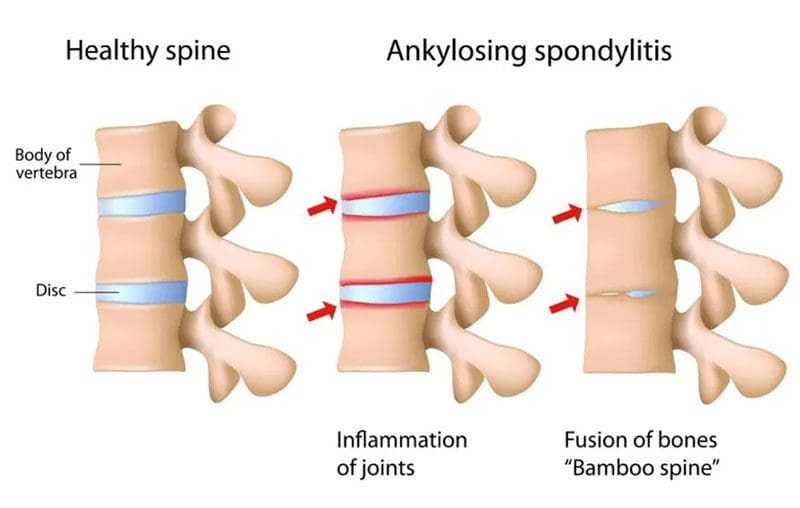
Spondylitis Anti-Inflammation Diet: Individuals who have a chronic back pain condition can be recommended to have two or more vertebrae fused to correct the problem/s and alleviate the pain. However, a form of inflammatory spinal arthritis can cause the vertebrae to fuse by themselves, known as ankylosing spondylitis. One recommended way to bring pain relief is by eating an anti-inflammatory diet. Studies have shown that a low-inflammatory diet can help improve spondylitis symptoms.
Spondylitis Anti-Inflammation Diet
Ankylosing spondylitis is a progressive inflammatory disease that primarily affects the spine; however, individual symptoms vary. Symptoms include stiffness and pain in the neck, hips, low back, and fatigue. There is no definite pattern meaning:
Symptoms can improve.
Symptoms can worsen or flare up.
Symptoms can stop for a period of time.
Women are affected more often than men with no known cause. There is no cure for ankylosing spondylitis, but treatments and self-care can slow down the disease’s progression and help manage symptoms.
Diet and Inflammation
Diet is not the root cause of inflammatory disease, but eating inflammation-causing foods can worsen symptoms. Reducing inflammation can help alleviate pain.
Eliminating foods that cause or increase inflammation is recommended to help the body become stronger and manage symptoms.
Functional medicine practitioners can help guide individuals on maximizing healthy nutrition and using it to reduce pain and symptoms.
If an individual has a genetic predisposition, their diet can be crucial to calm down the symptoms and help turn the autoimmune disease around.
A spondylitis anti-inflammation diet should be rich in vegetables, fruit, whole grains, and omega-3 fatty acids. Evidence shows that a diet low in starches can lead to less ankylosing spondylitis activity. Low-starch can also help limit the presence of Klebsiella pneumoniae, a bacteria that feeds on starch and is a known trigger for the onset and development of ankylosing spondylitis.
Foods To Eat
Leafy greens
These include spinach, kale, Swiss chard, and collard greens containing magnesiumand polyphenols that reduce inflammation.
These can be raw or cooked with garlic and olive oil added to maximize benefits.
Cruciferous vegetables
These contain sulforaphane, anantioxidantthat includes broccoli cauliflower and can be eaten raw or cooked, roasted with olive oil, sauteed, and stir-fried.
Allium Vegetables
These contain sulfuric compounds and quercetin,a flavonoidthat helps reduce inflammation.
These include red and yellow onions, leeks, garlic, and shallots.
They can be eaten raw or cooked in salads, stir-frys, and sandwiches.
Berries
These contain anthocyanin,an antioxidant flavonoid, and other antioxidants and polyphenols that help with inflammation.
These include strawberries, raspberries, blueberries, blackberries and can be eaten raw, in smoothies, in salads, with oatmeal, or mixed in unsweetened yogurt.
Fruits
Certain fruits contain quercetin and polyphenols to help with inflammation.
These include apples, cherries, oranges.
Healthy oils
Contain oleocanthalwhich acts similar to nonsteroidal anti-inflammatory medications and contains various antioxidants.
These include olive oil for low heat cooking and avocado oil for high heat cooking to replace butter and margarine.
It can be served in dressings and drizzled on foods.
Examples include walnuts, almonds, peanuts, pistachios, chia seeds, and ground flaxseeds.
These can be served as snacks, salads, mixed in side dishes, topping, or added to unsweetened yogurt or oatmeal.
Fatty fish
Omega-3 fatty acids help reduce inflammation.
Examples include salmon, cod, rainbow trout, mackerel, and sardines.
These can be baked, sauteed, grilled, mixed into salads, and stir fry.
Avoid These Foods
When making lifestyle adjustments for a spondylitis anti-inflammation diet, focus on reducing or removing processed foods and saturated fats. These include:
Sugars from all sources like soda, sugary drinks, shakes, candy, and desserts.
Trans fats, like those in fried foods like chips and fries.
Individuals may not be symptomatic with certain foods, but that doesn’t mean the foods should be consumed. Gluten, dairy, and eggs can cause potential problems as they compromise the gut and the immune system. These can set back the individual’s healing or remission.
Body Composition
What Happens To The Body When Eating Fruit
Fruit is made up of simple sugar called fructose, providing the body with a carbohydrate energy source. The natural sugar the body gets from a piece of fruit is not the same as processed fructose added to processed products like fructose corn syrup. Processed products are typically filled with empty calories and very little nutrition. When the body has fruit, the liver processes fructose before getting absorbed through the small intestine. Research shows that exposing the gut to more fiber-rich foods like fruit helps the gut achieve an anti-obese condition by increasing the good bacteria and reducing the obese bacteria. Essential nutrients from fruit include:
Folate
Vitamin C
Vitamin B1
The USDA recommends making half of each meal/plate be fruit and vegetables.
References
Harvard Health Publishing. (November 16, 2021) “Foods that Fight Inflammation.” https://www.health.harvard.edu/staying-healthy/foods-that-fight-inflammation
Macfarlane, Tatiana V et al. “Relationship between diet and ankylosing spondylitis: A systematic review.” European journal of rheumatology vol. 5,1 (2018): 45-52. doi:10.5152/eurjrheum.2017.16103
Nielsen, Forrest H. “Magnesium deficiency and increased inflammation: current perspectives.” Journal of inflammation research vol. 11 25-34. January 18 2018, doi:10.2147/JIR.S136742
Rashid T, Wilson C, Ebringer A. The Link between Ankylosing Spondylitis, Crohn’s Disease, Klebsiella, and Starch Consumption. Clin Dev Immunol. 2013;2013:872632. doi: 10.1155/2013/872632.
Sharma, Satya P et al. “Paradoxical Effects of Fruit on Obesity.” Nutrients vol. 8,10 633. 14 Oct. 2016, doi:10.3390/nu8100633
van Buul, Vincent J et al. “Misconceptions about fructose-containing sugars and their role in the obesity epidemic.” Nutrition research reviews vol. 27,1 (2014): 119-30. doi:10.1017/S0954422414000067
As individual bodies age, the nerves and muscles begin to degenerate, especially in the lower spinal region. This can cause sciatic pain and muscle weakness. Elderly sciatica is very common as the nerves and muscles have gone through a lot. Bending, lifting, carrying, reaching, twisting, and natural wearing and tearing make the sciatic nerve and surrounding muscles prone to injury. For overweight seniors, the risk of developing sciatica is higher.
Elderly Sciatica
The main reason for elderly sciatica is that as the body ages, the discs/cartilage between the vertebrae/bones in the spine dry out, losing their cushioning ability, which can lead to the bones shifting out of place more easily, rubbing against each other, and compressing nerves. On average, the body loses about 1 centimeter in height every ten years after 40.
Risk Factors
Diabetes
Diabetes affects the entire body.
Not keeping blood sugar in check can cause widespread symptoms that affect the nerves and organs.
Individuals with diabetes have an increased risk of developing sciatica and other nerve-damaging disorders.
Genetics
If spinal conditions are part of family medical history, there is an increased risk of developing sciatica.
With chiropractic, elderly individuals can attain better quality sleep, improved mood, and increased energy levels.
A chiropractic physical therapy team can develop a specialized/customized treatment plan for preventive and palliative care.
Body Composition
Sarcopenia
Sarcopenia affects the elderly population’s mortality, cognitive function, and quality of life. As the elderly population is living longer, preservation of lean mass becomes an integral part of maintaining an individual’s independence. Loss of muscle in the arms and legs is linked to decreased mobility, increased risk of falls, and prolonged hospital stays. Falls and fractures often result in a cycle of muscle deterioration. InBody can help track body composition changes and help to minimize muscle wasting and risk of impaired mobility.
References
Aggarwal, Sameer, and Nityanand. “Calcium and vitamin D in postmenopausal women.” Indian journal of endocrinology and metabolism vol. 17,Suppl 3 (2013): S618-20. doi:10.4103/2230-8210.123549
Dougherty, Paul E et al. “The role of chiropractic care in older adults.” Chiropractic & manual therapies vol. 20,1 3. 21 Feb. 2012, doi:10.1186/2045-709X-20-3
Ferreira, Manuela L, and Andrew McLachlan. “The Challenges of Treating Sciatica Pain in Older Adults.” Drugs & aging vol. 33,11 (2016): 779-785. doi:10.1007/s40266-016-0404-z
Kherad, Mehrsa et al. “Risk factors for low back pain and sciatica in elderly men-the MrOS Sweden study.” Age and aging vol. 46,1 (2017): 64-71. doi:10.1093/ageing/afw152
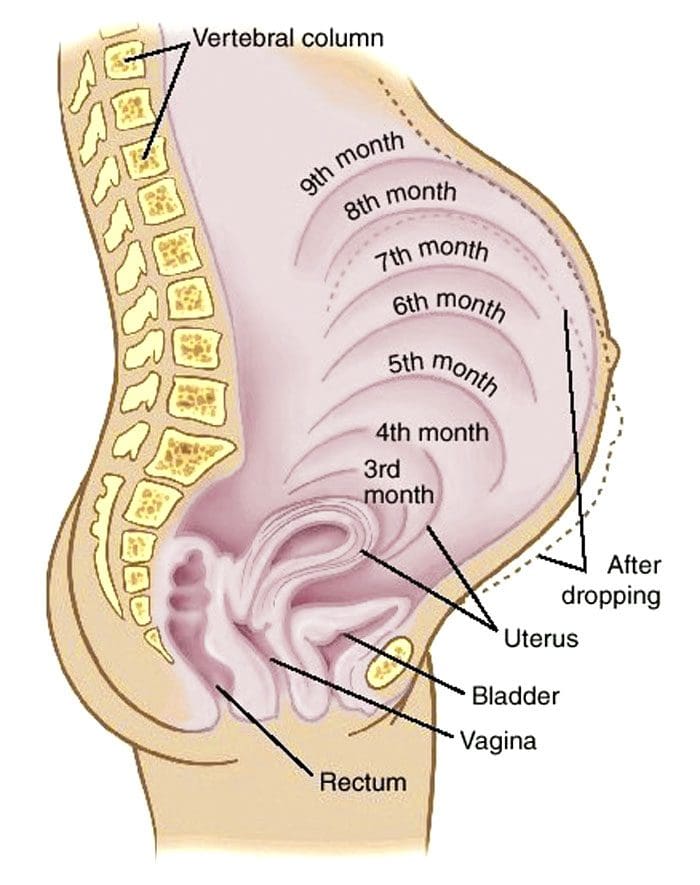
Pregnant and Chiropractic: Many women experience back/pelvis/leg/feet swelling, soreness, achiness, and pain during pregnancy. A growing belly added weight and changes in connective tissue can cause a variety of musculoskeletal strains and misalignments. Chiropractic care provides health maintenance of the spinal column, discs, nerves, joints, muscles, and bones. It is an art and science of adjusting a misaligned body, reducing stress, and promoting health throughout the body.
Pregnant and Chiropractic
With a primary doctor’s clearance, chiropractic can provide safe adjustments. Chiropractors trained to work with pregnant women utilize techniques that avoid applying pressure on or around the abdomen. Benefits of chiropractic during pregnancy include:
Restores and maintains spinal alignment and balance.
Helps control symptoms of nausea.
Improves energy levels.
Relieves body pain.
Helps reduce labor time and delivery.
Restores pelvic positioning and balance, improving standing, sitting, and walking mechanics.
A chiropractor trained in the needs of pregnant women will also provide exercises and stretches that are safe during pregnancy. A chiropractor will discuss/recommend treatment options, patient concerns, and a complete medical history assessment. They will monitor symptoms to customize treatments to the individual’s specific needs to get the most relief.
Body Composition
Gestational Hypertension
Gestational hypertension develops during pregnancy. It is not preventable and returns to normal levels postpartum. However, there is an increased risk of developing chronic hypertension later if gestational hypertension begins to develop. According to Mayo Clinic, gestational hypertension is diagnosed by the following:
Blood pressure is higher than 140/90 on at least two occasions.
Must be more than four hours apart.
There is no other organ damage present.
References
Gutke, Annelie et al. “Treatments for pregnancy-related lumbopelvic pain: a systematic review of physiotherapy modalities.” Acta Obstetricia et Gynecologica Scandinavica vol. 94,11 (2015): 1156-67. doi:10.1111/aogs.12681
Poděbradská, R et al. “The effect of physiotherapy intervention on the load of the foot and low back pain in pregnancy.” “Vliv fyzioterapeutických postupů na zatížení plosky a bolesti zad v těhotenství.” Ceska gynekologie vol. 84,6 (2019): 450-457.
Schreiner, Lucas et al. “Systematic review of pelvic floor interventions during pregnancy.” International journal of gynecology and obstetrics: the official organ of the International Federation of Gynaecology and Obstetrics vol. 143,1 (2018): 10-18. doi:10.1002/ijgo.12513
Automobile accidents and crashes can cause all kinds of damage to the body even when the accident/crash is not severe. Physical symptoms might not present at all for several days, even weeks. This is known as having delayed injury symptoms. These can include:
Swelling.
Stiffness.
Aching.
Pain that radiates all over the body.
Sleep problems.
Headaches.
Brain fog.
Disorientation.
Memory problems.
Chiropractic and physical therapy rehabilitation can restore the body’s alignment, stop inflammation, loosen, stretch and strengthen the musculoskeletal system restoring optimal health.
Adrenaline
When the body is involved in a dangerous physical situation, it protects itself by releasing a surge of adrenaline. This hormone protects the body, causing the fight or flight response when in danger. Adrenaline causes several preservation responses that include:
Intense increase in energy.
Little or no pain.
Enlarged blood vessels and airways increase oxygen flow.
Increased strength from increased blood flow to the muscles.
Changes in vision and hearing that focus on sights and sounds all around.
Endorphins are released that make the body feel calm and in control.
Endorphins affect the way the body responds to pain and stress.
Individuals don’t start feeling aches and pains until the adrenaline and endorphins wear off. However, because everybody is different and the emergency response has turned off, the body still might not feel the injury symptoms. These are delayed injury symptoms.
Rate of Speed
When riding in a vehicle, the body moves at the same speed as the vehicle. During an impact, the vehicle stops, but the body continues moving until it stops, typically with a lot of force from the seatbelt, airbag, or other barriers. The intense momentum change can cause soft tissue damage and ligament or muscle strains from the stretching, pulling, contracting, and tearing. Also, the intervertebral discs can tear, bulge, or herniate over time, creating pressure on nerves and the surrounding tissues.
Delayed Injury Symptoms
Headaches
Headaches that develop days after an accident/crash are common.
They can signal a possible injury to the neck or head, a blood clot on the brain, or a concussion.
Back pain can be caused by injury to the muscles, ligaments, nerves, or damage to the vertebrae.
Low back pain occurs in more than half of rear-impact collisions and almost three-quarters of side-impact crashes.
Chiropractic Rehabilitation
After an accident, soft tissues can sustain minimal damage; however, the minimal damage left untreated can start to worsen and turn into a painful condition. Emergency room visits are to rule out major injuries like brain/nerve injuries, bleeding, punctures, lacerated organs, fractures that require emergency stabilization. Chiropractors look for other symptoms and mechanisms that indicate damage to the body’s soft tissues and nerves to see if they have been stretched or torn and dysfunction in the nervous system.
Body Composition
Calorie Counting
Counting calories can be a stepping stone to change behavior towards food. Tracking what foods are being taken into the body promotes mindfulness of dietary habits. Studies on the subject reveal a significant association between self-monitoring and weight loss. Takeaways include:
Take small steps by saying no to second portions during dinner or take a healthy sweet snack or piece of fruit instead of a pastry, cookie, etc.
Try to start making a habit of eating less processed foods.
Meals high in protein and fiber are generally more filling, making the body feel fuller from fewer calories.
The more attention there is to the food choices, the more likely reexamination occurs.
References
Burke, Lora E et al. “Self-monitoring in weight loss: a systematic review of the literature.” Journal of the American Dietetic Association vol. 111,1 (2011): 92-102. doi:10.1016/j.jada.2010.10.008
D’Elia, Michael A et al. “Motor vehicle collision with seatbelt sign and traumatic abdominal wall hernia should raise suspicion for hollow viscus injury.” Trauma case reports vol. 22 100206. 25 May. 2019, doi:10.1016/j.tcr.2019.100206
Kacprzynski, Gregory, and Joshua Bucher. “Delayed vertebral artery dissection after mild trauma in a motor vehicle collision.” The American Journal of emergency medicine vol. 45 (2021): 678.e1-678.e2. doi:10.1016/j.ajem.2020.11.028
Olinger, Catherine, and Richard Bransford. “Upper Cervical Trauma.” The Orthopedic clinics of North America vol. 52,4 (2021): 451-479. doi:10.1016/j.ocl.2021.05.013
Sterling, Michele. “Whiplash-associated disorder: musculoskeletal pain and related clinical findings.” The Journal of manual & manipulative therapy vol. 19,4 (2011): 194-200. doi:10.1179/106698111X13129729551949
Chiropractic is a form of neuromusculoskeletal care that repairs and re-optimizes the nervous system that helps to relieve tension, inflammation, pain and restore body health. Like any piece of machinery that requires regular maintenance to operate correctly without issues, so too is the body an exquisite machine that needs regular maintenance. Treatment restores and maintains optimal function to the nervous system, muscles, bones, tendons, ligaments, and joints.
Neuromusculoskeletal Care
Central Nervous System – CNS
The Central Nervous System or CNS is the body’s computer.
It processes functions in the body and mind.
It s made up of the brain and spinal cord.
It helps process external information through sight, sound, touch, smell, and taste.
The CNS interprets sensory information that goes through the spinal cord to the brain, and the body responds accordingly.
It controls voluntary movements like walking, talking, exercising.
It controls involuntary movements like blinking, breathing, digestion.
It allows thoughts, emotions, and perceptions to be created and expressed.
When the Central Nervous System works correctly, the body is coordinated, all senses send and receive information effectively, and cognition/thinking is clear.
Peripheral Nervous System – PNS
The Peripheral Nervous System or PNS transmits signals from the outside to the Central Nervous System.
The PNS is comprised of all the nerve bundles that run throughout the body.
The PNS is responsible for transmitting information back and forth from the CNS to the rest of the body by electrical impulses and current.
When the PNS is functioning correctly, and there is thorough nerve circulation throughout the body, there are no issues like numbness, weakness, pain, and digestion is in top form.
Enteric Nervous System – ENS
The Enteric Nervous System or ENS is a branch of the peripheral nervous system that signals the digestive system.
It comprises nerves that stretch across the entire gastrointestinal tract.
It allows the nervous system to communicate with the digestive tract and regulate activity.
It can stop the digestive process when the body is under stress or strain, i.e., fight or flight response.
Inflammation and stress can cause the enteric system to disrupt and cause digestive problems.
Pain Relief
Body pain can be an indication of an imbalance in the nervous system. Misalignment from work, home activities, trauma, injury, or posture problems, a subluxation/misalignment can turn into discomfort that leads to pain and neuromusculoskeletal system issues. Pain in the neuromusculoskeletal system can result from spinal misalignment and a shifting skeletal structure. The joints and misaligned bones compress the surrounding nerves and tissue, causing inflammation that results in pain symptoms. This causes the muscular system to compensate for the lack of stability support from the skeletal structure causing awkward body posturing. A chiropractor realigns the spinal structure, removing the compression/pressure from the nerves, tissues, muscles, ligaments, and tendons.
Body Composition
Chiropractic Medicine
The nervous system is highly responsive to chiropractic care because of chiropractic’s focus on the spine, which restores and rejuvenates. Chiropractic medicine and a properly aligned spine:
Reduces and eliminates pain.
Reduces and eliminates headaches and migraines.
Improves balance and coordination.
Improves digestive function.
Improves quality of sleep.
Increases energy.
Increases flexibility and mobility.
Enhances cognition and clear thinking.
References
Goudman, Lisa et al. “The Link Between Spinal Cord Stimulation and the Parasympathetic Nervous System in Patients With Failed Back Surgery Syndrome.” Neuromodulation: journal of the International Neuromodulation Society vol. 25,1 (2022): 128-136. doi:10.1111/ner.13400
Gyer, Giles et al. “Spinal manipulation therapy: Is it all about the brain? A current review of the neurophysiological effects of manipulation.” Journal of integrative medicine vol. 17,5 (2019): 328-337. doi:10.1016/j.joim.2019.05.004
Millet, Guillaume Y et al. “The role of the nervous system in neuromuscular fatigue induced by ultra-endurance exercise.” Applied physiology, nutrition, and metabolism = Physiologie appliquee, nutrition et metabolisme vol. 43,11 (2018): 1151-1157. doi:10.1139/apnm-2018-0161
Stoll, T et al. “Physiotherapie bei lumbaler Diskushernie” [Physiotherapy in lumbar disc herniation ]. Therapeutische Umschau. Revue therapeutique vol. 58,8 (2001): 487-92. doi:10.1024/0040-5930.58.8.487
IFM's Find A Practitioner tool is the largest referral network in Functional Medicine, created to help patients locate Functional Medicine practitioners anywhere in the world. IFM Certified Practitioners are listed first in the search results, given their extensive education in Functional Medicine