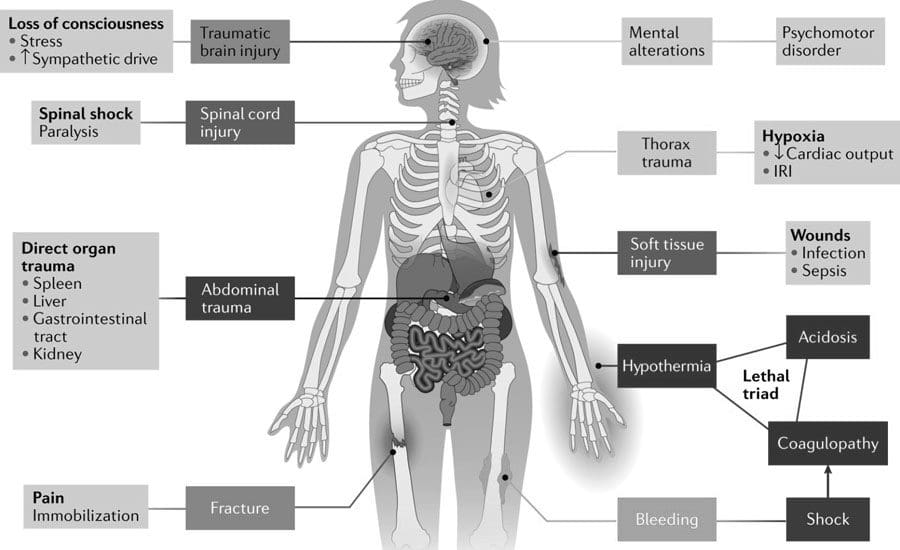
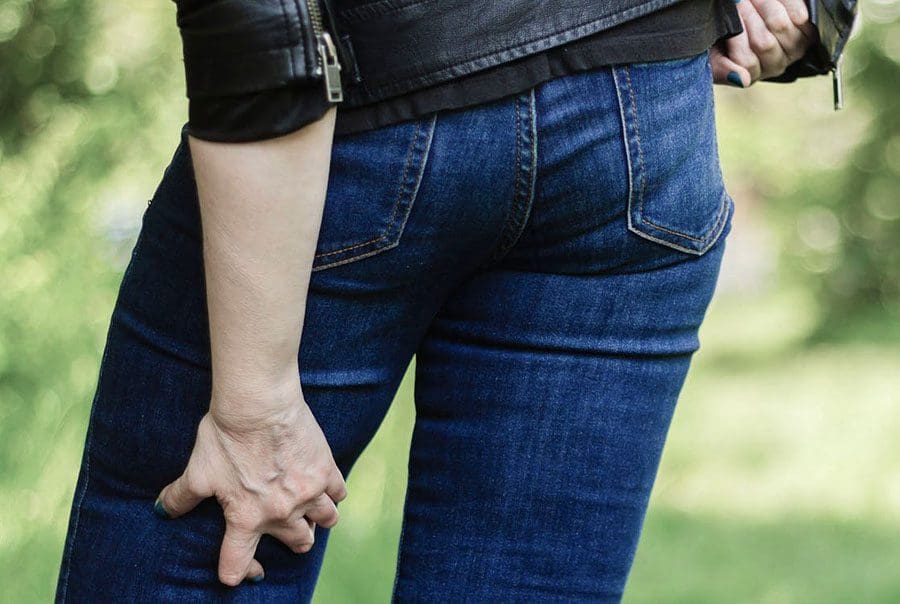
Internal injuries occur under the skin and muscle tissues. Internal organ damage occurs when an organ’s structure becomes altered or begins to malfunction and can be brought on by trauma or disease. Sympathetic nerves send and receive messages, including pain signals, from the brain through the spinal cord. Chiropractors understand the spine and internal organ connection. For example, the splanchnic nerves connect to the stomach, originating between thoracic vertebra six and ten.
Internal Organ Damage
Blunt Trauma
Blunt trauma/Non-penetrating trauma happens when a forceful impact strikes the body.
A car accident, hard fall, or getting hit by a dull object qualifies as blunt trauma.
Blunt trauma can rupture the blood vessels and organs.
Organs most likely to experience damage include the spleen and liver.
Penetrating Trauma
Penetrating trauma happens when an object enters the body.
The object can bruise, slice, and pierce organs.
Internal bleeding can occur if blood vessels are torn or cut.
Compartment syndrome occurs when swelling restricts blood circulation to and from the organ to the circulatory and nervous systems, causing pain and further damage to the organ tissues.
If circulation is not restored, the organs may fail.
Severe swelling of the organs can cause heart and lung problems, as the swollen organs leave no room for the lungs to expand or for the heart to pump blood.
Emergency Treatment and Rehabilitation
Blunt force injuries that produce significant organ impact, bleeding, and penetrating injuries may require surgery to repair or remove damaged organs. Doctors may keep the injured individual under observation for minor internal bleeding to see if surgery is needed. Minor internal bleeding often heals on its own without surgery. Injury Medical Chiropractic and Functional Medicine Clinic offer rehabilitation after surgery as a thorough way to expedite healing and recovery.
Chiropractic manages pain without medications that can interfere with the ability to perform simple tasks.
The body’s functions and biochemical responses from the trauma and surgery are addressed.
Inflammation and swelling are alleviated, and prevention is done through adjustments, massage, diet, and health coaching.
Severe Back Pain Chiropractic
References
Iheozor-Ejiofor, Zipporah, et al. “Negative pressure wound therapy for open traumatic wounds.” The Cochrane database of systematic reviews vol. 7,7 CD012522. 3 Jul. 2018, doi:10.1002/14651858.CD012522.pub2
McCausland C, Sajjad H. Anatomy, Back, Splanchnic Nerve. [Updated 2021 Aug 11]. In: StatPearls [Internet]. Treasure Island (FL): StatPearls Publishing; 2022 Jan-. Available from: https://www.ncbi.nlm.nih.gov/books/NBK549856/
Newman RK, Dayal N, Dominique E. Abdominal Compartment Syndrome. [Updated 2022 Apr 21]. In: StatPearls [Internet]. Treasure Island (FL): StatPearls Publishing; 2022 Jan-. Available from: https://www.ncbi.nlm.nih.gov/books/NBK430932/
Risselada, Marije. “Perforating Cervical, Thoracic, and Abdominal Wounds.” The Veterinary clinics of North America. Small animal practice vol. 47,6 (2017): 1135-1148. doi:10.1016/j.cvsm.2017.06.002
Shaheen, Aisha W et al. “Abdominal compartment syndrome in trauma patients: New insights for predicting outcomes.” Journal of emergencies, trauma, and shock vol. 9,2 (2016): 53-7. doi:10.4103/0974-2700.179452
Sikka, Rishi. “Unsuspected internal organ traumatic injuries.” Emergency medicine clinics of North America vol. 22,4 (2004): 1067-80. doi:10.1016/j.emc.2004.05.006
Practicing improper/unhealthy postures throughout the day can severely fatigue the mind and body. Children’s postural health is vital to their overall health and energy levels to perform tasks, school work, and play. An unhealthy posture causes the body to lose its ability to dissipate forces evenly and correctly. Symptoms like soreness, pain, tightness, and irritability can begin to present, which is the body’s way of letting the individual know something is off. When the body is in proper alignment, the spine disperses body weight correctly and efficiently. Chiropractic adjustments can effectively counter the unhealthy posture effects, and simple postural exercises can strengthen the body, increasing healthy posture habits.
Children’s Posture Health
Healthy posture is more than simply sitting and standing up straight. It is how the body is positioned, meaning the head, spine, and shoulders, and how it moves unconsciously like a walking gait. An uneven gait or awkward body position can indicate a problem and cause long-term consequences to a child’s health.
Challenges
Kids and children are constantly hunched, slumped, and slouched over device screens. This constant awkward positioning adds weight to the spine, increasing the pressure, which can cause issues ranging from headaches, mild neck pain, low back pain, and sciatica. Severe health effects from poor posture include:
Shoulder problems.
Chronic pain.
Nerve damage.
Difficulty breathing from prolonged hunching-over.
Spinal joint degeneration.
Vertebral compression fractures.
Poor alignment of the muscles begins to restrict postural muscles from relaxing correctly, making the muscles stay stretched or slightly flexed, causing strain and pain. As a child’s body grows, practicing unhealthy postures can drive continued awkward positioning, abnormal spine growth, and an increased risk for arthritis later in life.
Chiropractic Adjustments
A chiropractor will check for any imbalances, like a hunched back, one shoulder higher than the other, or a pelvic tilt/shift. Through a series of adjustments, chiropractic releases the muscles, relieves pressure on ligaments, allows the postural muscles to relax and realign to their proper position, prevents further muscle overuse, strain, abnormal joint wear, and helps reduce fatigue by conserving/utilizing energy as the muscles are functioning correctly and efficiently.
Exercises
Simple postural exercises can help maintain children’s postural health.
Place hands next to the chest so that they are underneath the shoulders.
Gently press the chest upward.
Keeping the legs on the ground.
Look straight ahead.
They only take a few minutes, but the objective is consistency. Doing the poses for one week won’t immediately change unhealthy posture habits. It is developing consistent healthy postural habits that generate improvement. They should be done at least three times weekly to build strength and endurance.
Kids and Chiropractic
References
Achar, Suraj, and Jarrod Yamanaka. “Back Pain in Children and Adolescents.” American family physician vol. 102,1 (2020): 19-28.
Baroni, Marina Pegoraro, et al. “Factors associated with scoliosis in schoolchildren: a cross-sectional population-based study.” Journal of epidemiology vol. 25,3 (2015): 212-20. doi:10.2188/jea.JE20140061
da Rosa, Bruna Nichele et al. “Back Pain and Body Posture Evaluation Instrument for Children and Adolescents (BackPEI-CA): Expansion, Content Validation, and Reliability.” International journal of environmental research and public health vol. 19,3 1398. 27 Jan. 2022, doi:10.3390/ijerph19031398
King, H A. “Back pain in children.” Pediatric clinics of North America vol. 31,5 (1984): 1083-95. doi:10.1016/s0031-3955(16)34685-5
Many individuals plan fun outdoor activities when the weather is nice and warm during spring and summer. Hiking, swimming, or road trips are some of the activities many people do enjoy. Each activity provides new memories to enjoy and work with the body by incorporating the muscles, tissues, and ligaments through everyday movement. As fun as these outdoor activities are, the outdoors can be dangerous when you least expect it, as factors can cause damage to the body without even a person realizing it is happening. Today’s article looks at a bacteria called Borrelia burgdorferi, commonly known as Lyme disease, its symptoms, and available treatments for Lyme disease. We refer patients to certified providers specializing in therapies to help those with Lyme Disease. We also guide our patients by referring to our associated medical providers based on their examination when it’s appropriate. We find that education is the solution to asking our providers insightful questions. Dr. Alex Jimenez DC provides this information as an educational service only. Disclaimer
What Is Lyme Disease?
Have you noticed a rash that randomly appeared out of nowhere? How about feeling the effects of fatigue throughout the entire day? Or how about inflammatory issues affecting your joints? Some of these are signs and symptoms that you might be at risk of developing Lyme disease. The original description of how Lyme disease was manifested dates back to 1883 in Europe by the German physician Alfred Buchwald, who described it as now called ACA (acrodermatitis Chronica atrophicans), and research studies defined Lyme disease as a multi-organ animal-borne disease from ticks that affects the vital organs (skin, nerves, and heart) associated with the musculoskeletal system. Lyme disease is transmittable from either the tick itself or a tick-infested animal like a rodent or a deer. Lyme disease is quite difficult to diagnose since a tick can hide in tall, grassy, and woodsy areas that many individuals walk through and don’t recall ever getting a tick bite.
Symptoms Of Lyme Disease
Suppose an individual lives in a location where ticks are native and thrive. In that case, they may succumb to Lyme disease symptoms which vary depending on the severity and come in different stages: early, disseminated, and late.
Early Stages
When a tick has bitten a person, the skin develops an expanding red area that forms a bull’s eye circle rash known as erythema migrans. Some individuals don’t develop this type of rash, but it can be at more than one place on their bodies. Other symptoms that are potentially involved with erythema migrans in the early stages of Lyme disease include fatigue, headache, neck stiffness, and swollen lymph nodes are accompanied.
Disseminated Stages
Studies have shown that Lyme disease may manifest in the involvement of the musculoskeletal system. If a person hasn’t treated the tick bit within a couple of weeks, this disease goes to a disseminated stage where the vital organs and muscles begin to be affected. During this stage, Lyme disease can mimic other symptoms like joint inflammation associated with rheumatoid arthritis. When people suffer from a tick bite and have not been treated, it can affect the joints by mimicking inflammatory joint swelling, causing individuals to be at risk of developing arthritis. Lyme disease also may trigger fibromyalgia symptoms in the individual’s body, causing them to be in immense pain.
Later Stages
If Lyme disease hasn’t been treated for months, it can affect the surrounding nerve roots and joint structures. Lyme disease may trigger inflammatory markers in the blood-brain barrier that may overlap with neurological disorders like Bell’s palsy (temporary paralysis on one side of the face) and trigger sensory-motor dysfunction in the arms and legs. Studies reveal that the central and peripheral nervous systems affected by Lyme disease may be at risk of developing meningitis. This means that the spine al cord could potentially be involved with Lyme disease if not treated as soon as possible.
An Overview Lyme Disease-Video
Have you been experiencing swelling around your joints? How about feeling a tingling sensation running down your arms and legs? Have you been waking up with neck stiffness? Some of these are signs that you could be at risk of developing Lyme disease. The video above gives an introduction to what Lyme disease is and how it affects the body. Lyme disease is a multi-systemic disease transmitted by an insect known as a tick. This insect thrives in tall, grassy, woodsy areas and can be mistaken for a poppy seed due to its small size. Many individuals don’t realize that they have Lyme disease from a tick until the symptoms have begun to affect the body. Luckily there are ways to treat Lyme disease and prevent it from creating havoc on the body.
Treatments Available For Lyme Disease
Lyme disease is treatable as many physicians prescribe antibiotics to individuals that have Lyme disease. The antibiotics will attach themselves to the bacteria from Lyme disease and eliminate it from the body in the early stages. Other treatments like chiropractic care may also help alleviate the associated symptoms of Lyme disease. How does chiropractic care correlate with Lyme disease? Well, chiropractic care is not just for the back; it can help improve the function of the central nervous system. As mentioned earlier, Lyme disease can mimic other symptoms like joint inflammation. When a person gets their spine adjusted, it can help relieve the stiffness from the surrounding muscles and reduce aches and pain in the body. Some of the ways to prevent Lyme disease include:
Wearing light, breathable clothing (long pants, long shirt, hat, gloves, etc.)
Use insect repellent
Avoid walking through long grass
Check clothing (They like to attach to anything)
Remove them with a tweezer (Grasp them gently near their head or mouth)
Conclusion
Enjoying the warmer weather is great for many individuals that want to do fun outdoor activities. However, it can be fatal when factors begin to damage the body without even the person realizing it. Lyme disease is a multi-organ disease transmitted by an insect known as a tick. This tiny insect can attach to any exposed skin and cause many symptoms that can affect the body. Many individuals who a tick has bitten are at risk of developing inflammatory symptoms that mimic other chronic issues. These untreated issues can overlap with chronic diseases but can be treatable if caught early. Available treatments like antibiotics and chiropractic care may help manage the symptoms. At the same time, the necessary precautions can prevent the tick from infecting the body so that you can enjoy the outdoors.
References
Biesiada, Grażyna, et al. “Lyme Disease: Review.” Archives of Medical Science : AMS, Termedia Publishing House, 20 Dec. 2012, https://www.ncbi.nlm.nih.gov/pmc/articles/PMC3542482/.
Dabiri, Iman, et al. “Atypical Presentation of Lyme Neuroborreliosis Related Meningitis and Radiculitis.” Neurology International, PAGEPress Publications, Pavia, Italy, 2 Dec. 2019, https://www.ncbi.nlm.nih.gov/pmc/articles/PMC6908959/.
Skar, Gwenn L, and Kari A Simonsen. “Lyme Disease – Statpearls – NCBI Bookshelf.” In: StatPearls [Internet]. Treasure Island (FL), StatPearls Publishing, 6 May 2022, https://www.ncbi.nlm.nih.gov/books/NBK431066/.
Steere, A C. “Musculoskeletal Manifestations of Lyme Disease.” The American Journal of Medicine, U.S. National Library of Medicine, 24 Apr. 1995, https://pubmed.ncbi.nlm.nih.gov/7726191/.
Everyone knows that the brain is the command center of the body. This organ is part of the central nervous system that works with the spinal cord and the vital organ systems to send signals that provide motor-sensory functions to make the body do everyday movements. The signals from the brain have a casual relationship with the immune system. When environmental factors enter the body, the brain signals the immune system to send inflammatory cytokines to the area where it was affected and begin the body’s healing process. The immune system helps clean up the body’s cellular structure by replacing old, damaged cells with new, healthy cells. However, when the immune system starts to attack specific parts of the body mistakenly, it can damage the healthy cells causing autoimmune diseases to develop in the body. Today’s article looks at one of the rare autoimmune diseases known as multiple sclerosis, how it impacts the body, and how to manage multiple sclerosis. We refer patients to certified providers specializing in autoimmune therapies to help those with multiple sclerosis. We also guide our patients by referring to our associated medical providers based on their examination when it’s appropriate. We find that education is the solution to asking our providers insightful questions. Dr. Alex Jimenez DC provides this information as an educational service only. Disclaimer
How Would You Describe Multiple Sclerosis?
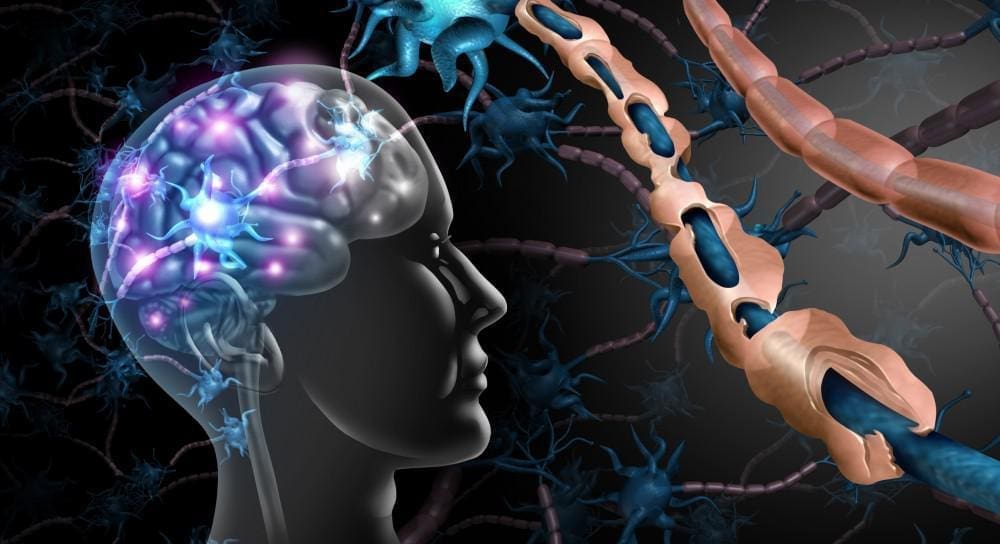
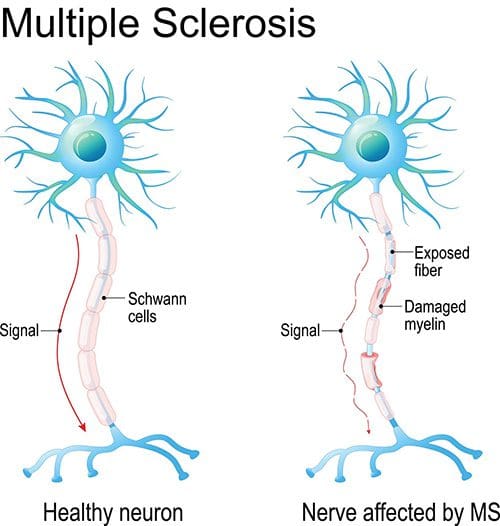
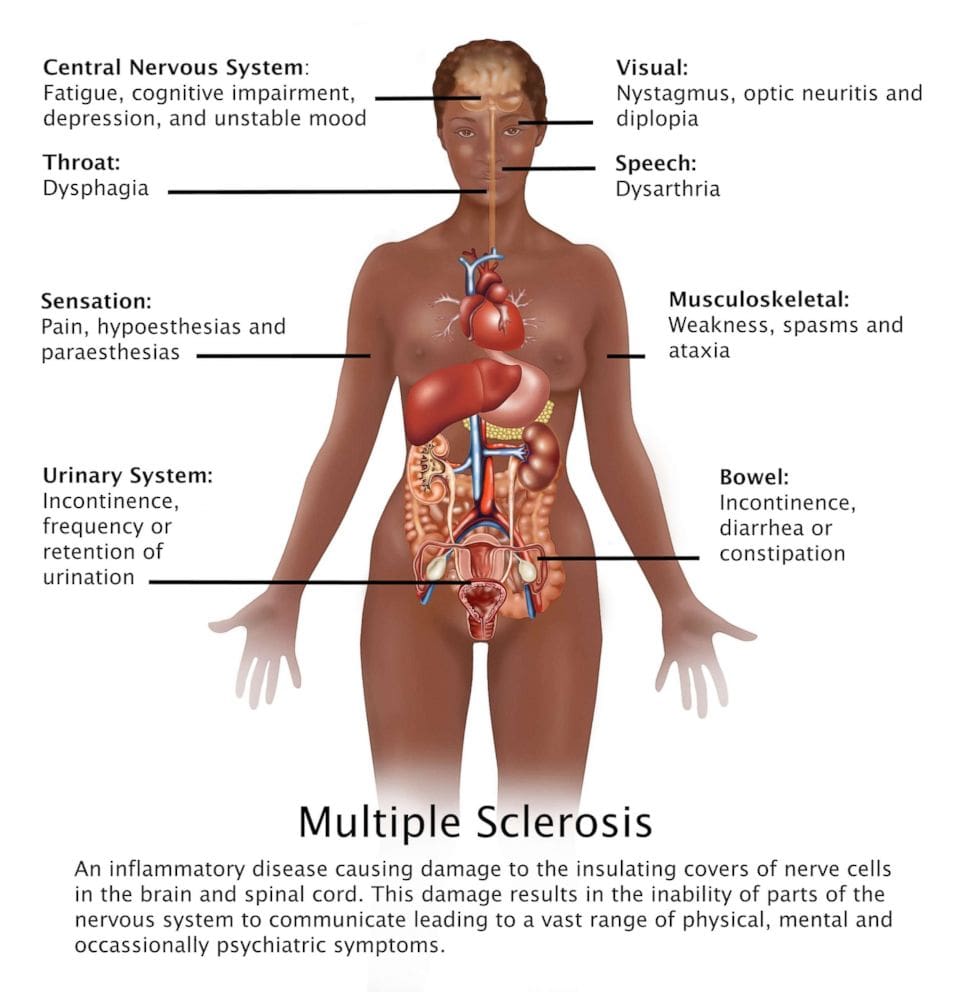
Have you been dealing with constant, shifting mood swings? Do certain muscle areas begin to feel stiff or spasm out? Or are you experiencing gut issues throughout the entire day? Some of these symptoms are associated with MS or multiple sclerosis. Multiple sclerosis is a rare autoimmune disease affecting the central nervous system. When the body’s immune system starts to see the brain or spinal cord as a foreign invader, it will begin to attack the protective layer known as myelin and cause damage to the nerve fibers. An example is when an electrical wire doesn’t have a protective coating, and all the cables are exposed. So when multiple sclerosis affects the brain or spinal cord, the communication signal will deteriorate, causing chronic pain and inflammation. Multiple sclerosis goes through a manifestation of relapses and remission that affects the sensory(feel), motor(move), and cognitive(think) functions of different parts of the body.
How Does It Impact The Body?
When an individual begins to suffer from MS (multiple sclerosis), like all autoimmune diseases, the causes are unknown. Still, genetic and environmental factors are linked to MS while associated with neuropathic pain. Neuropathic pain is due to damage or injury of the nerves in the central nervous system. It is a common symptom of MS. Both neuropathic pain and MS are associated with similar symptoms that correlate with different chronic issues that affect the body; however, the times and severity of these two are different. Some of the similar symptoms that MS and neuropathic pain share include:
Burning
Sharp, stabbing sensations
Muscle stiffness or spasms
Pain
Twitching
Numbness
When MS impacts the body, it could potentially involve other body parts while mimicking different chronic symptoms. Studies reveal that even though neuropathic pain and other pain syndromes occur in most people with MS, the manifestation of pain in different body parts is involved. When dealing with pain, it is associated with the central nervous system while overlapping various chronic issues in other areas of the body. This is known as somatovisceral pain, where the affected muscles and tissues are causing problems to the organs and vice versa. Some of the somatovisceral symptoms that are common in MS that are potentially involved with other issues include:
Instability
Electic sensations in the neck or back
Bladder, bowel, or sexual dysfunctions
Forgetfulness or mood swings
Slurred speech
An Overview Of Multiple Sclerosis-Video
Are you experiencing issues of fatigue? How about numbness or tingling sensations that are down your arms and legs? Do problems like constipation seem to be affecting your bladder function? Many of these issues are associated with MS or multiple sclerosis. The video above gives an overview of what MS is, its symptoms, and how to manage it. How multiple sclerosis affects the body depends on the various signs and symptoms damaging the nerves in different body areas. Some signs and symptoms are similar to chronic issues ranging from mild to severe. Multiple sclerosis in individuals goes through a relapse-remitted phase where a person will experience different symptoms over days or weeks and sometimes have a recovery period. Like all autoimmune diseases, the causes of MS are unknown, but the factors developed over time remain the same. Fortunately, there are ways to manage multiple sclerosis.
Ways To Manage Multiple Sclerosis
Like all autoimmune diseases, inflammation is one of the common symptoms that are associated with autoimmunity. For multiple sclerosis, inflammatory effects trigger the neuron signals causing communication issues to be delivered to the rest of the body. When this happens, it can become a wide range of symptoms associated with different chronic problems. All is not lost as autoimmune diseases are treatable, and there are ways to manage the symptoms associated with autoimmunity. Eating anti-inflammatory foods like fish, drinking green tea, and broccoli can dampen the inflammatory effects that are in the body. Exercising improves strength, flexibility, and mobility for individuals with MS. Incorporating an exercise regime for several weeks and a certain amount of time is beneficial in managing the associated symptoms and preventing complications and comorbidities. It may protect neuro-actions, as research shows. Even treatments like chiropractic care utilize spinal manipulation to increase the body’s natural healing factor while optimizing nerve circulation that can adequately communicate with the body without sending damaged signals to initiate pain.
Conclusion
The brain is the command center that has a casual relationship with the immune system to regulate a functioning body. The immune system’s primary function is to eliminate old, damaged cells, make way for new, healthy cells, and protect the body from foreign invaders. When factors affect the body over time, the immune system mistakenly attacks different body parts as a foreign invader. This is known as autoimmune disease and can range from mild to severe. MS or multiple sclerosis is a rare autoimmune disease associated with similar symptoms from different chronic issues. MS affects the neurons in the central nervous system and has identical signs to chronic problems during a relapse-remitted phase. Fortunately, MS is treatable by incorporating an exercise regime to strengthen the affected muscles, consuming anti-inflammatory food to lower inflammatory markers, and utilizing chiropractic care to optimize nerve circulation through spinal manipulation. These are some ways to manage MS and improve a person’s quality of life.
References
Ghasemi, Nazem, et al. “Multiple Sclerosis: Pathogenesis, Symptoms, Diagnoses and Cell-Based Therapy.” Cell Journal, Royan Institute, 2017, https://www.ncbi.nlm.nih.gov/pmc/articles/PMC5241505/.
Giesser, Barbara S. “Exercise in the Management of Persons with Multiple Sclerosis.” Therapeutic Advances in Neurological Disorders, SAGE Publications, May 2015, https://www.ncbi.nlm.nih.gov/pmc/articles/PMC4409551/.
Racke, Michael K, et al. “Pain in Multiple Sclerosis: Understanding Pathophysiology, Diagnosis, and Management through Clinical Vignettes.” Frontiers in Neurology, Frontiers Media S.A., 13 Jan. 2022, https://www.ncbi.nlm.nih.gov/pmc/articles/PMC8794582/.
T-bone accidents/collisions, also known as side-impact or broadside collisions where the front end of one car slams into the side of another, can result in severe injuries and tend to have a more devastating effect on the body. Side impact collisions account for 24% of driver or passenger deaths; even at 30 mph, side-impacts regularly cause injuries to the occupants of the struck car. Modern vehicles have many safety features, including safety belt features, airbags, and collision avoidance systems that protect drivers and passengers from front and rear collisions; however, when it comes to side-impact, occupants tend to remain unprotected.
T-Bone Side Collision Causes
T-bone accidents usually happen at intersections. Usual Causes of T-bone accidents involve someone failing to yield the right of way. The most common causes include:
A driver makes a risky left turn at an intersection, believing the other car/s will stop.
A driver decides to run a red light crashing into a vehicle making a left turn.
A driver runs through a stop sign, slams into a vehicle, or gets slammed.
Back injuries can damage the spinal cord causing herniated discs, sciatica, and chronic pain that can radiate to the rest of the body.
Treatment and Recovery
Individuals have different recovery times and depend on the severity of the injury and on any pre-existing conditions. Brain injuries and spinal issues can take months to recover fully. Fractures placed in a hard or soft cast to heal for weeks or months can lead to muscle atrophy. Chiropractic therapeutic massage and decompression strengthens muscle weakness, resets and realigns the spinal column, improves range of motion/movement, strengthens grip, and relieves pain.
Neurosurgeon Explains DRX9000
References
Gierczycka, Donata, and Duane Cronin. “Importance of impact boundary conditions and pre-crash arm position for the prediction of thoracic response to pendulum, side sled, and near side vehicle impacts.” Computer methods in biomechanics and biomedical engineering vol. 24,14 (2021): 1531-1544. doi:10.1080/10255842.2021.1900132
Hu, JunMei, et al. “Chronic widespread pain after motor vehicle collision typically occurs through immediate development and nonrecovery: results of an emergency department-based cohort study.” Pain vol. 157,2 (2016): 438-444. doi:10.1097/j.pain.0000000000000388
Lidbe, Abhay, et al. “Do NHTSA vehicle safety ratings affect side impact crash outcomes?.” Journal of safety research vol. 73 (2020): 1-7. doi:10.1016/j.jsr.2020.02.001
Mikhail, J N. “Side impact motor vehicular crashes: patterns of injury.” International journal of trauma nursing vol. 1,3 (1995): 64-9. doi:10.1016/s1075-4210(05)80041-0
Shaw, Greg et al. “Side impact PMHS thoracic response with a large-volume airbag.” Traffic injury prevention vol. 15,1 (2014): 40-7. doi:10.1080/15389588.2013.792109
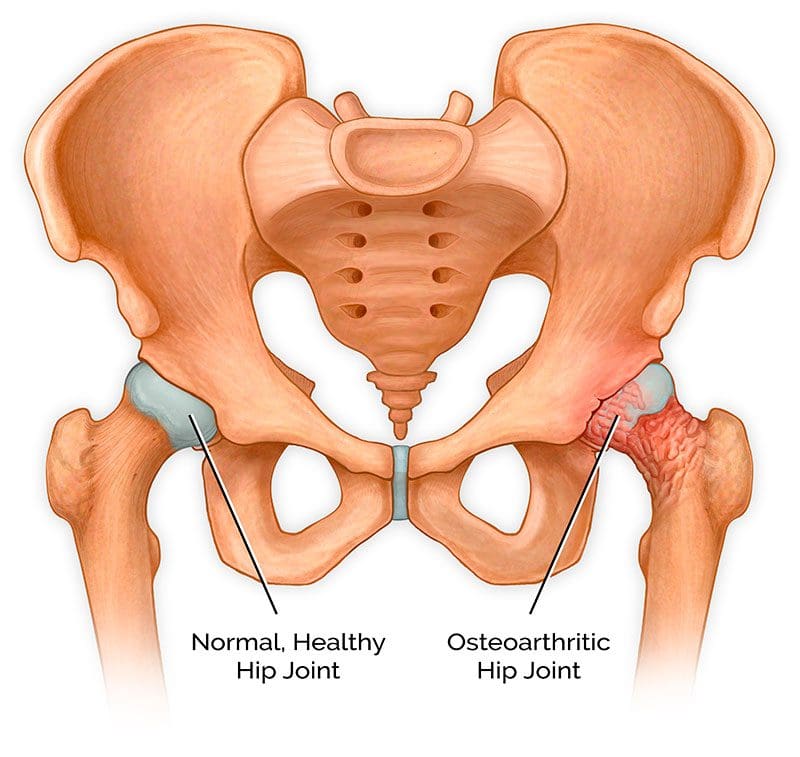
The hips in the lower extremities of the body help stabilize the weight of the upper half while providing movement to the lower half. The hips also allow the body to twist, turn, and bend back and forth. The hip joints connect to the inside of the pelvic bone, while the pelvic bone is connected to the sacroiliac joint, which connects to the spine. When natural wear and tear affects the joints as the body ages, issues like hip pain and osteoarthritis associated with low back pain occur, causing various symptoms to arise in the body. Today’s article looks at osteoarthritis, how it impacts the hips, and how to manage hip osteoarthritis. We refer patients to certified providers specializing in musculoskeletal therapies to help those with hip pain and osteoarthritis. We also guide our patients by referring to our associated medical providers based on their examination when it’s appropriate. We find that education is the solution to asking our providers insightful questions. Dr. Alex Jimenez DC provides this information as an educational service only. Disclaimer
What Is Osteoarthritis?
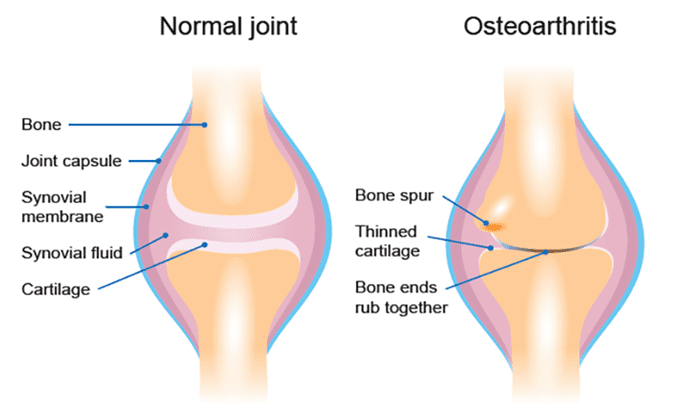
Have you been experiencing pain in your hips or lower back? How about muscle stiffness near the groin? Do symptoms associated with sciatica seem to flare up near your hips and the back of your leg? Many of these symptoms are signs that you could be at risk of developing osteoarthritis near your hips. While arthritis refers to inflammation of the body’s joints, osteoarthritis is a type of arthritis that causes degeneration of the joint cartilage, triggering joint pain and functionality loss. Even though there are several hundred types of arthritis, osteoarthritis is one of the most common types that many people, especially older adults, are affected by. As the body becomes older naturally through age, the repairs from an injury begin to slow down, and the cartilage (the connective tissue that protects the bones from each other) will start to thin out, triggering bone rubbing together, causing inflammation to occur, bone spurs, and inevitable pain. Osteoarthritis is often associated with old age and is multifactorial as factors that can increase the risk of developing osteoarthritis include:
Sex
Age
Obesity
Joint injuries
Genetics
Bone deformities
How Does It Impact The Hips?
Since osteoarthritis affects the joints, how does it cause an impact on the hips? When health issues affect the body, it can cause painful symptoms to gradually worsen and become a risk of developing hip pain. Studies reveal that hip pain is common in all adults and activity levels in the anterior, lateral, or posterior regions near the hips.
Anterior hip pain: Causes referred pain (pain felt in one part of the body but is actually in a different location) associated with internal organ systems.
Lateral hip pain: Causes wear-and-tear pain on the soft muscle tissues on the sides of the hips.
Posterior hip pain: Causes referred pain associated with the lumbar spinal pathology like sciatic nerve entrapment correlating with a deep gluteal syndrome.
All these issues affecting the hips overlap with various issues associated with osteoarthritis. When hip pain originates from osteoarthritis, factors like minimal physical activity or slight movements while resting in bed can worsen due to the hip joints having limited or restricted movement. Studies reveal that hip pain is associated with simple movement impairments that make it difficult to diagnose due to referred pain from the spine, knees, or even the groin area.
How does hip osteoarthritis correlate with groin pain? Studies reveal that when a person is dealing with hip osteoarthritis, groin and buttock pain are slightly more common. The hip joint is behind the groin muscle, which is why groin pain overlaps with hip pain as the root. Hip and groin pain could also be involved with radiating pain down toward the knees in the body.
Exercises For Hip Osteoarthritis- Video
Are you experiencing bladder issues? How about stiffness near or around your hips and groin area? Do issues like low back and sciatica pain? Experiencing these issues could be signs of hip osteoarthritis affecting your lower body. Studies reveal that hip osteoarthritis is a significant source of morbidity, pain, gait abnormalities, and functional impairments potentially involved with other issues. Fortunately, there are ways to manage hip osteoarthritis, as the video above shows eight great exercises for hip osteoarthritis. Certain exercise moves for individuals with hip osteoarthritis can help strengthen the surrounding muscles around the joints while increasing joint mobility to reduce pain and stiffness. Exercising can also be beneficial to the individual as it can provide:
Increase blood circulation
Maintain weight
Provides energy boost
Improves sleep
Promotes muscle endurance
Other available therapies help manage hip osteoarthritis while alleviating associated symptoms affecting the body.
Managing Hip Osteoarthritis Pain
Many individuals suffering from hip osteoarthritis try to find ways to relieve the pain. While they can’t do anything to prevent wear and tear on the joints completely, there are ways to slow down the process and manage hip osteoarthritis in the body. Small changes like incorporating food can dampen inflammatory effects on the joints while providing nutrients to the body. An exercise regime can help strengthen the weak muscles supporting the joints while increasing mobility and range of motion. Treatments like spinal traction and chiropractic care relieve pain and stiffness from joint disorders like osteoarthritis. Chiropractic care provides spinal manipulation on the back and joints to be adjusted. While spinal traction helps the compressed discs lay off the pressure on the surrounding nerves associated with hip pain. Incorporating any of these can help slow the progression of hip osteoarthritis and bring back mobility to the hips.
Conclusion
The hips provide stability to the upper and lower parts of the body. While supporting the weight of the upper half and movement to the lower half, the hips can succumb to wear and tear in the body. When the hip joints begin to wear and tear slowly, it can lead to the progression of hip osteoarthritis, where the cartilage of the joints begins to cause the bones to rub against each other, triggering inflammation. Hip osteoarthritis makes diagnosing difficult because the referred pain from the spine, knees, or groin area overlaps the symptoms. All is not lost, as there are available treatments to manage hip osteoarthritis that can help slow the progress of this disorder and bring back the mobility of the lower half of the body.
References
Ahuja, Vanita, et al. “Chronic Hip Pain in Adults: Current Knowledge and Future Prospective.” Journal of Anaesthesiology, Clinical Pharmacology, Wolters Kluwer – Medknow, 2020, https://www.ncbi.nlm.nih.gov/pmc/articles/PMC8022067/.
Chamberlain, Rachel. “Hip Pain in Adults: Evaluation and Differential Diagnosis.” American Family Physician, 15 Jan. 2021, https://www.aafp.org/pubs/afp/issues/2021/0115/p81.html.
Khan, A M, et al. “Hip Osteoarthritis: Where Is the Pain?” Annals of the Royal College of Surgeons of England, U.S. National Library of Medicine, Mar. 2004, https://pubmed.ncbi.nlm.nih.gov/15005931/.
Kim, Chan, et al. “Association of Hip Pain with Radiographic Evidence of Hip Osteoarthritis: Diagnostic Test Study.” BMJ (Clinical Research Ed.), BMJ Publishing Group Ltd., 2 Dec. 2015, https://www.ncbi.nlm.nih.gov/pmc/articles/PMC4667842/.
Sen, Rouhin, and John A Hurley. “Osteoarthritis – Statpearls – NCBI Bookshelf.” In: StatPearls [Internet]. Treasure Island (FL), StatPearls Publishing, 1 May 2022, https://www.ncbi.nlm.nih.gov/books/NBK482326/.
The sciatic nerve is the longest in the body and is the central nerve in the leg. A critical nerve that comes off the spine runs through the pelvis, into the buttocks, down the back of each thigh, and finally into the feet. It is a mixed nerve meaning it is made up of both motor/movement) and sensory/sensation fibers. The nerves merge with the spinal nerve roots before they enter the spinal cord, where the sensory information travels to and from the brain. If the nerve is inflamed, compressed, twisted, damaged, or injured, this can negatively affect the muscles’ function, leading to chronic pain conditions. Injury Medical Function Restoration Chiropractors will do precisely that for the sciatic nerve and the rest of the body.
Nerve Roots and Branches
Different nerve roots make up the sciatic nerve, with two starting in the lower back and three at the bottom of the spine or sacrum. At the knees, the nerve splits into two branches:
The peroneal nerve runs from the knee’s outer part to the foot’s outer part and splits into two main branches below the knee.
The tibial nerve goes down the back of the calf, extending to the heel and sole.
There are smaller branches at the:
Hips
Inner thighs
Calves
Feet
Sciatic Nerve Function
The sciatic nerve’s purpose serves motor functions by assisting the muscles in the legs and feet to move, walk, run, and stand. And for the sensory function of feeling sensations in the legs and feet includes pain, numbness, burning, and electrical sensations.
Motor Functions
The nerve provides motor functions that power movement to the muscles that move the thighs, legs, and feet. Essential motor functions:
Motor function signs of sciatic nerve problems include difficulty or inability to walk, bend the leg, and/or stand on tiptoe or the heel.
Sensory Functions
The nerve provides sensation to the different areas; when the nerve is injured, the corresponding area may feel unique/abnormal sensations with differing degrees of numbness, pins-and-needles, and pain. Commonly affected areas include:
Front, back, and outside the thigh.
Front, back, and outside the lower leg.
The top and outer side of the foot.
Bottom of the foot.
Between the toes.
Like motor function disruption, sensory impairment is determined by where the problems are occurring.
Function Restoration Chiropractor
Affected, reduced, and inhibited motor and sensory functions can lead to muscle weakness, chronic pain, and permanent nerve damage. Function restoration chiropractor and physical therapeutic massage can help manage nerve compression and irritation. Spinal manipulations restore misaligned vertebral discs taking the pressure off the nerve relieving the pain, and regaining nerve signal flow and mobility. Chiropractic will induce deep muscle relaxation to stop muscle spasms, release tension, soothe the nerve, release endorphins, and restore sciatic nerve function.
Spinal Decompression
References
Bouche, P. “Compression and entrapment neuropathies.” Handbook of clinical neurology vol. 115 (2013): 311-66. doi:10.1016/B978-0-444-52902-2.00019-9
Cook, Chad E et al. “Risk factors for first-time incidence sciatica: a systematic review.” Physiotherapy research international: the journal for researchers and clinicians in physical therapy vol. 19,2 (2014): 65-78. doi:10.1002/pri.1572
Giuffre BA, Jeanmonod R. Anatomy, Sciatic Nerve. [Updated 2021 Jul 29]. In: StatPearls [Internet]. Treasure Island (FL): StatPearls Publishing; 2022 Jan-. Available from: https://www.ncbi.nlm.nih.gov/books/NBK482431/
IFM's Find A Practitioner tool is the largest referral network in Functional Medicine, created to help patients locate Functional Medicine practitioners anywhere in the world. IFM Certified Practitioners are listed first in the search results, given their extensive education in Functional Medicine