Many individuals have dealt with issues affecting their lives in some way or form. People with autoimmune diseases must learn to manage their immune system from constantly attacking their bodies to function normally. The immune system’s primary function in the body is to attack environmental factors that harm the cells, muscles, and organs. When a person has an autoimmune disease, either from their family history or environmental factors, their immune system will begin to attack the body’s normal cells because it thinks it is a foreign invader to the body. Some common autoimmune disorders that most people have include lupus, ankylosing spondylitis, and rheumatoid arthritis. Most of these common autoimmune disorders correlate to common symptoms that add to other issues that affect the body. Today’s article looks at rheumatoid arthritis, its symptoms, how it relates to fatigue, and how there are available treatments to manage rheumatoid arthritis as well as fatigue. We refer patients to certified providers specializing in musculoskeletal therapies to help those who suffer from rheumatoid arthritis and fatigue. We also guide our patients by referring to our associated medical providers based on their examination when it’s appropriate. We find that education is the solution to asking our providers insightful questions. Dr. Alex Jimenez DC provides this information as an educational service only. Disclaimer
What Is Rheumatoid Arthritis?
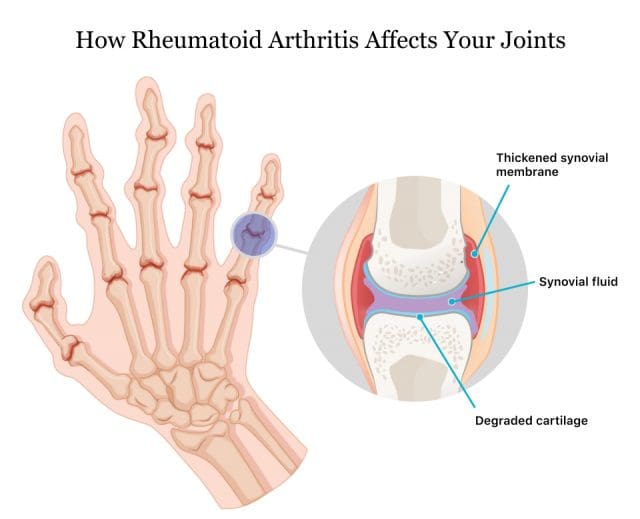
Have you been feeling stiffness and inflammation around your joints? have you experienced gut issues affecting your life? Or do problems of insomnia or fatigue seem to affect your quality of life? Many of these symptoms are associated with rheumatoid arthritis. Rheumatoid arthritis is an autoimmune disease that causes inflammation and swelling in the joints. The video above explains how to manage rheumatoid arthritis and its associated symptoms. Fatigue is one of the symptoms associated with rheumatoid arthritis as the inflammatory cytokines could be a co-morbidity in altering brain function that can lead to an overlap of pain and fatigue in the body, as studies reveal. While there hasn’t been a cure for rheumatoid arthritis, various treatment approaches can help people manage the symptoms of rheumatoid arthritis.
The Symptoms
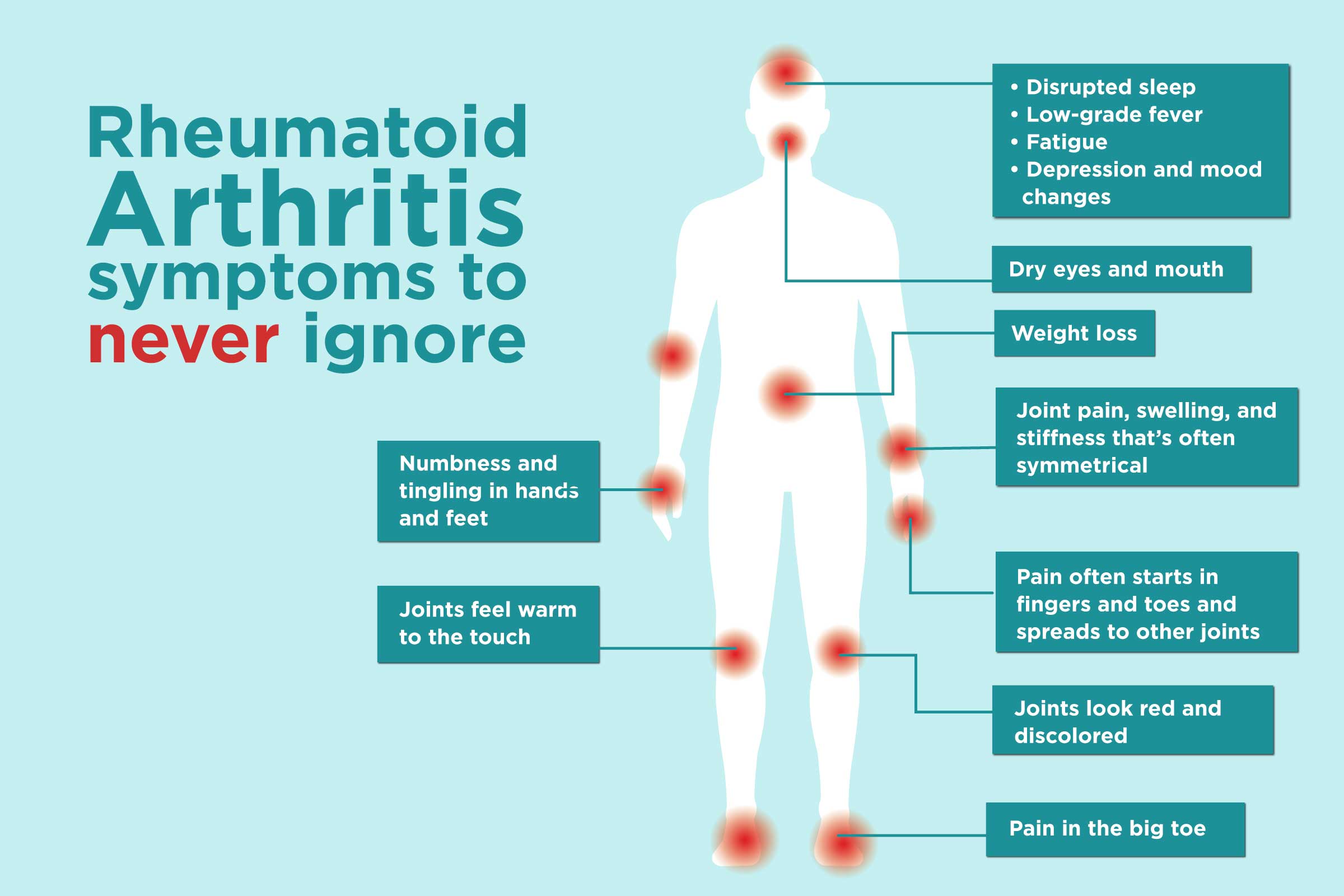
Some of the most commonly rheumatoid arthritis symptoms do to the body include pain, swelling and inflammation of the joints, joint deformity, and stiffness. Unlike wear and tear damage from different types of common inflammatory issues, rheumatoid arthritis symptoms may come and go that can range from mild, moderate, or even severe. When this happens, rheumatoid arthritis may be the result of making it difficult to perform simple tasks and cause joint alterations. Research shows that rheumatoid arthritis associated with inflammation can damage different body parts like the gut. Gastrointestinal problems like leaky gut, IBS, or SIBO could trigger flare-ups in individuals who have rheumatoid arthritis. This is known as somato-visceral pain, where the muscles affect the vital organs, causing problems for the body.
How Does Fatigue Correlate To RA?
Individuals that have rheumatoid arthritis do suffer from various symptoms that are associated with inflammatory issues. When inflammation begins to affect the body, it can overlap the profiles of fatigue and poorer quality of life in the individual. So how does fatigue correlate to rheumatoid arthritis? Studies reveal that fatigue is considered one of the acute symptoms of rheumatoid arthritis that imposes a burden on individuals, thus being associated with reducing their health and wellness. Fatigue has many dimensions that do impact many individuals. Some people will explain to their primary physicians that they are constantly tired, overworked, and repeatedly stressed from everyday life or disorders affecting their bodies. For rheumatoid arthritis individuals, studies reveal that high inflammatory factors associated with fatigue may cause them to feel exhausted. This is related to individuals who have insomnia from other conditions.
Managing Rheumatoid Arthritis-Video
Have you been feeling stiffness and inflammation around your joints? have you experienced gut issues affecting your life? Or do problems of insomnia or fatigue seem to affect your quality of life? Many of these symptoms are associated with rheumatoid arthritis. Rheumatoid arthritis is a chronic autoimmune disease that causes inflammation and swelling in the joints. The video above explains how to manage rheumatoid arthritis and its associated symptoms. Fatigue is one of the symptoms associated with rheumatoid arthritis as the inflammatory cytokines could be a co-morbidity in altering brain function that can lead to an overlap of pain and fatigue in the body, as studies reveal. While there hasn’t been a cure for rheumatoid arthritis, various treatment approaches can help people manage the symptoms of rheumatoid arthritis.
Treatments For RA & Fatigue
Even though there hasn’t been a cure for rheumatoid arthritis, there are ways to manage the associated symptoms of rheumatoid arthritis. Eating anti-inflammatory riched foods could potentially dampen the effect of inflammation on the joints. One way while exercising can help loosen up stiff joints and bring back muscle strength, thus restoring joint motion. Treatments like chiropractic care can also provide pain relief and management for individuals dealing with rheumatoid arthritis. Chiropractic care comprises passive and active treatment modalities for rheumatoid arthritis and fatigue. Chiropractors utilize spinal adjustments and manual manipulation to reduce misalignment or subluxation of the spine. Chiropractic care may also help with many symptoms like fatigue associated with rheumatoid arthritis without invasive treatments or medication. Chiropractic care could potentially improve the function of the bones, joints, and even the nervous system in the body.
Conclusion
Rheumatoid arthritis is a chronic inflammatory disease that causes joint stiffness and swelling. The causes of this autoimmune disease are unknown. Still, factors like stress, gut issues, and obesity are associated with symptoms like fatigue, leaky gut, muscle stiffness, and poorer quality of life could potentially be involved with rheumatoid arthritis. Treatments like eating anti-inflammatory foods, exercising, and chiropractic care could help manage inflammatory issues triggering rheumatoid arthritis and potentially reduce the effects of fatigue from the body, thus slowing down the progression and bringing back a person’s quality of life.
Korte, S Mechiel, and Rainer H Straub. “Fatigue in Inflammatory Rheumatic Disorders: Pathophysiological Mechanisms.” Rheumatology (Oxford, England), Oxford University Press, 1 Nov. 2019, https://www.ncbi.nlm.nih.gov/pmc/articles/PMC6827268/.
Pope, Janet E. “Management of Fatigue in Rheumatoid Arthritis.” RMD Open, BMJ Publishing Group, May 2020, https://www.ncbi.nlm.nih.gov/pmc/articles/PMC7299512/.
Santos, Eduardo J F, et al. “The Impact of Fatigue in Rheumatoid Arthritis and the Challenges of Its Assessment.” Rheumatology (Oxford, England), Oxford University Press, 1 Nov. 2019, https://www.ncbi.nlm.nih.gov/pmc/articles/PMC6827262/.
Staff, Mayo Clinic. “Rheumatoid Arthritis.” Mayo Clinic, Mayo Foundation for Medical Education and Research, 18 May 2021, https://www.mayoclinic.org/diseases-conditions/rheumatoid-arthritis/symptoms-causes/syc-20353648.
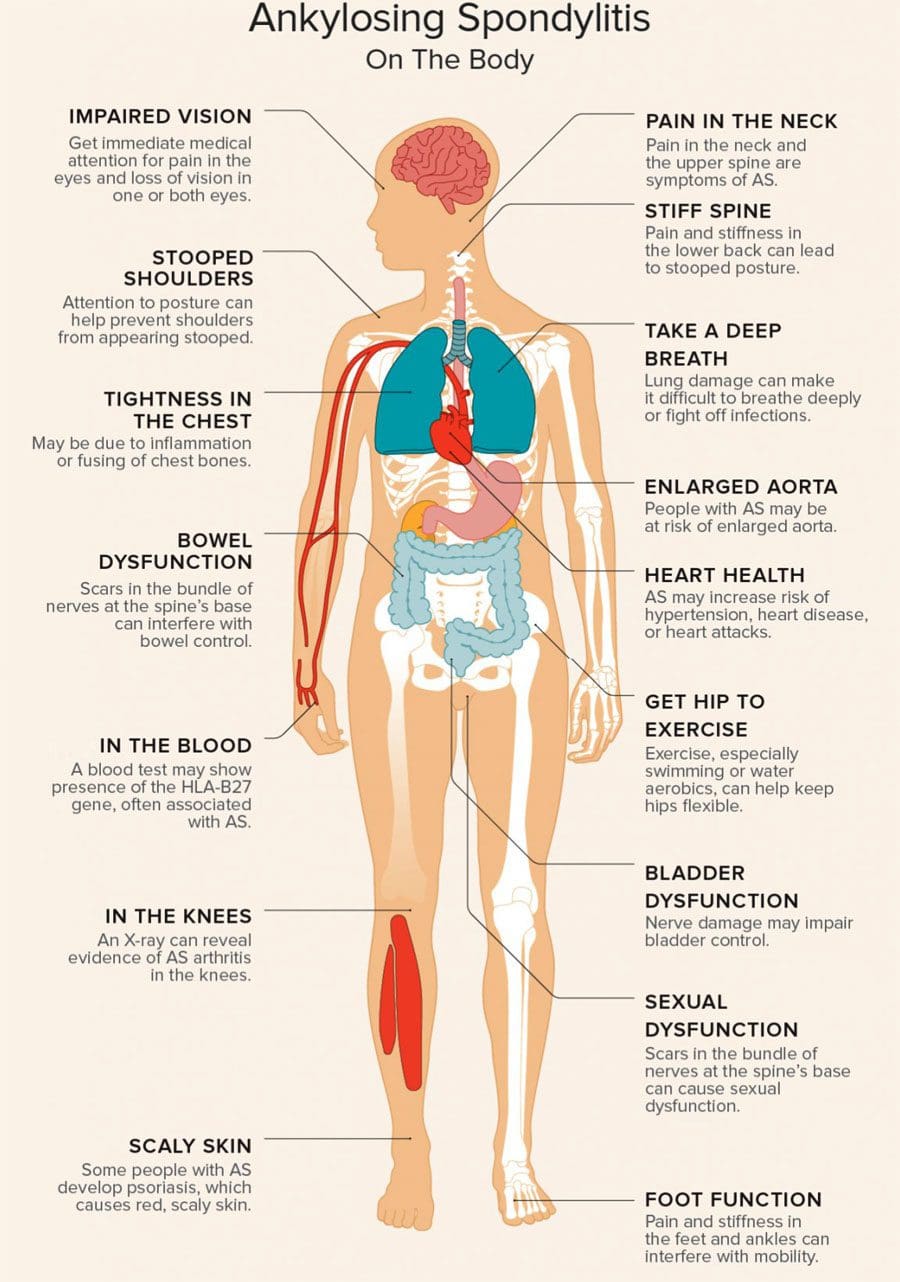
Fatigue Ankylosing Spondylitis: Fatigue is a significant complaint for individuals dealing with ankylosing spondylitis. Ankylosing spondylitis is chronic inflammation of the spine’s joints that can cause them to become fused or locked up. The process can cause the spine to stiffen, limiting movement, reducing flexibility, and generating a severe hunched posture. Symptoms can include back pain, stiffness, and the inability to take a deep breath if the ribs are involved. Fatigue can have a variety of causes, but in ankylosing spondylitis, inflammation and cytokines play a significant role. The underlying cause of ankylosing spondylitis is still being researched, but it currently affects around 300,000 Americans.
Fatigue Ankylosing Spondylitis
Most individuals with ankylosing spondylitis experience pain in the lower back but can also feel pain in their hips and neck, have abdominal pain, or experience problems with vision. Inflammatory back pain is usually strongest in the morning but can also come from inactivity.
Spinal Condition and Extreme Exhaustion
The inability to move along with a decreased spinal range of motion impacts body functionality, sleep quality, and respiratory function affecting energy levels and leading to mild to severe fatigue. Studies have shown that 50% – 85% of individuals with ankylosing spondylitis experience fatigue.
Fatigue is brought on by inflammation, as the body generates the same chemicals when fighting a cold or flu; an individual’s body constantly works to reduce inflammation, leaving them drained and unable to perform ordinary tasks. Inflammatory diseases take a significant toll on the whole body, leading to an increased risk of depression and increased fatigue levels.
Exercise, Massage, and Diet
Many individuals find that their symptoms flare up after long periods of inactivity, like sleeping. This can make wanting to fall and stay asleep complicated, exacerbating fatigue and vice versa, creating a vicious cycle. Even though it can be challenging to move, gentle exercise is recommended. Exercise can help slow the disease progression, build muscle, and improve sleep. It is recommended to speak with a spine specialist, doctor, chiropractor, physical therapist, or exercise trainer about a customized exercise treatment program.
Many individuals with ankylosing spondylitis find therapeutic massage helpful in temporarily relieving pain, and stiffness, reducing stress and improving flexibility from increased blood circulation. A combination of gentle chiropractic massage, exercise, ergonomic adjustments, and rheumatology treatment is recommended for many cases. An anti-inflammatory diet comprised of foods like fatty fish, fruits, nuts, and leafy green vegetables can fight inflammation and decrease fatigue.
AS Causes, Symptoms, Diagnosis, Treatment, and Pathology
References
Cornelson, Stacey M et al. “Chiropractic Care in the Management of Inactive Ankylosing Spondylitis: A Case Series.” Journal of chiropractic medicine vol. 16,4 (2017): 300-307. doi:10.1016/j.jcm.2017.10.002
Li, Ting, et al. “Fatigue in Ankylosing Spondylitis Is Associated With Psychological Factors and Brain Gray Matter.” Frontiers in medicine vol. 6 271. 21 Nov. 2019, doi:10.3389/fmed.2019.00271
Zhang, Jun-Ming, and Jianxiong An. “Cytokines, inflammation, and pain.” International anesthesiology clinics vol. 45,2 (2007): 27-37. doi:10.1097/AIA.0b013e318034194e
The muscles in our body help us be active when we want to be, rest and repair after activities, and continue to provide everyday movements that help keep the body functioning correctly. For athletes and the general population, physical training and eating healthy foods help deliver fuel to not only the internal organs but also help support the muscles, ligaments, and skeletal joints from injuries. As many individuals start to think about their health and wellness, many factors tend to pop up that can cause them to halt their health and wellness journey. Issues like stress, accidents, traumatic events, and lifestyle habits can affect the body and, over time, can become the risk of developing into chronic problems. An example would be where a person is experiencing hip pain associated with piriformis syndrome. Today’s article looks at piriformis syndrome, how it can cause more than hip pain, and how there are available treatments for piriformis syndrome. We refer patients to certified providers specializing in musculoskeletal therapies to help those with piriformis syndrome. We also guide our patients by referring to our associated medical providers based on their examination when it’s appropriate. We find that education is the solution to asking our providers insightful questions. Dr. Alex Jimenez DC provides this information as an educational service only. Disclaimer
What Is Piriformis Syndrome?
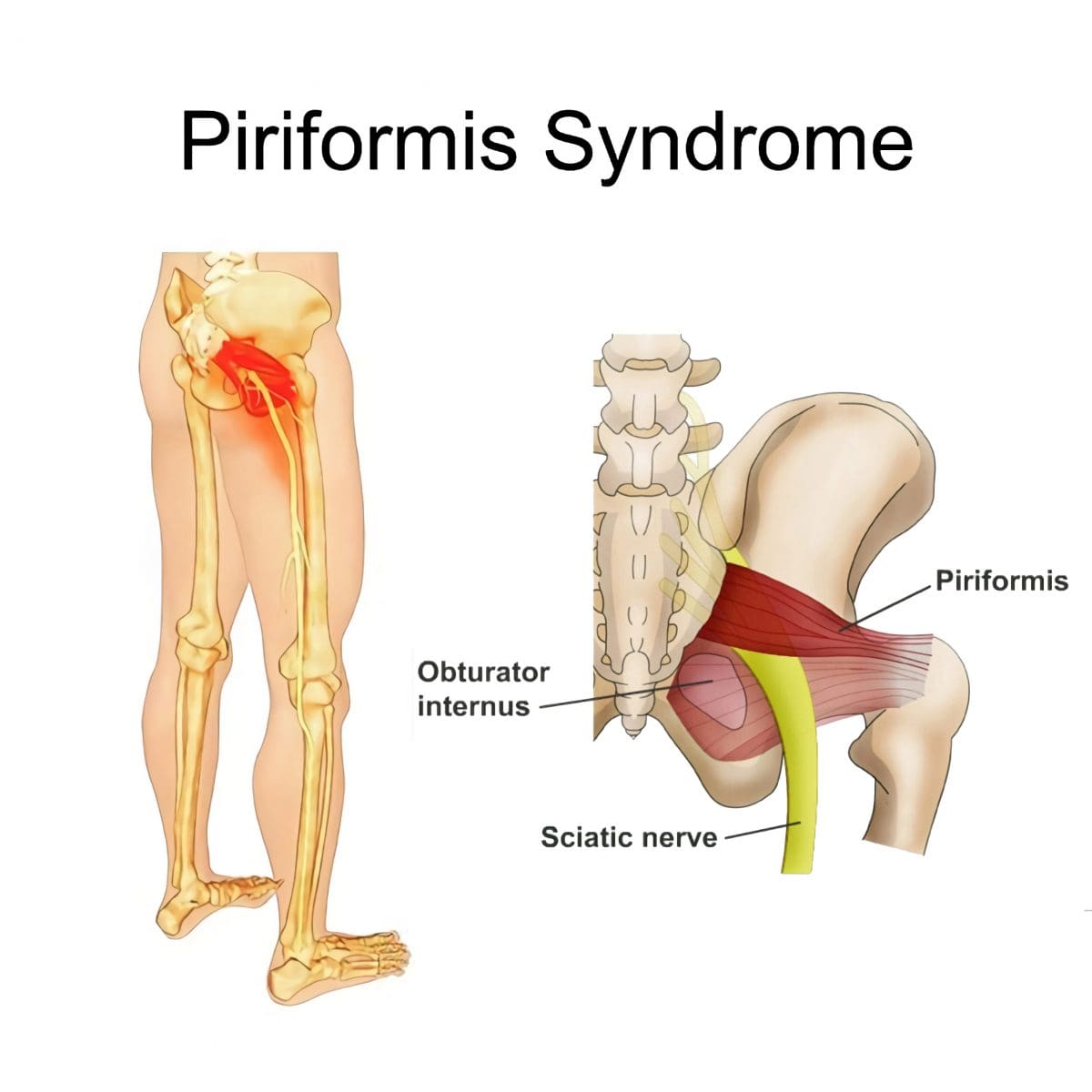
Have you been experiencing pain radiating from the buttock down to your legs? Does it hurt when you are sitting down? Or are you feeling tingling sensations and numbness on your butt and thighs? Some of these symptoms might be signs that you might be experiencing piriformis syndrome. Research studies have defined piriformis syndrome as a clinical condition where everyday stress affecting the body causes the piriformis muscle (the small muscle deep in the buttock region) to become tight and irritates the sciatic nerve. When that sciatic nerve becomes aggravated, it can become the risk of developing into sciatica. Many individuals don’t realize that the sciatic nerve also gets affected when their piriformis muscles in the buttock region become overused and tight through strenuous activities. This is due to the belief that any unusual traumatic abnormality in the piriformis muscle will be associated with sciatica symptoms. However, when a person is experiencing buttock pain that travels down the leg caused by the affected piriformis muscle, many will rule out some of the more common causes of sciatica like nerve root impingement triggered by disc herniation.
Surprisingly, three primary causing factors can be associated with piriformis syndrome. The first causing factor is myofascial trigger points may be the results of referred pain (pain or discomfort from another body location). The second causing factor is nerve entrapment against the greater sciatic foramen passing through the various piriformis muscles. And finally, the third causing factor is sacroiliac joint dysfunction due to piriformis muscle spasm. Studies reveal that the piriformis muscle helps stabilize the sacroiliac joint; when the small muscle starts to become irritated, it causes pain in the buttock region. But how does sacroiliac dysfunction relates to piriformis syndrome? Well, since low back pain is associated with sacroiliac dysfunction, the pain will often radiate down to the knee and the groin muscles while becoming a risk of developing piriformis syndrome.
Piriformis Syndrome Causes More Than Hip Pain?
Due to its broad size in the greater sciatic foramen, the piriformis muscle can become overused and tight, thus becoming piriformis syndrome. Piriformis syndrome can also become a risk to the numerous vessels and nerves that exit out in the pelvis region and may become compressed, causing more than just hip pain. Studies reveal that piriformis syndrome may be masquerading as ischiofemoral impingement triggering extra-articular hip pain by entrapping the quadratus femoris muscle causing groin pain. Another cause that piriformis syndrome is associated with is chronic pelvic pain. How does chronic pelvic pain correlate with piriformis syndrome? Chronic pelvic pain is a non-cyclic pain localized in the pelvis, potentially involving the surrounding muscles like the piriformis muscle supporting the irritated hip joint and pelvis region. Piriformis syndrome could also be an overlapping condition risk of developing other health issues like fibromyalgia in many people. Some conditions have common symptoms associated with piriformis syndrome, including:
Tingling sensations
Numbness
Muscle tenderness
Pain while sitting
Discomfort while exercising
The Difference Between Sciatica & Piriformis Syndrome-Video
Have you found it challenging to be comfortable while sitting down doing leisure activities? How about radiating pain that travels down your leg? Or do your hips feel tight and stiff? Experiencing these symptoms means that you might suffer from piriformis syndrome. The video above explains the difference between piriformis syndrome and sciatica. Studies reveal that piriformis syndrome is classically defined as sciatic pain; however, it is not sciatica. Sciatica is caused by compressed sciatic nerve due to herniated disc in the lumbar spine. In contrast, piriformis syndrome is caused when a traumatic injury or an underlying condition causes the piriformis muscle to spasm and aggravate the sciatic nerve. Various factors like prolonged sitting, repetitive movements that involve the legs, and even extensive stair climbing can cause the piriformis muscle to be easily damaged or injured, causing piriformis syndrome. Fortunately, there are ways to alleviate sciatic nerve pain and improve piriformis syndrome.
Treatments Available For Piriformis Syndrome
Many treatments are accessible to manage the pain and discomfort caused by piriformis syndrome for suffering individuals. Some people take over-the-counter medicine to decrease the pain, while others utilize a hot/cold pack on the affected area to relieve discomfort. The symptoms associated with piriformis syndrome usually go away without any additional treatment; however, if the pain or discomfort is still there, many people might benefit from alternative options for treatment, like chiropractic care, physical therapy, or even spinal decompression. Whether it is through gentle stretching, spinal manipulation, or decompression, these treatments are for anyone dealing with piriformis syndrome and its associated symptoms. Physical therapy can help decrease the painful symptoms associated with piriformis syndrome through gentle stretches that help return a person’s range of motion. Chiropractic care incorporates spinal adjustments and manual manipulations to treat various injuries or conditions. Spinal decompression uses traction to gently pull on the spine to release the aggravated nerve from causing pain. The relief can gradually restore a person’s natural health while managing its associated symptoms with various treatments available for individuals with piriformis syndrome.
Conclusion
Piriformis syndrome is a condition where everyday stress affects the piriformis muscle in the buttock region to become irritated and tight while aggravating the sciatic nerve. Many think traumatic abnormalities affecting their piriformis muscle will be associated with sciatica symptoms. However, sciatica is due to nerve root compression triggered by disc herniation. Piriformis syndrome is where that small muscle is overused from various factors that cause more than hip and butt pain. Some overlapping conditions associated with piriformis syndrome can become mediators for groin and pelvic pain. Fortunately, chiropractic care, physical therapy, and decompression can help restore the body gradually by managing piriformis syndrome and its associated symptoms.
References
Hicks, Brandon L., et al. “Piriformis Syndrome.” In: StatPearls [Internet]. Treasure Island (FL), StatPearls Publishing, 21 Apr. 2022, https://www.ncbi.nlm.nih.gov/books/NBK448172/.
Newman, David P, and Liang Zhou. “Piriformis Syndrome Masquerading as an Ischiofemoral Impingement.” Cureus, Cureus, 16 Sept. 2021, https://www.ncbi.nlm.nih.gov/pmc/articles/PMC8520408/.
Professionals, Northwest Medical. “Piriformis Syndrome/Sacroiliac Dysfunction.” Northwest Medical Center, 2021, https://nw-mc.com/piriformis-syndromesacroiliac-dysfunction/.
Ro, Tae Hoon, and Lance Edmonds. “Diagnosis and Management of Piriformis Syndrome: A Rare Anatomic Variant Analyzed by Magnetic Resonance Imaging.” Journal of Clinical Imaging Science, Medknow Publications & Media Pvt Ltd, 21 Feb. 2018, https://www.ncbi.nlm.nih.gov/pmc/articles/PMC5843966/.
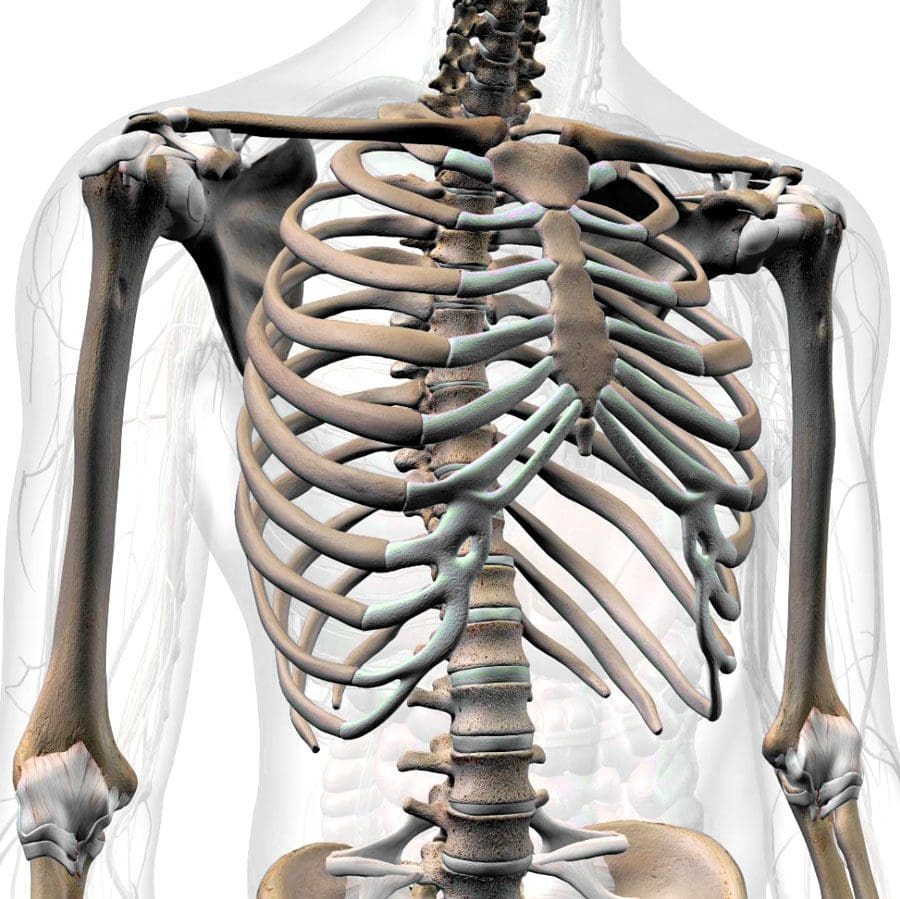
The ribs are designed to protect the lungs and heart and assist breathing. Twenty-four ribs start at the shoulders in the thoracic spine region and run down the mid-back covering the front, back, and side of the chest. Almost all ribs are attached in two places, including the spine in the back and the sternum in the front of the chest, by cartilage joints. Trauma, poor posture, intense coughing, sneezing, and heaving are a few factors that can cause mechanical rib dysfunction or rib misalignment.
Rib dysfunction and misalignment are typically caused by unhealthy postures like slumped back and rounded shoulders, weakened posterior muscles, and repetitive stress from work, sports, and intense physical activity. Any ribs can become misaligned, causing dysfunction and stress on the body. A chiropractor can adjust and reset the rib as they do for misaligned and compressed spinal joints.
Rib Cage Design
The ribcage is flexible and expands when inhaling. Each rib is attached to the spine by three joints in the back and the breastbone in the front. Breathing is an involuntary reflex that is impossible to avoid movement in these joints. The joints are small but allow flexing, so the ribs rise and fall with each breath. These rib joints can become inflamed from rib misalignment causing movement problems that can restrict breathing.
Rib Misalignment
Rib misalignment symptoms can include:
Difficulty breathing.
Difficulty when trying to sit up.
Dull, achy, deep pain next to the spine or under the shoulder blade.
Unexplained back pain.
Pain when moving or walking.
Painful sneezing and/or coughing.
Tenderness and pain in the front of the chest.
The formation of a lump over the affected rib.
Swelling and/or bruising in the region.
Numbness in nearby or surrounding ribs.
Radiating pain from the back to the front and vice versa.
Improvement when pressure is applied to the affected rib.
Rib Dysfunction
Up to 50% of emergency room visits for chest pain symptoms result from non-cardiac factors, with the majority being rib misalignment and the muscles and joints around the rib cage becoming irritated/inflamed.
Causes
There can be several reasons for a misaligned rib. The more common causes include:
Unhealthy Postures
Unhealthy postures stress the body that can place pressure on the posterior portion of the ribcage.
With time, the ribs can start to shift out of alignment.
Physical Activity, Exercise, and Sports
Working out intensely can cause the ribs to shift out of position.
Weight lifting improperly can cause the body to shift along with the muscles involved not being strong enough to handle the added weight and movement, causing rib misalignment.
Pregnancy
As a woman’s body changes, the weight shifts to the front.
This can create a downward pull on the rib cage, increasing misalignment risk.
Intense Coughing or Sneezing
Excessive or severe coughing, associated with asthma, bronchitis, or pneumonia, can significantly strain the ribcage.
Coughing from a common cold can generate stress to cause a rib to dislocate.
Sneezing hard can also cause a rib to shift out of place.
Illnesses associated with constant coughing and sneezing can increase an individual’s susceptibility to rib misalignment because of the weakened state of the muscles.
Intense Vomiting
Vomiting intensely or heaving can cause the condition.
Vomiting does not necessarily involve the lungs, but the convulsive action can cause a rib shift/pop out.
Chiropractic Treatment
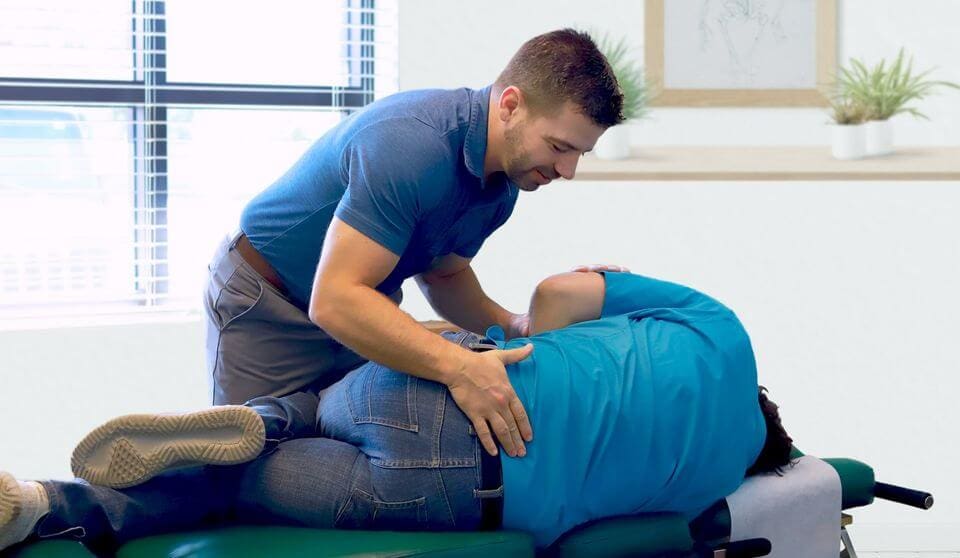
Chiropractic can diagnose and treat rib misalignment/dysfunction by using various stretching or massage techniques to loosen the area, making the muscles more flexible, then applying firm pressure to realign the rib back. The treatment plan will include specific stretches, postural exercises, diet, and other recommendations to prevent rib problems.
Spinal Decompression In 90 Seconds
References
Flodine TE, Thomas M. Osteopathic Manipulative Treatment: Inhaled Rib Dysfunction. [Updated 2021 Aug 15]. In: StatPearls [Internet]. Treasure Island (FL): StatPearls Publishing; 2022 Jan-. Available from: https://www.ncbi.nlm.nih.gov/books/NBK560751/
Jawed, Muzamil. and Bruno Bordoni. “Osteopathic Manipulative Treatment: Muscle Energy Procedure – Exhaled Ribs.” StatPearls, StatPearls Publishing, 19 February 2022.
Everyone has dealt with acute or chronic pain at some point in their lives. The body’s response tells many of us where the pain is located and can leave the body sore as the immune system begins to heal the affected area. When disorders like autoimmune diseases start to attack the body for no reason, then that is when chronic issues and disorders begin to overlap in risk profiles on other various problems that affect both the muscles and organs. Autoimmune diseases like fibromyalgia can affect a person’s body; however, they could be associated with different issues affecting the body. Today’s article looks at fibromyalgia, how it affects the musculoskeletal system, and how chiropractic care helps manage fibromyalgia in the body. We refer patients to certified providers specializing in musculoskeletal treatments to help those with fibromyalgia. We also guide our patients by referring to our associated medical providers based on their examination when it’s appropriate. We find that education is the solution to asking our providers insightful questions. Dr. Alex Jimenez DC provides this information as an educational service only. Disclaimer
What Is Fibromyalgia?
Have you experienced excruciating pain that is spread all over your body? Do you have trouble sleeping and feel exhausted every day? Do you experience brain fog or other cognitive disturbances? Many of these issues are signs and conditions of fibromyalgia. Fibromyalgia is defined as a chronic condition that is characterized by widespread musculoskeletal pain. Symptoms like fatigue, cognitive disturbances, and multiple somatic symptoms often overlap and accompany this disorder. Around two to eight percent of the world population suffers from fibromyalgia, and it affects women more than men. Sadly though, fibromyalgia is a challenge to diagnose, and the pain can last several months to years. Some of the main symptoms that fibromyalgia does to the body include:
Muscle and joint stiffness
General sensitivity
Insomnia
Cognitive dysfunction
Mood disorders
Fibromyalgia could also potentially be associated with specific diseases like diabetes, lupus, rheumatic diseases, and musculoskeletal disorders.
How Does It Affect The Musculoskeletal System?
The musculoskeletal system in the body has three muscle groups: skeletal, cardiac, and smooth muscles that provide different functions correlating how the body moves. Individuals with fibromyalgia will experience amplified painful sensations affecting their brain and spinal cord to process pain and nonpainful signals potentially associated with musculoskeletal disorders. The neural structures from the brain become hyper-reactive to any soft tissues close to the spine, known as segmental facilitation. These changes that occur to the soft tissues are called trigger points, and if situated in the muscles, they are referred to as “myofascial” trigger points. Studies reveal that the pathophysiology of musculoskeletal dysfunction can be considered secondary to central abnormalities of pain modulation associated with fibromyalgia.
An Overview Of Fibromyalgia-Video
Have you been experiencing excruciating pain in different areas of your body? Have you been constantly tired throughout the entire day? Or has your mood been dampened all of a sudden? These are the signs that you have fibromyalgia, and the video above gives an overview of what fibromyalgia is. Fibromyalgia is defined as a chronic disorder that is difficult to diagnose. Studies reveal that fibromyalgia is possible to be described as a cognitive disorder that triggers painful amplifications and sensory nociceptors that become hypersensitive. So what does this mean, and how is the nervous system affected by fibromyalgia? The nervous system has the central and peripheral systems. The peripheral system has a component known as the autonomic nervous system that regulates involuntary bodily functions. The autonomic system consists of two subsystems: the sympathetic and parasympathetic systems. For individuals with fibromyalgia, the sympathetic nervous system, which provides the “fight or flight” response, is constantly active, causing the parasympathetic nervous system, which provides the “rest and digest” response, to be inactive in the body. The good news is that individuals with fibromyalgia and its associated symptoms can find relief through treatment.
Chiropractic Care & Fibromyalgia
Even though there hasn’t been a cure for fibromyalgia yet, treatments are available to manage and improve the symptoms associated with fibromyalgia with chiropractic care. Chiropractic care can help relieve fibromyalgia pain by carefully correcting spinal misalignments or subluxations through spinal adjustments and manual manipulations of the body. Studies reveal that the effectiveness of chiropractic care for fibromyalgia patients helps improve their range of motion to the cervical and lumbar areas of the spine. Chiropractic care can help improve their flexibility, decrease their pain levels, and have better sleep quality. People diagnosed with fibromyalgia need to understand that many options for pain management don’t rely on medicines. Chiropractic care is gentle and non-invasive. It can be helpful for individuals that want to take control of their circumstances and have chiropractic therapy as a vital part of managing their well-being.
Conclusion
Fibromyalgia is a chronic disorder that affects the musculoskeletal system by causing stiffness in the muscles and joints, general sensitivity, and other chronic issues associated with this disorder. Individuals with fibromyalgia will describe their pain as unbearable due to the nerves in the sympathetic system being hyperactive and tender to the touch. Fortunately, treatments like chiropractic care can help relieve fibromyalgia pain through spinal adjustments and manual manipulations. Chiropractic care for individuals with fibromyalgia can help improve their range of motion and flexibility and decrease their pain levels without using medicines. Incorporating chiropractic care as a treatment for fibromyalgia can be vital in managing a person’s well-being.
References
Bhargava, Juhi, and John A Hurley. “Fibromyalgia – Statpearls – NCBI Bookshelf.” In: StatPearls [Internet]. Treasure Island (FL), StatPearls Publishing, 1 May 2022, https://www.ncbi.nlm.nih.gov/books/NBK540974/.
Blunt, K L, et al. “The Effectiveness of Chiropractic Management of Fibromyalgia Patients: A Pilot Study.” Journal of Manipulative and Physiological Therapeutics, U.S. National Library of Medicine, 1997, https://pubmed.ncbi.nlm.nih.gov/9272472/.
Geel, S E. “The Fibromyalgia Syndrome: Musculoskeletal Pathophysiology.” Seminars in Arthritis and Rheumatism, U.S. National Library of Medicine, Apr. 1994, https://pubmed.ncbi.nlm.nih.gov/8036524/.
Maugars, Yves, et al. “Fibromyalgia and Associated Disorders: From Pain to Chronic Suffering, from Subjective Hypersensitivity to Hypersensitivity Syndrome.” Frontiers, Frontiers, 1 July 2021, https://www.frontiersin.org/articles/10.3389/fmed.2021.666914/full.
Siracusa, Rosalba, et al. “Fibromyalgia: Pathogenesis, Mechanisms, Diagnosis and Treatment Options Update.” International Journal of Molecular Sciences, MDPI, 9 Apr. 2021, https://www.ncbi.nlm.nih.gov/pmc/articles/PMC8068842/.
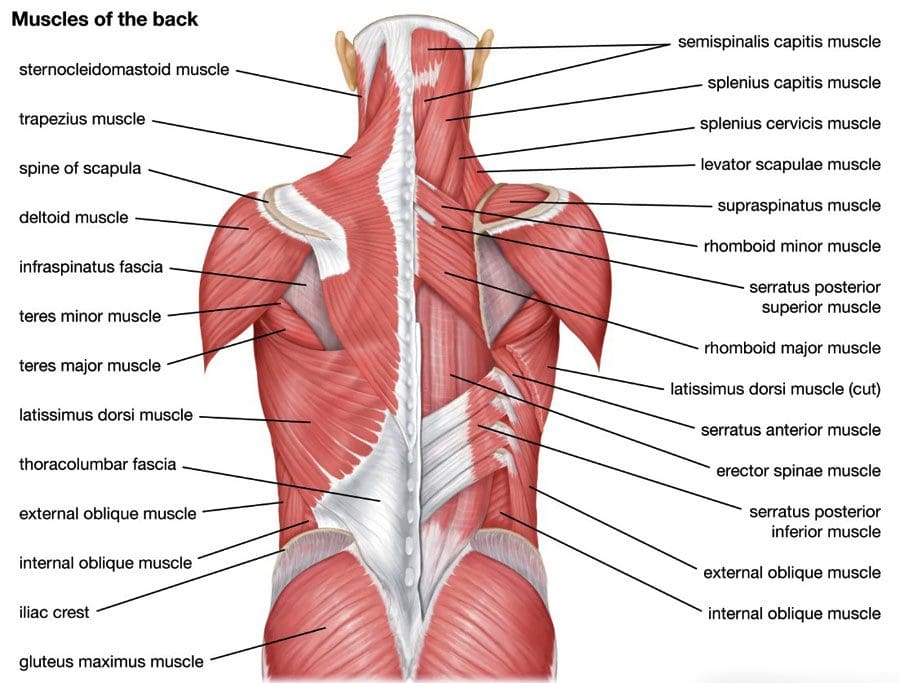
Muscle tension happens when the muscles stay contracted after working, sports, exercise, and stress, presenting with stiffness and achiness that progresses to chronic myofascial pain. Myofascial is used to describe the connective tissues throughout the body. Myo refers to the muscles, and fascia refers to the body tissues. Myofascial pain syndrome describes muscle pain in various forms. Most individuals have experienced chronic muscle tension in muscle pain or tension headaches. Myofascial pain can vary, ranging from mild to severe. Chiropractic can provide treatment and post-prevention plans to eliminate the pain and strengthen the body.
Connective Tissue
Myofascial pain syndrome is a complex condition that could be repetitive stress injuries on the muscles or nervous system malfunction and is often characterized by symptoms like:
Each symptom is not a sign of the condition, but it could be myofascial pain syndrome when combined and does not resolve with some time. This chronic pain disorder is associated with referred pain that appears in one part of the body but the root cause in another region.
Chiropractic Care
Chiropractic medicine will get to the root of the problem with a thorough diagnosis. This will be done through physical examination, medical history, and symptom review. The chiropractor will perform a detailed exam of the affected muscles, including a range of motion test, strength test, and palpations of suspected trigger points to see how the muscles respond, twitch, and/or cause pain in a specific pattern or region. Sometimes blood tests are ordered to look for other causes, like vitamin D deficiency or hypothyroidism. Chiropractic can combine treatment therapies that include:
Massage therapy
Therapeutic massage will loosen the tight, knotted muscles and relieve cramping and/or spasms.
Physical Therapy
Includes stretching, postural, and strengthening exercises.
Pain medications are directly injected into the trigger points.
Chiropractic physicians work on the whole body and not just the hurting areas. Chiropractors are trained to incorporate treatment with primary care and specialists. Patients receive education in exercise programs, corrective exercises, nutritional recommendations, and health coaching.
Spine Decompression
References
American Chronic Pain Association. Resource Guide to Chronic Pain Management. (https://www.theacpa.org/wp-content/uploads/2018/05/ACPA_Resource_Guide_2018-Final_Feb.pdf) Accessed 4/17/2019.
Lavelle, Elizabeth Demers, et al. “Myofascial trigger points.” Anesthesiology clinics vol. 25,4 (2007): 841-51, vii-iii. doi:10.1016/j.anclin.2007.07.003
Stults-Kolehmainen, Matthew A et al. “Chronic psychological stress impairs recovery of muscular function and somatic sensations over a 96-hour period.” Journal of strength and conditioning research vol. 28,7 (2014): 2007-17. doi:10.1519/JSC.0000000000000335
Tantanatip A, Chang KV. Myofascial Pain Syndrome. [Updated 2021 Aug 14]. In: StatPearls [Internet]. Treasure Island (FL): StatPearls Publishing; 2022 Jan-. Available from: https://www.ncbi.nlm.nih.gov/books/NBK499882/
Vernon, Howard, and Michael Schneider. “Chiropractic management of myofascial trigger points and myofascial pain syndrome: a systematic review of the literature.” Journal of manipulative and physiological therapeutics vol. 32,1 (2009): 14-24. doi:10.1016/j.jmpt.2008.06.012
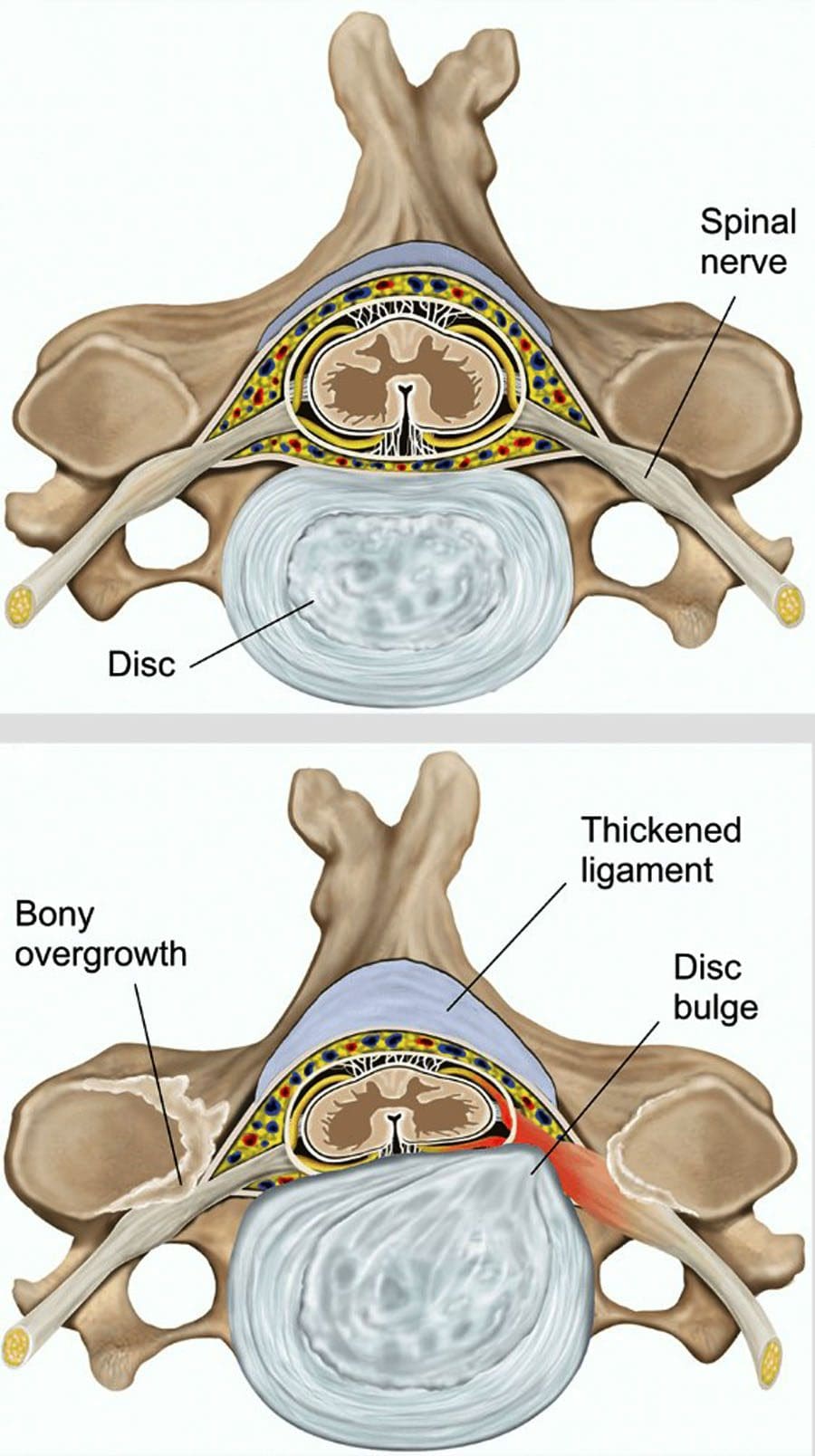
Cervical spinal stenosis is a condition that causes narrowing of the neck region of the spine. This narrowing can compress the nerves causing pain and discomfort. The symptoms are caused by the misalignment/subluxation of the neck, which is usually the c1 and c2 vertebrae. Misalignments can be caused by daily wear and tear; injuries and tumors can cause or worsen the condition. Cervical spinal stenosis is a severe condition that worsens as time progresses and can cause permanent damage and paralysis. Chiropractor recommendations and non-invasive techniques can alleviate the symptoms, along with therapeutic stretches and exercises, and diet is all part of a personalized treatment plan.
Stenosis Symptoms
The most common symptom is neck pain. Doctors recommend avoiding all activities that worsen the pain; however, chiropractors suggest remaining as active as possible to keep the muscles strong. This is because inactivity over time can lead to muscular deterioration around the neck. Other symptoms besides neck pain include:
Neck discomfort and pain
Headaches
Numbness, tingling in the shoulder, arm, hand
Difficulty maintaining balance
Walking problems
Chiropractor Recommendations
Pain Or Stiffness In The Neck Should Not Be Ignored
Pain or stiffness in the neck that worsens rapidly or does not ease up or go away after two weeks requires medical attention.
Ignoring or dismissing the pain or stiffness can worsen the condition.
Looking Down At A Phone Too Long
Looking down too long increases the strain on the neck.
Keeping the head forward for extended periods increases the chances of pinching/compressing nerves and causing radiculopathy.
Exercises That Roll The Neck Around
Exercises that roll or pull the neck are not advised as they can exacerbate the condition.
A chiropractor will recommend specific neck stretches and exercises on a case-by-case basis.
Heavy Bag, Purse, BackPack On One Shoulder
It is recommended to carry a backpack with both shoulders to distribute the weight evenly.
Over time, a backpack, bag, or purse on the same shoulder will disrupt the walk cycle and pull down on one side of the neck, exacerbating cervical spinal stenosis.
For bags and purses with one strap, it is recommended to alternate shoulders or use a crossbody strap.
Sleeping On The Stomach
Sleeping on the stomach means having to turn the neck to one side.
This stresses and aggravates cervical stenosis.
It is recommended to sleep on the side or back.
Treatment, Therapy, and Rehabilitation
Chiropractic is recommended for spinal stenosis because it corrects and re-aligns dislocated and herniated discs and decompresses the spine.
Treatment reduces pressure on the spinal cord and its joints and nerve networks.
Various techniques include physiotherapeutic massage, spinal adjustments, cervical traction, spinal decompression, and flexion-distraction, which will address stenosis symptoms, treat pain, reduce inflammation, numbness, and restore muscle function.
Non-Surgical Cervical Decompression
References
Clark, Aaron J et al. “Cervical spinal stenosis and sports-related cervical cord neurapraxia.” Neurosurgical focus vol. 31,5 (2011): E7. doi:10.3171/2011.7.FOCUS11173
Kukurin, George W. “The amelioration of symptoms in cervical spinal stenosis with spinal cord deformation through specific chiropractic manipulation: a case report with long-term follow-up.” Journal of manipulative and physiological therapeutics vol. 27,5 (2004): e7. doi:10.1016/j.jmpt.2004.04.009
Isaac Z. Evaluation of the patient with neck pain and cervical spine disorders. UpToDate. https://www.uptodate.com/contents/evaluation-of-the-patient-with-neck-pain-and-cervical-spine-disorders. Last updated May 2, 2016. Accessed February 25, 2018.
IFM's Find A Practitioner tool is the largest referral network in Functional Medicine, created to help patients locate Functional Medicine practitioners anywhere in the world. IFM Certified Practitioners are listed first in the search results, given their extensive education in Functional Medicine