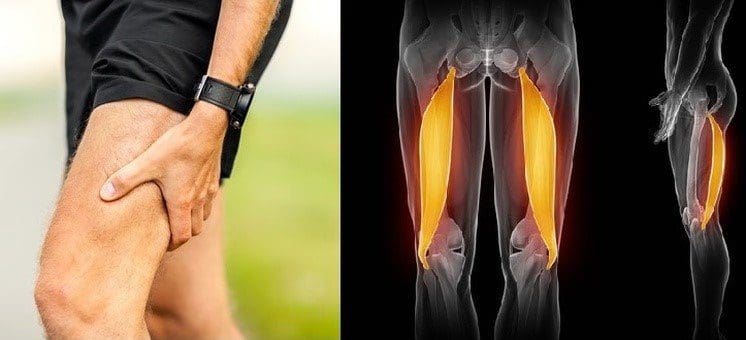
How do non-surgical treatments compare with traditional surgical treatments to improve mobility for individuals with hamstring injuries? The hamstrings are muscles in the lower extremities that provide mobility to the legs and stabilize the pelvis. Many athletes rely on their hamstrings to perform strenuous actions such as sprinting, jumping, squatting, and kicking during sporting events. However, the hamstrings are also very susceptible to injury. Athletes who repeatedly overstretch their hamstrings can experience muscle strain until microscopic tears form, which is common. Similarly, individuals who sit for long periods can also experience hamstring issues. When individuals are not physically active, their hamstrings can become weak and shortened, leading to symptoms such as muscle pain, trigger points, and strain on the accessory muscles. Hamstring injuries can also cause other issues that affect the lower body extremities. This article will explore how hamstring injuries affect mobility and how non-surgical treatments help people regain mobility. We work with certified medical providers who use our patients’ valuable information to treat individuals suffering from hamstring injuries and inform them about non-surgical treatments to regain mobility. We encourage patients to ask essential questions and seek education from our associated medical providers about their condition. Dr. Jimenez, D.C., provides this information as an educational service. Disclaimer
Hamstring Injuries Implementing Other Issues
Do you experience stiffness in the back of your thighs when warming up before exercising? Are you feeling radiating pain from the side of your hips and glutes due to prolonged sitting? Or do you tend to limp, affecting your gait and walking? Many people are unaware they are overexerting their hamstrings, which can cause pain. Those who engage in sports or work sedentary jobs may over or underuse their hamstrings, affecting their flexibility and mobility to the lower extremities. According to research studies, hamstring injuries are the most common non-contact muscle injuries caused by two mechanisms of injuries: stretch-type and sprint-type. Sprint-type injuries associated with hamstrings occur when the muscles are overexerted due to maximal or near-maximal action, causing muscle fatigue. To that point, hamstring injuries can also affect a person’s walking mobility.
Running without properly warming up the hamstring muscle can cause muscle fatigue. Stretch-type injuries associated with the hamstring muscles involve combination movements that include extreme hip flexion and knee extension. These injuries can also mimic sciatica, leading people to believe their sciatic nerve is acting up. However, treatments available can help reduce the pain associated with hamstring injuries and lengthen the shortened muscle to reduce pain.
Best Lower Body Stretches To Increase Flexibility-Video
If you want to reduce the pain associated with hamstring injuries, incorporating RICE can help prevent it from becoming chronic. This involves gently stretching the affected muscle to avoid cramps and pain while increasing flexibility. Hamstring injuries can also be linked to other chronic issues, which can cause inflammation in the surrounding muscles. Studies show that conditions like piriformis syndrome can cause nerve entrapment in the hamstrings, resulting in radiating pain down the leg that mimics low back pain and sciatica. As previously mentioned, hamstring injuries can limit mobility and be linked to chronic conditions. Thankfully, non-surgical treatments can help reduce pain and provide relief. Check out the video above to learn different stretches that can help reduce pain in the lower body and increase flexibility.
Treatments To Restore Mobility
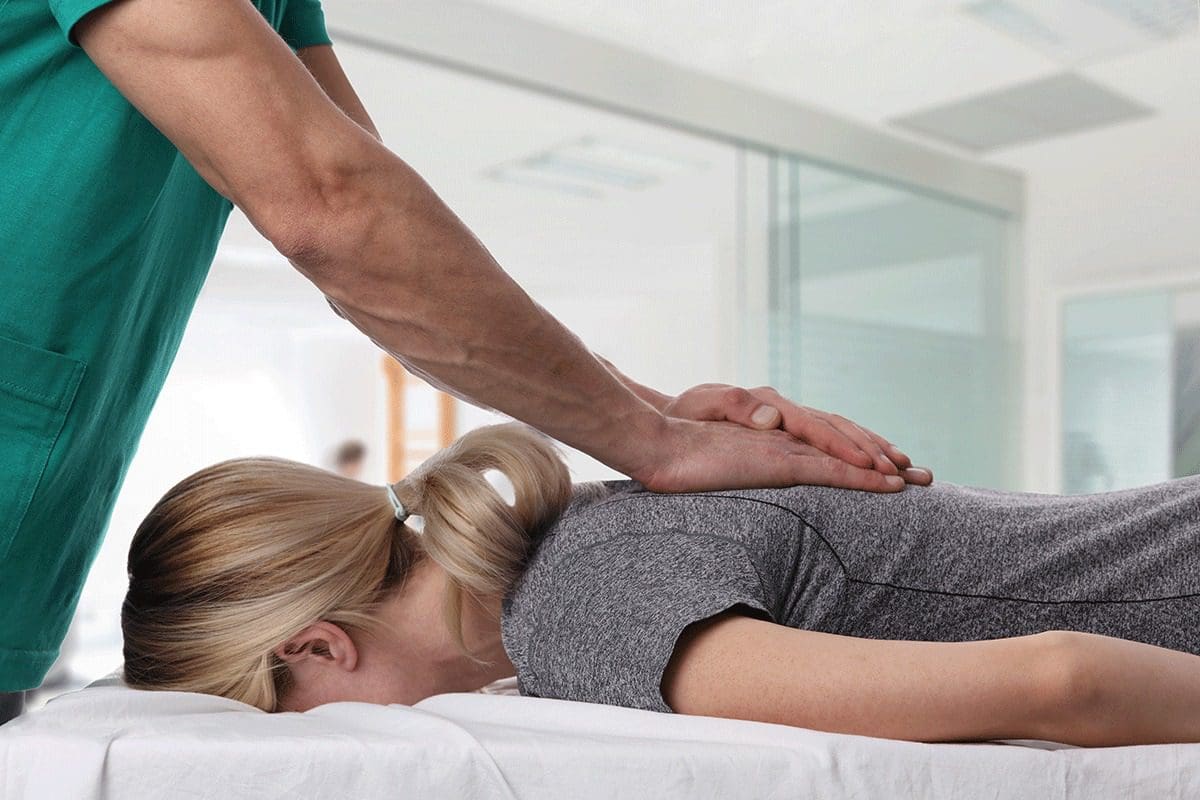
If rest, ice, compression, and gentle stretching do not provide relief, incorporating treatments for hamstring injuries to restore mobility can benefit many individuals. Seeking the help of a pain specialist, such as a massage therapist or chiropractor, to create a customized plan/program is recommended. There are various approaches that pain specialists can use to regain mobility and treat hamstring injuries.
MET Therapy
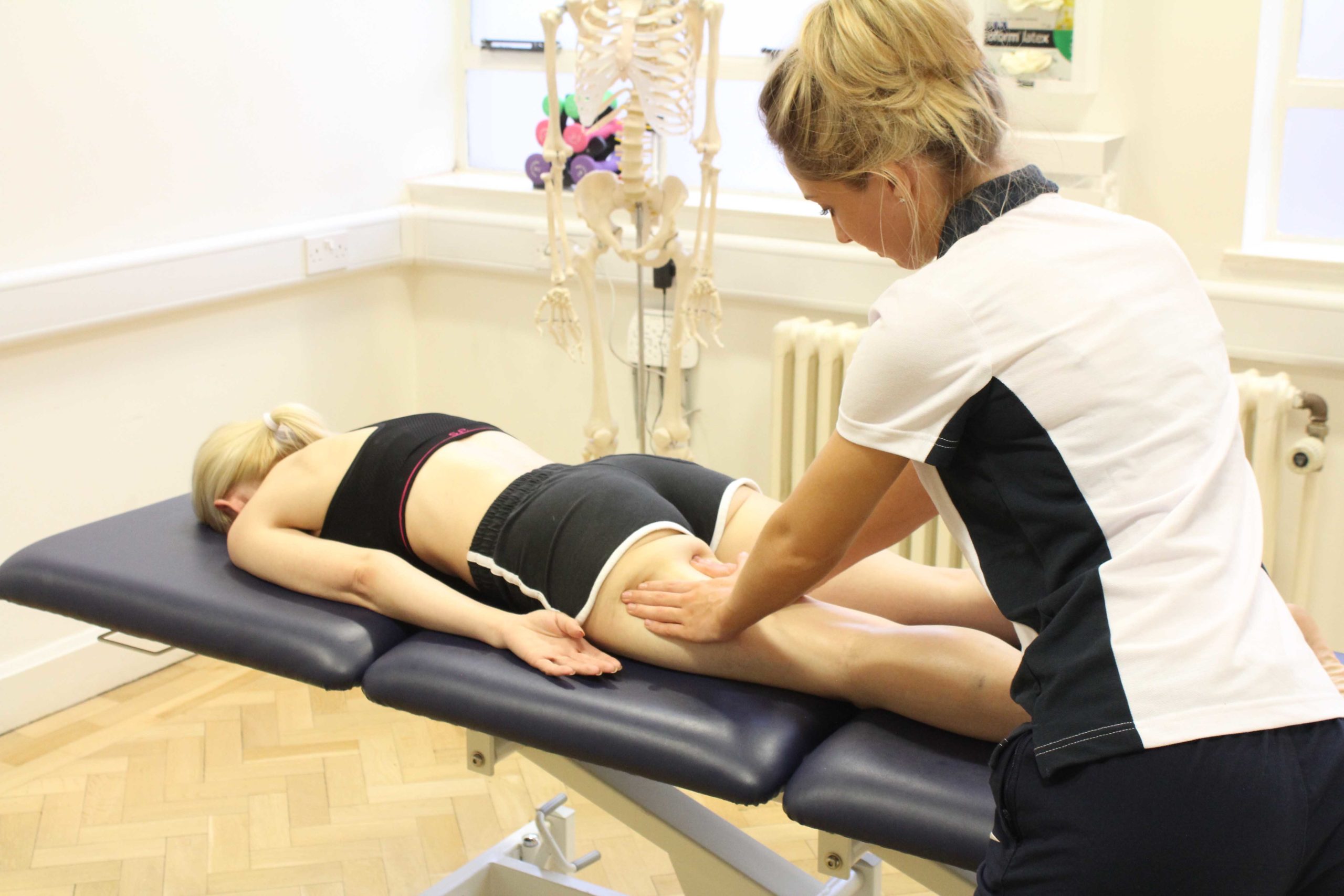
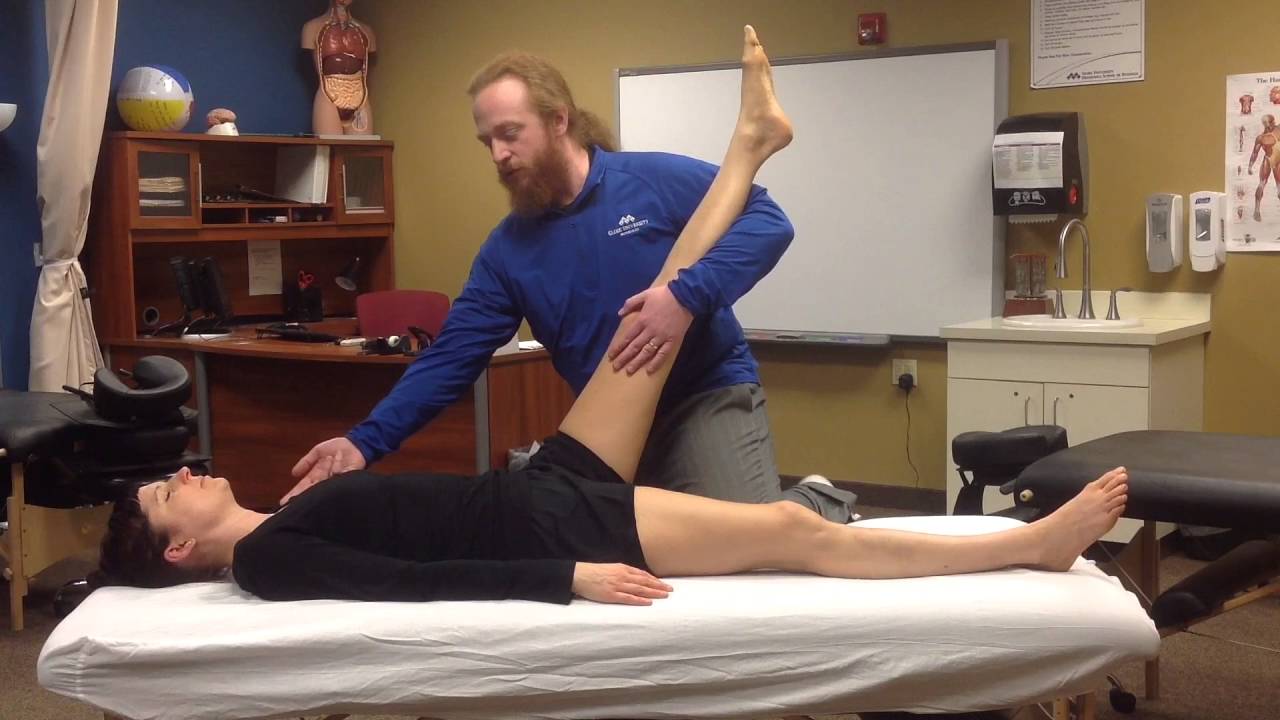
Many chiropractors and massage therapists incorporate MET (muscle energy techniques) therapy to gently stretch out the shortened hamstring muscle and help restore joint mobility in the lower extremities. In “Clinical Applications of Neuromuscular Techniques,” written by Leon Chaitow, N.D., D.O., and Judith Walker DeLany, L.M.T., stated that MET is crucial in stretching and strengthening the hamstring muscles through isometric contraction. At the same time, additional research studies reveal that the MET technique allows the hamstrings to have a greater increase in hip flexion ranges. MET therapy also helps strengthen the accessory muscles surrounding the hamstrings to restore mobility.
Spinal Decompression
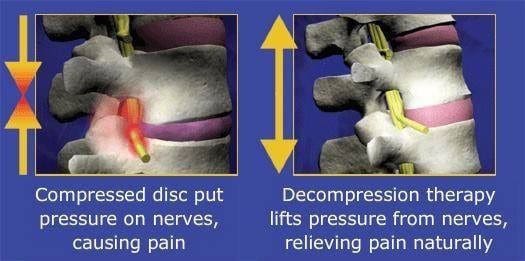
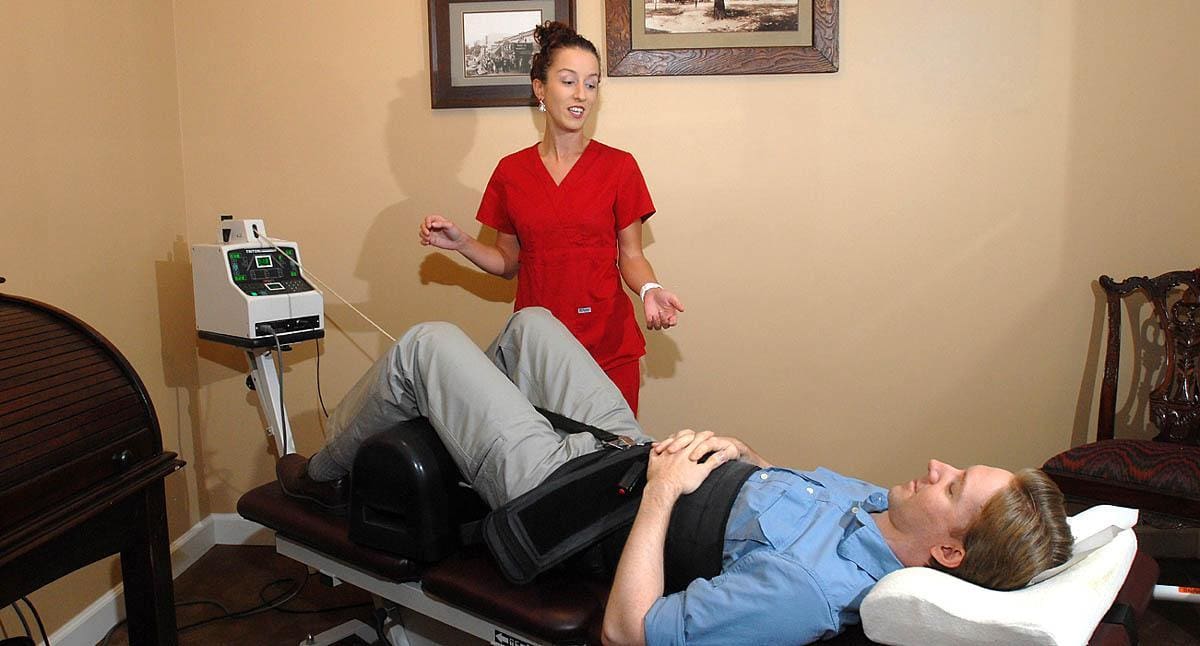
If hamstring injuries are caused by nerve entrapment, then trying out spinal decompression can help restore mobility to the hips and lower extremities. According to “The Ultimate Spinal Decompression,” written by Dr. Eric Kaplan, D.C., FIAMA, and Dr. Perry Bard, D.C., stated that spinal decompression is safe and gentle on the spine as it provides gentle traction on the spinal disc to reduce pain and increase disc height. When hamstring injuries are associated with nerve entrapment, it could result from a herniated disc that aggravates the nerve root and causes referred pain to the hamstrings. Using gentle traction on the spine can help alleviate the pain caused by the aggravating nerve and reduce pain in the hamstrings. Many individuals can incorporate these treatments to reduce hamstring injuries and regain their mobility back to their legs.
References
Chaitow, L., & Delany, J. (2002). Clinical application of neuromuscular techniques. Vol. 2, The lower body. Churchill Livingstone.
Individuals spend around one-third of their life sleeping or resting. Every person has their own preferred sleeping position. However, not all sleep positions are comfortable and supportive to the body, especially the spine. Individuals that sleep on their side or stomach that experience back pain might want to consider switching to sleeping on their back. Changing preferred sleeping positions can seem impossible, however, learning to sleep on your back is possible with a little training and adjustment period.
Learning To Sleep On Your Back
After side sleeping, back sleeping is the second most common position. Individuals that are stomach or side sleepers that suffer from:
Learning to sleep on your back is recommended because its health benefits can potentially solve all these problems and more.
Adapting this sleeping position can help maintain proper spinal alignment.
Relieves waking up with tension headaches.
Relieve sinus problems.
Individuals that are not natural back sleepers understand how difficult it is to force oneself to adapt to a new sleeping position. There are ways to condition the mind and body to fall and stay asleep on your back, resulting in healthy rest. These include:
A Pillow Under The Knees
It may help to place a supportive pillow under the knees.
The knees should be slightly bent and feel comfortable.
Check to make sure that the neck and spine feel comfortable and are in alignment.
Make adjustments as needed.
A Pillow Under The Low Back
In the beginning, switching to back sleeping can increase discomfort in the low back.
Placing a pillow under the lower back can help.
Using too large or thick a pillow could create added discomfort.
Try a few different pillows to find what works best and feels right.
Pillow Surround
Individuals that are active sleepers and tend to roll onto their side or stomach soon after falling asleep, can place pillows around the midsection and hips.
A small barrier of pillows around the body can assist in learning to sleep on your back.
The pillows help prevent the body from rolling.
It’s recommended to place pillows closely against either side of the body.
Using the pillows as an enclosure will force the body to remain in a neutral position throughout the night.
Sleeping On The Right Pillow
Individuals will want to make sure they are using the right sleeping pillow.
In addition to supporting the spine’s alignment, a quality pillow will also support the neck.
The recommended pillow for back sleeping should cradle the head and ensure it stays elevated.
A pillow that is too flat or too thick can cause the head to become unlevel with the body leading to:
Neck and upper body pain
Restricted airflow, which may cause you to snore or suffer from sleep apnea.
Digestive issues like acid reflux and heartburn.
Consider a pillow that’s made out of some type of memory foam to assist with learning to sleep on your back.
The thickness and hugging sensation can help to stay on the back and prevent inadvertently flipping over.
Sleeping On The Right Mattress
A positive back sleeping experience begins with the right mattress. There are so many mattress types to choose from. It is recommended to consider the materials, the firmness level, and the size. For comfortably sleeping on your back, the firmness level is essential.
Consider the positioning of your spine.
The objective is to keep the spine as straight as possible, which is achieved with the proper firmness.
A mattress that is too firm will create unwanted pressure and tension on the shoulders and the pelvic region.
A mattress that is too soft will cause the hips to sink, throwing spinal alignment off and causing back pain symptoms.
A medium-firm mattress is recommended.
Memory foam is a great option for learning to sleep on your back.
Memory foam cradles the natural curve of the body, and hugs the body during sleep, which helps avoid accidentally rolling onto your side or stomach.
Memory foam mattresses with integrated gel can provide cooling and ventilation to keep the body refreshed throughout the night.
A medium-firm memory foam mattress will make sure the body stays straight, with the proper cushioning around the pelvis and hips.
Training To Sleep On Your Back
References
Anderson, Ngaire H et al. “Association of Supine Going-to-Sleep Position in Late Pregnancy With Reduced Birth Weight: A Secondary Analysis of an Individual Participant Data Meta-analysis.” JAMA network open vol. 2,10 e1912614. 2 Oct. 2019, doi:10.1001/jamanetworkopen.2019.12614
Desouzart, Gustavo, et al. “Effects of sleeping position on back pain in physically active seniors: A controlled pilot study.” Work (Reading, Mass.) vol. 53,2 (2015): 235-40. doi:10.3233/WOR-152243
Khan, Bashir Ahmad, et al. “Effect of bed head elevation during sleep in symptomatic patients of nocturnal gastroesophageal reflux.” Journal of Gastroenterology and Hepatology vol. 27,6 (2012): 1078-82. doi:10.1111/j.1440-1746.2011.06968.x
Portale, G et al. “When are reflux episodes symptomatic?.” Diseases of the esophagus: official journal of the International Society for Diseases of the Esophagus vol. 20,1 (2007): 47-52. doi:10.1111/j.1442-2050.2007.00650.x
Skarpsno, Eivind Schjelderup, et al. “Sleep positions and nocturnal body movements based on free-living accelerometer recordings: association with demographics, lifestyle, and insomnia symptoms.” Nature and Science of Sleep vol. 9 267-275. 1 Nov. 2017, doi:10.2147/NSS.S145777
Surdea-Blaga, Teodora, et al. “Food and Gastroesophageal Reflux Disease.” Current medicinal chemistry vol. 26,19 (2019): 3497-3511. doi:10.2174/0929867324666170515123807
Regarding the musculoskeletal system, the various muscles, tissues, and ligaments help protect the spine and vital organs that make the body functional. These muscles are sectioned into different groups that help provide movement and motion to the host without feeling pain. However, when normal factors or traumatic forces begin to affect the musculoskeletal system, it can cause unnecessary stress on the muscle fibers. These environmental factors can lead to muscle pain and correlating symptoms affecting the upper and lower body portions. When muscle pain affects the body, it can mask other pre-existing conditions that can make the individual feel miserable. Fortunately, many individuals will go to therapy treatment to reduce the effects of muscle pain and have a personalized plan that they can follow to prevent muscle pain from returning in the future. Today’s article focuses on one of the non-surgical treatments known as MET (muscle energy technique) therapy that can help reduce the effects of muscle pain and what is the protocol treatment plan to relieve muscle pain in the body. We work with certified medical providers who use our patients’ valuable information to treat individuals suffering from muscle pain while informing them about non-surgical treatments like MET therapy that can help reduce the effects of musculoskeletal pain. We encourage patients to ask essential questions and seek education from our associated medical providers about their condition. Dr. Jimenez, D.C., provides this information as an educational service. Disclaimer
How Does Muscle Pain Affect The Body?
Do you experience muscle aches, stiffness, or pain in one or more parts of your body? These pain-like symptoms are often caused by muscle pain. Research studies revealed that free nerve endings in muscle fibers can send pain signals to the brain, leading to decreased productivity and economic burden. Overstretching muscles during daily routines can cause trigger points, small nodules in muscle fibers that cause stiffness and contraction. This can lead to misalignment and additional problems over time.
Muscle pain can be a symptom of different conditions, with severity ranging from acute to chronic. Research studies stated that when musculoskeletal pain affects more than 30% of the world, it can significantly impact an individual’s life. This type of pain can be related to sensory innervation of the bones, joints, and muscles and can negatively affect a person’s daily routine. However, there are various ways to reduce muscle pain, which individuals can incorporate to relieve muscle pain and reduce its chances of returning.
Movement As Medicine- Video
When it comes to musculoskeletal pain, it can have a significant impact on a person’s body. It can affect their daily routine, causing them to have limited mobility and feel miserable. Musculoskeletal pain causes the involved muscle fibers to stiffen up and contract. This causes the surrounding muscles to compensate for the pain the affected muscle feels and causes body misalignment. However, all is not lost, as available treatments can help reduce the effects of muscle pain and can bring back a person’s mobility. One of these treatments is MET (muscle energy technique) therapy. Research studies reveal that MET is an osteopathic technique that many pain specialists like chiropractors and massage therapists use to improve musculoskeletal function by mobilizing joints, stretching tight muscles and facia to reduce pain, and improving circulation and lymphatic flow. Since many individuals don’t stretch their bodies as often as needed, their muscles can become tight and stiff, which causes the development of muscle pain. So by utilizing MET therapy, a person dealing with muscle pain can regain mobility. MET therapy can also be combined with other treatments like chiropractic care to help realign the body out of subluxation and strengthen/lengthen tight muscles. The video above explains how movement is used as medicine to reduce the effects of muscle pain.
MET Treatment Protocol
According to “Clinical Application of Neuromuscular Techniques,” written by Leon Chaitow, N.D., D.O., and Judith Walker DeLany, L.M.T., when the body is experiencing restricted joints, incorporating MET therapy can indicate where the problem is located in the soft musculoskeletal tissues. When it comes to many individuals going to MET therapy for muscle pain, many doctors have their protocol approach when assessing patients for muscle pain treatment.
Looking At Body Language
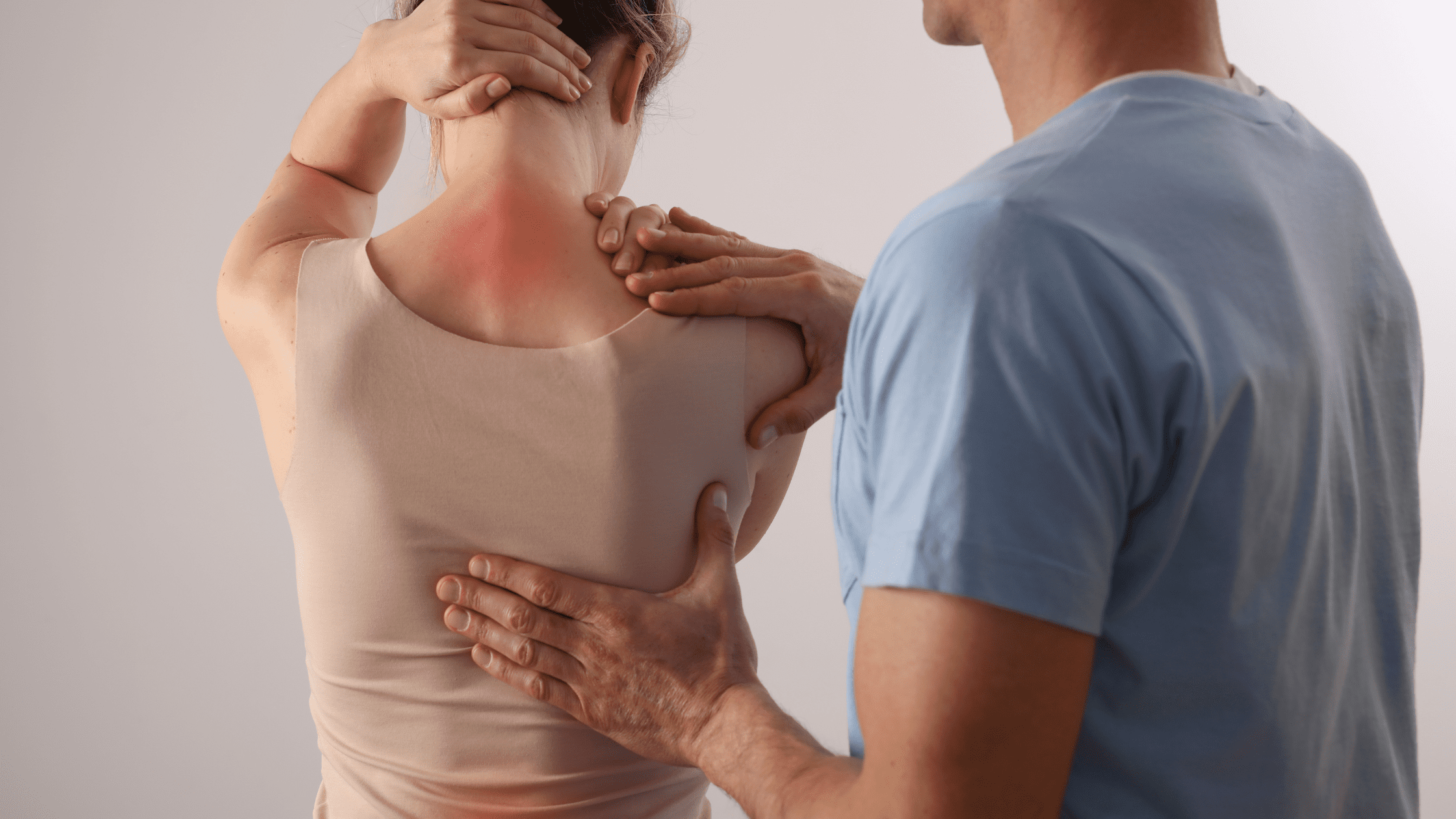
When assessing patients with muscle pain, looking at their body language and how they carry themselves is important. Many doctors and pain specialists should note how the individual is breathing, their posture, and if there is any perspiration on the skin. By taking note of how the individual looks physically, many doctors will begin to formulate a treatment plan while communicating with the patient to gather more information and create a trusting relationship. Afterward, the doctor can start the physical examination to locate where the pain is in the body.
Physical Examination
The MET treatment protocol’s physical examination portion allows the doctor to go through a sequential assessment involving observation, joint and muscle testing, palpations, evaluation of accessory movement, etc., to create a basic formula to create a personalized treatment plan. The physical examination of MET allows the muscles to influence muscle contractions on the surrounding fascia and alter the muscle’s physiology by reflex mechanisms. These stretches help the restricted joints be re-mobilized, and help stretch the tightened muscles to feel relief from metabolic waste.
Therapeutic Plan
The therapeutic plan for MET treatment is personalized and customizable for the individual to follow through to reduce muscle pain from re-occurring in the body. Many doctors specializing in MET therapy work with other associated medical providers to ensure that the person in pain has the help they need. Physical therapy, dietary nutrition, non-surgical treatments, and health coaches all work together to create a personalized health and wellness plan to make sure that muscle pain and its associated factors are being treated. This allows individuals to be more mindful of their bodies and regain their health and wellness.
Conclusion
Muscle pain can affect a person’s ability to move around and can affect multiple areas in the upper and lower body portions. Muscle pain correlates to tight muscle fibers that become stiff and can develop trigger points in the fascia and cause restricted movement. When this happens, it can cause the individual to miss out on daily activities and prevent them from working. Luckily available treatments can help reduce muscle pain by re-mobilizing the joints and stretching out the tight muscle. MET, or muscle energy technique therapy, helps stretch muscle fascia and mobilize joints to regain the body’s range of motion and help reduce muscle pain. Many people who incorporate MET into their daily routine can restore mobility and continue their health and wellness journey.
References
Chaitow, L., & Delany, J. (2002). Clinical application of neuromuscular techniques. Vol. 2, The lower body. Churchill Livingstone.
Many people experience neck and back pain due to various factors that affect their daily routine. These pain conditions are common and can be caused by repetitive motions that impact the surrounding muscles, tissues, ligaments, and spinal discs. Chronic pain can develop depending on the severity and duration of the condition. People with demanding jobs, pre-existing conditions, or older adults may seek medical attention to reduce the pain-like symptoms of neck and back pain. However, treatment costs can be high. There are safe, cost-effective, and non-invasive treatments to relieve neck and back pain. This article will explore why neck and back pain is expensive and why non-surgical treatments are cost-effective. It will also discuss how non-surgical therapies like spinal decompression can alleviate back and neck pain. We work with certified medical providers who use our patients’ valuable information to treat individuals suffering from back and neck pain while informing them about non-surgical treatments like spinal decompression that can help relieve their neck and back pain. We encourage patients to ask essential questions and seek education from our associated medical providers about their condition. Dr. Jimenez, D.C., provides this information as an educational service. Disclaimer
Why Does Back & Neck Pain Cost More?
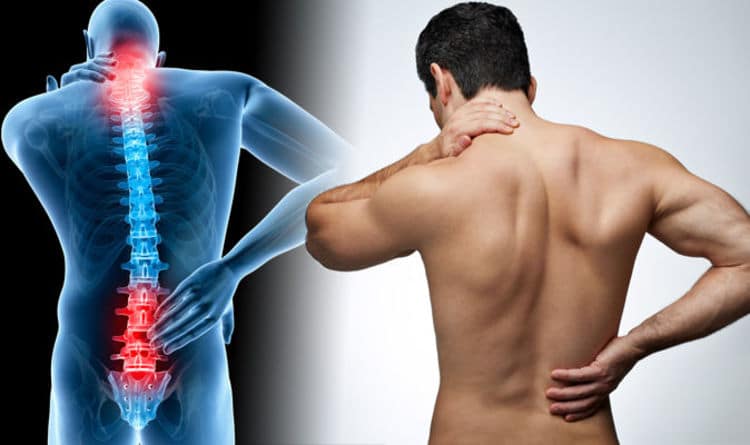
Many people report to their primary doctors that they are experiencing radiating pain from the neck or lower back, which affects their upper or lower extremities. For neck pain, they may experience headaches or shoulder pain that causes pain-like symptoms like numbness or tingling sensations down to their arms and fingers. For back pain, they may experience muscle soreness in their lumbar region, which can result in numbness in the glute muscles or cause sciatic nerve pain, affecting their walking ability. Research studies reveal that cognitive, affective, and lifestyle factors all affect the neck and back. High-demanding jobs, stress, or trauma from an accident can develop neck and back pain. As a result, the body takes more overbearing loads, tightening the surrounding muscles in the neck and back. If not treated right away, it can lead to problematic issues that disrupt their routine.
Based on the book “The Ultimate Spinal Decompression” by Dr. Eric Kaplan D.C., FIAMA, and Dr. Perry Bard, D.C., humans’ evolution to walk upright has strained their stability, leading to axial overload and potential neck and back pain. The book also highlights that the human body was not meant to remain sedentary, which can also contribute to the development of such pain. Research studies revealed that neck and back pain can be nociceptive with neuropathic components, making treatment costly and time-consuming. This economic burden can discourage individuals from seeking treatment despite the pain and expense involved.
Fighting Inflammation Naturally- Video
Are you experiencing persistent neck and back pain? Do your upper or lower extremities feel stiff or tingly? Or is your mobility limited, interfering with your daily activities? These issues are often associated with neck and back pain, disrupting a person’s routine and preventing them from enjoying life. Neck and back pain are common ailments that can be expensive to treat. Research studies revealed that they can also influence individuals’ ability to return to work, increasing treatment costs.
Additionally, pain-like symptoms often accompany neck and back pain, leading some individuals to spend nearly a billion dollars on treatment. However, cost-effective treatments are available that can help alleviate these symptoms. The video above explains how non-surgical treatments can reduce neck and back pain and relieve pain-like symptoms.
Why Non-Surgical Treatments Are Cost Effective?
Research studies have shown that non-surgical treatments are a cost-effective and effective solution for neck and back pain. Many individuals can utilize these treatments combined with various therapies to improve their quality of life and reduce pain symptoms. Non-surgical treatments offer personalized plans as healthcare providers work together to find solutions. They provide individuals with a positive approach to regaining their health and wellness by informing them about their bodies and how to be more mindful of how pain affects their daily routines. Some non-surgical treatments that can relieve neck and back pain include:
Chiropractic care
Physical therapy
Spinal Decompression
Acupuncture
Massage therapy
How Spinal Decompression Can Alleviate Back & Neck Pain
You might be interested in non-surgical treatments like spinal decompression if you suffer back or neck pain. This technique uses gentle traction on the spinal column to alleviate pain while helping your body heal naturally. Research studies have found that cervical spinal decompression can increase disc height and reduce pain caused by compressed cervical discs. This treatment can also alleviate residual pain symptoms like headaches or muscle stiffness and restore mobility to the neck. For back pain, research suggests that spinal decompression can reduce the effects of compressed spinal discs, which can aggravate nerve roots like the sciatic nerve in the lumbar region. Many people who try spinal decompression feel relief after just a few sessions and become more mindful of what triggers their pain. This can help them make small lifestyle changes to continue their journey toward health and wellness.
Conclusion
Many people struggle with neck and back pain, which can be caused by multiple normal and traumatic factors and can be costly. Individuals often prefer to endure the pain rather than subject themselves to invasive treatments. However, non-surgical therapies that are cost-effective and gentle on the body are available. Spinal decompression therapy is one such treatment that can help alleviate pain and promote the body’s natural healing processes. By reducing pain symptoms, many individuals who undergo spinal decompression therapy can return to their daily routines pain-free.
Sitting at a desk or standing at a workstation in the same position for hours at a time every day or night can strain the body’s neuromusculoskeletal system. This causes hunching of the shoulders which leads to body tension, headaches, and neck, shoulder, back, leg, and foot pain. Taking regular breaks to move and stretch out provides various benefits that include pain symptom relief, increased circulation, improved posture, increased energy, muscle relaxation, and improve overall health. Here we look at stretches for sitting and standing jobs.
Stretches For Sitting and Standing Jobs
Sitting or standing for too long can affect an individual’s health. The body is made to move and not remain in one position for long periods. Standing and sitting for a prolonged period of time increases the risk for chronic conditions, sleep disorders, digestion issues, weight gain, obesity, heart disease, cancer, and diabetes. To help break the cycle of staying in one position, experts recommend taking movement breaks for one to three minutes every 30 to 45 minutes, or at least once an hour.
Individuals are encouraged to find ways to set up a job/work system where they are not limited to just sitting or standing but have a balance where they can move around, do some desk work, move some more, and so on where the body is regularly engaging all the muscles and not only using a few that often leads to overworked muscles and overcompensating postures that lead to injuries. This can be using a standing desk, taking quick short walks, or doing some stretches. Movement loosens up the body and helps maintain mental focus.
Flexibility Breaks
The following stretches for sitting and standing jobs are recommended to be done as often as possible to develop healthy habits.
Set an alarm for every 45 to 55 minutes and perform the stretches.
Hold each stretch for at least 15-30 seconds.
Avoid exercises or stretches that cause discomfort or pain.
Chest Stretch
Many individuals begin to hunch forward. Therefore, it is essential to stretch the pectoral/chest muscles and shoulders. Individuals with shoulder problems or injuries should avoid this stretch.
Stand with the feet shoulder-width apart.
The stretch can be performed seated in a chair.
Move the arms behind the body and, if possible, interlock the fingers together.
Straighten the arms and gently lift the hands up until you feel a stretch in the chest.
Hold for 10 to 30 seconds.
Repeat 5-10 times.
Individuals can also use a resistance band and hold it overhead.
Individuals can put their forearms on either side of a doorway, and gently press forward until the stretch is felt in the chest.
Upper Back Stretch
The upper back stretch will help get circulation moving in all the muscles between the shoulder blades as well as the traps and the shoulders.
Begin in a seated or standing position.
Stretch the arms straight out.
Place one hand on top of the other.
Reach away with your arms.
Relax and gently bend the head down.
Imagine the arms curving up and over an imaginary sphere.
Hold the stretch for 10 to 30 seconds.
Neck Stretch
Tension in the neck can lead to headaches and upper back pain. Forward head posture is common when working at a desk/workstation, which places extra weight and stress on the neck muscles. The head can weigh up to 11 pounds. Staying aware of posture and regular stretching can provide relief.
Start in a sitting position, with the back straight and the shoulders back.
Reach down and grab the side of the chair with your hand.
Gently pull on the chair, while tilting the head in the opposite direction, feeling the stretch down the side of the neck and shoulder.
Hold for 10 to 30 seconds and repeat on the other side.
Repeat five to 10 times on each side.
Inner Thigh Stretch
Stretching the inner thigh is important for the hips and groin. This stretch helps open the hips and gets rid of tightness and tension in the lower body.
In a seated position, widen the legs, toes outward, and lean forward with the elbows on the thighs.
Keep the back straight and the abs contracted.
Gently press forward while using the elbows to push the thighs out until a stretch is felt in the inner thighs.
Hold for 10 to 30 seconds.
Repeat as many times as necessary to get a thorough stretch.
Regular stretching will help to improve the range of motion and help the muscles move more efficiently. Stretching may also help individuals reach or maintain a healthy weight for improved posture.
Benefits of Stretching
References
Cooley D, Pedersen S. A pilot study of increasing non-purposeful movement breaks at work as a means of reducing prolonged sitting. J Environ Public Health. 2013;2013:128376. doi:10.1155/2013/128376
Daneshmandi H, Choobineh A, Ghaem H, Karimi M. Adverse effects of prolonged sitting behavior on the general health of office workers. J Lifestyle Med. 2017;7(2):69-75. doi:10.15280/jlm.2017.7.2.69
Fathollahnejad, Kiana, et al. “The effect of manual therapy and stabilizing exercises on the forward head and rounded shoulder postures: a six-week intervention with a one-month follow-up study.” BMC Musculoskeletal Disorders vol. 20,1 86. 18 Feb. 2019, doi:10.1186/s12891-019-2438-y
Feldman, Anatol G. “The Relationship Between Postural and Movement Stability.” Advances in experimental medicine and biology vol. 957 (2016): 105-120. doi:10.1007/978-3-319-47313-0_6
Korakakis, Vasileios, et al. “Physiotherapist perceptions of optimal sitting and standing posture.” Musculoskeletal Science & Practice vol. 39 (2019): 24-31. doi:10.1016/j.msksp.2018.11.004
Lurati AR. Health issues and injury risks associated with prolonged sitting and sedentary lifestyles. Workplace Health Saf. 2018;66(6):285-290. doi:10.1177/2165079917737558
Nakphet N, Chaikumarn M, Janwantanakul P. Effect of different types of rest-break interventions on neck and shoulder muscle activity, perceived discomfort and productivity in symptomatic VDU operators: A randomized controlled trial. Int J Occup Saf Ergon. 2014;20(2):339-53. doi:10.1080/10803548.2014.11077048
Sanders, Martha J, and Claudia Michalak Turcotte. “Posture makes perfect.” Today’s FDA: official monthly journal of the Florida Dental Association vol. 25,2 (2013): 62-5.
Shaghayegh Fard, B et al. “Evaluation of forward head posture in sitting and standing positions.” The European spine journal: official publication of the European Spine Society, the European Spinal Deformity Society, and the European Section of the Cervical Spine Research Society vol. 25,11 (2016): 3577-3582. doi:10.1007/s00586-015-4254-x
Overexertion and repetitive stress injuries make up a fourth of all work injuries. Repetitive pulling, lifting, punching in numbers, typing, pushing, holding, carrying, and scanning are the most common causes of job-related injuries. These types of injuries are the most common that cause missed days at work. Overexertion can lead to lasting physical chronic conditions, ranging from chronic back pain to chronic joint pain caused by the advanced wearing and tearing of the various musculoskeletal tissues. Chiropractic medicine takes a comprehensive and whole-body approach to treating neuromusculoskeletal injuries. Chiropractic relieves tight or damaged muscles, increases nerve energy flow, and properly aligns the joints through adjustments, spinal traction, decompression, and various forms of manual manipulation.
Overexertion and Repetitive Stress Injuries
Overexertion and repetitive stress injuries typically occur over time/years of engaging in the same strenuous activity regularly. However, an overexertion injury can occur with one sudden or extreme movement. A worker can injure muscles, tendons, joints, and ligaments. Overexertion can lead to musculoskeletal disorders with symptoms including:
Inflammation
Swelling
Numbness
Stiffness
Chronic pain
Limited or total loss of mobility in the muscles, tendons, ligaments, and joints.
Types
A few of the most common examples of overexertion injuries include:
Soft-Tissue
Injuries to muscles, ligaments, tendons, and joints.
Back
Pulled, strained back muscles.
Herniated discs.
Compressed nerve roots.
Fractured vertebrae.
Dehydration and Heat Stroke
Most common among workers doing outdoor manual labor.
Repetitive and Overuse
Injuries range from carpal tunnel syndrome to stress fractures.
Often the result of weeks, months, or years of repeated movements
In many cases, two or more injuries can happen simultaneously.
For example, a worker is more likely to sustain an injury if they are dehydrated or they are performing dual tasks.
Causes
Certain movements and activities are more likely to cause overexertion injuries. Some of the most common include:
Daily lifting of objects, light and heavy.
Performing awkward movements that cause the body to be in unhealthy positions.
Standing and/or sitting or for long periods.
Using excessive force to perform tasks.
Operating heavy machinery.
Working in hot and/or humid conditions.
High-Rate Injury Industries
Industries in which overexertion injuries are most common include:
Education.
Health services.
Manufacturing.
Construction.
Warehouse work.
Transportation.
Wholesale trade.
Retail stores.
Chiropractic Treatment
These injuries can lead to missed work, debilitating pain, and medical bills. Depending on the severity of the injury, chiropractic care will use massage techniques, spinal manipulation, traction, and decompression therapies, to increase flexibility and mobility to reduce the chances of a recurring injury. The benefits of chiropractic include:
Prevents the risk of worsening or future injuries.
Expedites recovery to help individuals rehabilitate and get back to work sooner.
Improves physical and mental well-being.
Provide recommendations on how to properly stretch and strengthen muscles.
Nutritional anti-inflammatory recommendations.
By learning how to avoid overexertion injuries, workers can be more productive, enjoy work, and improve their quality of life.
From Injury To Recovery
References
Anderson, Vern Putz, et al. “Occupational fatalities, injuries, illnesses, and related economic loss in the wholesale and retail trade sector.” American Journal of industrial medicine vol. 53,7 (2010): 673-85. doi:10.1002/ajim.20813
Choi, Hyun-Woo, et al. “Characteristics of occupational musculoskeletal disorders of five sectors in the service industry between 2004 and 2013.” Annals of Occupational and environmental medicine vol. 29 41. 19 Sep. 2017, doi:10.1186/s40557-017-0198-4
Friedenberg, Rivi, et al. “Work-related musculoskeletal disorders and injuries among emergency medical technicians and paramedics: A comprehensive narrative review.” Archives of Environmental & occupational health vol. 77,1 (2022): 9-17. doi:10.1080/19338244.2020.1832038
Galinsky, T et al. “Overexertion injuries in home health care workers and the need for ergonomics.” Home health care services quarterly vol. 20,3 (2001): 57-73. doi:10.1300/J027v20n03_04
González Fuentes, Aroa, et al. “Work-related overexertion injuries in cleaning occupations: An exploration of the factors to predict the days of absence by means of machine learning methodologies.” Applied ergonomics, vol. 105 103847. 30 Jul. 2022, doi:10.1016/j.apergo.2022.103847
Schoenfisch, Ashley L et al. “Declining rates of work-related overexertion back injuries among union drywall installers in Washington State, 1989-2008: Improved work safety or shifting of care?.” American Journal of industrial medicine vol. 57,2 (2014): 184-94. doi:10.1002/ajim.22240
Williams, J M et al. “Work-related injuries in a rural emergency department population.” Academic emergency medicine: official journal of the Society for Academic Emergency Medicine vol. 4,4 (1997): 277-81. doi:10.1111/j.1553-2712.1997.tb03548.x
Back pain is widespread and can negatively impact an individual’s work productivity. The severity and location of where the pain can vary from acute to chronic, making it a complex problem that can be expensive to treat. Several factors can contribute to back pain, affecting the surrounding muscles, ligaments, and spinal discs in the spinal region. The most commonly affected area where back pain is causing issues is the lumbar region, which supports the upper body’s weight and stabilizes the lower body. Lower back pain can also cause radiating referred pain down to the legs, further affecting an individual’s quality of life. In this article, we will explore the economic cost and burden of chronic back pain and how spinal decompression can help alleviate the pain, allowing many individuals to return to work pain-free. We work with certified medical providers who use our patients’ valuable information to treat individuals with back pain and inform them about non-surgical treatments like spinal decompression that can help relieve them from back pain and get them back to their daily activities. We encourage patients to ask essential questions and seek education from our associated medical providers about their condition. Dr. Jimenez, D.C., provides this information as an educational service. Disclaimer
The Burden Of Chronic Back Pain
Back pain can range from acute to chronic, depending on the extent of the injury. It can affect the non-specific or specific area of the spine. Non-specific back pain doesn’t have an underlying cause, while specific back pain is due to environmental factors that increase the risk of compressing the spinal discs. Research studies revealed that back pain can be a burden because it is difficult to treat and costly, affecting millions of individuals in the workplace. It is a widespread musculoskeletal disorder that can be disheartening without relief.
The Economic Cost Of Back Pain
Back pain is a significant cause of work loss and limitations for many individuals, as reported by “The Ultimate Spinal Decompression” by Dr. Perry Bard, D.C., and Dr. Eric Kaplan, D.C., FIAMA. Working adults with back pain are more likely to utilize healthcare services, leading to costs of over $12 billion per year, making it one of the most expensive conditions in the U.S. Additional research studies revealed that back pain has a greater economic impact than most other health conditions due to its effect on work absenteeism, reduced productivity, and increased risk of leaving the labor market. This can leave working adults feeling disheartened, angry, depressed, and stressed. However, many cost-effective and safe treatments can help relieve individuals suffering from back pain, eliminating the need for expensive surgeries.
Reducing Soft Tissue Injuries With Chiropractic-Video
Are you suffering from pain that radiates from your back down to your legs? Do you experience stiffness in certain areas of your back or constant stress affecting your work productivity? If so, you may be dealing with back pain, a common complaint among many individuals in the workforce. Depending on its severity, back pain can be either specific or non-specific and is a complex condition that can be expensive to treat. Unfortunately, many working adults continue to work with back pain, which can cause them to take a leave of absence from work due to the pain. This can lead to more harm and disability since the pain can be unbearable. However, there are ways to reduce the effects of back pain and provide relief to many working individuals. Non-surgical treatments such as MET, chiropractic manipulation, traction therapy, and spinal decompression can help reduce the impact of back pain by relieving pain from the surrounding muscles, soft tissues, and ligaments affected by back pain. Additionally, individuals can combine non-surgical treatments with other therapies to prevent back pain from reoccurring and promote overall health and wellness. A video demonstrating these non-surgical treatments is available for your convenience.
The Effects Of Spinal Decompression On Back Pain
Many individuals choose non-surgical treatments to alleviate back pain for their cost-effectiveness, safety, and non-invasiveness. One such treatment is spinal decompression, which research studies have shown to improve lumbar spine conditions in individuals with associated back pain. Spinal decompression uses gentle traction to pull the spine and allow compressed spinal discs to return to their original position, restoring nutrients and oxygenated blood and reducing back pain’s effects. It also relieves nerve root compression, which can affect surrounding muscles. Through regular spinal decompression sessions, individuals can begin to feel relief from back pain while becoming more mindful of the environmental factors that cause it.
Conclusion
Many people in the workforce suffer from back pain, causing them to miss work frequently. This problem is common and expensive to treat due to its complexity. Back pain is often accompanied by other symptoms associated with various conditions that can cause chronic pain. Fortunately, cost-effective and safe treatments can help alleviate back pain and allow individuals to return to work. One effective treatment is spinal decompression, which involves gentle traction that pulls the spine and relieves associated symptoms. This non-surgical treatment is safe, affordable and helps the body heal naturally. After a few sessions, many individuals experience significant relief from back pain and reduced chances of recurrence.
References
Kaplan, E., & Bard, P. (2023). The Ultimate Spinal Decompression. JETLAUNCH.
IFM's Find A Practitioner tool is the largest referral network in Functional Medicine, created to help patients locate Functional Medicine practitioners anywhere in the world. IFM Certified Practitioners are listed first in the search results, given their extensive education in Functional Medicine