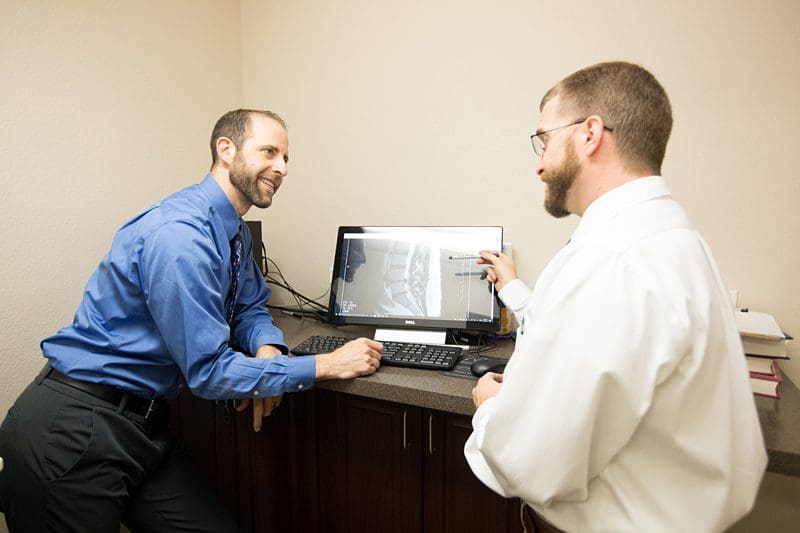
Individuals at work, school, etc, perform all kinds of repetitive physical tasks that put their bodies through a great deal of musculoskeletal stress, what are the effects and benefits of joint manipulation therapy for pain relief?
Joint Manipulation Health Benefits
Joint manipulation is a form of manual therapy that involves applying force to the spinal or peripheral joints to:
Relieve pain symptoms.
Realign the joints to their proper position.
Restore flexibility.
Improve mobility.
Increase range of motion.
Chiropractors, massage, and physical therapists use various manipulation techniques to help move and feel better after an injury or illness that causes loss of functional mobility. Here we explain joint manipulation, its applications, and if the technique is safe for you and your condition.
Joint Popping
The joints in the body are places where two or more bones come together to allow movement.
The cartilage allows the joint surfaces to glide/slide smoothly.
If the cartilage is injured or damaged, pain and limited motion can present.
When a joint doesn’t move properly, the muscles surrounding that joint don’t contract properly.
If a joint is dysfunctional for some time, significant muscle wasting and atrophy can occur around the joint, leading to difficulty with mobility like standing, walking, or reaching. (Hurley MV.1997)
The body is made up of cells that breathe by converting energy and releasing waste materials. One type of waste material from cell respiration is carbon dioxide. The gas is transported through the blood and delivered out of the body while breathing. Small pockets of gas can get trapped in the joints that expand and contract as pressure around the joint changes during movement, known as cavitation. When the gas is released through joint manipulation, there can be a popping or snapping sound as the joint is moved. Once the gas is released, joint pressure is decreased and mobility is increased. (Kawchuk, et al., 2015)
Causes
Non-medical
There are non-medical and medical causes of joint dysfunction and derangement that include:
Overuse and repetitive strain.
Unhealthy sitting and/or standing posture.
Lack of physical activity.
Over-stretching or stretching incorrectly.
In these situations, the joints can be temporarily placed in a dysfunctional/compromised position. When moving to the correct position, a popping sound can present as built-up pressure is released.
Medical
Joint problems can occur from medical conditions that can include:
Herniated cervical or lumbar discs.
Spinal arthritis.
Rheumatoid arthritis.
Osteoarthritis.
Joint contracture after being immobilized for some time.
In these cases, a medical problem can be causing a limitation in the joint’s position and movement. (Gessl, et al., 20220)
Benefits
If a chiropractic practitioner determines there is joint dysfunction then manipulation may be a treatment option. The benefits include:
Pain Relief
When a chiropractor or therapist gets an injured joint moving properly, the receptors in and around the area get reset allowing for pain relief.
Improved Muscle Activation
As a chiropractor manipulates a joint into its correct anatomical position, the surrounding muscles can flex and contract properly.
Improved Range of Motion
The joint is repositioned for proper movement.
This improves the range of motion and relieves tightness and stiffness.
Improved Functional Mobility
Once a joint is manipulated, the improved range of motion and muscle activation around the joint can lead to improved overall functional mobility. (Puentedura, et al., 2012)
Candidates
Joint manipulation is a safe manual therapy technique for certain individuals. (Puentedura, et al., 2016) This includes:
Individuals with acute neck, back, or peripheral joint pain.
Adults aged 25 to 65 with no serious medical conditions.
Athletes who have been injured from their sport.
Individuals who have been immobilized after injury or surgery.
Joint manipulation is not recommended for everyone and can be dangerous or lead to injury in individuals with certain conditions. (Puentedura, et al., 2016) These include individuals with:
Osteoporosis
Weakened bones may fracture if a high-velocity force is applied to a joint via manipulation
Joint fractures
Individuals with a joint fracture, should not have that specific joint manipulated.
Post Spinal Fusion Surgery
Individuals that have had spinal fusion in the neck or lower back should avoid spinal joint manipulations or adjustments for at least one year after the procedure.
The bones need time to heal thoroughly.
Manipulation can cause a failure of the fusion.
Individuals with Arterial Insufficiency In Their Neck
A rare but dangerous side effect of a neck adjustment is the risk of tearing an artery in the neck known as the vertebrobasilar artery. (Moser, et al., 2019)
If there is pain, loss of movement, or decreased mobility after an injury or surgery, a chiropractic adjustment with joint manipulation can be beneficial to help regain movement. Manual techniques can help improve joint mobility, alleviate pain, and increase strength and stability around the joints. Joint manipulation isn’t for everyone and is recommended to consult with a healthcare professional to see if it is safe for your specific condition.
Gessl, I., Popescu, M., Schimpl, V., Supp, G., Deimel, T., Durechova, M., Hucke, M., Loiskandl, M., Studenic, P., Zauner, M., Smolen, J. S., Aletaha, D., & Mandl, P. (2021). Role of joint damage, malalignment, and inflammation in articular tenderness in rheumatoid arthritis, psoriatic arthritis, and osteoarthritis. Annals of the rheumatic diseases, 80(7), 884–890. https://doi.org/10.1136/annrheumdis-2020-218744
Hurley M. V. (1997). The effects of joint damage on muscle function, proprioception, and rehabilitation. Manual therapy, 2(1), 11–17. https://doi.org/10.1054/math.1997.0281
Kawchuk, G. N., Fryer, J., Jaremko, J. L., Zeng, H., Rowe, L., & Thompson, R. (2015). Real-time visualization of joint cavitation. PloS one, 10(4), e0119470. https://doi.org/10.1371/journal.pone.0119470
Moser, N., Mior, S., Noseworthy, M., Côté, P., Wells, G., Behr, M., & Triano, J. (2019). Effect of cervical manipulation on the vertebral artery and cerebral hemodynamics in patients with chronic neck pain: a crossover randomized controlled trial. BMJ open, 9(5), e025219. https://doi.org/10.1136/bmjopen-2018-025219
Puentedura, E. J., Cleland, J. A., Landers, M. R., Mintken, P. E., Louw, A., & Fernández-de-Las-Peñas, C. (2012). Development of a clinical prediction rule to identify patients with neck pain likely to benefit from thrust joint manipulation to the cervical spine. The Journal of orthopedic and sports physical therapy, 42(7), 577–592. https://doi.org/10.2519/jospt.2012.4243
Puentedura, E. J., Slaughter, R., Reilly, S., Ventura, E., & Young, D. (2017). Thrust joint manipulation utilization by U.S. physical therapists. The Journal of manual & manipulative therapy, 25(2), 74–82. https://doi.org/10.1080/10669817.2016.1187902
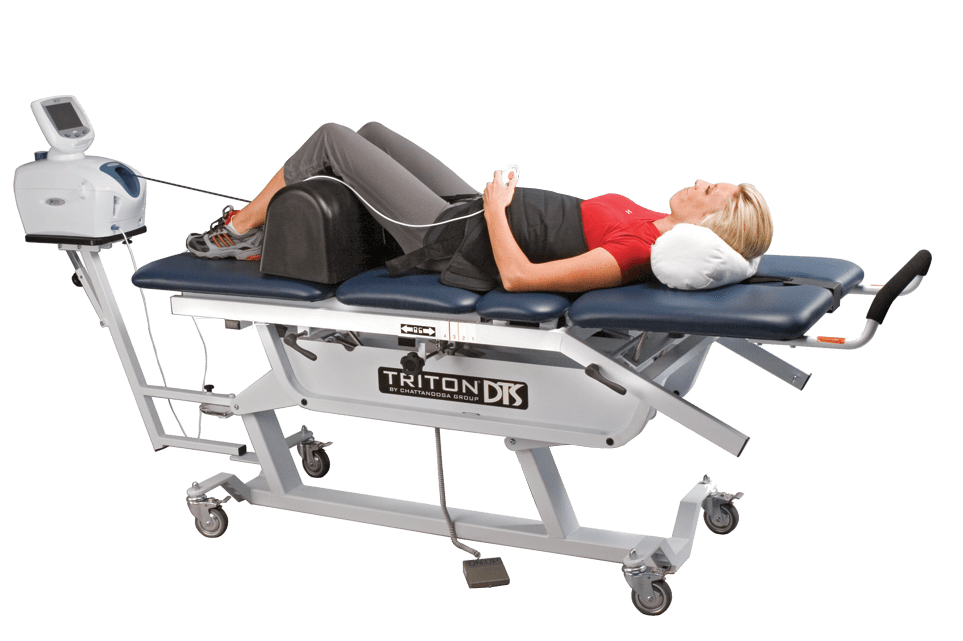
In many inviduals with low back pain, how does spinal decompression and inversion therapy reduce nerve entrapment?
Introduction
Low back pain is a common problem worldwide that can cause individuals to miss out on important aspects of their lives, including work. The severity of the pain can be specific or non-specific, and it can be localized in one area or spread throughout the body, causing referred pain. Many normal and traumatic factors can contribute to low back pain, such as improper lifting, excessive weight gain, stress, excessive sitting, or repetitive motions. These factors can compress the spinal discs and cause the surrounding muscles to become over-stretched and tight, leading to nerve entrapment. However, various treatments are available to reduce low back pain and restore functionality to the body. This article focuses on two therapies, inversion therapy, and spinal decompression, and how they can be used together to reduce the likelihood of low back pain returning. By working with certified medical providers who use our patients’ information to treat individuals suffering from low back pain while combining inversion therapy and spinal decompression as part of their routine. We inform them about non-surgical treatments to regain spinal mobility and restore muscle strength to the back muscles while preventing the effects of low back pain from reoccurring. We encourage our patients to ask essential questions while seeking education from our associated medical providers about their situation. Dr. Alex Jimenez, D.C., provides this information as an educational service. Disclaimer
How Does Inversion Therapy Reduce Back Pain
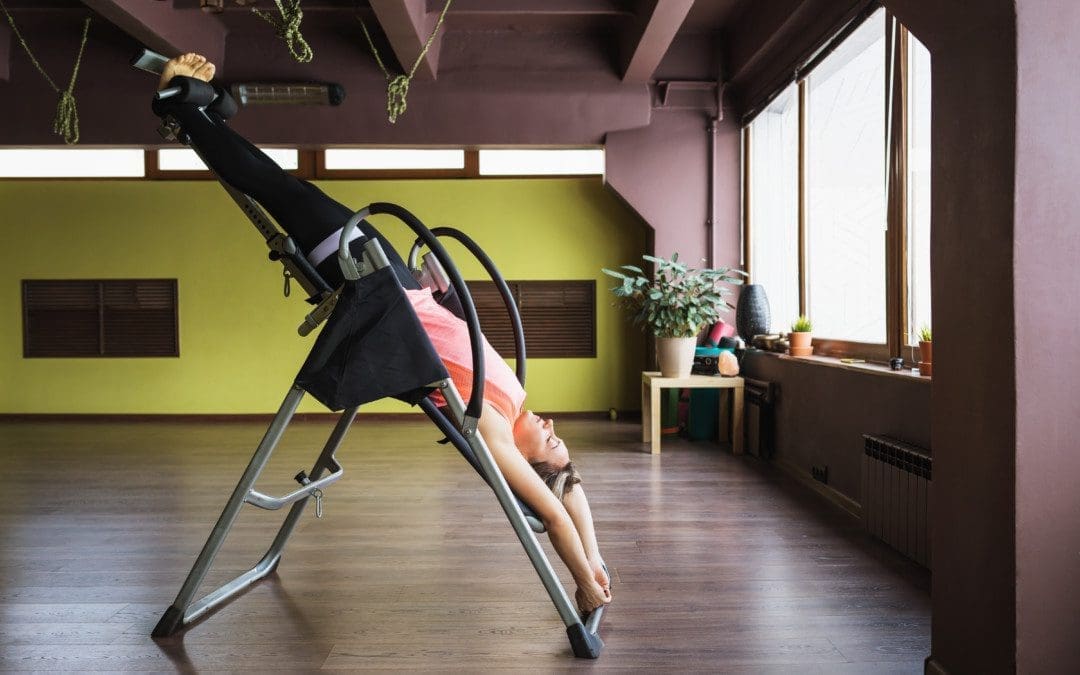
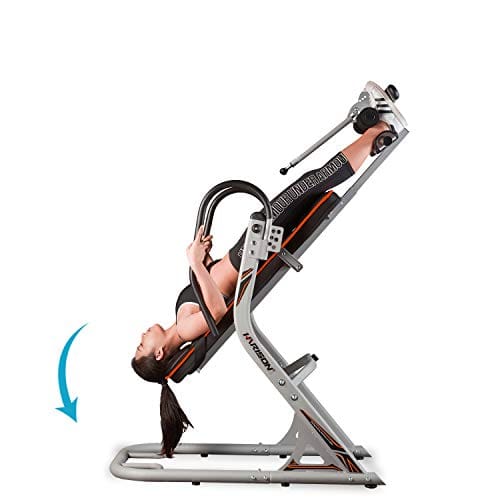
Do you suffer from muscle aches and strains in your lower back due to sitting for extended periods? Do you experience pain after carrying heavy objects or from being physically inactive? If these symptoms are associated with low back pain, seeking treatment is common. Many take over-the-counter medicines, hot/cold packs, or home remedies for temporary relief. Inversion therapy is another treatment option. In “The Ultimate Spinal Decompression” by Dr. Eric Kaplan, D.C., FIAMA, and Dr. Perry Bard, D.C., inversion therapy is mentioned as a method where the individual is suspended upside down in an inversion table for a few minutes to relieve pain-like symptoms. Inversion therapy can reverse the effects of gravity on the back, which can compress the spine and spinal disc over time, leading to back pain. Inversion therapy can relieve acute back pain by decompressing the back.
Using inversion therapy can help alleviate the symptoms of low back pain and reduce the need for surgery among many individuals. This practice, which has been used for thousands of years, involves utilizing gravity to provide traction for those experiencing lumbar disc herniation related to low back pain. By opting for non-surgical treatments, such as inversion therapy, individuals suffering from low back pain caused by various factors, including nerve entrapment, can experience relief. (Mendelow et al., 2021)
Back Pain & Nerve Entrapment Reduced
It is possible to experience low back pain with or without additional symptoms caused by factors affecting the back. This type of pain can result in mobility issues in the spinal region, pain that radiates into the lower extremities, and general discomfort associated with musculoskeletal conditions. (Delitto et al., 2012) Nerve entrapment can be a factor related to low back pain, and it can impact the peripheral pathway because signals from the peripheral system can cause irregular transmissions to the brain. This can lead to inflammatory cytokines releasing in the affected muscle and radiating shooting pain to the legs. As a result, the body can mimic leg pain correlated with low back pain, leading to a misdiagnosis of the issue. (Saal et al., 1988) Fortunately, various non-surgical treatments, such as inversion therapy and spinal decompression, can help reduce low back pain and its associated symptoms.
Enhance Your Lifestyle-Video
If you’re suffering from low back pain, non-surgical treatments can be a cost-effective, gentle, and safe solution. Innovative techniques are used to target the root cause of the pain and alleviate it from the musculoskeletal system. Inversion therapy, spinal decompression, and chiropractic care are some non-surgical treatments that can help relieve low back pain and prevent it from recurring. These therapies involve physical and mechanical manipulation of the spine to correct any subluxations. Misalignment of the body can cause low back pain and negatively impact one’s quality of life. Incorporating non-surgical treatments into your routine can help your body heal naturally and promote a healthy lifestyle. For more information on the benefits of these treatments, check out the video above.
How Spinal Decompression & Inversion Therapy Reduce Back Pain
As one of the forms of non-surgical treatment, spinal decompression is safer and more cost effective than traditional surgical treatments. Non-surgical treatments can be combined with other therapies to help improve and control the movement in the lumbar spine. (Zaina et al., 2016) So when spinal decompression is combined with inversion therapy, it can help decompress the spine, allowing the spinal discs to slip back into their original position and reduce the pressure off the aggravated and irritated nerve root from causing low back pain to occur again. Since inversion therapy is used for acute low back pain, spinal decompression therapy is used for individuals with chronic issues. After a few sessions of these treatments, the body will function normally and allow the back to be mobile again. When people start to think about their health and wellness for back pain issues, they can incorporate non-surgical treatments as part of their routine.
References
Delitto, A., George, S. Z., Van Dillen, L., Whitman, J. M., Sowa, G., Shekelle, P., Denninger, T. R., Godges, J. J., & Orthopaedic Section of the American Physical Therapy, A. (2012). Low back pain. J Orthop Sports Phys Ther, 42(4), A1-57. https://doi.org/10.2519/jospt.2012.42.4.A1
Kaplan, E., & Bard, P. (2023). The Ultimate Spinal Decompression. JETLAUNCH.
Mendelow, A. D., Gregson, B. A., Mitchell, P., Schofield, I., Prasad, M., Wynne-Jones, G., Kamat, A., Patterson, M., Rowell, L., & Hargreaves, G. (2021). Lumbar disc disease: the effect of inversion on clinical symptoms and a comparison of the rate of surgery after inversion therapy with the rate of surgery in neurosurgery controls. Journal of Physical Therapy Science, 33(11), 801-808. https://doi.org/10.1589/jpts.33.801
Saal, J. A., Dillingham, M. F., Gamburd, R. S., & Fanton, G. S. (1988). The pseudoradicular syndrome. Lower extremity peripheral nerve entrapment masquerading as lumbar radiculopathy. Spine (Phila Pa 1976), 13(8), 926-930. https://www.ncbi.nlm.nih.gov/pubmed/2847334
Zaina, F., Tomkins-Lane, C., Carragee, E., & Negrini, S. (2016). Surgical versus non-surgical treatment for lumbar spinal stenosis. Cochrane Database Syst Rev, 2016(1), CD010264. https://doi.org/10.1002/14651858.CD010264.pub2
In many individuals with spinal issues, how does spinal decompression compared with traditional care restore muscle strength?
Introduction
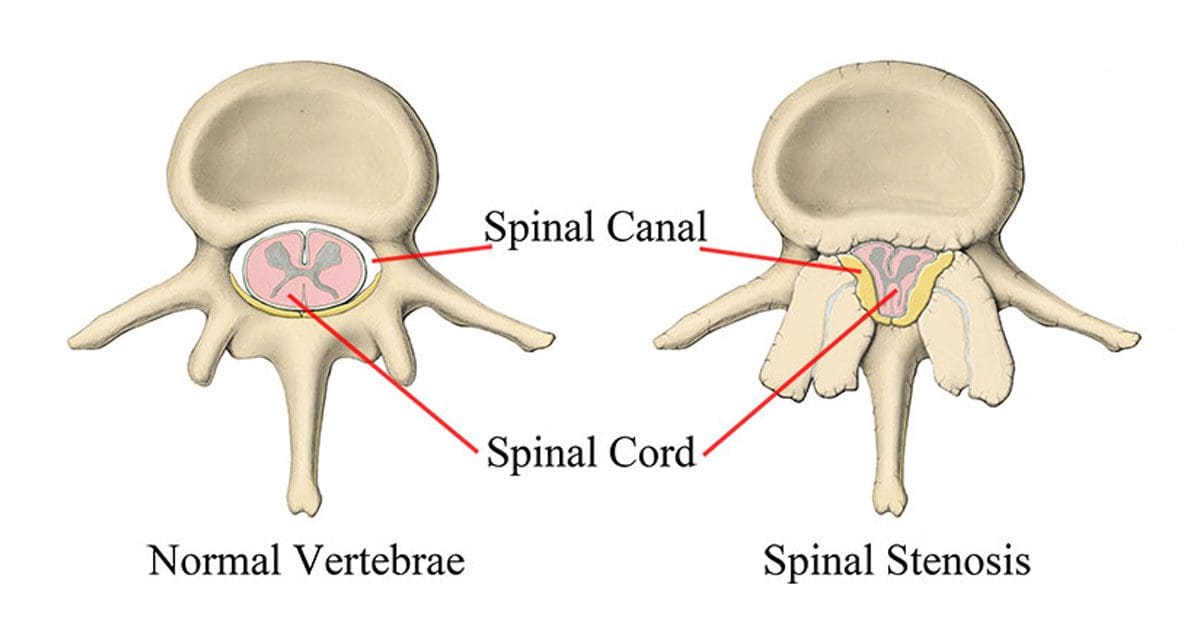
Many people unknowingly put pressure on their spines during daily activities, causing intervertebral disc compression and tightness in surrounding ligaments, muscles, nerve roots, and tissues. Repetitive motions and aging can also lead to intervertebral disc cracking and misalignment, resulting in pain and discomfort in the three common areas: the back, neck, and shoulders. Spinal stenosis is a spinal condition where the spinal cord is compressed and narrow and can cause symptoms of muscle weakness and pain to the upper and lower body extremities if left untreated. This article explores how non-surgical treatments like advanced oscillation and spinal decompression can restore muscle strength and alleviate the effects of spinal stenosis. By working with certified medical providers who use our patients’ information to treat individuals suffering from spinal stenosis. We inform them about non-surgical treatments to regain spinal mobility and restore muscle strength. We encourage our patients to ask essential questions while seeking education from our associated medical providers about their situation. Dr. Alex Jimenez, D.C., provides this information as an educational service. Disclaimer
Spinal Stenosis Causing Muscle Strength Issues
Do you find yourself struggling to hold onto objects while doing activities? Are you experiencing strange sensations like numbness or tingling in your arms or legs? Or you’re dealing with chronic back and neck pain that won’t go away. These issues can all be related to problems with your spine, which can cause your muscles to weaken and lead to conditions like low back pain, sciatica, and spinal stenosis.
Research shows that spinal stenosis is a common condition caused by nerve root impingement or ischemia in the spinal canal. This can lead to pain, weakness, sensory loss in your extremities, and tingling or numbness in your hands or feet. Additionally, studies have found that spinal stenosis in the lumbar spine can increase your risk of developing locomotive syndrome, which can further affect the muscle strength in your arms and legs. {Kasukawa, 2019}
Strong muscles are important for daily movements, such as using your arms, legs, hands, and feet. However, spinal stenosis affects your muscle strength. In that case, it can cause various issues, including numbness or tingling in your upper and lower limbs, severe pain when walking but relief when sitting or resting, decreased grip strength, sciatic pain that mimics and reduced walking distance. While spinal stenosis can be caused by normal or traumatic factors that affect the mobility, flexibility, and stability of the upper and lower muscle quadrants in the body, several available treatments can alleviate the effects of spinal stenosis and help restore muscle strength to the body.
Discovering The Benefits Of Chiropractic Care-Video
Many people experiencing musculoskeletal pain symptoms related to spinal stenosis use over-the-counter medication, hot/cold therapy, and stretching to alleviate the referred pain. Traditional surgery is an effective option to remove the damaged disc that is aggravating the nerve root and relieve the spinal column. However, this surgery is typically only recommended when other treatments have failed and can be expensive. {Herrington, 2023} Nevertheless, numerous cost-effective non-surgical treatments are available to help reduce the pain-like symptoms caused by spinal stenosis and alleviate associated symptoms. Chiropractic care and spinal decompression are non-surgical treatments that use mechanical and manipulated techniques to realign the body and minimize nerve entrapment that causes pain-like symptoms. The video above provides more information about how non-surgical treatments can assist many individuals in maintaining mobility and flexibility by providing a personalized treatment plan to prevent the recurrence of musculoskeletal and spinal conditions.
Advanced Oscillation For Spinal Stenosis
Many people opt for non-surgical treatments such as chiropractic care, massage therapy, spinal decompression, and advanced oscillation to alleviate pain. In “The Ultimate Spinal Decompression,” written by Dr. Eric Kaplan, D.C., FIAMA, and Dr. Perry Bard, D.C., it is noted that advanced oscillation therapy can be tailored to an individual’s needs, helping to minimize pain symptoms caused by spinal stenosis. Advanced oscillation settings can help reduce inflammation and muscle spasms associated with spinal stenosis while promoting the replenishment of nutrients in the spine. In addition, advanced oscillation can help the body restructure and re-tone the targeted spinal structures, loosening them up and reducing nerve entrapment. Advanced oscillation is one of the non-surgical treatments that synergizes well with spinal decompression.
Spinal Decompression To Restore Muscle Strength
Now spinal decompression has a unique ability to reduce the effects of spinal stenosis as it is safe on the spine, cost-effective, and non-invasive. What spinal decompression therapy does to the body is like advanced oscillation. It uses gentle traction to reduce intervertebral disc pressure through negative pressure, allowing oxygen, fluids, and nutrients to the spinal disc and releasing the aggravating nerve root. {Choi, 2015} Spinal decompression can also help restore disc height from the spine, allowing the compressed disc causing spinal stenosis to be put back into its original space. {Kang, 2016} When many individuals start thinking about their health and wellness, non-surgical treatments can give them a positive experience and improve their pain.
References
Choi, J., Lee, S., & Hwangbo, G. (2015). Influences of spinal decompression therapy and general traction therapy on the pain, disability, and straight leg raising of patients with intervertebral disc herniation. Journal of Physical Therapy Science, 27(2), 481–483. https://doi.org/10.1589/jpts.27.481
Herrington, B. J., Fernandes, R. R., Urquhart, J. C., Rasoulinejad, P., Siddiqi, F., & Bailey, C. S. (2023). L3-L4 Hyperlordosis and Decreased Lower Lumbar Lordosis Following Short-Segment L4-L5 Lumbar Fusion Surgery is Associated With L3-L4 Revision Surgery for Adjacent Segment Stenosis. Global Spine Journal, 21925682231191414. https://doi.org/10.1177/21925682231191414
Kang, J.-I., Jeong, D.-K., & Choi, H. (2016). Effect of spinal decompression on the lumbar muscle activity and disk height in patients with herniated intervertebral disk. Journal of Physical Therapy Science, 28(11), 3125–3130. https://doi.org/10.1589/jpts.28.3125
Kaplan, E., & Bard, P. (2023). The Ultimate Spinal Decompression. JETLAUNCH.
Kasukawa, Y., Miyakoshi, N., Hongo, M., Ishikawa, Y., Kudo, D., Kijima, H., Kimura, R., Ono, Y., Takahashi, Y., & Shimada, Y. (2019). Lumbar spinal stenosis associated with progression of locomotive syndrome and lower extremity muscle weakness. Clinical Interventions in Aging, Volume 14, 1399–1405. https://doi.org/10.2147/cia.s201974
Chiropractors are neuromusculoskeletal system specialists that rehabilitate injuries, retrain healthy body posture, massage and relax the muscles to detoxify and rejuvenate tissue health, and realign the spine to restore the nervous system to optimal function. It is a form of complementary medicine that focuses on the relationship between the body’s neuromusculoskeletal structures, addressing injuries, conditions, and ailments that cause the systems to malfunction and restoring them into harmony.
Chiropractors are licensed healthcare professionals who use various forms – hands, special instruments, or combination – of pressure to manipulate the body to relieve pain and discomfort symptoms from various injuries and conditions and improve overall health. Chiropractic is often used in conjunction with traditional medical care to treat health conditions that affect nerves, muscles, and bones. Chiropractic clinics often have a team of specialists that work and counsel patients on:
Developing healthy movement habits.
Diet and nutrition adjustments like an anti-inflammatory diet to reduce inflammation flare-ups.
Exercise and stretches to maintain chiropractic adjustments, retrain and strengthen the body.
Modifications to home, school, and work behaviors to prevent worsening injuries or causing new injuries.
Conditions Treated
Chiropractic therapeutic medicine treats any kind of muscle, bone, or joint pain or dysfunction and conditions affecting the nervous and musculoskeletal systems. The most common reasons for seeing a chiropractor include:
Musculoskeletal pain anywhere in the body – the head and jaws, shoulders, elbows and wrists, hips, pelvis, and the knees and ankles.
Trigger points.
Compressed, injured, and/or damaged nerves.
Neck pain.
Headaches.
Lower back pain.
Herniated discs.
Sciatica.
Joint pain and dysfunction.
Arthritis.
Rehabilitation after vehicle, work, and sports accidents and collisions.
Effective Treatment
Chiropractic therapeutic adjustments are the most common alternative treatment option in the United States and are considered an effective treatment option for all ages, including both children and adults.
It’s important to inform a primary care physician about any pain being experienced, whether recent or chronic that lasts more than three months.
Individuals should receive a screening before chiropractic treatment to ensure that their injury or condition will benefit from chiropractic adjustments.
If chiropractic care is not appropriate for the injury or condition, the chiropractor will refer the individual to another healthcare specialist.
Many individuals feel almost immediate relief from symptoms after a treatment session as well as soreness for 24 hours.
The goal of chiropractic is to restore health over the long term, rather than to relieve symptoms short term.
Benefits
Increased Blood and Nerve Circulation.
Improved Blood Pressure.
Range of Motion Improved.
Improved Balance.
Increased Sleep.
Reduced Headaches.
Increased Energy.
Improved Digestion.
Improved Immune Function.
Enhanced Physical/Athletic Performance.
Allergy Symptoms Reduced.
Improved Asthma Management.
Healthier Pregnancy.
Scapular Winging
References
Hadler, N M. “Chiropractic.” Rheumatic diseases clinics of North America vol. 26,1 (2000): 97-102, ix. doi:10.1016/s0889-857x(05)70123-x
Lefebvre R, Peterson D, Haas M. Evidence-Based Practice and Chiropractic Care. (https://www.ncbi.nlm.nih.gov/pmc/articles/PMC3716373/) J Evid Based Complementary Altern Med. 2012;18(1):75-79. Accessed 4/25/2022.
Margach, Russell W. “Chiropractic Functional Neurology: An Introduction.” Integrative medicine (Encinitas, Calif.) vol. 16,2 (2017): 44-45.
Moore, Craig, et al. “The management of common recurrent headaches by chiropractors: a descriptive analysis of a nationally representative survey.” BMC neurology vol. 18,1 171. 17 Oct. 2018, doi:10.1186/s12883-018-1173-6
Nahin, Richard L et al. “Insurance Coverage for Complementary Health Approaches Among Adult Users: United States, 2002 and 2012.” NCHS data brief ,235 (2016): 1-8.
U.S. Department of Health and Human Services. Chiropractic: In Depth. (https://www.nccih.nih.gov/health/chiropractic-in-depth) Accessed 4/25/2022.
Factors that cause poor, unhealthy posture can be caused by the day-to-day effects of gravity on the body, personal, work, or sports injuries, illness, genetics, or a combination of these factors is also common. This leads to neck and back pain that leads to various musculoskeletal health issues. Achieving consistent healthy posture requires technique and practice. Chiropractic treatment with massage and/or physical therapy can restore muscles to optimal mobility and function.
Factors That Cause Unhealthy Posture
Factors that cause posture problems, like back pain, are often caused by issues with the strength and flexibility ratio between the body’s muscle groups that hold the body upright.
Muscle Guarding
After sustaining an injury, muscles can spasm to protect the injured and the surrounding area.
Muscle spasms can help keep injuries stable and protect them from worsening, but they can also limit movements and cause pain symptoms.
Prolonged muscle spasms can lead to weakened/vulnerable muscles, creating an imbalance between the muscles guarding against the injury and those still working normally.
This can cause the body posture to shift to compensate.
Muscle Tension
Muscle weakness or tension can develop when holding a prolonged position day after day or when doing daily tasks/chores in a way that places added stress on the body.
When certain muscle groups are weak or tense, posture will be affected.
Aches and pains begin to develop from the awkward positioning and the other muscles that must work overtime.
Unhealthy Habits
Compensation is when the body can still achieve its movement goal but with compromised and unhealthy alignment.
As the body compensates and accommodates muscle spasms, weakness, tension, and/or imbalance begin to present.
When this happens, the body may be forced to use alternate and less efficient muscle contraction and flexion patterns.
Technology
Using technology or working with several combined devices can slowly shift the body from correct alignment.
Incessant texting can cause text neck to develop, a condition in which the neck is held in too much flexion, or forward bending, for a prolonged time.
Discomfort, trigger points, and pain symptoms will develop, leading to further posture problems.
Stress and Mental Health
Individuals who experience stress regularly and easily are factors that cause posture problems.
Stress can contribute to shallow breathing or overly-contracted muscles, causing the body to shift out of alignment.
Adjusting posture can help counter the effects of stress.
Shoes
Footwear affects posture.
Heels extend the body’s weight forward, which can cause hip and spinal misalignment.
Individuals can wear down the outside or inside of their shoes faster because of things like:
Imbalanced kinetic forces will be translated up the ankle, knee, hip, and lower back.
This can lead to pain and discomfort in any of these joints.
Genetics
Sometimes, factors that cause unhealthy posture are hereditary.
For example, Scheuermann’s disease – a condition in which adolescent boys develop pronounced kyphosis in their thoracic spines.
It is recommended that the individual work with their primary/specialist healthcare provider in conjunction with a chiropractic specialist team for treatment and management.
Chiropractic treatment can help individuals achieve and maintain proper posture through various massage therapies to release tightness and relax the muscles, decompression to realign the spine, adjustments to realign the body, and postural training through exercises and stretches to develop healthy postural habits.
Quick Patient Intake
References
In, Tae-Sung et al., “Spinal and Pelvic Alignment of Sitting Posture Associated with Smartphone Use in Adolescents with Low Back Pain.” International Journal of Environmental Research and Public Health vol. 18,16 8369. 7 Aug. 2021, doi:10.3390/ijerph18168369
Korakakis, Vasileios, et al. “Physiotherapist perceptions of optimal sitting and standing posture.” Musculoskeletal Science & Practice vol. 39 (2019): 24-31. doi:10.1016/j.msksp.2018.11.004
Mansfield JT, Bennett M. Scheuermann Disease. [Updated 2022 Aug 21]. In: StatPearls [Internet]. Treasure Island (FL): StatPearls Publishing; 2023 Jan-. Available from: https://www.ncbi.nlm.nih.gov/books/NBK499966/
Mingels, Sarah, et al. “Is There Support for the Paradigm ‘Spinal Posture as a Trigger for Episodic Headache’? A Comprehensive Review.” Current pain and headache reports vol. 23,3 17. 4 Mar. 2019, doi:10.1007/s11916-019-0756-2
Mork, Paul Jarle, and Rolf H Westgaard. “Back posture and low back muscle activity in female computer workers: a field study.” Clinical biomechanics (Bristol, Avon) vol. 24,2 (2009): 169-75. doi:10.1016/j.clinbiomech.2008.11.001
Pope, Malcolm H et al. “Spine ergonomics.” Annual review of Biomedical Engineering vol. 4 (2002): 49-68. doi:10.1146/annurev.bioeng.4.092101.122107
Shaghayegh Fard, B et al. “Evaluation of forward head posture in sitting and standing positions.” The European Spine Journal: official publication of the European Spine Society, the European Spinal Deformity Society, and the European Section of the Cervical Spine Research Society vol. 25,11 (2016): 3577-3582. doi:10.1007/s00586-015-4254-x
Tinitali, Sarah, et al. “Sitting Posture During Occupational Driving Causes Low Back Pain; Evidence-Based Position or Dogma? A Systematic Review.” Human Factors vol. 63,1 (2021): 111-123. doi:10.1177/0018720819871730
Wernli, Kevin, et al. “Movement, posture and low back pain. How do they relate? A replicated single-case design in 12 people with persistent, disabling low back pain.” European Journal of Pain (London, England) vol. 24,9 (2020): 1831-1849. doi:10.1002/ejp.1631
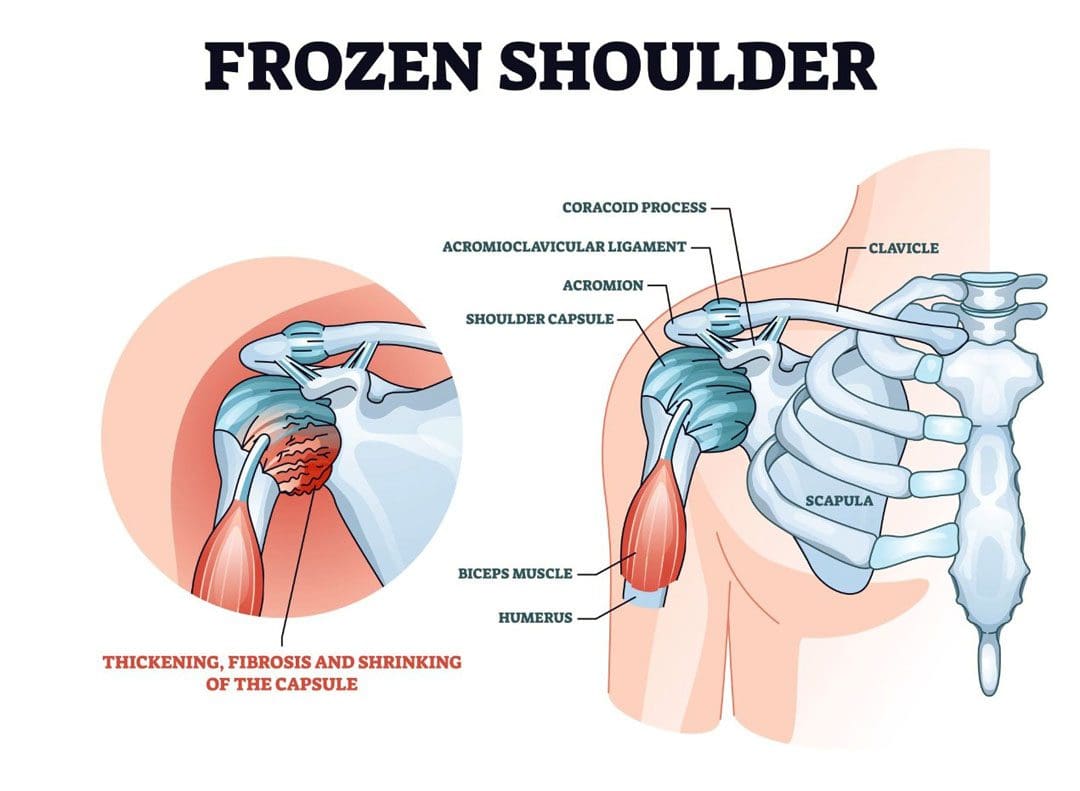
Stiffness and pain developing in the shoulder could be adhesive capsulitis, (frozen shoulder), a condition in the shoulder’s ball-and-socket joint/glenohumeral joint. It usually develops over time and limits the functional use of the arm. The pain and tightness restrict arm movement, and the duration of symptoms can persist for 12-18 months. The cause is often unknown, but it is more common in individuals over 40, individuals with diabetes, thyroid disease, and cardiac conditions have an increased risk of developing the condition, and women tend to develop the condition more than men. Chiropractic treatment can be effective at relieving pain and expediting recovery.
Stiffness and Pain
The shoulder joint allows more movement than any other joint in the body. A frozen shoulder causes the capsule surrounding the shoulder joint to contract and form scar tissue. The capsule contraction and the formation of adhesions cause the shoulder to become stiff, restrict movement, and cause pain and discomfort symptoms.
Stages
The progression is marked by three stages:
Freezing
Stiffness and pain begin to restrict motion.
Frozen
Movement and motion are severely restricted.
Thawing
The shoulder starts to loosen up.
It can take years to fully resolve symptoms.
In mild cases, a frozen shoulder can go away on its own but that does not mean that it is truly healed and correctly aligned.
Even in mild cases seeking treatment is recommended, rather than just waiting for it to go away.
Symptoms
Limited range of motion.
Stiffness and tightness.
Dull or aching pain throughout the shoulder.
Pain can radiate into the upper arm.
Pain can be triggered by the smallest movements.
The symptoms are not always due to weakness or injury, but actual joint stiffness.
Causes
Most frozen shoulders occur with no injury or discernible cause but the condition is often linked to a systemic condition or one that affects the entire body.
Age and Gender
Frozen shoulder most commonly affects individuals between the ages of 40 to 60, and is more common in women than in men.
Endocrine Disorders
Individuals with diabetes have an increased risk of developing a frozen shoulder.
Other endocrine abnormalities like thyroid problems can also lead to the development of this condition.
Shoulder Trauma and/or Surgery
Individuals who sustain a shoulder injury, or undergo surgery on the shoulder can develop a stiff and painful joint.
When injury or surgery is followed by prolonged immobilization/resting the arm, the risk of developing a frozen shoulder increases.
Other Systemic Conditions
Several systemic conditions such as heart disease have also been associated with an increased risk of developing the condition and can include:
High cholesterol
Adrenal disease
Heart and lung disease
Parkinson’s disease
Stiffness and pain can also be associated with damage to the joint from injuries or other shoulder problems that include:
A frozen shoulder associated with any of these causes is considered secondary.
Treatment
A diagnosis is made by observing the range of motion in the shoulder, considering the two types:
Active Range
This is how far an individual can move a body part on their own.
Passive Range
This is how far another person like a therapist or doctor can move the body part.
Therapies
Chiropractic, massage, and physical therapy involve stretches, realignment, and exercises to relieve pain symptoms and restore mobility and function.
Usually, strength is not affected by a frozen shoulder but a chiropractor may want to strengthen the surrounding muscles to better support the shoulder and prevent worsening the injury or causing a new injury.
Anti-inflammatory medications and corticosteroid injections may help manage pain symptoms.
Getting a diagnosis and treatment during the freezing stage can keep the condition from progressing and expedite recovery time.
Enhancing Health: Evaluation and Treatment
References
Brun, Shane. “Idiopathic frozen shoulder.” Australian Journal of general practice vol. 48,11 (2019): 757-761. doi:10.31128/AJGP-07-19-4992
Chan, Hui Bin Yvonne, et al. “Physical therapy in the management of frozen shoulder.” Singapore medical journal vol. 58,12 (2017): 685-689. doi:10.11622/smedj.2017107
Cho, Chul-Hyun, et al. “Treatment Strategy for Frozen Shoulder.” Clinics in orthopedic surgery vol. 11,3 (2019): 249-257. doi:10.4055/cios.2019.11.3.249
Duzgun, Irem, et al. “Which method for frozen shoulder mobilization: manual posterior capsule stretching or scapular mobilization?.” Journal of Musculoskeletal & neuronal interactions vol. 19,3 (2019): 311-316.
Jain, Tarang K, and Neena K Sharma. “The effectiveness of physiotherapeutic interventions in the treatment of frozen shoulder/adhesive capsulitis: a systematic review.” Journal of back and musculoskeletal rehabilitation vol. 27,3 (2014): 247-73. doi:10.3233/BMR-130443
Kim, Min-Su, et al. “Diagnosis and treatment of calcific tendinitis of the shoulder.” Clinics in shoulder and elbow vol. 23,4 210-216. 27 Nov. 2020, doi:10.5397/cise.2020.00318
Millar, Neal L et al. “Frozen shoulder.” Nature reviews. Disease primers vol. 8,1 59. 8 Sep. 2022, doi:10.1038/s41572-022-00386-2
In many individuals with degenerative disc disease, how does spinal decompression compare to spinal surgery improve spine flexibility?
Introduction
The spine is essential to the body’s musculoskeletal system, enabling individuals to perform daily movements while maintaining proper posture. The spinal cord is safeguarded by surrounding ligaments, soft tissues, muscles, and nerve roots. The spinal discs between the spinal column act as shock absorbers to reduce stress from axial overload and promote body mobility and flexibility. The spinal discs can naturally degenerate as a person ages, leading to degenerative disc disease. This condition can result in several spinal issues that can impact the spine’s flexibility. This article explores how degenerative disc disease affects the spine and the treatments available to restore its flexibility. We work with certified medical providers who use our patients’ valuable information to treat individuals suffering from degenerative disc disease affecting their spine’s flexibility. We also inform them about non-surgical treatments to regain spinal mobility and reduce pain-like symptoms. We encourage patients to ask essential questions and seek education from our associated medical providers about their condition. Dr. Jimenez, D.C., provides this information as an educational service. Disclaimer
How Does Degenerative Disc Disease Affect The Spine?
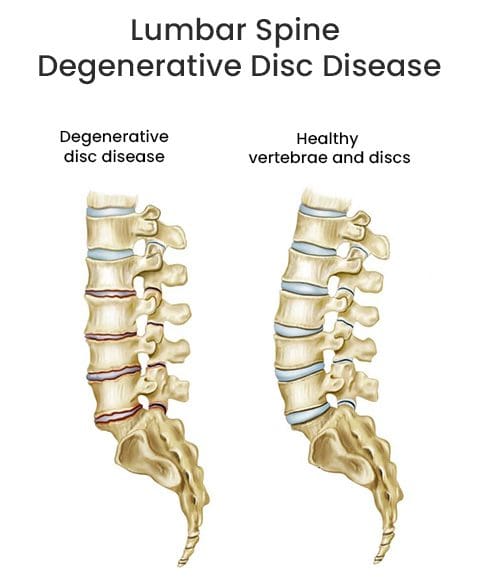
Do you experience neck or lower back pain after a long workday? After physical activity, do you find temporary relief by twisting or turning your torso? Are you experiencing radiating pain in your upper or lower extremities that worsens when standing? These symptoms are common as the body ages over time. Muscles, organs, ligaments, and joints can all be affected, including the spine and intervertebral discs. Research studies reveal that disc degeneration frequently occurs in the spine, leading to changes that can cause misalignment and spinal issues. Degenerative disc disease can disrupt the structure of spinal discs, resulting in pain-like symptoms and accelerating degenerative changes to the spine. Regardless of age, various habits and lifestyle choices can contribute to degeneration. As additional research studies have provided, this condition is characterized by a tension-resisting annulus fibrosus and compression-resisting nucleus pulposus, causing pain and discomfort.
The Symptoms Correlating With Degenerative Disc Disease
Degenerative disc disease is when the spinal disc in the spine experiences wear and tear due to natural aging. The initial indication of this disease is disc cracking caused by repetitive motion trauma. The symptoms associated with this disease are similar but may vary based on the affected spine location. Research shows that degenerative disc disease can cause micro tears in the spinal disc, leading to decreased fluids and water intake, disc space loss, disc bulging, and irritation of the adjacent nerves. This can affect surrounding muscle tissues and disc facet joints, narrowing the spinal canal. Additional studies reveal that people with degenerative disc disease may experience various symptoms that can hinder their ability to function properly. Some common symptoms include:
Pain in the arms, legs, and feet
Sensory abnormalities (loss of sensation in the hands, feet, fingers, and back)
Muscle tenderness and weakness
Instability
Inflammation
Visceral-somatic & somatic-visceral condition
If someone experiences pain-like symptoms in conjunction with degenerative disc disease can negatively impact their quality of life and potentially lead to long-term disability. Fortunately, treatments can slow the degenerative process and alleviate the pain-like symptoms.
Secrets Of Optimal Wellness- Video
When individuals experience pain related to degenerative disc disease, they often seek ways to alleviate it. Some may consider spinal surgery to remove the affected disc and ease the pain caused by the irritated nerve. However, this option is typically only pursued if other treatments have failed and can be expensive. Fortunately, non-surgical treatments are cost-effective and safe, gently addressing the affected area for relief. Non-surgical treatments can be customized to the individual’s specific pain and condition, including spinal decompression, MET therapy, traction therapy, and chiropractic care. These methods work to realign the body and promote natural healing by rehydrating the spine, ultimately restoring flexibility.
Treatments To Improve Spinal Flexibility
Individuals with degenerative disc disease can benefit from non-surgical treatments tailored to their needs. These treatments involve an assessment by a pain specialist, such as a physical therapist, massage therapist, or chiropractor, who will identify the source of the pain and use various techniques to reduce pain, improve flexibility in the spine, and loosen stiff muscles that have been affected by the disease. Additionally, non-surgical treatments can help restore sensory and mobility function to the spine and address factors that may exacerbate the degenerative process.
Spinal Decompression Protocol For Degenerative Disc Disease
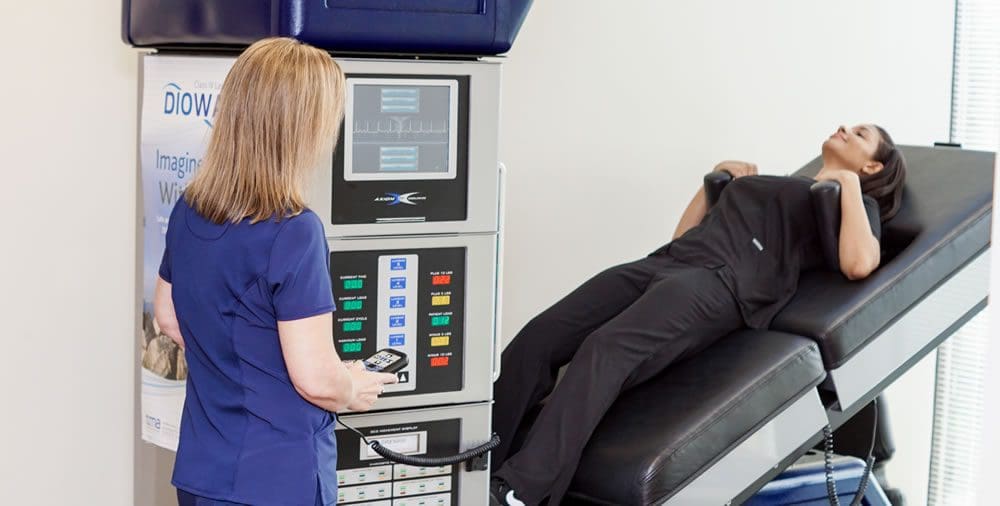
Research studies suggest that spinal decompression can effectively reduce the degenerative process of spinal discs through gentle traction. During a spinal decompression treatment, the individual is strapped into a traction machine. The machine gradually stretches the spine to create negative pressure on the spinal disc, which helps to rehydrate it and increase nutrient intake, thereby jumpstarting the healing process. According to Dr. Eric Kaplan, D.C., FIAMA, and Dr. Perry Bard, D.C., in their book “The Ultimate Spinal Decompression,” individuals with degenerative disc disease may require higher pressure during spinal decompression treatment due to its symptomatic problems. Spinal decompression can help restore disc height and be a viable solution for those looking to improve their health.
IFM's Find A Practitioner tool is the largest referral network in Functional Medicine, created to help patients locate Functional Medicine practitioners anywhere in the world. IFM Certified Practitioners are listed first in the search results, given their extensive education in Functional Medicine