For individuals managing osteoarthritis, could massage therapy provide added treatment benefits?
Osteoarthritis Massage Therapy
Osteoarthritis happens when the cartilage between the joints wears away, causing stiffness and pain. Massage therapy is a treatment used to relieve various types of pain symptoms.
There are many types of massage therapy, that healthcare providers utilize to manipulate the muscles and other soft tissues to relieve symptoms, relax muscles, increase circulation, reduce inflammation, release trigger points, and restore mobility, flexibility, and function. (Ergonomic Trends. 2023)
Professional therapists can help relieve osteoarthritis joint pain by relaxing the surrounding muscles and other soft tissues to release stiffness. (Adam Perlman, et al., 2019)
Massage Objectives and Types
Massage therapists use their hands and fingers, forearms, elbows, and/or instruments to manipulate the body’s soft tissues. Soft tissues support and surround body structures and include muscle, fat, tendons, and ligaments.
The goal of osteoarthritis massage therapy is to relax muscles and soft tissues, increase blood and oxygen circulation, warm the affected area/s, relieve pain, and restore mobility and function.
Depending on the location of the muscles being massaged, individuals may be seated or lie down on a specialized table.
The amount of pressure and direction of movement depend on the body area.
Therapeutic oils and/or massage creams may be used to increase the therapy.
Types include:
Swedish
The therapist uses long strokes, kneading, and friction on the muscles.
Joints are moved to increase flexibility.
Deep Tissue
The therapist uses deep finger or instrument pressure, focusing on muscles that are tight or knotted.
Trigger Point
Trigger points represent a source of radiating pain symptoms.
The therapist focuses pressure on these myofascial tissue points using various strokes to release them.
Shiatsu
The therapist applies rhythmic pressure with their thumbs, fingers, and palms to redirect and increase energy or chi/qi.
A massage session lasts around 30–60 minutes depending on the severity of the condition and the number of sessions the patient has undergone. Chronic pain patients usually go through a series of specialized sessions that focus on specific areas and gradually build.
Risk Factors
Certain precautions must be taken before getting osteoarthritis massage therapy. Although there are a few serious risks, certain individuals are not suitable candidates and should not receive massage therapy. The conditions include: (Medical Massage Therapy Resource & Reference. 2023)
Damaged nerves.
Damaged blood vessels.
Infection and inflammation in the area to be massaged.
Open wounds.
Fever.
Taking a blood thinner.
Deep vein thrombosis – blood clots.
Bleeding disorders.
Osteoporosis – weak and brittle bones.
Recent fractures – broken bones.
Tumors.
Cancer.
Individuals who have recently undergone surgery.
Individuals with a skin condition that is contagious, like warts or herpes, or noncontagious, like psoriasis, could be aggravated by touch or pressure.
Individuals who have cancer, fragile skin, heart problems, or dermatomyositis are recommended to discuss osteoarthritis massage therapy with their healthcare provider.
Research on the effects of massage therapy on various health conditions is ongoing. Massage therapy promotes relaxation while reducing stress, which can help with chronic joint issues like osteoarthritis.
Perlman, A., Fogerite, S. G., Glass, O., Bechard, E., Ali, A., Njike, V. Y., Pieper, C., Dmitrieva, N. O., Luciano, A., Rosenberger, L., Keever, T., Milak, C., Finkelstein, E. A., Mahon, G., Campanile, G., Cotter, A., & Katz, D. L. (2019). Efficacy and Safety of Massage for Osteoarthritis of the Knee: a Randomized Clinical Trial. Journal of general internal medicine, 34(3), 379–386. https://doi.org/10.1007/s11606-018-4763-5
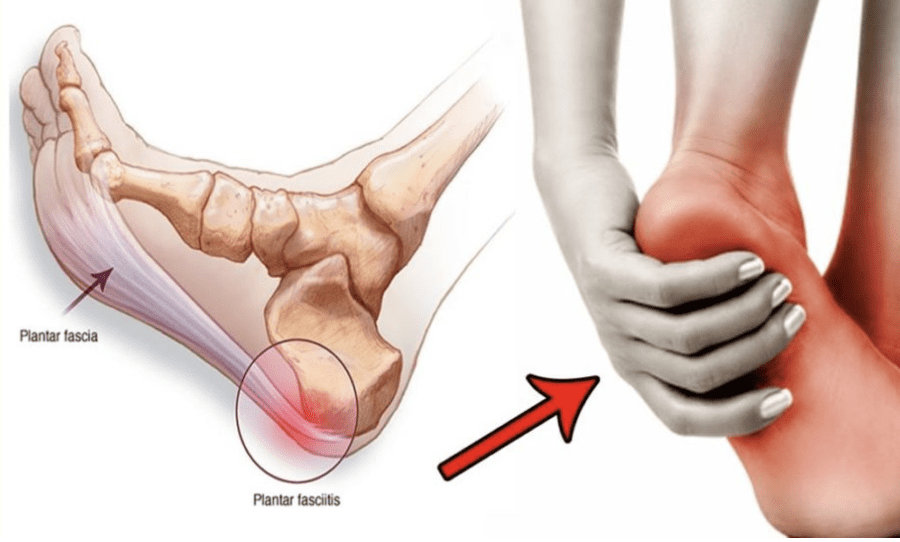
Individuals with plantar fasciitis may experience consistent flare-ups. Can knowing the causes help to find pain relief?
Plantar Fasciitis Flare-Up
Plantar fasciitis is a common cause of heel and foot pain. The plantar fascia is a band of tissue that runs along the bottom of the foot and becomes inflamed. Certain factors can cause plantar fasciitis flare-ups, including:
Increased levels of physical activity.
Not stretching regularly.
Wearing shoes without proper support.
Weight gain.
Causes
A plantar fasciitis flare-up is often triggered by physical activity. (MedlinePlus. U.S. National Library of Medicine. 2022) It can also be brought on by underlying conditions, like increased body weight, arthritis, or the shape of the foot. (Johns Hopkins Medicine. 2023) Despite the root cause, there are activities and experiences that can contribute to and/or worsen the condition.
New Exercise Routine
Being highly physically active can exacerbate plantar fasciitis symptoms.
High heels, boots, or shoes that raise the heel above the toes.
Worn-out shoes like exercise workout shoes.
Not Stretching Properly or At All
Tight calves can increase pressure on the plantar fascia.
Stretching the calves, Achilles tendon/heel, and the bottom of the feet is highly recommended to help treat and prevent the condition. (Johns Hopkins Medicine. 2023)
Not stretching thoroughly or skipping stretches can worsen symptoms.
Individuals with plantar fasciitis are recommended to stretch before and after physical activities, exercise, before going to bed, and after waking up.
Working Through the Pain
Individuals may try to continue physical activities during a flare-up.
This is not recommended as doing so can cause more pain and worsen the condition.
When pain presents, it’s recommended to:
Stop all activities that strain the feet
Stay off the feet for at least a week.
Tearing the Plantar Fascia
The plantar fascia rarely tear completely from repeated stress known as a plantar fascia rupture.
Pascoe, S. C., & Mazzola, T. J. (2016). Acute Medial Plantar Fascia Tear. The Journal of orthopaedic and sports physical therapy, 46(6), 495. https://doi.org/10.2519/jospt.2016.0409
Individuals that sit at a desk/workstation for hours for work or school, or drive for a living, could be fostering a long-term condition known as forward head posture. Can understanding the signs and symptoms help to prevent the condition?
Forward Head Posture
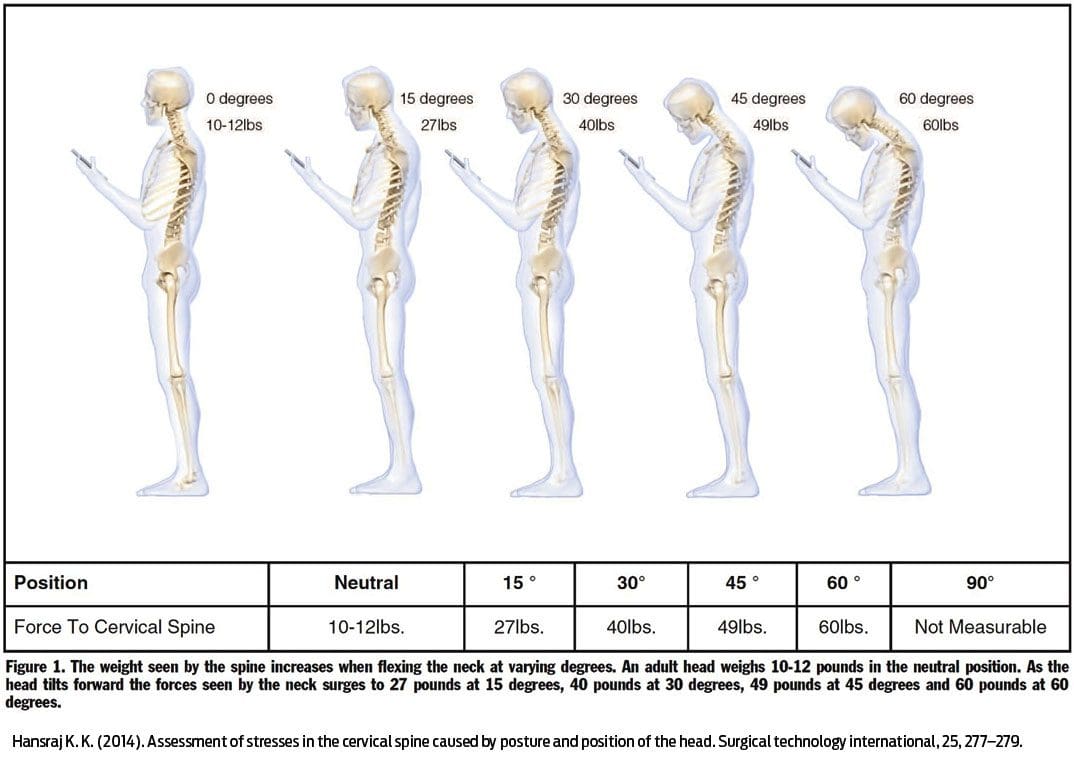
Neck pain often causes or is caused by misalignment in the area between the shoulders and head. Forward head posture is a common problem that can strain the neck muscles, leading to pain and worsening neck, shoulder, and back posture. (Jung-Ho Kang, et al., 2012) For individuals who are at risk of developing or are already showing signs/symptoms, it’s important to get medical attention to prevent complications, such as chronic neck pain or compressing a nerve. Individuals can continue to do the work that they need to do but may need some postural adjustments and re-training so as not to continue straining the neck while working.
Postural Deviation
The head is in a healthy alignment with the neck when the ears line up with the gravity line.
The gravity line is an imaginary straight line that represents gravity’s downward pull.
It is used in posture assessments as a reference for noting the positions of the body and determining the presence of any postural misalignment or deviation.
A forward head posture occurs when the head begins to position forward of the gravity line when looking at the body from the side.
Forward head posture is a postural deviation because the head varies from the reference line. (Jung-Ho Kang, et al., 2012)
Muscle Imbalances
Forward head posture often results in a strength imbalance between muscles that support and move your neck, shoulders, and head. (Dae-Hyun Kim, et al., 2018)
The muscles in the back of the neck become shortened and overactive as they flex forward, while the muscles in the front become lengthened, weaker, and strained when they relax.
Kyphosis
Kyphosis also known as hunchback is when the shoulders round forward, and the head is also brought forward. (Jung-Ho Kang, et al., 2012) After many hours sitting at a desk, computer, or driving, kyphosis can also cause and/or worsen forward head posture.
This occurs because the upper back area supports the neck and head.
When the upper back moves or changes position, the head and neck follow.
The majority of the head’s weight is in the front, and this contributes to the forward movement.
An individual with kyphosis has to lift their head to see.
Treatment
A chiropractic injury specialist team can develop a personalized treatment plan to relieve pain symptoms, provide postural retraining, realign the spine, and restore mobility and function.
Standing and sitting using a healthy posture, along with exercises to strengthen the neck muscles, can help get the spine in alignment. (Elżbieta Szczygieł, et al., 2019)
Targeted stretching can help if the neck muscles are tight.
At-home stretches may also relieve pain
Risk Factors
Pretty much everyone is at risk of developing a forward head posture. Common risk factors include:
Constantly looking down at a phone and staying in this position for a long time aka text neck.
Desk jobs and computer use can significantly round the shoulders and upper back, leading to a forward head posture. (Jung-Ho Kang, et al., 2012)
Driving for a living causes prolonged back, neck, and shoulder positioning.
Sleeping or reading with a large pillow under the head can contribute to forward head posture.
Doing work that requires dexterity and close-up positions, like a seamstress or technician can cause over-positioning of the neck.
Individuals who regularly carry a significant amount of weight in front of their body may begin to develop kyphosis.
An example is carrying a child or another load in front of the body.
Large breasts can also increase the risk of kyphosis and forward head posture.
Neck Injuries
References
Kang, J. H., Park, R. Y., Lee, S. J., Kim, J. Y., Yoon, S. R., & Jung, K. I. (2012). The effect of the forward head posture on postural balance in long time computer based worker. Annals of rehabilitation medicine, 36(1), 98–104. https://doi.org/10.5535/arm.2012.36.1.98
Kim, D. H., Kim, C. J., & Son, S. M. (2018). Neck Pain in Adults with Forward Head Posture: Effects of Craniovertebral Angle and Cervical Range of Motion. Osong public health and research perspectives, 9(6), 309–313. https://doi.org/10.24171/j.phrp.2018.9.6.04
Szczygieł, E., Sieradzki, B., Masłoń, A., Golec, J., Czechowska, D., Węglarz, K., Szczygieł, R., & Golec, E. (2019). Assessing the impact of certain exercises on the spatial head posture. International journal of occupational medicine and environmental health, 32(1), 43–51. https://doi.org/10.13075/ijomeh.1896.01293
Hansraj K. K. (2014). Assessment of stresses in the cervical spine caused by posture and position of the head. Surgical technology international, 25, 277–279.
Individuals dealing with back pain problems could be suffering from a bulging disc. Could knowing the difference between slipped and herniated disc symptoms help with treatments and finding relief?
Bulging Disc Pain
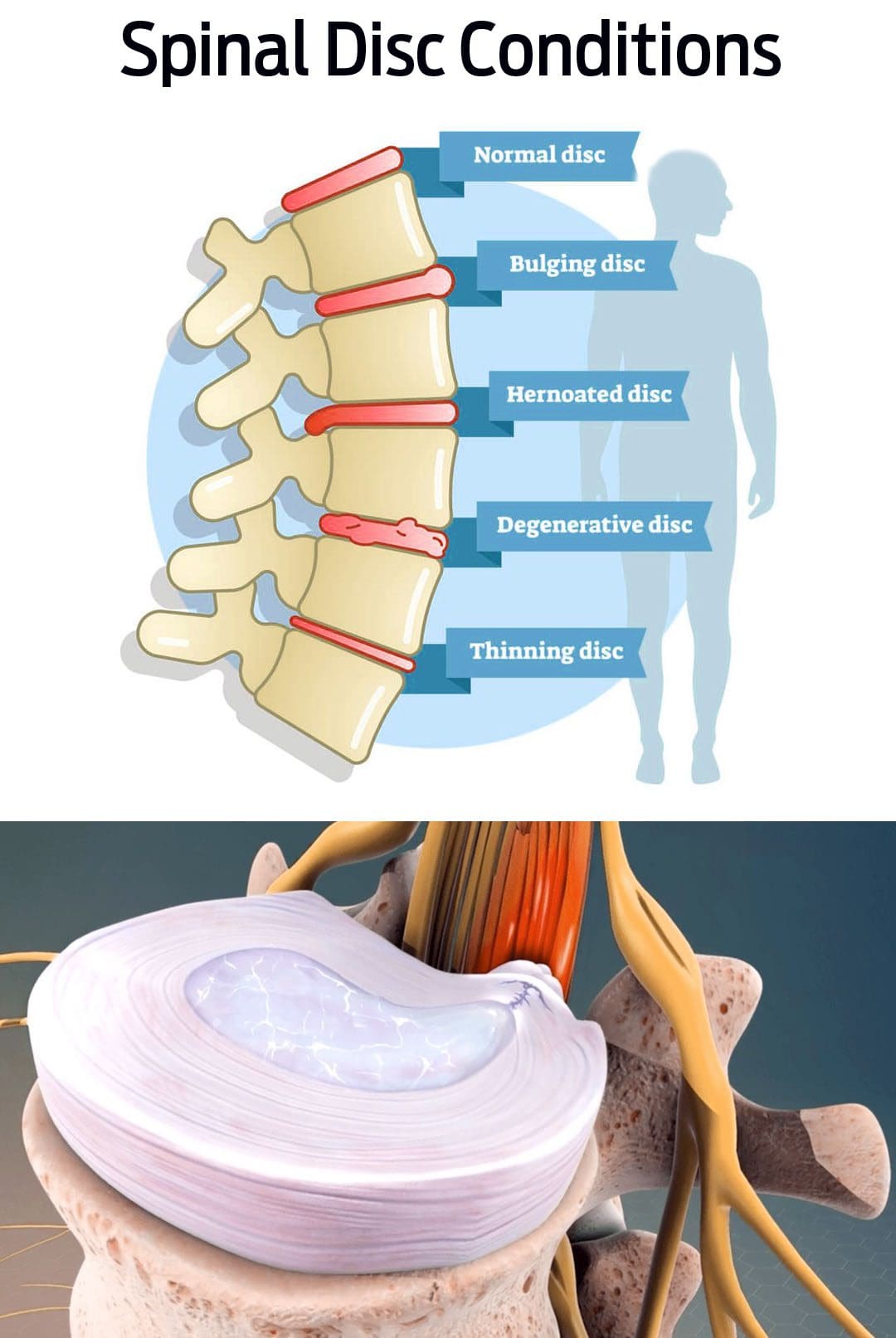
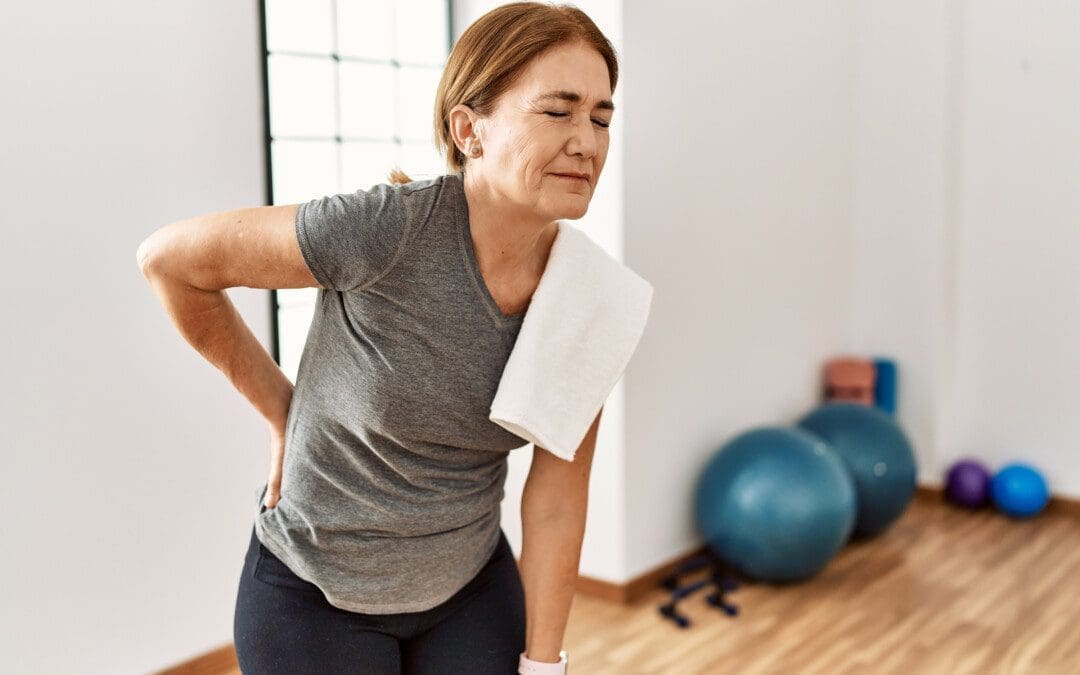
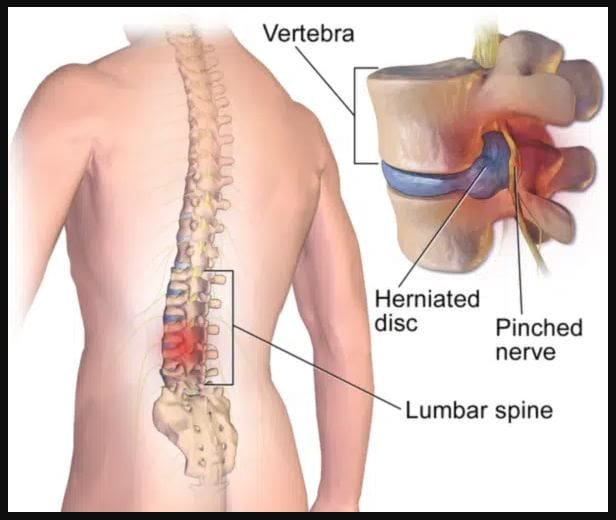
Back pain can become debilitating if not treated properly. A bulging disc is a common cause of cervical, thoracic, and lower back pain symptoms. It happens when one of the fluid-filled cushions between the vertebrae begins to shift out of place. Instead of being aligned with the edges, the disc bulges over. This begins to generate pressure on the nerves causing pain and inflammation.
Bulging discs are often caused by age, but repetitive movements and/or lifting heavy objects can contribute to the condition.
Symptoms can resolve on their own, but individuals are recommended to consult with a physical therapist and/or chiropractor to make sure the disc healed properly, otherwise, it can lead to worsening and/or further injuries.
Bulging Disc vs. Herniated Disc
Bulging and herniated discs cause pain symptoms.
They both can be linked to injuries and degenerative disc disease but are not the same condition. (Penn Medicine. 2018)
This is because the lower back is subject to all kinds of pressure and movement with daily activities, increasing the chances of pain and injuries.
The next most common place is the neck/cervical spine where there are constant movements making it prone to injury and pain symptoms.
Causes
Bulging discs are most often caused by body aging and normal wear and tear. As time goes on the intervertebral discs naturally degenerate, known as degenerative disc disease. This can cause the discs to pull downward, causing them to bulge from their placement. (Penn Medicine. 2018) Factors that can cause or worsen the condition include:
Practicing unhealthy postures.
Repetitive motions.
Lifting heavy objects
Spinal injuries.
Medical history of spinal or disc disease in the family.
Individuals with back pain that interferes with daily functions or has lasted longer than six weeks, should see a healthcare provider for a diagnosis. They will order a magnetic resonance imaging scan/MRI, which can show where a disc is protruding. (American Academy of Neurological Surgeons. 2023)
Rest
For bulging disc pain, resting the back is necessary. However,
Can individuals with low back pain find relief with spinal decompression combined with chiropractic care to reduce muscle pain?
Introduction
Everyone worldwide has dealt with low back pain, a multifactorial common problem that can mask other musculoskeletal disorders. Low back pain can develop naturally through spinal degeneration, normal environmental factors people put their bodies through, or traumatic factors that can gradually affect the lumbar region over time. The lower back is part of the lumbar spine region as it takes most of the upper body’s weight and stabilizes the lower body when in motion. The lumbar region is thick to support the upper body’s weight and is protected by the surrounding ligaments, muscles, and tissues; however, it is the most susceptible to injury. Many people don’t realize they are experiencing low back pain until an accident or repetitive motions begin to affect the surrounding ligaments or the lumbar intervertebral discs are severely compressed. To that point, many individual are experiencing radiating pain in their lower extremities. However, all is not lost, as there are numerous ways to alleviate low back pain and provide relief to many individuals. Today’s article focuses on the factors that lead to the development of low back pain and how treatments like chiropractic care and spinal decompression can help reduce low back pain and its symptoms. We speak with certified medical providers who incorporate our patients’ information to provide numerous treatment plans to ease low back pain and its associated symptoms. We also inform our patients that there are non-surgical options like chiropractic care and spinal decompression to minimize the radiating pain associated with low back pain. We encourage our patients to ask intricated and educational questions to our associated medical providers about the pain-like symptoms they are experiencing correlating with the lower back. Dr. Alex Jimenez, D.C., utilizes this information as an academic service. Disclaimer
Factors That Lead To The Development Of Low Back Pain
Do you feel muscle aches and pains in your lower back when stretching? Does the pain cause issues in your mobility when going to run errands? Or do you feel sudden or gradual pain after a long workday of carrying heavy objects or excessively sitting at your desk? When many individuals are experiencing pain in these various scenarios, it can lead to the development of a lower back that correlates with these environmental factors. Low back pain is a common nuisance that many working and non-working individuals experience occasionally. When various risk factors are associated with low back pain, it can cause many individuals to deal with the physical and psychological demands that cause them to do multiple things like heavy lifting, awkward positions, and excessive bending, which can develop pain-like symptoms in the lumbar region. (To et al., 2021) At the same time, compared with other health conditions, low back pain is the highest global burden, causing many individuals to miss out on important events like work and daily activities. (Petrozzi et al., 2020) This causes them to live a life of disability and causes them to feel miserable. Low back pain can affect a person’s socioeconomic demographic and the functionality that they seek the treatment they deserve.
Many individuals who experience low back pain will often lead a life of disability and socioeconomic burden correlated with these factors. (Wong et al., 2022) Many people often think that low back pain only happens to older adults, but low back pain can happen to anybody at any age. Many factors that correlate to the development of low back pain include:
Improper heavy lifting
Walking incorrectly
Being in a slouched or hunched position
An auto accident
Obesity
Gastrointestinal issues
Referred musculoskeletal disorders
Physical inactivity
Many of these environmental factors are associated with low back pain that many people are unaware of when doing their routine. This is due to the surrounding tissues, ligaments, and muscles being overused and affected and the intervertebral disc being constantly compressed from repetitive motions. When this happens, many individuals will often seek treatment to reduce the painful effects of low back pain.
How Chiropractic Care Can Transform Pain Into Relief- Video
When it comes to reducing low back pain, many individuals will try home remedies to mitigate muscle pain and reduce inflammation associated with low back pain. This provides temporary relief to acute low back pain, but many will seek non-surgical treatment when it comes to chronic low back pain. Non-surgical treatments can help reduce low back pain and its associated symptoms through mechanical and manual techniques. Non-surgical treatments, which include chiropractic care and spinal decompression, could help alleviate low back pain. Since low back pain is associated with altered motor control within the lumbar region, it can hinder lumbar stability, cause impaired detection of passive motion, and affect postural stability. (Fagundes Loss et al., 2020) With non-surgical treatments, many pain specialists can incorporate vertebral mobilizations and manipulation procedures to improve spinal mobility and reduce pain in the lumbar region. The video above explains how chiropractic care and spinal decompression can alleviate lower back pain and help restore functionality in the body.
Chiropractic Care & Low Back Pain
When it comes to reducing low back pain associated with environmental factors, many pain specialists can look at the physical distress cognitive, and functional patterns that are correlated with faulty lumbar movement. (Khodadad et al., 2020) This allows the pain specialist to create a personalized treatment plan for low back pain. Non-surgical treatments like chiropractic care are excellent for reducing low back pain. Chiropractic care incorporates spinal manipulation techniques to realign the spine and help stretch the affected surrounding muscles. Many individuals who include chiropractic care in their routine find significant pain reduction and reduced disability after a few consecutive treatments. (Gevers-Montoro et al., 2021) Chiropractic care can be combined with physical and massage therapy to stretch and strengthen the affected muscles. This, in turn, helps the individual regain spinal mobility and reduce pain.
Spinal Decompression & Low Back Pain
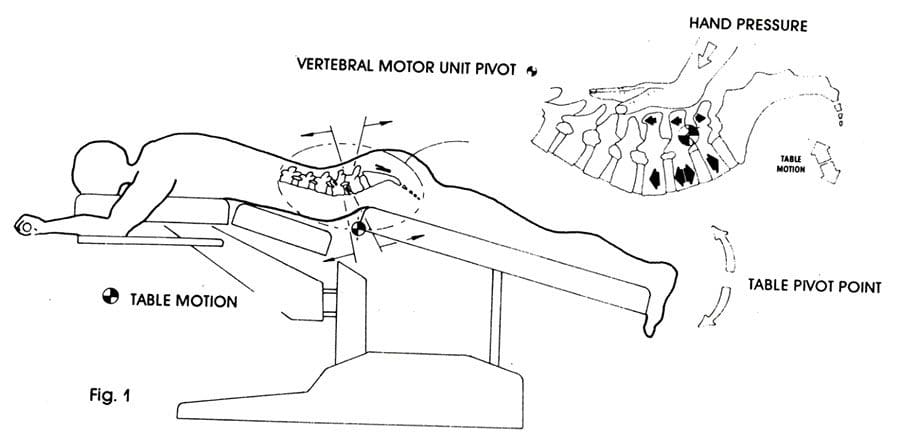
Spinal decompression is another non-surgical treatment that can help alleviate low back pain, like chiropractic care. Spinal decompression utilizes gentle traction on the lumbar spine to be gently pulled to relieve the affected muscles causing lower back pain. Spinal decompression can also ease leg pain associated with low back pain and reduce referred pain affecting the lower extremities. (Wang et al., 2022) Spinal decompression can also improve spinal disc height and help improve muscle strength and trunk endurance. (Kang et al., 2016) The combination of spinal decompression and chiropractic care to reduce lower back pain is effective as these two forms of non-surgical treatments can effectively reduce many people’s musculoskeletal pain and make them aware of the environmental factors that are the root causes of their lower back pain and prevent it from returning.
References
Fagundes Loss, J., de Souza da Silva, L., Ferreira Miranda, I., Groisman, S., Santiago Wagner Neto, E., Souza, C., & Tarrago Candotti, C. (2020). Immediate effects of a lumbar spine manipulation on pain sensitivity and postural control in individuals with nonspecific low back pain: a randomized controlled trial. Chiropr Man Therap, 28(1), 25. https://doi.org/10.1186/s12998-020-00316-7
Gevers-Montoro, C., Provencher, B., Descarreaux, M., Ortega de Mues, A., & Piche, M. (2021). Clinical Effectiveness and Efficacy of Chiropractic Spinal Manipulation for Spine Pain. Front Pain Res (Lausanne), 2, 765921. https://doi.org/10.3389/fpain.2021.765921
Kang, J.-I., Jeong, D.-K., & Choi, H. (2016). Effect of spinal decompression on the lumbar muscle activity and disk height in patients with herniated intervertebral disk. Journal of Physical Therapy Science, 28(11), 3125-3130. https://doi.org/10.1589/jpts.28.3125
Khodadad, B., Letafatkar, A., Hadadnezhad, M., & Shojaedin, S. (2020). Comparing the Effectiveness of Cognitive Functional Treatment and Lumbar Stabilization Treatment on Pain and Movement Control in Patients With Low Back Pain. Sports Health, 12(3), 289-295. https://doi.org/10.1177/1941738119886854
Petrozzi, M. J., Rubinstein, S. M., Ferreira, P. H., Leaver, A., & Mackey, M. G. (2020). Predictors of low back disability in chiropractic and physical therapy settings. Chiropr Man Therap, 28(1), 41. https://doi.org/10.1186/s12998-020-00328-3
To, D., Rezai, M., Murnaghan, K., & Cancelliere, C. (2021). Risk factors for low back pain in active military personnel: a systematic review. Chiropr Man Therap, 29(1), 52. https://doi.org/10.1186/s12998-021-00409-x
Wang, W., Long, F., Wu, X., Li, S., & Lin, J. (2022). Clinical Efficacy of Mechanical Traction as Physical Therapy for Lumbar Disc Herniation: A Meta-Analysis. Comput Math Methods Med, 2022, 5670303. https://doi.org/10.1155/2022/5670303
Wong, C. K., Mak, R. Y., Kwok, T. S., Tsang, J. S., Leung, M. Y., Funabashi, M., Macedo, L. G., Dennett, L., & Wong, A. Y. (2022). Prevalence, Incidence, and Factors Associated With Non-Specific Chronic Low Back Pain in Community-Dwelling Older Adults Aged 60 Years and Older: A Systematic Review and Meta-Analysis. J Pain, 23(4), 509-534. https://doi.org/10.1016/j.jpain.2021.07.012
In individuals with lumbar back pain, can pain specialists utilize distraction techniques to reduce muscle spasms?
Introduction
Many individuals dealing with specific or nonspecific back pain can agree that it can dampen their moods as they try to find the relief they seek to get back to their routine. More often than not, back pain is a common multifactorial musculoskeletal disorder that can affect the entire body, and it all starts with how people do simple movements incorrectly, causing compression to the spine. Since the spine is the main backbone of the body, it is responsible for training, stability, and flexibility. The surrounding muscles that encompass the spine act like a barrier to protect the skeletal joints and the spinal cord from injuries that are either traumatic or normal wear and tear. Lumbar back pain is also an economic burden that can cause unnecessary stress to the body, which leads to muscle spasms and causes even more stress to the individual. With lumbar back pain being a common nuisance to everyone worldwide, many will opt for treatment to reduce the pain and continue their daily activities. In today’s article, we will explore the issues of lumbar back pain and how treatments with distraction techniques alleviate the effects of lumbar back pain and reduce muscle spasms. We speak with certified medical providers who incorporate our patients’ information to provide numerous treatment plans to mitigate lumbar back pain associated with environmental factors. We also inform our patients that there are non-surgical options to reduce the pain-like symptoms related to lumbar back pain and reduce the effects of muscle spasms. We encourage our patients to ask astounding educational questions to our associated medical providers about the pain-like symptoms they are experiencing correlating with the lumbar spine. Dr. Alex Jimenez, D.C., utilizes this information as an academic service. Disclaimer
The Issues Of Lumbar Back Pain
Do you often feel pain radiating from your lower back to your legs after work? Did you lift something heavy that caused your back muscles to strain and be in pain? Or do you and your loved ones feel muscle spasms in your lower back after stretching in the morning? When many individuals are dealing with these musculoskeletal issues, it often correlates with lumbar back pain. As stated earlier, the spine is the body’s backbone, and its main job is to support the body’s weight, provide stability to the upper and lower quadrants, and allow the host to move without pain or discomfort. When normal or traumatic factors start to affect many individuals over time, it can lead to the development of lumbar back pain, and it can become an issue for many young and older adults. Since lumbar back pain can be mechanical or nonspecific, it can arise intrinsically from the spine and the spinal components through repetitive muscle trauma that can be overused while being one of the common causes many people experience pain in their lumbar spine. (Will et al., 2018) When many individuals are dealing with lumbar back pain, it can become a reoccurring issue, and many go to medical clinics to get treatment for their lumbar back pain.
Another issue that lumbar back pain causes is affecting the spinal structure and the surrounding muscles, tissues, and ligaments that protect the spine. Since the body is remarkable for sensing when pain affects the spine, the vital structures are affected and start to respond by adopting other measures to maintain the spine’s stability. (Hauser et al., 2022) This means that when the body starts to develop muscle spasms in the spine, the stretched ligaments react rapidly to prevent the spine from destabilizing. This leads to individuals feeling aches and pain in their lower back, which then causes them to miss out on their activities.
The Road To Recovery: Chiropractic Care- Video
When it comes to lumbar back pain, many everyday factors can contribute to its development and cause issues for many individuals. Many individuals with lumbar back pain often experience referred pain in their lower extremity regions as the lumbar portions of the spine have compressed spinal discs, which can also correlate with nerve entrapment. To this point, many will seek out various treatments to reduce low back pain and its associated symptoms. When patients have prolonged symptoms correlating with lumbar pain, conservative management that is either non-surgical or surgical can help treat the pain-like symptoms related to lumbar back pain. (Mohd Isa et al., 2022) Lumbar back pain treatments can be customizable and cost-effective to the person’s pain severity. Non-surgical treatments can help lumbar back pain issues and reduce referred pain symptoms from different body locations in the upper or lower body quadrants. When people go to get their lumbar back pain treated, pain specialists like chiropractors, massage therapists, and physical therapists utilize various techniques and treatments to reduce pain affecting the surrounding ligaments, tissues, and muscles through stretches and traction. The video above explains how these treatments can help reduce pain caused by environmental factors and also help speed up recovery.
Distraction Techniques To Reduce Lumbar Back Pain
When many individuals get treated for lumbar back pain, many opt for non-surgical treatments due to being more affordable than surgical treatments. Pain specialists like chiropractors or massage therapists use distraction techniques to reduce the pain. These pain specialists also incorporate manual and mechanical therapy to be body-oriented to mobilize, manipulate, and stretch out the soft tissues and strengthen them. (Kuligowski et al., 2021) This, in turn, can help reduce lumbar back pain while allowing the individual to be more mindful about their actions to reduce the chances of back pain from returning. At the same time, the effectiveness of treating lumbar back pain through traction can effectively reduce nerve root compression and unresponsive movement symptoms. (Vanti et al., 2021) Traction therapy is a non-surgical treatment that gently stretches the spine to alleviate pain and help kick-start the natural healing process.
Distraction Techniques Reducing Muscle Spasms
Pain specialists incorporate distraction techniques to reduce lumbar back pain and muscle spasms in the lumbar region. As stated earlier, distraction techniques associated with non-surgical treatments can be an excellent way to minimize lumbar back pain. Distraction manipulation can help elevate the affected intervertebral disc by reducing the pressure off the disc and increasing its height in the spine. (Choi et al., 2015) Many individuals feel better when they incorporate distraction therapy to reduce lumbar pain. At the same time, distraction therapy can also be incorporated into a personalized plan to reduce muscle spasms and strengthen weak muscles that surround the lumbar region. The effects of lumbar traction combined with distraction therapy can improve pain and reduce functional disability within the lumbar spine. (Masood et al., 2022) When many people start to think more about their health and wellness, they can make small changes in their routine to prevent low back pain from progressing into something chronic and strengthen their weak muscles to control the pain-like symptoms from returning.
References
Choi, J., Lee, S., & Jeon, C. (2015). Effects of flexion-distraction manipulation therapy on pain and disability in patients with lumbar spinal stenosis. Journal of Physical Therapy Science, 27(6), 1937-1939. https://doi.org/10.1589/jpts.27.1937
Hauser, R. A., Matias, D., Woznica, D., Rawlings, B., & Woldin, B. A. (2022). Lumbar instability as an etiology of low back pain and its treatment by prolotherapy: A review. J Back Musculoskelet Rehabil, 35(4), 701-712. https://doi.org/10.3233/BMR-210097
Kuligowski, T., Skrzek, A., & Cieslik, B. (2021). Manual Therapy in Cervical and Lumbar Radiculopathy: A Systematic Review of the Literature. Int J Environ Res Public Health, 18(11). https://doi.org/10.3390/ijerph18116176
Masood, Z., Khan, A. A., Ayyub, A., & Shakeel, R. (2022). Effect of lumbar traction on discogenic low back pain using variable forces. J Pak Med Assoc, 72(3), 483-486. https://doi.org/10.47391/JPMA.453
Mohd Isa, I. L., Teoh, S. L., Mohd Nor, N. H., & Mokhtar, S. A. (2022). Discogenic Low Back Pain: Anatomy, Pathophysiology and Treatments of Intervertebral Disc Degeneration. Int J Mol Sci, 24(1). https://doi.org/10.3390/ijms24010208
Vanti, C., Turone, L., Panizzolo, A., Guccione, A. A., Bertozzi, L., & Pillastrini, P. (2021). Vertical traction for lumbar radiculopathy: a systematic review. Arch Physiother, 11(1), 7. https://doi.org/10.1186/s40945-021-00102-5
How can spinal decompression reduce pain while restoring spinal flexibility in many individuals with lumbar degenerative disorders?
Introduction
As we naturally age, so do our spines and spinal discs, as the natural fluids and nutrients stop hydrating the discs and cause them to degenerate. When disc degeneration starts to affect the spine, it can cause pain-like symptoms in the lumbar regions, which then develop into lower back pain or other musculoskeletal disorders that affect the lower extremities. When disc degeneration starts to affect the lumbar region, many individuals will notice that they are not as flexible as when they were younger. The physical signs of straining their muscles from improper lifting, falling, or carrying heavy objects can cause muscle strain and pain. When this happens, many individuals will treat the pain with home remedies, which can provide temporary relief but can aggravate it more when people make repetitive motions to their lumbar spine, which can result in injuries. Fortunately, non-surgical treatments that can help slow down the process of disc degeneration while rehydrating the spinal disc. Today’s article looks at why disc degeneration affects lumbar flexibility and how treatments like spinal decompression reduce disc degeneration while restoring lumbar flexibility. Coincidentally, we communicate with certified medical providers who incorporate our patients’ information to provide various treatment plans to reduce the disc degeneration process and provide pain relief. We also inform them that there are non-surgical options to reduce the pain-like symptoms associated with disc degeneration and help restore lumbar flexibility. We encourage our patients to ask amazing educational questions to our associated medical providers about their symptoms correlating with body pain in a safe and positive environment. Dr. Alex Jimenez, D.C., incorporates this information as an academic service. Disclaimer
How Does DDD Affect Lumbar Flexibility?
Have you been experiencing stiffness in your back when you wake up in the morning? Do you feel muscle aches and pains when bending down and picking up heavy objects? Or do you feel radiating pain in your legs and back? When many individuals are in excruciating pain, many don’t often realize that their lower back pain could also be associated with their spinal disc degenerating. Since the spinal disc and the body can degenerate naturally, it can lead to the development of musculoskeletal disorders. DDD, or degenerative disc disease, is a common disabling condition that can greatly impact the musculoskeletal system and is the main cause of individuals missing out on their daily activities. (Cao et al., 2022) When normal or traumatic factors begin to cause repetitive motions to the spine, it can cause the spinal disc to be compressed and, over time, degenerate. This, in turn, causes the spine to be less flexible and becomes a socio-economic challenge.
When disc degeneration starts to cause spinal inflexibility, it can lead to the development of low back pain. Since low back pain is a common health concern, it can affect many individuals worldwide, as disc degeneration is a common factor. (Samanta et al., 2023) Since disc degeneration is a multi-factorial disorder, the musculoskeletal and organ systems are also affected as it can cause referred pain to different body locations. Luckily, many individuals can find the treatment they are looking for, as many seek relief from the many pain issues that disc degeneration has caused.
Lumbar Spine Injuries In Athletes- Video
Since disc degeneration is a multi-factorial cause of disability, it can become a primary source of back pain. When normal factors contribute to back pain, it likely correlates with disc degeneration and can cause cellular, structural, compositional, and mechanical changes throughout the spine. (Ashinsky et al., 2021) However, many individuals seeking treatment can look into non-surgical therapies as they are cost-effective and safe on the spine. Non-surgical treatments are safe and gentle on the spine as they can be customizable to the person’s pain and combined with other treatment forms. One of the non-surgical treatments is spinal decompression, which uses gentle traction on the spine to rehydrate the spinal disc from degeneration and help kick-start the body’s natural healing process. The video above shows how disc degeneration is correlated with disc herniation and how these treatments can reduce its pain-like effects on the spine.
Spinal Decompression Reducing DDD
When many individuals are going in for treatment for disc degeneration, many will often try spinal decompression as it is affordable. Many healthcare professionals will assess the individual by creating a personalized plan before entering the traction machine. Many individuals will get a CT scan to assess the changes caused by DDD. (Dullerud & Nakstad, 1994) This determines how severe the disc space is. The traction machine for spinal decompression determines the optimal treatment duration, frequency, and mode of administrating traction to the spine to reduce DDD. (Pellecchia, 1994) Additionally, the efficiency of traction from spinal decompression can help many people with low back and provide relief. (Beurskens et al., 1995)
References
Ashinsky, B., Smith, H. E., Mauck, R. L., & Gullbrand, S. E. (2021). Intervertebral disc degeneration and regeneration: a motion segment perspective. Eur Cell Mater, 41, 370-380. https://doi.org/10.22203/eCM.v041a24
Beurskens, A. J., de Vet, H. C., Koke, A. J., Lindeman, E., Regtop, W., van der Heijden, G. J., & Knipschild, P. G. (1995). Efficacy of traction for non-specific low back pain: a randomised clinical trial. Lancet, 346(8990), 1596-1600. https://doi.org/10.1016/s0140-6736(95)91930-9
Cao, G., Yang, S., Cao, J., Tan, Z., Wu, L., Dong, F., Ding, W., & Zhang, F. (2022). The Role of Oxidative Stress in Intervertebral Disc Degeneration. Oxid Med Cell Longev, 2022, 2166817. https://doi.org/10.1155/2022/2166817
Dullerud, R., & Nakstad, P. H. (1994). CT changes after conservative treatment for lumbar disk herniation. Acta Radiol, 35(5), 415-419. https://www.ncbi.nlm.nih.gov/pubmed/8086244
Samanta, A., Lufkin, T., & Kraus, P. (2023). Intervertebral disc degeneration-Current therapeutic options and challenges. Front Public Health, 11, 1156749. https://doi.org/10.3389/fpubh.2023.1156749
IFM's Find A Practitioner tool is the largest referral network in Functional Medicine, created to help patients locate Functional Medicine practitioners anywhere in the world. IFM Certified Practitioners are listed first in the search results, given their extensive education in Functional Medicine