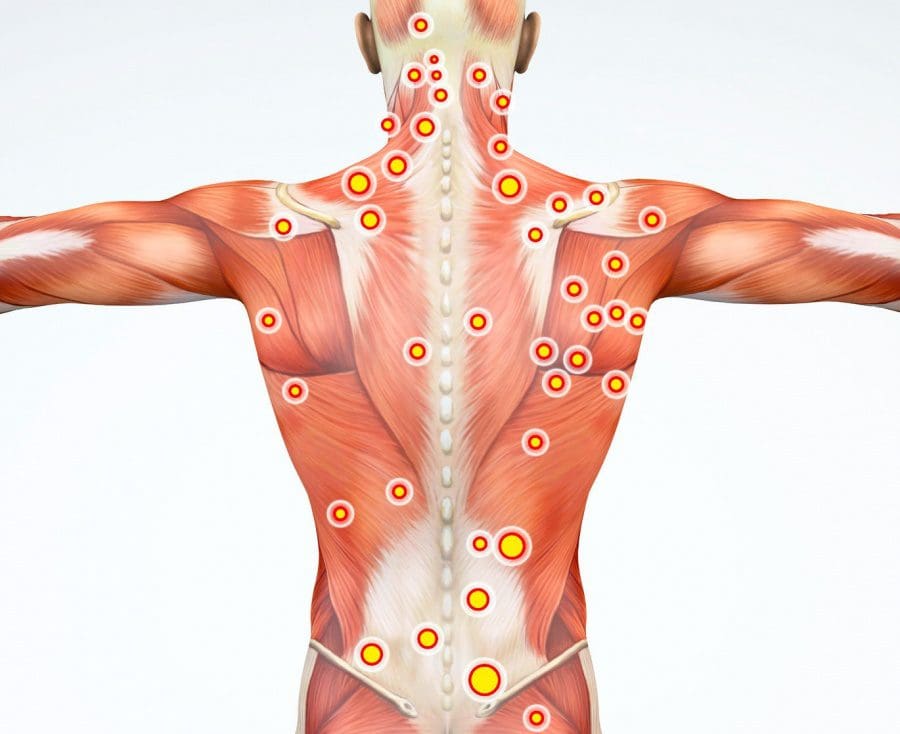
A trigger point is a knot or bundle of stiff spine muscle tissue that you can’t move or relax, and when touched pain spreads to the neck, shoulders, and upper back.
Pretty much everyone can relate to this type of pain in the neck or what is known as myofascial pain syndrome when several of these trigger points are grouped.
How to ease the pain and prevent it
Trigger points can form in muscles all over the body. Myofascial pain syndrome in the neck happens when trigger points develop in the muscles of the shoulders, upper back, and neck.
A Trigger Point
Trigger points have a unique connection to America. They were first identified in the 1940s by Janet Travell, MD, who was John F. Kennedy’s doctor. JFK had severe chronic back pain and had trigger point injections to ease the pain.
A trigger point is a sensitive area within the muscles. They are typically described as knots and feel like a bundle of tense, contracted muscles that twitch and spread pain when touched. The spreading pain is known as referred pain. Example: Trigger points in the shoulder send pain into the neck.
Trigger points cause muscles to stress and to contract. This results in:
Muscle weakness
Numbness
Limited muscle movement
Formation of Points in The Neck
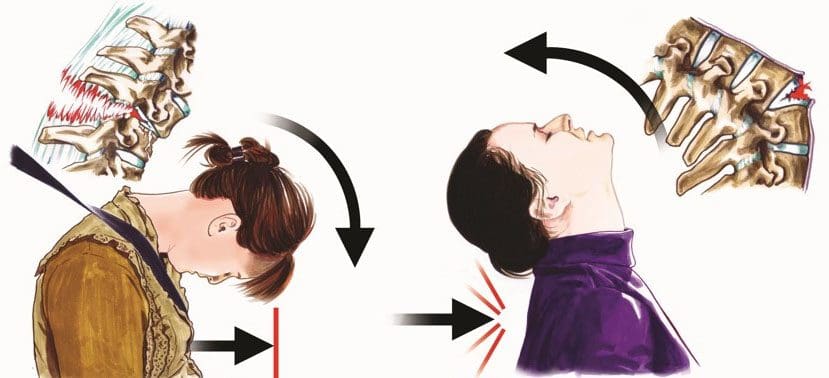
They are usually caused by mechanical factors (factors that strain or stress the muscles).� Spinal trauma, like whiplash from an automobile accident or sports-related injury, can create trigger points.
They also develop through repetitive actions and routine everyday chores that can hurt the spine over time.
Straining the neck muscles from poor posture for extended times like craning the neck while working on a computer, carrying a heavy bag that stresses the muscles of the neck, upper back, and shoulders.
Trigger Points vs Fibromyalgia Tender Points
Trigger points do get confused with tender points of fibromyalgia. Trigger points and tender points are both defined as local areas of pain but are not the same.
Tender points do not cause referred pain the way trigger points do.
Tender points are symmetrical meaning that they are on both sides of the body. Whereas trigger points do not follow a symmetrical pattern.
But it can become complicated because individuals with fibromyalgia can have both tender points and trigger points. People with fibromyalgia can also have myofascial pain syndrome.
Trigger Point Diagnosis
Trigger points are a regular cause of different types of spine pain, that can range from neck pain to low back pain. However, doctors are still trying to understand how trigger points produce referred pain. This is why diagnosing trigger points can be difficult for doctors.
They are complex because they are easy to pinpoint but difficult to diagnose. As they can directly cause muscle pain but they can mimic other pain making conditions exactly the way Myofascial pain and fibromyalgia get confused.
Jaw pain
Earaches
Toothaches
These types of pain that do not go away could be caused by trigger point/s in the neck.
Individuals with chronic neck pain that don’t seem to have a cause, could be trigger points. A doctor will refer you to a physical therapist, chiropractor or another spine specialist to conduct an examination for trigger points.
Treatment
Treatment can range from home remedies, chiropractic care, physical therapy and if severe muscle injections. There is no one treatment that works, as everyone and their injuries are different, meaning that various treatment options need to be looked into.
Home
Before starting any home therapy, discuss it with a trained professional like a doctor, chiropractor, massage therapist, or physical therapist to identify the location of the trigger point to effectively treat it.
Treated with massaging the area but can be tough with hard-to-reach places in the upper back. If unable to reach the point slowly and gently roll over a foam roller, golf or tennis ball for quick relief.
Massage
Massage therapists are trained in relieving muscle pain. Deep tissue massage can relieve an irritated area. Regular massage sessions can reduce pain and prevent the points from reemerging.
Physical therapy
Physical therapy treats trigger points in different ways, this includes:
Massage
Heat
Electrical stimulation
Ultrasound
A cooling spray is applied followed with stretches to relax and relieve the contracted muscle/s
Medications
Muscle relaxants can be used to reduce the symptoms and relieve pain. However, these meds can have all kinds of side effects, and become habit-forming, so use should be limited and in conjunction with a proper chiropractic/physical therapy treatment plan.
Injections
If the pain continues despite the non-surgical treatments or worsens, then your doctor could recommend trigger point injections. Injections are late-stage therapy. Doctors want to avoid patients becoming dependant on injections and will prescribe injections with an exercise, chiropractic/physical therapy program for maximum relief and effectiveness.
Overall Health
The majority of people have felt tight muscles around the neck. Utilizing proper posture and healthy spinal mechanics can prevent trigger points and myofascial pain syndrome.
Our services are specialized and focused on injuries and the complete recovery process.�Our areas of practice include�Wellness & Nutrition, Chronic Pain,�Personal Injury,�Auto Accident Care, Work Injuries, Back Injury, Low�Back Pain, Neck Pain, Migraine Headaches, Sports Injuries,�Severe Sciatica, Scoliosis, Complex Herniated Discs,�Fibromyalgia, Chronic Pain, Complex Injuries, Stress Management, and Functional Medicine Treatments.
�Neck Pain and Chiropractic Treatment El Paso, Texas
NCIB Resources
Many people who have trigger points or myofascial pain syndrome in their spine have knots and tightness throughout their back and neck. To prevent myofascial pain syndrome one needs to practice a healthy lifestyle that promotes good spine health. Stretching and exercising regularly can help keep stress under control and prevent tension from building up, which makes it harder for trigger points to activate and cause pain.
Q: Can back pain be hereditary and run in the family? I’m 24 and have chronic low back pain. But I found out that my mother, grandmother, and brother also have back pain. None of us were diagnosed with any type of spine condition. So I’m wondering if there is a hereditary/gene link or if it’s just a coincidence? El Paso, TX.
A: Back pain is a very common problem, and it is not uncommon that you and family members have back pain. Every year, 13 million people visit a chiropractor for chronic back pain. I can’t say without further study and research of your family whether the chronic low back pain is directly associated with your genes. But there are studies that support the connection between back pain and genetics.
Research in the past was difficult to rule out environmental factors like stress, smoking, and diet as the only cause of back pain. But today, there is evidence that shows genetics do have a role in back pain.
Doctors are finding that chronic back pain does show a significant genetic hereditary link. Specifically the development of low spine degenerative disc disease, which is a disc-related condition associated with normal wear and tear.
In fact, several twin sibling studies and genetic marker studies have researched this connection. Below are a couple of studies that stand out in the correlation between back pain and genetics.
Back Pain & Hereditary Genes Studies
A spinal study, which began in 1991, was a multidisciplinary, multinational research project on the cause of disc degeneration. The most significant findings were that there was a substantial influence of genetic/hereditary influence in lumbar disc degeneration.
It identified the specific genes that are associated with disc degeneration. However, environmental factors, work, sports, injuries, etc are also part of the condition, what the study found is that there is a connection of disc degeneration through genetic influences.
A study on genetics and lumbar disc disease found evidence that back pain could run in families. Specifically, lumbar disc disease could be inherited. The severity of the disease could not be determined or a patients’ response to various treatments. But it does suggest that genetics do play a role. Other findings include:
People that have lumbar disc disease were more likely to have family members with the disease.
The risk of inheriting the disease increased in both close and distant relatives.
Research is still ongoing to identify the exact genes that influence disc degeneration and back pain.
And as you said that you or your family have not been diagnosed with a spine condition,� this could be something to talk to your doctor or chiropractor about, along with creating a back pain treatment plan. For now, you can do physical therapy, chiropractic massage, CrossFit rehabilitation, etc to reduce and prevent back pain. Hopefully, it is a coincidence, but if it is genetics, not to worry as there is a treatment plan for that as well. But do not wait to make an appointment and let the pain get any worse.
Our team has taken great pride in bringing our families and injured patients only clinically proved treatment protocols. �By teaching complete holistic wellness as a lifestyle, we also change not only our patient�s lives but their families as well.� We do this so that we may reach as many El Pasoans who need us, no matter the affordability issues.
How to eliminate Back Pain naturally | (2020) Foot Levelers |El Paso, Tx
NCBI Resources
Lumbar spine disc herniation is a well-known type of injury that often causes impairing low back pain, however, it can also compress the nerve roots in the area and generate radicular pain and other symptoms along the lower extremities, such as altered sensations and muscle weakness.
You might not think it, but weight lifting and spine strengthening exercises can help reduce back pain. Remember the point of this type of weight lifting is not to build up the muscles like a bodybuilder but is to develop:
Core strength
Spine strength
Body strength
The muscles in the back keep the spine moving and functioning properly. When the spine or abdominal muscles are weak this creates a higher probability of a back strain or injury. Having strong, healthy spine muscles are important because they function in maintaining correct posture, which in some cases, causes chronic back pain because of poor posture.
If�only one part of the body is strengthened like the back is not enough. Therefore strengthening the rest of the body is a must. These include the body’s core and leg muscles. Total body strength will reduce back pain and can help perform regular activities, like lifting heavy objects much easier, with more confidence and with a lesser probability of injury.
Spine strengthening exercises benefits
Most important reasons are they:
Prevents future back injuries
Stabilizes the spine
Helps the spine move properly
Help maintain correct posture
Increases muscle tone
Teaches correct body mechanics
Helps build bone this is especially beneficial for those with osteoporosis or at risk of developing it
A personal trainer or sports chiropractor can help start a spine strengthening regimen. They will teach:
Simple
Specific
Strengthening
Weight lifting exercises.
A physical therapist can also develop a custom weight lifting/strength�exercise�program for optimal spine health and for reducing pain.
Most workout regimens incorporate a combination of weight lifting with actual weights/exercise machines and strengthening exercises/calisthenics with the body’s weight as the resistance for maintaining a healthy strong spine.
Here are a few weight lifting and back strengthening exercises that can help decrease and prevent back pain.
Talk to a doctor or chiropractor before beginning any exercise program. Remember to listen to your body and stop right away if there is something off.
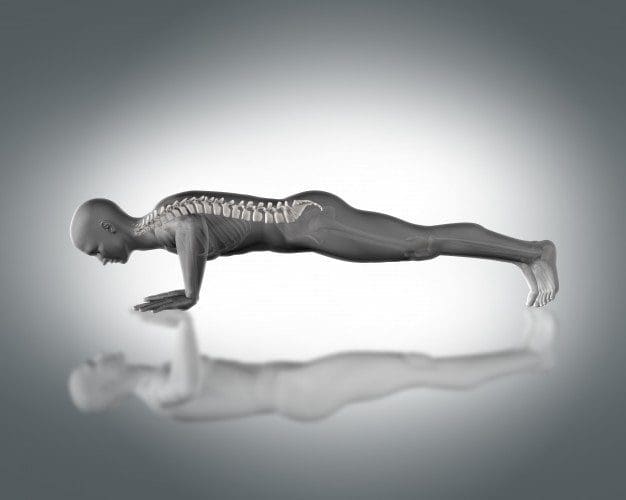
Push-ups
Push-ups help strengthen the:
Back
Chest
Arms
Core muscles
Your own body weight is the resistance.
To do this:
Position the body in a straight line from head to toe, the face looking down.
Hands should be wider than shoulder-distance apart. Walk the hands out so they are slightly higher than the shoulders
Keep the balance on toes and hands, with a straight back, lower the body to the floor by slowly bending the elbows until at a 90-degree angle.
Push up using arm upper back, and chest muscles.
Do 3 sets of 10 every day. As the strength increases do more reps.
Chest Flyes
Chest flies are excellent for building muscle in the:
Upper back
Chest
Dumbbells or a weight machine can be used for this exercise. To do this:
Lie on the floor with the knees bent and the feet flat on the ground.
Extend the arms out to either side of the body, and let them rest on the floor.
With a dumbbell in each hand, raise the dumbbells until they meet at the top at the same time, and keep a slight bend in the elbows.
Lower the hands to the ground, and repeat.
Do this exercise 15 times 3 times a week. With added strength add more reps.
Lateral Raises
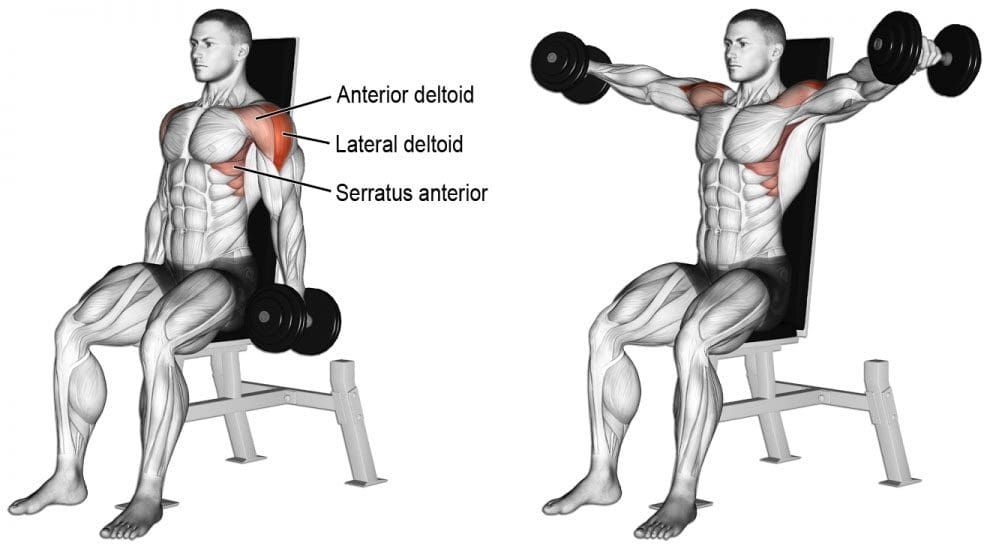
Lateral raises help strengthen the entire back. All that is needed is a set of dumbbells. To do this move:
Stand or sit with the feet equal hip-distance apart. Arms are at the side.
With a dumbbell in each hand and a slight bend in the elbows, raise the arms to the side until shoulder height. Keep the core engaged during the movement.
Once at shoulder height, slowly lower the dumbbells, and repeat.
Repeat this exercise 15 times 3 times a week. As strength increases add more reps.
These exercises should be performed slowly with a gradual build-up to more complex movements and adding more weight. Remember to breathe naturally. If you hold your breath during exercise, it can cause tension in the�muscles, which can worsen any pain or create new injuries.�Before adding weight or new spine strengthening exercises, talk to a doctor about exercising with back pain. They will let you know if there are certain movements or positions that should be avoided.
Weight lifting exercises done incorrectly can lead to more back pain and added injuries. If there is any pain while doing these exercises, stop and call a doctor, chiropractor or physical therapist right away.
As El Paso�s Chiropractic Rehabilitation Clinic & Integrated Medicine Center,�we passionately are focused on treating patients after frustrating injuries and chronic pain syndromes. We focus on improving your ability through flexibility, mobility and agility programs tailored for all age groups and disabilities.
Back Pain Chiropractic Care | El Paso, Tx
NCBI Resources
It can be tempting to not exercise with a spinal condition. But remember that if there is no movement at all, you could make the pain worse. Knowing what your body can handle and sticking to a workable schedule, these healthy steps will relieve you and help with back pain.
Q: Dr. Jimenez, I have a question about degenerative disc disease, and that is can it cause nerve pain in the feet? El Paso, TX.
A: Yes in certain cases, degenerative disc disease (DDD) can cause nerve problems with the feet.
Degenerative disc disease, specifically of the lower spine, can cause nerve pain to radiate and spread into the feet from the spine.
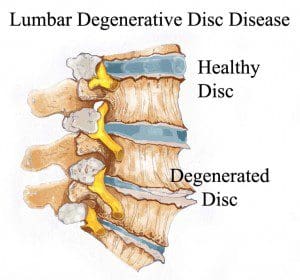
Degenerative disc disease
Is a spine condition that’s caused by everyday wear and tear of the spine can lead to significant loss of disc height.
A disc can also herniate and push on the nerves that flow into the feet, and cause:
Pain
Tingling
Numbness
The wear and tear of the spine combined with a herniated disc can pinch the nerves that go to the feet.
There is a condition known as foraminal spinal stenosis when the spinal foramen or the small opening between the bones of the spine begins to narrow and tighten so the nerves get compressed and do not allow signals and chemicals to flow properly.
This could explain the pain or other symptoms in the foot.
DDD can cause nerve problems in the feet, back and chronic back pain is the most common symptom of degenerative disc disease.
Common degenerative disc disease symptoms
The pain increases when:
Sit down for a long time
Bending
Lifting
Twisting
The pain decreases with:
Walking
Running
Lying down
Continually changing body positions
It’s important to remember that nerve issues with the feet are not always caused by spinal conditions, this could include
Depending on how severe the nerve problem is, there are a number of treatment options. These range from:
Chiropractic care
Physical therapy
Over-the-counter medication
Talk to a doctor or a chiropractor about the right treatment option for foot nerve pain. Whether it is caused by degenerative disc disease or some other condition.
These can help maintain a healthy weight, as being overweight puts extra pressure on the spine that leads to increased back pain. Consult with a registered dietitian or health coach to discuss the best foods for your diet.
Exercise
A training regimen that incorporates aerobic, strength and flexibility exercises that can help manage degenerative disc symptoms.
A personal trainer or sports chiropractor that has experience rehabilitating patients with spine conditions. They can teach exercises that can help relieve pain and other symptoms.
They can develop a custom physical therapy program
Regular chiropractic and physical therapy can help restore proper body mechanics, proper posture, as well as, avoiding positions that cause pain.
Surgery
Surgery is considered a last resort or if the condition is progressing and getting worse. If surgery is needed, your doctor will discuss the best treatment option for your condition.
Difference Foot Orthotics Make to *REDUCE FOOT PAIN* & Correct Posture | El Paso, TX.
NCBI Resources
Chiropractic focuses on restoring and maintaining overall health and wellness. Through the use of spinal adjustments and manual manipulations, a chiropractor can re-align the spine, and improve a patient�s strength, mobility, and flexibility.
Being pregnant is one of life’s many joys, however, with the added weight comes normal back pain that can lead to severe back pain that can lead to sciatica.
Expecting mothers have much to look forward to but when back pain and sciatica take hold, it can be exhausting, frustrating, and extremely painful. Women experiencing pregnancyback pain varies from woman to woman. To help prevent and alleviate back pain/sciatica, here are some answers as to how and why symptoms develop and what to do to make the pregnancy a joyful occasion.
Pregnancy Back Pain and Sciatica
Changes to the body throughout pregnancy affect more than its physical appearance.
The most common change is weight gain. Increased body weight, especially when bending puts pressure on the spinal discs. The most pressure is placed on the low back. Back, leg pain, and sciatica are common complaints.
Weight gain can cause piriformis syndrome and sciatica. The piriformis muscles help with thigh movement. Piriformis syndrome can develop if the muscle compresses the sciatic nerve, which causes a pinching or electrical shock feeling in the buttocks and back of the leg.
What some might not know is that as the uterus grows, the body’s center of gravity gets thrown off. What happens is the uterus expands inside the pelvis, and the spinal nerves in the low back that flow into the sciatic nerve gets compressed and irritated.
Hormones like relaxin, which is a hormone that relaxes the pelvic ligaments and helps prepare the mother’s body for birth. Relaxin loosens the ligaments in the other areas of the body, but primarily the joints in the pelvis, low back, and knees. When exercising or lifting objects it is easy to strain these relaxed areas. Therefore, move slowly, and avoid any sudden movements.
What Steps To Take
Work with a:
Doctor
Chiropractor
Midwife
Health care provider to keep body weight in check
Take note of posture:
Stand up straight
Shoulders back
Avoid leaning backward
Try a pillow:
A standard-sized pillow
Body pillow to help make sleeping comfortable
A pillow can be positioned between the knees and under the abdomen for support.
Prenatal yoga helps:
Stretch and tone muscles
Maintain flexibility
Improve balance and circulation
Relieves tension
Deep breathing plays a major role in yoga and is an added benefit as it can help expecting mothers relax during labor.
Simple cardiovascular exercises like walking or swimming can help keep weight under control and the body in shape. Ask a doctor or chiropractor if these types of exercises are right for you.
Prenatal massage is another option to help relieve pain and tension.
This type of massage eases:
Anxiety by stabilizing hormone levels
Back pain
Pelvic pain
Hip pain
Improves circulation and digestion
Helps reduce fatigue
A warm shower or bath can helps ease back pain.
Expectant mothers should avoid aromatic oils or aromatherapy candles like:
Basil
Juniper
Peppermint
Rosemary
Star anise
Some of these oils can cause contractions.
Acupuncture is another form of alternative therapy that can treat back pain and sciatica. Sterile, millimeter thin disposable needles are inserted into points on the body that are known as energy channels. The needles help to restore the balance of energy in the body. However, expectant mothers need to be past six months to receive this type of treatment as the energy flow can cause contractions.
Ergonomics At Work & Home
Expectant mothers should avoid:
Awkward postures
Over-exercising
Heavy lifting
Repetitive work
Especially during the third trimester.
The low back and leg muscles have to work harder to keep the body balanced. Just basic standing or walking can be a challenge. Swelling is common. Make sure to take constant breaks and full-body rest combined with elevating the feet can be very helpful.
Adding an ergonomic and adjustable chair with a lumbar support backrest and footrest is worth the investment. A chair like this can helps take the pressure off of the spine and working at a desk much more comfortable. It benefits to frequently stand and sit continually changing the body’s posture and working the various muscles, joints, and ligaments to keep the body loose. And it can be a form of exercise.
Light walking also helps to reduce any swelling through increased circulation.
Hopefully, you will not have to go through any kind of back pain or sciatica. But if pregnancy back pain and sciatica start to creep in, talk to your doctor, chiropractor, midwife, or health care professional first.
When your body is truly healthy, you will arrive at your optimal fitness level proper physiological fitness state. We want to help you live a new and improved lifestyle. Over the last two decades, while researching and testing methods with thousands of patients, we have learned what works effectively at decreasing pain while increasing human vitality.
We focus on what works for you. We also strive to create fitness and better the body through researched methods and total wellness programs. These programs are natural and use the body’s own ability to achieve goals of improvement.
Back Pain During Pregnancy Treatment El Paso, TX Chiropractor
NCBI Resources
Keeping the body, including the spine, in proper alignment is vital to mobility, flexibility, and overall wellness of the body even when it is not pregnant. However, pregnancy puts specific stress on the body, creating certain needs that chiropractic care can meet. It is safe, it is effective, it is fast, and it works.
Neck pain caused by a whiplash injury definitely warrants a visit to a chiropractic whiplash specialist that can provide non-surgical treatment and pain relief.
Whiplash is an injury to the neck muscles from a rapid forward and backward motion of the neck caused by trauma from a car accident, sports injury, slip and fall accident or even just turning one’s head but doing it with a fast whipping motion that causes the neck/spine muscles to become swollen and irritated. It can cause acute short-term neck pain and restricted movement.
How a Whiplash Injury Is Diagnosed
A chiropractor evaluates the spine in its entirety. If you go to a chiropractic clinic with neck pain following trauma. The chiropractor will examine the whole spine because the other areas of the spine could be affected and not just the neck region.
The chiropractor locates the areas where motion is restricted if there are any disc injuries, muscle spasms, and ligament injuries. They will first apply motion and staticpalpation diagnostic techniques where they feel and touch the various areas where the pain is present, as well as where there is no pain. A chiropractor will also feel for:
Tenderness
Tightness
How well the spinal joints move
They will also analyze the patient’s walk noting their posture and if there is possible spinal misalignment. This will help the chiropractor understand the patient’s body’s mechanics and what their spine is doing to compensate for the injury. This can mean:
Leaning to one side
Getting up in a very careful way so as to avoid pain
Hunching over
Only turning in one direction
In addition to the evaluation, they will also order an x-ray or an MRI to evaluate any deteriorating changes that could have existed before the whiplash injury. The images and physical and neurological evaluation resultsare compared to figure out and develop the best treatment plan.
Whiplash Treatment Stages
After a whiplash injury happens a chiropractor works to reduce neck inflammation with various therapies like:
Massage
Ultrasound
Light stretching
Soft manual therapy techniques
They may also recommend applying an ice pack on the neck and light neck support for a short time. As the inflammation and pain decrease the chiropractor will begin applying gentle spinal manipulation along with other techniques to restore the normal motion to the neck’s facet joints.
Chiropractic Whiplash Injury Treatment
A treatment plan depends on the severity of the whiplash injury. Some manipulation techniques used are:
Flexion-distraction technique
This is a gentle non-thrusting type of spinal manipulation that helps treat herniated discs. A whiplash injury can cause an aggravated bulging or herniated disc. If this happens a chiropractor uses a slow palm pump action on the disc rather than direct thrusting force.
Instrument-assisted manipulation
This technique also non-thrusting utilizes a hand-held instrument. A chiropractor generates force without thrusting directly into the spine. This therapy is great for older patients who may have degenerative joint syndrome.
Specific spinal manipulation
Spinal joints that are restricted or have abnormal motion are identified. Then the chiropractor restores motion to the joint with a gentle thrust. This stretches the soft tissue and stimulates the nervous system to bring back normal motion.
Along with these spinal therapies/techniques, a chiropractor also uses manual therapy to treat the soft tissues like the ligaments and muscles. Some examples of manual techniques are:
Instrument-assisted soft tissue therapy is where a chiropractor uses an instrument/s like the Graston technique, that gently treats any injured soft tissues. They will gently apply the instrument along the injured area with repeated strokes.
Manual joint stretching and resistance therapy is a form of manual therapy that uses the muscle’s own energy to create isometric contractions that help relax the muscles, and help lengthen the muscles.
Therapeutic massage is where a chiropractor or physical therapist performs massage to ease and relax muscle tension in the neck.
Trigger point therapy identifies specific tight painful points/areas of muscle by applying direct pressure with the hands or fingers on these points to alleviate the muscle tension.
Interferential electrical stimulation This technique uses low-frequency electrical current to stimulate the muscles and reduce inflammation.
Ultrasound increases blood circulation and helps reduce muscle spasms, stiffness, and pain. This happens by sending sound waves deep into the muscle’s tissue which generates low heat and increases circulation.
Therapeutic exercises to restore normal spinal motion and reduce whiplash symptoms.
Chiropractic medicine looks at the whole person and not just the symptoms. Neck pain is different for everyone, so chiropractors don�t just focus on the pain because the whiplash injury could have affected other areas that the patient doesn’t feel pain or anything.
But as the spine is a complex structure that works as a unit, a problem in one area can slowly or quickly start to create problems in other areas of the spine much like falling dominoes.
With these techniques, a chiropractor will help increase a patient’s daily activities back to normal as quickly as they can, depending on the severity of the injury. They will work as hard as they can to address any added spinal or nerve-related causes/injuries stemming from the original whiplash injury and treat them as well until normal movement is restored and there is no longer pain.
Remember that prevention is the key to optimal long-term health!
Our team has taken great pride in bringing our families and injured patients only clinically proved treatment protocols. �By teaching complete holistic wellness as a lifestyle, we also change not only our patient�s lives but their families as well.� We do this so that we may reach as many El Pasoans who need us, no matter the affordability issues.
El Paso, TX Chiropractic Neck Pain Treatment
NCBI Resources
Often,�people with whiplash don�t experience any effects until a day, or even two, after. The key is to stay ahead of the pain and take measures sooner rather than later to relieve it and keep it at bay. It also provides documentation should other issues arise, and you need the information for legal purposes.
If you are in an accident, especially if you get rear-ended, and experience whiplash, see a doctor that day ��even if you don�t feel much pain. The sooner you visit a chiropractic clinic, the sooner you can begin treatment should a problem develop.
Q: Recently diagnosed with a bulging disc at C5-C6, is there anything I can do at home to relieve my pain?
� El Paso, TX.
A: Great question because anyone that has woken up with a stiff neck can relate. This is the most common area of herniation in the neck. It is highly susceptible to regular wear and tear but poor neck posture, like looking down at a phone for too long and improper motion mechanics can also be a cause.
Taking care of yourself without having to go to the doctor is very important and it is critical to learn proper healing methods, and techniques.
Healthcare professionals will say that most of the healing takes place at home.
There are various ways to reduce pain at home, but remember that there is a point when symptoms do warrant professional medical attention.
Good news
Bulging and herniated discs typically heal within six months � and less than 10% ever need surgery.
Non-surgical treatment for cervical bulging discs is usually enough to relieve pain and the best part is that you can do many of these treatments yourself.
Under chiropractic/therapist supervision, these treatments can be utilized at home or with the assistance
Cervical pillow
A proper pillow will help improve the quality of sleep and also give the neck proper support and position to heal.
Herbal remedies
The natural approach to medications is also welcome. There are plenty of herbal supplements to help relieve pain. There is capsaicin cream, that you can apply and helps reduces pain.
Ice and heat therapy
Ice should be applied in a bag or towel for 15-20 minute intervals, two or three times daily. Heat treatment comes in the later stages of the therapy but follows the same on-off interval technique.
Over-the-Door Traction
This therapy is very effective in helping relieve pain and muscle spasms. Your head and neck are attached to a harness. This is connected to a rope that is connected to a pulley system that goes over a door at your home. Then while sitting, leaning back, or lying down you go through the exercise.
Motion exercises
These exercises help the neck recover its full range of motion. This prevents stiffness from setting in and also helps strengthen the muscles in the neck. A therapist or a chiropractor can show a variety of exercises depending on the area of injury/stiffness.
However, if the pain does not go away a physical therapist/chiropractor can be your best option. Passive physical therapy includes:
Ultrasound
T.E.N.S electrical nerve stimulation
Mild neck traction
These treatment options are non-invasive and effectively help manage pain. It’s always important to remember that if your pain continues or starts to become worse tell your doctor and get medical attention.
Chiropractic Alignment
If the pain continues, then you may be referred to a chiropractor for spinal alignment.
Chiropractors are experts at treating neck conditions.� Aligning the cervical segments of the neck is a must as the injury can return if the cervical discs are not in proper alignment or even worsen. Chiropractic treatment can give relief and also stop cervical spine degeneration.
*Neck* Pain Chiropractic Care El Paso, Texas
NCBI Resources
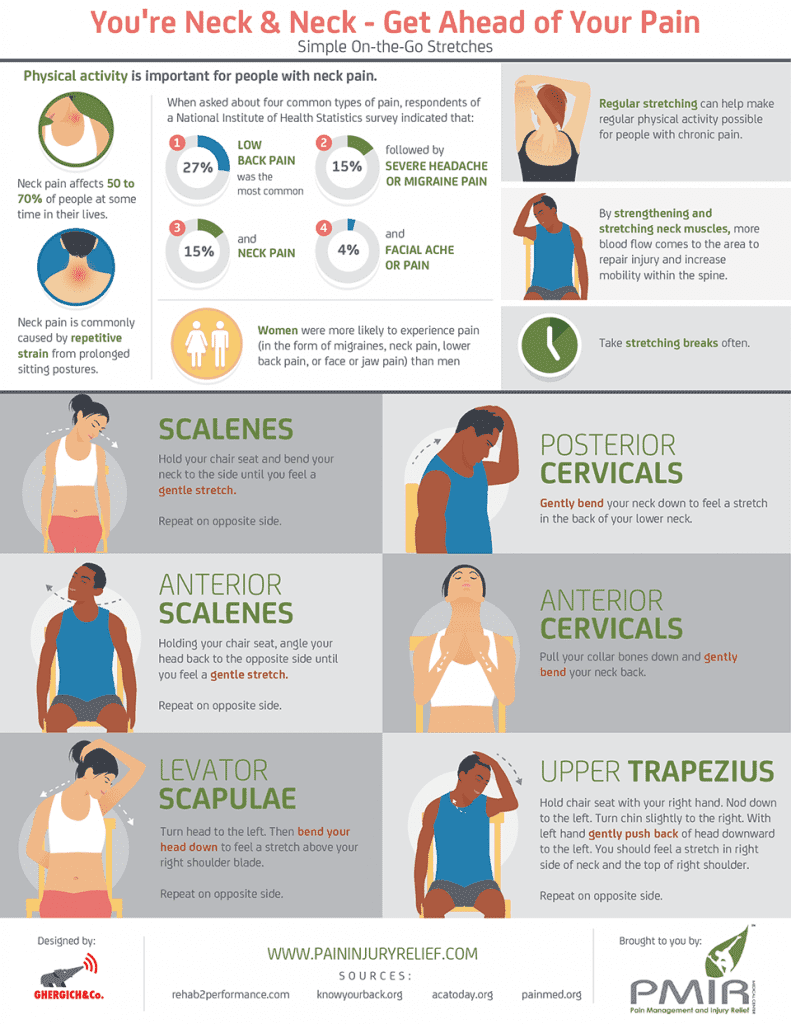
People have a 70% likelihood of developing neck pain lives and neck pain is an important issue affecting economic productivity in modern society. Neck pain is a work-related musculoskeletal disorder that can occur when a person works for a long time or at a high intensity. An increase in the number of individuals visiting hospitals with pain in the neck, upper extremities, and the head as a result of excessive tension. Home therapies can help reduce pain.
IFM's Find A Practitioner tool is the largest referral network in Functional Medicine, created to help patients locate Functional Medicine practitioners anywhere in the world. IFM Certified Practitioners are listed first in the search results, given their extensive education in Functional Medicine