There are certain foods that although healthy, for individuals trying to prevent osteoporosis, they could stunt healthy bone growth. There are ways to prevent osteoporosis, and eating a diet rich in calcium and vitamin D is one of them. However, not all foods are beneficial for bone health.
Some nutrients can actually damage bones when consumed in high doses. These foods do not have to be completely removed from an individual’s diet. These foods and nutrients are still important so it would not be healthy to just stop. Individuals with or trying to prevent osteoporosis just need to make adjustments and consume them in moderation.
Caffeine
Too much caffeine more than four cups of coffee a day decreases calcium absorption, that increases risk for fractures. Coffee and tea contain caffeine naturally, but sodas create even larger concerns. Experts believe that the caffeine content in sodas is not the only danger. It is the substitution of milk and other calcium-based drinks.
Protein
Protein is essential for a balanced diet. This is because it helps build healthy muscle mass. A diet too high in animal protein (beef/pork) as opposed to protein from nuts and grains could contribute to calcium loss. Animal protein/s contain sulfur, that forms acid in the body. Acidic balance is necessary and so the body will release calcium from the bones to neutralize the acid and achieve balance.
What is considered too much protein?
No general amount has been determined. Therefore just an individual’s daily requirement, determined by body weight is what is recommended. Finding out how much protein is needed, take your weight in pounds, and multiply by .37. (Weight/lbs x .37 =) This will tell an individual how many grams they should be consuming every day. There are more specific techniques to get an exact number if need be.
Spinach
Green vegetables are considered some of the best foods to eat when the aim is to strengthen the bones. But spinach can prevent the body from absorbing calcium properly. This is because it contains oxalate. Oxalate interferes with the body’s ability to absorb calcium. Fortunately, spinach can still be included but may need to be adjusted/altered as to how it is prepared. In this case, spinach is best eaten cooked, as the chemical is destroyed through the process.
Salt
Too much salt makes it difficult for the body to keep the calcium, which can cause bone loss. Many processed foods are extremely high in sodium. Therefore, try to eat fresh foods and try sea, Himalayan, or healthy form of salt when seasoning meals.
Pure Wheat Bran
Pure wheat bran is the only food that can lower the absorption of calcium in other foods when eaten together. If taking a calcium supplement the effects of this process can be lessened by taking the supplement a few hours before or after eating foods with pure wheat bran.
These foods don’t have to be eliminated from your diet but should be consumed in moderation. The focus should be on a balanced diet. Building strong bones and maintaining them can be a delicious endeavor. Osteoporosis prevention is not the only benefit of healthy eating habits. A proper diet will promote and generate the optimal function of the body.
Learning About Food Substitutions
Dr. Alex Jimenez�s Blog Post Disclaimer
The scope of our information is limited to chiropractic, musculoskeletal, physical medicines, wellness, and sensitive health issues and/or functional medicine articles, topics, and discussions. We use functional health & wellness protocols to treat and support care for injuries or disorders of the musculoskeletal system. Our posts, topics, subjects, and insights cover clinical matters, issues, and topics that relate and support directly or indirectly our clinical scope of practice.*
Our office has made a reasonable attempt to provide supportive citations and has identified the relevant research study or studies supporting our posts. We also make copies of supporting research studies available to the board and or the public upon request. We understand that we cover matters that require an additional explanation as to how it may assist in a particular care plan or treatment protocol; therefore, to further discuss the subject matter above, please feel free to ask Dr. Alex Jimenez or contact us at 915-850-0900. The provider(s) Licensed in Texas& New Mexico*
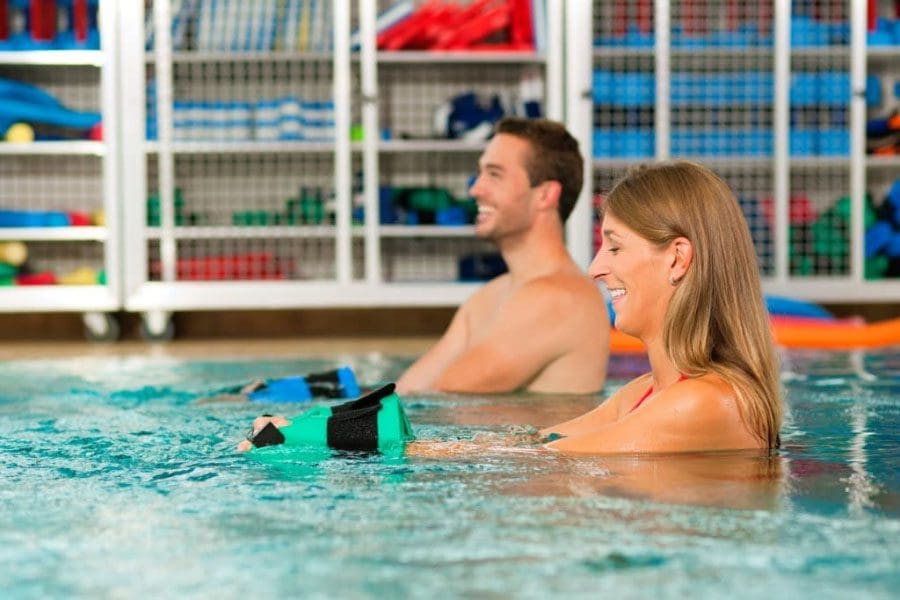
Studies reveal that swimming and aquatic exercises can help in relieving back pain. Done properly it is a highly recognized form of cardio exercise as well as injury recovery and rehabilitation, especially when dealing with back pain. Other types of cardiovascular exercise/s are great and are recommended for individuals with back pain that is already being managed. This could be light walking and mild aerobics.
However, those in severe pain and more than likely not in the best shape, cardio can be hard on the body. Swimming is great for all body types, those with weight issues that contribute to their back pain, those that have trouble moving, the young, elderly plus it burns calories, builds muscle, and is very refreshing.
Swimming has been utilized as a non-impact form of exercise and is recommended for individuals in injury recovery, surgery, and for those where performing high-impact exercise/s like running would be painful and dangerous. The buoyancy or upthrust of the water counters gravity decreasing the compression on the spine. Aqua or hydrotherapy allows cardio activity without increasing or worsening pain, which is very therapeutic. Regular cardiovascular exercises/activities are beneficial for pain reduction. Figuring out and determining the right exercise/stroke for the patient’s specific ailment and length of time those exercises should be done without causing fatigue or increased pain is the objective.
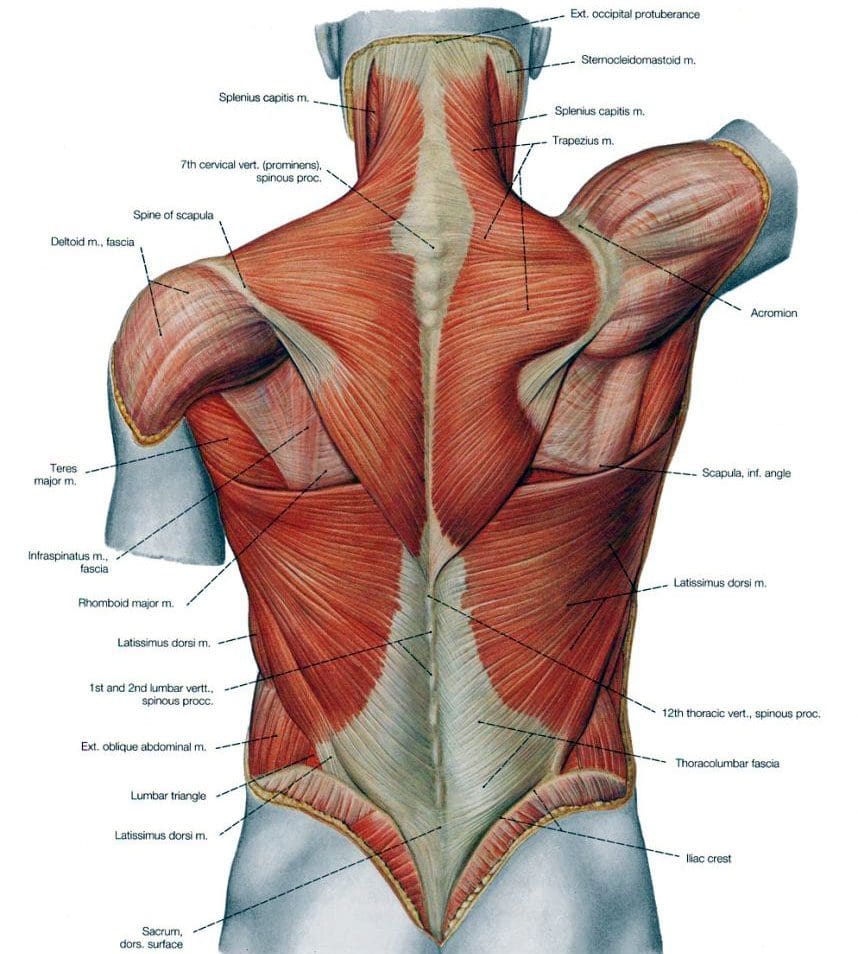
Strengthening the paraspinal muscles is essential to help with spinal support and reducing back pain. Utilizing the up-thrust of the water, enables patients to exercise these muscle groups more efficiently and effectively.
Preparation
Wherever the swimming therapy will take place, it is vital that the individual feels comfortable at the location, in the water, knows how to swim as this puts an individual at ease, not worrying about their surroundings and able to focus completely on their therapy/rehab.
If an individual is not a confident swimmer, the therapy can be done in shallow water or a rehabilitation pool and if cleared with a doctor taking swimming lessons with back pain in mind could be part of a therapy program. Once confident in the water warm-up in the shallow end or do some walking/cycling before actual swimming.
Therapeutic Strokes
Strokes for the therapeutic workout will be determined by the doctor, specialist, chiropractor, therapist, etc. These strokes are recommended to protect the spine while keeping pain at bay. Although individual cases are completely unique, and a doctor/therapist could recommend other strokes, the safest strokes found for back pain are the freestyle and the backstroke.
Strokes like the butterfly or breaststroke cause a natural extension/arch in the low back, which can be quite painful. So a patient does not have to lift their heads, which could cause them to arch their backs as well, could benefit using a center snorkel.
Regimen Frequency, Length
Like all forms of exercise, especially when dealing with back pain moderation is the way to go avoiding repetitive/overuse injuries. Soreness after the workout that goes away within a few hours is normal. But if the soreness lasts to the next day, this could the body warning the patient they are doing too much. For swimming, therapists usually recommend three days a week 20 to 30-minute workout. With activity response being used as a guide to progress or decrease the intensity or volume of the exercise. A gradual increase in activity until the patient reaches a workout regimen that fits:
Age
Condition level
Physical ability
Considerations
When swimming or performing any exercise/s the benefits are completely dependent on the individual and back condition. It is difficult to determine how well therapeutic swimming will work, as every individual and the condition/s they are dealing with are different. Individuals with arthritis or spinal stenosis have been shown to do well using hydrotherapy because of decreased spinal compression. Each patient might have to make certain adjustments based on their condition and the doctor’s, chiropractor, specialist’s treatment plan.
For example, someone with cervical spine arthritis or stenosis could have a difficult time lifting their head to breathe. In this case, they could be instructed to swim using only the backstroke or using a customized stroke so they don’t have to lift the head. Every patient needs to try and see what works for their specific condition. What works for one patient, may not work for another. Find out if swimming could be a treatment option for your back condition. With this in mind, finding a form of aqua/swimming exercise that suits you can be achieved.
Lower Back Pain Skating Boarding Injury Treatment
Dr. Alex Jimenez�s Blog Post Disclaimer
The scope of our information is limited to chiropractic, musculoskeletal, physical medicines, wellness, and sensitive health issues and/or functional medicine articles, topics, and discussions. We use functional health & wellness protocols to treat and support care for injuries or disorders of the musculoskeletal system. Our posts, topics, subjects, and insights cover clinical matters, issues, and topics that relate and support directly or indirectly our clinical scope of practice.*
Our office has made a reasonable attempt to provide supportive citations and has identified the relevant research study or studies supporting our posts. We also make copies of supporting research studies available to the board and or the public upon request. We understand that we cover matters that require an additional explanation as to how it may assist in a particular care plan or treatment protocol; therefore, to further discuss the subject matter above, please feel free to ask Dr. Alex Jimenez or contact us at 915-850-0900. The provider(s) Licensed in Texas& New Mexico*
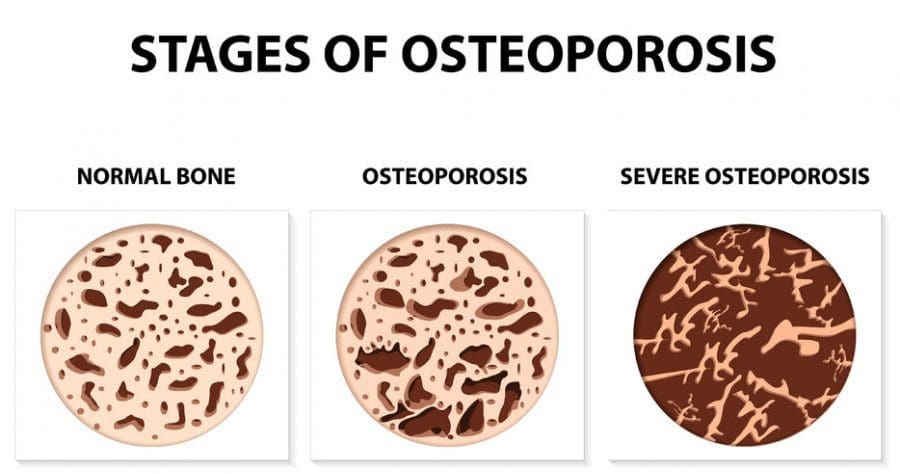
Osteoporosis prevention can be accomplished, even with an osteoporosis diagnosis. There are steps along with your doctor’s treatment plan and recommendations to help control the disease from progressing. An osteoporosis prevention plan can be generated to improve general health and reduce the chances of a fracture in the spine or other bones. �
�
Doctor Discussion
Make an appointment with a specialist to talk about osteoporosis risk factors. If you are 40 years of age or older, take some time to review the list of potential risk factors to discuss. An individual’s response can help prepare for this healthcare discussion.
�
Risk Factors
The individual has had a bone fracture as an adult – wrist, hip, spine, etc.
History of osteoporosis in family – mother, sister, father.
Body Type – small, medium, large frame.
Body Shape – Thin, frail, overweight, obese.
No regular exercise.
Tobacco use – smoke, vaping, chewing, etc.
Alcohol consumption – Drinks 3 or more times a week, sometimes binge drinks.
Diet does not include calcium – milk, yogurt, or vitamin D – cheese, eggs.
Occasional crash diet.
Eating disorders – anorexia, purging, bulimia.
Corticosteroid/s use and/or anti-convulsant medication/s use.
Less stability on feet.
Experiences occasional falls.
Women – 45 or younger, beginning of menopause, 50 or older, post-menopause.
Men – Diagnosed with low testosterone levels.
�
Learn Your T-score
A bone mineral density test is the most dependable way to predict and detect osteoporosis. It is a painless test and can take around ten to thirty minutes to complete. The T-score is a number that lets an individual know where their bone density it and if it is good or not so good.
�
Build Bone Mass
Bone mass can be built up by including weight-bearing and resistance exercise into a regular workout. The difference between weight-bearing and resistance exercises is that weight-bearing uses the bone/s and muscle/s to work against gravity.
Walking, jogging, and dancing, are examples of weight-bearing exercises. Weight lifting or free weights are examples of resistance exercise. Here the body’s muscular strength is being utilized. This helps build bone mass and strengthen muscles.
�
Calcium/Vitamin D Rich Diet
Taking the time to nourish the body properly will help with osteoporosis prevention and achieve optimal health. Calcium and vitamin D won’t completely prevent or cure osteoporosis, but it is essential to include these minerals and vitamins in your diet daily. If an individual is lactose intolerant, there are fortified food products like orange juice and cereal/s to help meet daily mineral/vitamin requirements.
Check out the best and worst foods for bones. Supplements are another option to help boost calcium and vitamin D. Your doctor will know how much calcium and vitamin D you need. Taking too much is not being health-wise. Taking too much of a supplement can make an individual sick. Registered Dietitians and Health coaches can educate on making wise food and supplement choices. A doctor can aid in finding either in your area. �
�
Stop Smoking
Smoking increases the risk of osteoporosis. Smoking affects pretty much every organ in the body. Smoking interferes with the body’s ability to absorb calcium and lowers the hormones the body needs to build and keep the bone mass. Quitting will decrease the risk of cancer, heart, lung disease, and osteoporosis.
�
Reduce Alcohol
Too much alcohol consumption causes poor nutrition. Poor nutrition causes bone density to decline, which leads to osteoporosis. And alcohol increases the risk of falling. Falls are one of the leading causes of spinal/other bone fractures. So contact your doctor or chiropractor and discuss an osteoporosis prevention plan.
The scope of our information is limited to chiropractic, musculoskeletal, physical medicines, wellness, and sensitive health issues and/or functional medicine articles, topics, and discussions. We use functional health & wellness protocols to treat and support care for injuries or disorders of the musculoskeletal system. Our posts, topics, subjects, and insights cover clinical matters, issues, and topics that relate and support directly or indirectly our clinical scope of practice.*
Our office has made a reasonable attempt to provide supportive citations and has identified the relevant research study or studies supporting our posts. We also make copies of supporting research studies available to the board and or the public upon request. We understand that we cover matters that require an additional explanation as to how it may assist in a particular care plan or treatment protocol; therefore, to further discuss the subject matter above, please feel free to ask Dr. Alex Jimenez or contact us at 915-850-0900. The provider(s) Licensed in Texas& New Mexico*
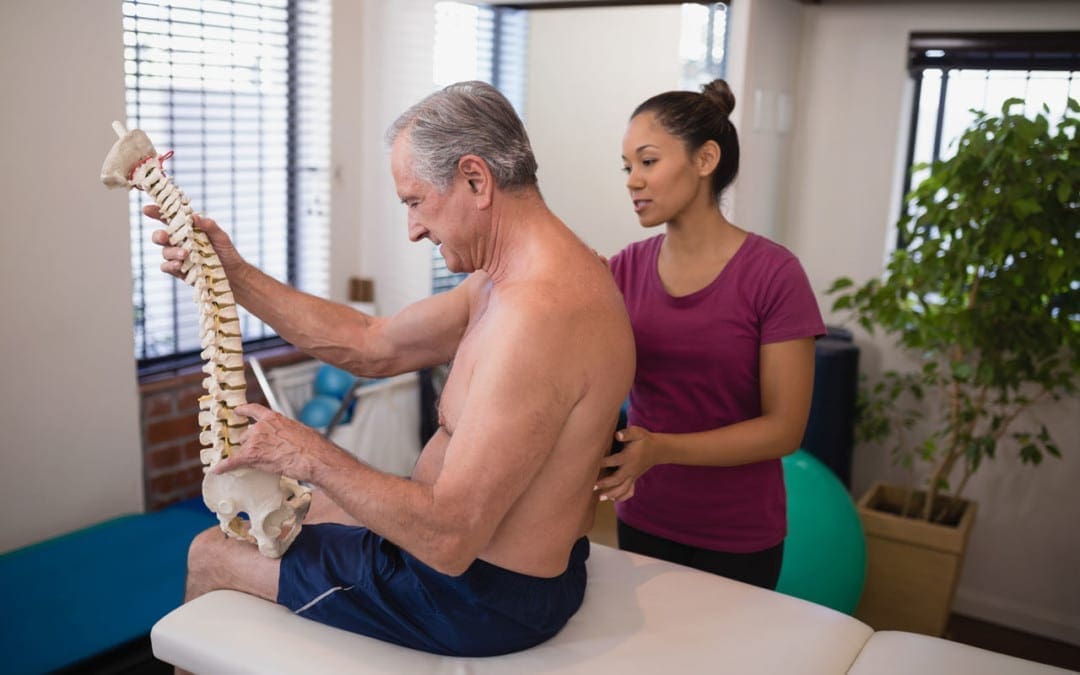
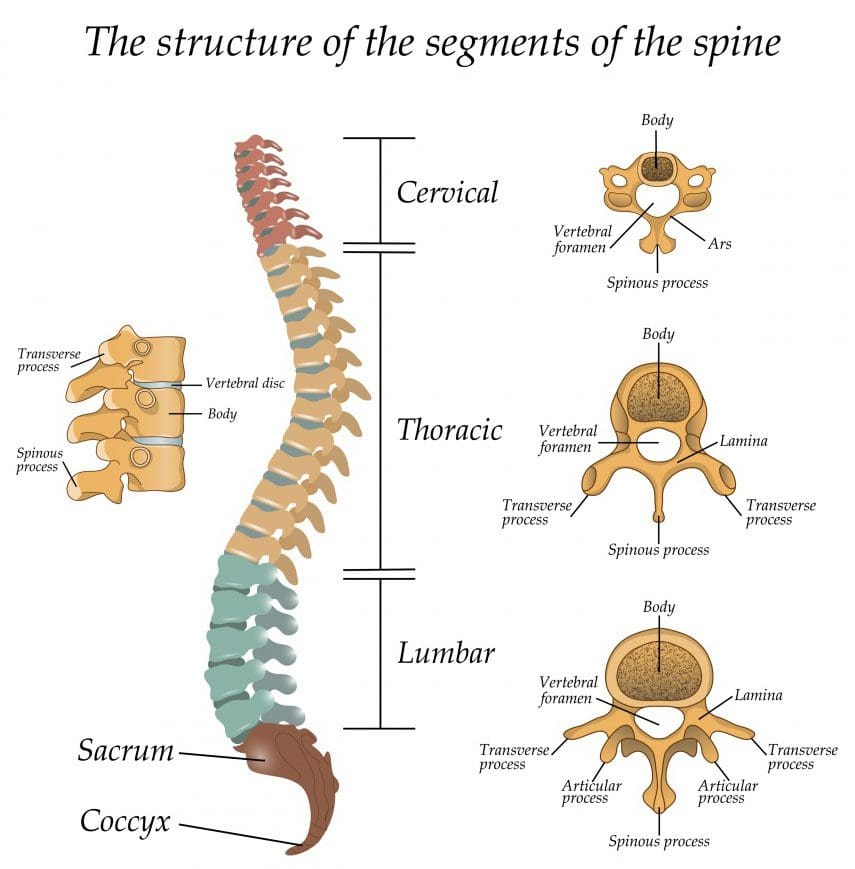
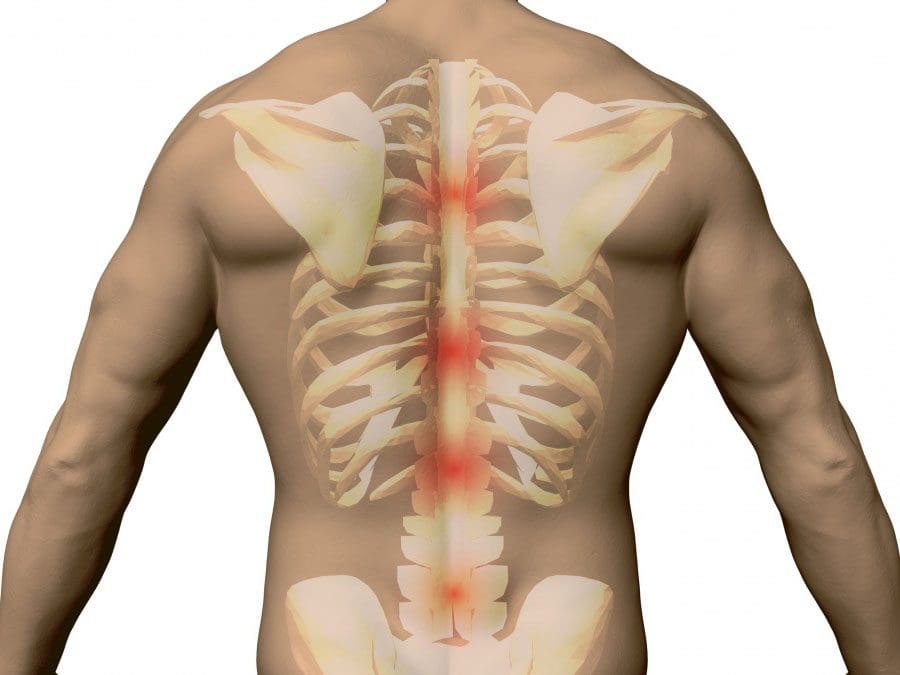
The thoracic spine known as the middle back starts below the cervical or neck spine at around the level of the shoulders. It continues down to the first level of the low back or lumbar spine. There are twelve vertebrae, numbered T1-T12 top to bottom, and it is these vertebrae that make up the thoracic spine. When seen from the side, a normal forward curve can be seen.
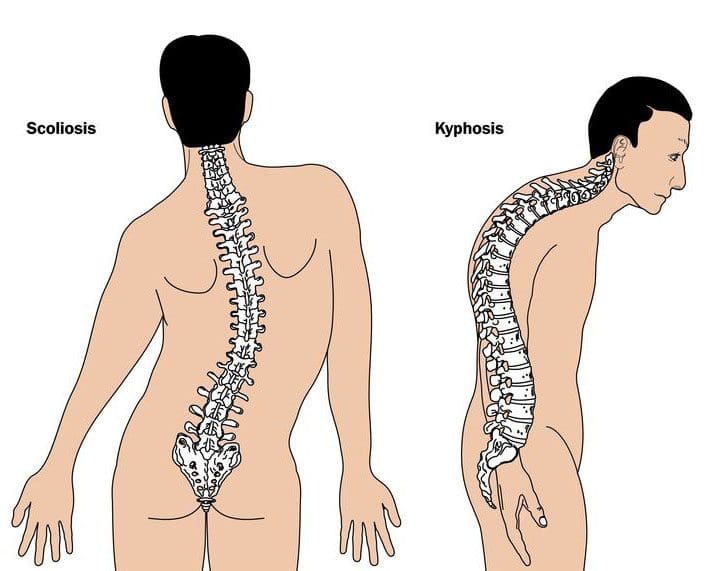
The ribs are attached to the thoracic spine�s vertebrae making this region of the spine strong and stable. However, this area has less range-of-motion than the neck region. Because of its location, the thoracic spine deals less with injury/s than other areas of the spine. But it is the most common area for fractures from osteoporosis. Scoliosis and abnormal kyphosis are also thoracic spine disorders.
Getting to know the body’s spine and how it functions can help individuals have a better and thorough understanding of possible causes to upper and middle back pain, a doctor�s diagnosis, and the reasons for how simple lifestyle changes/choices can keep the middle back, as well as, the rest of the spine healthy.
Thoracic Support
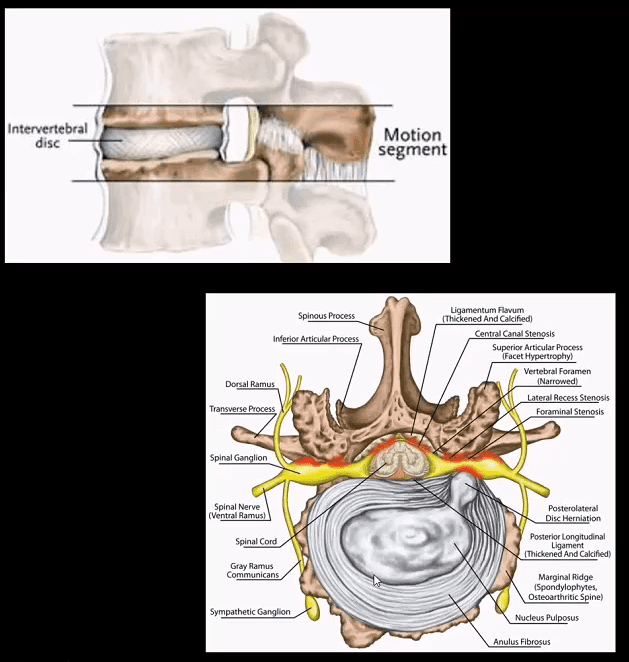
The thoracic spine gives support to the torso, chest and provides an attachment point for each of the rib bones, minus the two at the bottom. The vertebral bodies are rounded with bony arches that project from the back of each and form a hollow protective space for the spinal cord. Facet joints are paired at the back of each and allow for limited movement.
Intervertebral Discs
There is a fibrous pad called an intervertebral disc that is held in place by the endplates between each level�s upper and lower vertebral bodies. Each disc acts like a spacer creating disc height/space between the upper and lower vertebrae. This space opens nerve passageways called a foramen or neural foramina at both sides. Nerve roots branch off the spinal cord and exit the canal through the neural foramina.
Soft Support Structures Limited Movement/s
The entire spinal column consists of:
Ligaments
Tendons
Muscles
These soft tissues attach to the bones, the discs, and work together to stabilize the midback when resting and when in motion. Ligaments are the strong bands of tissue that connect/protect the vertebrae, discs, provide stability, and help with excessive movement. Muscles hold the body upright and allow spinal flexion which is bending forward, extension bending backward, and rotation twisting from side to side. And the tendons are fibrous tissues that attach the muscle/s to the bone.
Nerves Role
The twelve pairs of nerve rootlets that branch off the cord through the neural foramen are to supply and generate sensation/feeling along with function/movement to the body. These nerves provide nutrients to the midback and chest area and relay signals between the brain and major organs, including:
Lungs
Heart
Liver
Small intestine
Spinal Disorders
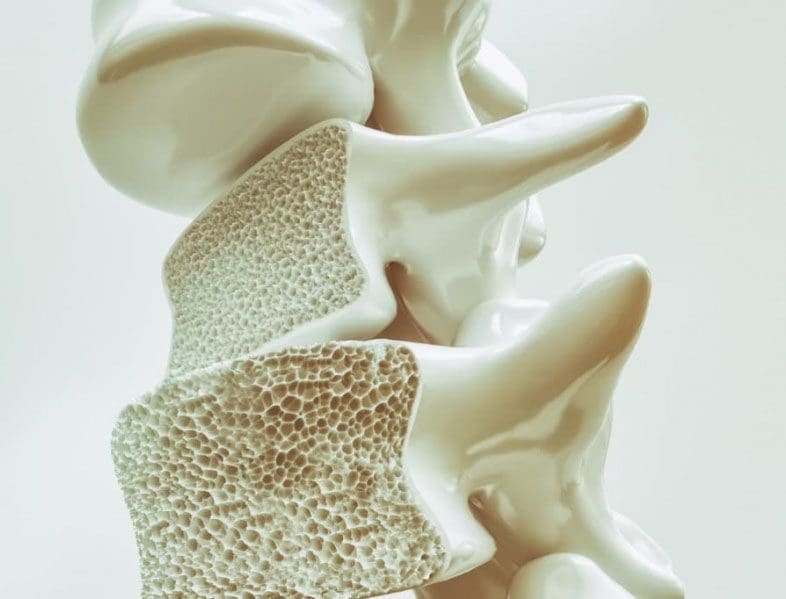
Osteoporosis raises the chances of a thoracic fracture. A vertebral compression fracture can cause one or more bodies of bone to flatten or become wedge-shaped creating spinal cord/nerve compression. Sudden and severe back pain can be associated with vertebral compression fractures.
Scoliosis is an abnormal side to side curvature of the spine and is well known to develop in the thoracic spine causing deformity.
Abnormal kyphosis means the forward curvature has become extreme. The appearance of a kyphotic deformity can be seen as a hump.
Metastatic cancer where it travels from the chest, or lung causing spinal tumor/s that can develop and potentially lead to structural deterioration
Thoracic disc herniations are not common because of the middle back’s strength and stability created by the ribcage.
Spine Maintenance
Talk with your doctor, chiropractor, spine specialist about stretches and exercises that will work for your specific situation to strengthen the core, and middle back musculature. This will help significantly with injury prevention during flexion, extension, and rotation.
The scope of our information is limited to chiropractic, musculoskeletal, physical medicines, wellness, and sensitive health issues and/or functional medicine articles, topics, and discussions. We use functional health & wellness protocols to treat and support care for injuries or disorders of the musculoskeletal system. Our posts, topics, subjects, and insights cover clinical matters, issues, and topics that relate and support directly or indirectly our clinical scope of practice.*
Our office has made a reasonable attempt to provide supportive citations and has identified the relevant research study or studies supporting our posts. We also make copies of supporting research studies available to the board and or the public upon request. We understand that we cover matters that require an additional explanation as to how it may assist in a particular care plan or treatment protocol; therefore, to further discuss the subject matter above, please feel free to ask Dr. Alex Jimenez or contact us at 915-850-0900. The provider(s) Licensed in Texas& New Mexico*
Dealing with chronic back pain along with the COVID-19 pandemic can make it difficult to find relief on a regular basis. When regular massage sessions are not available these self-massage techniques can relieve pain and loosen tense muscles. Massage therapy has been shown to reduce low back pain, specifically for short-term purposes.
There are massage therapist/s that are open with precautions in place. But there�s a good chance the massage therapist will not be able to see an individual right away when the pain presents. Back pain will not wait so here are a few tips on self-massage that individuals can do at the house.
Safety First
Consult your spine pain specialist, chiropractor, or doctor to determine the cause of the pain and if massage will be beneficial. Before starting a self-massage regimen, be sure pain levels are not severe and you are able to perform the massage techniques. Any muscle region, spine included, can benefit from massage both professionally and self. If at any time during the massaging different pain presents other than the massage soreness, stop and evaluate what could be happening.
These self-massage tips are aimed at reasonably healthy individuals. Be mindful of herniated discs, any type of impingement, or spinal compression. If an individual has this type of injury acquire medical instruction on how to perform self-massage techniques specifically for these conditions from a physician, chiropractor, or physical therapist.
Self-massage
Massage therapy helps in relieving back and neck pain in different ways.
Relaxes muscles
Improves range of motion
Reduces injury
Maximizes healing
Better sleep
If working from home and too much sitting has your back tight, in knots, with muscle tension, and stress, self-massage is an answer that works. It is a great alternative until the massage therapy appointment.
Applied Pressure
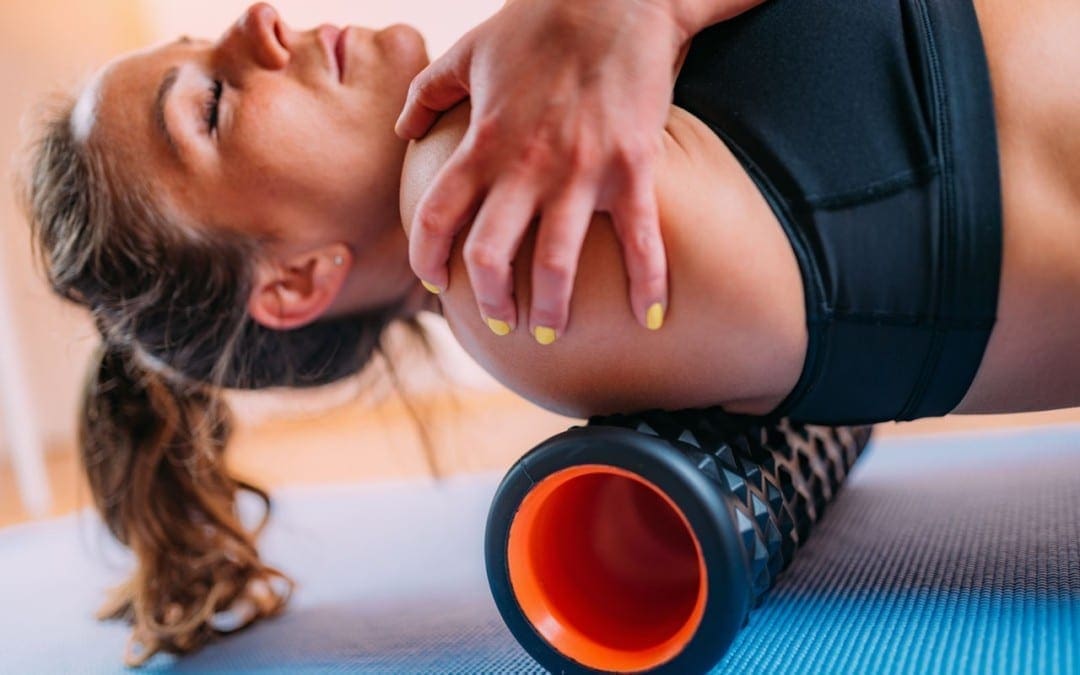
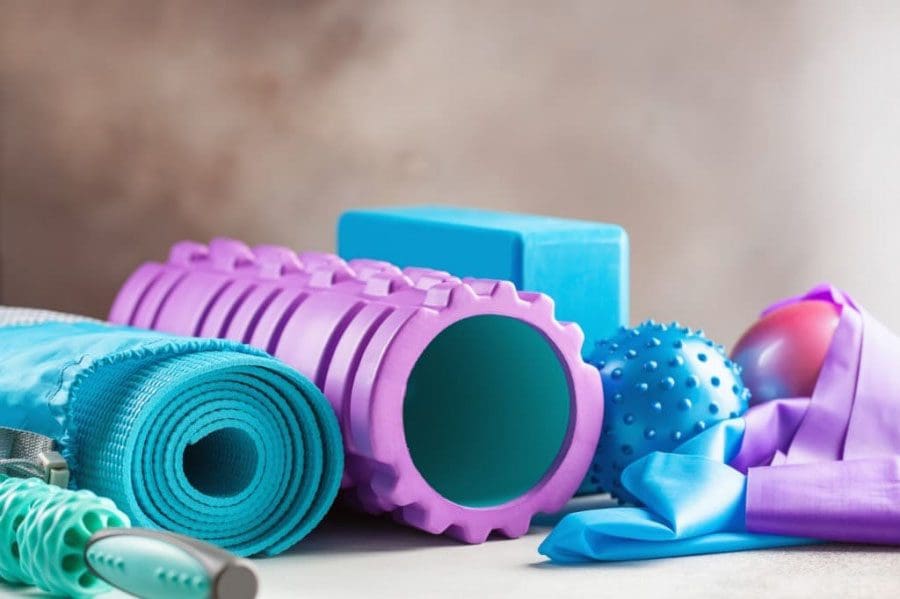
One way to give yourself a massage is to locate the painful area/s and gently apply pressure with the thumb/s, moving the muscle/s statically by just rotating the arm/hand together with the thumb pressing on the area. If possible get into a comfortable stretching position and massage the area while the muscle, joint, ligament is stretched out and find the painful area and work it if not with the thumb technique then use a foam roller, massage tool, tennis ball, massage ball, etc, also done in slow circular motions.
When applying pressure, don�t push it to the limit like working out. That is not the goal. The objective is to work out the pain/soreness and loosen up the area. Therefore it�s best to start gently and gradually build up to stronger pressure as long as it feels correct and the pain does reduce. Gradually increase the intensity of the pressure, heat, sessions, etc. But do not overdo it, as that could worsen or cause further injury.
Stretch
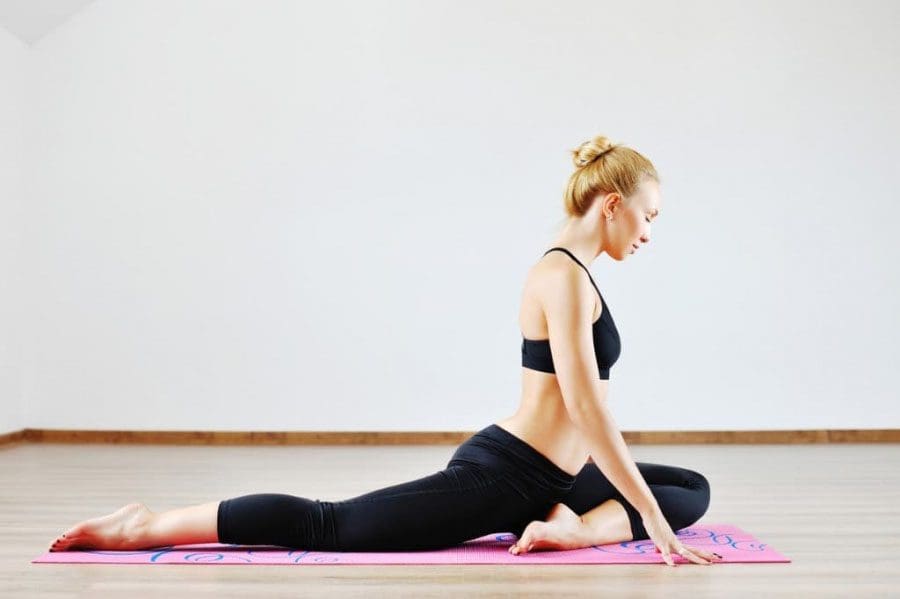
Although not directly massaging an area, stretching is a form of self-care that keeps the body loose and limber. Stretching out is recommended at the beginning of the day and before exercising. An example is runner�s lunge pose and a yoga pose called pigeon. These are excellent stretches for releasing the psoas muscle, located in the lower lumbar region.
Yoga can help by stretching and releasing the hips, glutes, and back muscles. As with massage don�t overdo the moves, overstretch, or hold the poses for too long. Consult with a doctor for any medical concerns where yoga could be dangerous and impair health.
Additionally, a family member, spouse, partner, or friend can be very helpful when stretching. Assisted stretches help and reduce the effort required to stretch oneself. Some assisted stretches include the supine twist and hamstring stretches. If you are the one assisting and want to guide the pain-relieving stretches, start gently, slowly, and pay attention to verbal and non-verbal cues, like a wincing face, and short breathing.
Utilize Massage Tools/Devices
Utilize self-massage tools and devices that can help deliver pain relief. Foam rollers and tennis balls can help with trigger points, areas of muscle pain and can help with the hard to reach areas.
Massage balls can also help to apply balanced pressure and even circular massage motion. These tools are typically sandwiched between the wall or floor and the individual who rolls drags or creates friction to effectively work the muscle/s tightness, and knot/s out. Motorized massagers can help with muscle tension in the lower side of the back, hips, and glutes.
Partner
Sometimes however there are areas difficult to reach and even if reachable massaging the area isn’t the same because of the awkward position. When this happens if possible use a spouse, family, friend, or partner to massage out those points. This could be the middle back and hamstrings to get a thorough massage.
Just like a professional massage therapist having someone else can be a great help in applying heat or ice to areas that can be troublesome. But if not then make do with what you’re able. Self-massage can be very helpful and beneficial until you are able to see your massage therapist, chiropractor, or physical therapist.
Whiplash Massage Therapy
Dr. Alex Jimenez�s Blog Post Disclaimer
The scope of our information is limited to chiropractic, musculoskeletal, physical medicines, wellness, and sensitive health issues and/or functional medicine articles, topics, and discussions. We use functional health & wellness protocols to treat and support care for injuries or disorders of the musculoskeletal system. Our posts, topics, subjects, and insights cover clinical matters, issues, and topics that relate and support directly or indirectly our clinical scope of practice.*
Our office has made a reasonable attempt to provide supportive citations and has identified the relevant research study or studies supporting our posts. We also make copies of supporting research studies available to the board and or the public upon request. We understand that we cover matters that require an additional explanation as to how it may assist in a particular care plan or treatment protocol; therefore, to further discuss the subject matter above, please feel free to ask Dr. Alex Jimenez or contact us at 915-850-0900. The provider(s) Licensed in Texas& New Mexico*
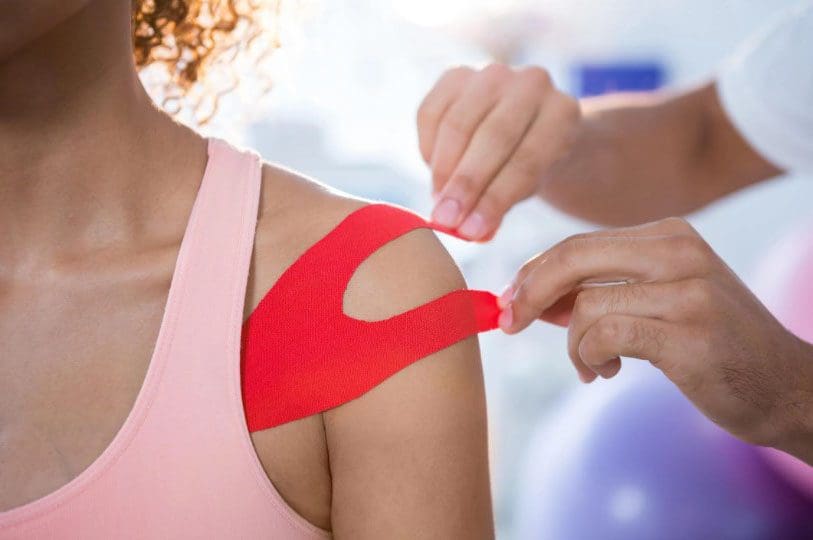
Kinesio taping is common for injuries, but can also be effective for non-sports related injuries/ailments. Kinesio taping is a rehabilitative therapeutic taping method that facilitates the body�s ability to heal naturally. The tape provides support, and stability for muscles, and joints without restricting motion. Plus there is added soft tissue support prolonging the tape’s effectiveness. The technique can have added benefits when combined with chiropractic. This technique is the norm among athletes nowadays but can benefit everybody. As a chiropractic physician, I use the technique for:
Sports injuries
Sprains
Strains
Injury Prevention
Pregnancy
The taping involves applying the tape over and around muscles stimulating them to send neuromuscular signals that optimize performance and helps injuries heal naturally. This is a versatile treatment that can benefit everyone.
Pain Relief
We all get strained, overused muscles that can cause tension and soreness. Millions suffer from neck, upper, mid, and low back pain from poor posture or sitting all day. It reduces pain by relieving the pressure on the strained or injured area. According to a study, stroke patients with shoulder pain experienced relief and reduction in shoulder pain after three weeks of Kinesio Taping intervention. Another study published in the Journal of Back and Musculoskeletal Rehabilitation had similar results for reduced pain in patients with tennis elbow. Kinesio tape therapy can improve pain symptoms while continuing to heal the specific muscle/s.
Reduce Inflammation
It also reduces pressure on the lymphatic system, which removes fluid from the tissues. Reduced pressure allows the body to drain fluids like lactic acid that can build up in an injured area. This benefit goes beyond just healing injuries. It helps reduce inflammation and swelling after surgery and with inflammatory conditions like lymphedema. Kinesio could be beneficial for individuals with chronic inflammatory conditions.
Overused Muscle Recovery
Taping improves blood flow, the delivery of oxygen, and nutrients to the affected area, which helps overused muscles heal quickly. This added benefit is one of the reasons taping is now used in everyday practice to treat:
Taping helps improve overall function. This is a key factor for optimal healing. A study found elderly patients with degenerative knee arthritis tried the therapy and experienced reduced pain, stiffness, improved knee joint function, and increased overall motion. For improved function Kinesio is commonly used on the:
Ankles
Back
Feet
Knees
Shoulders
Overall Benefits
One of the most important benefits, it comes without side effects from prescription meds.
It provides support without restricting the muscle�s range of motion
Individuals can continue to be active and not worry about overstretching the injured muscle/s, as the tape will let them know.
The tape can be worn 24-hours a day for several days per application.
This Kinesio taping technique is currently used by thousands of:
Physical therapists
Occupational therapists
Chiropractors
Medical doctors
Certified athletic trainers
Massage therapists
Correct Bad Posture with Functional Foot Orthotics
Dr. Alex Jimenez�s Blog Post Disclaimer
The scope of our information is limited to chiropractic, musculoskeletal, physical medicines, wellness, and sensitive health issues and/or functional medicine articles, topics, and discussions. We use functional health & wellness protocols to treat and support care for injuries or disorders of the musculoskeletal system. Our posts, topics, subjects, and insights cover clinical matters, issues, and topics that relate and support directly or indirectly our clinical scope of practice.*
Our office has made a reasonable attempt to provide supportive citations and has identified the relevant research study or studies supporting our posts. We also make copies of supporting research studies available to the board and or the public upon request. We understand that we cover matters that require an additional explanation as to how it may assist in a particular care plan or treatment protocol; therefore, to further discuss the subject matter above, please feel free to ask Dr. Alex Jimenez or contact us at 915-850-0900. The provider(s) Licensed in Texas& New Mexico*
Self-care practice when back pain flares up is a way for individuals to give themselves self-therapy attention in the midst of crazy schedules. It�s never been more important than now to be able to take care of oneself when back or any type of pain presents. For a few minutes, daily physical and mental health activities can make a difference.
Self-care is the ability to self-manage pain and take care of our constantly changing needs daily. Regular self-care is essential to our families, and friends well being. Pain is emotionally and physically taxing on the body. It brings and encourages mental/emotional and physical balance, which helps, especially when there is a condition that causes pain.
There is a connection between self-care and chronic pain that is being studied currently. Studies are finding that individuals practicing self-care in addition to regular medical care have significant reductions in pain and reduction in disability. So, alleviate back pain with a few self-care tips.
Hot Bath
Hydrotherapy better known as a hot bath can provide pain relief. Adding Epsom salt for these baths contains magnesium which can help relax muscles and the body.
Music can be an effective way to ease back pain. Research has shown that music can be a complementary treatment when addressing chronic pain. It helps especially when an individual is experiencing back pain along with a low/negative mood.
More Sleep
Poor sleep has been proven to increased back pain. Getting the proper amount of sleep is essential in addressing pain. Healthy sleep hygiene and bedtime routines will significantly help with the body�s recovery, healing, and general health.
Yoga
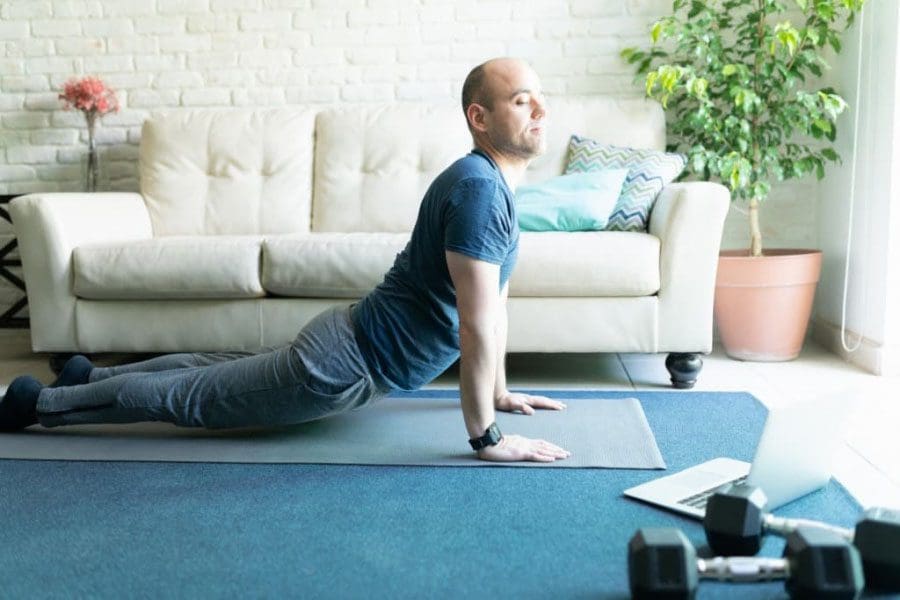
Yoga stretching is highly effective in relieving and avoiding/preventing back pain completely. Poses like the cat, cow, triangle, and child�s pose will generate relief along with improving balance.
Healthy Diet
Diet and lifestyle changes have been proven to reduce inflammation, which can cause chronic pain. Go with whole foods that are minimally processed. This will help reduce inflammation. Healthy weight along with healthy body mass keeps the spine healthy and free of the added stress from the weight. Therefore a sensible diet is the single most important factor in weight loss.
Connection
Isolation can exacerbate pain. Loneliness can be a significant risk factor in the development of pain, and with time, depression, and fatigue. Simply reaching out and connecting with loved ones, friends, co-workers, etc, could help in soothing the pain away.
Mindfulness
Mind-body therapy as a method to treat pain has been proven in various studies. Individuals taking part have reported significantly lower pain than those who only received traditional medical care. What happens is you are training your mind senses to be present and focused on what you are doing, the surroundings, etc, and not focusing, and getting lost in the pain. However, sitting down and meditating is not for everybody.
Drink the Proper Amount of Water
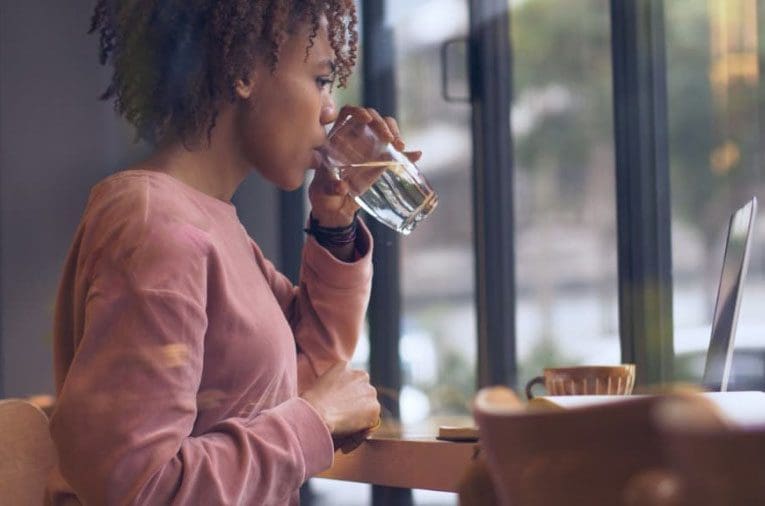
Hypohydration, which is not enough water can increase pain. Therefore, drink up.
Stretching
Stretching will definitely decrease pain and allow for practicing mindfulness. It doesn’t matter when the stretching happens so long as, the individual sticks with it and continues development to further their ability and flexibility. Core abdominal exercises are very helpful for back pain and strengthening.
Go Outside
Many of us know that getting out in nature feels good mentally and physically, and it can actually relieve pain, too. Nature therapy or ecotherapy has shown to improve the psychological and physiological symptoms associated with chronic pain. Connecting to nature can have tremendous benefits for optimal health.
Heat Therapy
Heat, whether from a topical agent or heating pad can soothe the mind and spine. Check with a doctor before trying any type of heat treatment.
Frequent Breaks
Taking breaks is essential for the mind in keeping stress levels balanced. This can lessen back pain. Just a few minutes to stop whatever and take a few minutes for yourself and your health. Taking proper physical and mental rests throughout the day to stretch out, move around, and do something else. This will help keep things open and fresh, as opposed to going through the same thing over and over with less than optimal results. The mind needs to reflect.
Go Easy
Go easy on yourself, this is probably the most important form of self-care. If the pain is too intense, do not force yourself to work through it. Use the various techniques mentioned and go slowly, with the fundamentals of combating pain and chronic pain. Slow down whenever you feel the need.
Lower Back Pain Skating Boarding Injury Treatment
Dr. Alex Jimenez�s Blog Post Disclaimer
The scope of our information is limited to chiropractic, musculoskeletal, physical medicines, wellness, and sensitive health issues and/or functional medicine articles, topics, and discussions. We use functional health & wellness protocols to treat and support care for injuries or disorders of the musculoskeletal system. Our posts, topics, subjects, and insights cover clinical matters, issues, and topics that relate and support directly or indirectly our clinical scope of practice.*
Our office has made a reasonable attempt to provide supportive citations and has identified the relevant research study or studies supporting our posts. We also make copies of supporting research studies available to the board and or the public upon request. We understand that we cover matters that require an additional explanation as to how it may assist in a particular care plan or treatment protocol; therefore, to further discuss the subject matter above, please feel free to ask Dr. Alex Jimenez or contact us at 915-850-0900. The provider(s) Licensed in Texas& New Mexico*
IFM's Find A Practitioner tool is the largest referral network in Functional Medicine, created to help patients locate Functional Medicine practitioners anywhere in the world. IFM Certified Practitioners are listed first in the search results, given their extensive education in Functional Medicine