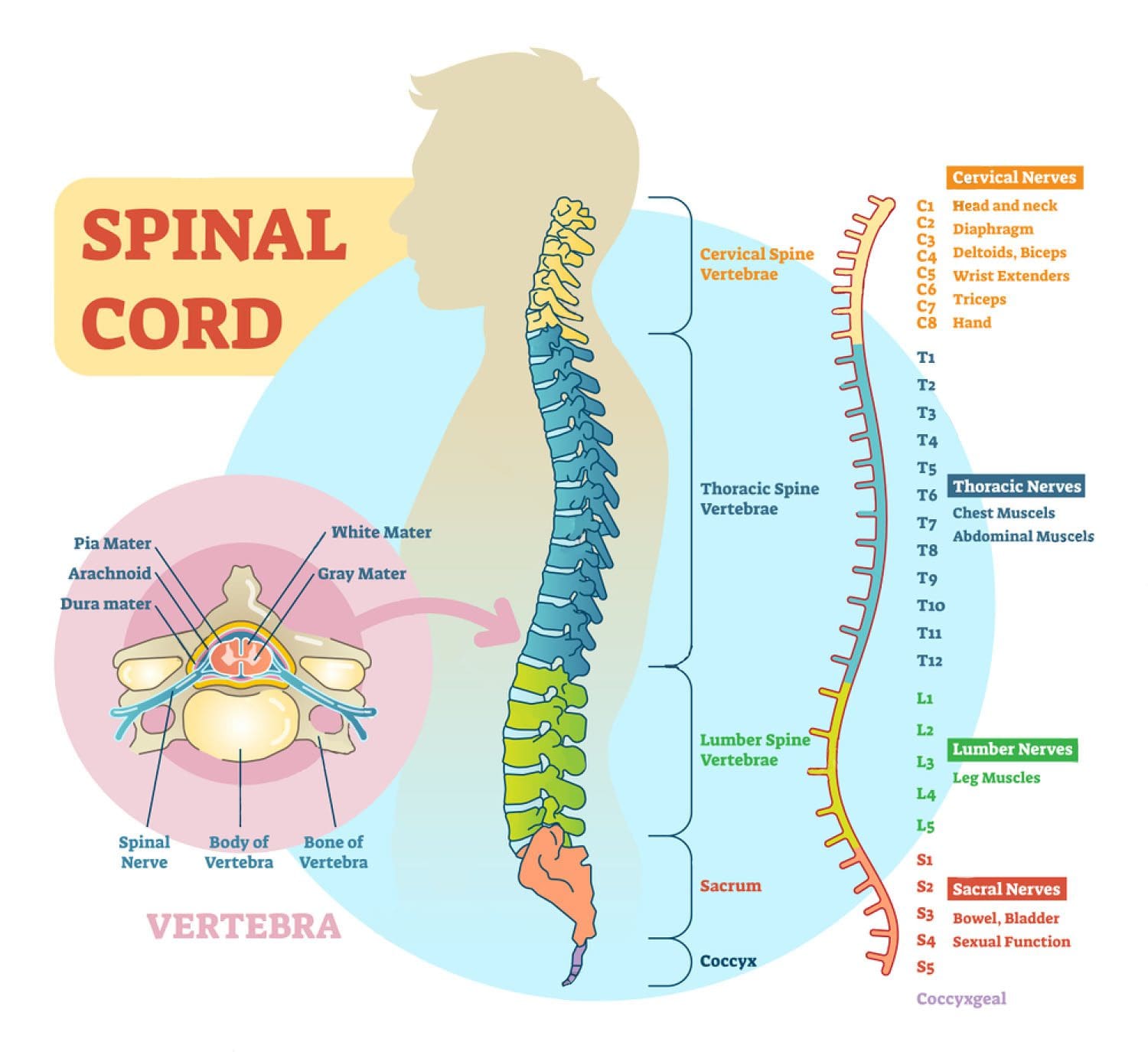
Being attached to a smartphone and looking down for a long can cause phone neck pain. We are all constantly connected to our family, friends, work, etc. When we keep our head down, shoulders hunched forward, neck straining from the uncomfortable angle for a long time a neck injury can develop. This has to do with knowing how to maintain proper posture while using a smartphone.
Most of us know this syndrome as tech neck, text neck, and is caused by straining the neck too far down and forward while talking/texting, etc. Holding this position for too long will cause neck muscle strain and pain. This also occurs with handheld devices with users hunching their shoulders forward. The awkward neck angel and rounded shoulders strain the entire upper body.
�
Phone Neck Pain Stretches/Tips
Here are a few tips along with some light stretches/exercises to keep the neck muscles flexible and loose.
Try to bring the phone to eye level.
Check around and look up from the screen every few minutes so as not to remain in a downward position.
Move the chin towards the chest, and hold for 5 seconds as there will be a comfortable stretch from the neck to the base of the skull to the mid-back. Try doing a few up to 10 times until you feel thoroughly stretched.
Side Bend
Tilt the head to the right, bringing the ear close to the shoulder. Use your hand to pull your head farther into the stretch if possible. Hold for 20 seconds. Bring the head back to the center, and tilt to the left, and hold for 20 seconds. Repeat this motion 3-5 times on each side.
Head Rotation
Rotate the chin towards the right shoulder and hold for 20 seconds. Use your hand to push your head farther into the stretch if possible. Bring the head back to the center, and rotate to the left, and hold for 20 seconds. Repeat this motion 3-5 times on each side.
Neck pain can turn into a full injury or condition if an individual continues with this form of very poor posture. Taking care of our bodies needs to be a priority. Make proper posture a habit and it will help prevent neck and back pain from developing. This along with related posture and biomechanical issues. Proper posture means the head is upright, the ears are in line with the shoulders, and the shoulder blades are down.
Neck Pain Chiropractic Care
Dr. Alex Jimenez�s Blog Post Disclaimer
The scope of our information is limited to chiropractic, musculoskeletal, physical medicines, wellness, and sensitive health issues and/or functional medicine articles, topics, and discussions. We use functional health & wellness protocols to treat and support care for injuries or disorders of the musculoskeletal system. Our posts, topics, subjects, and insights cover clinical matters, issues, and topics that relate and support directly or indirectly our clinical scope of practice.*
Our office has made a reasonable attempt to provide supportive citations and has identified the relevant research study or studies supporting our posts. We also make copies of supporting research studies available to the board and or the public upon request. We understand that we cover matters that require an additional explanation as to how it may assist in a particular care plan or treatment protocol; therefore, to further discuss the subject matter above, please feel free to ask Dr. Alex Jimenez or contact us at 915-850-0900. The provider(s) Licensed in Texas& New Mexico*
Finding ways to manage chronic pain is a priority. Chiropractic testing and treatment could be an option that is effective and affordable. Various chiropractic care can help manage chronic pain caused by a condition like herniated disc/s. Chiropractic testing involves diagnosing the root cause/origin of the pain. Getting a proper diagnosis usually involves:
X-rays
CT scan
MRI
DNA
�
�
�
Chiropractic testing
The correct diagnosis is essential to creating an optimal treatment plan. It is a complicated disorder that can be difficult to treat because it can present with no apparent cause. But, researchers are working to find answers to many of the questions surrounding chronic pain. When treating spine-related pain other tests can include:
Discography
Bone scans
Nerve studies
Electromyography
Nerve conduction study
Myelography
A pain specialist might consult with and refer the individual to a neurosurgeon or orthopedic spine surgeon to determine if the pain requires surgery. This is because untreated and not fully treated chronic pain is one of the leading causes of limited mobility and flexibility. Other associated issues are:
There are some experts that believe tests like MRIs are overused. There is a fear that too many tests could expose individuals to unnecessary radiation and increase medical expenses. However, determining the cause/s holds the key to a successful treatment plan. Therefore, choosing the right diagnostic strategy will help in:
Creating the most effective and optimal treatment plan
Quality of life improvement
Prevent potential complications
Reduce the cost of diagnosis
Reduce the cost of treatment
�
Chiropractic Management
Chronic pain does not respond to typical pain management techniques. Chiropractic management deals with chronic pain inflammation and muscle tension. Chiropractors use a variety of non-surgical techniques like:
�
Soft Tissue
Manual release therapy stretches the muscle/s while pressure is applied
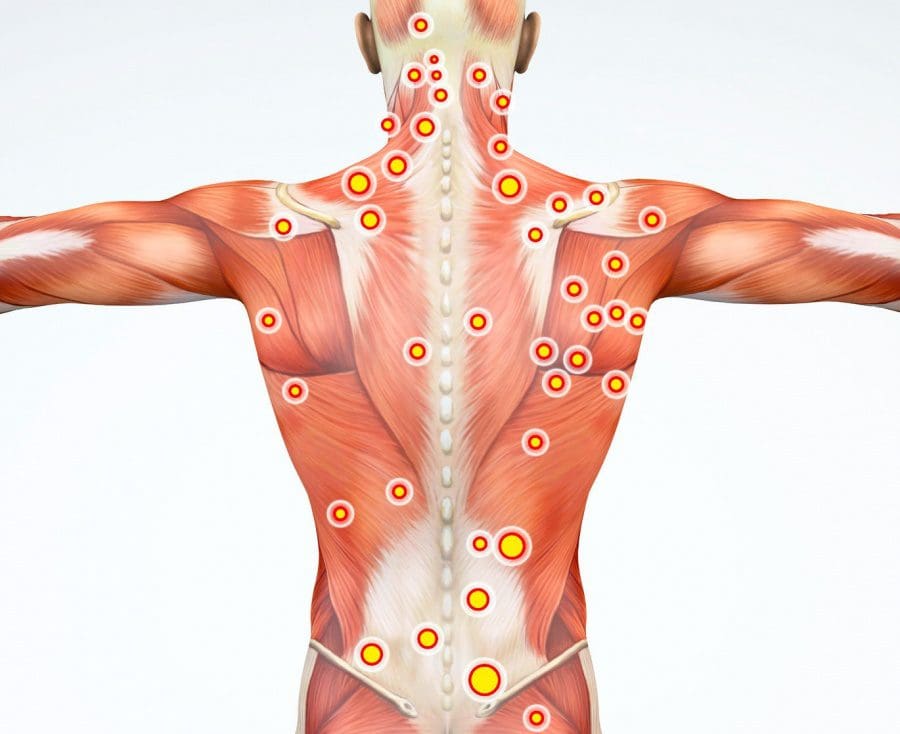
Trigger point therapy applies pressure on the area of the tensest muscle/s
Instrument-assisted soft tissue therapy uses a tool/s to apply gentle pressure.
�
Manual Therapy
When the joints are not moving correctly, a chiropractor may utilize this technique to regain a full range of joint motion. This is accomplished through joint mobilization which is slow, gentle stretches of the affected joint and manipulation, which are quick but gentle movement/thrusts that stretch the joint.
�
Exercise Therapy combined with Self-care
A chiropractor will provide simple therapeutic exercises and stretches that can be done at home to help with the pain and to help with prevention. Also provided:
Safe lifting techniques
Posture exercises/tips
Dietary strategies to manage pain and prevent re-injury
Once diagnosed with a pain condition, a chiropractor will develop a unique customized treatment plan. Don’t be afraid to talk with your chiropractor. The more they know the better the treatment plan. Once the pain is fully addressed, patients will be able to gradually increase daily activities.
�
Piriformis Syndrome Chiropractic Treatment
Dr. Alex Jimenez�s Blog Post Disclaimer
The scope of our information is limited to chiropractic, musculoskeletal, physical medicines, wellness, and sensitive health issues and/or functional medicine articles, topics, and discussions. We use functional health & wellness protocols to treat and support care for injuries or disorders of the musculoskeletal system. Our posts, topics, subjects, and insights cover clinical matters, issues, and topics that relate and support directly or indirectly our clinical scope of practice.*
Our office has made a reasonable attempt to provide supportive citations and has identified the relevant research study or studies supporting our posts. We also make copies of supporting research studies available to the board and or the public upon request. We understand that we cover matters that require an additional explanation as to how it may assist in a particular care plan or treatment protocol; therefore, to further discuss the subject matter above, please feel free to ask Dr. Alex Jimenez or contact us at 915-850-0900. The provider(s) Licensed in Texas& New Mexico*
There are various chronic treatment/management options available. Chronic pain treatment focuses on treating and managing the root cause and underlying condition that is causing the pain. The physical and psychological aspects of chronic pain need to be balanced in order for a treatment plan to work.
�
�
That is why a complete treatment plan can sometimes be necessary to address both the physical and psychological factors generating the pain. Because of this treatment plans often involve different pain specialists working in conjunction with a customized treatment/management plan according to the individual’s needs. This can include a combination of treatment protocols, like:
Health coaching
Psychological therapy
Chiropractic
Physical therapy
Medication
Acupuncture
Yoga, Pilates
�
Treatment/Management
The focus of chronic pain treatment is to:
Lessen pain frequency and intensity
Help individuals get back to work
Improve mobility and flexibility
Maintain quality of life
Reduce or eliminate reliance on pain meds
Reduce possible re-injury or new injury
Reduce mental and emotional symptoms like anxiety and depression
�
Pain Meds
�
Non-Opioids
Nonsteroidal anti-inflammatory medications are usually the first treatment for chronic mild to moderate pain. Examples are ibuprofen, aspirin, and naproxen. These medications work by blocking enzymes and reduce prostaglandinsthroughout the body that cause pain and swelling. Acetaminophen used in Tylenol is similar to these medications but works differently. Instead, these meds block the production of inflammatory chemicals in the brain.
�
Opioids
Opioids are narcotics and can be extremely powerful pain relievers. These are used to relieve severe pain symptoms temporarily. Narcotics work by blocking the pain signals before they get to the brain. However, these meds are highly addictive and can lead to abuse. Doctors prescribe narcotics when non-opioids and all forms of non-pharmacological treatment/s fail or don’t work in providing sufficient pain relief. Examples include:
Anticonvulsants or anti-epileptics are used to treat seizures. They can also help in relieving pain that is associated with nerve injury/damage and fibromyalgia. Examples include:
Muscle relaxants can be used for chronic pain but there is division among medical experts as to how effective they are and of their addictiveness. Plus there are few studies supporting their use in individuals with chronic pain.
�
Corticosteroids
Corticosteroids are hormone-based medications that help reduce inflammation. They are generated naturally in the body while some are synthesized in a laboratory. Injectable steroids can help relieve pain brought on from pinched nerves or joint disorders.
�
Antirheumatics
Antirheumatic meds are used to control and manage rheumatoid arthritis symptoms. They prevent or inhibit the immune system and help reduce joint damage. Examples include:
Methotrexate
Leflunomide
Hydroxychloroquine
Sulfasalazine
�
Antidepressants
Antidepressants are used to treat anxiety disorders and depression disorders but are also used to relieve chronic pain. They are used to treat pain caused by:
Arthritis
Migraine
Nerve damage
Fibromyalgia
These medications increase the brain’s chemical levels like serotonin, dopamine, and norepinephrine. They can also be used even when an individual has no depression symptoms. Examples include:
Amitriptyline
Venlafaxine
Paroxetine.
�
Alternative Treatment
Alternative treatment/management can also help with the pain. It’s recommended to discuss any type of alternative treatment with a doctor or medical professional. Doctors encourage alternative treatments along with keeping a journal of how an individual feels after a series of treatment sessions. If the individual feels better, and the treatment is working, then consider continuing for an extended period. Here are some alternative treatments/therapies to think about.
Acupuncture: Works by releasing endorphins, the natural pain-relieving chemicals, and affects the brain region that controls serotonin, the chemical that regulates mood.
Massage: Helps relieve pain by keeping muscles, ligaments loose and proper blood flow throughout the body
Meditation: Has been shown to help improve pain perception and reducing depressive symptoms
Hypnosis: Has been found to be useful in treating cancer and back pain
�
Psychological Therapy
Psychotherapy, also known as talking therapy could be part of a chronic pain treatment plan. What it does is to help improve the associated symptoms/conditions which include:
Depression
Anxiety
Fear of pain
Psychotherapy has shown promising results and has various forms. They are:
�
Acceptance/Commitment Therapy
Acceptance commitment therapy is short-term psychotherapy. There are two approaches to pain perception. One, it teaches the individual to accept things beyond what they control. Second, it encourages the individual to feel things the way they are, work towards relief instead of questioning and being skeptical. It opens an individual’s psychological perspective. It can be used to treat low back, leg, and neck pain.
�
Cognitive-Behavioral Therapy
This therapy educates individuals on pain, mood, behavior, and how they all relate to each other. It also trains an individual on relaxation strategies. Individuals learn techniques to replace negative thoughts concerning their pain with positive thoughts. Cognitive-behavioral therapy has been shown to be effective in treating pain caused by:
The scope of our information is limited to chiropractic, musculoskeletal, physical medicines, wellness, and sensitive health issues and/or functional medicine articles, topics, and discussions. We use functional health & wellness protocols to treat and support care for injuries or disorders of the musculoskeletal system. Our posts, topics, subjects, and insights cover clinical matters, issues, and topics that relate and support directly or indirectly our clinical scope of practice.*
Our office has made a reasonable attempt to provide supportive citations and has identified the relevant research study or studies supporting our posts. We also make copies of supporting research studies available to the board and or the public upon request. We understand that we cover matters that require an additional explanation as to how it may assist in a particular care plan or treatment protocol; therefore, to further discuss the subject matter above, please feel free to ask Dr. Alex Jimenez or contact us at 915-850-0900. The provider(s) Licensed in Texas& New Mexico*
How does pain become chronic? Pain can be a complex condition, as it involves both physiological and psychological components. When an individual experiences an injury, the damaged tissues trigger and send pain signals to the brain. This is how the body alerts that there is something wrong, and thus prevents further damage. Those pain signals travel to the brain, stimulate the nerves, and cause a sensation known as pain.
�
Nerves and the brain
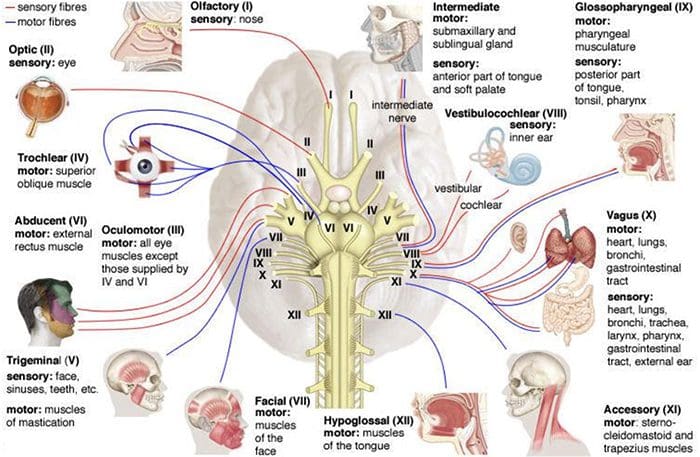
Nerves control the body�s functions like the organs, sensation, and movement. The nervous system receives information and generates the correct response. Two major types of nerves are sensory and motor. Sensory nerves relay information like touch, temperature, and pain to the brain and spinal cord. Motor nerves relay signals from the brain back to the muscles, which causes them to contract voluntarily or reflexively.
The peripheral nervous system is the combined millions of nerves throughout the body. The peripheral nervous system’s nerves relay signals/messages to the central nervous system, which is comprised of the brain and spinal cord. �
�
When pain becomes chronic the brain fails to process these signals correctly and the individual continues to feel pain after the injury has healed or improved. As time goes on the nerves that send the pain signals are more methodical in their signaling. This means more signals than normally will be sent and are far more intense. Conditions like cancer and diabetes can cause tissue and nerve damage throughout the body.
�
Acute vs. Chronic
Acute pain has a short duration of around three months or less. The causes are usually clear and not as difficult to diagnose. The underlying factor/s like an injury is resolved the pain also goes away. As the pain is gone, the individual no longer has problems carrying out daily activities. A few causes of acute pain are:
Surgical procedures
Dental procedures
Bone fractures
Burns
Open wounds
Childbirth
Chronic pain is defined as pain that lasts three to six months with some conditions going for years. Individuals can experience chronic pain weeks and months possibly years after the injury took place. And it can happen without any apparent cause. Many cases often involve more than one factor. This causes significant problems with daily activities. When pain becomes chronic it is often associated with conditions like cancer, diabetes, and arthritis.
�
CP and CPS
Chronic pain is defined as any type of pain that persists for six months or longer. Chronic pain syndrome is a collection of conditions that are associated with chronic pain. These conditions can make the pain worse or cause other complications like sleep problems, anger, anxiety, and depression. �
�
Causes
Doctors don’t know exactly what causes chronic pain syndrome. It often starts with an injury or painful condition such as:
A doctor will go over an individual’s medical history, illnesses, or injuries that could have started the pain. They will ask questions to learn more about the type of pain being felt and how long. Questions can include:
When did the pain begin?
Where on the body does it hurt?
What does the pain feel like – Throbbing, Pounding, Shooting, Sharp, Pinching, Stinging, Burning
The severity of the pain on a scale of 1 to 10
What sets the pain off?
What makes it worse?
Have any treatments helped?
Imaging tests can show if there is joint damage or other problems:
Computed tomography is a powerful X-ray that generates detailed images.
Magnetic resonance imaging uses magnets and radio waves to take pictures of the organs and structures.
X-rays use radiation in very low doses to create images of the body’s structures.
Talk with a chiropractor to understand how a customized treatment plan for chronic pain is developed.
Chronic Hand Pain Treatment
Dr. Alex Jimenez�s Blog Post Disclaimer
The scope of our information is limited to chiropractic, musculoskeletal, physical medicines, wellness, and sensitive health issues and/or functional medicine articles, topics, and discussions. We use functional health & wellness protocols to treat and support care for injuries or disorders of the musculoskeletal system. Our posts, topics, subjects, and insights cover clinical matters, issues, and topics that relate and support directly or indirectly our clinical scope of practice.*
Our office has made a reasonable attempt to provide supportive citations and has identified the relevant research study or studies supporting our posts. We also make copies of supporting research studies available to the board and or the public upon request. We understand that we cover matters that require an additional explanation as to how it may assist in a particular care plan or treatment protocol; therefore, to further discuss the subject matter above, please feel free to ask Dr. Alex Jimenez or contact us at 915-850-0900. The provider(s) Licensed in Texas& New Mexico*
Chronic pain, depending on the cause, can last up to six months or even longer. Individuals with chronic pain can have physical effects that generate added stress on the body. This includes:
Neurogenic pain comes from nerve damage to the brain or other areas of the body
Psychogenic pain comes from processing errors of pain signals in the brain.
�
�
Common Complaint
Chronic pain is a common complaint nowadays, especially from older individuals. And it is possible for an individual to have more than one chronic pain condition at a time. Some conditions that can cause chronic pain include:
Chronic Fatigue Syndrome
This causes extreme fatigue and pain that comes out of nowhere.
Endometriosis
This is a painful condition in females, where the cells that line the inside of the uterus, instead grow outside.
Fibromyalgia
This causes widespread pain throughout the body. �
�
Inflammatory Bowel Disease
This is a long-term disorder that can cause inflammation in the digestive tract.
Interstitial Cystitis
This causes mild to severe pain in the bladder.
Temporomandibular Joint Dysfunction
This causes severe pain and stiffness in the jaw.
�
Effects: Physical and Mental
Long-term pain can severely affect work, everyday activities, and social life. It’s common for individuals to have problems with sleep, appetite, concentration, and mobility. These individuals are more likely to be depressed, anxious, and irritable. Chronic pain increases the risk of anxiety and mood disorders. �
�
Chronic pain syndrome is both physical and mental
Around twenty-five percent of individuals with chronic pain will continue with a condition known as chronic pain syndrome. Emotional effects that accompany chronic pain often include depression, anger, anxiety, and a fear of re-injury. This type of fear can limit an individual’s ability to return to regular work and activities.
Experts believe that there is a problem with the nerve/s system and glands used to handle stress. This makes them feel pain differently. Other experts believe that chronic pain syndrome is a learned response. This is because when in pain, individuals have a tendency to repeat bad behaviors even after the pain is gone or has reduced.
Research suggests that psychological problems on their own are not behind chronic pain syndrome. It appears to be linked to abnormalities between specific glands including the hypothalamus, pituitary, adrenal glands, and the nervous system. The abnormalities control reactions to stress, injury, and trauma. This could explain why people experience pain differently. Understanding chronic pain means understanding the anatomy of the nervous system, which is highly complex. Through the nerves, the nervous system transmits messages to and from the brain. �
�
It can affect people of all ages and sexes, but it’s most common in women. Interference in an individuals’ daily life can take a tremendous toll. Chronic pain syndrome can be challenging to treat, but it is possible.
Optimally, this will be a combination of treatments like psychological counseling for anxiety, depression, etc. Physical therapy combined with chiropractic treatments to realign the spine and work out tight and tense muscles, joints, ligaments and keep them loose, along with relaxation techniques will help relieve the pain and the other symptoms.
The scope of our information is limited to chiropractic, musculoskeletal, physical medicines, wellness, and sensitive health issues and/or functional medicine articles, topics, and discussions. We use functional health & wellness protocols to treat and support care for injuries or disorders of the musculoskeletal system. Our posts, topics, subjects, and insights cover clinical matters, issues, and topics that relate and support directly or indirectly our clinical scope of practice.*
Our office has made a reasonable attempt to provide supportive citations and has identified the relevant research study or studies supporting our posts. We also make copies of supporting research studies available to the board and or the public upon request. We understand that we cover matters that require an additional explanation as to how it may assist in a particular care plan or treatment protocol; therefore, to further discuss the subject matter above, please feel free to ask Dr. Alex Jimenez or contact us at 915-850-0900. The provider(s) Licensed in Texas& New Mexico*
Chronic pain is pain that does not stop and persists for weeks, months, and years. It also describes pain that continues long after the injury that caused the pain has healed. It affects millions of people with debilitating side-effects that can range from low-self esteem, depression, anger. Chronic pain costs over $600 billion each year.
Pain is subjective and is different for everyone. Regardless of how severe it is, pain that goes on for a long period can be crippling. The United States population reports having more pain than people in other countries. One in three Americans says that they experience pain often and very often. There are individuals that experience severe pain every day. �
�An unpleasant sensory and emotional experience associated with actual or potential tissue damage, or described in terms of such damage.� IASP Terminology
For the layman, pain is a highly discomforting experience. It can be brought on from an injury or could be the brain is having problems processing pain signals correctly. Pain can vary in its:
Severity
Time/s when it presents
Location
Involvement of other areas of the body
Pain could be limited to where the injury occurred, but pain could affect the whole body. Terms to describe pain include:
Aching
Burning
Cramping
Dull
Electric
Intense
Sharp
Shooting
Stabbing
�
Causes
What causes chronic pain is not always clear and can be challenging to diagnose the root cause. There are possibilities like:
Injury – Even after an injury has healed, the nerves can still send pain signals to the brain. Medical experts are unsure why this happens.
Disease – There are conditions that can cause chronic pain. Fibromyalgia, osteoarthritis, headaches, and shingles are a few examples.
Nerve issues/problems – the nerves of the nervous system can be injured themselves. This type is known as neuropathic pain.
Unknown/Other – Pain can develop, even with no obvious injury, disease, or nerve problem.
Chronic pain is biological. As nerve impulses keep signaling to the brain. This combined with social and psychological factors can impact an individual’s treatment and health. An example is having negative emotion/s like anxiety. Emotions like this have a tendency to aggravate and exacerbate chronic pain. �
� Those who just think about their pain and discomfort seem to have greater disability than those who try to work through it and stay positive. It’s the same with work-related injuries in the United States, where those who don’t like their jobs have a much more difficult time recovering compared with those who like their jobs.
This is why the referral of a psychologist could be part of the treatment plan. A psychologist can educate a patient on how to use various relaxation techniques/tools. This can help them see and understand their pain and learn how to best combat the pain.
�
Living with chronic pain in the United States
Life changes are an essential part of effective treatment for chronic pain. Proper regular sleep is a must, as the body needs to heal itself and during the sleep cycle is when it happens. Living with chronic pain is a very challenging and difficult task. Taking care of yourself is the main objective.
Proper sleep, a healthy diet, moderate exercise, stress management, and proper treatment will get an individual back to as normal a life as possible with chronic pain. The aim for individuals is to figure out/learn everything they can about what is causing the pain. Understand the limits and work within them. Keep an open mind and try new ways to manage the pain. Research scientists believe that major advances in neuro medicine will generate more and better treatments for chronic pain.
Depression & Chronic pain
Dr. Alex Jimenez�s Blog Post Disclaimer
The scope of our information is limited to chiropractic, musculoskeletal, physical medicines, wellness, and sensitive health issues and/or functional medicine articles, topics, and discussions. We use functional health & wellness protocols to treat and support care for injuries or disorders of the musculoskeletal system. Our posts, topics, subjects, and insights cover clinical matters, issues, and topics that relate and support directly or indirectly our clinical scope of practice.*
Our office has made a reasonable attempt to provide supportive citations and has identified the relevant research study or studies supporting our posts. We also make copies of supporting research studies available to the board and or the public upon request. We understand that we cover matters that require an additional explanation as to how it may assist in a particular care plan or treatment protocol; therefore, to further discuss the subject matter above, please feel free to ask Dr. Alex Jimenez or contact us at 915-850-0900. The provider(s) Licensed in Texas& New Mexico*
Individuals with chronic pain, whether back, neck, arm, hips, etc, want to avoid surgery or drug treatments. This is where a chiropractic physician comes in with natural/alternative medicinecombined with conventional approaches to pain management. New pain assessment and management standards now require hospitals to provide or inform and educate individuals on pain treatment options that are not drug-based. These include:
�Provide Safer, More Effective Care for patients with chronic pain� and that �non-opioid therapy is preferred for chronic pain outside of active cancer, palliative, and end-of-life care.� CDC
�
�
A widely recognized and highly effective form of pain management is chiropractic treatment. Chiropractic physicians are trained and equipped with a wide range of diagnostic tools and treatment/rehabilitation options to bring relief from pain without surgery or drugs.
A chiropractic physician is trained or incorporates acupuncture and physical and massage therapy into their pain management plans. The ability to provide this type of range of care is why many individuals keep a regular chiropractic regimen to keep them loose, limber, and in top form.
�
Myths
Individuals that have pain believe they have to live with it and that it�s just part of the wear and tear on the body. It is true that the body wears down, however continual pain does not have to be part of the cycle. Chiropractic adjustments keep the body balanced and in proper alignment bringing relief and providing pain prevention.
Then there are those that believe the answer is muscle relaxers or pain meds, not realizing that chiropractic can offer relief.
The most common myth is that chiropractic physicians only treat back pain. Chiropractic doctors treat a wide variety of acute and chronic pain syndromes including:
Headaches
Sports injuries
Auto Accident injuries
Personal injuries
Work injuries
Athletic performance enhancement
Neuropathy
Fibromyalgia
Stress
Fertility
Pregnancy
�
Chiropractic Pain Management
The principal focus for a chiropractic physician is the musculoskeletal and nervous systems and their impact on the health of an individual. They often work collaborate with the individual’s primary or emergency health care providers in diagnosis, treatment, and management for their health condition/s. They take into account various factors that are affecting their patients� health, which include:
Treatment options vary depending on every individual�s specific needs and personal situation. A treatment plan could consist of a chiropractor recommending therapeutic massage, stretches, and exercises as part of a daily regimen combined with manual adjustments to:
Reduce pain
Prevent musculoskeletal deterioration
Improve strength
Increased range of motion
Another treatment plan could include soft tissue massage therapy to augment/enhance muscle and ligament function. The primary aim of chiropractic medicine is to identify the source of the pain and return the body to its proper alignment and function. These adjustments to gain proper alignment allow the body to heal itself without medication or surgery.
�
The Benefits
Chiropractic therapy as a no-meds approach to pain management has gained support. The misconceptions and myths are being debunked as individuals and science are seeing the effectiveness of chiropractic for many pain-related conditions. Many job insurance plans cover chiropractic. Medicare and Medicaid include chiropractic services and are offered at military facilities/clinics.
The benefits of chiropractic include:
The risk of pain meds dependence is significantly reduced
The causes of pain and treating them naturally is the goal
Reduces inflammation
Improves athletic performance
Natural rehabilitation for auto, personal, sports and work injuries
Health coaching
�
Treating Severe & Complex Sciatica Syndromes
Dr. Alex Jimenez�s Blog Post Disclaimer
The scope of our information is limited to chiropractic, musculoskeletal, physical medicines, wellness, and sensitive health issues and/or functional medicine articles, topics, and discussions. We use functional health & wellness protocols to treat and support care for injuries or disorders of the musculoskeletal system. Our posts, topics, subjects, and insights cover clinical matters, issues, and topics that relate and support directly or indirectly our clinical scope of practice.*
Our office has made a reasonable attempt to provide supportive citations and has identified the relevant research study or studies supporting our posts. We also make copies of supporting research studies available to the board and or the public upon request. We understand that we cover matters that require an additional explanation as to how it may assist in a particular care plan or treatment protocol; therefore, to further discuss the subject matter above, please feel free to ask Dr. Alex Jimenez or contact us at 915-850-0900. The provider(s) Licensed in Texas& New Mexico*
IFM's Find A Practitioner tool is the largest referral network in Functional Medicine, created to help patients locate Functional Medicine practitioners anywhere in the world. IFM Certified Practitioners are listed first in the search results, given their extensive education in Functional Medicine