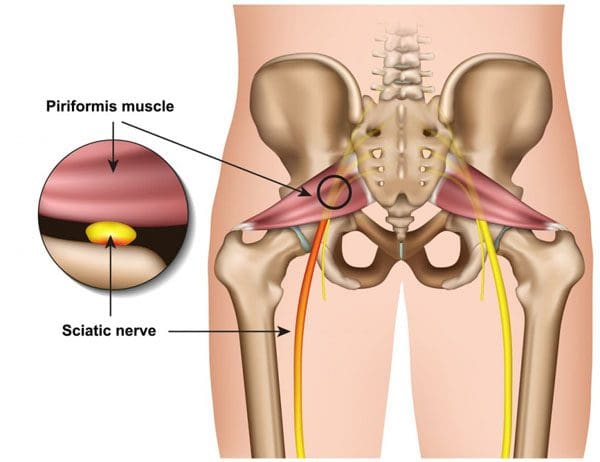
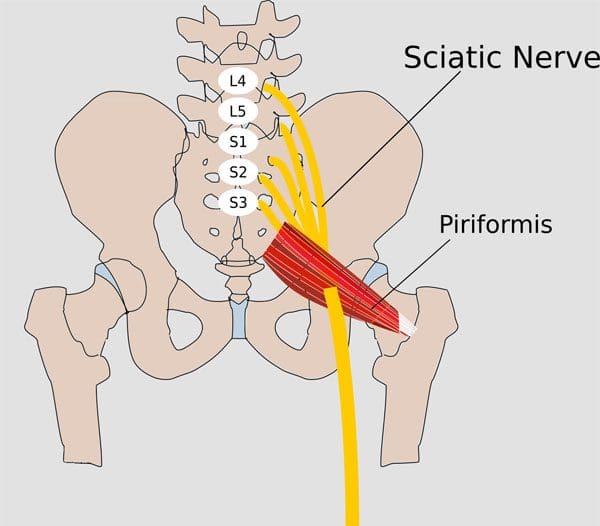
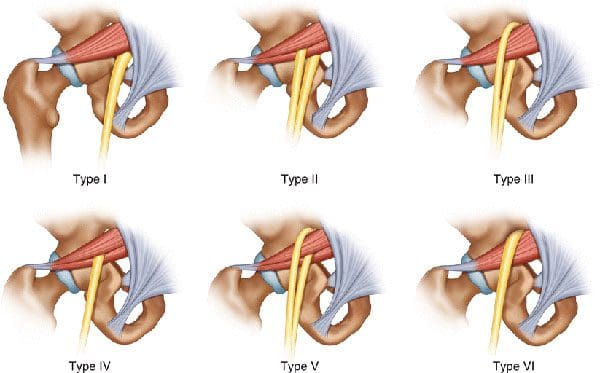
Identification of piriformis syndrome or sciatica requires proper testingand examination. The piriformis muscle begins at the sacrum near the sacroiliac joint and is attached to the femur/thigh bone at the outer area of the hip. The sciatic nerve passes typically under or through the muscle before going down the back of the thigh.
The piriformis helps turn the hip outward and bring the thigh outward to one side while the hip is bent. This could be when raising the knee and bringing the leg out. An example is stepping out of a car. The muscle also helps to stabilize when walking, running, and standing. Individuals with the sciatic nerve passing through the piriformis have an increased chance of developing piriformis syndrome. It can also be called piriformis sciatica since it is not true sciatica.
Symptoms
Piriformis syndrome does not always present the same way. Common symptoms include pain, tingling, and numbness in the buttocks that becomes worse when sitting. Other symptoms can include:
Pain when sitting, standing, or walking.
Pain when getting up from a seated/squatting position
Pain in the sacroiliac joint
Pain and/or pins and needles, burning, tingling, or itching sensation
Movement helps to reduce pain symptoms
Numbness in the foot
Many of these symptoms can be mistaken for sciatica. This is why proper testing is necessary to provide the appropriate treatment; otherwise, the condition could worsen or create new injuries.
Causes
Primary piriformis syndrome happens when splitting the piriformis muscle, the sciatic nerve, and/or the sciatic nerve does not run along the normal path.
Secondary piriformis syndrome is more common and is caused by inflammation of the soft tissues, muscle spasms, etc. And the result is nerve compression.
Direct trauma to the buttock area can definitely cause inflammation, scarring, and contraction of the piriformis muscle. This could be the result of an automobile accident or a fall.
The most common cause is a progressive tightening of the muscle brought on from a weakened piriformis muscle.
Testing
Because of the close relation between piriformis syndrome and sciatica, a chiropractic medical professional will perform various tests to determine if symptoms are spinal disc-related or caused by the sciatic nerve getting pinched or impinged piriformis muscle. A chiropractor will examine the low back, hip, pelvis, sacroiliac joint, walking gait, posture, and leg length. They will test various body reflexes as well. Other tests can include:
Palpation/manipulation of the piriformis muscle
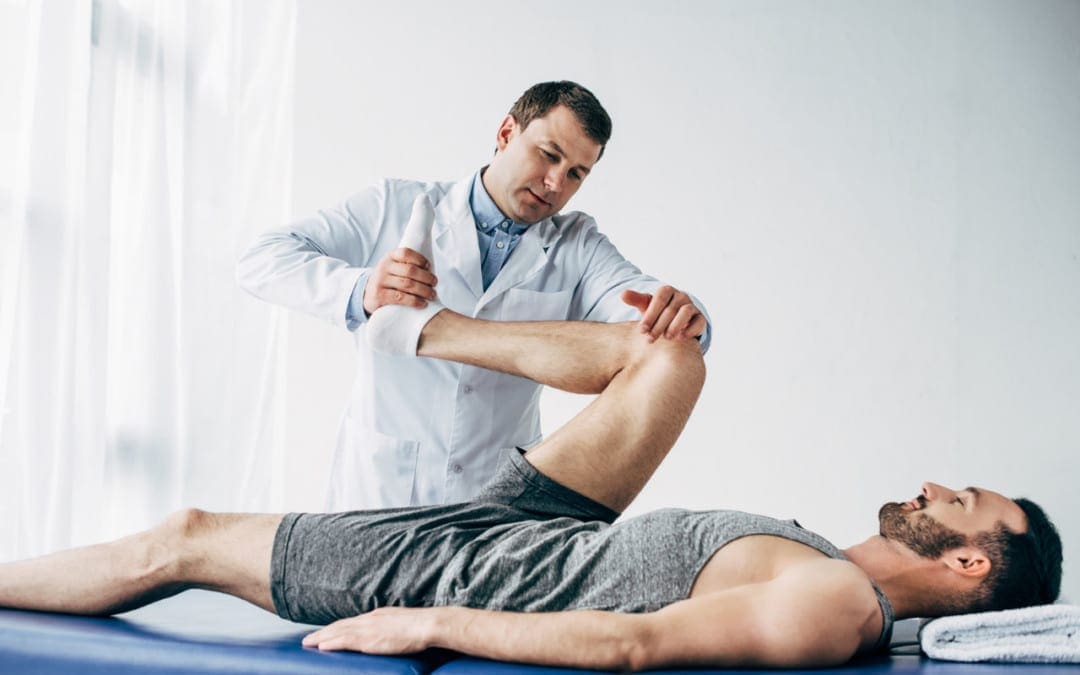
A Straight leg raise will be done to see if there is localized pain when pressure is applied to the piriformis muscle and the tendon. The chiropractor will flex the hip at a 90-degree angle and extend/straighten the knee.
A Freiberg test will be done to see if pain presents around the piriformis or reproduces symptoms.
The Pace maneuver test looks for pain and/or weakness during rotation of the hip when sitting.
The F.A.I.R test stands for flexion, adduction, and internal rotation. This test has the individual lie on the non-affected side while the chiropractor guides the painful leg into hip flexion, turns it in toward the body, and gently turns the lower leg outward.
The Beatty maneuver tests for pain while lying on the non-affected side, and the chiropractor elevates the flexed symptomatic leg.
Testing for pain or weakness in specific positions is usually conducted for one minute or when the individual experiences symptoms.
In addition to a physical exam, a chiropractor will utilize imaging scans to rule out any other causes. This can include X-rays, MRIs, or CT scans. Once the source has been diagnosed, treatment can begin. Many individuals choose to wait and see what happens, hoping the problem will go away. But the sooner the root issue is dealt with, the sooner an individual can get back to living pain-free.
Sciatica Pain Rehabilitation
References
The Journal of the Osteopathic Medical Association. (November 2008) Diagnosis and Management of Piriformis Syndrome: An Osteopathic Approach https://jaoa.org/article.aspx?articleid=2093614
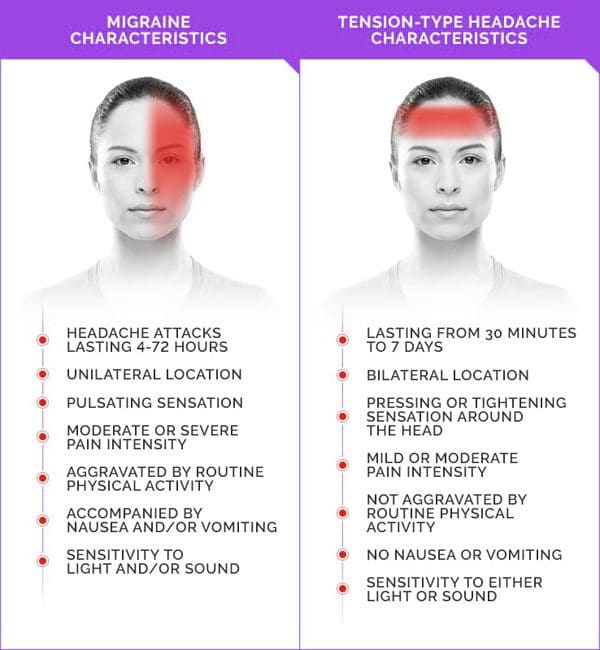
Chiropractic adjustments can eliminate headaches and migraines from the source. Many individuals visit medical doctors complaining of headaches and migraines. Most hope for immediate relief from these debilitating issues. However, most are sent home after a quick exam and are given a prescription for medication. Finding, treating, and eliminating the root cause should be the objective, instead of just taking medication after medication.
Root Cause
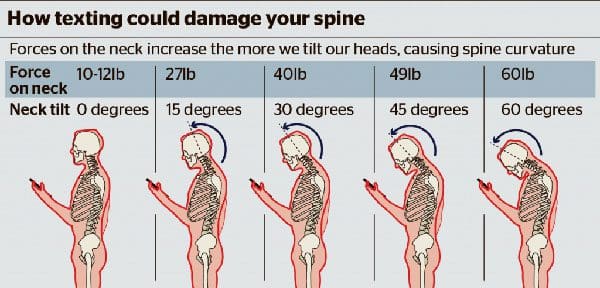
The root cause can be traced back to dehydration and misalignment of the spine specifically the neck. Most doctors will take out the prescription pad and move on without fully addressing the problem. There has been a significant rise in poor health and disease. This comes from unhealthy lifestyle choices and poor posture habits. Many of us lean and hunch over at a desk station then go home to more computers and television screens. Constant phone check-ins with the head tilted down creates massive pressure on the neck’s muscles and nerves.
Spinal Misalignment Nerve Pressure
Unhealthy lifestyle choices are major contributors to causing spinal misalignment. This places unnecessary and potentially dangerous pressure on the nerves responsible for the function of the organs. When the nerve’s energy is not properly dispersed and cannot reach the organs, a state of dysfunction begins to set in, which can lead to disease and chronic conditions. Healthy lifestyle changes can include learning how to improve standing, sitting, and sleeping posture habits, proper hydration, and chiropractic spinal re-alignment will eliminate headaches and migraines from the source and ensure a healthy body for the future.
Re-Alignment
There is no need to continue suffering from neck/back pain, headaches, migraines, poor posture, and diminished health. Chiropractic will help an individual regain health and vitality. Injury Medical Chiropractic Clinic Physical Therapy and Health Coaching Team Can Help.
Migraine Treatment
��
Dr. Alex Jimenez�s Blog Post Disclaimer
The scope of our information is limited to chiropractic, musculoskeletal, physical medicines, wellness, and sensitive health issues and/or functional medicine articles, topics, and discussions. We use functional health & wellness protocols to treat and support care for injuries or disorders of the musculoskeletal system. Our posts, topics, subjects, and insights cover clinical matters, issues, and topics that relate and support directly or indirectly our clinical scope of practice.*
Our office has made a reasonable attempt to provide supportive citations and has identified the relevant research study or studies supporting our posts. We also make copies of supporting research studies available to the board and or the public upon request. We understand that we cover matters that require an additional explanation as to how it may assist in a particular care plan or treatment protocol; therefore, to further discuss the subject matter above, please feel free to ask Dr. Alex Jimenez or contact us at 915-850-0900. The provider(s) Licensed in Texas& New Mexico*
References
Bryans, Roland et al. �Evidence-based guidelines for the chiropractic treatment of adults with headache.��Journal of manipulative and physiological therapeutics�vol. 34,5 (2011): 274-89. doi:10.1016/j.jmpt.2011.04.008
Post-Injury: We push ourselves throughout our lives, and accidents that result in injuries are just part of the process. The top causes of injury include:
Falls
Automobile accidents
Sports injuries
Work injuries
Many of them lead to prolonged injury to the spine, knees, hands, and feet. The objective after an injury is to make sure the body heals properly. Without proper treatment, disability, chronic pain, and the development of other health issues are increased.
Post-Injury Care
Injuries cause pain that can result in spinal misalignment, range of motion problems, and a poor quality of life. Seeking care from a spinal expert in alignment and movement will help recover quicker and sustainably. Chiropractic is a research-oriented, top-quality approach that provides natural whole-body care. A chiropractic practitioner will promote proper recovery and decrease the risk of disability and chronic suffering.
Proper spinal alignment
Chiropractic providers are experts in spinal alignment. Here are a few of the amazing benefits that chiropractic provides. Even the most subtle misalignments affect blood and nerve circulation/energy leading to decreased overall body function, slow down the healing process, increases pain, and other health issues. Misalignment is associated frequently as a root cause for symptoms. This allows the body to restore its normal function and heal the recovery process.
Tissue restoration and flexibility
Once alignment has been restored, the continued chiropractic adjustments will maximize the effectiveness of the treatment plan. A personalized treatment plan focuses on the most effective, optimal, non-invasive techniques. The objective is to maintain body balance/alignment allowing the body to recover and rehabilitate properly. Treatment can include:
Pain management with modalities
Soft tissue massage
Exercises
Stretching
Health coaching
Maximize the benefits
Initial symptoms can become chronic and worsen with time if left untreated/ignored and are not medically addressed. Properly maintained recovery will minimize this risk of exacerbating or developing new injuries. Long-term issues typically stem from:
Improper mechanics
Misunderstanding of the injury
Scar tissue
Spinal misalignments
Chiropractic experts are trained to recognize subtle changes that can make differences in the long run and will help minimize all issues right from the start.
Chiropractic for injuries
After an injury has been sustained chiropractic post-injury will increase recovery potential and get the body back on track. Chiropractic post-injury will reduce pain, and get the body back at its best. Find a chiropractor to maximize the recovery process today.
Best Sports Chiropractor
��
Dr. Alex Jimenez�s Blog Post Disclaimer
The scope of our information is limited to chiropractic, musculoskeletal, physical medicines, wellness, and sensitive health issues and/or functional medicine articles, topics, and discussions. We use functional health & wellness protocols to treat and support care for injuries or disorders of the musculoskeletal system. Our posts, topics, subjects, and insights cover clinical matters, issues, and topics that relate and support directly or indirectly our clinical scope of practice.*
Our office has made a reasonable attempt to provide supportive citations and has identified the relevant research study or studies supporting our posts. We also make copies of supporting research studies available to the board and or the public upon request. We understand that we cover matters that require an additional explanation as to how it may assist in a particular care plan or treatment protocol; therefore, to further discuss the subject matter above, please feel free to ask Dr. Alex Jimenez or contact us at 915-850-0900. The provider(s) Licensed in Texas& New Mexico*
References
Piper, Steven et al. �The effectiveness of soft-tissue therapy for the management of musculoskeletal disorders and injuries of the upper and lower extremities: A systematic review by the Ontario Protocol for Traffic Injury Management (OPTIMa) collaboration.� Manual therapy�vol. 21 (2016): 18-34. doi:10.1016/j.math.2015.08.011
The first step in chiropractic care is getting the individual’s medical history. Many visit a chiropractor with certain expectations of how things will go. They will lay down on a table while the chiropractor adjusts the spine. There will be pops and cracks, and the tension will go away. And afterward, they�ll feel better.
However, without an individual’smedical history, the treatment will not be as effective because of the lack of information. This means that a chiropractor is only able to perform general adjustments but is not able to get to the root cause and maximize the full potential of the adjustments. Patient education starts the moment someone walks into the clinic.
The nature of holistic medicine
Some questions a chiropractor might ask include:
What type of pain is presenting – shooting, burning, aching, throbbing, etc?
Have you had any recent surgeries?
Is there a history of chronic pain?
What medications are being taken?
Each will be explained in further detail and what they mean for the development of a treatment plan. An individual needs to understand how important their medical histories are for treatment progress. Patient history prevents executing the wrong treatment plan by having an informed understanding of the individual’s body.
For example, a chiropractor can�t perform the same adjustments on a senior with osteoporosis that they do on a middle-aged athlete. And someone recovering from surgery will not have the range of motion when healthy.
An adjustment can result in X, Y, or Z, depending on the factors at work. Medical history is vital as it eliminates any unknowns, so a chiropractor can solve for X, Y, or Z by being able to provide the best outcome for the individual.
The more information, the better the treatment plan
When an individual has neck pain, a doctor is not going to prescribe immediate surgery, unless it is an emergency. Rather, they will perform a full examination, ask questions, try to find the cause, and analyze the intensity of the pain. A chiropractor is no different, and individual medical history is vital. Obtaining as much information as possible can help a chiropractor reach a proper diagnosis and ensures the right course of action is taken.Individuals often do not realize but for example,
An automobile accident that happened last year could be manifesting symptoms now.
Shoulder surgery five years ago could be limiting the range of motion, affecting the musculature around the cervical spine.
Chronic plantar fasciitis and self-medicating for a while can cause instability in the lumbar spine affecting the cervical spine.
Every little bit of information can help put the puzzle together to get a clear picture of what is going on. The biggest contributor of information is patient medical history, formally documented and informally spoken.
Informed care
A visit to Injury Medical Chiropractic Clinic is a collaboration between patient and chiropractor that leads to informed and the best treatment possible. Medical history informs optimal care. For more information or for more tips on chiropractic care, contact us today.
New Patient Chiropractic Care
Dr. Alex Jimenez�s Blog Post Disclaimer
The scope of our information is limited to chiropractic, musculoskeletal, physical medicines, wellness, and sensitive health issues and/or functional medicine articles, topics, and discussions. We use functional health & wellness protocols to treat and support care for injuries or disorders of the musculoskeletal system. Our posts, topics, subjects, and insights cover clinical matters, issues, and topics that relate and support directly or indirectly our clinical scope of practice.*
Our office has made a reasonable attempt to provide supportive citations and has identified the relevant research study or studies supporting our posts. We also make copies of supporting research studies available to the board and or the public upon request. We understand that we cover matters that require an additional explanation as to how it may assist in a particular care plan or treatment protocol; therefore, to further discuss the subject matter above, please feel free to ask Dr. Alex Jimenez or contact us at 915-850-0900. The provider(s) Licensed in Texas& New Mexico*
References
Hunter, J. �Medical history and chronic pain.��The Clinical journal of pain�vol. 17,4 Suppl (2001): S20-5. doi:10.1097/00002508-200112001-00007
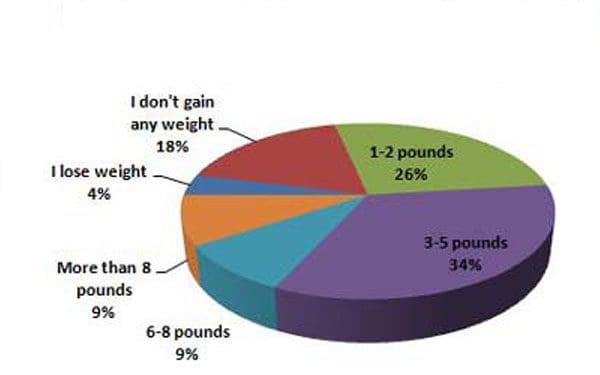
Chiropractic recommendations to avoid holiday weight gain and back pain. All the food, gravy, pies, cookies, candy, chocolate, wine, eggnog, hot cocoa, and whipped cream are great, but moderation is key to keeping unwanted weight gain that can lead to back pain. Research has found that up to 70% of individuals typically gain weight during the holidays.
Holiday weight gain
Also known as the seasonal seven or a month-long celebration with the diet starting in the new year. Any type of extra weight can contribute to back discomfort and pain. A body that is overweight can begin to overwork the spine, as it tries to adjust to bear the extra weight. This can contribute to injury and back pain. When the body is overweight, the potential for a back injury increases and can be more difficult to recover from, which can result in chronic back pain. Too much weight can exacerbate and/or lead to symptoms of:
Degenerative disc disease
Compression fracture
Osteoporosis
Osteoarthritis
Spinal stenosis
Spondylolisthesis
Losing the weight
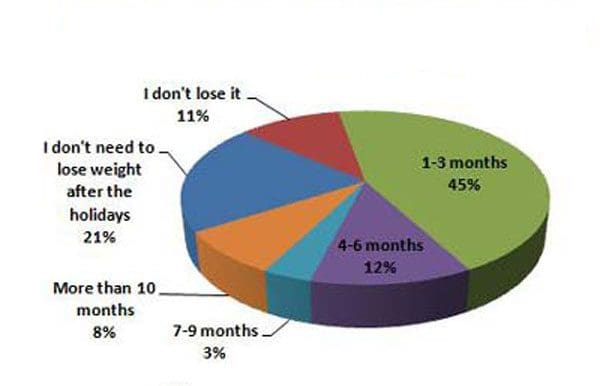
However, most individuals struggle to lose the holiday weight. Research has found that around 10% of individuals are unable to lose the holiday weight until the following fall. Another 11% say that they never lose the weight gained. Year after year the holiday weight gain adds up.
To stay healthy and protect the spine, here are some recommendation to fight the holiday weight gain:
Physical Activity
Physical activity is the best way to lose or maintain a healthy weight. Walking is a quick and perfect way to get in some quick exercise. With all the shopping, wrapping, and unwrapping, it can be challenging to find time to exercise. It does not have to be a full workout. Just a quick walk around the block is a perfect option. Don’t get frustrated up over not being able to exercise regularly. A 10-20 minute walk is better than no physical activity at all.
Enjoy in moderation
Don’t try to avoid all the food during the holidays, instead develop an action plan. The objective is to eat and drink in moderation. An example could be before eating, eat a healthy snack so there is no temptation to fill up on sweets, pastries, etc. Also at the dinner, pass on the gravy and share the dessert.
Lose weight effectively
Keeping the holiday weight off can be done with a few adjustments keeping the spine and whole-body healthy.One way is to think about keeping the spine healthy as a gift to yourself. Contact our chiropractic and health coaching team for spinal adjustments, exercises, stretches, and diet.
Weight Loss Chiropractic Treatment
�
Dr. Alex Jimenez�s Blog Post Disclaimer
The scope of our information is limited to chiropractic, musculoskeletal, physical medicines, wellness, and sensitive health issues and/or functional medicine articles, topics, and discussions. We use functional health & wellness protocols to treat and support care for injuries or disorders of the musculoskeletal system. Our posts, topics, subjects, and insights cover clinical matters, issues, and topics that relate and support directly or indirectly our clinical scope of practice.*
Our office has made a reasonable attempt to provide supportive citations and has identified the relevant research study or studies supporting our posts. We also make copies of supporting research studies available to the board and or the public upon request. We understand that we cover matters that require an additional explanation as to how it may assist in a particular care plan or treatment protocol; therefore, to further discuss the subject matter above, please feel free to ask Dr. Alex Jimenez or contact us at 915-850-0900. The provider(s) Licensed in Texas& New Mexico*
References
Diaz-Zavala RG, Castro-Cantu MF, Valencia ME, et al. Effect of the holiday season on weight gain: A narrative review.�Obesity. 2017; article ID 2085136. https://www.hindawi.com/journals/jobe/2017/2085136/ Accessed November 28, 2017.
Individuals with neck and back pain should consider adding a few pain-relieving therapeutic tools to the holiday wish list. Spine specialists/experts have some tools for their patients and others who are dealing with back and neck pain. Looking at various points, these therapeutic tools offer the gift of helping to reduce neck and back pain, when unable to see a chiropractor or physical therapist.
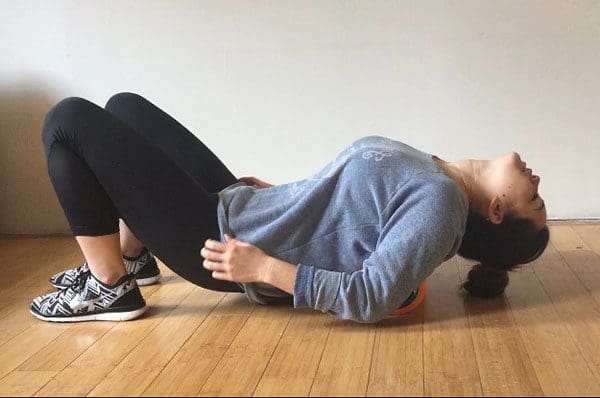
Foam Rollers
Foam rolling is effective for different types of aches and pains, especially backaches. Foam rolling benefits include:
Releasing muscle knots and tension
Reduces inflammation
Decreases pain
Improves range of motion
Returns flexibility
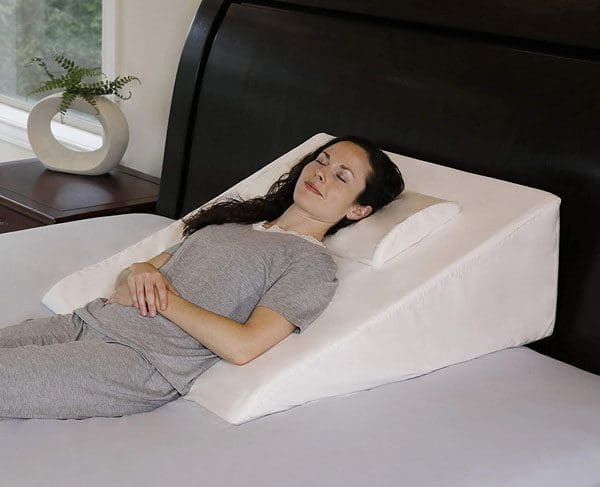
Wedge Pillow
A wedge pillow for the back is a necessity. A wedge pillow removes the stress from the spine and neck when lying down. Flipped around will take the tension off the legs also bringing back pain relief.
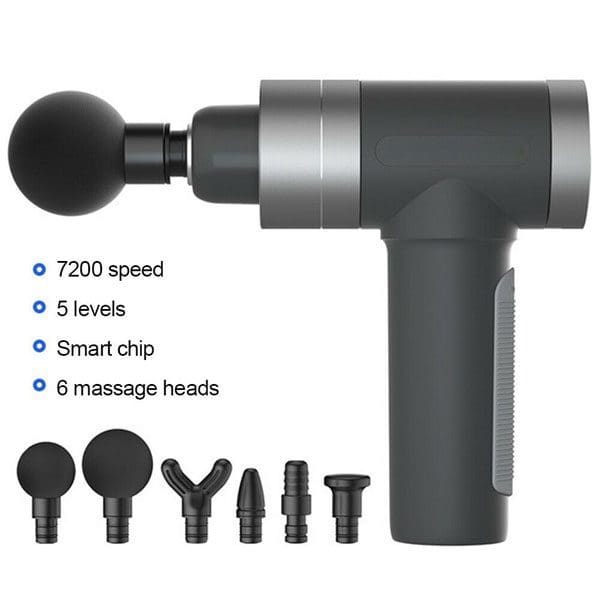
Deep Percussive Massager
Percussive massagers can provide a deep massage to various areas of the body especially the lower back. There are a variety of brands available with different levels of technology. However, careful use of these instruments must be exercised. This is because the massage can be intense and can exacerbate or cause further injury, and individuals can develop a tolerance making the massage no longer effective.
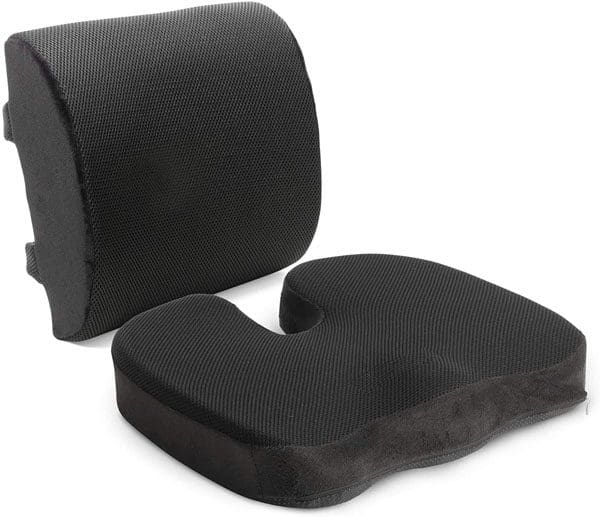
Seat Cushion
If sitting at a desk throughout the day or working from home a proper seat cushion is mandatory. Many individuals who sit the majority of their day utilize a combination cushion that includes the seat cushion with lower back support. Individual cushions are great because they can be moved easily and adjusted to fit where needed. Therapeutic seat cushions come with various features available, here are a few to keep in mind. Memory foam and air cells offer the most pressure relief. If there is tailbone pain, focus on a seat cushion with the tailbone cut out for extra relief. An office chair with these features should also be considered.
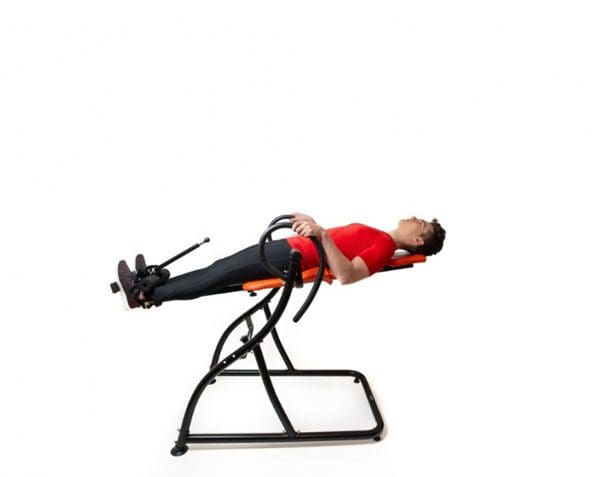
Inversion Table
Inversion tables are available at reasonable prices, starting around $100. Used correctly this therapeutic tool can successfully help relieve back pain. Inversion tables and cervical traction provide decompression and postural alignment for the spine helping with pain relief. These devices offer gentle decompression through the angle used. Wider angles or full inversion provides more decompression on the back. Individual spinal needs should be discussed with a chiropractor, physical therapist, or physician before using this therapeutic tool.
Pain Patches and Topical Agents
Pain-relieving patches like Lidocaine, IcyHot, and Salonpas patches are widely recommended for tight and sore areas of the body.
Sitting Standing Desk
A sitting and standing desk can be highly beneficial to back pain. In addition to burning off bonus calories throughout the day, Changing positions and postures throughout the day are recommended. This is to keep the muscles, ligaments, tendons moving, and not in a static position for too long. Changing every 20 to 30 minutes is the recommended time. Sitting and standing desks can provide positional changes that will help with posture, core stability, and circulation. This will help reduce and alleviate pain in the low back, neck, and shoulders. However, the desk needs to be stable and adjusted to the proper height.
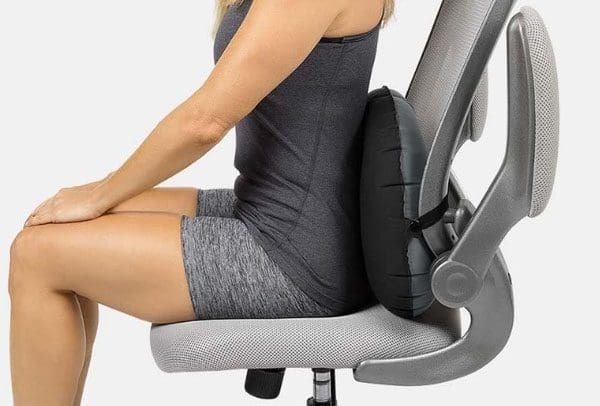
Lower Back Sitting Support
These therapeutic tools help reinforce the low back region when seated. Most of us start to slouch forward with the head and shoulders hunched forward after some time at the computer. This strains the whole body, specifically the low back. Lower back supports can help maintain proper alignment of the spine when seated.
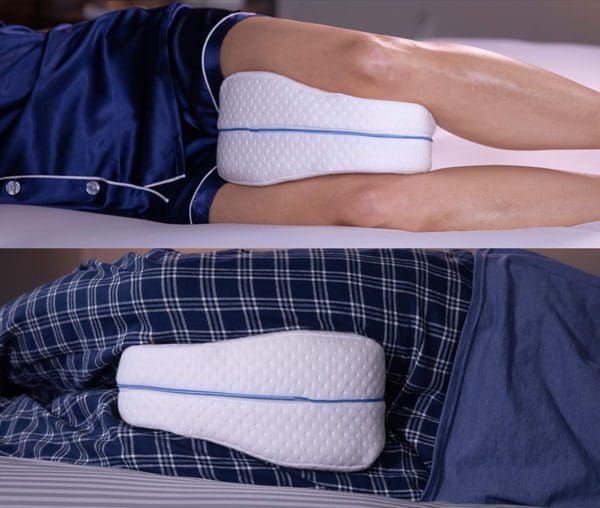
Knee, Thigh, Pelvis Pillow
These pillows have different names but are used in the same way. This is a pillow that can be placed between the legs while sleeping takes the pressure off the pelvis and spine. These types of pillows are great for individuals that sleep on their side. This is because the top leg often shifts down, leading to increased stress on the hips and low back. These pillows help keep the legs aligned during sleep relieving pressure on the low back.
How To Self-Care for Back Pain Books
There are a variety of books that offer tips, and therapies for self-care. These products are not a cure-all. They are intended to help in combination with proper treatment, especially for certain spinal conditions. If pain is limiting daily function, consult a chiropractor, physical therapist, or physician about using the above therapeutic tools.
Doctor of Chiropractic Near Me
Dr. Alex Jimenez�s Blog Post Disclaimer
The scope of our information is limited to chiropractic, musculoskeletal, physical medicines, wellness, and sensitive health issues and/or functional medicine articles, topics, and discussions. We use functional health & wellness protocols to treat and support care for injuries or disorders of the musculoskeletal system. Our posts, topics, subjects, and insights cover clinical matters, issues, and topics that relate and support directly or indirectly our clinical scope of practice.*
Our office has made a reasonable attempt to provide supportive citations and has identified the relevant research study or studies supporting our posts. We also make copies of supporting research studies available to the board and or the public upon request. We understand that we cover matters that require an additional explanation as to how it may assist in a particular care plan or treatment protocol; therefore, to further discuss the subject matter above, please feel free to ask Dr. Alex Jimenez or contact us at 915-850-0900. The provider(s) Licensed in Texas& New Mexico*
References
Furlan, Andrea D et al. �Massage for low-back pain.��The Cochrane database of systematic reviews,9 CD001929. 1 Sep. 2015, doi:10.1002/14651858.CD001929.pub3
Weakness, pain, and numbness can find their root in the spine. It is known as radiculopathy. If left untreated, health problems will only continue to get worse, with the potential to become a chronic condition. When it comes to degenerative pain conditions they usually start small. There is occasional discomfort that gradually develops into pain, then weakness and numbness.
Usually, by the time an individual seeks help, the original condition has devolved into radiating pain. This is why it is important to address the issue right away.Chiropractic works with individuals to help them understand the degenerative nature of pain and how to address and prevent it. Early intervention will prevent minor discomfort from turning into debilitating, chronic pain.
Radiculopathy
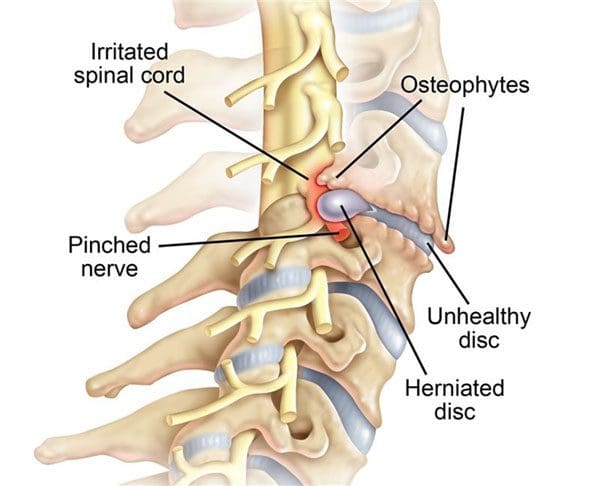
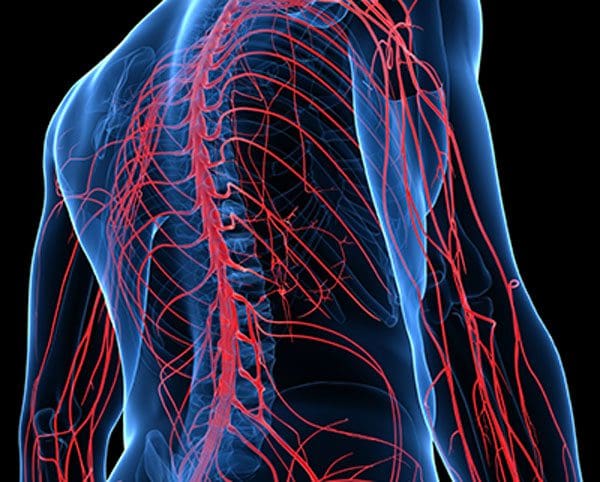
Radiating pain root cause is a compressed or inflamed nerve. It happens at the site of compression and spreads outward growing larger with time. It can be a catalyst for different pain conditions and syndromes like sciaticaor complex regional pain syndrome. There are a variety of terms for nerve pain, they are typically a form of radiculopathy.
Stages
The pain can spiral as fast as the underlying condition/s that is causing it. A compressed nerve that generates pain but does not become worse in severity is usually because the compression stays the same. Conversely, minimal discomfort brought on from shifted vertebrae can rapidly progress into weakness, numbness, and reduced mobility as a nerve is continually and severely getting compressed. Radiculopathy pain usually follows a pattern. Understanding the signs and symptoms will help determine to what extent the condition has progressed, and how it can develop into a worsening nerve injury:
Discomfort is the first stage. Subluxation, rotation, or a spinal shift is what is occurring, with the nerve not yet affected.
The pain signals that come from nerve compression along with the severity can help determine the cause of the condition.
Weakness usually follows pain. The nerve that is affected begins to take on permanent damage and cannot function properly.
Numbness follows the weakness reaching the most severe level. Mobility is limited along with a high increase for permanent nerve pain.
Being aware of these radiculopathy symptoms will help an individual stay ahead of nerve injury. Acting on discomfort can prevent progression into pain, addressing pain can stave off weakness, and acting upon weakness may prevent permanent nerve damage. The sooner an individual seeks help for any type of pain, the better chance they have to prevent degeneration.
Long-Term Prevention
It is crucial to consult with a chiropractor at the first sign of discomfort in the spine or if there is radiating/spreading back pain. A chiropractor will be able to provide decisive treatment that will bring relief and prevent the pain from worsening. The pain, weakness, and numbness can be avoided, along with long-term damage to the nerves.
Sciatica Pain Therapy
Dr. Alex Jimenez�s Blog Post Disclaimer
The scope of our information is limited to chiropractic, musculoskeletal, physical medicines, wellness, and sensitive health issues and/or functional medicine articles, topics, and discussions. We use functional health & wellness protocols to treat and support care for injuries or disorders of the musculoskeletal system. Our posts, topics, subjects, and insights cover clinical matters, issues, and topics that relate and support directly or indirectly our clinical scope of practice.*
Our office has made a reasonable attempt to provide supportive citations and has identified the relevant research study or studies supporting our posts. We also make copies of supporting research studies available to the board and or the public upon request. We understand that we cover matters that require an additional explanation as to how it may assist in a particular care plan or treatment protocol; therefore, to further discuss the subject matter above, please feel free to ask Dr. Alex Jimenez or contact us at 915-850-0900. The provider(s) Licensed in Texas& New Mexico*
References
Stochkendahl, Mette Jensen et al. �National Clinical Guidelines for non-surgical treatment of patients with recent-onset low back pain or lumbar radiculopathy.� The European spine journal: official publication of the European Spine Society, the European Spinal Deformity Society, and the European Section of the Cervical Spine Research Society�vol. 27,1 (2018): 60-75. doi:10.1007/s00586-017-5099-2
IFM's Find A Practitioner tool is the largest referral network in Functional Medicine, created to help patients locate Functional Medicine practitioners anywhere in the world. IFM Certified Practitioners are listed first in the search results, given their extensive education in Functional Medicine