Fibromyalgia is a musculoskeletal condition that consists of pain symptoms and fatigue that can make diagnosis a challenge. Through chiropractic therapeutics, individuals can find relief from pain, fatigue, inflammation, and improve their quality of life. Individuals dealing with fibromyalgia and searching for answers should consider consulting a chiropractor to determine what treatment options will provide the most benefits. Treatment can be as much of a challenge without clear underlying issues. This often leads to frustration when trying to develop a treatment plan that works. �
�
Fibromyalgia
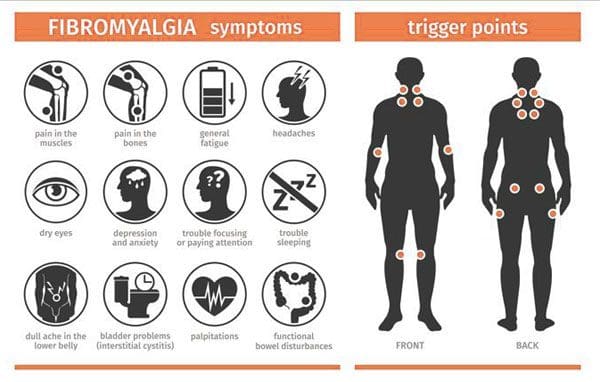
Fibromyalgia is characterized by:
Body aches and pain
Tender points in muscles
General fatigue
Accompanied issues include:
Headaches
Anxiety
Depression
Sleep issues
Poor concentration
�
It is believed that fibromyalgia causes the brain and spinal cord to transmit amplified/overresponsive signals. The exaggerated response of the neural pathways in the spine and body generate chronic pain. This is where specific diagnostic tools for assessing symptoms, underlying cause/s, and treatment development are necessary. Risk factors include:
When the body is rebalanced it can better manage symptoms because of the improved nerve circulation. Home treatments can include:
Exercise
Stretching
Heat therapy
Ice therapy
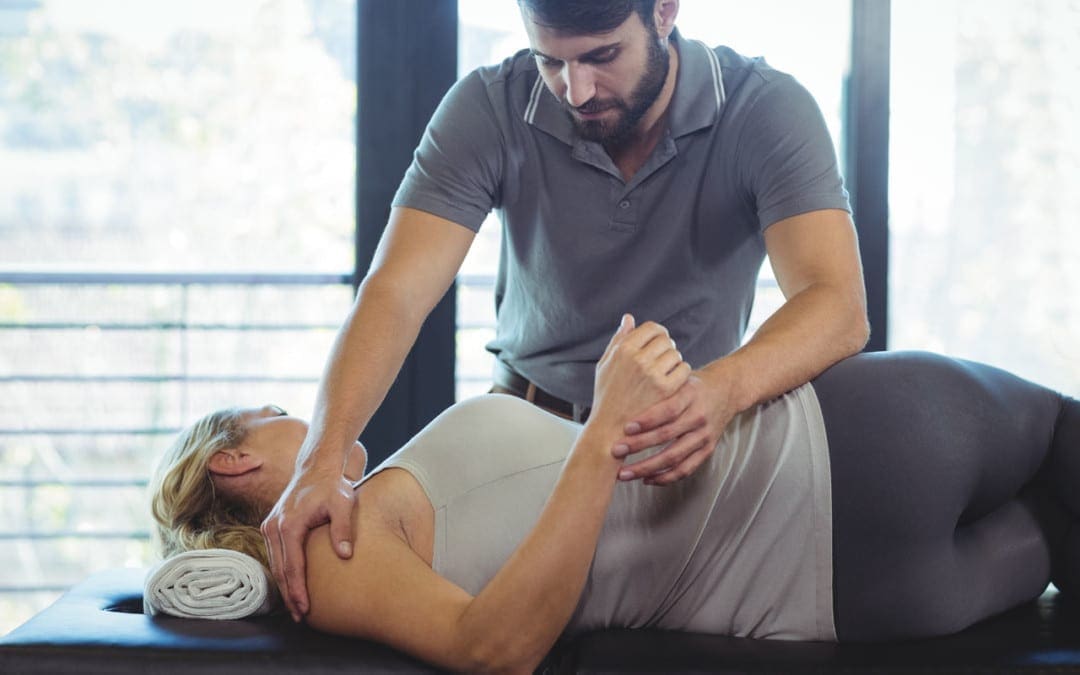
A full medical team consisting of the doctor, physical therapist, massage therapist, and chiropractor could be utilized to maximize results and ensure the highest quality of life.
Increasing muscle mass is a great way to improve body composition and boost the immune system. Research shows that senior adults with greater skeletal muscle mass have an increased number of immune cells in the blood. This indicates that muscles and the immune system are interrelated.
When the muscles are worked out, myokines are released. These are hormone-type proteins that strengthen the immune system that helps protect against diseases. A study revealed that regular exercise increases the release of T lymphocytes/T cells. Regular exercise also helps reduce the risk of developing chronic diseases like type 2 diabetes, obesity, various cancers, and cardiovascular diseases.
Dr. Alex Jimenez�s Blog Post Disclaimer
The scope of our information is limited to chiropractic, musculoskeletal, physical medicines, wellness, and sensitive health issues and/or functional medicine articles, topics, and discussions. We use functional health & wellness protocols to treat and support care for injuries or disorders of the musculoskeletal system. Our posts, topics, subjects, and insights cover clinical matters, issues, and topics that relate and support directly or indirectly our clinical scope of practice.*
Our office has made a reasonable attempt to provide supportive citations and has identified the relevant research study or studies supporting our posts. We also make copies of supporting research studies available to the board and or the public upon request. We understand that we cover matters that require an additional explanation as to how it may assist in a particular care plan or treatment protocol; therefore, to further discuss the subject matter above, please feel free to ask Dr. Alex Jimenez or contact us at 915-850-0900. The provider(s) Licensed in Texas& New Mexico*
References
Schneider, Michael et al. �Chiropractic management of fibromyalgia syndrome: a systematic review of the literature.��Journal of manipulative and physiological therapeutics�vol. 32,1 (2009): 25-40. doi:10.1016/j.jmpt.2008.08.012
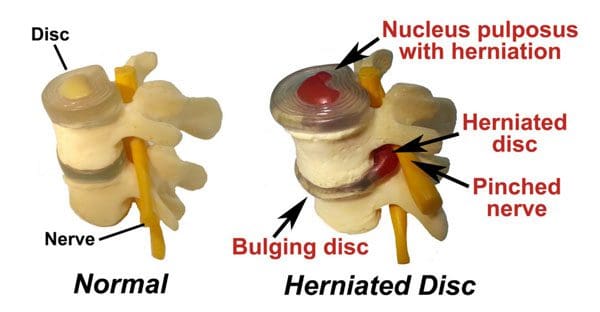
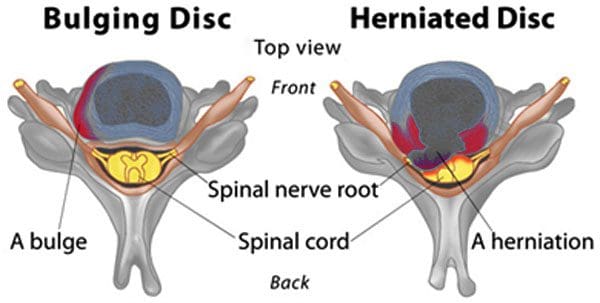
Spinal disc herniation and bulging discs have nearly identical symptoms and can present almost in the same way. Both cause localized pain, nerve impingement, and are treated similarly with chiropractic. In most cases spinal disc herniation is not painful, it is the material that leaks out of the disc that causes pinching, inflammation, and irritates the nerves around the area, causing radicular pain.
Radicular pain/nerve root pain radiates/spreads to other areas of the body, like the low back to down the leg or from the neck down the arm. Leg pain from a pinched nerve usually leads to sciatica. A spinal disc itself can be the source of pain if it is dehydrating or degenerating causing pain and instability in the spinal segment, which is known as degenerative disc disease. Disc degeneration pain tends to include chronic, low-level pain around the disc and infrequent episodes of severe pain.
Spinal Disc Herniation Differences and Similarities
Spinal disc herniation and bulging discs have similar roots that make them difficult to diagnose. Some core comparisons that can be made include:
Both include pain and tenderness
Both are caused by cartilage movement/slippage
They cause nerve pinching and nerve pain
They occur more often in the neck and lower spinal regions
How they differ:
Bulging discs protrude
Herniated discs rupture
Bulging discs are more common
Herniated discs are less common
Bulges are caused by constant pressure
A herniation is caused by trauma
Bulging discs create dull radiating pain
Herniated discs cause sharp intense pain
It is the severity that separates them. Bulging discs tend to be more passive and can be treated with incremental adjustments, while herniated discs usually require a more aggressive adjustment approach.
Injury Effects
How the injury affects the spine and overall wellness is the objective when diagnosing. Bulging discs are often associated with chronic pain that does not go away with time and needs proper treatment. Herniated discs are considered severe because of the disc fluid spilling/leaking out affecting the surrounding nerves. Left untreated, bulging discs lead to intermittent nerve blockages/pinching and posture problems. Herniated disc left untreated leads to chronic nerve pain and permanent nerve damage, which can develop into a series of issues. This includes limited mobility and/or loss of feeling in the affected area.
Early Detection
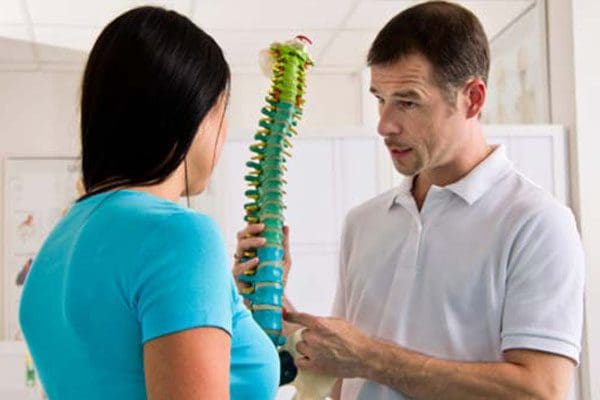
Chiropractic diagnosis for bulges and spinal disc herniation is recommended because of the specialization in spine care and focusing on all symptoms. For example, although it is not typically this simple, analysis revealing tingling in the fingers and sharp pain in the lower spine indicates herniation. Conversely, dull aches in the low back and down the legs, indicate sciatic pain that can be traced to a disc bulge. Making the correct diagnosis is crucial in developing the right treatment plan. The wrong treatment plan could result in worsening of the injury and creation of new injuries. Injury Medical Chiropractic provides optimal care along with education for patients to understand everything that is going on with their bodies.
InBody Composition
Types of pain
Pain can be grouped into three categories:
Early warning pain is most recognizable with the withdrawal reflex. For example, touching a scalding hot object and quickly pulling away. A protective mechanism that helps the body avoid danger and is important for survival.
Inflammatory pain occurs following an injury or surgery when the body is healing and in recovery. Inflammation prevents the body from moving too fast or too hard causing re-injury. This type of pain is important while healing, but is a cause for concern if it continues after the injury has healed.
Pathological pain happens after the body has healed but the nervous system has suffered damage. This often occurs with individuals that get injured in a way that changes the way the body functions. If the nervous system does not heal properly, the body’s protective pain responses can begin to create false alarms and become chronic.
Dr. Alex Jimenez�s Blog Post Disclaimer
The scope of our information is limited to chiropractic, musculoskeletal, physical medicines, wellness, and sensitive health issues and/or functional medicine articles, topics, and discussions. We use functional health & wellness protocols to treat and support care for injuries or disorders of the musculoskeletal system. Our posts, topics, subjects, and insights cover clinical matters, issues, and topics that relate and support directly or indirectly our clinical scope of practice.*
Our office has made a reasonable attempt to provide supportive citations and has identified the relevant research study or studies supporting our posts. We also make copies of supporting research studies available to the board and or the public upon request. We understand that we cover matters that require an additional explanation as to how it may assist in a particular care plan or treatment protocol; therefore, to further discuss the subject matter above, please feel free to ask Dr. Alex Jimenez or contact us at 915-850-0900. The provider(s) Licensed in Texas& New Mexico*
References
Santilli, Valter et al. �Chiropractic manipulation in the treatment of acute back pain and sciatica with disc protrusion: a randomized double-blind clinical trial of active and simulated spinal manipulations.��The spine journal: official journal of the North American Spine Society�vol. 6,2 (2006): 131-7. doi:10.1016/j.spinee.2005.08.001
Natural medicine for dealing with stress and taking initial steps can also help prevent and alleviate stress pain. With age, the body becomes more vulnerable to emotional and physical stress. The spine endures the effects of stress and can lead to back and/or neck pain. Chronic stress can also lead to chemical imbalances in the brain and overreaction/s. This produces a Hyperarousal or anxious state of mind. If frequent bouts of anxiety or stress are occurring the body is signaling that balance needs to be restored.
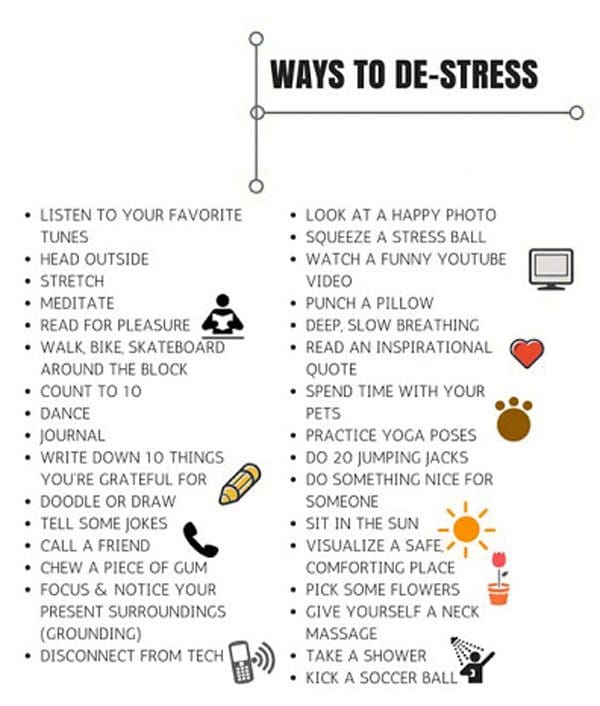
Steps to Control Stress
Take frequent physical and mental breaks
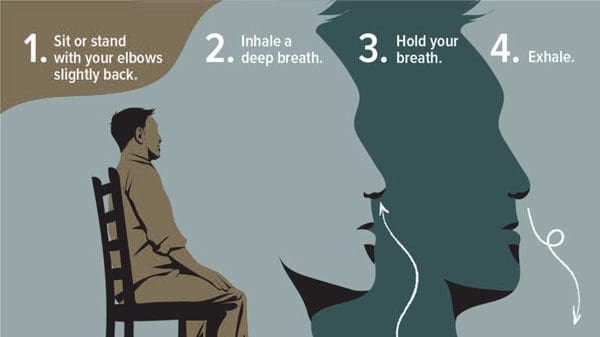
Throughout a day, there can be several and various stressful situations. Not letting the stress build-up is a skill that needs to be practiced. Every 50 minutes of work, take a 10-minute break to reduce any stress. This will increase productivity. In the middle or last break, practice deep breathing.
Inhale slowly until the air reaches the bottom of the stomach.
Exhale slowly like a balloon slowly releasing the air.
To achieve the full potential of deep breathing, every exhalation should last twice as long as each inhalation.
Caffeine reduction
Caffeine can be medicinal in small doses. It increases bile flow. This stimulates the gall bladder and reduces cholesterol. However, too much can interfere with the body’s systems that are responsible for stress response. Try to limit to one to two caffeinated drinks a week.
Regular physical activity
Physical activity is what helps remove waste products, specifically lactic and uric acids, from the muscles and nervous system. An excess of these acids makes the body edgy. Moderate activity prevents and reduces anxiety. Try to get in at least 10 to 15 minutes of activity in the morning and afternoon. A quick walk combined with deep breathing is perfect.
Plenty of sleep
Hard work and playing hard help the body to sleep to the fullest. An irregular sleep pattern or poor-quality sleep confuses the body. The body reacts abnormally. Examples like confusion, tension, an adrenaline rush kicks in when it is not needed. Chronic poor sleep makes the body more vulnerable to disease and chronic conditions.
Natural Medicine Supplements
Natural medicine supplements have been shown to reduce mild to moderate stress and anxiety.
Before trying any vitamins, minerals, or herbal therapies check with a doctor. This is to ensure safety with any medical conditions like pregnancy, that could prevent an individual from taking certain supplements.
Also, make sure if taking any medications that could cause natural medicine supplements ineffective or create a dangerous situation.
The reason for this is if an individual takes several supplements and develops side effects, it becomes a challenge to figure out which is responsible.
Quality herbs and supplements can be purchased from a licensed naturopath physician, nutritionist, health coach, or from a health store.
Herbal supplements listed below can be taken for three months and then a two-week break should be implemented. This minimizes the potential for negative effects.
Vitamin B
The B vitamins, especially B6 and B12 help regulate the body’s response to stress and keeps the nervous system healthy.
Vitamin B complex formula that has at least 25 mg of B6 and also 1 mg of B12 can be taken twice a day.
These vitamins are optimized when used in combination with other nutrients like a multivitamin-mineral supplement also twice a day.
This is herbal supplement helps with anxiety and insomnia. It can help relieve acute and chronic anxiety without causing drowsiness or brain fog. Kava is effective for settling anxiety with no dependence potential. Kava should be avoided if there is regular alcohol consumption or if taking Valium, Xanax, sleeping pills, like Seconal or Halcion, or anti-depressants, like Prozac or Zoloft.
Valerian
This is a natural sedative. It is used for relieving anxiety because it helps with sleep. The ingredients are similar to Valium. It is not addictive and does not cause grogginess the next day like sleeping pills. Recommended intake is one 150mg capsule twice a day. However, low doses can cause drowsiness. Therefore it is best used for sleep, one 300mg capsule one hour before sleeping is recommended. Do not use if taking sedatives, like phenobarbital or benzodiazepines.
The Body’s Composition
Stress Can Throw Off Diet and Sleep
Achieving healthy body composition is more than just building muscle and losing fat. Proper diet and getting enough sleep are necessary to make meaningful progress. With chronic stress or poor sleep, this cannot be achieved. Depressive symptoms can be associated with obesity, and anxiety and depression can trigger emotional eating and weight gain. Proper stress management means making sure there are positive strategies, techniques that can be turned to in time of need. Without a plan, stress will cause health problems and will be a significant barrier when trying to achieve fitness and health goals.
Dr. Alex Jimenez’s Blog Post Disclaimer
The scope of our information is limited to chiropractic, musculoskeletal, physical medicines, wellness, and sensitive health issues and/or functional medicine articles, topics, and discussions. We use functional health & wellness protocols to treat and support care for injuries or disorders of the musculoskeletal system. Our posts, topics, subjects, and insights cover clinical matters, issues, and topics that relate and support directly or indirectly our clinical scope of practice.*
Our office has made a reasonable attempt to provide supportive citations and has identified the relevant research study or studies supporting our posts. We also make copies of supporting research studies available to the board and or the public upon request. We understand that we cover matters that require an additional explanation as to how it may assist in a particular care plan or treatment protocol; therefore, to further discuss the subject matter above, please feel free to ask Dr. Alex Jimenez or contact us at 915-850-0900. The provider(s) Licensed in Texas& New Mexico*
References
Boyle, Neil Bernard et al. The Effects of Magnesium Supplementation on Subjective Anxiety and Stress-A Systematic Review.Nutrients vol. 9,5 429. 26 Apr. 2017, doi:10.3390/nu9050429
If dealing with chronic disease, condition, or just poor overall health, detox support combined with chiropractic/health coaching is definitely an option that will help. Toxicity in the body can initiate or worsen existing health conditions.
A detox is not about a massive diet overhaul or spending a lot of time at some clinic. Detox support involves making small changes/adjustments that will help support the body�s natural detoxing process without radical changes. One way that a detox is supported is with chiropractic.
Detoxing the Body
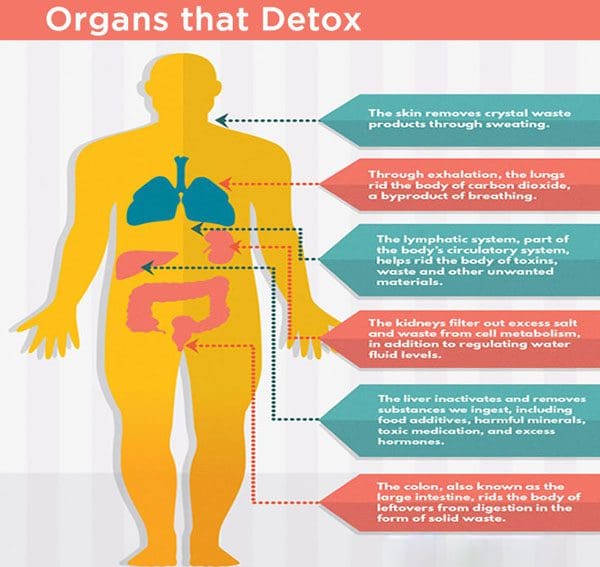
The body is exposed to chemicals/toxins every day from food, air, and other particles that the body comes in contact with. However, the body has a natural ability for managing exposure to toxins to maintain overall health. If the toxins become too much to handle it can lead to a range of symptoms. Symptoms can range from:
Reducing the toxic load can be accomplished by supporting the body�s natural detox pathways. The body has organs/systems that detoxify and keep the body in balance. These support detoxification and include:
Reducing toxin exposure is a long term strategy for improved health. Detox options include:
Increased water intake
Nutritional adjustments that focus on increased nutrient whole foods and reduced processed chemical foods
Regular exercise
More sleep
Improved stress management skills/techniques
Reducing environmental exposure with hygiene and cleaning product awareness
Cleansing supplements
Lifestyle changes
Fasting, intermittent or longer with nutritionist/health coach supervision
Chiropractic Can Help
When the body struggles with toxin overload, the body can begin storing some of these toxins. Common areas include visceral fat and joints, like the spine. If toxins buildup in the spine, spinal misalignment can be exacerbated as it affects blood and nerve circulation. Spinal alignment restoration will help open and support the body’s natural detox abilities and prevent unnecessary storage of toxins.
A chiropractic practitioner specializes in naturally restoring spinal alignment and the body’s balance. This supplies the body with the energy it needs to process and rid itself of toxins. When the body is optimally supported and its detox pathways cleared overall optimal health can be achieved. Contact Injury Medical Chiropractic Clinic and experience what chiropractic support can do.
Body Composition Support
Food
Neutralizing oxidative stress, lowering inflammation, and boosting metallothionein expression, food can support the body when detoxifying and countering the effects like brain fog, and neurodegenerative disorders. However, foods and nutrients that detoxify can be a part of a healthy diet and lifestyle that includes a regular fitness routine.
References
Klein, A V, and H Kiat. �Detox diets for toxin elimination and weight management: a critical review of the evidence.��Journal of human nutrition and dietetics: the official journal of the British Dietetic Association�vol. 28,6 (2015): 675-86. doi:10.1111/jhn.12286
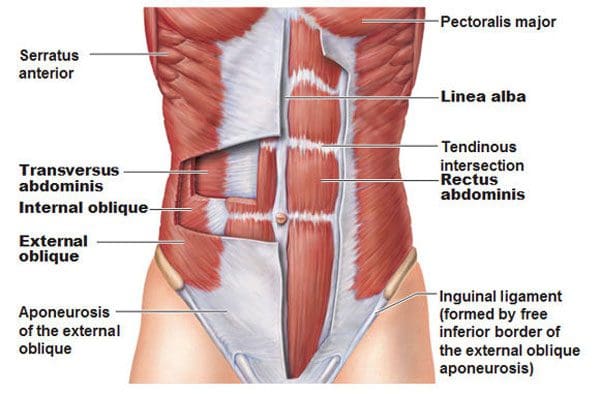
The core and the muscles involved are a group of muscles that wrap around the body’s torso. The front, back, and sides. Strengthening these muscles will improve and ultimately alleviate lower back pain. One of the main muscles that are overlooked is the transverse abdominis muscle. It is vital to a healthy core, especially if back pain is presenting. It’s known as the seatbelt muscle as it is deep in the abdomen and wraps around the waist. It has everything to do with long-term core strength and function. A properly developed transverse abdominus functions like a lumbar support belt that protects the spine. When the transverse abdominus is strong the muscle contracts to generate the correct amount of support and stability when in motion. �
�
For example, individuals that do not have low back pain engage the transverse abdominus around 30 milliseconds before moving the shoulder, while individuals that have low back pain have a delayed contraction of the transverse abdominus muscles that makes them take on awkward postures, and move in an awkward fashion contributing to back pain and continuing to weaken the core muscles. Individuals that regularly do transverse abdominus strengthening exercises greatly reduce the risk of experiencing low back pain for the first time and reduce the recurrence of those already with back pain. �
Core Muscle Anatomy
The first step to strengthening is understanding the moves and how to do them correctly with basic anatomy. Think of the core as a muscle box where the:
The body flexes and extends whenever bending forward and standing up
The body does a lateral side bend when bending the trunk to one side
The body rotates the trunk when twisting the torso
�
Muscle Weakness
The transverse abdominus tends to suffer from neglect which is one reason why it becomes weakened. This increases the risk of developing back pain. Another reason is that individuals have a weak muscle is they exercise in one-plane of movement. Not working out the core muscles in all planes of motion can contribute to back pain. For example, if an individual performs pelvic tilts, they are only moving in one plane when tilting the hips forward and back, known as flexion and extension. To achieve optimal/functional strength, the core workout needs to include side bending and twisting movements. �
Strengthening The Transverse Abdominus
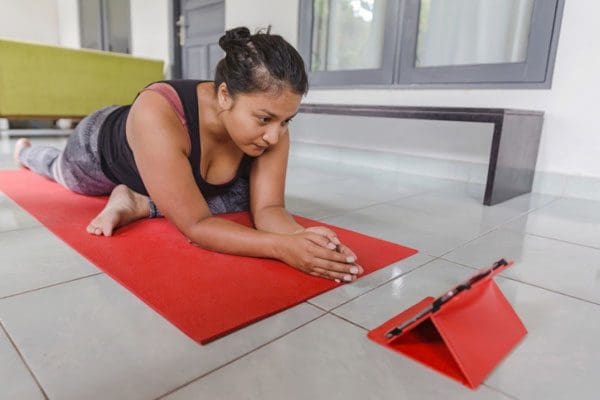
Pigeon Pose
Many individuals sit for extended amounts of time and are excessively tight along the sides and hips. The first step should be to increase the hip’s mobility before strengthening the core. If the hip muscle’s fibers become shortened, it can affect hip joint function and efficiency during core movement. The Pigeon Pose is a hip opener. How to do it:
Get on the floor with the knees and palms on the ground.
Slide the left leg back so the hip is extended, then externally rotate the right hip/turn the right leg out from the hip. Focus on positioning the right shin perpendicular to the body.
Extend the trunk so the body is upright, lifting the chest, arching the back, and looking toward the ceiling, while resting the fingertips on the floor a little forward of the hips.
Hold the pose for 30 seconds and switch sides.
This stretches the hip flexor muscles in the extended leg and the rotator and outer hip muscles in the flexed leg.
�
Pay Attention To The Engaged Muscles
Individuals can train the transverse muscles to activate faster and more effectively throughout the day by slowing down and paying attention to moving with more intent. Place the hands around the waist and engage the core to feel the muscles contracting. This will help get a feel for the movement. Once comfortable remember to engage these abdominal musclesbefore and while reaching, twisting, or lifting items. �
Pelvic Tilt
This exercise is vital for building the smaller muscles that support a healthy core. How to do it:
Lie on back with knees bent and feet on the floor.
Engage the transverse muscles and gently tilt the pelvis upward.
Return the pelvis to a neutral position.
Repeat.
Start with 3 sets of 10-12 reps.
When this is no longer challenging and can be completed without increasing back pain, advance to more challenging exercises like the bird dog, planks, or plank variations.
�
Standing Exercises
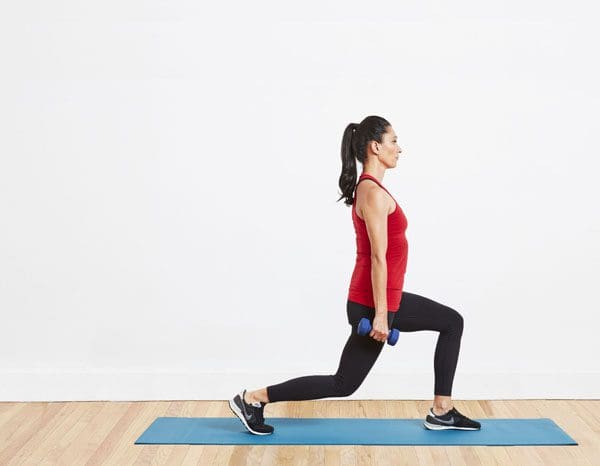
Translating core strength into functional strength and pain-free movement progresses to standing exercises that require rotation. One example is a standing lunge with rotation. How to do it:
Get into a lunge stance with the front leg flexed 90 degrees at the hip, knee, and ankle. The rear leg should be extended at the hip with the knee touching or almost touching the floor.
Twist from the waist. When comfortable doing this movement, hold weight like a dumbbell, medicine ball, or gallon jug of water in both hands, and gradually increase the weight as the muscles get stronger.
When in the process of strengthening the core, consistency is the key. Commit to a short workout every day instead of one massive workout once or twice a week. Ten minutes a day is enough to build strength, improve function, and decrease back pain. �
Improved Body Composition
Functional fitness and the ability to move about comfortably not only benefit physical wellness but also improves body composition. The aging process reduces the metabolic rate, which leads to increased body fat. Lean Body Mass gets lost from age and inactivity. Lean Body Mass contributes to the overall Basal Metabolic Rate, also known as the body’s metabolism. It is the number of calories the body needs to support essential functions. Engaging in strength training or resistance exercises will help regain the muscle loss from aging/inactivity, and can lead to an increase in lean body mass.
Dr. Alex Jimenez�s Blog Post Disclaimer
The scope of our information is limited to chiropractic, musculoskeletal, physical medicines, wellness, and sensitive health issues and/or functional medicine articles, topics, and discussions. We use functional health & wellness protocols to treat and support care for injuries or disorders of the musculoskeletal system. Our posts, topics, subjects, and insights cover clinical matters, issues, and topics that relate and support directly or indirectly our clinical scope of practice.*
Our office has made a reasonable attempt to provide supportive citations and has identified the relevant research study or studies supporting our posts. We also make copies of supporting research studies available to the board and or the public upon request. We understand that we cover matters that require an additional explanation as to how it may assist in a particular care plan or treatment protocol; therefore, to further discuss the subject matter above, please feel free to ask Dr. Alex Jimenez or contact us at 915-850-0900. The provider(s) Licensed in Texas& New Mexico*
References
People who regularly engaged in TVA-strengthening exercises were less likely to experience a recurrence of low back pain:�Australian Journal of Physiotherapy�(2002), �Specific spinal exercise substantially reduces the risk of low back pain recurrence��https://www.sciencedirect.com/science/article/pii/S000495141460283X?via%3Dihub
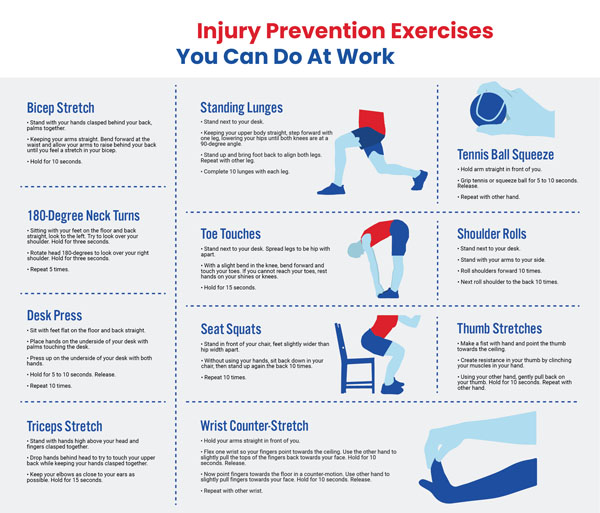
Injury prevention should be on everyone’s mind. All jobs, sports, and activities have the potential to cause some form of injury/s. Sustaining an injury, no matter how big or small can take a toll on the body. It can force an individual to take a lengthy break from work, school, sports, etc, or stop completely.
Some form of rest is usually necessary to expedite the healing process but there are other ways to help with injury prevention. The most common type of injury that can be prevented is overuse/repetitive motion/s injuries. Many individuals realize that an underlying issue for injuries is spinal/body misalignment.
Injury prevention
A few ways that injury prevention can be optimized for various activities:
Full body stretching regularly will keep the body flexible
Developing the body’s ability to learn healthy movement/s
Regular chiropractic, physical therapy
Health coaching
Misalignment and injury
When the spine is out of alignment the entire body goes out of balance and begins to function improperly and eventually breaks down. The nerve, blood circulation energy is affected. This compromises:
Tissue health
The body�s natural healing abilities
Normal body coordination and movement
This increases the risk of injury/s. Proper posture and body mechanics have a primary role in injury prevention. Proper spinal alignment allows the body�s ability to coordinate effective, pain/injury-free movement. Better coordination promotes optimal performance with less effort and corrects/improves muscle strain, tissue damage, and enhances bone health.
Proper spinal alignment
Chiropractic is a specialized expert approach that focuses on addressing core issues related to spinal alignment. Chiropractic treatment will locate and address spinal misalignments that individuals did not even know were there. The chiropractic approach will help establish a solid foundation for regular daily activities without injury. When the spine/body is properly-aligned nerve flow is restored and the body can move with reduced risk of injury or complication/s. Contact a chiropractic specialist and see what they can offer.
Body Composition Clinic
Too Much Sitting Health Consequences
When the body is in a seated position, the gluteal muscles, abdominal muscles, and legs remain static. When sitting for a long time day after day with no exercise/movement the muscles begin to degenerate/weaken and go into a pseudo form of atrophy from the lack of engaged movement/exercise.
Metabolism is linked with body composition meaning that more muscle increases metabolism and helps burn more calories. Muscle loss, especially from the lower body which is the largest muscle group, can lead to continued fat gain if exercise is not implemented and an unhealthy diet is not changed. Gradual muscle loss from the lower body can hurt functional strength and with age increases the risk of falls.
Dr. Alex Jimenez�s Blog Post Disclaimer
The scope of our information is limited to chiropractic, musculoskeletal, physical medicines, wellness, and sensitive health issues and/or functional medicine articles, topics, and discussions. We use functional health & wellness protocols to treat and support care for injuries or disorders of the musculoskeletal system. Our posts, topics, subjects, and insights cover clinical matters, issues, and topics that relate and support directly or indirectly our clinical scope of practice.*
Our office has made a reasonable attempt to provide supportive citations and has identified the relevant research study or studies supporting our posts. We also make copies of supporting research studies available to the board and or the public upon request. We understand that we cover matters that require an additional explanation as to how it may assist in a particular care plan or treatment protocol; therefore, to further discuss the subject matter above, please feel free to ask Dr. Alex Jimenez or contact us at 915-850-0900. The provider(s) Licensed in Texas& New Mexico*
References
McClure, Roderick J. �What is this thing called injury prevention?.��Injury prevention: journal of the International Society for Child and Adolescent Injury Prevention vol. 24,3 (2018): 177. doi:10.1136/injury prev-2018-042838
Participating in any sports or physical activities strengthens the mind and body. But working out and engaging in these types of activities too much or without rest periods wears down the body. There is the feeling of a good workout with some sore muscles and achiness that lets you know the activity is working positively.
However, soreness can quickly lead to pain and further injury if ignored. The lower back is a common area of soreness after working out playing sports, and where muscle spasms, pulls, and pinches occur. Being able to distinguish between workout soreness and pain is critical for maintaining a healthy spine.
A constant-sore back or feelings of sharp pains is not normal. If there is a feeling of low back pain during or after a physical routine, stop and take a moment to examine the tingling, discomfort, or pain being experienced. If unsure if the soreness or pain is a cause for concern call or video conference with a chiropractor to discuss what is going on.
Physical activity and pain
Individuals participating in physical/sports activities have an increased risk of low back pain because of the consistent running, twisting, and jumping. Any of these movements place pressure on the spine along with the surrounding ligaments and muscles, which can lead to injury.
Repetitive twisting and turning, stresses the muscles around the spine, which can cause frequent muscle sprains. Running and jumping also wears down the vertebrae and discs. Impact activities can also cause injuries to the spine, nerve roots, and surrounding tissues. The most common back problems include:
Muscle sprains
Osteoarthritis
Bulging discs
Herniated discs
Sciatica
Fractures are less common but still pose a risk
Individuals should watch for achiness or stiffness that lasts longer than a few days and does not alleviate with ice or anti-inflammatory over the counter medication, or sharp pain that happens with specific movement/s, along with any pain, numbness, tingling that runs down the leg/s or to other areas should consult a medical professional.
Treatment and prevention
Maintaining the body’s health is critical. If the lower back begins to present discomfort or hurts, do not ignore it. Many will play through the pain when they should be taking a break. And ignoring any back pain could create new injuries or worsen the condition. Continued pressure on the back will worsen any strains or fractures and will hinder the body from healing properly.
Individuals tend to take on awkward/uncomfortable postures and move in awkward ways to avoid or compensate for the pain. This places added pressure in the wrong places and can cause/worsen an injury or condition. Pay attention to the pain. Try ice and heat therapy at home to see if it eases up. Using a foam roller or self-massage device can help if the back pain is muscular. However, if the pain is sharp, shooting, or does not go away, visit a chiropractor for diagnosis and treatment.
A chiropractor will conduct imaging tests and physical exams to identify the root cause. Once a diagnosis has been reached a treatment plan will be implemented through:
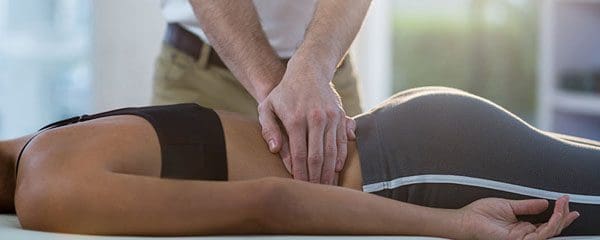
Massage
Stretches
Therapeutic exercises
Spinal adjustments
Health coaching
Visiting a chiropractic professional will improve the condition and strengthen the spine.
Fit Body Composition
Muscle recovery
When engaging in physical activity there is microscopic damage to the muscle cells. The stress and fatigue the body goes through during physical activity cause hormone and enzyme levels to fluctuate, increasing inflammation. This leads to:
Fat loss
Increased metabolism
Increased strength
Muscle growth
However, it happens through proper recovery. There are different types of recovery: immediate, short-term, and training.
Immediate recovery is the short time between movements. For example, when jogging, immediate recovery is the time between each stride.
Short-term is the time between sets of exercises. For example, the rest periods between exercise intervals.
Training recovery is the period between one workout session ending and the next beginning.
Research has shown that rest time is not a one size fits all. Everyone is different and therefore should consult a fitness trainer, or sports chiropractor and experiment with what feels right. For some individuals, 24 hours works. For others, it can be 48 or 72 hours to feel fully recovered. It depends on age, fitness level, physical activity intensity, diet, sleep, and more.
Dr. Alex Jimenez�s Blog Post Disclaimer
The scope of our information is limited to chiropractic, musculoskeletal, physical medicines, wellness, and sensitive health issues and/or functional medicine articles, topics, and discussions. We use functional health & wellness protocols to treat and support care for injuries or disorders of the musculoskeletal system. Our posts, topics, subjects, and insights cover clinical matters, issues, and topics that relate and support directly or indirectly our clinical scope of practice.*
Our office has made a reasonable attempt to provide supportive citations and has identified the relevant research study or studies supporting our posts. We also make copies of supporting research studies available to the board and or the public upon request. We understand that we cover matters that require an additional explanation as to how it may assist in a particular care plan or treatment protocol; therefore, to further discuss the subject matter above, please feel free to ask Dr. Alex Jimenez or contact us at 915-850-0900. The provider(s) Licensed in Texas& New Mexico*
References
Smith, Jo Armour et al. �Risk Factors Associated With Low Back Pain in Golfers: A Systematic Review and Meta-analysis.��Sports health�vol. 10,6 (2018): 538-546. doi:10.1177/1941738118795425
IFM's Find A Practitioner tool is the largest referral network in Functional Medicine, created to help patients locate Functional Medicine practitioners anywhere in the world. IFM Certified Practitioners are listed first in the search results, given their extensive education in Functional Medicine