High-impact labor jobscan cause back pain, as well as jobs that require sitting all day. Nowadays, everyone is at risk of developing some form of back pain at their place of work. Here are a few tips for avoiding back injuries at work. It does not matter what an individual does for a living, or how it is done. Sitting, standing, lifting, bending, twisting, reaching, pulling, and pushing, all can have a negative impact on the spine’s health and the muscles in the back.
According to the Occupational Safety and Health Administration or OSHA,work-related musculoskeletal disorders are a common reason for missing work or restricting work time. Back pain and injury prevention/avoiding is the goal along with seeking the proper treatment as soon as possible.
The Risk for Back Pain
Work-related musculoskeletal disorders that affect the spine are a worldwide problem. The World Health Organization has stated in the United States that there is an estimated 149 million workdays lost every year because of back pain, with total costs estimated to be around 100-200 billion a year. And the World Health Organization identified low back pain as the leading cause of disability in the world. The National Institute for Occupations Safety and Health, which is a division of the CDC, listed five primary risk conditions for work-related musculoskeletal disorders:
Regularly lifting of objects
Regular exposure to whole-body vibration like using a jackhammer or driving a forklift
Regular reaching overhead work
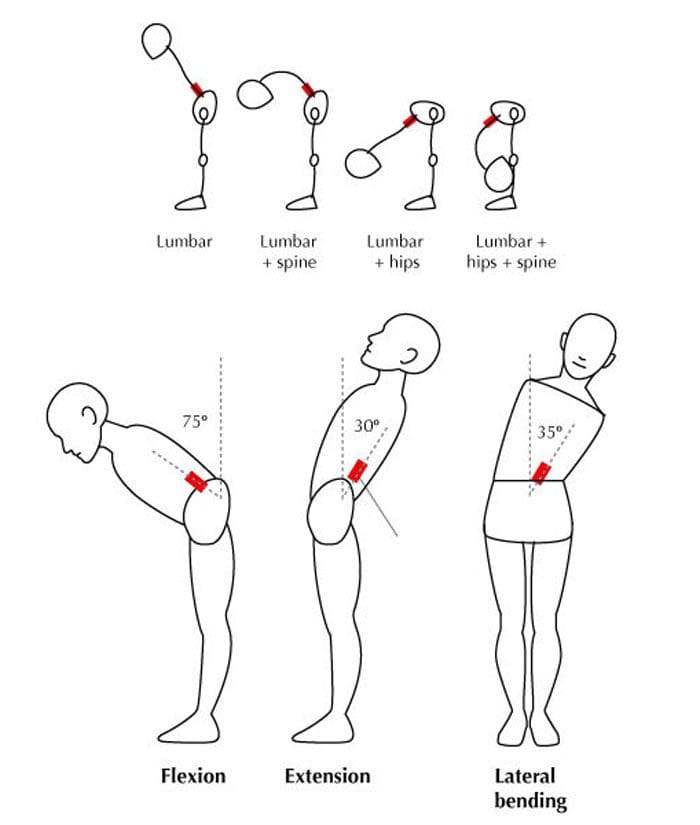
Working with the spine in a chronic flexion position
Repetitive work/tasks
Office Back Pain
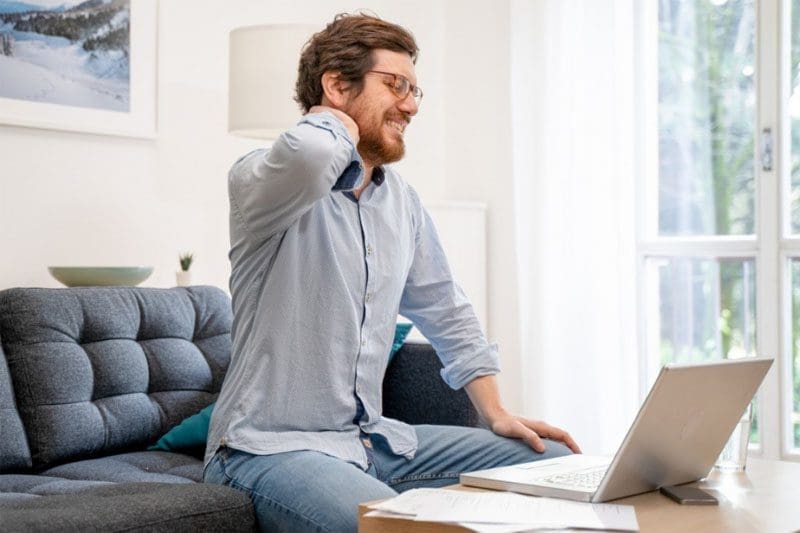
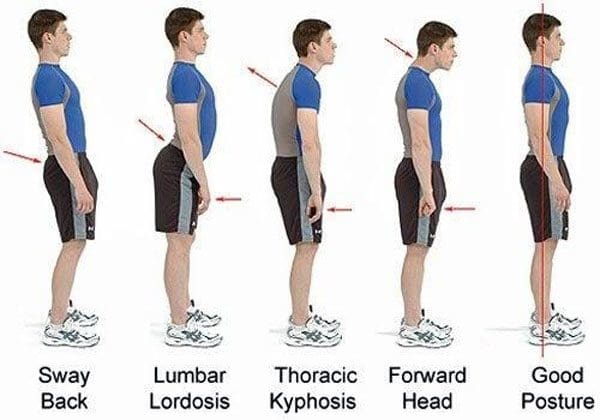
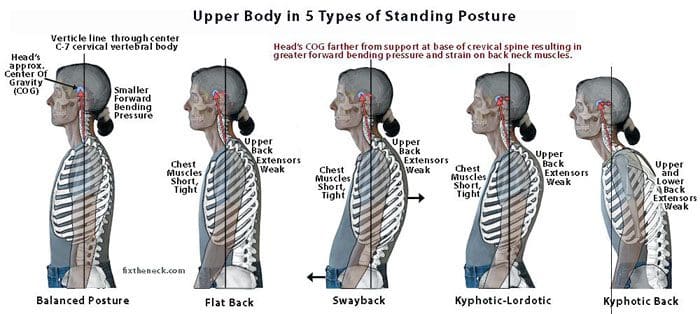
Individuals that stare at screens most of the day means their spines are at risk for cervical spinal flexion. This can lead to neck, shoulder, and upper back pain.And sitting for long bouts of time with poor posture adds tremendous pressure and weight on the low back. When the body is seated for a long time, the body is not utilizing its core abdominal muscles and back muscles that keep the body and foundation strong and flexible. The more these muscles are under-utilized the more the body begins to fall into the vicious cycle of slouching, slumping, poor posture, and increased stress on the back muscles.
Avoiding Back Injury
With advancements in medicine, there are solutions for relieving pain and getting an individual back to regular work activity. Basic ways for avoiding injuries and keeping the spine healthy.
Lifting with the legs and not the back
Maintaining healthy weight
Healthy diet
Stretching before physical activity and also during work will keep the muscles active and optimal circulation
Overall physical fitness like taking a walk
Knowing when to rest giving the body a break
Focus on recovery during off-hours
Working with Spine Specialists
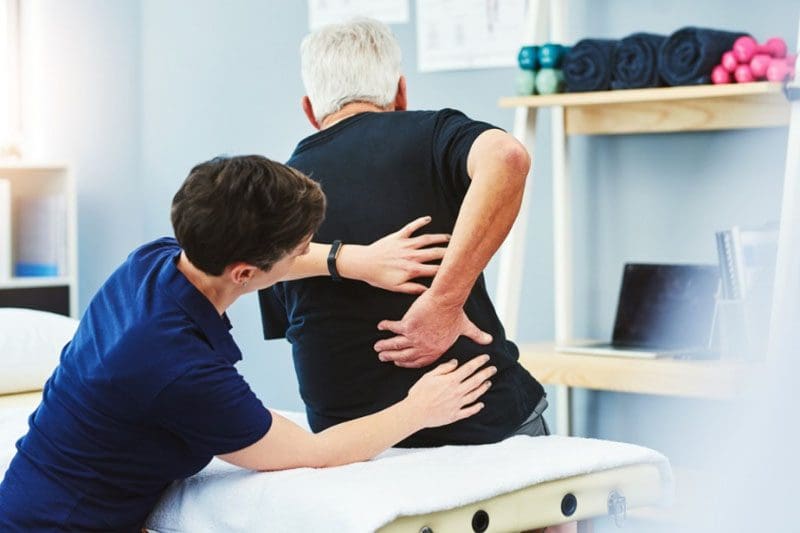
If the pain is constant or there is a high possibility of an injury, see a medical professional. The correct diagnosis leads to the right treatment, which can include:
Rest
Physical therapy
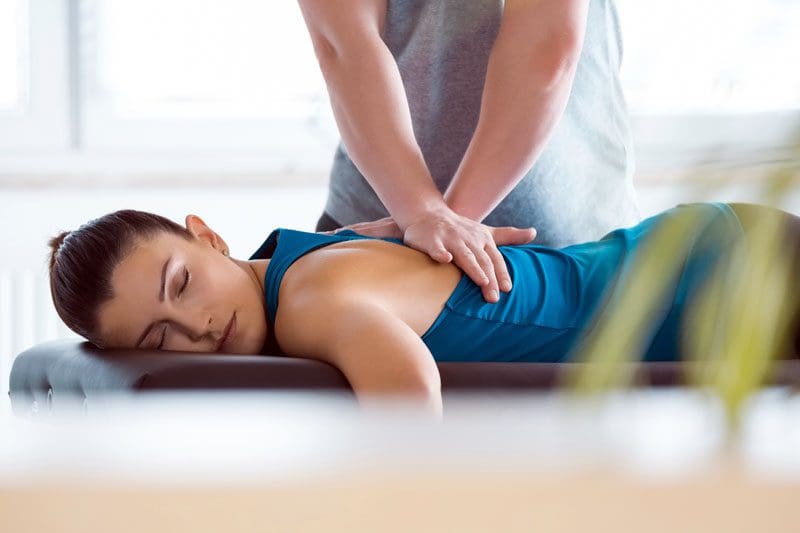
Chiropractic
Pain management
Medication
Injections
Surgery
There is no one-size-fits-all approach. Every individual will have a personalized treatment plan. A multi-approach is recommended, and the most therapeutic for long-term benefits. One treatment option to be very cautious about is opioids. A review in BMJ suggests opioids do not help individuals get back to work faster, and pain control is only short-term. Back pain inflammation is better addressed through anti-inflammatory medication, physical therapy, and exercise. If pain or a back problem currently exists, see a doctor, chiropractor, or spine specialist and find out about treatment options and avoiding back problems.
Body Composition
How Aging Affects the Body
The body’s muscles are constantly being broken down and repaired. When the muscles are used, microscopic tears happen from the regular wear and tear. This means rebuilding those tears with protein. However, as the body gets older, it stops rebuilding the muscles as efficiently. With time, there is a reduction in overall muscle mass and strength. That loss can come from a combination of factors including:
Hormone changes – for example, testosterone gradually decreases
Physical inactivity
Comorbid conditions like cardiovascular disease, diabetes, and cancer
But this reduction in muscle mass doesn�t just happen to the elderly. Research has shown that strength and development in an individual’s 20s peaks and begins to plateau in their 30s. For many, decreased strength translates to being less active, and routine activities become more difficult to execute. Inactivity means fewer calories burned, muscle development decrease, and negative changes to body composition including muscle loss, and percent body fat increase.
Dr. Alex Jimenez�s Blog Post Disclaimer
The scope of our information is limited to chiropractic, musculoskeletal, physical medicines, wellness, and sensitive health issues and/or functional medicine articles, topics, and discussions. We use functional health & wellness protocols to treat and support care for injuries or disorders of the musculoskeletal system. Our posts, topics, subjects, and insights cover clinical matters, issues, and topics that relate and support directly or indirectly our clinical scope of practice.*
Our office has made a reasonable attempt to provide supportive citations and has identified the relevant research study or studies supporting our posts. We also make copies of supporting research studies available to the board and or the public upon request. We understand that we cover matters that require an additional explanation as to how it may assist in a particular care plan or treatment protocol; therefore, to further discuss the subject matter above, please feel free to ask Dr. Alex Jimenez or contact us at 915-850-0900. The provider(s) Licensed in Texas& New Mexico*
When individuals stop working on their back pain therapy, the pain can come back. Don’t give up on the process and trust the therapists/providers. Many people experience their first episode of low back pain between the ages of 20 and 40. Often they are not sure what caused their back problems. There are a variety of factors that could be contributors like:
Old running shoes
A heavy box that was inappropriately lifted and carried
Exercise strain
Too much sitting
Poor posture
Work injury
Personal injury
Sports injury
After some time with the pain, a visit to the doctor is in order, hoping for clear answers and strong medicine. A diagnosis of non-specific back pain and a prescription for physical therapy is given. This is because doctors are now required to prescribe non-medication, non-invasive therapeutic approaches for any type of pain first. After three to four weeks of physical therapy, and there is still no improvement or signs of improvement will a doctor recommend medication/s and/or surgery.
Physical Therapy
Nonspecific back pain describes back pain that is not associated with a clear cause like:
Osteoporosis
Inflammatory arthritis
Tumor
Fracture
Infection
Structural deformity
Non-specific back pain is very common and often acute, meaning the symptoms usually go away on their own within a month. Physical therapy also known as PT can help expedite the healing process. Physical therapy can improve a variety of back-related problems, including those caused by disease and structural abnormalities. A study found that physical therapy works as well as surgery for lumbar spinal stenosis or the narrowing of the spinal canal in the low back.
Don’t Give Up On The Program
Unfortunately, many individuals do not follow through with the full course of physical therapy. Reasons include:
Time
Cost
Inconvenience
Low level of physical activity before treatment
Depression
Anxiety
Poor social support
Increased pain during exercise
The problem with stopping physical therapy is that individuals can end up right where they began. Not following a treatment plan can have negative effects on outcomes and healthcare costs. Progress depends on how much follow-through an individual does on their own. Don’t give up on the program and maintain rehabilitative progress.
Scientifically Backed Benefits
Scientific proof means measuring results objectively to determine if a treatment works. Physical therapy has consistently proven to be highly effective. Researchers found that physical therapy led to positive health benefits when treating back pain. Specifically, individuals that followed a physical therapy program to the end had:
For example, spine stabilization exercises during an episode of low back pain can decrease pain, disability, and the risk of another episode.
The Right Physical Therapy Clinic
Do research to find the best therapeutic clinic or professional. It is perfectly understandable to be picky about physical therapy. Several studies have shown that a healthy relationship between patients and physical therapists improves outcomes. When choosing a clinic, individuals should be aware that there are different models. The differences can influence the experience.
Some therapists treat more than one person at a time. This means the exercises will be shown how to do them properly, then the individual will be expected to continue on their own with the therapist returning to see the progress and start the next exercise.
Some therapists see the patient once, then an assistant takes over. Assistants will help with the exercise programs.
There are some clinics that could be out of network or do not accept insurance. Individuals can pay more, but the benefit is more one-on-one time/care with a physical therapist.
If an individual does not like the experience with one model, try another.
Remember that individuals need to advocate for their own health, treatment, and progress.
If an individual is not improving, then they need to have a discussion with the physical therapist.
The therapist can then problem solve and try a new treatment or refer the patient for additional care like imaging, medications, or a different intervention altogether. Don’t give up, relief from back pain is possible.
Don’t Give Up On Body Health
Body composition analysis an effective tool during physical therapy
Body composition is essential for understanding physiological makeup and to help guide a treatment plan to target specific areas in physical therapy programs. InBody analysis is non-invasive and convenient, making it ideal when used in conjunction with physical therapy rehabilitation programs. The InBody test provides results that can be used to educate and engage individuals to help track improvements throughout the physical therapy course. In less than 60 seconds, the test results are easy-to-understand, accurate, and objective. This helps to evaluate and monitor progress during rehabilitation. With the test a physical therapist can:
Assess muscle distribution
Focus on areas weakened by injury or surgery
Identify fluid imbalances related to inflammation
Monitor changes to determine the efficacy of the therapy program
Guide recommendations for long-term success
Don’t give up!
Dr. Alex Jimenez�s Blog Post Disclaimer
The scope of our information is limited to chiropractic, musculoskeletal, physical medicines, wellness, and sensitive health issues and/or functional medicine articles, topics, and discussions. We use functional health & wellness protocols to treat and support care for injuries or disorders of the musculoskeletal system. Our posts, topics, subjects, and insights cover clinical matters, issues, and topics that relate and support directly or indirectly our clinical scope of practice.*
Our office has made a reasonable attempt to provide supportive citations and has identified the relevant research study or studies supporting our posts. We also make copies of supporting research studies available to the board and or the public upon request. We understand that we cover matters that require an additional explanation as to how it may assist in a particular care plan or treatment protocol; therefore, to further discuss the subject matter above, please feel free to ask Dr. Alex Jimenez or contact us at 915-850-0900. The provider(s) Licensed in Texas& New Mexico*
Individuals that have undergone spine surgery or spinal fusion for extreme low back pain caused by degeneration, herniated disks, sciatica, and other injuries could benefit from gentle chiropractic therapy post-surgery. Spinal fusion surgery is one of the last options after non-invasive treatment/s aren’t providing relief like:
Massage
Physical therapy
Chiropractic
Medications
However, many patients still experience pain/discomfort after the surgery and wonder which rehabilitation treatment options are available to them. Is chiropractic care still an option after major spinal surgery? Doctors will warn patients about the risks of receiving chiropractic treatment after surgery. This is true with high-velocity low-amplitude spinal adjustments/manipulation.
But incorporating gentle chiropractic therapy could benefit individuals still experiencing back pain after surgery. However, an individual needs to be adequately healed prior to beginning treatment. At Injury Medical Chiropractic and Functional Wellness Clinic, we regularly consult with patients post-surgery about the effectiveness of spinal rehabilitation therapy.
After the surgery wait time
Spinal fusion surgeryremoves the discs between two or more vertebrae and fuses the bones together with screws and plates. The objective is to correct conditions like herniated discs and degenerative disc disease by immobilizing the spine in that area. It can take three months for the vertebrae to fuse together and create a complete immobilized graft. Once the graft is complete, physical therapy is brought in to strengthen the muscles around the graft. Patients are told to avoid any twisting and bending motions, or the graft could break.
How gentle chiropractic therapy can help
Spinal fusion surgery is not guaranteed to cure the problem causing an individual’s back pain. Gentle chiropractic therapy can help by therapeutically massaging the area/s keeping the muscles loose and flexible. Gentle manipulations are utilized to adjust or realign bones in the spine and other areas of the body. Because chiropractic treatment can involve intricate spinal manipulations, many individuals that have undergone back surgery can be hesitant to consider chiropractic treatment.
Discuss the possibility of receiving chiropractic therapy with a physician to determine whether the surgical graft is strong enough to withstand gentle spinal manipulations. A patient post-surgery is at greater risk of injury if they are not healed correctly before receiving chiropractic treatment. If the graft is adequately healed and a physician feels that the body is strong enough to endure mild spinal manipulations, reach out to a chiropractor to discuss treatment options.
Body Composition Clinic
Benefits of a cheat day
Cheat days can be a highly useful tool to help motivate sticking to a diet plan. Cheat days can help build a positive relationship with food. The goal is to see one’s favorite dessert/comfort food as a reward and not a coping mechanism. However, cheat days not a license to binge eat.
Binge eating can lead to eating-related issues and hurt an individual’s ability to self-regulate. Binge eating does not boost the body’s metabolism, but it can have the opposite effect. After a binge, the body’s system is overloaded with a rush of calories, sugar, and fat. In addition to causing hormone and energy levels to fluctuate, the excess of calories promotes:
Fat storage
Inflammation
Digestive discomfort
Bloating
Constipation
Cheat day frequency
Ultimately, cheat days depend on how well an individual self-regulates and what their short and long-term goals are. However, it can become very easy for a cheat day to become a cheat weekend, to a cheat week, and so on. Next thing an individual is back to old unhealthy eating habits. The objective is to understand what helps maintain motivation and develop a sustainable, long-term plan.
Dr. Alex Jimenez�s Blog Post Disclaimer
The scope of our information is limited to chiropractic, musculoskeletal, physical medicines, wellness, and sensitive health issues and/or functional medicine articles, topics, and discussions. We use functional health & wellness protocols to treat and support care for injuries or disorders of the musculoskeletal system. Our posts, topics, subjects, and insights cover clinical matters, issues, and topics that relate and support directly or indirectly our clinical scope of practice.*
Our office has made a reasonable attempt to provide supportive citations and has identified the relevant research study or studies supporting our posts. We also make copies of supporting research studies available to the board and or the public upon request. We understand that we cover matters that require an additional explanation as to how it may assist in a particular care plan or treatment protocol; therefore, to further discuss the subject matter above, please feel free to ask Dr. Alex Jimenez or contact us at 915-850-0900. The provider(s) Licensed in Texas& New Mexico*
References
Perrucci, Rachel M, and Christopher M Coulis. �Chiropractic management of post-spinal cord stimulator spine pain: a case report.� Chiropractic & manual therapies�vol. 25 5. 6 Feb. 2017, doi:10.1186/s12998-017-0136-0
Fernandez, Matthew et al. �Surgery or physical activity in the management of sciatica: a systematic review and meta-analysis.� The European spine journal: official publication of the European Spine Society, the European Spinal Deformity Society, and the European Section of the Cervical Spine Research Society�vol. 25,11 (2016): 3495-3512. doi:10.1007/s00586-015-4148-y
O’Shaughnessy, Julie et al. �Chiropractic management of patients post-disc arthroplasty: eight case reports.��Chiropractic & osteopathy�vol. 18 7. 21 Apr. 2010, doi:10.1186/1746-1340-18-7
Spinal decompression surgery could be a treatment option discussion with a doctor to relieve nerve pain brought on by a spinal condition or disorder. Everything to know about the procedures straight from the experts.
Spinal Decompression Surgery Types: Laminectomy or Laminotomy
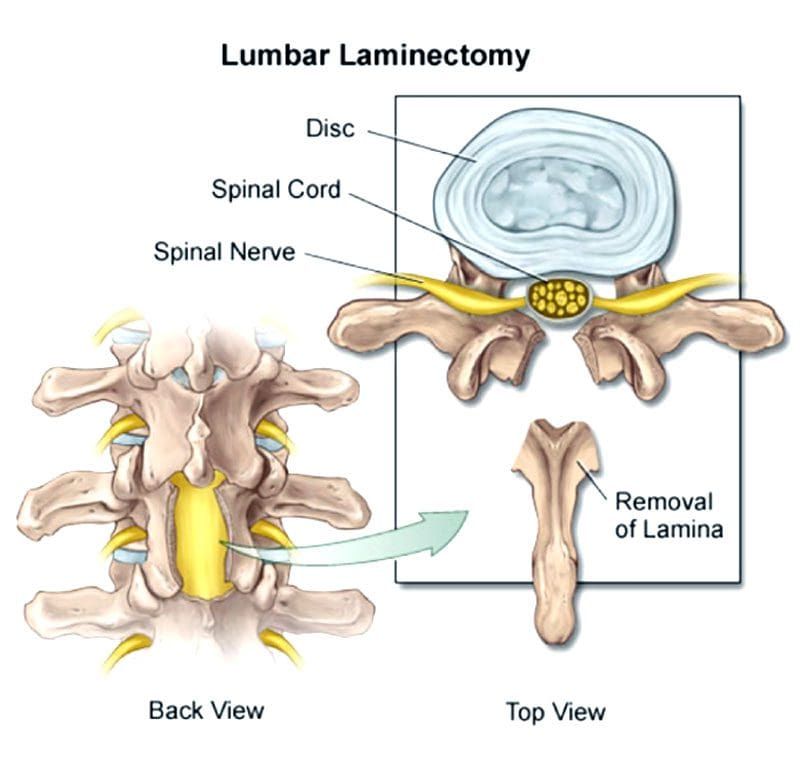
Both procedures involve the vertebrae�s lamina, which is an arch of bone that protects the spinal canal.
In a laminectomy, the lamina is removed almost entirely.
In a laminotomy, it is a partial removal.
Despite the removal, the large muscles of the back provide sustained protection for the nerves below. Therefore, the spinal nerves are still safe and secure following the procedures. Which one is right depends on the situation.
A laminectomy is usually performed to treat an arthritic condition of the spinal canal like spinal stenosis.
Laminotomy is used almost exclusively to remove a herniated disc.
A laminectomy removes more bone and sometimes the inner edge of the facet joint.
Ultimately, a surgeon will determine which of the two procedures is best for the individual’s needs and condition.
Decompression Surgery
Spinal stenosis or the narrowing of the spinal canal is usually caused by arthritis and overgrowth of the discs and joints. Similar compression issues respond well to non-surgical treatment. But sometimes surgery is necessary to treat uncommon but potentially severe cases. These include patients with:
Bowel or bladder problems caused by the pressure on the spinal nerves
Leg weakness that gets worse
Inability to walk or move for long periods and distance
The objective of spinal decompression surgery is to create space around the spinal cord and surrounding nerves by removing the compressing structure/s. When the cord and/or nerve/s are compressed, physical and neurological symptoms are experienced down the nerve�s pathway. This includes:
Tingling
Numbness
Electric shock sensations
Radiating/spreading pain
Weakness
Once the compressed nerves have space to relax and move around symptoms subside.
Laminectomy process
Lumbar laminectomy is the most common procedure to treat spinal stenosis in the low back.
It also helps treat herniated discs by allowing the surgeon to easily access the discs to repair any damage.
The surgeon removes the lamina and ligaments that have thickened and are causing problems to create more space in the canal.
The surgery enlarges the spinal canal so that pressure is relieved.
By removing the source of the pressure, the pain caused by the compressed nerves is alleviated.
An open laminectomy creates an incision of a couple of inches and exposes the spine.
The muscles of the spine and back are cut through to expose the bone.
Another technique that surgeons utilize is operating through a tube.
They’ve adapted these techniques to be able to decompress both the right and the left sides although they are only operating on one side.
Both procedures, minimal and traditional accomplish the same goals.
The difference is the minimally invasive approach involves one or more tiny incisions also known as skin punctures and small instruments designed to separate muscles and soft tissues instead of cutting through them.
The traditional approach requires a larger incision and instruments that retract, separate and cut tissues.
Laminectomy surgery
Laminectomies are performed under general anesthesia using a posterior approach/lying face down during the procedure.
It can be open or minimally invasive sometimes called a microlaminectomy.
In an open laminectomy, the surgeon makes an incision near the affected spinal area.
Once the incision is made, a retractor will move the skin, fat, and muscles to the side so the surgeon can access the spine.
Next, they remove or trim the lamina and thickened ligaments to enlarge the space surrounding the compressed nerves.
Once done, the retractor is removed and the incision is closed with sutures.
Minimally invasive surgery or MIS is performed using special instruments like endoscopes and tubular retractors.
These instruments allow for smaller incisions and less cutting.
They will also use special eyewear to have a detailed view of the surgical field.
Sometimes, the surgeon uses an endoscope or a microscope focused down the tube to perform the surgery.
The portion of the lamina is removed, along with any bone overgrowths/osteophytes and ligament tissue.
The tubular retractors are taken out so the soft tissue moves back into place, and the incision is closed with dissolving sutures.
Other spinal procedures performed alongside
Laminectomies and laminotomies are typically not performed together. However, a surgeon could perform both if the surgery affects multiple levels of the spine. They can also be combined with other spinal surgeries, that include:
Foraminotomy
A foraminotomy is also a decompression procedure. But instead of removing part or all the lamina, the surgeon accesses the nerves through the spine�s foramen or the passageway that nerves pass through on both sides.
Discectomy
This decompression surgery involves the removal of all or part of the damaged intervertebral disc and is utilized for herniated discs.
Spinal fusion
Fusion is often performed after spinal decompression surgery, as the space that was created by removing spinal structure/s can cause instability to the spine.
Candidates for spinal decompression surgery
Both are common procedures performed by neurosurgeons and orthopedic spine surgeons. Laminectomies are considered one of the most effective treatments for spinal stenosis and spinal canal issues like:
Tumors
Certain types of infections and abscesses
Spinal issues involving bowel/bladder dysfunction
The primary reason for laminectomy is spinal stenosis, most common in individuals over the age of 60.
Other considerations and conditions include:
Non-invasive treatments that don’t improve the condition that includes medication, massage, and physical therapy
Ask questions about the procedure to ensure you are comfortable with the operation. Here are some questions:
What are the risks associated?
Will the surgery relieve all symptoms?
Not having the surgery risks?
What is recovery like?
Recovery
Open or micro, recovery does take time. Following the doctor�s instructions carefully are essential to make a full, healthy recovery.
Individuals should be careful for about a month following the surgery. But does not mean laying down or being sedentary. Movement is crucial to recovery.
The patient should not stay in bed or lie on the sofa.
Wait a week or two before beginning physical therapy if necessary.
Most will have a weak core, poor posture, and poor body mechanics, the goal is to help develop and strengthen these areas.
Things to help with recovery include:
Ice/cold packs will help reduce swelling and pain.
Try not to sit for too long, as sitting is the least comfortable position after back surgery.
Body mechanic awareness means avoiding too much bending or lifting and using the right body mechanics when bending or lifting.
Especially before surgery. Quitting entirely or at least for at least six weeks before surgery will make recovery easier and healthier.
Losing weight
Speak with a doctor about weight. Just 5 pounds can make a significant difference during recovery.
Blood sugar
For individuals with diabetes, having an A1C under eight before surgery is ideal.
Every patient�s recovery is different. Recovery time depends on:
The complexity of the surgery
Personal medical history
Health issues
Recovery typically takes about two to four weeks after the surgery. However, it depends on the reason/s for the surgery.
Questions
Post-laminectomy syndrome
Post-laminectomy syndrome PLS also known as failed back surgery syndrome is a condition where an individual continues to have pain after surgery. Individuals still having symptoms after should speak with their doctor to determine the next phase of treatment.
How long before exercise?
Returning to the gym or getting into an exercise routine will take some time. It is important to follow the doctor�s recommendations and complete the full course of physical therapy before regular exercise activity can resume. Discuss workout plans with the doctor to determine the best timeline for the spine.
Full recovery?
Returning to some activity is possible around four weeks after surgery. Full recovery takes longer as each patient�s recovery is unique. Depending on the complexity of the surgery, most return to all activities within 6 to 9 months.
Body Composition Spotlight
Dr. Alex Jimenez�s Blog Post Disclaimer
The scope of our information is limited to chiropractic, musculoskeletal, physical medicines, wellness, and sensitive health issues and/or functional medicine articles, topics, and discussions. We use functional health & wellness protocols to treat and support care for injuries or disorders of the musculoskeletal system. Our posts, topics, subjects, and insights cover clinical matters, issues, and topics that relate and support directly or indirectly our clinical scope of practice.*
Our office has made a reasonable attempt to provide supportive citations and has identified the relevant research study or studies supporting our posts. We also make copies of supporting research studies available to the board and or the public upon request. We understand that we cover matters that require an additional explanation as to how it may assist in a particular care plan or treatment protocol; therefore, to further discuss the subject matter above, please feel free to ask Dr. Alex Jimenez or contact us at 915-850-0900. The provider(s) Licensed in Texas& New Mexico*
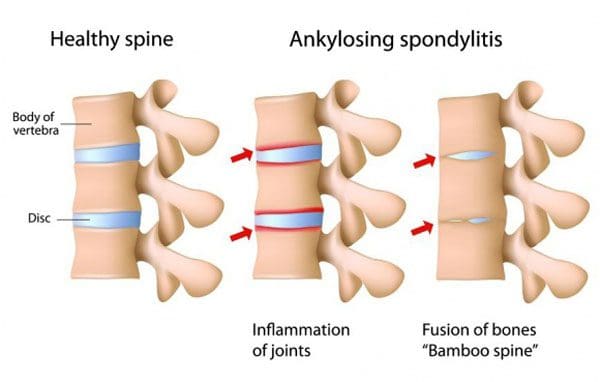
Individuals with ankylosing spondylitis have a new treatment option that was previously used for rheumatoid arthritis. It is a medication that belongs to a class known as JAK inhibitors. Ankylosing spondylitis combines joint pain with reduced mobility. Ankylosing spondylitis is different because in severe cases, the bones in the spine can fuse together, literally reducing mobility.
The disease typically begins with pain and stiffness in the back. This is usually after some time of inactivity. Symptoms start before the age of 45 and develop gradually. There is no cure for ankylosing spondylitis but there are treatments that can improve symptoms and put the condition into remission. Ankylosing spondylitis treatment is the most successful when addressed early before irreversible damage to the joints begins.
Janus Kinase Inhibitors
Janus kinase inhibitors have traditionally been used to treat:
Rheumatoid arthritis
Psoriatic arthritis
Ulcerative colitis
The medication works by decreasing the immune system�s activity. Janus kinase inhibitor drugs affect several cellular compounds that are important in the development and progression of ankylosing spondylitis. Currently, there are only three Janus kinase inhibitor medications available in the United States and FDA-approved to treat rheumatoid arthritis:
Xeljanz
Rinvoq
Olumiant
Each of the approved inhibitors targets specific enzymes
Current Ankylosing Spondylitis Treatments
Janus kinase inhibitors are not given to individuals right away. However, it could be an option if first and second-line treatments are not working. Treatments usually consist of:
First-Line Treatments
NSAIDs
Nonsteroidal anti-inflammatory medications are the most commonly used to treat ankylosing inflammation, pain, and stiffness.
Chiropractic
Chiropractic physical therapy is a major part of ankylosing spondylitis treatment keeping the spine flexible and as healthy as possible. A chiropractic/physical therapy team design and develop specific exercises to fit individual needs, which include:
Stretching and Range-of-motion exercises help maintain flexibility in the joints
Sleeping and walking posture adjustment exercises
Abdominal and spinal exercises to maintain a healthy posture
If nonsteroidal anti-inflammatory medications do not relieve symptoms, then biological medications could be prescribed. This class of medications includes:
Tumor necrosis factor blockers work by targeting cell protein that is part of the immune system, known as tumor necrosis alpha. This protein causes inflammation in the body, and the blockers suppress it.
Interleukin 17 Inhibitors
Interleukin 17 in the body’s immune system defends against infection. It uses an inflammatory response to fight infections. The IL-17 inhibitors suppress the inflammatory response and help reduce symptoms.
Other Treatment Options
Lifestyle Adjustments
Following a medical treatment plan is often combined with diet and lifestyle adjustments that are recommended to help with the condition, these include:
Most individuals with ankylosing spondylitis do not require surgery. However, a doctor could recommend surgery if there is joint damage, the hip-joint needs to be replaced, or if the pain is severe.
Inhibitor Potential
Studies are ongoing in the treatment of ankylosing spondylitis. The drug is currently in Phase 3 trials for the treatment of adults. The trial results have shown patients with active ankylosing spondylitis showed improvement in:
Fatigue
Inflammation
Back pain
The study enrolled adults with active ankylosing spondylitis who took at least two NSAIDs that were ineffective at treating symptoms. Most of the participants were men, average age of 41, and no prior usage of biologic disease-modifying antirheumatic drugs.
Janus kinase could become a standard treatment
There is still not enough research to make a prediction, but the data is promising. The inhibitors seem to be a safe option when used in a properly screened, well-matched setting that includes regular monitoring. The inhibitors appear to be effective and have the advantages of being taken orally and working fast.
Body Composition
Osteoarthritis and weight loss
Being obese has shown to be a high-risk factor for the development of osteoarthritis. This is not only from the effects of extra weight on the body’s joints but also as a result of the inflammatory effects of adipose tissue. The lower back, hips, and knees, bear the majority of the body’s weight.
An excess amount of adipose tissue on the body’s midsection and legs has been shown to negatively impact the weight-bearing joints. Promoting Lean Body Mass and encouraging weight loss lowers the risk of osteoarthritis and improves an individual’s quality of life. Exercise is regarded safe for individuals with osteoarthritis and should be incorporated to improve body composition, reduce Body Fat Mass, improve Lean Body Mass and maintain a healthy weight.
Dr. Alex Jimenez�s Blog Post Disclaimer
The scope of our information is limited to chiropractic, musculoskeletal, physical medicines, wellness, and sensitive health issues and/or functional medicine articles, topics, and discussions. We use functional health & wellness protocols to treat and support care for injuries or disorders of the musculoskeletal system. Our posts, topics, subjects, and insights cover clinical matters, issues, and topics that relate and support directly or indirectly our clinical scope of practice.*
Our office has made a reasonable attempt to provide supportive citations and has identified the relevant research study or studies supporting our posts. We also make copies of supporting research studies available to the board and or the public upon request. We understand that we cover matters that require an additional explanation as to how it may assist in a particular care plan or treatment protocol; therefore, to further discuss the subject matter above, please feel free to ask Dr. Alex Jimenez or contact us at 915-850-0900. The provider(s) Licensed in Texas& New Mexico*
References
Hammitzsch A, Lorenz G, Moog P. Impact of Janus Kinase Inhibition on the Treatment of Axial Spondyloarthropathies. Frontiers in Immunology 11:2488, Oct 2020; doi 10.3389/fimmu.2020.591176.�https://www.frontiersin.org/article/10.3389/fimmu.2020.591176, accessed Jan 21, 2021.
van der Heijde D, Baraliakos X, Gensler LS, et al. Efficacy and safety of filgotinib, a selective Janus kinase 1 inhibitor, in patients with active ankylosing spondylitis (TORTUGA): results from a randomized, placebo-controlled, phase 2 trial.�Lancet.�2018 Dec 1;392(10162):2378-2387. doi: 10.1016/S0140-6736(18)32463-2. Epub 2018 Oct 22. PMID: 30360970.�https://pubmed.ncbi.nlm.nih.gov/30360970/�accessed Jan 19, 2021.
Mental strategy exercises for chronic pain relief and improvement. Living with chronic pain is difficult especially if a doctor is saying that it is all taking place in an individual’s head. However, the pain is very real and happening in the brain, literally. Neuroimagingstudies show that certain areas of the brain become active when chronic pain presents. This is not the only way to know the brain’s role in how an individual experiences pain. What is also known is:
Anxiety, depression, and pain activate similar areas of the brain.
Certain psychiatric drugs used to relieve pain can also alter an individual’s mental state.
Chronic pain can lead to depression.
Clinical depression can cause physical symptoms, including back pain.
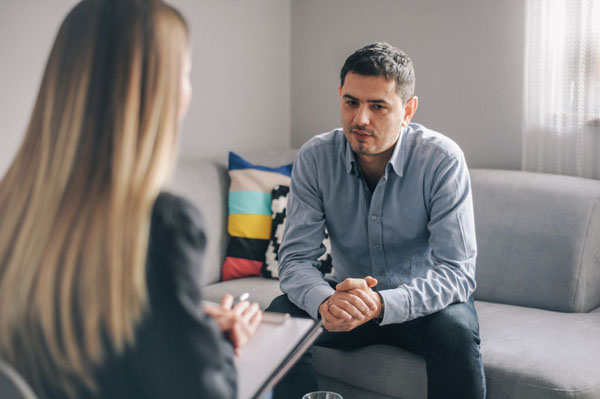
A health care provider could recommend/suggest psychological support for chronic pain. Psychological help and mental strategy exercises for chronic pain are not about how to reduce the pain, but more on how to reduce the dominance, interference, and impact of the pain and getting a healthy quality of life back. Consider a few evidence-based, psychological approaches to reduce back pain.
Cognitive-behavioral therapy
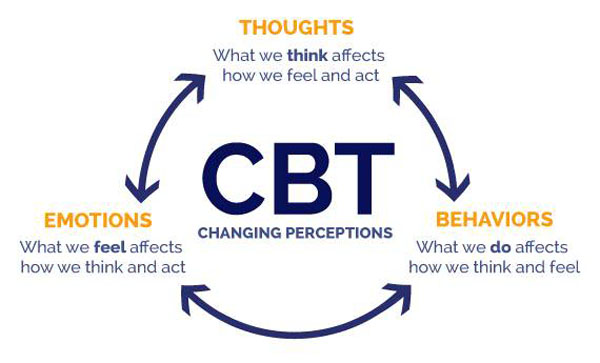
Cognitive-behavioral therapy or CBT trains an individual to modify specific thoughts and behaviors. Experts consider this approach a gold standard of psychological interventions for pain. It helps:
Reduce pain
Improves function
Improves quality of life
Individuals work on:
Pain coping strategies
Relaxation skills
Setting goals
Shifting perspectives on pain
A study found that two years after a two-week, intensive course of cognitive-behavioral therapy, patients took fewer pain meds than they did before the therapy.
Mindfulness meditation
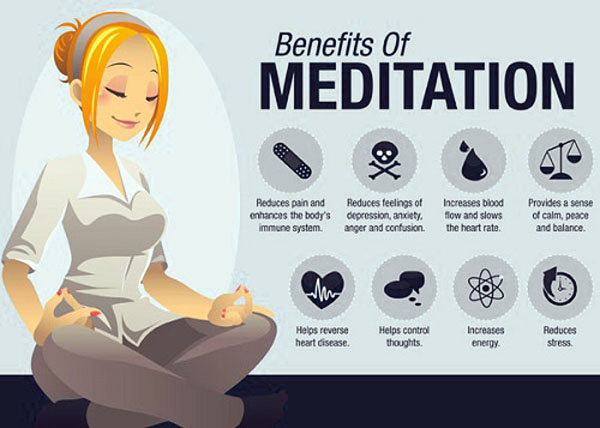
Meditation is not all about sitting with crossed legs, hands resting on the knees, although this is a recommended pose for meditative purposes. A modern approach can be done anywhere, in any position that�s comfortable and will help soothe back pain. By oneself or with help from a therapist mental strategies can include
A study suggests that mindfulness meditation can be highly beneficial for older adults that are not as able to get an adequate amount of physical activity to improve pain levels. A group of older adults that participated in eight weeks of a mindfulness program, which consisted of four days a week for 30 minutes per session physical function and pain reduction improved.
Mindfulness stress reduction
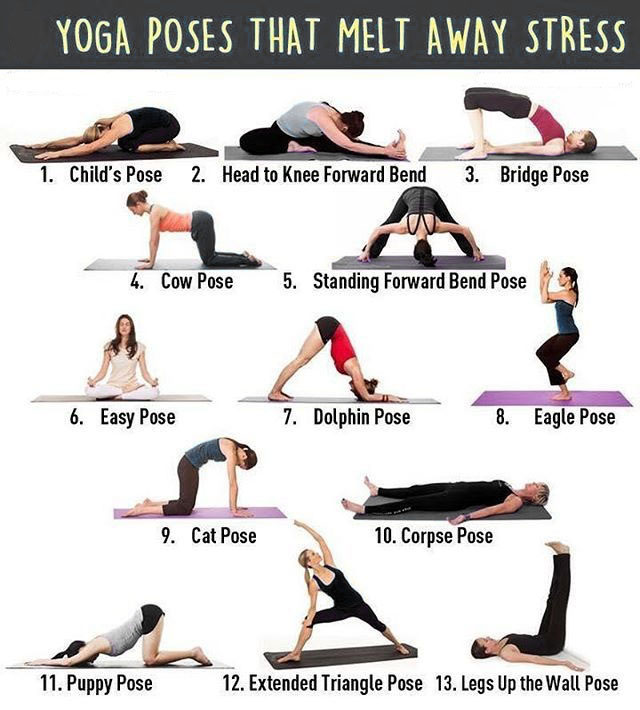
Mindfulness stress reduction is a program that teaches individuals meditation techniques, that include basic stretches and postures. It teaches how to separate the physical and psychological aspects of pain. Medical centers across offer this treatment option for a range of disorders, including chronic back pain. It helps reduce pain intensity and improves function in individuals with arthritis as well as back and neck pain from various causes. It has also been found to be effective for fibromyalgia, which can cause intense widespread pain. A study found that mindfulness stress reduction improved:
Wellbeing
Pain episodes
Sleep problems
Fatigue in participants with fibromyalgia
More than half reported significant improvement
Acceptance and commitment therapy
Acceptance and commitment therapy or ACT teaches acceptance and mindfulness strategies with commitment and behavior mental strategies, to change the way pain is experienced. Numerous studies along with the American Psychological Association validate this approach as an established treatment for chronic pain.
Changing expectations
In one study several chiropractic patients who expected their back pain to improve were 58% more likely to improve than those who did not expect favorable outcomes. This mental strategy of manifesting a positive outcome through the power of positive thinking and beliefs about pain influence an individual’s actions.
For example, when thinking that physical activity will cause back pain, individuals are less likely to be active. This is known as fear avoidance. For most individuals with back and neck pain, gentle physical activity is essential because avoiding it will worsen the pain. Having the right mental strategy can go a long way in battling chronic pain, at Injury Medical Chiropractic and Functional Medicine Clinic we can help individuals experiencing/dealing with chronic pain.
Body Composition
Depression and physical health
Depression is debilitating and, in severe cases, a life-threatening disease that affects over 16 million people nationwide. Depression causes are not always clear and can be brought on by:
Biological factors – genetics
Individual brain chemistry
Certain medications
Stress
Unhealthy diet/nutrition
Mental illness and becoming overweight or obese often happen in conjunction, whether as a result of each other or from common risk factors that include:
Smoking
Poor diet
Lack of physical activity
Alcohol consumption
Prescribed medications for depression and anxiety disorders are have been shown to be successful in maintaining mental health. However, a side effect of these medications is weight gain. Like genetics, being educated on the potential side effects will help in reducing the risk of, and controlling weight gain when taking medication.
Dr. Alex Jimenez�s Blog Post Disclaimer
The scope of our information is limited to chiropractic, musculoskeletal, physical medicines, wellness, and sensitive health issues and/or functional medicine articles, topics, and discussions. We use functional health & wellness protocols to treat and support care for injuries or disorders of the musculoskeletal system. Our posts, topics, subjects, and insights cover clinical matters, issues, and topics that relate and support directly or indirectly our clinical scope of practice.*
Our office has made a reasonable attempt to provide supportive citations and has identified the relevant research study or studies supporting our posts. We also make copies of supporting research studies available to the board and or the public upon request. We understand that we cover matters that require an additional explanation as to how it may assist in a particular care plan or treatment protocol; therefore, to further discuss the subject matter above, please feel free to ask Dr. Alex Jimenez or contact us at 915-850-0900. The provider(s) Licensed in Texas& New Mexico*
References
Pain and Therapy.�(Jun 2020) �Rehabilitation for Low Back Pain: A Narrative Review for Managing Pain and Improving Function in Acute and Chronic Conditions.��https://www.ncbi.nlm.nih.gov/pmc/articles/PMC7203283/Journal of Psychosomatic Research. (Jan 2010) �Mindfulness-based stress reduction for chronic pain conditions: variation in treatment outcomes and role of home meditation practice.�
European Journal of Pain.�(Jan 2019.) �Beliefs about back pain and pain management behaviors, and their associations in the general population: A systematic review.��https://www.ncbi.nlm.nih.gov/pmc/articles/PMC6492285/
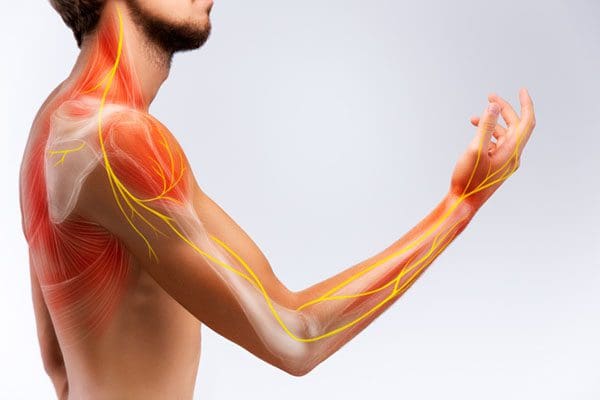
Pinched nerves occur when added pressure is applied to a nerve or set of nerves from surrounding tissues like bones, cartilage, muscles, or tendons. The pressure affects the nerve’s ability to function properly and usually causes pain, tingling, numbness, or weakness. A pinched nerve can occur at various sites in the body. Whether located in the neck, shoulder, arm, hand, back, or knees, they can lead to other debilitating conditions/injuries and permanent nerve damage if left untreated.
Pinched Nerves
The nerves are not actually being pinched but are being compressed. The added pressure on or around the nerve causes painful sensations that can also include:
Pinched nerves are nothing to dismiss. Individuals experiencing any of the above symptoms should get a proper diagnosis from a chiropractor.
Compression Goes Away By Itself
A compressed nerve can go away on its own if the pain has recently started or is not severe. In addition, home remedies like rest, heat, ice, and stretching can be utilized to help the compression subside on its own.
Length of Time It Takes for a Pinched Nerve to Heal
The length of time depends on the reason why the nerve is compressed and irritated. For example, some pinched nerves are brought on from poor posture and tight muscles. These can usually heal within 4 weeks. However, if the pain has been going on for some time, like more than 3 months, it will take longer, especially to identify the root cause/s and address them according to their severity.
Treatment Options
Chiropractic Adjustments and Massage
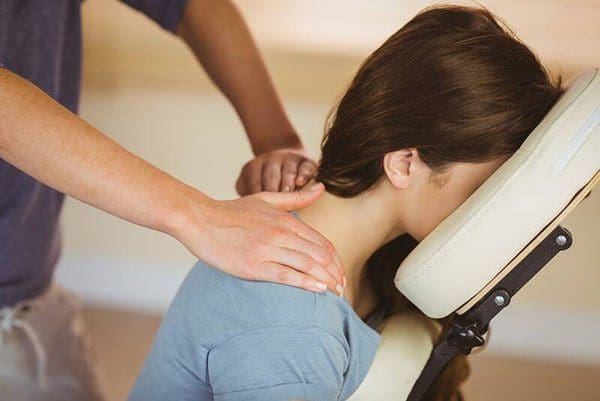
These two types of treatment/therapy highly complement each other. A chiropractor understands the importance of massage when it comes to healing and stress relief. Some cases of pinched nerves come from tight muscles and muscle spasms. Along with chiropractic adjustments, massage therapy is perfect for releasing and stretching the nerves back to their natural form.
Studies show that chiropractic massage therapy offers pain relief and also helps reduce any depression and anxiety that the pain symptoms can generate. In addition, comprehensive chiropractic treatment has been proven to be the best and fastest way to deal with pinched nerves.
Get More Sleep
Whenever the body is going through stress and needs repair, more sleep gives the body the time to heal itself. An extra hour of sleep also ensures that the injured area moves less. However, try to avoid sleeping on the stomach and make sure that the pillows being used provide plenty of support.
Warm/Hot Soothing Bath
Ice can really help lower swelling and inflammation, but if icing the area has not relieved the pain after 72 hours, it is time for a warm/hot bath. Warm water increases blood circulation, which delivers oxygen and nutrients to help heal and restore. In addition, heat relaxes the muscles of the body, which relieves pressure on the affected area.
Collagen Nerve Joint Repair
Collagen adds cushion to the spaces between the joints and bones while damaged tissues are being repaired. Collagen is the most plentiful natural protein in the human body. Supplements with glucosamine, chondroitin and hyaluronic acid can help and consume bone broth, a healthy collagen source. An anti-inflammatory diet can also help. Inflammation contributes to pain symptoms. Lowering inflammation lowers pain as well.
Proper Posture
Slouching and poor posture, whether sitting or standing, place added pressure/stress on the joints. When this goes on for long periods or when something traumatic occurs, a pinched nerve can result. A chiropractor will restore the body’s natural curvature. In addition, a chiropractor will discuss and show what proper posture should be and how to strengthen the core to maintain proper posture.
Other Treatment Options
Conventional treatments usually include:
Over the counter pain relievers
Prescription pain relievers for severe cases
Corticosteroids
Microdiscectomy spinal surgery
Regular surgery
Most individuals want to avoid any of the above treatment options. The body has a tremendous ability to heal itself. Chiropractic will reduce the amount of time that is required to heal a pinched nerve. It’s about treating the entire body, not just the symptoms. A customized treatment/recovery diet plan will be developed according to each individual’s needs. At Injury Medical Chiropractic and Functional Medicine Clinic, we encourage anyone experiencing any pain to call us right away.
Composition of the Body
What happens to the body when you stop eating
Not eating for a few hours causes glucose levels in the blood to drop, and insulin release stops. Alpha cells in the pancreas produce a hormone called glucagon that helps the liver break down the body’s stored glycogen, converting it back into glucose. The liver can also produce glucose by utilizing fats, amino acids, and waste.
If the body’s blood sugar levels drop, too low a condition called hypoglycemia happens. It occurs a few hours after eating when there is too much insulin in the blood or certain medications. This is why an individual might feel dizzy, shaky, anxious, or irritable when they have not eaten for several hours. Eating at least 15 to 20 grams of carbohydrates will reverse the symptoms.
Dr. Alex Jimenez’s Blog Post Disclaimer
The scope of our information is limited to chiropractic, musculoskeletal, physical medicines, wellness, sensitive health issues, and/or functional medicine articles, topics, and discussions. We use functional health & wellness protocols to treat and support care for injuries or disorders of the musculoskeletal system. Our posts, topics, subjects, and insights cover clinical matters, issues, and topics that directly or indirectly support our clinical scope of practice.*
Our office has made a reasonable attempt to provide supportive citations and has identified the relevant research study or studies supporting our posts. We also make copies of supporting research studies available to the board and or the public upon request. We understand that we cover matters that require an additional explanation as to how it may assist in a particular care plan or treatment protocol; therefore, to further discuss the subject matter above, please feel free to ask Dr. Alex Jimenez or contact us at 915-850-0900. The provider(s) Licensed in Texas& New Mexico*
References
Dubinsky RM, Miyasaki J.Assessment: Efficacy of transcutaneous electric nerve stimulation in treating pain in neurologic disorders (an evidence-based review). Report of the Therapeutics and Technology Assessment Subcommittee of the American Academy of Neurology.Neurology. 2010;74:173-176.
Shrier I. Does stretching help prevent injuries? Evidence-based Sports Medicine. Williston, VT: BMJ Books; 2002.
IFM's Find A Practitioner tool is the largest referral network in Functional Medicine, created to help patients locate Functional Medicine practitioners anywhere in the world. IFM Certified Practitioners are listed first in the search results, given their extensive education in Functional Medicine