Healing After a Car Accident: How Chiropractic Care, Nurse Practitioners, and Integrative Medicine Promote Recovery from Sciatica and Musculoskeletal Injuries
Introduction
Motor vehicle accidents (MVAs) can turn your life upside down in an instant. The sudden jolt of a collision can lead to injuries that linger long after the crash, from nagging back pain to debilitating sciatica. Sciatica, caused by compression of the sciatic nerve, often stems from spinal misalignments or disc damage triggered by the trauma of an accident. The pain can radiate from your lower back down your leg, making everyday tasks feel impossible. Fortunately, a powerful combination of chiropractic care, nurse practitioner expertise, and integrative medicine offers a path to recovery. This blog post explores how these disciplines collaborate to treat MVA-related injuries, with a special focus on the groundbreaking work of Dr. Alexander Jimenez, a chiropractor and nurse practitioner in El Paso, Texas. This integrative approach addresses spinal health, nerve function, and overall wellness, promoting faster healing and improved long-term health. Whether you’re dealing with sciatica or chronic pain, this guide will show you how to reclaim your health.
Section 1: Understanding MVA-Related Injuries
Car accidents unleash tremendous force on your body, often causing injuries that aren’t immediately obvious. The spine, muscles, and nerves are particularly vulnerable, and damage to these structures can lead to chronic pain if left untreated. One of the most common issues following a motor vehicle accident (MVA) is sciatica, a condition in which the sciatic nerve becomes compressed, causing sharp, shooting pain that radiates from the lower back through the legs (Hurtado, 2024). Research suggests that up to 90% of sciatica cases are linked to spinal disc problems, which are frequently triggered by the trauma of a car crash (Jimenez, 2025a).
Common Injuries from MVAs
Whiplash: The rapid back-and-forth motion of the neck during a collision can strain muscles, ligaments, and vertebrae, leading to stiffness, headaches, and even chronic pain if not addressed (Jimenez, 2025b).
Herniated Discs: The force of an accident can cause spinal discs to bulge or rupture, pressing on nearby nerves and contributing to sciatica or other nerve-related pain (Portland Urgent Care, 2024).
Nerve Injuries: Compressed or irritated nerves, like the sciatic nerve, can cause tingling, numbness, or weakness in the affected area (Team Allied Physical Wellness, 2024).
Back and Neck Pain: Misaligned vertebrae or strained muscles often result in persistent discomfort that worsens without proper care (Versus Texas, 2024).
These injuries can be sneaky. You might feel fine right after the accident, only to wake up days later with pain or limited mobility. That’s why early evaluation is so important. Dr. Alexander Jimenez, a top expert in treating injuries from motor vehicle accidents, emphasizes that advanced tests, such as MRI and CT scans, are crucial for detecting hidden injuries, including soft tissue damage or subtle spinal misalignments, that regular X-rays may not reveal (Jimenez, 2024). His dual training as a chiropractor and nurse practitioner allows him to connect imaging results with patient symptoms, ensuring a precise diagnosis and a tailored treatment plan.
Why Early Detection Matters
Ignoring minor aches after an accident can lead to bigger problems down the road. For example, a small disc bulge might not cause pain initially but could worsen over time, compressing the sciatic nerve and triggering sciatica. Dr. Jimenez utilizes tools such as electromyography (EMG) to assess nerve function and identify issues like nerve compression, enabling him to detect problems early and prevent chronic pain (Jimenez, 2025a). By addressing injuries promptly, you can avoid long-term complications and return to your normal routine more quickly.
Section 2: The Power of Chiropractic Care in MVA Recovery
Chiropractic care is a cornerstone of MVA injury treatment because it targets the root cause of pain: spinal misalignments and nerve compression. When a car accident jolts your spine, vertebrae can shift out of place, creating subluxations that irritate nerves and cause pain. For sciatica, this scenario often happens in the lumbar spine, where a misaligned vertebra or herniated disc presses on the sciatic nerve (The Neck and Back Clinics, 2024). Chiropractors use precise, hands-on techniques to realign the spine, relieve nerve pressure, and restore mobility—all without the need for drugs or surgery.
Key Chiropractic Techniques for MVA Injuries
Spinal Manipulation: A controlled, high-velocity thrust to reposition vertebrae, reducing nerve irritation and improving joint function. This therapy is especially effective for sciatica and back pain (Mission Village Chiropractic, 2024).
Flexion-Distraction: A gentle, non-thrusting technique that stretches the spine to relieve pressure on herniated discs, making it ideal for sciatica patients (Charleston Chiropractic Studio, 2024).
Activator Method: A handheld device delivers low-force adjustments, making it ideal for patients with acute pain or sensitivity (OC Spinal Care, 2024).
Soft Tissue Therapy: Techniques like massage or myofascial release relax tight muscles, reduce inflammation, and improve blood flow to injured areas (Thrive VB, 2024).
How Chiropractic Care Helps
Chiropractic adjustments do more than just ease pain—they address the underlying issues that cause it. For example, realigning the lumbar spine can relieve pressure on the sciatic nerve, thereby reducing pain, tingling, and weakness in the legs. Adjustments also improve spinal mobility, which helps prevent scar tissue from forming and reduces the risk of chronic pain. Studies show that chiropractic care can significantly improve outcomes for MVA patients, with many reporting reduced pain and better function after just a few sessions (The Neck and Back Clinics, 2024).
Dr. Jimenez’s Chiropractic Approach
At his Injury Medical & Chiropractic Center in El Paso, Dr. Jimenez combines traditional chiropractic techniques with cutting-edge diagnostics. He uses functional movement screens to assess how injuries affect your body’s mechanics and EMG to pinpoint nerve damage. This data-driven approach allows him to create personalized treatment plans that target your specific injuries, whether it’s a herniated disc causing sciatica or whiplash-related neck pain (Jimenez, 2025a). Dr. Jimenez also emphasizes patient education, teaching you exercises and stretches to support your recovery at home.
Case Study: Sciatica Relief Through Chiropractic Care
Consider Maria, a 35-year-old teacher who was rear-ended at a stoplight. She developed lower back pain and a burning sensation down her right leg, classic signs of sciatica. After an MRI revealed a herniated disc at L5-S1, Dr. Jimenez designed a treatment plan that included spinal manipulation, flexion-distraction, and soft tissue therapy. Within six weeks, Maria’s pain dropped from an 8/10 to a 2/10, and she regained enough mobility to return to work. Her case highlights how chiropractic care can address the root cause of sciatica without relying on painkillers or invasive procedures.
Benefits of Chiropractic Care
Relieves pain naturally, reducing the need for medications.
Restores spinal alignment and nerve function.
Prevents chronic pain by addressing injuries early.
Section 3: The Role of Nurse Practitioners in MVA Injury Management
Nurse practitioners (NPs) are unsung heroes in MVA recovery, bringing a broad skill set that complements chiropractic care. NPs are trained to assess overall health, manage pain, and coordinate care across specialties, making them invaluable for patients dealing with complex injuries. They also play a critical role in documenting injuries for insurance claims or legal cases, ensuring patients get the support they need (Physicians Group LLC, 2024).
What NPs Bring to the Table
Pain Management: NPs can prescribe medications such as anti-inflammatories or muscle relaxants when needed, but they also recommend non-drug options, including transcutaneous electrical nerve stimulation (TENS) or acupuncture, to reduce reliance on pills (Versus Texas, 2024).
Diagnostic Expertise: NPs order and interpret imaging tests, such as MRIs or CT scans, to guide treatment decisions (Jimenez, 2024).
Patient Education: They educate patients on nutrition, exercise, and stress management to support healing and prevent future health issues (Physicians Group LLC, 2024).
Legal Documentation: NPs provide detailed medical records that link injuries to the accident, which is crucial for insurance or personal injury claims (Jimenez, 2025b).
Dr. Jimenez’s NP Expertise
As a board-certified Family Nurse Practitioner (FNP-C), Dr. Jimenez bridges the gap between medical and chiropractic care. He uses neurologic exams to assess reflexes and muscle strength, helping him identify nerve damage that might contribute to sciatica or radiculopathy. His training as a Nurse Practitioner also enables him to manage medications when necessary; however, he prioritizes non-invasive treatments such as chiropractic adjustments and physical therapy. This dual role ensures that patients get comprehensive care, from immediate pain relief to long-term recovery strategies (Jimenez, 2024).
Case Study: Coordinating Care for Whiplash
Take John, a 42-year-old construction worker who suffered whiplash in a side-impact collision. He experienced neck pain, headaches, and limited range of motion. Dr. Jimenez, acting as both a chiropractor and a nurse practitioner, ordered an MRI to rule out disc damage and used an EMG to confirm nerve irritation. He prescribed a short course of anti-inflammatories to manage acute pain while performing spinal adjustments to correct cervical misalignments. He also coordinated with a physical therapist to strengthen John’s neck muscles. Within eight weeks, John was back on the job, pain-free. This case demonstrates how nurse practitioners (NPs) can streamline care and improve outcomes.
Why NPs Are Essential
NPs bring a holistic perspective to MVA recovery, addressing not just physical injuries but also the emotional and logistical challenges patients face. They collaborate closely with chiropractors, physical therapists, and other healthcare providers to develop a comprehensive treatment plan, ensuring that no details are overlooked.
Section 4: Integrative Medicine for Holistic Healing
Integrative medicine elevates MVA recovery to the next level by combining conventional treatments with complementary therapies, including nutrition, health coaching, and physical therapy. This approach doesn’t just mask symptoms—it tackles the root causes of pain and promotes overall wellness. For sciatica and other MVA injuries, integrative medicine reduces inflammation, supports tissue repair, and helps prevent chronic issues. (Charleston Chiropractic Studio, 2024).
Key Components of Integrative Medicine
Nutrition: An anti-inflammatory diet rich in omega-3 fatty acids (found in fish and flaxseed), antioxidants (from berries and leafy greens), and lean proteins supports healing and reduces pain (Mission Village Chiropractic, 2024).
Health Coaching: Personalized guidance on stress management, sleep, and lifestyle changes helps patients cope with the emotional toll of an accident and stay committed to recovery (Thrive VB, 2024).
Physical Therapy: Targeted exercises strengthen muscles, improve flexibility, and complement chiropractic adjustments to ensure long-term spinal health (Jimenez, 2025b).
Acupuncture: This ancient technique stimulates nerve function and reduces pain, often used in conjunction with spinal decompression for sciatica relief (Versus Texas, 2024).
How Integrative Medicine Helps Sciatica
Sciatica often involves inflammation around the sciatic nerve, which can be worsened by poor diet or stress. Integrative medicine addresses these factors holistically. For example, eliminating processed foods and incorporating anti-inflammatory nutrients can help reduce swelling, while acupuncture and physical therapy can improve nerve function and mobility. Chiropractic adjustments then ensure the spine stays aligned, preventing further nerve compression. This multi-pronged approach leads to faster, more lasting relief (OC Spinal Care, 2024).
Dr. Jimenez’s Integrative Approach
Dr. Jimenez’s practice is a model of integrative medicine. He offers nutrition counseling to help patients adopt anti-inflammatory diets, reducing pain naturally. His health coaching sessions focus on stress reduction and goal setting, empowering patients to take charge of their recovery. He also incorporates functional medicine assessments to identify underlying imbalances, such as vitamin deficiencies or hormonal issues, that could slow healing. By addressing these factors, Dr. Jimenez helps patients not just recover from their injuries but also achieve better overall health (Jimenez, 2025a).
Case Study: Holistic Recovery from Back Pain
Sarah, a 29-year-old office worker, suffered lower back pain and sciatica after a fender-bender. Dr. Jimenez’s evaluation revealed a mild disc bulge and poor posture from long hours at a desk. He combined spinal adjustments with spinal decompression to relieve nerve pressure while prescribing an anti-inflammatory diet high in turmeric and salmon. Sarah also worked with a health coach to manage stress and started physical therapy to strengthen her core. Her pain disappeared after three months, and she experienced an increase in energy. This case illustrates the life-changing impact of integrative medicine on recovery.
Benefits of Integrative Medicine
Reduces inflammation and pain naturally.
Addresses emotional and physical aspects of recovery.
Section 5: Dr. Alexander Jimenez’s Unique Approach
Dr. Alexander Jimenez stands out as a leader in MVA injury treatment, thanks to his rare combination of credentials as a chiropractor (DC) and nurse practitioner (FNP-C). Based in El Paso, Texas, his clinic, Injury Medical & Chiropractic Center, serves as a hub for holistic healing, offering patients cutting-edge care for sciatica, back pain, and nerve injuries. Dr. Jimenez’s ability to integrate medical diagnostics, chiropractic techniques, and integrative medicine sets him apart, offering patients a one-stop recovery solution (Jimenez, 2025a).
Advanced Diagnostics for Precise Treatment
Dr. Jimenez relies on state-of-the-art tools to fully assess the extent of MVA injuries. His diagnostic approach includes:
MRI and CT Scans: These imaging techniques reveal soft tissue damage, disc herniations, and spinal misalignments that may not be visible on X-rays.
Electromyography (EMG): Measures nerve function to confirm conditions such as sciatica or radiculopathy, ensuring accurate treatment.
Neurologic Exams: Assesses reflexes, muscle strength, and coordination to identify nerve or spinal cord issues.
Functional Movement Screens: Evaluates how injuries affect mobility, guiding personalized treatment plans.
These diagnostics provide objective evidence of injuries, which is critical for both treatment and legal purposes. For example, an MRI might show a herniated disc pressing on the sciatic nerve, while an EMG confirms nerve dysfunction. This data allows Dr. Jimenez to design targeted interventions, such as spinal decompression for disc injuries or adjustments for subluxations (Jimenez, 2024).
Balancing Medical and Legal Needs
MVA patients often face not only physical challenges but also logistical ones, such as navigating insurance claims or personal injury lawsuits. As a nurse practitioner, Dr. Jimenez provides detailed medical records that link injuries to the accident, making it easier for patients to secure coverage or compensation. His reports include imaging results, clinical findings, and treatment progress, giving attorneys and insurers clear documentation. At the same time, his chiropractic expertise ensures patients get non-invasive, effective care that prioritizes healing over symptom management (Jimenez, 2025b).
Holistic Healing Philosophy
Dr. Jimenez’s practice is built on the belief that true recovery goes beyond pain relief—it’s about restoring overall health. He combines spinal adjustments with integrative therapies like nutrition counseling, health coaching, and physical therapy. For sciatica patients, he often uses spinal decompression, a non-surgical technique that gently stretches the spine to relieve disc pressure, in conjunction with adjustments to maintain proper alignment. His nutrition plans focus on anti-inflammatory foods to reduce swelling, while health coaching helps patients manage stress and adopt healthier habits (OC Spinal Care, 2024).
Case Study: Comprehensive Care for Nerve Damage
Michael, a 50-year-old truck driver, experienced numbness and weakness in his legs after a high-speed collision. Dr. Jimenez’s evaluation, including an MRI and EMG, revealed a pinched nerve in the lumbar spine. He used spinal decompression and adjustments to relieve nerve pressure while prescribing a diet rich in anti-inflammatory foods like walnuts and spinach. Michael also received health coaching to improve his posture and reduce stress. After 10 weeks, his symptoms resolved, and he returned to work with renewed energy. This case highlights Dr. Jimenez’s ability to integrate medical, chiropractic, and holistic care.
The combination of chiropractic care, nurse practitioner expertise, and integrative medicine offers a powerhouse approach to MVA recovery. Here’s why it works so well:
Comprehensive Care: Addresses physical injuries, nerve damage, and emotional stress, ensuring no aspect of recovery is overlooked.
Non-Invasive Solutions: Prioritizes natural treatments, such as adjustments and nutrition, over surgery or heavy medication.
Personalized Treatment: Tailors plans to your unique injuries and health needs, maximizing effectiveness.
Holistic Wellness: Promotes long-term health through a balanced diet, regular exercise, and effective stress management, helping you feel better than before the accident.
For sciatica, this approach is particularly effective. Chiropractic adjustments relieve nerve compression, nutrition reduces inflammation, and physical therapy strengthens supporting muscles. The result is faster pain relief and a lower risk of recurrence (The Neck and Back Clinics, 2024).
Real-World Impact
Patients who embrace this integrative model often report dramatic improvements. They not only recover from their injuries but also gain tools to live healthier lives. For example, adopting an anti-inflammatory diet can reduce pain from sciatica while lowering the risk of other chronic conditions, like heart disease. Similarly, learning stress management techniques can improve mental health and resilience, making it easier to cope with life’s challenges.
Recovering from an MVA takes time and effort, but these practical tips can help you get there faster:
Seek Care Immediately: Visit a chiropractor or nurse practitioner (NP) within 72 hours of the accident, even if you feel okay. Early treatment prevents minor injuries from developing into chronic conditions.
Stick to Your Treatment Plan: Attend all scheduled appointments and follow the recommendations for adjustments, exercises, and dietary changes.
Stay Active: Gentle stretches or physical therapy exercises keep your muscles flexible and prevent stiffness.
Report All Symptoms: Inform your healthcare provider about every symptom, no matter how minor. Tingling in your toes or mild headaches could signal nerve or soft tissue damage.
Keep Detailed Records: Document your treatments, symptoms, and medical bills for insurance or legal claims.
Dr. Jimenez’s clinic offers resources to support these steps, including patient education materials and access to a multidisciplinary team. His staff guides patients through the recovery process, from scheduling diagnostic tests to coordinating with insurers (Jimenez, 2025a).
References
Jimenez, A. (2025a). Auto accident-related nerve damage and treatment options. Chiropractic Scientist. https://chiropracticscientist.com/
Section 8: Overcoming Common Recovery Challenges
MVA recovery is not always a straightforward process. Patients often face hurdles like persistent pain, emotional stress, or insurance disputes. Here’s how an integrative approach helps overcome these challenges:
Persistent Pain: If pain persists, Dr. Jimenez may adjust your treatment plan by adding therapies such as acupuncture or spinal decompression to target stubborn issues.
Emotional Stress: Health coaching and stress management techniques, such as mindfulness or breathing exercises, help you cope with anxiety or frustration.
Insurance Issues: Dr. Jimenez’s detailed documentation simplifies the claims process, providing clear evidence of your injuries and treatments.
By addressing these challenges head-on, an integrative approach ensures you stay on track for a full recovery.
References
Jimenez, A. (2025a). Auto accident-related nerve damage and treatment options. Chiropractic Scientist. https://chiropracticscientist.com/
Section 9: The Long-Term Impact of Integrative Care
The benefits of integrative care extend far beyond immediate recovery. By addressing the root causes of MVA injuries, this approach helps you build a stronger, healthier body. For example, chiropractic adjustments keep your spine aligned, reducing the risk of future pain. Nutrition and exercise habits acquired during recovery can enhance your overall health, reducing the risk of chronic diseases. Plus, the stress management skills you gain can improve your mental well-being for years to come (Charleston Chiropractic Studio, 2024).
Preventing Future Injuries
Integrative care also teaches you how to protect your body from future injuries. Proper posture, regular exercise, and a balanced diet strengthen your musculoskeletal system, making it more resilient to stress. Dr. Jimenez’s patients often leave his clinic not just healed but empowered to live healthier lives.
A car accident can leave you with more than just a damaged vehicle—it can cause injuries like sciatica, back pain, and nerve damage that disrupt your life. But recovery is within reach. By combining chiropractic care’s focus on spinal health, nurse practitioners’ expertise in pain management, and integrative medicine’s holistic strategies, you can heal faster and feel better than ever. Dr. Alexander Jimenez, with his unique blend of chiropractic and medical training, leads the way in this integrative approach, offering personalized care that addresses both your injuries and your long-term health. This all-inclusive model can help you recover your mobility and flourish, regardless of whether you’re dealing with chronic pain or sciatica.
Explore effective pain management strategies after a car accident. Learn how to recover and manage your discomfort.
Introduction
Numerous bodily injuries are often the outcome of auto accidents. Among the most frequent, soft tissue injuries sustained in vehicle accidents may cause severe pain and suffering in many different parts of the body, making everyday living difficult and necessitating a methodical approach to pain treatment. Do you have any headaches that make you want to be in a dark, quiet place? Do you think your shoulders have a limited range of motion? Or if you have lower back and shoulder ache that radiates? With an emphasis on soft tissue injuries, their symptoms, and both surgical and non-surgical treatment options, this article provides suggestions for managing pain after an accident..
Understanding Soft Tissue Injuries
Soft tissue injuries damage muscles, tendons, ligaments, and fascia. Common examples include whiplash, sprains, strains, and contusions. These injuries frequently occur during automobile accidents due to sudden forces exerted on the body, such as rapid deceleration or impact. The mechanisms of soft tissue injuries can become an issue as they can affect a person’s functionality, especially if the area has overlapping risk profiles. (Arosarena & Eid, 2021)
Symptoms of Soft Tissue Injuries
Various symptoms of soft tissue injuries depend on where the injury is located and how severe it is, but often include:
Pain and Tenderness: Localized or diffuse pain that worsens with movement or pressure.
Swelling: Inflammation due to fluid buildup in the affected area.
Stiffness: Reduced range of motion in joints or muscles.
Bruising: Discoloration from damaged blood vessels beneath the skin.
Weakness: Reduced strength in the injured area, often noticeable in sprains or strains.
Neck or Back Pain: Common musculoskeletal pain associated with whiplash, where pain may radiate to the shoulders or arms due to a cracking sound within the cervical spine, causing pain to appear either hours or days. (Bannister et al., 2009)
Beyond the Surface: Understanding the Effects of Personal Injury- Video
Guidelines for Pain Management
Effective pain management after an automobile accident requires a comprehensive approach tailored to the individual’s injury severity, medical history, and response to treatment. The following guidelines provide a framework for managing pain associated with soft tissue injuries.
1. Initial Assessment & Diagnosis
Medical Evaluation: Individuals should seek immediate medical attention to assess the extent of injuries. A healthcare provider may use physical exams, imaging (e.g., X-rays, MRIs), or diagnostic tests to identify soft tissue damage.
Pain Assessment: Document pain levels using tools like the Visual Analog Scale (VAS) to guide treatment planning.
Monitor Symptoms: Track symptoms over time, as some injuries, like whiplash, may have delayed onset.
2. Non-Surgical Treatment Options
Non-surgical treatments are typically the first line of management for soft tissue injuries, aiming to reduce pain and inflammation and promote healing.
RICE
Rest: Limit activities that exacerbate pain to allow tissues to heal.
Ice: Apply cold packs every fifteen to twenty minutes every hour to reduce swelling and numbness in the affected area. (Hubbard & Denegar, 2004)
Compression: Use elastic bandages to minimize swelling, ensuring not to wrap too tightly.
Elevation: Elevating the injured area above the heart level can help reduce fluid buildup.
Evidence: RICE is widely recommended for acute soft tissue injuries to manage initial symptoms affecting the musculoskeletal system.
Medications
Over-the-Counter Pain Relievers: Nonsteroidal anti-inflammatory drugs (NSAIDs) like ibuprofen or acetaminophen can temporarily help relieve pain and inflammation in soft tissues.
Muscle Relaxants: Prescribed for muscle spasms, particularly in whiplash cases.
Topical Analgesics: Creams or patches for localized pain relief.
Considerations: Long-term NSAID use should be monitored to avoid gastrointestinal or cardiovascular side effects.
Physical Therapy
Stretching and Strengthening: Guided exercises to restore mobility and strength.
Manual Therapy: Massage or myofascial release incorporates various techniques to reduce tension.
Modalities: Ultrasound, electrical stimulation, or heat therapy to enhance healing. (Papadopoulos & Mani, 2020)
Evidence: Physical therapy is effective for chronic whiplash and other soft tissue injuries, improving function and reducing pain.
Alternative Therapies
Acupuncture: May reduce pain by stimulating specific points in the body.
Chiropractic Care: Spinal adjustments to alleviate pain, particularly for neck and back injuries.
Massage Therapy: Helps promote relaxation and reduces muscle tension where the affected area needs attention.
Acupuncture and chiropractic care show promise for pain relief in soft tissue injuries through various results. Chiropractic care can incorporate soft tissue mobilization to increase internal rotation and improve range of motion by reducing musculoskeletal pain. (Jusdado-García & Cuesta-Barriuso, 2021)
Psychological Support
Cognitive Behavioral Therapy (CBT): Helps manage chronic pain by addressing emotional and psychological factors.
Mindfulness and Relaxation Techniques: Reduces stress-related pain amplification.
3. Surgical Treatment Options
Surgery is rarely required for soft tissue injuries; however, they are considered during severe cases or when conservative treatments fail.
Arthroscopic Surgery
They are used to repair or remove damaged tissue from torn ligaments or tendons (e.g., rotator cuff tears). They are minimally invasive, utilizing smaller incisions to reduce persistent pain or instability, creating a faster recovery.
Tendon or Ligament Repair
Open surgery to reattach or reconstruct severely torn tendons or ligaments is often followed by extensive rehabilitation to restore function.
Rarely used for severe contusions causing compartment syndrome, where pressure buildup threatens tissue viability.
Involves cutting the fascia to relieve pressure.
Risks: Infection, scarring, and prolonged recovery.
4. Rehabilitation & Long-Term Management
Gradual Return to Activity: Follow a structured rehabilitation plan to prevent re-injury.
Pain Monitoring: Regularly assess pain levels to adjust treatments as needed.
Lifestyle Modifications: Maintain a healthy weight, practice good posture, and avoid activities that strain the injured area.
Structured rehabilitation programs improve outcomes for soft tissue injuries by providing multimodal treatments that are customized for the individual. (Bussières et al., 2016)
Considerations & Precautions
Individualized Care: Treatment plans should account for age, overall health, and injury severity.
Avoid Overtreatment: Overuse of medications or unnecessary surgeries can lead to complications.
Follow-Up: Regular check-ups to monitor recovery and address persistent pain.
Legal and Insurance Aspects: Documents of injuries and treatments for insurance claims or legal proceedings should be related to the accident.
Conclusion
Following a car accident, pain treatment calls for a multimodal approach, especially for soft tissue injuries such sprains, strains, and whiplash. The combination of early medical examination, non-surgical therapies such as RICE, medication, physical therapy, and, in rare instances, surgical intervention may help people achieve successful pain relief and rehabilitation. The best results are ensured by seeking advice from medical experts and following evidence-based recommendations.
Injury Medical Chiropractic & Functional Medicine Clinic
We associate certified medical providers who understand the importance of assessing individuals with pain-like symptoms affecting their musculoskeletal system. When asking important questions to our associated medical providers, we advise patients to incorporate customized treatment plans for their pain correlated with musculoskeletal issues after being involved in an auto accident. Dr. Alex Jimenez, D.C., uses this information as an academic service. Disclaimer
Bannister, G., Amirfeyz, R., Kelley, S., & Gargan, M. (2009). Whiplash injury. The Journal of Bone and Joint Surgery. British volume, 91-B(7), 845-850. https://doi.org/10.1302/0301-620x.91b7.22639
Bussières, A. E., Stewart, G., Al-Zoubi, F., Decina, P., Descarreaux, M., Hayden, J., Hendrickson, B., Hincapié, C., Pagé, I., Passmore, S., Srbely, J., Stupar, M., Weisberg, J., & Ornelas, J. (2016). The Treatment of Neck Pain–Associated Disorders and Whiplash-Associated Disorders: A Clinical Practice Guideline. Journal of Manipulative and Physiological Therapeutics, 39(8), 523-564.e527. https://doi.org/10.1016/j.jmpt.2016.08.007
Jusdado-García, M., & Cuesta-Barriuso, R. (2021). Soft Tissue Mobilization and Stretching for Shoulder in CrossFitters: A Randomized Pilot Study. International Journal of Environmental Research and Public Health, 18(2), 575. https://doi.org/10.3390/ijerph18020575
Papadopoulos, E. S., & Mani, R. (2020). The Role of Ultrasound Therapy in the Management of Musculoskeletal Soft Tissue Pain. Int J Low Extrem Wounds, 19(4), 350-358. https://doi.org/10.1177/1534734620948343
Can individuals dealing with scoliosis incorporate various exercises and stretches to improve their posture and reduce pain?
What Is Scoliosis?
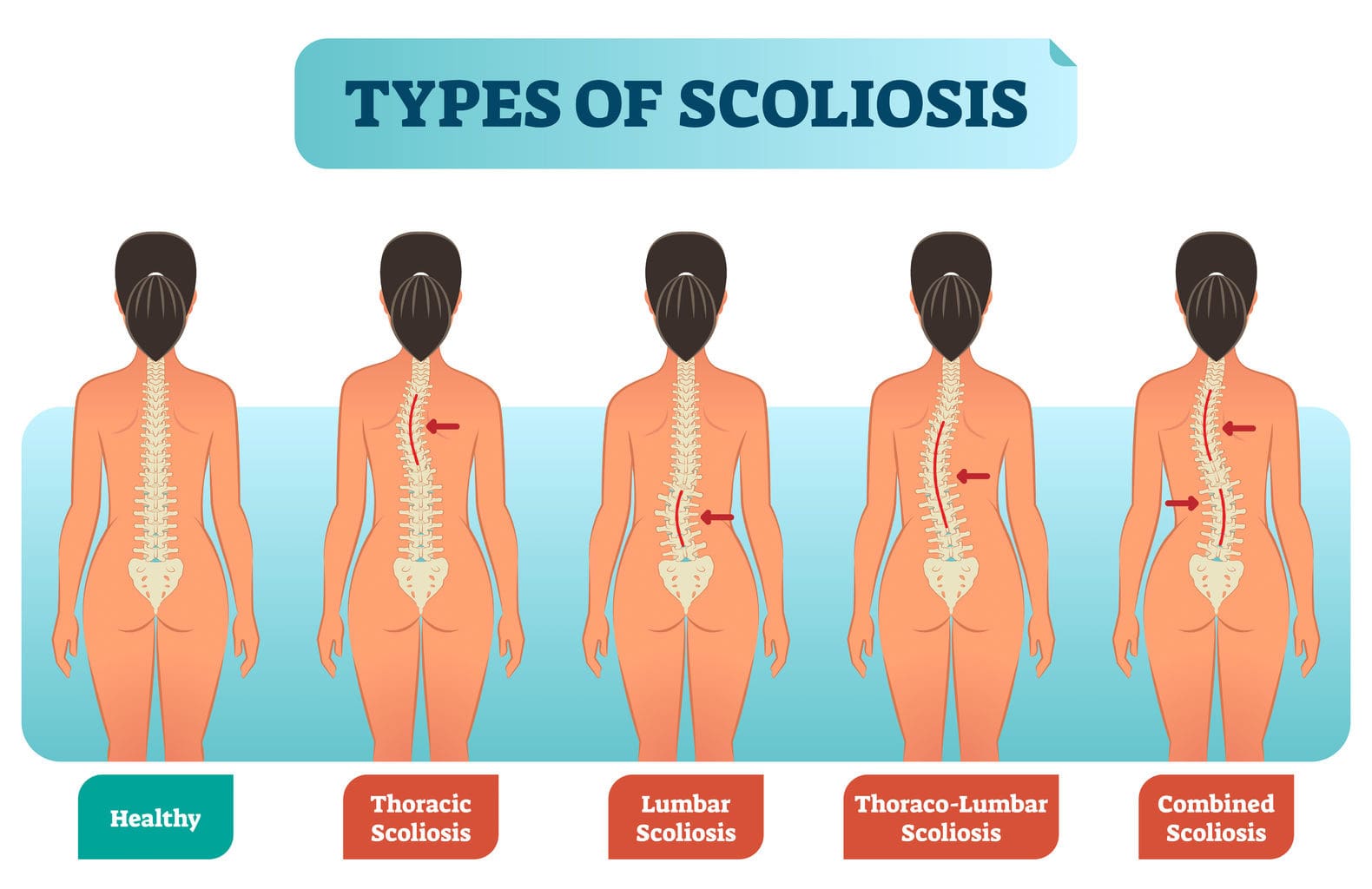
More often than anything, many people have tried to maintain proper posture to prevent musculoskeletal and spinal conditions from forming. However, it can be difficult to maintain an appropriate posture when strenuous environmental factors come into play. This can range from being in a hunched position to developing spinal conditions that can affect the curvature of the spine. One of the most well-known spinal conditions many people can develop through numerous risk factors is spinal scoliosis. Spinal scoliosis is often defined as a curvature deviation in the normal vertical spinal line. (Janicki & Alman, 2007) This causes the spine to develop an S or C curve in the thoracic or lumbar portion of the spine, leading to overlapping risk profiles in the body and causing pain-like symptoms that can make a person feel miserable. Today’s article looks at scoliosis, how it affects the body, and how various exercises can help manage scoliosis. We discuss with certified medical providers who inform our patients how non-surgical treatments, like various exercises, help manage symptoms associated with scoliosis. While asking informed questions to our associated medical providers, we advise patients to include various exercises and pain management techniques to reduce pain-like symptoms correlating with scoliosis. Dr. Alex Jimenez, D.C., encompasses this information as an academic service. Disclaimer.
How Does It Affect The Body?
Since scoliosis is a spinal deformity condition that affects the spine, it can happen at any age and is categorized into four group forms:
Congenital (Presented by birth)
Neuromuscular (Resulted from cerebral palsy or muscular dystrophy)
Idiopathic (The common spinal condition)
Degenerative (Adult-onset scoliosis)
Within these four groups of scoliosis, some of the pain-like symptoms can vary depending on the size of the curve and how far the progression leads to overlapping risk profiles in the thoracic and lumbar spine portions. (Aebi, 2005) Some of the symptoms that are associated with scoliosis are back pain. Many individuals with scoliosis, especially adolescent individuals, have back pain associated with adolescent idiopathic scoliosis due to increasing age, injuries, and how severe the spine is curved. (Achar & Yamanaka, 2020) Additional symptoms that many individuals experience with scoliosis that can affect their bodies have specific features that cause pain. Individuals with scoliosis often have increasing asymmetrical pain when standing for prolonged periods and residing at rest, thus mimicking sciatica pain. (Zaina et al., 2023) This is because pain is one of the biomarkers for scoliosis. When pain starts to affect the body, issues like muscle dysfunction, concave disc pressure, asymmetrical facet joint strains, and a high BMI (body mass index) become the main mechanical parameters in the body. They are assessed by doctors when being examined. (Ilharreborde et al., 2023) When individuals are being assessed by their doctors to manage scoliosis, non-surgical treatments can help manage the pain-like symptoms and restore joint stability and mobility to the body.
Movement Medicine: Chiropractic Care- Video
Various Exercises For Managing Scoliosis
When many individuals dealing with scoliosis go in for non-surgical treatments, they will be assessed and evaluated by pain specialists to determine what the next steps for treatment can be provided for them. For scoliosis, non-surgical treatments like chiropractic care can be provided to reduce the musculoskeletal conditions associated with scoliosis. Chiropractors utilize mechanical and manual spinal manipulation of the spine. They can set the vertebra back in place while restoring the spinal joint with optimal motion, improving the range of motion, and allowing the body to function properly. (Milne et al., 2022) At the same time, chiropractors can recommend various exercises and stretches to help manage symptoms associated with scoliosis as part of their treatment plan. Incorporating various exercises can help rectify spinal deformity, help the different muscle groups become stronger, and allow the individual to work a bit on managing scoliosis symptoms. Below are some of the various exercises and stretches to manage scoliosis.
Practicing Good Posture
Practicing good posture can benefit many individuals with scoliosis, especially young ones. Many people realize that maintaining good posture can help reduce muscle pain and tension in the back. It allows many people to realign their bodies and retrain them to stand with good posture naturally. Maintaining good posture, whether standing or seated, can allow doctors to scan the body for any tension signs. For those with scoliosis, it can gradually strengthen the weak core muscles in their bodies.
Abdominal Presses
Abdominal presses allow the individual to maintain neutral spinal alignment while strengthening the abdominal core muscles. To do this:
Individuals must lie on their backs on a yoga mat, keeping their backs in a neutral, tension-free position with bent knees.
They raise both feet and thighs off the mat to form a 90-degree angle with their knees above the hips. *They can support themselves with a chair or wall.
Next, individuals can use their hands to push and pull the knees with their abdominal muscles.
When doing this static exercise, make sure that they hold for three full breaths in two sets of ten and relax in between.
Bird-Dog
Bird-dog is a yoga move that can help stretch tight and weak muscles in the back and allow the body to balance itself. To do this:
Individuals can be on their hands and knees with a neutral spine position on a yoga mat, ensuring their hands are under their shoulders and their knees are under their hips.
With controlled breathing, extend one arm straight out while extending the opposite leg back.
Maintain the position for five to thirty seconds, andslowly return to the neutral spine.
Repeat the motion with the opposite for 10 to 15 reps.
Incorporating these exercises can help manage pain-like symptoms associated with scoliosis, help many individuals strengthen their weak muscles, and help improve their posture on their health and wellness journey.
Ilharreborde, B., Simon, A. L., Shadi, M., & Kotwicki, T. (2023). Is scoliosis a source of pain? J Child Orthop, 17(6), 527-534. https://doi.org/10.1177/18632521231215861
Janicki, J. A., & Alman, B. (2007). Scoliosis: Review of diagnosis and treatment. Paediatr Child Health, 12(9), 771-776. https://doi.org/10.1093/pch/12.9.771
Milne, N., Longeri, L., Patel, A., Pool, J., Olson, K., Basson, A., & Gross, A. R. (2022). Spinal manipulation and mobilisation in the treatment of infants, children, and adolescents: a systematic scoping review. BMC Pediatr, 22(1), 721. https://doi.org/10.1186/s12887-022-03781-6
Zaina, F., Marchese, R., Donzelli, S., Cordani, C., Pulici, C., McAviney, J., & Negrini, S. (2023). Current Knowledge on the Different Characteristics of Back Pain in Adults with and without Scoliosis: A Systematic Review. J Clin Med, 12(16). https://doi.org/10.3390/jcm12165182
I do recommend that you seek a specialist, in this case, it would be Dr. Alex Jimenez. His techniques to work on the cervical area or your neck are just amazing. He has been able to treat migraines, shoulder pain, when people didn’t know it was just a simple cause…spraining their neck.
Sandra Rubio
Have you ever woken up with a stiff neck, unable to turn it to one side or another? Does your child appear to have an abnormal head or neck posture? A variety of factors can cause injuries and/or conditions which may result in neck pain, such as�torticollis, a painful health issue that can result in the shortening of the complex structures of the neck.
The neck, known as the cervical spine, consists of vertebrae that start in the upper region of the spine and finish at the base of the skull. Each bony vertebrae connects with ligaments, comparable to thick rubber bands, muscles and other soft tissues like tendons, which provide stability to the backbone. These structures ultimately permit for movement and support.
The neck supports the weight of the head and provides significant motion. Because it is less protected than the rest of the spine, the neck may be vulnerable�to injury or conditions. For many individuals, neck pain is a temporary condition that vanishes with time. However, others need diagnosis and treatment to relieve their symptoms. Below, we will discuss some of the most common causes of neck pain, including torticollis.
Common Causes of Neck Pain
Neck pain may result from abnormalities in the soft tissues, such as the muscles, ligaments, tendons and even the nerves, as well as in the bones and intervertebral discs of the spine. The most frequent causes of neck pain are soft-tissue abnormalities due to trauma, known as a sprain or strain, or due to prolonged wear and tear or degeneration. In rare cases, infection or tumors can cause neck pain. In certain people, neck problems may be the origin of pain at the back, shoulders, or upper extremities.
Cervical Disk Degeneration (Spondylosis)
The intervertebral discs act as shock absorbers between the bones in the neck. In cervical disk degeneration, which generally occurs in people over the age of 40, the gel-like center of the disc degenerates and the distance between the vertebrae narrows. When�the disc space becomes narrower, stress accumulates in the joints of the spine, resulting in degenerative diseases, such as cervical disk degeneration or spondylosis. Once the outer layer of the disc weakens, stress may also protrude and place pressure on the spinal cord or nerve roots. This is known as a herniated disc.
Neck Injury
Since the primary function of the neck is to support the head and provide movement, it’s very flexible, however, because of this, it’s incredibly vulnerable to�injury. Automobile accidents, slip-and-fall incidents, and sports injuries may commonly cause neck pain. The regular use of safety belts in motor vehicles can help prevent neck injury. A “rear end” car crash may result in whiplash, a common neck injury characterized by�a sudden, back-and-forth jerk of the neck and head from�a sheer force. Most neck injuries involve the soft tissues. Severe neck injuries with dislocation or a fracture of the neck may damage the spinal cord and cause paralysis.
Torticollis
Torticollis is a medical health issue characterized by a “twisted neck”. There are two kinds of the condition, congenital, meaning present at birth, and acquired, involving damage or trauma from an injury or condition. For many infants, torticollis develops in the womb several weeks before their birth at which neck and the head are positioned in an angle.
Children have also been born with the health issue due�to difficulties during delivery, diminished blood supply to the neck muscles, muscular fibrosis or congenital spine anomalies. According to research studies, torticollis sometimes develops in children that spend too much time sitting in strollers, swings, bouncers, car seats, laying on their back, or putting them on mats if a child is born with abnormal head and neck positioning.
While nearly all people who experience torticollis are babies or children, anyone can experience neck pain and restricted range of motion connected with that. A musculoskeletal or nervous system injury can make it difficult to position your head or to straighten your neck. This kind of damage may be associated with prolonged ailments, car accidents or other injuries.
When to Seek Treatment for Neck Pain?
If severe neck pain occurs after a neck injury due to an automobile accident, diving injury,�or slip-and-fall incident, a trained professional, such as a paramedic, should trap the patient to prevent the risk of further harm and possible paralysis. Immediate medical assistance should be considered. Healthcare professionals, like chiropractors, can also treat neck injuries.
Immediate medical care must also be sought when an injury causes pain in the neck which radiates down the arms and legs. Radiating pain or tingling sensations in your arms and legs resulting in weakness and numbness without especially neck pain should also be assessed as soon as possible. If there is no injury, you should seek medical attention when neck pain is:
Constant and persistent
Severe
Accompanied by pain which radiates down the arms or legs
Accompanied by headaches, tingling, weakness or numbness
Many patients seek treatment for neck pain with healthcare professionals that are specially trained to diagnose, treat, and prevent problems between the muscles, bones, joints, ligaments, tendons, and nerves. Many treat a wide variety of injuries and conditions. Chiropractic care is a popular, alternative treatment option which can help treat neck pain.
Torticollis Treatment
For most adults, torticollis will solve itself on its own in a couple of days. However, it is essential to seek treatment on behalf of babies or children who are currently experiencing this kind of neck or head positioning. Infants may suffer permanent disability because of shortening neck muscles if left without treatment for torticollis.
One of the first treatments doctors advocate stretching exercises designed to lengthen and strengthen the neck muscles holding the head in the position. About 80 percent of all children respond well to this kind of treatment program and don’t experience any effects. Once completed, the infant might require�other treatment modalities to prevent the problem from recurring and to strengthen their neck muscles.
Neck pain is one of the most common health issues treated with chiropractic care. According to the National Institute of Health Statistics, neck pain is the second most prevalent form of pain in the United States, following back pain associated with migraine and headaches. Chiropractic care can help treat a variety of injuries and conditions which may be causing neck pain, including torticollis.
Dr. Alex Jimenez D.C., C.C.S.T.
Chiropractic Care for Torticollis
Chiropractic care is a well-known, alternative treatment approach designed to increase range of motion, decrease muscle stiffness and improve fine and gross motor abilities needed for neck and head placement. A chiropractor will first conduct an assessment to test the patient’s range of motion and evaluate any other problems associated with neck pain.
In the case of torticollis, by way of instance, complications may include plagiocephaly, abnormal head shape, or a misalignment of the hip joint, known as hip dysplasia. When the evaluation is done, the healthcare professional will discuss a potential treatment plan and their findings.
Chiropractic care utilizes spinal adjustments and manual manipulations as well as exercises to increase range of motion and strengthen the patient’s neck muscles. These can consist of passive stretches designed to strengthen muscles which are used to maintain the�posture of the neck. In infants who do not appear to be strong enough to hold their head, stretching exercises may correct the problem. Early intervention is recommended.
If you or your child are experiencing debilitating neck pain or incorrect positioning of the head and neck, contact a healthcare professional immediately.�The scope of our information is limited to chiropractic as well as to spinal injuries and conditions. To discuss the subject matter, please feel free to ask Dr. Jimenez or contact us at�915-850-0900�.
Curated by Dr. Alex Jimenez
Additional Topics: Acute Back Pain
Back pain�is one of the most prevalent causes of disability and missed days at work worldwide. Back pain attributes to the second most common reason for doctor office visits, outnumbered only by upper-respiratory infections. Approximately 80 percent of the population will experience back pain at least once throughout their life. The spine is a complex structure made up of bones, joints, ligaments, and muscles, among other soft tissues. Because of this, injuries and/or aggravated conditions, such as�herniated discs, can eventually lead to symptoms of back pain. Sports injuries or automobile accident injuries are often the most frequent cause of back pain, however, sometimes the simplest of movements can have painful results. Fortunately, alternative treatment options, such as chiropractic care, can help ease back pain through the use of spinal adjustments and manual manipulations, ultimately improving pain relief.
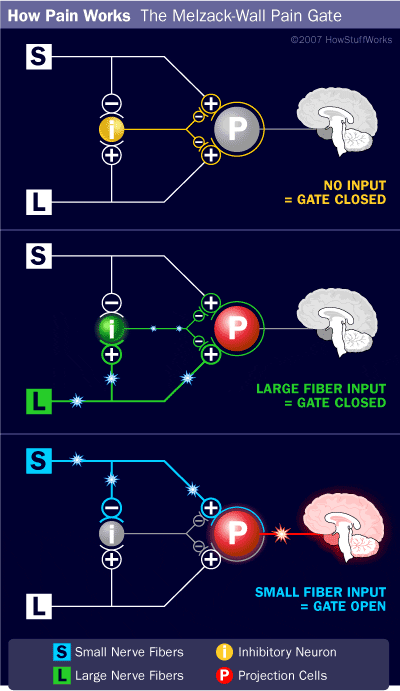
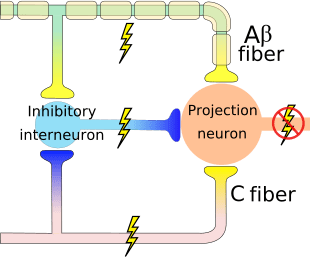
Pain perception varies across different people based on their mood, psychological condition and previous experience, even when pain is brought on by similar physical stimulation and ends in a similar level of damage. In 1965, Ronald Melzack and Patrick Wall summarized a scientific theory about the psychological influence on pain perception; known as the gate control theory.
If it wasn’t for this theory, pain perception would still be connected to the intensity of the pain stimulation and the degree of damage caused to the affected tissue. But Melzack and Wall made it clear that pain perception is far more complicated than we believe.
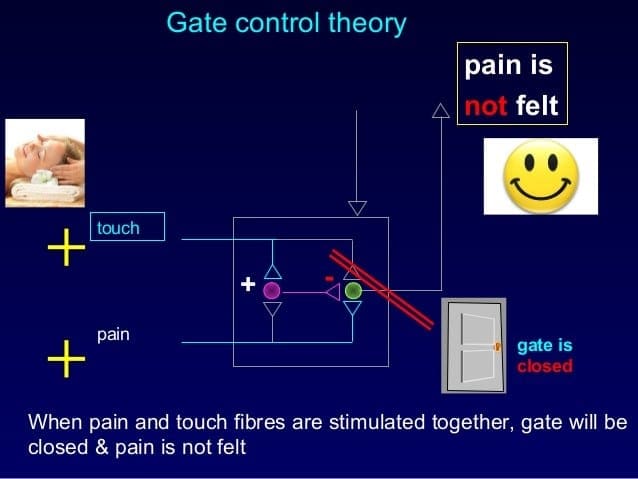
Based on the gate control theory, pain signals aren’t free to travel to the brain as soon as they’re generated in the region of the damaged or injured tissues. These first need to encounter specific neural gates found at the level of the spinal cord level, where these gates ascertain whether the pain signals should reach the brain or not. To put it differently, pain is perceived when the gate gives way to the pain signals and it is not as intense or it is not sensed at all when the gate closes for the signs to pass through.
This theory provides the explanation for why people find relief by massaging or rubbing a damage, injured or painful site. Although the gate control theory cannot demonstrate the whole picture of the fundamental system which underlies pain, it’s visualized the mechanism of pain perception and it has created a pathway to various pain management treatment approaches.
Nerve Fibers in Transmission of Sensory Signals
Every organ, or portion of the human body, has its own nerve supply which are in charge of carrying electric impulses generated in reaction to several senses, such as touch, temperature, pressure and pain. These nerves, which make up the peripheral nervous system, transmit these sensory signals, to the central nervous system, or the brain and the spinal cord. These impulses are then translated and perceived as senses. The peripheral nerves send signals to the dorsal horn of the spinal cord and from there, the sensory signals are transmitted into the brain through the spinothalamic tract. Pain is a sensation which alarms a person that a tissue or certain portion of the human body has been damaged or injured.
Due to their axonal diameter and their conduction speed, nerve fibers can be categorized into three different types, nerve fibers A, B and C. The C fibers are considered to be the smallest among the three different types. Moreover, there are four subtypes within the A fibers: A-alpha, A-beta, A-gamma and A-delta. From the A fiber subtypes, the A-alpha fibers are the largest and the A-delta fibers are the smallest.
The A fibers which are larger compared to the A-delta fibers, carry sensations, such as touch, pressure, etc., into the spinal cord. The A-delta fibers as well as the C fibers carry pain signals into the spinal cord. A-delta fibers are faster and carry sharp pain signals while the C fibers are slower and carry diffuse pain signals.
When thinking about that the conduction velocity of nerve fibers, the A-alpha fibers, which are the biggest A nerve fibers, have greater conduction speed compared to A-delta fibers and C fibers, which are considered to be the smallest nerve pathways. When a tissue is damaged or injured, the A-delta fibers are activated first, followed by the activation of the C fibers. These nerve fibers have a tendency to carry the pain signals to the spinal cord and then to the brain. However, the pain signals are transmitted through a much more complex process than what is simply explained above.
The gate control theory implies that the sensory signals or impulses which are transmitted by the nerve fibers encounter neural gates at the level of the spinal cord and these will need to get cleared through those gates to reach the brain. Various factors determine how the pain signals ought to be treated in the neurological gates, including:
The intensity of the pain signals
The degree of another sensory signal, such as touch, temperature and pressure, if produced at the site of damage or injury
The message from the brain itself to deliver the pain signals or not
As previously mentioned, the nerve fibers, both large and small, carrying the sensory signals, end in the dorsal horn of the spinal cord from where the impulses are transmitted into the brain. According to the original postulate of Melzack and Wall, the nerve fibers project to the substantia gelatinosa, or SG, of the dorsal horn and the initial central transmission (T) cells of the spinal cord. The SG consists of inhibitory interneurons that behave as the gate and ascertain which sensory signals should get to the T cells then go further throughout the spinothalamic tract to finally reach the brain.
When the pain signals carried by the small nerve fibers, or the A-delta fibers and the C fibers, are somewhat less intense compared to another non-pain sensory signal like touch, temperature and pressure, the inhibitory neurons stop the transmission of the pain signals through the T cells. The non-pain signals override the pain signals and therefore the pain is not perceived by the brain. When the pain signals are somewhat more intense compared to the non-pain signals, the inhibitory neurons are inactivated and the gate is opened. The T cells transmit the pain signals into the spinothalamic tract which carries those impulses to the brain. As a result, the neurological gate is influenced by the relative amount of activity from the large and the small nerve fibers.
How Emotions and Thoughts Affect Pain
The gate control theory also suggests that the pain signal transmission could be affected by thoughts and emotions. It’s well known that people do not feel that a chronic pain or, more appropriately, the pain does not disturb them if they concentrate on other activities which interest them. Whereas, people who are depressed or anxious may often feel intense pain and can also find it challenging to cope with. This is due to the fact that the brain sends messages through descending nerve fibers which stop, reduce or enhance the transmission of pain signals through the gate, depending on the emotions and thoughts someone may be going through.
Gate Control Theory in Pain Management
The gate control theory has caused a radical revolution within the field of pain management. The theory suggested that pain management can be accomplished by influencing the larger nerve fibers that carry non-pain stimulation. The concept has also paved way for more research on cognitive and behavioral strategies to achieve pain relief.
Among the most tremendous advances in pain management research is the arrival of Transcutaneous Electrical Nerve Stimulation (TENS). The gate control theory forms the cornerstone of TENS. In this procedure, the selective stimulation of the large diameter nerve fibers taking non-pain sensory stimulation from a particular region nullifies or reduces the impact of pain signals from the region. TENS is a non-invasive and affordable pain control strategy that has been widely used for the treatment of chronic and intractable pain by various healthcare professionals, which may otherwise have been non-responsive to analgesics and surgical interventions. TENS is tremendously advantageous over pain drugs from the aspect that it does not have the problem of medication interactions and toxicity.
For instance, many doctors of chiropractic, or chiropractors, utilize TENS and other electrotherapeutic procedures in their practice. These are generally utilized along with spinal adjustments and manual manipulations to increase circulation as well as to aid in the support of chiropractic care. Several other invasive and noninvasive electrical stimulation techniques are discovered to be helpful in several chronic pain conditions such as arthritic pain, diabetic neuropathy, fibromyalgia, etc.. The theory has also been extensively studied in treating chronic back pain and cancer pain. However, favorable results are not attained in some conditions and the long term efficacy of these techniques based on the theory still remains under consideration.
Dr. Alex Jimenez’s Insight
Chiropractic care is widely utilized to benefit patients with chronic pain. Symptoms of persistent pain and discomfort have become a big health issue in the United States where many years of research have found that drugs and/or medications are not necessarily a solution to the problem. The gate control theory, which was first proposed over half a century ago, has offered healthcare professionals new insights on the perception of pain, providing a variety of pain management treatment methods, such as the use of transcutaneous electrical nerve stimulation, or TENS, as well as other electrotherapeutic procedures. Chiropractors can help with pain management through spinal adjustments and manual manipulations, and through the use of TENS.
Nevertheless, the gate control theory has radically revolutionized the area of pain research and it has achieved to get numerous studies which aim at presenting a pain-free lifestyle into the patients who suffer from chronic pain. The scope of our information is limited to chiropractic as well as to spinal injuries and conditions. To discuss the subject matter, please feel free to ask Dr. Jimenez or contact us at 915-850-0900 .
Curated by Dr. Alex Jimenez
Additional Topics: Sciatica
Sciatica is medically referred to as a collection of symptoms, rather than a single injury and/or condition. Symptoms of sciatic nerve pain, or sciatica, can vary in frequency and intensity, however, it is most commonly described as a sudden, sharp (knife-like) or electrical pain that radiates from the low back down the buttocks, hips, thighs and legs into the foot. Other symptoms of sciatica may include, tingling or burning sensations, numbness and weakness along the length of the sciatic nerve. Sciatica most frequently affects individuals between the ages of 30 and 50 years. It may often develop as a result of the degeneration of the spine due to age, however, the compression and irritation of the sciatic nerve caused by a bulging or herniated disc, among other spinal health issues, may also cause sciatic nerve pain.
Chronic pain is known as pain that persists for 12 weeks or even longer, even after pain is no longer acute (short-term, acute pain) or the injury has healed. Of course there are many causes of chronic pain that can influence any level of the spine, cervical (neck), mid back (thoracic), lower spine (lumbar), sacral (sacrum) or some combination of levels.
What treatments do interventional pain management specialists perform?
Oftentimes, early and aggressive therapy of chronic neck or back pain can earn a difference that is life-changing. But remember that knowledge is power: Be certain that you know your choices. There are various treatment procedures and treatments available for chronic pain, each completed by a treatment specialists. Interventional pain management specialist treatments may be a fantastic solution for some people with chronic pain symptoms.
Interventional Pain Management Specialists
Interventional pain management (IPM) is a special field of medicine that uses injections and small processes to help patients control their own chronic pain. Interventional pain management specialists are trained to diagnose and cure ailments, and their goal is to improve patients’ quality of life.
IPM’s Role in Treating Chronic Back Pain
Pain control plays a big role in chronic pain since many forms of pain can’t be cured, so pain victims must find out how to live with and work around the pain. A pain management specialist can help them locate the pain relief that they need to work in the daily. The interventional treatments are part of a multi-disciplinary approach that might include use of medications, psychology, and therapy. Part of IPM is currently finding treatments that works best for your treatment or combination. Some potential interventional pain management therapies are:
Injections
Your interventional pain management expert will have you try injections, which send anti inflammatory medications and strong pain-relieving straight. A few examples of injections used for chronic pain are:
Epidural steroid injection: This is one of the most commonly used injections. An epidural steroid injection (ESI) aims the epidural space, that is the space surrounding the membrane which holds the spinal fluid around the spinal cord and nerve roots. Nerves traveling through the epidural area and then branch out to other parts of your body, like your thighs. When a nerve root is compressed (pinched) from the epidural space, you’ll have pain that travels down your spine and into your legs (commonly called sciatica, even though the technical medical term is radiculopathy). An epidural steroid injection sends steroids right to the nerve root that’s inflamed. You need 2-3 injections; normally, you shouldn’t have that because of the potential side effects of the steroids.
Facet joint injection: Also called facet blocks, facet joint injections are helpful in case your facet joints are causing annoyance. Facet joints in your back allow you to move and provide stability. Though, you will have pain, if they get inflamed. The joint wills numb and can lower your pain.
Sacroiliac joint injection: The joint is where your pelvis and spine come and also an aching sacroiliac joint can be extremely debilitating. The injection may reduce inflammation and pain.
The scope of our information is limited to chiropractic and spinal injuries and conditions. To discuss options on the subject matter, please feel free to ask Dr. Jimenez or contact us at 915-850-0900 .
By Dr. Alex Jimenez
Additional Topics: Wellness
Overall health and wellness are essential towards maintaining the proper mental and physical balance in the body. From eating a balanced nutrition as well as exercising and participating in physical activities, to sleeping a healthy amount of time on a regular basis, following the best health and wellness tips can ultimately help maintain overall well-being. Eating plenty of fruits and vegetables can go a long way towards helping people become healthy.
When affected by chronic pain, an individuals initial concern often involves what type of treatment they should seek for their particular issue. While many doctors are qualified and experienced in treating a variety of injuries and conditions, only some specialists can be classified as pain experts: pain management specialists.
What is a pain management specialist?
Pain medicine or pain management specialists provide varied treatments, including medications, action modification, therapeutic injections, physical therapy, and alternative kinds of care like acupuncture, manipulation, and music or art therapy for chronic pain. Multidisciplinary pain medicine joins two or more treatments to maximize pain management.
Concerning Pain Management Specialists
A pain management specialist is a physician or osteopathic physician who treats pain. Although called interventional pain management specialists or pain medicine specialist, a number of these doctors are physiatrists or anesthesiologists. Pain management and medication treatment is a team effort frequently involving the patient’s primary care doctor or other treating doctor, and specialists in radiology, psychiatry, psychology, oncology, nursing, physical therapy, complimentary alternative medicine, and other fields.
Education and Training
After graduating medical school and finishing a one-year internship, the doctor enters a program in anesthesiology or physical medicine but from different fields such as psychiatry and neurology. Upon completion of a residency program (typically 3 years long), the doctor completes a one-year fellowship for advanced training in pain medicine.
Pain medication specialists are board certified. The associations that board certify physiatrists, anesthesiologists, neurologists, and psychiatrists all collaborate to provide the board examination to the subspecialty of pain medicine. Pain medicine and management specialists keep their education and training throughout their careers. There are many opportunities for pain management specialists to remain current with technical and medical improvements in pain medication, such as society meetings and journals.
Goals of Pain Management
By reducing pain, frequency and intensity, a pain management specialist’s goal is to handle chronic or acute pain. A pain management program can manage your operational goals for activities of daily living besides fixing pain problems. In general, a pain medication program intends to give you a feeling of well-being, increase your level of action (like return to work), and reduce or eliminate your dependence on drugs.
Kinds of Pain Treated
Pain medicine specialists treat all kinds of pain. Intense pain is described as severe or sharp and may signal something isn’t right. The pain experienced during care is an instance of acute pain. Infection lasting more or even 6 months is described as chronic. This kind of pain is persistent and varies from moderate to severe. Spinal arthritis (spondylosis) pain is often chronic. A good outcome is produced by combining different treatments although chronic pain is difficult to manage.
Treatment may include:
Limit activities that increase pain (activity modification)
Prescription medication: Nonsteroidal anti inflammatory medications, muscle relaxants, narcotics (opioids), anti-depressants, and antiseizure drugs. Some antiseizure and antidepressant medications have proven to help manage specific types of chronic pain.
Injection therapy: provide pain relief, as well as Injections may help to pinpoint the reason behind pain. Therapies include facet joint anabolic steroid, and joint injections; and nerve rootbranch, peripheral and sympathetic nerve block .
Physical Therapy: Heat/ice, massage, spinal traction, transcutaneous electric nerve stimulation (TENS), ultrasound, and therapeutic practice.
Pulsed Radiofrequency Neurotomy is a minimally invasive procedure that prevents nerves from sending pain signals to the brain.
Rhizotomy utilizes electrodes that are heated to turn off pain signals from nerves that are particular.
Spinal Cord Stimulation is an implanted device that produces electrical impulses to block pain perception.
Intrathecal Pumps are sometimes referred to as pain pumps. The device is surgically implanted and dispenses doses of medication within the spinal tract.
Acupuncture is the insertion of needles to some of 2,000 acupuncture points or the body’s 20 Meridian factors. Acupuncture is central to Traditional Chinese Medicine (TCM), which includes other holistic treatments.
Manipulation is performed by chiropractors, osteopathic doctors (DO), and some physical therapists, even though the treatment varies among these careers. Manipulation is described as the use of force or pressure to take care of a disorder.
Art and music therapy are approaches to distract your mind. Besides a creative outlet, comfort is promoted by these therapies, provide a way for expression, help to reduce anxiety, raises self-esteem, and are fun.
What to Expect During an Appointment
Your consultation with interventional pain management specialist is much like other physician visits. Even though there are a number of similarities, the focus is quickly managing it, and on your pain, the cause or contributing factors.
Pain medication doctors perform a physical and neurological evaluation, and review your medical history paying special attention to pain history. You may be asked many questions about your pain, such as:
On a scale from zero to 10, with 10 being the worse pain possible, speed your pain.
When did pain begin? When pain began what were you doing?
Does pain disperse into different areas of the human body?
Is its intensity continuous, or can it be worse at different times of the night or day?
What helps to relieve the pain? Why is pain worse?
What treatments have you tried? What worked? What failed?
Do you take herbal supplements, vitamins, or over-the-counter medications?
Can you take prescription medication? If so, what, how much, and how?
Most pain medication specialists utilize a standardized drawing of the front/back of the human body to let you indicate where pain is sensed, as well as indicate pain spread and type (eg, gentle, sharp). You may be requested to complete the form each time you stop by the pain physician. The drawing can help to evaluate your treatment progress.
Accurate Diagnosis Key to Remedy
Pain medication involves diagnosing the cause or source of pain. Making the proper diagnosis may entail obtaining an X-ray, CT scan, or MRI study to confirm the cause of your neck or back pain. When treating spine-related pain (which may include leg or arm signs), additional tests, such as discography, bone scans, nerve studies (electromyography, nerve conduction study), and myelography could be carried out. The identification is essential to a successful treatment program.
Some spinal disorders and pain therapy requires involvement including orthopaedic surgeon, neurosurgeon, your primary care doctor, and practitioners in radiology, psychiatry, psychology, oncology, nursing, physical therapy, and complimentary medicine. The pain medicine specialist may consult with and/or consult with spine surgeon or a neurosurgeon to ascertain whether spine surgery is required by your pain issue.
The scope of our information is limited to chiropractic and spinal injuries and conditions. To discuss options on the subject matter, please feel free to ask Dr. Jimenez or contact us at 915-850-0900 .
By Dr. Alex Jimenez
Additional Topics: Wellness
Overall health and wellness are essential towards maintaining the proper mental and physical balance in the body. From eating a balanced nutrition as well as exercising and participating in physical activities, to sleeping a healthy amount of time on a regular basis, following the best health and wellness tips can ultimately help maintain overall well-being. Eating plenty of fruits and vegetables can go a long way towards helping people become healthy.
IFM's Find A Practitioner tool is the largest referral network in Functional Medicine, created to help patients locate Functional Medicine practitioners anywhere in the world. IFM Certified Practitioners are listed first in the search results, given their extensive education in Functional Medicine