How Integrative Chiropractic Care Prevents Future Injuries in Athletes Using Functional Movement Assessments
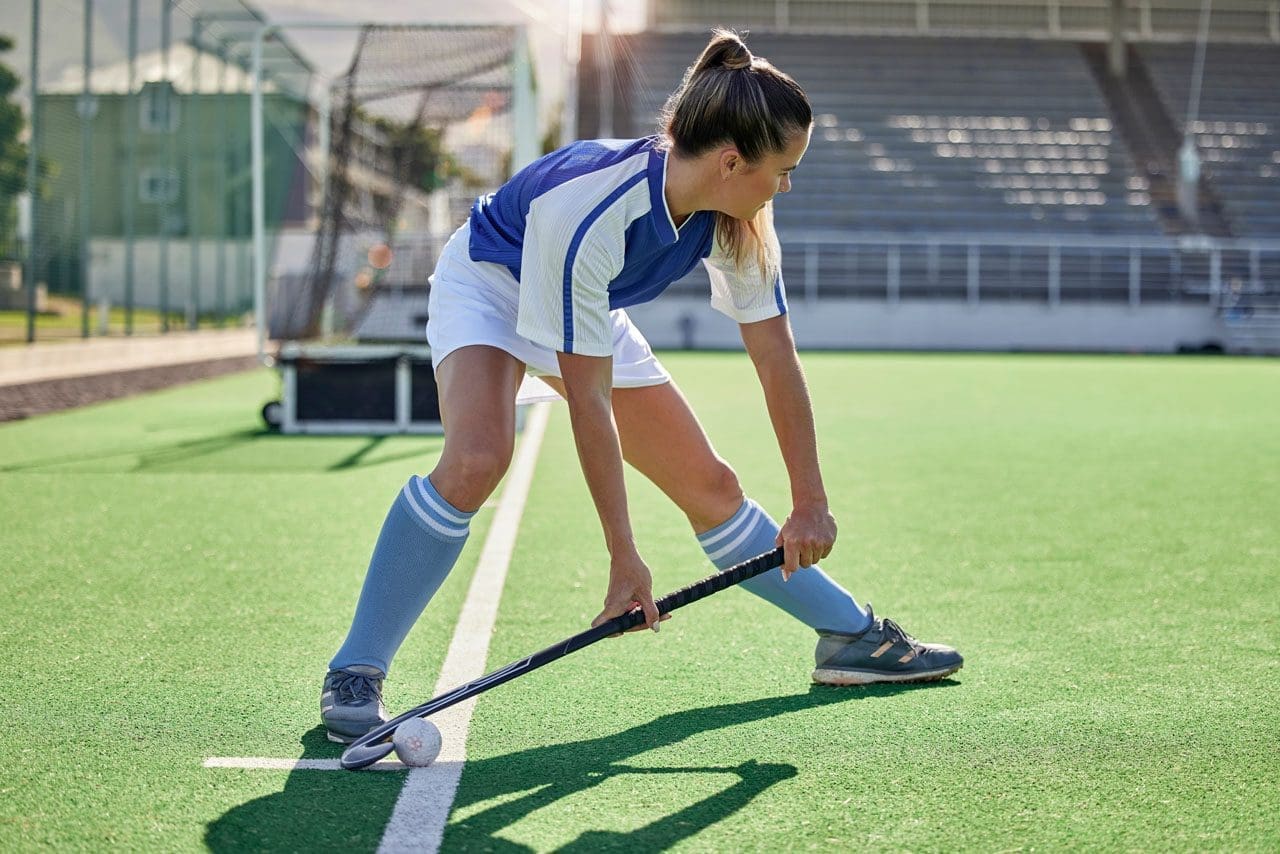
Sports: an athlete is in action on the field, ready to hit the ball during the game.
Athletes often push their bodies hard during training and competition. Small problems can build up over time and turn into painful injuries that force time off from sports. To catch these issues early, many athletes now ask for functional movement assessments as part of integrative chiropractic care. This method spots hidden imbalances like muscle tightness, weak spots, or stiff joints before pain starts. By addressing these problems with adjustments, soft-tissue work, and targeted exercises, practitioners help athletes stay healthy, move better, and avoid overuse injuries.
Functional movement assessments check how the body moves during everyday and sport-specific actions. These tests look at mobility, stability, balance, and coordination. Common movements include squats, lunges, reaching overhead, or stepping in different directions. The goal is to find areas where the body does not move smoothly or evenly. Even if nothing hurts yet, these assessments reveal subclinical imbalances—small issues that do not cause pain right away but can lead to bigger problems later.
Early detection of poor posture or uneven weight distribution
Spotting a limited range of motion in the hips, shoulders, or ankles
Identifying weak core or glute muscles that affect overall stability
Noting tight muscles that pull joints out of proper alignment
Integrative chiropractic care
Integrative chiropractic care combines spinal adjustments, soft-tissue therapies, and corrective exercises to effectively address these findings. Gentle adjustments move joints back into better positions, improving nerve signals and reducing pressure on surrounding tissues. Soft tissue work, such as massage or instrument-assisted techniques, loosens tight muscles and breaks up scar tissue. Corrective exercises then build strength and teach proper movement patterns. Together, these steps enhance nervous system function, optimize biomechanics, and stop the body from developing harmful compensation patterns.
The nervous system controls every muscle movement. When the spine or joints are misaligned, nerve messages can get disrupted. This leads to weaker muscle coordination or slower reaction times. Chiropractic adjustments help restore clear nerve pathways, so muscles fire at the right time and with the right force. Better biomechanics means joints move through their full, natural range without extra stress. This reduces wear and tear on knees, hips, shoulders, and the lower back.
Compensation patterns occur when one part of the body works harder to compensate for a weakness elsewhere. For example, tight hip flexors or a tilted pelvis in runners can cause the knees to track incorrectly, leading to pain or stress fractures over time. Faulty shoulder mechanics in swimmers or weightlifters can overload the rotator cuff. Integrative care addresses these root causes rather than just treating symptoms later.
Common subclinical imbalances identified through functional movement assessments include:
Muscle tension in the lower back or hamstrings that limits forward bending
Weak glute muscles that fail to stabilize the pelvis during running or jumping
Joint restrictions in the ankles that change walking or landing mechanics
Uneven shoulder mobility that affects throwing or overhead lifting
Poor core stability causes excessive arching in the lower back during lifts
By addressing these early, athletes lower their injury risk and maintain consistent training. Regular care also speeds recovery if minor issues arise, resulting in less downtime overall.
Practitioners often start with a thorough history and physical exam. They watch the athlete perform key movements and note any asymmetries or compensations. Based on the results, they create a personalized plan. Spinal adjustments realign the vertebrae to take pressure off nerves. Soft tissue therapies release tight fascia and muscles. Then, corrective exercises strengthen weak areas and retrain proper form. Over time, these steps improve balance, coordination, flexibility, and power output.
Key benefits of combining functional movement assessments with integrative chiropractic care:
Reduced chance of sprains, strains, tendonitis, and stress fractures
Improved joint mobility and muscle flexibility for better performance
Faster reaction times and coordination through better nerve function
Less inflammation and quicker recovery between workouts
Longer sports careers by preventing chronic overuse problems
Runners frequently show pelvic imbalances that tilt the hips and strain the iliotibial band or shins. Chiropractic adjustments and exercises that strengthen the glutes and core help keep the pelvis level, improving stride efficiency and cutting injury risk. Weightlifters with restricted shoulder mobility may compensate by excessively arching their backs, which can lead to low-back strain. Targeted soft tissue work and mobility drills correct this pattern before pain develops.
Football players and other contact-sport athletes benefit from regular checks of spinal alignment to better handle impacts. Swimmers gain from improved shoulder mechanics that prevent rotator cuff irritation. Weekend warriors who lift weights or cycle also see gains in endurance and reduced soreness. The approach works for athletes of all levels because it focuses on the root causes rather than waiting for symptoms.
Dr. Alexander Jimenez, DC, APRN, FNP-BC, brings valuable clinical observations to this field. As a chiropractor and board-certified family nurse practitioner with certifications in functional medicine, he emphasizes non-invasive, root-cause approaches. His work highlights how chiropractic adjustments, combined with functional assessments of mobility and biomechanics, help treat sports injuries, sciatica, and musculoskeletal imbalances. Dr. Jimenez observes that addressing nerve compression, inflammation, and movement dysfunction early—through adjustments, nutrition support, and tailored rehabilitation—enhances recovery and prevents recurrence in athletes and active individuals. His integrative practice in El Paso integrates chiropractic care with functional medicine to optimize performance, reduce chronic pain, and support long-term wellness.
This holistic view aligns with broader chiropractic principles that view the body as interconnected. When one area is restricted, it affects the whole kinetic chain. Integrative care breaks that cycle by restoring proper alignment and teaching sustainable movement habits.
Additional advantages athletes notice include:
Better posture during daily activities and sports
Enhanced proprioception (body awareness) for safer landings and cuts
Decreased muscle fatigue during long training sessions
Greater overall strength and power from efficient mechanics
Support for mental focus through reduced nagging discomfort
Preventing injuries this way also saves time and money by avoiding expensive treatments or missed competitions later. Many athletes report feeling stronger, more balanced, and more confident in their movements after consistent care.
To maintain results, athletes typically schedule regular visits. Frequency depends on training intensity, sport demands, and individual findings. Some come weekly during heavy training periods, while others maintain monthly check-ins. Between visits, they perform prescribed exercises at home or in the gym to reinforce new patterns.
Education plays a big role, too. Chiropractors teach proper warm-up routines, cool-down stretches, and body mechanics for specific sports. Nutritional guidance can sometimes complement care to support tissue repair and reduce inflammation. Collaboration with coaches, physical therapists, or trainers creates a complete support team.
In summary, functional movement assessments allow integrative chiropractic care to identify subclinical imbalances long before pain appears. Adjustments restore joint function, soft tissue therapies release restrictions, and corrective exercises build resilience. This combination enhances nervous system communication, optimizes biomechanics, and prevents compensation patterns that cause overuse injuries. Athletes—from runners dealing with pelvic tilts to lifters correcting shoulder mechanics—benefit by training more consistently, performing at higher levels, and enjoying longer, healthier careers. By addressing small issues proactively, this approach helps athletes stay in the game without painful interruptions.
Weekend Athletes Injury Solutions: A Simple, Evidence-Based Guide for Safer Play and Faster Recovery
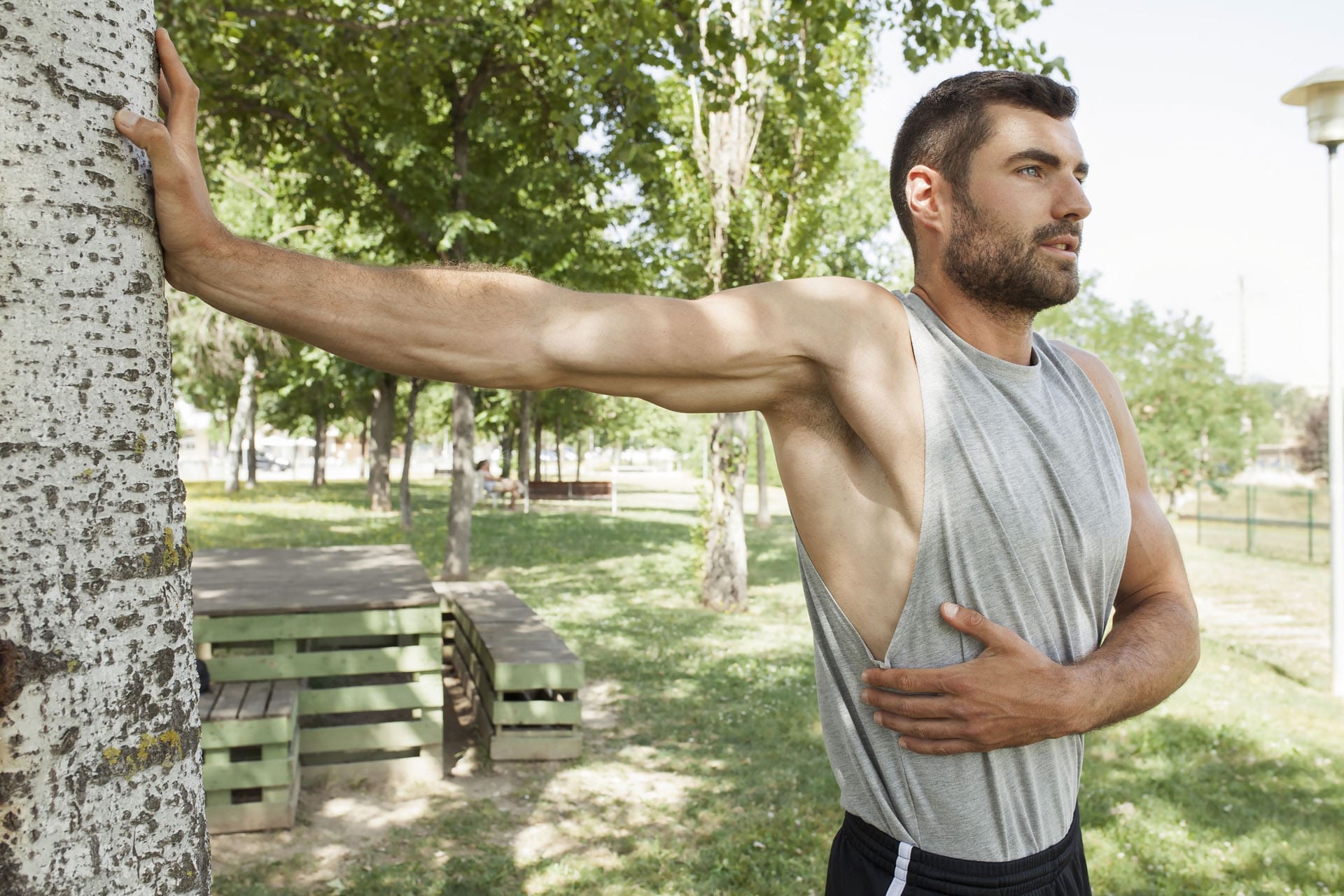
A handsome, muscular man in sportswear is stretching his muscles in a sunny park.
Who this is for: adults who sit most of the week and then go hard on the weekend (a.k.a. “weekend warriors”). What you’ll get: clear reasons these injuries happen, what to do first, how to prevent them, and how integrative chiropractic care—like the approach used in El Paso—helps you recover and return to activity safely.
Weekend warriors 101
A weekend warrior is someone who does most of their intense activity on one or two days after a mostly sedentary week. That pattern can still deliver strong health benefits if you meet weekly exercise targets, but the sudden spike in effort raises the risk of sprains, strains, and overuse problems—especially when you skip warm-ups or jump in too fast (Riverside Health System, 2025; Weill Cornell Medicine, 2024). (riversideonline.com)
Large studies show that “condensed” exercisers can gain health benefits similar to those who spread workouts throughout the week—as long as the total weekly minutes reach the recommended amounts. The catch: your muscles, tendons, and joints still need gradual loading to stay injury-resistant (American Heart Association News, 2024; Shiroma et al., 2019). (www.heart.org)
Why weekend athletes get hurt
Most weekend injuries come down to three drivers:
Overuse: repeating motions your tissues aren’t ready for (long runs, repetitive swings).
Sudden movement: fast cuts, awkward landings, or twisting under load.
Poor preparation: no warm-up, weak stabilizers, and worn-out shoes.
These factors underlie many musculoskeletal problems seen by orthopedic and emergency clinicians (Aligned Orthopedic Partners, 2024; Weill Cornell Medicine, 2024). (Aligned Orthopedic Partners)
What typically gets injured (and what it feels like)
Emergency physicians most often treat injuries to the knees, shoulders, and ankles, with sprains and strains outnumbering fractures (Weill Cornell Medicine, 2024). (weillcornell.org)
Ankle sprain (ligament): twist/roll, swelling, tenderness, sometimes bruising.
Knee sprain/overuse pain: instability, joint-line pain, and pain after cutting or pivoting.
Achilles tendinopathy: stiff, sore area above the heel (often worse in the morning).
Rotator cuff irritation: pain with overhead reach or lying on the shoulder.
Shin splints: aching along the shin after running on hard surfaces (Riverside Health System, 2025). (riversideonline.com)
Sprain vs. strain (plain words): Sprain = ligament (joint stabilizer). Strain = muscle or tendon (mover). Sprains can feel unstable and bruise; strains feel like a pull with spasm or weakness (Aligned Orthopedic Partners, 2024). (Aligned Orthopedic Partners)
Your job habits shape your weekend risk
Repetitive tasks and long sitting can irritate tissues before you ever play. Those weekday loads stack with Saturday’s game and can tip you into pain. Tendinitis, for example, often develops from repeated motions (MyShortlister, 2023). Short micro-breaks, posture changes, and light mid-week movement help. (Shortlister)
First aid: what to do in the first 24–72 hours
For many fresh soft-tissue injuries, start with the PRICE method: Protect, Rest, Ice (20 minutes on), Compress, Elevate. Don’t push through sharp pain. Seek urgent care for a “pop,” severe swelling, numbness/weakness, deformity, or inability to bear weight (Weill Cornell Medicine, 2024). (weillcornell.org)
When imaging is useful (and what usually comes first)
You don’t need an MRI for every sprain. Clinicians begin with a history and examination; an X-ray is often the first test if a fracture is suspected. Musculoskeletal ultrasound or MRI follows when soft-tissue damage is suspected, symptoms persist, or nerve signs appear (Weill Cornell Medicine, 2024). (weillcornell.org)
In work, sport, or motor-vehicle accident (MVA) cases, advanced imaging also supports clear medical-legal documentation—a key part of comprehensive injury care (El Paso Back Clinic; Dr. Jimenez). (elpasobackclinic.com)
Practical prevention that actually works
Warm up and cool down. Do 5–10 minutes of light cardio and dynamic moves (leg swings, lunges, and arm circles). Ease into slow stretches after play (Riverside Health System, 2025; Appleton Chiropractic Center, n.d.). (riversideonline.com)
Build up gradually. Increase time or intensity by ~10% per week. Rotate high- and low-impact days (Center for Orthopedic Surgery & Sports Medicine, n.d.). (COSM)
Use the right gear. Replace worn shoes; match footwear to your sport (Riverside Health System, 2025). (riversideonline.com)
Hydrate, fuel, and sleep. Under-fueling and short sleep increase the risk of cramps and strains (Riverside Health System, 2025). (riversideonline.com)
Add two short mid-week sessions. Even 20–30 minutes of exercise twice a week improves tissue tolerance and reduces the risk of weekend injuries (Mayo Clinic Sports Medicine, n.d.). (sportsmedicine.mayoclinic.org)
Simple self-care roadmaps
Ankle sprain
Days 0–2: PRICE, gentle ankle pumps, compression sleeve.
Days 3–7: pain-free range of motion; start weight bearing as tolerated.
Weeks 2–4: add balance drills and band work.
See a clinician if you can’t bear weight or feel instability (Weill Cornell Medicine, 2024). (weillcornell.org)
Achilles tendinopathy
Reduce jumping/sprinting while painful.
Begin slow calf raises (progress to eccentrics); increase load gradually (Aligned Orthopedic Partners, 2024). (Aligned Orthopedic Partners)
Shoulder soreness (rotator cuff pattern)
Short rest (not total rest), then scapular control and light external-rotation drills; limit overhead volume and improve thoracic mobility (Aligned Orthopedic Partners, 2024). (Aligned Orthopedic Partners)
Low-back strain
After 24–48 hours, try gentle mobility exercises (such as pelvic tilts and cat-camel), followed by core endurance exercises (like planks) and hip-hinge practice. If pain persists or travels below the knee or you notice weakness, seek evaluation (Weill Cornell Medicine, 2024). (weillcornell.org)
2 rounds: push-ups 8–12; band rows 12–15; band “T” raises 10–12
Dead bug 6/side; bird-dog 6/side
3–5 min pec stretch + thoracic rotations
Short “bridge” sessions like these raise tissue tolerance and make weekend play safer (Center for Orthopedic Surgery & Sports Medicine, n.d.). (COSM)
How integrative chiropractic care supports weekend athletes
Integrative chiropractic care blends joint-specific manual therapy with targeted exercise, soft-tissue work, and—when indicated—acupuncture, bracing/taping, and coordinated medical evaluation. The goal is to improve mechanics (how you move) and capacity (what your tissues can handle), so you heal and resist re-injury (Radiant Life Chiropractic, 2024; Aligned Orthopedic Partners, 2024). (Radiant Life Chiropractic)
At El Paso Back Clinic, this approach is paired with a dual-scope model (chiropractic plus nurse practitioner care) for sports, work, personal, and MVA injuries. The team can:
Perform focused orthopedic and neurological exams.
Order X-ray, MRI, CT, or musculoskeletal ultrasound when the exam suggests more than a simple sprain.
Coordinate medical-legal documentation (mechanism, findings, imaging, functional limits, and response to care) for injury cases.
Guide progressive rehab and return-to-play plans based on pain-free motion, strength, and sport-specific tasks (El Paso Back Clinic; Jimenez, 2025). (elpasobackclinic.com)
Local context: Recent clinic articles from El Paso highlight dual-scope evaluation, the role of advanced imaging, and clear documentation for personal-injury cases—useful if your injury involves work or an auto crash (El Paso Back Clinic). (elpasobackclinic.com)
A smarter return-to-play checklist (advance only when all are true)
Daily tasks are pain-free, and you’re sleeping normally.
Full, pain-free range of motion for the injured area.
Strength feels symmetrical from side to side in simple tests.
You can do basic sport drills (jog-cut-jog; easy swings/serves) without symptoms.
If a step hurts, back up, adjust the load, and rebuild capacity (Weill Cornell Medicine, 2024). (weillcornell.org)
Key takeaways
Weekend-only training can be beneficial—the total weekly activity level matters most—but spikes in workload increase the risk of injury (AHA News, 2024; Riverside Health System, 2025). (www.heart.org)
Most common issues include sprains, strains, and overuse injuries in the ankle, knee, and shoulder (Weill Cornell Medicine, 2024). (weillcornell.org)
Warm up, build gradually, and add two short mid-week sessions to cut risk (Riverside Health System, 2025; Center for Orthopedic Surgery & Sports Medicine, n.d.). (riversideonline.com)
Integrative chiropractic care—with exam, imaging when needed, progressive exercise, and thorough documentation—helps you recover and return to play stronger and safer (El Paso Back Clinic; Radiant Life Chiropractic, 2024). (elpasobackclinic.com)
IFM's Find A Practitioner tool is the largest referral network in Functional Medicine, created to help patients locate Functional Medicine practitioners anywhere in the world. IFM Certified Practitioners are listed first in the search results, given their extensive education in Functional Medicine