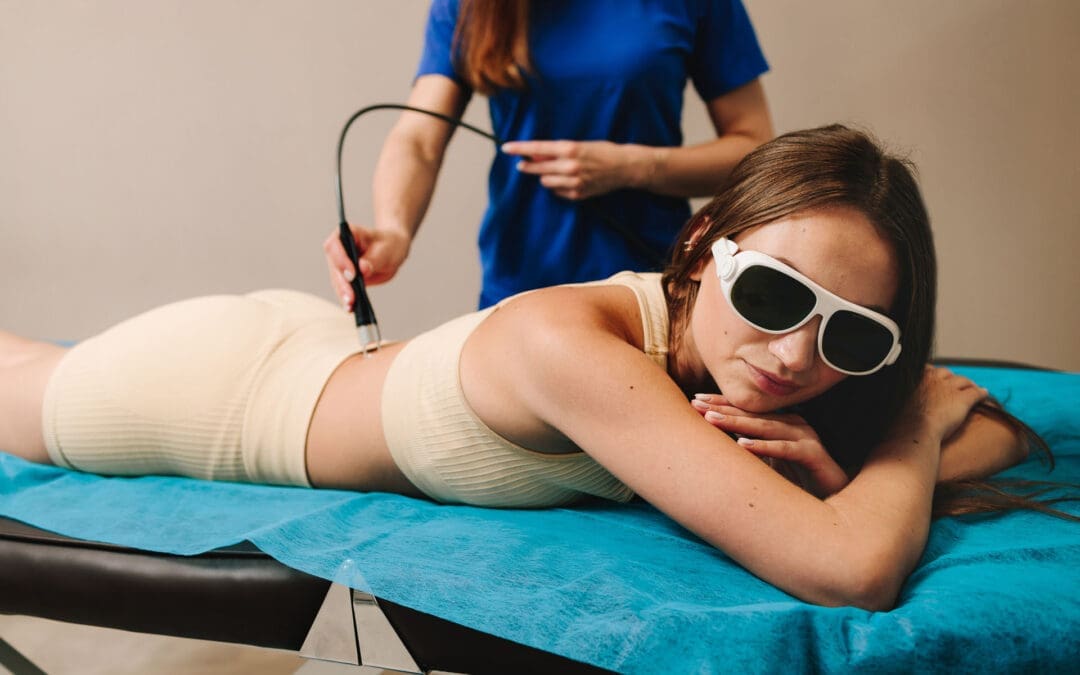
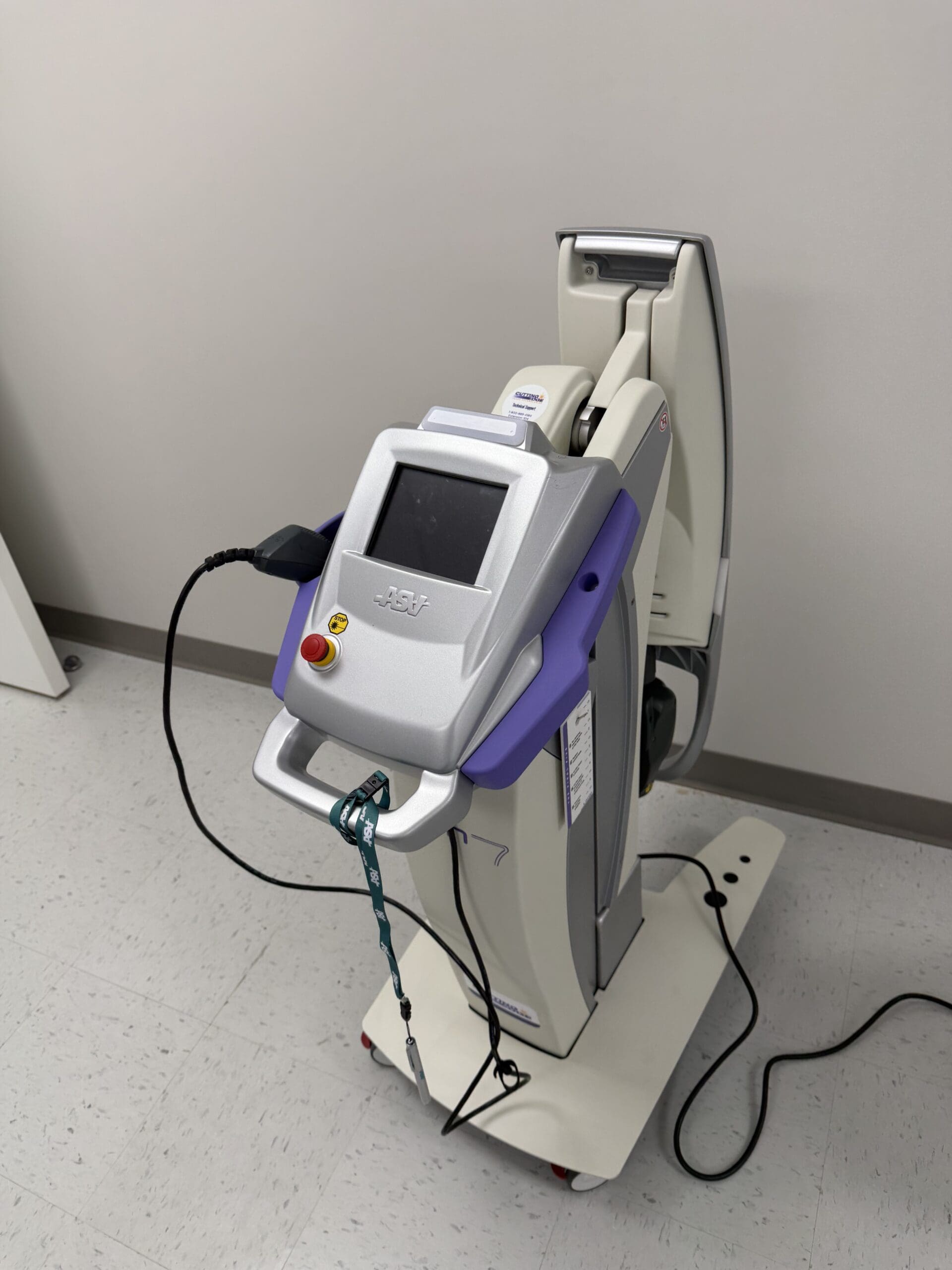
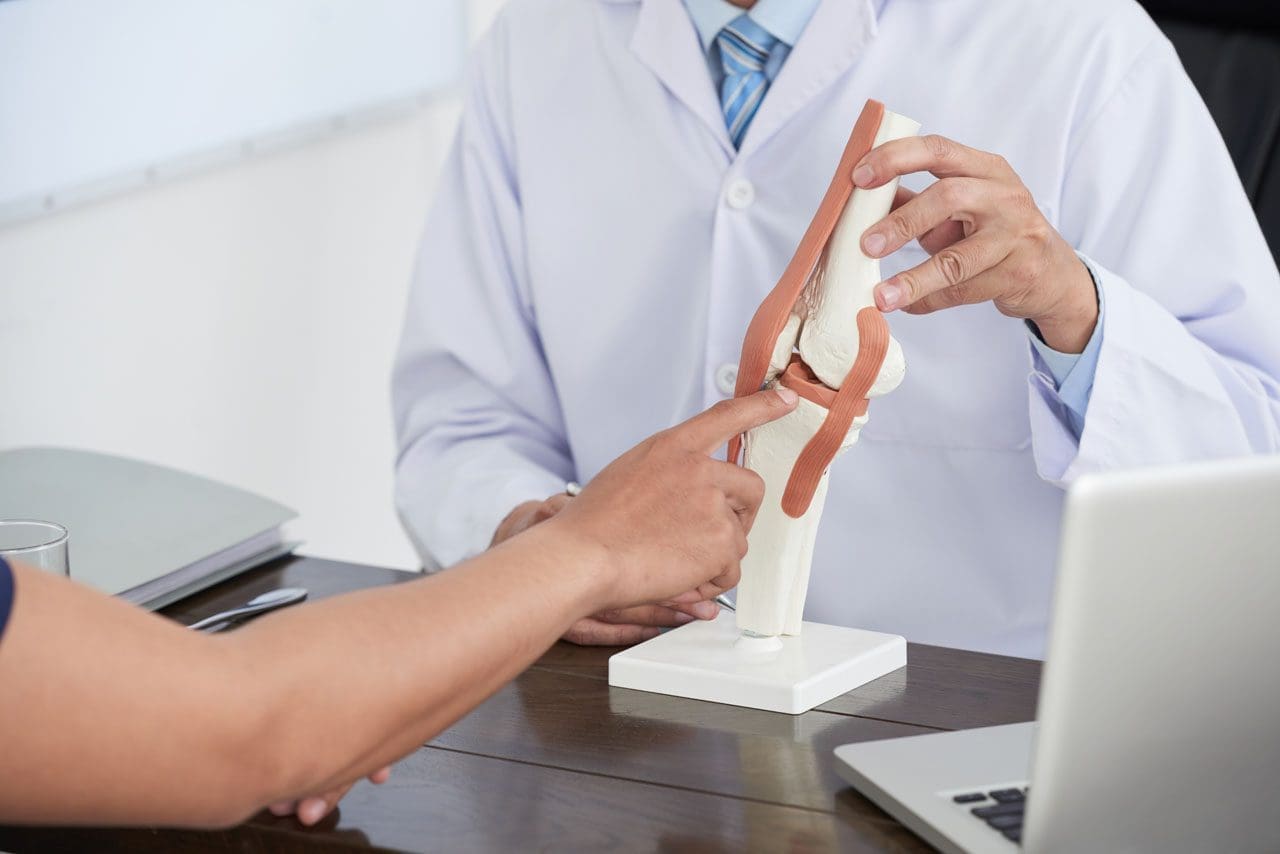
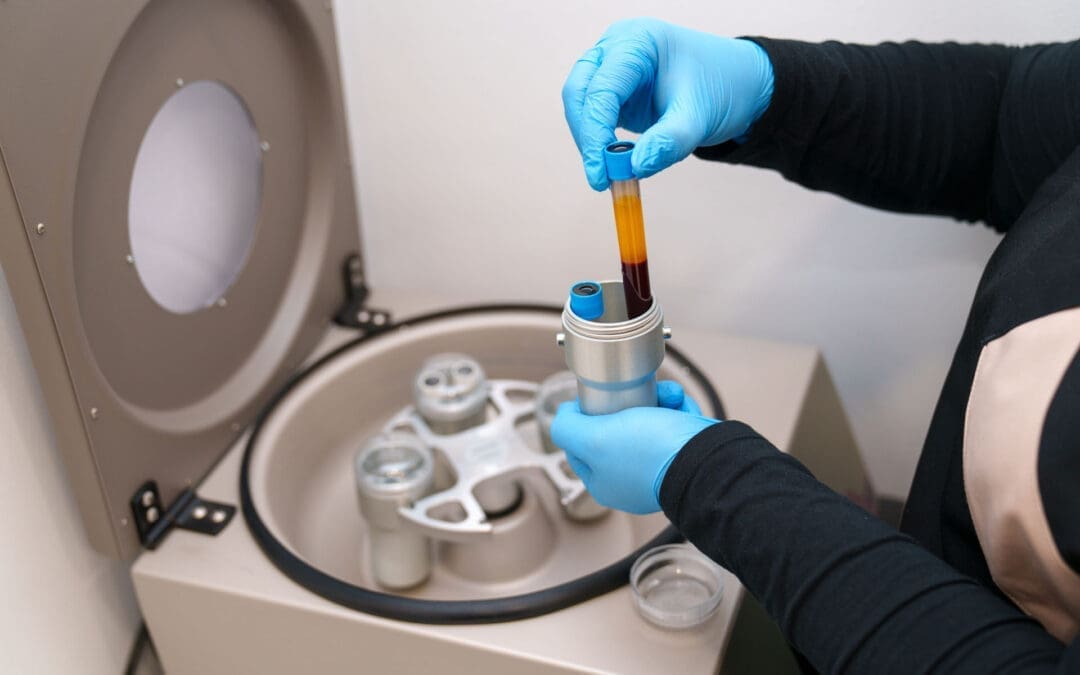
Welcome to our exploration of photobiomodulation therapy (PBMT), a revolutionary approach that harnesses the power of light to stimulate cellular healing. In this educational post, I will guide you through the intricate biological processes that make PBMT so effective. We will explore how specific wavelengths of light can penetrate tissues to activate mitochondria, modulate the immune response, and accelerate recovery. This journey will cover the fundamental science behind PBMT, from its effects on ATP production and cytokine modulation to its role in promoting angiogenesis and neurogenesis. Furthermore, we will examine the synergistic potential of combining PBMT with orthobiologics, such as Platelet-Rich Plasma (PRP), and demonstrate how this integrated approach can enhance healing outcomes. Drawing on the latest research, including fascinating studies from the veterinary world and our laboratory findings on tenocyte proliferation, we’ll demonstrate why light is not just a modality but a cornerstone of modern regenerative medicine. At Injury Medical Clinic, we integrate these advanced therapies within a collaborative framework, combining my expertise in chiropractic and functional medicine with the medical oversight of our Medical Director, Dr. Maria Guadalupe Cardenas, MD, to provide comprehensive, evidence-based care for our patients.
About Our Integrated Practice: A Collaborative Approach to Wellness
I, Dr. Alex Jimenez, am honored to share my passion for integrative and regenerative medicine with you. With a diverse background as a Doctor of Chiropractic (DC), Advanced Practice Registered Nurse (APRN), board-certified Family Nurse Practitioner (FNP-BC), and certifications in Functional Medicine (CFMP, IFMCP), Applied Traumatology (ATN), and Cranial Spinal Integration (CCST), my goal has always been to find the most effective, evidence-based paths to healing.
Here at Injury Medical Clinic PA in El Paso, Texas, we have built a unique, multidisciplinary practice. We believe that the best patient outcomes are achieved through a collaborative team approach. I am privileged to work alongside Dr. Maria Guadalupe Cardenas, MD, who serves as our Medical Director and Collaborative Physician. Dr. Cardenas is a highly respected, board-certified Internist with over 40 years of experience (NPI #1164426749, Texas MD License #J2933). Her extensive medical knowledge provides invaluable oversight and complements our services, ensuring our patients receive safe, comprehensive, and well-rounded care.
Our clinic integrates:
Advanced Chiropractic Care: Focused on spinal health, biomechanics, and nervous system function.
Physical Therapy & Rehabilitation: Tailored programs to restore movement, strength, and function.
Medical Oversight: Guided by Dr. Cardenas to ensure clinical safety and efficacy.
Functional Medicine: Investigating the root causes of chronic conditions.
Personal Injury Care: Specialized treatment for injuries sustained in accidents.
This model allows us to address health from multiple angles. While our core focus at elpasobackclinic.com is chiropractic and physical rehabilitation, we incorporate advanced modalities such as photobiomodulation to enhance the body’s innate healing capabilities, with all treatments guided by a solid medical and scientific foundation.
The Awakening: From Skepticism to Cellular Biology
I have been on this journey for nearly a decade, and for the first five years, discussing “laser” therapy in medical circles often felt like an uphill battle. It was a path paved with skepticism, much like the initial reception many of you in the biologics field have likely experienced. But today, I am thrilled to see the conversation shifting as the science catches up with the clinical results.
My evolution as a clinician mirrors this shift. For the first two decades of my career, I was a “mechanic,” using established tools to address specific conditions. Over the last ten years, however, I have become a “biologist,” focused on understanding and facilitating the body’s own healing processes at a cellular level. This is why I am so excited to share the science of photobiomodulation (PBMT) with you. It represents a profound shift from treating symptoms to enabling cellular recovery.
Understanding Photobiomodulation: The Science of Light and Life
The concept is beautifully simple, rooted in a phenomenon we all accept: photosynthesis. The sun’s light fuels life on Earth, and as a species that has evolved under this light for hundreds of thousands of years, our cells have developed a deep, genetic sensitivity to it. We readily accept that sunlight is necessary for Vitamin D synthesis, yet a significant gap remains in medical education regarding the broader therapeutic applications of light.
Photobiomodulation breaks down as:
Photo: Light
Bio: Life
Modulation: To affect or change
Light is energy, delivered in units called photons. These photons can transfer their energy to our cells, triggering a cascade of biological responses. This is the essence of PBMT.
The Cellular Engine: How PBMT Activates Mitochondria
The primary target of photobiomodulation within the cell is the mitochondria, our cellular powerhouses. Specifically, an enzyme in the mitochondrial respiratory chain, cytochrome c oxidase, acts as a photoacceptor. This means it is designed to absorb photons of light.
Here is the cascade of events that follows:
Activation: When light photons of the correct wavelength strike cytochrome C oxidase, the enzyme becomes more active.
Increased ATP Production: This heightened activity accelerates the Krebs cycle, leading to more efficient production of adenosine triphosphate (ATP), the primary energy currency of the cell. More ATP means more energy available for cellular repair, replication, and function.
Signaling Cascade: This process also triggers the release of key signaling molecules, including nitric oxide and reactive oxygen species (ROS) in controlled, beneficial amounts.
Gene Transcription: These signaling molecules then travel to the cell’s nucleus, initiating gene transcription. This is where the cell is instructed to produce specific proteins, including cytokines, which orchestrate the healing process.
Modulating the Immune Response: From Inflammation to Repair
When an injury occurs, the body initiates an inflammatory response characterized by the production of pro-inflammatory cytokines. PBMT helps guide the body out of this chronic or stalled inflammatory phase and into a reparative one by modulating the cytokine profile.
Anti-Inflammatory Effects: Research has clearly shown that PBMT, when used at the right wavelengths, can increase the production of interleukin-10 (IL-10), a potent anti-inflammatory cytokine.
Pro-Inflammatory Reduction: It has also been shown to reduce levels of pro-inflammatory cytokines, such as interleukin-6 (IL-6).
This shift moves the cellular environment from a state of chronic inflammation—such as that seen in a thickened, bulbous Achilles tendon—toward active healing and regeneration.
Building the Foundation for Healing: Angiogenesis, Neurogenesis, and Muscle Recovery
The benefits of PBMT extend beyond simple control of inflammation. The cellular signaling it initiates promotes the foundational elements of tissue repair.
Enhanced Blood Flow (Angiogenesis): PBMT has been shown to promote angiogenesis by stimulating the production of cytokines such as galectin-1. This improved microcirculation is crucial for delivering oxygen and nutrients to injured tissue and removing waste products. For anyone focused on healing, whether through chiropractic adjustments or post-surgical recovery, enhanced blood flow is paramount.
Nerve Repair (Neurogenesis): We can also document the repair of nerve cells. PBMT stimulates the production of proteins that encourage axonal growth, helping to repair damaged neurons. This is particularly relevant in our practice for treating neuropathies and nerve entrapment syndromes like carpal tunnel.
Muscle and Tissue Recovery: Electron microscopy studies have provided clear evidence that PBMT improves muscle cell development and increases myoglobin production, which enhances oxygenation. It also activates fibroblasts, the cells responsible for producing collagen and building the structural framework for new tissue.
In essence, PBMT orchestrates a symphony of healing: it modulates the immune system, increases blood flow, repairs nerves, and rebuilds tissue.
The Therapeutic Window: Why Wavelength Matters
Not all light is created equal. The electromagnetic spectrum ranges from deadly short-wavelength gamma rays to long-wavelength radio waves that pass harmlessly through us. The therapeutic potential of light lies within a specific “therapeutic window,” approximately from 600 nanometers (red light) to 1200 nanometers (near-infrared light).
The primary challenge is getting the photons to the target tissue. Three main obstacles absorb light energy before it can penetrate deeply:
Skin (Melanin)
Blood (Hemoglobin)
Water
While red light is effective for superficial tissues (penetrating 3-4 millimeters), treating deeper musculoskeletal structures requires wavelengths in the near-infrared spectrum, which can penetrate more effectively.
In my practice, we leverage this science daily. For acute injuries, such as those our Division 1 athletes sustain, PBMT significantly reduces recovery time. Post-operatively, it minimizes swelling and bruising and improves incision healing. And for the chronic inflammatory conditions we see so often, it provides the cellular energy needed to break the cycle of pain and dysfunction.
Synergy in Action: Combining PBMT and Orthobiologics
This is where the conversation becomes truly exciting. We know that orthobiologics, such as Platelet-Rich Plasma (PRP), deliver a potent cocktail of growth factors and anti-inflammatory proteins. They are essentially sending a “message” to the cells, instructing them to heal.
Now, imagine providing the “fuel” for that message.
By combining PRP with PBMT, we are doing just that. The PRP provides the blueprint for repair, and the PBMT provides the cellular energy (ATP) needed to carry out those instructions. We turn on the mitochondrial engine, allowing the cells to fully utilize the growth factors and signaling proteins delivered by the biologic treatment. We are creating a synergistic effect where the whole is greater than the sum of its parts.
Evidence from Our Four-Legged Friends: A Canine Study
When exploring emerging therapies, I often look to veterinary medicine. Animals, particularly dogs, do not have confounding factors such as secondary gain or placebo effects associated with complex human emotions. A treatment either works or it does not.
An outstanding randomized controlled trial on canines with knee osteoarthritis provides compelling evidence for this synergy.
Study Design: Each dog served as its own control. The dogs first received PBMT alone. After a washout period, they received a PRP injection alone. Finally, after another washout period, they received a combination of PRP and PBMT.
Results: The outcomes, measured by owner-reported functional improvements (like climbing stairs or getting into a car), were significantly better with the combined therapy than with either treatment alone.
This study strongly suggests that combining light energy with biologics creates a more robust and effective healing response.
Our Own Research: Proving Cellular Proliferation
To further validate these concepts, we embarked on our own research. My son, Zachary, led a study at the Mass General Brigham Enable BioSkills Lab to investigate the direct effects of PBMT on human tendon cells.
We treated human tenocytes (tendon cells) with our laser therapy. The results were remarkable: we demonstrated a 20% dose-dependent increase in tenocyte proliferation with PBMT alone. We were able to literally watch the cells multiply under the influence of light.
We are now conducting additional qPCR and ELISA testing to analyze gene expression and protein levels, which will give us an even deeper understanding of the pathways being activated. This work confirms that PBMT is not a passive modality; it is an active biological stimulus that directly promotes cellular regeneration.
The Future of Medicine is Biology
We are moving away from an era of purely symptomatic treatments and toward a future of true disease modification. The goal is to intervene earlier and more effectively, harnessing the body’s innate biological wisdom to heal from within. Photobiomodulation is a cornerstone of this new paradigm. It has been validated by major health organizations, including its mention in the CDC’s revised opioid guidelines as a non-pharmacological option for pain.
I have seen the profound impact of this therapy in my clinic and in the research lab. It works. The synergy between photobiomodulation and other regenerative therapies, all within an integrated care model that prioritizes chiropractic and physical rehabilitation, represents the future of orthopedic and musculoskeletal health. It has been a pleasure to share this journey with you.
As a Doctor of Chiropractic, Advanced Practice Registered Nurse, and certified functional medicine practitioner, I am constantly exploring the leading edge of musculoskeletal health. In this educational post, I will share key insights from the forefront of orthobiologics, a revolutionary field that harnesses your body’s own substances to heal injuries and manage chronic conditions such as osteoarthritis (OA). We will delve into the nuances of Platelet-Rich Plasma (PRP), discussing the critical importance of understanding its cellular composition—specifically, the roles of platelets versus pro-inflammatory neutrophils. We will also explore advanced techniques, such as micro-fragmented adipose tissue (MFAT) and subchondral bone injections, and examine the latest research and clinical applications. Throughout this discussion, I will explain how our multidisciplinary practice integrates these advanced biological treatments with our foundational principles of integrative chiropractic care, physical rehabilitation, and functional medicine. Our goal is to provide a comprehensive, patient-centered approach that not only addresses symptoms but also corrects the underlying biomechanical and physiological imbalances that contribute to joint degeneration, all under the expert medical direction of Dr. Maria Guadalupe Cardenas, MD.
Our Collaborative Care Model: The Synergy of Chiropractic and Medicine
At Injury Medical Clinic, our strength lies in our multidisciplinary team approach. I, Dr. Alex Jimenez (DC, APRN, FNP-BC, CFMP), work in close collaboration with our Medical Director, Dr. Maria Guadalupe Cardenas, MD. Dr. Cardenas is a board-certified Internist with over 40 years of invaluable experience (NPI #1164426749, Texas MD License #J2933). This integrative model, common in advanced injury and wellness clinics, allows us to blend the best of different disciplines for superior patient outcomes.
Dr. Jimenez’s Role: I focus on the biomechanical, functional, and structural aspects of health. Through chiropractic adjustments, I address spinal and joint misalignments that create abnormal stress on the body. My expertise in functional medicine allows me to investigate and correct underlying metabolic and inflammatory issues. My role as a Family Nurse Practitioner enables me to bridge the gap between conservative care and medical interventions.
Dr. Cardenas’s Role: As the Medical Director, Dr. Cardenas provides essential medical oversight, ensuring all treatments are safe, appropriate, and aligned with the highest standards of medical care. Her deep knowledge of internal medicine is crucial for managing complex patient cases, especially those with comorbidities that could impact treatment outcomes. She collaborates on patient diagnoses, reviews treatment plans, and provides the necessary medical supervision for procedures that fall under the practice of medicine.
This partnership ensures that when we discuss and implement advanced therapies such as orthobiologics, we do so within a framework of comprehensive care. We can offer a spectrum of services from chiropractic adjustments and physical therapy to medically supervised regenerative procedures, all under one roof. This allows us to create truly personalized treatment plans that address the patient as a whole person, not just a symptom or a single joint.
The PRP Puzzle: Why Not All Platelet-Rich Plasma Is Created Equal
One of the most exciting and debated topics in orthobiologics is Platelet-Rich Plasma (PRP). The fundamental idea is simple: we concentrate the platelets from your blood and inject them into an injured area to stimulate healing. However, the details are crucial, and the clinical outcomes can vary dramatically based on the specific composition of the PRP.
It’s fascinating to look at the differences in preparation methods. For instance, European studies often describe manual preparation methods, which can yield a very different product from that of automated centrifuge systems commonly used in the United States. A key point of confusion in the literature and among practitioners concerns the white blood cell content of PRP, specifically the presence of neutrophils.
Leukocyte-Rich vs. Leukocyte-Poor PRP: The Neutrophil Question
When PRP was first being described, “leukocyte-rich” often implied it was rich in neutrophils. These are powerful immune cells that are excellent at fighting infection but are also highly pro-inflammatory. When injected into the sensitive, contained environment of a joint like the knee, a high concentration of neutrophils can trigger a significant inflammatory flare-up, leading to pain, swelling, and potentially even cartilage damage—an outcome we desperately want to avoid.
Many modern PRP systems in the U.S. are marketed as producing “leukocyte-poor” PRP. However, this term can be misleading. While these systems effectively reduce neutrophil counts, they often concentrate other white blood cell types, such as lymphocytes and monocytes. The total white blood cell count might remain the same or even increase, but the cell type has shifted.
My clinical takeaway for both patients and practitioners is this: Be meticulous.
Know Your System: If you are considering PRP, it’s crucial to understand what kind of preparation is being used. Ask the provider or the system manufacturer for data on the cellular composition. What is the typical platelet concentration? What are the final counts of neutrophils, lymphocytes, and monocytes?
The Differential is Key: The most important factor is the white blood cell differential. We generally want a preparation with a high concentration of platelets and monocytes (which can signal tissue repair) but a very low concentration of neutrophils. Injecting neutrophil-rich PRP into a joint with osteoarthritis is not a sound strategy and can lead to unhappy patients with increased pain and inflammation.
The future of this field may involve real-time analysis. I envision a time where we can aspirate fluid from a swollen knee, analyze its specific inflammatory profile in a lab, and then custom-tailor a biologic injection—be it a specific PRP formulation or another orthobiologic—to precisely counteract that patient’s unique inflammatory signature. Until then, diligence and a deep understanding of the product being used are paramount.
The Role of Integrative Chiropractic Care with PRP Therapy
When a patient receives PRP for a condition like knee osteoarthritis, the treatment doesn’t end with the injection. In our clinic, integrative chiropractic care is essential to maximizing the success of the biologic intervention.
Biomechanical Optimization: A degenerating knee is often the victim of poor biomechanics. There may be a pelvic tilt, a functional leg length discrepancy, or spinal misalignments that cause uneven weight distribution, placing excessive stress on one side of the joint. Through chiropractic adjustments, we can help restore proper alignment of the pelvis and spine, ensuring that forces are distributed more evenly through the lower extremities. This off-loading of the treated joint is critical; it creates a more favorable mechanical environment for the new tissue to regenerate and reduces the repetitive strain that caused the problem in the first place.
Neuromuscular Re-education: Our physical rehabilitation team works to strengthen weak muscles (such as the quadriceps and glutes) and release tight ones (such as the hamstrings). This corrects muscular imbalances that contribute to poor joint tracking and stability. Proper muscle function is vital for protecting the joint as it heals.
Reducing Systemic Inflammation: My functional medicine training enables me to address sources of systemic inflammation that can hinder healing. We may use dietary modifications, targeted nutritional supplements, and lifestyle coaching to lower the body’s overall inflammatory load, giving the PRP a better physiological environment in which to work its magic.
By combining the targeted regenerative power of PRP with a comprehensive plan to correct the underlying biomechanical and physiological dysfunctions, we give our patients the best possible chance for long-term success.
Micro-Fragmented Adipose Tissue (MFAT): A Powerful Second-Line Therapy
What happens when a patient has tried everything—physical therapy, bracing, cortisone shots, even PRP—and still suffers from persistent joint pain and swelling? For these individuals, who are often trying to delay or avoid a total knee replacement, we may consider a more advanced orthobiologic: micro-fragmented adipose tissue (MFAT), also known as a fat graft.
This procedure involves harvesting a small amount of fat, typically from the flank or abdomen, through a minimally invasive liposuction process. The fat is then specifically processed to create a micro-fragmented injectate rich in reparative cells, including mesenchymal stem cells (MSCs), which are contained within the fat tissue’s supportive structural matrix. This matrix, called the stromal vascular fraction (SVF), provides a natural scaffold and signaling environment for the cells.
Who Is a Candidate for MFAT?
We typically reserve MFAT as a second-line therapy for specific cases:
Patients with Osteoarthritis and Persistent Effusions (Swelling): These are individuals whose knees remain swollen and painful despite other treatments.
Post-Surgical Patients: Some patients elect to have an MFAT injection following an orthopedic surgery to provide a biologic boost to the healing process.
Patients Seeking to Avoid Joint Replacement: These are often individuals who have exhausted other non-surgical options and are seeking a more powerful intervention to preserve their native joint.
I have been pleasantly surprised by the number of patients who have responded favorably to MFAT after failing to respond to other biologics. This suggests that the cellular and structural components of adipose tissue confer a unique and potent capacity for healing. Does it work for everyone? No, just like any other medical procedure. But for the right patient, it can be a game-changing option.
The harvesting procedure itself is very well-tolerated. Interestingly, data from the plastic surgery field show that liposuction performed on an awake patient (using local anesthetic) is significantly safer than when performed under general anesthesia. We perform this procedure in a specialized treatment room in our clinic. We use a tumescent solution—a mixture of saline and local anesthetic—which is infused into the harvest area. A critical pearl of this process is time. We let the solution sit for 20-30 minutes. This not only numbs the area completely but also makes the fat tissue easier to harvest. It’s a comfortable and safe in-office procedure.
Decompressing the Bone: The Subchondral Injection Approach
For many years, the focus of osteoarthritis treatment has been on the cartilage. But we now understand that OA is a disease of the whole joint, including the subchondral bone—the layer of bone just beneath the cartilage. In advanced OA, this bone can become stressed, leading to bone marrow lesions (which appear as bruises on MRI), increased intraosseous pressure, and sclerotic changes. This “sick bone” is a major source of pain and contributes to the progression of cartilage breakdown.
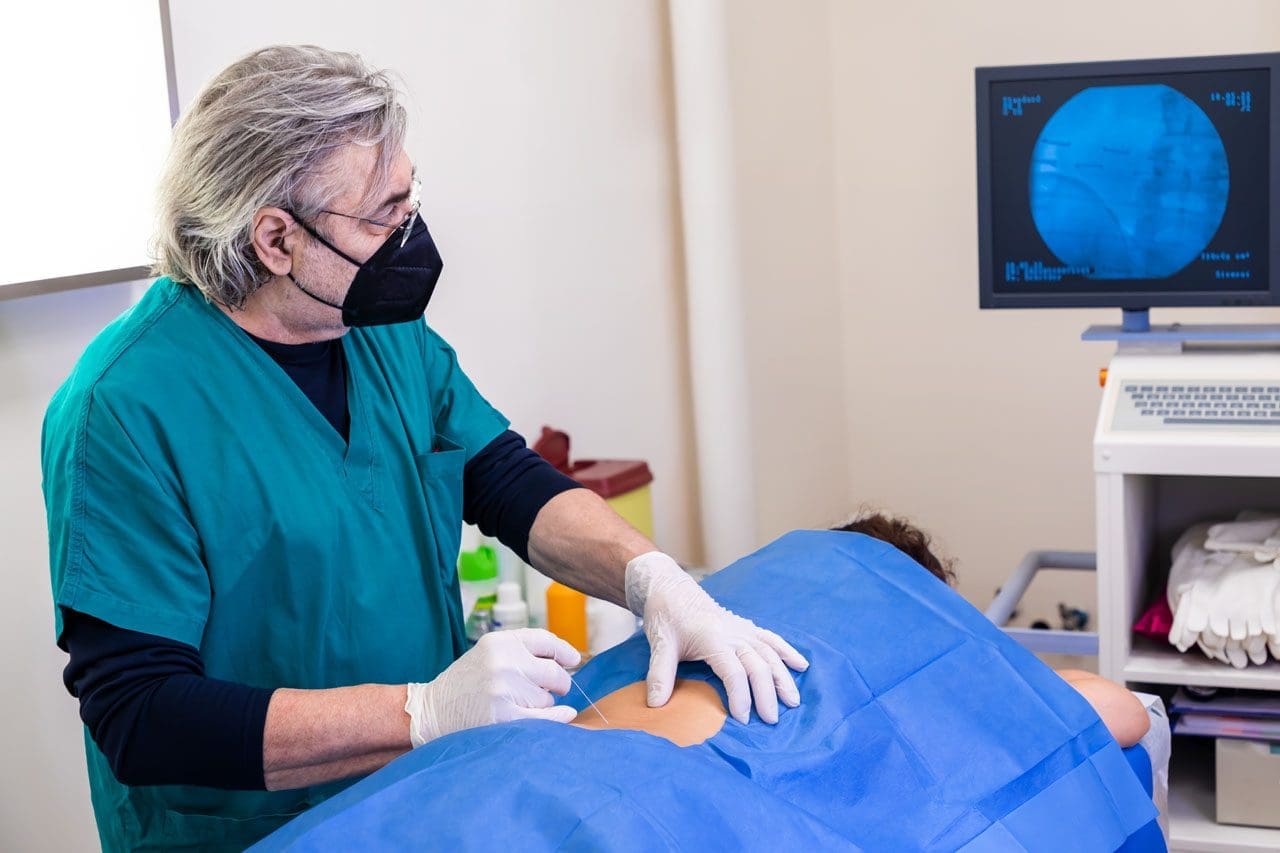
This understanding has led to the development of subchondral bone injections. The procedure involves using fluoroscopic (X-ray) guidance to precisely place a needle into the area of diseased subchondral bone and decompress it. This act of creating a channel into the bone may itself be therapeutic by relieving the high pressure that causes pain.
What Do We Inject?
Once decompression is achieved, a biologic agent can be injected. Studies have explored using various substances, including:
Bone Marrow Aspirate Concentrate (BMAC): Rich in stem cells and growth factors to stimulate bone healing.
Calcium Phosphate Cement: A synthetic bone graft substitute that provides structural support.
A significant body of literature, including a notable French paper, has shown impressive results, with some studies reporting that up to 80-95% of patients avoided joint replacement for many years after the procedure. However, a consistent finding across most subchondral injection studies is a failure rate of about 20%. This tells us that while it is a powerful intervention for about 80% of patients, it’s not a silver bullet.
Maximizing Success: It’s All About the Environment
The key to improving that 80% success rate lies in what we do after the needle comes out. We must change the environment that made the bone sick in the first place.
This is where the principles of integrative and functional care are non-negotiable.
Offloading the Joint: From an orthopedic perspective, this might mean a surgical osteotomy to realign the bone. From a non-surgical and chiropractic perspective, it means using an offloading brace, correcting biomechanics through chiropractic adjustments, and, most importantly, weight loss. Every pound of body weight lost reduces the force on the knee by four pounds.
Treating the Biomechanics: As my surgical colleagues often point out, you can’t ignore the “roof collapsing on the foundation.” If a patient has poor core stability, weak quadriceps, and valgus collapse (knock-knees) during movement, they are constantly putting compressive stress on that joint. No biologic injection can fix that. This is why our physical rehabilitation programs are so vital. We must rebuild the functional foundation to protect the biological repair.
Patients who fail these advanced procedures are often those whose underlying biomechanical and metabolic issues are not addressed. The more variables we can modify—from spinal alignment and muscle function to body weight and systemic inflammation—the greater the patient’s chance of long-term success. It’s a testament to the fact that true healing is never about a single magic injection; it’s about a comprehensive, integrated strategy.
References
Hernigou, P., Auregan, J. C., Dubory, A., Flouzat-Lachaniette, C. H., Chevallier, N., & Rouard, H. (2018). Subchondral bone or intra-articular injection of bone marrow concentrate: what is the best treatment for knee osteoarthritis? International Orthopaedics, 42(10), 2265–2272. https://doi.org/10.1007/s00264-018-3926-5
Laudy, S., Boughedda, R., Musquer, N., & Verdot, F. (2020). Efficacy of autologous platelet-rich plasma to treat knee osteoarthritis: a systematic review. International Orthopaedics, 44(9), 1711–1725. https://doi.org/10.1007/s00264-020-04664-8
Pak, J., Lee, J. H., & Lee, S. H. (2013). A novel biological therapy for knee osteoarthritis: A combination of intra-articular and intraosseous injections of autologous adipose tissue-derived stromal cells. Journal of Medical and Biological Engineering, 33(5), 554-561. https://doi.org/10.5405/jmbe.1394
Sánchez, M., Delgado, D., Anitua, E., & Orive, G. (2019). The inflammatory paradox of platelet-rich plasma. Seminars in Thrombosis and Hemostasis, 45(6), 577-588. https://doi.org/10.1055/s-0039-1693444
In this educational post, I will take you on a journey through the cutting-edge landscape of regenerative and integrative medicine for treating common musculoskeletal conditions. Drawing on the latest evidence-based research and my clinical experience, we will explore which injuries respond best to advanced orthobiologic therapies such as Platelet-Rich Plasma (PRP) and microfragmented adipose tissue. We will explore a systematic, algorithm-based approach for patient selection, focusing on conditions such as partial rotator cuff tears, tendinopathies like tennis elbow, and mild-to-moderate osteoarthritis. Furthermore, I will introduce a groundbreaking study that uses machine learning to identify key biomarkers—such as uric acid and lipoprotein(a)—that predict patients’ treatment response. Finally, I will explain how our unique multidisciplinary practice in El Paso, Texas, integrates advanced medical oversight with chiropractic care, physical therapy, and functional medicine to create a comprehensive and personalized healing environment for our patients.
A New Era of Collaboration in Patient Care
I am thrilled to announce a significant enhancement to our patient care model here at Injury Medical Clinic. We are honored to welcome Dr. Maria Guadalupe Cardenas, MD, to our team as our Medical Director and Collaborative Physician. Dr. Cardenas is a highly respected, board-certified Internist with over four decades of clinical experience (NPI #1164426749, Texas MD License #J2933).
This collaboration represents a powerful fusion of expertise. Our clinic has always been at the forefront of providing exceptional chiropractic care, physical therapy, and rehabilitation, particularly for those suffering from personal injuries. With Dr. Cardenas providing medical oversight, we can now offer an even more robust and integrated treatment paradigm. This multidisciplinary setup allows us to manage complex cases by combining my expertise in chiropractic, functional, and regenerative medicine with her profound knowledge of internal medicine. This ensures that every aspect of a patient’s health—from musculoskeletal alignment and function to underlying systemic factors—is addressed, creating a truly holistic path to recovery.
The Foundation of Our Approach: Evidence-Based Integrative Care
When I established my practice in El Paso, TX, this environment ingrained in me the necessity of grounding every clinical decision in solid, evidence-based research. We developed a structured protocol to identify which conditions were most appropriate for orthobiologic treatments. This required a deep dive into the scientific literature to ensure we were offering therapies with proven efficacy.
This commitment to evidence is the cornerstone of our practice in El Paso. We specialize in treatments that bridge the gap between conservative care and invasive surgery. Our focus is on harnessing the body’s innate healing capabilities, supported by advanced diagnostics and targeted interventions.
Identifying the Right Conditions for Orthobiologic Therapies
Through rigorous review of studies and extensive clinical experience, we have identified a specific cohort of conditions that respond well to integrative and regenerative treatments. It is crucial to be precise in our diagnosis and patient selection to achieve the best possible outcomes.
Here are some of the primary conditions we treat:
Shoulder: Low-grade, partial-thickness rotator cuff tears and mild-to-moderate glenohumeral arthritis. For arthritis, it is vital to consider the Walsh classification (e.g., A1, A2, B1) to ensure that the joint architecture is stable and that the “golf ball” (humeral head) isn’t falling off the “tee” (glenoid).
Elbow: Lateral epicondylitis (tennis elbow) and medial epicondylitis (golfer’s elbow), as well as proximal partial tears of the ulnar collateral ligament (UCL).
Hand/Wrist: Mild-to-moderate carpometacarpal (CMC) arthritis. A landmark study from my professor at the Mayo Clinic validated the use of biologics for this condition.
Hip: Femoroacetabular Impingement (FAI) of grade two or less, where the labrum is not shredded, and there are no large pincer or cam deformities. We also achieve great results with gluteus medius and hamstring tendinopathy, especially focal mid-portion tears.
Foot/Ankle: Plantar fasciitis.
Knee: Classically, mild-to-moderate knee osteoarthritis and very small meniscal tears.
Interestingly, recent literature has shown promise in the use of PRP post-operatively. Some forward-thinking surgeons now refer patients for a PRP injection between 0 and 6 weeks after a rotator cuff repair to potentially enhance healing.
A Deeper Look at Tendinopathy: Diagnosis and Treatment Strategy
Let’s examine a common case: tennis elbow, or a partial-thickness tear of the common extensor tendon. Using musculoskeletal ultrasound, we can visualize the injury with incredible detail. I look at the tendon in both long-axis and short-axis views to measure the tear’s precise length and width.
A key to my treatment success has been the technique of tenotomy with fenestration. This involves using a needle to meticulously break up the scarred, degenerative tissue throughout the entire length and width of the tear. Many practitioners might inject only into one spot, but I have found that ensuring the biologic agent is delivered throughout the full extent of the damaged area significantly improves results. We are essentially creating micro-trauma to stimulate a new, robust healing cascade and delivering the growth factors right where they are needed most. The study by Gosens et al. (2011) provides strong support for using PRP to treat chronic tennis elbow, and it is a paper I often share with my colleagues to explain the rationale for this approach.
Consider the case of a 31-year-old weightlifter with patellar tendinopathy. His ultrasound revealed a complex picture: early-stage arthritis with a knee effusion (fluid), a large partial-thickness tear of the patellar tendon, heterogeneous echogenicity changes (indicating tendinosis), and even a large calcium deposit. The critical question becomes: what is the primary pain generator? Is it the joint cartilage, the degenerated tendon, or the calcification?
After a thorough discussion about the risks and benefits, and correlating his physical exam findings with the imaging, I decided to treat the tendon tear with PRP. My decision was influenced by research, such as the work of Jason Dragoo, who demonstrated the efficacy of leukocyte-rich PRP for tendinopathy. For a tear of this significant size, PRP provides a powerful concentration of growth factors to orchestrate cellular repair and tissue regeneration. In these challenging cases, pinpointing the source of pain is paramount.
The Nuances of Treating Rotator Cuff Tears
Rotator cuff tears present another layer of complexity. An MRI might show a partial-thickness tear (less than 50% of the tendon’s thickness) and also an interstitial tear (a split within the tendon fibers), along with surrounding edema (fluid). My approach is often to treat both. I will perform a guided injection into the subacromial bursa to reduce inflammation and another directly into the interstitial tear itself.
Using ultrasound guidance is non-negotiable. I can watch the needle in real-time as it passes through the deltoid muscle and subacromial bursa to precisely target the tear on the superficial facet of the greater tuberosity. I use a small amount of fluid to hydrodissect the tissue planes, which confirms I am in the correct location and helps distribute the biologic throughout the length of the tear.
It’s important to clarify terminology. A partial-thickness tear involves only a portion of the tendon’s depth. A full-thickness tear goes all the way through, but this can be a partial-width tear (affecting only part of the tendon’s footprint) or a full-thickness, full-width tear (a complete rupture). Orthobiologics are most effective for partial-thickness and full-thickness, partial-width tears, not complete ruptures, which typically require surgery.
Choosing the Right Tool: PRP vs. Adipose Tissue
When a patient presents with a more severe injury, we must consider more robust therapies. This is where my treatment algorithm helps guide the decision-making process.
For low-grade partial-thickness tears (less than 50%): I will consider PRP, sometimes augmented with dextrose prolotherapy (P2G), to stimulate a healing response.
For high-grade partial-thickness tears (greater than 50%): I will consider using microfragmented adipose tissue.
Why adipose? Adipose tissue is not just fat; it is a rich source of mesenchymal stem cells (MSCs) and other perivascular cells that create a biological scaffold. This scaffold provides a structural framework and a sustained-release reservoir of signaling molecules that guide tissue repair over a longer period. This is particularly beneficial in larger defects where a simple injection of PRP might not be sufficient to bridge the gap. For moderate-to-severe arthritis (Kellgren-Lawrence grade 3-4), I also lean towards adipose tissue or bone marrow aspirate concentrate (BMAC) for their more potent anti-inflammatory and regenerative capabilities.
For patients with neuralgia or nerve entrapment, I have found that hydrodissection—using fluid to carefully separate the nerve from surrounding fibrotic tissue—can provide significant relief by freeing the nerve and reducing compression.
An Algorithmic Approach to Treating Knee Osteoarthritis
To standardize care and optimize outcomes, I have developed a treatment algorithm for patients with knee osteoarthritis (OA). This systematic process ensures we address all contributing factors:
Assess Systemic Health: First, I investigate for underlying systemic diseases (like autoimmune conditions) or factors that impair healing. We must address the whole person, not just the knee.
Evaluate Functional Markers: Next, I consider a functional medicine workup. What are their hormone levels? Is there evidence of gut dysbiosis or microbiome imbalance? These factors create the systemic environment in which the knee must heal.
Grade the Arthritis: Using X-rays and MRIs, I determine the severity. Is it grade 3 or 4 arthritis? Is there significant subchondral bone edema (a sign of stress and inflammation in the bone beneath the cartilage)?
Select the Treatment:
If the patient has mild-to-moderate OA (grade 1-2) without the above complicating factors, PRP is my first-line orthobiologic treatment.
If they have severe OA (grade 3-4) or significant bone edema, I will discuss microfragmented adipose tissue or BMAC.
Monitor and Adjust: Healing is a process. PRP typically causes increased soreness for about three days, with functional improvements beginning around weeks three to six. By twelve weeks, we should have a clear indication if we are on the right track. If the patient has achieved at least 60% improvement, we continue with our supportive care plan. If not, we re-evaluate and adjust the strategy.
The Future is Now: Machine Learning and Personalized Medicine
A groundbreaking study published in April 2026 in BMC Musculoskeletal Disorders is already changing how I think about patient selection. Researchers in China used a machine learning algorithm to predict clinical response to PRP for knee osteoarthritis. They analyzed a vast dataset including patient demographics, BMI, lab markers, and pain scores.
The algorithm aimed to identify the factors that were most predictive of a high response rate (defined as increasing the success rate from 65% to 85%). The results were fascinating. While we often focus on the “special recipe” of the PRP itself, the study found that three biomarkers were most important in predicting success:
Osmotic Pressure (Joint Swelling): This was self-explanatory. My clinical experience confirms that patients with recurrent, large effusions do not respond as well. The inflammatory environment dilutes the biologic and impedes healing.
Lipoprotein(a) [Lp(a)]: A marker for cardiovascular risk, elevated Lp(a) is also strongly associated with inflammation.
Uric Acid: Commonly known for its role in gout, high uric acid is a powerful pro-inflammatory marker.
This study reinforces the critical link between systemic metabolic health and local musculoskeletal healing. It’s making me consider routinely checking uric acid and Lp(a) levels in my patients. Perhaps by addressing these metabolic imbalances first—through diet, lifestyle, and targeted supplementation, a core principle of functional medicine—we can turn potential non-responders into high-responders. It highlights the importance of our integrative model, in which chiropractic adjustments and physical therapy optimize biomechanics, while functional and internal medicine address the underlying biochemistry.
This is the future of medicine: personalized, predictive, and integrative. By combining advanced orthobiologics, sophisticated diagnostics, and a deep understanding of the body as an interconnected system, we can offer our patients in El Paso a truly transformative level of care.
References
Gosens, T., Peerbooms, J. C., van Laar, W., & den Oudsten, B. L. (2011). Ongoing positive effect of platelet-rich plasma versus corticosteroid injection in lateral epicondylitis: a double-blind randomized controlled trial with 2-year follow-up. The American Journal of Sports Medicine, 39(6), 1200–1208. https://doi.org/10.1177/0363546510397173
PRP Therapy in El Paso for Back Pain Relief and Joint Healing
Abstract
As a clinician dedicated to integrative and evidence-based care, I am constantly exploring the latest advancements that can help my patients heal more effectively. This post explores the science behind Platelet-Rich Plasma (PRP), a powerful regenerative therapy. We will journey into the microscopic world of platelets, exploring their crucial role in orchestrating the body’s natural healing processes. You will learn about the specific growth factors and signaling molecules released by platelets, how they reduce inflammation, and how we can concentrate this healing potential to treat various musculoskeletal conditions. We will also discuss how PRP, as a cornerstone of orthobiologic therapy, integrates seamlessly with chiropractic care and physical rehabilitation to create a comprehensive, synergistic treatment plan that accelerates your return to a pain-free, active life.
Hello, I’m Dr. Alexander Jimenez. With my extensive background in both chiropractic and advanced practice nursing, coupled with certifications in functional and integrative medicine, my primary mission has always been to offer my patients the most effective, evidence-based pathways to wellness. At our El Paso clinic, we are passionate about harnessing the body’s innate ability to heal itself. One of the most exciting fields that allows us to do this is orthobiologics, and a cornerstone of this approach is Platelet-Rich Plasma, or PRP.
Today, I want to take you on a journey—not into a complex scientific lecture, but into an easy-to-understand exploration of your body’s remarkable healing capabilities. We’re going to look at the latest findings from leading researchers and see how this science translates into real-world results for conditions such as chronic back pain, joint injuries, and soft-tissue damage.
The Orchestra Within: Understanding the Power of Platelets
When you think of platelets, you probably think of blood clotting. If you get a cut, platelets rush to the scene to form a plug and stop the bleeding. While this is a critical function, it’s only the beginning of their story. Platelets are not just simple plugs; they are sophisticated, mobile storage units packed with powerful biological instructions.
Think of your platelets as the first-response commanders at an injury site. Once they arrive, they don’t just patch the hole; they release a cascade of potent signaling molecules—growth factors, cytokines, and chemokines—that direct a complex healing orchestra. It’s this biological symphony that truly drives tissue repair and regeneration.
PRP therapy is based on a simple yet profound concept: what if we could concentrate these healing commanders and deliver them directly to an area of chronic injury or degeneration? By doing so, we can amplify the body’s natural healing signals, telling it to repair tissue that it may have otherwise “given up” on.
Inside the Platelet: The Granules That Drive Healing
To truly appreciate PRP, we need to look inside the platelet itself. A single platelet contains several types of tiny packets, or granules, each with a specific job.
Alpha Granules: These are the most important for regenerative medicine. Each platelet contains about 50 to 80 alpha granules, which house hundreds of different proteins, including the essential growth factors that orchestrate tissue repair. When platelets are activated at an injury site, they undergo a process called degranulation, releasing the contents of these alpha granules into the surrounding environment. This is the moment the healing cascade truly begins.
Dense Granules: These granules release smaller molecules that are crucial for amplifying the initial response. They help recruit more platelets (platelet aggregation), signal blood vessels to constrict to limit bleeding, and modulate the initial immune response.
Lysosomes: These act as the cleanup crew. They release enzymes that help break down damaged tissue, clear cellular debris, and exert antimicrobial effects, essentially preparing the site for new, healthy tissue to form.
In our clinical practice, we’ve observed that the effectiveness of PRP is directly tied to the concentration and quality of these platelets. Newer research highlights the importance of reticulated platelets—younger, denser platelets recently released from the bone marrow. These platelets are richer in alpha granules and, therefore, contain a higher payload of growth factors. Our advanced processing techniques are designed to capture these highly potent platelets, ensuring that the PRP we administer has the maximum regenerative potential. This concentration is key; by increasing platelet count, we dramatically increase the number of biological signals delivered to the injured area.
The Key Players: Growth Factors and Their Roles
When the alpha granules release their contents, a variety of growth factors become active. While it’s a complex interaction among hundreds of proteins, let’s focus on a few of the star players and their specific roles in healing.
Platelet-Derived Growth Factor (PDGF)
As its name suggests, PDGF was one of the first growth factors discovered in platelets. Think of PDGF as the “beacon.” Its primary role is to attract other healing cells to the injury site. It sends out a powerful chemical signal that recruits mesenchymal stem cells (MSCs)—the body’s master repair cells—as well as other cells necessary for tissue repair.
A Crucial Note on Stem Cells: PRP itself does not contain stem cells. However, it is a powerful signaling therapy. PDGF effectively awakens and recruits the local stem cells that are already present but dormant in your tissues, directing them to the site of injury, where they can begin their work of repair and regeneration.
The Power of PDGF-BB: Researchers have identified PDGF-BB as the most biologically active and important isoform. It is a potent stimulator of cell replication and is vital for initiating the entire repair process.
Transforming Growth Factor-Beta (TGF-β)
TGF-β is the master architect of tissue reconstruction. Once cells have been recruited to the area, TGF-β provides them with their building instructions.
Collagen Synthesis: It strongly promotes the synthesis of type I collagen, which is the primary structural protein in tendons, ligaments, and cartilage. This is crucial for restoring the strength and integrity of injured tissues.
Angiogenesis: In coordination with other growth factors, TGF-β stimulates angiogenesis, the formation of new blood vessels. This is a critical step because new blood vessels bring a fresh supply of oxygen and nutrients to the healing area, fueling the repair process and removing waste products.
Vascular Endothelial Growth Factor (VEGF)
VEGF works hand in hand with TGF-β to build this new blood supply. It specifically enhances endothelial cell proliferation (the cells that line blood vessels), promotes the sprouting of new capillaries, and is essential for neovascularization. Research has shown that platelet concentration is a significant factor in this effect. Studies suggest that a PRP concentration of approximately 1.5 billion platelets per milliliter is optimal for robust angiogenesis, a key target in our preparation protocols.
Fibroblast Growth Factor (FGF)
FGF is a powerful “mitogen,” meaning it stimulates cell division and proliferation. It acts on a wide variety of cells, including MSCs recruited by PDGF, as well as fibroblasts (which produce collagen) and osteoblasts (which build bone). FGF helps to ensure that a sufficient number of builder cells are available to carry out the repairs directed by the other growth factors.
Beyond Building: The Anti-Inflammatory Power of PRP
Chronic pain is often driven by chronic inflammation. An injury that never fully heals can get stuck in a persistent inflammatory state, causing ongoing pain and tissue degradation. One of the most profound benefits of PRP therapy is its ability to break this cycle.
While the initial response to an injury involves inflammation (a necessary step to clear damage), PRP helps guide the process toward resolution and healing. It does this in several ways:
Modulating Macrophages: PRP influences the behavior of immune cells called macrophages. These cells can exist in an inflammatory state (M1) or an anti-inflammatory, pro-healing state (M2). PRP promotes a shift from the M1 to the M2 phenotype, effectively flipping the switch from “inflammation” to “repair.”
Leukocyte Interaction: Platelets in PRP can interact with white blood cells (leukocytes) at the injury site, prompting them to release anti-inflammatory cytokines. This helps to quiet the inflammatory storm.
Preventing Cell Death: The chemokines released by platelets also act as survival factors for monocytes (which become macrophages), preventing their premature death and allowing them to complete their transition to the healing M2 state.
From my clinical observations, this powerful anti-inflammatory effect is often the first thing patients notice. Many report a significant reduction in pain and swelling within weeks of treatment as the chronic inflammatory environment begins to normalize, paving the way for long-term tissue repair.
The Synergy of Integrative Care: PRP, Chiropractic, and Physical Therapy
At the El Paso Back Clinic, we firmly believe that no single therapy is a magic bullet. True healing comes from a comprehensive, integrative approach. This is where PRP, chiropractic care, and physical therapy come together to create a powerful synergy.
Imagine a patient with chronic low back pain due to a degenerated disc and facet joint arthritis. The underlying problem is both biochemical (inflammation, tissue decay) and biomechanical (spinal misalignment, muscle imbalance, faulty movement patterns).
PRP Injections to Reboot Healing: We first use ultrasound guidance to precisely inject PRP into the degenerated disc space and the arthritic facet joints. This delivers a high concentration of growth factors directly to the source of pain, reducing inflammation and initiating biological repair of damaged cartilage and connective tissue. The PRP effectively “reboots” the local healing environment.
Chiropractic Care to Restore Function: While PRP works at the cellular level, a dysfunctional joint will remain dysfunctional unless its mechanics are addressed. This is the crucial role of chiropractic adjustments. Through specific, gentle manipulations, we restore proper motion to the spinal segments. This not only alleviates pain by decompressing nerves but also improves the flow of nutrients to healing tissues and ensures that the new collagen formed by PRP is laid down in an organized, functional way. Correcting the biomechanics prevents the joint from being repeatedly re-injured, allowing the PRP-stimulated healing to take hold.
Physical Therapy to Rebuild and Stabilize: Once the pain is reduced and joint mechanics are improved, physical therapy and rehabilitation become essential. Our customized exercise programs focus on strengthening the deep core and spinal stabilizing muscles. This creates a “muscular corset” that supports the spine, offloads the healing joints, and corrects the poor movement patterns that contributed to the injury in the first place. This phase ensures that PRP and chiropractic care achieve results that are not just temporary but are sustained for the long term.
This three-pronged approach addresses the injury from every angle: PRP promotes biochemical repair, chiropractic care corrects structural and biomechanical dysfunction, and physical therapy provides functional stabilization for lasting recovery. Each therapy enhances the effects of the others, leading to faster, more complete, and more durable healing than any single approach could achieve on its own.
Summary: A New Era in Healing
PRP therapy represents a paradigm shift in how we treat musculoskeletal injuries. Instead of just masking symptoms with medications or resorting to invasive surgery, we can now harness the body’s sophisticated biological toolkit to promote true healing and regeneration.
The main takeaway is that PRP provides a powerful, short-term biological “dose” of instructions. It doesn’t do all the work itself; rather, it acts as the director of the orchestra, calling in the body’s own repair cells and guiding them to reduce inflammation, rebuild damaged tissue, and restore function. When combined with an integrative framework of expert chiropractic care and targeted physical therapy, PRP becomes a transformative tool that can help our patients break free from chronic pain and get back to living their lives to the fullest.
References
The following resources provide a deeper look into the science of platelet-rich plasma and its applications.
IFM's Find A Practitioner tool is the largest referral network in Functional Medicine, created to help patients locate Functional Medicine practitioners anywhere in the world. IFM Certified Practitioners are listed first in the search results, given their extensive education in Functional Medicine