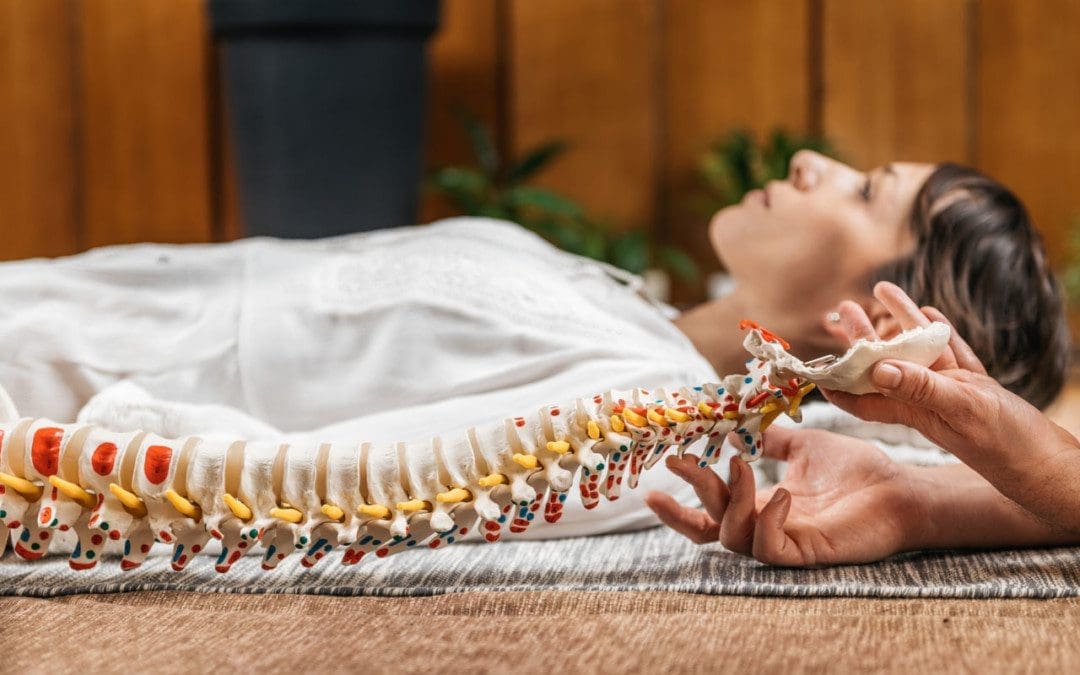
Individuals with chronic back and/or leg pain are encouraged to try spinal decompression. Non-surgical spinal decompression is a treatment option therapy that has been proven to be safe, gentle, and successful. This therapy is motorized traction that takes the pressure off the spinal discs and stretches out the spine to its correct position. It is highly effective, comfortable, affordable, and a safe alternative to surgery. At Injury Medical Chiropractic and Functional Medicine Clinic, our spinal decompression team/tables effectively treat:
Neck pain
Chronic back pain
Sciatica
Bulging discs
Herniated discs
Degenerated discs
Whiplash
Try Spinal Decompression
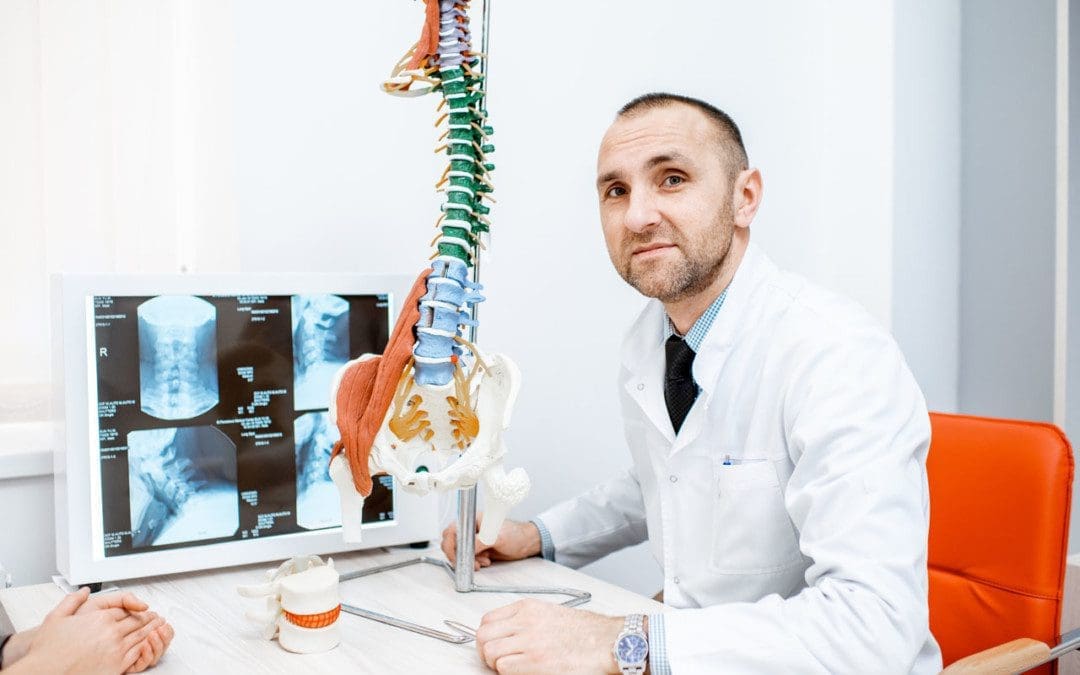
The vertebral bones protect the spinal cord. Everyday wear-and-tear, improper posture and injury can cause parts of the vertebrae to compress the spinal cord’s nerves, leading to pain, numbness, or tingling. Non-surgical spinal decompression therapy is also known as NSSD or SDT/Spinal Decompression Therapy. The goal of the treatment is to restore optimal health to the spine. Pain-causing conditions can be reversed or healed, and discs can be normalized through the decompression process as it encourages spinal repositioning to promote optimal healing.
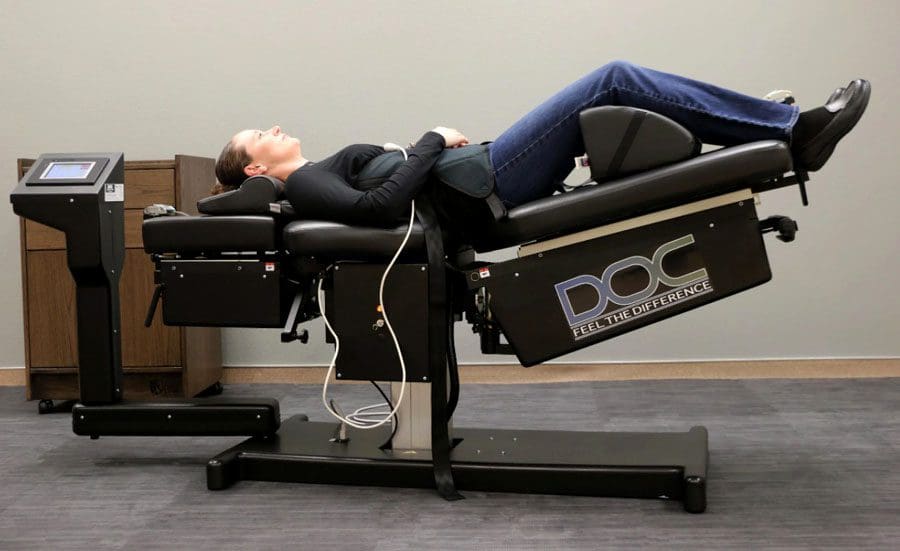
Decompression Table
The spinal decompression table may consist of a manually operated cable and pulley system or a computerized table segmented by the upper and lower body.
The angle and pressure applied depend on the type of injury and the individual’s needs.
Each procedure is carefully calculated to reposition the spinal discs and disc material to alleviate pain.
How It Works
Spinal decompression is a mechanized version of a chiropractic adjustment. By gently stretching and moving the spine, the vertebrae have proper alignment restored, restoring range of motion, decreasing or eliminating pain, and improving mobility and function.
The individual is strapped to the machine with a harness that helps position the back for optimal decompression.
Depending on the condition and severity, the therapist will choose from a list of decompression programs.
Slowly, the spine is stretched and lengthened, relieving pressure.
The spine’s stretching and repositioning are different from standard physical therapy and manual manipulation treatment.
It is a gradual process to prevent the body from muscle guarding as the natural response to avoid injury.
Treatment Benefits
An examination is required to see if an individual meets the criteria. Non-surgical spinal decompression therapy has been shown to:
Reduce or eliminate pain.
Rehydrate spinal discs.
Reduce disc bulging/herniation.
Improve functional abilities.
Decrease the need for surgery.
DRX9000
References
Apfel, Christian C et al. “Restoration of disk height through non-surgical spinal decompression is associated with decreased discogenic low back pain: a retrospective cohort study.” BMC musculoskeletal disorders vol. 11 155. 8 Jul. 2010, doi:10.1186/1471-2474-11-155
Koçak, Fatmanur Aybala et al. “Comparison of the short-term effects of the conventional motorized traction with non-surgical spinal decompression performed with a DRX9000 device on pain, functionality, depression, and quality of life in patients with low back pain associated with lumbar disc herniation: A single-blind randomized controlled trial.” Turkish Journal of physical medicine and rehabilitation vol. 64,1 17-27. 16 Feb. 2017, doi:10.5606/tftrd.2017.154
Macario, Alex, and Joseph V Pergolizzi. “Systematic literature review of spinal decompression via motorized traction for chronic discogenic low back pain.” Pain practice: the Official Journal of World Institute of Pain vol. 6,3 (2006): 171-8. doi:10.1111/j.1533-2500.2006.00082.x
Healthy sleep plays a vital role in the body’s overall health, as it ensures muscle growth, recovery, and illness prevention. This is especially true for home D.I. Yers’ fitness enthusiasts, weekend warriors, athletes, and physically active individuals. When sleeping, the body goes into recovery mode, releasing hormones and other chemicals to repair and restore muscle. A healthy night’s sleep provides the rest the mind and body need to perform at optimal levels.
Healthy Sleep
Sleep is vital for recovering from workouts. This could be construction work, exercise, gardening, sports, landscaping, any activity that uses bodyweight or works against some form of resistance. The muscles cannot repair themselves properly without proper sleep. Sleep aids the muscles in releasing protein-building amino acids, helping them grow in size and strength.
Growth hormone is released during non-REM sleep that stimulates tissue growth and repairs muscle.
During REM or rapid eye movement sleep, blood pressure drops, breathing slows and deepens, the brain relaxes, and blood supply to the muscles increases, feeding them oxygen and nutrients.
Unhealthy Sleep
Sleep maintains the muscles’ sharpness, coordination, function, and muscle movement patterns that improve physical performance. The body needs to sleep for at least 7 hours a night for muscles to grow properly. Not getting healthy sleep decreases protein synthesis activity and increases the activity of degradation that leads to muscle loss.
Less Sleep Leads To Eating More
Hormonal changes occur when the body sleeps less, causing individuals to feel hungry more often, increasing the amount of food taken in because after eating, the body does not feel full right away, so the individual continues to eat. Without sleep, the body decreases the production of a hormone that indicates when the body is full and activates a hormone that causes hunger. Insufficient sleep also lowers the body’s sensitivity to insulin. Because of this, the muscle fuel glycogen is not adequately replenished. Without the regular restoration of glycogen, individuals have less energy, insulin sensitivity decreases, increasing the risk of diabetes.
Physical Health
Unhealthy sleep also impacts overall physical health. Individuals that do not get healthy sleep have an increased risk of developing:
Sugar raises blood sugar, which triggers the pancreas to release insulin, fueling the cells causing overstimulation.
Eliminating sugar after dinner can help the body fall asleep.
References
Dattilo, M et al. “Sleep and muscle recovery: endocrinological and molecular basis for a new and promising hypothesis.” Medical hypotheses vol. 77,2 (2011): 220-2. doi:10.1016/j.mehy.2011.04.017
Morselli, Lisa et al. “Role of sleep duration in the regulation of glucose metabolism and appetite.” Best practice & research. Clinical endocrinology & metabolism vol. 24,5 (2010): 687-702. doi:10.1016/j.beem.2010.07.005
Murray, Bob, and Christine Rosenbloom. “Fundamentals of glycogen metabolism for coaches and athletes.” Nutrition reviews vol. 76,4 (2018): 243-259. doi:10.1093/nutrit/nuy001
When individuals think about wellness and health, they usually think about a checkup with their doctor. However, wellness treatment with chiropractic is much more proactive. Chiropractic focuses on keeping the body functioning properly and allowing its natural healing properties to activate and do its job. Chiropractic checks to ensure the spine is correctly aligned and correct any subluxation/misalignment before pain occurs. Pain is one of the body’s warnings that something is wrong. Chiropractic wellness care aims to catch and correct any issues before it becomes a problem, keeping the central nervous system in top form, increasing the immune system’s strength, making the body healthier.
Chiropractic Increases Wellness and Health Levels
The body’s baseline level of health can be improved. Individuals can feel that they are fulfilling their responsibilities and maintaining health by engaging in physical exercise and eating a healthy diet. It is believed that lifestyle is largely the extent of an individual’s ability to maintain their health, without realizing that optimal wellness and health can be increased through chiropractic, the ideal supplement to a healthy life. Chiropractic improves body process functions by:
Increasing circulation.
Facilitating detoxification.
Balancing the distribution of hormones and nutrients.
Regulating the heart’s rhythm.
Soothing the nervous system.
Increased mobility.
Decreased pain.
Better flexibility.
Chiropractic serves as supportive treatment to other types of therapeutic care like physical therapy and massage therapy.
Improves Physical Performance
A chiropractor will recommend adjustments, manual muscle manipulation, tissue manipulation, and massage customized for the body’s needs, focusing specifically on long-term realignment. A variety of treatments help to improve the body’s structure, alignment, and energy flow. Chiropractic makes a significant difference in:
Endurance
Explosiveness
Flexibility
Speed
Mobility
Adaptability
Chiropractic also:
Realigns joints and bones.
Decompresses nerves.
Releases muscles, tendons, and ligaments.
Detoxifies stagnant areas of the body.
Chiropractic is the perfect supplement to increasing performance, wellness, and health by increasing the health and alignment of the physical body and energy flow.
Improves Mental Health
Chiropractic also benefits mental health. The mind is controlled by the central nervous system or CNS and is directly affected by chiropractic treatment. With hands-on manipulation, adjustments, or traction, bones and joints move back toward optimal alignment, causing the nervous system’s structure to move toward optimal capacity and efficiency. Nerve channels and bundles can become decompressed, bruised, and pinched. The flow of electrical impulses is regulated within the body through the nervous system. Cognitive performance becomes enhanced from the improvement in communication across the central and peripheral nervous systems. Mental performance is also supported through the rush of cerebrospinal fluid/CSF. Cerebrospinal fluid removes waste and toxins from the brain and supplies the brain with oxygen and nutrients. CSF floods the brain after a chiropractic adjustment.
Improves Immune System Function
Chiropractic improves immune system function by increasing energy circulation, blood circulation, and lymphatic fluid flow.Treatment combats stagnation allowing the body to purge toxins and waste accumulated in joints, tissues, and near organs. Chiropractic loosens up areas of the body that have been compressed, crushed, strained, and divided because of misalignment, lack of physical activity/exercise, or stiffness and injury. This allows the flow of lymphatic fluid and white blood cells to regulate areas that may have previously been difficult to access. This helps to increase the immune system’s ability to fight off infection.
Body Composition
Get More Sleep
Sleep is a strong regulator of immune system functions and operates to enhance the adaptive immune system. When the body is deprived of adequate sleep, it becomes more susceptible to various infectious agents. Sleep deprivation weakens the body making it harder to recover from bacteria or virus infections. When the body sleeps, it utilizes the time to strengthen the immune system and move T cells to the lymph nodes. These are the vessels of the immune system responsible for filtering harmful substances. T cells produce cytokines activated when there is inflammation in the body or under stress. Inadequate sleep causes cytokine production to decrease, causing damage to the immune system.
References
Besedovsky, Luciana et al. “Sleep and immune function.” Pflugers Archiv: European journal of physiology vol. 463,1 (2012): 121-37. doi:10.1007/s00424-011-1044-0
Goncalves, Guillaume et al. “Effect of chiropractic treatment on primary or early secondary prevention: a systematic review with a pedagogic approach.” Chiropractic & manual therapies vol. 26 10. 5 Apr. 2018, doi:10.1186/s12998-018-0179-x
Iben, Axén, et al. “Chiropractic maintenance care – what’s new? A systematic review of the literature.” Chiropractic & manual therapies vol. 27 63. 21 Nov. 2019, doi:10.1186/s12998-019-0283-6
Vining, Robert et al. “Effects of Chiropractic Care on Strength, Balance, and Endurance in Active-Duty U.S. Military Personnel with Low Back Pain: A Randomized Controlled Trial.” Journal of alternative and complementary medicine (New York, N.Y.) vol. 26,7 (2020): 592-601. doi:10.1089/acm.2020.0107
A healthy diet and proper nutrition are essential for the body’s overall health and physical wellness. Improper nutrition can lead to the body’s inability to repair muscle, affect muscle density, affect fluid levels in the cells, organ function, and nerve function. Individuals who receive chiropractic treatment regularly tend to experience fewer colds and illnesses, reduced aches and pains, and improved mood overall. There are nutritional options and certain foods individuals are recommended to follow to get the most benefits from the chiropractic treatment. A healthy diet, proper hydration, exercise, and rest can help keep the body on the road to optimal health.
Poor Diet Inflammation
A poor diet and bad eating habits cause the body not to operate efficiently. The body becomes weary and tired, causing it to break down. Those who favor processed foods, sugar, and empty calories that have no nutritional value put their bodies at risk for inflammation. Inflammation can lead to muscle pain, joint pain, and other health conditions. Chronic inflammation over time can lead to:
DNA damage
Tissue death
Internal scarring
All are linked to the development of several diseases, including cancer.
Physical Wellness Foods
Individuals begin to feel much better and healthier when eating whole foods. It can be hard to make the switch for those that have been eating poorly for years, but once begun, most individuals feel better almost immediately.
Steamed Vegetables
Eat a variety of tolerable vegetables.
Steaming improves the utilization/availability of the food substances and reduces the irritating residue in the gut, allowing it to restore itself.
For anti-inflammation, it is recommended to avoid tomatoes, potatoes, eggplant, and bell peppers.
Nuts
Any nut that is tolerable except peanuts, like almonds, cashews, brazil nuts, sunflower seeds, and walnuts are all recommended.
Legumes
Any legumes tolerable like split peas, lentils, kidney beans, pinto beans, soybeans, mung beans, garbanzo beans, and adzuki beans.
Grains
It is recommended to eat one to two cups of cooked grains per day.
These include millet, basmati or brown rice, quinoa, barley, buckwheat, oatmeal, and amaranth.
It is recommended not to eat wheat, whole grain, or otherwise.
No bread, plan meals so that bread is not required, as bread can raise sugar levels and increase an inflammatory marker.
Fish
Deep-sea fish is preferred that includes salmon, halibut, cod, sardines, tuna, mackerel.
The fish should be poached, baked, steamed, or broiled.
No shellfish or swordfish.
Chicken and Turkey
Eat only white meat and do not eat the skin.
The chicken should be baked, broiled, or steamed.
Free-range or organic chicken is preferable.
Fruit
Raw is best, can be baked at a low temp and made into juice.
One of the essential things that chiropractors recommend is to cut out artificial sweeteners and excess sugar.
Small amounts of maple syrup, rice syrup, barley syrup, and honey can be used.
Sugar cravings can be avoided by eating protein with each meal.
Water and Herbal Teas
Drink 8 to 10 glasses of water every day.
Drink 2 to 4 cups of herbal tea, sipped slowly in the evening.
Body Composition
Antibiotics
Antibiotics are designed to cure bacterial infections by killing invading bacteria. However, antibiotics don’t separate the good bacteria from the bad. As a result, antibiotic therapy of only three to four days can alter gut microbe population and diversity. Studies have shown that children are particularly at risk as reduced gut bacteria diversity has been linked with childhood obesity. For this reason, make sure to follow a physician’s instructions when using antibiotics. Spending time outdoors regularly can help increase the body’s exposure to microbial diversity. Gardening is a great way to get dirty with soil to reacquaint the gut flora and maintain the body’s physical wellness.
References
Fritsche, Kevin L. “The science of fatty acids and inflammation.” Advances in nutrition (Bethesda, Md.) vol. 6,3 293S-301S. 15 May. 2015, doi:10.3945/an.114.006940
Kapczuk, Patrycja et al. “Żywność wysokoprzetworzona i jej wpływ na zdrowie dzieci i osób dorosłych” [Highly processed food and its effect on health of children and adults]. Postepy biochemii vol. 66,1 23-29. 23 Mar. 2020, doi:10.18388/pb.2020_309
Ricker, Mari Anoushka, and William Christian Haas. “Anti-Inflammatory Diet in Clinical Practice: A Review.” Nutrition in clinical practice: official publication of the American Society for Parenteral and Enteral Nutrition vol. 32,3 (2017): 318-325. doi:10.1177/0884533617700353
Serafini, Mauro, and Ilaria Peluso. “Functional Foods for Health: The Interrelated Antioxidant and Anti-Inflammatory Role of Fruits, Vegetables, Herbs, Spices and Cocoa in Humans.” Current pharmaceutical design vol. 22,44 (2016): 6701-6715. doi:10.2174/1381612823666161123094235
Wahlqvist, Mark L. “Food structure is critical for optimal health.” Food & function vol. 7,3 (2016): 1245-50. doi:10.1039/c5fo01285f
Taking it slow after spinal surgery is recommended to optimize a full recovery. What usually happens is that an individual starts feeling normal/better, so they begin to engage in a few daily activities. Then pain presents, letting the individual know that they have done too much too soon. The pain does not necessarily signal re-injuring the area, but recovery should be treated seriously. More than 50% of patients have successful spine surgery, but repeat surgeries do not tend to be quite as effective. Doing too much too early during recovery can result in severe re-injury or creating new injuries. So when can an individual get back to everyday life?
Surgery Recovery
Recovery after back surgery is different for everyone. Low back lumbar fusion surgeries usually require more recovery time than lumbar non-fusion surgeries, like:
Laminectomy – when the lamina portion of a vertebra is removed.
Microdiscectomy – the removal of abnormal disc material
Cervical spine surgeries.
Individuals who have undergone a procedure where two or more vertebrae have been surgically fused should expect a longer recovery. A typical timeline for lumbar fusion usually involves around three months. What happens is individuals want to get up and move, doing household activities almost immediately because they feel so good, but this is because of the pain medications. Strong pain medication use ends by four to six weeks. It is not until after 12 weeks or three months with post-operative chiropractic rehabilitation and physical therapy that individuals are encouraged to engage in specific physical activities that will optimize the healing process.
Taking It Slow With Certain Activities
Specific activities should not be engaged in after lumbar fusion surgery, as it requires a higher level of caution during recovery.
No Bending, Lifting, and Twisting
Bending, lifting, and twisting all require the direct use of the back muscles. Performing these movements can cause serious damage and hinder proper healing. Therefore it is recommended not to bend, lift, or twist for six weeks.
No Taking Baths or Swimming
Taking showers can be done right away with protective plastic or a sponge bath for a few days after surgery, but it is advised not to take baths or go swimming for three weeks.
No Cardiovascular Exercise
While the back may be feeling better after the spine surgery, cardiovascular exercise is not recommended for at least six to 12 weeks as it is too strenuous on the back. Light walking is fine, but the doctor and a chiropractor and physical therapist will develop a controlled, progressive exercise program for the individual. The program usually starts between 6 weeks and three months after surgery. This can include working out on an elliptical machine, a stationary bike, or easy treadmill walking.
Listening to The Body
The doctor will be clear about what can and can’t be done immediately following back surgery. Therefore it is crucial to follow the instructions to avoid any complications and listen to the body. Don’t push through activity or try taking on too much. Give the body and spine time to heal, taking it slow. There is time to get back to normal activities, but if re-injury or new injuries occur, rehabilitation/recovery could become the regular activity.
Body Composition
Malnutrition
Malnutrition is defined as deficiencies, excesses, or imbalances in an individual’s energy intake and/or nutrients. Protein-energy deficiency is one of the most common forms of malnutrition, and this health condition has an immediate and negative impact on body composition. The deficit wreaks havoc on skeletal muscle mass as the body progressively goes into starvation mode, breaking down the protein stored in the muscle for fuel.
Micronutrient deficiency is a lack of minerals and vitamins that support vital bodily processes like cell regeneration, immune system health, and eyesight. Common examples include iron or calcium deficiencies. Micronutrient deficiency has the most significant impact on normal physiological functions, processes and can happen in conjunction with a lack of protein-energy. This is because most micronutrients are obtained from food. Nutritional deficiencies of specific micronutrients can affect processes like building and repairing muscle; protein deficiency has a more pronounced effect on body composition because lowered protein intake can lead to muscle mass loss. Malnutrition and nutritional deficiencies in adults include:
Physical function, including handgrip strength and physical performance, diminishes.
Serious medical conditions can result from fluid accumulation like edema.
References
Daniell, James R, and Orso L Osti. “Failed Back Surgery Syndrome: A Review Article.” Asian spine journal vol. 12,2 (2018): 372-379. doi:10.4184/asj.2018.12.2.372
Optimal joint health is vital to keeping the body moving. They allow us to function throughout the day and perform various tasks. When healthy joints become injured or damaged, the body loses mobility. Joint issues/pain primarily present in the shoulders, wrists, hands, knees, ankles, and spine. Healthy joints are necessary for the full range of motion and comfortable movement. To keep joints healthy and fully functioning, chiropractic treatment is recommended to alleviate joint pain and improve joint health.
Joint Health
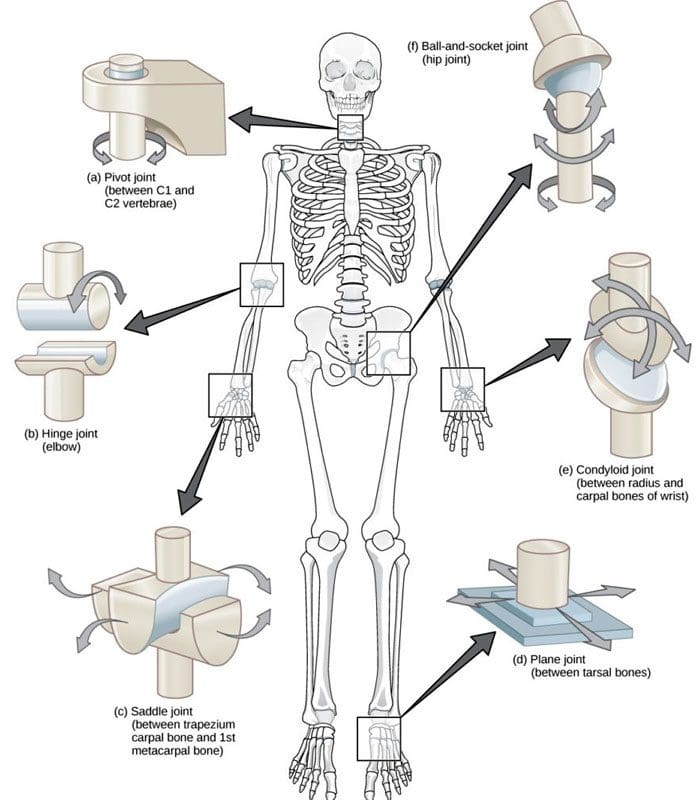
Joints are designed to provide a full range of motion for the body parts they affect.
Joints are made to be able to endure weight and forces applied to them.
Every joint consists of two surfaces that make contact.
The bones that make up the joint allow for movement, but the actual muscles pull the bones that generate movement.
The muscles are attached to bones by tendons.
Tendons are strong enough to facilitate movement and flexible to prevent damage to the muscle tissues.
Ligaments connect the bones and help to prevent uncontrolled movement.
The muscles, tendons, and ligaments are attached around each joint at specific positions and shaped to exact dimensions.
Synovial fluid lines the joints and lubricates the surfaces to reduce friction.
Injury and Conditions
Most injuries to joints occur from added and abnormal stresses placed on a joint.
A joint can become injured from a basic trauma accident. An ankle sprain, for example.
The ankle joint is protected by ligaments on the inside and outside.
When the ankle moves too far inward, the ligaments on the outside can tear.
The ankle swells, leading to pain.
In some instances, small pieces of bone and cartilage can also tear away.
Other injuries
Overuse/Repetitive stress injuries, also known as cumulative trauma disorders, can cause joint pain symptoms.
These injuries happen when stress is repeatedly placed on the joints.
The stress can come from:
Poor posture
Awkward/unusual positioning while working.
Little to no workstation ergonomics.
Arthritis
The most common cause of joint pain is arthritis.
Rheumatoid arthritis causes inflammation of the joints causing swollen and stiff joints, limiting mobility.
Osteoarthritis can also cause joint pain. This is when the joint cartilage breaks down from regular wear and tear.
The aging body becomes stiff, swollen and decreases the range of motion.
Other conditions
Pregnancy can place an incredible amount of pressure on the spine, knees, and hips as the body tries to balance itself with the added weight, causing joint pain.
Obesity can also lead to joint pain from the added weight and pressure.
Health conditions that cause inflammation can lead to joint pain, including Lyme disease and Lupus.
The jawbone is also a joint; Temporomandibular Joint Dysfunction causes jaw pain, difficulty chewing and clicking, or locking.
Chiropractic can restore joint health.
Chiropractic can keep the joints in optimal health and functioning to the fullest. The objective is to activate the body’s natural ability to heal itself by improving the function of the central nervous system. Our team is dedicated to utilizing science-based chiropractic approaches to reduce pain and reverse painful conditions. It is also a natural method for relieving arthritis pain, slowing down the degenerative process, and helping to relubricate the joints. Contact us today to learn more about chiropractic and joint health.
Body Composition
Mediterranean Diet Can Be a Great Starting Point
There’s no perfect diet. Although human bodies are basically the same, individuals respond differently to certain diets. Diets can only go so far. The individual still has to put in the work of following the diet, exercising, developing new healthy habits, and maintaining them. The Mediterranean diet was reviewed by a panel of nationally recognized experts in:
Nutrition
Food psychology
Diabetes
Heart disease
They reviewed the diet profile to analyze certain categories. They included:
Ease of taking on the diet.
Weight loss effectiveness. This includes short-term and long-term.
The diet’s potential for preventing and managing diabetes.
The diet’s potential for preventing and managing cardiovascular disease.
The findings found the Mediterranean diet to be one of the best because of the many health benefits that come from the dietary changes.
References
Clark, Kristine L. “Nutritional considerations in joint health.” Clinics in sports medicine vol. 26,1 (2007): 101-18. doi:10.1016/j.csm.2006.11.006
Hui, Alexander Y, et al. “A systems biology approach to synovial joint lubrication in health, injury, and disease.” Wiley interdisciplinary reviews. Systems biology and medicine vol. 4,1 (2012): 15-37. doi:10.1002/wsbm.157
Keep Moving: Preventing Joint Injuries. American Chiropractic Association. https://www.acatoday.org/Patients/Health-Wellness-Information/Joint-Health.
What to Know About Joint Pain. Healthline. https://www.healthline.com/health/joint-pain#symptoms
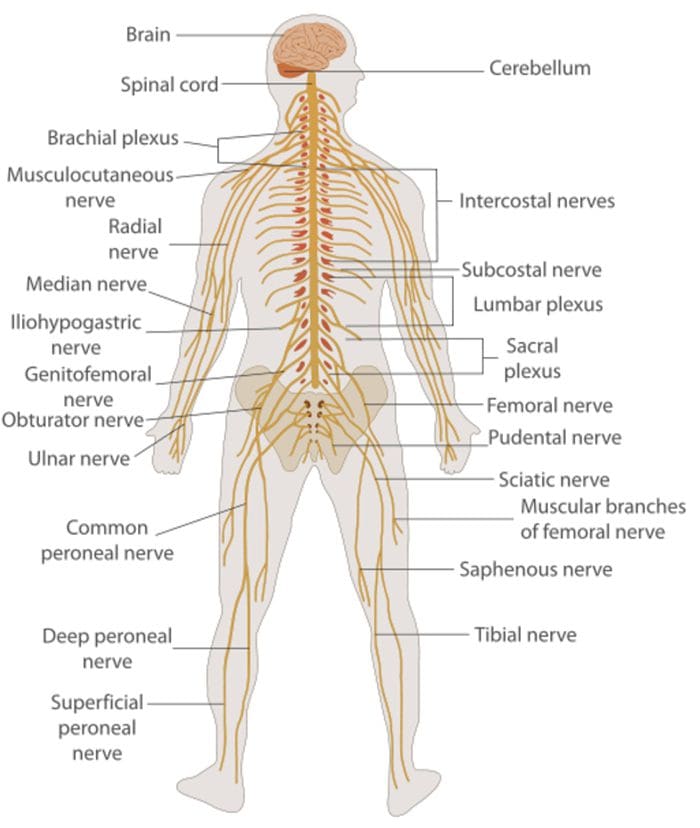
Optimal nervous system health is the key to maximum body function and overall health. Individuals don’t really think about their nervous system until symptoms from injury, disease, or nerve problems present. The nervous system consists of billions of neurons that connect/network the brain with the rest of the body.
Nervous System Health
All of the body’s systems, organs, and tissues have nerves attached to them. The brain engages with this network to control and coordinate bodily functions. Functions include:
Heart
Lungs
Immune system
Digestive system
Reproductive system
Every function the body performs requires brain-body communication through the nervous system. The brain communicates with the nervous system to regulate the body to the environment it is in. For example:
If it’s hot, the body sweats.
If it’s cold, the body shivers.
If there is danger, the fight or flight response activates.
All are directed by the brain transmitting signals and messages through the nervous system.
Body Function
Optimal body function means that all bodily functions are normal, active, and healthy. Everything is working as it should. When the body functions at less than 100%, it can develop into more serious problems little by little. Like a vehicle that starts making a little sound that seems like nothing, then after a few days, weeks, months, it becomes a massive popping, grinding, starting, stopping, emergency, when vital information that regulates function gets lost in transmission from the brain to the body, health declines.
Flowing Spinal Highway
The vital information/communication between the brain and the body flow through the spinal column. The super information highway/spinal cord travels down the spinal column. Branching off the spinal cord are spinal nerve roots that go to every system, organ, and tissue in the body. The spinal bones are lined up like an electrical conduit channel for the spinal cord. The vertebrae should be lined up and move properly, allowing optimal blood and nerve circulation without any obstruction or interference.
When the spine shifts out of place, creating misalignment, moving properly becomes hindered, causing discomfort and pain, along with the vital communication needed to regulate maximum function not able to get through. This leads to malfunction within the body and decreases health and well-being. Spinal misalignment that interferes with nerve message transmission is called a vertebral subluxation.Chiropractic healthcare professionals are trained to detect and correct spinal subluxations. They realign the spine’s bones to restore nervous system health and internal communication for proper body function.
Body Composition
Prebiotics Can Help With
Inflammation
Inflammation is a normal function of the immune system; however, chronic inflammation can cause damage to the body. Chronic inflammation is associated with:
Obesity
Heart disease
Cancer
Other diseases and conditions.
Having a balance of healthy gut microbiota helps decrease chronic inflammation and the risk of disease.
Gastrointestinal Diseases and Conditions
Prebiotics also ferment in the colon producing short-chain fatty acids. These provide energy for the colon’s epithelial cells that line and protect the colon. Prebiotics increase the protection provided by the epithelial cells, reducing the risk for gastrointestinal conditions like:
Irritable Bowel Syndrome – IBS
Crohn’s disease
Cancer.
Prebiotics can also reduce symptoms of gastrointestinal conditions.
Neurological System
The central nervous system is also known as the brain and spinal cord. However, many do not know about the enteric nervous system, which includes the gastrointestinal tract. The link between the enteric and central nervous systems involves cognitive and emotional functions. Prebiotics increase and promote healthy gut microbiota to help manage:
Mood
Learning
Memory
Certain psychological disorders
References
Cerdó, Tomás et al. “Probiotic, Prebiotic, and Brain Development.” Nutrients vol. 9,11 1247. 14 Nov. 2017, doi:10.3390/nu9111247
Chu, Eric Chun Pu, and Michelle Ng. “Long-term relief from tension-type headache and major depression following chiropractic treatment.” Journal of family medicine and primary care vol. 7,3 (2018): 629-631. doi:10.4103/jfmpc.jfmpc_68_18
Kiani, Aysha Karim et al. “Neurobiological basis of chiropractic manipulative treatment of the spine in the care of major depression.” Acta bio-medica : Atenei Parmensis vol. 91,13-S e2020006. 9 Nov. 2020, doi:10.23750/abm.v91i13-S.10536
Maltese, Paolo Enrico et al. “Molecular foundations of chiropractic therapy.” Acta bio-medica : Atenei Parmensis vol. 90,10-S 93-102. 30 Sep. 2019, doi:10.23750/abm.v90i10-S.8768
Wirth, Brigitte et al. “Neurophysiological Effects of High Velocity and Low Amplitude Spinal Manipulation in Symptomatic and Asymptomatic Humans: A Systematic Literature Review.” Spine vol. 44,15 (2019): E914-E926. doi:10.1097/BRS.0000000000003013
IFM's Find A Practitioner tool is the largest referral network in Functional Medicine, created to help patients locate Functional Medicine practitioners anywhere in the world. IFM Certified Practitioners are listed first in the search results, given their extensive education in Functional Medicine