Can individuals support their parasympathetic nervous system to maintain a relaxed state and avoid excessive agitation, stress, anxiety, and dysregulation?
Parasympathetic Nervous System
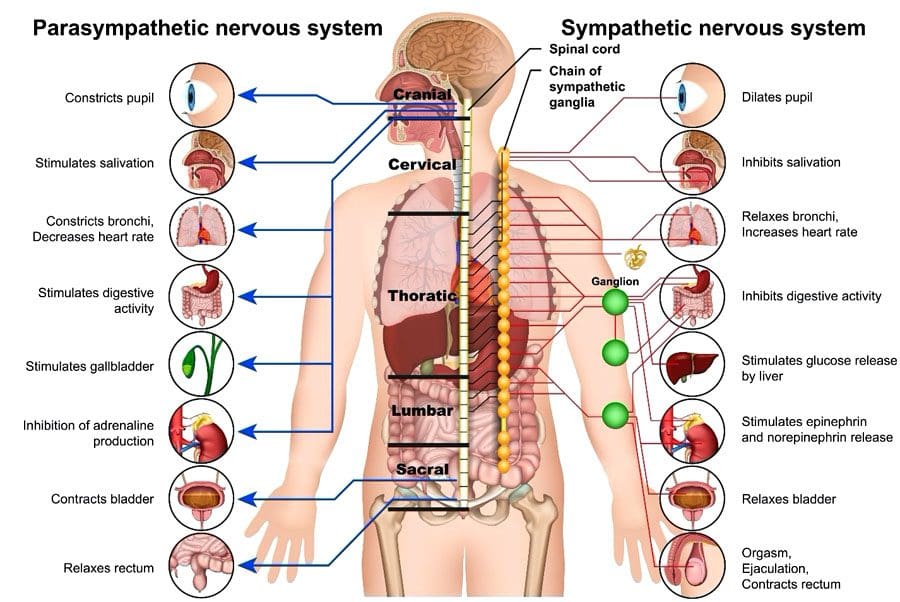
The parasympathetic nervous system (PSNS) involves organs and cells that release neurotransmitters that help the body maintain essential functions like heart rate, breathing, digestion, relaxation, thinking, and sleep. It is part of the autonomic nervous system, which includes the nerves and neurotransmitters that control the body’s internal organs to maintain reliable function. The autonomic nervous system regulates a continual balance between the parasympathetic nervous system’s rest-and-digest functions and the sympathetic nervous system’s fight-or-flight responses.
Functions and Responses
The parasympathetic nervous system includes nerves and neurotransmitters (chemical messengers) distributed throughout the body and is often described as promoting the body’s rest-and-digest state. The body’s needs regulate the control and effects of the system. Certain medications and health issues can modify or alter the function of the autonomic nervous system, including sympathetic and parasympathetic areas. The parasympathetic and sympathetic nervous systems collaborate to control cells, tissues, and organs. The body requires constant functioning and adjustment of both systems. (McQuade J. D. et al., 2017) Functions include: (Valenti V. E. et al., 2024)
Saliva secretion to break down food.
Maintaining blood pressure, resting heart, and breathing rate.
Producing enzymes in the stomach and intestines to break down food further and absorb nutrients.
Kidney balancing of fluid and mineral levels by producing urine.
Constricting pupils (making the dark circle in the eye smaller) to see details up close.
Maintaining focus and concentration to think, remember, and make decisions.
Releasing hormones to fall asleep and stay asleep.
Providing consistent muscle stimulation to maintain endurance for muscle activity.
All functions are adjusted based on the body’s needs.
Activation
The parasympathetic response constantly works to keep the body active, engaged, and healthy and can be stimulated simply by relaxing and resting. Individuals can sometimes focus on promoting their body’s parasympathetic activity through stretching, slow movements, relaxing sounds or music, meditation, and similar activities. Individuals who frequently feel anxious or stressed and have difficulty relaxing could benefit from guidance from a therapist or coach on learning to engage the parasympathetic nervous system. (Goren O. et al., 2024) This can involve activities such as guided meditation or talk therapy, which can help individuals work through fears and anxieties.
Dysregulation
Some medical conditions are associated with dysregulation. Heart disease, respiratory disease, sleep disorders, mental health conditions, and behavioral conditions can be associated with overactive or underactive parasympathetic or sympathetic nervous system regulation. (Veerakumar A. et al., 2022) Various mental health and physical health disorders can involve symptom fluctuations that affect the autonomic nervous system. For example, anxiety disorders can cause periods of overeating as well as loss of appetite and episodic indigestion, nausea, and vomiting. Symptoms of dysregulation can include: (McQuade J. D. et al., 2017)
Excessive sleepiness
Insomnia
Difficulty concentrating
Confusion
Anxiety – nervousness or agitation
A feeling of a rapid heart rate
Shortness of breath
Dry mouth
Throat tightness
Indigestion
Stomachaches
Nausea
Vomiting
Cold hands and feet
Sweating or clammy hands
Sadness
Depression
Dizziness or feeling physically off-balance
Any of these symptoms can develop and resolve quickly. Most individuals experience symptoms or parasympathetic nervous system dysfunction when an unexpected stressful event occurs, and the response is considered normal in traumatic, shocking, sad, or high-stress circumstances. (Veerakumar A. et al., 2022)
Medications may induce parasympathetic overactivity or underactivity until the medicine is broken down and removed from the body. (Valenti V. E. et al., 2024)
Nerves
The system comprises nerves that release hormones and neurotransmitters and nerves that respond to the hormones and neurotransmitters. Parasympathetic activation and response include: (Valenti V. E. et al., 2024)
The nerves that activate the parasympathetic nervous system run throughout the body, primarily in the brain, heart, lungs, stomach, and intestines.
The brain, heart, lungs, stomach, intestines, muscles, liver, kidneys, reproductive organs, eyes, and mouth are among the areas of the body that respond to stimulation.
The vagus nerve, one of the cranial nerves, is closely associated with parasympathetic nervous system activity. It runs from the brainstem down into the throat, heart, lungs, and digestive system. (Valenti V. E. et al., 2024) Surgical, medical, and alternative interventions are used to regulate the activity of the parasympathetic nervous system and are targeted toward regulating and controlling the activity of the vagus nerve. (Hernández-Domínguez R. A. et al., 2024)
PSNS Support
Living with any parasympathetic nervous system dysfunction can be challenging. For individuals with heart or lung disease, healthcare providers will evaluate the medical condition and recommend surgery or medication to control symptoms and avoid complications. (Hernández-Domínguez R. A. et al., 2024) Individuals who are living with a mental health disorder or behavioral disorder that is associated with any dysregulation of the parasympathetic nervous system activity may benefit from a combination of behavioral interventions and medication to help control symptoms long term. (Goren O. et al., 2024)
Injury Medical Chiropractic and Functional Medicine Clinic
The spinal cord has multiple functions in restoring, rejuvenating, and strengthening the nervous system. Chiropractic care has a highly responsive therapeutic effect on the nervous system because of its focus on the spine. Spinal decompression, traction, soft tissue manipulation, and other treatments help regulate and restore the function of the nervous system. Chiropractic benefits:
Reduce and/or eliminate pain.
Improves the quality of sleep.
Increases energy.
Improves cognition and clarity.
Reduces or eliminates headaches and migraines.
Improves digestive function.
Improves balance and coordination.
Increases flexibility and mobility.
Regulates respiration.
Regulates lower heart rate.
At Injury Medical Chiropractic and Functional Medicine Clinic, our areas of practice include Chronic Pain, Personal Injury, Auto Accident Care, Work Injuries, Back Injury, Low Back Pain, Neck Pain, Migraine Headaches, Sports Injuries, Sciatica, Scoliosis, Complex Herniated Discs, Fibromyalgia, Chronic Pain, Complex Injuries, Stress Management, Wellness & Nutrition, Functional Medicine Treatments, and in-scope care protocols. We focus on what works for every patient to restore function. If other treatment is needed, individuals will be referred to a clinic or physician best suited to their injury, condition, or ailment.
Chiropractic Secrets Exposed
References
McQuade, J. D., Penzel, T. E., Silk, J. S., & Lee, K. H. (2017). Parasympathetic Nervous System Reactivity Moderates Associations Between Children’s Executive Functioning and Social and Academic Competence. Journal of abnormal child psychology, 45(7), 1355–1367. https://doi.org/10.1007/s10802-016-0246-5
Valenti, V. E., Vanderlei, L. C. M., & Godoy, M. F. (2024). Editorial: Understanding the role of the autonomic nervous system in health and disease. Frontiers in neuroscience, 18, 1446832. https://doi.org/10.3389/fnins.2024.1446832
Goren, O., Paz, A., Bar-Kalifa, E., Gilboa-Schectman, E., Wolff, M., & Atzil-Slonim, D. (2024). Clients’ and therapists’ parasympathetic interpersonal and intrapersonal regulation dynamics during psychotherapy for depression. Psychotherapy research : journal of the Society for Psychotherapy Research, 1–15. Advance online publication. https://doi.org/10.1080/10503307.2024.2378038
Veerakumar, A., Yung, A. R., Liu, Y., & Krasnow, M. A. (2022). Molecularly defined circuits for cardiovascular and cardiopulmonary control. Nature, 606(7915), 739–746. https://doi.org/10.1038/s41586-022-04760-8
Hernández-Domínguez, R. A., Herrera-Orozco, J. F., Salazar-Calderón, G. E., Chávez-Canales, M., Márquez, M. F., González-Álvarez, F., Totomoch-Serra, A., Reyes-Cruz, T., Lip, F., & Aceves-Buendía, J. J. (2024). Optogenetic modulation of cardiac autonomic nervous system. Autonomic neuroscience : basic & clinical, 255, 103199. https://doi.org/10.1016/j.autneu.2024.103199
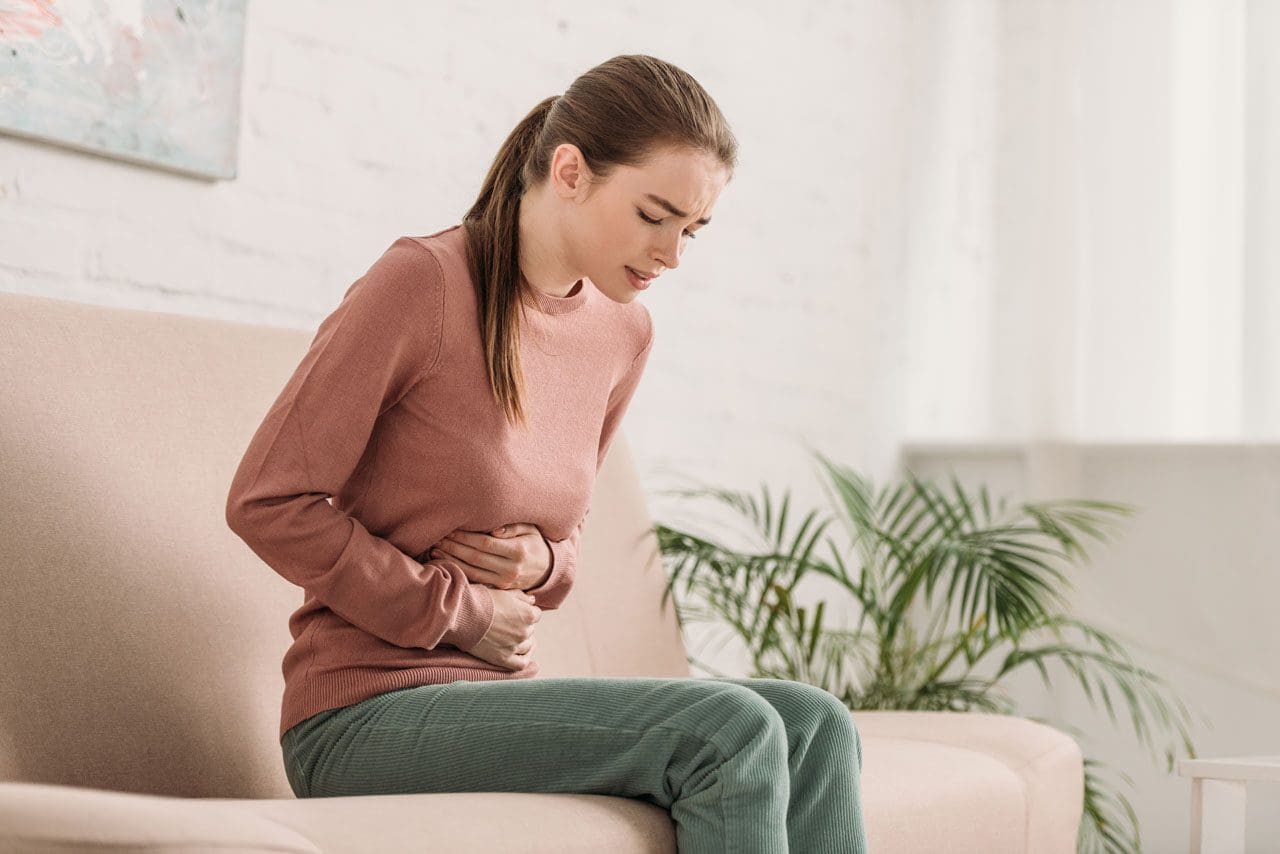
Emotional challenges like anxiety and depression or digestive disorders can cause individuals to experience a nervous stomach. Can knowing common symptoms, what causes them, and when to see a healthcare provider help manage the disorder?
Nervous Stomach
A nervous stomach is usually nothing to worry about, but it can happen occasionally as a reaction to a new environment, groups of people, foods, stress, and anxiety. Symptoms include indigestion, fluttering stomach/butterflies, or a gut-wrenching feeling. (Anxiety and Depression Association of America. 2023) Causes include underlying psychological and physical health conditions, certain medications, and lifestyle factors. Individuals experiencing chronic or ongoing symptoms should speak with a healthcare provider about their full range of symptoms. Treatments include medication, therapy, and lifestyle changes.
Symptoms
Nervous stomach symptoms can vary. Stress and anxiety can lead to physical symptoms, and physical symptoms may also lead to stress and anxiety. This is because the brain and gut connection communicates which hormones and neurotransmitters will be released and when. Common symptoms include: (Anxiety and Depression Association of America. 2023)
Loss of appetite
Butterflies or fluttering feeling in the stomach
Upset stomach
Indigestion
Bloating
Flatulence
Gut-wrenching feeling
Cramping
Nausea, dry heaving
Increased need to urinate or have bowel movements
Constipation
Diarrhea
Out-of-sync hunger cues
Causes
In most cases, a nervous stomach will come and go. However, it can also be caused by disorders such as anxiety disorder, depression, or gastrointestinal and digestive disorders. Brain health contributes to gut health, and vice versa. The brain is always communicating with the digestive system, and the digestive system is always sending information back to the brain. (Foster, J. A., and McVey Neufeld, K. A. 2013) (University of Chicago Medical Center, 2024) Common causes of a nervous stomach include: (Anxiety and Depression Association of America. 2023)
Over-the-counter and prescription medications can cause a nervous stomach as a side effect. This can happen when taking a single medication or more than one simultaneously. It can also occur in those with food sensitivities or other medical conditions. (Johns Hopkins Medicine, 2024) This is why consulting and updating a healthcare provider on the current list of prescribed and over-the-counter medications is important. Some meds can irritate the stomach, while others can cause constipation or diarrhea, leading to discomfort and nervous stomach symptoms. Common medications that may cause stomach side effect symptoms include: (Johns Hopkins Medicine, 2024)
NSAIDs – non-steroidal anti-inflammatory drugs such as ibuprofen can weaken the stomach lining.
Iron, antacids, and pain meds can cause constipation.
Antibiotics can cause diarrhea.
Home Treatment
Treatment depends on the severity and cause/s. An infrequently nervous stomach may benefit from over-the-counter therapies to calm it and/or lifestyle changes to reduce stress. Tips for reducing stress and anxiety include (Anxiety and Depression Association of America. 2023)
More frequent short breaks during the day
Practicing slow and deep breathing
Listening to guided meditations for stress-relief
Adding exercise to the daily routine
Realizing that stomach problems are part of anxiety and worrying about symptoms may make them worse.
Medical Treatment
Individuals may benefit from additional support treatment options with a healthcare provider (Johns Hopkins Medicine, 2024)
Antidepressant treatment for nervous stomach and/or irritable bowel syndrome.
Cognitive behavioral therapy for stress relief and learning how to manage anxiety.
Medical hypnotherapy
If symptoms are a side effect of medication or certain foods, a healthcare provider can develop an effective treatment plan that includes using another medication that is easier on the stomach or seeing a dietician.
Complications
Left untreated, a nervous stomach can contribute to further symptoms and other health problems. One study looked at the relationship between irritable bowel syndrome and certain psychiatric disorders. (Fadgyas-Stanculete, M. et al., 2014) This does not mean that a psychiatric disorder causes a nervous stomach or that a nervous stomach causes a psychiatric disorder. It is more likely that a combination of chemicals released when stressed can hurt gut health. This creates imbalances known to be risk factors for digestive disorders and conditions. (Anxiety and Depression Association of America. 2023)
Seeing a Healthcare Provider
Most nervous stomach symptoms resolve on their own. However, certain signs and symptoms can indicate that it is time to see a healthcare provider. Discuss symptoms with a healthcare provider who will order lab tests to check for underlying causes like anemia. See a healthcare provider immediately if you notice the following (University of Chicago Medical Center, 2024)
Symptoms are making work and/or normal life challenging.
Chronic or unresolved gastrointestinal issues like heartburn.
Unexplained weight reduction – losing weight without exercising or diet changes.
Blood in stool or blackish, tarry stools.
Vomiting
If there is a medical history of digestive disorders or cancers such as stomach cancer or colon cancer, this will help a healthcare provider. Depending on overall symptoms and family medical history, individuals may be referred to a gastroenterologist and/or a mental healthcare provider, like a counselor or psychiatrist. At Injury Medical Chiropractic and Functional Medicine Clinic, we treat injuries and chronic pain syndromes by developing personalized treatment plans and specialized clinical services focused on injuries and the complete recovery process. We work with primary healthcare providers and specialists to develop an optimal health and wellness solution through an integrated approach to treating injuries and chronic pain syndromes, improving flexibility, mobility, and agility programs to relieve pain and help individuals return to optimal health. If other treatments are needed, Dr. Jimenez has teamed up with top surgeons, clinical specialists, medical researchers, and rehabilitation providers to provide the most effective treatments.
Root Causes of Gut Dysfunction Part 3
References
Anxiety and Depression Association of America. (2023). How to calm an anxious stomach: The brain-gut connection. Anxiety and Depression Association of America.
Triumphing Through Science, Treatment, and Education. https://adaa.org/learn-from-us/from-the-experts/blog-posts/consumer/how-calm-anxious-stomach-brain-gut-connection
Foster, J. A., & McVey Neufeld, K. A. (2013). Gut-brain axis: how the microbiome influences anxiety and depression. Trends in neurosciences, 36(5), 305–312. https://doi.org/10.1016/j.tins.2013.01.005
University of Chicago Medical Center. (2024). Stress and stomach pain: When should you see a specialist? Forefront. https://www.uchicagomedicine.org/forefront/gastrointestinal-articles/2024/january/stress-stomach-pain-when-to-see-a-doctor
Fadgyas-Stanculete, M., Buga, A. M., Popa-Wagner, A., & Dumitrascu, D. L. (2014). The relationship between irritable bowel syndrome and psychiatric disorders: from molecular changes to clinical manifestations. Journal of molecular psychiatry, 2(1), 4. https://doi.org/10.1186/2049-9256-2-4
Ness-Jensen, E., & Lagergren, J. (2017). Tobacco smoking, alcohol consumption and gastro-oesophageal reflux disease. Best practice & research. Clinical gastroenterology, 31(5), 501–508. https://doi.org/10.1016/j.bpg.2017.09.004
Johns Hopkins Medicine. (2024). Medicines and the digestive system. Health. https://www.hopkinsmedicine.org/health/conditions-and-diseases/medicines-and-the-digestive-system
For individuals about to engage in physical activity or exercise, how does warming up the body help prepare for the work ahead?
Central Nervous System Activation
A proper warm-up before physical activity or working out prepares the mind and body to reduce risks of injury, mentally and physically transition to physical activity work, and enhance performance. A well-designed warm-up also primes the central nervous system/CNS for activity. The central nervous system transmits messages to the muscles to prepare them for action. Central nervous system activation increases motor neuron recruitment and engages the sympathetic nervous system so the body can better handle the physical stressors. The process may seem complex, but priming the nervous system is as simple as warming up with light aerobic activity before getting into more explosive movements.
CNS
The CNS consists of the brain and spinal cord. This central communication system uses another part of the nervous system known as the peripheral nervous system or PNS to transmit and receive messages throughout the body. The PNS is connected to the entire body and the brain and spinal cord (CNS).
Nerves run throughout the body, receiving signals from the CNS to the muscles, fibers, and organs, transmitting various information back to the brain. (Berkeley University. N.D.)
There are two types of systems within the peripheral nervous system – somatic and autonomic.
Somatic nervous system actions are those controlled by the person through voluntary actions like choosing to pick something up.
Properly preparing the body for an intense strength training session or other physical activity needs the correct messages to be sent through the autonomic nervous system.
Parasympathetic and Sympathetic States
The autonomic nervous system consists of two subcategories, which are parasympathetic and sympathetic.
The sympathetic nervous system helps the body get ready to face stress which includes physical stress. (R. Bankenahally, H. Krovvidi. 2016)
The fight, flight, or freeze response describes the sympathetic nervous system’s aspect.
The parasympathetic nervous system is responsible for relaxation and de-stressing.
Individuals are recommended to perform a few calming movements and actions after a workout to return the body to a parasympathetic state. This can be:
Activating the CNS can increase performance and prevent injuries. The process wakes up and alerts the body for the activity. Individuals are recommended before beginning a training session, to communicate to the body about the physical stress it is about to endure and to prepare for the work ahead. This is a concept known as post-activation potentiation/PAP. (Anthony J Blazevich, Nicolas Babault. 2019) PAP helps increase force and power production, which enhances physical performance.
Whenever an individual trains, the brain adapts and learns what the body is doing and the purpose of the training.
Muscle memory describes this interaction.
Individuals who have started up a new strength training routine or after an extended break report feeling awkward for the first few sessions, or even weeks, depending on their experience. (David C Hughes, Stian Ellefsen, Keith Baar, 2018)
However, after a few sessions, the body is more adept at performing the movements and ready to increase resistance, repetitions, or both.
This has to do with the neural drive and muscle memory than it has to do with true potential physical abilities. (Simon Walker. 2021)
The first step is a general warm-up that should use large muscle groups and be of low intensity so as not to exhaust the body before beginning the actual training. General warm-up benefits central nervous system activation and the entire body include: (Pedro P. Neves, et al., 2021) (D C. Andrade, et al., 2015)
Increases blood circulation.
Assists the release of oxygen from hemoglobin and myoglobin.
Warms the muscles, so they contract more effectively.
Increases nerve impulse speed.
Increases nutrient delivery.
Lowers joints’ resistance through increased synovial fluid/joint lubrication.
Increases joint range of motion.
Improves joint resiliency.
Removes metabolic waste quicker.
Reduces risk of injury.
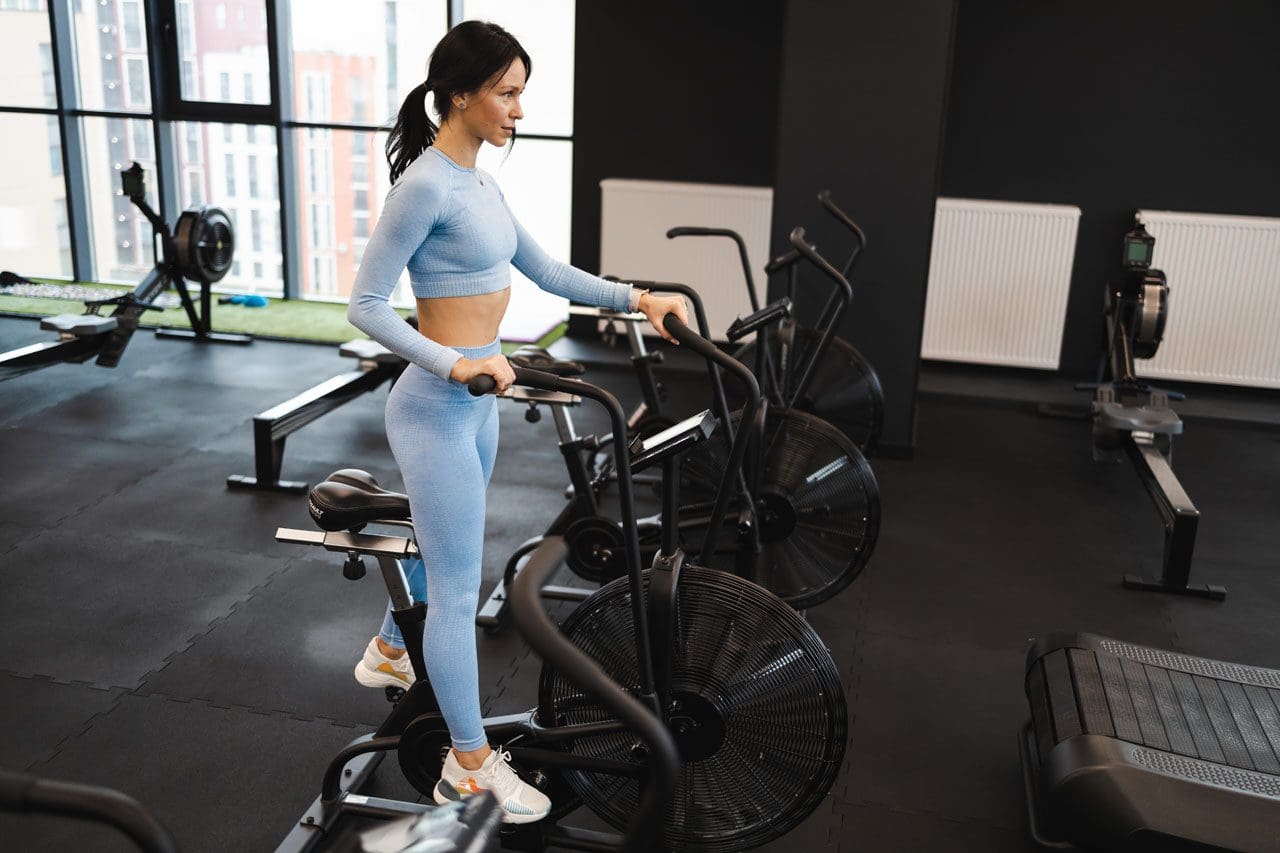
A general warm-up can be simple as any aerobic activity will work. This can include:
Performing bodyweight movements – light jumping jacks or jogging in place.
Treadmill
Rowing machine
Stair climber
Elliptical trainer
It is recommended to use the rating perceived exertion scale/RPE to determine the general warm-up effort. An exertion rating of between 5 to 6 is equivalent to moderate walking or a slow jog. Individuals should be able to speak clearly without taking a pause.
Try this strategy before the next workout to see increased performance and reduced injury risks.
Blazevich, A. J., & Babault, N. (2019). Post-activation Potentiation Versus Post-activation Performance Enhancement in Humans: Historical Perspective, Underlying Mechanisms, and Current Issues. Frontiers in physiology, 10, 1359. https://doi.org/10.3389/fphys.2019.01359
Hughes, D. C., Ellefsen, S., & Baar, K. (2018). Adaptations to Endurance and Strength Training. Cold Spring Harbor perspectives in medicine, 8(6), a029769. https://doi.org/10.1101/cshperspect.a029769
Walker S. (2021). Evidence of resistance training-induced neural adaptation in older adults. Experimental gerontology, 151, 111408. https://doi.org/10.1016/j.exger.2021.111408
Andrade, D. C., Henriquez-Olguín, C., Beltrán, A. R., Ramírez, M. A., Labarca, C., Cornejo, M., Álvarez, C., & Ramírez-Campillo, R. (2015). Effects of general, specific, and combined warm-up on explosive muscular performance. Biology of sport, 32(2), 123–128. https://doi.org/10.5604/20831862.1140426
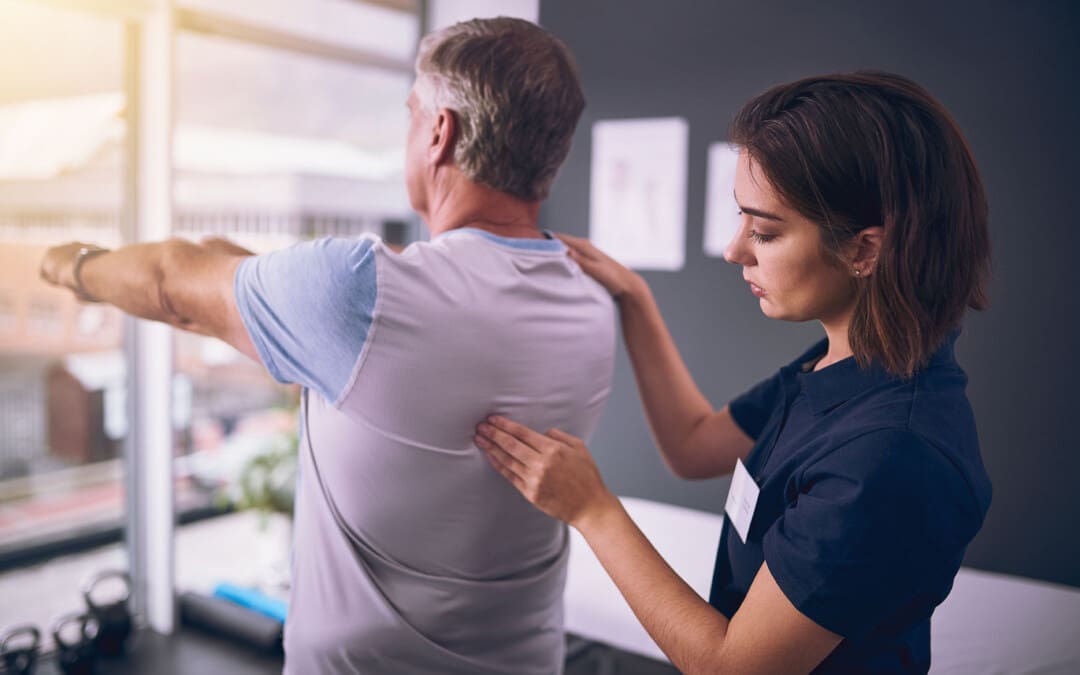
Individuals can experience back muscle rigidity for years and not realize it. This is because the muscles tighten incrementally, and slowly the body begins to acclimate to the feeling and positioning that it becomes normal. And it continues with gradually increased aches and pains. Not until an individual has experienced a therapeutic massage and chiropractic adjustment do they realize just how tight and stiff they were. This is when individuals realize how their musculoskeletal system works and need to maintain loose, flexible muscle tissue for mobility and function. Injury Medical Chiropractic and Functional Medicine Clinic can treat, rehabilitate, educate, and improve an individual’s overall health.
Muscle Rigidity
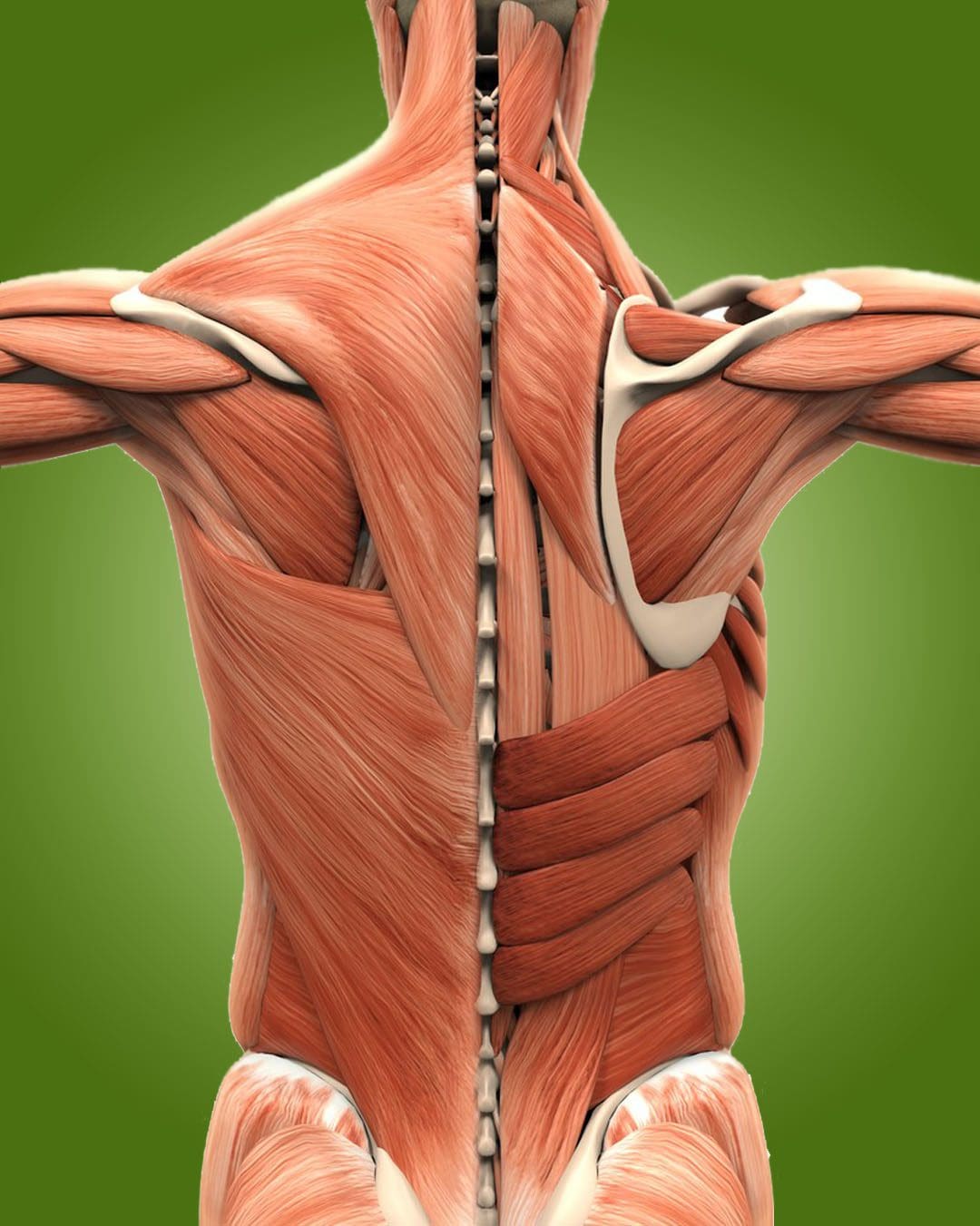
When the body needs to move, the brain sends a nerve signal to the muscles in that region, causing the muscles to tighten or contract. Muscles can contract a little or a lot, depending on the activity. After contracting, the muscles relax until the next time they are needed. Muscle rigidity happens when a muscle or a group of muscles stays fully or partly contracted for an extended period. The nerve signals keep telling the muscle to contract even when the muscle is no longer needed. This can last for several hours or days.
The longer the muscle remains contracted, the more symptoms present and persist. Muscle rigidity is often triggered by stress. Stress affects the body’s nervous system, including nerves and their function. The nervous system can respond to stress by generating additional pressure on the blood vessels, reducing blood circulation, and causing tension and pain.
Causes
Certain medications, such as statins, can cause muscle rigidity, and several conditions can also contribute to it. These include:
Dehydration is a condition as a result of not drinking enough water.
A repetitive strain injury is an injury to the muscles or nerves due to muscle overuse.
Pinched nerves.
Delayed-onset muscle soreness is stiffness and pain that develops hours or days after strenuous physical activity and exercise.
Chronic fatigue syndrome is a condition that causes extreme fatigue, sleep problems, and pain.
Myofascial pain syndrome is a chronic disorder where pressure on sensitive muscle points causes pain.
Rheumatoid arthritis is a chronic inflammatory disorder affecting the joints.
Fibromyalgia is a chronic disorder that can cause muscle soreness, pain, and rigidity.
Claudication is a condition in which cramping occurs due to a lack of blood flow to the muscles, usually in the legs.
Lyme disease and Rocky Mountain spotted fever wick-borne illnesses that can cause nerve damage.
Amyotrophic lateral sclerosis is a neurodegenerative disease that causes nerve problems and a loss of voluntary muscle control.
Chronic exertional compartment syndrome is a muscle and nerve condition that causes pain and swelling.
Dystonia is a condition that causes random/involuntary muscle contractions.
Lupus is a chronic inflammatory disease that can cause joint pain and stiffness.
Parkinson’s disease is a neurological disease that affects movement.
Polymyalgia rheumatica is a chronic inflammatory disease that can cause muscle pain and stiffness.
Bacterial and Viral infections.
Treatment
The objective of treatment is to train the muscles to relax completely. The specific treatment used can vary depending on the cause and severity.
Chiropractic
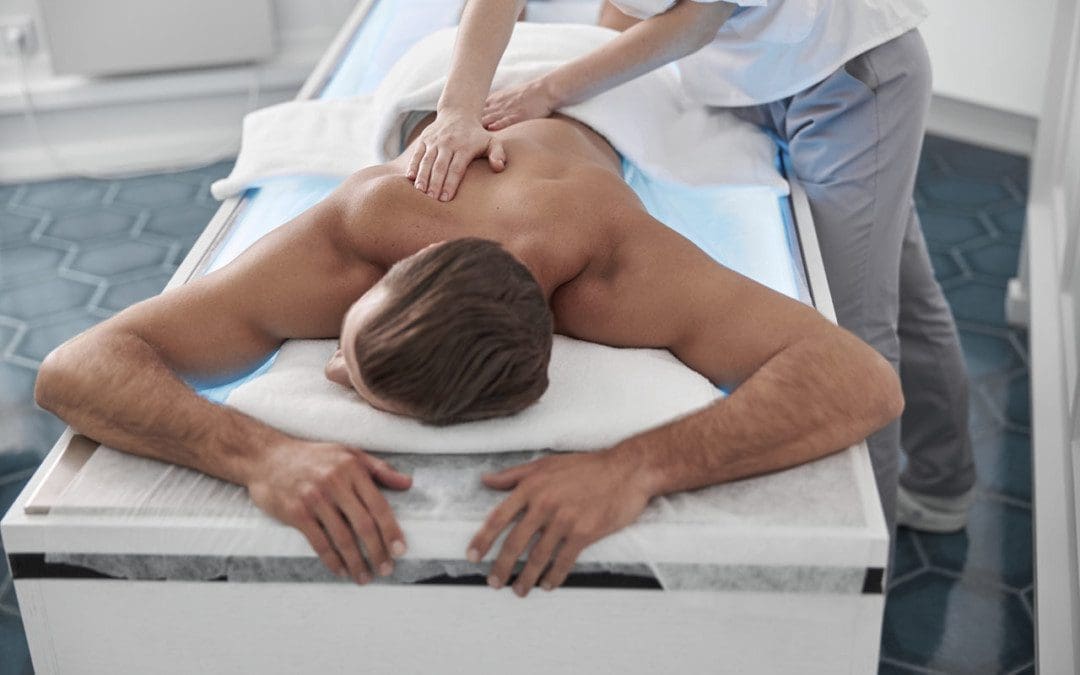
Chiropractic treatment will address the condition or injury and then the muscle rigidity. Treatment involves massaging (manually and percussively) the areas to relax and stretch the tight tissues. Chiropractic releases and realigns the misaligned joints and bones to their proper position. The central nervous system recognizes the new positioning as naturally energy efficient. However, there will still be aches and soreness as the body adjusts until it becomes more consistent and normal for the individual.
Home Therapy
Home therapy is recommended with physical therapy and/or chiropractic to maintain flexibility and make necessary changes/adjustments to a treatment plan as the patient progresses and the muscles start to adhere to the massaging, manipulation, and training. They can include the following:
Applying a warm compress or heating pad to the affected area increases circulation.
Targeted gentle stretches.
Avoiding certain activities that could trigger the muscle to become rigid again until the body is ready.
Chandwani D, Varacallo M. Exertional Compartment Syndrome. [Updated 2022 Sep 4]. In: StatPearls [Internet]. Treasure Island (FL): StatPearls Publishing; 2022 Jan-. Available from: https://www.ncbi.nlm.nih.gov/books/NBK544284/
Chu, Eric Chun-Pu et al. “Chiropractic care of Parkinson’s disease and deformity.” Journal of medicine and life vol. 15,5 (2022): 717-722. doi:10.25122/jml-2021-0418
Joshi, Aditi et al. “Effectiveness of Myofascial Release (MFR) vs. High-Frequency Transcutaneous Electrical Nerve Stimulation (TENS) for Pain Relief and Functional Improvement in College Students With Trapezius Myalgia.” Cureus vol. 14,10 e29898. 4 Oct. 2022, doi:10.7759/cureus.29898
Tan, Xueli, et al. “The efficacy of music therapy protocols for decreasing pain, anxiety, and muscle tension levels during burn dressing changes: a prospective randomized crossover trial.” Journal of burn care & research: official publication of the American Burn Association vol. 31,4 (2010): 590-7. doi:10.1097/BCR.0b013e3181e4d71b
Chiropractic treatment focuses on the musculoskeletal and nervous systems. As with all body systems, specific nutrients protect and increase their functional strength. Various chiropractic-recommended supplements can help in the treatment of musculoskeletal issues and help transform an individual’s health.
Chiropractic Education
Chiropractors study food-based supplements that are bio-available to cells and are easily absorbed by the body. These food-based supplements and vitamins are seen as food by the body. Supplements are used in detoxification to overcome nutritional deficiencies and enhance an individual’s diet by taking nutrients to optimum levels. Immune system health can also be strengthened by keeping the body resistant to diseases.
Functional Nutrition
Chiropractic medicine study’s all the building blocks of the body that, include:
Holistic nutrition teaches that the body heals from within, which is why healing the gut first, is essential to healing the rest of the body and maintaining health.
Recommended Chiropractic Supplements
Dietary supplements that directly impact the health of the musculoskeletal and the nervous system.
Potassium
Potassium is an important regulator of nerve impulses.
Electrochemical signals or action potentials use potassium and sodium to generate responses from cells in the nervous system.
Potassium is necessary for turning off nerve impulses and preventing the uncontrolled signaling of nerves.
Uncontrolled signaling can lead to movement disorders.
Calcium
Calcium is necessary for the regulation of the action potentials throughout the body.
Calcium helps initiate action potentials and helps the cells return to a normal state afterward.
Calcium contributes to the development of the nervous system helping guide the nerve cells.
Calcium is a major element of bone health to repair bones’ and facilitate regrowth.
The body will take the calcium from the bones if there is a calcium deficiency.
Vitamin D
One of the most important nutrients for bone health.
Vitamin D helps promote bone development and growth.
Facilitates calcium absorption helping the body process and absorb the calcium.
B12 is essential to the function of the nervous system and the body’s metabolism.
B12 breaks complex carbohydrates into more simplistic glucose for basic functions.
B12 helps maintain the nerve insulator myelin, which is necessary for nerve transmission.
B12 deficiency has been linked to the loss of myelin and can lead to serious conditions like Alzheimer’s.
B12 shots deliver the nutrient directly to the bloodstream bypassing the absorption process necessary for oral supplements.
Vitamin K
Vitamin K helps balance and facilitate calcium absorption.
Vitamin K helps strengthen bones and increase bone density.
Often recommended for individuals with osteopenia and osteoporosis to help prevent fractures.
How To Choose Supplements
References
Lee, Mi Kyung, et al. “The use of nutritional guidance within chiropractic patient management: a survey of 333 chiropractors from the ACORN practice-based research network.” Chiropractic & manual therapies vol. 26 7. 20 Feb. 2018, doi:10.1186/s12998-018-0175-1
Nguyen, Douglas L. “Guidance for supplemental enteral nutrition across patient populations.” The American journal of managed care vol. 23,12 Suppl (2017): S210-S219.
Pludowski, Pawel, et al. “Vitamin D effects on musculoskeletal health, immunity, autoimmunity, cardiovascular disease, cancer, fertility, pregnancy, dementia and mortality-a review of recent evidence.” Autoimmunity reviews vol. 12,10 (2013): 976-89. doi:10.1016/j.autrev.2013.02.004
Song, Yong-Ak, et al. “Electrochemical activation and inhibition of neuromuscular systems through modulation of ion concentrations with ion-selective membranes.” Nature materials vol. 10,12 980-6. 23 Oct. 2011, doi:10.1038/nmat3146
Athletes train and practice constantly to prepare their mind and bodies for the big games, matches, etc. When the game is on, it is normal/natural to feel anxious and nervous, especially at the beginning, but then the athlete settles in and relaxes, letting their training take over. However, for some athletes, the anxiousness and nervousness doesn’t go away but intensifies, the heart starts racing, and the individual can’t stop thinking about choking, failing, and losing. This is known as sports performance anxiety, or competitive anxiety, and is common.
Competitive Anxiety
Research shows that 30 to 60 percent of athletes experience the disorder. Doctors divide the signs and symptoms into mental and physical categories.
Physical Symptoms
Rapid Heartbeat
The stress can cause overproduction of adrenaline and cortisol, making the heart beat rapidly.
Muscle Tension
The muscles can tighten up, become painful, and cause tension and pain in the head.
Trembling
The hands could shake while holding the ball, bat, racket, or foot twitching could present.
Hyperventilation
Individuals report a sensation of choking or being unable to catch their breath.
Digestion Issues
The stress can cause foods to be quickly digested, causing cramping and/or the sudden urge to use the bathroom.
Mental Symptoms
Fear of Failing
The athlete imagines themselves losing all the time.
Worrying about letting the coach and team down or the audience or other athletes criticizing and laughing at your performance.
Unable to Focus
The athlete may have concentration issues and become absorbed in how others react to their performance.
Overthinking
The athlete can temporarily forget how to perform specific actions that are typically automatic.
Self-confidence issues
The athlete can start doubting their abilities.
Stress and Anxiety
The Yerkes-Dodson law explains how stress, anxiety, and arousal levels affect performance and how stress levels must be maintained within a range to perform well.
Low Arousal
It could be the athlete is not as into the sport as when they began, so they do not put forth the total effort.
High Arousal
This means the sport could be causing so much stress that the athlete panics or freezes up.
Competitive anxiety sets in.
Optimal Arousal
This means the athlete is fully engaged in pushing themselves to the fullest.
This can be applied to any performing task like play rehearsals to a tennis match.
Some recommended steps can be taken to handle and prevent sports competitive anxiety when trying to overcome those overwhelming feelings of nervousness and tension.
Positive self-talk
Self-talk is having a positive conversation with yourself.
Athletes who practiced positive self-talk reported:
Improved self-confidence
Reduced physical anxiety symptoms
Improved sports performance
Listen to Music
When anxious before a meet, game, match, etc., consider listening to some favorite or relaxing music.
Meditation
Meditation has been found to reduce all types of anxiety, including sports.
Chiropractic
Chiropractic treatment specializes in the musculoskeletal system and can realign the body and release any muscle tension and restriction through hands-on manipulation techniques and mechanical decompression. Treatment involves manipulating the muscles, ligaments, tendons, fascia, and soft tissues to relieve pain through therapeutic muscle therapies that include:
One or a combination of therapies can alleviate symptoms related to muscle spasms, delayed onset muscle soreness, fascia restrictions, soft tissue injuries, and pain and dysfunction throughout the body, restoring function, movement, and strength.
Using The DRX9000 For Spinal Decompression
References
Elliott, Dave, et al. “The effects of relaxing music for anxiety control on competitive sport anxiety.” European journal of sports science vol. 14 Suppl 1 (2014): S296-301. doi:10.1080/17461391.2012.693952
Ford, Jessica L et al. “Sport-related anxiety: current insights.” Open access journal of sports medicine vol. 8 205-212. 27 Oct. 2017, doi:10.2147/OAJSM.S125845
Rice, Simon M et al. “Determinants of anxiety in elite athletes: a systematic review and meta-analysis.” British journal of sports medicine vol. 53,11 (2019): 722-730. doi:10.1136/bjsports-2019-100620
Rowland, David L, and Jacques J D M van Lankveld. “Anxiety and Performance in Sex, Sport, and Stage: Identifying Common Ground.” Frontiers in psychology vol. 10 1615. 16 Jul. 2019, doi:10.3389/fpsyg.2019.01615
Walter N, et al. (2019). Effects of self-talk training on competitive anxiety, self-efficacy, volitional skills, and performance: An intervention study with junior sub-elite athletes. mdpi.com/2075-4663/7/6/148
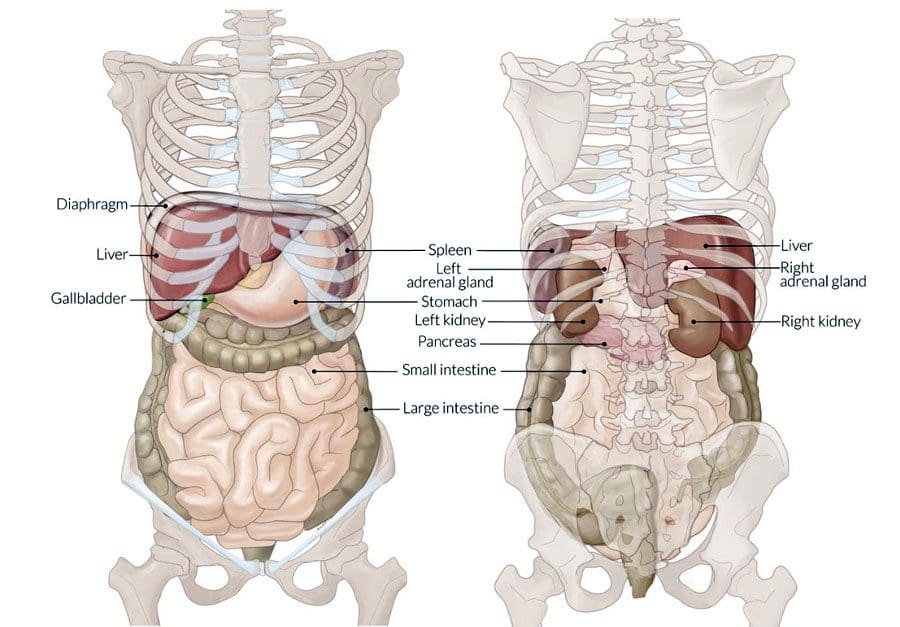
The central nervous system – CNScontrols body and mind functions, voluntary movements, including walking, and involuntary movements, specifically the breakdown of foods and waste removal. Studies have found associations between spinal problems and gastrointestinal-GI tract/stomach issues that include:
Abdominal pain
Constipation
Difficulty controlling bowel movements
Diarrhea
Nausea
Vomiting
Treating the underlying cause through chiropractic, non-surgical spinal decompression, and health coaching can bring pain relief, realign/heal the spine and alleviate stomach issues.
Spinal Problems and Stomach Issues
The spinal cord sends nerve signals throughout the body, including to and from the digestive system. Two types of nerves control the digestive system, extrinsic and intrinsic.
Extrinsic nerves
Connect the digestive organs with the brain and spinal cord.
Release chemicals that contract or relax the digestive system muscles.
The nerves relay signals to speed up or slow down the food’s movement through the gut.
The intrinsic system can function independently and work without communication from the extrinsic nerves. However, the stomach and esophagus/food pipe depends on information from the extrinsic nerves. If there is injury, damage, or interference with the extrinsic nerve supply to the stomach, it can lead to stomach issues. Spinal cord injuries and compressed or herniated discs interrupt the communication between nerves/systems, which can lead to digestive and bowel problems, including:
Feeling full quickly after eating.
Stomach pain
Constipation
Decreased appetite
Difficulty moving waste through the colon or large intestine
Hard stools
Tenesmus – the sensation/feeling of having to have a bowel movement even though there is none.
Herniated Discs
Herniated disc/s usually occurs in the neck or low back spinal area. Symptoms include:
Neck pain
Back pain
Pain spreads from the lower back through the buttocks, legs, and feet.
Pain spreads from the neck through the shoulders, arms, and hands.
Muscle weakness
Muscle spasms
Tingling or burning sensations
Numbness
Chiropractic Spinal Decompression
Chiropractic decompression therapy stretches the spine and manipulates its position to take pressure off the nerves and spinal discs. The decompression process creates negative pressure in the discs that retract herniated or bulging discs, allowing oxygen, water, and other healing nutrients to enter the disc and throughout the spine. The spinal decompression will help alleviate the stomach issues. Consultation from a health coach/nutritionist will recommend a diet that will aid in the disc/s healing, which is anti-inflammatory and easily digestible until the stomach problems are fully resolved.
DRX Patient Testimonials
References
Browning, Kirsteen N, and R Alberto Travagli. “Central nervous system control of gastrointestinal motility and secretion and modulation of gastrointestinal functions.” Comprehensive Physiology vol. 4,4 (2014): 1339-68. doi:10.1002/cphy.c130055
Holmes, Gregory M, and Emily N Blanke. “Gastrointestinal dysfunction after spinal cord injury.” Experimental neurology vol. 320 (2019): 113009. doi:10.1016/j.expneurol.2019.113009
Lara, F J Pérez, et al. “Thoracic disk herniation, a not infrequent cause of chronic abdominal pain.” International surgery vol. 97,1 (2012): 27-33. doi:10.9738/CC98.1
Papadakos, Nikolaos, et al. “Thoracic disc prolapse presenting with abdominal pain: case report and review of the literature.” Annals of the Royal College of Surgeons of England vol. 91,5 (2009): W4-6. doi:10.1308/147870809X401038
IFM's Find A Practitioner tool is the largest referral network in Functional Medicine, created to help patients locate Functional Medicine practitioners anywhere in the world. IFM Certified Practitioners are listed first in the search results, given their extensive education in Functional Medicine




 Chiropractic Education