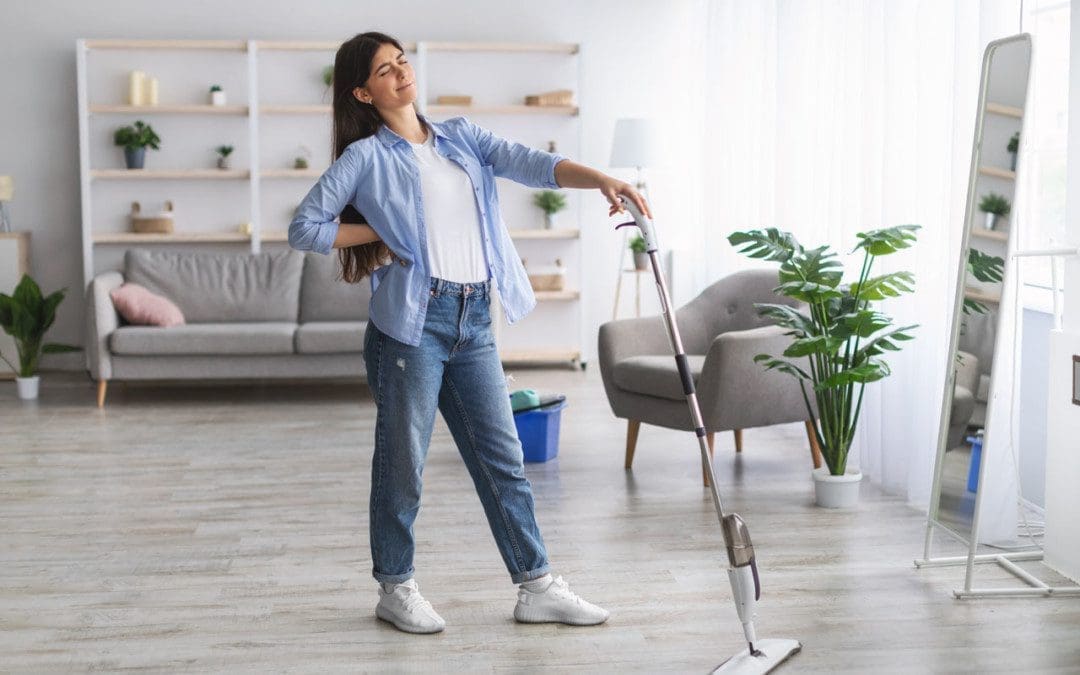
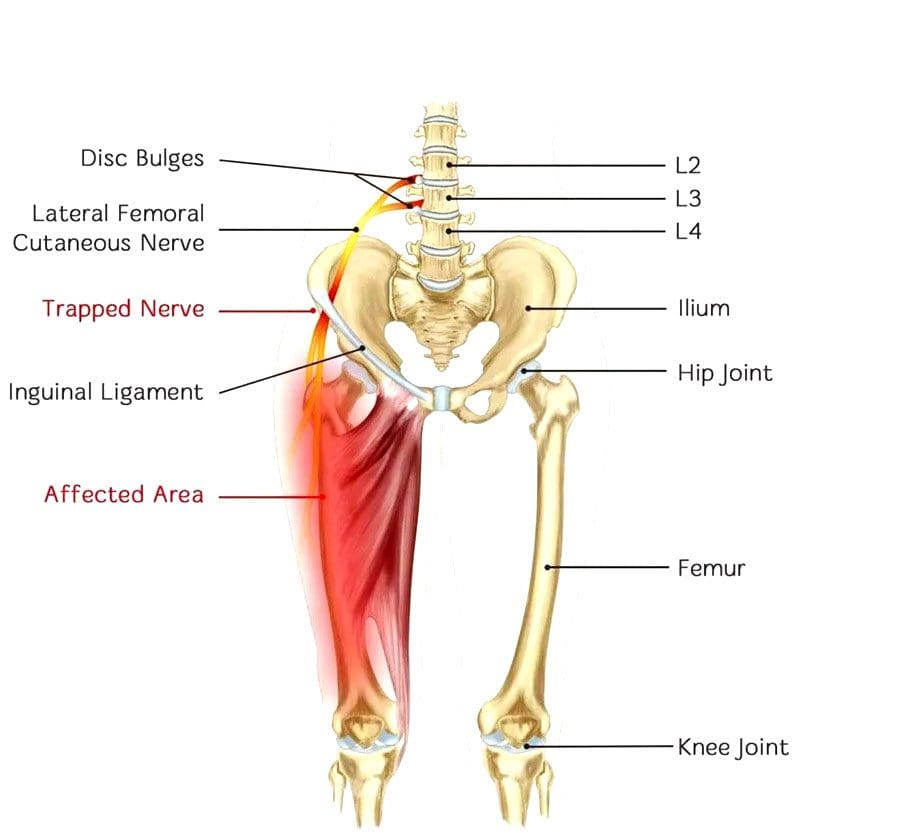
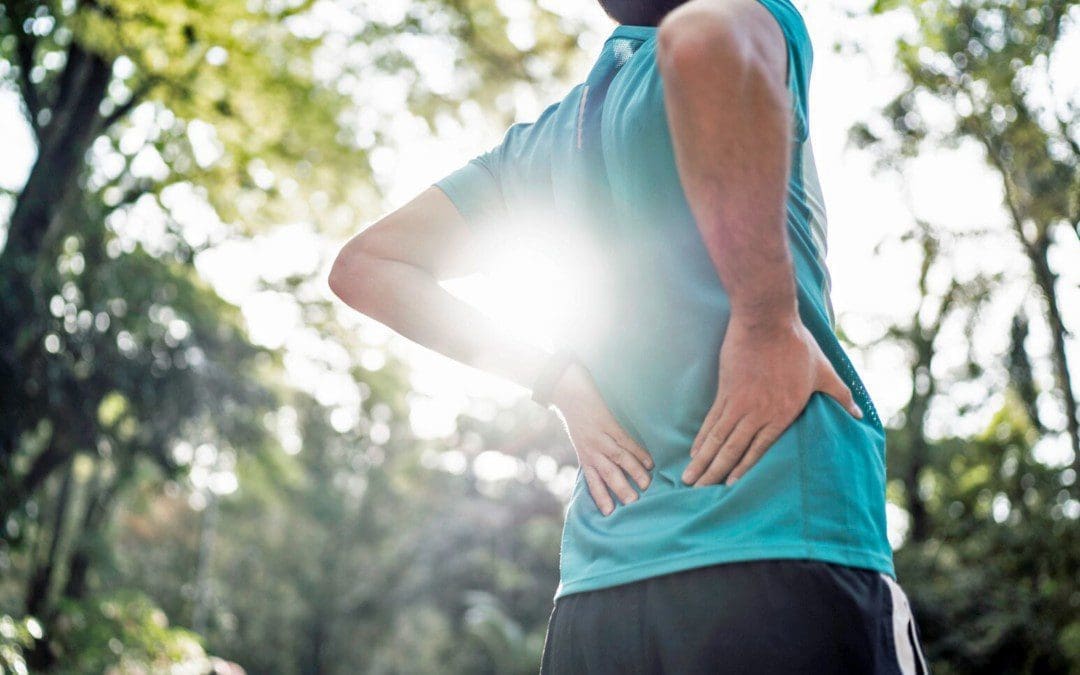
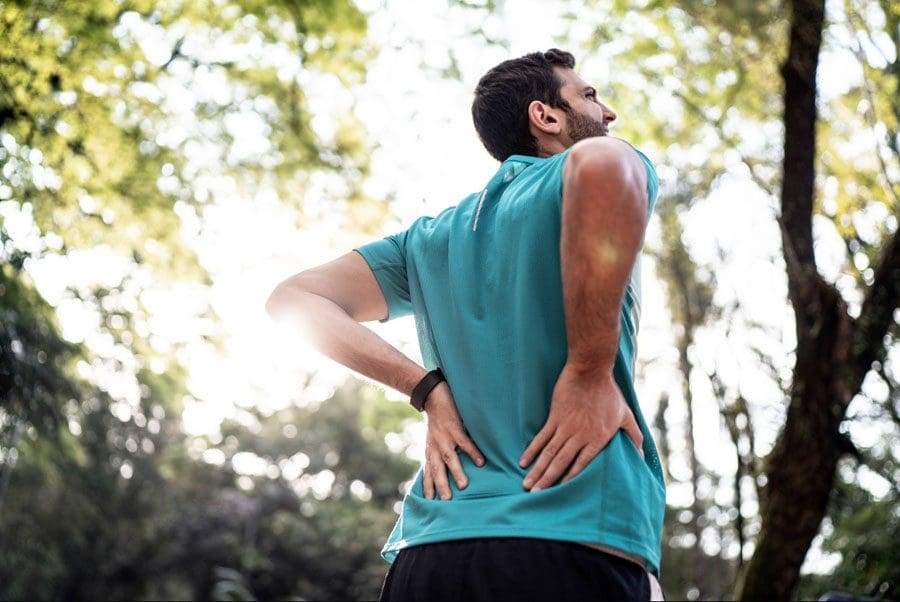
A pinched nerve in the hip can cause numbness, tingliness, weakness, and pain. A pinched/compressed nerve creates pressure that can result from a bone structural issue like hip misalignment or the nerve getting overly stretched, stuck, twisted, or kinked. The pressure obstructs the neural pathways and decreases neural activity. This causes pain. If discomfort or pain is present, chiropractic, physical rehabilitation, rest, exercise, and ice and heat can release and reset the nerve and help prevent re-injury.
Pinched Nerve In The Hip
A pinched or compressed nerve results from pressure being applied to the nerve. A pinched nerve in the hip often causes pain in the groin region, radiating down the inner thigh to the knee. The pain can feel like a dull ache or a sharp, burning pain. Individuals also report tightness, numbness, or a tingling sensation in the buttocks. The most common causes include:
Unhealthy posture.
Sitting for too long without moving around.
Misaligned bone or cartilage.
Muscle strain.
Pregnancy.
Obesity.
Inflamed tissue.
Herniated disc.
Arthritis.
Bone spurs.
Chiropractic
Different causes require different treatment approaches. For example, an obese individual could require chiropractic adjustments, specific exercises/stretches, and diet adjustments to address the whole body. The recommended treatment plans can vary but usually include:
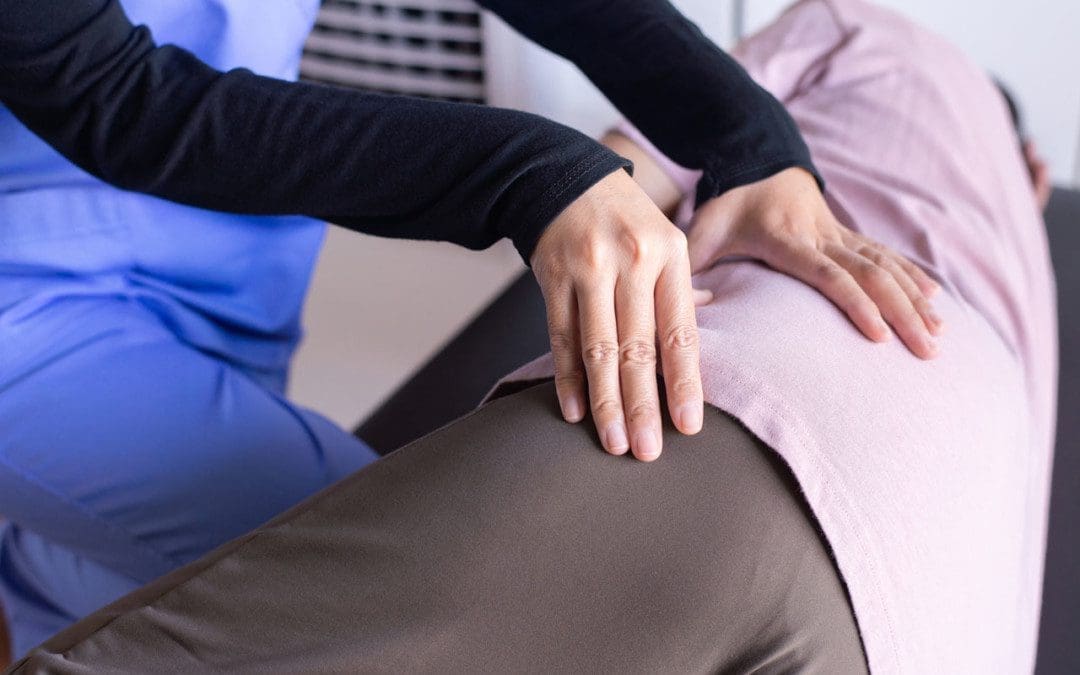
Physical therapeutic massage.
Manipulative therapies of the joints and muscles.
Mobilization of the joints.
Soft tissue treatments.
Spinal decompression.
Exercise.
Walking and activity can worsen the pain when the hip presents with pain. This can cause the rest of the body to compensate by shifting the weight to the healthy side, which can cause even more pain in the back or legs or cause another injury. Regular chiropractic hip adjustments will improve posture, maintaining muscle and skeleton alignment that will prevent pinching nerves in the hip.
Chiropractic Hip Treatment
References
Ahuja, Vanita, et al. “Chronic hip pain in adults: Current knowledge and future prospective.” Journal of anaesthesiology, clinical pharmacology vol. 36,4 (2020): 450-457. doi:10.4103/joacp.JOACP_170_19
Christmas, Colleen, et al. “How common is hip pain among older adults? Results from the Third National Health and Nutrition Examination Survey.” The Journal of family practice vol. 51,4 (2002): 345-8.
“Free Communications: Case Reports: Hip.” Journal of Athletic Training vol. 38,2 Suppl (2003): S.73–S.74.
The body needs protein which is essential in building muscle, repairing tissue, producing enzymes and hormones and is a source of energy. Whey is a complete protein source that provides all the essential amino acids, vitamins, minerals, and other nutrients that increase anabolism, also known as muscle growth. It is used for various reasons. Some individuals want to build muscle mass and gain strength, while others want to lose weight and achieve improved results from working out. Even individuals who don’t exercise can benefit from the supplement as it supports immune function, helps reduce blood pressure, and improves insulin response.
Whey Protein
Whey protein is made from the liquid produced during the cheese-making process.
Milk comprises two forms of protein: casein (80%) and whey (20%).
It contains less than 0.5 g of fat and only 5 mg of cholesterol per serving.
Pure whey does not contain any gluten.
It is referred to as the most nutritious protein available.
It’s easy to digest.
Incorporating whey into a healthy diet can help lower the risk of diabetes.
Types
There are three primary types of whey protein in supplements.
Hydrolysate is a form that has already gone through partial hydrolysis, a process so the body can absorb protein.
It is considered pre-digested, so it gets absorbed quicker.
Concentration is the most popular and least expensive option that retains the most nutrients. However, some individuals can tolerate isolate and hydrolysate a lot better and are ideal for those trying to cut down on carbs and fats.
Benefits
Increased Strength and Muscle
Helps to increase protein consumption.
Most brands contain 80 to 90 percent without added carbs or fats.
Helps to build muscle and increase strength after physical activity/exercise recovery.
Can Help Burn Fat
A study found a group of adults that supplemented their diet with whey protein experienced a decrease in body fat and weight.
Combining whey protein and resistance training, participants found their weight and fat loss were even higher.
Can Help Stabilize Blood Sugar
Consuming whey protein with a high glycemic index before a meal can help stimulate insulin production while preventing spikes in blood sugar levels.
The protein naturally reduces blood sugar levels after meals when consumed before the meal.
Improves Heart Health
It can help reduce blood pressure and arterial stiffness.
It has been linked to improving individual lipid profiles.
Promotes heart health by building muscle and helping with weight loss.
Increased Immunity
It can help encourage glutathione synthesis, which increases immune system function.
It is also rich in vitamins and minerals that promote immune function.
It helps the body recover from oxidative stress and inflammation.
Improves Energy Levels
It helps to increase glycogen, a source of energy during exercise or other physical activities.
It also increases leptin which helps balance the body’s energy levels.
Whey is easily digested, which can be quickly converted to energy.
Factors to Consider When Choosing
Flavor
The flavor is crucial because nobody wants to drink a daily protein shake they cannot enjoy.
Options like chocolate and vanilla are usually safe.
If experimenting, get a small container to start.
Mixability
Not all supplements mix properly or thoroughly.
Find a brand that dissolves quickly and has little clumping.
Container Size
Most protein supplements are available in 1 lb, 2 lb, 5 lb, or 10 lb containers.
Larger sizes are more cost-effective.
One 5 lb package is cheaper than buying five 1 lb containers.
Everything You Need To Know
References
Ebaid, Hossam et al. “Whey protein enhances normal inflammatory responses during cutaneous wound healing in diabetic rats.” Lipids in health and disease vol. 10 235. 14 Dec. 2011, doi:10.1186/1476-511X-10-235
Hashemilar, Mazyar, et al. “Effect of Whey Protein Supplementation on Inflammatory and Antioxidant Markers, and Clinical Prognosis in Acute Ischemic Stroke (TNS Trial): A Randomized, Double-Blind, Controlled, Clinical Trial.” Advanced pharmaceutical bulletin vol. 10,1 (2020): 135-140. doi:10.15171/apb.2020.018
Kim, Jooyoung, et al. “Effect of timing of whey protein supplement on muscle damage markers after eccentric exercise.” Journal of exercise rehabilitation vol. 13,4 436-440. 29 Aug. 2017, doi:10.12965/jer.1735034.517
Marshall K. Therapeutic applications of whey protein. Alternative Medicine Review. 2004;9(2):136-156.
Pradhan, Geetali, et al. “Ghrelin: much more than a hunger hormone.” Current opinion in clinical nutrition and metabolic care vol. 16,6 (2013): 619-24. doi:10.1097/MCO.0b013e328365b9be
Volek, Jeff S et al. “Whey protein supplementation during resistance training augments lean body mass.” Journal of the American College of Nutrition vol. 32,2 (2013): 122-35. doi:10.1080/07315724.2013.793580
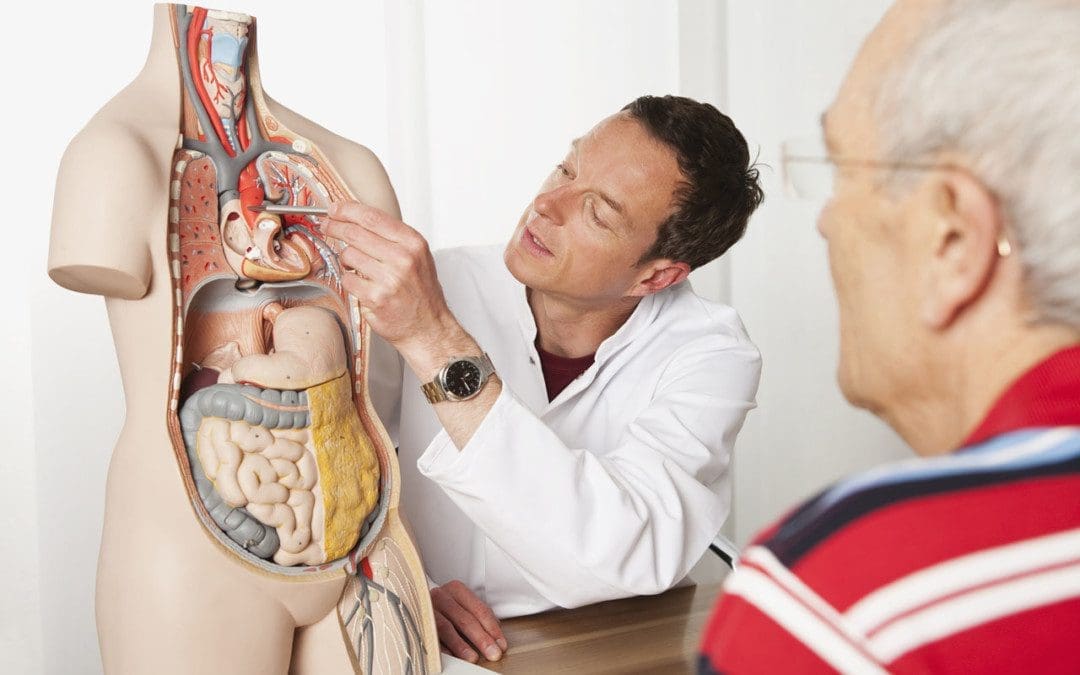
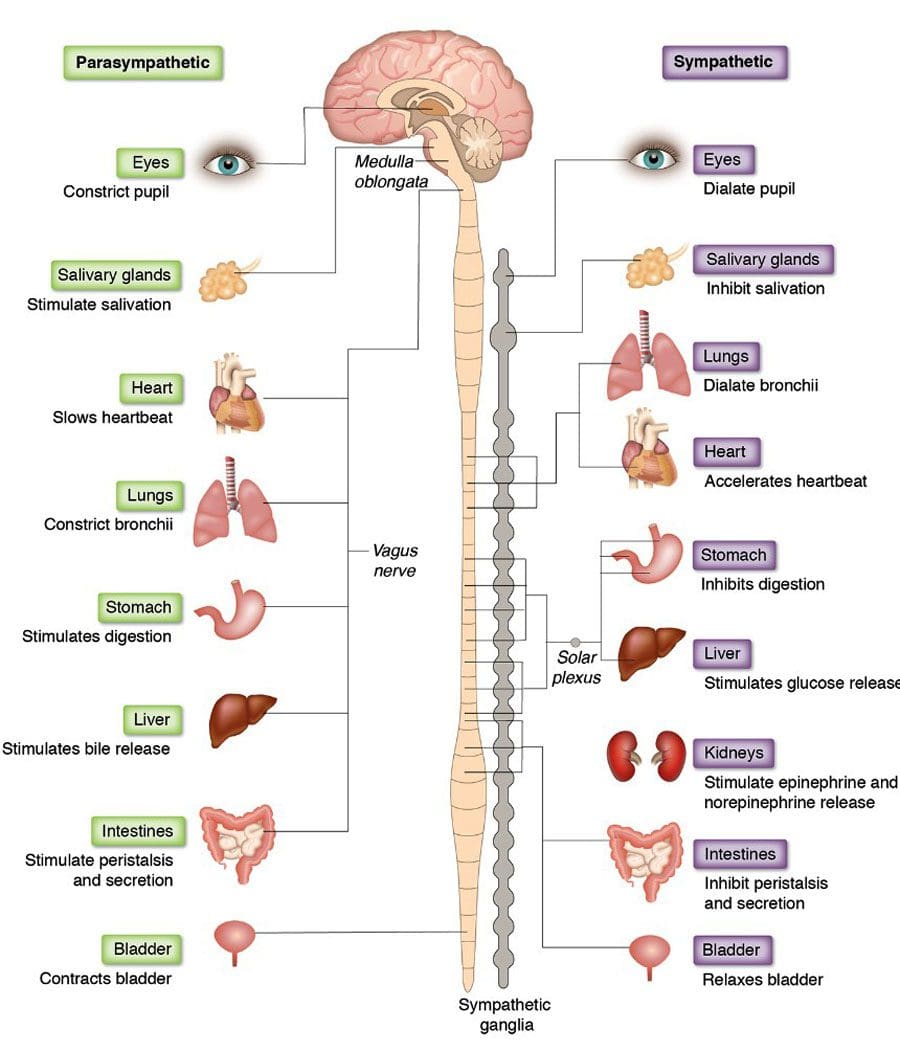
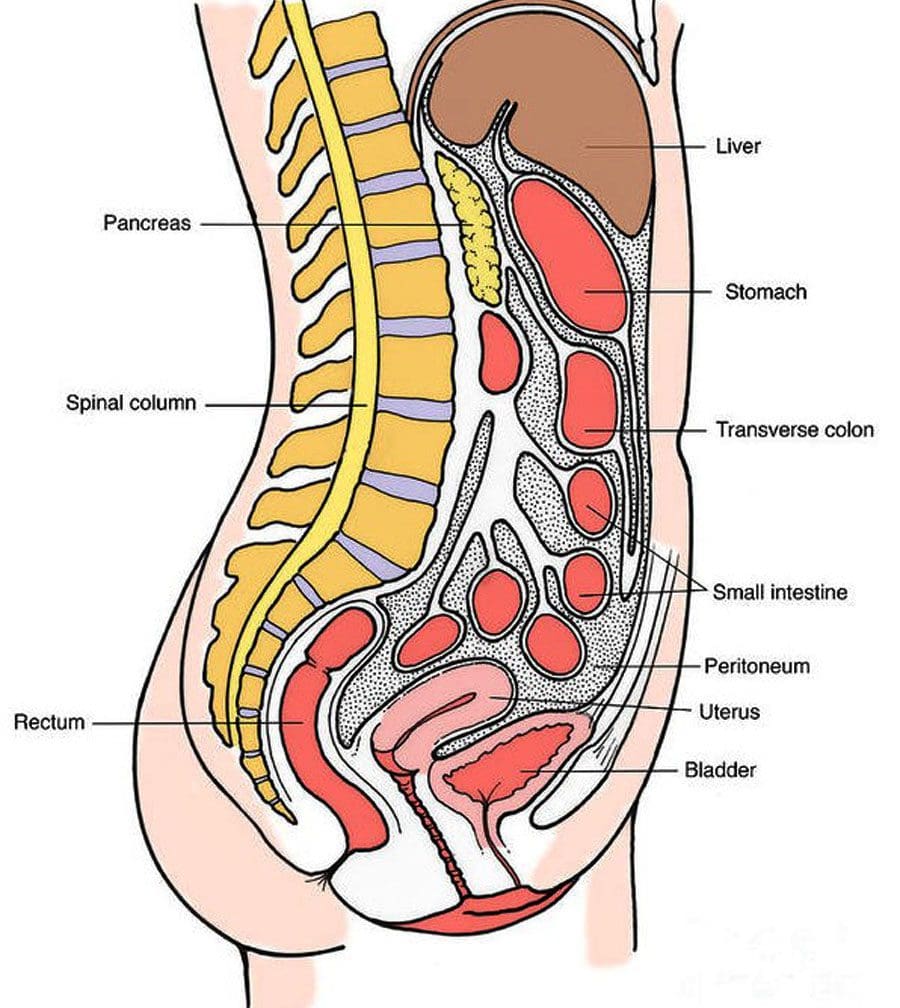
Low back and mid-back pain could be caused by abdominal or pelvic organ distress/irritation or infection that an individual doesn’t know about. This could be a viscerosomatic reflex. This can be the case when there is no back injury, muscle strain, or sprain that would coincide with back aching and soreness. Identifying the symptoms and diagnosing the underlying cause is the first step in getting ultimate pain relief.
The Organs
Inflammation and other issues with any internal organs in the central, abdominal, or pelvic region can produce low back pain. These include the following:
Heart
Lungs
Stomach
Intestines
Liver
Gallbladder
Viscerosomatic reflex pain can also be felt in a completely different body part than where the organ is located. This can cause an individual to think something is wrong in that body region when there is not.
Kidneys
The kidneys help remove liquid waste from the body.
Urine that contains more chemical substances than what can be diluted can cause kidney stones to form and sharp pain in the side and the lower back.
Kidney stones can also cause difficulty urinating and blood to show up in the urine.
Inflammation of the large intestine/colon and/or ulcerative colitis can also cause:
Low back pain.
Abdominal cramps
Rectal pain.
Visceral Pain
Visceral pain is different as it can be harder to pinpoint a source and feels like a dull aching or tightening pressure. The pain originates in the organs of the respiratory system, stomach, or pelvis that is often described as a dull ache but is also described as:
It can accompany other symptoms like nausea, vomiting, sweating, or heart palpitations.
Psychological symptoms like depression can begin to present.
Chiropractic Care
Chiropractic focuses on healing the musculoskeletal system of aches and pain, muscle stiffness, and/or chronic conditions that complement traditional medical care. Adjustments can correct the body’s alignment and how the body physically functions. A chiropractor will use manual or mechanical decompression techniques to realign the spine. This will release the muscle, tendon, ligament, and nerve tension, bringing pain relief, and improving nervous system function, and viscerosomatic reflex. Treatments include:
Adjustments
Will gently realign the joints to decrease pain and increase range of motion.
Soft-tissue therapy
Will relax tight muscles, relieve spasms, and release tension in the surrounding connective tissues.
Exercises and stretches
Will restore and maintain joint stability and mobility.
Joint bracing and Kinesio taping
Will support sprained joints or muscles as the healing process continues.
Integrative medicine expert referrals
Experts will guide individuals on diet and nutrition to reduce inflammation and promote healthy eating for overall health.
DRX9000 Low Back Pain, Sciatica, Herniated Disc
References
Bath M, Owens J. Physiology, Viscerosomatic Reflexes. [Updated 2022 May 8]. In: StatPearls [Internet]. Treasure Island (FL): StatPearls Publishing; 2022 Jan-. Available from: https://www.ncbi.nlm.nih.gov/books/NBK559218/
Beal, M C. “Viscerosomatic reflexes: a review.” The Journal of the American Osteopathic Association vol. 85,12 (1985): 786-801.
Lefebvre R, Peterson D, Haas M. Evidence-Based Practice and Chiropractic Care. (https://www.ncbi.nlm.nih.gov/pmc/articles/PMC3716373/) J Evid Based Complementary Altern Med. 2012;18(1):75-79. Accessed 4/25/2022.
Sikandar, Shafaq, and Anthony H Dickenson. “Visceral pain: the ins and outs, the ups and downs.” Current opinion in supportive and palliative care vol. 6,1 (2012): 17-26. doi:10.1097/SPC.0b013e32834f6ec9
Zhou, QiQi, and G Nicholas Verne. “New insights into visceral hypersensitivity–clinical implications in IBS.” Nature reviews. Gastroenterology & hepatology vol. 8,6 (2011): 349-55. doi:10.1038/nrgastro.2011.83
Even though it is not officially summer, the heat says otherwise. Individuals with neuropathy can experience flare-ups when out in the heat for extended periods. Avoiding discomfort and having fun with family and friends can be stressful. This could be graduations, park festivals, family gatherings, weddings, etc. Here are some neuropathy summer tips/recommendations to maintain a healthy, fun, and pain-free season.
Neuropathy
Neuropathy results from damaged or destroyed nerve cells and is often a side effect associated with diabetes, autoimmune diseases, infections, tumors, and/or hereditary conditions. Also known as peripheral neuropathy, symptoms range from tingling sensations, burning pain, muscle spasms, difficulty moving the arms or legs, feelings of light headiness, and sometimes atrophy. The symptoms depend on the damaged nerves, ranging from autonomic, motor, and sensory nerves. As neuropathy progresses, individuals may begin to feel a loss of balance.
Neuropathy Summer Tips
Research and Prepare
Preparation and planning are highly recommended to prevent a flare-up. For long outdoor ceremonies:
Wear sunscreen
Stay fully hydrated
Dress in cool clothes
Make sure footwear has proper arch/sole support and breathing room.
Wear a hat and sunglasses
Stand periodically to ensure proper circulation if sitting for a while.
Shift weight back and forth during the event to pump circulation throughout the body.
Bring snacks like fruits, veggies, or gluten-free bars.
Know where cool resting areas are located.
If cooling down accommodations are not available, get there early to find a place in the shade, or in the case of bleachers, bring a more comfortable chair, umbrella, and misting fan.
Listen to the body
Listen to the body when engaged in activities, don’t try to push through where you don’t feel comfortable.
Take breaks
The goal is to ensure comfort during the activity, as being uncomfortable can exacerbate symptoms.
Self-care
The body needs thorough rest after a long day in the sun. It is recommended to ice any areas where pain presents to decrease inflammation and neuroplasticity and help with any symptoms of itching, pressure, numbness, or pins and needles.
Start with icing for three minutes, take the ice off and see how it feels.
If the area feels better, continue icing for a full ten minutes.
Remove the ice if irritation occurs or do not feel a difference.
Foods
Watching what you eat can be difficult at summer events. Specific foods like bread, gluten, and high-sugar products can cause symptoms.
If it causes an upset stomach or swelling, it is recommended to avoid it.
Go with fresh seasonal fruits and vegetables.
A little planning can ensure you eat the food that’s best for you.
Call ahead to let friends/family know of any food sensitivities.
Gluten apps allow the ability to scan an item to see if it contains gluten.
Consult a nutritionist to set up an enjoyable diet.
Chiropractic Care and Prevention
Chiropractic care for neuropathy focuses on the underlying conditions causing nerve pain and inflammation.
Treating the inflammation alleviates the pain in the joints and extremities.
Each treatment plan is personalized to meet the needs of every patient.
Treatment will focus on massage, adjustments, decompression, exercises, therapies, and nutrition that expedite healing throughout the body.
Spinal Decompression Non-Surgical
References
Campbell, James N, and Richard A Meyer. “Mechanisms of neuropathic pain.” Neuron vol. 52,1 (2006): 77-92. doi:10.1016/j.neuron.2006.09.021
Sciatica Sleep: Poor sleep can leave the body feeling off and unable to function. Not getting the proper amount of sleep can decrease health, decrease work or school productivity, and cause burnout. If it becomes chronic, it can have serious side effects on the brain and body that include:
When sleeping, certain positions/postures can place added pressure on the spine, irritating the nerve. The best sleeping positions maintain the spine’s natural curve and are different for everybody. For example, many individuals sleep on their side. They do not start sleeping this way, but they end up on their side and wake up in pain to find their sciatica flaring up. Other individuals can turn on a specific side, and the symptoms fade or go away.
Positions
The best sleeping position for one individual may not be the best for another. A lot of this depends on the placement of the injury/pinching that can affect how certain sleep positions work, causing no symptoms, while other sleep postures generate all kinds of symptoms, especially pain. Individuals are recommended to sleep in the position that works for them, provided with the correct posture.
Side Sleepers
Side sleepers are recommended to place a pillow between their knees for healthy sleep and pain avoidance results.
A pillow between the legs helps to prevent twisting.
A firm pillow will work or a soft pillow folded in half.
It is also recommended to consider a small pillow under the waist to maintain the alignment between the ribs, hips, and the spine.
Back Sleepers
Back sleepers can benefit from a pillow under the knees to maintain a neutral curve of the spine.
This keeps the legs slightly elevated helping prevent the legs from tilting the pelvis and pulling the spine out of a neutral position.
Individuals that sleep on their back but end up on their side, are recommended to use a large pillow or body pillow placed on the side they turn on to prevent this.
Stomach Sleeping Not Recommended
Sciatic pain can become worse with sleeping on the stomach.
Sleeping on the stomach can collapse the spine and the pelvis as there is no support underneath. This causes damage to the nerves, increasing symptoms and pain levels.
Try to avoid sleeping on the stomach until the sciatic nerve has healed or try to train the body to sleep on the side or back.
Non-Surgical Spinal Decompression Can Help Sciatica Sleep Symptoms
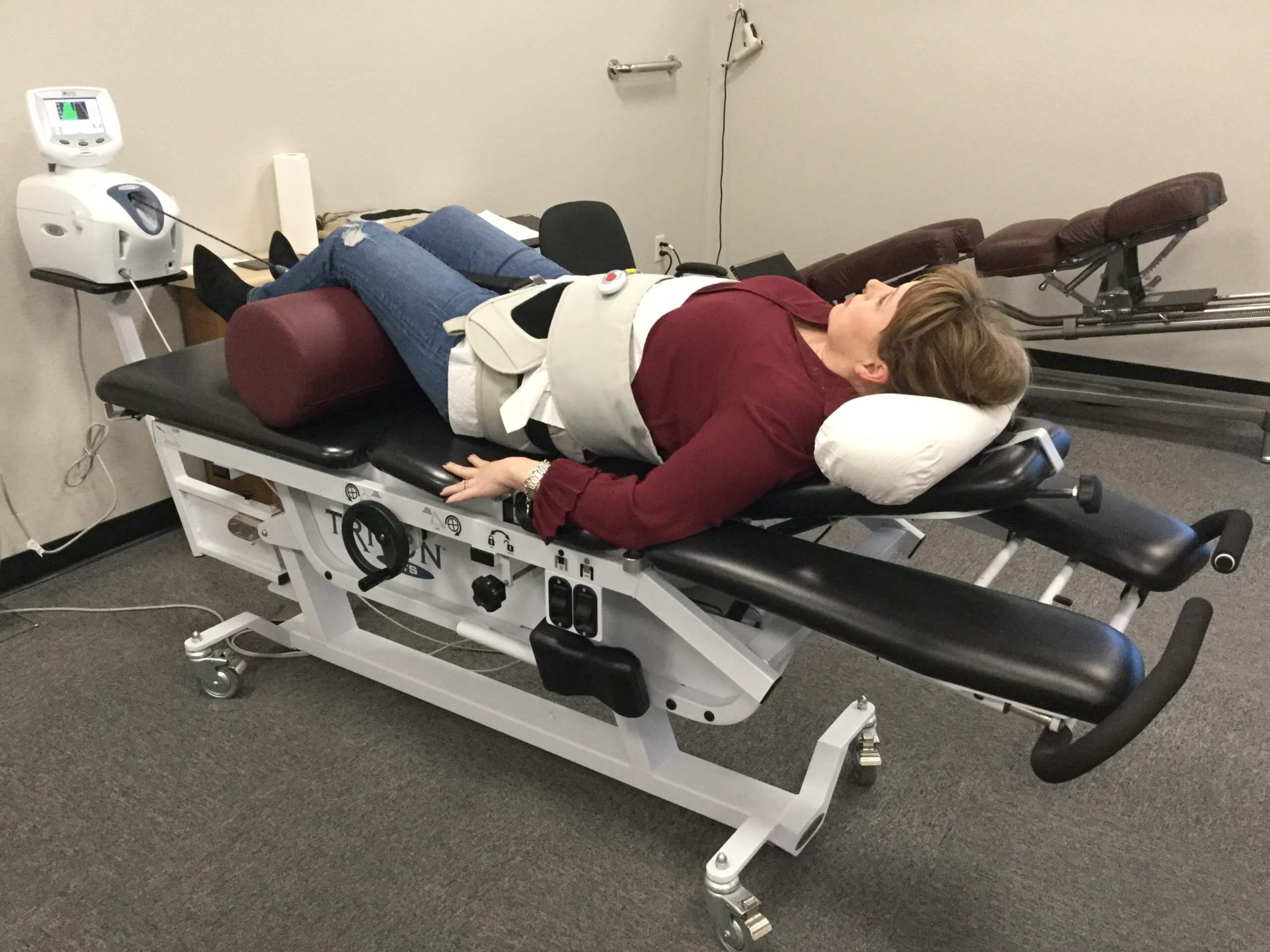
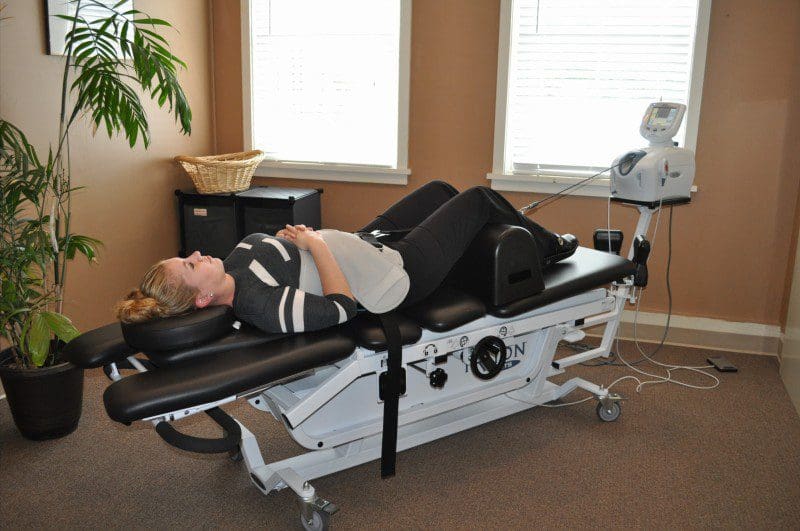
Non-surgical spinal decompression therapy relieves pressure on the sciatic nerve, spine, and surrounding muscles by pulling/stretching them in small increments. The decompression creates negative pressure within the discs that floods the area with an abundance of nutrients to activate and expedite the healing response.
The chiropractic physical therapy team uses motorized medical equipment with sensors linked to a computer-aided system to perform the procedure.
The equipment is designed to adjust the pull force accordingly to prevent muscle resistance.
The adjustable table also allows the spine to be stretched at different angles to target all areas of the back.
Relieves Pressure On The Sciatic Nerve
Decompression stretches the nerve out and increases the space around the impinged and inflamed nerve.
Pain Relief
Decompression relieves tension in tight, spasming, or injured muscles.
Stimulates the nervous system to release the body’s natural pain killers.
Spinal tissue healing from fluids, cells, and other substances that enter the damaged tissue.
Restores Disc and Joint Alignment
Decompression realigns the joints and discs, preventing pain, inflammation, mobility/flexibility problems, and dysfunction.
Encourages Sleep
There are toxins in the body, decompression causes these toxins to be expelled.
This causes exhaustion because the body needs time to adjust after expelling the negative energy.
After a short time, energy levels will return.
The decompression relaxes the entire body which allows for more restful sleep.
DRX9000
References
Kim, Shin Hyung et al. “Risk factors associated with clinical insomnia in chronic low back pain: a retrospective analysis in a university hospital in Korea.” The Korean journal of pain vol. 28,2 (2015): 137-43. doi:10.3344/kjp.2015.28.2.137
Radwan, Ahmed, et al. “Effect of different mattress designs on promoting sleep quality, pain reduction, and spinal alignment in adults with or without back pain; a systematic review of controlled trials.” Sleep health vol. 1,4 (2015): 257-267. doi:10.1016/j.sleh.2015.08.001
Santilli, Valter, et al. “Chiropractic manipulation in the treatment of acute back pain and sciatica with disc protrusion: a randomized, double-blind clinical trial of active and simulated spinal manipulations.” The spine journal: official journal of the North American Spine Society vol. 6,2 (2006): 131-7. doi:10.1016/j.spinee.2005.08.001
The lower half of the body helps provide stability to the upper half of the body. The hips, legs, and feet have sensory and motor functions from the nerves part of the peripheral nervous system. These nerves are connected to the lumbar region of the spine that makes the hips rotate, the feet sense where it is going, and the legs move around freely. One of the nerves connected to the lumbar regions of the spine is the sciatic nerve. The sciatic nerve extends from the spinal cord’s lower lumbar region through the buttock muscle region and travels down to the legs. When unwanted symptoms start to affect the lower half of the body, it can cause the sciatic nerves to become trapped in the buttock muscle region and irritated, causing sciatica to develop. Today’s article will focus on the deep gluteal syndrome, how it affects the sciatic nerve, and how decompression treatments can help relieve trapped sciatic nerves. Referring patients to qualified and skilled providers who specialize in spinal decompression therapy. We guide our patients by referring to our associated medical providers based on their examination when it’s appropriate. We find that education is essential for asking insightful questions to our providers. Dr. Alex Jimenez DC provides this information as an educational service only. Disclaimer
Can my insurance cover it? Yes, it may. If you are uncertain, here is the link to all the insurance providers we cover. If you have any questions or concerns, please call Dr. Jimenez at 915-850-0900.
What Is Deep Gluteal Syndrome?
Do you feel pain in your hips and buttock regions? How about stinging, burning pain that is causing leg pain? Do your buttock muscles gradually begin to feel numbness or spasms throughout the day? If you have been dealing with these symptoms, it could be deep gluteal syndrome. Research studies have defined deep gluteal syndrome as a presence of pain located in the buttock region that causes the surrounding muscles to press on the nerve roots and cause unwanted pain. When a person suffers from an accident like falling and landing on their butt, the muscles feel the effects of that fall and start to compress the sciatic nerve that is traveling down the leg and causes pain to the body’s lower extremities. Other studies have shown that deep gluteal syndrome factors can cause this condition to develop over time due to increased muscle tension that aggravates the sciatic nerve. Other causes of the deep gluteal syndrome can include prolonged sitting. The butt muscles start to pinch the sciatic nerves constantly, the muscles from the buttock start to feel tender to the touch, and abnormalities in the piriformis muscles can lead to the development of sciatica.
How Does It Affect The Sciatic Nerve & Symptoms?
Since deep gluteal syndrome causes muscle tension in the buttock region, it can aggravate the sciatic nerve and causes sciatica-like symptoms in the legs. Research studies have mentioned that deep gluteal syndrome can cause a painful presence in the buttock muscles while trapping the sciatic nerve within the gluteal space, causing the sciatic nerve to become irritated. Since the sciatic nerve is located in the spinal cord and goes all the way to the legs, sciatica is presented whenever the lower half of the body is suffering from factors like herniated discs, piriformis syndrome, and even deep gluteal syndrome.
Some of the symptoms that deep gluteal syndrome causes to the lower regions of the body are sciatica. Since the sciatic nerve is located in the lower back and runs across the butt and down to the legs, it can cause leg pain since the nerves are either trapped by the buttock muscles or irritated due to a compressed disc in the spine. Other symptoms that are caused by deep gluteal syndrome involve:
Muscle tenderness
Tingling sensations traveling down the legs
Pain becomes worse during light to moderate exercises
Muscle aches on the hips, lower back, and buttock
Spinal Decompression With The DRX9000- Video
Do you feel less mobility in your hips? How about the excruciating pain that travels down to your legs? Does it hurt when you walk or sit down for long periods? This could result from deep gluteal syndrome associated with sciatica, and decompression therapy might be the relief you are looking for. The video above explains how the DRX9000 helps relieve herniated discs from aggravating the sciatic nerve. The DRX9000 is part of a wellness treatment known as decompression therapy that incorporates gentle traction on the spinal discs by increasing their height between the spinal joints and promoting a healing factor for those suffering from low back pain issues. Decompression therapy can be in surgical and non-surgical treatments depending on the severity of pain that the spine is in. Incorporating spinal decompression as part of your wellness treatment is beneficial. This link will explainhow decompression offers optimal comfort for many people who suffer from sciatica and deep gluteal syndrome while also getting them back to their health and wellness journey.
How Decompression Can Help Relieve Deep Gluteal Syndrome
With sciatica-like symptoms associated with deep gluteal syndrome affecting the buttock and the legs, many people have turned to find some relief to ease the tense muscles that aggravate the sciatic nerve. Research studies have shown that endoscopic decompression surgery allows the individual to be supine while physicians gently move the piriformis muscle away from the sciatic nerve and relieve the pain. Other decompression treatments can also help lower the sciatic nerve’s inflammation, causing the legs to be under and reducing muscle spasms occurring, as research has found.
Conclusion
Overall, having pain in the lower half of the body is never a good thing. The lower half of the body allows stability for the upper half as the motor functions provide the legs to move around. When an injury starts to affect the lower half, it can cause sciatica-like symptoms associated with the deep gluteal syndrome. These conditions can cause motor dysfunction in the legs and cause a person to become unstable. Treatments like decompression therapy allow the buttock muscles to ease off the sciatic nerve and provide relief to the legs. As part of a person’s wellness journey, decompression treatments will enable the return of leg mobility to the individual without feeling pain around the lower regions of the body.
References
Ham, Dong Hun, et al. “Effectiveness of Endoscopic Sciatic Nerve Decompression for the Treatment of Deep Gluteal Syndrome.” Hip & Pelvis, Korean Hip Society, Mar. 2018, https://www.ncbi.nlm.nih.gov/pmc/articles/PMC5861023/.
Hopayian, Kevork, and James Heathcote. “Deep Gluteal Syndrome: An Overlooked Cause of Sciatica.” The British Journal of General Practice : the Journal of the Royal College of General Practitioners, Royal College of General Practitioners, 26 Sept. 2019, https://www.ncbi.nlm.nih.gov/pmc/articles/PMC6774708/.
Martin, Hal David, et al. “Deep Gluteal Syndrome.” Journal of Hip Preservation Surgery, Oxford University Press, July 2015, https://www.ncbi.nlm.nih.gov/pmc/articles/PMC4718497.
Son, Byung-Chul, et al. “Decompression of the Sciatic Nerve Entrapment Caused by Post-Inflammatory Scarring.” Journal of Korean Neurosurgical Society, The Korean Neurosurgical Society, Feb. 2015, https://www.ncbi.nlm.nih.gov/pmc/articles/PMC4345190/.
Sciatica is a radiculopathy, which is irritation of the nerve as it exits the spine and is typically caused by compression/pinching along the nerve’s path. Most sciatica cases improve within a few weeks of the injury incident. Left untreated, it can become chronic sciatica and can have long-term repercussions and effects. A herniated disc is the most common cause if it bulges next to the nerve; it can pinch off the nerve or leak fluid onto the nerve, causing inflammation, swelling, pain, numbness, and weakness. Another common cause is spinal stenosis. As the body ages, the canal through which the nerve and spinal cord run can begin to narrow, placing pressure on the nerves. Then there are muscle spasms, spinal fractures, and spinal cancer. Anything that changes the curvature of the spine, including pregnancy, can cause sciatica.
Repercussions From Sciatica
The repercussions can vary or be a combination that includes:
Chronic Pain
The pain can be anywhere along the nerve; typically, it travels from the lower spine through the buttocks, down the back of the leg, and into the foot.
The condition can cause various types of pain: Burning, electrical, or shooting pain in the low back.
Symptoms can come and go and may present only when sitting, standing, lying, or engaged in a particular activity.
The severity of the pain can vary from mild to severe, mildly uncomfortable, to limiting function.
Posture Problems
When the body experiences chronic pain in a localized area, the body’s natural reaction is to avoid placing pressure, twisting or bending, or using a specific body part, manipulating healthy posture or walking gait to protect the low back or legs from pain.
This is referred to as muscle/posture guarding, which removes pressure from the site but alters the body’s natural alignment, affecting the spine’s characteristics and causing adverse side effects, like upper back and neck pain, headaches, and fatigue.
Unhealthy and awkward postures can negatively affect digestion, organ function, and breathing.
Loss of Balance
Sciatica commonly causes numbness and tingling in the leg, calf, foot, and toes.
The hidden danger behind numbness; it alters the body’s proprioception or awareness of its position.
When proprioception becomes inhibited or altered, communication signals from the body to the brain/vice versa get jumbled/interrupted, confusing the brain, throwing the body off balance.
Sciatica is more problematic if the pain comes with neurological symptoms like numbness, muscle, or leg weakness.
This means there is an increased level of possible nerve damage if muscular weakness, which requires aggressive treatment.
Declining Reflexes
Depending on where the nerve is compressed, pain and numbness can affect the lower leg area and feet.
Damage to the nerve can cause the inability to flex the foot up.
The knee-jerk reflex, known as the patellar reflex, is the kicking motion of the lower leg when tapped on the patellar tendon.
Sciatica can numb the area, causing a delayed reaction or severe unresponsiveness to stimulation.
Permanent Nerve Damage
If left untreated, neurological symptoms like numbness and leg weakness can progress to permanent nerve damage.
However, this happens rarely but explains the importance of taking the injury seriously so full recovery is achievable.
Non-Surgical Sciatica Relief
References
Berry, James A et al. “A Review of Lumbar Radiculopathy, Diagnosis, and Treatment.” Cureus vol. 11,10 e5934. Oct 17 2019, doi:10.7759/cureus.5934
Davis D, Maini K, Vasudevan A. Sciatica. [Updated 2022 Feb 4]. In: StatPearls [Internet]. Treasure Island (FL): StatPearls Publishing; 2022 Jan-. Available from: https://www.ncbi.nlm.nih.gov/books/NBK507908/
Giuffre BA, Jeanmonod R. Anatomy, Sciatic Nerve. [Updated 2021 Jul 29]. In: StatPearls [Internet]. Treasure Island (FL): StatPearls Publishing; 2022 Jan-. Available from: https://www.ncbi.nlm.nih.gov/books/NBK482431/
Nori, Subhadra L. and Michael F. Stretanski. “Foot Drop.” StatPearls, StatPearls Publishing, Dec 15, 2021.
IFM's Find A Practitioner tool is the largest referral network in Functional Medicine, created to help patients locate Functional Medicine practitioners anywhere in the world. IFM Certified Practitioners are listed first in the search results, given their extensive education in Functional Medicine