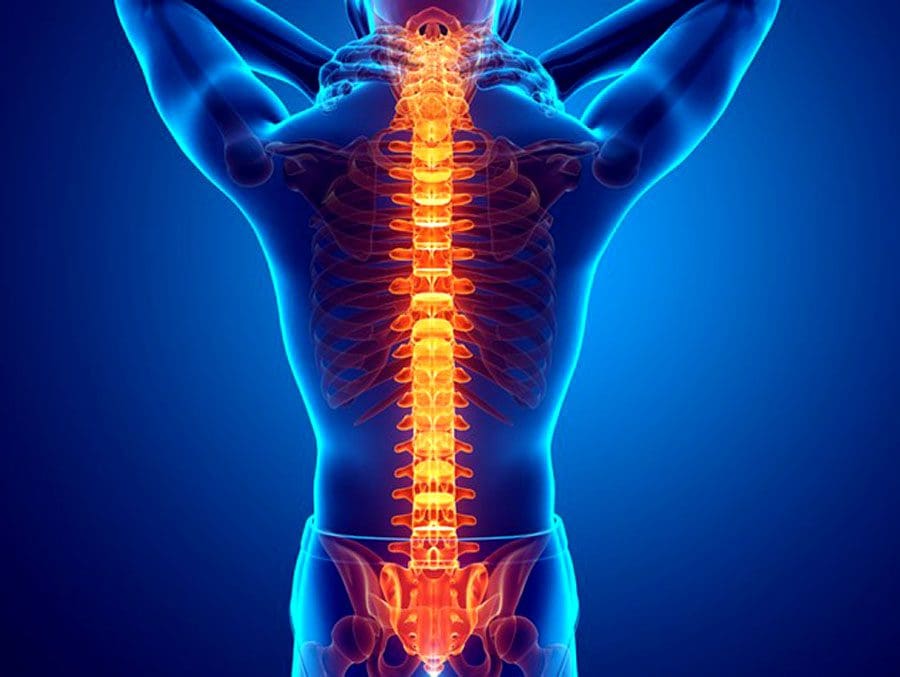
Throughout the entire body, the nerves that start from the brain in the central nervous system and branch out from the spine, allow the user to feel, sense, and move wherever it is going. These nerve roots allow many of us to send the information that we are experiencing to and forth in the brain. These nerves also help with our motor functions such as walking, sitting, standing, and running in any location that we are currently at. When unforeseen circumstances like an injury to the body or accidents that start to affect the nerves, it can cause a variety of issues to occur and dampen the quality of life in a person. Fortunately, there are treatments that can help alleviate nerve injuries and reduce the pain that it is causing in each region of the body. Today’s article will look at spinal nerve injury, its symptoms, and how decompression therapy can help individuals that are suffering from sciatic nerve pain. Referring patients to qualified and skilled providers who specialize in spinal decompression therapy. We guide our patients by referring to our associated medical providers based on their examination when it’s appropriate. We find that education is essential for asking insightful questions to our providers. Dr. Alex Jimenez DC provides this information as an educational service only. Disclaimer
Can my insurance cover it? Yes, it may. If you are uncertain, here is the link to all the insurance providers we cover. If you have any questions or concerns, please call Dr. Jimenez at 915-850-0900.
What Is Sciatic Nerve Injury?
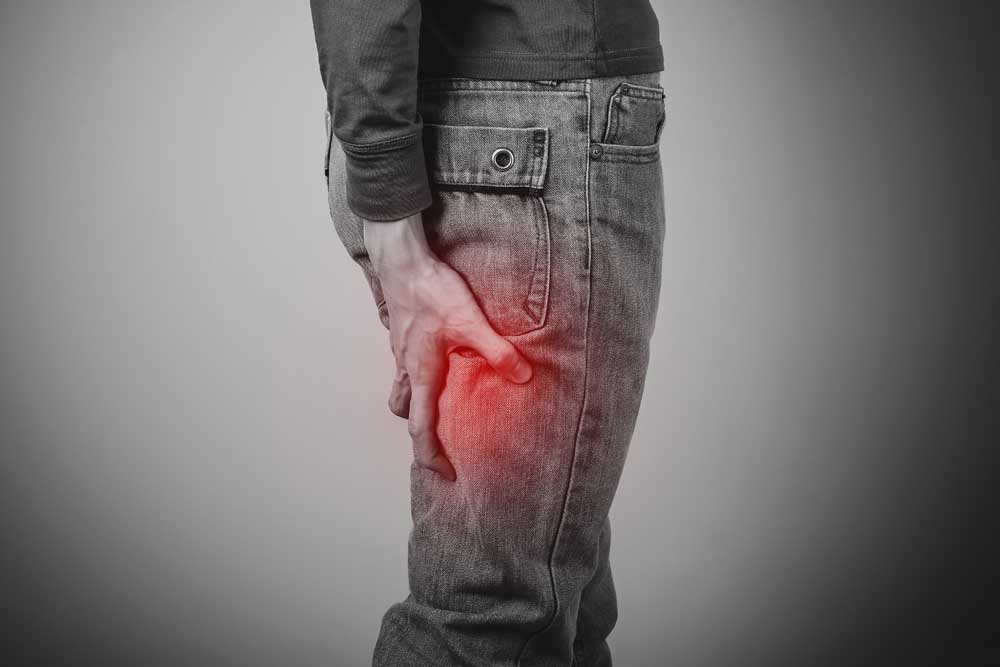
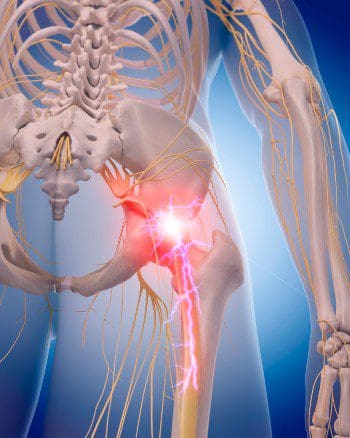
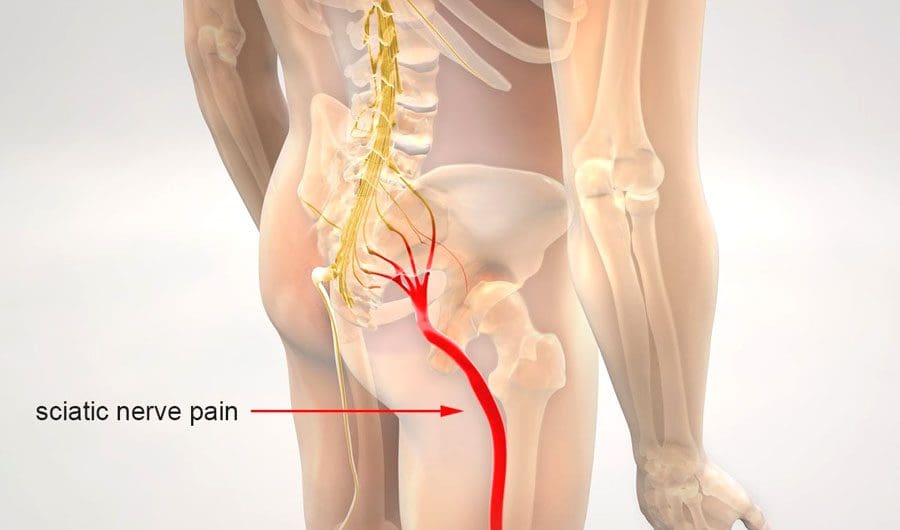
Do you feel a throbbing, radiating pain that travels from the lower back to the back of the leg? Does the back of your leg feel tender to the touch? Or does it hurt to walk or run, even for a short distance? These symptoms are caused by sciatic nerve pain and can be excruciating for many people. As mentioned in research studies, the sciatic nerve in the body is considered the largest nerve that resides in the lower back and travels down the buttock area to the legs. The sciatic nerve is responsible for the motor function of the legs to move around. When the spine succumbs to injury, the compressed discs between the spinal joints crack and herniate out of the spine, aggravating the sciatic nerve by producing pain signals, known as neuropathy, to the brain and radiating down the leg, causing leg pain. Additional studies have found that sciatic neuropathy causes deficits in the sensory and motor function of the legs while also mimicking other neuro- and radiculopathies factors that affect the lower half of the body. When the sciatic nerve root is aggravated on either side of the legs, symptoms like sciatica will develop and cause excruciating pain.
The Symptoms
When the sciatic nerve becomes aggravated, it can lead to sciatica and affect the legs’ motor and sensory functions. Research studies have found that sciatica is often mistaken for any low back or radicular leg pain when the sciatic nerve becomes irritated from a compressed spinal disc. When a person suffers from sciatica, the pain worsens when their bodies do everyday movements, depending on the severity. Additional research has found that symptoms and areas that are affected by sciatic nerve pain can include:
Electric shocking-like pain
A constant dull ache
Muscle weakness in the tighs, legs, and feet muscles
Paresthesia
Come and go discomfort
All is not lost, though, as treatments can help alleviate sciatic nerve pain and can help restore the compressed spinal discs back to their original functioning state.
Causes Of Sciatic Nerve Pain-Video
Have you started to feel radiating pain that travels down your leg? How about the discomfort that comes and goes when you shift your position? Do the muscles from your legs, thighs, and feet starting to feel weak? You might be experiencing sciatic nerve pain, and decompression therapy is the possible answer that you are looking for. The video explains the causes of sciatic nerve pain and how it affects the functionality of the legs. So by adding decompression therapy as part of your treatment, the sciatic nerve pain will be alleviated as the herniated discs return to the spine and take the pressure off the nerve root. Many individuals suffering from sciatic nerve pain will begin to feel relief in their legs when they go in for decompression therapy. Suppose you want to learn more about decompression and how it can benefit you in providing relief from sciatic nerve pain? This link will explainhow decompression offers optimal comfort for sciatic nerve pain.
How Decompression Therapy Can Alleviate Sciatic Nerve Pain
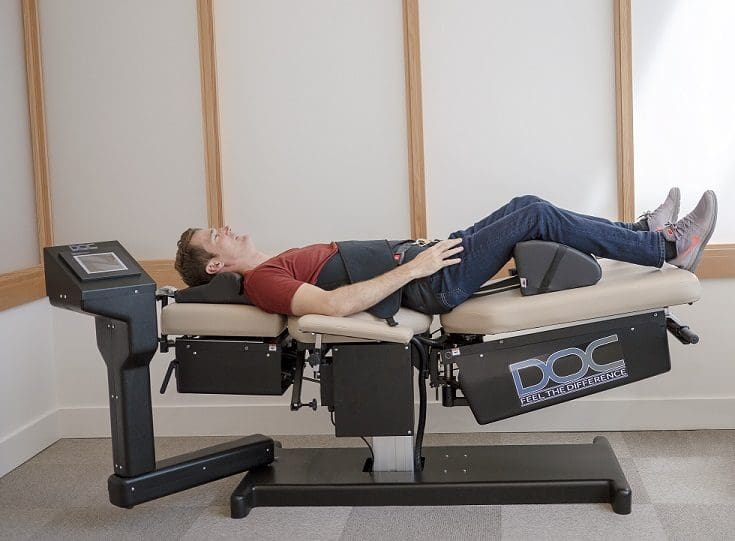
When the sciatic nerve becomes irritated, it can send radiating throbbing pain down from the buttock to the legs. When sciatic nerve pain occurs, treatments like anti-inflammatory medication, physical activities, and chiropractic adjustments can help reduce the pain arising along the sciatic nerve. One of the treatments is spinal decompression. Research has shown that spinal decompression can help take the pressure off the sciatic nerves trapped in the piriformis muscles and relieve the lower half of the body. Decompression therapy uses gentle traction on the spine to pull the compressed spinal discs back into the spine. The pressure from the irritated sciatic nerve is relieved, and the pain signals are diminished.
Conclusion
Overall, the sciatic nerve is the largest in the central nervous system that can become irritated and cause pain in the lower half of the body. This is due to compressed spinal discs pressing on the sciatic nerve that sends throbbing, radiating pain down to the legs. When this happens, treatments like decompression therapy are there to help pull the compressed spinal discs back to the spine gently and relieve the pressure off the sciatic nerve. People that utilize decompression therapy are part of their wellness treatment and will begin to feel relief from leg pain and be able to restore motor function back to the leg muscles.
Feinberg, Joseph, and Shikha Sethi. “Sciatic Neuropathy: Case Report and Discussion of the Literature on Postoperative Sciatic Neuropathy and Sciatic Nerve Tumors.” HSS Journal : the Musculoskeletal Journal of Hospital for Special Surgery, Springer-Verlag, Sept. 2006, https://www.ncbi.nlm.nih.gov/pmc/articles/PMC2488172/.
Guiffre, Brittney A, and Rebecca Jeanmonod. “Anatomy, Sciatic Nerve.” In: StatPearls [Internet]. Treasure Island (FL), StatPearls Publishing, 29 July 2021, https://www.ncbi.nlm.nih.gov/books/NBK482431/.
Son, Byung-Chul, et al. “Decompression of the Sciatic Nerve Entrapment Caused by Post-Inflammatory Scarring.” Journal of Korean Neurosurgical Society, The Korean Neurosurgical Society, Feb. 2015, https://www.ncbi.nlm.nih.gov/pmc/articles/PMC4345190/.
Yeomans, Steven. “Types of Sciatic Nerve Pain.” Spine, Spine-Health, 7 June 2019, https://www.spine-health.com/conditions/sciatica/types-sciatic-nerve-pain.
Food is more than just energy. Diets have a profound effect on everything in an individual’s life. Some foods can help the body heal or interfere with the recovery/healing process from injury/s and/or conditions that include sciatica. Making changes to a diet plays a significant factor in the recovery/rehabilitation phase, and adding certain foods will improve and expedite the healing process. A fully functional sciatic nerve nutrition diet plan must be personalized to each individual’s needs.
Sciatic Nerve Nutrition
Sciatica can cause numbness, tingling, electrical shock-type pain, or a combination in the back, hip, outer side of the leg, and the foot. Clinical nutrition is a powerful tool when combating sciatica. Enzymes in certain foods can help reduce the inflammation associated with sciatica. A high percentage of individuals dealing with sciatica can enhance pain relief by adjusting their diets. Quick recommendations include:
Oily fish like salmon and halibut are rich in omega-three fatty acids that decrease inflammation in the body and the sciatic nerve.
Fresh pineapples and berries are anti-inflammatories that aid in healing and increase immune system function.
2-3 cups of green tea contain antioxidants that help control peripheral sensations and help manage pain.
Turmeric, ginger, and garlic contain anti-inflammatory agents that relieve swelling by reducing levels of inflammation-stimulating enzymes.
B-Vitamins are essential to maintain normal nerve function and can be found in green peas, spinach, navy beans, nuts, and bananas.
Magnesium-rich foods can ensure the body is not deficient and help control muscle spasms.
Sciatica can also be triggered by a poor diet that causes constipation that can place pressure on the nerve. Therefore it is recommended to incorporate fiber-rich foods that include plenty of fruits and vegetables to prevent constipation.
Foods That Make Sciatica Worse
Inflammatory foods to avoid:
Sugar and high-fructose corn syrup.
Trans fats include margarine and any hydrogenated/solidified or partially hydrogenated oils.
Refined vegetable oils – These are vegetable, nut, or seed oils that have been highly processed. Cut down on french fries, chips, or other foods fried in these oils.
Refined carbohydrates – Carbohydrates that have fiber removed increase the growth of inflammatory gut bacteria. These include white flour, refined corn products, white rice, and various commercial cereals and sugars.
Excessive alcohol – Moderate amounts of alcohol can provide health benefits, but higher amounts increase inflammation.
Processed meats – are often processed at high temperatures, creating chemicals/substances associated with inflammation.
Avoid Surgery
References
Davis D, Maini K, Vasudevan A. Sciatica. [Updated 2022 Feb 4]. In: StatPearls [Internet]. Treasure Island (FL): StatPearls Publishing; 2022 Jan-. Available from: https://www.ncbi.nlm.nih.gov/books/NBK507908/
Garfin, SR et al. “Spinal nerve root compression.” Spine vol. 20,16 (1995): 1810-20. doi:10.1097/00007632-199508150-00012
Kumar, M. Epidemiology, pathophysiology and symptomatic treatment of sciatica: A review. nt. J. Pharm. Bio. Arch. 2011, 2.
Safari, Mir Bahram, et al. “Efficacy of a Short-Term Low-Calorie Diet in Overweight and Obese Patients with Chronic Sciatica: A Randomized Controlled Trial.” Journal of alternative and complementary medicine (New York, N.Y.) vol. 26,6 (2020): 508-514. doi:10.1089/acm.2019.0360
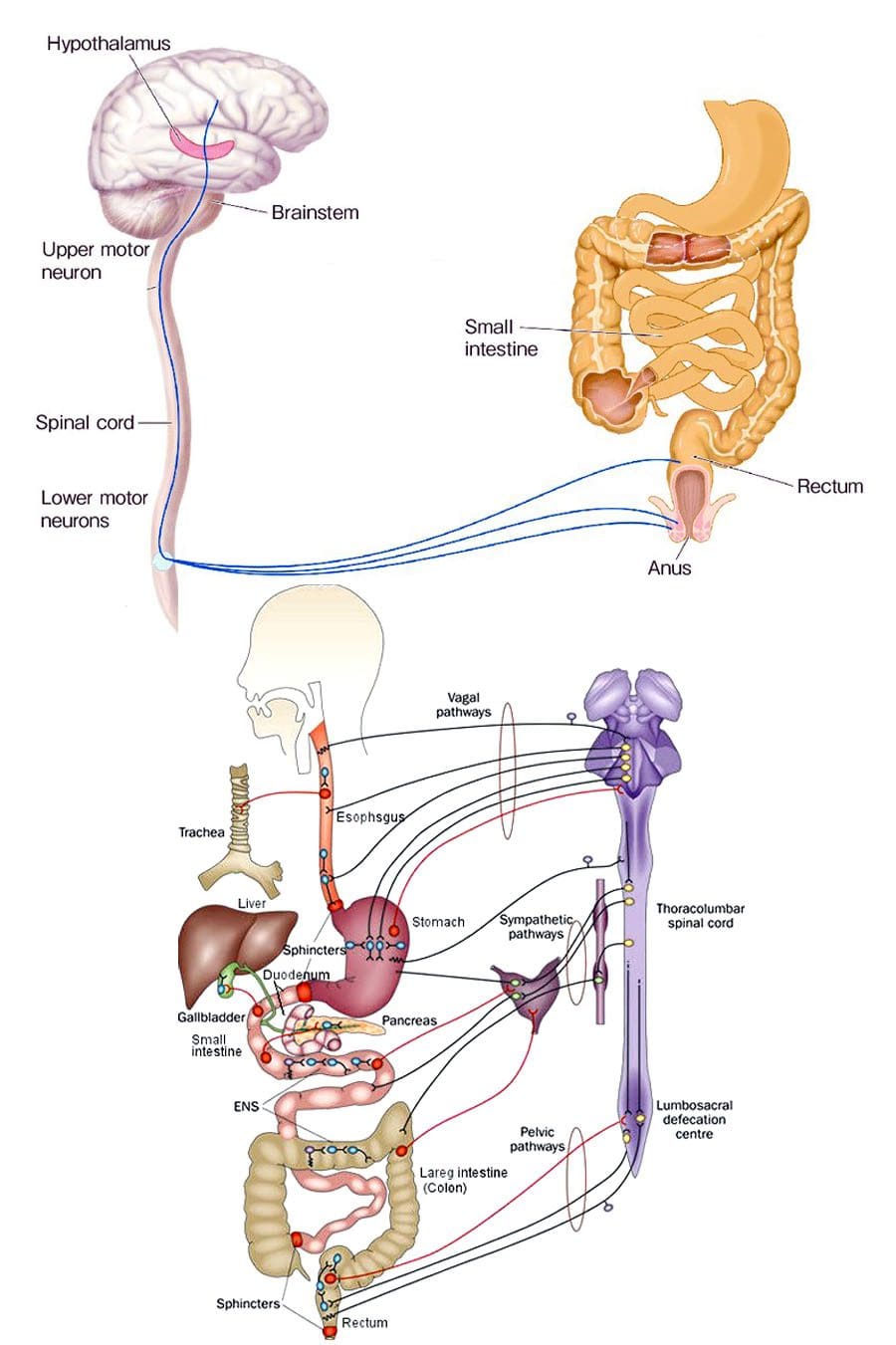
Spinal decompression and Digestion. No one wants to worry about stomach issues. A rich and unhealthy diet can cause digestive issues, stomach pain, and back pain. This can turn into a severe chronic condition; studies have found links between spinal problems and gastrointestinal tract symptoms, which include:
Abdominal pain that radiates.
Constipation.
Difficulty controlling bowel movements.
Diarrhea.
Nausea.
Vomiting.
Chiropractic treats the spine that is essential to the function of the central nervous system, which is responsible for digestion. When the nervous system is not functioning correctly, the other systems begin to malfunction. Chiropractic manual and motorized spinal decompression can help with digestion by releasing trapped gas from joints while improving blood circulation that is natural and non-invasive.
Spinal Decompression and Digestion
Spinal alignment and digestion are closely connected. The nerves in the thoracic and lumbar regions affect digestion. When the spine is out of alignment, it stresses the nerves. Nerves that are pinched or constricted are inhibited/disrupted from sending the proper signals to the digestive system. This can lead to new or worsening digestive problems. Spinal conditions that can cause digestive issues:
Herniated discs
Ankylosing spondylosis
Spinal cord injuries
Tumors
Studies have found that digestive issues, including discomfort, heartburn, and bloating, have decreased with regular chiropractic and spinal decompression and decreased constipation and irregular bowel movements. This comes from chiropractic reactivating the body’s natural ability to heal itself.
Increased Circulation
When the spine gets decompressed, it opens up the spine to circulate fluids throughout the body.
This flushes the lymphatic system, increasing the immune system’s function.
Increasing the circulation also provides additional oxygen and nutrients to the brain, improving signaling, memory, and concentration.
Improved Digestion
Poor posture compresses the abdomen and cramps the space the gastrointestinal tract needs to process food properly.
Decompressing the spine and correcting posture allows room for the muscles to contract, expand, and properly circulate waste.
Bowel Program
Treatment focuses on preventing further injuries and helping improve the individual’s quality of life. A doctor, chiropractor, health coach, or nutritionist can recommend a bowel program to help retrain the body to maintain regular bowel movements. These programs are personalized to the individual’s specific condition that takes into account:
Level of the spine injury or condition
Food and drink intake
Bowel movement pattern
Digestive problems
General health
Individual preferences
A bowel program sets up the timing of food intake, fluid intake, medications, and techniques to help bowel movements. The objective is to prevent spontaneous bowel movements, help pass stools regularly, and empty the rectum daily.
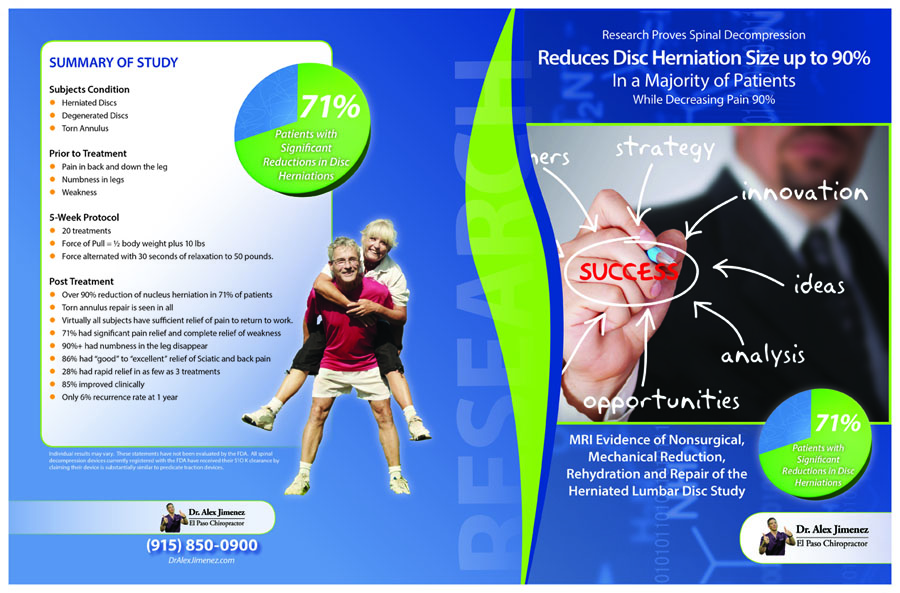
Spinal Decompression Reduced Disc Herniation UP To 90%
DRX9000 Decompression Treatment
References
Browning, Kirsteen N, and R Alberto Travagli. “Central nervous system control of gastrointestinal motility and secretion and modulation of gastrointestinal functions.” Comprehensive Physiology vol. 4,4 (2014): 1339-68. doi:10.1002/cphy.c130055
Holmes, Gregory M, and Emily N Blanke. “Gastrointestinal dysfunction after spinal cord injury.” Experimental neurology vol. 320 (2019): 113009. doi:10.1016/j.expneurol.2019.113009
Kehl, Amy S et al. “Relationship between the gut and the spine: a pilot study of first-degree relatives of patients with ankylosing spondylitis.” RMD open vol. 3,2 e000437. 16 Aug. 2017, doi:10.1136/rmdopen-2017-000437
Lara, Francisco Javier Pérez et al. “Chronic abdominal syndrome due to nervous compression. Study of 100 cases and proposed diagnostic-therapeutic algorithm.” Journal of gastrointestinal surgery: official journal of the Society for Surgery of the Alimentary Tract vol. 19,6 (2015): 1059-71. doi:10.1007/s11605-015-2801-8
Spinal stress can affect nerve health. Neuropathy happens when disease or damage is sustained in the nerves that transmit messages from the brain through the spinal cord to the whole body. The source of the damage can be inside the spine, where a herniated disc could be squeezing the nerves, impeding or completely blocking blood circulation until deterioration begins to disease or damage nerve receptors. Removing the pressure from the spine and reversing the stress on the nerves can be done through manual or motorized spinal decompression.
Spinal Stress and the Nerves
The peripheral nervous system is comprised of three types of nerves that are directly influenced by the central nervous system, each with a distinct function which is why there is a wide range of symptoms associated with neuropathy. The types of nerves include:
Sensory nerves receive sensations from the skin like heat, cold, pleasure, and pain.
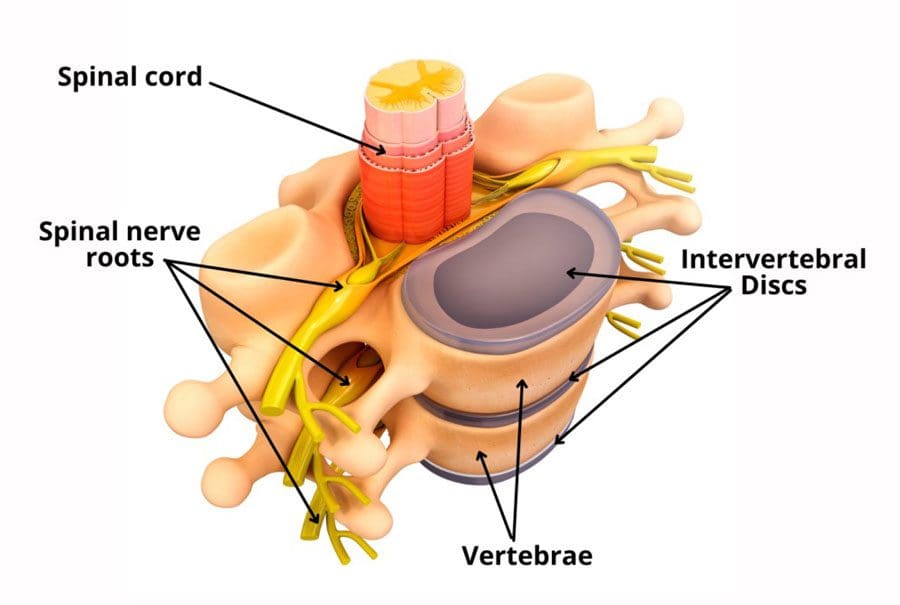
Spinal nerves contain sensory and motor fibers giving them sensory and motor functions. The spinal nerves receive sensory messages from the skin, internal organs, and bones. Any disruption from a bent, crushed, or entangled nerve group will not allow proper blood circulation and message transmission, causing delayed responses, tingling, numbness, and pain. If left untreated, it could cause permanent damage that can lead to chronic pain. Decompression therapy accelerates healing as it floods the spine with blood, oxygen, and nutrients.
Peripheral nerves originate from the spinal cord and extend a network of lines throughout the body called dermatomes. Injury to one dermatome can radiate/spread out to other dermatomes and the peripheral areas like the hands and feet. Once communication with the brain is compromised, results can lead to sensations like numbness and severe pain. Several factors can result in peripheral neuropathy, including:
Gordon, Tessa. “Peripheral Nerve Regeneration and Muscle Reinnervation.” International journal of molecular sciences vol. 21,22 8652. 17 Nov. 2020, doi:10.3390/ijms21228652
Menorca, Ron M G et al. “Nerve physiology: mechanisms of injury and recovery.” Hand clinics vol. 29,3 (2013): 317-30. doi:10.1016/j.hcl.2013.04.002
Wang, Mark L et al. “Peripheral nerve injury, scarring, and recovery.” Connective tissue research vol. 60,1 (2019): 3-9. doi:10.1080/03008207.2018.1489381
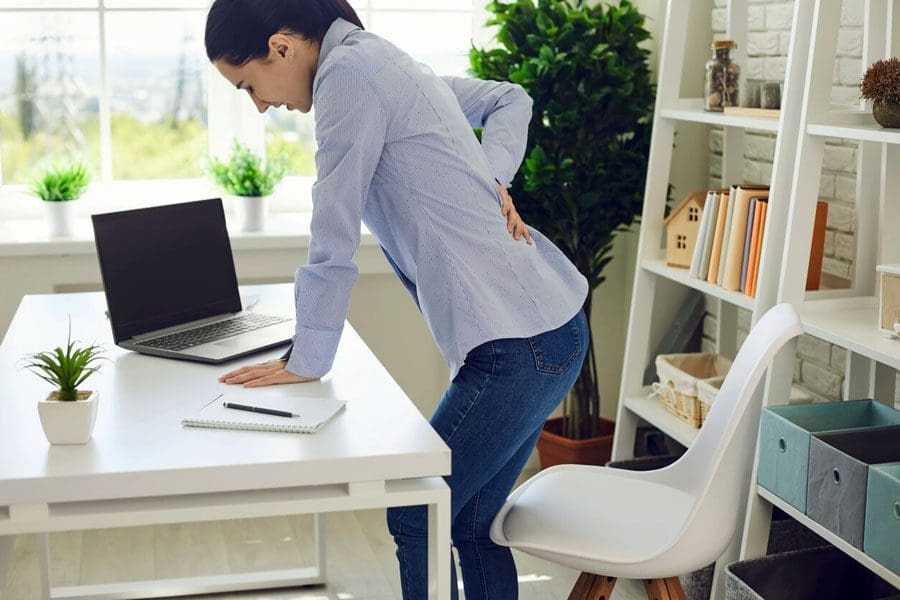
Sciatica is experienced as lower back pain and pain that radiates down the back of the legs. It is pain caused by compression, irritation, or inflammation of the sciatic nerve. It is generally experienced on one side of the body. Body movements like twisting, bending, sitting, or responses like coughing and sneezing can worsen the pain. Individuals with sciatica also experience muscle weakness, numbness, tingling, or electrical shock-like sensations. Injury Medical Chiropractic and Functional Medicine Clinic offer manual and motorized sciatic nerve decompression to stretch/realign the spine, release the compressed nerves, and relieve pain.
Sciatic Nerve Decompression
The spine consists of 23 spinal discs that are shock absorbers for the body during movement. Each disc consists of a soft inner core of a gel substance and a thick outer layer. Wear and tear of the spinal discs from aging, degenerative disc disease, repetitive physical activities like lifting and bending, obesity, and poor posture are some of the factors that can stress the spine, causing the thick outer layer of the spinal disc to crack/breakdown causing the soft inner core to leak out forming a bulging or herniated disc. This type of injury compresses, pinches, or irritates one or more nerve roots that form the sciatic nerve, triggering sciatica.
Spinal stenosis or the narrowing of the spinal canal.
Spondylolisthesis, or the slipping or dislocation of the spinal vertebrae in the lower part of the spine.
Are also known sciatica causes.
Symptoms
Common compressed nerve symptoms include:
Pain or burning sensations radiating down the leg.
Because branches of the sciatic nerve extend from the lumbar spine through the buttocks and down the leg, pain, burning sensations or dull aching can present along the nerve’s pathway if the nerve gets compressed or irritated.
Weakness in the affected leg.
When walking or moving the legs, the nerves transmit information to the brain, stimulating the muscles to react in specific ways.
A pinched sciatic nerve can cause interference with relaying signals, resulting in weakness.
Numbness.
The compression impedes blood circulation and nerve energy transmission.
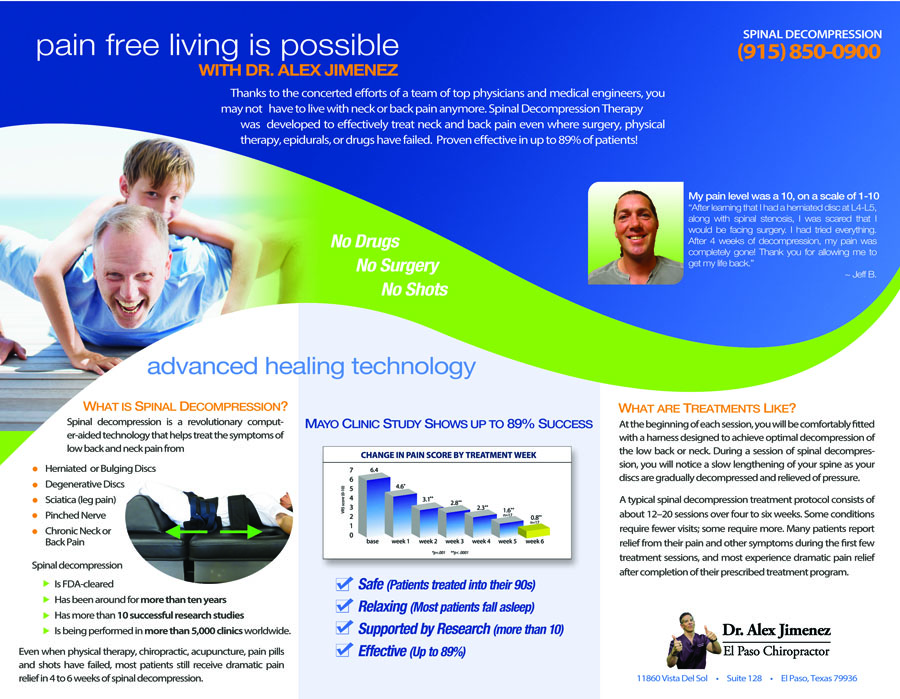
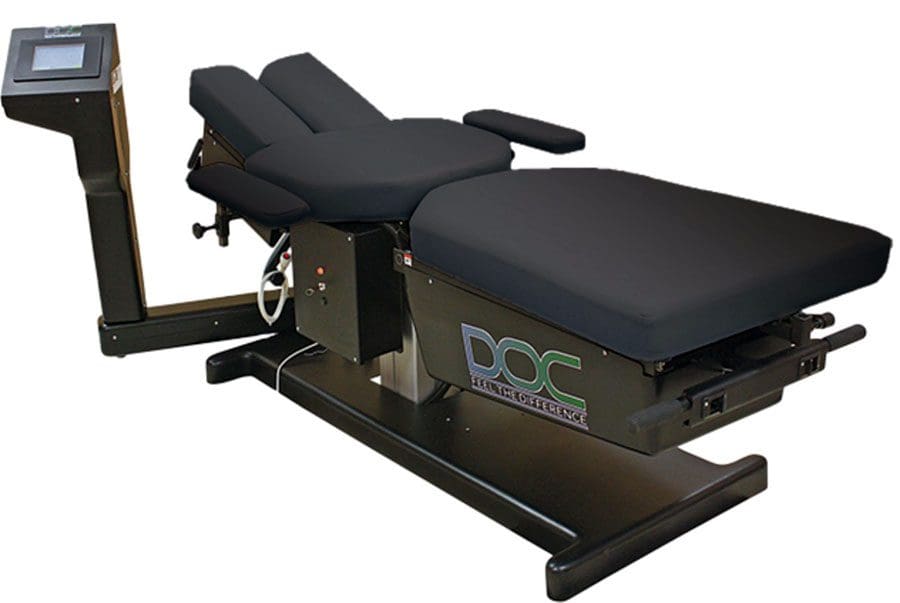
Spinal decompression therapy relieves pressure on the spine by pulling/stretching it in small increments. Non-surgical spinal decompression creates negative pressure within the discs. The negative pressure pulls or vacuums back the disc material that has protruded or herniated and an abundance of nutrients to activate the healing response. The chiropractor, physical therapist, or nurse uses motorized medical equipment with sensors linked to a computer-aided system to perform the procedure. The equipment is designed to adjust the pull force accordingly to prevent muscle resistance. The adjustable table also allows the spine to be stretched at different angles to target the upper or lower back.
The objective of spinal decompression treatment is to relieve the symptoms of sciatica or disc disorders and heal the injured disc. We utilize spinal decompression as an effective tool in treating a vast array of spinal conditions.
DRX9000 Non-Surgical Spinal Decompression
References
Berry, James A et al. “A Review of Lumbar Radiculopathy, Diagnosis, and Treatment.” Cureus vol. 11,10 e5934. 17 Oct. 2019, doi:10.7759/cureus.5934
Davis D, Maini K, Vasudevan A. Sciatica. [Updated 2022 Feb 4]. In: StatPearls [Internet]. Treasure Island (FL): StatPearls Publishing; 2022 Jan-. Available from: https://www.ncbi.nlm.nih.gov/books/NBK507908/
Giuffre BA, Jeanmonod R. Anatomy, Sciatic Nerve. [Updated 2021 Jul 29]. In: StatPearls [Internet]. Treasure Island (FL): StatPearls Publishing; 2022 Jan-. Available from: https://www.ncbi.nlm.nih.gov/books/NBK482431/
National Institutes of Health. (2019.) “Sciatica.” https://medlineplus.gov/sciatica.html
Neuroregenerationcould become an option for spinal cord injury treatments in the future. A spinal cord injury or SCI is when there is damage to the bundle of nerves and cells that send and receive signals from the brain and body. A spinal cord injury can be caused by direct trauma/injury to the cord or damage to the tissue and vertebrae. The damage can result in temporary or permanent changes in:
Sensation
Movement
Strength
Body function/s below the injury site.
There are incomplete and complete injuries. Injuries that cause limited or no cell death can achieve a full recovery. Injuries that are more serious and/or are higher on the spinal cord can cause permanent damage and/or paralysis. Automobile crashes, accidents, and serious falls are the most common causes of spinal cord injuries.
An incomplete injury means the cord can still transmit messages, but there is interference/disturbance.
A complete injury means communication and motor function/voluntary body movement is not transmitting.
Symptoms
Symptoms of a spinal cord injury include:
Unnatural or awkward positioning of the spine or head.
Pain or pressure in the head, neck, or back.
Numbness
Tingling
Loss of or changes in sensation in the hands and feet.
Problems with walking.
Weakness or inability to move parts of the body.
Loss of movement.
Paralysis can occur immediately or develop over time as swelling and bleeding affect the cord.
Loss of bladder and bowel control.
Changes in sexual function.
Difficulty breathing.
SCI Damage Control
A spinal cord injury affects the central nervous system, the body’s central headquarters. Damage can cause complications through what’s called the secondary injury cascade, which is a series of chemical reactions the body activates to help the situation. However, if the chemical response does not stop and stays active, it can worsen the injury. The body recognizes that an emergency has occurred and tries to go into a shut-down mode that kills off some of the cells in the central nervous system. When a spinal injury happens, treatment focuses on stopping the damage as quickly as possible to stop the injury cascade and prevent as much cell death as possible. This act is called neuropreservation, meaning that the team is trying to preserve and save as many nerve cells as possible.
Injury Neuroregeneration Treatment Studies
While current treatment primarily focuses on stopping as much damage as possible then going through physical therapies to maintain spinal alignment and rehabilitate the body, the future of injury treatment is looking towards regrowing and repairing the damaged nerve cells through a process known as neuroregeneration. Repairing nerves that have been damaged could change life for many. Neuroregeneration Treatments being studied include:
Surgery
A study in The Lancet Neurology presents how getting surgery as soon as possible after an injury can provide significant benefits.
The findings could change all of the guidelines for spinal cord injury.
Medication
A study on Riluzole, a medication that has shown promise to slow down nerve cell damage.
A team completed a randomized controlled trial for the medication; soon, the final results will be available.
Scientists are studying ways to grow new nerve cells from an individual’s stem cells without the need for embryonic stem cells.
Specialized stem cells could also be used to help other nerve cells regenerate.
Electrical stimulation
Another approach is using electrical stimulation to restore function in the spinal cord.
Therapy that could help a paralyzed individual walk again.
The Future of Neuroregeneration
Aside from early surgery intervention, most neuroregenerative treatments are not ready or accessible yet. There’s still much more research before it can become a mainstream treatment option. Treatment that involves regenerating nerve cells will take longer than a treatment designed to protect nerve cells. However, more clinical trials are expected to be done in the next few years, with stem cell therapies taking the longest. Some of these therapies could be ready to be used on actual patients in 5-10 years.
Body Composition
The Importance of Measuring Body Composition
Most diet and fitness programs focus on weight loss or gain. However, they tend to overlook that individuals have completely different body compositions. Body composition describes the amount of:
Fat
Bone
Water
Muscle
In the body.
Measuring body composition can tell a body’s unique makeup and help identify areas to work on to improve overall health and wellness. Body composition analysis provides a snapshot of an individual’s health/fitness levels to help achieve health goals from the inside out.
References
Aguilar, Juan et al. “Spinal cord injury immediately changes the state of the brain.” The Journal of neuroscience: the Official Journal of the Society for Neuroscience vol. 30,22 (2010): 7528-37. doi:10.1523/JNEUROSCI.0379-10.2010
Badhiwala, Jetan H; Wilson, Jefferson R; Witiw, Christopher D; et al. (February 2021). The Lancet Neurology Vol. 20, No. 2, P. 117. The Influence of Timing of Surgical Decompression for Acute Spinal Cord Injury: A Pooled Analysis of Individual Patient Data. DOI: 10.1016/S1474-4422(20)30406-3
Chari, Aswin et al. “Surgical Neurostimulation for Spinal Cord Injury.” Brain sciences vol. 7,2 18. 10 Feb. 2017, doi:10.3390/brainsci7020018
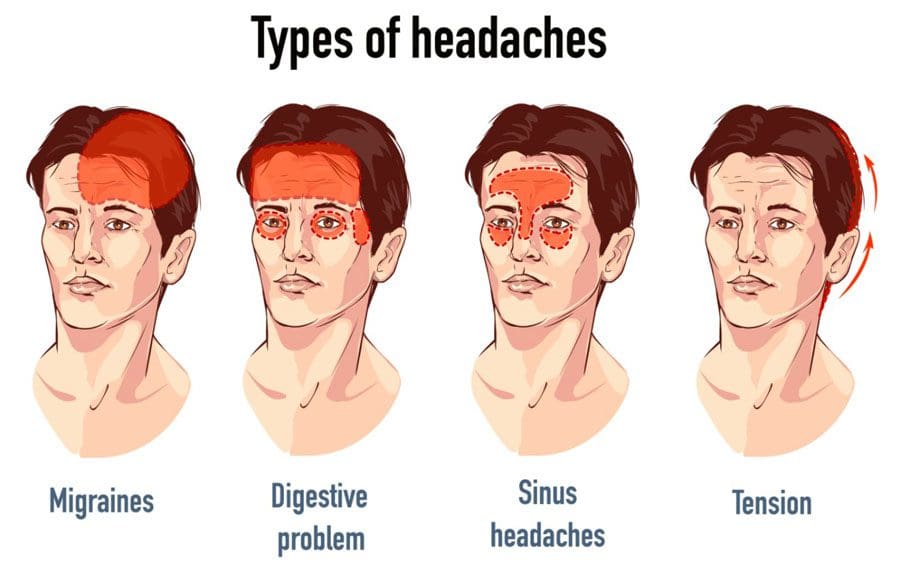
The most common form of pain is the headache. Whether dealing with a mild, dull ache, severe throbbing, or painful tension along the scalp and neck, headaches can disrupt and get in the way of everyday life. Over-the-counter pain medications can offer temporary relief, but they don’t get to the root and solve the cause. Chiropractic is a safe and effective treatment option that will bring head pain relief and treat what is causing the headache/s.
Triggers
Individuals engage in more sedentary activities, and more hours spent in one fixed position combined with poor posture can increase joint irritation and muscle tension in the neck, upper back, and scalp. Headaches can have a variety of causes or triggers. These can include:
Stress is the most common trigger
Muscle tension
Insomnia
Environmental stimuli – noises, lights, smells
Dehydration
Weather changes
Foods
Blood sugar changes
Excessive exercise
Most Common Types
There are two main categories: primary and secondary headaches.
Primary headaches
Primary headaches are when the headache itself is the main problem and is not a symptom of underlying diseases or conditions. These include:
Headache pain comes from interacting signals in the brain, blood vessels, and nerves. A mechanism activates specific nerves that affect the muscles and blood vessels, sending pain signals back to the brain. If any of the following is occurring it is recommended to contact a doctor, headache specialist, or chiropractor.
Three or more headaches a week.
Headaches that get worse or don’t go away.
Having to take a pain reliever every day or almost every day.
Need more than 2-3 doses of over-the-counter medications a week to relieve symptoms.
Headaches triggered by strenuous activity, hard work/exertion, bending, coughing.
What time of day/night the headache usually occurs?
How long does the headache last?
Where the pain is located?
Type of pain – throbbing, comes and goes, dull aching, one-sided, etc.
Does the headache come on suddenly without warning or slowly progress?
Are there other symptoms like weakness, nausea, sensitivity to light or noise, decreased appetite, changes in attitude or behavior?
Chiropractic
A chiropractor will assess, diagnose, conduct a physical examination to determine the cause and develop a personalized treatment plan to alleviate the pain and help to manage and prevent headaches. Treatment approaches include:
A combination of chiropractic manipulative therapy.
Activate trigger points to release tension and allow for optimal nerve and blood circulation.
Active and passive exercises.
Massage.
Health coaching.
Body Composition
Water
Most of the body is made up of water with the percentage of body composition that is water changing based on individual functional needs. Essential functions of water include:
Help to build/repair almost every cell in the body.
Regulating body temperature through sweating and respiration.
Energy from carbohydrates and proteins is transported by water through the blood.
Assists in the removal of metabolic waste through urination.
Acts as a shock absorber to protect the brain and spinal cord.
Creates saliva/fluids to lubricate the joints.
The amount of water in the body depends on various factors that include:
The most common water comes from lean body mass. This includes blood, organs, and muscle. Major body organs’ water content:
Lungs – 83%
Muscles and kidneys – 79%
Brain and heart – 73%
Skin – 64%
Bones – 31%
References
Bryans, Roland et al. “Evidence-based guidelines for the chiropractic treatment of adults with headache.” Journal of manipulative and physiological therapeutics vol. 34,5 (2011): 274-89. doi:10.1016/j.jmpt.2011.04.008
Tyagi, Alok. “New daily persistent headache.” Annals of Indian Academy of Neurology vol. 15,Suppl 1 (2012): S62-5. doi:10.4103/0972-2327.100011
IFM's Find A Practitioner tool is the largest referral network in Functional Medicine, created to help patients locate Functional Medicine practitioners anywhere in the world. IFM Certified Practitioners are listed first in the search results, given their extensive education in Functional Medicine